10 European Discoveries for 2026

Looking for something a little different in your 2026 travels?

As Europe continues to struggle with “overtourism,” the best advice for avoiding crowds… is to visit places that don’t have them. That’s the spirit behind my European Discoveries (which I’ve been sharing each January, dating back to 2018). You could also call them “Alternatives” to some of Europe’s biggest-name destinations: towns, cities, and neighborhoods to help you discover a more authentic slice of Europe.

To be clear: These are not “trendy” or “hot” destinations for 2026. Quite the contrary! These are wonderful places that are (for now, at least) flying under most travelers’ radar. As more and more visitors are heading to the same predictable places, these 10 Discoveries (and so many more) are a reminder that there’s always more to experience in Europe.


Kinsale, Ireland
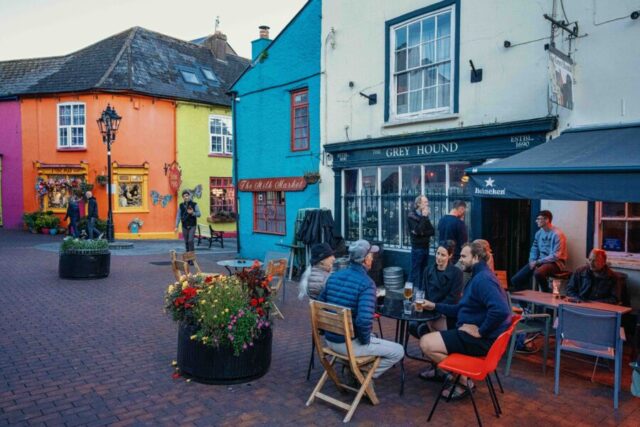
Ireland specializes in tidy towns. (In fact, they have a contest!) And perhaps the tidiest is colorful Kinsale, tucked on the southern coast, overshadowed by big, busy Cork.

Overlooking its charming harbor, Kinsale remains mellow and sweet. It’s just the right size: manageable and village-like, but with enough great restaurants, trendy boutiques, and Guinness-and-trad-music-fueled pubs to keep you plenty busy. Scattered around Kinsale are benches situated just so, perfectly positioned to savor the small-town charm.

Kinsale is so low-key and unassuming, it’s easy to miss its epic history: The Lusitania was famously torpedoed just offshore in 1915; the Titanic set sail from Cobh, just around the headland; and the town is still protected by a vast and imposing 17th-century fortress with ramparts and turrets you’re welcome to prowl. With so much history, thank goodness Kinsale also comes with a wonderful daily town walk (offered by tour guide Barry Moloney) to pull it all together.

Visitors often zip right past on their way to trendy (and touristy) Dingle. But that’s a shame; for small-town Irish charm, Kinsale is hard to beat.

Cádiz, Spain
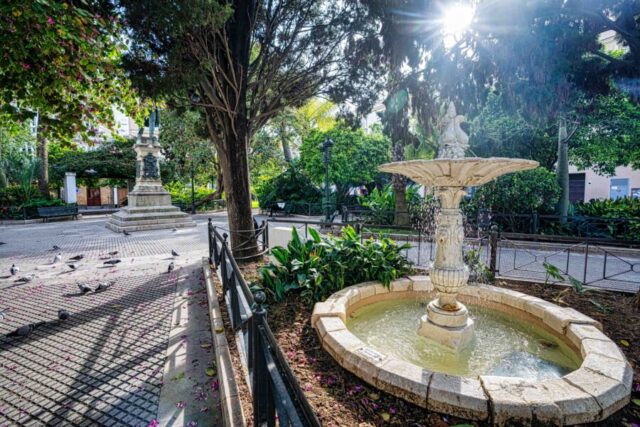
Deeply lost in Cádiz’s claustrophobic lanes of towering townhouses, where neighbors stand on doorsteps to chat and joke, I kept having deja vu for Naples — with its similarly convivial warren of lived-in lanes.

Among Spaniards, Cádiz is known for having its own strong personality; for its impenetrable local accent; and for producing more than its share of comedians. Among travelers, it’s mostly known as a cruise port — a place to leave on excursions into Andalucía. The city is overshadowed by its historic rivals — Sevilla, Granada, Córdoba — and by the beaches of the Costa del Sol.

All of this makes Cádiz a particularly wonderful discovery: This city plays “second fiddle” to nobody; it’s simply its own wonderful place.

Originally founded by the Phoenicians, Cádiz is often billed as the oldest continuously inhabited city in Western Europe. Its historic quarters are layered with artifacts, from a recently uncovered Roman amphitheater, to its crumbling cathedral (built at a time when Cádiz was Spain’s primary trade port and tether to the New World), to Napoleonic cannons seized after a failed siege and used as curb protectors. Cádiz gives historians goosebumps.

It’s also purely enjoyable. Endless paseo-and-shopping streets — lined by genteel captains’ mansions — burrow through the historic center. Flamenco clubs and sherry pubs invite you in for a spell, as do lush parks and colorful seafront promenades. Long, languid beaches stretch for miles along the causeway that tethers Cádiz to the rest of Spain.
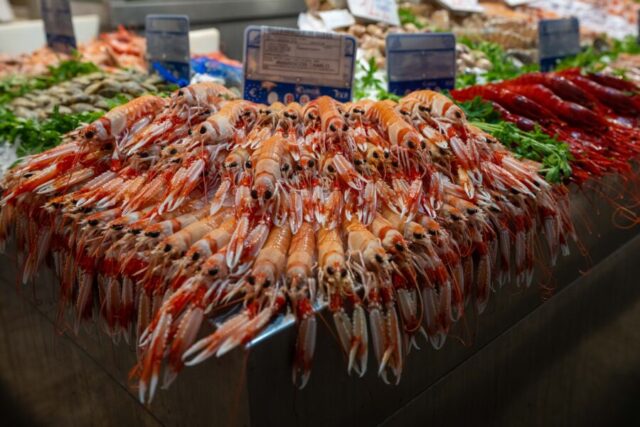
But where you really feel the heart and soul of Cádiz is its central fish market. Ringed by a variety of enticing food stalls, the main hall — like a temple to the sea — is filled with the day’s catch. On one table are the little shells that the Phoenicians used to create a distinctive red-purple dye, still associated with royalty. On another are oysters, just like the ones whose compressed shells created an “oyster stone” that much of the city is built of. And all around you bustle the Gaditanos — doing their shopping, socializing in their distinctive dialect, and enjoying their special city.

Ålesund, Norway
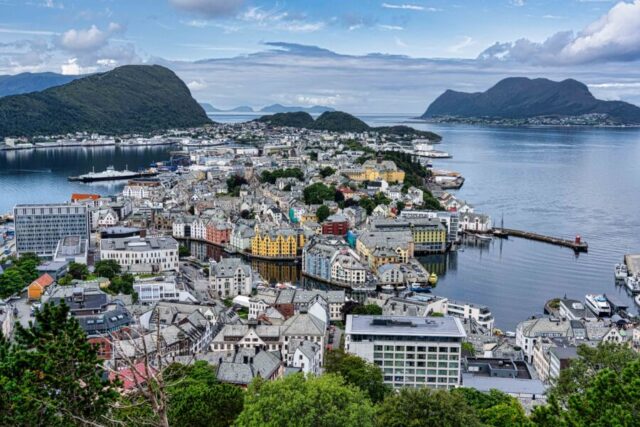
Imagine a Technicolor townscape, draped over countless islands, islets, and rocks, hemmed in by towering mountains, with the North Sea on the horizon. As you summit a stony hill that rockets up from the main shopping street, this city opens up like something out of a fantasy novel… a mirage of serene Norwegian beauty.

Ålesund (OH-leh-soont) is no mirage. The brick-and-stone city perches on the rugged west coast of Norway, just north of most tourists’ itineraries. Burned to the ground in 1904, Ålesund was rebuilt in eye-pleasing Art Nouveau — giving it a wonderful architectural cohesiveness, fitting for its idyllic setting.

A stroll around the harbor passes both grand turn-of-the-century warehouses (now fancy hotels and restaurants) and hardworking shiplap sheds, and around each bend, that eye-popping setting takes your breath away.

Beyond its own charms, Ålesund is the natural jumping-off-point for world-class scenic wonders. Within a couple of hours’ drive, you can conquer the famously twisty Trollstigen road or make your way to a rustic cabin on the tranquil shores of the grand and unspoiled Geirangerfjord.
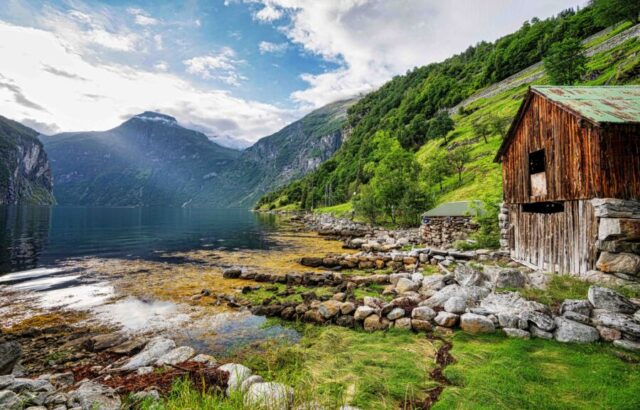
Sitting in my Ålesund hotel room, overlooking the fjord, I kept hearing the Splash! [giggle] … Splash! [giggle]… Splash! [giggle] of people running from the sauna to leap direct into those icy-cold-in-August waters. Few places have a more harmonious melding of nature and urbanity.

Palace District, Budapest, Hungary
When you have the joy of visiting the same city again and again, over a long period of time, it’s rewarding to watch a neighborhood gradually blossom and come into its own. And before returning to Budapest in 2025, several of my Hungarian friends reminded me to check out the up-and-coming Palace District.

The streets surrounding the Hungarian National Museum are home to many aristocratic palaces — and, increasingly, creative restaurants, bars, and shops (including Tasting Table, a well-curated wine shop).

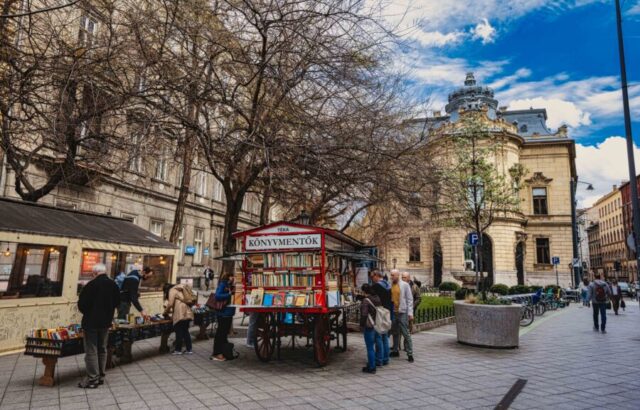
Going for a stroll, I found my way to the atmospheric, ivy-covered courtyard of the Chamber of Hungarian Architects, enlivened by an open-air tapas bar. A half-block father, I popped out into Szabó Ervin Square — with an oh-so-European bookseller kiosk, lively café tables, and a distinctly Parisian ambience.

Facing that square is the Palace District’s (and, perhaps, Budapest’s) most delightful discovery: The flatiron-style Ervin Szabó Library bustles with students and other locals; you’d never know that, for a modest entry fee, you can ride the elevator to the fourth floor to discover a stunning series of opulent Neo-Baroque rooms where students huddle over their laptops. (Shhhh!) Once the lavish apartments of a wealthy family, today the former ballroom, dining room, boudoir, and smoking lounge are retrofitted with long study tables. Massive chandeliers, gilded curlicues, and frilly old stoves retain a golden age elegance. Highlights are the glittering hall-of-mirrors ballroom, which could host parties for up to 500 guests; and the homey smoking lounge, with its wood paneling and double spiral staircases.
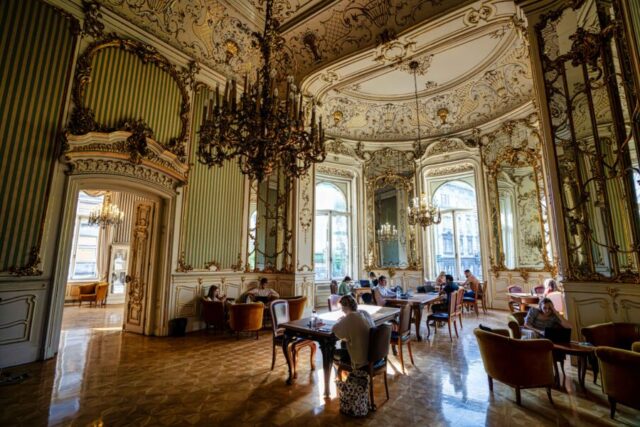
Hidden gems like this library abound in Budapest — a magnificent city that’s uniquely adept at melding the past and the present. And the Palace District is a prime example of an untouristy corner of a great city that rewards exploration.

Padua, Italy
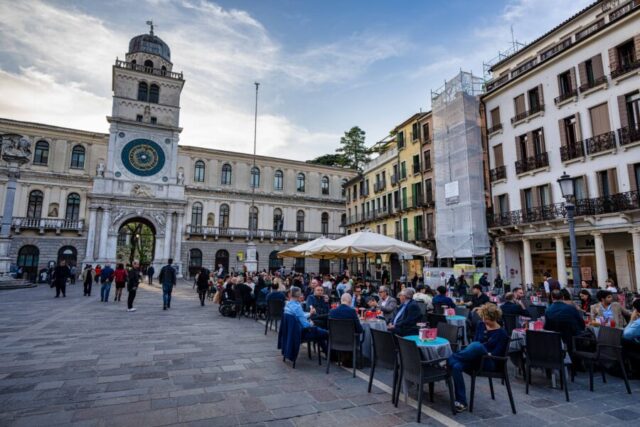
Yes, Italy is crowded. But it also has a remarkably deep bench; it’s easy to find rewarding, relatively untrampled alternatives just as good as the biggies. And Padua (or Padova, as locals call it) is exhibit A.

Just a 15-minute express train ride from the throngs of Venice, Padua is famous for its historic university; for its rebellious spirit (as a crucible of what became the Risorgimento); for its artistic treasures (the lavishly Giotto-illustrated Scrovegni Chapel); for its religious importance (as the adopted hometown of St. Anthony, now honored by a massive basilica); and for its thriving food scene, including perhaps the grandest market hall in Italy.

While there’s plenty of rewarding sightseeing, perhaps Padua’s greatest draw is simply its take-your-time ambience: just-right piazzas packed with chattering students, whiling away their evenings at al fresco cafés, nursing budget drinks. In a town full of young locals eager to practice their English, it’s exceptionally easy to connect.

One evening, just as the sky was turning pink, I came to the main square — facing that grand market hall — and lined up at La Folperia, a ramshackle stand selling plates of chopped-up squid, octopus, and other sea creatures, all smothered in a delicious garlic-and-olive-oil sauce… plus some rustic bread for sopping up the juices. That, along with an aperitivo from the neighboring Bar dei Osei, bought me an unforgettable meal in a magnificent setting for budget prices.

Freiburg, Germany
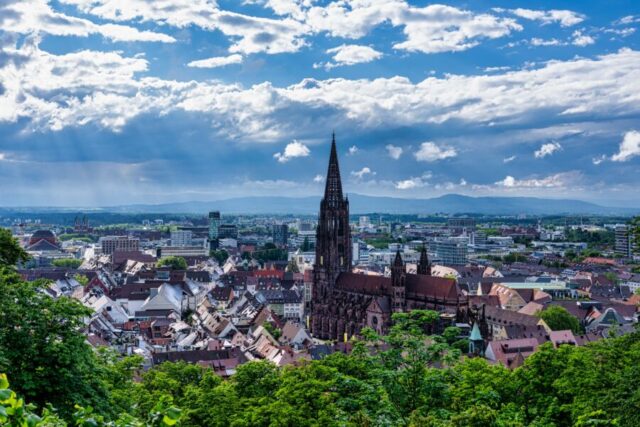
Germany abounds with beautiful, interesting small cities, each with its own personality and claims to fame. My sentimental favorite is Freiburg, tucked in the Black Forest at the country’s southwest corner. I have a soft spot for Freiburg: One of the professors who taught me German came from here (so I probably have a slight Freiburger accent), and it was also the first place I ever set foot in Germany (on a side-trip from nearby Basel, Switzerland).

Returning recently after many years, I found Freiburg even more delightful than I’d remembered — and not just because of sentimentality. This pristine mid-sized university city abounds with half-timbered charm and an outstanding food and nightlife scene (including far more than its share of Michelin stars). It’s cuddled up cozily against forested hills, easily conquered on a gentle hike (or quick ride on an elevator or lift) to an outrageously scenic beer garden. The city spins around the massive, pointy, soaring tower of its centerpiece red-sandstone Münster (cathedral).
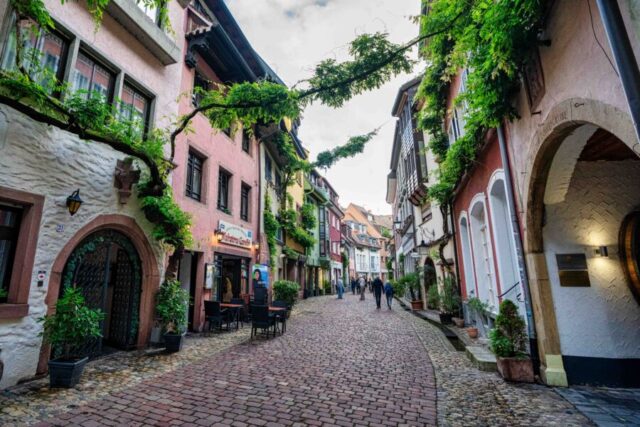
My favorite Freiburg feature? It has to be those little gurgling canals called Bächle, which flank every street through the pedestrian-friendly town center. These open-air drainage ditches once carried unthinkable muck; now, like Freiburg, they’re simply pristine, tidy, and flowing with clarity, character, and charm.

Folegandros, Greece

When I set out to “discover” some new islands for our Rick Steves Greece guidebook, I had something very specific in mind: a small, out-of-the-way island, just “mainstream” enough to be easy and comfortable for visitors without being overrun by crowds, that might offer our readers an untrampled and idyllic Cycladic experience. This mythical place, I figured, probably did not exist.

In fact, it does exist. And it’s called Folegandros.
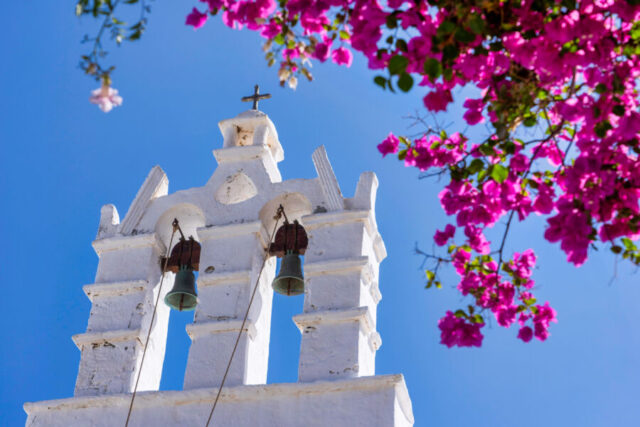
Although it’s right on the boat line between Santorini and Milos, teensy Folegandros gets overlooked. While truly “untouristy” Greek Islands are elusive, Folegandros hits the sweet spot: It’s popular not with cruise ships or fashion-forward partiers, but with British and Northern European visitors who want to settle in for a week or four, slow down, eat well, enjoy village ambience, and melt into the stony islandscape. In short, Folegandros attracts the “right kind” of visitors.

On my first stroll, I was instantly smitten with the main town’s stage-set historic core. Each little square had more character (and enticing restaurant tables) than the next: melting-marshmallow churches; bright-pink pops of bougainvillea; tidy blue trim around each window to match the striking clarity of the giant Greek sky; snoozing cats on rickety wicker chairs; and a “slow down and savor the ouzo” ambience.

There’s not much to “do” in Folegandros. In fact, that’s the point. Buses fan out to humble beaches; the rocky, desolate interior attracts a few hardy hikers; and most vacationers arrange their day entirely around their next breakfast, lunch, and/or dinner.

To burn some of those calories, a serpentine stone staircase twists up, up, up to the summit above town, where a giant white church hogs the best views. Hiking up late in the day (with, it seems, everyone else on Folegandros) rewards you with views over the entire tiny island… and a spectacular sunset.
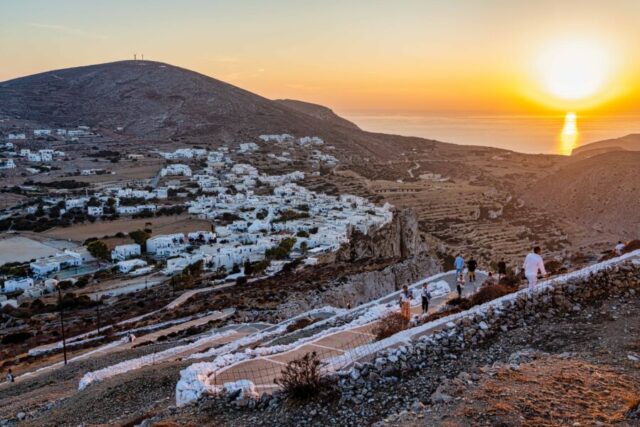
Taking a moment to give my eyes a break from the deep-red sun — and to scribble a few notes in my little black book — I just couldn’t wait to share this discovery with our guidebook readers… and now, with you.

Liverpool, England
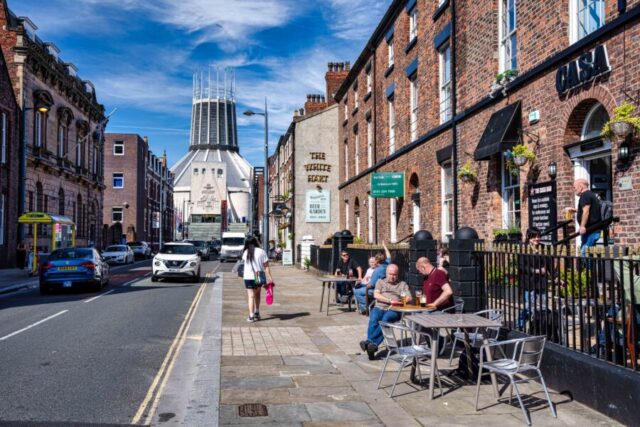
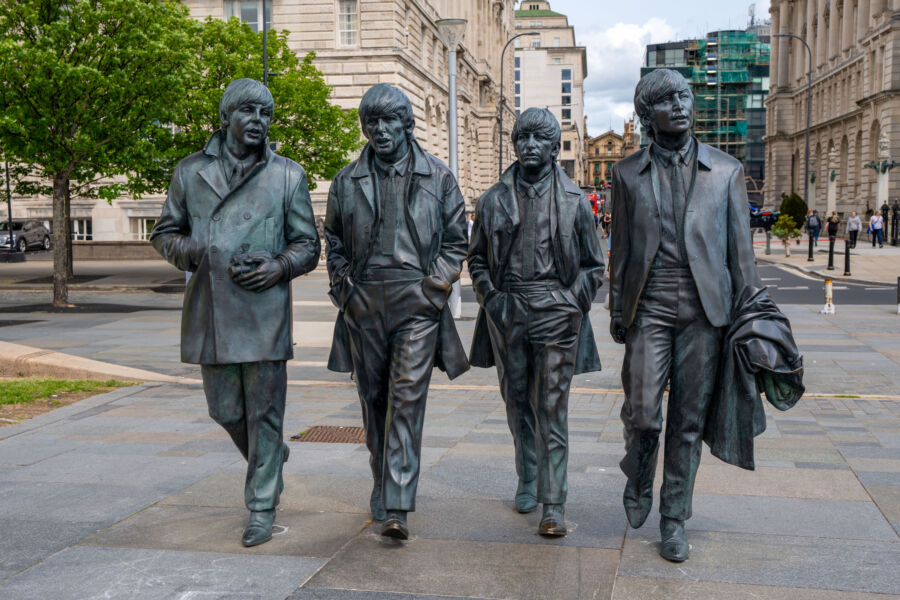
Liverpool, as a tourist destination, used to be all about the Beatles. And even if all you wanted from Liverpool was Fab Four lore… that would be enough.

However, over the 15 or so years since my last visit, Liverpool has really come into its own; returning recently, I saw how it’s been transformed from a diamond in the rough to a polished gem.

Once Britain’s main industrial port, Liverpool was walloped by the Blitz in World War II (when it was the base of British naval operations). John, Paul, George, and Ringo grew up in a hollowed-out shell of a city; only in the last generation or so has Liverpool been rejuvenated with a skyline that’s half industrial-red-brick, half sleek glass-and-steel.

For the sightseer, Liverpool has a wonderful art collection (locals brag, second only to London’s National Gallery); excellent history museums; and not one, but two gigantic cathedrals: one Anglican, the other Catholic, both architecturally arresting… and connected by a street called Hope.

Home to three different universities, Liverpool is noticeably youthful, with one of the UK’s most appealing food scenes and music clubs pumping tunes from live bands out into the street. Chatting with the witty, endearing Liverpudlians — even if it’s about nothing at all — is the undisputed highlight of any visit.

For Beatles fans like me, Liverpool is simply thrilling — with multiple museums, bus tours, music bars, and the opportunity to tour the childhood homes of John Lennon and Paul McCartney. But even if you don’t know Ringo Starr from Pete Best, Liverpool is a delight… arguably the UK’s best big-city destination outside of London.

Mikulov Wine Region, Czech Republic

So many travelers insist on going to the most touristy places in Europe, at the most touristy times, and then come home complaining about all the tourists. When I hear this, one word jumps to mind: Mikulov.
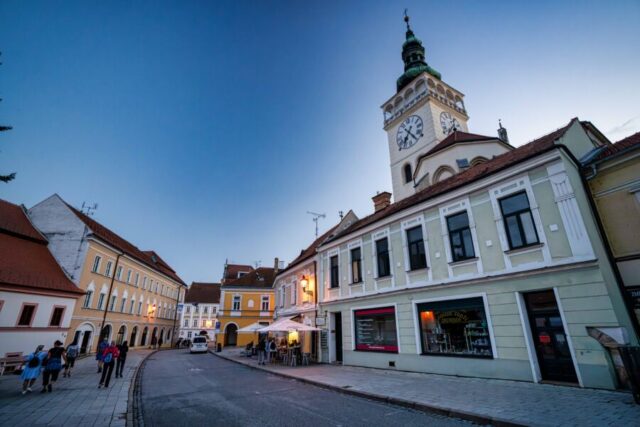
This small Moravian town — and the surrounding landscape of castles and vineyards — is the antidote to overtourism. If I had to come up with just one “poster child” for a wonderful European destination that’s shockingly undiscovered by American visitors, it might have to be Mikulov.

The town is huddled around the base of a mighty château; the panoramas late in the day are enchanting… almost Tuscan. In the cobbled streets, cozy enotecas and high-end yet affordable restaurants abound. While onion-domed churches predominate, the town also features a gorgeously restored 16th-century synagogue.

The landscape surrounding Mikulov is ruffled with limestone hills and striped with vineyards. A short drive — no more than 15 or 20 minutes on pleasant rural roads — takes you to a variety of fine towns and memorable sights.

Two châteaux vie for your attention: Valtice Castle, guarded by two giants, houses the Czech national wine salon — a seemingly infinite cellar where you can sample your choice of well over 100 vintages (handpicked and lovingly described by wine experts).

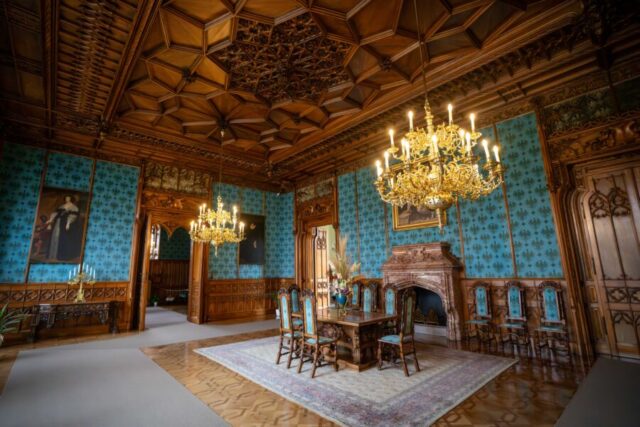
And Lednice Castle is simply a stunner, rebuilt in meticulous English Neo-Gothic style. Its jaw-dropping interior includes a lacy-delicate spiral staircase made out of a single oak tree with no nails. And beyond the château are sprawling gardens with a giant greenhouse, a minaret, and endless trails for walking and biking.
Beautiful… tasty… affordable… uncrowded… accessible… largely undiscovered. That’s Mikulov. The problem: Its existence robs you of the ability to go to yet another crowded “bucket list” town only to complain about the crowds.

Jutland, Denmark

What was the most purely enjoyable 36-hour stretch in my 100 days of travel last year? I never would have guessed it — but I think it was Denmark’s Jutland.

Jutland, three hours’ journey west of Copenhagen, is anchored by Denmark’s second city, Aarhus — a center of students, business, and industry with a cutting-edge food scene and outstanding sightseeing, including the remarkable ARoS Museum (where the architecture upstages the art) and one of the best open-air folk museums anywhere.

Heading out of town, I stopped off at the Moesgård Museum, which combines astonishing artifacts — including the Grauballe Man (found perfectly preserved in a bog 2,000 years after his death) — with beautiful storytelling and high-tech exhibits to create a powerful experience.

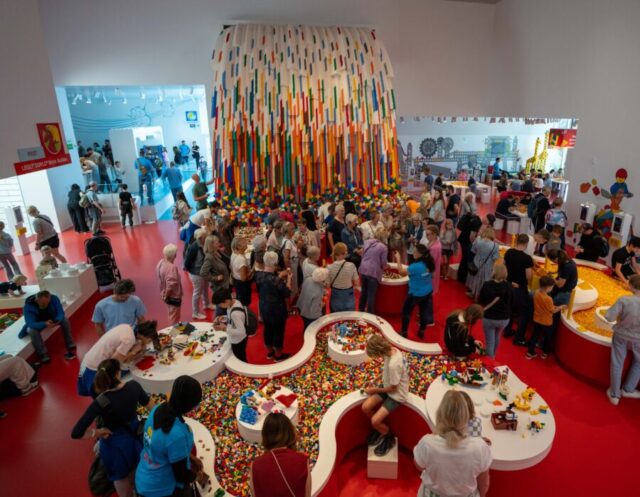
An hour down the road took me to Jelling, where I ogled Harald Bluetooth’s thousand-year-old rune stones (often called “Denmark’s birth certificate”). Then to Billund, the birthplace of Lego. While my afternoon enjoying thrill rides at the original Legoland amusement park was a hoot, even better was my visit the next morning to the Lego House: a state-of-the-art space with hands-on displays, endless Lego creations to scrutinize, and literally millions of bricks to build with.
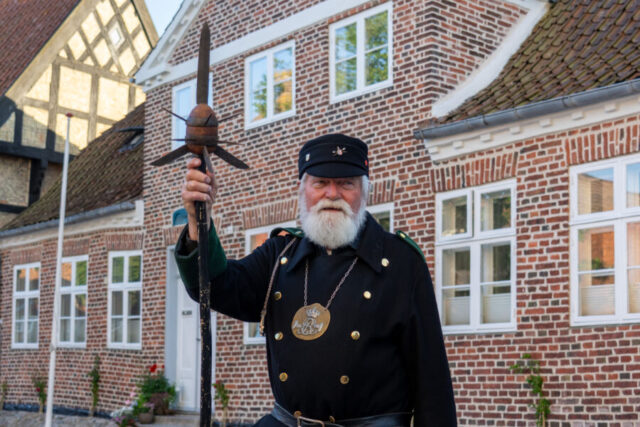
But my day wasn’t over. From Billund, I hopped in my car for a glimpse of the sand dunes (and haunting Nazi-era bunkers) of Denmark’s west coast, winding up in the quaint medieval town of Ribe — oozing with medieval half-timbered charm. Ribe’s towering Romanesque cathedral happened to be hosting a community choir concert; slipping out a few minutes early, I joined the free, entertaining, and informative night watchman’s tour.
Heading back to my car (with the sun still low in the sky at 10 pm), I thought to myself: Was it really just yesterday morning that I left Aarhus?

How many of these Discoveries have you visited? (Or plan to visit in 2026?) And what Discoveries am I missing? Add your favorites in the Comments.


All 10 of these Discoveries are covered in the applicable Rick Steves guidebooks. And several of these stops — including Kinsale, Cádiz, Budapest, and Padua — appear on various Rick Steves tour itineraries.

You can also look back at my Discoveries from 2025, 2024, 2023,  2021, 2020, 2019, and 2018… all still great choices.

For more inspiration — and practical tips — for your 2026 travels, join me on Wednesday, January 14 for a free session of our virtual 2026 Travel Festival. In this “State of European Travel 2026” talk, I’ll be covering updates, insights, trends, and tips for this year’s travels. Designed to be the most useful hour possible for anyone heading to Europe this year, it’s free to attend — just sign up in advance.

If you’d like to travel along with me in 2026, be sure to follow me on Facebook and Instagram.

Finally, consider checking out my travel memoir, The Temporary European: Lessons and Confessions from a Professional Traveler.
Europe’s Best Museums? They Have a Type.

What are the best museums and sights in Europe? Or, more specifically, what are the best types of sights?

I’m wrapping up guidebook research after spending 10 weeks on the road, split over three trips in Spain, Morocco, England, Denmark, the Czech Republic, Slovakia, and Hungary. Looking back, I realize that most of my favorite sightseeing experiences fall into a few categories that go beyond the predictable churches, castles, monuments, and big-name art museums. And so, I brainstormed this admittedly subjective list: not just a roundup of my personal favorite sightseeing in 2025, but also a broad-strokes look at five categories of sights that I find especially rewarding.

Whether you’re planning a trip to these destinations, or looking for inspiration for a trip anywhere, I hope these “types of sights” encourage you to consider some attractions that might, at first glance, be easy to overlook — but that merit some of your limited time.

1. The Endearing Local History Museum

In the sweet town of Keswick, deep in England’s bucolic Lake District, there are two options for a rainy day: Hike and get wet… or find something indoors. I opted for the latter and visited the Keswick Museum, which fills a historic Arts and Crafts-style hall in a lush park. I was unexpectedly charmed by how this place harnesses a chipper community spirit to make the story of this small town surprisingly engaging.

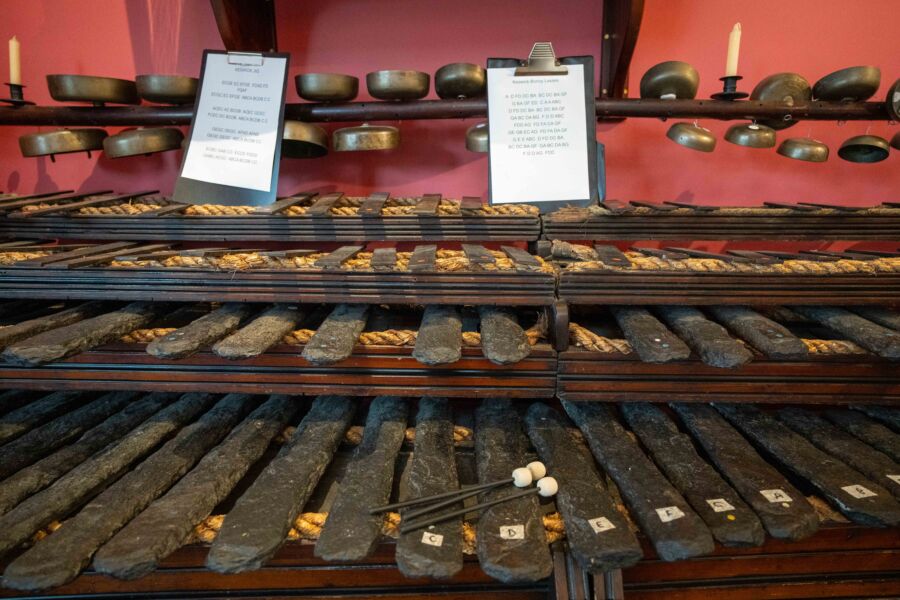
While modest, the Keswick Museum is more than the sum of its parts. It features a well-curated assortment of local artifacts, from a surveyor’s gigantic 1825 relief map of the Lake District (suspended on the wall) to a variety of items relating to the flourishing of Keswick as a tourist destination (including the earliest known guidebook to the town, from the early 1910s). The highlight? “Musical stones”: naturally resonant chunks of slate that someone has whittled down to the perfect tone, then set up as a xylophone for playing tunes. There’s also a gallery where museum volunteers take turns researching and installing their own temporary exhibits. How delightful!

Sure, they ain’t the Louvre or the Prado. But wonderful local history museums around Europe, when done well, can really bring a place vividly to life. Some, like Keswick, are in small towns or even villages. One of my favorites is the Herring Era Museum in Seyðisfjörður, Iceland, which explains how that little fish revolutionized not only the local economy, but made Iceland a financially viable independent nation. I’ve also enjoyed the one in Zermatt, Switzerland; the scrappy hilltop museum on the isle of Folegandros, Greece; and the Appenzell regional museums in the towns of Appenzell, Stein, and Urnäsch, Switzerland.

Others are in big cities, designed to help visitors get their heads around the local identity and the role that place played in the story of Europe. Excellent ones are in Zagreb, Croatia; Lausanne, Switzerland; Liverpool and Bristol, England; the Bryggen Museum in Bergen, Norway; the Musée Basque in Bayonne; and the Riverside Museum in Glasgow, Scotland.

2. The Single-Artist Museum

While wide-ranging art museums can be delightful, I find myself especially drawn to a museum devoted entirely to one artist, often displayed in the home in which they actually lived. In England’s Lake District, William Wordsworth’s Dove Cottage and Beatrix Potter’s Hill Top Farm both had me imagining the writer hunched over a desk, creating their masterpieces.

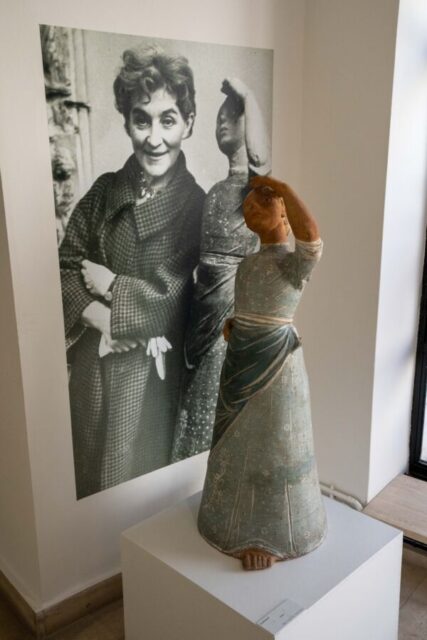
In Hungary’s Szentendre — just up the Danube from Budapest — I enjoyed getting to know the expressive, poignant sculptures of Margit Kovács.

In Córdoba and Ronda, Spain, I marveled at the works of two talented artists I’d never heard of before: Julio Romero de Torres and Joaquín Peinado, respectively.

On past trips to France, Albi’s Toulouse-Lautrec Museum deepened my appreciation of the works of an artist I only thought I was familiar with. And the former home of Claude Monet in Giverny, France, is a pilgrimage for lovers of his works, who stroll through the lily-padded gardens that inspired him.

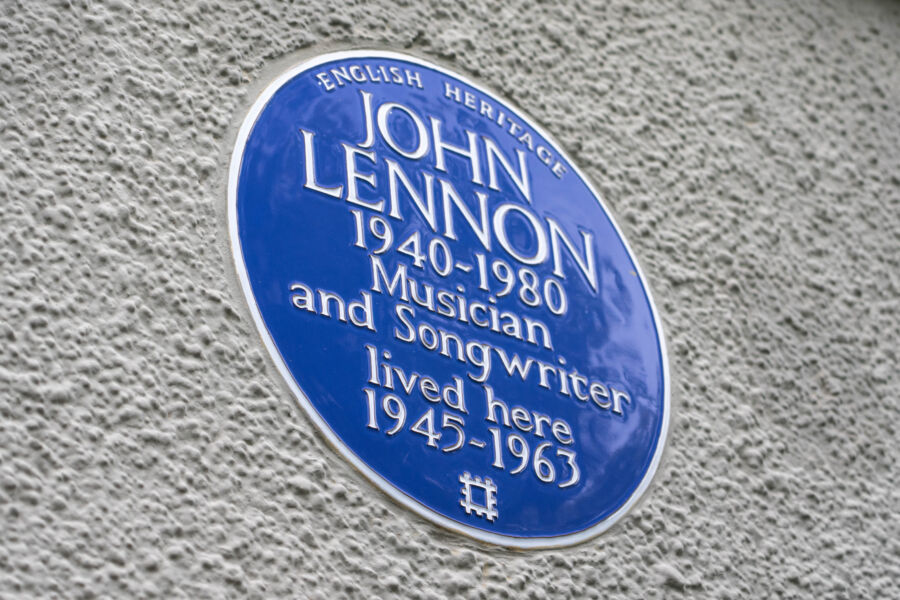
The best example I visited in 2025 (and one of the best anywhere) is the National Trust’s tours of the childhood homes of John Lennon and Paul McCartney. After meeting at a suburban Liverpool train station, your small group hops on a minibus for the short drive to each house, where you’re welcomed by an impressively well-versed docent who does an insightful intro chat, then sets you free to roam the same halls, kitchens, bedrooms, and loos where two of history’s greatest songwriters spent their formative years. Not really a Beatles fan? The homes also provide wonderful social-historical insights into the everyday lives of working-class Liverpudlians in the 1950s. This remarkable experience combines being in proximity to tangible details — the pinups over John’s boyhood bed, the well-worn piano in Paul’s living room — with gaining a strikingly intimate understanding of two boys, becoming young men, who would change the world. For example, I learned that both Paul and John had lost their mothers at a very young age — perhaps providing them with an unspoken kinship that sustained their fruitful, fitful collaboration.

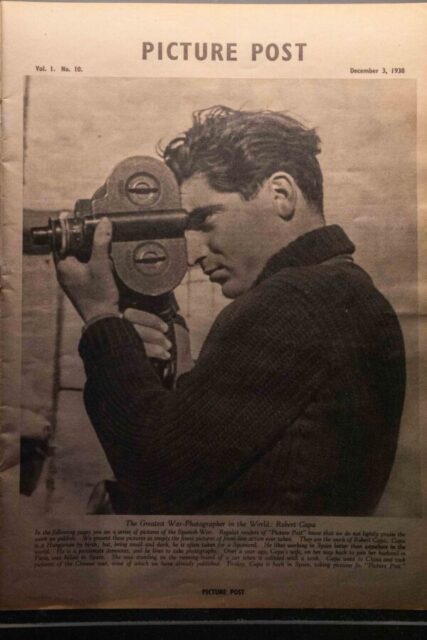
Another mind-blowing “one artist” museum I visited this year was the Robert Capa Center in Budapest, Hungary. I knew little about the Budapest-born photographer, but after spending an hour and a half here, I am a fan. Like a mid-20th-century Forrest Gump, Robert Capa traveled the world during one of its most tumultuous eras — documenting the Spanish Civil War, the First Sino-Japanese War, the Allied campaigns in North Africa and Sicily, the D-Day landings at Omaha Beach, the liberation of France, the creation of Israel, and the early days of postwar communism in Hungary and the USSR. He also snapped intimate slice-of-life portraits of Picasso, Matisse, Hemingway, Ingmar Bergman, and many others. The museum displays Capa’s most iconic images and tells the improbable life story of this eyewitness to history.

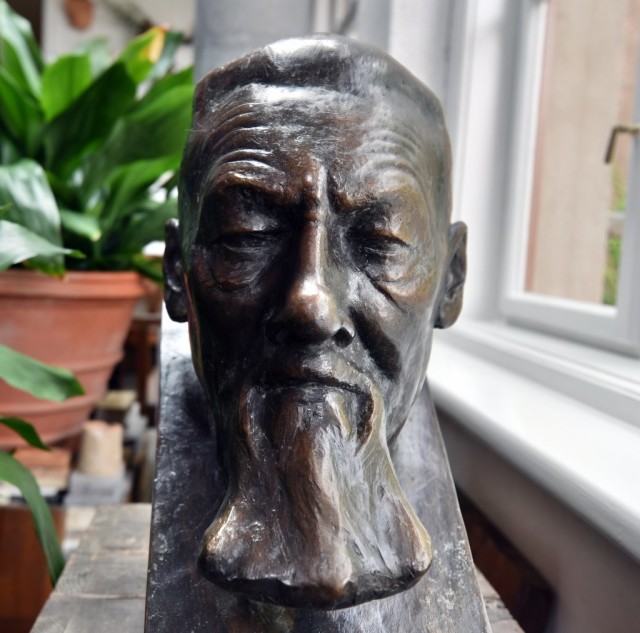
My all-time-favorite “one artist” home is devoted to an architect that many have never heard of: Jože Plečnik, who reshaped the Slovenian capital (and his hometown), Ljubljana, and also carried out major works in Prague, Vienna, and other cities. Still furnished with unique, Plečnik-designed furniture, one-of-a-kind inventions, and favorite souvenirs from his travels, the Jože Plečnik House paints an indelible and unusually intimate portrait of an artist.

Yet more “one artist” museums to consider around Europe: the Seidel Photo Studio Museum, in the Czech town of Český Krumlov; the Rodin Museum in Paris; the Salvador Dalí sights outside of Barcelona (Cadaqués and Figueres); the Ivan Meštrović Museum in Split, Croatia; the Charles Rennie Mackintosh House at Glasgow University in Scotland; the Rembrandt House Museums in both Amsterdam and Leiden, Netherlands; the Hans Christian Andersen House in Odense, Denmark; the Mozart sights in Salzburg, Austria; the Albrecht Dürer homes in Nürnberg and Wittenberg, Germany; Edvard Grieg’s Troldhaugen, just outside of Bergen, Norway; and The Secession in Vienna, with its Gustav Klimt paintings and distinctive “golden cabbage” dome.

3. The Single-Topic “Deep Dive” Museum

Some museums are a mile wide and an inch deep — trying to cover too much territory and doing none of it well. Many of my favorites take precisely the opposite approach: going all-in on a single, extremely narrow topic, probing the depths of all its fascinating details. (Of course, you could put most of the “single artist” museums, above, into this category as well.)

One of the best in this vein is the magnificent Vasa Museum in Stockholm, Sweden. The entire museum is literally and thematically built around a single item: the massive warship Vasa, which sunk to the bottom of Stockholm Harbor 40 minutes into her 1628 maiden voyage. More than three centuries later, the ship was rediscovered, raised from the deep, refurbished, and became the centerpiece of a state-of-the-art museum that tells the whole story and gets you prow-to-prow with the Vasa herself.

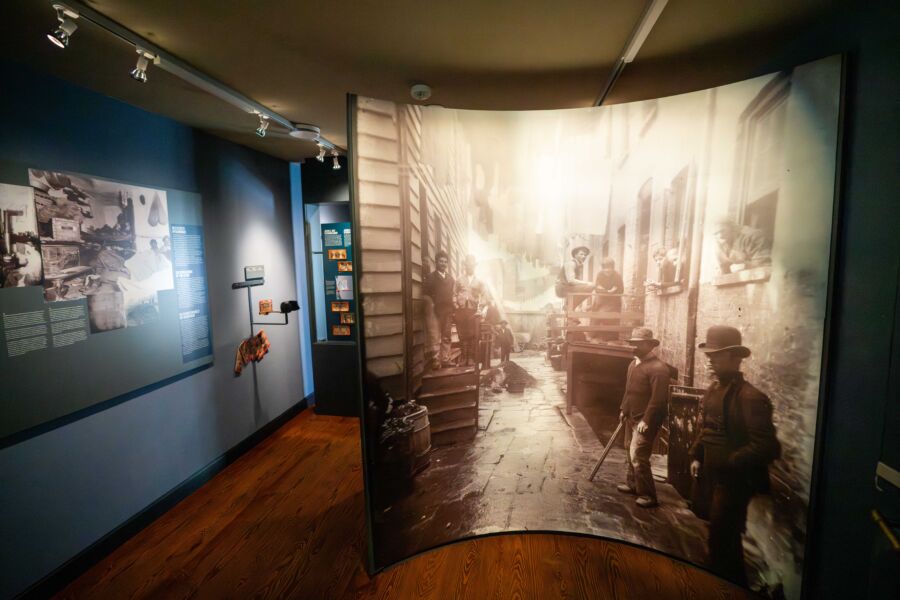
This summer, in charming Ribe, Denmark, I stumbled upon a museum devoted to hometown boy Jacob Riis (1849-1914). Despite the ticket-seller’s assertion that Riis was the most important Danish-American of all time, I was embarrassed to admit that I knew nothing about him. The exhibit set me straight, eloquently telling the tale of this Danish émigré who documented the plight of the desperately poor — mostly immigrants — who lived in the squalor of New York City’s tenements (and eventually published a seminal exposé, How the Other Half Lives). It was inspiring to learn how, by harnessing and pioneering the rapidly evolving medium of photojournalism, Riis brought about reforms that improved the wretched lives of the people he documented. Riis also became close friends with President Theodore Roosevelt, who called him both “the most useful citizen of New York” and “the ideal American.”

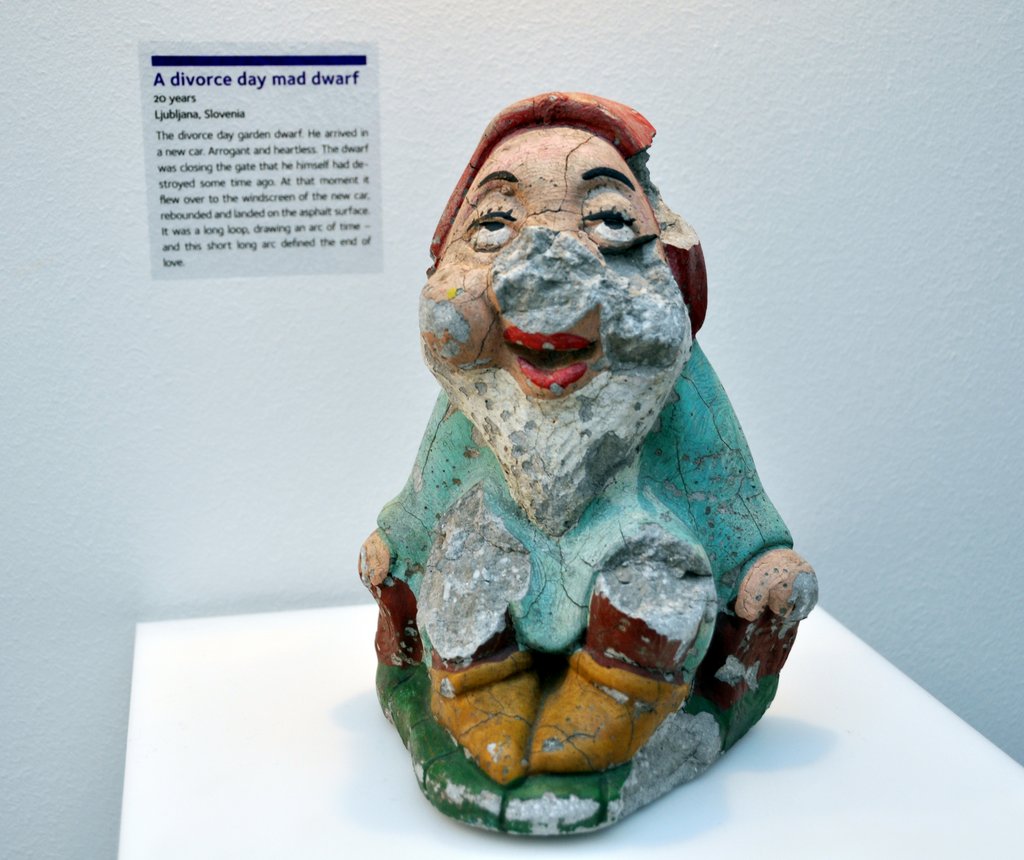
Sometimes that “single topic” is unexpected, even startling. The Museum of Broken Relationships, in the Croatian capital of Zagreb, displays a variety of items that each come with a complicated story of a now-defunct relationship — from a love-at-first-sight romance that burned out, to the loss of a dear friend or parent, to becoming disillusioned with a favorite politician. Touching, witty, and incredibly human, this museum is a good reminder to take a chance on sights that may seem quirky at first blush.

Thinking back on other examples of the “deep dive” style of museum, I realize the Netherlands is particularly adept at this approach: In Amsterdam, you have the famous Anne Frank House, of course, but also a Pipe Museum, a Houseboat Museum, and a Museum of Canals, while nearby Leiden has the Pilgrim Museum. Ireland also has a knack for these, from the Irish Wake Museum in Waterford to the Irish National Famine Museum in Strokestown to 14 Henrietta Street in Dublin; the Titanic Belfast Museum straddles this category and the next one. Others to watch for: the Paris Sewer Museum; the Viking ship museums in both Oslo, Norway, and Roskilde, Denmark (plus Oslo’s Kon-Tiki Museum); the Musical Instruments Museum in Brussels; the Olympics Museum in Lausanne, Switzerland; and some that are just plain bizarre, including the Phallological (Penis) Museum in Reykjavík and the Currywurst Museum in Berlin.

4. The High-Tech History Museum

Increasingly, history museums employ clever, high-tech innovations — location-sensing audioguides, sound and lighting effects, wrap-around films, interactive features — to bring to life a complicated or murky bit of history. Frankly, I’m on the fence about this trend: All too often, the whiz-bang gizmos act as a crutch, distracting from the thinness of the actual information. But when combined with impressive artifacts, compelling storytelling, and a clear point of view, these high-tech history museums can be mind-blowing.

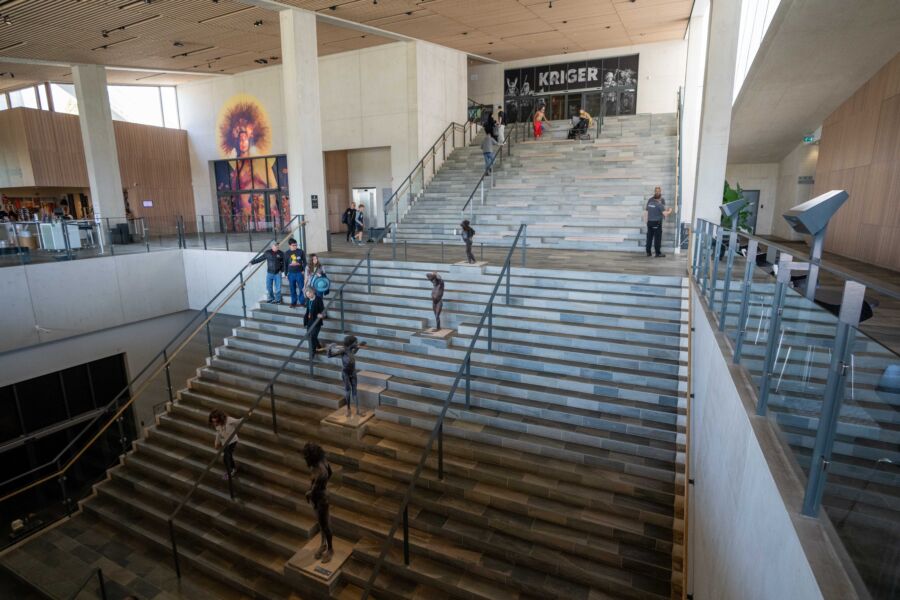
Case in point: This summer I toured the stunning Moesgård Museum, just outside of Aarhus, Denmark. The museum was long famous as the home of the Grauballe Man, a remarkably well-preserved Iron Age corpse that was discovered in a nearby peat bog. In 2014, the Moesgård opened a gigantic new purpose-built building with a mission as grandiose as its architecture: combining astonishing artifacts — from prehistoric stone tools and mysterious barrows, to the Grauballe Man, to a perfectly preserved Viking boat — with evocative storytelling and high-tech methodology to create a powerful experience that kindles an appreciation not only for the story of prehistoric peoples in Jutland, but for human evolution in broad strokes. There are also two sprawling galleries hosting temporary exhibits that are at least as good as the permanent one. It instantly became one of my favorite museums, anywhere.

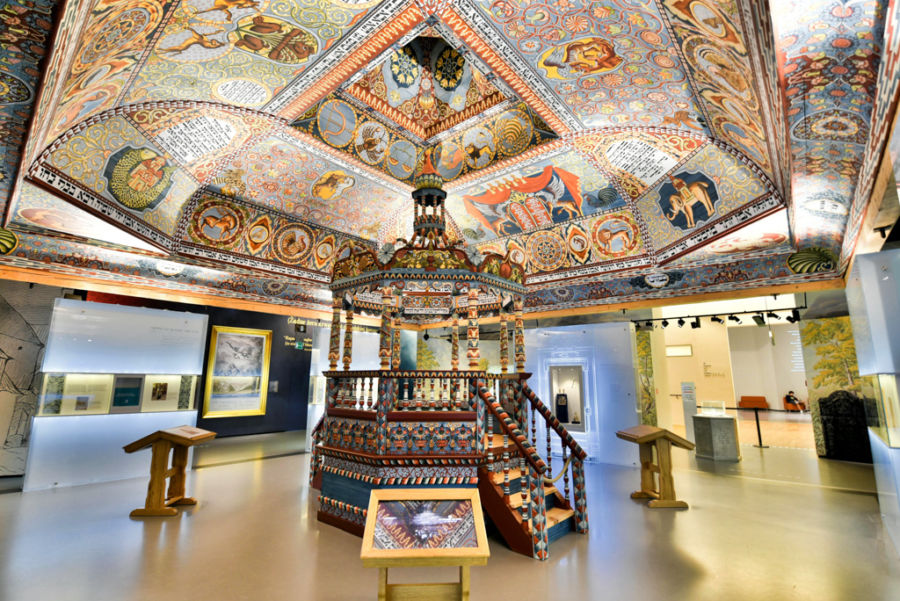
Another favorite is the Museum of the History of Polish Jews (POLIN), in Warsaw, Poland. Built on the site of the onetime Jewish quarter, POLIN is architecturally striking in itself. Inside, it employs a combination of thoughtful storytelling and state-of-the-art presentation to make the absolute most of the scant few artifacts that survive from what was once a flourishing culture. While so many Jewish-themed sights around Europe focus narrowly on the Holocaust, POLIN takes an expansive and enlightening approach to the entire Jewish experience in Poland.

Many of these high-tech history museums focus on one historical era — often World War II, including the Caen Memorial Museum in Normandy, France; the Museum of the Second World War in Gdańsk, Poland; and the Uprising Museum in Warsaw. The museum at the Culloden Battlefield, just outside of Inverness, Scotland, is one of the best of this type. Others are broader in their focus, including the German History Museum in Berlin and the Landesmuseum (Swiss National Museum) in Zürich. And some of the museums described earlier (including the Vasa Museum) could slip into this category, as well.

Artifacts; storytelling; high-tech exhibits: A museum that does all three equally well is rare. But when they hit — they really hit.

5. The Cross-Cultural Structure

Europe’s epic history is the story of successive civilizations layering one upon the other. Often, while a few artifacts survive from centuries past, most of what you see today dates from one or two discrete historical periods. But a few sights manage to capture a broader swath of history in stone, by simultaneously embodying starkly different civilizations in one cohesive structure.
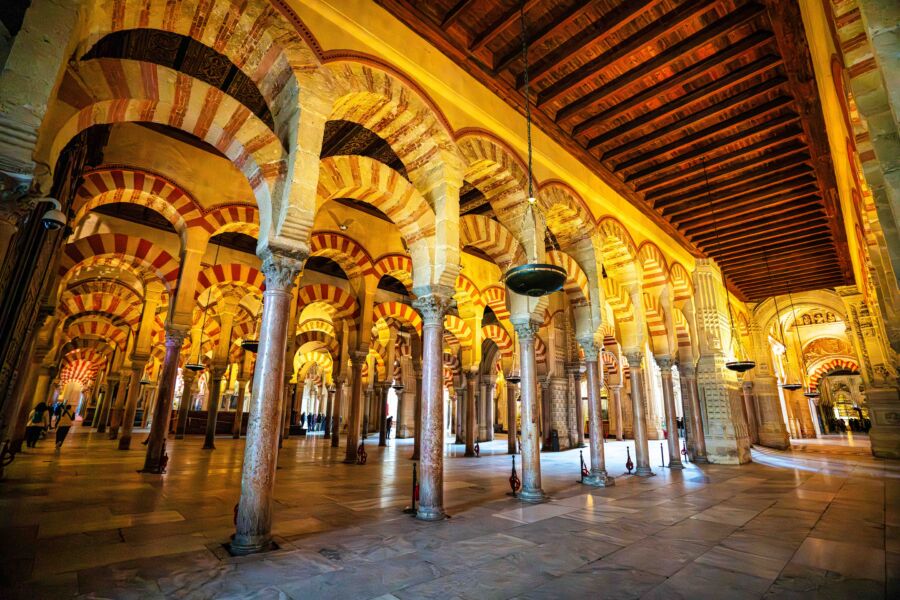
The prime example of this is one of my favorite sights in all of Europe: the Mezquita in Córdoba, Spain. This gigantic structure — a massive box, 400 feet by 600 feet — began as a low-lying Moorish-style mosque, built around 785. Strolling through seemingly endless rows of 800 columns (spanned by graceful double arches), you feel you’ve stepped back to the age of Al-Andalus, when Córdoba was the capital of a sprawling Muslim realm.

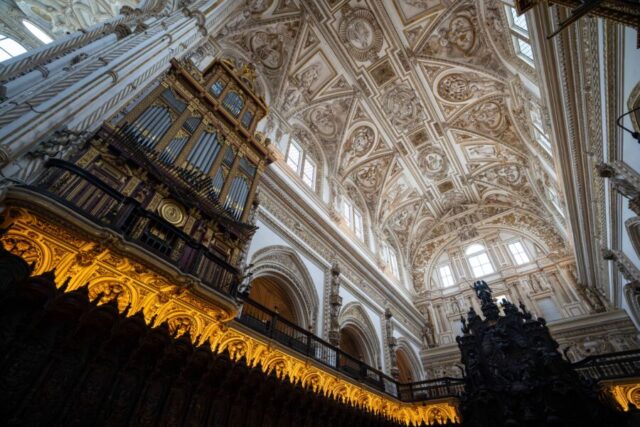
But then you turn a corner and — bam! — you’re transported into an entirely different time and place: a towering 16th-century Catholic Baroque cathedral, stretching 130 feet into the air, that was built within that original mosque.

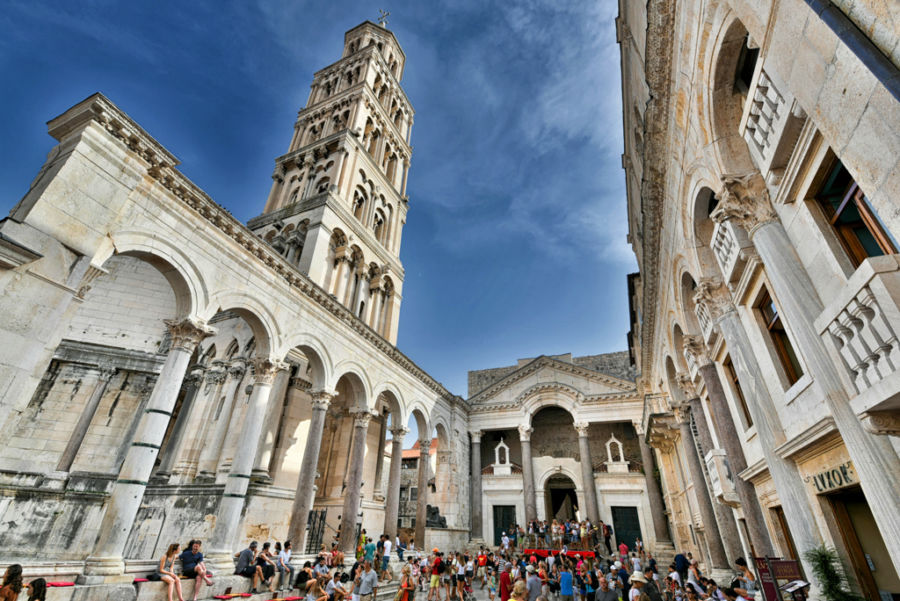
In Split, Croatia, the entire town center (filling the former halls of a Roman palace) gives you this same sensation of “layers of history” — especially the cathedral that sits upon Peristyle Square. The hulking, octagonal hall that forms the core of this building was originally the mausoleum for the Roman Emperor Diocletian, who was born nearby, retired right here, and notoriously tortured many Christians. But the frilly Venetian-style bell tower — and the rich golden decor inside — make it clear that those pagan Romans were soon supplanted by the Catholic Venetians, and later Croatians, who retrofitted Split to their own specifications.

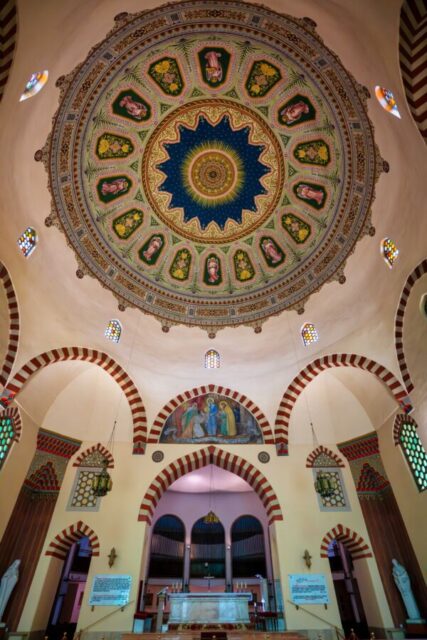
In Pécs, Hungary, the main square is topped by another such structure. The Gazi Kasim Pasha Mosque — originally built during a period of Ottoman control in the 1540s — was later turned into a Catholic parish church (the Church of the Blessed Virgin). Today, its classic mosque architecture is still evident, and upon stepping inside, you observe a hybrid of Muslim and Catholic symbols and styles: striped arches over windows; a large prayer niche (mihrab) with a crucifixion above it; colorful Islamic-style stalactite decorations; and dome paintings that combine Christian angels with the geometric designs of Islam. On the wall is a verse from the Quran, translated into Hungarian and used for Christian worship — a reminder that, as fellow “people of the book,” Muslims and Christians share many of the same foundational principles.

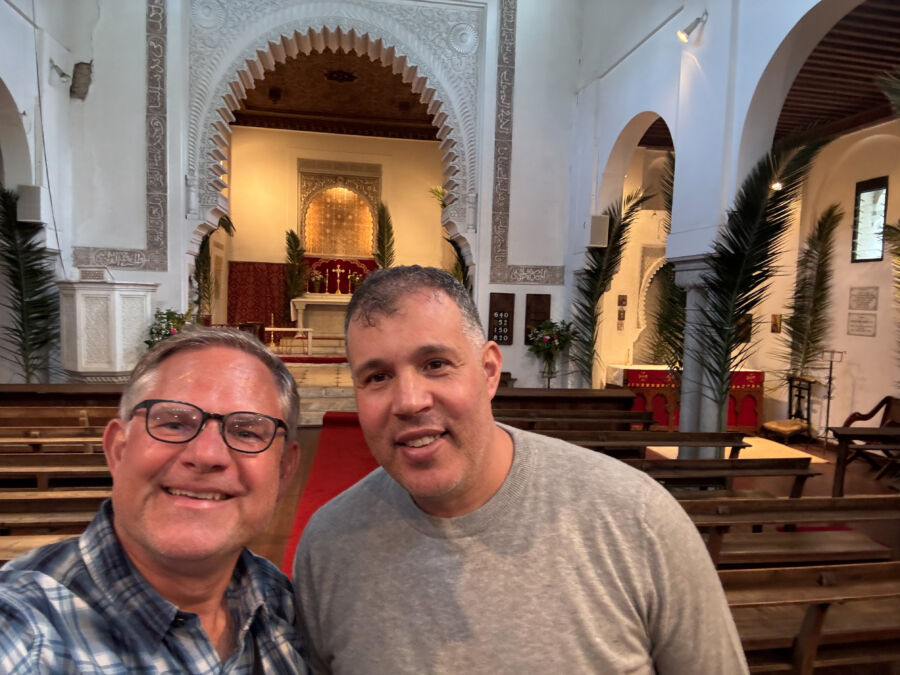
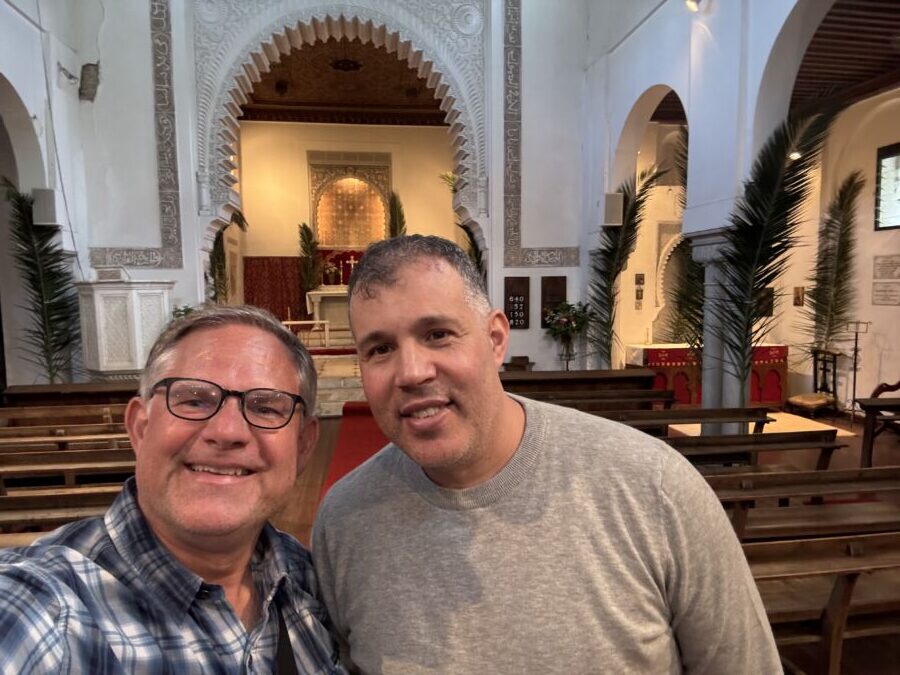
Tangier — Morocco’s closest point to Europe — is another prime spot for these “cultural hybrid” sights. Just off the main square, you escape from the bustle of rumbling delivery vans and buzzing motor scooters into the tranquil garden courtyard surrounding St. Andrew’s Anglican Church — built on land that the sultan offered as a gift to Queen Victoria. There you’re greeted by gregarious Yassin, who wishes “peace be upon you” as he explains how, while the church’s architecture is mostly Islamic, it’s Christian in spirit: The Lord’s Prayer rings the arch in Arabic, as verses of the Quran would in a mosque.

Sometimes it’s not a building but a location. In the heart of old Sarajevo, at the precise point where Sarači street becomes Ferhadija street, you can look in one direction and swear you were in Istanbul, with its cobbles and market stalls; looking the other way, you could easily be in Vienna, with broad pedestrian boulevards and grand Austrian-style architecture.

And speaking of Istanbul, the ultimate example of a “cross-cultural” sight surely must be the Hagia Sophia: an early Christian church, later turned into a mosque, so influential that it became a template for many other mosques across the Ottoman Empire (including the one in today’s Pécs).

All of these sights are a reminder of the full complexity of Europe’s story — and of how few of those layers we actually see in our everyday travels… until we go looking for them.


What are some of your favorite museums in these categories? Or do you have favorite “categories” of sightseeing that I’m overlooking? Share your thoughts in the Comments.

Of course, all of the sights mentioned here — and so many more — are described in detail in our Rick Steves guidebooks.

If you’d like to hear more about my 2025 travels, join me on Zoom Monday, November 10 at 6 p.m. Pacific Time (that’s 9 p.m. Eastern) when I’ll be doing a virtual “Trip Report” for Monday Night Travel. It’s free, as long as you sign up in advance.

Andalucía: The Land that Time Forgot… Until It Remembers

On my recent guidebook research trip in Andalucía, I was continually reminded how traveling in Europe’s traditional corners — especially this southern slice of Spain — comes with a certain “dramatic tension”: between old ways and new, between adhering to tradition and being open to outsiders, between staying relaxed and sticking to a schedule, and between welcoming the tourist dollar while holding those tourists at arm’s length.

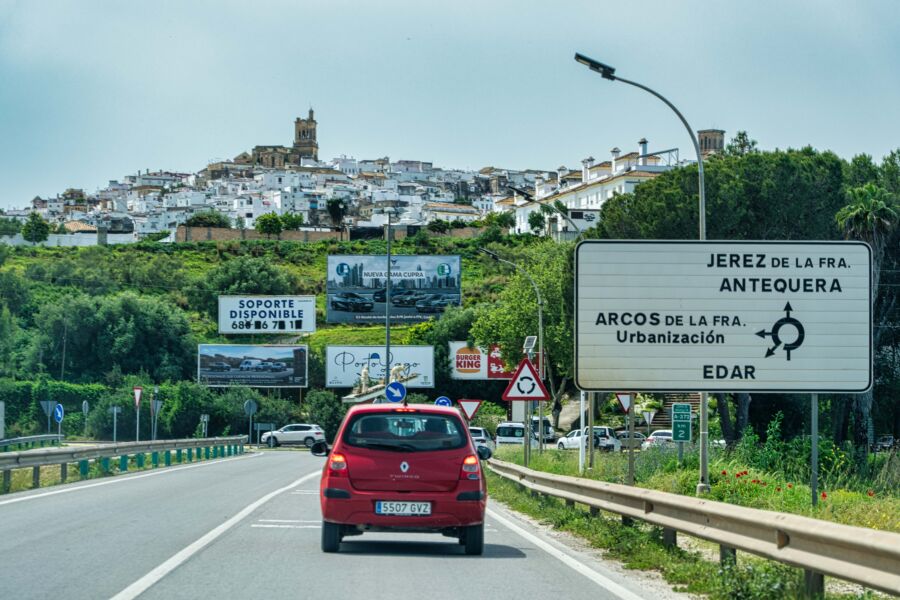
The day before we drive into the pueblo blanco of Arcos de la Frontera, my phone vibrates with a WhatsApp from our B&B: “We are looking forward to your stay. Here is some advice on how to arrive.”

We already know that it’ll be impossible to navigate our rental car through the twisty lanes of Arcos’ historic hilltop old town. So we appreciate the guidance to park instead at the large underground lot down below, in the new town.

“There are three possibilities to come to the hotel: by foot (light luggage better), by taxi (it costs 6€ approximately), or by bus.”

Hoping to avoid a steep uphill hike with our bags, we plan to take a taxi. From the parking garage, we head up to street level and survey our options. It’s about 3:30 in the afternoon, and even this normally bustling lower town — the commercial heart of Arcos — is deserted. Shops are shuttered; sidewalk tables sit empty; the only signs of life are a few sleepy seniors on shaded benches. All that’s missing are a few literal tumbleweeds whispering down the street.

In its more urban corners, today’s Spain has largely moved on from its siesta ways. So it’s refreshing to find it still practiced so zealously in places like Arcos. There’s something that just feels right about small-town Spain taking a nap on a hot afternoon.

This happy sentiment lingers precisely as long as it takes us to walk a couple of blocks to the taxi stand… where not a single taxi stands. The cabbies of Arcos, it turns out, are also proud practitioners of the siesta.

I call our B&B host. “Well, of course there are no taxis there,” she says (as if oblivious to the instructions she texted us 24 hours ago). “But I will try calling for one.”

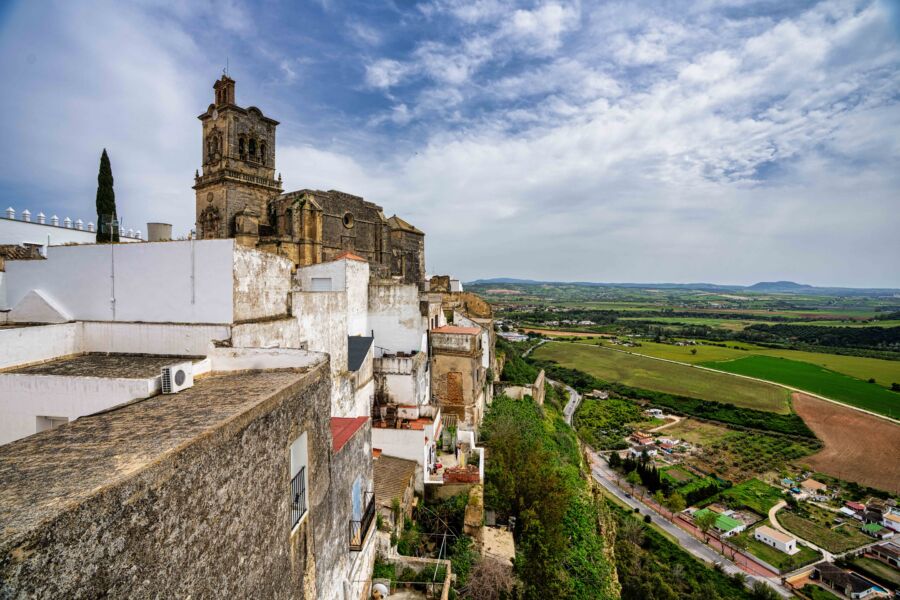
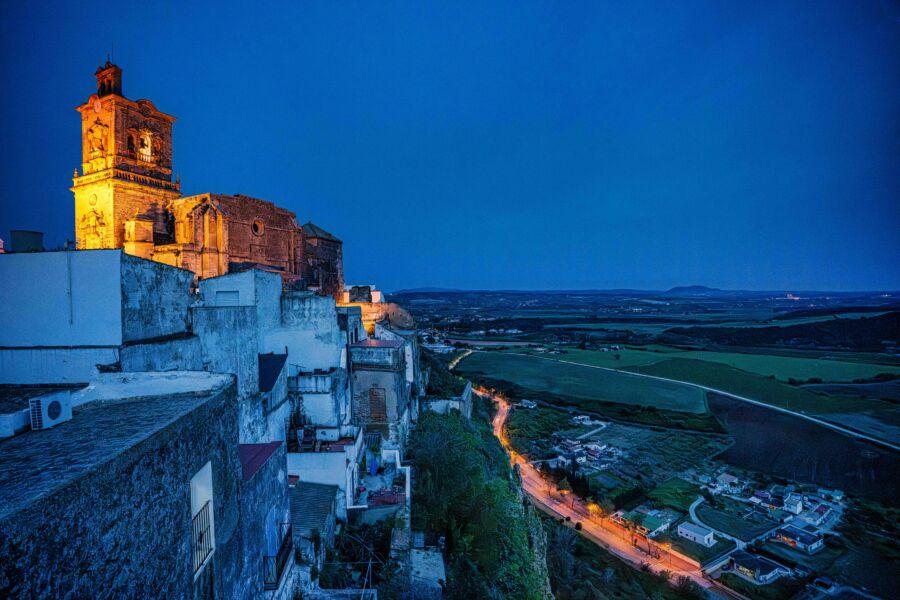
Eventually the taxi appears, we hop in, and we twist up, up, up — higher and higher — to the scalp of town. He drops us off next to a small church and gestures vaguely toward the tangle of lanes just beyond — a left, then a right, then a left, and a little luck should lead us to our destination. He drives off, we’re swallowed up by the whitewashed lanes, and soon enough we’re warmly welcomed by our B&B host and shown to our room — which she treats as an afterthought to the stunning rooftop deck, perched (like so much of Arcos’ old center) along the sheer ledge of a cliff that plunges 500 feet straight down, to a flat plain stretching, like a cat following a nap, toward a sleepy lake and distant mountains.

Arcos “de la Frontera” (so named for its long-ago status as a bastion against the Moors) has been one of Rick Steves’ classic Back Doors for eons. And today, there’s no doubt it retains that quintessential-Andalucía charm. Its squinting-bright white lanes are as pristine as they are narrow, with well-worn cobbles underfoot.

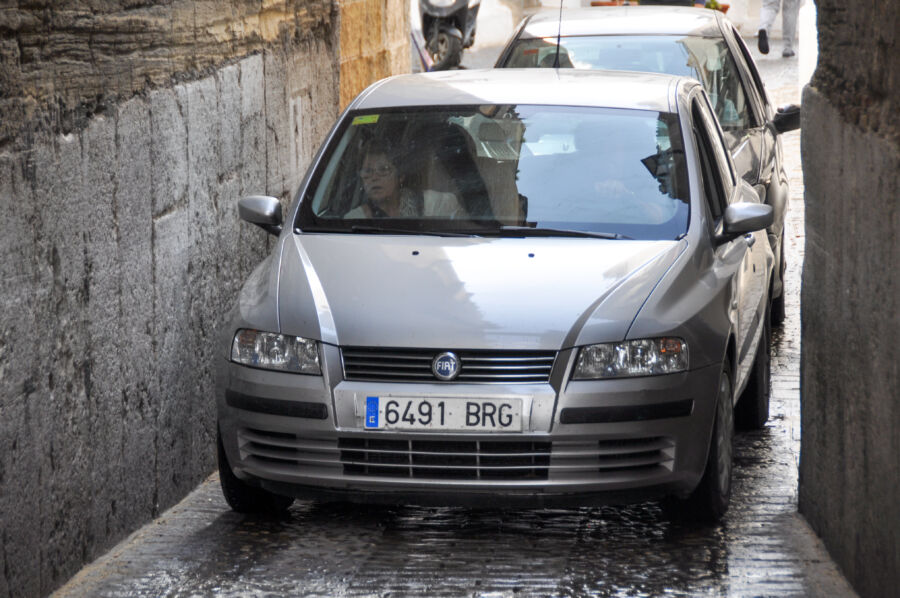
Hustling through town to update our guidebook coverage, I enjoy excuses to stop and chat with locals, and to dip into shops and restaurants that are gradually, reluctantly reopening after the siesta. Deep gouges in the centuries-old walls are a chronicle of overconfident drivers who misjudged the width of their car, or the street, or both. Hearing a car approach, I press myself against the wall, tuck in my toes, and suck in my gut — not wanting to receive a similar scar as a souvenir of my visit to Arcos.

There’s a magic to Arcos, to be sure, but not much “sightseeing.” Bellying up to a balustrade overlooking that 500-foot drop (any balustrade, take your pick) is town’s top activity. Two too-big, stark-sandstone churches loom like bookends of the old town, each lording over a desolate plaza-turned-neighborhood-soccer pitch and a spectacular view.

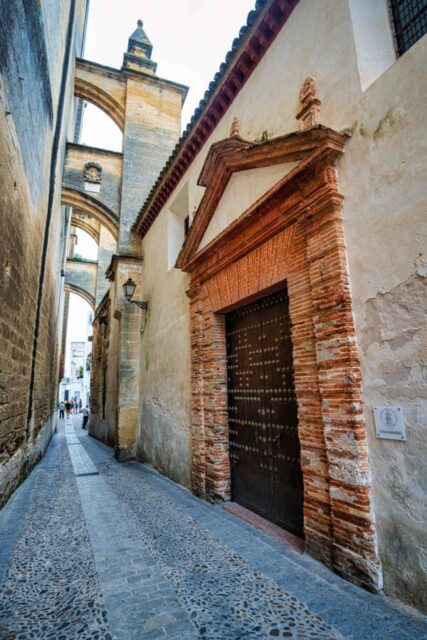
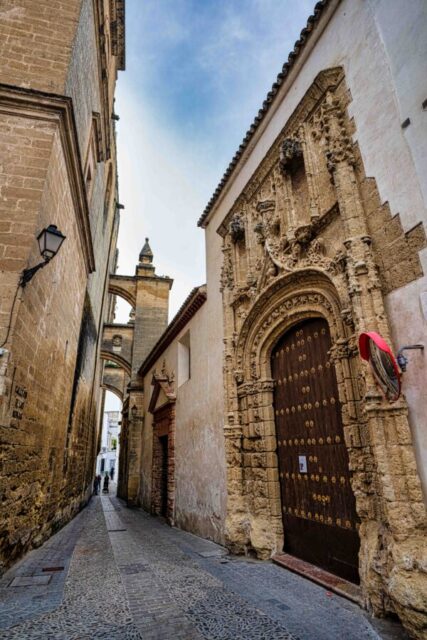
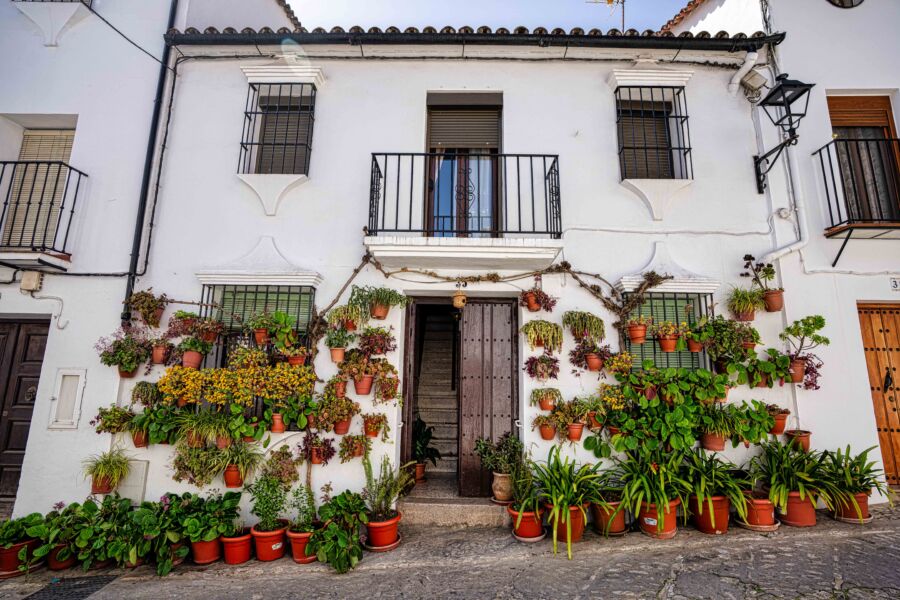
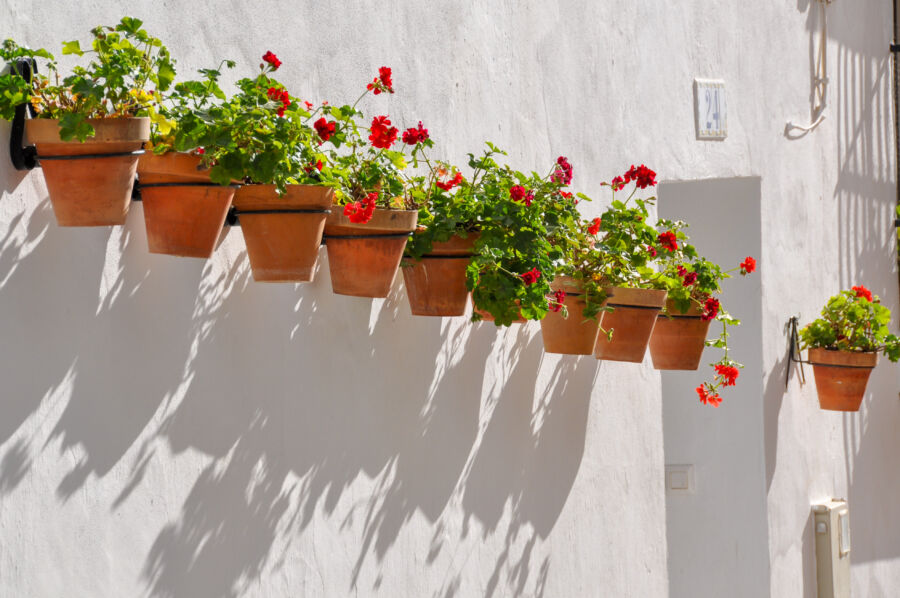
On the skinny streets connecting those churches, long stretches of scuffed whitewash are punctuated by heavily grilled windows and over-the-top-ornate doorways of stacked brick and lovingly hewn stone. Wavy terra cotta rooflines — overlapping half-pipes forming an endless yin-and-yang pattern that seems to evoke that precise Islamic aesthetic that Arcos is famous for resisting — are echoed by rows of terra cotta flowerpots lashed to railings and fastened firmly to the white walls.

I dip into a hole-in-the-wall bakery, where the clerk — who has been yelling at her colleague (husband?) so loudly that her amplified fury bouces up and down the surrounding lanes — turns suddenly sicky-sweet. In addition to the basic almond cookie I’ve been eyeing, she talks me into the local pastry, roscos de Arcos — then proceeds to charge me several times what seems fair. It’s a rare business that’s open during these siesta hours, and I imagine I’m paying a “tourist tax” for the privilege. Farther along, I pass by a tiny window at a convent where you can buy boxes of cookies from unseen nuns, using a little turntable to exchange cash for sweets — and regret that I didn’t wait for this opportunity.
Stopping by the tourist office to run through my list of questions, I find a polite if listless clerk who speaks very little English. Switching to my rusty Spanish, I find that language is not the barrier to getting the answers I seek.

“Is it correct that the bus to the lower town runs twice an hour — at :20 and :50 past the hour?”

She wrinkles her nose. Shrugs. “No. Sometimes. Not exactly. Maybe you should check with the bus company.”

Fair enough. “OK, thank you. And is the ticket for the bus one euro?”

Another wrinkled nose. Another shrug. “I don’t know for sure. Did I mention you could ask the bus company?”

It turns out, this office — tasked with informing tourists — has a tenuous grasp on the bus that virtually every arriving tourist is likely to take. This fact might have surprised me. But I’ve found it typical of my travels around small-town Andalucía. Nice as the staffers may be, the dearth of information at tourist “information” depots is as comprehensive as it is unapologetic.

After doing my best to update those details by shuffling through brochures and scanning materials pinned and taped to the walls, I head back out into the stage-set lanes of Arcos. Returning to my B&B, I notice that — at a moment when most Spanish towns spring back to life with the siesta’s happy counterpart, a convivial evening paseo — the streets are still empty. I can’t shake the feeling that this time-passed village is slipping away: During busy times, Arco’s old center is flooded with visitors, who trundle up and down the hill on that shuttle bus to spend a little money, snap some photos, then move on. But in the evening, Arcos’ metabolism flatlines. Passing several se alquila and se vende signs marking unoccupied properties seeking a new owner or tenant, and ringing doorbells at multiple recommended B&Bs where nobody’s home, it becomes clear that Arcos is sliding toward becoming a ghost town that exists almost solely for tourists.

Ideally, for small towns like this one, tourism can be a win-win: It empowers a historic, beautiful, otherwise modest community to thrive — providing a steady flow of outside income that creates meaningful and lucrative employment to locals, as well as an incentive to retain and even enhance its traditional character and culture. I’ve seen many such success stories.

But sometimes, that equilibrium is elusive — set off-kilter by any number of factors. (Too much tourism? Too little local engagement? Greed? Disinterest?) In these cases, the town’s architecture and charm survive, even as its soul slowly fades. And these days, Arcos’ old town appears to be slipping toward the wrong side of that balancing act. (I’ve observed this phenomenon in similar towns across Europe — most notably, Italy’s Civita de Bagnoregio, where almost nobody actually lives in the town itself anymore, having converted their residences into souvenir shops, gelato stands, and restaurants.)

Arcos remains, no doubt, a gorgeous place to visit. But it’s losing the real, authentic character(s) that once made it so special. As a travel writer, it makes me wonder, and it makes me worry: How can a town like Arcos reestablish that balance — and is there anything I can do to help?

§     §     §

Spain — far beyond just Arcos — is struggling with how to handle its dizzying number of tourists. International arrivals, especially post-pandemic, are soaring: from around 70 million visitors in 2022, to more than 80 million in 2023, to a record 94 million in 2024, and with 2025 seemingly on pace to crest 100 million… an astonishing increase for a country of less than 50 million inhabitants.

News about Spain’s “anti-tourism” protests have made international headlines. And based on conversations I’ve had, concerns about tourism are a constant theme on Spain’s sensationalistic local and national news — keeping it front-of-mind.

“Overtourism” is a troubling trend in much of Europe. So why is Spain, in particular, becoming its poster child? I think it’s because Spain is desirable on many levels: You have top-quality “cultural sightseeing” that brings so many travelers to Europe, to ogle castles and cathedrals, to visit wineries and artisanal farm producers, and to enjoy the acclaimed culinary scene. And then, on top of that, you have a layer of mass-market beach tourism — Spain’s longstanding status among British and Northern European holiday-makers is only growing, especially with the rowdy party set. (Imagine combining Miami Beach and Boston into one place.)

And there’s another wrinkle in Spain — one that I’ve observed over many visits, dating back to my semester abroad studying in Salamanca back in 1996. On that first trip, and on many return visits since, I’ve learned that Spain has an idiosyncratic understanding of “hospitality” — at least, compared to the way it’s understood in much of Europe.

Spain has always been a place apart from Europe — separated by geography (the Pyrenees), history (Andalucía, in particular, was Moorish-controlled for centuries), and modern politics (36 years of fascist rule under Francisco Franco). I was taught — and I observed firsthand — how Spaniards are proud, self-assured, perhaps a touch culturally chauvinistic, and somewhat skeptical regarding outsiders.

A lot has changed since my earliest visits to Spain, of course, and I’ve seen how the country has not only opened up, but in many regards has leapfrogged other parts of Europe in its progressive politics and openness to new ideas. (For example, in 2005, this very Catholic country — which embraces deep and durable traditions, from bullfighting to the siesta — became one of Europe’s first to legalize same-sex marriage.)

And yet, as a visitor in Andalucía, I find that Spain retains a certain suspicion and stubbornness when it comes to us travelers. It’s notable that, while many communities around Europe — from Reykjavík to Lisbon, and from Amsterdam to Venice — are also struggling with increased tourism, only in Spain are a few of those tourists being spritzed with water pistols. (This phenomenon has been exaggerated — after all, we’re talking about just a few dozen of those 100 million visitors — but there have been zero such reports in other places.)

It’s understandable that many Spaniards are exhausted and alarmed. Frankly, I don’t blame them one bit for asking difficult questions about how to ensure that the dizzying growth of the tourism sector is sustainable. Perhaps a more strategic approach to tourism could save towns like Arcos from becoming soulless theme parks.

At the same time, while tourists bring headaches, they also bring money — lots and lots of money. Tourism is helping make Spain wealthy (representing more than 12 cents on every euro spent). But the reluctance to make things easy on visitors feels almost passive-aggressive.

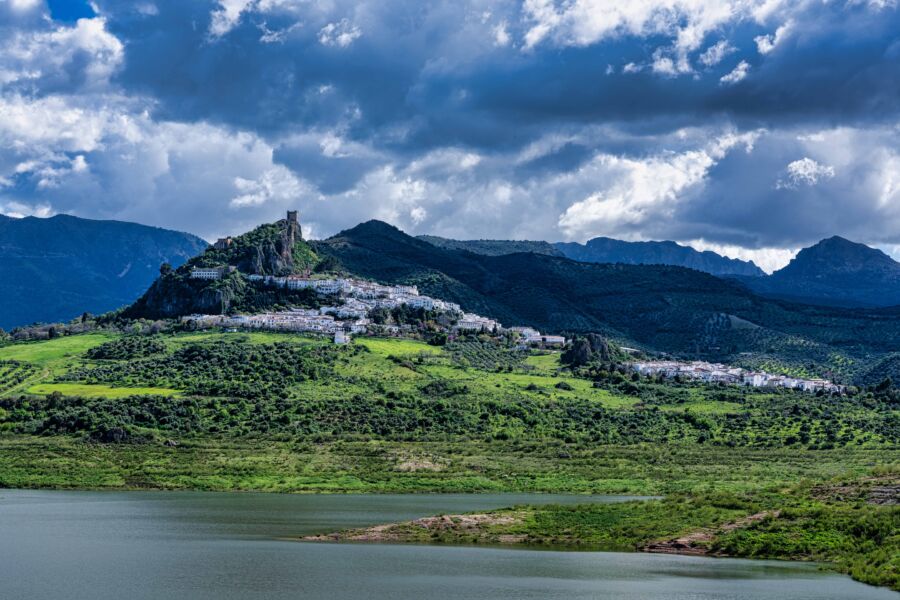
On the way to Arcos, I stopped off at a few famous pueblos blancos — Zahara, Grazalema, Setenil de las Bodegas — postcard-perfect white hill towns that are, at busy times, swarming with visitors. In each one, I was struck by the near-complete absence of basic signage to help approaching travelers get their bearings: Where are the nearest parking lots? Which streets can I drive on, and which not? How do I get into town? ¡Buena suerte!

At one village, we obediently followed signs to a giant garage at the edge of town (not wanting to contribute to the over-congested streets). But when we surfaced, we found zero direction on how to get to the town center. After spinning in circles with my phone — trying to get the compass on my GPS to align with our target — I finally sorted it out. Additional visitors surfaced and were busy scratching their heads and pointing quizzically in different directions, upon arriving in a town where they were about to spend their hard-earned money. Is it asking too much to put up a sign to help them find the place to spend it?

As a travel writer, I feel caught in the middle. On the one hand, I have empathy of the many Spaniards who believe “enough is enough” and want to curb tourism. (I like to think I’m helping to encourage the “right kinds of travelers” — respectful, curious, well-behaved — while also educating them to be smarter and less disruptive visitors.) On the other hand, Spain is profiting royally from all those tourists that they so relish complaining about… and surely, all that income must come at some cost.

To be fair, my understanding of those “anti-tourism” protests is that they’re actually “anti-overtourism” — focused not on the tourist, but on policies that aren’t equitable in spreading around both the burden and the income.

I respect Spain’s efforts to curb the worst side effects of tourism — and to regulate, in thoughtful ways, a trend that could threaten both fragile and pristine places like Arcos and sprawling, congested cities like Barcelona. At the same time, as someone who’s observed many other places grapple with this same issue, I know there are nuanced, constructive ways to foster a healthy approach to tourism while still greeting visitors with hospitality rather than with indifference and water pistols — seeking that elusive “win-win” by providing value to the traveler while also preserving and celebrating your culture.

In the end, we still had a wonderful visit to Andalucía, with its remarkable history, epic sightseeing, grand landscapes, balmy weather, and outstanding cuisine. And if I were a typical tourist — here to simply “be on vacation” rather than on an information-gathering guidebook-research mission — I wouldn’t have much to grumble about. But ultimately, I was reminded that if you’re coming to Spain, you should expect to take Spain on Spain terms.

§     §     §

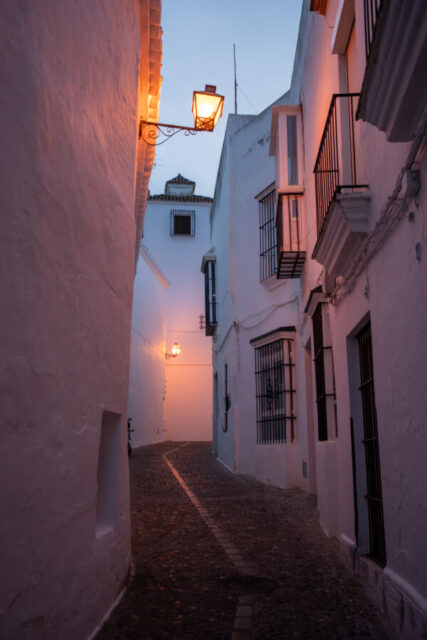
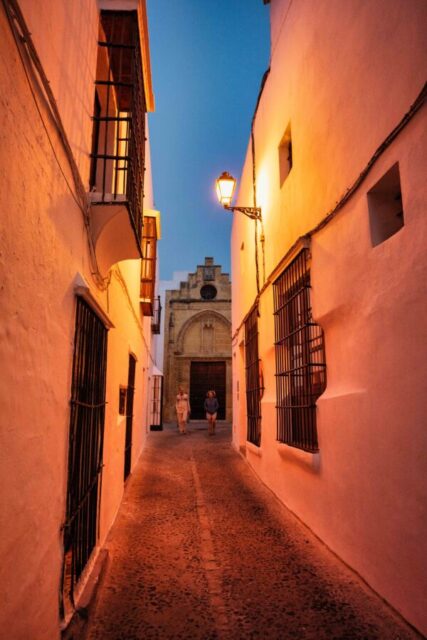
It’s getting late in Arcos. Antique lanterns twinkle on as twilight swallows up the broad Andalusian sky — painting the whitewash with deep, fleeting pinks and surprise purples and electric oranges and soothing robin’s-egg-blues. And those Crayola lanes are all mine: The sleepy time warp of a town is nearly empty.

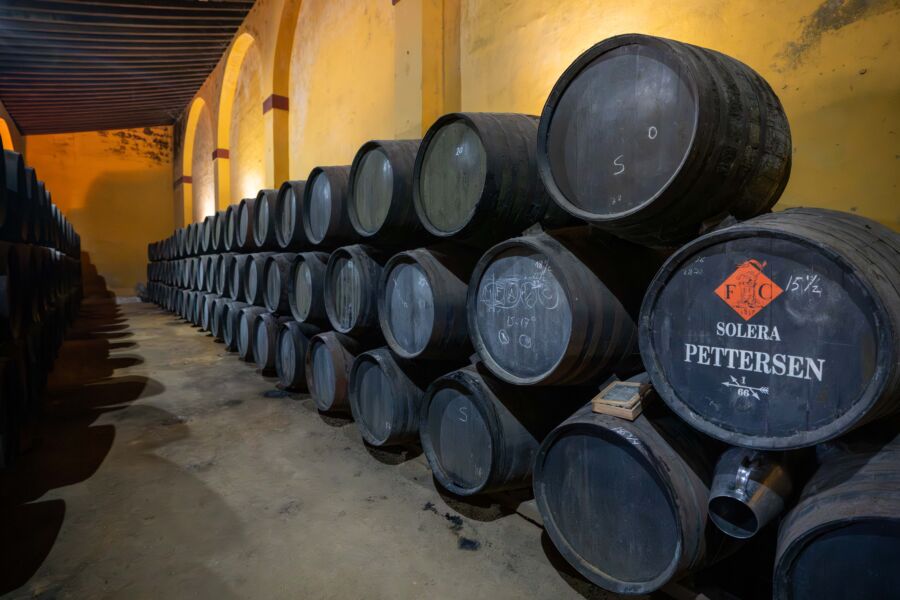
Returning to the B&B after dinner, we explain to our host that we have a busy day planned tomorrow: We’re heading to Jerez (also “de la Frontera”), a modern industrial burg sprawling through the valley just below Arcos. Jerez is famous for two things — its sherry bodegas and its equestrian performances — and we’ve plotted out our day to fit in both. But this requires arriving at the sherry bodega in time for the 10:00 tour. To allow plenty of time for the 30-minute drive, we’re hoping to leave the hotel by 9:00.

“Hm,” our host says. “But breakfast begins at 9:00. Earlier is not possible.”

We’re willing to skip breakfast, if we must. But she quickly adjusts: “Well, if you come just a few minutes early, we can serve you right away, and you can still get underway quickly.”

We note that we’ll also need a taxi to get back down to our car — saving us the time it’d take to walk. Should we arrange one tonight?

“No, that is not necessary. We can call you one when you get to breakfast. It will be no problem.”

Grateful for their flexibility, we turn in — glancing out one last time over that stunning view.

The next morning, we report to breakfast promptly at 8:55 — packed bags in tow. The breakfast attendant greets us, shows us to a beautiful table in the tranquil tiled patio, and disappears into the kitchen. We wait. And wait. And wait.

At a certain point, I get up to peek in at the reception desk — hoping yesterday’s host might be able to order us that taxi. Nobody is there. So, returning to the breakfast patio, all we can do is continue waiting for the breakfast attendant — and hope that she’ll be willing to call for us. (In retrospect, I wished I’d gotten that taxi number myself!)

We realize that — once again — we are experiencing that “dramatic tension” that so often comes when traveling in Spain. We woke up in old, traditional Andalucía, perched on its ancient hilltop with time stretching out as endlessly and unhurriedly as the plain yawning below us. In this version of Andalucía, long famous for its mañana attitude, time means little. Breakfast begins at 9:00…ish. Nobody rushes, as if timepieces were never invented.

And yet, filling the valley below — literally within sight of our castaway hilltop — bustles Jerez, a commercial hub for 21st-century Andalucía. This is a time-is-money place where timepieces are old news and schedules are sacrosanct.

I can travel, very happily, in both types of destinations. There’s something to be said for going somewhere — like Arcos — where you can remove your watch, allow yourself to truly lose track of time, wander aimlessly, nurse endless cups of coffee or glasses of sangría at a shaded sidewalk table, and feel your pulse slow. And I can also enjoy time-is-money places — like Jerez — that are closer to my home life, where an appointment is a commitment to be kept, and where being organized maximizes your cultural takeaways.

The challenge comes when you cross that frontera between old Andalucía and new Andalucía. When the clash of cultures occurs midway through a 30-minute drive. And when, as traveler, you find yourself trapped in the time warp of a beautiful, easygoing breakfast on a chirpy patio… while at the same time, feeling the minutes tick down as you get closer and closer to the daisy-chain of precisely timed commitments that await you in the next town over.

Eventually, the attendant emerges with a fantastic breakfast. And, between serving our table and the next one — with an American family that seems to multiply each time we glance over, as more and more kids wake up and stumble down the stairs, filling four, five, six, and eventually seven chairs — she calls our taxi.

We thank her, hustle out the door, and practically run up those winding lanes to find our taxi. Time is very tight; making our 10:00 bodega visit will require some luck and no further unexpected delays.

We hop in, and our cabbie begins down the hill — but then takes an abrupt turn, zigging where I expect him to zag. Soon it becomes clear that his path to the parking garage is anything but direct. He could just head straight down the hill (I confirm this by following the route on my map); instead, he appears to be leaving town entirely. Soon we’re down in the valley below, passing farm fields and big box stores, circling Arcos from the outside. Finally, after getting a distant view of our old town B&B from far below, we begin to loop back up — eventually coming up the main road we came in on yesterday.

Pulling up to the garage entrance, our cabbie proudly points to the meter. Yesterday, this ride cost €6. Because of the inexplicable Rube Goldberg detour he has devised, today’s ride is €8. Instantly, it becomes clear: He has wasted at least 10 additional minutes of our already tight time on the “scenic route”… simply to gouge us for an extra €2. (Had I known, I’d have tipped him double that for the express route… or just walked.)

Finally on the freeway, I call the sherry bodega to apologize profusely and plead our case. Of course, he gets it: “Don’t worry. Just arrive when you can.” After negotiating the maze of streets and finding what we think is a legal parking spot a couple of blocks from the bodega, we arrive about 15 minutes late, hopping on the already-in-progress tour with a pack of visiting Norwegians.

In the end it, it all worked out — as these things always do, one way or another. But I’m having trouble paying attention to the talk of yeast crust and oak barrels, of amontillado, oloroso, and Pedro Ximénez.

Instead, my mind is whirring with all of the contrasts we’re encountering on this visit to Andalucía — a place of dramatic tensions across the frontera. It’s a land where they appreciate tourist income…. but are iffy on the tourists. A land where optimistic, WhatsApp-ed instructions are subverted by the persistence of the siesta. A land where your time’s value is unimportant… except for what’s shown on the taxi meter. A land where tradition overrules modernity, until it doesn’t. A land that time forgot… until it remembers.

24 Fascinating Factoids About Europe

One of the joys of researching Rick Steves guidebooks is how, every day, I stumble upon fascinating little insights that tell me a lot about the place I’m visiting — and sometimes, about human nature. As I spend my summer wrapping up the work I did on this spring’s research trips, I keep rediscovering delightful nuggets scrawled into my little black notebooks. Here are a couple dozen of my favorites, ranging from historical tidbits to everyday cultural insights (like where the Swiss buy their groceries, what the Spaniards fight bulls on, and why Germans — but not Italians — like to open the window)… to things that just made me chuckle. As a kid, I loved paging through yellowed paperbacks of Ripley’s Believe It or Not! Reviewing this list, I’m realizing this is my very own European version.

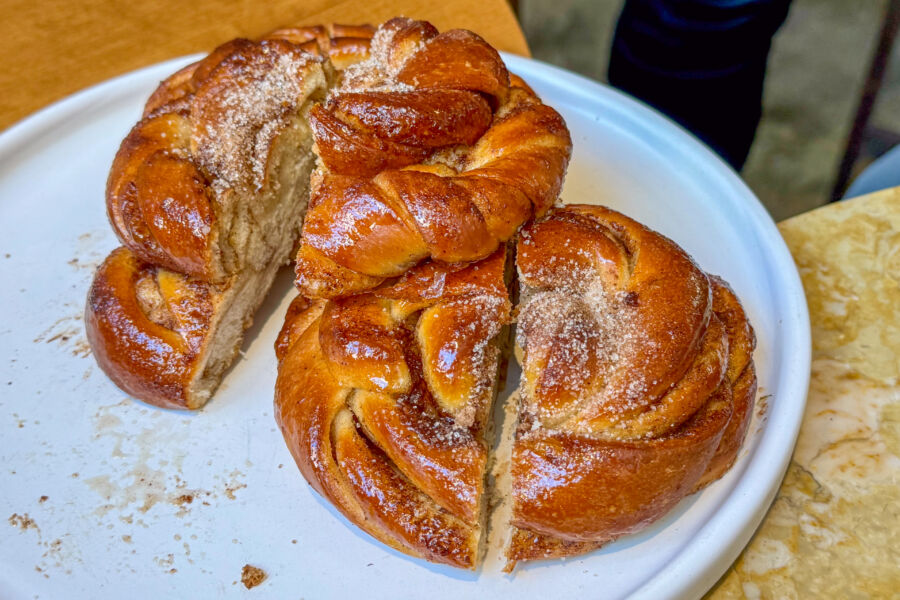
While we use the word “danish” to describe a sweet pastry, in Denmark it’s wienerbrød (“Vienna bread,” from the French viennoiserie) — named for the Viennese bakers who brought the art of pastry-making to Denmark, where the Danes perfected it. Ironically, in Vienna, they call the same thing “Copenhagen” or “Danish” bread.

For centuries, each community kept its own local time, based on the sunrise and sunset in that precise location — which often differed by a few minutes from town to town. But by the late 19th century, faster and faster trains made standardized timekeeping essential. Imagine: You’d show up for your 10:00 train to London, only to discover that, in London, it was already 10:10 — and, therefore, you’d just missed your train. In 1884, the prime meridian (through Greenwich) was established as a starting point for calculating world time zones; over the next few decades, Greenwich Mean Time was gradually adopted across Europe and around the world, ensuring that everyone shares the same clock.

Siglufjörður, a remote fishing village at the northern tip of Iceland, was once a herring boom town, nicknamed the “Atlantic Klondike.” From 1903 to the 1960s, salted herring (which was highly nutritious and traveled well, making it particularly valuable during the world wars) represented fully one-half of Iceland’s total export income. The hard work of cutting and salting the fish was done by “herring girls,” who lived in dorms through the season — hanging out and listening to records while waiting for the boats to come in, when they’d rush down to the docks and work 20- or even 30-hour shifts. These “herring girls” were the muscle behind Iceland’s economy during a critical time, arguably empowering it to become fully independent from Denmark.

Italians think very deeply about digestion. It’s why their food is so delicious. And it also explains several cultural quirks that travelers scratch their heads about: a reluctance to serve cappuccino (or anything with lots of milk) after lunchtime; a taboo against mixing seafood and cheese; their insistence on serving your salad after the pasta, not before; and their bad attitude about tap water. (They’re not trying to upsell you. They’re just worried about your digestion — and there’s a water for that.)

The albero sand used for Spanish bullfights is special: The vivid-yellow color is the perfect complement to the flamboyant matador outfits and deep red blood, and the sand is just coarse enough to provide traction, minimize dust, and allow drainage. The premium sand favored in Andalucía, quarried at Los Alcores near Sevilla, is so precious that bullrings rent it for use only during bullfights; after the spectacle, it’s shoveled into trucks and taken to the next town.

One of Europe’s many north/south divides has to do with the circulation of fresh air indoors. Many Germans adhere religiously to the practice of Lüften (“ventilation”): At least twice each day, especially in the winter, they throw open all the windows to blast out stale air — as a matter of hygiene and good health. (Some people in the Low Countries and Scandinavia have a similar custom.) In Italy, quite to the contrary, many people have a deep fear of catching a draft; they believe a colpo d’aria (“hit of air”) can cause all manner of health problems, from headaches to diarrhea. A similar belief is persistent in many parts of the Balkans, especially Serbia (where it’s called promaja).

John Lennon and Paul McCartney had something very specific in common — aside from growing up near each other in Liverpool and becoming two of the greatest songwriters of all time. Both of them lost their mothers at a young age, perhaps forging an unspoken bond that facilitated their historic collaboration.

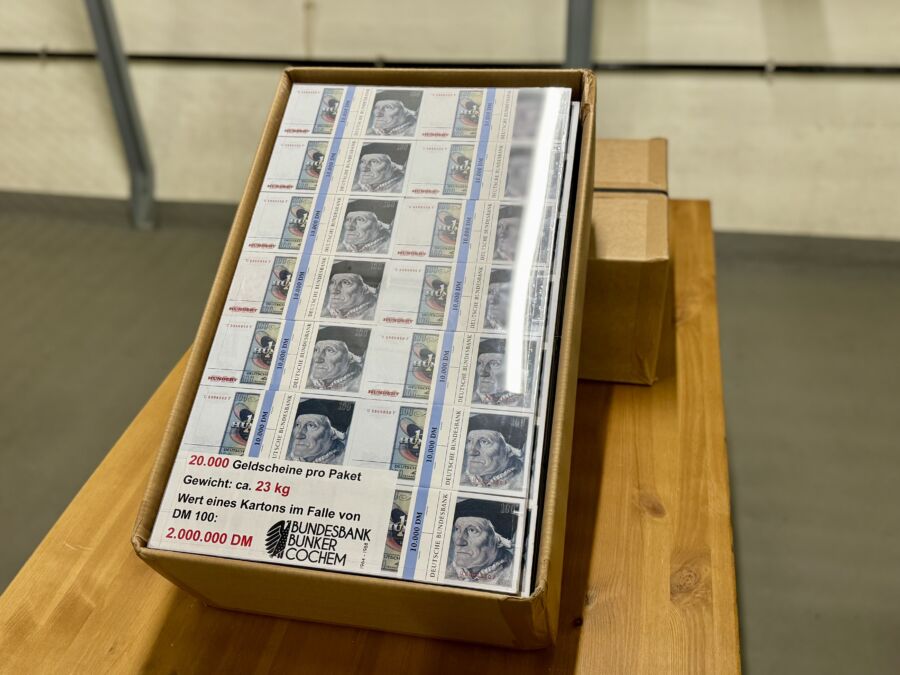
During the Cold War, West German authorities secretly stored 15 billion Deutschmarks (roughly €7.5 billion) in a hidden bunker, tucked in an unassuming neighborhood in Cochem on the Mosel River — neatly stacked floor-to-ceiling in cardboard boxes (now open to visitors). The currency was held in reserve in case of nuclear war, and to protect it from being devalued through nefarious means; the Bundesbank even created alternate designs for their banknotes — and printed billions — in the event that the Deutschmark needed to be replaced wholesale in a hurry.

In many European cities, you’ll find the same sculpture: an anonymous unhoused person, sleeping under a blanket on a bench. Only upon closer inspection do you notice the wounds in the feet that identify this person as Jesus. Homeless Jesus, by Canadian sculptor Timothy Schmalz, challenges the viewer to see the divine worthiness of each fellow human being — no matter their social stature. Since the original version was erected in 2013 at a Toronto theological school, more than 50 copies have appeared all around the world (I’ve seen them in Dublin, Glasgow, and Amsterdam).

Switzerland has two dominant grocery store chains: Coop and Migros — and either you’re a Coop family, or you’re a Migros family. Migros focuses on in-store brands and prides itself on having a conscience: They don’t sell alcohol or cigarettes, they were the first Swiss supermarket to stop giving out free plastic bags, and they donate one percent of their sales to charity. Meanwhile, Coop has a wider variety of brands and higher prices, focusing on organic and sustainable products; it’s considered a bit more posh. Very broadly speaking, Migros is like Trader Joe’s, while Coop is more like Whole Foods.

Bluetooth technology — which wirelessly connect devices — was named for Harald Bluetooth, a tenth-century Scandinavian king who “connected” the Danish and Norwegian peoples. Even the symbol for Bluetooth comes from Viking runes: It’s the letters H and B, combined.

In Sicily — and in many other cultures — it’s considered very important for children to know about their deceased ancestors. On special occasions, they may even receive a present from a departed great-aunt or grandpa. (When you think about it, this is no less “creepy” — and certainly more touching — than gifts from the Easter Bunny or Tooth Fairy.)

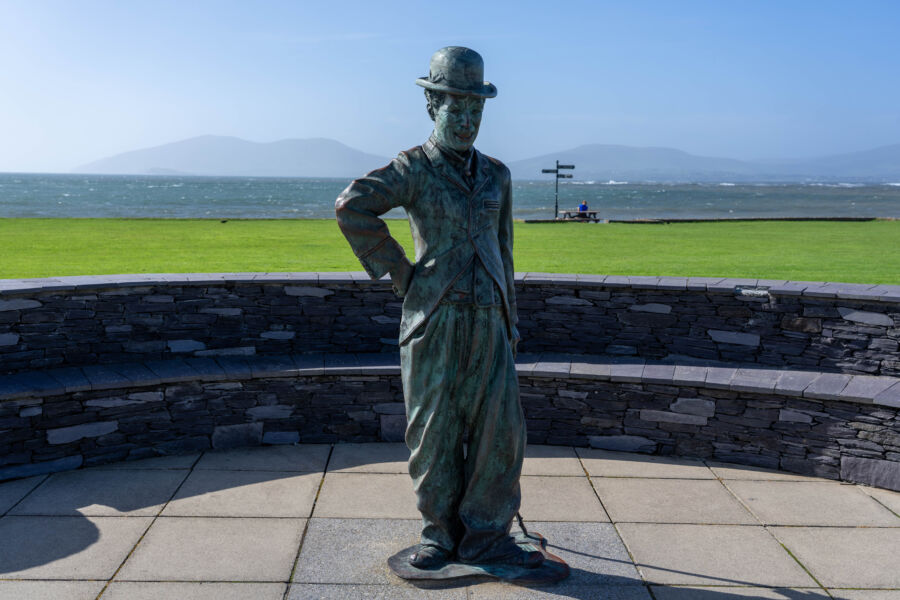
All over Europe, you stumble upon seemingly random statues… and they always come with a story. In Waterville, a castaway beach town on Ireland’s Ring of Kerry, stands a statue of Charlie Chaplin — who enjoyed the time he spent living the good life here. In central Budapest, you’ll find Peter Falk (the Columbo actor had Hungarian roots) as well as Ronald Reagan and George H. W. Bush (whose Cold War policies helped topple Hungary’s communist regime). You’ll find statues of the great Irish writer James Joyce in both Pula, Croatia, and Trieste, Italy — he lived in each city while writing his masterpiece Ulysses. And a park in Ronda, Spain, features busts of Orson Welles and Ernest Hemingway — two early-20th-century American greats who both fell in love with Spanish culture.

At Spain’s prestigious University of Salamanca, Fray Luis de León (1527-1591) challenged the Church’s control over the word of God by translating part of the Bible into Castilian. The Inquisition arrested, jailed, and tortured him for five years. Upon being released, he returned to the university and began his first lecture with, “As we were saying…” Today, he remains a symbol of the intellectual independence of academia in the face of changing political mores.

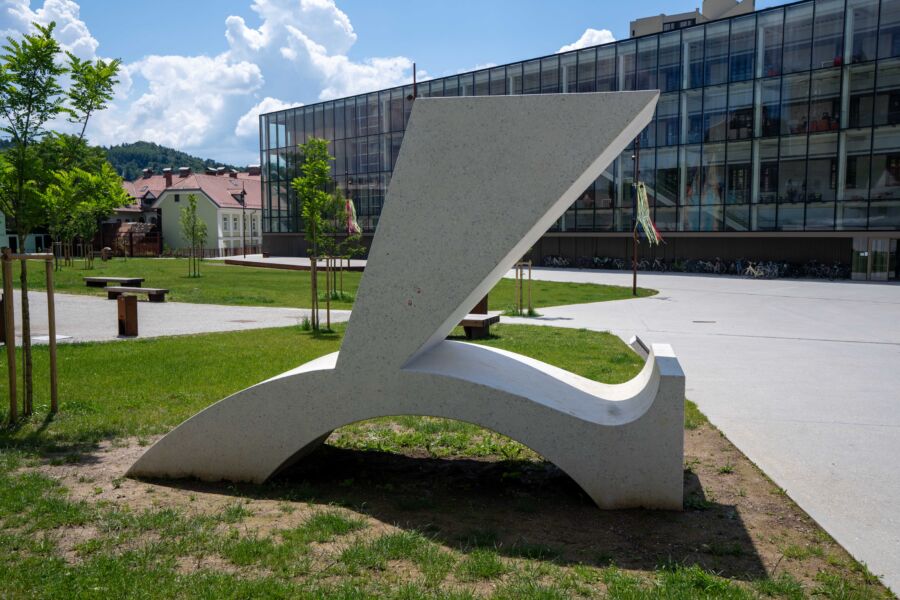
In the Slovenian capital of Ljubljana, you’ll find a strange monument, shaped like the top half of a letter Ć buried in the ground. When Slovenia declared independence in 1991, its population included tens of thousands of people from other parts of Yugoslavia. While most Yugoslav languages have two versions of this letter — Ć and Č — Slovene uses only Č. And so, eager to distance itself from Yugoslavia, Slovenia standardized spellings by replacing Ć with Č. Think of the many names ending in -ić — which now had to be spelled, instead, with -ič. Slovenia had 25,671 “Ć people” (including more than 5,000 children) who were “erased” by the breakup of Yugoslavia — stateless, stripped of governmental services, unable to travel, living in fear of expulsion… not because they moved, but because the borders did. Over time, as Slovenia matured as a nation and the Yugoslav Wars found resolution, the vast majority of these people gained their citizenship — and reclaimed their rightful Ć.

It’s remarkable when a particular place, at a particular moment, becomes a magnet for hugely influential people. If you walked into a coffee house in Vienna in early 1913, there’s a possibility you’d run into Sigmund Freud, Marshal Tito, Adolf Hitler, Josef Stalin, and Leon Trotsky.  Also notable: the Golden Age of ancient Athens; Florence circa 1500; Philadelphia in the 1770s; Victorian Age London; Paris and Harlem in the 1920s; and Silicon Valley at the turn of the 21st century.

Many German parking garages have specially designated parking spots for women, called Frauenparkplätze — generally in well-lit areas close to the entrance. While intended to make women feel safer in a big, dark garage, they are often criticized by German feminists, who consider them condescending (especially because they’re often wider than standard parking places, perhaps based on a stereotype that women are inferior drivers; and because they are typically located next to disabled spaces).

It’s often said that the uprisings that ended communism in Eastern Europe — which culminated in the autumn of 1989 — moved at starkly different paces: In Poland, it took 10 years; in Hungary, 10 moths; in East Germany, 10 weeks; and in Czechoslovakia, 10 days. Whie this requires a bit of fudging, it’s mostly accurate: The 1980 Solidarity protests in Gdańsk, led by Lech Wałesa, kicked off nearly a decade of slow reforms; throughout the summer of 1989, Hungary opened its borders little by little; by early that fall, protests began to sweep across East German cities; and the Velvet Revolution of Czechoslovakia played out over about a week and half, with increasingly large peaceful protests.

To this list, you could add “10 hours” for East Berlin. When the Berlin Wall came down, it happened overnight, as the result of a miscommunication. On November 9, 1989 — in response to those “10 weeks” of protests — the East German politburo issued a statement about their intention to gradually ease border controls, then left town for the weekend. Upon reading the ambiguously worded new policy in front of TV cameras, a flustered spokesman gave the impression that these changes were to happen “immediately.” East Berliners began to show up at border checkpoints in droves. At about 11:30 p.m., an overwhelmed guard threw open the gates. And once open, the Berlin Wall never closed again.

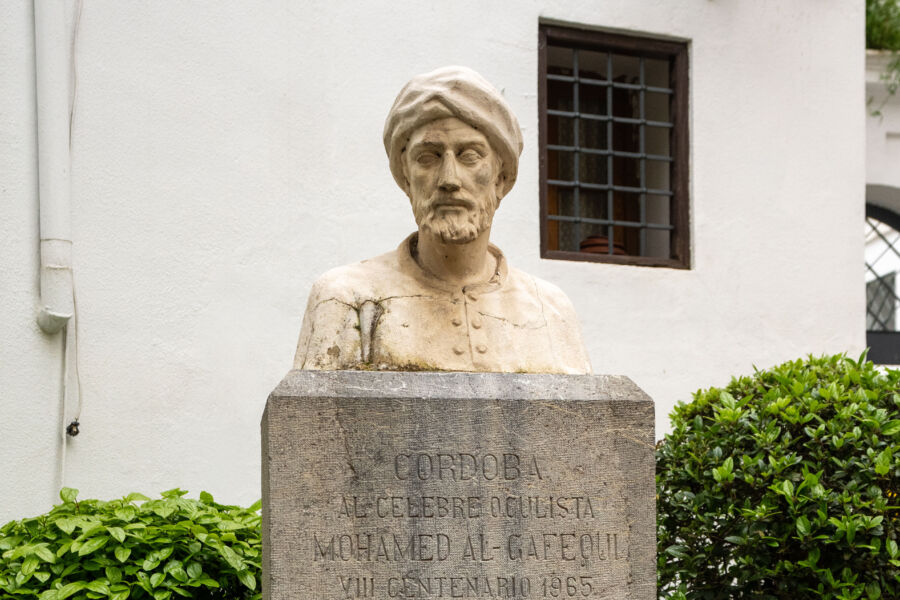
Around the year 1000, Moorish scientist Abu al-Zahrawi wrote a surgical encyclopedia, called Al-Tasrif, that was used throughout Europe for 700 years. He was one of many Muslim doctors and surgeons who advanced the practice of medicine in Al-Andalus (today Andalucía) — at a time when so much of Europe was suffering through its “Dark Ages.” Another example: Muhammad al-Gafeghi, today honored by a statue in Córdoba, was an ophthalmologist who performed successful cataract surgeries in the first half of the 12th century.

Europeans have many stereotypes about Americans: We wear tennis shoes, logo T-shirts, and baseball caps. We talk too loud. And… we drink too much water? Yes, among our many other foibles, Europeans perceive Americans as being bizarrely obsessed with (over-) hydrating. This may be based partly on American visitors requesting — and expecting — big glasses of tap water in restaurants. But it appears to be rooted in reality: Polling suggests that American adults drink, on average, 70 percent more than their European and British counterparts (1.7 liters per day vs. about 1 liter per day). And authorities in the USA and the EU have very different “recommended daily amounts” of water consumption: In the US, it’s 3.7 liters for men and 2.7 liters for women; in Europe, it’s about one-third less: 2.5 liters for men and 2 liters for women.

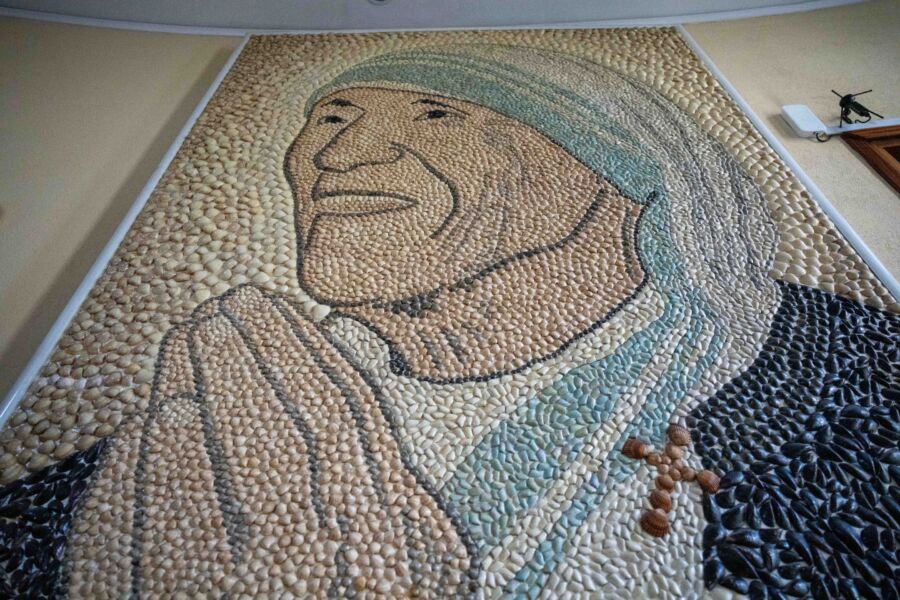
Two starkly different women are celebrated throughout the Albanian world ­— from Tirana to Prishtinë ­— honored by murals, statues, and street names: Mother Theresa, who was born Anjezë Gonxhe Bojaxhiu in Skopje (today’s Macedonia)… and pop star Dua Lipa, a Londoner with Kosovo Albanian heritage.

The early people of Denmark were entranced by bogs. At the dawn of the Iron Age, bogs were the source of ore that could be used to create all manner of tools and weapons. This mysterious and sacred liminal space, existing somewhere between land and water, was believed to be where the gods resided. Precious items (including vast collections of weapons plundered from defeated enemies), animals (up to and including horses), and even human beings were sacrificed to the thick peat of the bogs. Fortunately for present-day archaeologists, this preserved these artifacts perfectly.

Believe it… or not!

Do you have any favorite European factoids to share?


If you enjoy these sorts of insights, you should know that most of these appear, in some form or another, in our Rick Steves guidebooks. Any source can list names and dates; we always strive to provide real insight to help you get your arms around the place you’re visiting, in a more intimate way.

So, Are Americans Still Welcome in Europe? — A Trip Report

Before heading off on my spring trip to Europe, I had one big question: Would the provocative “America First” words and deeds of our new president affect how I’d be received by Europeans? In short, as an American, was I still “welcome” in Europe?

After more than two weeks in Spain — with a very small sample size of one traveler and one country — my main takeaway is that I’m surprised how little American politics came up, over dozens upon dozens of interactions with Spaniards. In fact, I detected no difference whatsoever — not one iota — in how I was treated here, compared to previous trips.

There is no resentful, angry edge; no sudden cold shoulder upon learning that I’m American; no nasty comments or hostile, pointed questions. Whether they’re indifferent or concerned, supportive of my president or terrified of him, Spaniards — and, I imagine, most Europeans — still afford each of us individual American travelers the same respect and warmth they always have.

When I polled travelers on my Facebook page about this question,  everyone reported a similar experience — that politics rarely came up, and never resentfully. Some did say that they were asked more often than before about what’s happening in the US. However, these questions are posed in a spirit of genuine curiosity, part of a natural tendency to talk about — and to try to better understand — what’s in the news.

On my first day in Spain, I was chatting with a local guide I’ve known for years — someone who’s highly intelligent and well-informed. I started talking about Elon Musk. She said: “Elon who?”

As I stammered through an explanation, I was grateful for this reality check. Like most of us, I’m deeply embedded in a media bubble, one where the name “Elon Musk” triggers an avalanche of high emotion. Outside of my bubble, those connotations are different. And outside of my borders, all bets are off — in a way that struck me as refreshing.

In the end, while Trump (if not Musk) dominates Spanish headlines just like back home, being in Spain reminded me that most people on this planet are, fundamentally, pretty apolitical.

This might seem contradictory, but two things can be true at the same time: First, Europeans are aware of the broad strokes of what’s happening Stateside, and many are worried that Trump’s actions on a wide range of issues — from his brewing trade war to potentially ending military support in the critical fight for Ukraine — could have a significant impact on their lives. For example, if you produce olive oil or wine, and you depend upon selling your goods to an American market, you’d have cause to lose sleep over Trump’s on-again, off-again tariffs.

And yet, simultaneously, for most people these potential outcomes feel both distant and (so far) mostly hypothetical… enough to keep those worries on the back burner, and not to bubble over into resentment toward American visitors.

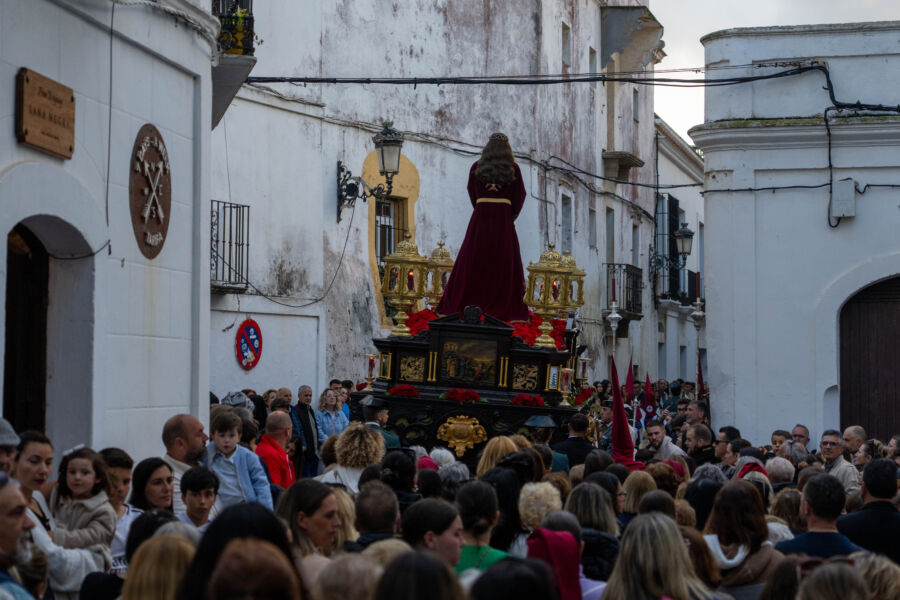
Front-of-mind worry is more focused on things that have an immediate impact on their day-to-day lives — such as the likelihood of rain ruining the Holy Week processions that everyone spent the last year preparing for. Until Semana Santa was behind them, the people of Andalucía had bigger fish to fry.

If Spaniards had a general response to my American-ness, it was to commiserate about what we’re facing. They feel for us, because they get it. Any Spaniard over the age of about 55 still has memories of their fascist dictator, Francisco Franco, who took control of Spain during its brutal Civil War and kept it until his death in 1975. Franco had groomed the king-in-waiting, Juan Carlos, to be his successor and carry on his strongman legacy. Instead, Juan Carlos shocked everyone by pivoting in the opposite direction, transforming Spain into a true democracy and a modern, open society, and rejoining the family of nations.

Viewing the grand scope of history, sometimes things break one way… and sometimes, the other. If Spain’s king had stuck to the course Franco charted, this corner of Europe may still be a backwards autocracy. And back home, if votes had gone just a little differently in a few key parts of our country last November, then we’d all be on a very different course today. Europeans, who have a knack for taking the long view of history, understand how these dice-rolls can alter the course of events, and they sympathize.

Of course, my experience on this trip is based exclusively on the places I’m visiting, and the people I’m talking to. I imagine there are other countries where people are already feeling a more “front-burner” worry… places where the conversations might be a little more, shall we say, animated. My Polish friends, living on the border with Ukraine, text me regularly about their concerns. And later this summer, I’ll be in Denmark — where, I expect, some Danes may be eager to talk about my president’s repeated threats to annex one of their territories, Greenland,  “one way or the other.”

But after two weeks in Spain, I have a renewed confidence that nobody’s going to run me out of town on a rail… unless that’s how I choose to travel to my next destination.

§ § §

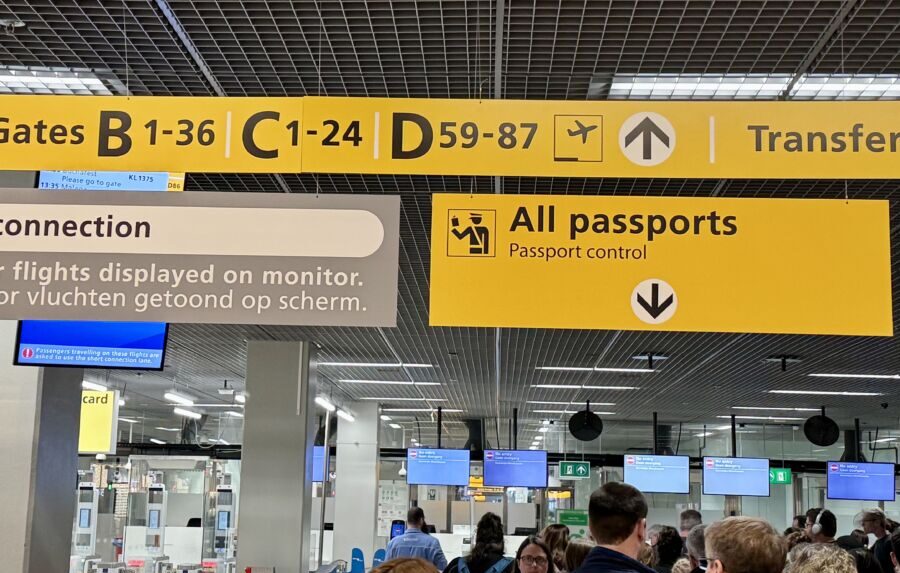
On my way to Spain, upon changing planes at Paris’ Charles de Gaulle Airport, I found myself in a long passport line — in fact, one of three passport lines. Bleary-eyed after the nine-hour flight, shuffling toward the uniformed guards, I glanced around and got to thinking about the role of the USA in the world. (I love it when travel triggers these little epiphanies.)

Upon entering the Schengen (European Union) passport check area, you’re immediately sorted into three groups: Europeans, who hold Schengen passports, enjoy VIP treatment and speedy processing. Then come those of us from the wealthy, non-Schengen world: Americans, Canadians, Brits, and so on. We get our own line, which is still relatively efficient, if not as slick as the EU line.

Standing in this second line, I saw a third line — one that I had never noticed before. This very long, very slow-moving line consisted almost entirely of people of color from what we might call the Second and Third Worlds: the nations of Africa, the Middle East, Asia… in short, lands that our president has referred to as “shithole countries.”

Two thoughts occurred to me. First, what should be obvious: While those three “tiers of travelers” might imply otherwise, all of us are human beings just the same, and all deserving of respect. Just like those of us in the first and second lines, the folks in the third line have places to go that are every bit as important as where we’re going; they get just as impatient waiting in a long line; they’re dealing with the very same sore backs, swollen feet, twisted intestines, and backed-up flatulence after a long flight.

And second, while the above “should be” obvious, our society is preoccupied with reassuring us of exactly the opposite: There are “good” places, there are “great” places, and there are “bad” places.

In America — a land that, to many, is synonymous with exceptionalism — we suffer from a persistent and feisty narcissism. I grew up being constantly reminded that I was born into the “greatest country on earth,” that we were the “leader of the free world,” and so on.

Now, as our new president has put us on the outs with the rest of the family of nations, we Americans worry about how we’ll be received overseas. Will we be welcome abroad?

Sure… we’ve always been “welcome,” in the sense that most locals fall somewhere between agnostic and pleased that we’re there. That’s not changing, far as I can tell. But sometimes I think that when we fret about being “welcome,” what we really want is to be treated as “special.”

When we visit Europe, we’re already in the second-tier passport line…. glancing at that third line, terrified that that’s where we’re headed. Will we soon reach a point where our country of origin is cause for embarrassment rather than pride? 

This would be far from unprecedented. Countries slide between these tiers constantly. I remember another layover, when I changed planes in Amsterdam, maybe six months or a year after Brexit went into effect. That passport checkpoint was a chaotic scrum, with many of us cutting it uncomfortably close for our connections. The security guard, surveying that “second tier” line, asked if anyone had EU passports. A few people, who’d gotten in the wrong line, waved their French, Portuguese, or Polish passports — and were whisked into the fast lane. Then a couple more hands shot up, and an English accent asked, hopefully, “What about the UK?”

The guard — a vicious smirk spreading across his face, as he completely failed to disguise his glee — explained: “Ah, but you are not in the EU anymore. Remember? Brexit?” As the two would-be-fast-laners hid away their passports and turned scarlet, the rest of us in line enjoyed a cathartic chuckle at their expense. Welcome to the second tier!

I suspect that deep down — perhaps even subconsciously — that’s what many of us Americans are worried about: Are we still “special”? Or might we be heading for that third passport line?

If we do make that slide… well, would that be such a horrible thing? Perhaps joining that line would inject our American narcissism with a dose of much-needed global empathy.

Many observers outside our borders have seen the election — and the re-election — of Donald Trump as a loss of innocence for America. When I talk to Europeans about our current state of affairs, rather than anger or resentment, mostly I sense a resigned disappointment. They love the USA. They’re pulling for us. And they were hoping that we’d be immune to this global trend of extremist, isolationist populism. They expect this from “other countries” —  but not from us, the noble Americans who helped save them from the Nazis and the USSR. Seeing our current circumstances through their eyes is a wake-up call that complacency erodes democracy back home, and respect around the globe.

And so, if at some point you wind up spending an extra 30 minutes waiting to enter a foreign land, use that time to consider the role America plays on the world stage, and the responsibility each American voter has for the consequences of our elections — and in shaping the culture that influences those elections.

§ § §

I wrapped up my spring trip in Morocco. Here, as in Spain, I found the welcome very warm. And, as in Spain, people had their own personal concerns that trumped world events. In Tangier, Yassin was much more interested in showing me all the amazing details of St. Andrew’s Church — where the Lord’s Prayer is etched into the wall in Arabic — than in “talking politics.”

Later, on a road trip through the Moroccan countryside, my guide and I were pulled over for a routine traffic stop. Reviewing our papers and noticing my American passport, the policeman playfully asked, “Who did you vote for?” A little too eagerly, I answered: “Harris! Harris!”

Both the policeman and the guide gave me a funny look. After the policeman shrugged and waved us a cheerful goodbye, my guide explained, “Actually, that wasn’t the answer he was hoping for.”

I was perplexed. Here I am — in one of those countries my president would dismiss as a “shithole,” where Islam is deeply interwoven into everyday life — and yet this police officer… likes Trump?

My guide explained: During his first term, for complicated diplomatic reasons, Trump recognized the disputed territory of Western Sahara as part of Morocco. Therefore, Trump has a surprisingly strong thread of support in this country — one that, on paper, should find him abhorrent.

I guess this all goes to prove the old saying: All politics is local. For many of us Americans, the political landscape is frightening, and the future feels bleak. And yet, even if others are looking worriedly at what’s happening here, ultimately they have their own pet issues that complicate a simplistic, one-size-fits-all understanding of a place.

This trip has provided so many reminders of how, at the end of the day, people are just people. Each of us is a quirky, idiosyncratic, often internally inconsistent constellation of thoughts, feelings, and beliefs. The greatest joy of travel remains having those people-to-people interactions that confront your assumptions and tease out new colors, textures, and threads in your understanding of the tapestry of humanity.

Whether it’s the well-informed Spaniard who needs a lesson in “Elon Musk 101,” the too-easily-dismissed person in the next passport line, or the Moroccan cop who loves Trump, travel puts us, for a fleeting moment, in improbable proximity — to teach and learn from each other, and to be reminded of the wonderful weirdness of humanity.

If you’ve had a chance to travel to Europe in 2025, what has your experience been? Have you been to places where people are more eager to talk politics, or are you finding that it remains — for now — mainly a back-burner worry?