10 European Discoveries for 2021

On the horizon, there is light. The sun hasn’t risen yet, but it’s coming. Although it has never been more important (or harder) to continue staying home, limiting contact with others, wearing masks, and so on, it’s beginning to feel like 2021 may bring the “return to normal” — and the return to travel — that we all crave. It’s too early to begin planning trips, but it’s never too early to dream. So…where to?

The last several years, my New Year tradition has been to assemble a list of 10 European Discoveries. As we reach the end of a year of hardship, and face a new year of further uncertainty, I almost bailed on this idea. But we will return to Europe. It’s just a question of when. So I’ll keep with tradition — but with a new spin.

I believe that in the post-pandemic world, travelers will look for something different. Before COVID-19, we had gotten so busy, and so stressed by the crowds, that we forgot to slow down and hear the church bells — to savor those beautiful everyday moments of European life. (If I have a post-pandemic resolution, it’s to not make this mistake again.) Having renewed our appreciation for the incredible privilege of being able to go anywhere we want, we’ll seek opportunities to settle in, slow down, and be fully present in Europe. We’ll choose places just outside the mainstream, ones that reward patience and contemplation.

And that’s the theme of my 2021 European Discoveries: 10 places where you might want to settle in for a week, or a few, and really get to know a fascinating corner of our planet. I haven’t set foot in Europe in well over a year — with, I assume, several more months yet to go. It has afforded me ample opportunity to reflect on my 20-plus years of exploring Europe. And looking back on all of it, these are the places the burn brightest in my mind.

Where are you hoping to slow down and savor our world in 2021?


Soča Valley, Slovenia
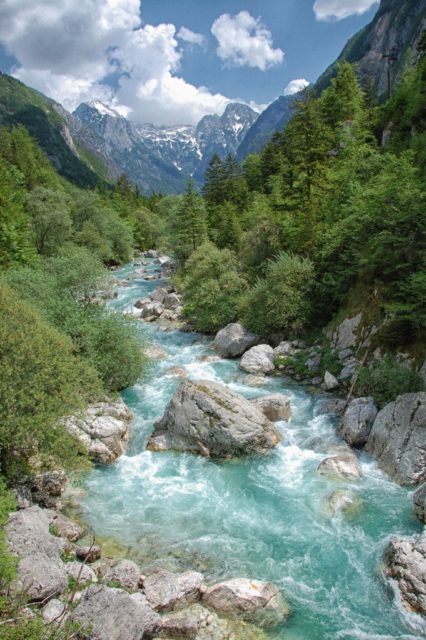
I can think of few places I’ve missed more in 2020 than Slovenia. And for me, the most beautiful place in this incredibly beautiful country is the Soča Valley, where a turquoise river cuts a gorge deep into soaring alpine cliffs, just a few miles from the borders with Austria and Italy. Historians know the Soča Valley for its fierce mountaintop battles during World War I (this is where Ernest Hemingway was wounded while driving an ambulance). And contemporary travelers know it as an adventure-sports capital (whitewater rafting, canyoning, paragliding) and home to the restaurant of Ana Roš, the world’s best female chef. You can get a taste of the Soča Valley on a very busy one-day side-trip from Lake Bled or Ljubljana. But why not settle in for several days? Sleep at a tourist farm on a high-mountain pasture, wake up each day to the sun peeking over snowcapped mountains, and spend your breakfast (of farm-fresh eggs) deciding which breathtaking hike or scenic drive to do today.


The Markets of Provence
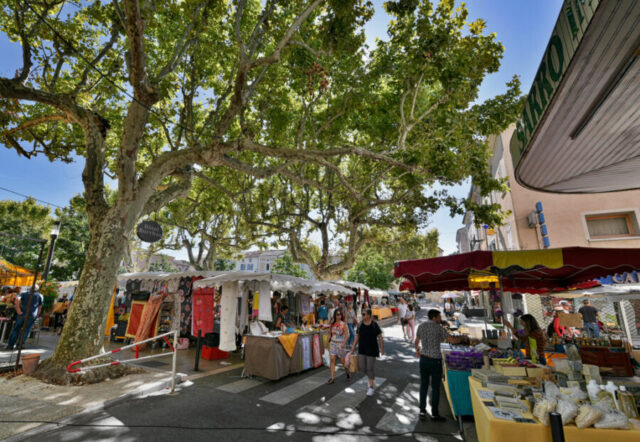
In September of 2019, my wife and I had a full week to unwind anywhere in Europe. Already exhausted from a packed and fast-paced year of travel, we opted for a quiet weeklong break in the South of France. Why? We wanted to savor the delightful market days (jours de marché) that hop from place to place around the bucolic Provençal countryside. In one week, we sampled seven different markets, each with its own personality. Yes, Provence is packed with other attractions: great sights and wine-tastings and gourmet meals and scenic hikes and hot-air balloon rides. But the markets are precisely the type of sensory super-experience we’re all desperate for after a 2020 spent very close to home. After living through a time when going to the corner grocery store feels like high adventure, imagine the thrill of strolling a lively town square, generously shaded by plane trees, as you choose a little wheel of cheese for your picnic from a mound of fragrant options, browse for just the right produce for a home-cooked Provençal feast, and bite into a strawberry that truly, intensely tastes like strawberry.


Budapest
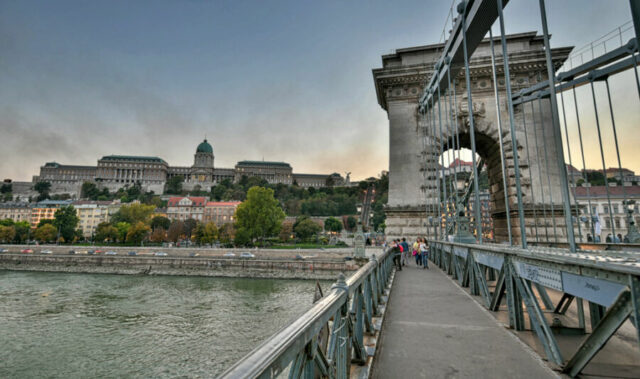
I wrote the book on Budapest…literally. And yet, even after 20-some visits, I still can’t get enough of this grand city on the Danube. With each weeklong visit to update my guidebook, the list of things I’d still like to see and do gets longer, not shorter. The melting pot and de facto capital of Central Europe, Budapest’s unique urban culture mixes a respect for tradition with a cosmopolitan openness to creativity and innovation. It wins my vote for the hands-down best restaurant and nightlife scene in Europe. And yet it also has a stately elegance, with ornate turn-of-the-century buildings, inviting tree-lined plazas, and wooded hills ideal for nature hikes. (And don’t get me started on the thermal baths.) Last March, I had already booked my tickets for yet another visit to Budapest, and I couldn’t wait. That trip, of course, never happened. And by the time I finally get back there, the anticipation will be unbearable. I never know precisely what I’ll see, do, and learn in Budapest. But I know it’ll create lasting memories.


Iceland’s Ring Road
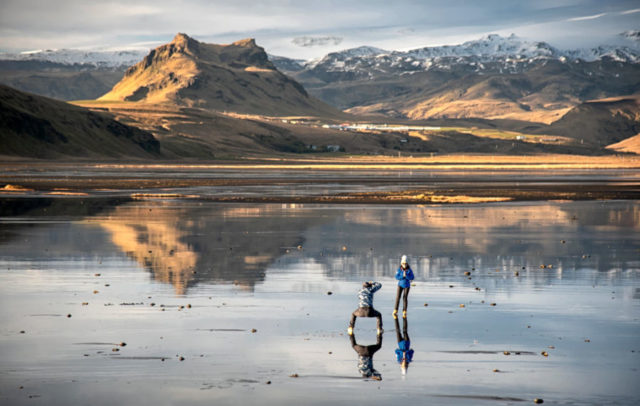
When we produced our Rick Steves Iceland guidebook, we included a “how to” chapter on Europe’s ultimate road trip: driving 800 miles on Highway 1 around the perimeter of Iceland, connecting astonishing scenery, geothermal hotspots, glaciers and icebergs, charming fjordside settlements, and warm and wonderful Icelanders. We covered the Ring Road generously in our book, even though we figured very few people would devote the full week required to do this trip justice. But maybe we were wrong. The pandemic has made National Lampoon’s Vacation-style road trips all the rage again. There’s never been a better time to rack up some serious miles through cinematic landscapes and have an honest-to-goodness adventure. And Iceland is made to order for “social distancing” as we tiptoe into the post-pandemic future. My Ring Road post covers the basics; if the photos and places intrigue you, forget about that “48-hour Icelandic layover” you’ve been contemplating…go all-in on the full Ring Road.


North Wales
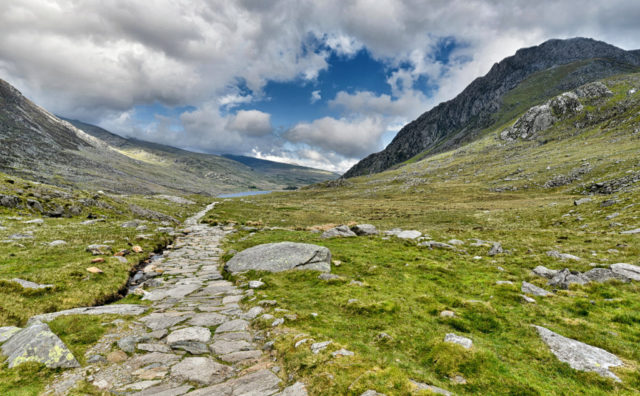
Recently I had the joyful experience of driving around North Wales (roughly the triangle formed by Conwy, Caernarfon, and Ruthin) for several days to update our Rick Steves Great Britain guidebook. I adore Europe’s plucky, off-the-beaten-path cultural eddies, and North Wales tops the list. Along with offering a fascinating crash course in Welsh culture and language, this region is studded with towering stone castles that make you feel like a kid again, a rugged landscape of craggy mountains and slate rooftops, and cheery red dragons laughing down from every flagpole. And it’s compact, making it easy to see a lot from any one of a number of charming home bases. While less known than the Scottish Highlands or Ireland’s Dingle Peninsula, North Wales is every bit as fun, scenic, and culturally rich.


Maramureș, Romania
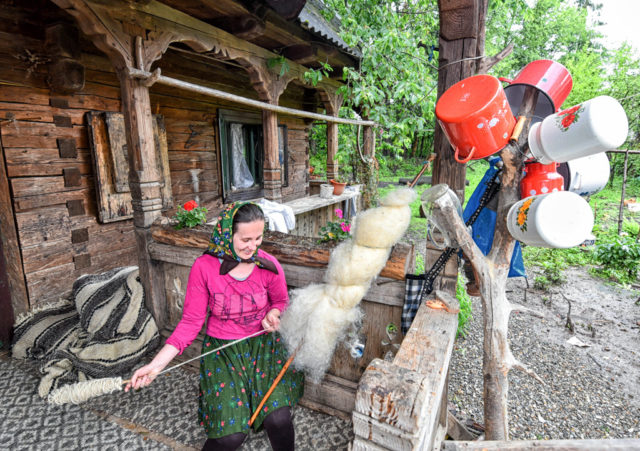
Years ago, my Dad and I went on a road trip through Romania, seeking traditional culture. When we came to Maramureș — ten long, potholed hours of driving north of Bucharest — we felt like anthropologists stumbling upon a place that time forgot. The rolling green hillsides are dotted with giant, tipsy haystacks. Rustic villages with mud roads — and more horse carts than cars — are lined with elaborate wooden churches and ceremonial gateways. Shepherds living in split-wood shacks make cheese like medieval peasants. And riverside settlements bustle with industry dating back to biblical times, from carpet-washers to fulling mills to to weaving looms to moonshine stills. This is not an “open-air folk museum” — it’s the real deal, Europe’s Amish Country. As our world changes at a dizzying pace — which only accelerated in 2020 — there’s no guarantee that Maramureș traditions will survive for much longer. (Teo Ivanciuc, an excellent local guide who helped us film our TV segment in Maramures, would love to show you around.)


Camino de Santiago, Spain
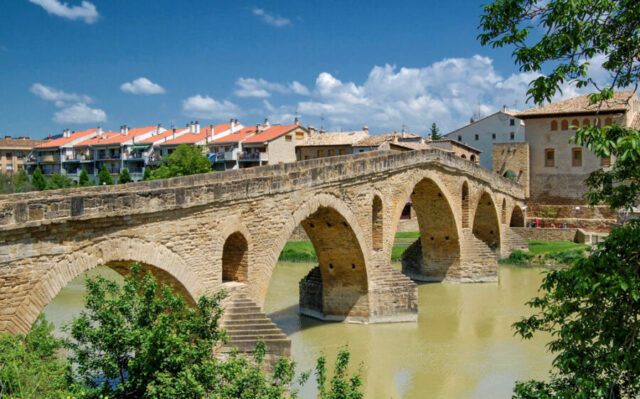
In the Middle Ages, pilgrims walked from all over Europe to venerate the bones of St. James in Santiago de Compostela, at the northwest corner of Iberia. This route — the Camino de Santiago — was largely forgotten over the centuries, only to be rediscovered in our own lifetime by travelers seeking an escape from modern life. After a year of deep soul-searching, there’s nothing like a four-week hike to clear the mind, synthesize all we’ve learned, and contemplate where to go from here. Begin in the green Pyrenees foothills of Basque Country, then walk across the arid plains of northern Spain, through villages and cities and across stone bridges from Roman times, before finally passing trough the wilds of lush, green, and rocky Galícia — all along the way, sleeping in rustic pilgrims’ hostels and following scallop shells through the wilderness. I’ve hiked bits of the Camino here and there (and I drove the entire route, end to end, to write a “how to” chapter in our Rick Steves Spain guidebook). But I’ve never been so tempted to do the full Camino the old-fashioned way.


Lofoten Islands, Norway
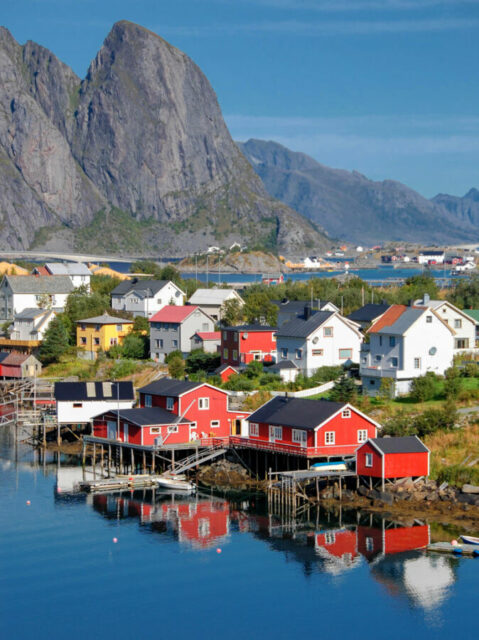
All my life, I’d seen this magical place in postcards and coffee-table books: soulful fjords with cut-glass mountains rising high above serene, deep waters, speckled with red cottages and almost no people. My wife and I decided we simply had to see this scene for ourselves. And when we finally made it to the Lofoten Islands — above the Arctic Circle and chilly even in August — we found it even more stunning than the photos. Getting to the Lofoten requires some effort (from Oslo, fly due north for an hour and a half), so you might as well settle in. The rugged Norwegians who’ve carved out a hardy life up here, hanging cod to dry on rickety wooden frames, are adept at introducing visitors to traditional lifestyles. Rent a rorbu (cheery cottage perched on stilts over the fjord) and spend a few days just tooling around, from the “capital city” village of Svolvær to the end-of-the-road cod-fishing settlement called Å. We home-based in Reine, perched on a flat rock in the middle of a fjord with the most stunning views in all of the Lofoten, and from there we ventured out to see everything the archipelago has to offer.


New Zealand

Sure, it’s not “European” in geographical terms. But for anyone who loves Europe, New Zealand feels strikingly familiar…yet excitingly different. (One afternoon, you’re punting the River Avon in Christchurch, as if you were in an English country garden; the next day, you’re swimming with dolphins at Kaikoura.) After years of hearing from our well-traveled friends about this seemingly too-good-to-be-true land, my wife and I finally spent a few weeks here in early 2019. And we fell instantly, hopelessly in love. Yes, the scenery is gobsmacking, and Lord of the Rings fans are in heaven. But New Zealand is so much more: a melding of Europe and Polynesia set amidst an entertaining landscape, where majestic glaciers rise high above steamy groves of ferns and palm trees. We loved sampling the local wine, craft beer, and third-wave coffee culture; learning about the indigenous Māori culture; and getting to know the wonderful Kiwis, who somehow manage to be well-organized and ceaselessly competent while remaining low-key and easygoing. Even before we came home, we’d already started Googling “How do I emigrate to New Zealand?” Now that the Kiwis (under the steady and compassionate leadership of Jacinda Ardern) have managed the pandemic better than anyone, this little island nation is sure to be flooded soon with more than its share of tourists…and transplants. Why not finally get down there soon,  ahead of the crowds? As soon as they open up to outsiders, New Zealand is at the top of our list of post-pandemic dreams.


Agriturismo Cretaiole, Tuscany
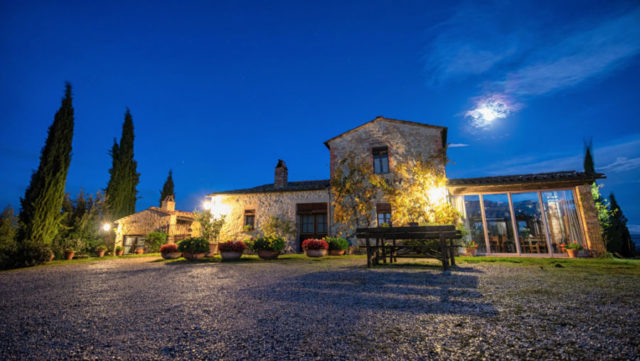
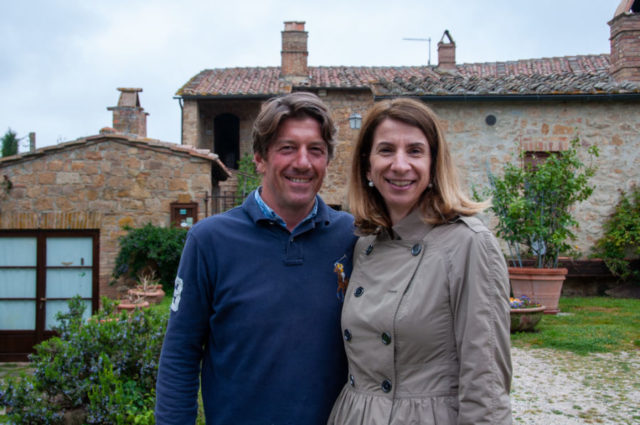
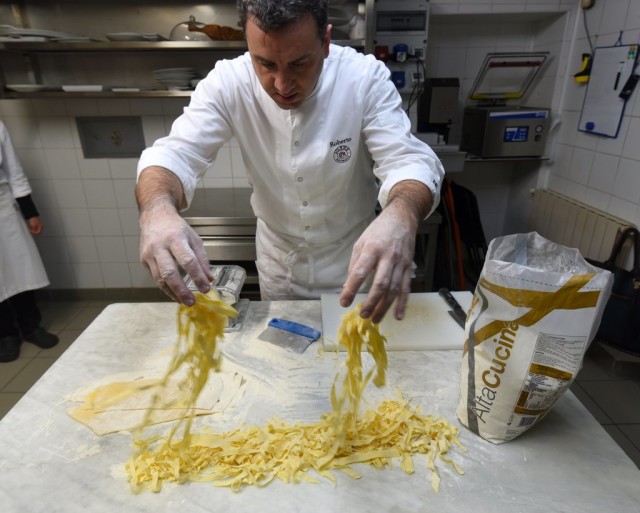
For years I’ve been singing the praises of a very special place to stay in the most beautiful corner of Tuscany. On a wooded ridge just outside Pienza, city mouse Isabella married country mouse Carlo and, together, they converted a traditional Tuscan farm into the best possible expression of an agriturismo — where visitors experience rural Italian culture and cuisine with modern comforts. With each visit, this place impresses me even more — and especially the vivid, perfectly orchestrated Tuscan experiences that Isabella creates for her guests: truffle hunts, pasta-rolling parties, olive oil appreciation classes, wine tastings, deeply meaningful nature hikes, and on and on. When I close my eyes and picture the one place I’d love to get back to as soon as I can, it’s spending a week — or more — at Cretaiole.

On my most recent visit to Tuscany, a few months before COVID-19 hit, Isabella showed me around her gorgeous new boutique hotel (La Moscadella), offering a similar Tuscan cultural experience with more luxury. But now that fine hotel, and the original farmhouse, sit mostly empty — one more tragedy in this year full of them. Whether it’s Cretaiole or some other perfect place you’ve discovered in your travels, small businesses are hurting right now. If you have the means to travel, as soon as it’s safe, consider booking a return visit. Helping to jump-start these businesses is the least we can do, considering all of the joy people like Isabella and Carlo have brought to our lives over the years.
I’m hoping that 2021 brings good fortune and a return to what we love, both for us travelers and for the people we meet on the road. Like all things, this too shall pass. And a year from now, if all goes well, we’ll be comparing notes about a whole new slew of discoveries for a new age of travel.

10 European Discoveries for 2020

In 2020, Europe will be more crowded than ever. Fortunately, there are still plenty of undiscovered alternatives: A sweet little beach town in Portugal. The quieter sides of London and Tuscany. The thriving tapas scene in an underrated Basque city. Street markets in Ljubljana and Provence. Switzerland’s capital and Bulgaria’s cultural capital. The wilds of northwest Iceland. The Tuscan island where Napoleon rallied for his final stand. And even a pilgrimage to a newly trendy nuclear meltdown site. These are my 10 European discoveries for 2020.
In 2019, my travels took me to London, Paris, and Rome; to Tuscany, Provence, and the Swiss Alps; and to the fjords of Iceland, the Julian Alps of Slovenia, and the white cliffs of England’s South Coast. And yet, reflecting on a  very busy year, I’m struck by how many of my fondest memories were forged not in the big-name destinations, but in out-of-the-way places. Continuing my annual tradition (check out my discoveries for 2018 and 2019), I’ve collected this list of Europe’s lesser-known highlights. You’ll notice a theme: Most of these are close to extremely famous — and extremely overrun — European biggies. It’s striking how, with a little effort, you can discover a little corner of Europe all to yourself.


The Westfjords, Iceland

About nine in ten visitors to Iceland hew close to the capital, Reykjavík, making speedy day trips to the Golden Circle, South Coast, and Blue Lagoon. That’s efficient and satisfying, if time is short. But to strike out on your own, head north — way north — to the Westfjords. Up here, just shy of the Arctic Circle, you’ll find boundless fjordland vistas, thundering bridal-veil waterfalls (including one of Iceland’s best, Dynjandi), plucky and kind locals, and one of the world’s top bird cliffs, a magical place called Látrabjarg. If you’ve made brief “layover” forays into Iceland and are ready to invest a few days in getting way off the beaten path…the Westfjords are for you. My trip to the Westfjords in September of 2019 — to write a brand-new chapter for the second edition of our Rick Steves Iceland guidebook (coming soon) — ranks as one of my all-time favorite road trips.


Untouristy London

London is a world in itself — endlessly, relentlessly, exhaustingly engaging. For some, it can be too much. When visiting London, hit the big sights, sure. (Ideally equipped with some smart crowd-beating tips.) But make a point to also break out of the tourist rut and become a temporary Londoner. During my two weeks in London in 2019, I cycled through “Little Venice” along the Regent’s Canal, explored hipster street markets (my favorite is Maltby Street Rope Walk Market), hiked across the urban wilderness of Hampstead Heath, explored the Shoreditch street-art-and-foodie neighborhood, checked out the food halls of Brixton, and rode a commuter train to the lovely suburban neighborhood of Dullwich. London is one of Europe’s most satisfying cities to explore. So…explore.

By the way, this approach also works like a charm in other overcrowded cities. For example, in Rome, consider skipping the Sistine Chapel and the Colosseum and heading to some exponentially less overrun alternatives. (I love Rome’s Monti neighborhood, across the street from the Ancient Forum.)


Bern, Switzerland

Switzerland’s seat of government is also its most appealing urban playground. Livable Bern is tucked quietly between some of Switzerland’s most heavily trafficked destinations — namely, the Berner Oberland and Lake Luzern. And yet, it’s one of the only European capitals where locals complain about how few tourists visit, rather than how many. Updating our Rick Steves Switzerland guidebook in Bern this fall, I enjoyed the city’s pristine arcaded streets, playful fountains, engaging museums, super-scenic bridges, warm sandstone townhouses, low-key students-and-politicians pace of life, and convivial park huddled under its towering church steeple. One Friday evening at sunset, I hiked up to a tranquil rose garden where everyone was just hanging out, peering out over the handsome cityscape, and waiting for the sun to go down. It was — in a most unexpected place — one of my favorite travel memories of 2019. (Our Best of Switzerland Tour ends with a night in this fine little city.)


Ljubljana’s “Open Kitchen,” Slovenia

Speaking of underrated capitals, Ljubljana has long been my favorite little city in Europe. And it just keeps getting better. While Ljubljana is inviting anytime, do your best to visit on a Friday (from mid-March through mid-October, weather permitting). That’s when the market square plays host to the wonderful Open Kitchen, one of my favorite food events in Europe. Each of the several dozen stalls is operated by a brick-and-mortar restaurant, from internationally recognized chefs to hole-in-the-wall dives. And the variety is bewildering: During my visit in early October, I saw vegan burgers, huge simmering pans of paella, Argentinian steaks, ribs and pulled pork, Indian dosas, Belgian waffles, poke bowls, Slovenian microbrews, Chinese noodles, hearty sausages and čevapčići, delicate macarons, and an entire roast pig on a spit. People settle into big shared tables or grab a seat on the cathedral steps to graze and socialize. It’s a melting pot of culinary Slovenia — home to one of Europe’s most underappreciated food scenes.


Salema, Portugal

Of the many things that Rick and I agree on, this tops the list: Salema — a tiny town on Portugal’s Algarve Coast — may be the best beach town in Europe. It’s just down the coast from big, glitzy resorts (like Lagos, Abufeira, and Portimão). But Salema feels like an idyllic, Old World hideaway. Visiting recently to update the Algarve chapter for our Rick Steves Portugal guidebook, I was utterly charmed by Salema. It doesn’t have enough hotels, and the ones it has are past their prime (or humble-by-design). Sunbathers share the beach with fishing boats, pulled just beyond the reach of the tide. Grizzled fisherfolk grab the shade at a beachfront café near the communal tractor they use to hoist those boats up onto the sand. The cobbled main drag climbs up through a whitewashed world of simple homes. And Salema’s beach — with powdery yellow sand, just the right amount of surf, vivid-yellow cliffs, and beach bars happy to rent you a thatched umbrella and a lounger — is made to order for a day of sunbathing and splashing.


Chernobyl, Ukraine

Yes, really. Chernobyl — a two-hour drive north of the Ukrainian capital, Kyiv — is a compelling, moving, and (if science is to be believed) safe place to visit. I went to Chernobyl in late 2018 (before it was “cool”) and found the experience captivating. With the smash success of HBO’s award-winning Chernobyl miniseries in 2019, the site of humankind’s worst nuclear accident is becoming known as a travel destination. Why visit? Touring Chernobyl offers an unforgettable lesson in radiation, and its capacity for both technological achievement and destruction. It lets you walk through a trapped-in-time, Cold War-era Soviet workers’ town, and witness the power of nature to reclaim abandoned civilization. And, most importantly, it shares the poignant stories of the brave men and women who sacrificed their lives to contain the meltdown, saving Ukraine — and, likely, much of Europe — from a horrifying fate. It’s hard to imagine a more memorable day out, anywhere in Europe, than Chernobyl.


Lesser-Known Markets of Provence, France

In the fall of 2019, my wife and I spent a week in Provence, making a point to visit a different market each day. We enjoyed the biggies (like the ones in l’Isle-sur-la-Sorgue, Aix-en-Provence, and Uzès). But our favorites were the lesser-known alternatives. On Tuesday in Vaison-la-Romaine, we browsed the floral soaps and lavender sachets that were piled on rickety tables between Roman ruins. On Friday in Lourmarin, we strolled into town along a plane tree-shaded boulevard, lined on both sides with stacks of colorful, plump produce and mounds of glistening olives. And on Sunday in Coustellet, at a lowbrow market filling the crossroad village’s dusty parking lot, we picked up a droopy bouquet of sunflowers, plus some smoked meats and mountain cheese for a picnic. The fact is, every day of the week,  a variety of markets enliven no-name towns all over Provence. Figure out which one’s nearest to you (listed in our Rick Steves Provence & the French Riviera guidebook)… and check it out.


Plovdiv, Bulgaria

Bulgaria remains one of Europe’s most underrated destinations. And if I had to pick one place to visit in Bulgaria, it’d be Plovdiv. This small city of 340,000 has a modern bustle, with a pedestrian-friendly shopping boulevard slathered in vivid street art. It has a funky hipster zone — nicknamed “The Mousetrap” — where communist-kitsch posters laugh down over diners feasting on upmarket Bulgarian fare. And draped over a hillside above the modern city, the atmospheric old town has a remarkably well-preserved Roman amphitheater, colorful traditional homes in the Bulgarian National Revival style, and one of Europe’s very best “hidden gem” art museums, featuring the works of Zlatyu Boyadzhiev —  the “Bulgarian Van Gogh,” who taught himself to paint left-handed after a stroke. If more people knew about Plovdiv, it’d be a tourist mecca. But they don’t…so for now, it’s all yours.

Plovdiv is one of the highlights on our Best of Bulgaria Tour; for a sneak preview, check out this segment from our Bulgaria TV show.


Bilbao Tapas Scene, Spain

The Basque Country is one of Spain’s culinary hotspots, and the genteel beach town of San Sebastián hogs much of the attention. But don’t overlook the bigger urban center of Bilbao, just an hour’s drive to the west. On a recent visit to Bilbao, I arrived late on a Friday evening. From my little B&B in the heart of the old town, I stepped out into a commotion of thriving bars and restaurants, each one with a creative array of tapas proudly lined up on the counter. Facing the Atlantic, Bilbao’s tapas bars come with more than their share of mysterious seafood — mounted on a crunchy little disc of baguette or skewered with a toothpick. As a bonus, you can go for an after-dinner stroll along the serene embankment, culminating in a floodlit view of Frank Gehry’s iconic Guggenheim Bilbao. (Our Basque Country Tour ends with two nights in Bilbao.)

If you’re headed out on a tapas crawl, and want to increase your odds of getting ostras (oysters) instead of orejas (pig’s ears), consider these tapas tips.


The Isle of Elba, Tuscany, Italy

This island is best known as the place where Napoleon was sent into exile. Turns out, it’s also ideal for a beach break from a busy Tuscan itinerary. Connected to mainland Tuscany by an easy one-hour ferry ride, Elba comes with a textbook “salty Mediterranean harbor,” a couple of evocatively faded Napoleonic palaces, scenic drives to secluded beaches, and an unforgettable gondola ride to the island’s rocky summit in an open-air cage that had me feeling like a parakeet going for the ride of its life. The designers of our brand-new Best of Tuscany Tour deserve the credit for this one: After they included Elba on the tour route, I went there to add it to the newly released 19th edition of our Rick Steves Florence & Tuscany guidebook… and I was hooked. (Check out my full report on Elba.)  In fact, I’ll be returning to Elba in 2020 as a tour member on that new Tuscany tour. And I can’t wait.


How about you? What are your favorite European discoveries? Where are you most excited to visit in 2020?


Need more inspiration? My “discoveries” lists for both 2018 and 2019 are still great choices in 2020.

I’ll be posting more about several of these discoveries — including Iceland’s Westfjords, the markets of Provence, and Switzerland’s underrated cities — in the next few weeks. To make sure you don’t miss anything, “like” me on Facebook.

Wherever you’re going in 2020…happy travels!

Europe’s 10 Best Markets

What traveler doesn’t love a great European market? There are few better windows into local life than rubbing shoulders with shoppers, browsing stands piled high with colorful produce, nibbling on street munchies, and being fully immersed in the sights, sounds, and smells of the local community.

Over half a lifetime of traveling around Europe, I’ve been collecting my favorite market experiences for travelers — where you can glean some insights into local culture and cuisine, and browse for a good, local, quality meal. This is a mix of old-school covered markets, trendier food halls, and sprawling, open-air markets that take over an entire neighborhood or town. I’ve heavily skewed my suggestions to foodie options, where you’ll find dishes that are creative and interesting (rather than just fill-the-tank), while still being affordable. Happy browsing!

10. Mercado de San Miguel, Madrid, Spain

Madrid's Mercado de San Miguel

Just steps from the grand Plaza Mayor, in the heart of Spain’s capital, sits this 1915 erector-set market hall. Fully remodeled in 2009, today it’s a bustling showcase of edible Spain. Squeezing between the crowds, you’ll find only the best jamón ibérico (air-cured ham), Manchego and other artisanal Spanish cheeses, powerfully piquant skewered pickles and olives (banderillas), delectable pastries, little skillets of paella, tinned fish and seafood, brochetas (meat or seafood skewers) grilled to order, smoked salmon, sweet vermouths from around Spain, croquetas with various fillings, Mexican dishes from a Michelin-star chef, and robust Rioja wines. It’s a culinary tour of Spain, under one roof.

9. Östermalms Saluhall, Stockholm, Sweden

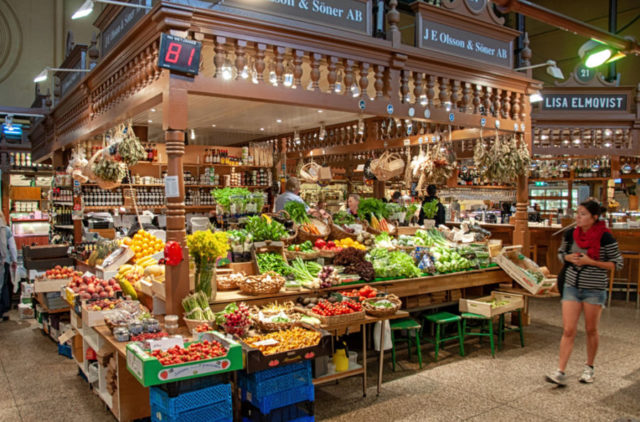
A classic. Anchoring Stockholm’s posh Östermalm neighborhood, this market hall is simply elegant. Handsome, hand-carved wooden stalls display just-so piles of produce, stacked as if posing for a still-life. The wares here feel…curated. Composed. With Scandinavian precision. There aren’t many bargains in this pricey city, but the Östermalms Saluhall is fun to browse for a high-end picnic, or to settle into a market eatery for a quality deli plate, a delicately composed salad, a sticky Scandinavian sweet roll, a splurgy seafood dish, a gourmet smørrebrød (open-face sandwich), a delectable handmade praline, or a selection of Lebanese small plates. Note: The food hall is undergoing a makeover through 2020; in the meantime, the vendors have set up temporary digs nearby.

8. Markthalle Neun, Berlin, Germany

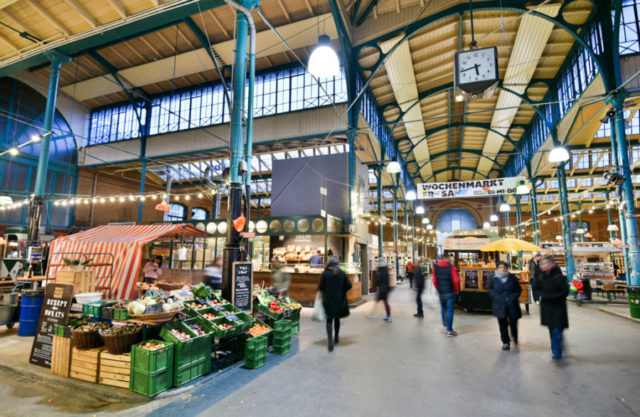
Berlin’s Kreuzberg district is home to its most cutting-edge, engaging culinary scene — and Markhalle Neun is its flagship. Tucked in a workaday neighborhood away from the tourist sights, it fills a beautifully restored 19th-century hall with greengrocers, cheesemongers, butchers, fishmongers, florists, and bakers, all with an appropriately Berlin-hipster vibe. Meanwhile, food stands sell Berlin classics like Buletten (meatballs), Stolle (open-faced sandwiches), Brezel (big doughy pretzels), and Currywurst — but also Italian pastas, French crêpes, Turkish deli meats, Spanish tapas, and even BBQ from the USA. Markhalle Neun scores bonus points for its many special events (listed at www.markthalleneun.de), including its Saturday farmers market and its “Street Food Thursday” — a beloved institution for Berliners seeking a trendy yet affordable dinner.

7. Mercato Centrale, Florence, Italy

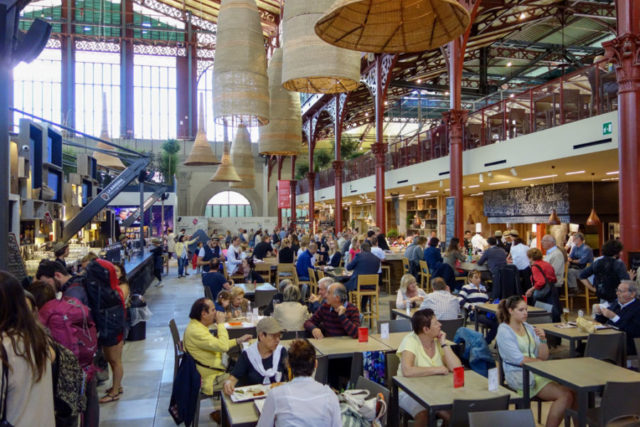
For years, I’d peek tentatively inside this cavernous market hall in the center of Florence, which felt dark and foreboding. With tattered stalls and piles of garbage out front, it felt like it hadn’t changed since the days of Vittorio Emanuele II. Then, in 2014, they converted the top floor into a high-end food circus. Just walk past the still-grubby produce stalls on the main floor, and hike up the stairs to a world of Italian taste treats: hand-rolled pastas, prizewinning prosciutto, massive steaks cooked so rare they still moo, melt-in-your-mouth panini, gourmet burgers made from Tuscany’s prized Chianina beef, rotisserie chicken, big juicy wads of mozzarella di bufala, handheld flatbread sandwiches called trapizzini, big slabs of rustic pizza, tender stewed beef cheeks, truffle-infused oils and pâtés, the rustic Tuscan bread soup called ribollita, deep-fried tasties,  cannoli and other Sicilian sugar bombs, and high-end tripe sandwiches (a Florentine classic!). Travelers smart enough to escape the tourist-gouging restaurants on the main drag retreat to this upper level — like pigeons in the rafters — to take a break from intense Renaissance sightseeing with pretty much any Italian taste treat they can imagine. Tuscany is home to many foodie finds — but this is one of the best.

6. Belvarosi Piac, Budapest, Hungary

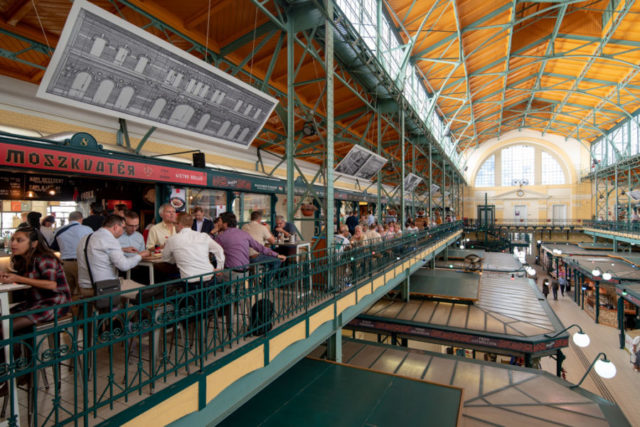
In Budapest, tourists flock to the Great Market Hall, an elegant palace of produce built around the turn of the 20th century. And you really do have to see the Great Market Hall. But don’t eat there — the “local”-seeming food counters upstairs specialize in ripping off naive tourists. Instead, head to a different, smaller, and far more authentic neighborhood market hall, also right in the city center (a couple of minutes’ walk from the Parliament): the Belvarosi Piac on Hold Street. In an atmospheric Industrial Age space that feels like the Great Market Hall’s little sibling, producers occupy the ground floor, while the upstairs is ringed by tempting high end-yet-affordable food stands: massive schnitzels at Buja Diszno(k), gourmet sausage at Lakatos Műhely, Russian grub at Moszkvatér (named for the since-rechristened “Moscow Square”), gourmet burgers at Kandalló, Thai-style khao man gai (poached chicken in garlicky sauce), and updated Hungarian classics at A Séf Utcaja. Anchoring the space, down on the main floor, is Stand 25 Bisztró. Here, celebrity chefs Szabina Szulló and Tamás Széll artfully fuse Hungarian classics with international influences (or is it the other way around?). While not cheap by market hall standards, Stand 25 a bargain for a Michelin-caliber lunch in a memorable setting (lunch only, plus dinner Friday and Saturday, book ahead).

5. Ballarò Market, Palermo

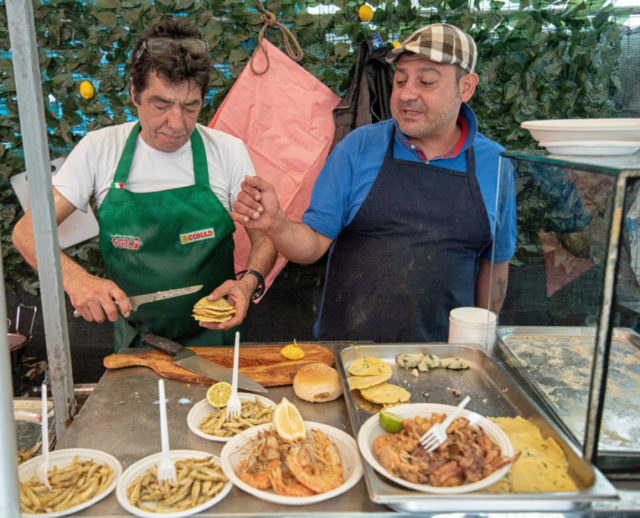
The Sicilian capital has some of the best, most vivid street markets in all of Europe. And the granddaddy of them all is Ballarò — seedy, chaotic, bewildering, and invigorating. Come here to jostle with Sicilians who verbally arm-wrestle for the best deals on the best ingredients. The vendors — continuing a tradition that supposedly dates back to Arab rule — warble their sales pitches with an otherworldly cadence, demanding the attention of passersby. Giant slabs of pink tuna perch on marble counters, like cadavers ready to be dissected. Produce stands overflow with vivid-purple eggplants, long, skinny Sicilian zucchini, and tomatoes that actually taste like tomatoes. Best of all, scattered throughout this multi-block span of barely controlled chaos are a wide variety of tempting street food stands, selling greasy napkins topped with dirt-cheap taste treats for every level of adventurous eaters — from arancine (deep-fried rice balls) and sfincioni (“Sicilian pizza”) to pani ca’ meusa (spleen sandwich) and polpo bollito (tiny boiled octopus, eaten whole). (For a complete rundown, check out my post on Palermo’s street food.) Go ahead, dive in — this is what real travelers live for.

4. Mathallen, Oslo, Norway

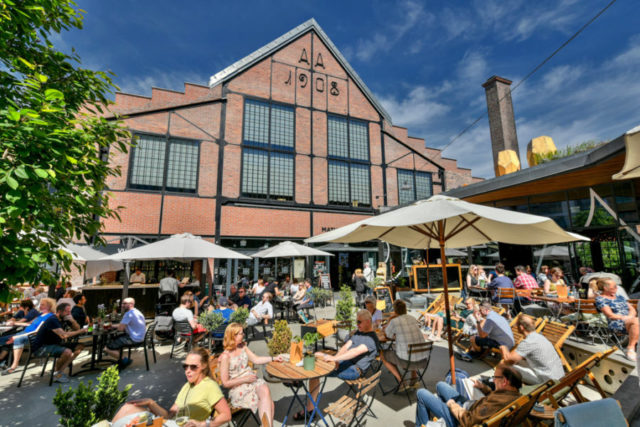
I love Oslo. But I’ve rarely found a memorable meal tucked among the dreary, blocky downtown core along Karl Johans Gate. However, just north of downtown runs the Akers River Valley, where the city has redeveloped a former wasteland of red-brick factories and warehouses into a lively people zone. Its centerpiece is Mathallen (“Food Hall”), filling the scavenged brick skeleton of a 19th-century factory. Norwegians recognize the limitations of their cuisine. And so, in addition to stands selling fresh, whole-grain bread (at Smelt Ostesmørbrød) sweet and savory pies (at Mildrids Kjøkken), and farm-fresh geitost cheese (at Ost & Sånt), you can nibble tapas, pastas, sushi, tacos and tequila, pizza, Asian street food,  gourmet ice cream, and much more. Ringing the outside of the market are a variety of industrial-mod, higher-end eateries. I skipped the fried chicken and “global tapas,” and went a bit more traditional at Vulkanfisk, serving up affordable-for-Oslo, elegantly presented, fresh seafood (the garlic-sautéed scampi were a flavor bomb). Anytime I’m in Oslo at mealtime, I come up with an excuse to head up the Akers River to Mathallen.

3. Maltby Street Market Rope Walk, London

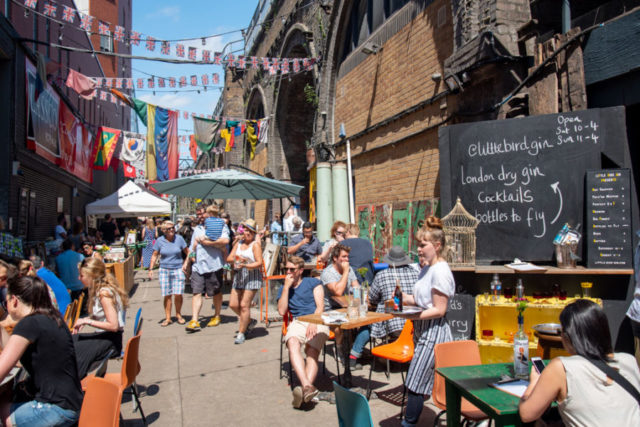
One summer, my wife and I rented an apartment in London for a week and checked out a different market each day. And at the end of the trip, the Maltby Street Rope Walk emerged as our favorite (every Saturday and Sunday). Tucked along a vintage brick railroad trestle, far from any tourist attractions (roughly across the Thames from the Tower of London), it’s an explosion of foodie energy. Beyond the hole-in-the-wall eateries, wine bars, taprooms, and Mozambique-style burger bars squeezed into the arches under the train tracks, the weekend market adds a world of pop-up food stands: grilled sandwiches oozing with tangy English cheese; little slices of rye bread mounted with melt-in-your-mouth Scottish salmon; slabs of grass-fed, dry-aged, rare-grilled hanger steaks; wild variations on Scotch eggs; Middle Eastern flatbreads with savory toppings; German-style sausages; gyoza steamed in wicker baskets; and a mouthwatering array of gooey brownies. For a more traditional “market hall,” it’s hard to beat London’s famous Borough Market. The funky Camden Market sprawls through a yellow-brick wonderland of old industrial buildings. The Portobello Road Market charms Notting Hill fans. And the Broadway Market feels like ground zero for East London’s hipster baby boom. But if I had to pick just one market that incapsulates cutting-edge London…it’s Rope Walk.

2. Mercado da Ribeira/Time Out Market, Lisbon, Portugal

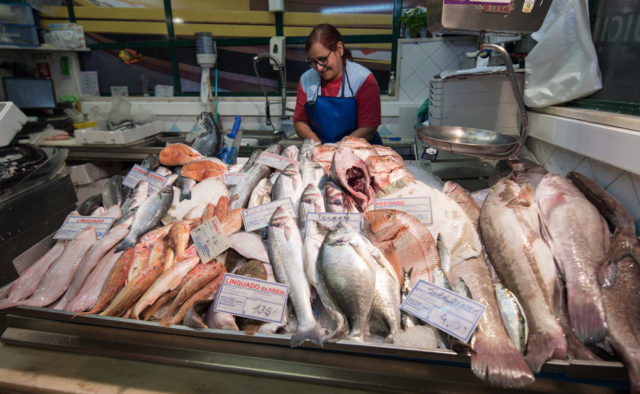
My favorite European market hall has a split personality. One-half of the market is as classic as they come: traditional, rough-and-tumble vendors selling fragrant herbs, plump produce, and an aquarium’s worth of fish. It’s ragtag, ramshackle, and trapped in the 1950s, with rickety wooden stalls, puddles pooling on cracked tile floors, petticoat-clad grannies selling rough bunches of herbs, and Old World scales with dials that spin imprecisely as if digital were never invented. On its own, this market hall is endearing enough to earn an “honorable mention” on this list. But from there, you can step through a door into La Ribera’s other half: a sleek, futuristic, top-of-the-line, Time Out-themed culinary wonderland (opened in 2014). The two dozen eateries here include stands operated by five marquee, Michelin-rated Portuguese celebrity chefs selling affordably price tastes of their favorite dishes. You’ll also find smaller stands bursting with a variety of local and international meals: the beloved Portuguese steak sandwich called prego, croquetes with fillings both traditional and creative, bacalhau (rehydrated salt-dried cod), fresh-baked pasteis de nata and other pastries, Japanese-fusion dishes highlighting the long-forgotten influence of early Portuguese traders, traditional cheeses and charcuterie, catch-of-the-day, quality steaks, gourmet burgers, artful sushi, and crispy pizzas. Rounding out the scene are a well-stocked wine shop, a place to stock up on conserves (tinned fish with colorful wrappers), and a branch of A Vida Portugesa (a classy vendor of Portuguese-themed products, gifts, and keepsakes that tempt even non-shoppers).  Whether for a meal or a one-stop-shop to stock up on all things Portuguese, Mercado da Ribeira is a winner.

1.  Market Day, Sarlat, France

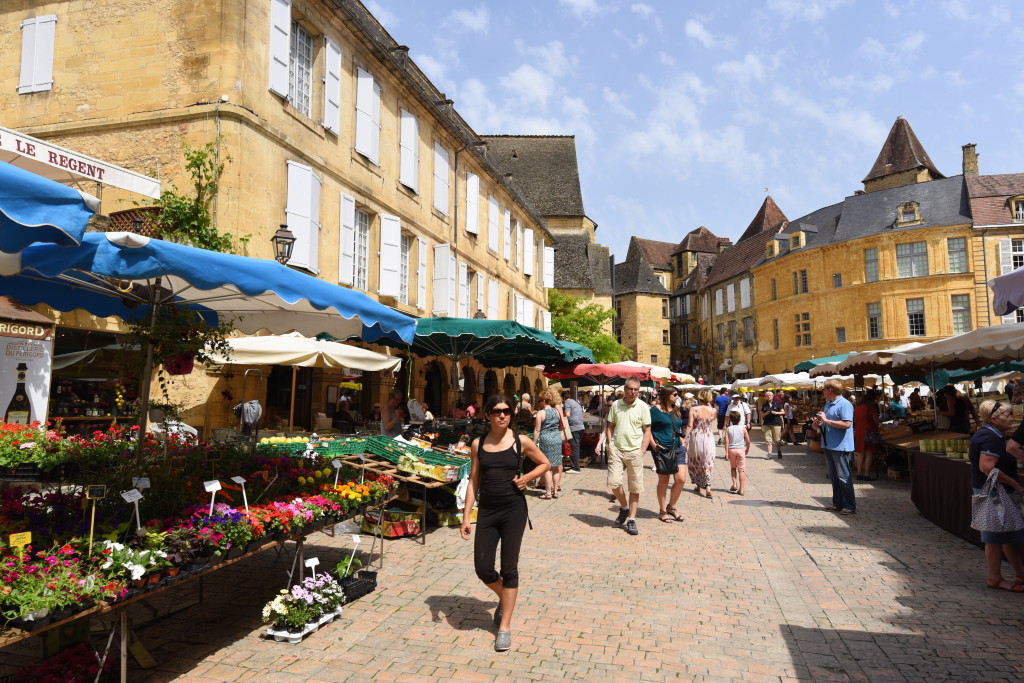
Sarlat’s street market is hard to top. It’s the refined yin to Palermo’s gritty yang. Twice weekly — on Wednesday mornings, and all day Saturdays — the pristine, lemony-sandstone streets of one of France’s finest towns become a big outdoor shopping mall. Locals pour in from the countryside to browse the stalls, reconnect with their favorite vendors, and bump into old friends. You’ll find baked goods, fresh meat, duck-in-a-can (confit de canard), giant wheels of rustic mountain cheese, tiny pyramids of fine gourmet cheese, nuts and dried fruits, explosively flavorful olives, mammoth chunks of nougat, snail shells prefilled for escargot, fruitcake sold by weight, a rainbow of preserves, salamis and sausages of every shape and size, and whatever produce is in season. When the noon bell tolls, the vendors begin packing up, and the shoppers scramble for café tables that catch just the right mélange of sun and shade. This is where the second phase of the Market Day ritual kicks in: taking some time to nurse a cup of coffee with someone you haven’t seen in a while. It’s all so simple…so sophisticated…so smart. If you won’t be in Sarlat, you can enjoy similar market days all over France; every community has its own, but popular ones include Uzès (in Provence), Beaune (in Burgundy), and several in Parisian neighborhoods. But Sarlat is the one that has left me with the warmest memories of an ideal market experience.

What’s your favorite market in Europe?

2019 Discovery: Salamanca, Spain

Crowds got you down? This post is part of a series of 10 European Discoveries for 2019 — off-the-beaten-path gems where you can escape the tourist rut and find a corner of Europe all your own.

OK, call this one a sentimental favorite. I spent a semester abroad in this Spanish university city, twenty-some years ago. In 2018, I went back to Salamanca for the very first time — now seeing it through the lens of many years of research for the Rick Steves Spain guidebook. And I think I finally figured out why Salmantinos are considered a bit snobby: Because they live in one of Spain’s nicest towns.

Salamanca’s Plaza Mayor is the undisputed best square in Spain — slathered with reliefs of kings, queens, professors, and poets, ringed by cafés, and infused with an ambience that delicately mingles both European elegance and local character.

From the square, Salamanca’s pedestrian zone cuts through the heart of town to the university district, where lemony sandstone buildings are carved with imagination-stoking details — the precocious astronaut on the cathedral portal, the frog perched on a skull on the university facade, and so on.

And Salamanca features an unusually thriving and fun-to-sample tapas scene. (Venture out to Calle Van Dyck, a locals-only lineup of blue-collar tapas bars a 15-minute walk north of the old town.) Even its Automobile and Art Nouveau museums are unaccountably delightful.

Perhaps best of all, Salamanca sits just beyond easy day-tripping reach of Madrid. That means that, unlike slammed Segovia and touristy Toledo, Salamanca feels like you’re in on a Spanish secret.


Heading to central Spain? Here’s how to get ready:

1) Pick up a copy of our Rick Steves Spain guidebook  — with my newly revised-and-expanded chapter on Salamanca.
2) Check out the blog post I wrote as I was updating the chapters on this area of Spain.
3) Watch Rick’s TV episode about the region, Highlights of Castile: Toledo and Salamanca.

And for nine more suggestions on where to get away from the crowds, check out my 10 European Discoveries for 2019.

Europe for Foodies: How (and Why) to Incorporate Food into Your Travels

The term “foodie” is trendy these days. It sounds pretentious, and a little silly. But I’ve decided to take that word back, for food-lovers everywhere. There’s nothing wrong with being a “foodie.” It simply means that you prioritize food in your life — and in your travels.

Some travelers eat to live. I live to eat. And the more I make food a central focus of my travels, the clearer it becomes that to really appreciate a culture, you need to understand its food. Because in a sense, food is culture.

Finish this phrase: Swiss ___. For all its claims to fame, and the end of the day, Switzerland is synonymous with cheese. It’s part of their international brand and their national identity. And the government invests generous subsidies in keeping this part of Swiss culture alive. To this day, Swiss farmers — now federally funded — still make cheese the old-fashioned way. Each spring, they take their herd of cows up to high-mountain huts, on pastures called “alps,” and hang their decorative cowbells from the eaves. There they stay with their livestock for 100 days, all summer long — milking them at dawn and at dusk, and spending their days making cheese. And then one day in September, when cool weather announces the onset of autumn, the cowhands sling those giant bells around their cows’ necks and walk them back down into the village in the valley below — creating an impromptu parade of flower-bedecked cows, enjoying a victory lap after a productive summer, to a soundtrack of clanging bells and satisfied moos.

What type of food do you associate with Spain? Tapas, of course — small plates. But a deeper understanding of Spanish cuisine tells you volumes about the Spanish culture, climate, and landscape. In arid, blistering Iberia, people take a mid-day siesta to head home, eat a big lunch, and hide out from the heat for a couple of hours. They return to work for a few more hours, and then, just as the sun goes down and temperatures grow tolerable, they go for a paseo — a languid stroll through the city streets, promenading with friends and family, greeting neighbors, and dropping into a variety of cozy bars and cafés. After a day cooped up inside, avoiding the heat, the last thing you want is to settle in for a long, sit-down dinner. So instead, you nibble on little plates of food at the bar — sharing a variety of dishes with friends old and new, sipping drinks, cracking jokes, socializing. Then you head to the next bar, for some new dishes (and some new friends). “Tapas-style” dining isn’t a trend — it’s a social ritual and a way of life, shaped over eons by Spain itself.

What are the two most beloved European cuisines? If you’re like most people, you’re thinking of Italian and French. (If you’re an odd duck like me, Hungarian might have crept into the mix.) Italian and French cuisine are equally enticing, and yet, so fundamentally different.

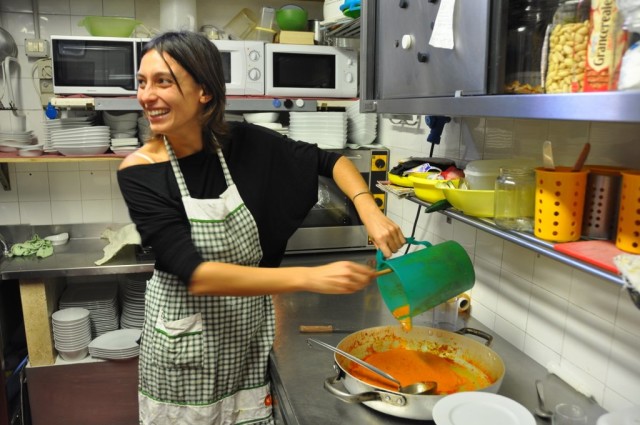
In sun-drenched Italy — the garden patch of Europe — cuisine is all about highlighting quality ingredients. The fewer ingredients, and the less they’re manipulated, the better. I once took a cooking class in Tuscany where Marta taught me how to make the most delicious sauce ever to cross my palate. It has just five ingredients: tomatoes, olive oil, garlic, red pepper flakes, and salt. And it makes everything it touches explosively flavorful. This emphasis on fresh ingredients also makes Italian cuisine highly localized. Why are there so many types of pasta? Because each one is engineered to highlight a particular sauce or topping, usually rooted in a highly specific place and season. (Those pasta places where you “pick your noodles, then pick your sauce” make Italians furious.) Specialties aren’t just regional — they can be specific to a town, or even to a neighborhood. And Italian law forbids restaurants from using frozen ingredients unless they’re noted on the menu.

In French cuisine, the ingredients are less important than what you do with them. I once took a cooking class in Burgundy, where every dish had at least a dozen ingredients — and each recipe involved mastering a precise, delicate technique. French chefs are technicians, who endlessly play and tinker and experiment to create something delicious. Who, but the French, would look at snails crawling across a rain-dampened path and think, “I’ll bet if I cooked those in garlic butter, they’d be delicious”? Beyond escargot, think of the other most famous French dishes: Coq au vin takes the toughest, least palatable type of poultry — rooster — and slow-simmers it in red wine and spices until it’s tender and flavorful. Bœuf bourguignon does the same with tough cuts of beef. And confit de canard is a duck that’s been rendered, preserved in a sealed can of its own congealed fat, then opened up months later and cooked in that same fat. That’s not a recipe — that’s a science experiment. So much of French cooking feels like it was created on a dare. And yet, it’s delicious. And it’s beautiful. French chefs are also elegant artists, who employ their technique to create stunning masterpieces, as pleasing to the eye as to the palate. French salads aren’t just jumbled together — they’re composée…composed.

These are just a few examples of how food can play a much larger role in your travels than simply filling the tank. And that’s the topic of my “Europe for Foodies” class, which we filmed earlier this year and is now available to view on Ricksteves.com and YouTube (and below).

Of all the travel talks I do at Rick Steves’ Europe, “Europe for Foodies” is my favorite. It’s the one that my audiences seem to enjoy the most. And, strangely, it’s also the least-attended.

Maybe people already take it for granted that food is important in travel — or are confident that it isn’t. But the purpose of this talk is to deepen your appreciation for the many vivid travel experiences where food and culture intersect. Like a French chef who makes snails delicious, I’ve engineered this talk to fine-tune your culinary sensibilities, with ample suggestions for incorporating food in your travels. If you’ve enjoyed my many blog posts about food in Europe…this talk is for you.

In the talk, I introduce age-old European culinary concepts that are newly trendy these days, including terroir, zero-kilometer, nose-to-tail, and the importance of eating with the seasons. I also suggest practical tips for finding the best restaurants, and explain some subtleties of dining in Europe that can be confusing. Sometimes this requires psychoanalyzing the way Europeans conceptualize food: You’ll learn why Italians can’t understand how anyone could drink a caffé latte after lunchtime, why they serve your salad after the pasta, and why that stubborn server won’t bring your bill to the table until you’ve asked for it.

I run through some of my favorite cheap eats in Europe (from German Currywurst to Greek souvlaki to Sicilian arancine to Polish zapiekanka) and the best food halls and street markets. And there are sections on drinking (wine, beer, spirits, and café culture) and sweets — from Belgian chocolates to Italian gelato. Finally, I suggest some experiences that allow you to incorporate food into your travels: cooking classes, food tours, visits to local farms, chasing a truffle-sniffing dog through an oak forest, getting to know a Slovenian beekeeper, and so on.

I hope you enjoy my “Europe for Foodies” talk as much as I enjoyed putting it together. And remember: Every meal you have in Europe is an opportunity to have a cultural experience.


If you enjoy reading my blog posts that focus on food, you can find a roundup here.

Check out my full 1.25-hour “Europe for Foodies” talk on Ricksteves.com and YouTube. (You can find the handout for the class here.)

If you’re tight on time, you can also check out shorter chapters separately: