24 Fascinating Factoids About Europe

One of the joys of researching Rick Steves guidebooks is how, every day, I stumble upon fascinating little insights that tell me a lot about the place I’m visiting — and sometimes, about human nature. As I spend my summer wrapping up the work I did on this spring’s research trips, I keep rediscovering delightful nuggets scrawled into my little black notebooks. Here are a couple dozen of my favorites, ranging from historical tidbits to everyday cultural insights (like where the Swiss buy their groceries, what the Spaniards fight bulls on, and why Germans — but not Italians — like to open the window)… to things that just made me chuckle. As a kid, I loved paging through yellowed paperbacks of Ripley’s Believe It or Not! Reviewing this list, I’m realizing this is my very own European version.

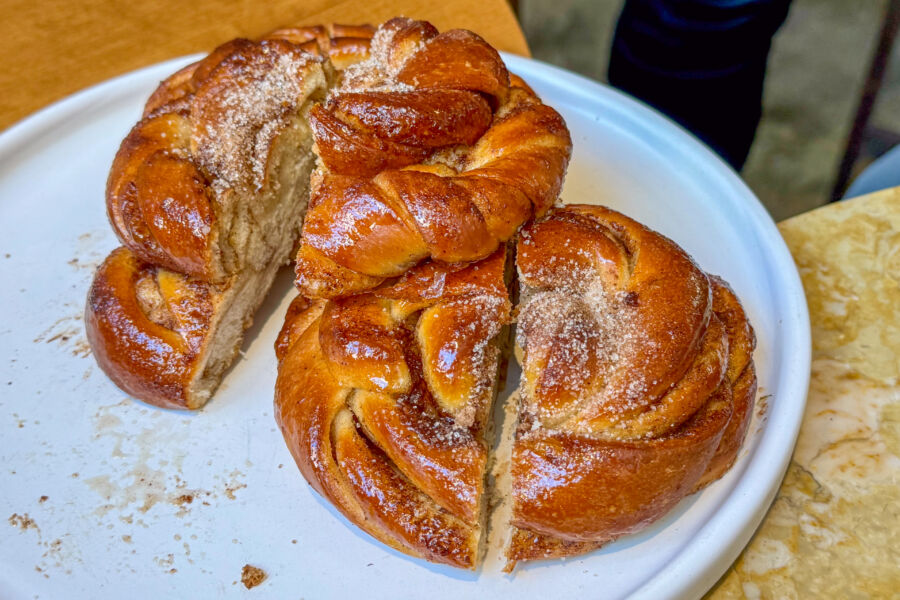
While we use the word “danish” to describe a sweet pastry, in Denmark it’s wienerbrød (“Vienna bread,” from the French viennoiserie) — named for the Viennese bakers who brought the art of pastry-making to Denmark, where the Danes perfected it. Ironically, in Vienna, they call the same thing “Copenhagen” or “Danish” bread.

For centuries, each community kept its own local time, based on the sunrise and sunset in that precise location — which often differed by a few minutes from town to town. But by the late 19th century, faster and faster trains made standardized timekeeping essential. Imagine: You’d show up for your 10:00 train to London, only to discover that, in London, it was already 10:10 — and, therefore, you’d just missed your train. In 1884, the prime meridian (through Greenwich) was established as a starting point for calculating world time zones; over the next few decades, Greenwich Mean Time was gradually adopted across Europe and around the world, ensuring that everyone shares the same clock.

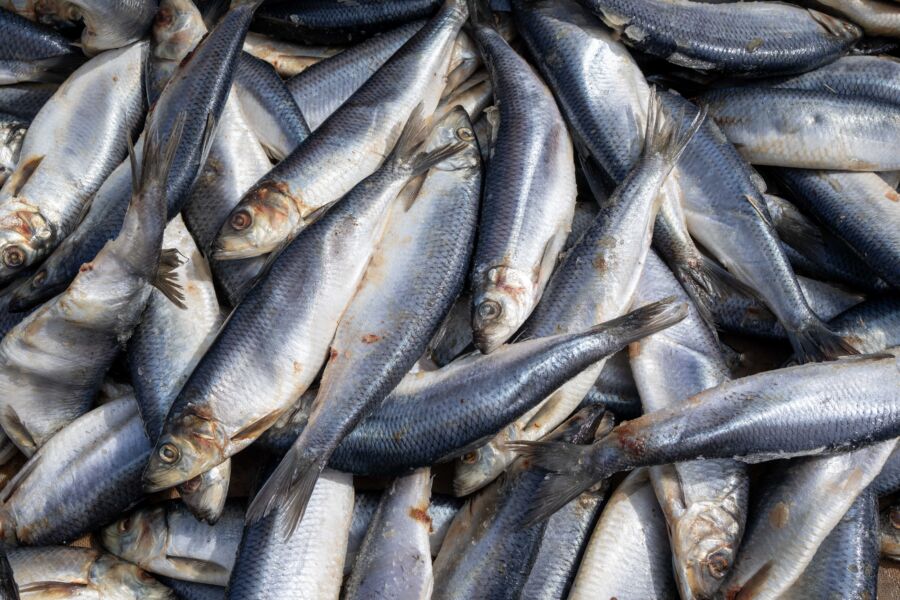
Siglufjörður, a remote fishing village at the northern tip of Iceland, was once a herring boom town, nicknamed the “Atlantic Klondike.” From 1903 to the 1960s, salted herring (which was highly nutritious and traveled well, making it particularly valuable during the world wars) represented fully one-half of Iceland’s total export income. The hard work of cutting and salting the fish was done by “herring girls,” who lived in dorms through the season — hanging out and listening to records while waiting for the boats to come in, when they’d rush down to the docks and work 20- or even 30-hour shifts. These “herring girls” were the muscle behind Iceland’s economy during a critical time, arguably empowering it to become fully independent from Denmark.

Italians think very deeply about digestion. It’s why their food is so delicious. And it also explains several cultural quirks that travelers scratch their heads about: a reluctance to serve cappuccino (or anything with lots of milk) after lunchtime; a taboo against mixing seafood and cheese; their insistence on serving your salad after the pasta, not before; and their bad attitude about tap water. (They’re not trying to upsell you. They’re just worried about your digestion — and there’s a water for that.)

The albero sand used for Spanish bullfights is special: The vivid-yellow color is the perfect complement to the flamboyant matador outfits and deep red blood, and the sand is just coarse enough to provide traction, minimize dust, and allow drainage. The premium sand favored in Andalucía, quarried at Los Alcores near Sevilla, is so precious that bullrings rent it for use only during bullfights; after the spectacle, it’s shoveled into trucks and taken to the next town.

One of Europe’s many north/south divides has to do with the circulation of fresh air indoors. Many Germans adhere religiously to the practice of Lüften (“ventilation”): At least twice each day, especially in the winter, they throw open all the windows to blast out stale air — as a matter of hygiene and good health. (Some people in the Low Countries and Scandinavia have a similar custom.) In Italy, quite to the contrary, many people have a deep fear of catching a draft; they believe a colpo d’aria (“hit of air”) can cause all manner of health problems, from headaches to diarrhea. A similar belief is persistent in many parts of the Balkans, especially Serbia (where it’s called promaja).

John Lennon and Paul McCartney had something very specific in common — aside from growing up near each other in Liverpool and becoming two of the greatest songwriters of all time. Both of them lost their mothers at a young age, perhaps forging an unspoken bond that facilitated their historic collaboration.

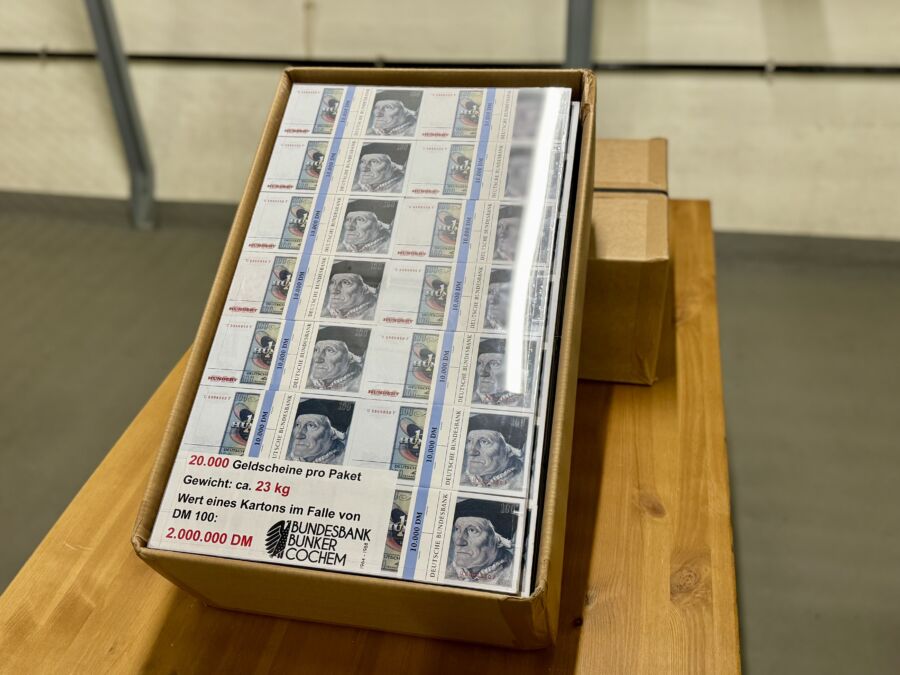
During the Cold War, West German authorities secretly stored 15 billion Deutschmarks (roughly €7.5 billion) in a hidden bunker, tucked in an unassuming neighborhood in Cochem on the Mosel River — neatly stacked floor-to-ceiling in cardboard boxes (now open to visitors). The currency was held in reserve in case of nuclear war, and to protect it from being devalued through nefarious means; the Bundesbank even created alternate designs for their banknotes — and printed billions — in the event that the Deutschmark needed to be replaced wholesale in a hurry.

In many European cities, you’ll find the same sculpture: an anonymous unhoused person, sleeping under a blanket on a bench. Only upon closer inspection do you notice the wounds in the feet that identify this person as Jesus. Homeless Jesus, by Canadian sculptor Timothy Schmalz, challenges the viewer to see the divine worthiness of each fellow human being — no matter their social stature. Since the original version was erected in 2013 at a Toronto theological school, more than 50 copies have appeared all around the world (I’ve seen them in Dublin, Glasgow, and Amsterdam).

Switzerland has two dominant grocery store chains: Coop and Migros — and either you’re a Coop family, or you’re a Migros family. Migros focuses on in-store brands and prides itself on having a conscience: They don’t sell alcohol or cigarettes, they were the first Swiss supermarket to stop giving out free plastic bags, and they donate one percent of their sales to charity. Meanwhile, Coop has a wider variety of brands and higher prices, focusing on organic and sustainable products; it’s considered a bit more posh. Very broadly speaking, Migros is like Trader Joe’s, while Coop is more like Whole Foods.

Bluetooth technology — which wirelessly connect devices — was named for Harald Bluetooth, a tenth-century Scandinavian king who “connected” the Danish and Norwegian peoples. Even the symbol for Bluetooth comes from Viking runes: It’s the letters H and B, combined.

In Sicily — and in many other cultures — it’s considered very important for children to know about their deceased ancestors. On special occasions, they may even receive a present from a departed great-aunt or grandpa. (When you think about it, this is no less “creepy” — and certainly more touching — than gifts from the Easter Bunny or Tooth Fairy.)

All over Europe, you stumble upon seemingly random statues… and they always come with a story. In Waterville, a castaway beach town on Ireland’s Ring of Kerry, stands a statue of Charlie Chaplin — who enjoyed the time he spent living the good life here. In central Budapest, you’ll find Peter Falk (the Columbo actor had Hungarian roots) as well as Ronald Reagan and George H. W. Bush (whose Cold War policies helped topple Hungary’s communist regime). You’ll find statues of the great Irish writer James Joyce in both Pula, Croatia, and Trieste, Italy — he lived in each city while writing his masterpiece Ulysses. And a park in Ronda, Spain, features busts of Orson Welles and Ernest Hemingway — two early-20th-century American greats who both fell in love with Spanish culture.

At Spain’s prestigious University of Salamanca, Fray Luis de León (1527-1591) challenged the Church’s control over the word of God by translating part of the Bible into Castilian. The Inquisition arrested, jailed, and tortured him for five years. Upon being released, he returned to the university and began his first lecture with, “As we were saying…” Today, he remains a symbol of the intellectual independence of academia in the face of changing political mores.

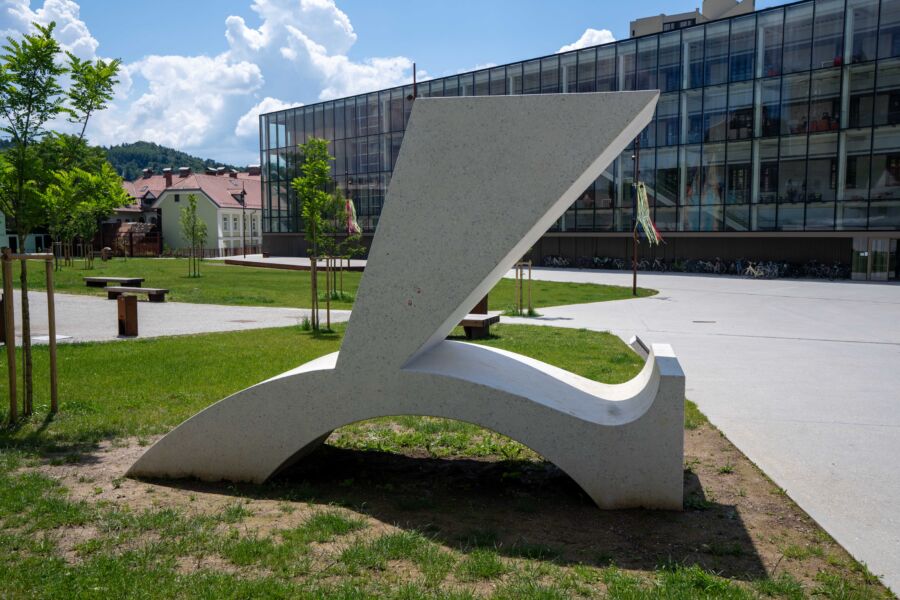
In the Slovenian capital of Ljubljana, you’ll find a strange monument, shaped like the top half of a letter Ć buried in the ground. When Slovenia declared independence in 1991, its population included tens of thousands of people from other parts of Yugoslavia. While most Yugoslav languages have two versions of this letter — Ć and Č — Slovene uses only Č. And so, eager to distance itself from Yugoslavia, Slovenia standardized spellings by replacing Ć with Č. Think of the many names ending in -ić — which now had to be spelled, instead, with -ič. Slovenia had 25,671 “Ć people” (including more than 5,000 children) who were “erased” by the breakup of Yugoslavia — stateless, stripped of governmental services, unable to travel, living in fear of expulsion… not because they moved, but because the borders did. Over time, as Slovenia matured as a nation and the Yugoslav Wars found resolution, the vast majority of these people gained their citizenship — and reclaimed their rightful Ć.

It’s remarkable when a particular place, at a particular moment, becomes a magnet for hugely influential people. If you walked into a coffee house in Vienna in early 1913, there’s a possibility you’d run into Sigmund Freud, Marshal Tito, Adolf Hitler, Josef Stalin, and Leon Trotsky.  Also notable: the Golden Age of ancient Athens; Florence circa 1500; Philadelphia in the 1770s; Victorian Age London; Paris and Harlem in the 1920s; and Silicon Valley at the turn of the 21st century.

Many German parking garages have specially designated parking spots for women, called Frauenparkplätze — generally in well-lit areas close to the entrance. While intended to make women feel safer in a big, dark garage, they are often criticized by German feminists, who consider them condescending (especially because they’re often wider than standard parking places, perhaps based on a stereotype that women are inferior drivers; and because they are typically located next to disabled spaces).

It’s often said that the uprisings that ended communism in Eastern Europe — which culminated in the autumn of 1989 — moved at starkly different paces: In Poland, it took 10 years; in Hungary, 10 moths; in East Germany, 10 weeks; and in Czechoslovakia, 10 days. Whie this requires a bit of fudging, it’s mostly accurate: The 1980 Solidarity protests in Gdańsk, led by Lech Wałesa, kicked off nearly a decade of slow reforms; throughout the summer of 1989, Hungary opened its borders little by little; by early that fall, protests began to sweep across East German cities; and the Velvet Revolution of Czechoslovakia played out over about a week and half, with increasingly large peaceful protests.

To this list, you could add “10 hours” for East Berlin. When the Berlin Wall came down, it happened overnight, as the result of a miscommunication. On November 9, 1989 — in response to those “10 weeks” of protests — the East German politburo issued a statement about their intention to gradually ease border controls, then left town for the weekend. Upon reading the ambiguously worded new policy in front of TV cameras, a flustered spokesman gave the impression that these changes were to happen “immediately.” East Berliners began to show up at border checkpoints in droves. At about 11:30 p.m., an overwhelmed guard threw open the gates. And once open, the Berlin Wall never closed again.

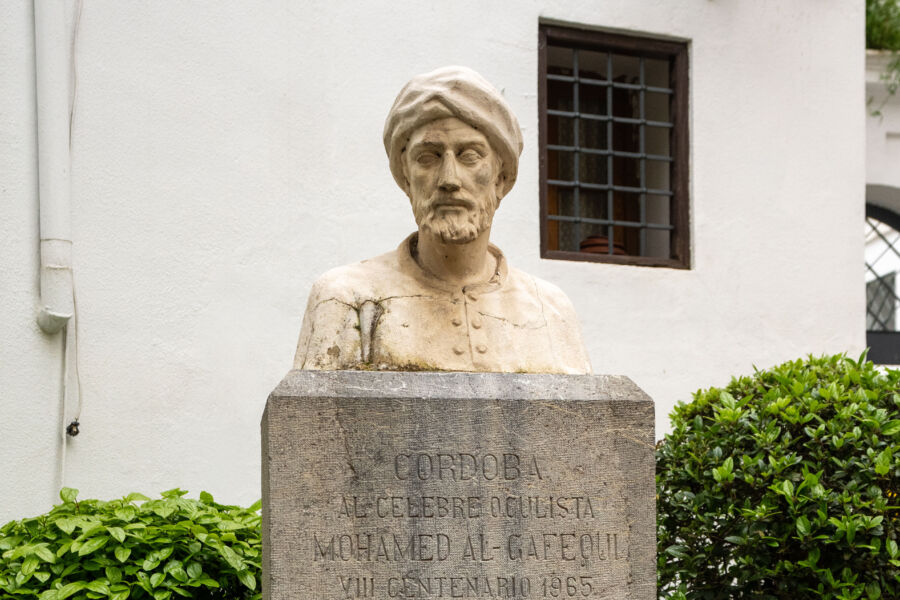
Around the year 1000, Moorish scientist Abu al-Zahrawi wrote a surgical encyclopedia, called Al-Tasrif, that was used throughout Europe for 700 years. He was one of many Muslim doctors and surgeons who advanced the practice of medicine in Al-Andalus (today Andalucía) — at a time when so much of Europe was suffering through its “Dark Ages.” Another example: Muhammad al-Gafeghi, today honored by a statue in Córdoba, was an ophthalmologist who performed successful cataract surgeries in the first half of the 12th century.

Europeans have many stereotypes about Americans: We wear tennis shoes, logo T-shirts, and baseball caps. We talk too loud. And… we drink too much water? Yes, among our many other foibles, Europeans perceive Americans as being bizarrely obsessed with (over-) hydrating. This may be based partly on American visitors requesting — and expecting — big glasses of tap water in restaurants. But it appears to be rooted in reality: Polling suggests that American adults drink, on average, 70 percent more than their European and British counterparts (1.7 liters per day vs. about 1 liter per day). And authorities in the USA and the EU have very different “recommended daily amounts” of water consumption: In the US, it’s 3.7 liters for men and 2.7 liters for women; in Europe, it’s about one-third less: 2.5 liters for men and 2 liters for women.

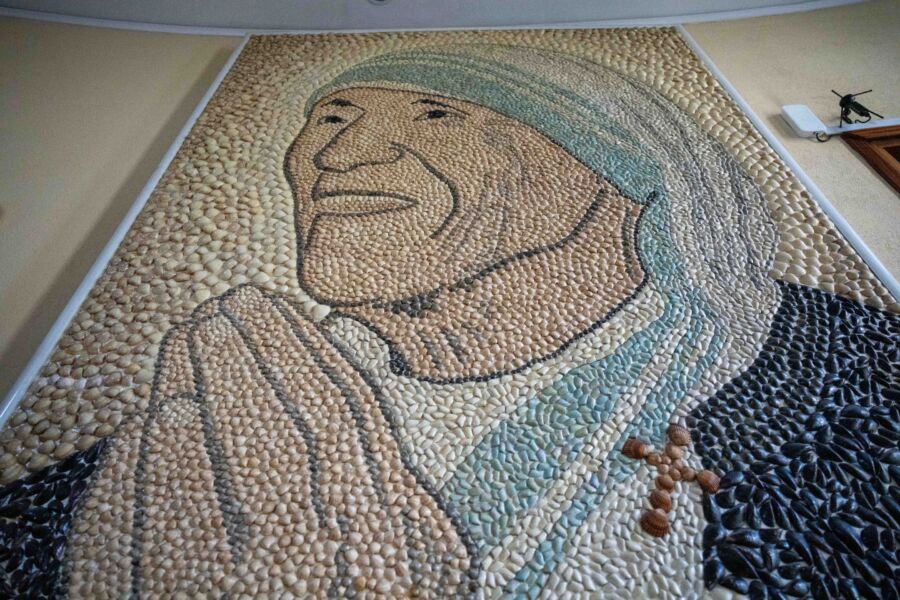
Two starkly different women are celebrated throughout the Albanian world ­— from Tirana to Prishtinë ­— honored by murals, statues, and street names: Mother Theresa, who was born Anjezë Gonxhe Bojaxhiu in Skopje (today’s Macedonia)… and pop star Dua Lipa, a Londoner with Kosovo Albanian heritage.

The early people of Denmark were entranced by bogs. At the dawn of the Iron Age, bogs were the source of ore that could be used to create all manner of tools and weapons. This mysterious and sacred liminal space, existing somewhere between land and water, was believed to be where the gods resided. Precious items (including vast collections of weapons plundered from defeated enemies), animals (up to and including horses), and even human beings were sacrificed to the thick peat of the bogs. Fortunately for present-day archaeologists, this preserved these artifacts perfectly.

Believe it… or not!

Do you have any favorite European factoids to share?


If you enjoy these sorts of insights, you should know that most of these appear, in some form or another, in our Rick Steves guidebooks. Any source can list names and dates; we always strive to provide real insight to help you get your arms around the place you’re visiting, in a more intimate way.

Top 10 Italian Food Experiences

From eating with the seasons to enjoying an aperitivo, from devouring a pizza in Naples to grazing the street markets of Palermo, and whether hunting for truffles or the best possible gelato, Italy boasts an abundance of ways to experience one of the world’s most beloved cuisines.

We’re celebrating the arrival of our newest book, Rick Steves Italy for Food Lovers — available now. During the pandemic, I worked closely with Rick and co-author Fred Plotkin to assemble this comprehensive handbook for the traveler — teaching visitors how to fully experience the joys of eating and drinking in Italy, and to think about food the way Italians do. And now that the book is finally out, I’ve been dreaming about the many wonderful food experiences I’ve savored all across Italy. Here’s my selection of 10 amazing Italian food experiences — which, I hope, will inspire you as you plan your own travels.

Of course, this is just one traveler’s list. What are some of your favorite Italy food experiences? Share yours in the Comments.

Eating Local: Culinary Campanilismo


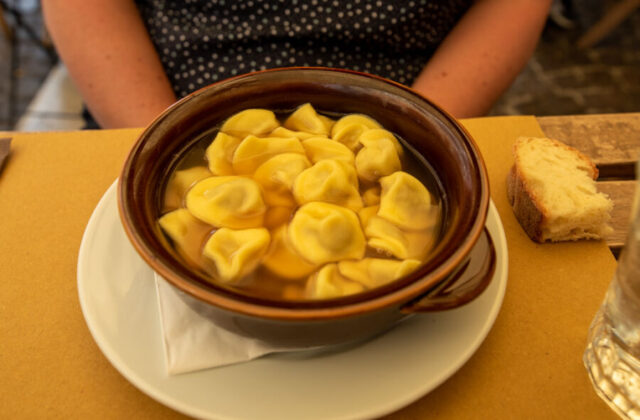
Recently I posted about some of the excellent foods I’ve had in Emilia-Romagna — including a bowl of what I identified as tortellini in brodo. In the Comments, a stickler called me out: “Sorry for you but these aren’t tortellini.” So I looked it up. And, sure enough, Parma (where I enjoyed this dish) has its own version of tortellini, which the parmigiani call anolini. If you lined up 100 non-Italians, at least 99 of them would be hard-pressed to explain the difference between tortellini and anolini. Does it really matter?

Yes, it does. And I was wrong.

 Campanilismo is the fierce loyalty Italians feel to their immediate community… literally, the people who live within earshot of the same bell tower (campanile). And Italian cooking, too, is exactingly local.

As my wife and I explored Piedmont last September, we were struck by how similar menus were from place to place. Each dish was a piemontese specialty we’d rarely seen elsewhere. Tajarin (skinny, vivid-yellow, egg-yolk noodles) were smothered in a variety of sauces. When it comes to Castelmango cheese, with a decadent texture and a wipe-a-tear pungency, a little goes a long way. And several meals ended with bonèt, similar to a chocolate flan. 

We used “eating local” as an excuse to stretch our culinary boundaries. Normally, we’d give a pass to vitello tonnato — veal with a creamy tuna-caper sauce — based on the description alone. But knowing it was a local forté, we tried two very different versions. And both were excellent.

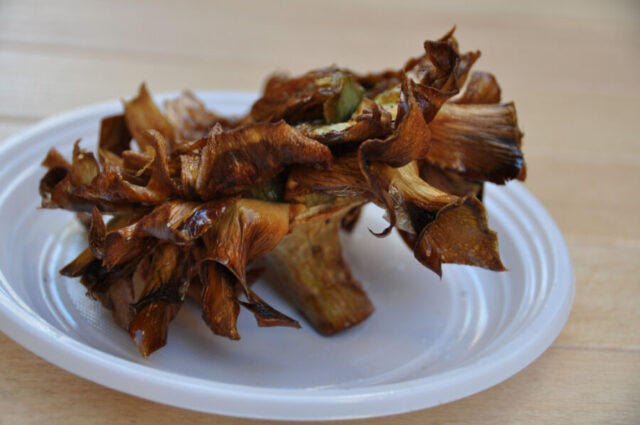
It’s not just regions. These localized specialties often come down to the town…or even the neighborhood. In Rome’s historic Jewish Quarter, signs advertise carciofi alla giudìa — “Jewish-style” artichokes. Taking the hint, I ordered an item that looked like some crispy-crunchy alien appendage. And it was a memorable, and delicious, treat.

Don’t head to Italy with a “bucket list” of foods that you’ll demand to eat while there. Instead, let the locals tell you what they are excited to feed you

Eating with the Seasons

Italians brag that if you show them a menu from any restaurant in Italy, they can identify not only where it comes from…but what time of year. That’s because the best food is not only local — it’s highly seasonal.

Speaking of artichokes, I happened to be in Rome last March, when artichokes were absolutely everywhere: piled in neat pyramids in grocery store windows, on restaurant menus, and so on. Walking through the Testaccio Market, I saw piles upon piles of those beautiful vegetables, with their artful ombré of green and purple. It felt like the city was having one big artichoke party.

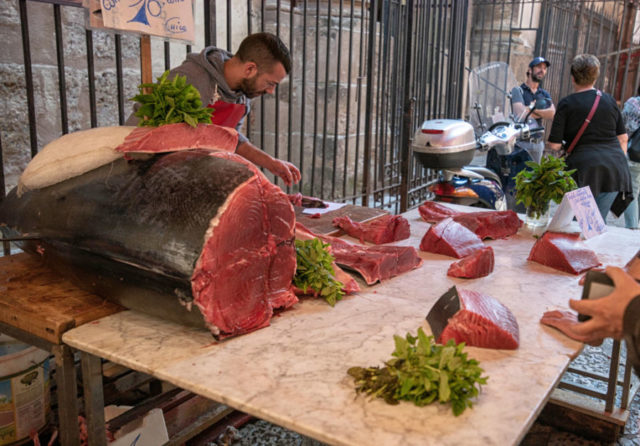
Italians know the rotating calendar of seasonal specialties, and they track those annual cycles with a special verve. On a springtime visit to Palermo’s street markets, a flurry of activity engulfed a table displaying gigantic slabs of bright-pink tuna, just caught. The fishmongers set out little sprigs of delicate spring mint, symbolizing that tuna season had begun. During the brief window when the tuna is this fresh, you eat it virtually rare — barely kissed by flame, then onto your plate.

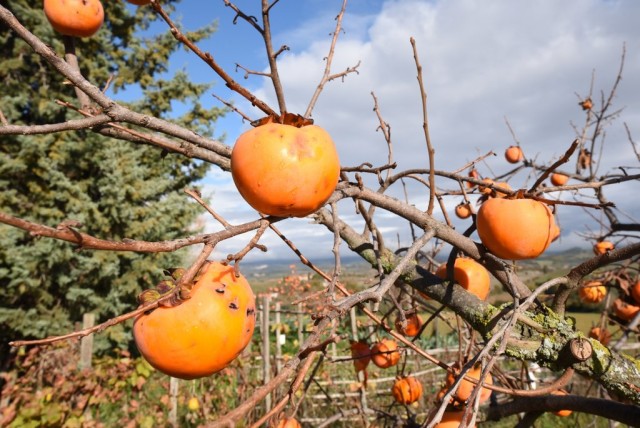
One fall in Tuscany, the hillsides were mostly bare except for the neon-green fuzz of winter wheat. Trees were naked; bushes were brown. But on a few spindly branches dangled plump orange fruits: persimmons. One of the best dishes I had on that trip was a dessert consisting of chestnut mousse with persimmon purée. It tasted like a Tuscan autumn.

One dish my wife and I did not have on that trip to Piedmont? Truffles. Even though it’s a truffle-crazy region, we were just a dozen days or so too early to enjoy that delicacy in its prime. And so, it was notably absent from local menus.

We Americans are used to getting what we want, when we want it. But when we do that, we sacrifice quality. Recently, at my local supermarket, I bought some tomatoes and strawberries. And, because it’s winter, they tasted almost indistinguishable.

Italians have patience. They know good things are worth waiting for. And when you have an ingredient or a dish just once a year, its flavor is that much more special.

Indulging in Passeggiata, Aperitivo, and Apericena

When visiting Italy, let yourself get swept up in the passeggiata — that special hour or so each evening when the entire community does lazy laps around the city center. And as you stroll, don’t miss a parallel custom happening along the fringes of that street: the aperitivo, an after-work, pre-dinner drink enjoyed among friends. People meet up to have a cocktail, socialize, take a little break from their evening constitutional…and enjoy their beautiful cityscape.

At aperitivo time, Italians people-watch from café tables, or stand around in little clusters, engrossed in conversation. In every hand is a bright-orange glass of Aperol spritz. It’s all so…civilized.

Some bars throw in a small snack — a basket of potato chips, or a little bowl of nuts. Others lay out a delectable antipasti spread to lure in passersby. For the cost of a cocktail, you can fill up a small plate with munchies. Places with especially substantial snacks sometimes call this apericena — a pun combining aperitivo and cena (dinner). And, while it’s bad form to take this too literally and assemble a full dinner from the buffet, if you’ve had a big lunch, the snacks that come with a couple of drinks may tide you over until morning.

Cooking with the Locals

Taking a cooking class is a wonderful way to connect with Italian food culture, and to pick up a new skill. But a “cooking class” can take many different forms.

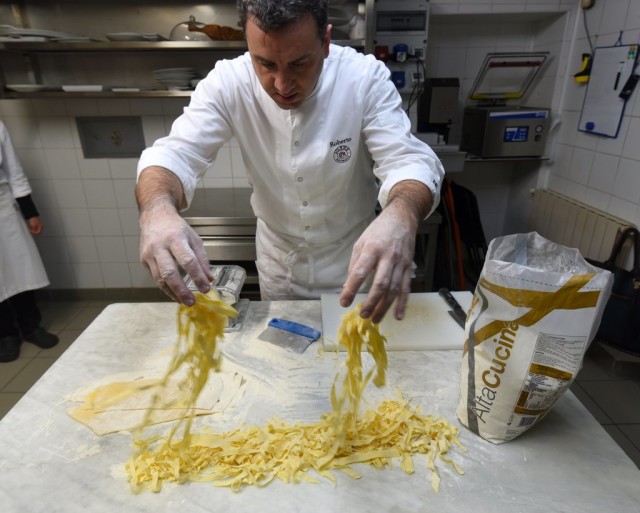
On a mist-enshrouded hilltop, a Michelin-starred chef invited visitors into his kitchen for an unforgettable lesson in olive oil, risotto, roasting meats, and, of course, making pasta. He began by rolling out sheets of pasta, then attacked each one with his knife to instantly trim it into textbook specimens of different noodles: “Papardelle,” he said, chopping thick ribbons. “Tagliatelle” — this one was thinner. “Capellini.” Thinner still. With each batch, he grabbed the wad of newborn noodles and tossed them gently in the air.

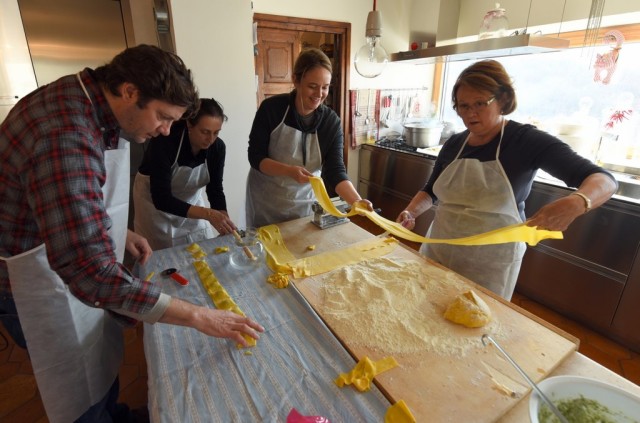
On a nearby hillside, Mamma Laura masterfully orchestrated a meal for her eager students. She’d demonstrate the task at hand — chopping up chunks of squash, packing ingredients into little pouches of cabbage, rolling out long sheets of pasta dough — then turned us loose to try it out. Ingredients would disappear into an oven or pot or blender, then reappear when it was time for the next step. Miraculously, everything was finished at exactly the right time. And it was all delicious.

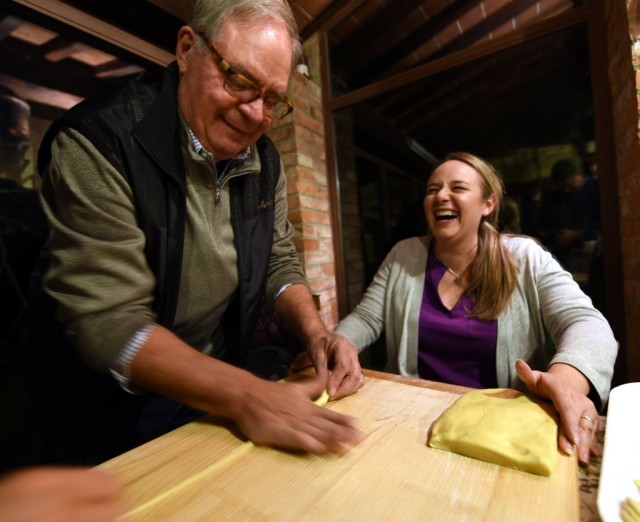
At a rustic country hotel, every Thursday night is pasta-making night: All of the guests gather on the veranda, and Isabella walks everyone through how to make the local, hand-rolled pici noodles — from a little “volcano” of flour with raw eggs in the caldera to a delicious feast. Everyone gets in on the action: Grandparents and little ones all challenge each other to roll out the perfect noodle.

Because Italian chefs are more impressed by top-quality ingredients than by complicated technique, many dishes are relatively easy for beginners to replicate at home. (The hardest part can be finding those premium ingredients; once you do, the cooking is a snap.) One of the mainstays in my family’s menu planning is an outrageously delicious tomato sauce we learned from a restauranteur named Marta. It requires just a few ingredients: tomatoes, garlic, olive oil, salt, pepper, and — if you like a little kick — red pepper flakes. Each time we make it, it transports us back to some of our favorite travels. (Pssst! You can find the recipe here.)

Browsing a Palermo Street Market

Spleen sandwich? Fried-up leftovers of veal cartilage and organs? An entire tiny octopus, boiled to tender perfection in inky water?

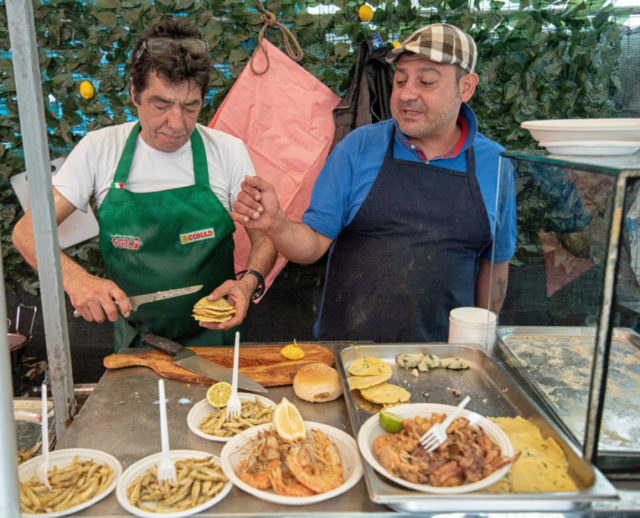
Say what you will about these dishes…there’s no doubt they’re some of the most memorable things I’ve eaten in Italy. And I ate them all within a few hundred yards of each other, in the street markets of Palermo.

Palermo’s three sprawling street markets — Ballarò, Capo, and Vucciria — let you delve into gritty Sicilian culture. Joining a food tour (I did one with Marco from Streaty) makes the experience far more accessible, ensuring that no weird food goes untasted.

Many items here are delicious by any standard: arancina, a deep-fried ball of saffron rice and meat sauce; sfincioni, French-bread-style “Sicilian pizza,” grilled up to order; and, of course, cannoli, a crispy pastry tube that’s filled to order with luxurious ricotta.

Others put you precipitously steep on the street-food learning curve: frittula — basically the leftover parts of veal (cartilage, intestines, little bits of bone) all chopped up, griddled, and seasoned with generous salt and lemon juice; or pani ca’ meusa — a pillowy bun stuffed with spleen, lung, and other organ meat. These bites challenged my ethic of always being willing to try a local dish…once.

The best tours also teach you how to think about the market like a Sicilian. Marco prodded us to hear the echoes of Sicily’s historic connections to North Africa in the melodic sales pitches of today’s vendors, and challenged us to view vendors with slippery pricing through a lens of good-natured gamesmanship.

Best of all, the whole time you’re browsing these gut-bombs, you’re fully immersed in the energetic hubbub of Sicilian urban life — watching the palermitani greet old friends, listening to the urgent musicality of those vendors’ patter, and smelling all that sizzling and frying goodness (plus a full spectrum of other odors).

Slamming Down un Caffè While Standing at a Counter

The Italian stand-up coffee counter has a special allure. Both efficient and social, this experience comes with a practiced ritual: First, you tell the cashier what you want, and you pay. They hand you a little slip of paper that you take over to the counter, where you get the barista’s attention. Once the drink is prepared, you stand there just long enough to down it. Maybe you make conversation with your fellow patrons or the staff. And then, within a matter of minutes (maybe less)…you bid everyone a cherry Ciao, grazie! and head on your way.

This is just what the doctor ordered when you’re fresh off the plane — disoriented and jet-lagged — to jump-start that wonderful feeling of “Hey! I’m in Italy!” The experience delightfully bombards all your senses: The smell of fresh-ground coffee as you walk through the door. The sound of the hissing steamer and the glockenspeil-like clink-clink-clink of teensy spoons against teensier ceramic cups. The mesmerizing, machinelike efficiency of the baristas’ practiced motions, a conveyer belt of full and empty cups, doing their perpetual loop from espresso machine to counter to dishwasher. And, of course…the coffee itself.

This ritual is also highly satisfying at breakfast time. Last year, I made a point to skip out on my hotel’s paltry buffet to enjoy stand-up breakfasts among the Italians in Siena, Rome, Trieste, and many other places. There’s something joyful about standing still and getting caffeinated while you watch the town wake up. Instead of strolling tourists, the narrow streets are filled with delivery people pushing hand trucks.

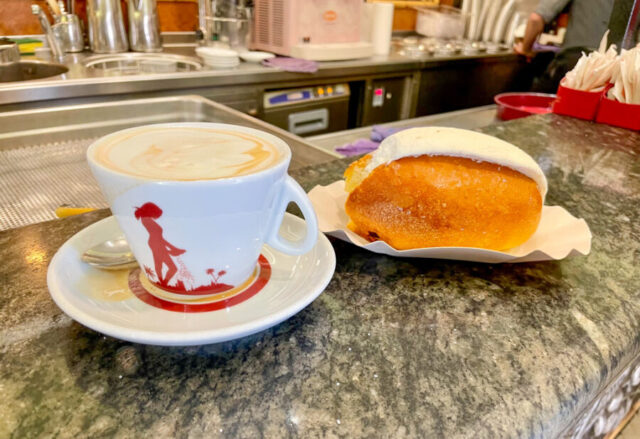
And often, there’s a special local pastry to try. One morning in Rome, I noticed everyone was ordering the local version of a “breakfast of champions”: A cappuccino and a maritozzo (puffy brioche roll filled with whipped cream). I would never be able to stomach this sugar-bomb back home…but in Rome, it just felt right.

Eating Pizza in Naples

Even when a food is available worldwide — maybe especially in those cases — it’s a rare treat to have it in its birthplace. The first time I went to Naples, I was skeptical that the pizza would really be all that different than the myriad versions I can get in my foodie hometown. Rarely have I been so wrong! In Naples, even a basic pizza is a revelation.

I met up with a Neapolitan friend, Vincenzo, who couldn’t wait to take me to his idea of the best pizzeria in town. Choice of toppings? Psssh. Here you have just two options: marinara or Margherita. Like In-N-Out Burger back home, this pizzaiolo understands that when you achieve perfection, you keep things simple.

When the pizza hit our table, Vincenzo took a bite and rocketed into performative ecstasy. “Aha! You taste that? The perfect crust. Thin, soft, a leetle sour. You don’t even need to chew it. You just put it in your mouth and…” He pantomimed a delicious glob of pizza sliding down his esophagus, ending with a big smile.

Watching me gingerly nibble at my slice, Vincenzo said, “This is the correct way to eat pizza.” He cut out a wedge, rolled it up into a bundle, sawed off a crosswise chunk, and jammed it into his mouth. I tried it. And in one perfect bite, I got the gooey middle, the singed crust, and a squirt of tomato sauce — all in just the right proportions.

Neapolitans, you see, are pizza perfectionists. And after spending some time there, you’ll be in danger of becoming a pizza snob, too.

Hunting for Truffles (and Other Food Experiences)

Some of the most vivid food experiences in Italy don’t even involve eating — but rather, learning about where your food comes from. This can be a tour of a facility that produces Parmigiano-Reggiano or pecorino cheese; a walk through vineyards and wine-production facilities; or a trip to the community olive press. Or it can involve walking through the woods.

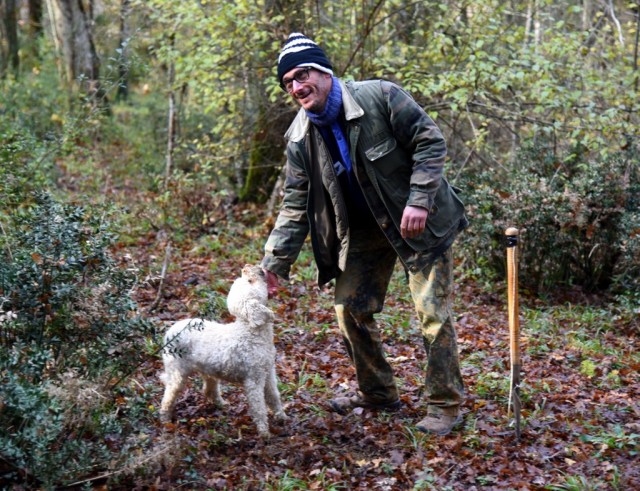
One chilly November morning in the hills of Tuscany, I met a professional truffle-hunter, Paolo, and his trusty assistant, Milli. Milli — who, it seems pertinent to note here, is a dog — skittered off into the underbrush, nose twitching, tail wagging, in hot pursuit of those mysterious deposits that hide a few inches underground.

As we chased after her, Paolo explained that you can’t actually “plant” truffes — all you can do is cultivate the land to create an ideal habitat, scatter a few spores…and hope. And then, when they truffles begin to release their unmistakable aroma, Milli does the rest. Paolo began training her when she was just 10 days old — feeding her tiny bits of truffles to develop her palate. Teaching her how to find the truffles was the easy part, he said. The hard part was getting her to stop eating them.

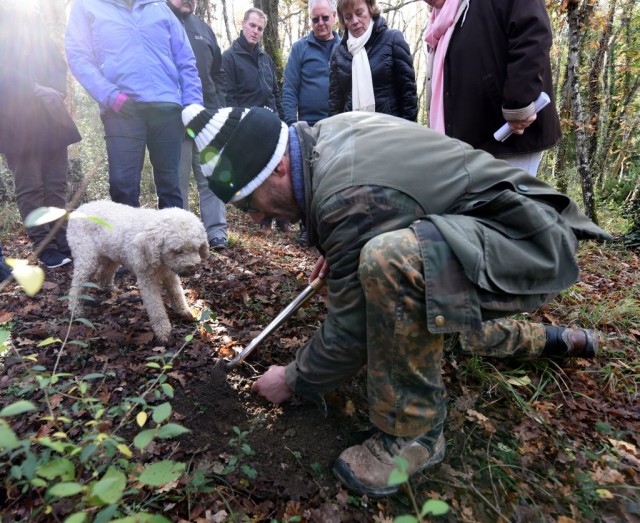
As if on cue, Milli began excitedly pawing a particular spot in the ground. Paolo rushed over, held her back, and used his special shovel, with a surgeon’s precision, to extract the nugget from the damp earth. As I inhaled that pungent scent, Paolo beamed and Milli flapped her tail proudly. With that mental image, truffles are even more delicious.

Finding the Very Best Gelato

On a visit to Florence, I asked my friend Virginia: What are some clues for finding the best possible gelato? I got a gelato lesson I’ll never forget. As we walked through those Renaissance streets, surveying both great gelaterie and terrible ones, Virginia offered some tips:

“You want a place that makes all of their gelato fresh, on the premises, ideally that same day. That’s why you should look for words like artigianale — artisanal; or fatto in casa — homemade.”

She warned me to avoid big mountains of brightly hued gelato, which is designed to attract children. The best has muted colors — ones that occur in nature — and is often kept in stainless-steel covered tubs, until someone orders it.

Pausing at a promising-looking place, Virginia — quite strategically — asked to sample the pistachio. She explained: “Did you ever notice that every gelato flavor costs the same to buy? But, of course, they cost different to produce. And the most expensive flavor to do properly, using real nuts, is pistachio. If the pistachio is good, it’s a sign that the gelateria owner is committed to making quality gelato over profits.” This place had a tasty pistachio…and, sure enough, top-quality gelato.

This experience reminded me that the more you know about something, the better you’re able to appreciate it.

Having a Zero-Kilometer Meal

We’ve already seen how Italians are locavores. For the ultimate expression of this ethic, seek out a zero-kilometer meal: one where all of the ingredients originate from less than a kilometer away. This experience takes “farm-to-table” to painstaking extremes.

At Santa Giulia farm, about an hour south of Siena, I joined Gianluca Terzuoli and his wife, Kae, for such a meal. After walking through the hut where Gianluca air-dries his prosciutto, we sat down for our zero-kilometer feast. As we sampled Brunello di Montalcino wine and bread drizzled with olive oil, Gianluca gestured to the neat rows of vines and the gnarled trees where he harvested the grapes and olives. (Forget “kilometer” — these are centimeters apart.)

Then came the prosciutto and salami, made with the meat of free-range pigs. When I popped a delicate slice into my mouth, it washed my palate with salt-and-umami flavor, then gradually vaporized on my tongue. Also on the table was pecorino, made with the milk of ewes that I could hear bleating in the distance.

When I pressed Gianluca on the point of whether it’s all truly from right here, he sheepishly waved a hand toward the woods and said, “Well, the pigs free-range over there…500 meters away.” “Yes, but that’s still within a kilometer,” I pointed out. Gianluca beamed in agreement.

“When you eat this food, you want to really taste the animal,” Gianluca says. This old Italian saying translates awkwardly, but it contains great wisdom: You know that ingredients — whether prosciutto or pecorino — are top-quality when the flavors linger on your palate. Processed prosciutto and pecorino are overly salted as a preservative and to boost the flavor; the faint flavors are immediately washed away. Quality goods like Gianluca’s linger on your taste buds for a long, long time.

Thanks for joining me on this brief culinary tour of Italy. What are some of your top Italian food and wine experiences?


This list was inspired by our brand-new travelers’ handbook to eating and drinking in Italy: Rick Steves Italy for Food Lovers, co-authored by Fred Plotkin. If these stories whetted your appetite…I promise, you won’t regret digging into this book.

And for more travel tales about great food, consider picking up my memoir, The Temporary European: Lessons and Confessions of a Professional Traveler. Inside you’ll find expanded versions of my stories about grazing at a Palermo street market, learning from Virginia about how to find the best gelato, hand-rolling pici pasta with Isabella, and much more.

Provençal Markets for Aficionados: 7 Markets in 7 Days

We didn’t have a year in Provence. But we had a week. And that was enough for seven entirely different, but equally enjoyable, Provençal markets. Mountains of plump produce, glistening olives, and fragrant spices. Neatly stacked piles of salamis and gigantic wheels of mountain cheese. Colorful fabrics — tea towels, tablecloths, bolts of vivid patterns — flapping like flags in the warm breeze. Fishmongers, butchers, cheesemakers. All under a generous canopy of plane trees, warmed by the autumn sun. The marché provençal is, simply, one of the great experiences of European travel.

In September of 2019 — not long before the world changed — my wife and I took some time off in Provence. We set ourselves a goal: Visit a different market for each day of the week. Some were new to us; others were oldies-but-goodies. But all of them were memorable. If you’re desperate for a little vicarious travel, settle in for a lazy weeklong tour of seven different markets — with tips mixed in for your next trip to France.

Le Marché Provençal: A Crash Course

Traditionally, the people of Provence — as throughout France — do their shopping at market day (jour du marché), a sprawling, once- or twice-weekly celebration of local produce and other products that take over the entire town center. From anyplace in Provence, there’s a market (or several) within a 30-minute drive, any day of the week. My wife and I scheduled our itinerary specifically to hit a few markets in particular, but serendipity works like a charm, too.
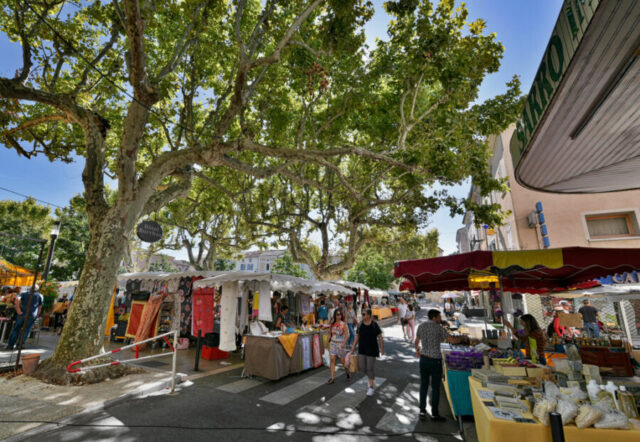
The best market is the classic marché provençal — a combination farmers, craft, and clothing market — which begins around 8:30 in the morning, peaking around 11:00. By 12:30, they begin to run out of goods; at 13:00, the producers are packing up. (Stands selling non-perishable items may stay open longer.) That’s when shoppers settle into cafés for the obligatory après-marché debrief and chill session. It’s all so…civilized. Pro tip: Prebook a table at a café or restaurant of your choice, for a memorable après-marché meal — ideally out on a sun-dappled square, with a view of the goods being crated up and carted away. Those who wing it have to scramble for whatever they can get.

Browsers wander from stand to stand, propelled by a lazy curiosity, just seeing what’s available. Meanwhile, other shoppers hone in with laser precision on just the items and producers they’re after. Bring plenty of cash and a shopping bag…or buy a big straw market basket, the perfect souvenir to take home and never use again. (We have two dusty ones in our basement, and, inexplicably, very nearly bought a third.)

Full disclosure: I am not much of a shopper. Local taste treats and picnic supplies constitute the vast majority of what I buy. But even if you don’t spend a dime, Provençal markets are a glorious, and quintessentially French, travel experience.

Saturday: Uzès

On our first day in Provence, we were staying in the mellow small town of St-Rémy — famous for its ties to Van Gogh. We’d chosen St-Rémy partly for its proximity to one of our favorite market towns, Uzès.

Getting a later start than we should have (blame the jet lag), we arrived in Uzès around 11:00. Parking along the ring road and following the trail of shoppers into the town center, we realized that things were already on the verge of winding down.

Reaching the main square — a cozy plaza under artfully gnarled plane trees — we surveyed the bewildering array of vendors. Cheesemongers whittled delicate little curls from giant wheels of cheese, offering them for a taste. Butchers and fishmongers held court over refrigerated cases showing off their wares. The luscious pyramids of olives and fragrant mounds of tapenade were irresistible.

Dappled sunshine, breaking through the leafy canopy, illuminated jars of golden honey. Each one was a slightly different shade of yellow, and you got the sense that the seller knew the bees personally…perhaps by name. Tables groaned under the weight of bowls, platters, and spoons carved from local olive wood. Bulging bags of spices were each artfully identified in cursive script on a miniature chalkboard.

At each produce stand, locals filled little plastic tubs with carefully selected items: Carrots so perfect they belonged in a Bugs Bunny cartoon. Green-and-purple artichokes. Heads of yellow and green lettuce — shaped like a colorful starburst — that could have been crafted in an artisan workshop. Heirloom tomatoes — red, orange, purple, and green — that must’ve come from that same workshop. Monster shallots, unblemished heads of garlic, muscat grapes with explosive sweetness encased in tough skins.

Everything in sun-drenched Provence just tastes better. Tomatoes really taste like tomatoes. Strawberries really taste like strawberries. Apricots really taste like apricots. Raspberries and figs are explosive. The sundried tomato tapenade we bought in Uzès redefined our sense of what tomato can taste like. For Americans raised on fruits and veggies trucked thousands of miles to the local supermarket — often in the dead of winter — tasting Provençal produce, fresh from the harvest, is a revelation. A local person once told me she observed a visitor weeping upon biting into a strawberry…and truly tasting one for the very first time.

We were getting peckish. The stand with the slowly turning rotisserie chickens tempted us, but we weren’t ready for such a big meal. We saw a line forming at a stand with little deep-fried chickpea fritters. At a Provençal market, if you see a line…get it in it. After waiting for our turn among the well-organized scrum, we purchased a steaming paper cone filled with these delicious little savory bites. It was just the thing to take the edge off our mid-morning hunger.

While tasty, those fritters had sidetracked us from our main goal: sniffing out what we’d heard was the local specialty, fougasse d’Aigues-Mortes. This is a puffy, cake-like bread gently infused with the essence of orange blossom, and sprinkled with coarse sea salt from the Camargue. Our guidebook told us that this sold out quickly, and we were late as it was, so we scoured the market, eyes peeled. Finally we spotted a baker’s table, two aisles over. But by the time we got there, we watched in horror as the very last piece of fougasse was bagged up and sold before our eyes. We pointed to the one giant chunk that was set aside, and the baker shook her head apologetically — this piece, she conveyed with a shrug, was being saved for a fellow vendor.

Dejected — but buoyed by a shopping bag bulging with tapenade, cheese, and red peppers — we headed back to the car. On the way, we passed a bakery selling the fougasse we’d missed out on. And it was, indeed, heavenly.

This turned out to be a teachable moment about Provençal markets: When we thought we’d missed out on that fougasse, we reassured each other that we’d find it somewhere else. Surely, in a full week in Provence, fougasse d’Aigues-Mortes would cross our path repeatedly. But we never saw a single piece after we left Uzès. “Local” specialties in Provence are truly local. Don’t wait.

Sunday: Coustellet and l’Isle-sur-la-Sorgue

Heading from St-Rémy up to our next stop, in the Côtes du Rhône, our route took us past two very different markets. Doing our homework, we decided to double up for a day of market contrasts: Tiny and local, then big and famous.

First up, we stopped by the humble and proudly local market in the dusty crossroads village of Coustellet, just a 15-minute drive south of l’Ilse-sur-la-Sorgue. The least visually appealing market we explored, this was clearly the choice for purists — not tourists. Filling the town parking lot were many of the usual market stalls: fabrics, kitchenware, nonperishable goods, and so on.

But it was the produce that caught our eye. On this autumn Sunday, the tables were piled high with ruby-red heirloom tomatoes, gigantic leeks, huge gnarled peppers as red as a fire engine, fragrant and perfectly shaped basil plants pulled from the pages of a botany textbook, mounds of skinny multicolored beans, and three different kinds of eggplants — purple, white, and Thai.

While the stands in Uzès had felt dressed up, here in Coustellet, the farmers simply backed up a van and dumped their harvest onto a rickety table. One exception were the adorably composed baskets of tiny fall squash (coloquintes), painted a variegated rainbow of yellow, orange, and green.

This being early in our trip, we could not resist buying one of those gigantic bouquets of sunflowers to decorate our hotel room. After spending the rest of the day in a hot car, by that afternoon the flowers had already begun to wilt, their pockmarked faces — heavy with seeds — slumping over in a melancholy pose. In a few hours, they had gone from an explosively colorful celebration of Provençal life to a haunting reminder of mortality…Van Gogh on his last leg. (When we asked our B&B host that evening if she had a vase we could borrow, she gently chided us, “Why do tourists always think buying sunflowers is such a great idea?”)

Before leaving the Coustellet market, we stocked up on picnic supplies. At one stand, we taste-tested various salamis and other cured meats. We settled on a delectable smoked pork loin — tender as prosciutto, flavorful as brisket — that would become the main feature of several picnics. We also picked up a couple of tiny wheels of soft, young, local goat cheese, one encrusted with chopped shallots and the other with peppercorns.

From Coustellet, we drove a few minutes up the road to the granddaddy of all Provençal markets: l’Ilse-sur-la-Sorgue, a workaday town surrounded by gently gurgling canals. Finding parking here on market day — especially in the late morning — is a challenge. But, after striking out at the lots near the town center, we eventually found a space to wedge our car alongside the road about a 10-minute walk from town.

l’Ilse-sur-la-Sorgue’s market is impressively comprehensive and justifiably famous — basically the polar opposite of Coustellet. It’s also exhausting. The canalfront embankments were hopelessly clogged, and the main lanes leading through the twisty old town to the main square — lined with market stalls and tables laden with wares and produce — were not much better. We found ourselves taking shortcuts between the main market streets by spelunking down narrow back lanes, forging our own path through deserted alleys. While l’Ilse-sur-la-Sorgue’s market is one of those things “you have to do once”…on this, our third time, we finally recognized that once is enough.

However, l’Ilse-sur-la-Sorgue had one of our favorite culinary discoveries of any market in Provence: Delicate macarons sold by a husband-and-wife couple. He’s French, she’s Japanese, and their delectable little merengue sandwich cookies were the perfect embodiment of their marriage — with a mix of pungent Provençal fruits and berries, combined with mellow and exotic Asian flavors. They were the best macarons we had in Provence; I regret only that I never got the name of their stand. But I guess that’s la vie du marché. There are few European experiences more living-in-the-moment than following your nose through a Provençal market.

Needing lunch and discovering that all of the town’s restaurants were chockablock full, we made our way to a pizza truck we had seen earlier. Ordering our pepperoni pie, we also asked for a bottle of water. The pizza chef was a bit offended: “I do not sell water! I make only pizza!” While I appreciate the French propensity to do just one thing, and do it the best, this refusal to carry beverages seemed bold for a guy who turns out what is, by any reasonable assessment, a pretty subpar pizza. We found drinks at a different stand and ate our pizza in a sweet little canalside park…a peaceful eddy just steps away from the market crowds.

The next day — Monday — is a relatively sleepy day for Provençal markets, and we’d doubled up the day before. So, rather than drive into Cavaillon for their market, we decided to linger in the Côtes du Rhône region, doing a fun little driving loop, enjoying grand views, and dropping in for some wine tastings. But the next day…

Tuesday: Vaison-la-Romaine (Côtes du Rhône)

Before moving on from the Côtes du Rhône, we headed into the region’s main town — Vaison-la-Romaine — for its big weekly market. We were not disappointed.

Vaison is a simple, user-friendly town that’s more practical than cute. But that’s exactly its charm: It feels like a place where real people live, and have lived for a very long time. The market here has been going strong for 600 years…which would seem impressive, if not for the 2,000-year-old Roman ruins that sprawl through the center of town.

Vaison was one of the more local-feeling markets we encountered: We heard far more French spoken than English — the opposite of our experience in l’Isle-sur-la-Sorgue, or even Uzès. It has a few touristy stands, yes, but more of the market’s footprint is devoted to practical goods: clothing, kitchenware, textiles, plants, and so on. We tend to be more browsers than buyers, but in Vaison, we picked up some placemats to match our patio umbrella.

We also stopped by a stand (which we’d already seen at another market) selling every kind of pocketknife imaginable. We chose one, and the vendor demonstrated its sharpness by slicing little curls off a piece of paper. I bought it as a birthday present for my dad, a pocketknife connoisseur. It came with a certificate of authenticity and a leather sheath, and before we left, the vendor pulled us in close with some advice: Don’t keep it in the sheath for more than a few days at a time, or it might discolor the handle. In Provence, even knives are treated with the respect of delicate produce.

In addition to the market stalls, Vaison has some excellent little hole-in-the-wall shops. Our guidebooks directed us to Peyrerol Gilles, an artisanal chocolaterie with a tempting array of truffles and macarons. And the tiny but tempting fromagerie Lou Canesteou had display cases crammed with cheesy delights. I only wished I knew a bit more about French cheeses to be a more informed shopper. (The next day, I got my wish…read on.)

After the market, having learned our lesson, we’d made a reservation at a restaurant that had come highly recommended by our Provence guidebook co-author, Steve Smith. Bistro du’O, in the quiet upper town just across the old Roman bridge from the market action, turned out to be one of the best meals of our trip: exquisitely crafted modern French cuisine served by a well-trained staff that’s clearly gunning for a Michelin star.

Wednesday: Aix-en-Provence

Our next stop was Provence’s stunning Luberon region, with endless picturesque hill towns and bucolic scenery. However, it turned out that Wednesday was a sleepy market day in our neck of the Luberon. So we side-tripped about an hour to the elegant city of Aix-en-Provence.

While the Aix markets are bigger on Tuesdays, Thursdays, and Saturdays, the daily produce market on Place Richelme enlivened the old center with just the right marché ambience — all the usual suspects selling gloriously colorful fruits, veggies, and berries.

Coming on a quieter day also gave us a better chance to explore Aix. In fact, we met up for a stroll with Mathilde, a guide from Taste of Provence, which does market tours and cooking classes in Aix. It turns out Aix is an ideal city for browsing, whether or not there’s a full-blown market going on.

We began at the produce market on Place Richelme, generously shaded by towering plane trees and ringed by stay-a-while cafés. Surveying the various fruit and veggie stands, Mathilde quizzed us: “How do you tell the difference between a farmer and a produce reseller?” Seeing our shrugs, she gave us a crash course: If the producer specializes in a narrow range of items — say, only berries, or just tomatoes and peppers, or just apples and apricots — that’s a good sign. If they sell bananas, pineapples, mangoes, or other tropical fruit — which don’t grow here — they’re probably a reseller. (Produce with stickers is also a sure sign of a reseller.)

Buying from a reseller isn’t necessarily a bad thing, Mathilde stressed, and the produce can still be quality. But knowing the difference can help you choose produce more carefully. “A farmer picks their produce only when it’s perfectly ripe, to sell today at the market,” Mathilde explained. “When picking for a reseller, they tend to pick it a bit before it’s ripe, to give it more time to be transported.” Connoisseurs shopping for today seek out farmers first; if they don’t find what they need, they turn to the resellers. This also means showing up early: The farmers come to the market first thing, then head out to their fields, while resellers stick around later.

Another tip: For top quality, watch for a stand selling only one item: Plums. Tomatoes. Jams. Goat cheese. Strawberries. The expression “jack of all trades, master of none” probably did not originate in Provence…but it might as well have.

From here, Mathilde took us on a meandering stroll through town, as if following breadcrumbs between perfect little Provençal shops. First up: cheese. We stepped into Fromagerie Savelli, air heavy with the pungent aroma of a hundred types of cheese. We surveyed the remarkable variety, from tiny mini-bouchon (“mini-plugs”) of goat cheese, to giant wheels of mountain cheese. We wouldn’t know where to begin…but Mathilde did, buying a representative sampling of three cheeses for us to taste: goat, sheep, and cow’s milk.

Cutting into a wheel of cheese and watching the inside ooze out, Mathilde pointed out casually that, of course, French cheeses are not pasteurized. The decadent creaminess comes with a subtle tingle on the tongue. Mathilde explained, “Pasteurization kills bacteria, both good and bad. When cheese is pasteurized, it no longer ripens or matures. We choose flavor over safety.” I think back on the last couple of times I’ve gotten food poisoning in Europe — in both cases, after having American-style fast food. But I’ve never had a sore stomach from French cheese. Mathilde and I reach quick agreement that the risk is minimal…and well worth taking.

Biting into a tiny wheel of local goat cheese with a sprig of rosemary mounted on top, Mathilde explains, “What grows together, goes together. Both the chèvre and the rosemary are from La Garrigue, the arid rugged countryside around Provence. So they taste perfect together.”

The cow’s milk she presents us with — Trappe d’Échourgnac, soaked in walnut liqueur until it forms an explosively flavorful brown rind, which encases a luxuriously mild cheese with tiny bubbles — comes from far away, in the Dordogne. “This is not local, but I wanted you to try a cow’s milk cheese. And you may have noticed that we don’t have many cows in Provence.” Mathilde explained that, within France, cow’s milk cheese predominates in cooler, wetter areas, where grass grows green. Warmer climates — like Provence — produce more goat and sheep’s cheese, often rubbed in olive oil.

As we nibbled, Mathilde explained that the role of a fromagerie is not simply to sell cheese, but to age it properly. They buy raw cheeses, then mature them to perfection. In fact, it’s the mastery of aging that is the expertise of a great fromager. A key term when shopping for French cheese is mois d’affinage — “months aged.”

Mathilde began chattering in French with the shop clerk, both of them gesturing toward their feet. Excitedly, she translated for us: “They have offered for us to visit the aging cellar. This is a great honor!” We followed the clerk behind the counter, then through a maze of narrow hallways to a steep staircase. Arriving in the cellar, we were surrounded by priceless mold. Big wheels of cheese sat upon wooden shelves, and small wheels of cheese were neatly stacked on wooden trays. Some of the cheeses were fuzzy, as if flocked with cotton. All of them awaited that perfect moment of ripeness.

Our feet crunched on the gravel floor. Mathilde explained how that floor is designed to allow in just the right amount of humidity to help ripen the cheese — and the temperature had to remain a steady 12 degrees Celsius (54 Fahrenheit).

As if leaving a secret hideout, we twisted our way back out to the shop entrance, and carried along our way.

Mathilde next took us past a high-end, venerable pâtisserie called Weibel. Increasingly, pâtisseries (dessert shops) are being combined with boulangeries (bakeries) to create a one-stop shop. But purists believe that it’s supremely difficult — or impossible — for one shop to properly execute both boulangerie and pâtisserie. And, in fact, even within the goodies of a pâtisserie, things can be hit-or-miss. Mathilde explained, “A pâtisserie does some combination of four things: cakes, chocolates, candies, and ice cream. It is very rare for one pâtisserie to do all four things well. But this one does.”

We sampled the local specialty, calisson d’Aix — a delectable candy made of almond paste and candied fruit, topped with a delicate layer of icing (“representing purity,” she explained). Locals say it tastes like a communion wafer, but sweeter. In all of Aix, there are only seven authorized calisson makers, who are — no joking — blessed by the local bishop each year.

For another treat, Mathilde took us even deeper into the city streets, winding us through movie-set squares and sandstone townhouses until we reached a nondescript back street. Here we found Macarons de Caroline, a hole-in-the-wall shop where sweet Caroline makes fresh macarons with seasonal flavors. Apricot and fresh verbena. Strawberry and basil. Lavender and lemon confit. Strawberry and essence of rose.

Enough sweets. Finally, it was time for a true artisanal boulangerie. The people of Provence — and especially Aix — are aficionados in everything. And for the crème de la crème of bread snobs, Le Farinoman Fou is tops. “The Mad Flour Man” (as its name means) doesn’t crank out your standard-issue baguette rustique; this bakery experiments with a wide variety of grains, including “old grains” that aren’t commonly used in modern cooking. Because their offerings change by the day, they post a weekly schedule in their window for connoisseurs. We sampled a luscious olive loaf with beefy multigrains. I can still taste it.

Bidding Mathilde adieu and driving back over the Luberon Mountains to our home base — leaving Aix and the shimmering Mediterranean in our rearview mirror — we appreciated having an urbane break from our week of French village life. But tomorrow…it’s back to small-town Provence.

Thursday: Roussillon

We were staying near the little pastel hamlet of Roussillon, perched on its orange hilltop overlooking the lush Luberon. We were nearly marché-d out, so Roussillon’s pint-sized market was an ideal antidote. It was like other markets we’d browsed, but in miniature: Just a few stalls filling a parking lot and some nearby lanes, covering the essential bases. One new feature we appreciated was the gingerbread man, carving off wedges of tasty gingerbread flavored either with lemon or with lavender.

We finished our browse in a matter of minutes, then went for an easy hike along the ochre cliffs just below town. We enjoyed the hike so much, we decided to drive 40 minutes to an area that came highly recommended by our Provence guidebook co-author, Steve Smith: Le Colorado Provençal, a compact, user-friendly hiking area as ruggedly beautiful as its American namesake (if much, much smaller). After a parking-lot picnic assembled from the spoils of several days’ worth of markets, we set off on an easy and rewarding hike through a landscape so vivid it almost hurt our eyes: soaring orange and white cliffs, green trees, azure sky, and big, puffy clouds. It’s no wonder that so many artists have found inspiration in Provence.

Friday: Lourmarin

After our palate-cleansing stops in Aix and Roussillon, we were ready to end strong with a classic marché provençal. And our final market town turned out to be one of our favorites: lovely Lourmarin, tucked among the foothills of the Luberon Mountains, separating the inland and coastal parts of Provence.

The roads approaching Lourmarin were lined with parked cars under plane trees. We carried on close to the town’s outskirts and pulled off into the big grassy park-turned-parking lot just below the town château. From here, it was just steps from one of many traffic-free roads that radiate out from the town center — each one lined with market stalls.

Stationed at the edge of the market was a little stand where you could pet adorable baby pigs and goats. At first I thought this was a vegetarian guilt trip — “How could you eat something so cuuuute?” — but it turned out to be an organization that rescues sick animals and nurses them back to health. They sell lozenges (at a big mark-up — one box for €7) for those who want to support their work. After getting to know a baby goat, I suddenly felt a tickle in my throat…

Continuing deeper into Lourmarin, we found the town to be a delightful sprawl of market stands — including several vendors who were by now familiar to us from a variety of other jours du marché. Lourmarin’s market felt like a “greatest hits” collection: Technicolor produce, big bundles of lavender lashed like wheat stalks, fragrant soaps stacked in neat piles, olives overflowing rustic wooden buckets, straw baskets in every shape and size, stacks of sausages and wheels of cheese, display racks draped in vivid fabrics, and on, and on, and on, and on.

Of the markets we’d visited, Lourmarin felt like the best balance between local and touristy…the Goldilocks of the marché provençal. It all felt very easygoing and user-friendly — big enough not to be overwhelmed by crowds, but small enough to encourage exploration. The town center is a snail-shaped curl of interlocking streets, making our market meanderings even more rewarding. It’s one of those towns that feel designed to get lost in, only to find yourself a few steps later when you pop out into a familiar square or next to those adorable piglets.

In addition to all of the tourist-pleasing beauty, we saw old-fashioned hucksters fast-talking as they demonstrated the newest miracle product or gadget. At one stand, a salesman demonstrated how his magic solution could instantly remove scratches from your car. At another, we were treated to an “it slices! it dices!” kitchen tool demo. We picked up a couple of handy silicon caps for opened bottles of wine, keeping them sealed and drip-free for the next day…and wished we’d discovered this little invention five days ago.

Lourmarin reminded us of the sensory delights of Provençal markets. At one stand, a lavender vendor poured a few fragrant seeds into my palm to demonstrate how pungent they were. At another, we sampled explosively flavorful jams. At another, we felt a crispy macaron break into little sheets of merengue on our tongue — like an ice floe entering warm waters — then slowly dissolve like a sweet bath bomb.
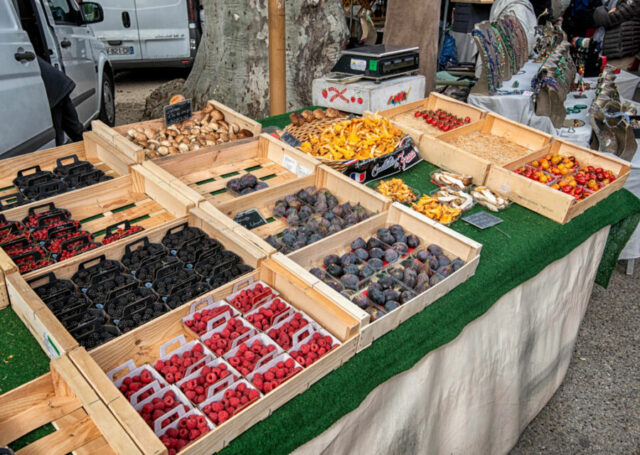
We took advantage of this last-chance shopping — on our way out of Provence — to stock up on a few items still on our list: another bar of that incredible-smelling bath soap; a little container of tiny-but-mighty strawberries to snack on in the car; a few lavender sachets for a cheap souvenir that also freshens up your luggage; and a jar of raspberry jam that really tasted like raspberries. (We hoped it would be as good as the homemade jam at our B&B…and, amazingly, it was.)

After a couple of hours of wandering Lourmarin’s stage-set streets, we found ourselves daydreaming about renting an apartment here for our next visit to Provence. You can’t really say you’ve been to Provence until you’ve contemplated coming back…for a vacation, if not for the rest of your life. Peter Mayle had the right idea.

Pulling out of Lourmarin and heading for Marseille’s airport — and our flight home — it was striking how quickly we re-entered the world of traffic-clogged superhighways, smoggy air, and hypermarchés (France’s answer to big-box stores, and the antithesis of a marché provençal). Already our idyllic memories of Provence were fading into a happy haze — as if it had all just been a very pleasant dream. But it was real, and I have the lavender sachets to prove it. We’ll be back in Provence someday. And even if we wind up going to seven entirely different Provençal markets the next time, I know that the experience will be vivid and rewarding all the same.


What am I missing? In the Comments, suggest your favorite Provençal markets, things to buy at them, and tips for navigating them.

For my week exploring Provençal markets, we had two key resources: In our Rick Steves’ Provence & the Riviera guidebook, co-author Steve Smith offers listings of the most appealing markets in the region, and ample practical tips for exploring them. We supplemented that with Marjorie R. Williams’ Markets of Provence, a vividly written, deeply insightful, and highly informative guide that explains local markets day-by-day. And we learned several tips about how to shop a Provençal market from Mathilde at Taste of Provence, which offers guided market tours and cooking classes in lovely Aix-en-Provence.

One of my favorite French markets isn’t in Provence — it’s in Sarlat, in the Dordogne region. Wherever you go in France, tune into market-day opportunities. You won’t regret it.
Europe’s 10 Best Markets

What traveler doesn’t love a great European market? There are few better windows into local life than rubbing shoulders with shoppers, browsing stands piled high with colorful produce, nibbling on street munchies, and being fully immersed in the sights, sounds, and smells of the local community.

Over half a lifetime of traveling around Europe, I’ve been collecting my favorite market experiences for travelers — where you can glean some insights into local culture and cuisine, and browse for a good, local, quality meal. This is a mix of old-school covered markets, trendier food halls, and sprawling, open-air markets that take over an entire neighborhood or town. I’ve heavily skewed my suggestions to foodie options, where you’ll find dishes that are creative and interesting (rather than just fill-the-tank), while still being affordable. Happy browsing!

10. Mercado de San Miguel, Madrid, Spain

Madrid's Mercado de San Miguel

Just steps from the grand Plaza Mayor, in the heart of Spain’s capital, sits this 1915 erector-set market hall. Fully remodeled in 2009, today it’s a bustling showcase of edible Spain. Squeezing between the crowds, you’ll find only the best jamón ibérico (air-cured ham), Manchego and other artisanal Spanish cheeses, powerfully piquant skewered pickles and olives (banderillas), delectable pastries, little skillets of paella, tinned fish and seafood, brochetas (meat or seafood skewers) grilled to order, smoked salmon, sweet vermouths from around Spain, croquetas with various fillings, Mexican dishes from a Michelin-star chef, and robust Rioja wines. It’s a culinary tour of Spain, under one roof.

9. Östermalms Saluhall, Stockholm, Sweden

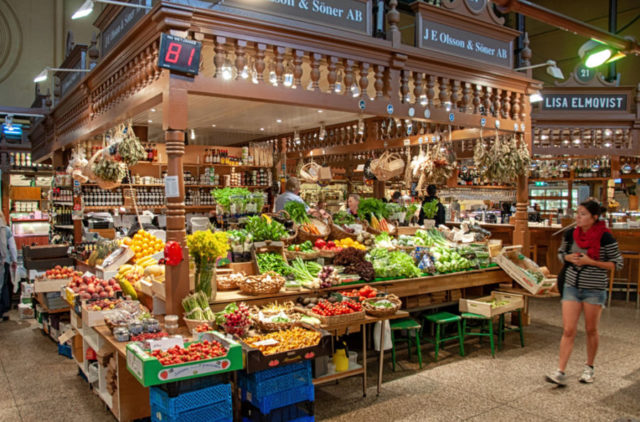
A classic. Anchoring Stockholm’s posh Östermalm neighborhood, this market hall is simply elegant. Handsome, hand-carved wooden stalls display just-so piles of produce, stacked as if posing for a still-life. The wares here feel…curated. Composed. With Scandinavian precision. There aren’t many bargains in this pricey city, but the Östermalms Saluhall is fun to browse for a high-end picnic, or to settle into a market eatery for a quality deli plate, a delicately composed salad, a sticky Scandinavian sweet roll, a splurgy seafood dish, a gourmet smørrebrød (open-face sandwich), a delectable handmade praline, or a selection of Lebanese small plates. Note: The food hall is undergoing a makeover through 2020; in the meantime, the vendors have set up temporary digs nearby.
8. Markthalle Neun, Berlin, Germany

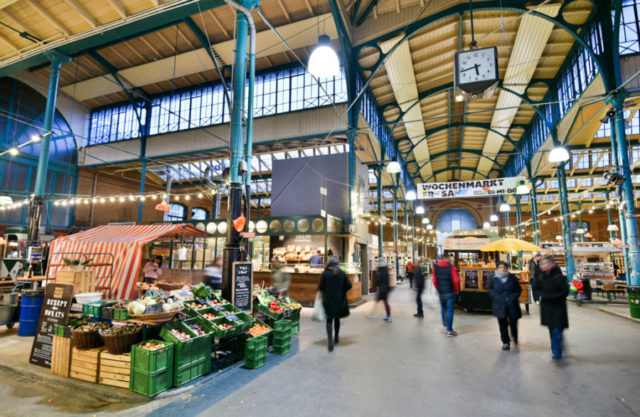
Berlin’s Kreuzberg district is home to its most cutting-edge, engaging culinary scene — and Markhalle Neun is its flagship. Tucked in a workaday neighborhood away from the tourist sights, it fills a beautifully restored 19th-century hall with greengrocers, cheesemongers, butchers, fishmongers, florists, and bakers, all with an appropriately Berlin-hipster vibe. Meanwhile, food stands sell Berlin classics like Buletten (meatballs), Stolle (open-faced sandwiches), Brezel (big doughy pretzels), and Currywurst — but also Italian pastas, French crêpes, Turkish deli meats, Spanish tapas, and even BBQ from the USA. Markhalle Neun scores bonus points for its many special events (listed at www.markthalleneun.de), including its Saturday farmers market and its “Street Food Thursday” — a beloved institution for Berliners seeking a trendy yet affordable dinner.

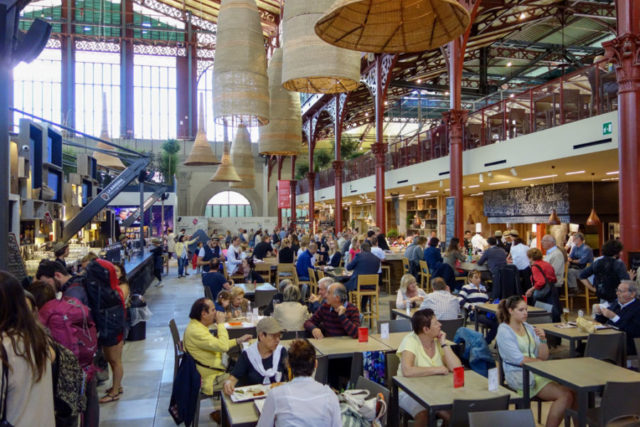
7. Mercato Centrale, Florence, Italy

For years, I’d peek tentatively inside this cavernous market hall in the center of Florence, which felt dark and foreboding. With tattered stalls and piles of garbage out front, it felt like it hadn’t changed since the days of Vittorio Emanuele II. Then, in 2014, they converted the top floor into a high-end food circus. Just walk past the still-grubby produce stalls on the main floor, and hike up the stairs to a world of Italian taste treats: hand-rolled pastas, prizewinning prosciutto, massive steaks cooked so rare they still moo, melt-in-your-mouth panini, gourmet burgers made from Tuscany’s prized Chianina beef, rotisserie chicken, big juicy wads of mozzarella di bufala, handheld flatbread sandwiches called trapizzini, big slabs of rustic pizza, tender stewed beef cheeks, truffle-infused oils and pâtés, the rustic Tuscan bread soup called ribollita, deep-fried tasties,  cannoli and other Sicilian sugar bombs, and high-end tripe sandwiches (a Florentine classic!). Travelers smart enough to escape the tourist-gouging restaurants on the main drag retreat to this upper level — like pigeons in the rafters — to take a break from intense Renaissance sightseeing with pretty much any Italian taste treat they can imagine. Tuscany is home to many foodie finds — but this is one of the best.

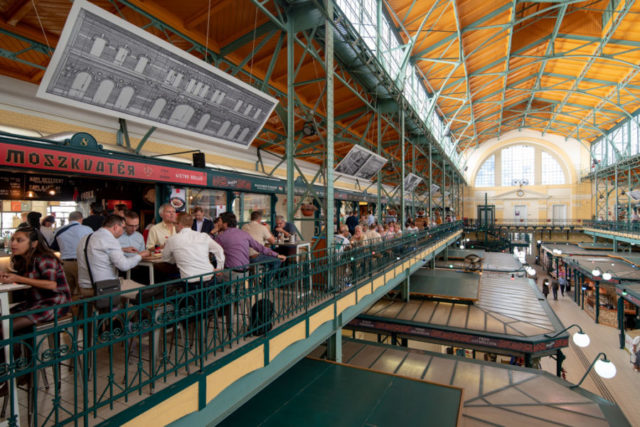
6. Belvarosi Piac, Budapest, Hungary

In Budapest, tourists flock to the Great Market Hall, an elegant palace of produce built around the turn of the 20th century. And you really do have to see the Great Market Hall. But don’t eat there — the “local”-seeming food counters upstairs specialize in ripping off naive tourists. Instead, head to a different, smaller, and far more authentic neighborhood market hall, also right in the city center (a couple of minutes’ walk from the Parliament): the Belvarosi Piac on Hold Street. In an atmospheric Industrial Age space that feels like the Great Market Hall’s little sibling, producers occupy the ground floor, while the upstairs is ringed by tempting high end-yet-affordable food stands: massive schnitzels at Buja Diszno(k), gourmet sausage at Lakatos Műhely, Russian grub at Moszkvatér (named for the since-rechristened “Moscow Square”), gourmet burgers at Kandalló, Thai-style khao man gai (poached chicken in garlicky sauce), and updated Hungarian classics at A Séf Utcaja. Anchoring the space, down on the main floor, is Stand 25 Bisztró. Here, celebrity chefs Szabina Szulló and Tamás Széll artfully fuse Hungarian classics with international influences (or is it the other way around?). While not cheap by market hall standards, Stand 25 a bargain for a Michelin-caliber lunch in a memorable setting (lunch only, plus dinner Friday and Saturday, book ahead).

5. Ballarò Market, Palermo

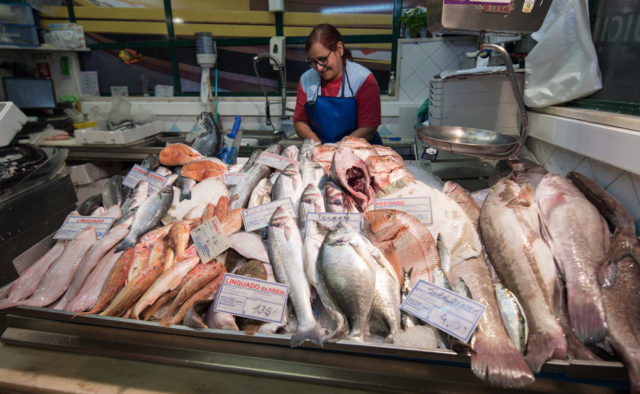
The Sicilian capital has some of the best, most vivid street markets in all of Europe. And the granddaddy of them all is Ballarò — seedy, chaotic, bewildering, and invigorating. Come here to jostle with Sicilians who verbally arm-wrestle for the best deals on the best ingredients. The vendors — continuing a tradition that supposedly dates back to Arab rule — warble their sales pitches with an otherworldly cadence, demanding the attention of passersby. Giant slabs of pink tuna perch on marble counters, like cadavers ready to be dissected. Produce stands overflow with vivid-purple eggplants, long, skinny Sicilian zucchini, and tomatoes that actually taste like tomatoes. Best of all, scattered throughout this multi-block span of barely controlled chaos are a wide variety of tempting street food stands, selling greasy napkins topped with dirt-cheap taste treats for every level of adventurous eaters — from arancine (deep-fried rice balls) and sfincioni (“Sicilian pizza”) to pani ca’ meusa (spleen sandwich) and polpo bollito (tiny boiled octopus, eaten whole). (For a complete rundown, check out my post on Palermo’s street food.) Go ahead, dive in — this is what real travelers live for.

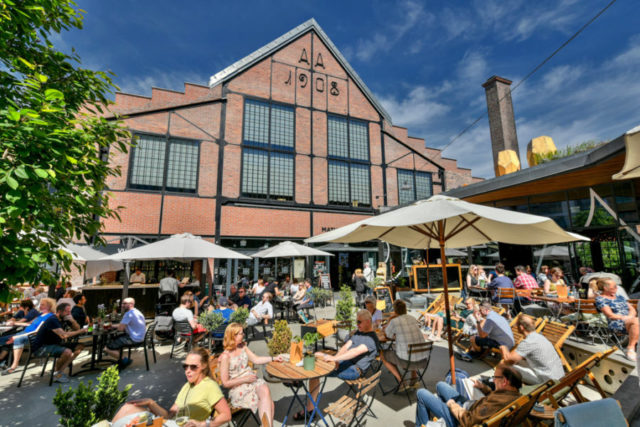
4. Mathallen, Oslo, Norway

I love Oslo. But I’ve rarely found a memorable meal tucked among the dreary, blocky downtown core along Karl Johans Gate. However, just north of downtown runs the Akers River Valley, where the city has redeveloped a former wasteland of red-brick factories and warehouses into a lively people zone. Its centerpiece is Mathallen (“Food Hall”), filling the scavenged brick skeleton of a 19th-century factory. Norwegians recognize the limitations of their cuisine. And so, in addition to stands selling fresh, whole-grain bread (at Smelt Ostesmørbrød) sweet and savory pies (at Mildrids Kjøkken), and farm-fresh geitost cheese (at Ost & Sånt), you can nibble tapas, pastas, sushi, tacos and tequila, pizza, Asian street food,  gourmet ice cream, and much more. Ringing the outside of the market are a variety of industrial-mod, higher-end eateries. I skipped the fried chicken and “global tapas,” and went a bit more traditional at Vulkanfisk, serving up affordable-for-Oslo, elegantly presented, fresh seafood (the garlic-sautéed scampi were a flavor bomb). Anytime I’m in Oslo at mealtime, I come up with an excuse to head up the Akers River to Mathallen.

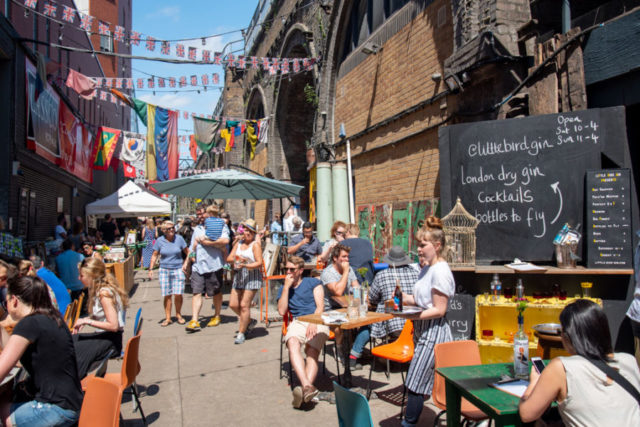
3. Maltby Street Market Rope Walk, London

One summer, my wife and I rented an apartment in London for a week and checked out a different market each day. And at the end of the trip, the Maltby Street Rope Walk emerged as our favorite (every Saturday and Sunday). Tucked along a vintage brick railroad trestle, far from any tourist attractions (roughly across the Thames from the Tower of London), it’s an explosion of foodie energy. Beyond the hole-in-the-wall eateries, wine bars, taprooms, and Mozambique-style burger bars squeezed into the arches under the train tracks, the weekend market adds a world of pop-up food stands: grilled sandwiches oozing with tangy English cheese; little slices of rye bread mounted with melt-in-your-mouth Scottish salmon; slabs of grass-fed, dry-aged, rare-grilled hanger steaks; wild variations on Scotch eggs; Middle Eastern flatbreads with savory toppings; German-style sausages; gyoza steamed in wicker baskets; and a mouthwatering array of gooey brownies. For a more traditional “market hall,” it’s hard to beat London’s famous Borough Market. The funky Camden Market sprawls through a yellow-brick wonderland of old industrial buildings. The Portobello Road Market charms Notting Hill fans. And the Broadway Market feels like ground zero for East London’s hipster baby boom. But if I had to pick just one market that incapsulates cutting-edge London…it’s Rope Walk.

2. Mercado da Ribeira/Time Out Market, Lisbon, Portugal

My favorite European market hall has a split personality. One-half of the market is as classic as they come: traditional, rough-and-tumble vendors selling fragrant herbs, plump produce, and an aquarium’s worth of fish. It’s ragtag, ramshackle, and trapped in the 1950s, with rickety wooden stalls, puddles pooling on cracked tile floors, petticoat-clad grannies selling rough bunches of herbs, and Old World scales with dials that spin imprecisely as if digital were never invented. On its own, this market hall is endearing enough to earn an “honorable mention” on this list. But from there, you can step through a door into La Ribera’s other half: a sleek, futuristic, top-of-the-line, Time Out-themed culinary wonderland (opened in 2014). The two dozen eateries here include stands operated by five marquee, Michelin-rated Portuguese celebrity chefs selling affordably price tastes of their favorite dishes. You’ll also find smaller stands bursting with a variety of local and international meals: the beloved Portuguese steak sandwich called prego, croquetes with fillings both traditional and creative, bacalhau (rehydrated salt-dried cod), fresh-baked pasteis de nata and other pastries, Japanese-fusion dishes highlighting the long-forgotten influence of early Portuguese traders, traditional cheeses and charcuterie, catch-of-the-day, quality steaks, gourmet burgers, artful sushi, and crispy pizzas. Rounding out the scene are a well-stocked wine shop, a place to stock up on conserves (tinned fish with colorful wrappers), and a branch of A Vida Portugesa (a classy vendor of Portuguese-themed products, gifts, and keepsakes that tempt even non-shoppers).  Whether for a meal or a one-stop-shop to stock up on all things Portuguese, Mercado da Ribeira is a winner.

1.  Market Day, Sarlat, France

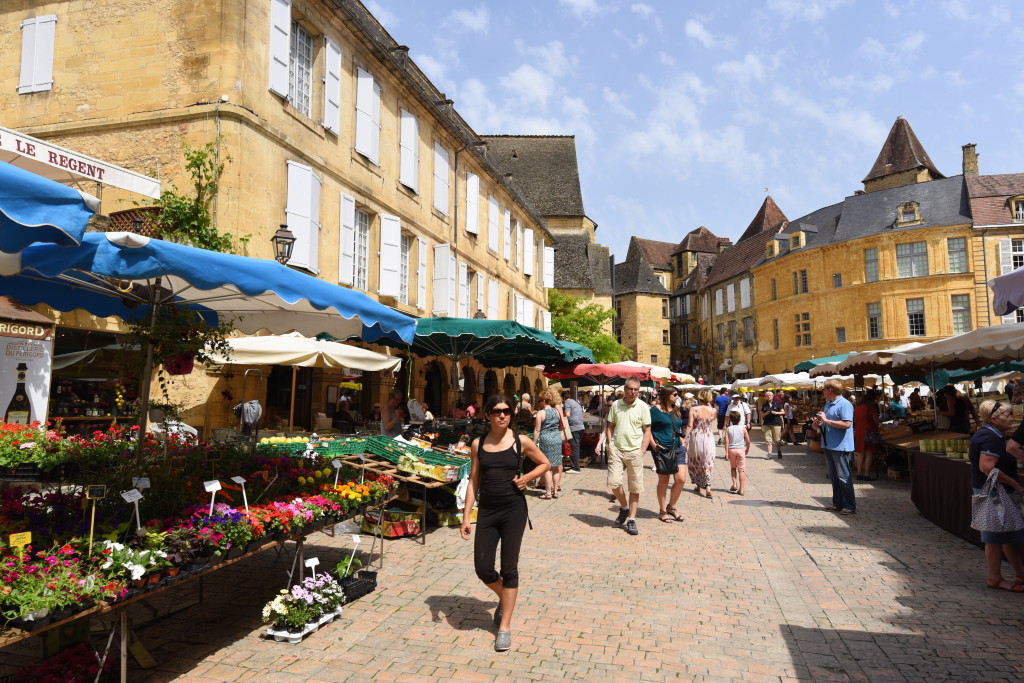
Sarlat’s street market is hard to top. It’s the refined yin to Palermo’s gritty yang. Twice weekly — on Wednesday mornings, and all day Saturdays — the pristine, lemony-sandstone streets of one of France’s finest towns become a big outdoor shopping mall. Locals pour in from the countryside to browse the stalls, reconnect with their favorite vendors, and bump into old friends. You’ll find baked goods, fresh meat, duck-in-a-can (confit de canard), giant wheels of rustic mountain cheese, tiny pyramids of fine gourmet cheese, nuts and dried fruits, explosively flavorful olives, mammoth chunks of nougat, snail shells prefilled for escargot, fruitcake sold by weight, a rainbow of preserves, salamis and sausages of every shape and size, and whatever produce is in season. When the noon bell tolls, the vendors begin packing up, and the shoppers scramble for café tables that catch just the right mélange of sun and shade. This is where the second phase of the Market Day ritual kicks in: taking some time to nurse a cup of coffee with someone you haven’t seen in a while. It’s all so simple…so sophisticated…so smart. If you won’t be in Sarlat, you can enjoy similar market days all over France; every community has its own, but popular ones include Uzès (in Provence), Beaune (in Burgundy), and several in Parisian neighborhoods. But Sarlat is the one that has left me with the warmest memories of an ideal market experience.

What’s your favorite market in Europe?

2019 Discovery: Palermo Street Markets, Sicily

Crowds got you down? This post is part of a series of 10 European Discoveries for 2019 — off-the-beaten-path gems where you can escape the tourist rut and find a corner of Europe all your own.

Among Italians (and other foodies), Palermo is synonymous with street food. And its three sprawling street markets — Ballarò, Capo, and Vucciria — let you delve into gritty Sicilian culture in a way that engages all the senses.

Go ahead — taste something you’d never otherwise consider putting in your mouth. Like frittula — basically the leftover parts of veal (cartilage, intestines, little bits of bone) all chopped up, griddled, and seasoned with generous salt and lemon juice. Or pani ca’ meusa — a pillowy bun stuffed with spleen, lung, and other organ meat. Or polpo bollito — a small octopus, boiled whole and spritzed with lemon.

Too adventurous? Then stick to the oldies-but-goodies: arancina, a deep-fried ball of saffron rice and meat sauce; sfincioni, French-bread-style “Sicilian pizza,” grilled up to order; and panelle e cazzilli, chickpea fritters and herbed croquettes.

Best of all, the whole time you’re browsing these gut-bombs, you’re fully immersed in the energetic hubbub of Sicilian urban life — watching the Palermitani greet old friends, listening to the urgent musicality of the vendors’ sales pitches, and smelling all that sizzling and frying goodness (plus a full spectrum of other odors). Palermo’s street markets are quintessential Sicily.

Ready to dive in? If you’re exploring Sicily on a Rick Steves tour, you’re good-to-go: The Best of Sicily in 11 Days Tour includes a guided walk through the Ballarò street market. If you’re traveling independently, consider joining a food tour. You can read about my experience on a Palermo street food tour here — and you’ll find lots of other recommendations in our brand-new Rick Steves Sicily guidebook, co-authored by Sarah Murdoch. Look for that in stores this April.