Having conversations with strangers — dozens of times each day — is the most interesting part of my guidebook-updating duties. And over the last couple of years, I’ve spent many weeks doing just that in Scotland and Ireland. Usually I’m on the hunt for specific information: prices, hours, new exhibits, planned closures. But the real joy of traveling in the Celtic lands is simply chatting…about something, about nothing, about everything.
Last summer, I came to appreciate how the Scots are master digressers. They’re smart, they’re funny, they’re sharp observers of the world, they always have interesting takes on this and that, and their accent is a delight to listen to. “Meander” sounds like it could be a town in Scotland, and it’s certainly a state of mind there.
After a busy day of updating Stirling Castle — the gateway to the Scottish Highlands — I wandered downhill through town, ticking off more items on my list. I’d just closed down the tourist information office and the Old Jail, when I crossed the street to drop in on Alan, who runs Stirling Bagpipes.
Alan completely, and wonderfully, shattered my momentum. He’s been making and repairing bagpipes for nearly 30 years. Alan loves to talk about bagpipes. And I love to listen to Alan talk about bagpipes.
Alan has bagpipes that go back, literally, centuries. A whole rack of priceless antique practice chanters were stacked in one cluttered corner. He proudly showed me the bags that he’s taught his 15-year-old daughter to hand-sew…to make a little money of her own.
Alan also showed me an amazing work of art that he created several years back. Working with a local historian in the city archives, he found proclamations from centuries past, in which communities like Stirling would establish “burgh pipers” — an official city bagpiper, paid for by civic funds, like today’s garbage collectors or EMTs. He worked with a local artist to create a limited-edition print with the text from those old proclamations, surrounded by illustrations of historical bagpipers. He proudly explained that this print appears in the homes of many of Scotland’s top bagpipers, and music lovers worldwide. And he keeps track of where each print winds up, which he uses to quiz his daughter on world geography.
And then, somehow, we got to chatting about the differences between rugby and American football. I explained some of the rules of my favorite sport, and between us we figured out that “scrimmage” and “scrummage” must be closely related.
(“It’s interesting how people shorten words, innit?” Alan said. “The real word is ‘scrummage,’ but most people say ‘scrum’ for short. Did you know what ‘pram’ is short for, like a baby carriage? ‘Parambulator.’” He sounded it out syllable-by-syllable, swaddling each one in his baby-blanket-soft accent.)
At one point, a couple from Hull, England, wandered into the shop. They spoke with a thick Yorkie accent of their own, which I almost couldn’t understand…it made Alan’s gentle burr sound like the King’s English. A lively conversation ensued about bagpipes and regimental dress, as Alan showed them his kilts and beret-style bonnets. I can’t tell you how much I enjoyed simply being a fly on the wall for that conversation.
(This reminded me of a different time, on a trip years earlier, when I was updating our details at a hotel’s front desk in Glasgow. The receptionist had one of the thickest Glaswegian accents I’ve heard. After I’d collected all my required information, I kept asking him more questions… just to hear him talk. And then another bloke walked in, from Liverpool. He had an incredibly thick Scouse accent of his own. Imagine, if you will, Billy Connolly and Paul McCartney engaged in an animated tête-à-tête. And so I stood there, captivated, as the Glaswegian and the Liverpudlian parried back and forth with two of the most distinctive and pleasurable-to-the-ears accents in the English language.)
I could go on and on about this wonderful bagpipe conversation with Alan. Suffice it to say, at a certain point I realized that I still had a lot of work to do — and that my rental car, which I’d parked up at the castle, was going to get locked in overnight if I didn’t run up and claim it soon. And I’d kept Alan open a half-hour later than the closing time posted on his door.
But he didn’t seem to mind. He told me how much he enjoys all the visitors who pass through his shop. He said he did a tally once, and he estimates that something like 150 times a day, tourists wandering by Stirling Bagpipes pause to take a photo through the window. (“I doubt there’s another shop anywhere that gets so many photos taken.” I said, “Maybe the café in Edinburgh where J. K. Rowling wrote Harry Potter?” “Yeah, it’d ha’ to be somethin’ like that,” Alan agreed.)
Speaking of visitors, Alan has noticed that, for reasons passing understanding, visitors from the same place tend to come in clusters. One week, he seems to get a bunch of people from Southern California. Another week, North and South Carolina. Just last week, he said, he sold practice chanters to two entirely unrelated people from Utah, on different days.
But I digress. And so does Alan. And what I’m getting at is this: The digression is the point.
§ § §
Across the Irish Sea, things are much the same. Having spent over a month this year updating guidebooks on the Emerald Isle, I’ve come to dearly appreciate the Irish, even if they can sometimes be…let’s say “evasive”…when it comes down to brass tacks. A straightforward yes-or-no question — for example, “Is this restaurant open on Mondays?” — might be met with, “Well, sometimes ’tis and sometimes ’tisn’t, if ya know what I mean.”
In one town, I asked the woman at the tourist information office, “How soon do you think the new museum will open?” She chuckled and raised an eyebrow. “How long is a piece of string?”
On Inishmore, I asked an Aran Islander exactly how to get to a hard-to-find landmark. He gazed off to the horizon for a moment, stroked his chin, and said, “Well, see, first ya have to go down that lane over there. You go to the eighth gate on the lane. Ya have to count ’em, ya know: One, two tree… And then, when you get to that eighth gate — you’ll know it’s the one, because it’s got a big ‘no trespassing’ sign on it — well, then, ya hop over that gate and walk across an unmarked field. Then ya just sort of, ya know, look for it.”
Most of the time, I manage to get the answers I need…eventually. And very often, I get a lot more besides. Just like last summer in Scotland, this fall in Ireland, I keep finding myself sucked into countless utterly delightful conversational vortexes, which deposit me far from where I began. The Irish, of course, have a special word for this: craic — lively, pleasurable, smoothly flowing conversation.
In Kilkenny, I joined Sharon on a walking tour along that city’s deeply historic “Medieval Mile.” And while I learned plenty of Anglo-Norman history, some of the most memorable moments were Sharon’s insightful digressions.
We paused at the former Smithwick brewery, famous for its red ale. “A lot of Americans, they’re used to lighter lagers and pilsners,” Sharon said. “And our beers can be a bit much. But here are a few tips. First, a Guinness comes out with that thick head, and visitors think you’re supposed to slurp it from the top, like a milkshake. But the head is bitter, and the beer beneath it is sweet. That’s why you drink past the head — even if you wind up with a ‘moustache.’ You can tell someone’s enjoyed their Guinness, properly, if all that’s left in the bottom of the glass is that head.”
“Of course,” Sharon continued, “Smithwick’s famous red ale is a bit more challenging… even more of an acquired taste. Here’s a tip: For your first Smithwick, ask the bartender to add a dash of strawberry lemonade. This cuts the bitterness and makes it easier to get used to. For Guinness, sometimes they add a dash of blackcurrant syrup. Kind of like training wheels for your beer.”
A few days later, I stopped off at the Blennerville Windmill outside of Tralee — one of many roadside attractions on my list that day.
It seems every sight in Ireland, no matter how minor or remote, comes with two things: First, a 10- to 15-minute film (which the Irish insist on calling an “audiovisual”): either an extremely dense and dry history lesson, or an eye-candy scenic slideshow set to music. And second, a 45-minute guided tour that makes an otherwise dull sight spring to vivid life. (These tours are, almost without exception, billed as 45 minutes — as if the Irish association of museum curators has conducted extensive empirical research to arrive at that optimal duration. Any yet, anytime I confirm that length-of-tour at the front desk, the ticket seller winks knowingly and says, “Well, it usually goes more like 50 minutes, probably more, if ya know what I mean.”)
In the case of the Blennerville Windmill, I did not have particularly high hopes that it would be a blockbuster sight. But as is so often the case, the tour guide, Donal, made it captivating.
Gracefully and conversationally — as if catching up on the latest town gossip — Donal wove together the American Revolution and the Great Famine, which sent a million Irish people across the Atlantic to our shores, escaping starvation.
With the loss of its American colonies in the late 18th century, Donal explained, Britain turned to Ireland as a much closer and more convenient colony to exploit. Hundreds of wind- and watermills were built around Ireland, primarily for the purpose of grinding and supplying grain to England — which was also concerned by the rise of Napoleon and the need to feed its troops. At that point, it was no burden on Ireland — which had been made robust by the success of the potato — to be a breadbasket for Britain. But when circumstances changed with the Great Famine, the Irish continued to fulfill their obligation to ship what could have been life-saving grain from windmills like this one across the Irish Sea to England. While England ate Irish grain to power its Industrial Revolution, the Irish farmers who grew that grain starved.
Without skipping a beat, Donal was on to the next topic: “Have ya ever heard of a dust explosion? Flour is flammable, so with all that powder floating around in the air, the miller had to be extremely careful. That’s why windmills have windows: because they need light, and it was too dangerous to use candles in here. But the windows don’t open, because of course, that would just kick up more dust. And if ya notice, you’ll never find metal touching metal in the gears and levers of a windmill. They alternate between wood and metal. That way…no sparks.”
And then Donal dropped several commonplace phrases that have their origins in windmills: “Run of the mill” and “daily grind” are obvious. But who’d have guessed windmills were behind “four sheets to the wind” and even “damsel in distress”? A damsel, in this case, refers to a broad chute that poured grain evenly into the grinding element. In heavy winds, the damsel might begin to jump around and make a chattering noise. Hearing a damsel in distress, the miller knew to make some adjustments.
The fact that millers called this chattery piece of equipment a “damsel” — in other words, named it after a motormouthed, unmarried maiden — suggests both their unabashed chauvinism, and also their utter lack of self-awareness. In this culture, where people of all genders, ages, and walks of life seem to talk until they’ve run out of things to say, then just keep talking, it’s a bit rich to call out young women as flibbertigibbets. This is, after all, the land of flibbertigibbets.
Again, I digress. Actually, Donal digresses. And there again — that’s the point. If ya know what I mean.
§ § §
Later that same night, deep in County Clare, I made my way to a pub for some traditional music. The talented trio — accordion, guitar, banjo — provided a soundtrack as happy craic filled the bar.
At one point, an elderly gentleman with one leg crutched his way up to the musicians’ table and joined the band to belt out some tunes.
The lyrics were tales of lost loves that might have been; the girl whose father never took a liking to her young suitor; and a troubled locomotive that left Ennis and plodded its way across the county, making slower and slower progress, casting doubt on whether it would ever reach its destination. (“Do ya think that you’ll be home before it’s light?”)
Listening to these songs, I realized that one of the most beautiful aspects of traveling in these Celtic lands — the traditional music — is also rooted in an embrace of digression. Traditional folk songs have no “point,” per se. They are simply tall tales, witty observations, and mournful laments, set to music, to pass the evening hours enjoyably, with good company and good drink. Craic set to music.
The singer returned to the bar, and the trio continued churning through their tunes. Even without lyrics, I could now hear that sense of digression in each note.
Traditional Celtic music just keeps surging forward, always much the same, always a little different, looping back again and again to where it started. And then, just when you think it’s wrapping up, it launches into another giddy lap.
The music, like the craic, is all digression. It’s propulsive, circuitous but not repetitive, and never boring. It’s about the journey, not the destination.
And, just as with conversation, not every note struck pleases every listener. Sitting through a trad session, rather than enjoying one number, and disliking the next, I find moments in each round that thrill me and sections that bore me. Trad music is like Irish weather is like Celtic conversation: If you’re not enjoying it…just wait a few minutes.
That’s the beauty of the flow. Within their planned framework, the jamming musicians discover those digressions…and follow them to see where they go. Because they understand, intuitively, that the digression is the point.
§ § §
Back home, it feels like our society has little patience for digression. A pandemic-born culture of video calls and work-from-home killed the art of the water-cooler conversation. Cursory text messages have derailed the custom of longform letters, emails, and phone calls. We get our news in bulleted headlines and scrolling chyrons, and our entertainment in crisp little reels on social media. A person “talking too much” ranks somewhere between a severe character flaw and a mild mental illness, and saying that someone “likes the sound of their own voice” is a withering insult. Our economy prizes productivity above all else: We encourage concision, precision, and an utter lack of personality. To do anything else is a shameful waste of time.
Similarly, as a writer, I’ve trained myself to weed out digressions — before clicking “Publish,” I go through each piece with a fine-toothed comb to ruthlessly excise all the little asides and parentheticals that clutter up otherwise “clean” copy. At the bottom of each piece, I have a scrap pile labeled “JESTAM” where I’ve discarded some of my personal favorite little side-observations.
But I’m inspired by the conversationalists that I encounter in the Celtic lands. So for this blog post, I’ve decided to keep in more of those tangents. (A keen-eyed editor would quickly snip out my little digression about the Glaswegian and the Liverpudlian having a beautifully lyrical conversation. Admittedly, it’s probably a “you hadda be there” moment. And yet, it’s truly one of my all-time favorite travel memories…and I’ve never written about it before.) Just this once, in the spirit of my Irish and Scottish interlocutors, I’ve decided not to pluck those flyaway hairs.
So then, perhaps all of this explains some of the appeal that we Yanks find in traveling to places like Ireland and Scotland. In Celtic lands with the gift of gab, where craic is a lifestyle and “meander” is a way of being, people still practice the lost art of rambling aimlessly, in vast, swooping, circuitous conversations — like a bird swirling through choppy air, or a carefree child spinning through a field of wildflowers, or a sheepdog corralling her flock in a rocky landscape — that wrap themselves up like a tidy little bow at the last second.
Places, in other words, where the digression is the point.
It’s hard to imagine a more eventful year for travel than 2022. Reflecting on the last 12 months, I’m astonished at how much has happened in the world of travel — and in my own travels. It was a year of returning to the road despite COVID, yes…but also the invasion of Ukraine, the death of the Queen, and so very much more. I’m not usually in the habit of quoting communist despots, but this saying from Vladimir Lenin suits our kitchen-sink times: “There are decades where nothing happens, and there are weeks where decades happen.”
And so, here’s a recap of my 2022 travels. I hope it serves as a snapshot of the “state of travel in 2022” — one of the wildest, fastest-changing years I can remember. If you’ve been to Europe this year, you may find some of this relatable. If you haven’t, it may be illuminating. And mixed in are some personal travel stories I hope you can enjoy vicariously.
Fair warning: This recap is long. (I’m trying to tell you — a lot happened in 2022!) Bear with me and feel free to skim. If you’d like more information on any of these topics, I’ve linked to posts on my blog or on my Facebook page, where I was very busy this year, tracking my travels. (If you aren’t on Facebook, you may not be able to read some of those posts.) I plan to continue my frequent, real-time travel updates as I hit the road again in 2023. If you’d like to follow along, be sure to subscribe to my blog and follow me on Facebook.
Late 2021: Omicron Rising
One year ago, in the mellow days after Thanksgiving 2021, news broke of a scary new COVID variant that was spreading rapidly around the globe. For a brief moment, Omicron was, frankly, terrifying; some hardy travelers (including both Rick and I) had made tentative first forays back to Europe in 2021, and we were looking forward to “post-COVID” European trips in 2022. Our bus tours were nearly sold out, and we’d already started booking some guidebook-research trips. Omicron tapped the brakes on all those travel dreams. But gradually, it became clear that the new variant was more virulent, but less deadly that the original; rather than being a harbinger of more lockdowns in 2022, it marked a pivot toward travelers learning to live with COVID as we got on with our lives.
We pride ourselves on updating our Rick Steves guidebooks in person, typically every two years. But the global pandemic interrupted that routine, and we wound up taking an extra two-year hiatus on all of our titles. Rick, our managing editor Jennifer Davis, our publisher Avalon, and the rest of us at Rick Steves’ Europe knew it would be a massive project to get those books fully up to date, post-COVID. To get as many books out as possible by the end of 2022, we’d have to hit the ground running, do more research than we’d ever done in a single year, and compress our production timeline to do it faster than ever, to boot. Jennifer moved mountains to come up with a smart plan, and we spent most of the winter making research assignments and booking trips.
We were ready to hit the road.
Early 2022: Back to Europe!
When I took off for London in mid-February of 2022, I was the first one out — leading the vanguard of a team of 20 co-authors and researchers who would fan out across Europe to whip those books into shape. (Rick followed just a few weeks behind, hitting 10 cities on a 40-day research trip of his own.)
As a sign of the times, three things happened during my first week in London: A few days before I took off, Buckingham Palace announced that Queen Elizabeth had contracted COVID. Around the time I landed, Boris Johnson announced the end of all COVID restrictions for the UK. (Both would be gone, in very different ways, by year’s end.) And a couple of days into my trip, Russia invaded Ukraine. (More on that later.)
For more than 20 years, I’ve spent three months of each year in Europe, mainly updating our guidebooks. At first, the forced break of COVID was, frankly, welcome: I’d been getting burned out, even jaded, and I didn’t mind having a rest. But after two long years, I was champing at the bit to get back to guidebook work. I was excited, and nervous.
That first morning, I woke up and surveyed my list: I had about 12 days to update our 600-page Rick Steves London guidebook. I had to start somewhere. So why not Westminster Abbey? I rode the bus to England’s top church and, before stepping inside, I snapped a photo to commemorate the occasion and posted it on Facebook.
One hour later, I came back outside with loads of handwritten updates scrawled into the margins of that book. One section down; hundreds more to go. By the way, that Facebook photo wound up being by far my biggest ever — more than 11,000 people “liked” it. It was clear that I wasn’t the only traveler excited to be tiptoeing back to normal after such a long delay.
I worked hard in London — visiting, as I always do, virtually every single hotel, restaurant, museum, shop, and so on to personally check in with each business owner and to update their listing. I was very happy to confirm that the vast majority of our favorite small businesses — the mom-and-pop hotels and restaurants that are the cornerstone of our guidebooks, and of our style of travel — had survived the pandemic. I did notice another trend, however: Life changes. There were more divorces, retirements, and ownership changes than ever before. Some people call the COVID era “The Great Reshuffle.” Anecdotally, it’s clear to me that anyone who was contemplating a lifestyle change took a hint from the pandemic.
I also made a point to slow down and enjoy being back on the road — a pledge I’d made to myself during those many, many long months without travel. After many trips to London, I’d never actually been to Abbey Road. My Beatles fandom recently re-ignited thanks to Peter Jackson’s Get Back documentary, I decided it was time to change that — and made a point to add a 30-minute detour to that famous crosswalk at the end of a busy day of research.
On my day off, I headed to Kew Gardens to update our guidebook listing. And then I realized I was just a short bus ride from Richmond, the setting of Ted Lasso (a TV show which, like many people, I’d found much solace in during those dark pandemic nights). I managed to find Ted’s “local” and his apartment, and sat on a bench on Richmond Green watching dogs chase tennis balls for 30 minutes — which, strangely enough, may be my favorite travel memory for all of 2022.
From London, I flew to Rome, where I had another 10 days to update another 600-page guidebook. Whereas in London, it had struck me that most people were “over” COVID (with very few precautions and little masking), Italy was still behaving very cautiously: You still had to show your up-to-date vaccination card to enter a museum or restaurant, and masking was near-universal.
In Rome, too, I made a point to linger and enjoy. At one of my favorite sights in the Eternal City — the Protestant Cemetery — I enjoyed getting to know the local cats who hang out at the nearby cat hospice. But there was plenty of hard work to be done; on one gloomy day, I hit the pavement in the streets surrounding Termini train station, and updated 47 hotels in a single day.
While that was grueling, it was a treat simply checking out with our many hoteliers and restauranteurs, who take such good care of our readers (and, often, also our tour groups) that they feel like part of the extended “Rick Steves family.” Everyone was ramping up for what they hoped would be a busy year, but expressed concern that customers weren’t bouncing back as quickly as expected. In those early months of 2022, the one-two punch of Omicron and the Ukraine invasion had scared off many travelers. Roman hoteliers told me that they’d seen a flurry of cancellations.
In both cities, I noticed a big trend: During the pandemic, technology had been adopted in a big way. This makes sense: Before COVID, how many of us had ordered groceries through an app, or connected with friends and coworkers via video chat? In Europe, more and more museums allowed (or even required) prebooking tickets online, and many did away with borrowable audioguides in favor of apps you download to your own device.
One of the biggest changes was the rapid adoption of “contactless” or “tap” payment — by credit card, smartphone, or smartwatch. Upon boarding a public bus, instead of rummaging around in your pocket for loose change, you can now simply tap your card or phone against the pay pad. I love this system, which makes paying for everything so much easier.
While still on the road, I submitted both London and Rome — the full guidebook text files, plus dozens upon dozens of virtually marked-up maps. Back in the home office, our amazing editorial and cartographic team began the heroic effort of tidying up and finalizing those chapters to send to our publisher. I wrapped up with more research in Naples and Tuscany (Siena, Pisa, Lucca) before heading home.
Home Interlude: The Temporary European
I was back home for just a few weeks before returning to Europe on a second trip. This quick interlude was a blur, but it coincided with the promotion of my new travel memoir. Back in 2020, when it became clear I’d be grounded for a while, I took a sabbatical from my office work to collect many years’ worth of blog posts and turn them into a cohesive book. It turned out to be a beautiful opportunity to reflect on my two decades of traveling and working with Rick Steves. As I refined and filled in gaps, it became clear that all of those stories had the same theme: traveling as a temporary European.
The Temporary European: Lessons and Confessions of a Professional Travelercame out in early 2022. It’s a collection of my favorite travel tales, plus behind-the-scenes chapters about what it’s like to work with Rick Steves, write guidebooks, lead bus tours, and make travel television. It also gave me a chance to introduce the world to my wife’s well-traveled Great-Great Aunt Mildred, whose personal travel motto I’ve appropriated as my own: Jams are fun!
Early 2022 was a strange time to come out with a book. Bookstores weren’t really doing in-person author appearances, and virtual ones were already kind of passé. So, while the book was well-received, I didn’t quite get the “book tour” of my wildest dreams. That said, my publisher, Travelers Tales, set up several book readings over the late spring and summer where I had the chance to connect with my fellow travelers in person. It’s been just wonderful meeting many of you at cool independent bookstores — from Seattle to San Francisco to Columbus, Ohio — and hearing about your travels.
(Gratuitous plug: If you enjoy my approach to travel — or know someone who might, and need a stocking stuffer — you can get The Temporary European for 30% off through the end of the year on Ricksteves.com, as part of our Holiday Sale. And Amazon.com has the Kindle edition priced at an incredibly low $1.99 through December 4. Get yours now!)
Before long, it was time to head back to Europe. Next up: Poland!
The Ukraine Invasion…and Touring Poland
Back in 2020, we were all ready to run the inaugural departure of a brand-new Best of Poland in 10 Days tour, which I’d helped design (with the multitalented Robyn Stencil from our Tour Operations team). In fact, I was going to come out of “tour guide retirement” after many years of focusing on guidebook research to lead that tour myself — with a team of talented, mostly newly hired Polish tour guides.
Like so many other travel dreams, that got scrapped…but only temporarily. And in early May, I flew to Gdańsk — on Poland’s Baltic Coast — to meet Robyn, those four Polish guides, and our intrepid group to begin the tour.
It was a tall order: Not only had I not led a tour in many years, but it was a brand-new tour, and I’d be mentoring some talented guides who — fantastic though they were — had mostly not been on a full Rick Steves tour before. Plus, we had some complicated COVID restrictions to carefully implement: Testing all the guides and tour members before the tour, checking vaccination cards at the first night’s meeting, and ensuring that everyone remained safely masked on the bus.
All of that would have been complicated enough. But we were also leading a tour in a country whose neighbor, Ukraine, had recently been invaded by a hostile empire.
Russia’s February invasion of Ukraine is one of the most impactful geopolitical events in Europe in recent memory. I was fortunate enough to travel in Ukraine back in the fall of 2018; I learned a lot about the complicated historical “brotherhood” between Ukraine and Russia, and about the military standoff that was already happening in the country’s east. With this in mind, as Putin’s threats escalated over the winter, I had a very bad feeling that he was not bluffing.
The war in Ukraine — which has already cost somewhere on the order of 100,000 Ukrainian lives, and 100,000 Russian ones — has been somehow both shocking and utterly predictable.
Throughout Europe, I’ve seen Ukrainian flags and demonstrations of solidarity everywhere. While we in North America have (mostly) been cheering on President Volodymyr Zelenskyy and his ragtag resistance form afar, Europeans understand that the stakes are very high. For one thing, many Europeans are fundamentally pacifistic — a painfully hard-learned lesson from two devastating world wars. My sense is that they’re simply horrified at the thought of such atrocities happening anywhere on European soil.
On a more pragmatic basis, Europe still gets much of its oil from Russia. They want to stand up to Putin, which means boycotting (as much as possible) Russian oil exports. And that means scrambling for alternatives (whether it’s keeping open nuclear power plants that were slated to be decommissioned, as in Germany, or doubling down on coal, as in Greece). It also means that energy prices this winter will be extremely high, causing great anxiety and leaving Europeans scrambling to cut heating costs. (On a recent visit to a heated outdoor pool in Switzerland, a sign politely informed swimmers that they’d lowered the temperature by one degree Celsius. Every little bit helps!)
Of course, in Poland — as Ukraine’s neighbor, and a place with a history of unpleasant relations with Russia — the stakes are higher still. Something like two million Ukrainian refugees had crossed into Poland by the time our tour began in early May. I think many of us visitors were expecting to see tent cities and shantytowns filled with refugees…but we were surprised, and impressed, at how constructively Poland has absorbed all of these new arrivals into their society.
One day, I was having lunch with our Polish guides in the red-brick downtown of Gdańsk, and one of them pointed out a handsome old building across the street. “That was an underutilized dorm and activity center for Scouts,” one of them told me. “That sign with the Ukrainian flag by the door explains that now it’s housing refugees.”
In the context of all of this, our new Poland tour seems incredibly insignificant. But it was a fascinating case study in how the situation in Ukraine has (or hasn’t) affected travel. A few of our tour members told us they’d considered cancelling the tour after the war broke out, but decided to stick with it.
As soon as our tour members arrived in Poland and took a walk, they realized that it was a perfectly safe and stable place to be. It helps that Poland is in NATO; Putin understands that messing with Poland would have extreme consequences (which we saw recently, when a couple of missiles — apparently accidentally — crossed that border, and briefly put the world on high alert).
Long story short: The tour was a huge success. The itinerary came off without a hitch, even though it was the first time we’d done it. (Our biggest “problem” was that we kept arriving at the next town faster than our conservative estimates.) Those new guides were wonderful, and each of them has gone on to lead the tour on their own, to great acclaim. And our tour members — about half of whom, like me, have Polish ancestry — were thrilled they’d joined us.
It was a special treat for me to share some of my favorite places and experiences with the group. Particularly memorable was the chance to attend an outdoor Chopin concert in Warsaw’s huge Łazienki Park. This important custom, which dates back more than six decades, was suspended for three years due to COVID. It was a very special treat that we happened to be there for the first concert of the season. The park was filled with Varsovians who were thrilled just to be together again, appreciating the music of their beloved composer.
If anything, what was happening in Ukraine enhanced the educational value of the tour, allowing our tour members to better understand all of the complexities of what was going on next door.
One of our favorite moments came on a night when we’d planned a fairly conventional dinner for the group. Our hotelier, Jarek — a longtime friend to Rick Steves travelers who use our guidebooks — mentioned that he’d hired several Ukrainians to work in his restaurant. We had a brainstorm: Rather than cooking Polish dishes, as they normally do, how would those Ukrainian chefs like to cook us a traditional Ukrainian meal, to celebrate their home culture? They jumped at the chance and served us a delicious and unforgettable menu of their favorite flavors from back home. And Jarek invited a musician to serenade us on the traditional Ukrainian stringed instrument called a bandura, to boot.
If that’s not great travel…I don’t know what is.
Summer in Europe: Travel Gains Momentum
From Poland, I flew to Amsterdam, where I did more guidebook research in the Netherlands (updating five cities in five days), then Belgium (where Antwerp bucked the trend of small businesses surviving the pandemic — I had to scramble to replace nearly half of our listings). And then it was on to Scotland.
Things everywhere had already changed dramatically even since the spring. Most COVID restrictions had gone by the wayside. Masking had become rare. And the crowds — who, back in March, had seemed to be tentatively dipping a toe in the water — were full-on diving back into Europe.
In June, I spent three weeks traveling all over Scotland, updating a guidebook whose first edition I’d pioneered back in 2015. In the intervening years, other researchers had passed through to put their touches on it. Discovering all the wonderful fixes and additions that happen to a guidebook over time is one of my favorite things about my work.
I enjoyed being in sunny Edinburgh during the Queen’s Platinum Jubilee, then rented a car and did a two-week road trip through the Highlands. This was a good old-fashioned European road trip, with loads of castles, moody glens, and delightful encounters. I watched a thrilling sheepdog demonstration in the cold drizzle, listened to some top-notch traditional music in an Inverness pub, and set sail to the Isle of Iona. I was thrilled to pull over for a perfect roadside encounter with a “hairy coo” (shaggy Highland cattle). And then, following up on one of the many great leads my fellow travelers suggested on my Facebook page, I discovered a wonderful up-close-and-personal hairy coo experience at a remote ranch. I didn’t even mind when I got drenched with rain for three days on Skye. (Well…maybe a little.)
Even just since my previous visit, Outlander has come to play a huge role in driving Scottish tourism. While it’d be easy to be cynical about the Outlander-ization of Scotland, I’m on board for two reasons: First, the novels and TV show are meticulously researched and — despite being a time-travel fantasy — do a great job of actually educating people about Scotland. And second, I saw firsthand that many people may come “for” Outlander, but once here, they wind up excited about Scotland in its own right. If a TV show, or a movie, or a book, gets people to a place that deserves to be on itineraries on its own merits…then I’m all for it.
Another big theme in Scotland this summer — likely driven, at least in part, by all those Outlander fans — was that the whole country was stuffed to bursting. Especially in smaller communities (such as the Isle of Skye), staffing levels remained inconsistent, and there simply weren’t enough B&B beds or restaurant tables to go around. I had trouble booking rooms for my June trip, even though I started looking way back in February; many of our top-rated B&Bs told me that even in January, they were sold out through the entire summer. And restaurants were booked out days, weeks, even months in advance. If you didn’t reserve well ahead in certain places, you’d wind up dining on groceries or takeout fish-and-chips. If you’re heading to Scotland anytime near summer, book as far ahead as you can.
Nessiegate
I was on a travel high one morning as I left Inverness and headed across the middle of Scotland to the Isle of Skye. My route took me right past the touristy north shore of Loch Ness, so I pulled over at the heavily hyped tourist zone along the lakeshore to check some details for our book.
And then…something inside me just snapped.
Immersed in one of the tackiest tourist traps in Europe, surrounded by greedy and crass roadside attractions, I felt an almost physical revulsion. I found myself feeling very sorry for all those unwitting travelers who’d come to this place, at a great investment of time and money, to stare out over an empty loch, then buy some overpriced trinkets.
On the rest of my journey to Skye, I occupied myself by mentally composing a Roger Ebert-type takedown of Loch Ness. That night, settled into my B&B, I had an absolute hoot writing up my little Nessie rant. It was a critique of the crassness of the Loch Ness tourist machine, yes. But more than that, it was intended as practical advice for the travelers who look to me for advice: Skip Loch Ness, because your limited time is better spent elsewhere. (You can read the complete rant here. Much fun as I hope this is to read, the Comments are even more entertaining.)
I chuckled myself to sleep and woke up to a predominantly positive response from my followers, on the order of “Thanks for the warning!” To be honest, I forgot all about Loch Ness.
But then, a Glasgow-based tabloid newspaper saw my post and published an article about it. (With everything going on in the world these days, I can’t fathom why a reporter would spend time scouring my paltry social media presence for material. But I digress.)
The story got picked up by another tabloid. Then another. Then another. I knew things had gotten a bit out of hand when I received a message from BBC Scotland, asking if I’d like to appear on their primetime news broadcast to “elaborate” on my thoughts about Loch Ness.
It was fascinating to have a firsthand experience with a British tabloid news cycle. For a very short while, I was the bane of the Highlands. One Inverness paper even posted a “person on the street” video of several people telling me, one after another, how wrong I was:
All of that I could take in stride. But I also heard from Scottish individuals — some of whom lived along the shores of Loch Ness — who were, understandably, hurt and offended that I’d be so dismissive. It was an important lesson: My intended audience was North American travelers planning a Scottish itinerary. But when something “crosses over” to an unintended audience — in this case, the Scottish public — it just hits different.
I couldn’t blame these people for being offended. I actually corresponded with some of them, most notably Toby from Loch Ness Living, who made some great points — including that it’s not really fair to judge a place based on such a quick visit. The general sentiment was this: If you’d spent a day or two here, had gotten off the beaten path, really explored and settled in, you’d come to appreciate the full beauty of Loch Ness. And on that point, I cannot disagree.
(Others were more succinct. One private message I received on Facebook read simply: “You boring yank twat.”)
In the end, I feel a lot of empathy for people who work in the Loch Ness tourist industry. But I’m not the only one who let them down. The fact is, to a traveler, “Loch Ness” is that insanely tacky and touristy strip that I drove along that day. The local tourist industry is designed to steer passersby to that version of Loch Ness, and only that version of Loch Ness.
As all of this played out over the next few days, I had plenty of time to consider what, exactly, had triggered me so grievously to begin with. In a funny way, my Loch Ness takedown was a direct result of the pandemic. During those two long years of not being able to travel — and especially when I was writing my memoir — I gave a lot of thought to why I travel to begin with, and how I could travel better going forward. It helped me better draw the line between my idea of “good travel” and “bad travel.” And I pledged to rededicate myself to “good travel” when I was able to hit the road again.
Literally everything else I did in Scotland ticked the box for “good travel.” But then I came to Loch Ness. And it was the antithesis of everything I love about travel: It’s designed to exploit an entirely fabricated legend about an imaginary sea monster. It was a slap in the face. This is what I — what all of us — have waited two years for? Have we learned nothing?
Here’s what gets my goat about the Loch Ness Monster: It tells you absolutely nothing real or authentic or insightful about Scotland. Scotland has more than its share of clichés, which it aggressively exploits to stoke tourism: kilts, bagpipes, golf, whisky, haggis, castles, hairy coos, Outlander, and the list goes on. But the crucial difference between all those things and Nessie is this: All of those things have something real to teach you about Scotland.
The people who work in tourism at Loch Ness deserve better. Scotland deserves better. If they’re angry with me, perhaps they should redirect their anger at a tourism machine that spends all of its resources promoting a fake monster, and very little celebrating the natural and cultural wonders of Loch Ness.
Coming Down with COVID: To Fly or Not to Fly?
Surely “Nessigate” was more than enough drama for one trip to Scotland. But no! Scotland was not through with me. (Call it “Nessie’s Revenge.”)
At the end of my seven-week trip (which began all the way back in Poland), I was pretty wiped out and ready to head home for the summer. On my last day of research, in Glasgow, I felt run-down. I chalked that up to simply working too hard. But as I drifted off to sleep that last night, I felt a tickle in my throat.
I woke up feeling rotten, and as I finished packing for my afternoon flight home, I weighed my decision. Two weeks earlier, the US government had waived the COVID testing requirement to enter the country. I could very well have just gone to the airport and hopped on my plane, shedding virus all the way. But if I had COVID, I didn’t want to expose my fellow passengers on the nine-hour flight home.
I had a few hours before my flight, so I called my wife (who’d just gone to sleep back home) and talked through my options. I decided to stay in Scotland.
There were two main reasons: First, I was feeling worse by the minute, and I wasn’t up for taking such a long flight in this condition. And second, throughout the pandemic I’ve been preaching the importance of looking out for each other. I believe that one of the main lessons of COVID should be that if everyone does their part — getting vaccinated, wearing masks, avoiding contact when you’re sick — we all get through. This was an unwanted opportunity to live my values.
So, I rebooked my flight and spent several extra days in Glasgow, recuperating in my little but cozy hotel room.
That makes it sound simple. But these things are complicated — even when you’re “sure” you’ve made the right choice. At one point, I realized that if I hustled, I could still make it to my original flight in time. But then I asked myself: Would I want to be sitting next to me on a plane right now? Would I want my parents to be sitting next to that person?
That first night — at exactly the time I’d have been boarding my nine-hour flight — my fever peaked. I was glad to be in bed and not strapped into a seat. Fortunately, I was fully vaccinated and boosted, so I had a full and swift recovery; my fever lasted about a day, and the rest of the time felt like I was just recovering from a mild cold. When I finally made it to Seattle, I was grateful to be home — but also satisfied that I’d made the right choice, both for my fellow travelers and for myself.
September in Switzerland and Italy: No Matterhorn? No Matter!
In September, after a restful summer back home, I flew to Switzerland for more guidebook updates. (As an indication of how quickly our guidebook team was cranking out titles this year, the London and Rome books I’d updated in the spring had already hit my desk by the time I took off in September.)
On my previous visit to Zermatt — way back 15 years ago — the weather was so bad, I never even got to see the Matterhorn. But this time, I was determined to hang on to my post-pandemic optimism — to count my blessings at being able to travel at all. That first morning, I rode gondolas and cable cars up to the highest lift station in Europe, at a place called Klein Matterhorn. The weather was glorious, with deep-blue skies. You could see almost everything, in every direction…with one small exception: The Matterhorn itself was socked in. I just shrugged and said, “No Matterhorn? No matter! I’m still on a Swiss mountaintop.” (And I’m happy to report I did see the Matterhorn, several times, later in the trip.)
One afternoon, hiking high in the mountains with a Matterhorn view, feeling far from civilization, someone called my name: fans of Monday Night Travel who were using the same guidebook I was updating. Because much of my work at Rick Steves’ Europe is behind the scenes, I rarely get recognized when I’m in Europe. But throughout my travels this year, I bumped into more and more fans of “MNT” (as we call it).
Rick and a team of moderators (Gabe, Julianne, Lisa, and Ben) started doing Monday Night Travel during the pandemic, to offer a little “armchair travel” and a weekly pep talk from Rick. (I’ve appeared as a guest or co-host six times so far, most recently to talk about Romania.) Our hunch was that frustrated travelers appreciated having a weekly outlet for their wanderlust.
But now that we’re back traveling again, people are still watching — and I’ve bumped into many of them in Europe. From Edinburgh to Scotland, and throughout Croatia, MNT fans told me how much those weekly Zooms helped keep them going. In fact, every one of them used the same word: it was a “lifeline” while they were unable to travel. (If you haven’t checked out MNT, you should! You can see the schedule and sign up on the Monday Night Travel website — and it’s always free. My next MNT appearance will be some Poland talk in March…stay tuned.)
While most of my travels this year were return visits to old favorites, one of my post-pandemic resolutions is to keep on exploring — there are always new places to be discovered. In September 2021, on my first trip back to Europe, I made a point to check out Italy’s Emilia-Romagna region (staying in wonderful Modena) and the town of Treviso; in both cases, I was very glad that I’d sampled something new. That trip inspired me to keep going down my list of “new-to-me” Italian destinations. So, upon wrapping up my work in Switzerland, my wife and I took a few days off to explore the Piedmont region in northern Italy. And then, after she flew home, I stopped off briefly in Trieste on my way to Croatia.
Especially for a traveler who sometimes feel like I’ve “seen it all,” there’s a special joy in exploring something new. In Piedmont, we stayed at B&B in the Langue region just south of Alba and did some side-trips to the bustling city of Cuneo, the famous wine villages of Barolo and Barbaresco, and plenty of bucolic joyrides. Part of the adventure here was renting an EV (electric vehicle) — and being extremely steep on the learning curve when it comes to using an electric car for a European road trip. I suspect this is the wave of the future; if you’d like to learn from my mistakes, rather than your own, check out my post on EVs in Europe.
In Trieste — an utterly fascinating port city at the northeastern tip of Italy, completely surrounded by Slovenia — I was so captivated by the history that I broke my personal rule to not do any sightseeing on a day off. As an aficionado of Central Europe, it was thrilling to be in the primary Mediterranean port for the sprawling Habsburg Empire — facing the sunny Adriatic, but filled with grand buildings that would seem more at home in Vienna or Budapest. And as a James Joyce fan, I appreciated the modest museum about his time in Trieste, when he wandered the city as he wrote his masterwork Ulysses.
Trieste also reminded me that it pays to do your homework. For years, I’ve heard raves from fellow history buffs for Jan Morris’ book Trieste and the Meaning of Nowhere. I read it over the summer in anticipation of my visit, and practically used it as a guidebook once in town to track down fascinating little details. I would have enjoyed Trieste without it — but it definitely enhanced my time there. (What book have you read that transformed your appreciation of a place?)
October in Croatia: Changes Are Coming and the Saltshakers Are Empty
From Trieste, it was a short journey to this year’s final assignment: Updating our Rick Steves Croatia & Slovenia guidebook (which also includes highlights in Bosnia-Herzegovina and Montenegro). As the co-author of this book, and a tour guide emeritus on our Adriatic tours, I’ve been to these places more times than I can count. But for most of them, it had been five long years — so this trip was all about reconnecting with wonderful old friends, and reacquainting myself with favorite places.
No matter how many times you return somewhere, there’s always something new to discover. For example, just this summer Croatia opened its new Pelješac Bridge, which means that traffic on the main road between Dubrovnik and the rest of the country no longer has to pass through a tiny stretch of Bosnian coastline (which used to require two border checkpoints). It was interesting hearing from locals all the ways — both expected and unexpected — about how this bridge was transforming travel.
Avoiding those borders is more important now than ever, because in just a few weeks — on January 1, 2023 — Croatia joins the Schengen open-borders zone. On the same day, they’ll retire their traditional currency, the kuna, and adopt the euro. It was fun to learn about the new Croatian euro coins, but I must admit that this complicates my work: Between the staggering inflation across Europe (and especially in Croatia), and this new currency conversion, it’s nearly impossible to predict exactly what things will cost for my book next year. If a museum charged 55 kunas in 2022, the official exchange will be €7.30. Of course, it’s more likely that they’ll round it up to €7.50 or even €8 in 2023. Or — as many Croatians fear — they may just take this chance to make the jump to €10.
If you think you’re exhausted from reading this recap, just imagine how wiped out people must be who work in the tourist industry. As September turned to October, I heard the same thing again and again from my Croatian friends: We love travelers. We are thrilled they’re back. But, frankly, we’re exhausted. I began to notice that many saltshakers were empty; the season was winding down and they weren’t being refiled. It stuck me that the Croatian people were in a similar situation: all too ready for a winter replenishment.
Grand Finale: A Slovenian Youth Hockey Match
I wrapped up these many months of travel back “home” in Slovenia — my favorite country, and the place in all of Europe where I feel the most comfortable. I never tire of this wonderful place.
I said earlier that my favorite travel moment of 2022 was sitting on a bench on a sunny Saturday on Richmond Green, just outside London. I realize now that was my second-favorite. My favorite was going to a youth hockey game in Ljubljana.
My good friend and fellow tour guide, Tina Hiti, was in town between tours when I was in Ljubljana. She was busy, trying to pack in several family obligations, and it was tricky to find time to meet up. “Unless…” she said. “You wouldn’t want to come to Anže’s hockey game, would you?”
Until that moment, I never would’ve imagined how much it would appeal to me to attend a kids’ hockey match. But hearing it now, I practically jumped to my feet. “YES!!!” I said. “Just tell me when and where.”
I have a special relationship with Tina’s family (whom I write about in The Temporary European). She and I are close friends, having started out as tour guides together more than 20 years ago, and I’ve watched her two sons grow up. Her dad, Gorazd, is also a tour guide, who takes visiting travelers on day-trips around the stunning Slovenian landscape. Only once they’re well into their day does Gorazd sheepishly tell them that he used to be a hockey player. In fact, he was a star of the Yugoslav Olympic hockey team, and is one of the most respected hockey coaches in Slovenia. And, of course, he coaches his grandsons’ teams.
Tina picked me up and drove me a half-hour out into the outskirts of Ljubljana, where we pulled into the parking lot of a nondescript arena. Going inside, Tina greeted all the other parents and we took our positions on the bench. We spent the next two delightful hours catching up between cheers for her son, the defender, and her dad, the coach. They were squaring off against a team that had beaten them soundly the previous year. Expectations were low, and Tina explained that her dad’s coaching style wasn’t about winning or losing — it was about teaching the skills, and more important, the values that go into being a great athlete. Win or lose, it’s an opportunity to learn.
As we watched the game, Tina told me about the various players, pointed out their parents, discussed their relative strengths and weaknesses on the ice. As expected, the team fell behind early. And then, in the third period, they began to catch up. Ever so gradually, Tina and the other parents nudged toward the edge of their seats. Winning may not matter…but in this case, it sure would be a nice boost for the kids. I found myself getting caught up in the action, too. While I’m not a huge hockey fan, I’ve been to a few games. But I’ve never been as invested in one like this.
“Our” team managed to catch up in the final minutes…and the game went into overtime. By this point, the air was electric as we watched these 10- and 12-year-olds zipping around the ice, playing their hearts out. And then — goooooal! Victory!
After the match, we headed downstairs to the little café under the stands. There was much beaming, laughing, and congratulatory back-slapping. Even Gorazd’s gentle smile came with a special twinkle in his eye.
Sitting there, nursing a hot cup of tea in a grubby ice rink café, celebrating with Tina and Gorazd, I remembered once again — for the hundredth, maybe thousandth time this year — what it really means to be a Temporary European.
I saw some incredible sights in 2022. Westminster Abbey, the Tower of London, the British Museum. St. Peter’s Basilica, the Sistine Chapel, the Colosseum. The Madonna of Częstochowa, the Ghent Altarpiece, Edinburgh Castle. The hill towns of Tuscany, the canals of Amsterdam, the Scottish Highlands, the Matterhorn in the Swiss Alps. All of those are great sights, yes, and very memorable. But none of them will stick with me quite like that Saturday in the park just outside Ted Lasso’s apartment, that first Chopin concert of the summer in Łazienki Park, or that youth hockey game in Ljubljana.
For me, that’s the overarching theme of 2022. And I hope it’s also the theme of 2023, 2024, and all the years to come: Let us never forget what a privilege it is to be able to travel. Let’s make sure to savor it — to count our blessings, to live every moment to the fullest, and to always be present in our explorations of this beautiful planet. Our mission, as travelers, is to watch for those opportunities where we can stow our cameras and our guidebooks, and just melt into Europe…even if just for a few precious moments.
Thanks for sticking with me through this long recap of an incredible year of travels. I’d love it if you want to join in the conversation in the Comments — what were your most vivid memories and lessons of 2022? What’s on your agenda for 2023?
If you’d like to get your hands on those freshly updated guidebooks, about 20 titles are already out, with the rest rolling out in the coming weeks and months. All of our books — including all those new editions — are part of that 30% off Holiday Sale right now.
And if you’re intrigued by our Poland tour — or any other tour — consider taking advantage of our Seasons Givings event, going on through the end of 2022. Every tour is $100 off, and for each seat booked, we’ll also donate $100 to your choice of four major charities.
Traveling in Scotland in 2022, you just can’t avoid Outlander. The series of novels by Diana Gabaldon, now also a hit television show on Starz, is having a major impact in shaping people’s travels. And if I’m being honest…I don’t think that’s a bad thing.
In my travels, it’s interesting to observe how a movie or TV show can transform the tourism industry of a place. Sometimes called “set jetting” (or “location vacation”), the phenomenon of visiting a place just because you’ve seen it onscreen is an ever-bigger factor in itinerary planning. And in Scotland, Outlander is driving tourist traffic to a huge degree. But how should a thoughtful traveler approach this trend? Here are a few thoughts.
On a previous trip to Scotland, back in 2015, the TV series had only just begun, and Outlander tourism was in its infancy. As a fan of the first season myself, I sought out a few locations to include in our Scotland guidebook — including Doune Castle, which stood in for “Castle Leoch”; the charming village of Culross, featured as “Cranesmuir”; and the Highland Folk Museum, where scenes of traditional life were filmed. But my travel writer’s sixth sense told me that Outlander was on the verge of something big.
Returning again this summer, I was stunned by the difference seven years had made. Several more seasons of the TV show have only increased its fandom, and added to the already-long list of Outlander “must-sees.” The national tourist office has even produced a high-quality, fold-out map — and maintain a comprehensive website — locating Outlander-related sites throughout Scotland. In gift shops, life-size cardboard Jamie Frasers are elbowing aside Loch Ness Monsters. I even saw an official Outlander Tartan Pocket Square™.
Outlander tourism has even trickled down to small sights: In the wonderful, endearing, volunteer-run Glencoe Folk Museum — on the main drag of a tiny, one-street Highlands village — they’ve taped up a photo of Sam Heughan (who stars as Jamie) perusing the display cases.
I’ve seen this happen before. I’ve seen in at Harry Potter-related sights around the UK (including ones in Scotland). I’ve seen it in Dubrovnik and Croatia’s Dalmatian Coast, which came on many travelers’ radar thanks to Game of Thrones. Even Albuquerque, New Mexico, is newly trendy for a weekend getaway, thanks to those eager to walk in the footsteps of Walter White from Breaking Bad or Kim Wexler from Better Call Saul.
Most recently, I’ve seen this phenomenon in the town of Richmond, just outside London, which has started to attract quite a few Ted Lasso pilgrims…including me.
Sometimes this impact is short-lived. For a brief period in the mid-Aughts, we added mentions to our Paris and London guidebooks about various landmarks pivotal to the plot of The Da Vinci Code; a few years later, after that fad had passed, we took most of them out again. Others are evergreen: In Salzburg, Sound of Music tours are as big an industry now as they ever have been, even as the film approaches its 60th birthday. (And sometimes it’s hard to judge: Doing our Scotland updates this summer, we’ve debated whether it’s time to finally retire our “Debunking Braveheart” sidebar about the 1995 movie.)
As a travel writer who tries to approach Europe thoughtfully, I have complicated feelings about “set jetting.” (Full disclosure: In addition to being a professional traveler, am also a massive TV and film buff; in a previous life, I even wrote movie reviews for my hometown newspaper.)
On the one hand, I’ve observed how becoming famous in a movie or TV show can bring well-deserved attention to a worthy place that might otherwise get overlooked. Once there, those visitors come to love that place on its own merits. That’s a good thing.
On the other hand, I don’t have much patience for people who go to a place only because of the screen connections, with no appetite for going beyond that basic photo op. A friend of mine, who works as a tour guide in Dubrovnik, once told me that she occasionally gets requests from people asking her to do a tour exclusively of Game of Thrones filming locations…“without that boring history or culture stuff.” She turns down those requests, and frankly, I wish those people would stay home.
One distinction to consider is whether the place you see on screen is actually “playing itself.” In Scotland, Harry Potter pilgrims book months ahead for a chance to ride on what they call “Hogwarts Express,” perhaps not even realizing that the historic steam locomotive has a real name: the Jacobite Steam Train.
Or take Dubrovnik — which, in Game of Thrones,represents fictional locations that exist only in the fantasy world of Westeros. There’s nothing “Croatia” about what you see on the screen. This can lead to some unfortunate missteps. Late in the run of the series (spoiler warning), the city of Kings Landing is blown to bits by Daenerys Targaryen and her dragon. Many of these scenes featured recognizable streets and landmarks of Dubrovnik — a city which was, during the breakup of Yugoslavia in 1991 and 1992, the tragic subject of a real-life, medieval-style military siege. Back then, the actual buildings of Dubrovnik were bombarded from above; townspeople took cover, rooftops burned, streets smoldered. Having seen photos and news footage from the Siege of Dubrovnik — and having heard the real-life stories of its victims — it struck me as particularly insensitive for the show’s producers to so gruesomely destroy its fantasy doppelgänger onscreen.
In Outlander, on the other hand, Scotland represents Scotland — better yet, historical Scotland. I’ve been won over by the way that Outlander is rooted in real Highlands history. It gets people in the proverbial door, and then — crucially — focuses them on the “right things.”
The best example: Culloden. The Battle of Culloden, which was fought on April 16, 1746, on a moor just outside of Inverness, was the pivot point for all of Scottish history. As the Jacobite troops of Bonnie Prince Charlie were defeated by the Hanoverian army of King George II, the traditional clan system of the Highlands was shattered; life for the Scots changed forever.
Likewise, Culloden presents a turning point in the Outlander saga. (Light spoilers ahead.) Not only does Jamie Fraser fight on Culloden Moor; earlier, Bonnie Prince Charlie himself appears as a major character, as the Frasers move to France and hobnob with the Stuart royal family in exile.
I’ve toured the Culloden Battlefield on multiple occasions over the years. Each time, I’ve been impressed by the site’s haunting ambience, and by the outstanding visitors center that tells its story. But I’ve noticed some key differences between pre-Outlander visits and post-Outlander visits. First, post-Outlander, there were a lot more people out on the moor with me…and many were laying fresh flowers at the Fraser clan marker. Also, I must admit, having seen the dramatization of the battle on the show — and feeling a more personal connection to some of the battle’s (fictional) participants — my appreciation of the site was even greater.
If the impact of Outlander is that more people are going to a genuinely great and important site, and learning about real history while there…then I’m all for it.
Of course, there are many Outlander sights in Scotland that have less to do with real history. A very short drive from Culloden are the prehistoric Clava Cairns, including the stony remains of a burial chamber dating back millennia. We’ve described these in our guidebook for years as a good place to get a glimpse at Scotland’s (relatively sparse) prehistoric artifacts. Now we’ve also had to add a mention of the split standing stone, which vaguely resembles the one Claire Fraser uses to travel through time. Are the many new visitors flocking here for a photo op also taking a moment to learn about this site’s real origins? Possibly…but somehow, I doubt it.
Understandably, some locals have misgivings about all of this. At the tourist office in one small town, I picked up a brochure for a local folk museum that touted its ties to Outlander. Later, when I got to the museum, I asked the attendant whether they actually had an Outlander exhibit. She grew instantly perturbed. “Oh, come on! That’s fantasy. This is a real museum about real history. Where do people get the idea that everything is about Outlander?” “Um,” I responded, and showed her the brochure — produced by her own museum — trumpeting the Outlander connection. (What can I say? The Scots know what sells. And I will resist the urge here to draw comparisons with a certain mythical sea monster…)
That said, many Scots I’ve talked to — including the sticklers — acknowledge (sometimes begrudgingly) that Outlander does a pretty impressive job of conveying real Highlands history amidst all of the time-travel fantasy and bodice-ripping. Many Scots still feel burned by Braveheart — the last time a movie thrust Scotland onto the international stage — in which Mel Gibson completely distorted actual history in service of a rollicking action picture. Even if they don’t love Outlander, most Scots recognize that it’s far better than Braveheart.
So maybe it’s about more than just whether it’s a “real place” — but about the realness of that place. When Stephenie Meyer wrote her original Twilight novel, she set it in Forks, Washington. How did she choose? She simply looked up which American town got the most rainfall (reasoning that vampires would appreciate a gloomy climate)…and Forks was it.
Forks is not far from where I live in Seattle, and on a few occasions, I’ve visited the area (for its stunning Olympic Peninsula scenery, not the Twilight connection). And I was struck by how, based on this offhand decision made two decades ago, Forks has completely rebranded itself as “Twilight town.” When you go to little Forks, you see a Twilight café, Twilight gift shop, Twilight cabins, Twilight tour company, Bella’s truck from Twilight…one time, I even drove by a soggy stack of Twilight firewood (no joke).
I don’t mean to besmirch Stephenie Meyer or Twilight (or Forks, for that matter). The fact is, a first-time author doesn’t always have the resources to travel far and wide, scouting locations for a novel that may never see publication…much less become an international phenomenon. But when it comes to what guides your travel planning, “I basically picked it out of a hat” doesn’t strike me as a good enough reason to visit a place.
Meanwhile, it’s clear that Diana Gabaldon eclipsed Meyer (pun intended) in her meticulous research for Outlander. Before writing her novel, Gabaldon had earned a Ph.D. and was, effectively, a professional researcher. And it shows. Then, the producers of the TV series doubled down by committing both to honor Gabaldon’s original vision, and to respect real Highlands history. And the result is a show that gets a lot of people — including many who previously never cared one lick about Scotland — very excited to visit the site of a 275-year-old battle. That’s an impressive feat. Yes, even if the side effect is a few Outlander-themed souvenirs.
In the end, I believe the best kind of “set jetting” is when a piece of pop culture both attracts people to a new place, and whets their appetite to learn more. And on that count, Outlander sets a high bar. If you’re heading to Scotland because you fell in love with the place by reading or watching Outlander…good for you. Have a great time tracking down all of those sights. But once you get there, make sure you go beyond the Claire and Jamie photo ops, and really get to know Scotland, too.
I was in Scotland updating our Rick Steves Scotland guidebook. Our brand-new, fully up-to-date Fourth Edition arrives in December — just in time for the holidays. If you’re going sooner than that, the current (Third) edition is still fundamentally sound and packed with great tips…just expect some changes, and confirm hours ahead of time.
My travel memoir, The Temporary European: Lessons and Confessions of a Professional Traveler, includes a chapter about “set jetting,” and specifically about the time I had to take two Sound of Music tours back-to-back, on assignment. For a more cynical and humorous take on when “set jetting” lacks the cultural insight of Outlander, check it out.
Crowds got you down? This post is part of a series of 10 European Discoveries for 2019 — off-the-beaten-path gems where you can escape the tourist rut and find a corner of Europe all your own.
Most visitors to the Scottish Highlands do a predictable two- or three-day loop, hitting Inverness, Loch Ness, Glencoe, Oban, and maybe a few Outlander sights. But adding another couple of days buys you time for dramatically scenic, fun-to-explore Skye. While not quite “undiscovered,” the Isle of Skye demands — and rewards — a little extra effort to reach.
Settle into the village of Portree, with its rainbow-painted harbor, and use it as a home base for road-tripping across the isle. The Trotternish Peninsula, with dragon’s-tooth mossy mountains that have inspired sci-fi movies, is speckled with sleepy crofting communities whose humble stone cottages face million-dollar sea views. Talisker Distillery offers tours and dispenses peaty drams of whisky. Dunvegan Castle provides an intimate peek inside the lived-in home of an aristocratic clan that’s seen better days. Peat bogs, iconic views of bald Scottish mountains, and hiking areas with names like “The Fairy Glen” and “The Fairy Pools” round out Skye’s appeal.
If I had to choose just one place to get an idyllic taste of the Scottish Highlands and Islands, Skye would win by a mile.
Planning a trip to Scotland? Here’s how to get ready:
My Christmas tree is out at the curb, which means it’s time to start planning 2018 travels. This year, I hope to visit some big-name destinations — maybe Madrid, maybe Amsterdam, maybe Prague? But as I reflect on recent trips, I’m struck by how many favorite travel memories have taken place in Europe’s underappreciated corners. As your travel dreams take shape for 2018, consider peppering your itinerary with a few off-the-beaten-path discoveries — the sorts of places that Rick Steves, decades ago, dubbed “Back Doors.” Here are 10 of my current favorites.
Lake Mývatn Area, Iceland
Driving around the perimeter of Iceland on the 800-mile Ring Road this summer (working on our upcoming Rick Steves Iceland guidebook), I binged on an unceasing stream of cinematic landscapes. But what sticks with me most vividly is the region surrounding Lake Mývatn, a geological hotspot that straddles the European and North American tectonic plates. Birds love this dreamy lake, as do the swarms of microscopic midges (for whom the lake is named) that invade the nostrils and mouths of summertime visitors. But the bugs are easy enough to ignore as you explore the lakeshore’s volcanic terrain — from the “pseudocraters” (gigantic burst bubbles of molten rock) at Skútustaðir, to the forest of jagged lava pillars at Dimmuborgir, to the climbable volcanic cone at Hverfjall. And the thermal fun crescendos just to the east: the delightful Mývatn Thermal Baths (the lowbrow, half-price alternative to the famous Blue Lagoon), the volcanic valley at Kralfa (with a steaming geothermal power plant), and the bubbling, hissing field at Námafjall (pictured above). Stepping out of my car at Námafjall, I plugged my nose against the suffocating sulfur vapors and wandered, slack-jawed, across an otherworldly landscape of vivid-yellow sands, bubbling gray ponds, and piles of rocks steaming like furious teakettles. Many visitors drop into Iceland for just a few days, and stick close to Reykjavik — which is a good plan, if you’re in a rush. But the opportunity to linger in Mývatn (about a six-hour drive from Reykjavík) may be reason enough to extend your trip by a few days…and turn your stopover into a full-blown road trip.
Sarlat Market Day, Dordogne, France
Of all the delightful activities I’ve enjoyed in France, my favorite remains the lazy Saturday morning I spent wandering the market stalls in the town of Sarlat. Rickety tables groaned with oversized wheels of mountain cheese, tidy little stacks of salamis, cans of foie gras and duck confit, and a cornucopia of fresh produce. Market day in rural and small-town France isn’t just a chance to stock up — it’s a social institution, where neighbors mix and mingle, and where consumers forge lasting relationships with their favorite producers. And when the market wraps up, even before the sales kiosks are folded up and stowed, al fresco café tables overflow with weary shoppers catching up with their friends. While Sarlat is my favorite market (and my favorite little town in France), you can have a similar experience anywhere in the country; I’ve also enjoyed memorable market days in Uzès (Provence), Beaune (Burgundy), St-Jean-de-Luz (Basque Country), and even in Paris. Just research the local jour de marché schedule, wherever you’re going in France, and make time for one or two. And when you get there…. Actually. Slow. Down. Throw away your itinerary for a morning. Become a French villager with an affinity for quality ingredients. Browse the goods. Get picky. And assemble the French picnic of your dreams.
Ruin Pubs, Budapest, Hungary
I must admit, I’m not really a “nightlife guy.” But when I’m in Budapest, I budget extra time to simply wander the lively streets of the Seventh District — just behind the Great Synagogue, in the heart of the city — and drop into a variety of “ruin pubs.” A ruin pub is a uniquely Budapest invention (though these days, it’s been copied by hipster entrepreneurs everywhere): Find a ramshackle, crumbling, borderline-condemned old building. Fill its courtyard with mismatched furniture and twinkle lights. And serve up a fun variety of drinks, from basic beers to twee cocktails to communist-kitsch sodas for nostalgic fortysomethings. The Seventh District — the former Jewish Quarter, and for decades a wasteland of dilapidated townhouses — gave root to ruin pubs several years back. And today, tucked between the synagogues and kosher shops are dozens of ruin pubs, each one with its own personality. While you could link up a variety of the big-name ruin pubs (and my self-guided “Ruin Pub Crawl” in the Rick Steves Budapest guidebook does exactly that), the best plan may simply be to explore Kazinczy street and find the place that suits your mood.
Julian Alps, Slovenia
This gorgeous corner of my favorite country has always been high on my personal “must list.” It’s a little slice of heaven: Cut-glass alpine peaks tower over fine little Baroque-steepled towns, all laced together by an eerily turquoise river. While this place should be overrun with crowds, on my latest visit — in late September — I had the place nearly to myself. A few A+ travelers have begun to find their way to the “sunny side of the Alps”: Rafters, kayakers, and adventure sports fanatics are drawn to the sparkling waters of the Soča River. Historians peruse the well-curated array of outdoor museums and cemeteries from World War I’s Isonzo Front, where Ernest Hemingway famously drove an ambulance. Skiers gape up at the 660-foot-tall jump at Planica, home to the world championships of ski flying (for daredevils who consider ski jumping for wimps). And foodies make a pilgrimage to Hiša Franko, the world-class restaurant of Ana Roš — a self-trained Slovenian chef who was profiled on Netflix’s Chef’s Table, and was named the World’s Best Female Chef 2017. (I recently enjoyed a fantastic dinner at Hiša Franko, and was tickled to be greeted by Ana herself, who took my coat and showed me to my table.) As a bonus, the Julian Alps pair perfectly with a visit to northern Italy: On my latest trip, I spent the morning hiking on alpine trails and exploring antique WWI trenches carved into the limestone cliffs, had lunch immersed in the pastoral beauty of Slovenia’s Goriška Brda wine region (also egregiously overlooked), then hopped on the freeway and was cruising the canals of Venice well before dinnertime.
Vigeland Park, Oslo, Norway
My favorite piece of art in Europe isn’t a painting, and it isn’t in a museum. It’s a park — a grassy canvas where a single artist, the early-20th-century sculptor Gustav Vigeland, was given carte blanche to design and decorate as he saw fit. The city of Oslo gave Vigeland a big studio, and turned him loose in the adjoining park for 20 years. He filled that space with a sprawling yet harmonious ensemble of 600 bronze and granite figures, representing every emotion and rite of passage in the human experience, all frozen in silent conversation with each other — and with the steady stream of Oslo urbanites and tourists who flow through Vigeland’s masterpiece. The naked figures (which might provoke giggles among prudish Americans) reinforce the sense of timelessness and universality: They belong not to any one time or place, but to every time and every place — from Adam and Eve to contemporary Norway. Over the last decade and a half, I’ve been to Vigeland Park three times. Each time, I was in a totally different state of mind. And each time, the statues spoke to me like old friends — sometimes with the same old message, and sometimes with new insights. With all due respect to da Vinci, Van Gogh, and Picasso, no single artistic experience in Europe is more meaningful or impactful to me than Vigeland Park.
Sarajevo, Bosnia-Herzegovina
Sarači #16 is the most interesting address in downtown Sarajevo. Facing east — toward the Ottoman-era old town, Baščaršija — you’re transported to medieval Turkey: a bustling bazaar with slate-roofed houses, chunky river-stone cobbles, the tap-tap-tap of coppersmiths’ hammers, and a pungent haze of hookah smoke and grilled meats. Then, turning to the west, you’re peering down Ferhadija, the main thoroughfare of Habsburg Sarajevo. This could be a Vienna suburb, where stern, genteel Baroque facades look down over cafés teeming with urbanites. Within a few short blocks of this spot stand the city’s historic synagogue, its oldest Serbian Orthodox church, its Catholic cathedral, and its showcase mosque. Few places on earth are so layered with history. And then there’s the latest chapter: the poignant story of the Siege of Sarajevo in the mid-1990s, when the town was surrounded by snipers for more than 1,400 days — connected to the outside world only by a muck-filled tunnel and a steep mountain ascent. Proud Sarajevans you’ll meet are often willing, or even eager, to share their stories of living a horrific reality that we experienced only through the Nightly News. And if you’re lucky, they’ll invite you for a cup of Bosnian coffee — and explain why it’s integral to their worldview and their social life. Many travelers do a strategic side-trip from Croatia to the town of Mostar — a good first taste of Bosnia, but what I consider “Bosnia with training wheels.” But for the full Bosnian experience, I’d invest another day or two and delve a couple of hours deeper into the country…to Sarajevo.
Val d’Orcia, Tuscany, Italy
Of all of Tuscany’s appealing corners, the Val d’Orcia (“val dor-chah”) is — for me — the most enchanting. While just a short drive from the tourist throngs in Florence, San Gimignano, Siena, or the Chianti region, the Val d’Orcia — bookended by the charming towns of Montepulciano and Montalcino (both synonymous with fine Tuscan wine) — feels like a peaceful, overlooked eddy of rural life. This strip of land is where most of the iconic “Tuscany scenery” photographs are taken: Winding, cypress-lined driveways; vibrant-green, rolling farm fields that look like a circa-2000 screensaver; and lonely chapels perched on verdant ridges. And it’s the backdrop for famous scenes in everything from The English Patient to Gladiator to Master of None. And yet, the area has no “major sights” — no sculptures by Michelangelo, no paintings by da Vinci, no leaning towers — which, mercifully, keeps it just beyond the itineraries of whistle-stop, bucket-list tourists. I have savored several visits — including a particularly memorable Thanksgiving week with family — settling into my favorite agriturismo, Cretaiole, in the heart of the Val d’Orica. And every moment of every trip lives on as a mental postcard: Making fresh pasta. Sawing into a deliciously rare slab of Chianina beef T-bone. Following a truffle-hunting dog as it sniffs its way through an oak forest. And onand on. If you have a day to spare between Rome and Florence, don’t go to the Val d’Orcia. But if you have several days to really delve into the best of Tuscany…let’s talk.
Psyrri Neighborhood, Athens, Greece
A few years removed from the depths of its economic crisis, Athens has re-emerged as a red-hot destination. Revisiting the city a few months ago, I was struck by how many tourists I saw — and by how many of them refused to venture beyond the cutesy, crowded Plaka zone that rings the base of the Acropolis. And that’s a shame, because literally across the street from the Plaka’s central square, Monastiraki, is one of Athens’ most colorful and fun-to-explore neighborhoods: Psyrri (“psee-ree”). Not long ago, this was a deserted and dangerous slum. But recently, Psyrri has emerged as a trendy dining and nightlife zone. Its graffiti-slathered apartment blocks now blossom with freshly remodeled Airbnb rentals. This still-gritty area may feel a little foreboding at first, but if you can get past the street art, grime, and motorbikes parked on potholed sidewalks, it’s easy to enjoy the hipster soul of the neighborhood that’s leading many to dub Athens “The New Berlin.” For the upcoming fifth edition of our Rick Steves Greece guidebook, Psyrri inspired me to write a brand-new, food-and-street-art-themed self-guided walk chapter. In just a few blocks, between the Plaka and the thriving Central Market, you can stop in for nibbles and sips of sesame-encrusted dough rings (koulouri), delicate phyllo-custard pastry (bougatsa), deep-fried donuts (loukoumades), anise-flavored ouzo liquor, and unfiltered “Greek coffee.” If you’re going to Athens, break free of the Plaka rut, walk five minutes away from the hovering Parthenon, and sample this accessible, authentic slice of urban Greek life.
Moscow, Russia
On my last visit to Moscow, in the summer of 2014, Russia was in the news: military action in Crimea and eastern Ukraine, Putin’s brutal crackdown on homosexuality and punk-rock protesters Pussy Riot, and the recently completed Sochi Olympics. Of course, since then, the headlines have changed, but Russia is in the news more than ever. That’s why I consider Moscow to be Europe’s most fascinating — and challenging — destination. People back home shake their heads and wonder: How can these people support Putin, who (to us) is so clearly a demagogue? I take that not as a rhetorical question, but as a genuine one that deserves a real answer. And a thoughtful visit to Moscow — even “just” as a casual tourist — can offer some insights. Designed-to-intimidate Red Square and the Kremlin fill onlookers with awe and respect. The still-standing headstone of Josef Stalin — tucked along the Kremlin Wall, just behind Lenin’s Tomb and its waxy occupant — seems to suggest that the Russian appetite for absolute rulers is nothing new. But mostly, I’m struck by the improvements I see in Moscow with each return visit. On my first trip, in the early 2000s, the famous Gorky Park was a ramshackle, potholed mess, and the Cathedral of Christ the Savior — which had been demolished by communist authorities — was still being rebuilt. But today, Gorky Park is a lush, pristine, manicured people zone, and the sunshine glitters off the cathedral’s rebuilt golden dome. Just up the river, a Shanghai-style forest of futuristic skyscrapers rises up from a onetime industrial wasteland. In short, the Russian capital — which has always been interesting — is now actually a pleasant place to travel. Finding myself really enjoying Moscow, for the first time, makes it easier to imagine how many Russians might be convinced that Putin is Making Russia Great Again.
Orkney Islands, Scotland
I traveled all over Scotland a couple of summers ago, working on the Rick Steves Scotland guidebook. And the most intriguing place I visited had nothing to do with kilts, bagpipes, or moody glens: the archipelago of Orkney, barely visible from Britain’s northernmost point at John o’ Groats. This flat, mossy island feels far from what I think of as “Scotland.” For most of its history, it was a Norse trading outpost, rather than a clan stronghold. And today it remains a world apart. Five-thousand-year-old stone circles and rows point the way to prehistoric subterranean settlements. The main town, Kirkwall, has a quirky tradition for a no-holds-barred, town-wide annual rugby match, and a fascinating-to-tour church. And you can still drive across the “Churchill Barriers,” installed by Sir Winston after a Nazi U-Boat snuck into the famous harbor called Scapa Flow and blew up a British warship. But my favorite sight is the Italian Chapel: a drab wartime hut transformed into a delicate, ethereal Catholic chapel by Italian POWs who were allowed to improvise the decor from whatever materials they could scavenge. While Orkney takes some effort to reach, it’s worthwhile for the unique and captivating sightseeing it affords. (To get the most out of your time on Orkney, book a tour with Kinlay at Orkney Uncovered.)
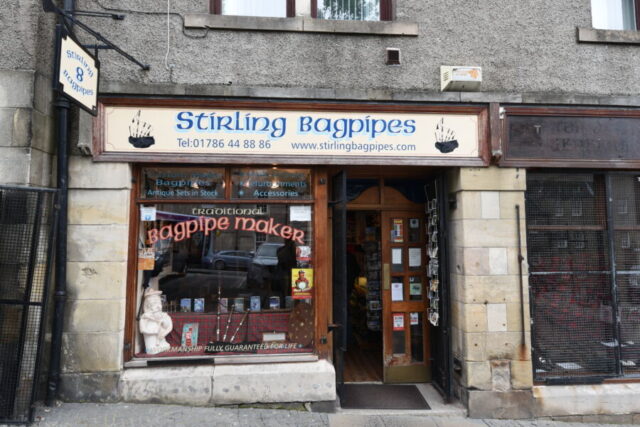


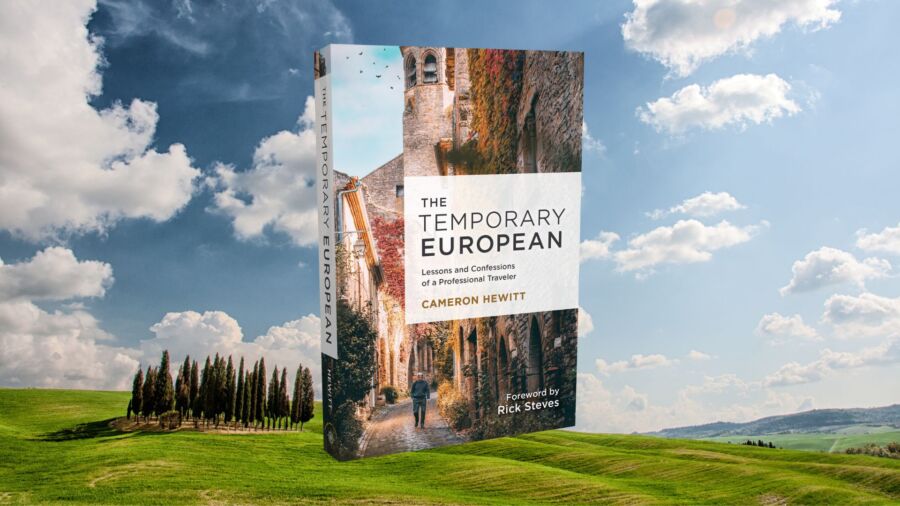


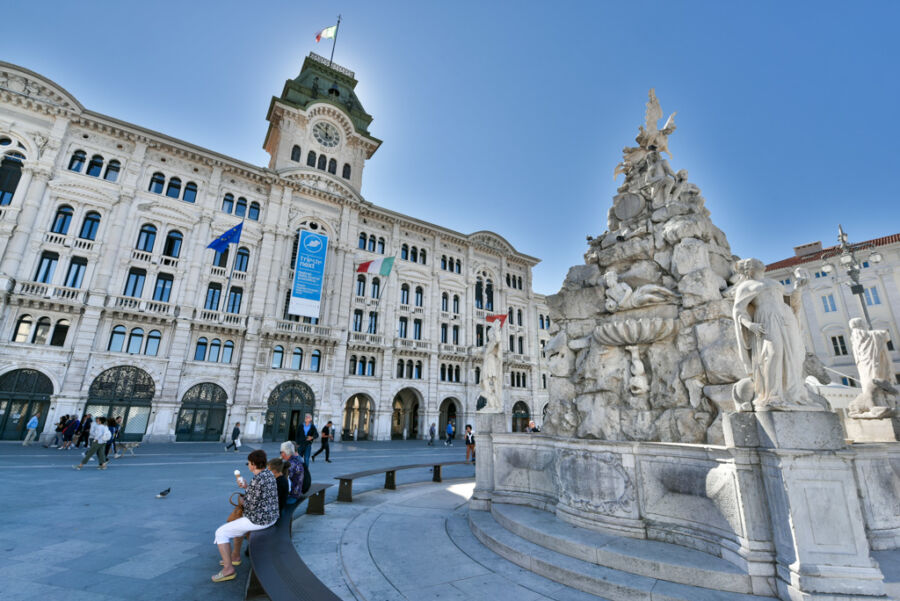


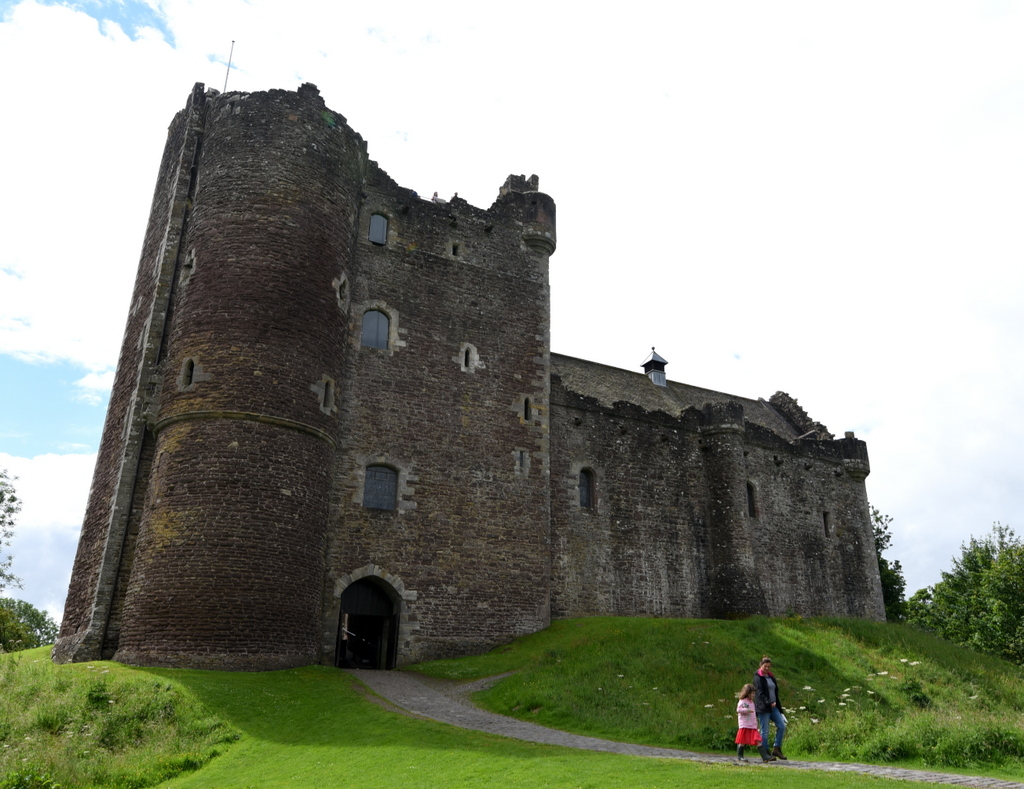


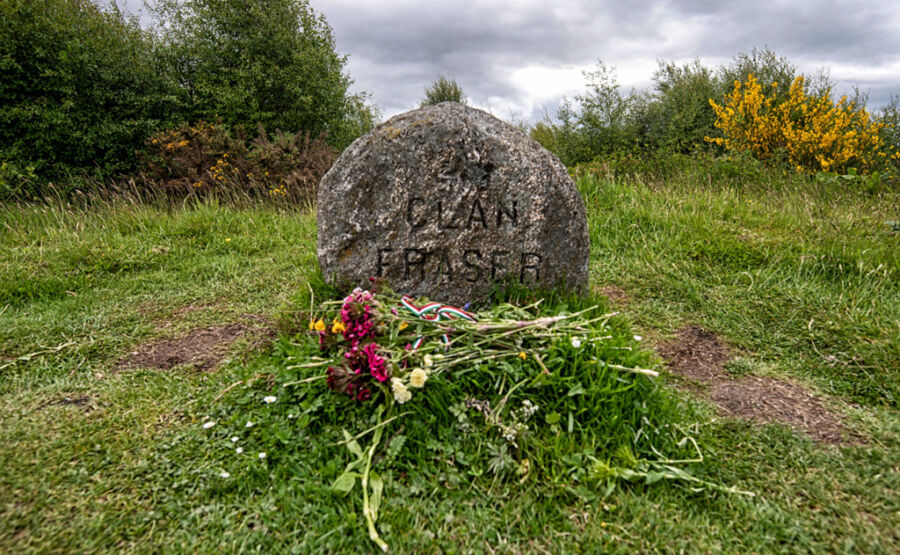
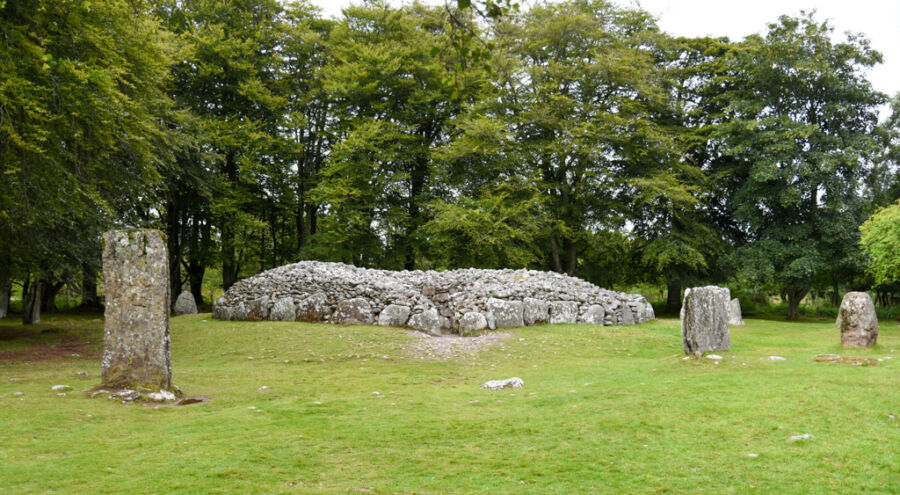


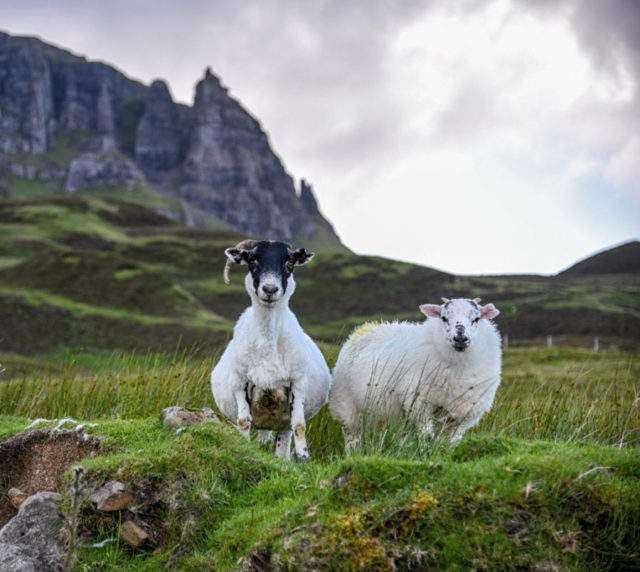

 Driving around the perimeter of Iceland on the 800-mile Ring Road this summer (working on our
 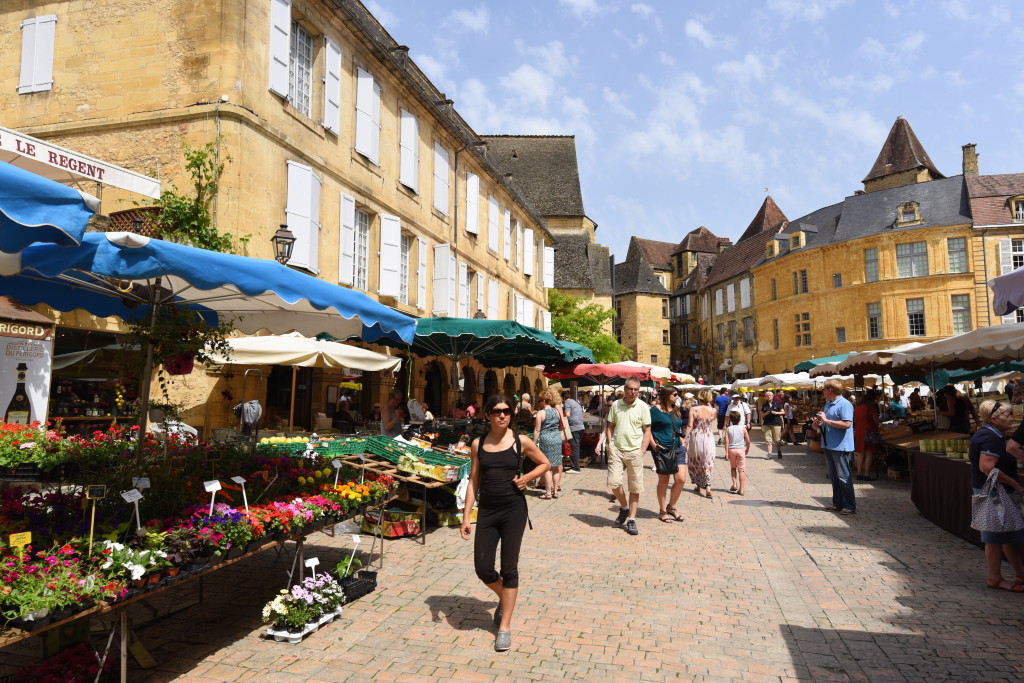 Of all the delightful activities I’ve enjoyed in France, my favorite remains the lazy Saturday morning I spent
 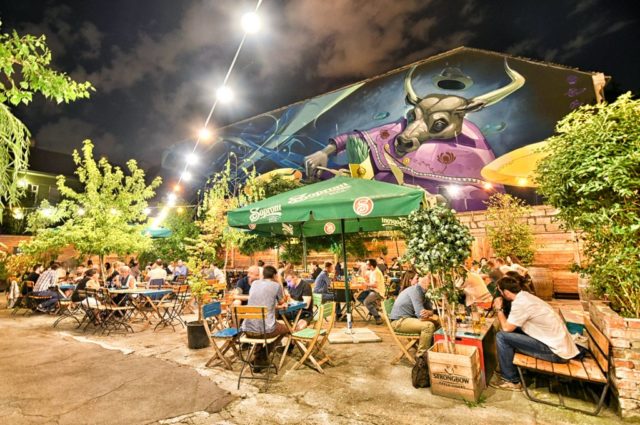 I must admit, I’m not really a “nightlife guy.” But when I’m in Budapest, I budget extra time to simply
  This gorgeous corner of my favorite country has always been high on my personal “must list.” It’s a little slice of heaven: Cut-glass alpine peaks tower over fine little Baroque-steepled towns, all laced together by an eerily turquoise river. While this place should be overrun with crowds, on my latest visit — in late September — I had the place nearly to myself. A few A+ travelers have begun to find their way to the “sunny side of the Alps”: Rafters, kayakers, and adventure sports fanatics are drawn to the sparkling waters of the Soča River. Historians peruse the well-curated array of outdoor museums and cemeteries from World War I’s Isonzo Front, where Ernest Hemingway famously drove an ambulance. Skiers gape up at the 660-foot-tall jump at Planica, home to the world championships of ski flying (for daredevils who consider ski jumping for wimps). And foodies make a pilgrimage to
  My favorite piece of art in Europe isn’t a painting, and it isn’t in a museum. It’s a park — a grassy canvas where a single artist, the early-20th-century sculptor Gustav Vigeland, was given carte blanche to design and decorate as he saw fit. The city of Oslo gave Vigeland a big studio, and turned him loose in the adjoining park for 20 years. He filled that space with a sprawling yet harmonious ensemble of 600 bronze and granite figures, representing every emotion and rite of passage in the human experience, all frozen in silent conversation with each other — and with the steady stream of Oslo urbanites and tourists who flow through Vigeland’s masterpiece. The naked figures (which might provoke giggles among prudish Americans) reinforce the sense of timelessness and universality: They belong not to any one time or place, but to every time and every place — from Adam and Eve to contemporary Norway. Over the last decade and a half, I’ve been to Vigeland Park three times. Each time, I was in a totally different state of mind. And each time, the statues spoke to me like old friends — sometimes with the same old message, and sometimes with new insights. With all due respect to da Vinci, Van Gogh, and Picasso, no single artistic experience in Europe is more meaningful or impactful to me than Vigeland Park.
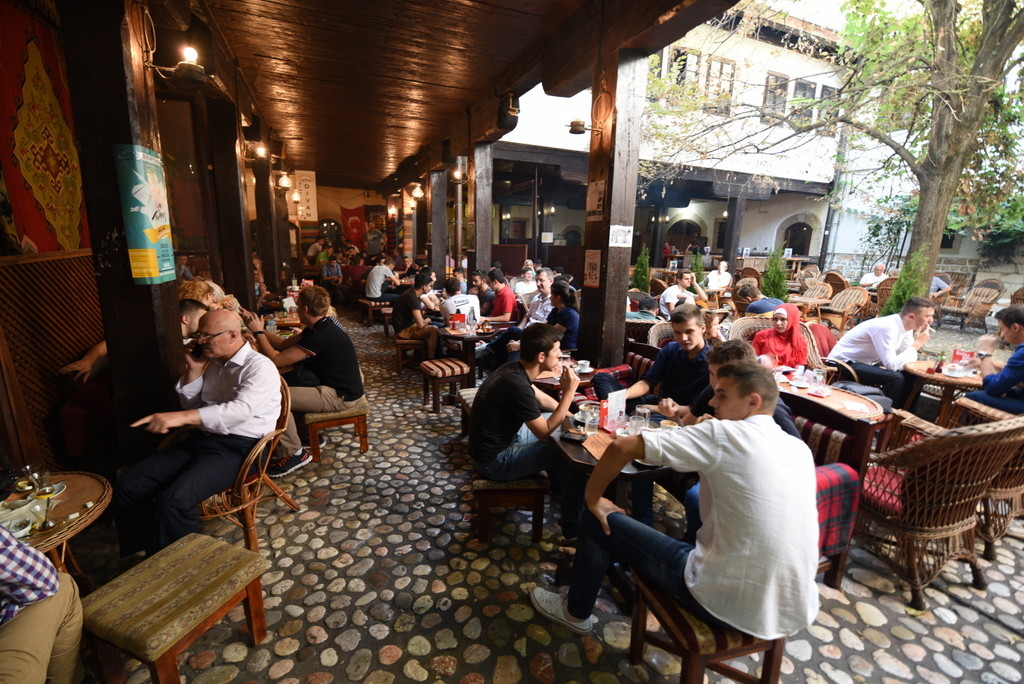 Sarači #16 is the most interesting address in downtown Sarajevo. Facing east — toward the Ottoman-era old town, Baščaršija — you’re transported to medieval Turkey: a bustling bazaar with slate-roofed houses, chunky river-stone cobbles, the tap-tap-tap of coppersmiths’ hammers, and a pungent haze of hookah smoke and grilled meats. Then, turning to the west, you’re peering down Ferhadija, the main thoroughfare of Habsburg Sarajevo. This could be a Vienna suburb, where stern, genteel Baroque facades look down over cafés teeming with urbanites. Within a few short blocks of this spot stand the city’s historic synagogue, its oldest Serbian Orthodox church, its Catholic cathedral, and its showcase mosque. Few places on earth are so layered with history. And then there’s the latest chapter: the poignant story of the Siege of Sarajevo in the mid-1990s, when the town was surrounded by snipers for more than 1,400 days — connected to the outside world only by a muck-filled tunnel and a steep mountain ascent. Proud Sarajevans you’ll meet are often willing, or even eager, to share their stories of living a horrific reality that we experienced only through the Nightly News. And if you’re lucky, they’ll invite you for
  Of all of Tuscany’s appealing corners, the Val d’Orcia (“val dor-chah”) is — for me — the most enchanting. While just a short drive from the tourist throngs in Florence, San Gimignano, Siena, or the Chianti region, the Val d’Orcia — bookended by the charming towns of Montepulciano and Montalcino (both synonymous with fine Tuscan wine) — feels like a peaceful, overlooked eddy of rural life. This strip of land is where most of the iconic “Tuscany scenery” photographs are taken: Winding, cypress-lined driveways; vibrant-green, rolling farm fields that look like a circa-2000 screensaver; and lonely chapels perched on verdant ridges. And it’s the backdrop for famous scenes in everything from The English Patient to Gladiator to Master of None. And yet, the area has no “major sights” — no sculptures by Michelangelo, no paintings by da Vinci, no leaning towers — which, mercifully, keeps it just beyond the itineraries of whistle-stop, bucket-list tourists. I have savored several visits — including
  A few years removed from the depths of its economic crisis, Athens has re-emerged as a red-hot destination. Revisiting the city a few months ago, I was struck by how many tourists I saw — and by how many of them refused to venture beyond the cutesy, crowded Plaka zone that rings the base of the Acropolis. And that’s a shame, because literally across the street from the Plaka’s central square, Monastiraki, is one of Athens’ most colorful and fun-to-explore neighborhoods: Psyrri (“psee-ree”). Not long ago, this was a deserted and dangerous slum. But recently, Psyrri has emerged as a trendy dining and nightlife zone. Its graffiti-slathered apartment blocks now blossom with freshly remodeled Airbnb rentals. This still-gritty area may feel a little foreboding at first, but if you can get past the street art, grime, and motorbikes parked on potholed sidewalks, it’s easy to enjoy the hipster soul of the neighborhood that’s leading many to dub Athens “The New Berlin.” For the upcoming fifth edition of our
  On my last visit to Moscow, in the summer of 2014, Russia was in the news: military action in Crimea and eastern Ukraine, Putin’s brutal crackdown on homosexuality and punk-rock protesters Pussy Riot, and the recently completed Sochi Olympics. Of course, since then, the headlines have changed, but Russia is in the news more than ever. That’s why I consider Moscow to be Europe’s most fascinating — and challenging — destination. People back home shake their heads and wonder: How can these people support Putin, who (to us) is so clearly a demagogue? I take that not as a rhetorical question, but as a genuine one that deserves a real answer. And a thoughtful visit to Moscow — even “just” as a casual tourist — can offer some insights. Designed-to-intimidate Red Square and the Kremlin fill onlookers with awe and respect. The still-standing headstone of Josef Stalin — tucked along the Kremlin Wall, just behind Lenin’s Tomb and its waxy occupant — seems to suggest that the Russian appetite for absolute rulers is nothing new. But mostly, I’m struck by the improvements I see in Moscow with each return visit. On my first trip, in the early 2000s, the famous Gorky Park was a ramshackle, potholed mess, and the Cathedral of Christ the Savior — which had been demolished by communist authorities — was still being rebuilt. But today, Gorky Park is a lush, pristine, manicured people zone, and the sunshine glitters off the cathedral’s rebuilt golden dome. Just up the river, a Shanghai-style forest of futuristic skyscrapers rises up from a onetime industrial wasteland. In short, the Russian capital — which has always been interesting — is now actually a pleasant place to travel. Finding myself really enjoying Moscow, for the first time, makes it easier to imagine how many Russians might be convinced that Putin is Making Russia Great Again.
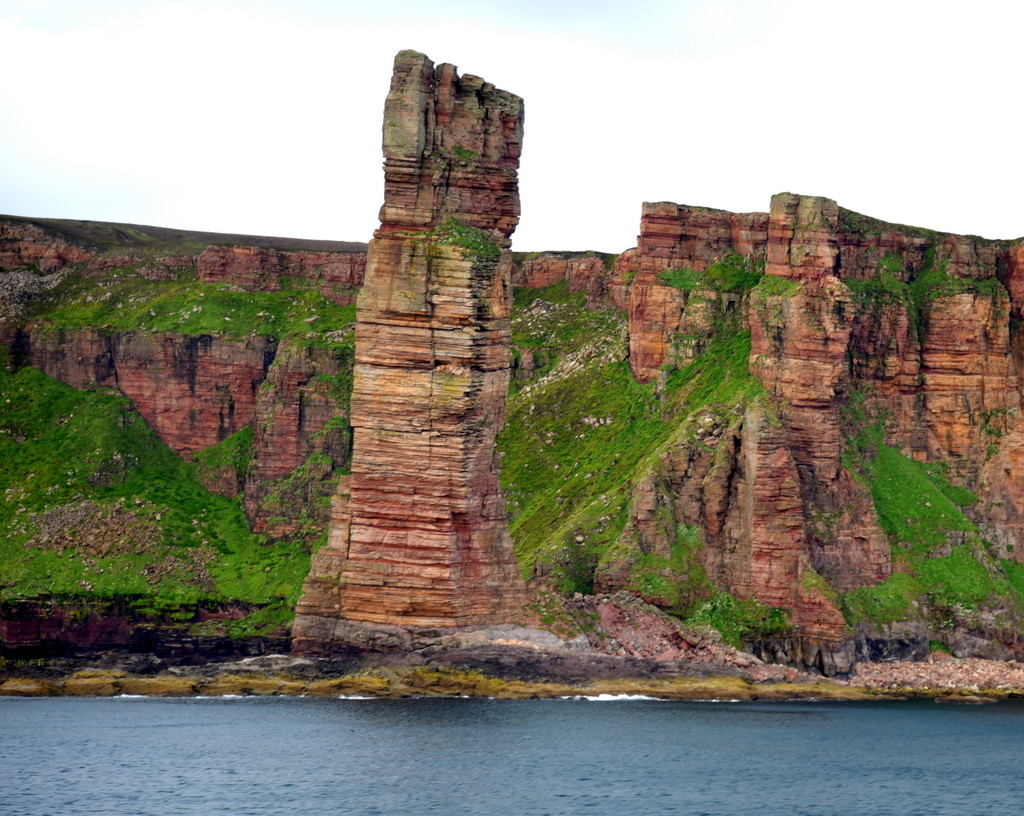 I
I