10 European Discoveries for 2026

Looking for something a little different in your 2026 travels?

As Europe continues to struggle with “overtourism,” the best advice for avoiding crowds… is to visit places that don’t have them. That’s the spirit behind my European Discoveries (which I’ve been sharing each January, dating back to 2018). You could also call them “Alternatives” to some of Europe’s biggest-name destinations: towns, cities, and neighborhoods to help you discover a more authentic slice of Europe.

To be clear: These are not “trendy” or “hot” destinations for 2026. Quite the contrary! These are wonderful places that are (for now, at least) flying under most travelers’ radar. As more and more visitors are heading to the same predictable places, these 10 Discoveries (and so many more) are a reminder that there’s always more to experience in Europe.


Kinsale, Ireland
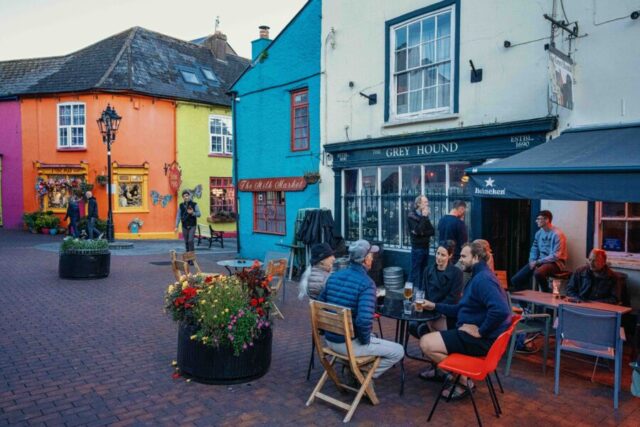
Ireland specializes in tidy towns. (In fact, they have a contest!) And perhaps the tidiest is colorful Kinsale, tucked on the southern coast, overshadowed by big, busy Cork.

Overlooking its charming harbor, Kinsale remains mellow and sweet. It’s just the right size: manageable and village-like, but with enough great restaurants, trendy boutiques, and Guinness-and-trad-music-fueled pubs to keep you plenty busy. Scattered around Kinsale are benches situated just so, perfectly positioned to savor the small-town charm.

Kinsale is so low-key and unassuming, it’s easy to miss its epic history: The Lusitania was famously torpedoed just offshore in 1915; the Titanic set sail from Cobh, just around the headland; and the town is still protected by a vast and imposing 17th-century fortress with ramparts and turrets you’re welcome to prowl. With so much history, thank goodness Kinsale also comes with a wonderful daily town walk (offered by tour guide Barry Moloney) to pull it all together.

Visitors often zip right past on their way to trendy (and touristy) Dingle. But that’s a shame; for small-town Irish charm, Kinsale is hard to beat.

Cádiz, Spain
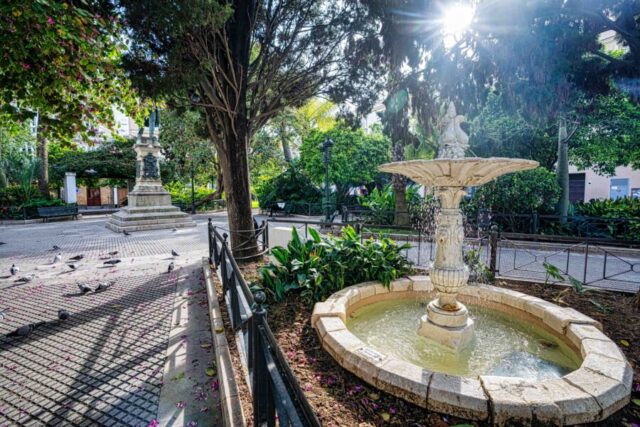
Deeply lost in Cádiz’s claustrophobic lanes of towering townhouses, where neighbors stand on doorsteps to chat and joke, I kept having deja vu for Naples — with its similarly convivial warren of lived-in lanes.

Among Spaniards, Cádiz is known for having its own strong personality; for its impenetrable local accent; and for producing more than its share of comedians. Among travelers, it’s mostly known as a cruise port — a place to leave on excursions into Andalucía. The city is overshadowed by its historic rivals — Sevilla, Granada, Córdoba — and by the beaches of the Costa del Sol.

All of this makes Cádiz a particularly wonderful discovery: This city plays “second fiddle” to nobody; it’s simply its own wonderful place.

Originally founded by the Phoenicians, Cádiz is often billed as the oldest continuously inhabited city in Western Europe. Its historic quarters are layered with artifacts, from a recently uncovered Roman amphitheater, to its crumbling cathedral (built at a time when Cádiz was Spain’s primary trade port and tether to the New World), to Napoleonic cannons seized after a failed siege and used as curb protectors. Cádiz gives historians goosebumps.

It’s also purely enjoyable. Endless paseo-and-shopping streets — lined by genteel captains’ mansions — burrow through the historic center. Flamenco clubs and sherry pubs invite you in for a spell, as do lush parks and colorful seafront promenades. Long, languid beaches stretch for miles along the causeway that tethers Cádiz to the rest of Spain.
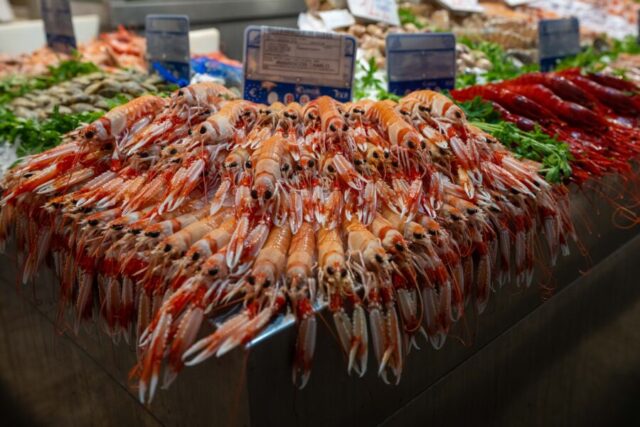
But where you really feel the heart and soul of Cádiz is its central fish market. Ringed by a variety of enticing food stalls, the main hall — like a temple to the sea — is filled with the day’s catch. On one table are the little shells that the Phoenicians used to create a distinctive red-purple dye, still associated with royalty. On another are oysters, just like the ones whose compressed shells created an “oyster stone” that much of the city is built of. And all around you bustle the Gaditanos — doing their shopping, socializing in their distinctive dialect, and enjoying their special city.

Ålesund, Norway
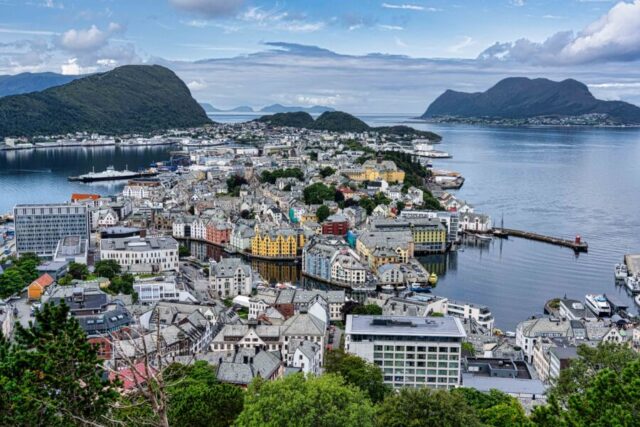
Imagine a Technicolor townscape, draped over countless islands, islets, and rocks, hemmed in by towering mountains, with the North Sea on the horizon. As you summit a stony hill that rockets up from the main shopping street, this city opens up like something out of a fantasy novel… a mirage of serene Norwegian beauty.

Ålesund (OH-leh-soont) is no mirage. The brick-and-stone city perches on the rugged west coast of Norway, just north of most tourists’ itineraries. Burned to the ground in 1904, Ålesund was rebuilt in eye-pleasing Art Nouveau — giving it a wonderful architectural cohesiveness, fitting for its idyllic setting.

A stroll around the harbor passes both grand turn-of-the-century warehouses (now fancy hotels and restaurants) and hardworking shiplap sheds, and around each bend, that eye-popping setting takes your breath away.

Beyond its own charms, Ålesund is the natural jumping-off-point for world-class scenic wonders. Within a couple of hours’ drive, you can conquer the famously twisty Trollstigen road or make your way to a rustic cabin on the tranquil shores of the grand and unspoiled Geirangerfjord.
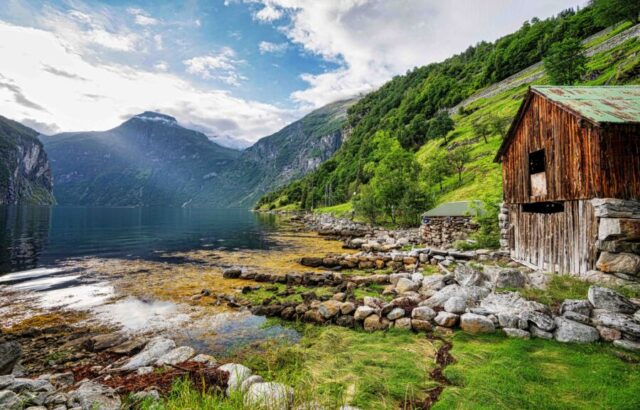
Sitting in my Ålesund hotel room, overlooking the fjord, I kept hearing the Splash! [giggle] … Splash! [giggle]… Splash! [giggle] of people running from the sauna to leap direct into those icy-cold-in-August waters. Few places have a more harmonious melding of nature and urbanity.

Palace District, Budapest, Hungary
When you have the joy of visiting the same city again and again, over a long period of time, it’s rewarding to watch a neighborhood gradually blossom and come into its own. And before returning to Budapest in 2025, several of my Hungarian friends reminded me to check out the up-and-coming Palace District.

The streets surrounding the Hungarian National Museum are home to many aristocratic palaces — and, increasingly, creative restaurants, bars, and shops (including Tasting Table, a well-curated wine shop).

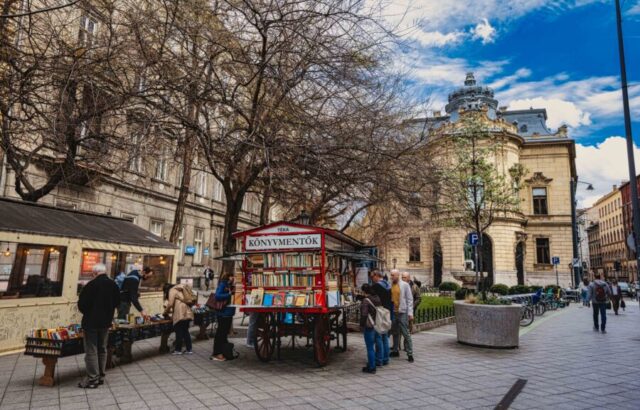
Going for a stroll, I found my way to the atmospheric, ivy-covered courtyard of the Chamber of Hungarian Architects, enlivened by an open-air tapas bar. A half-block father, I popped out into Szabó Ervin Square — with an oh-so-European bookseller kiosk, lively café tables, and a distinctly Parisian ambience.

Facing that square is the Palace District’s (and, perhaps, Budapest’s) most delightful discovery: The flatiron-style Ervin Szabó Library bustles with students and other locals; you’d never know that, for a modest entry fee, you can ride the elevator to the fourth floor to discover a stunning series of opulent Neo-Baroque rooms where students huddle over their laptops. (Shhhh!) Once the lavish apartments of a wealthy family, today the former ballroom, dining room, boudoir, and smoking lounge are retrofitted with long study tables. Massive chandeliers, gilded curlicues, and frilly old stoves retain a golden age elegance. Highlights are the glittering hall-of-mirrors ballroom, which could host parties for up to 500 guests; and the homey smoking lounge, with its wood paneling and double spiral staircases.
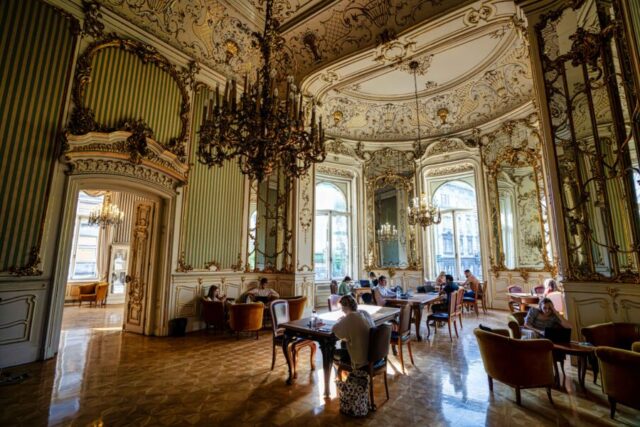
Hidden gems like this library abound in Budapest — a magnificent city that’s uniquely adept at melding the past and the present. And the Palace District is a prime example of an untouristy corner of a great city that rewards exploration.

Padua, Italy
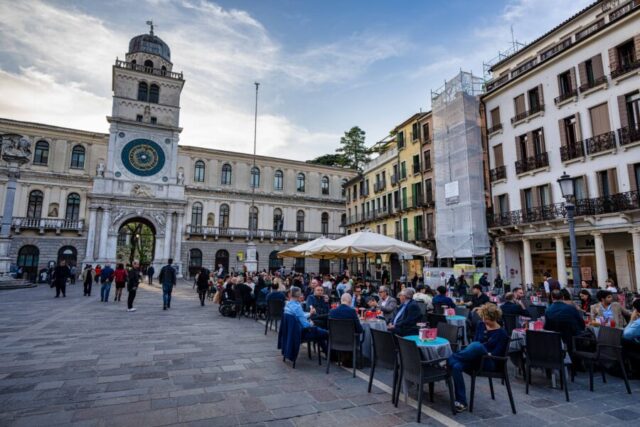
Yes, Italy is crowded. But it also has a remarkably deep bench; it’s easy to find rewarding, relatively untrampled alternatives just as good as the biggies. And Padua (or Padova, as locals call it) is exhibit A.

Just a 15-minute express train ride from the throngs of Venice, Padua is famous for its historic university; for its rebellious spirit (as a crucible of what became the Risorgimento); for its artistic treasures (the lavishly Giotto-illustrated Scrovegni Chapel); for its religious importance (as the adopted hometown of St. Anthony, now honored by a massive basilica); and for its thriving food scene, including perhaps the grandest market hall in Italy.

While there’s plenty of rewarding sightseeing, perhaps Padua’s greatest draw is simply its take-your-time ambience: just-right piazzas packed with chattering students, whiling away their evenings at al fresco cafés, nursing budget drinks. In a town full of young locals eager to practice their English, it’s exceptionally easy to connect.

One evening, just as the sky was turning pink, I came to the main square — facing that grand market hall — and lined up at La Folperia, a ramshackle stand selling plates of chopped-up squid, octopus, and other sea creatures, all smothered in a delicious garlic-and-olive-oil sauce… plus some rustic bread for sopping up the juices. That, along with an aperitivo from the neighboring Bar dei Osei, bought me an unforgettable meal in a magnificent setting for budget prices.

Freiburg, Germany
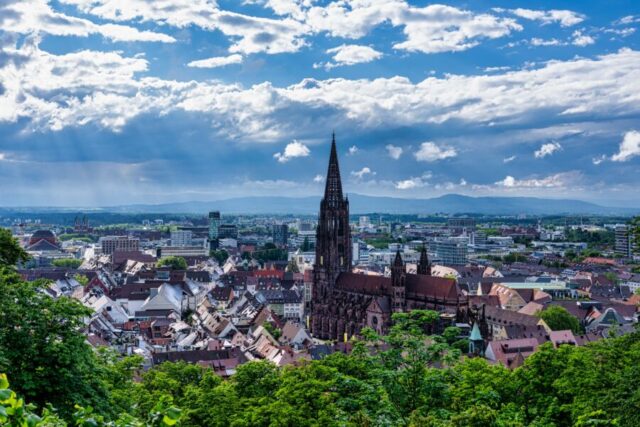
Germany abounds with beautiful, interesting small cities, each with its own personality and claims to fame. My sentimental favorite is Freiburg, tucked in the Black Forest at the country’s southwest corner. I have a soft spot for Freiburg: One of the professors who taught me German came from here (so I probably have a slight Freiburger accent), and it was also the first place I ever set foot in Germany (on a side-trip from nearby Basel, Switzerland).

Returning recently after many years, I found Freiburg even more delightful than I’d remembered — and not just because of sentimentality. This pristine mid-sized university city abounds with half-timbered charm and an outstanding food and nightlife scene (including far more than its share of Michelin stars). It’s cuddled up cozily against forested hills, easily conquered on a gentle hike (or quick ride on an elevator or lift) to an outrageously scenic beer garden. The city spins around the massive, pointy, soaring tower of its centerpiece red-sandstone Münster (cathedral).
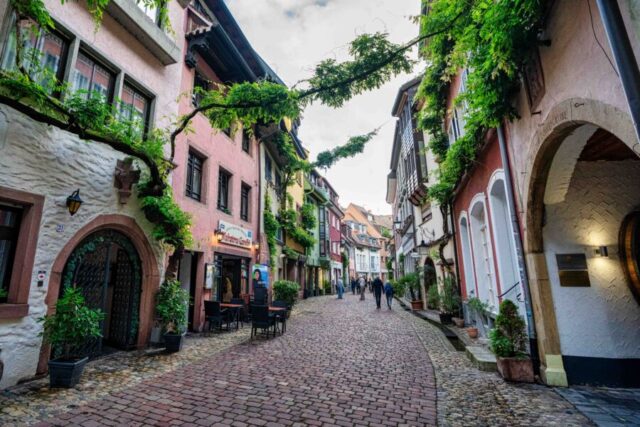
My favorite Freiburg feature? It has to be those little gurgling canals called Bächle, which flank every street through the pedestrian-friendly town center. These open-air drainage ditches once carried unthinkable muck; now, like Freiburg, they’re simply pristine, tidy, and flowing with clarity, character, and charm.

Folegandros, Greece

When I set out to “discover” some new islands for our Rick Steves Greece guidebook, I had something very specific in mind: a small, out-of-the-way island, just “mainstream” enough to be easy and comfortable for visitors without being overrun by crowds, that might offer our readers an untrampled and idyllic Cycladic experience. This mythical place, I figured, probably did not exist.

In fact, it does exist. And it’s called Folegandros.
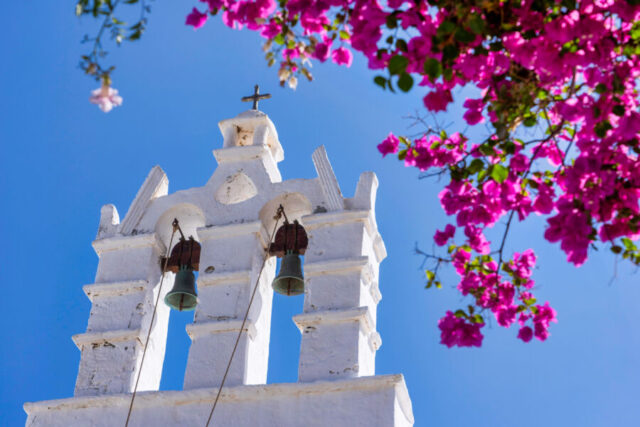
Although it’s right on the boat line between Santorini and Milos, teensy Folegandros gets overlooked. While truly “untouristy” Greek Islands are elusive, Folegandros hits the sweet spot: It’s popular not with cruise ships or fashion-forward partiers, but with British and Northern European visitors who want to settle in for a week or four, slow down, eat well, enjoy village ambience, and melt into the stony islandscape. In short, Folegandros attracts the “right kind” of visitors.

On my first stroll, I was instantly smitten with the main town’s stage-set historic core. Each little square had more character (and enticing restaurant tables) than the next: melting-marshmallow churches; bright-pink pops of bougainvillea; tidy blue trim around each window to match the striking clarity of the giant Greek sky; snoozing cats on rickety wicker chairs; and a “slow down and savor the ouzo” ambience.

There’s not much to “do” in Folegandros. In fact, that’s the point. Buses fan out to humble beaches; the rocky, desolate interior attracts a few hardy hikers; and most vacationers arrange their day entirely around their next breakfast, lunch, and/or dinner.

To burn some of those calories, a serpentine stone staircase twists up, up, up to the summit above town, where a giant white church hogs the best views. Hiking up late in the day (with, it seems, everyone else on Folegandros) rewards you with views over the entire tiny island… and a spectacular sunset.
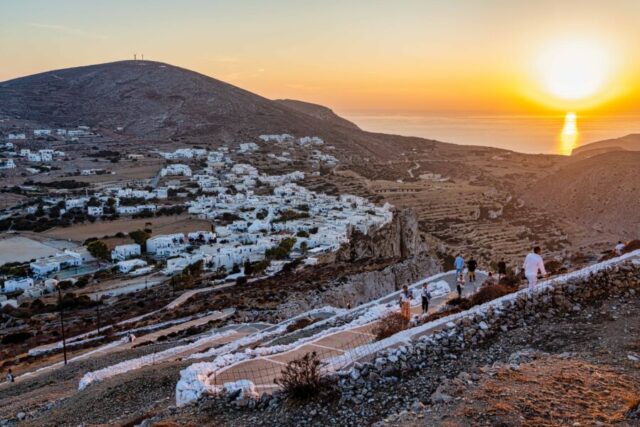
Taking a moment to give my eyes a break from the deep-red sun — and to scribble a few notes in my little black book — I just couldn’t wait to share this discovery with our guidebook readers… and now, with you.

Liverpool, England
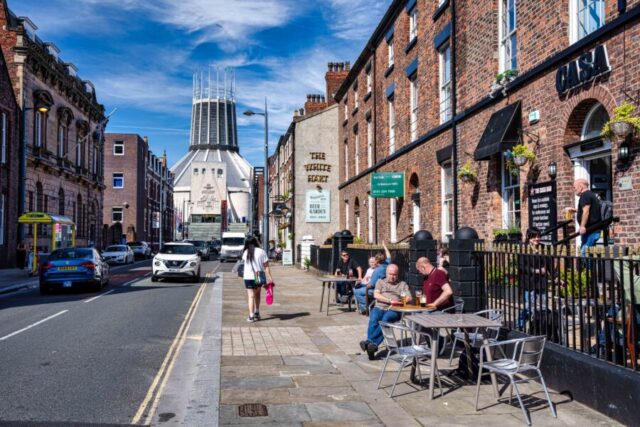
Liverpool, as a tourist destination, used to be all about the Beatles. And even if all you wanted from Liverpool was Fab Four lore… that would be enough.

However, over the 15 or so years since my last visit, Liverpool has really come into its own; returning recently, I saw how it’s been transformed from a diamond in the rough to a polished gem.

Once Britain’s main industrial port, Liverpool was walloped by the Blitz in World War II (when it was the base of British naval operations). John, Paul, George, and Ringo grew up in a hollowed-out shell of a city; only in the last generation or so has Liverpool been rejuvenated with a skyline that’s half industrial-red-brick, half sleek glass-and-steel.

For the sightseer, Liverpool has a wonderful art collection (locals brag, second only to London’s National Gallery); excellent history museums; and not one, but two gigantic cathedrals: one Anglican, the other Catholic, both architecturally arresting… and connected by a street called Hope.

Home to three different universities, Liverpool is noticeably youthful, with one of the UK’s most appealing food scenes and music clubs pumping tunes from live bands out into the street. Chatting with the witty, endearing Liverpudlians — even if it’s about nothing at all — is the undisputed highlight of any visit.

For Beatles fans like me, Liverpool is simply thrilling — with multiple museums, bus tours, music bars, and the opportunity to tour the childhood homes of John Lennon and Paul McCartney. But even if you don’t know Ringo Starr from Pete Best, Liverpool is a delight… arguably the UK’s best big-city destination outside of London.

Mikulov Wine Region, Czech Republic

So many travelers insist on going to the most touristy places in Europe, at the most touristy times, and then come home complaining about all the tourists. When I hear this, one word jumps to mind: Mikulov.
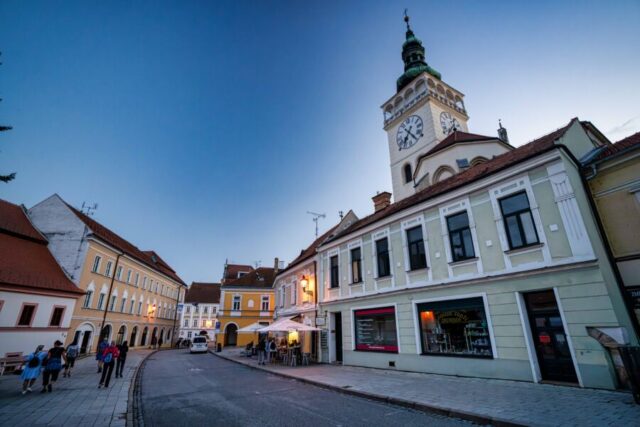
This small Moravian town — and the surrounding landscape of castles and vineyards — is the antidote to overtourism. If I had to come up with just one “poster child” for a wonderful European destination that’s shockingly undiscovered by American visitors, it might have to be Mikulov.

The town is huddled around the base of a mighty château; the panoramas late in the day are enchanting… almost Tuscan. In the cobbled streets, cozy enotecas and high-end yet affordable restaurants abound. While onion-domed churches predominate, the town also features a gorgeously restored 16th-century synagogue.

The landscape surrounding Mikulov is ruffled with limestone hills and striped with vineyards. A short drive — no more than 15 or 20 minutes on pleasant rural roads — takes you to a variety of fine towns and memorable sights.

Two châteaux vie for your attention: Valtice Castle, guarded by two giants, houses the Czech national wine salon — a seemingly infinite cellar where you can sample your choice of well over 100 vintages (handpicked and lovingly described by wine experts).

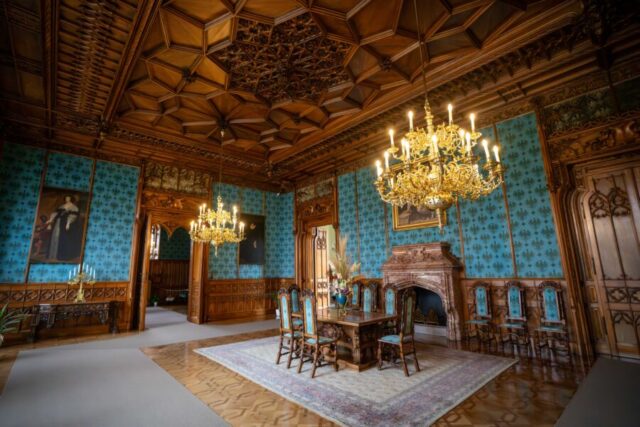
And Lednice Castle is simply a stunner, rebuilt in meticulous English Neo-Gothic style. Its jaw-dropping interior includes a lacy-delicate spiral staircase made out of a single oak tree with no nails. And beyond the château are sprawling gardens with a giant greenhouse, a minaret, and endless trails for walking and biking.
Beautiful… tasty… affordable… uncrowded… accessible… largely undiscovered. That’s Mikulov. The problem: Its existence robs you of the ability to go to yet another crowded “bucket list” town only to complain about the crowds.

Jutland, Denmark

What was the most purely enjoyable 36-hour stretch in my 100 days of travel last year? I never would have guessed it — but I think it was Denmark’s Jutland.

Jutland, three hours’ journey west of Copenhagen, is anchored by Denmark’s second city, Aarhus — a center of students, business, and industry with a cutting-edge food scene and outstanding sightseeing, including the remarkable ARoS Museum (where the architecture upstages the art) and one of the best open-air folk museums anywhere.

Heading out of town, I stopped off at the Moesgård Museum, which combines astonishing artifacts — including the Grauballe Man (found perfectly preserved in a bog 2,000 years after his death) — with beautiful storytelling and high-tech exhibits to create a powerful experience.

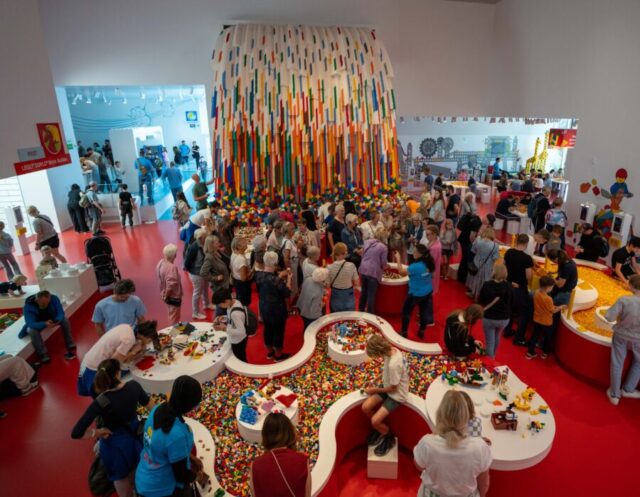
An hour down the road took me to Jelling, where I ogled Harald Bluetooth’s thousand-year-old rune stones (often called “Denmark’s birth certificate”). Then to Billund, the birthplace of Lego. While my afternoon enjoying thrill rides at the original Legoland amusement park was a hoot, even better was my visit the next morning to the Lego House: a state-of-the-art space with hands-on displays, endless Lego creations to scrutinize, and literally millions of bricks to build with.
But my day wasn’t over. From Billund, I hopped in my car for a glimpse of the sand dunes (and haunting Nazi-era bunkers) of Denmark’s west coast, winding up in the quaint medieval town of Ribe — oozing with medieval half-timbered charm. Ribe’s towering Romanesque cathedral happened to be hosting a community choir concert; slipping out a few minutes early, I joined the free, entertaining, and informative night watchman’s tour.
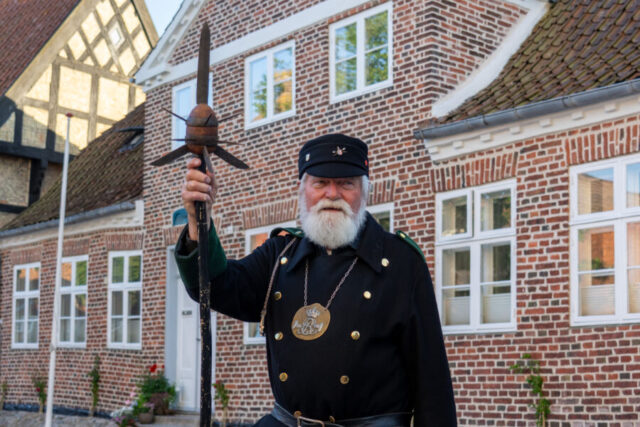
Heading back to my car (with the sun still low in the sky at 10 pm), I thought to myself: Was it really just yesterday morning that I left Aarhus?

How many of these Discoveries have you visited? (Or plan to visit in 2026?) And what Discoveries am I missing? Add your favorites in the Comments.


All 10 of these Discoveries are covered in the applicable Rick Steves guidebooks. And several of these stops — including Kinsale, Cádiz, Budapest, and Padua — appear on various Rick Steves tour itineraries.

You can also look back at my Discoveries from 2025, 2024, 2023,  2021, 2020, 2019, and 2018… all still great choices.

For more inspiration — and practical tips — for your 2026 travels, join me on Wednesday, January 14 for a free session of our virtual 2026 Travel Festival. In this “State of European Travel 2026” talk, I’ll be covering updates, insights, trends, and tips for this year’s travels. Designed to be the most useful hour possible for anyone heading to Europe this year, it’s free to attend — just sign up in advance.

If you’d like to travel along with me in 2026, be sure to follow me on Facebook and Instagram.

Finally, consider checking out my travel memoir, The Temporary European: Lessons and Confessions from a Professional Traveler.
24 Fascinating Factoids About Europe

One of the joys of researching Rick Steves guidebooks is how, every day, I stumble upon fascinating little insights that tell me a lot about the place I’m visiting — and sometimes, about human nature. As I spend my summer wrapping up the work I did on this spring’s research trips, I keep rediscovering delightful nuggets scrawled into my little black notebooks. Here are a couple dozen of my favorites, ranging from historical tidbits to everyday cultural insights (like where the Swiss buy their groceries, what the Spaniards fight bulls on, and why Germans — but not Italians — like to open the window)… to things that just made me chuckle. As a kid, I loved paging through yellowed paperbacks of Ripley’s Believe It or Not! Reviewing this list, I’m realizing this is my very own European version.

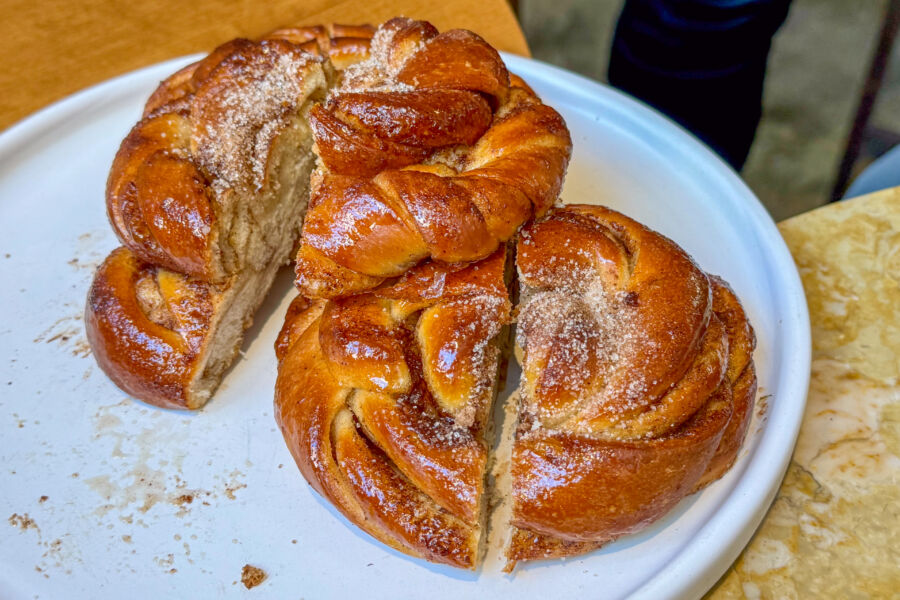
While we use the word “danish” to describe a sweet pastry, in Denmark it’s wienerbrød (“Vienna bread,” from the French viennoiserie) — named for the Viennese bakers who brought the art of pastry-making to Denmark, where the Danes perfected it. Ironically, in Vienna, they call the same thing “Copenhagen” or “Danish” bread.

For centuries, each community kept its own local time, based on the sunrise and sunset in that precise location — which often differed by a few minutes from town to town. But by the late 19th century, faster and faster trains made standardized timekeeping essential. Imagine: You’d show up for your 10:00 train to London, only to discover that, in London, it was already 10:10 — and, therefore, you’d just missed your train. In 1884, the prime meridian (through Greenwich) was established as a starting point for calculating world time zones; over the next few decades, Greenwich Mean Time was gradually adopted across Europe and around the world, ensuring that everyone shares the same clock.

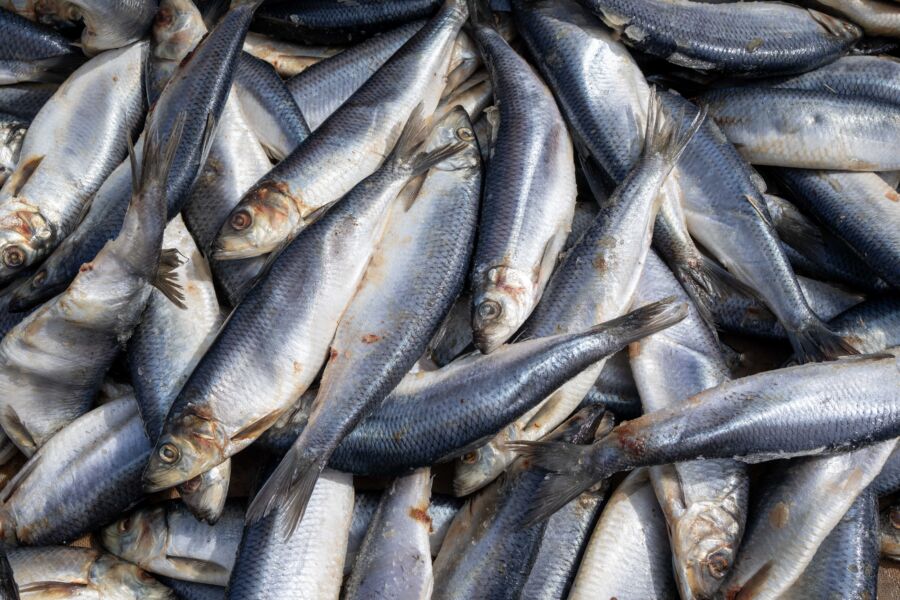
Siglufjörður, a remote fishing village at the northern tip of Iceland, was once a herring boom town, nicknamed the “Atlantic Klondike.” From 1903 to the 1960s, salted herring (which was highly nutritious and traveled well, making it particularly valuable during the world wars) represented fully one-half of Iceland’s total export income. The hard work of cutting and salting the fish was done by “herring girls,” who lived in dorms through the season — hanging out and listening to records while waiting for the boats to come in, when they’d rush down to the docks and work 20- or even 30-hour shifts. These “herring girls” were the muscle behind Iceland’s economy during a critical time, arguably empowering it to become fully independent from Denmark.

Italians think very deeply about digestion. It’s why their food is so delicious. And it also explains several cultural quirks that travelers scratch their heads about: a reluctance to serve cappuccino (or anything with lots of milk) after lunchtime; a taboo against mixing seafood and cheese; their insistence on serving your salad after the pasta, not before; and their bad attitude about tap water. (They’re not trying to upsell you. They’re just worried about your digestion — and there’s a water for that.)

The albero sand used for Spanish bullfights is special: The vivid-yellow color is the perfect complement to the flamboyant matador outfits and deep red blood, and the sand is just coarse enough to provide traction, minimize dust, and allow drainage. The premium sand favored in Andalucía, quarried at Los Alcores near Sevilla, is so precious that bullrings rent it for use only during bullfights; after the spectacle, it’s shoveled into trucks and taken to the next town.

One of Europe’s many north/south divides has to do with the circulation of fresh air indoors. Many Germans adhere religiously to the practice of Lüften (“ventilation”): At least twice each day, especially in the winter, they throw open all the windows to blast out stale air — as a matter of hygiene and good health. (Some people in the Low Countries and Scandinavia have a similar custom.) In Italy, quite to the contrary, many people have a deep fear of catching a draft; they believe a colpo d’aria (“hit of air”) can cause all manner of health problems, from headaches to diarrhea. A similar belief is persistent in many parts of the Balkans, especially Serbia (where it’s called promaja).

John Lennon and Paul McCartney had something very specific in common — aside from growing up near each other in Liverpool and becoming two of the greatest songwriters of all time. Both of them lost their mothers at a young age, perhaps forging an unspoken bond that facilitated their historic collaboration.

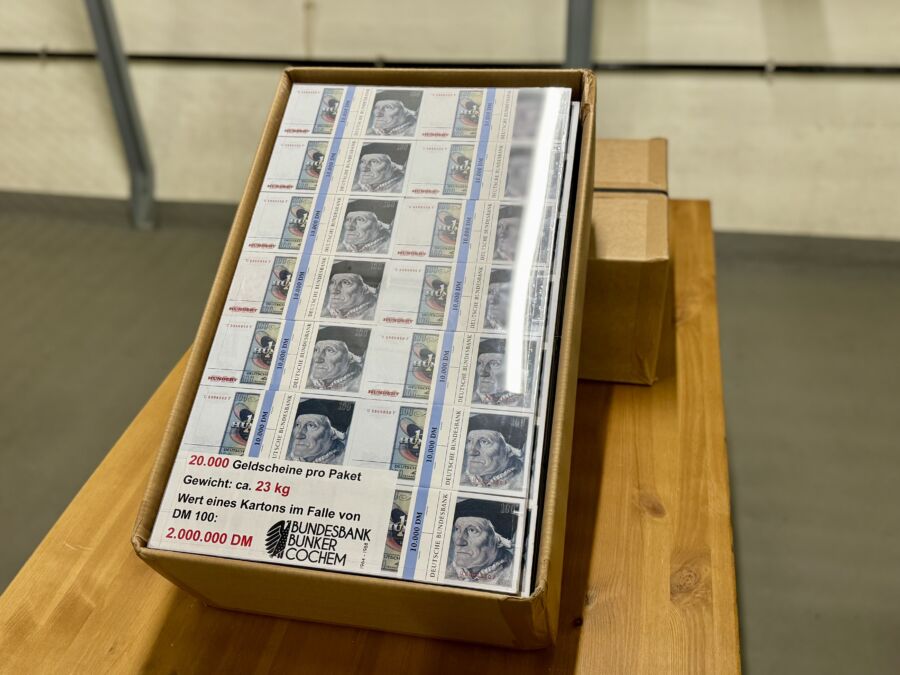
During the Cold War, West German authorities secretly stored 15 billion Deutschmarks (roughly €7.5 billion) in a hidden bunker, tucked in an unassuming neighborhood in Cochem on the Mosel River — neatly stacked floor-to-ceiling in cardboard boxes (now open to visitors). The currency was held in reserve in case of nuclear war, and to protect it from being devalued through nefarious means; the Bundesbank even created alternate designs for their banknotes — and printed billions — in the event that the Deutschmark needed to be replaced wholesale in a hurry.

In many European cities, you’ll find the same sculpture: an anonymous unhoused person, sleeping under a blanket on a bench. Only upon closer inspection do you notice the wounds in the feet that identify this person as Jesus. Homeless Jesus, by Canadian sculptor Timothy Schmalz, challenges the viewer to see the divine worthiness of each fellow human being — no matter their social stature. Since the original version was erected in 2013 at a Toronto theological school, more than 50 copies have appeared all around the world (I’ve seen them in Dublin, Glasgow, and Amsterdam).

Switzerland has two dominant grocery store chains: Coop and Migros — and either you’re a Coop family, or you’re a Migros family. Migros focuses on in-store brands and prides itself on having a conscience: They don’t sell alcohol or cigarettes, they were the first Swiss supermarket to stop giving out free plastic bags, and they donate one percent of their sales to charity. Meanwhile, Coop has a wider variety of brands and higher prices, focusing on organic and sustainable products; it’s considered a bit more posh. Very broadly speaking, Migros is like Trader Joe’s, while Coop is more like Whole Foods.

Bluetooth technology — which wirelessly connect devices — was named for Harald Bluetooth, a tenth-century Scandinavian king who “connected” the Danish and Norwegian peoples. Even the symbol for Bluetooth comes from Viking runes: It’s the letters H and B, combined.

In Sicily — and in many other cultures — it’s considered very important for children to know about their deceased ancestors. On special occasions, they may even receive a present from a departed great-aunt or grandpa. (When you think about it, this is no less “creepy” — and certainly more touching — than gifts from the Easter Bunny or Tooth Fairy.)

All over Europe, you stumble upon seemingly random statues… and they always come with a story. In Waterville, a castaway beach town on Ireland’s Ring of Kerry, stands a statue of Charlie Chaplin — who enjoyed the time he spent living the good life here. In central Budapest, you’ll find Peter Falk (the Columbo actor had Hungarian roots) as well as Ronald Reagan and George H. W. Bush (whose Cold War policies helped topple Hungary’s communist regime). You’ll find statues of the great Irish writer James Joyce in both Pula, Croatia, and Trieste, Italy — he lived in each city while writing his masterpiece Ulysses. And a park in Ronda, Spain, features busts of Orson Welles and Ernest Hemingway — two early-20th-century American greats who both fell in love with Spanish culture.

At Spain’s prestigious University of Salamanca, Fray Luis de León (1527-1591) challenged the Church’s control over the word of God by translating part of the Bible into Castilian. The Inquisition arrested, jailed, and tortured him for five years. Upon being released, he returned to the university and began his first lecture with, “As we were saying…” Today, he remains a symbol of the intellectual independence of academia in the face of changing political mores.

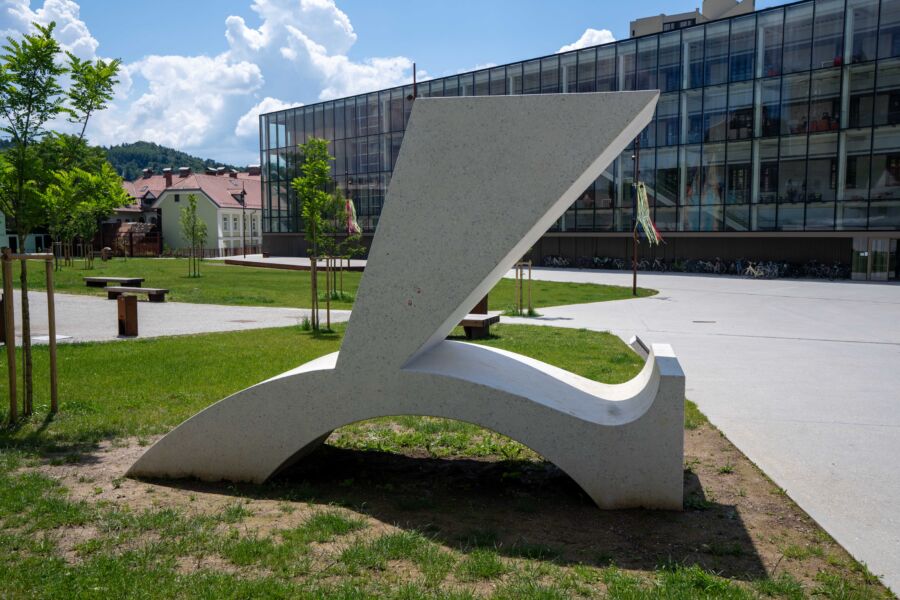
In the Slovenian capital of Ljubljana, you’ll find a strange monument, shaped like the top half of a letter Ć buried in the ground. When Slovenia declared independence in 1991, its population included tens of thousands of people from other parts of Yugoslavia. While most Yugoslav languages have two versions of this letter — Ć and Č — Slovene uses only Č. And so, eager to distance itself from Yugoslavia, Slovenia standardized spellings by replacing Ć with Č. Think of the many names ending in -ić — which now had to be spelled, instead, with -ič. Slovenia had 25,671 “Ć people” (including more than 5,000 children) who were “erased” by the breakup of Yugoslavia — stateless, stripped of governmental services, unable to travel, living in fear of expulsion… not because they moved, but because the borders did. Over time, as Slovenia matured as a nation and the Yugoslav Wars found resolution, the vast majority of these people gained their citizenship — and reclaimed their rightful Ć.

It’s remarkable when a particular place, at a particular moment, becomes a magnet for hugely influential people. If you walked into a coffee house in Vienna in early 1913, there’s a possibility you’d run into Sigmund Freud, Marshal Tito, Adolf Hitler, Josef Stalin, and Leon Trotsky.  Also notable: the Golden Age of ancient Athens; Florence circa 1500; Philadelphia in the 1770s; Victorian Age London; Paris and Harlem in the 1920s; and Silicon Valley at the turn of the 21st century.

Many German parking garages have specially designated parking spots for women, called Frauenparkplätze — generally in well-lit areas close to the entrance. While intended to make women feel safer in a big, dark garage, they are often criticized by German feminists, who consider them condescending (especially because they’re often wider than standard parking places, perhaps based on a stereotype that women are inferior drivers; and because they are typically located next to disabled spaces).

It’s often said that the uprisings that ended communism in Eastern Europe — which culminated in the autumn of 1989 — moved at starkly different paces: In Poland, it took 10 years; in Hungary, 10 moths; in East Germany, 10 weeks; and in Czechoslovakia, 10 days. Whie this requires a bit of fudging, it’s mostly accurate: The 1980 Solidarity protests in Gdańsk, led by Lech Wałesa, kicked off nearly a decade of slow reforms; throughout the summer of 1989, Hungary opened its borders little by little; by early that fall, protests began to sweep across East German cities; and the Velvet Revolution of Czechoslovakia played out over about a week and half, with increasingly large peaceful protests.

To this list, you could add “10 hours” for East Berlin. When the Berlin Wall came down, it happened overnight, as the result of a miscommunication. On November 9, 1989 — in response to those “10 weeks” of protests — the East German politburo issued a statement about their intention to gradually ease border controls, then left town for the weekend. Upon reading the ambiguously worded new policy in front of TV cameras, a flustered spokesman gave the impression that these changes were to happen “immediately.” East Berliners began to show up at border checkpoints in droves. At about 11:30 p.m., an overwhelmed guard threw open the gates. And once open, the Berlin Wall never closed again.

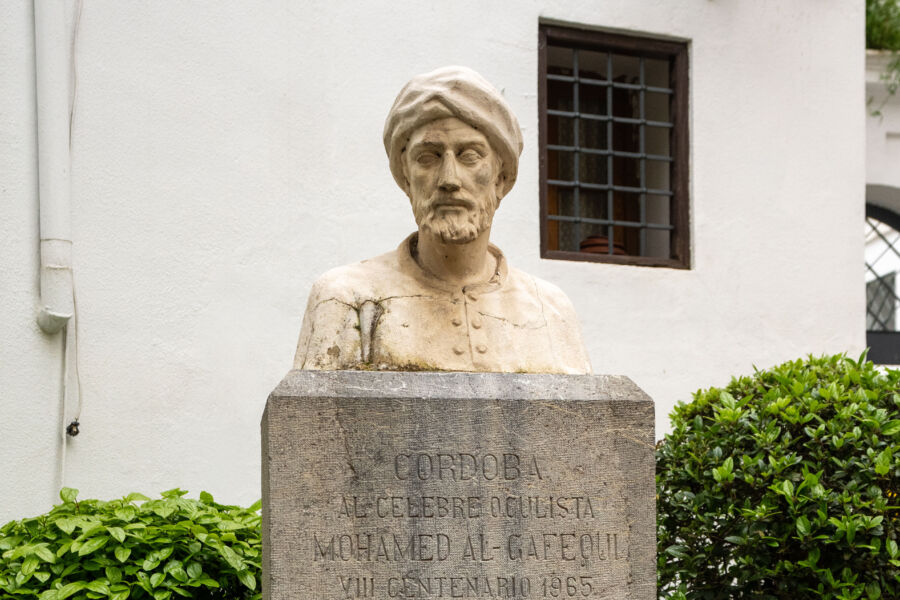
Around the year 1000, Moorish scientist Abu al-Zahrawi wrote a surgical encyclopedia, called Al-Tasrif, that was used throughout Europe for 700 years. He was one of many Muslim doctors and surgeons who advanced the practice of medicine in Al-Andalus (today Andalucía) — at a time when so much of Europe was suffering through its “Dark Ages.” Another example: Muhammad al-Gafeghi, today honored by a statue in Córdoba, was an ophthalmologist who performed successful cataract surgeries in the first half of the 12th century.

Europeans have many stereotypes about Americans: We wear tennis shoes, logo T-shirts, and baseball caps. We talk too loud. And… we drink too much water? Yes, among our many other foibles, Europeans perceive Americans as being bizarrely obsessed with (over-) hydrating. This may be based partly on American visitors requesting — and expecting — big glasses of tap water in restaurants. But it appears to be rooted in reality: Polling suggests that American adults drink, on average, 70 percent more than their European and British counterparts (1.7 liters per day vs. about 1 liter per day). And authorities in the USA and the EU have very different “recommended daily amounts” of water consumption: In the US, it’s 3.7 liters for men and 2.7 liters for women; in Europe, it’s about one-third less: 2.5 liters for men and 2 liters for women.

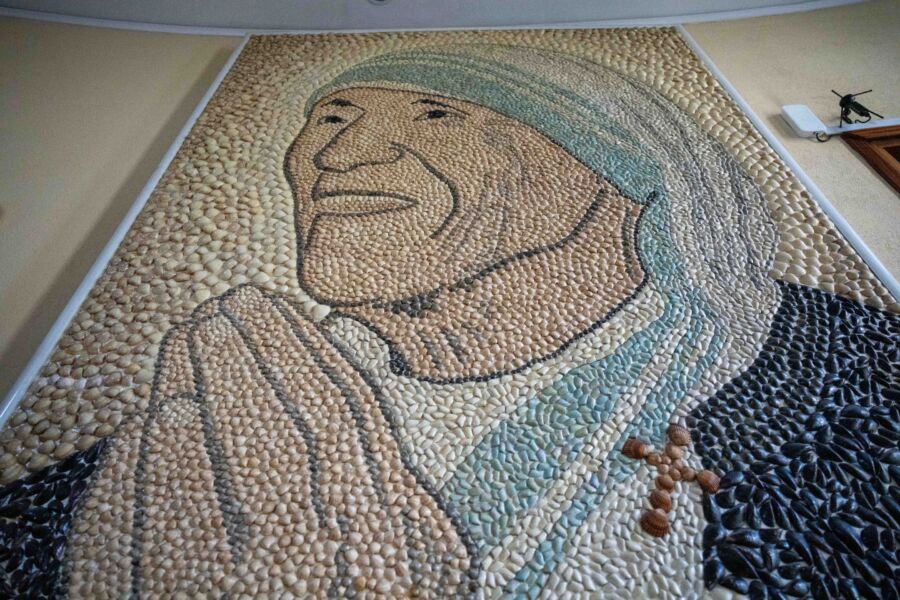
Two starkly different women are celebrated throughout the Albanian world ­— from Tirana to Prishtinë ­— honored by murals, statues, and street names: Mother Theresa, who was born Anjezë Gonxhe Bojaxhiu in Skopje (today’s Macedonia)… and pop star Dua Lipa, a Londoner with Kosovo Albanian heritage.

The early people of Denmark were entranced by bogs. At the dawn of the Iron Age, bogs were the source of ore that could be used to create all manner of tools and weapons. This mysterious and sacred liminal space, existing somewhere between land and water, was believed to be where the gods resided. Precious items (including vast collections of weapons plundered from defeated enemies), animals (up to and including horses), and even human beings were sacrificed to the thick peat of the bogs. Fortunately for present-day archaeologists, this preserved these artifacts perfectly.

Believe it… or not!

Do you have any favorite European factoids to share?


If you enjoy these sorts of insights, you should know that most of these appear, in some form or another, in our Rick Steves guidebooks. Any source can list names and dates; we always strive to provide real insight to help you get your arms around the place you’re visiting, in a more intimate way.

In Europe, It’s the Little Differences

When you’re on the road in Europe, sometimes it’s the little differences that resonate the most: pragmatic, clever solutions to everyday problems that inspire you to do better back home.

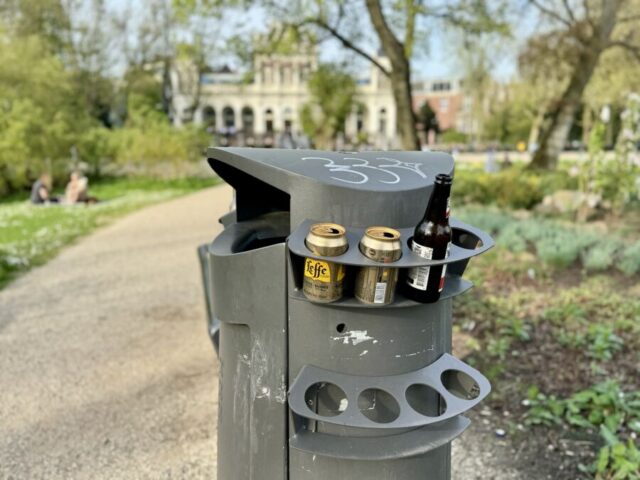
I was reminded of this recently while updating our Rick Steves guidebook in Amsterdam. On a sunny day, I was enjoying a stroll through Vondelpark when I spotted an unusual garbage can, which appeared to have a built-in beverage caddy.

Suddenly I realized the purpose: In the Netherlands, to encourage recycling, they charge a €0.15 deposit when you buy any drink in a bottle or can; then, when you return the container, you recoup the deposit.

Of course, many places have a similar deposit system, and have for a long time. (Who could forget the classic Seinfeld where Kramer hatched a scheme to take a mail truck full of pop cans to Michigan to claim the 10¢-per-can deposit?) What struck me was the simple wisdom of making it easy to leave unwanted containers so that they’re easier to collect by someone else — presumably, someone who could use the money.

This little eureka thrilled me. As someone who tries to be a conscientious traveler, I often feel conflicted when finishing a bottle of fizzy water or Coke Zero. The recycler in me hates to stick in the garbage; the efficient traveler in me hates to carry it around (since I typically don’t carry a day bag, it has to jab awkwardly out of my pocket); and the humanitarian in me wishes I could hand it off to someone who’d appreciate the deposit. These “donation rings” (doneerringen)  — really just a few pieces of well-designed metal — are a simple, pragmatic, effective solution.

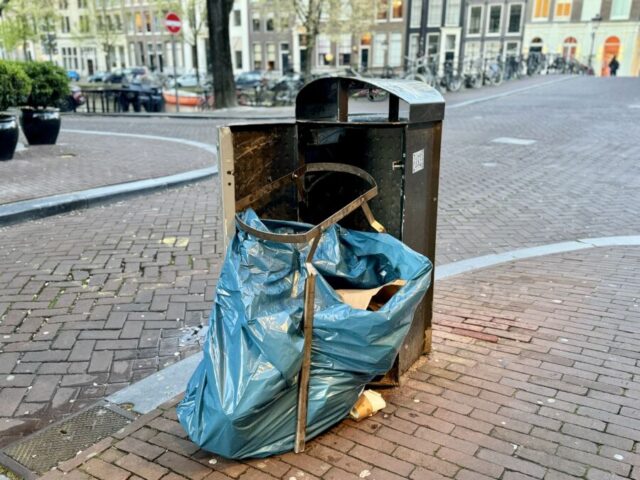
It solves other problems, too: Elsewhere in Amsterdam, I saw garbage cans (not yet equipped with donation rings) that had been rifled through, with trash strewn across the sidewalk. Clearly someone had gone looking for deposit containers in a way that was degrading to them, while also created a mess. So even if all you care about is a tidy city, donation rings are a no-brainer.

I snapped a photo of the donation rings, spent a few minutes tapping out a post about this little observation, and put it up on Facebook and Instagram, where I like to share these little epiphanies and insights as I travel. The initial response was enthusiastic — similar to my, “Wow, cool idea!”

Then a surprising thing happened. A few days later, in the middle of the night, the post went viral. It’s now been seen by more than 10 million people and “liked” by more than 150,000 — which are ludicrous numbers for someone with my modest following. That photo of a garbage can, and a few short, hurriedly composed paragraphs of text, may be the most-read thing I’ll ever write. (One colleague teased me, “This trash can will clearly be your legacy.”)

The responses were fun to sift through. Several people (in Portland, Canada, Germany, Denmark, Australia, and elsewhere) wanted credit for having a similar system on their garbage cans. (Noted!) Others pointed out that it would be even better for society to provide a proper safety net, so that people didn’t have to resort to collecting deposit containers. (Agreed! This is a band-aid, albeit a clever one.)

But the consensus was simply this: Great idea! Wish we had that here. Several commenters even CCed their local authorities. If this little post winds up inspiring a few communities to look into donation rings…I consider that a very good day’s work.

This whole episode — along with threatening to brand me “the donation rings trash can guy” for the rest of my career — reinforced my sense that when we travel thoughtfully, attentively, and with our mind and our eyes open, we notice little differences in the way societies operate. Some of these ways, we may find impractical or annoying. But many times, they can be an inspiration…even an epiphany.

§     §     §

In my recent travels, I’ve been making a point to tune into these different ways…and, where possible, to share them with others. Here are just a few examples.

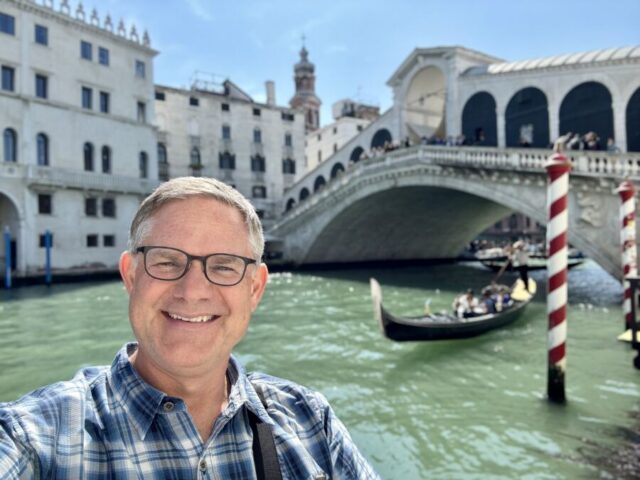
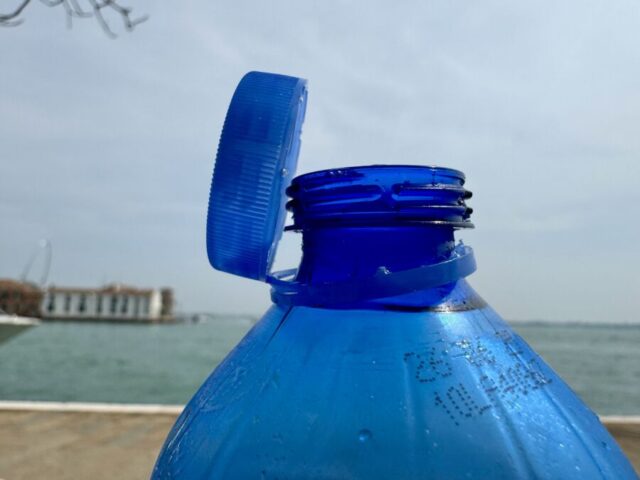
Just a few days before flying to Amsterdam, I was waiting for my boat in Venice when I cracked open a much-needed bottle of ice-cold sparkling water. No matter how hard I turned the bottle cap, one little plastic filament stubbornly kept the cap attached to the plastic ring around the neck of the bottle. In that moment, I realized I’d been running into this same hiccup throughout my time in Italy, and that I’d even noticed it the previous fall in other parts of Europe. At first, I chalked it up to faulty design…a defect. But it was so consistent, it must be intentional.

A little Googling turned up the answer: As of 2024, the European Union requires these “tethered caps” on all single-use plastic bottles. It’s intended to keep the entire bottle intact, as one unit, for easier disposal and recycling. Yes, it takes some getting used to. But when you imagine all of those little plastic bottle caps rolling around the cobbles, piazzas, and gutters of Europe — not to mention, getting lodged in the esophagi of untold numbers of woodland critters and sea life — tethered caps seem a very smart solution.

Also in Italy, I was reminded of the tiered pricing system at cafés: You’ll pay more (in some cases, much more) to sit out on the piazza, rather than if you stand at the counter inside. In fact, even at the grandest of grand cafés in Italy, you can always get a simple espresso (un caffè) at the counter inside for just over €1.

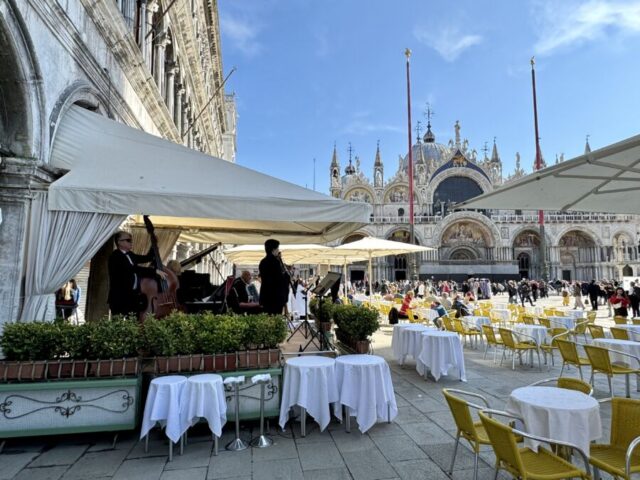
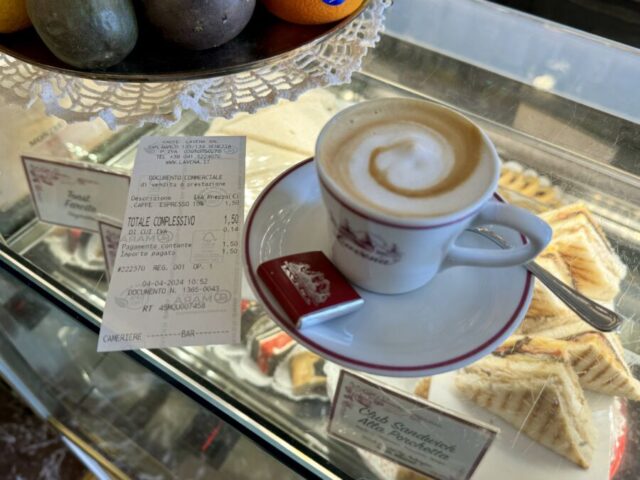
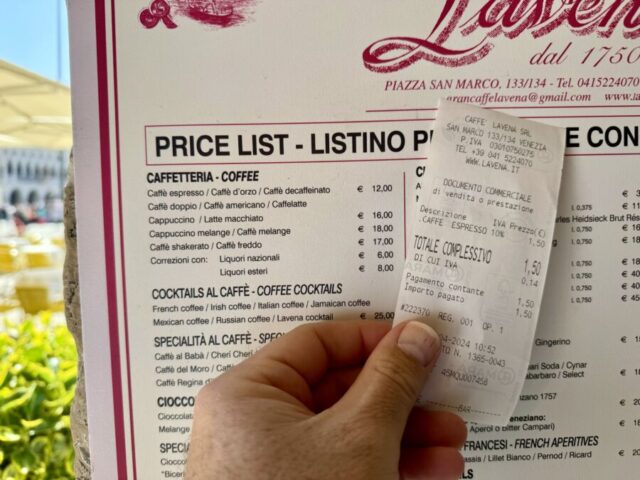
Testing this rule of thumb, I waltzed past the dueling orchestras on St. Mark’s Square — some of the most expensive real estate in all of Italy — and into a venerable café. Inside at the counter, I ordered a caffè macchiato, then stood in the opulent interior as I sipped it. My bill came to €1.50.

As I left, I checked the price for the very same drink at the outdoor tables: €12, plus a €6 cover charge. If you’re lingering over the amazing views and the music, this is a worthwhile investment. If you just want a quick coffee, those prices are absurd. This “progressive taxation” approach to pricing drinks has a certain pragmatic beauty; you pay based on your experience. (And it’s also a great tip for budget travelers.)

Some of these smart solutions are Europe-wide. The EU has a draconian “Air Passenger Rights” policy that protects travelers from having their valuable time wasted by airlines. Strict guidelines mandate what an airline is required to provide to a passenger whose flight has been delayed or cancelled. If I ran an airline in Europe, this would make me pull my hair out. As a frequent air passenger in Europe…I absolutely adore it.

And I have directly benefitted from it. Last year, my wife and I were flying from Seattle to Norway by way of Amsterdam, with a tight connection. The good news: Our first flight was a few minutes early. The bad news: Our connecting flight had already been cancelled due to a technical problem, with no further flights scheduled until the next day. We got nervous, imagining being stranded for hours — maybe overnight — at Schiphol Airport, missing out on reservations we had waiting for us in Norway.

But the Europeans in the waiting area with us seemed unconcerned. One of them pulled out her phone and called up a page with the details of the EU policy. “No worries,” she said reassuringly to her husband, and to all of us antsy eavesdroppers. “If they delay us for more than three hours, they have to pay each of us €250. They won’t let that happen.”

Sure enough, within minutes, they allocated a different plane to take us to our destination, and boarding commenced almost immediately. Soon we were loaded on a bus and zipping across the Schiphol tarmac to our plane. And we wound up arriving in Norway just 45 minutes after our scheduled arrival time — even with the equipment change. Without the financial accountability mandated by that policy, I’m certain we’d have been cooling our jets for much longer.

Let’s head back to the Netherlands, which seems to be one of Europe’s top incubators for these everyday innovations. The Dutch are pragmatic, solution-focused, and early adopters, to the degree that they sometimes leap before they look. When I’m updating our Rick Steves Amsterdam guidebook — as I was on this trip — frankly, it can get exhausting. There’s always some cutting-edge new technology that’s been rolled out. And, often, by the time we come back a couple of years later to do our next round of updates, that Hot New Thing has already been abandoned and replaced with the next trend.

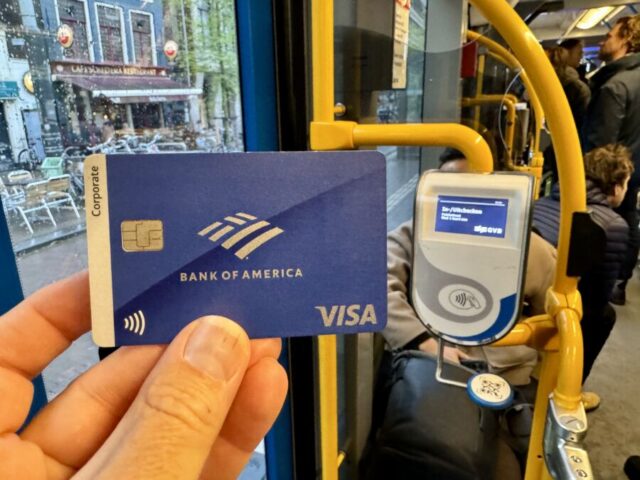
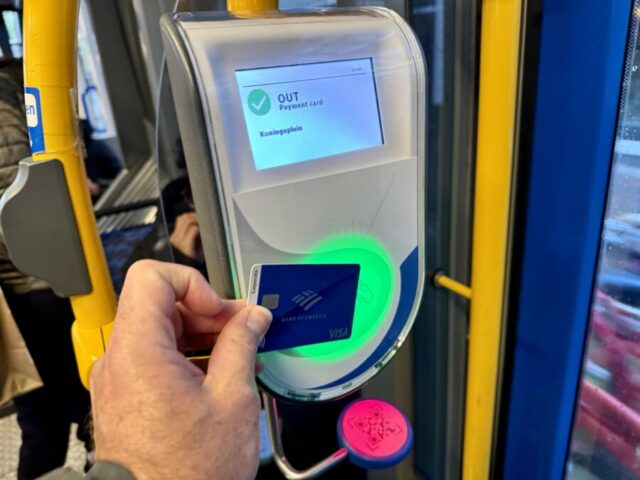
For example: Contactless or “tap-to-pay” credit card and smartphone payments on public transit are widely used throughout Europe and around the world. But the Netherlands, as far as I know, is the first and only European country where you can pay for every single ride on public transit (whether in-city trams, buses, and Metro, or intercity trains and buses) simply by tapping your existing credit card. Using this system (called OVpay), you never have to buy a ticket.

Of course, I needed to try this out. And it worked well. Starting at the airport, where I wanted to take the bus into town, I was able to skip the tiresome chore of looking for a ticket machine. Instead, when the bus pulled up, I just hopped on and tapped my credit card against the scanner to “check in.” And then, when I got to my destination, I tapped my card again to “check out.” The cost of the ride was automatically charged to my card.

I tried this everywhere I went: on trams, the Metro, even the intercity train to the airport. And it worked brilliantly…another example of Dutch problem-solving making life easier. I can imagine a time, a few years from now, when the very idea of “tickets” for transportation are a thing of the past. You just tap in, tap out, and you’re done.

However…

When working on our guidebooks, it’s also my job to think through potential pitfalls. And even this ingeniously simple system has some serious caveats: A couple traveling together needs two separate payment cards. Fair enough. But what if you’re a family of four or five? Yes, that means that each family member needs their own credit card, smartphone payment app, etc.

On a particularly busy afternoon, a French family of five was waiting for the tram next to me. I knew this was going to be a big headache for them. Sure enough, the father wound up having to download a payment app, load up his credit card, use the app to buy five tickets, then scan each one individually. By the time he was done with this agonizing procedure, the family had almost missed their stop.

Another pitfall: Because the Dutch are all-in on this system, they are largely doing away with other ways of paying. Out in front of Centraal Station, where arriving travelers hop onto a tram to their hotel, there used to be abundant ticket machines. Now these have mostly gone away, with just a few hiding out in the Metro station downstairs. And you can no longer buy tickets once you’re on board, unless you download and set up that app that the French father was fumbling with. If you’re in the very slim majority of people who, for whatever reason, don’t want to or can’t pay by tapping your card…your life just got harder.

Here’s my point: It’s fun to notice these clever solutions when you travel. But it’s also important to avoid a “grass is always greener” naivete. Every system is flawed, and a few flaws don’t make it worthless. That’s just another problem to solve.

Smart people, around the world, come up with smart solutions. And if we all put our heads together, notice what works and what doesn’t, and commit ourselves to improving our societies, there are already a lot of great ideas out there, ripe for the picking. We just need to find them, do our due diligence to think through the pros and the cons, adapt them to be even better, and make them our own.

§     §     §

One final thought occurs to me, in this very heated election year: Effectively all of the solutions I’ve described are spearheaded by some level of government, from federal all the way down to municipal. Observing Europe’s willingness to attempt creative solutions, I’m reminded that it’s largely possible because Europeans, by and large, both trust and expect their government to be proactive and effective  in crafting a better society. (And if they aren’t, they face consequences at the ballot box.)

I wonder if Europe is more innovative partly because ambitious solutions like the donation rings, or the tethered caps, or nationwide tap-to-pay must be coordinated by the state? They’re always some naysayer who goes on a crusade against even the best idea — especially in America, where rugged individualism is prized, contrarianism is practically a religion, and many are terrified of the mythical boogeyman of “Big Government.”

Anytime I share observations about Europe’s clever solutions and high-functioning societies (as I did last summer, when I marveled at the slick, well-coordinated infrastructure in Norway), some critics respond that such idealism has no place in America. “Yes, it would be great. But come on! We’d never be able to do that here.”

My response: Why not? We are our government — federal, state, local. If your leaders won’t take action to seek creative and effective solutions, if they’d rather shout and scold and scapegoat and obfuscate about complicated problems rather than trying to solve them…well, then, vote for someone else.

In this election year, support candidates and parties who are inspired by fresh ideas that help everyday people, and who are willing to implement them. (If you liked the sound of that EU “Air Passenger Rights” policy — and, frankly, any travelers should — it’s worth noting that former Secretary of Transportation, Pete Buttigieg, rolled out a similar policy Stateside… only to have  a key provision of that plan later repealed by the Trump administration.)

Europeans solve problems because they have the will to work together toward those solutions. From all of these specific examples, that may be the biggest takeaway: We can do better. We just have to want it.

What are some of your favorite “slice-of-life” little ways that Europe does things differently? Which ones might you like to try out back home?


If you enjoy observations like these, be sure to Follow me on Facebook and/or Instagram. I’m heading to Europe again soon, and will be sharing lots more.

Europe’s Best Neighborhoods: Where Should I Stay in ___?

You’re heading to Europe. You’ve chosen your destinations. And now you’re starting to daydream about your chance to be a temporary Londoner, a temporary Parisian, or a temporary Roman. The next question: Where should you stay?

As the 2023 travel season winds down, early birds are already starting to make plans for 2024. Most people get serious about this in January or so. But if you want to get a jump on the “competition” — and have your pick of places to stay — it’s smart to get started now. (And it’s a fun, constructive way to distract yourself as the days get shorter and colder.)

I have some friends who are dong just that: dreaming of a trip with their two teenagers next June in Rome and Athens. They asked me where I’d suggest staying in those great cities. And I thought to myself: That’s an excellent question! But first, I need a little more information: What kind of neighborhood are you looking for?

Inspired by that question, I’ve brainstormed my suggested home-base neighborhoods for 10 of Europe’s most popular cities. This intel is hard-earned, from years of scouring these cities for accommodations to recommend in our Rick Steves guidebooks.

Those lists are below. For each city, I’ve broken my choices down into three categories:

Central and Touristy. This is where you’d stay to have the top sightseeing right outside your door. However, that also means these neighborhoods are touristy, often a bit tacky, very expensive, crowded, and not particularly “authentic” or “local-feeling.” But sometimes having everything close at hand is worth making those sacrifices, especially on a quick, targeted trip.

Hip and Foodie. Every city worth its salt has an edgy, “emerging” restaurant and nightlife zone. These can be either central or more remote; either way, they’re typically less polished and more characteristic, and they tend to skew more youthful. If you’re in town primarily to check out all the “destination” foodie restaurants, rather than to sightsee until you drop, and if you’d like to settle in to the local version of Williamsburg, Los Feliz, or Wicker Park…then these neighborhoods are for you. (If you don’t know what those names mean, then these neighborhoods are probably not for you.)

Charming and Residential. If you don’t mind commuting to the main sightseeing and trendiest eateries, it can be worthwhile to stay a little farther from the city center. More sedate and charming than the central districts, these neighborhoods feel “older-local” as opposed to “younger-local.” Because they’re less central and less touristy, lodgings are often more affordable (though certain high-end suburbs can be surprisingly pricey). If the “Hip and Foodie” places are for hipsters, then the “Charming and Residential” places are for yuppies and retirees. Just be prepared for a longish metro, bus, or tram ride to achieve most of your bucket list.

Use the suggestions below as a starting point when searching for accommodations — whether hotels, B&Bs, or short-term apartment rentals (like Airbnb). Many room-booking search engines allow you to enter specific neighborhoods to narrow down your options, or you can search via the map. Read reviews carefully, within these areas, to make sure the lodgings you’re considering match your expectations. And here’s a pro tip: Before booking, go for a little “virtual stroll” of the surrounding area on Google Maps Street View to make sure it looks like a place you’d like to settle in.

London

Touristy/Central: Soho and Covent Garden can’t be beat for access to many of the top sights, the West End theater scene, and some of London’s best restaurants to boot.

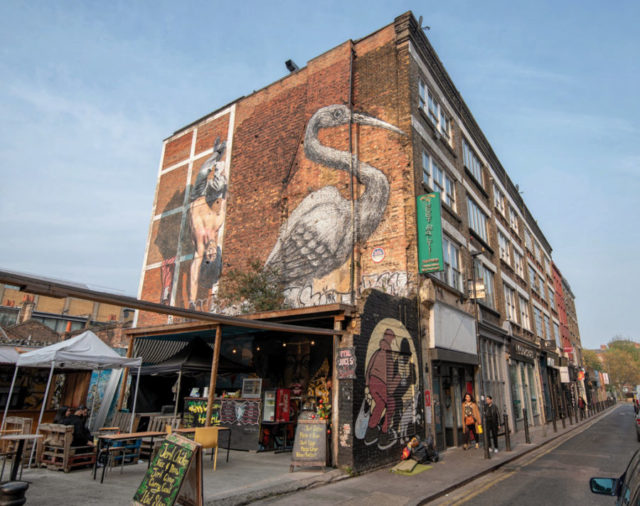
Hip/Foodie: The East End, specifically Shoreditch and nearby, is where hipsters feel at home, with exuberant street art and many of the city’s most interesting restaurants. (Many top London restaurants began with a humble location in Shoreditch before opening a fancy one in Soho.)

Charming/Residential: Try neighborhoods just to the west, surrounding Hyde Park and Kensington Gardens (South Kensington, Notting Hill, Earl’s Court); or to the north, near the British Museum (Marylebone, Fitzrovia). In this vast city, there are countless other choices, depending on how far out you’re willing to travel; Dulwich, to the south, and Ted Lasso’s Richmond, to the west, are each a 30-minute commuter train ride out of the center.

Paris

Touristy/Central: It’s hard to resist staying near the Eiffel Tower (ideally with a view from your window); either there, or in the Latin Quarter (near the Île de la Cité/Notre-Dame and Île St. Louis) puts you very close to the sights…and the crowds.

Hip/Foodie: For something that’s still quite central, but more funky, consider the Marais, or some of the neighborhoods just beyond it: Try Oberkampf and Canal-St-Martin, just to the north, and the Rue du Faubourg Saint-Antoine, just beyond Bastille to the east. The famous Montmartre is a strange combination of obnoxiously touristy and achingly bohemian…just as it was a century ago.

Charming/Residential: It’s hard to resist Rue Cler. This quintessentially Parisian, very central market street is that strange “unicorn” of neighborhoods that ticks only the best bits of both the “Touristy/Central” and “Charming/Residential” boxes. Another good option, slightly less characteristic but still handy, is Luxembourg Gardens.

Rome

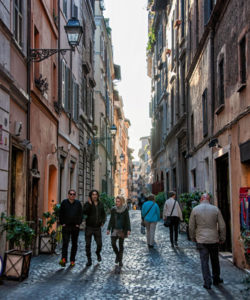
Touristy/Central: It’s a thrill to stay as close to the Pantheon as possible, putting you right in the magical and romantic heart of Rome. For fewer tourists, look in the sleepier, more appealing streets that run from Piazza Navona west, toward the river and Vatican City.

Hip/Foodie: I just love the Monti district, tucked in narrow residential lanes basically across the street from the Roman Forum. Testaccio, farther out, surrounds Rome’s most engaging market hall and offers close proximity to restaurants filled with foodies who’ve done their homework.

Charming/Residential: Trastevere, which could arguably fit in any of these categories, is extremely atmospheric, slightly less touristy than the most central parts of Rome, and still within a long but very engaging walk to many of the top sights. The small, quiet zone just behind the Colosseum (to the east) feels a world apart from the touristy chaos.

Berlin

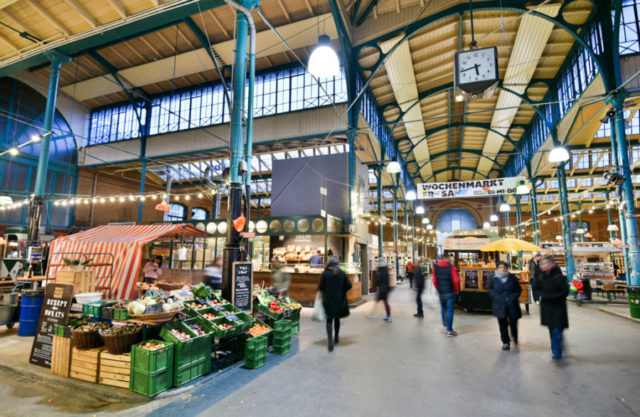
Touristy/Central: The city’s spine, Unter den Linden, has several big hotels but lacks personality. That’s why I enjoy the area around Hackescher Markt, just north of Museum Island, which has a little more character and enjoys about as convenient a location as you’ll find in this sprawling city.

Hip/Foodie: Not only the best neighborhood in Berlin, but one of my favorite hipster neighborhoods anywhere, Prenzlauer Berg has oodles of funky Berlin character, outstanding restaurants, a true neighborhood feel, and easy transportation connections around the city. For a deeper dive, consider Neuköln, Kreuzberg, or any number of other cool Kieze (neighborhoods) that Berlin specializes in.

Charming/Residential: The former West Berlin (now called City West) was once a Time Square-like “city center” hub; now it’s a sleepy, sedate, upscale, and charming suburb with relatively easy connections to the big sights. Savignyplatz is the centerpiece of this area, and the surrounding Charlottenburg district has a similar feel.

Athens

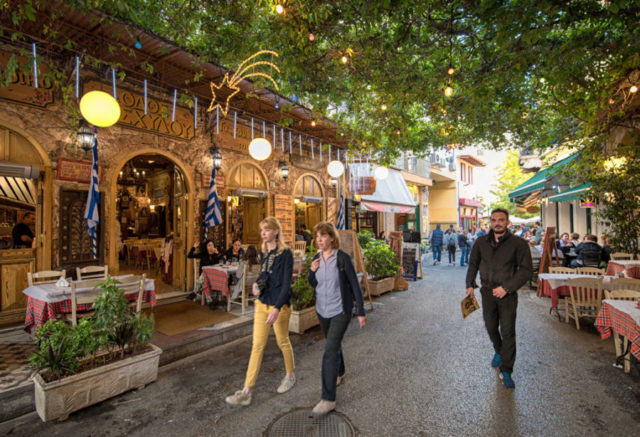
Touristy/Central: The Plaka, tucked at the base of the Acropolis (between the Monastiraki transit hub and the busy Syntagma Square), is super-central and super-touristy.

Hip/Foodie: Just across the street from Monastiraki, Pysrri is funky, youthful, and foodie, with an appreciation for wild street art and delicious street food, and close proximity to the thriving Central Market without being too far from the central sightseeing zone.

Charming/Residential: The sleepier streets of Makrigianni and Koukaki, on the “far side” of the Acropolis (to the south), make for a comfortable and relatively mellow home base.

Amsterdam

Touristy/Central: If you’d like to have very easy access to the sights (and to endless tulips-and-wooden-shoes souvenir shops), stay somewhere along Damrak or in the nearby streets of the Red Light District.

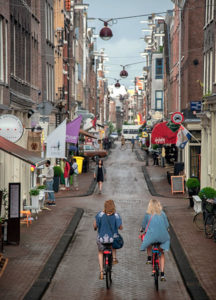
Hip/Foodie: The Jordaan, a short stroll along postcard canals west of the central spine, is one of my favorite neighborhoods in Europe, period. It’s an ideal combination of two categories: Both hip and residential, charming and foodie, it’s a clear winner.

Charming/Residential: If looking beyond the Jordaan, the quiet streets of Southwest Amsterdam, around Museumsplein, tick this box — though the proximity to the Rijks and Van Gogh museums can make it feel quite touristy in places.

Budapest

Touristy/Central: Pest’s Town Center (District V), with the Váci Utca pedestrian drag as its spine, is as central and as touristy as you can get. I prefer the area around the Opera House, along the most interesting stretch of Andrássy Út — just a little farther out, but very well-served by public transit, chockablock with great restaurants, and very close to the Seventh District fun (see next).

Hip/Foodie: The Seventh District, which overlaps with the Jewish Quarter just across the Small Boulevard from Pest’s Town Center, is one of Europe’s most engaging hipster neighborhoods. It comes with many of the city’s best restaurants (from street food to Michelin-starred) and the fun and fascinating “ruin pub” scene.

Charming/Residential: Buda, across the river from the modern city center, is sleepier, greener, and more sedate. It takes longer to reach much of Pest…but the views across the river are worth the commute. To stay on the Pest side, consider the streets flanking Andrássy Út once you get beyond the Oktagon, in the diplomatic quarter that heads out toward City Park.

Dublin

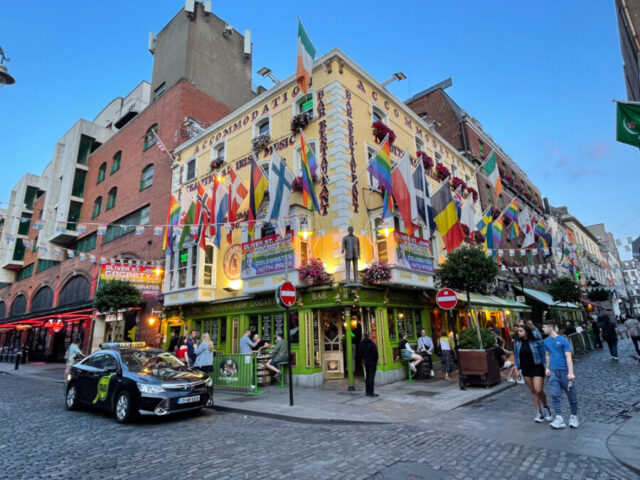
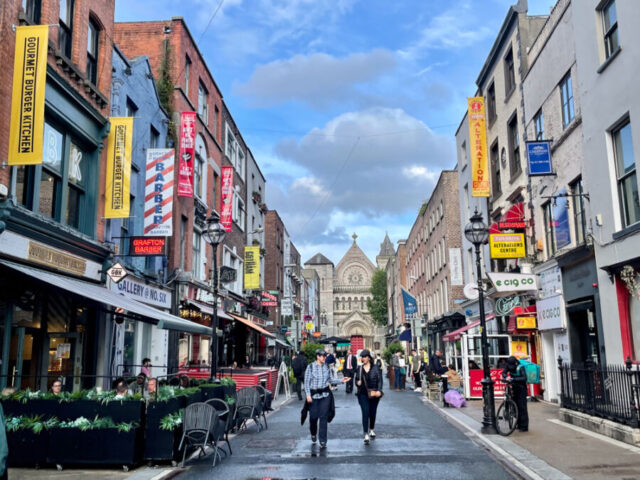
Touristy/Central: Look no farther than Temple Bar and the nearby streets close to Trinity College, on the south bank of the River Liffey. (As a light sleeper, I’ll suggest checking reviews carefully for noise complaints if sleeping anywhere near Temple Bar.)

Hip/Foodie: Earlier this year, I discovered the charming yet hip “village in the city” of Stoneybatter, tucked away beyond Smithfield Square to the northwest. While a bit farther from the center, it has some of the city’s hippest restaurants (especially for brunch) and an “I could live here” vibe.

Charming/Residential: South of St. Stephen’s Green, you encounter fewer tourists and a more local feel. I particularly enjoy the area along the southern canal belt; if you’d like a hipper stretch of this area, try to get close to happening Camden Street and the Portobello area.

Barcelona

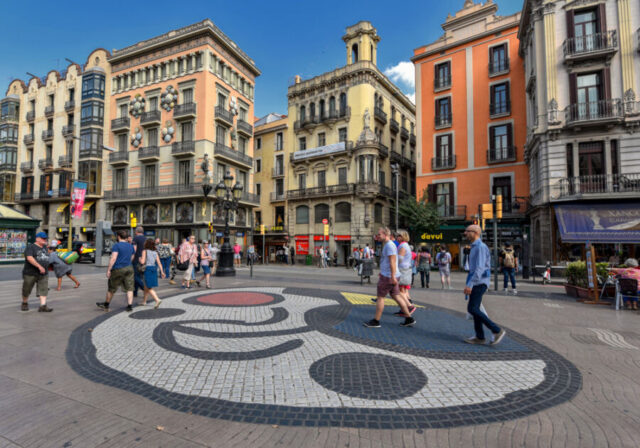
Touristy/Central: There’s a good reason many tourists enjoy staying in the city center: near Plaça de Catalunya, in the Barri Gòtic, and along the Ramblas. This is Barcelona at its most vivid, touristy, crowded, chaotic, and fun.

Hip/Foodie: To escape some of the crowds of the Old City, head to El Born — an easy walk just east of the Barri Gòtic. This area, with the Picasso Museum and Santa Caterina Market, has a more bohemian feel, including great restaurants.

Charming/Residential: The carefully planned Eixample district, which surrounds the Old City on all sides, has an ritzy “uptown” vibe. This is the place to stay if you’d like to pretend you’re a Catalan urbanite for a few days. Or consider the tight, old-school Barceloneta fishermen’s quarter near the water.

Istanbul

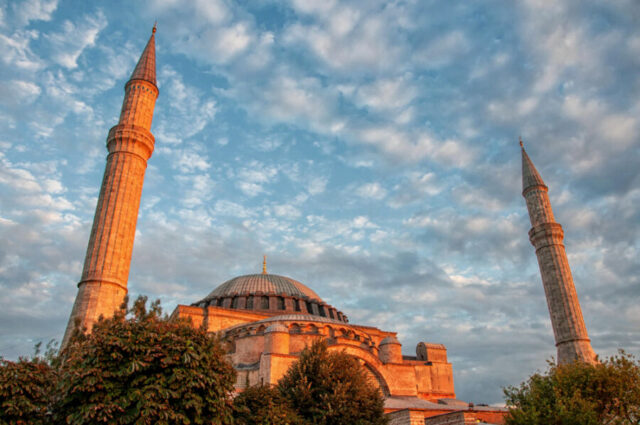
Touristy/Central: For such a sprawling city, Istanbul has as surprisingly compact sightseeing core: Sultanahmet, loaded with hotels for tourists who want proximity to the great sights; just downhill, Sirkeci is similar.

Hip/Foodie: Kadıköy, across the Bosphorus on the Asian side, is both hip and residential. Back on the European side, consider Beşiktaş, along the Golden Horn below the New District.

Charming/Residential: The New District, across the Golden Horn from the old city center, is still quite urban and intense in places. But you’ll also find some pleasant back streets where you can settle in to a local neighborhood.

So…what did I miss? Any favorites to add? I’d love to hear your suggestions in the Comments.


I’ve gotten to know all these great European cities through updating our Rick Steves guidebooks — where you’ll find out a lot more about all of these places, including extensive lists of our handpicked hotels and B&Bs in each area.

Top 10 Italian Food Experiences

From eating with the seasons to enjoying an aperitivo, from devouring a pizza in Naples to grazing the street markets of Palermo, and whether hunting for truffles or the best possible gelato, Italy boasts an abundance of ways to experience one of the world’s most beloved cuisines.

We’re celebrating the arrival of our newest book, Rick Steves Italy for Food Lovers — available now. During the pandemic, I worked closely with Rick and co-author Fred Plotkin to assemble this comprehensive handbook for the traveler — teaching visitors how to fully experience the joys of eating and drinking in Italy, and to think about food the way Italians do. And now that the book is finally out, I’ve been dreaming about the many wonderful food experiences I’ve savored all across Italy. Here’s my selection of 10 amazing Italian food experiences — which, I hope, will inspire you as you plan your own travels.

Of course, this is just one traveler’s list. What are some of your favorite Italy food experiences? Share yours in the Comments.

Eating Local: Culinary Campanilismo


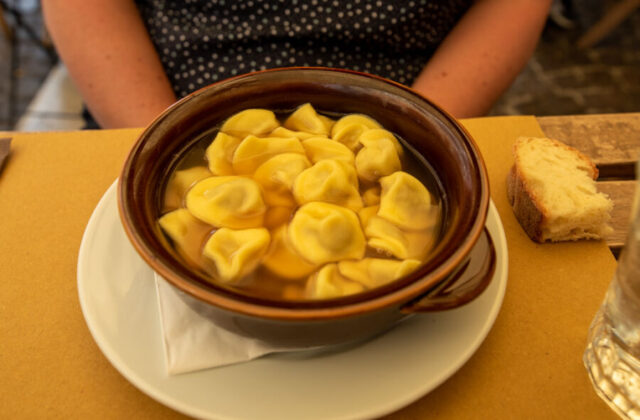
Recently I posted about some of the excellent foods I’ve had in Emilia-Romagna — including a bowl of what I identified as tortellini in brodo. In the Comments, a stickler called me out: “Sorry for you but these aren’t tortellini.” So I looked it up. And, sure enough, Parma (where I enjoyed this dish) has its own version of tortellini, which the parmigiani call anolini. If you lined up 100 non-Italians, at least 99 of them would be hard-pressed to explain the difference between tortellini and anolini. Does it really matter?

Yes, it does. And I was wrong.

 Campanilismo is the fierce loyalty Italians feel to their immediate community… literally, the people who live within earshot of the same bell tower (campanile). And Italian cooking, too, is exactingly local.

As my wife and I explored Piedmont last September, we were struck by how similar menus were from place to place. Each dish was a piemontese specialty we’d rarely seen elsewhere. Tajarin (skinny, vivid-yellow, egg-yolk noodles) were smothered in a variety of sauces. When it comes to Castelmango cheese, with a decadent texture and a wipe-a-tear pungency, a little goes a long way. And several meals ended with bonèt, similar to a chocolate flan. 

We used “eating local” as an excuse to stretch our culinary boundaries. Normally, we’d give a pass to vitello tonnato — veal with a creamy tuna-caper sauce — based on the description alone. But knowing it was a local forté, we tried two very different versions. And both were excellent.

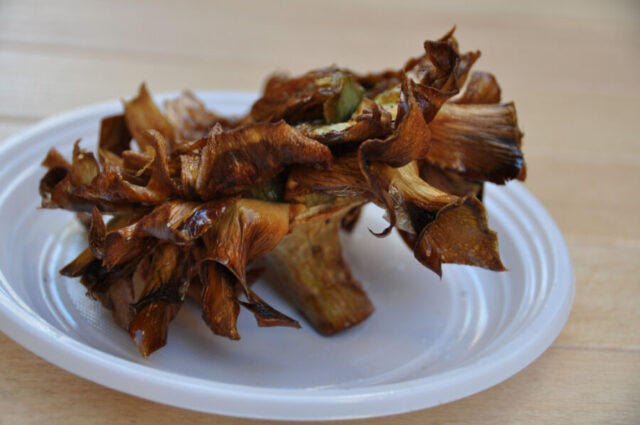
It’s not just regions. These localized specialties often come down to the town…or even the neighborhood. In Rome’s historic Jewish Quarter, signs advertise carciofi alla giudìa — “Jewish-style” artichokes. Taking the hint, I ordered an item that looked like some crispy-crunchy alien appendage. And it was a memorable, and delicious, treat.

Don’t head to Italy with a “bucket list” of foods that you’ll demand to eat while there. Instead, let the locals tell you what they are excited to feed you

Eating with the Seasons

Italians brag that if you show them a menu from any restaurant in Italy, they can identify not only where it comes from…but what time of year. That’s because the best food is not only local — it’s highly seasonal.

Speaking of artichokes, I happened to be in Rome last March, when artichokes were absolutely everywhere: piled in neat pyramids in grocery store windows, on restaurant menus, and so on. Walking through the Testaccio Market, I saw piles upon piles of those beautiful vegetables, with their artful ombré of green and purple. It felt like the city was having one big artichoke party.

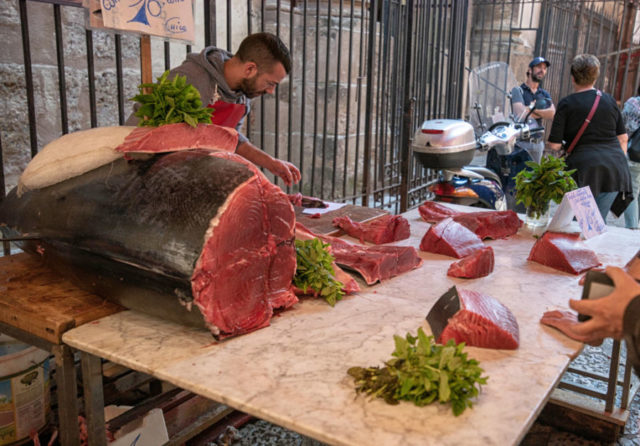
Italians know the rotating calendar of seasonal specialties, and they track those annual cycles with a special verve. On a springtime visit to Palermo’s street markets, a flurry of activity engulfed a table displaying gigantic slabs of bright-pink tuna, just caught. The fishmongers set out little sprigs of delicate spring mint, symbolizing that tuna season had begun. During the brief window when the tuna is this fresh, you eat it virtually rare — barely kissed by flame, then onto your plate.

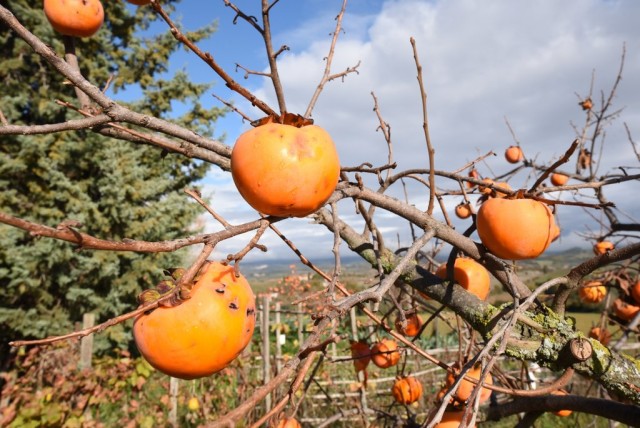
One fall in Tuscany, the hillsides were mostly bare except for the neon-green fuzz of winter wheat. Trees were naked; bushes were brown. But on a few spindly branches dangled plump orange fruits: persimmons. One of the best dishes I had on that trip was a dessert consisting of chestnut mousse with persimmon purée. It tasted like a Tuscan autumn.

One dish my wife and I did not have on that trip to Piedmont? Truffles. Even though it’s a truffle-crazy region, we were just a dozen days or so too early to enjoy that delicacy in its prime. And so, it was notably absent from local menus.

We Americans are used to getting what we want, when we want it. But when we do that, we sacrifice quality. Recently, at my local supermarket, I bought some tomatoes and strawberries. And, because it’s winter, they tasted almost indistinguishable.

Italians have patience. They know good things are worth waiting for. And when you have an ingredient or a dish just once a year, its flavor is that much more special.

Indulging in Passeggiata, Aperitivo, and Apericena

When visiting Italy, let yourself get swept up in the passeggiata — that special hour or so each evening when the entire community does lazy laps around the city center. And as you stroll, don’t miss a parallel custom happening along the fringes of that street: the aperitivo, an after-work, pre-dinner drink enjoyed among friends. People meet up to have a cocktail, socialize, take a little break from their evening constitutional…and enjoy their beautiful cityscape.

At aperitivo time, Italians people-watch from café tables, or stand around in little clusters, engrossed in conversation. In every hand is a bright-orange glass of Aperol spritz. It’s all so…civilized.

Some bars throw in a small snack — a basket of potato chips, or a little bowl of nuts. Others lay out a delectable antipasti spread to lure in passersby. For the cost of a cocktail, you can fill up a small plate with munchies. Places with especially substantial snacks sometimes call this apericena — a pun combining aperitivo and cena (dinner). And, while it’s bad form to take this too literally and assemble a full dinner from the buffet, if you’ve had a big lunch, the snacks that come with a couple of drinks may tide you over until morning.

Cooking with the Locals

Taking a cooking class is a wonderful way to connect with Italian food culture, and to pick up a new skill. But a “cooking class” can take many different forms.

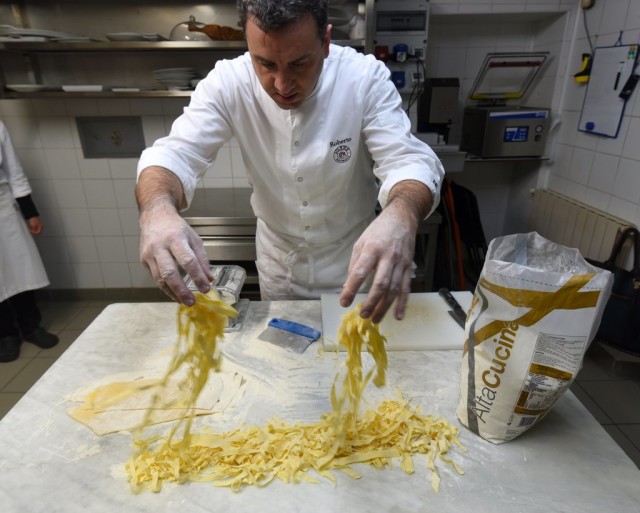
On a mist-enshrouded hilltop, a Michelin-starred chef invited visitors into his kitchen for an unforgettable lesson in olive oil, risotto, roasting meats, and, of course, making pasta. He began by rolling out sheets of pasta, then attacked each one with his knife to instantly trim it into textbook specimens of different noodles: “Papardelle,” he said, chopping thick ribbons. “Tagliatelle” — this one was thinner. “Capellini.” Thinner still. With each batch, he grabbed the wad of newborn noodles and tossed them gently in the air.

On a nearby hillside, Mamma Laura masterfully orchestrated a meal for her eager students. She’d demonstrate the task at hand — chopping up chunks of squash, packing ingredients into little pouches of cabbage, rolling out long sheets of pasta dough — then turned us loose to try it out. Ingredients would disappear into an oven or pot or blender, then reappear when it was time for the next step. Miraculously, everything was finished at exactly the right time. And it was all delicious.

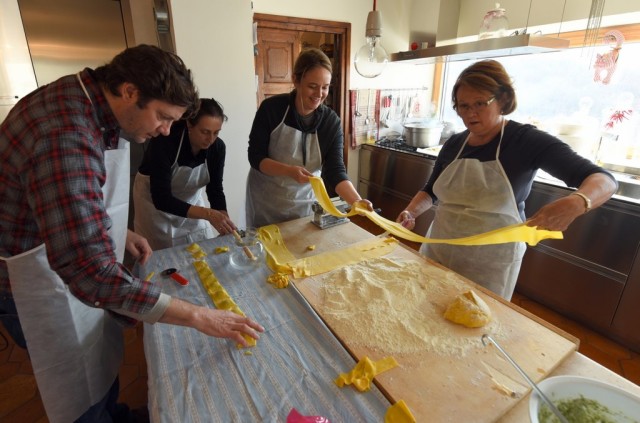
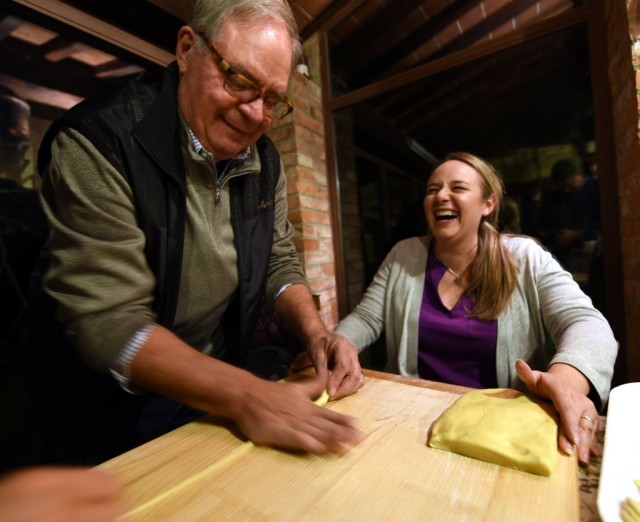
At a rustic country hotel, every Thursday night is pasta-making night: All of the guests gather on the veranda, and Isabella walks everyone through how to make the local, hand-rolled pici noodles — from a little “volcano” of flour with raw eggs in the caldera to a delicious feast. Everyone gets in on the action: Grandparents and little ones all challenge each other to roll out the perfect noodle.

Because Italian chefs are more impressed by top-quality ingredients than by complicated technique, many dishes are relatively easy for beginners to replicate at home. (The hardest part can be finding those premium ingredients; once you do, the cooking is a snap.) One of the mainstays in my family’s menu planning is an outrageously delicious tomato sauce we learned from a restauranteur named Marta. It requires just a few ingredients: tomatoes, garlic, olive oil, salt, pepper, and — if you like a little kick — red pepper flakes. Each time we make it, it transports us back to some of our favorite travels. (Pssst! You can find the recipe here.)

Browsing a Palermo Street Market

Spleen sandwich? Fried-up leftovers of veal cartilage and organs? An entire tiny octopus, boiled to tender perfection in inky water?

Say what you will about these dishes…there’s no doubt they’re some of the most memorable things I’ve eaten in Italy. And I ate them all within a few hundred yards of each other, in the street markets of Palermo.

Palermo’s three sprawling street markets — Ballarò, Capo, and Vucciria — let you delve into gritty Sicilian culture. Joining a food tour (I did one with Marco from Streaty) makes the experience far more accessible, ensuring that no weird food goes untasted.

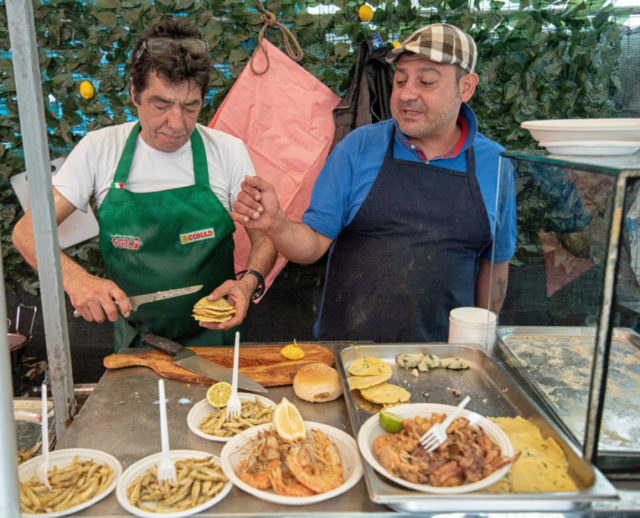
Many items here are delicious by any standard: arancina, a deep-fried ball of saffron rice and meat sauce; sfincioni, French-bread-style “Sicilian pizza,” grilled up to order; and, of course, cannoli, a crispy pastry tube that’s filled to order with luxurious ricotta.

Others put you precipitously steep on the street-food learning curve: frittula — basically the leftover parts of veal (cartilage, intestines, little bits of bone) all chopped up, griddled, and seasoned with generous salt and lemon juice; or pani ca’ meusa — a pillowy bun stuffed with spleen, lung, and other organ meat. These bites challenged my ethic of always being willing to try a local dish…once.

The best tours also teach you how to think about the market like a Sicilian. Marco prodded us to hear the echoes of Sicily’s historic connections to North Africa in the melodic sales pitches of today’s vendors, and challenged us to view vendors with slippery pricing through a lens of good-natured gamesmanship.

Best of all, the whole time you’re browsing these gut-bombs, you’re fully immersed in the energetic hubbub of Sicilian urban life — watching the palermitani greet old friends, listening to the urgent musicality of those vendors’ patter, and smelling all that sizzling and frying goodness (plus a full spectrum of other odors).

Slamming Down un Caffè While Standing at a Counter

The Italian stand-up coffee counter has a special allure. Both efficient and social, this experience comes with a practiced ritual: First, you tell the cashier what you want, and you pay. They hand you a little slip of paper that you take over to the counter, where you get the barista’s attention. Once the drink is prepared, you stand there just long enough to down it. Maybe you make conversation with your fellow patrons or the staff. And then, within a matter of minutes (maybe less)…you bid everyone a cherry Ciao, grazie! and head on your way.

This is just what the doctor ordered when you’re fresh off the plane — disoriented and jet-lagged — to jump-start that wonderful feeling of “Hey! I’m in Italy!” The experience delightfully bombards all your senses: The smell of fresh-ground coffee as you walk through the door. The sound of the hissing steamer and the glockenspeil-like clink-clink-clink of teensy spoons against teensier ceramic cups. The mesmerizing, machinelike efficiency of the baristas’ practiced motions, a conveyer belt of full and empty cups, doing their perpetual loop from espresso machine to counter to dishwasher. And, of course…the coffee itself.

This ritual is also highly satisfying at breakfast time. Last year, I made a point to skip out on my hotel’s paltry buffet to enjoy stand-up breakfasts among the Italians in Siena, Rome, Trieste, and many other places. There’s something joyful about standing still and getting caffeinated while you watch the town wake up. Instead of strolling tourists, the narrow streets are filled with delivery people pushing hand trucks.

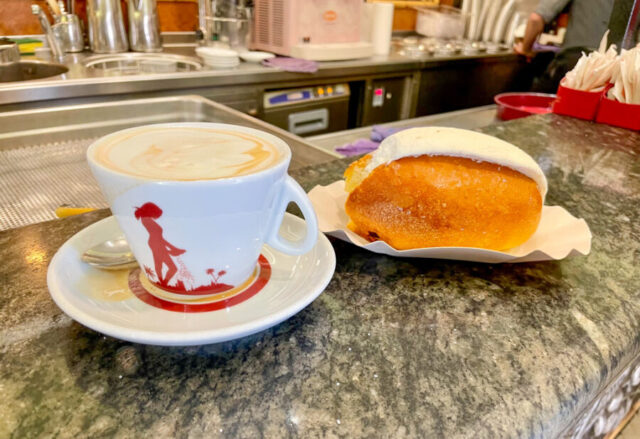
And often, there’s a special local pastry to try. One morning in Rome, I noticed everyone was ordering the local version of a “breakfast of champions”: A cappuccino and a maritozzo (puffy brioche roll filled with whipped cream). I would never be able to stomach this sugar-bomb back home…but in Rome, it just felt right.

Eating Pizza in Naples

Even when a food is available worldwide — maybe especially in those cases — it’s a rare treat to have it in its birthplace. The first time I went to Naples, I was skeptical that the pizza would really be all that different than the myriad versions I can get in my foodie hometown. Rarely have I been so wrong! In Naples, even a basic pizza is a revelation.

I met up with a Neapolitan friend, Vincenzo, who couldn’t wait to take me to his idea of the best pizzeria in town. Choice of toppings? Psssh. Here you have just two options: marinara or Margherita. Like In-N-Out Burger back home, this pizzaiolo understands that when you achieve perfection, you keep things simple.

When the pizza hit our table, Vincenzo took a bite and rocketed into performative ecstasy. “Aha! You taste that? The perfect crust. Thin, soft, a leetle sour. You don’t even need to chew it. You just put it in your mouth and…” He pantomimed a delicious glob of pizza sliding down his esophagus, ending with a big smile.

Watching me gingerly nibble at my slice, Vincenzo said, “This is the correct way to eat pizza.” He cut out a wedge, rolled it up into a bundle, sawed off a crosswise chunk, and jammed it into his mouth. I tried it. And in one perfect bite, I got the gooey middle, the singed crust, and a squirt of tomato sauce — all in just the right proportions.

Neapolitans, you see, are pizza perfectionists. And after spending some time there, you’ll be in danger of becoming a pizza snob, too.

Hunting for Truffles (and Other Food Experiences)

Some of the most vivid food experiences in Italy don’t even involve eating — but rather, learning about where your food comes from. This can be a tour of a facility that produces Parmigiano-Reggiano or pecorino cheese; a walk through vineyards and wine-production facilities; or a trip to the community olive press. Or it can involve walking through the woods.

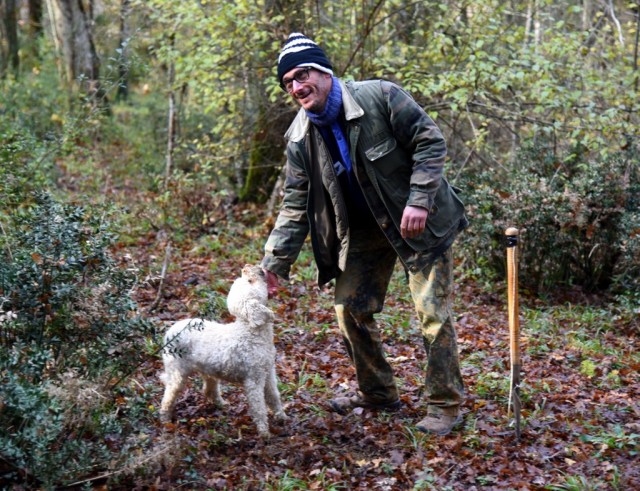
One chilly November morning in the hills of Tuscany, I met a professional truffle-hunter, Paolo, and his trusty assistant, Milli. Milli — who, it seems pertinent to note here, is a dog — skittered off into the underbrush, nose twitching, tail wagging, in hot pursuit of those mysterious deposits that hide a few inches underground.

As we chased after her, Paolo explained that you can’t actually “plant” truffes — all you can do is cultivate the land to create an ideal habitat, scatter a few spores…and hope. And then, when they truffles begin to release their unmistakable aroma, Milli does the rest. Paolo began training her when she was just 10 days old — feeding her tiny bits of truffles to develop her palate. Teaching her how to find the truffles was the easy part, he said. The hard part was getting her to stop eating them.

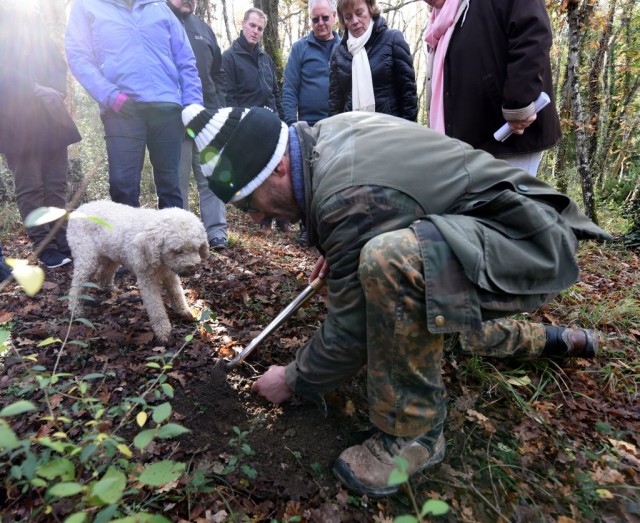
As if on cue, Milli began excitedly pawing a particular spot in the ground. Paolo rushed over, held her back, and used his special shovel, with a surgeon’s precision, to extract the nugget from the damp earth. As I inhaled that pungent scent, Paolo beamed and Milli flapped her tail proudly. With that mental image, truffles are even more delicious.

Finding the Very Best Gelato

On a visit to Florence, I asked my friend Virginia: What are some clues for finding the best possible gelato? I got a gelato lesson I’ll never forget. As we walked through those Renaissance streets, surveying both great gelaterie and terrible ones, Virginia offered some tips:

“You want a place that makes all of their gelato fresh, on the premises, ideally that same day. That’s why you should look for words like artigianale — artisanal; or fatto in casa — homemade.”

She warned me to avoid big mountains of brightly hued gelato, which is designed to attract children. The best has muted colors — ones that occur in nature — and is often kept in stainless-steel covered tubs, until someone orders it.

Pausing at a promising-looking place, Virginia — quite strategically — asked to sample the pistachio. She explained: “Did you ever notice that every gelato flavor costs the same to buy? But, of course, they cost different to produce. And the most expensive flavor to do properly, using real nuts, is pistachio. If the pistachio is good, it’s a sign that the gelateria owner is committed to making quality gelato over profits.” This place had a tasty pistachio…and, sure enough, top-quality gelato.

This experience reminded me that the more you know about something, the better you’re able to appreciate it.

Having a Zero-Kilometer Meal

We’ve already seen how Italians are locavores. For the ultimate expression of this ethic, seek out a zero-kilometer meal: one where all of the ingredients originate from less than a kilometer away. This experience takes “farm-to-table” to painstaking extremes.

At Santa Giulia farm, about an hour south of Siena, I joined Gianluca Terzuoli and his wife, Kae, for such a meal. After walking through the hut where Gianluca air-dries his prosciutto, we sat down for our zero-kilometer feast. As we sampled Brunello di Montalcino wine and bread drizzled with olive oil, Gianluca gestured to the neat rows of vines and the gnarled trees where he harvested the grapes and olives. (Forget “kilometer” — these are centimeters apart.)

Then came the prosciutto and salami, made with the meat of free-range pigs. When I popped a delicate slice into my mouth, it washed my palate with salt-and-umami flavor, then gradually vaporized on my tongue. Also on the table was pecorino, made with the milk of ewes that I could hear bleating in the distance.

When I pressed Gianluca on the point of whether it’s all truly from right here, he sheepishly waved a hand toward the woods and said, “Well, the pigs free-range over there…500 meters away.” “Yes, but that’s still within a kilometer,” I pointed out. Gianluca beamed in agreement.

“When you eat this food, you want to really taste the animal,” Gianluca says. This old Italian saying translates awkwardly, but it contains great wisdom: You know that ingredients — whether prosciutto or pecorino — are top-quality when the flavors linger on your palate. Processed prosciutto and pecorino are overly salted as a preservative and to boost the flavor; the faint flavors are immediately washed away. Quality goods like Gianluca’s linger on your taste buds for a long, long time.

Thanks for joining me on this brief culinary tour of Italy. What are some of your top Italian food and wine experiences?


This list was inspired by our brand-new travelers’ handbook to eating and drinking in Italy: Rick Steves Italy for Food Lovers, co-authored by Fred Plotkin. If these stories whetted your appetite…I promise, you won’t regret digging into this book.

And for more travel tales about great food, consider picking up my memoir, The Temporary European: Lessons and Confessions of a Professional Traveler. Inside you’ll find expanded versions of my stories about grazing at a Palermo street market, learning from Virginia about how to find the best gelato, hand-rolling pici pasta with Isabella, and much more.