A handful of Rome’s most popular sights have rolled out new admission procedures in 2025, in hopes of smoothing out their visitor experience. So if your next trip to the Eternal City includes St. Peter’s Basilica, the Roman Forum, the Colosseum, or the Trevi Fountain, you might be able to skip the line — or at least save some time by planning ahead. Here’s what to know, and a few tips.
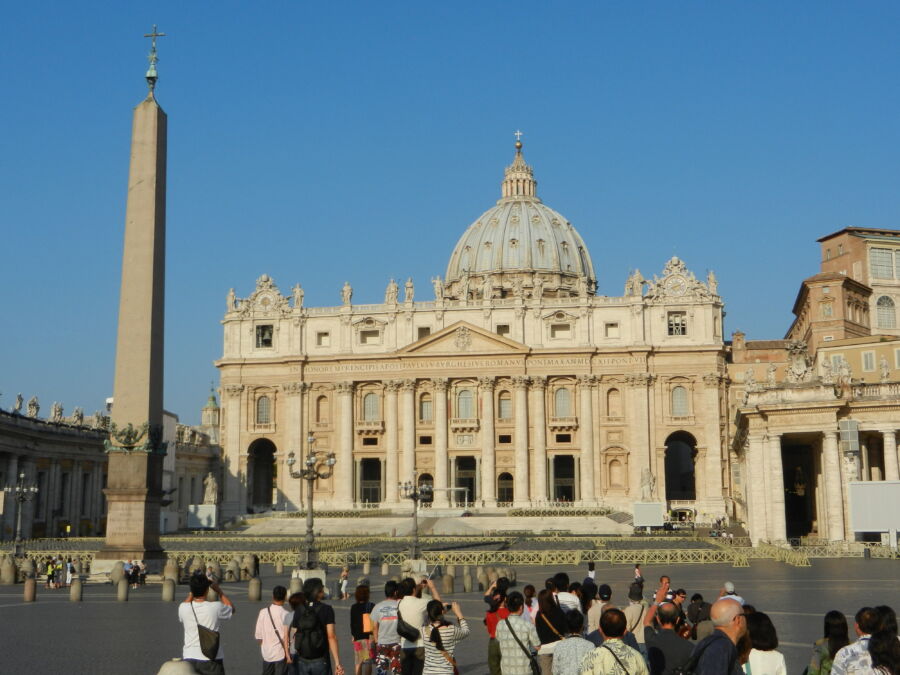
Vatican City: St. Peter’s Basilica
St. Peter’s is the greatest church in Christendom. Regardless of your faith, visiting is a must — and because of this, St. Peter’s ends up on nearly every Roman itinerary. (Particularly this year, as 2025 is a Jubilee Year in Rome.) That means it’s crowded.
For generations, pilgrims and tourists alike have been able to visit the basilica for free through a first-come, first-served process. This is still possible, but it requires waiting in a (normally long) line.
However, you can now wait in a much shorter line by booking timed-entry slots. The prices and details vary based on your desired experience. If you just want to visit the inside of the basilica — impressive for its sheer size, not to mention artistic treasures like Michelangelo’s Pietà and Bernini’s bronze canopy — it’s €7 per adult. If you want to climb the dome to marvel at Michelangelo’s architectural brilliance (and enjoy a great view), it’s €17 — or €22 to take the elevator. A ticket for the dome includes access to the basilica, so there’s no need to double-book.
These slots can be booked exclusively through the St. Peter’s ticketing website. Reservations to visit the Treasury Museum and tour the Vatican Necropolis are available as well. You can book for groups up to 15 people, and kids aged 7–18 get reduced tickets. (Little ones under 7 are free.) Tickets also come with a link to an audioguide, though you may find the free Rick Steves’ Audio Tour more enjoyable and informative.
Once you buy your ticket for a specific date and time, you’ll receive a confirmation email and, within 48 hours of your visit, a QR code to present at the checkpoint along with arrival instructions.
This part is a little confusing. Currently, ticketholders need to stay to the right of the main entrance line. You’ll pass souvenir stands and go through a tiny walkway that makes you feel like you’re in the wrong spot. But keep on going, and you’ll soon reach the checkpoint for people with reservations. (Feel free to ask someone working for the Vatican if you need help.) After your QR code is scanned, you’ll go through a quick security check.
Your reservation will only let you enter during a specific time range. We recommend showing up 15–30 minutes early, to give yourself time to find the right entrance. Right now, lines (if any) for reservation holders are very short, but this is likely to change as more people learn of this time-saving option.
These tickets are not required. If you’d prefer to show up, wait, and see the basilica for free, you still can. (Climbing the dome, however, costs €8–10 without a reservation.) Lines are shortest early in the morning. Either way, remember to cover your knees and shoulders. Roman church rules still apply, and modest dress is a must, regardless of ticket status.
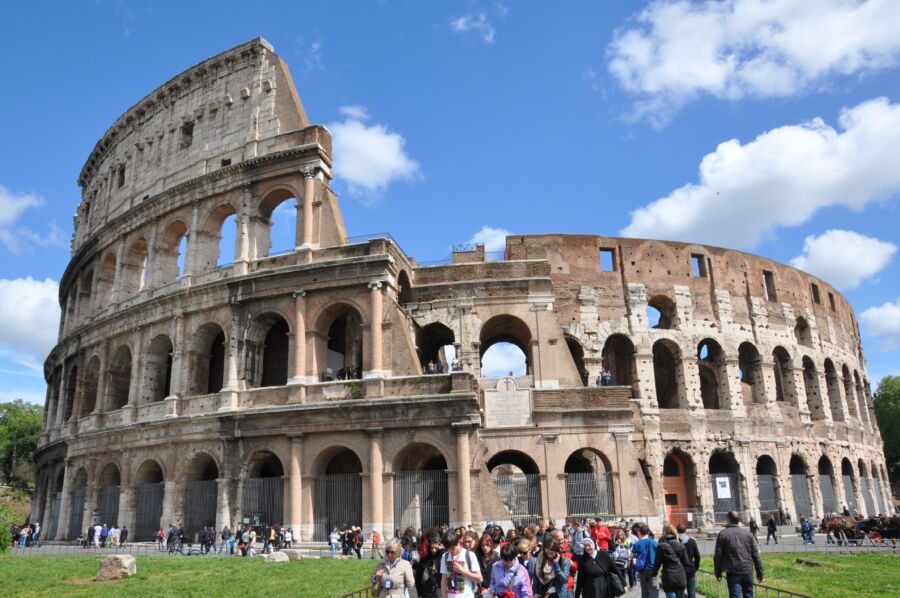
Rome: The Forum, Colosseum & Trevi Fountain
A few of the Eternal City’s most visited sights have also received updates to their admission processes. Prepurchased tickets to the Colosseum, the Roman Forum, and Palatine Hill are mandatory — there are no onsite sales — and now must be purchased through the new Parco Archeologico website. One basic ticket still covers all three sights (although you must book a specific time to enter the Colosseum), and you must show valid photo ID when you enter.
This is a new website, and it’s going through some growing pains. If you have trouble accessing it, try again in the morning or late at night (Pacific Time). Like staff, some websites ending in .it actually stop working when sites close for the day. Frustrating as this might be, it’s still important to only buy your tickets from this website. Many travelers have reported fake ticket portals, so beware of scams.
Once you secure your tickets, we still recommend showing up early — particularly for midday, peak-season reservations, when even those with timed entries to the Colosseum can face long lines. (The Forum, however, does have a new, less crowded entrance on the west side, below Capitoline Hill.)
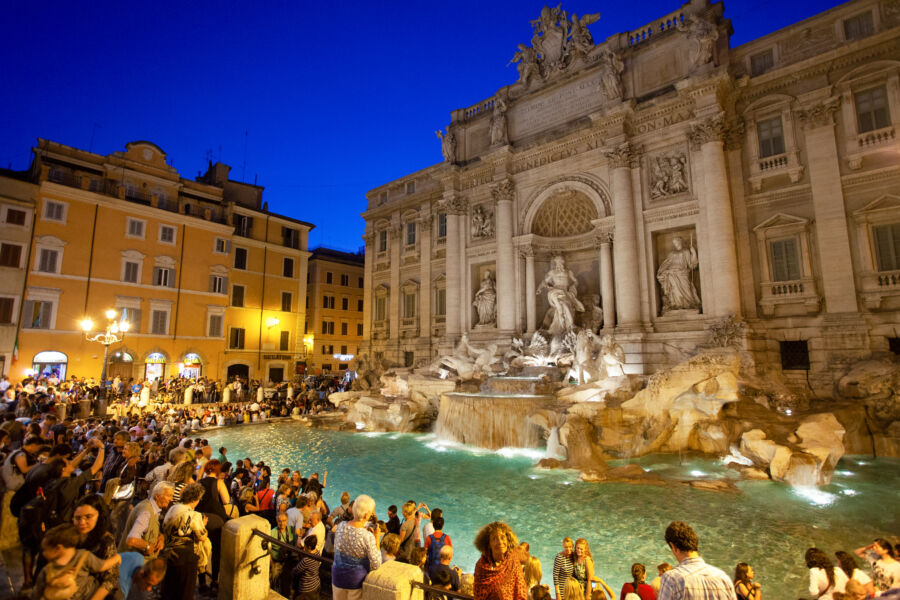
Meanwhile, the Trevi Fountain now limits visitors in hopes of providing a less crowded experience. It’s still free to visit, but you might have to wait around 10 minutes in line to get in. Once you’ve been admitted, you can stay at the fountain as long as you like — and toss in as many coins as you wish. Access is not restricted after 9 p.m.
Across Europe, systems like these are becoming the norm as cities and sights grapple with new ways of handling mass tourism. (Venice, for instance, has reinstated the Venice Access Fee for select days this year.) While these measures may take a little getting used to, the ultimate goal is to preserve Europe’s great wonders…and give you a better overall experience.
We’d like to hear from you! As a member of our merry band of travelers, please weigh in on this article by using the comments below. Meanwhile, many of these topics will also be covered on Rick Steves’ Europe’s various social media platforms — Facebook, Instagram, X, and TikTok — and we hope you’ll join the conversation there as well.