It’s Black History Month in the United States, and we at Rick Steves’ Europe are celebrating the many important contributions Black Americans have made to our favorite part of the world: Europe.
There’s no shortage of remarkable stories of African Americans who have helped shape Europe and the shared history between Europe and the United States. Audre Lorde introduced notions of Black pride and feminism to German society during the 1980s and 1990s. Martin Luther King, Jr. stood in Berlin in 1964 and preached against the divisiveness of walls. Jesse Owens humiliated Adolf Hitler’s white supremacist stance by dominating the 1936 Olympics. Frederick Douglass toured Europe in the 19th century, lecturing about the horrors of slavery. The list goes on.
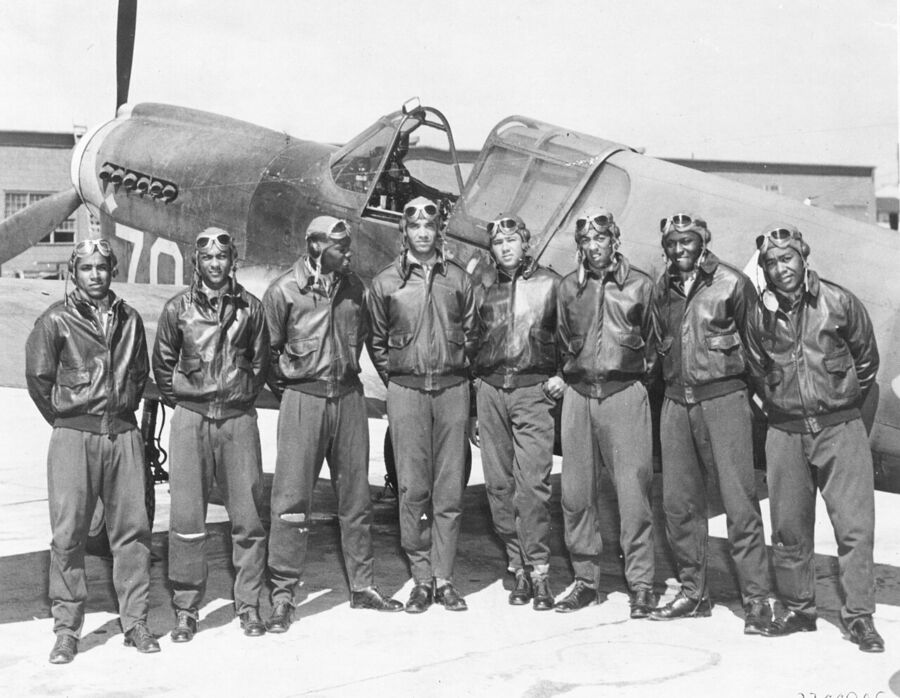
Another remarkable story is that of the Tuskegee Airmen, the first African American aviators in the US Army Air Corps (which soon became the US Air Force). During World War II, they proved to be pivotal in the air war over Europe (and North Africa). Just as importantly, they became a powerful symbol of the victory that was to be found through integration.
In total, the Airmen consisted of roughly 1,000 pilots and over 14,000 support personnel such as mechanics, navigators, and administrators. They were educated at the Tuskegee Institute, an HBCU in Alabama (now Tuskegee University) — hence the legacy name. Flying primarily out of Italy, they were tasked with some of the most dangerous missions of the war: escorting Allied bombers deep into enemy territory over Germany, Austria, and the Balkans. Their skill and discipline earned them a reputation for precision and unwavering commitment to protecting US aircraft under their guard. Bomber crews knew that when the Airmen’s distinctive, red-tailed planes flew with them, they were in good hands — and that confidence translated directly into Allied success in liberating Europe.
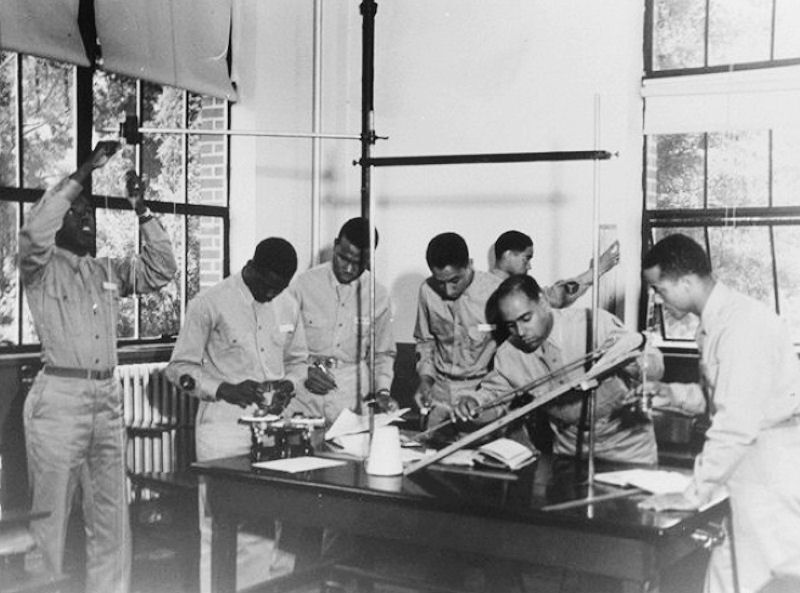
Yet their impact went far beyond military might. The Airmen also challenged racist assumptions on both sides of the Atlantic. Across Europe, their success and professionalism helped dismantle narrow, white-centric perceptions of Black Americans and Black Europeans alike. In America, their influence was even more profound: After training in the face of intense segregation and widespread skepticism — some US military leaders openly expressed a belief that Black people were not sophisticated enough to fly combat aircraft — they shattered those myths and helped pave the way for the desegregation of the US military in 1948.
In 2007, the surviving members of the cohort were collectively awarded the Congressional Gold Medal, forever solidifying them as not only elite aviators but symbols of courage — and a reminder that the fight against fascism was inseparable from a broader struggle for equality and human dignity. By excelling in the skies, the Airmen not only helped win World War II…they helped improve the world that emerged from it.
Stories like theirs are an important reminder to continue our ongoing mission of telling Black stories in our guidebooks and other content, so we can help introduce travelers to these powerful, often-overlooked narratives — not only in February, but all year round.
We’d like to hear from you! As a member of our merry band of travelers, please weigh in on this article by using the comments below. Meanwhile, many of these topics will also be covered on Rick Steves’ Europe’s various social media platforms — Facebook, Instagram, X, and TikTok — and we hope you’ll join the conversation there as well.