Every March, Women’s History Month invites us not only to celebrate women’s achievements but to honor those who resisted the status quo and reshaped their communities. This year, we’re exploring how Europe is filled with easy-to-visit — but easy-to-miss — public sights that remind us of the historic contributions of strong female figures.
This article was written by Claire McCarroll, a Rick Steves’ Europe guide in France and expert in 20th- and 21st-century women’s history.
As a women’s historian and European-based guide, let me share a travel secret. The best women’s stories are not always featured in museums or written on interpretive panels. They’re often hiding in plain sight, just waiting for someone curious to notice them.
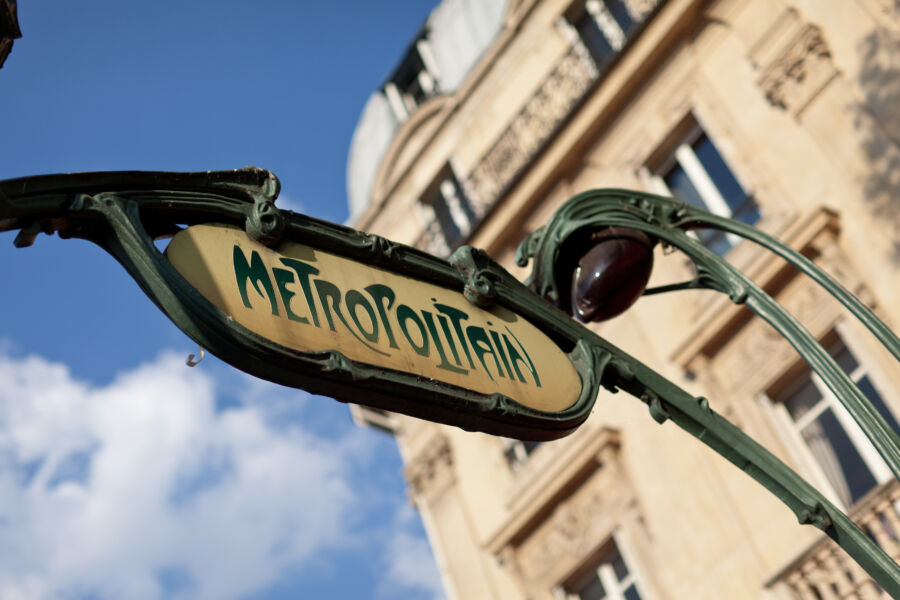
Imagine riding the Paris Métro, hopping off at the Gaîté–Josephine Baker station, and thinking: That name sounds familiar. Most travelers would leave it there. But I encourage you to pause. Take out your phone. Look up the name written on the platform. Within moments, that station becomes a portal into women’s history.
Josephine Baker was an American-born jazz-age performer who became the toast of Paris in the 1920s, dazzling audiences in feathers, pearls, and her iconic banana skirt. But she was far more than an entertainer. During the Second World War, Baker used her celebrity status as cover for espionage work with the French Resistance. She smuggled coded messages in sheet music, gathered intelligence at embassy parties, and risked her life. Later, she marched for civil rights in the United States and adopted children from around the world, building a family that reflected her belief in human dignity across racial lines.
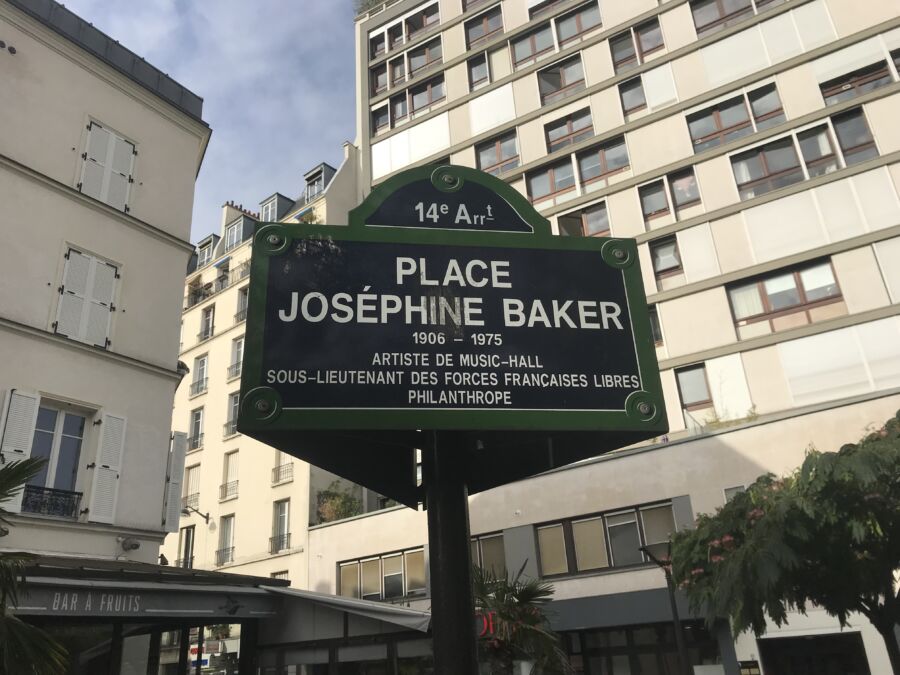
Baker is so beloved in her adopted home that Paris named a Métro station after her. Why this particular one? It’s near the venue where she performed her final concert. Her name also appears on a nearby square and schools across France…but unless you stop to ask why, you miss the deeper story. Modern heroes are often commemorated quietly.
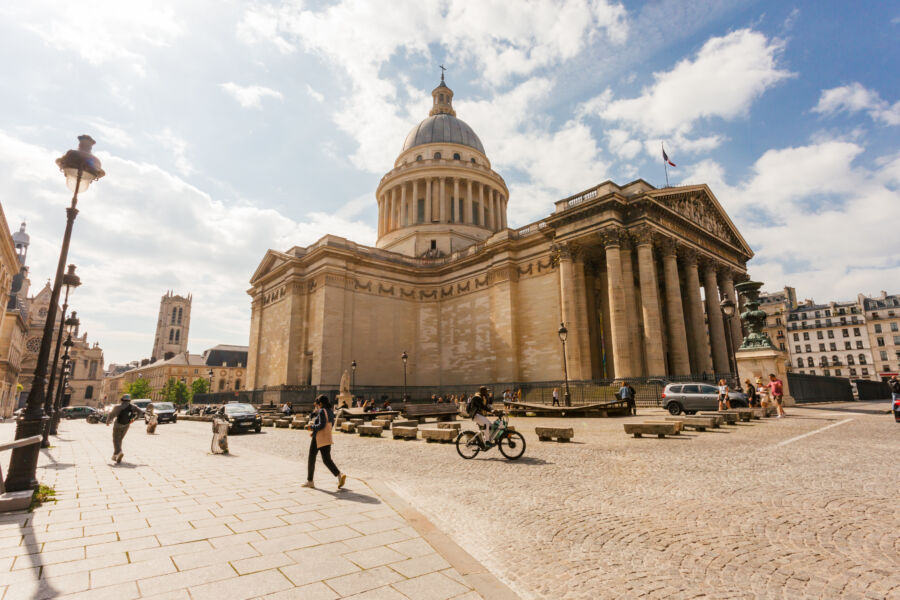
A thirty-minute walk away takes you to the Panthéon, where France buries many national heroes. Beneath its dome rest only a handful of women. Baker is one…another is Simone Veil.
As a teenager, Veil survived Auschwitz but lost much of her family in the Holocaust. After the war, she chose public service over bitterness. In 1975, she stood before a hostile, male-dominated French parliament and argued for a woman’s right to control her own body. Grounding her case in health, safety, and dignity, her efforts sparked landmark legislation that legalized abortion in France — a major turning point for women’s rights in the country, and Europe at large. This propelled Veil to the forefront of politics. A few years later, she became the first elected president of the European Parliament — the directly elected governing body of the European Union — working to support a peace project born from the devastation of World War II, which she had suffered through.
Speaking of heroes amidst that devastation: Travel east to Bavaria, and wander onto the University of Munich’s campus, where students crisscross a small plaza called Geschwister-Scholl-Platz on their way to class. The square’s name honors Sophie Scholl and her brother, Hans, and their efforts to remind people of their own morality.
Before they were memorialized, Sophie and Hans were siblings wrestling with moral questions under Hitler’s dictatorship. Together, they joined the Munich White Rose resistance group and wrote leaflets condemning Nazi atrocities. They printed them secretly, left stacks in university corridors, and mailed them across Germany, urging citizens to think critically and act with conscience. In 1943, when they were 21 and 24, the Scholl siblings were caught by the Nazis and executed for treason.
For generations, public spaces largely honored generals, monarchs, and statesmen, but that landscape is shifting as more women are woven into the maps we walk each day. Like Baker and Veil in France and Sophie in Germany, women’s names are increasingly appearing in the urban landscape, a sign that our understanding of courage and heroism has grown wider and more inclusive. Cities are choosing to commemorate bravery in the spaces women were allowed to occupy: classrooms and concert halls, hospital wards, protests, and public service. Spaces that witnessed quiet and determined acts of resistance that slowly, stubbornly changed the world. By intentionally choosing heroines for commemoration, Europe’s cities have become open-air archives of HER-stories.
And this process continues to evolve today. Consider Greta Thunberg, standing outside parliaments with a handmade sign, challenging world leaders and shaping global conversations about climate responsibility. She may one day have squares named after her, but she is already shaping public debate in ways future generations may commemorate. As you travel, check local newspapers — you’re likely to find a local Greta trying to change her world in real time.
So, my invitation to travelers is to activate your curiosity — not just during Women’s History Month, but all year long. When you spot a name that seems important, ask yourself, “Who is she?”
We’d like to hear from you! As a member of our merry band of travelers, please weigh in on this article by using the comments below. Meanwhile, many of these topics will also be covered on Rick Steves’ Europe’s various social media platforms — Facebook, Instagram, X, and TikTok — and we hope you’ll join the conversation there as well.
Well written and topical article. Please write more
Fascinating article that invites us into history, makes me proud of women and takes us on interesting journeys. Well written with a welcoming touch that makes me want more. Well done Claire!
Wonderful article-congratulations too to the author, who obviously is both talented and knowledgable.
Long overdue perspective highlighting the often ignored or unknown contributions of women.
More from this travel writer please!
Knew Claire was working with Rick Steeves….which is such a wonderful opportunity to become aware of history all around her! Knowing her parents, and her family it doesn’t surprise me that she would also be a spokesperson for many important issues. Very interesting…well done Claire.
This is the quality of the research that makes Rick Steeves tours so interesting & informative. This is just not something one would every discover as a casual tourist. Well done.
I found your article very interesting Claire. So often we don’t take the time to see important public signs and the history behind them. Well done Claire.
wonderful article. women often get ignored in history.please write more
Claire, as an older, but not yet old journalist, I want to say that I thoroughly enjoyed your article on some of the great women in European History. Your prose is Hemingway-like in its simplicity and its caring use of the English language. Your choice of women thinkers and artists is very well made: from Josephine Baker, to Simone Vail, Sophie and Hans Scholl, and Greta Thunberg. I think the ones who struck me the most were Sophie and Hans, the siblings who resisted the Nazis in Germany during WWII and were executed for treason. These were all people who teach us much in the urban setting and are so relevant to today’s war-torn world. Congrats Claire, keep at it!
Interesting article. Very refreshing to read about women being recognized for their contribution and sacrifice. They are an important piece of history(her-story). Thanks for the challenge to become more aware of the impact of women everywhere.
I found your article very interesting. Keep writing like this.