Are you thinking of traveling to the Balkans? I have some tips for you!
Last September, I set out on a trip to fulfill a lifelong travel dream: To explore the Balkans, from top to bottom, weaving together eight European capitals overland. My “Balkan Odyssey” — from the Alps to the Aegean, and from Lake Bled in Slovenia to Lake Ohrid in North Macedonia — was the trip of a lifetime.
Now that I’m back, I recently presented a Monday Night Travel report about that unforgettable journey. You can watch it here.

Putting this talk together was a complete delight. It reminded me of how the Balkans is a fascinating, gorgeous, friendly, and wonderfully undiscovered and affordable corner of Europe. But the relatively few American visitors translates to a lack of solid travel information. I’ve prepared this post as a complement to my presentation, to share my itinerary guidance, favorite local resources, and other tips for traveling in the Balkans.
General Tips and Logistics
In our age of “overtourism” and soaring prices, the Balkans may just be Europe’s best-kept secret. However, you can’t paint the entire region with a single, broad brush. Croatia and Slovenia are in a category all their own: With their famous beaches and mountains — and being well-established in the EU, Schengen open-borders zone, and Eurozone (both countries use the euro currency) — they are far more “mainstream,” crowded, and expensive. My recent trip, and my Monday Night Travel talk, focus on the other six countries, which are less known, less crowded, and less expensive: Bosnia-Herzegovina, Serbia, Montenegro, Kosovo, North Macedonia, and Albania.

Here are a few general tips for traveling in the Balkans:
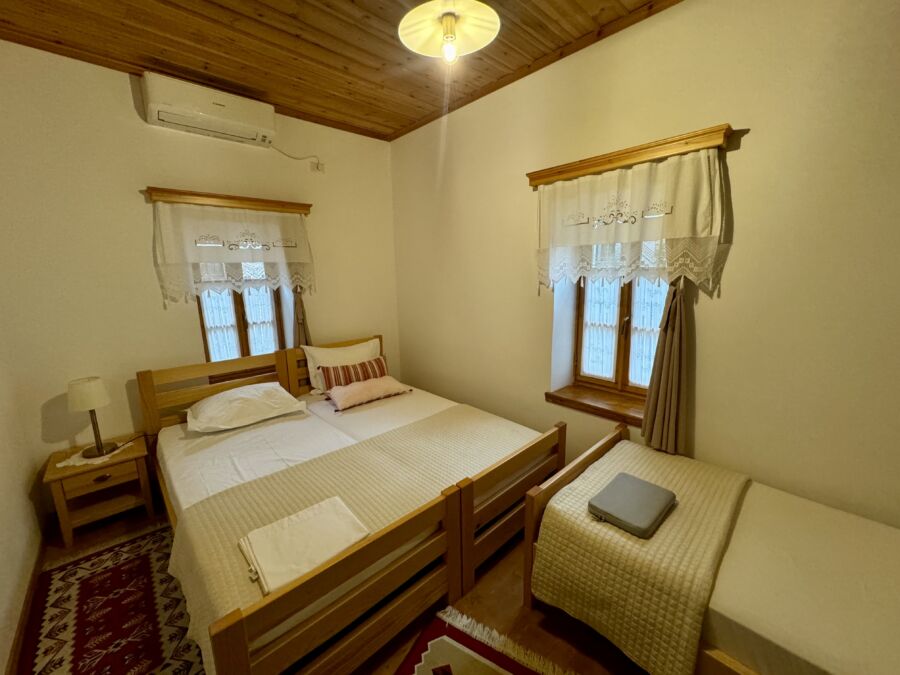
Sleeping: I used a wide variety of lodgings, ranging from simple, traditional guesthouses; to big, roomy, multi-room apartments (via Airbnb); to high-end boutique hotels. I rarely spent more than $100 a night, and often closer to $50. (Croatia, Slovenia, and coastal Montenegro, prices are at least double, and often much more at the famous coastal resorts.)
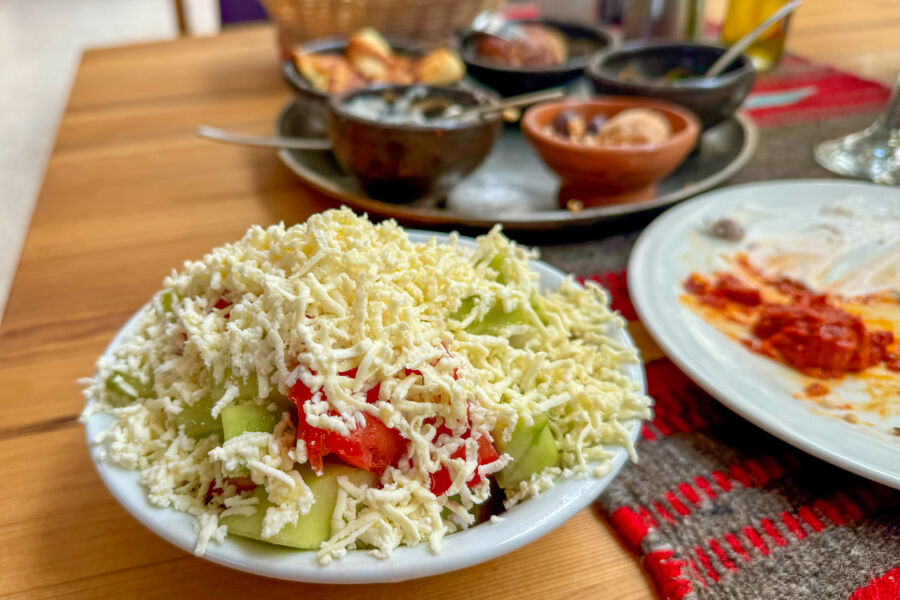
Eating: The Balkans may be Europe’s very best “budget foodie” destination. The local cuisine is rustic but utterly delicious. While each country has its own specialties, the Balkan region has similar elements, which may feel similar to what you think of as “Turkish” or “Greek” cuisine (since most of these areas spent centuries under Ottoman control). The handiest street food is burek, a savory phyllo-dough pastry typically filled with meat, cheese, or spinach. I begin each meal with a šopska salata — chopped cucumbers and tomatoes with a soft, salty cheese grated on top. Grilled meats are hugely popular, including minced-meat ćevapi (small link-like shape), pljeskavica (patty shape), and ćufte (meatball). These are often served with raw onions, the spreadable cheese called kajmak, and a flatbread called lepinje. The fanciest meal you can have is meat, potatoes, and other veggies slow-roasted under a metal baking lid called a peka or a sač. The region has many flavorful spreads, including ajvar (roasted red pepper and eggplant) and others that are similar to hummus or garlicky tzatziki. And every meal ends with a honey-drenched phyllo dough dessert — from baklava to kadaifi, and many more. The Balkans have a taste for unfiltered coffee (which you might think of as “Turkish coffee”), as well as variations on the firewater raki. Prices are low: A quick bite on the go rarely tops $5, and a sit-down meal might be $15-20 per person, including drinks. (As with other prices, double it — or more — in Slovenia, Croatia, and coastal Montenegro.)
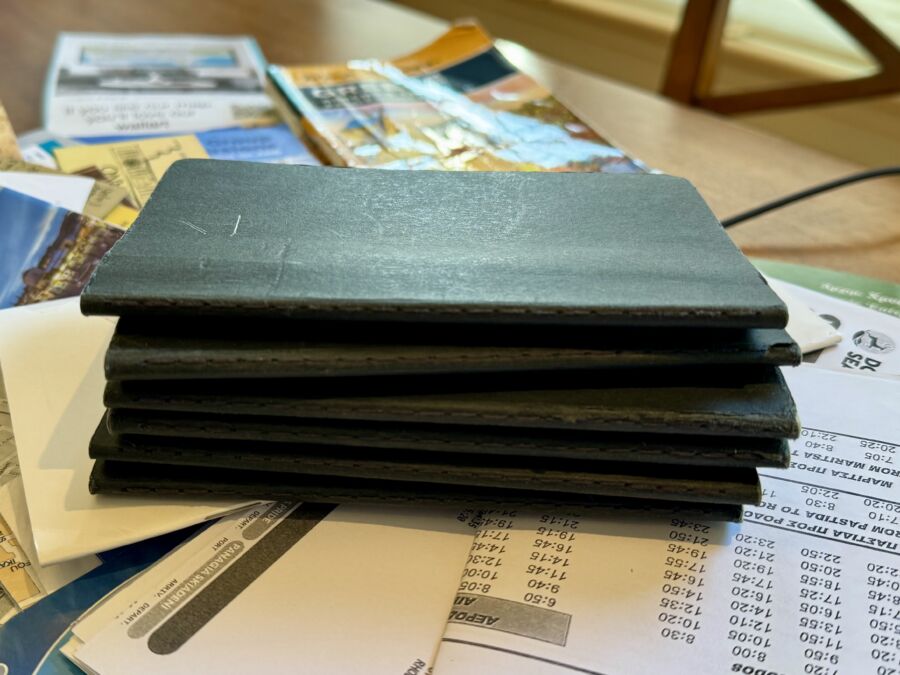
Transportation: This is a real challenge, when planning a multi-country itinerary. Generally there are very good public-transit options within a country, but things become more complicated when you cross a border between two different, independent transit systems. Buses and trains are cheap but can be slow, with gaps in the schedule.
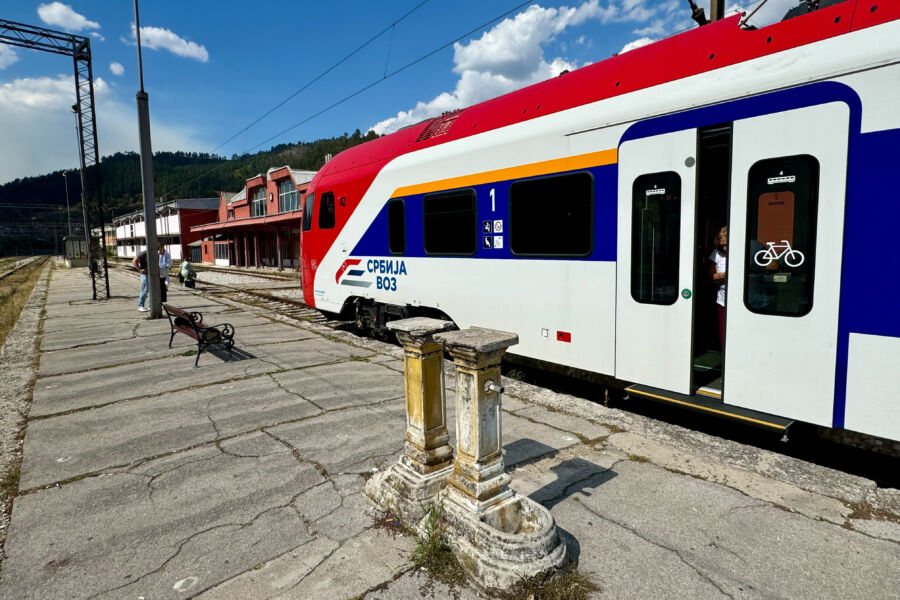
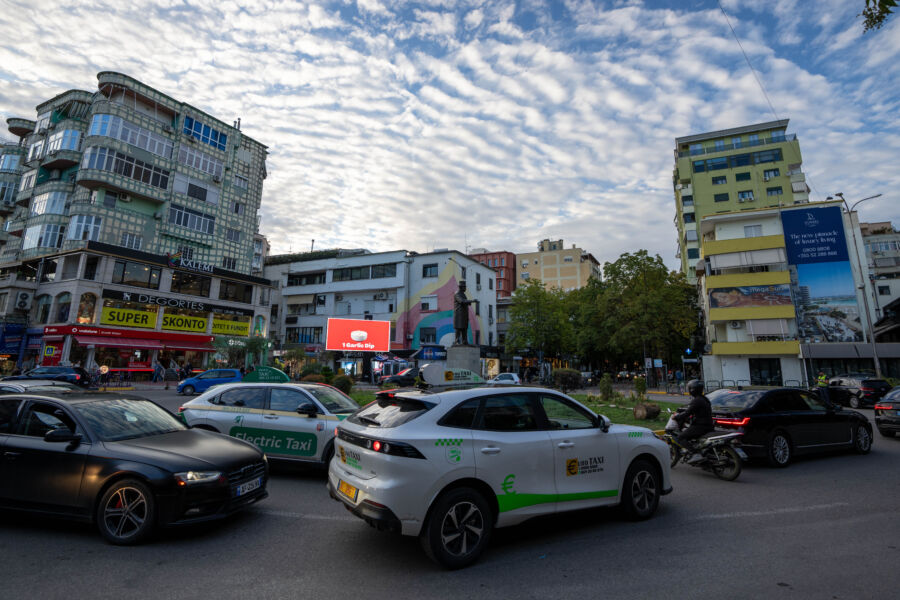
Driving: Renting a car is a tempting option, and gives you maximum flexibility, but two factors deserve careful consideration: First, while driving in places like Slovenia, Croatia, and much of Bosnia is roughly on par, difficulty-wise, with most of Europe (slick highways, well-marked roads, reasonable traffic), things get more challenging as you travel south. Albania, in particular, can be daunting for timid drivers. Country roads generally have light traffic, but there are lots of speed bumps; even small towns can come with loads of congestion (due to a lack of bypass roads); and fellow drivers can be, shall we say, erratic. And in towns and cities, all bets are off: Traffic laws are widely ignored, and lanes in historic town centers can be astonishingly narrow. In general, you’ll need to be a confident and capable driver, and make a point to drive defensively. Keep your head on a swivel and go with the flow.
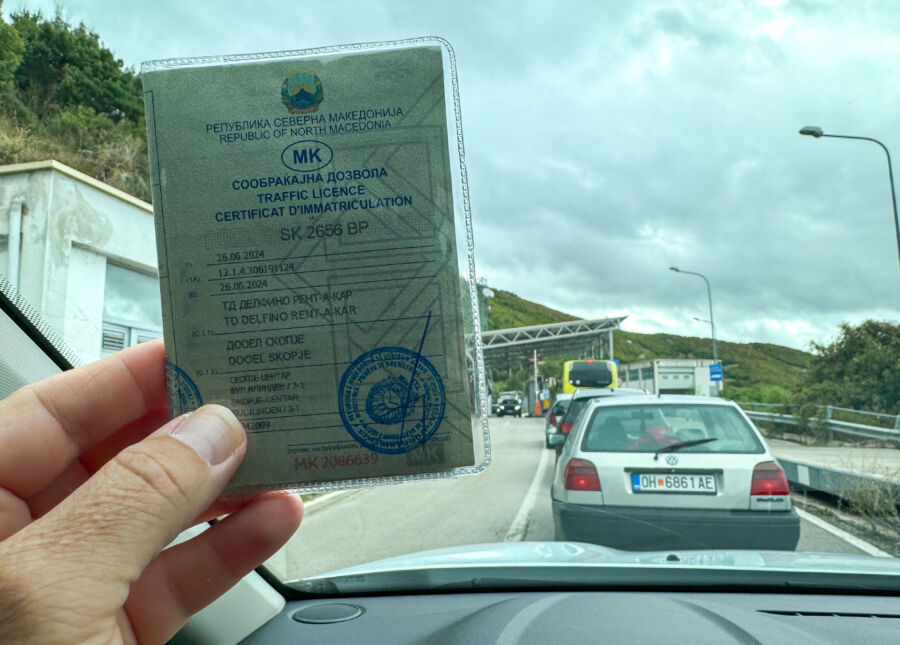
International Driving: The other consideration for renting a car is the headache of trying to link up a multi-country itinerary. An “open-jaw” rental (picking up in one country, and dropping off in another) is convenient but often not possible, and always expensive. (I paid an extra $400 fee — about one-third the cost of my entire rental — to pick up in Skopje and drop off in Athens.) Returning to your starting point to drop off your car saves this fee, but between the mountainous landscape and roads of variable quality in this region, the miles don’t always come easy. Confirm with your rental agency that you’re allowed to drive in each and every country on your itinerary, which may come with a small extra cost (I paid an additional $10/day). You will need to have the “green card” (proof of insurance — essentially the car’s “passport”) and paperwork from the rental company that you’re allowed to cross. (Of the four borders I drove my car through, I was asked for this once.)
Hire a Driver: To fill the gaps — or even, potentially, for the entire trip — consider splurging on a private driver offering door-to-door service. While this can be expensive (figure at least $200/day, likely more), it makes things much easier, and it’s especially convenient if you’d like to stop to do some sightseeing along the way. I did this twice — between Sarajevo and Belgrade, with a stop at Srebrenica; and on the very long journey from Kotor, Montenegro, to Skopje, North Macedonia, to pick up my rental car — and I found it worth the expense to make the rest of my trip possible.
Borders: While crossing a border can be time-consuming, depending on traffic, it’s actually quite straightforward: Just wait in line, hand over your passport for a few seconds, and then often proceed to the next checkpoint to repeat the routine…and you’re on your way. Of the approximately 10 borders I crossed on this trip, I waited anywhere from 10 minutes to an hour or so. (Avoid very busy borders if you can, such as the one on the coastal road between Montenegro and Albania; in-the-know locals take the inland route instead, especially during peak vacation months.) Be sure to have your passport handy, along with your car’s “green card” (see above). Personally, I never felt in any way pressured to pay a bribe; given that the biggest delay was the line of cars in front of me, this wouldn’t have helped anyway.
Safety: I can only speak to this as a hardy male traveler. But my experience is that I feel at least as safe in any and all of these countries as I do anywhere in Europe. (You could make a very strong case that, from a personal safety standpoint, you’re much safer in Prishtinë or Belgrade than in Paris or Barcelona.) As anywhere, petty crime (from pickpockets to car theft) can be an issue, so keep your wits about you and secure your belongings. The US State Department has issued some advisories about a few of these countries (see the current list here). While worth knowing about and understanding, personally I take these advisories with a grain of salt. In recent months, Albania and North Macedonia have popped up on this list… as have Belgium, Denmark, and Spain. If there’s any heightened “risk” in these countries, it’s a history of political instability, which has the potential of flaring up from time to time; simply follow the news and be prepared to adapt your plans, in the unlikely event that troublesome protests or isolated scuffles pop up along your route.
Itinerary Ideas
With so many places to visit, and a wide variety of ways to connect them all together, there’s no one perfect Balkan itinerary. First, narrow down which countries you want to see. Then lace them together, with a sober reality check on how hard it might be to connect the dots (see the transportation quirks, above).
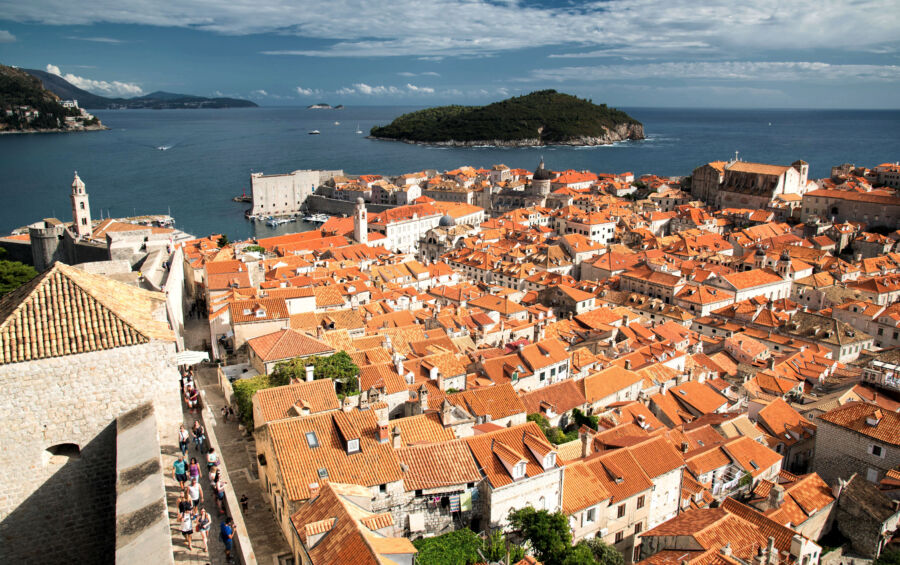
If you’re focusing on the more known, “mainstream” parts of the Balkans — Slovenia, Croatia, and a taste of Bosnia and Montenegro — consider this recommended itinerary. (This is very similar to our Best of the Adriatic in 14 Days Tour — a perfect way to see these popular destinations without having to do the planning yourself.)
However, the focus of my trip (and my Monday Night Travel talk) is getting off the beaten path. Specifically, my goal was visiting the eight Western Balkans capitals overland, with some interesting small-town and nature stops in between. For inspiration purposes, here’s how I connected those dots, in about three weeks.

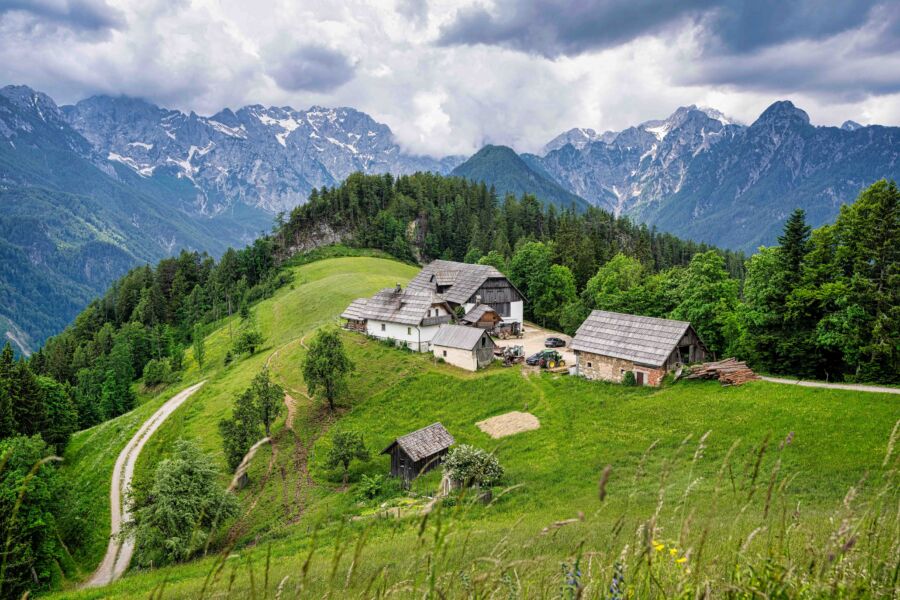
I started my journey in Ljubljana, which wins my vote for the most charming, livable, and purely enjoyable small city in Europe. (With more time, you can side-trip to just about anything in Slovenia — from Lake Bled to the Julian Alps to the caves of the Karst).
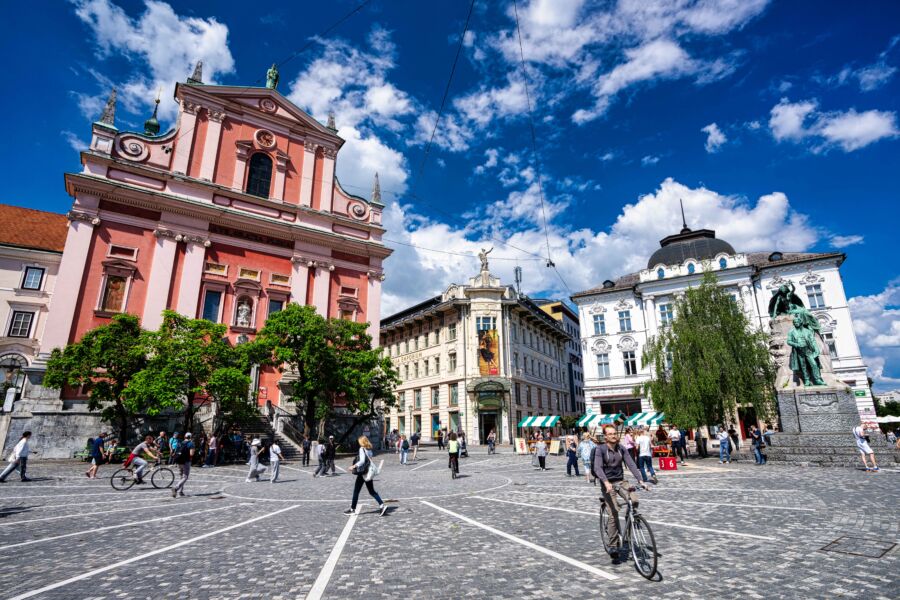
From Ljubljana, it’s an easy train or bus trip to the Croatian capital of Zagreb. While Croatia’s coastline gets most of the tourist attention, Zagreb is a very enjoyable city, with lush parks, a charming old town, and excellent museums. You could linger in Croatia (see the suggested itinerary above). But in my case, I was eager to carry on deeper into the Balkans — so the capital was my only Croatian stop.
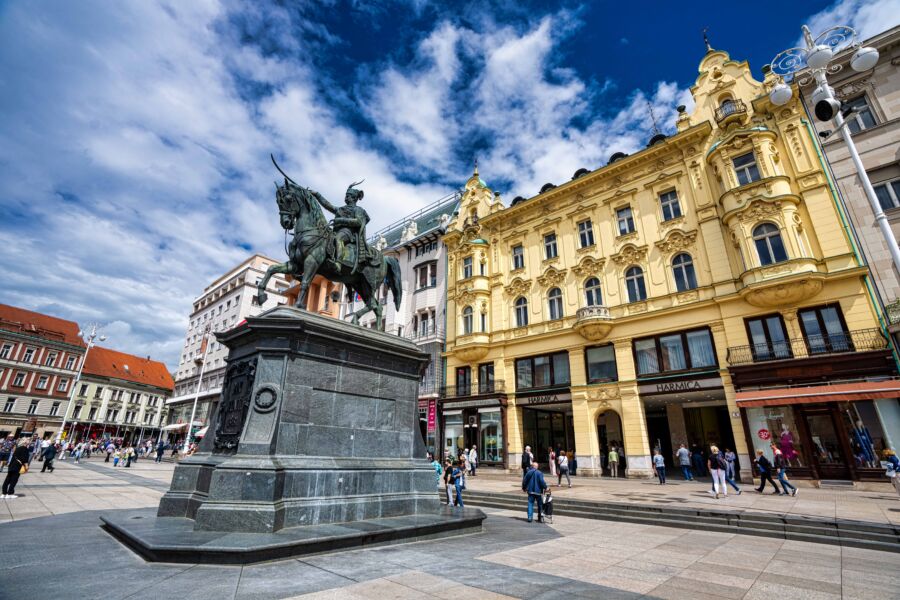
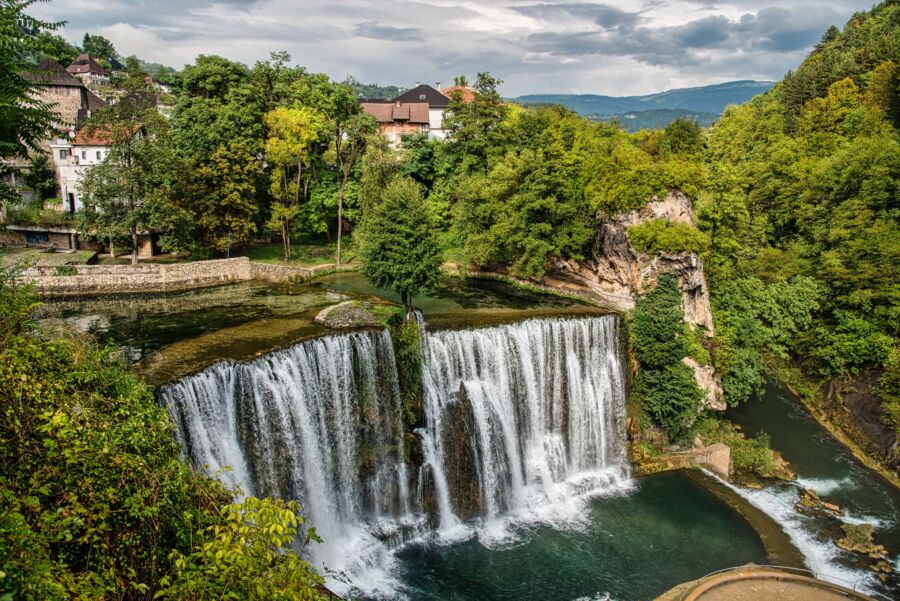
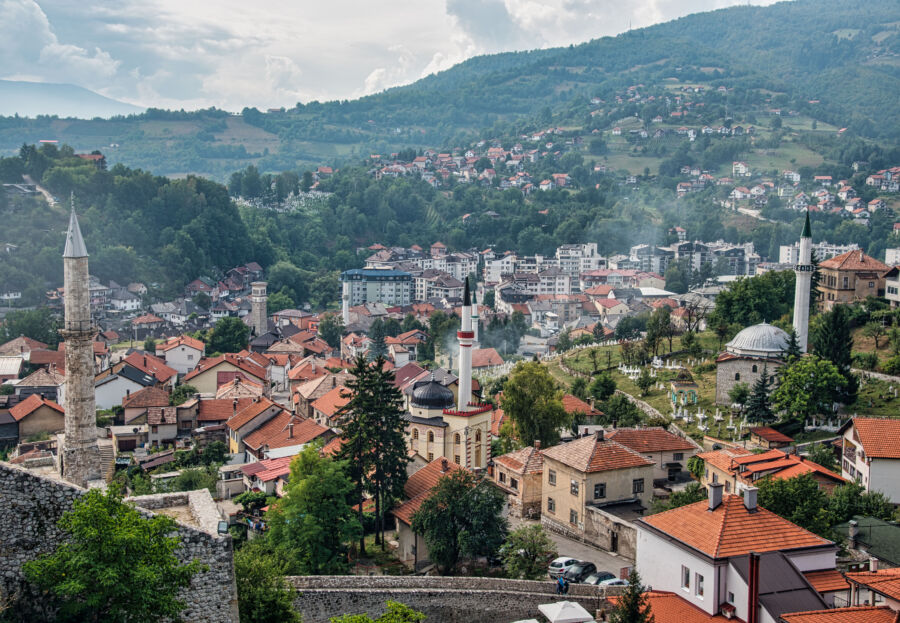
It’s a long day’s drive (or a fun and fascinating couple day’s road trip) from Zagreb through Bosnia-Herzegovina to Sarajevo. Worthwhile stops along the way include Banja Luka, Bosnia’s leading Serb city; the historic and extremely scenic town of Jajce, built upon waterfalls; and the fortified burg of Travnik.
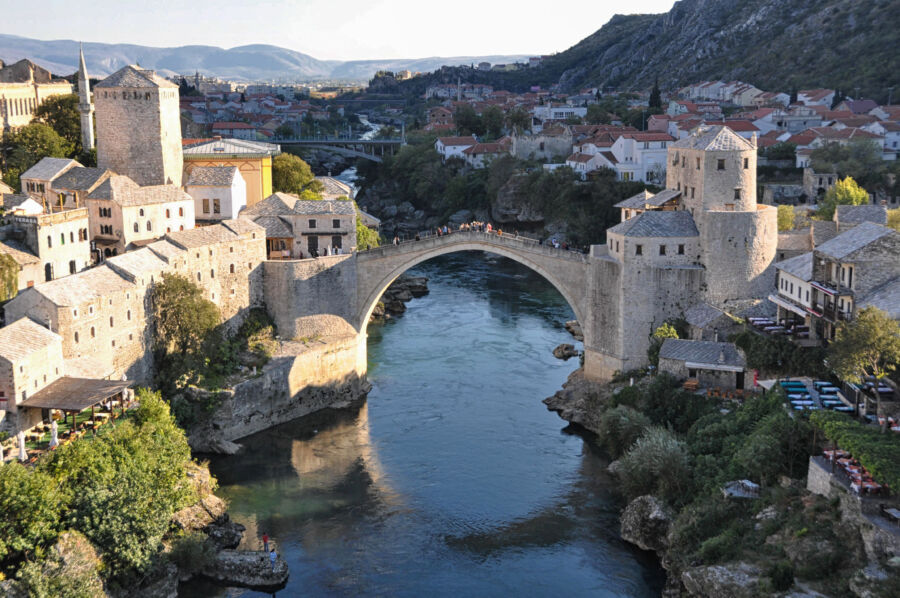
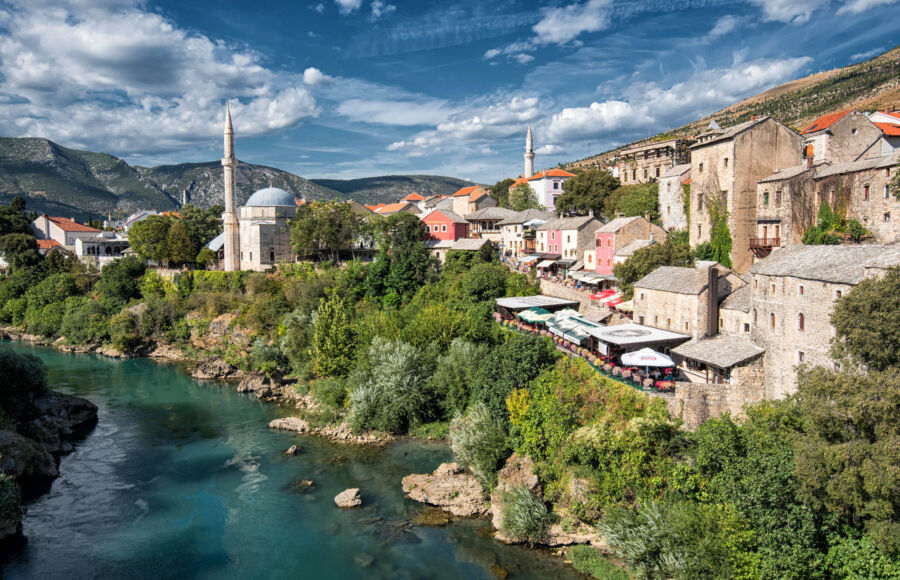
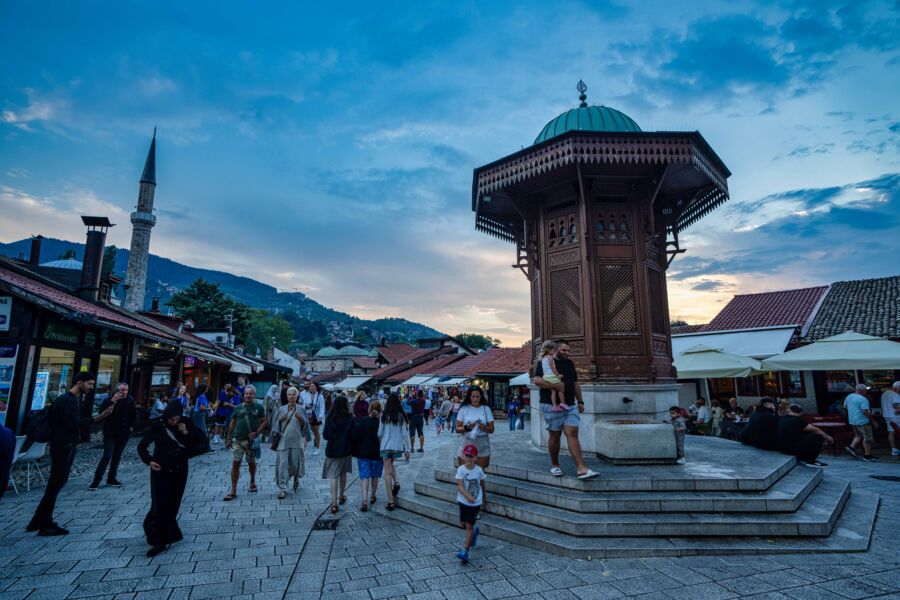
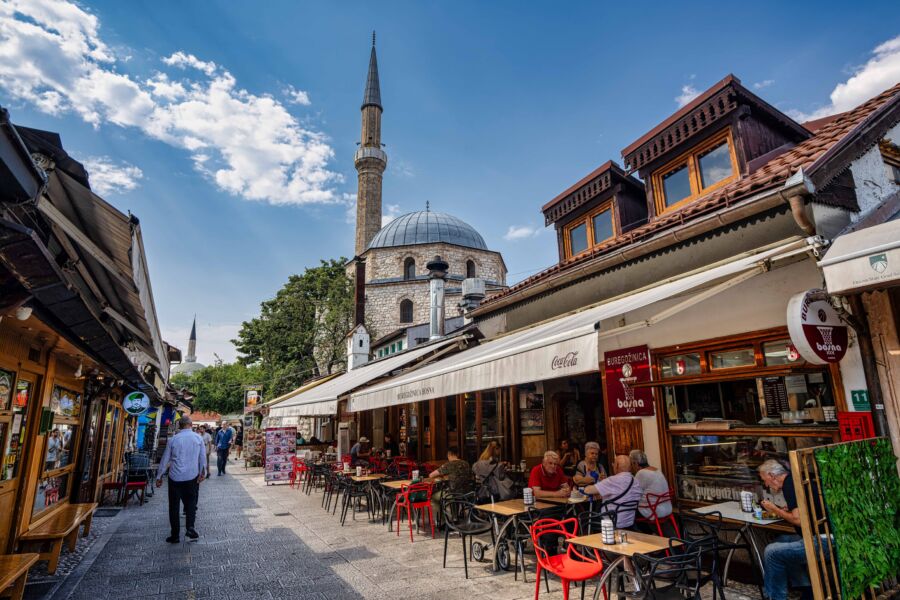
Enjoy Sarajevo — really dig into what may be the Balkans’ single most beautiful, historic, interesting, moving, and purely enjoyable city. Consider side-tripping to the smaller town of Mostar (with its famous Old Bridge) and/or the poignant and powerful Yugoslav Wars genocide memorial at Srebrenica.
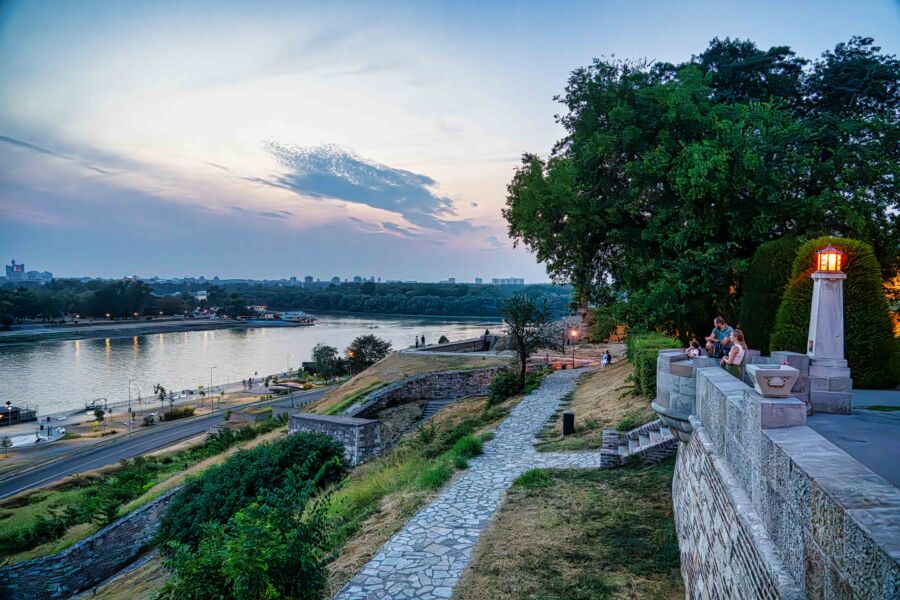
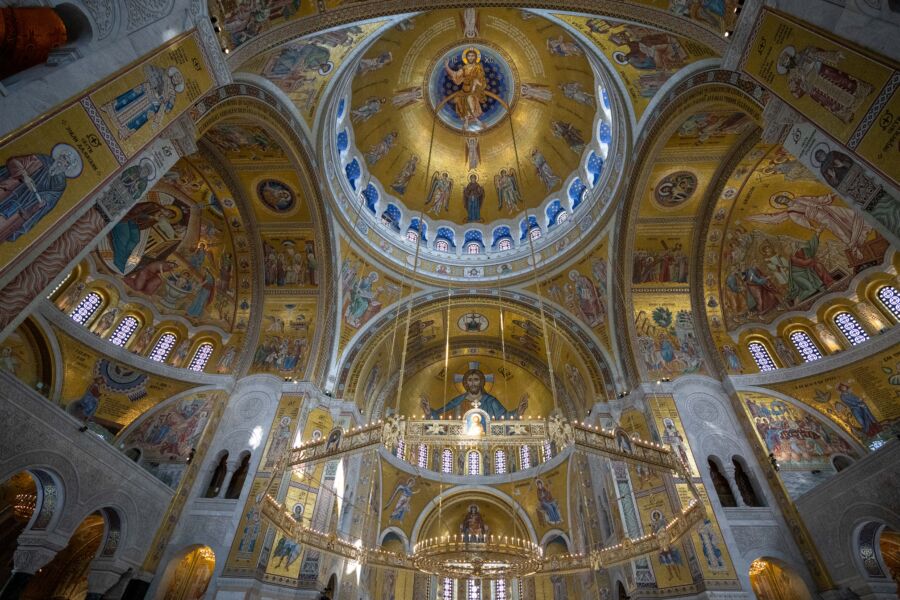
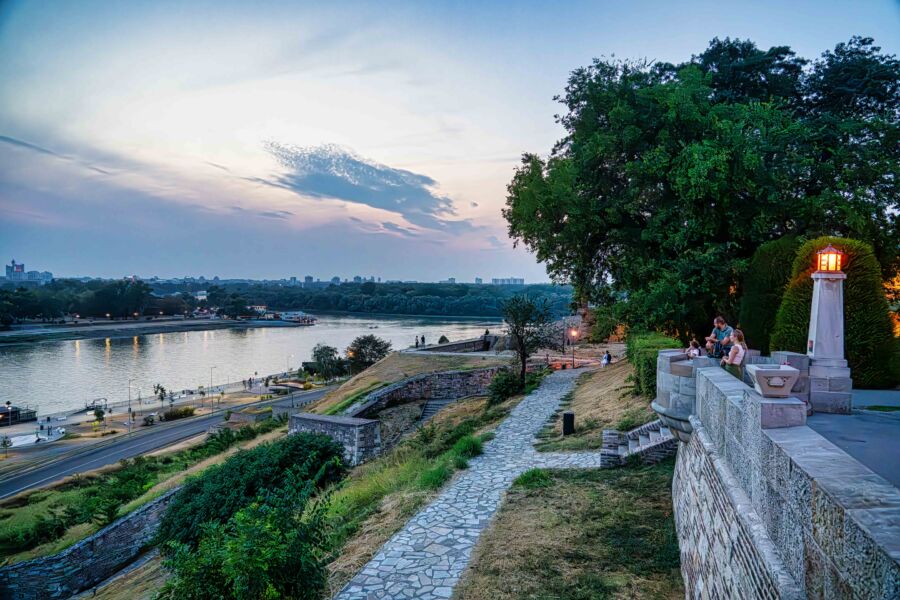
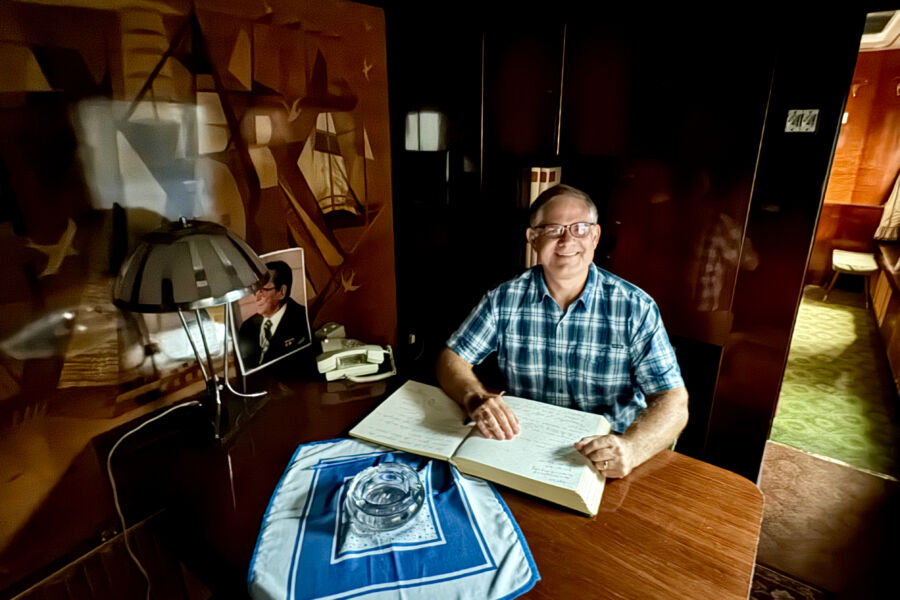
From there, it’s on to the Serbian capital, Belgrade, to dig into that bulky and fascinating metropolis. This is a great place to wander the people-jammed promenade to Kalemegdan (the park overlooking the confluence of the Sava and the Danube); visit the stunning interior of Sveti Sava; soak in some Yugo-history at the Museum of Yugoslavia, with Tito’s tomb; and try to finagle a visit to Tito’s famous Blue Train.
Speaking of trains: To head south, I opted to hop on the 10-hour scenic train through Serbia, then winding down through soaring Montenegrin mountains to Podgorica. (The train continues another 2 hours, all the way to Bar on the coast; for the full details on this very scenic train line, see this excellent article from the Man in Seat 61.)
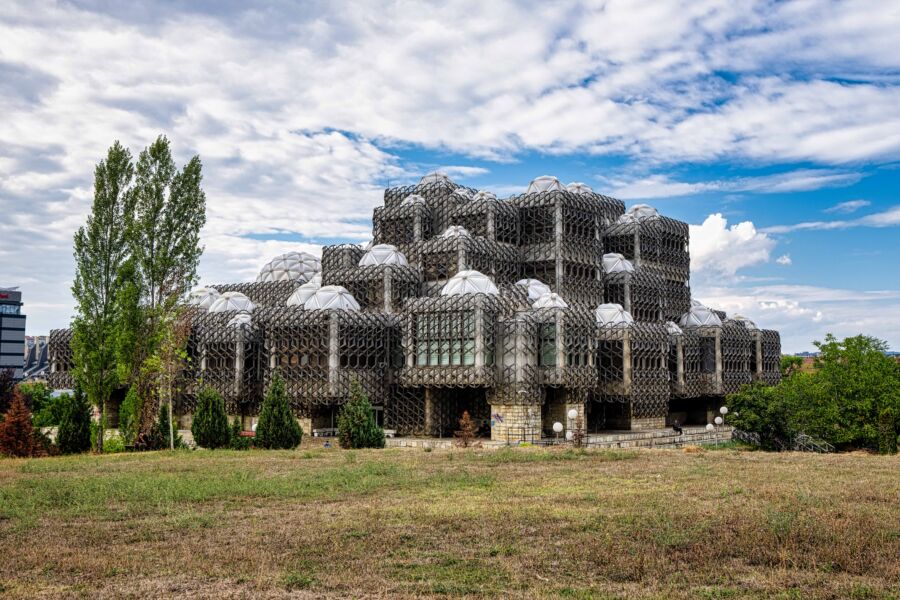
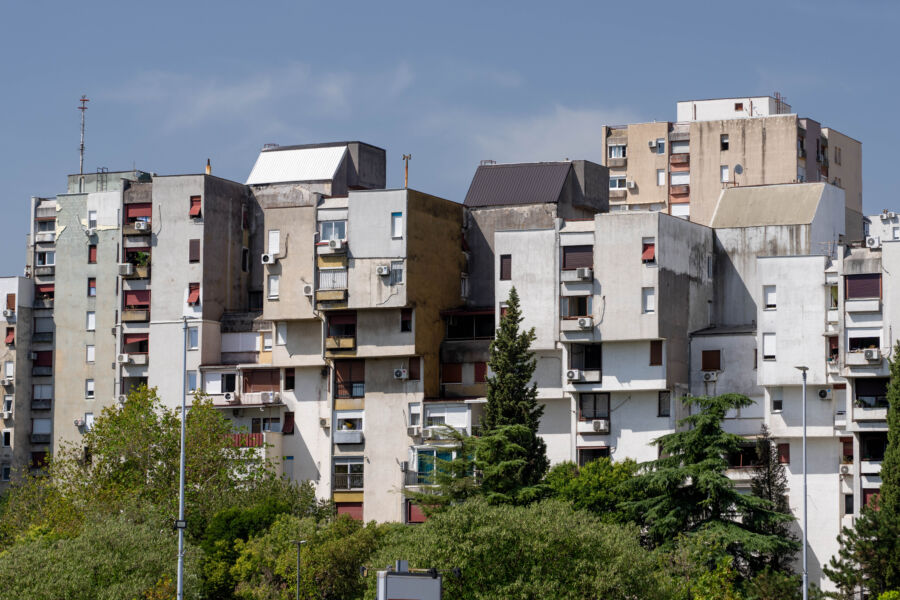
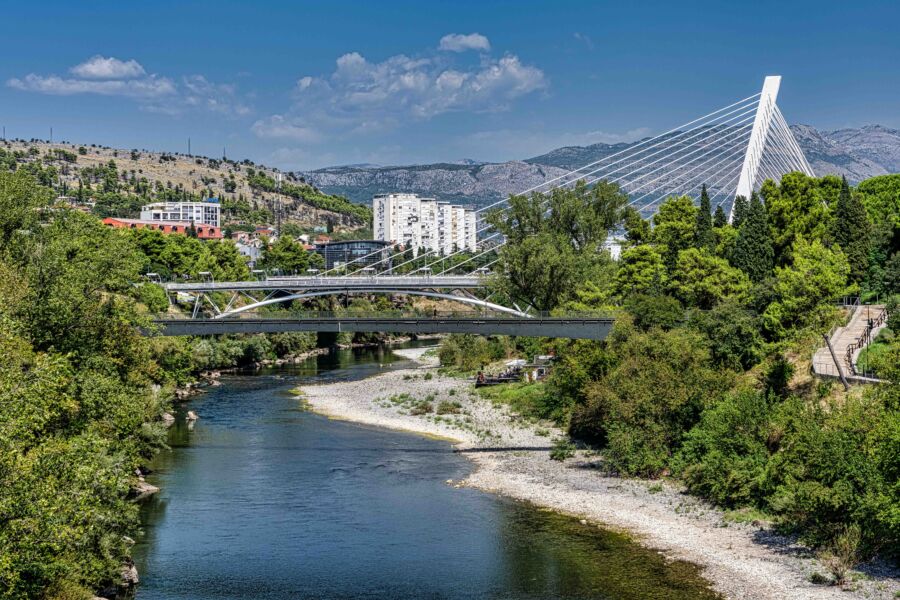
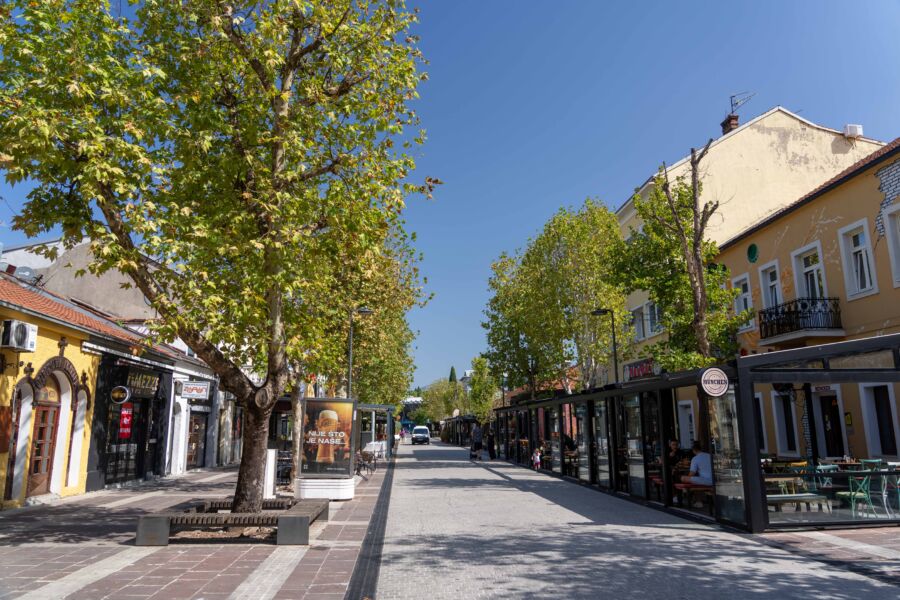
Podgorica (formerly “Titograd”), Montenegro’s capital, has lots of Brutalist architecture; a tidy grid of planned streets, parks, and wide sidewalks; and the stunning Christ’s Resurrection church. From here, it’s a short drive to the Bay of Kotor, with its stunning wall of mountains enclosing a fjord and the fortified town of Kotor.
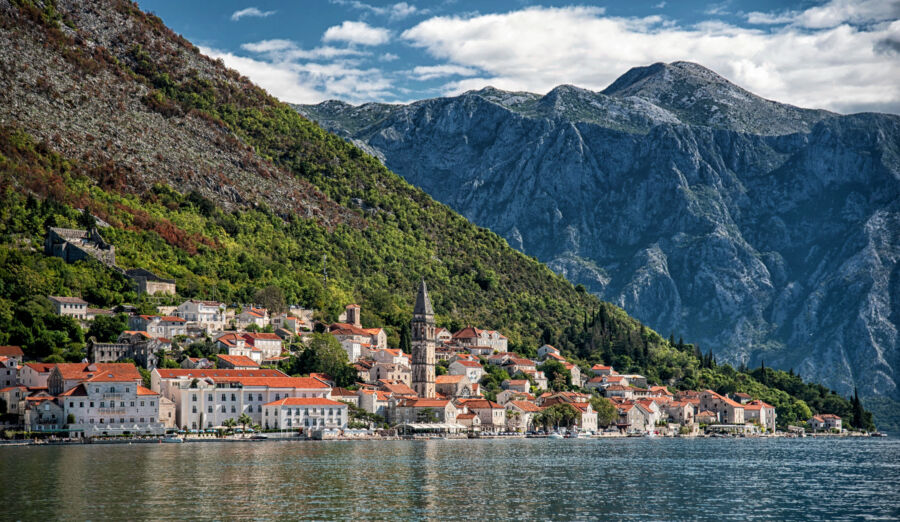
The next link in this itinerary — onward to Kosovo, via Albania — was the toughest part for me to figure out; I opted to hire a driver to make things easier.
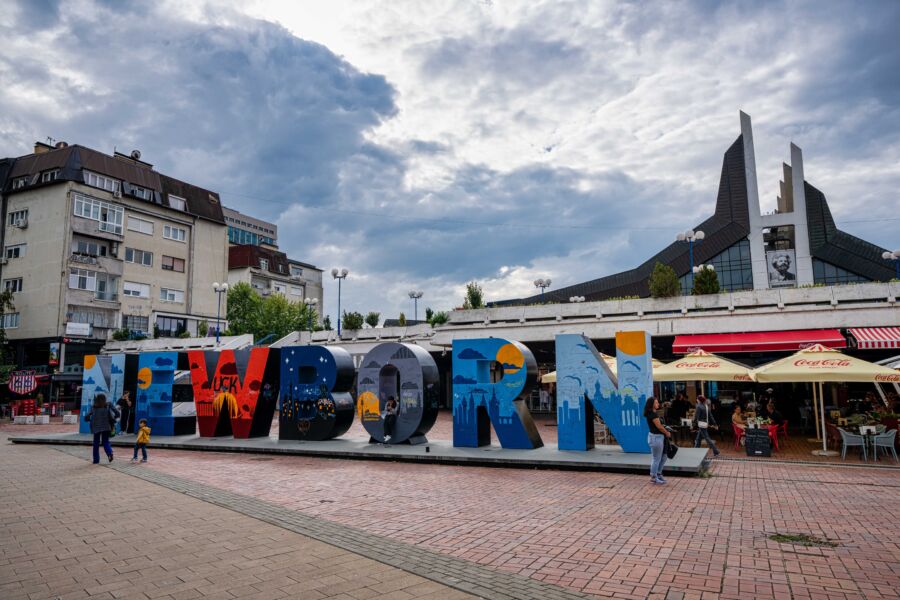
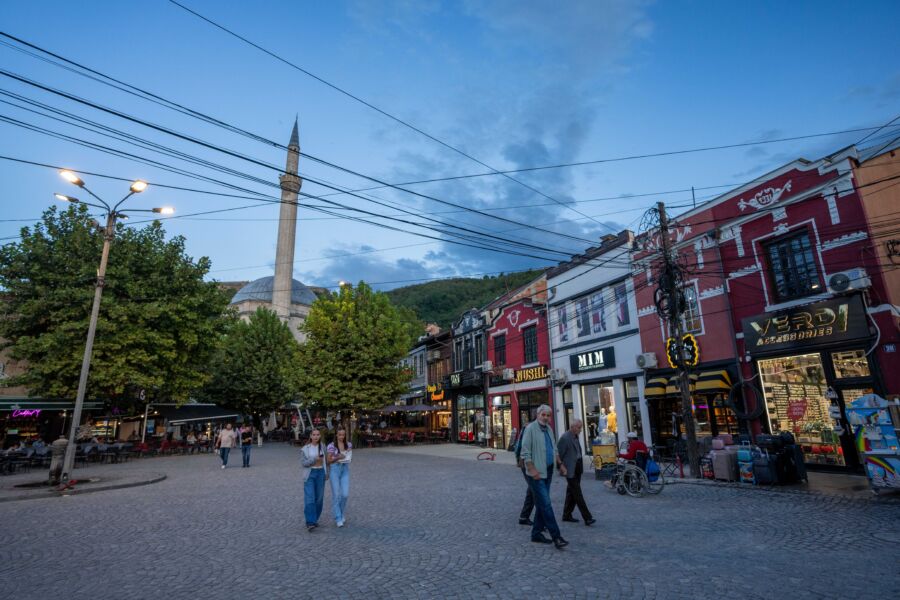
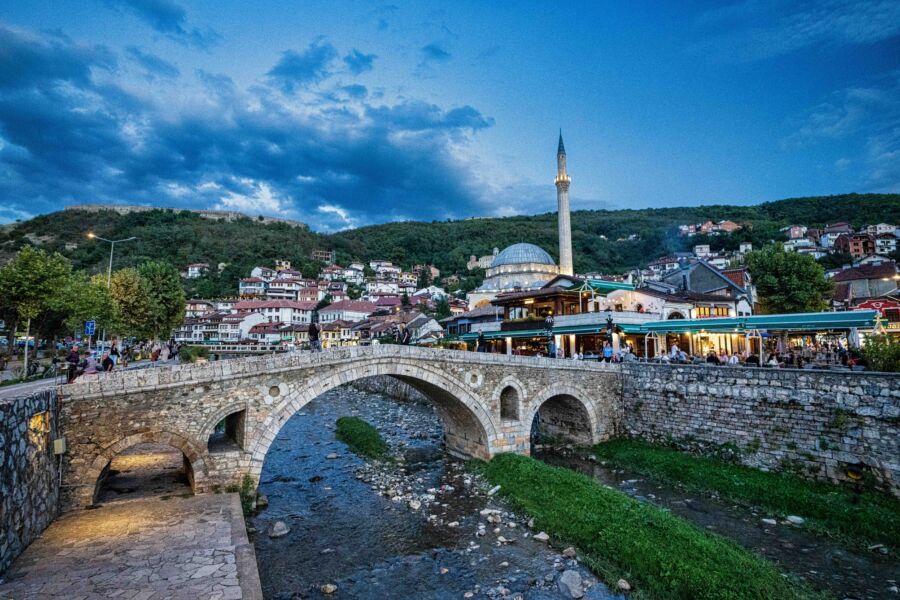
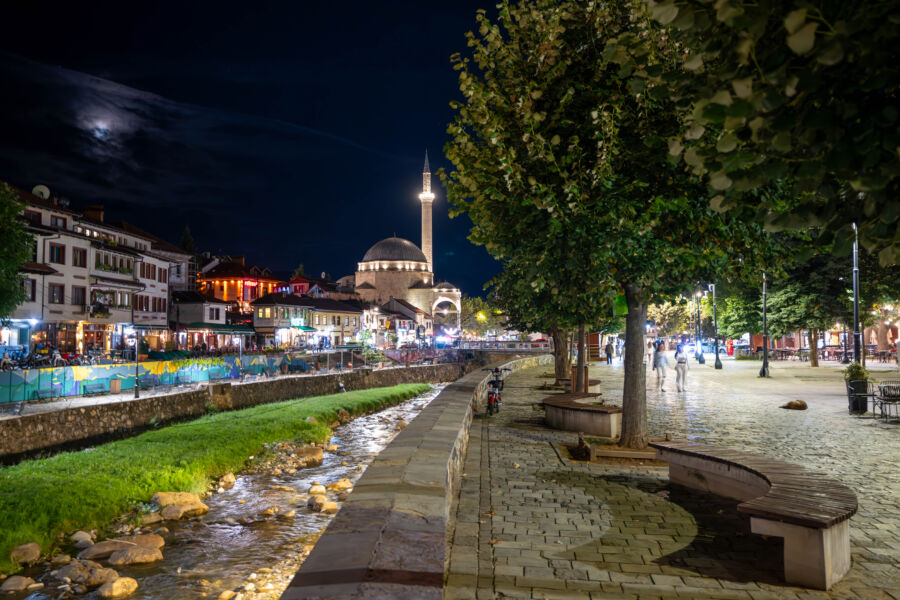
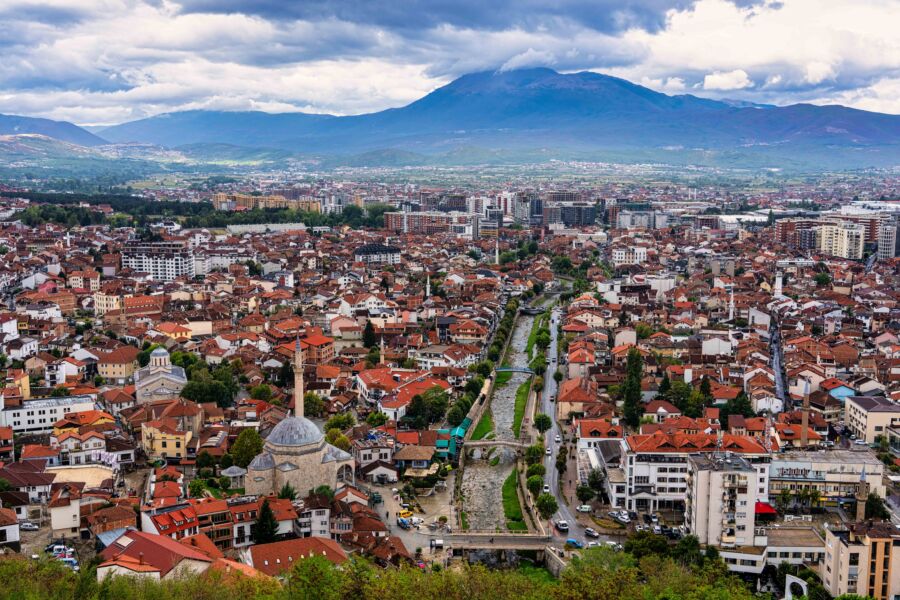
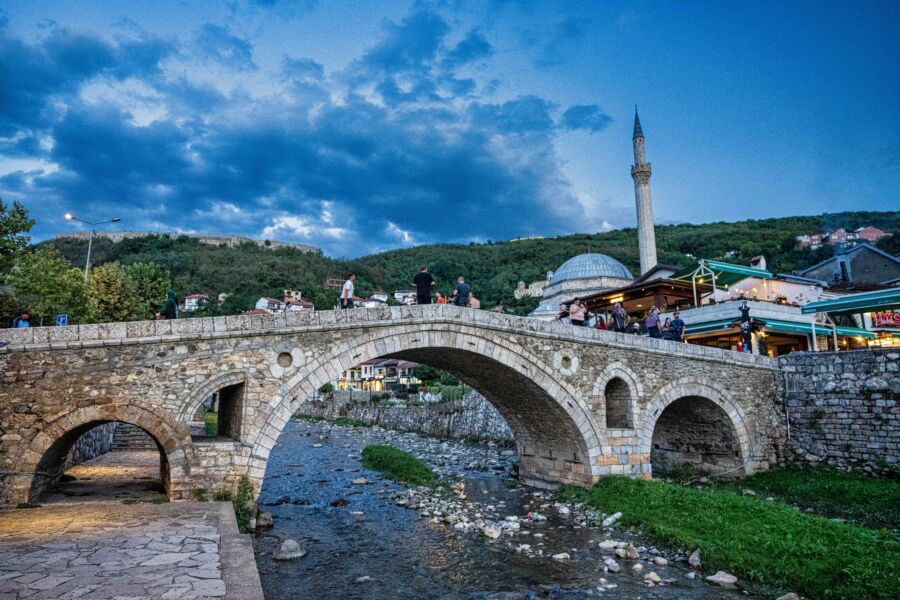
Once in Kosovo, I enjoyed the capital of Prishtinë (with its “Newborn” monument, more Brutalist masterpieces, and delightful urban buzz); the historic Ottoman town of Prizren (with mosques, a hilltop fortress, and a classic stone bridge); and the rugged Accursed Mountains, which ruffle across three countries.
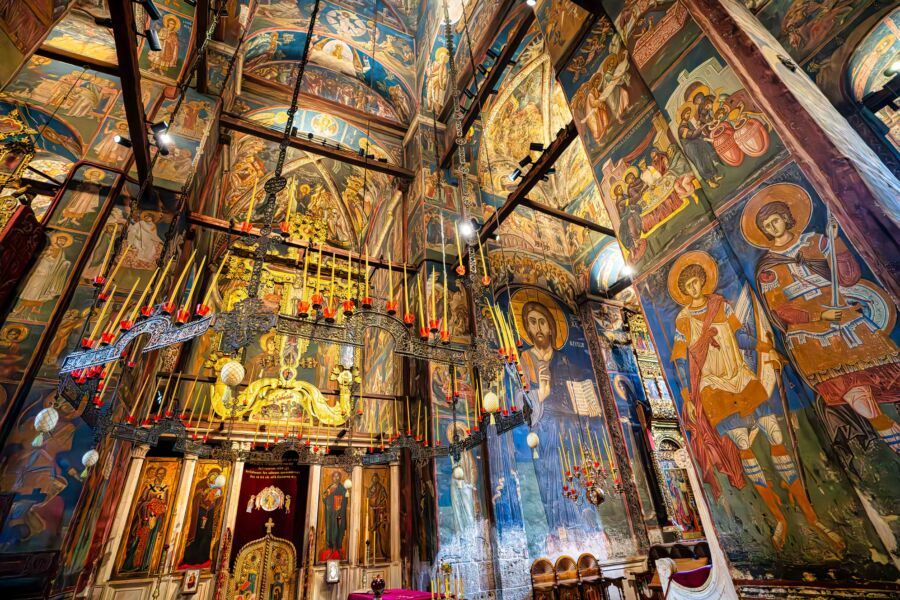
Also in Kosovo, I made a point to visit some of the important Serb landmarks within Kosovo, including three historic monasteries (Gračanica, Peć, and Visoki Dečani) and Gazimestan, the tower overlooking the historically charged battlefield of Kosovo Polje.
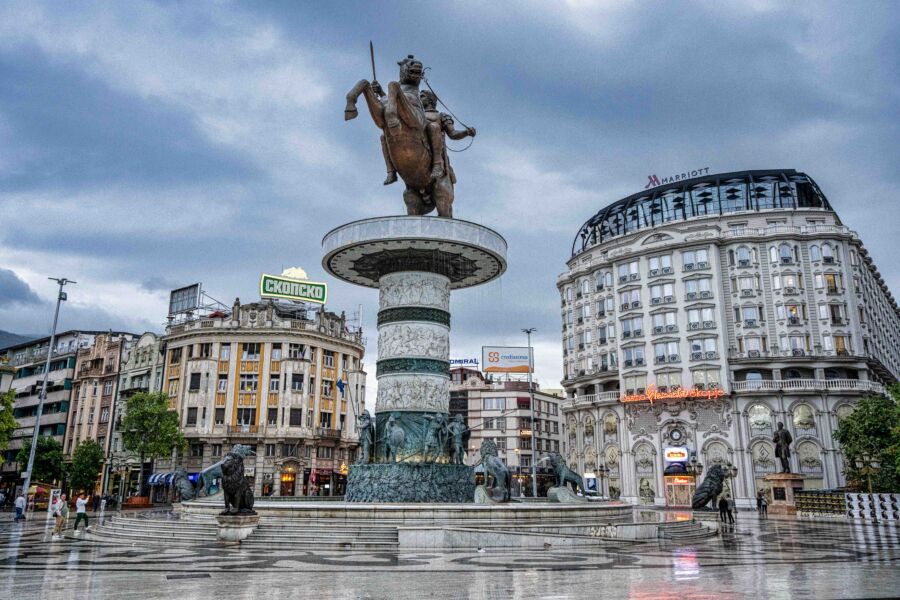
From Kosovo, it’s a quick drive south into North Macedonia and its capital, Skopje, with its mind-bending variety of “kitsch” from the Skopje 2014 initiative: grandiose buildings, countless statues and monuments, and broad squares… all of which are already falling into disrepair. Personally, I was more charmed by the bustling bazaar, across the river, which is one of the best in the Balkans.
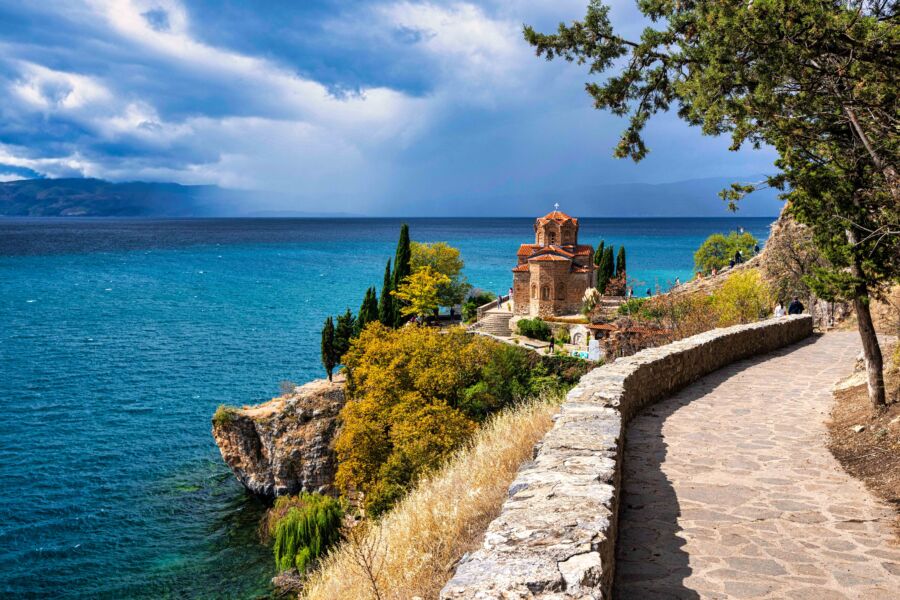
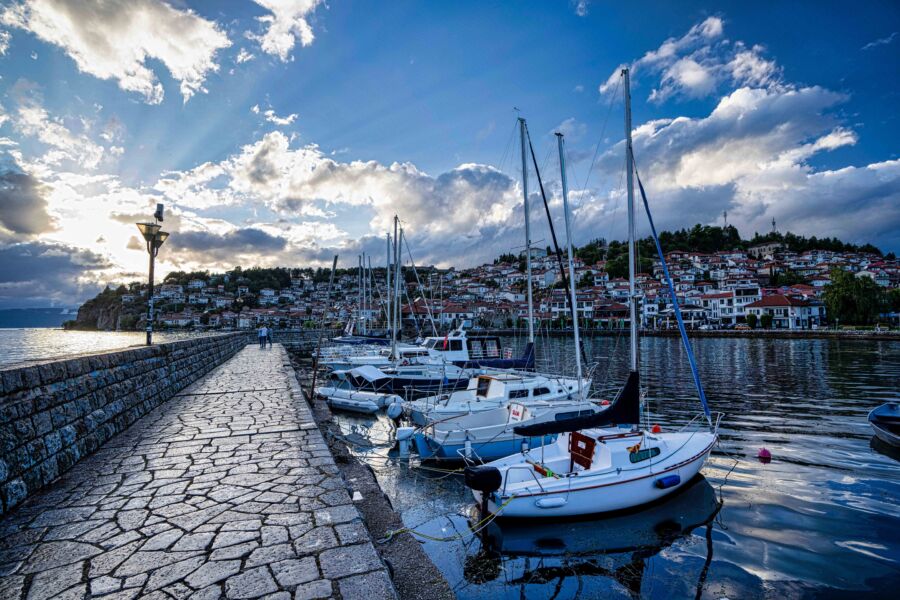
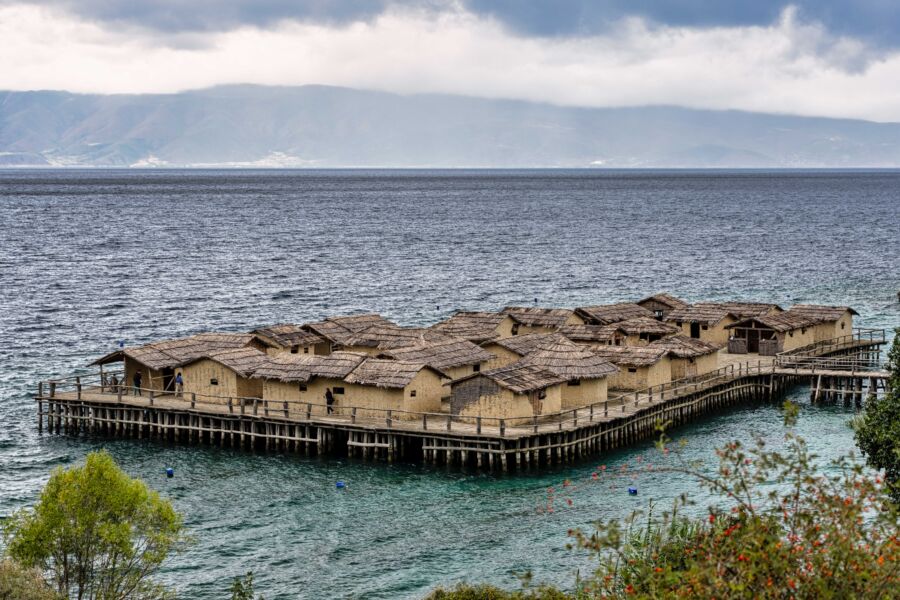
After a quick stop in Tetovo to see the stunning Colorful Mosque, I lingered at Lake Ohrid — one of the world’s oldest and deepest lakes, along the border between North Macedonia and Albania. Its moody waters, historic churches (including the famous St. Jovan Kaneo), and pleasant resort-town bustle were a nice break between cities.
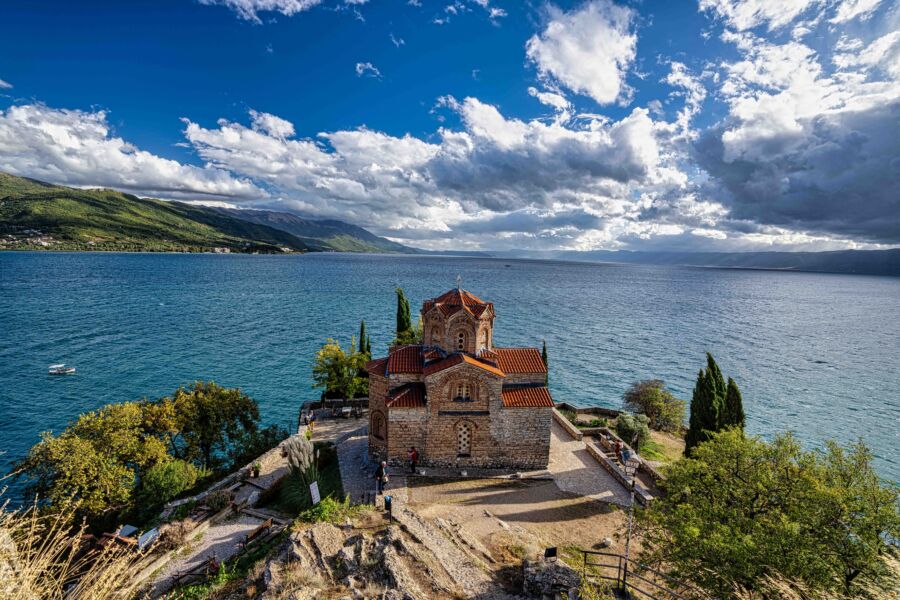
Then it was onward to Albania, which has recently been on the rise as a “budget beach break” destination.
I began in the capital city, Tiranë, which I found surprisingly cheerful and fresh-feeling, with enjoyable parks, generous squares, towering skyscrapers, and interesting museums (especially ones interrogating the legacy of the brutal communist dictator, Enver Hoxha).
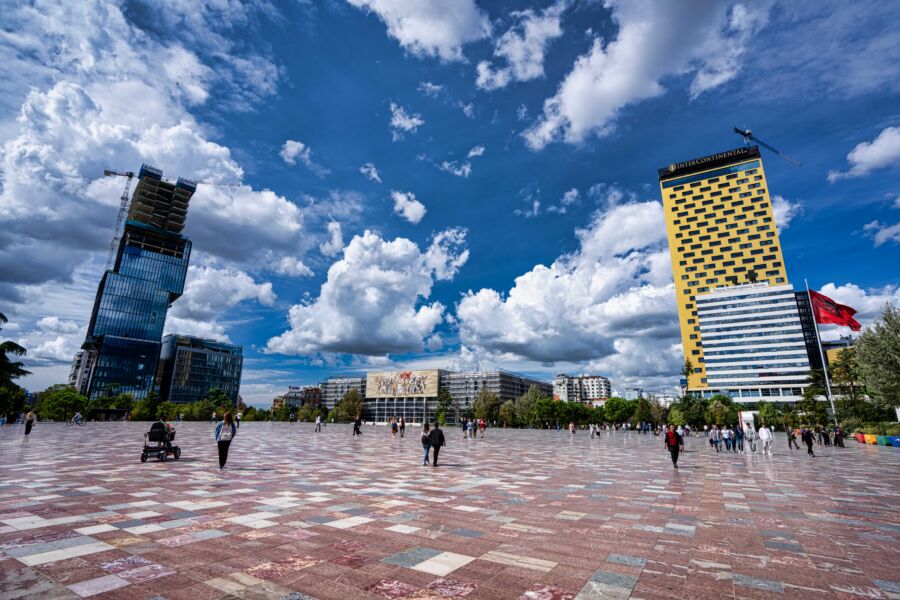
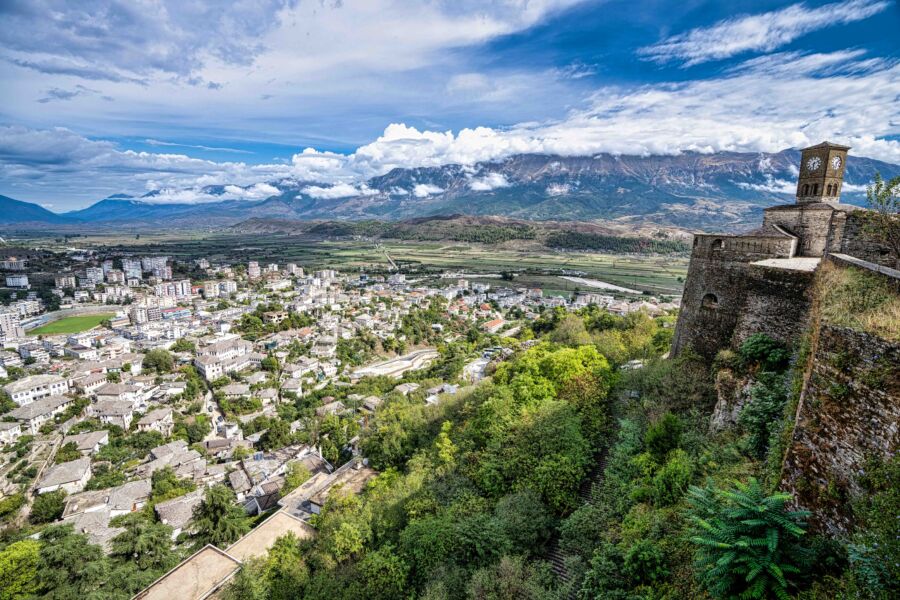
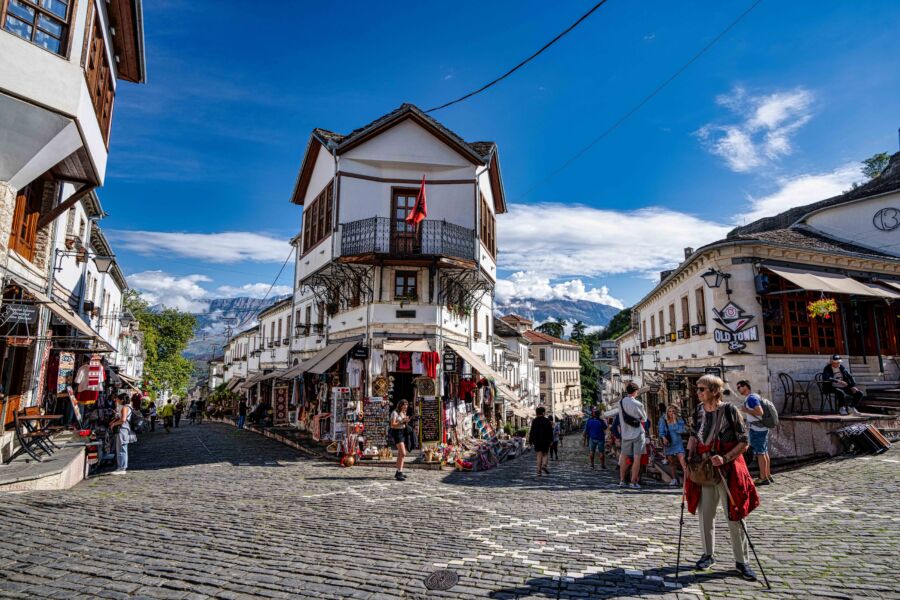
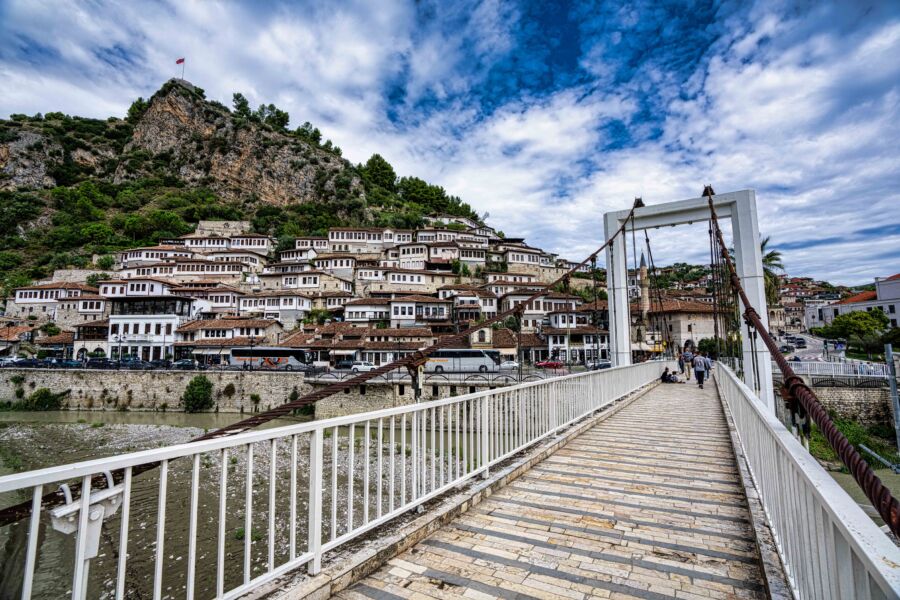
Then I headed to the country’s fine mountain towns, each a warren of narrow, cobbled lanes huddled below a mighty fortress. Berat, the “city of a thousand windows,” was charming, but the real star is Gjirokastër, with its twisty and steep lanes weaving through its historic bazaar, and stunning views to the surrounding mountains.
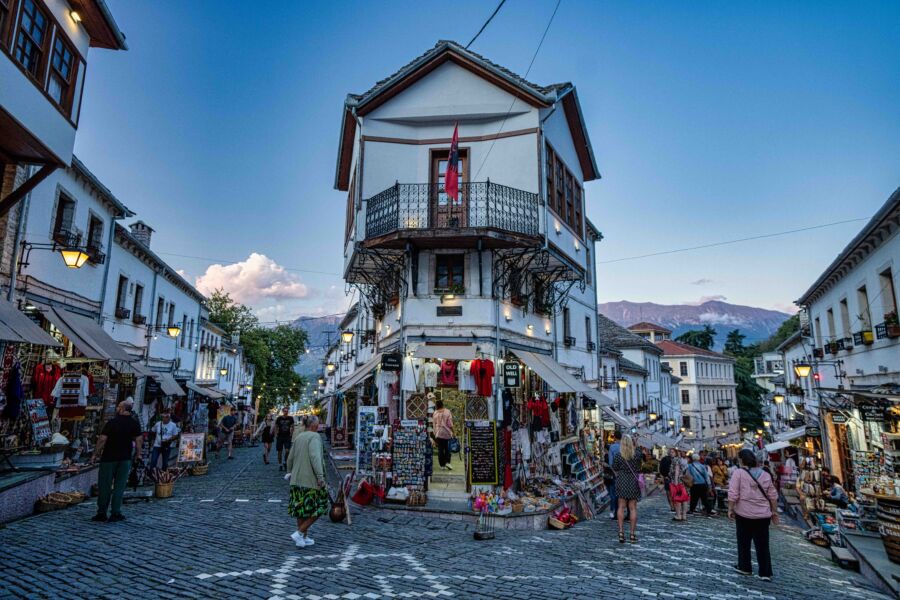
From here, I side-tripped to a couple of those newly famous, up-and-coming beach resorts (about an hour’s drive away): Big, sprawling, concrete Sarandë; and smaller, dreamier Ksamil. Both had nice sandy beaches that were inviting on a sunny day. But the very crowded beaches, variable standard of accommodations, and noticeably lagging infrastructure made it clear that Albania’s tourism industry is still a work in progress. (Sadly, greedy hoteliers raised prices dramatically in anticipation of a busy 2024, which kept budget-minded travelers away and badly hampered the burgeoning tourism industry.) Nearby are the ancient ruins of Butrint.
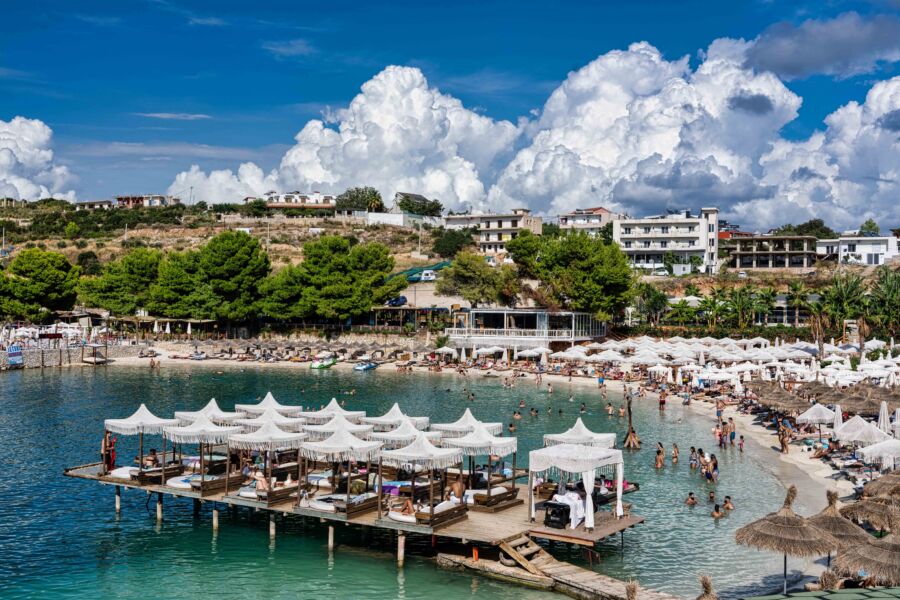
Especially if you’re determined to really settle in and linger on the beach, you could flip this plan — sleep in Ksamil or Sarandë, and side-trip to Gjirokastër — but given the speedy nature of my trip, I was glad to circle back to settle in for another night at Gjirokastër, to soak in its charming atmosphere.
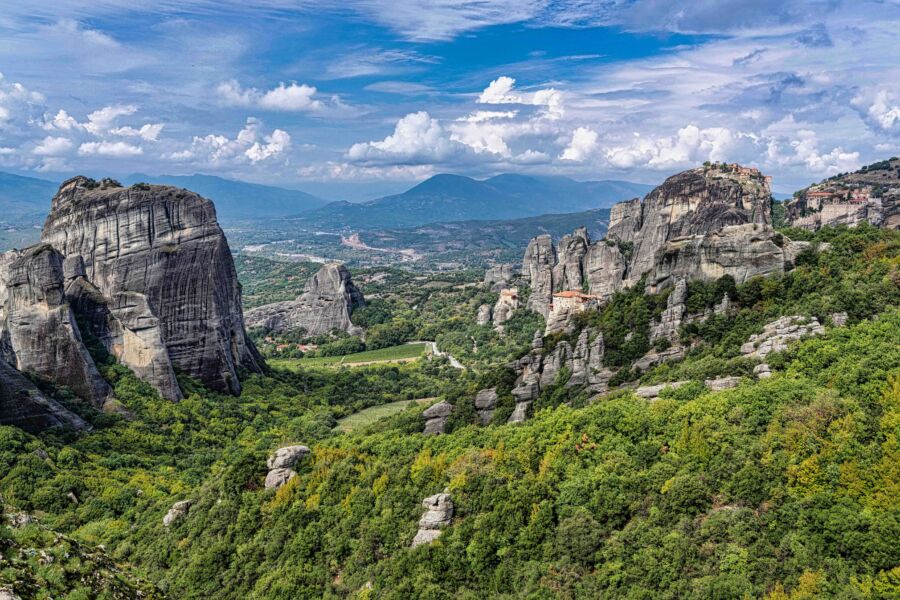
From here, I crossed the Greek border, and headed on to Meteora and Athens, to drop off my rental car and carry on to the islands. But if you had ample time — another week or two — you could make your trip a loop and take the coastal route home: Back up along the Albanian coast, around Montenegro’s Bay of Kotor, then island-hop up Croatia’s Dalmatian Coast to Slovenia, where you began. Phew!
I’ll stress again that this is an ambitious, fast-paced plan, designed to briefly touch down in as many places as possible. But this spine may inspire to you select which part(s) of the Balkans most intrigue you, and do a deeper dive. Consider splitting it up over several trips.
Resources
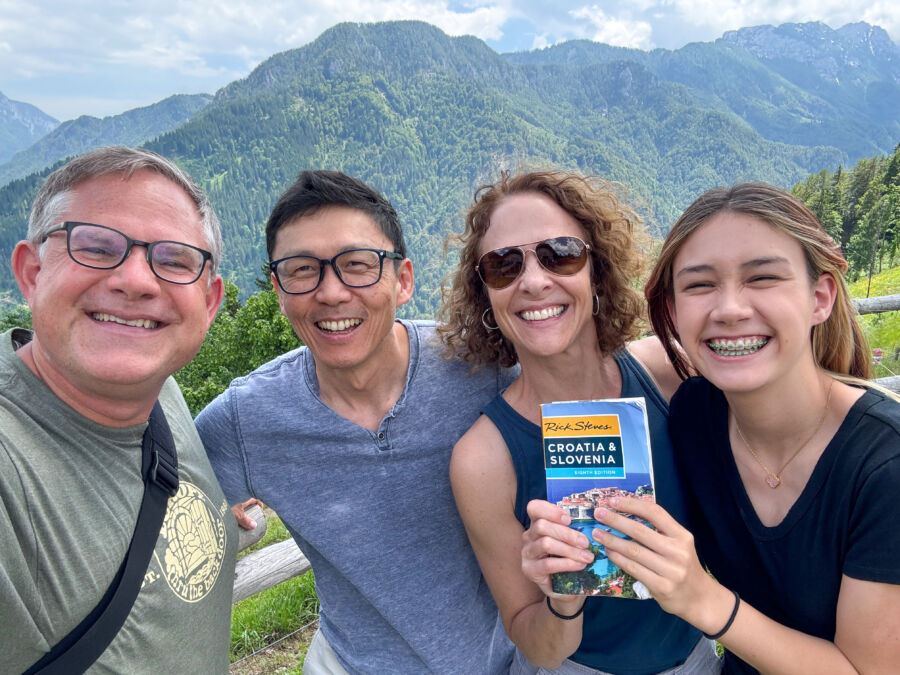
For Croatia, Slovenia, and the highlights of Bosnia-Herzegovina (Sarajevo, Mostar) and Montenegro (Bay of Kotor), all you need is our Rick Steves Croatia and Slovenia guidebook.
If carrying on through the other six countries, top-quality print information is limited. I found Lonely Planet’s Western Balkans guidebook somewhat useful as a starting point for trip planning, but their on-the-ground coverage is sparse and, for my taste, their opinions are too generic and muddled to be useful in prioritizing stops.
For a deeper dive into each country, Bradt has the most generous coverage of these lands, with dedicated guidebooks on Kosovo; North Macedonia; and Albania. While insightful and useful at times, personally I found these a little too dense and dry for my once-over-lightly trip.
Much better than guidebooks, to really get local insight on these places, I recommend investing in hiring local guides. In most of these cities, you can spend a few hours with a great local guide for around $50 (again, double that — or more — for Croatia, Slovenia, and Montenegro). I found guides in a variety of ways, whether through personal recommendations from my friends in the region or by scouring online reviews until I found a guide or company that matched my travel philosophy. While I had a couple of duds, most of the guides I used were top-quality; I’ve noted some favorites below.
The single best resource I found for this trip was the Sarajevo-based tour company called Funky Tours. Thoughtfully run by Ema, they offer a variety of tools for Balkans-bound travelers, ranging from day trips out of Sarajevo (including an outstanding visit to Srebrenica); to multi-day package tours; to a consulting service for helping you sort out the details of your independent trip; to fully custom study tours, where you tell them what you’re looking for, and they take care of the rest. Based on the exceptional quality of their advice and contacts, I recommend them most highly if you’re looking to invest in some expert help in putting together your dream Balkans trip — especially if you’re heading to the southern part of this region, where clear resources are harder to come by.
And finally, below I’ve listed a country-by-country grab-bag of the resources and other leads I personally found most useful in each place. This is just the tip of the iceberg; my sense is that there are wonderful guides, tour operators, hotels, and contacts all over the Balkans, but it can be challenging to find just the right ones for your trip. (Note: While some of the local guides have email addresses or even websites, many of them communicate primarily through messaging on WhatsApp; in these cases, I’ve given their phone numbers below.) Use this list as a starting point, and if you have any personal favorites in this area, let me know in the Comments, below.
Croatia and Slovenia: All of my best tips and leads are in our Rick Steves Croatia and Slovenia guidebook.
Bosnia-Herzegovina: Our Rick Steves Croatia and Slovenia guidebook covers this area, as well, but I’ll call out a couple of favorite guides: In Sarajevo, Funky Tours (noted above) offer excellent side-trips, including a well-designed side-trip to Srebrenica. Amir Telibećirović is a local guide who’s been partnering with us in Sarajevo for years (teleamir@gmail.com). In Mostar, Alma Elezović is a great guide (aelezovic@gmail.com), and her husband Ermin is a driver for trips around Bosnia (elezovicermin@gmail.com). By the way, if visiting Srebrenica — or even if you’re just curious about that harrowing chapter of the Yugoslav Wars — watching the Oscar-winning 2020 film Quo Vadis, Aida? is a must.
Serbia: On my previous visit to Belgrade, I enjoyed a tour from Srdjan Ristić from Explore Belgrade. On this trip, Serbian Adventure Factory arranged an excellent city historical tour for me with Marija, as well as a visit to Tito’s Blue Train. For a splurge-by-local-standards dinner of upmarket “New Balkan” cuisine, I enjoyed dining at the restaurant called Iva. And the best gelato I have had in the Balkans (outside of Ljubljana) is Crna Ovca, with locations around Belgrade.
Montenegro: The highlights of this country are also covered in our Rick Steves Croatia and Slovenia guidebook. Our longtime trusted partner in the area is Stefan Đukanović of Miro and Sons; they do a variety of trips around the country. On this trip, in addition to a fun and insightful scenic joyride with Stefan, I enjoyed an insightful tour of Podgorica with his guide Rajan. Also in Podgorica, I had a wonderful dinner at Konoba Lanterna, with generous portions of delicious traditional food.
Kosovo: I enjoyed staying at the Hotel Gračanica, just outside Prishtinë, near a historic Serb monastery; the reception staff is exceptionally helpful, and the in-house restaurant served one of the best meals I had in the Balkans. In Prishtinë, local guide Ilir gave me a great tour of his “Newborn” city (+383 49 407 769). Prishtinë had so many tempting cafés and restaurants, it was hard to pick; on my brief visit, I enjoyed coffee and cake at Newborn Brew, and had a fun, trendy dinner at the bookstore-themed Soma Book Station. In Prizren, I enjoyed a delicious, traditional dinner along the river near the classic old bridge at Shpija e Kalter. And the Accursed Mountains — at the intersection of Kosovo, Montenegro, and Albania — is emerging as a popular hiking destination.
North Macedonia: In Skopje, I wandered about 15 minutes from the main square to the trendy area called Debar Maalo, with several traditional restaurants featuring nice outdoor seating (including a few interchangeable places on Gjorgji Peshkov street). A little closer to the center, the big, traditional Old City House Restaurant felt very touristy, but the food was good. I learned much about Lake Ohrid — and North Macedonia in general — from local guide Džino Patel (dzingispatel@gmail.com). In the town of Ohrid, I had a great meal at Kaj Kanevche — quite touristy but friendly and with good traditional food right on the water just below the famous Church of St. Jovan Kaneo. In town, Bro’s Burger Station offered a fun and tasty change of pace from traditional food, serving American-style burgers with a Balkan spin.
Albania: In Tiranë, I was grateful for the help of local guides Eni (+355 68 900 9560) and Gazi (+355 69 631 5858). The city’s main square surprised me with one of the best bookstores (including lots of English books) in the Balkans, Adrion. In Berat, I enjoyed a tour from Erilda Krasi of 1001 Albanian Adventures (+355 69 883 1536). In Gjirokastër, I loved my stay at Tatiana’s guesthouse, Argyropolis Boutique Hotel (you can find her on Booking.com). Also in Gjirokastër, I enjoyed a great dinner at the traditional restaurant called Odaja, with a tiny balcony overlooking the busy bazaar.

Other Video Resources
My “Balkan Odyssey” Monday Night Travel focuses on those lesser-traveled southern Balkan destinations. If you’re craving more focus on the more popular northern countries — especially Croatia and Slovenia — we’ve archived lots of great content on those.
Start by checking out my team-up with my Slovenian friend and fellow tour guide, Tina Hiti, when we co-hosted a Monday Night Travel-style rundown of Croatia, Slovenia, and neighboring lands (from our 2023 Festival of Travel).
We’ve also filmed three TV shows in this region: Croatia: Adriatic Delights — You can watch the original show, or the Monday Night Travel “watch-along” with Tina Hiti; Dubrovnik and Balkan Side-Trips (including Bosnia-Herzegovina and Montenegro) — Original show, or the Monday Night Travel “watch-along” with me; and Best of Slovenia — Original show, or the Monday Night Travel “watch-along” with Sašo Golub.
Happy Travels! Sretan Put!
I hope this rundown of tips, itinerary ideas, and resources whets your appetite for planning a Balkan Odyssey of your own. While it’s a little more complicated to plan a trip here than to the (overrun, overpriced) biggies in other parts of Europe, your effort is more than rewarded with a wonderful travel experience. If you have any guidance from your own travels to add, please suggest them below in the Comments.