My co-author and frequent collaborator, Cameron Hewitt, is well-traveled, smart, and insightful. And, while he and I are in perfect sync in our travel styles and priorities, he gives voice to the next generation of "Rick Steves travelers." Join me in enjoying his reports right here. —Rick

Balkans Travel Tips

Are you thinking of traveling to the Balkans? I have some tips for you!

Last September, I set out on a trip to fulfill a lifelong travel dream: To explore the Balkans, from top to bottom, weaving together eight European capitals overland. My “Balkan Odyssey” — from the Alps to the Aegean, and from Lake Bled in Slovenia to Lake Ohrid in North Macedonia — was the trip of a lifetime.

Now that I’m back, I recently presented a Monday Night Travel report about that unforgettable journey. You can watch it here.

Putting this talk together was a complete delight. It reminded me of how the Balkans is  a fascinating, gorgeous, friendly, and wonderfully undiscovered and affordable corner of Europe. But the relatively few American visitors translates to a lack of solid travel information. I’ve prepared this post as a complement to my presentation, to share my itinerary guidance, favorite local resources, and other tips for traveling in the Balkans.

General Tips and Logistics

In our age of “overtourism” and soaring prices, the Balkans may just be Europe’s best-kept secret. However, you can’t paint the entire region with a single, broad brush. Croatia and Slovenia are in a category all their own: With their famous beaches and mountains — and being well-established in the EU, Schengen open-borders zone, and Eurozone (both countries use the euro currency) — they are far more “mainstream,” crowded, and expensive. My recent trip, and my Monday Night Travel talk, focus on the other six countries, which are less known, less crowded, and less expensive: Bosnia-Herzegovina, Serbia, Montenegro, Kosovo, North Macedonia, and Albania.

Here are a few general tips for traveling in the Balkans:

Sleeping: I used a wide variety of lodgings, ranging from simple, traditional guesthouses; to big, roomy, multi-room apartments (via Airbnb); to high-end boutique hotels. I rarely spent more than $100 a night, and often closer to $50. (Croatia, Slovenia, and coastal Montenegro, prices are at least double, and often much more at the famous coastal resorts.)
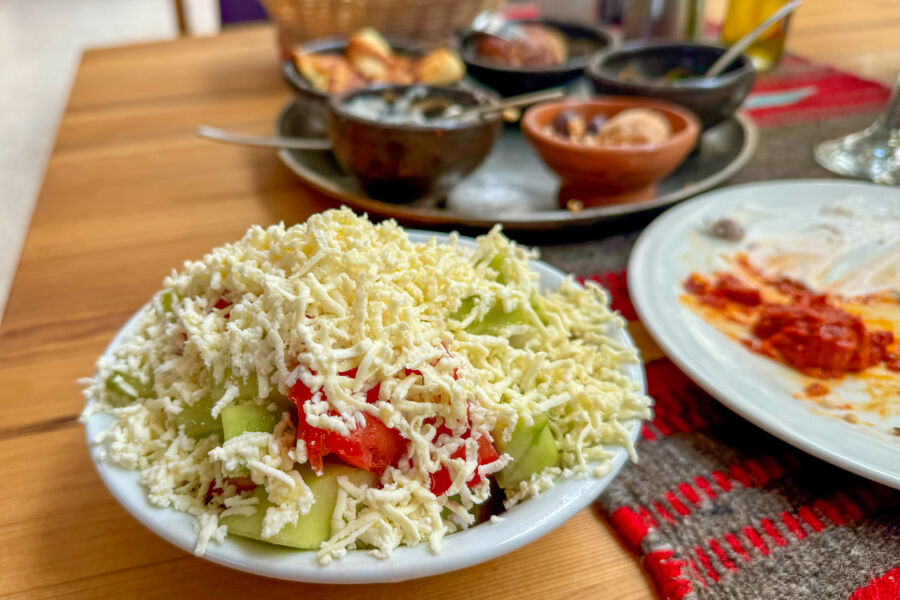
Eating: The Balkans may be Europe’s very best “budget foodie” destination. The local cuisine is rustic but utterly delicious. While each country has its own specialties, the Balkan region has similar elements, which may feel similar to what you think of as “Turkish” or “Greek” cuisine (since most of these areas spent centuries under Ottoman control). The handiest street food is burek, a savory phyllo-dough pastry typically filled with meat, cheese, or spinach. I begin each meal with a šopska salata — chopped cucumbers and tomatoes with a soft, salty cheese grated on top. Grilled meats are hugely popular, including minced-meat ćevapi (small link-like shape), pljeskavica (patty shape), and ćufte (meatball). These are often served with raw onions, the spreadable cheese called kajmak, and a flatbread called lepinje. The fanciest meal you can have is meat, potatoes, and other veggies slow-roasted under a metal baking lid called a peka or a sač. The region has many flavorful spreads, including ajvar (roasted red pepper and eggplant) and others that are similar to hummus or garlicky tzatziki. And every meal ends with a honey-drenched phyllo dough dessert — from baklava to kadaifi, and many more. The Balkans have a taste for unfiltered coffee (which you might think of as “Turkish coffee”), as well as variations on the firewater raki. Prices are low: A quick bite on the go rarely tops $5, and a sit-down meal might be $15-20 per person, including drinks. (As with other prices, double it — or more — in Slovenia, Croatia, and coastal Montenegro.)
Transportation: This is a real challenge, when planning a multi-country itinerary. Generally there are very good public-transit options within a country, but things become more complicated when you cross a border between two different, independent transit systems. Buses and trains are cheap but can be slow, with gaps in the schedule.
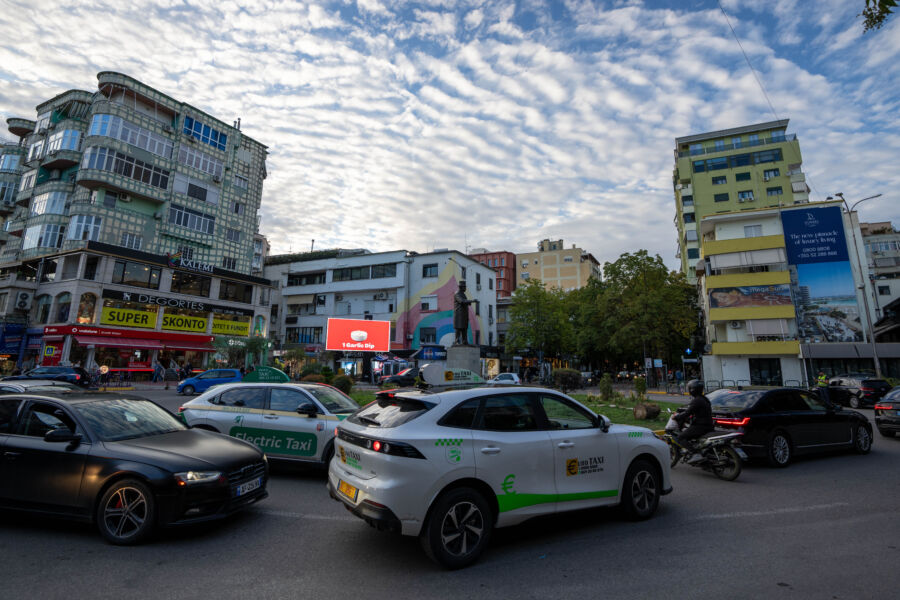
Driving: Renting a car is a tempting option, and gives you maximum flexibility, but two factors deserve careful consideration: First, while driving in places like Slovenia, Croatia, and much of Bosnia is roughly on par, difficulty-wise, with most of Europe (slick highways, well-marked roads, reasonable traffic), things get more challenging as you travel south. Albania, in particular, can be daunting for timid drivers. Country roads generally have light traffic, but there are lots of speed bumps; even small towns can come with loads of congestion (due to a lack of bypass roads); and fellow drivers can be, shall we say, erratic. And in towns and cities, all bets are off: Traffic laws are widely ignored, and lanes in historic town centers can be astonishingly narrow. In general, you’ll need to be a confident and capable driver, and make a point to drive defensively. Keep your head on a swivel and go with the flow.
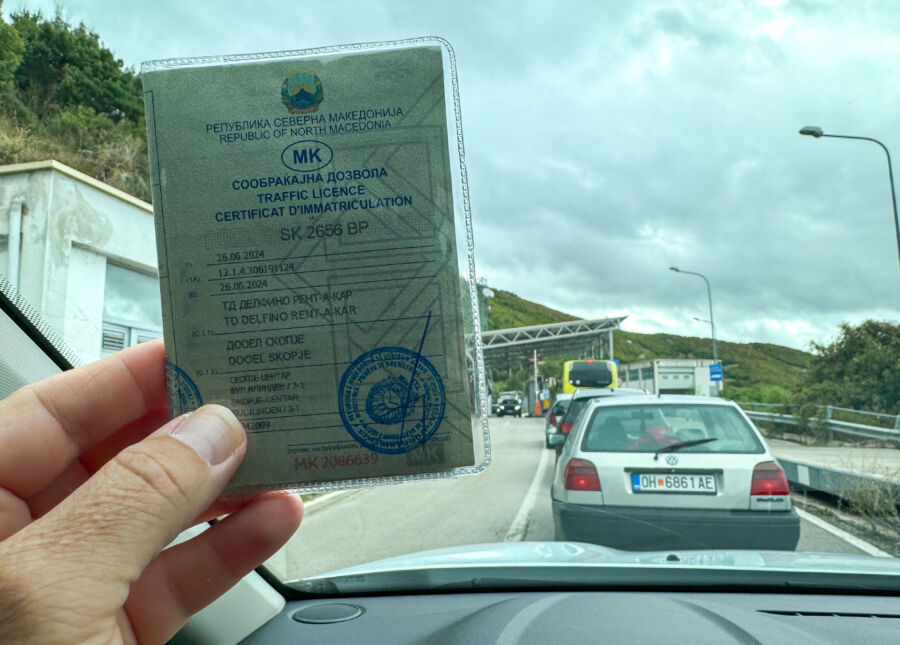
International Driving: The other consideration for renting a car is the headache of trying to link up a multi-country itinerary. An “open-jaw” rental (picking up in one country, and dropping off in another) is convenient but often not possible, and always expensive. (I paid an extra $400 fee — about one-third the cost of my entire rental — to pick up in Skopje and drop off in Athens.) Returning to your starting point to drop off your car saves this fee, but between the mountainous landscape and roads of variable quality in this region, the miles don’t always come easy. Confirm with your rental agency that you’re allowed to drive in each and every country on your itinerary, which may come with a small extra cost (I paid an additional $10/day). You will need to have the “green card” (proof of insurance — essentially the car’s “passport”) and paperwork from the rental company that you’re allowed to cross. (Of the four borders I drove my car through, I was asked for this once.)
Hire a Driver: To fill the gaps — or even, potentially, for the entire trip — consider splurging on a private driver offering door-to-door service. While this can be expensive (figure at least $200/day, likely more), it makes things much easier, and it’s especially convenient if you’d like to stop to do some sightseeing along the way. I did this twice — between Sarajevo and Belgrade, with a stop at Srebrenica; and on the very long journey from Kotor, Montenegro, to Skopje, North Macedonia, to pick up my rental car — and I found it worth the expense to make the rest of my trip possible.

Borders: While crossing a border can be time-consuming, depending on traffic, it’s actually quite straightforward: Just wait in line, hand over your passport for a few seconds, and then often proceed to the next checkpoint to repeat the routine…and you’re on your way. Of the approximately 10 borders I crossed on this trip, I waited anywhere from 10 minutes to an hour or so. (Avoid very busy borders if you can, such as the one on the coastal road between Montenegro and Albania; in-the-know locals take the inland route instead, especially during peak vacation months.) Be sure to have your passport handy, along with your car’s “green card” (see above). Personally, I never felt in any way pressured to pay a bribe; given that the biggest delay was the line of cars in front of me, this wouldn’t have helped anyway.

Safety: I can only speak to this as a hardy male traveler. But my experience is that I feel at least as safe in any and all of these countries as I do anywhere in Europe. (You could make a very strong case that, from a personal safety standpoint, you’re much safer in Prishtinë or Belgrade than in Paris or Barcelona.) As anywhere, petty crime (from pickpockets to car theft) can be an issue, so keep your wits about you and secure your belongings. The US State Department has issued some advisories about a few of these countries (see the current list here). While worth knowing about and understanding, personally I take these advisories with a grain of salt. In recent months, Albania and North Macedonia have popped up on this list… as have Belgium, Denmark, and Spain. If there’s any heightened “risk” in these countries, it’s a history of political instability, which has the potential of flaring up from time to time; simply follow the news and be prepared to adapt your plans, in the unlikely event that troublesome protests or isolated scuffles pop up along your route.

Itinerary Ideas

With so many places to visit, and a wide variety of ways to connect them all together, there’s no one perfect Balkan itinerary. First, narrow down which countries you want to see. Then lace them together, with a sober reality check on how hard it might be to connect the dots (see the transportation quirks, above).

If you’re focusing on the more known, “mainstream” parts of the Balkans — Slovenia, Croatia, and a taste of Bosnia and Montenegro — consider this recommended itinerary. (This is very similar to our Best of the Adriatic in 14 Days Tour — a perfect way to see these popular destinations without having to do the planning yourself.)
However, the focus of my trip (and my Monday Night Travel talk) is getting off the beaten path. Specifically, my goal was visiting the eight Western Balkans capitals overland, with some interesting small-town and nature stops in between. For inspiration purposes, here’s how I connected those dots, in about three weeks.

I started my journey in Ljubljana, which wins my vote for the most charming, livable, and purely enjoyable small city in Europe. (With more time, you can side-trip to just about anything in Slovenia — from Lake Bled to the Julian Alps to the caves of the Karst).
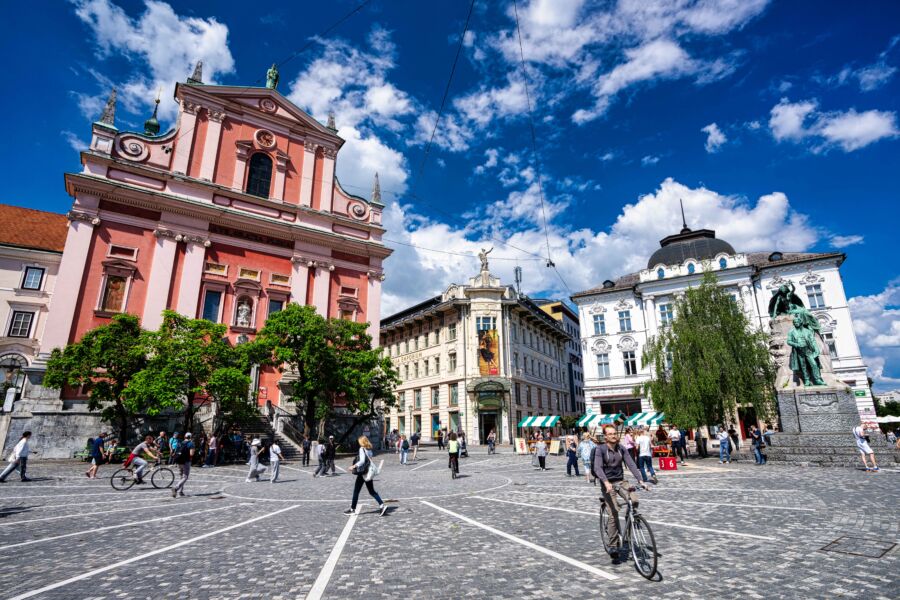
From Ljubljana, it’s an easy train or bus trip to the Croatian capital of Zagreb. While Croatia’s coastline gets most of the tourist attention, Zagreb is a very enjoyable city, with lush parks, a charming old town, and excellent museums. You could linger in Croatia (see the suggested itinerary above). But in my case, I was eager to carry on deeper into the Balkans — so the capital was my only Croatian stop.
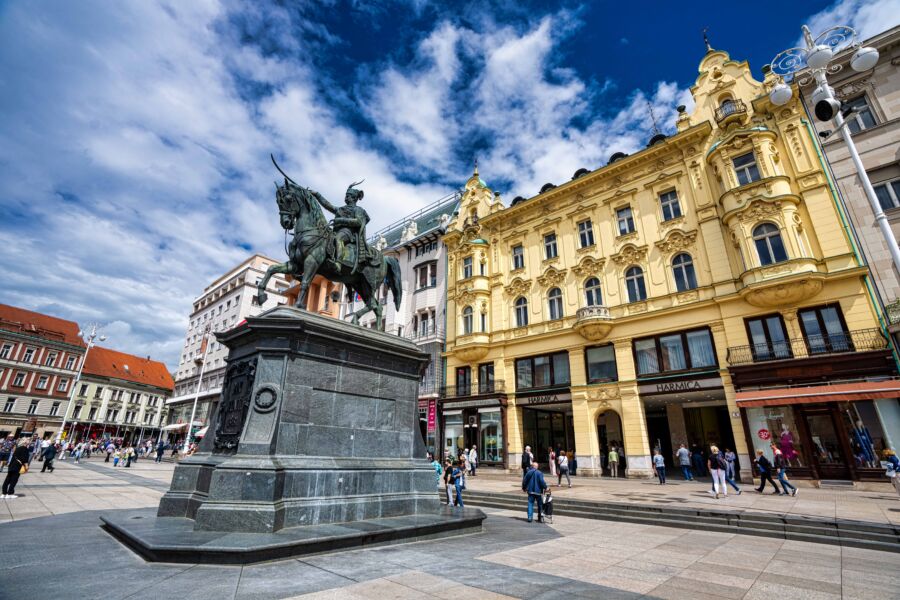
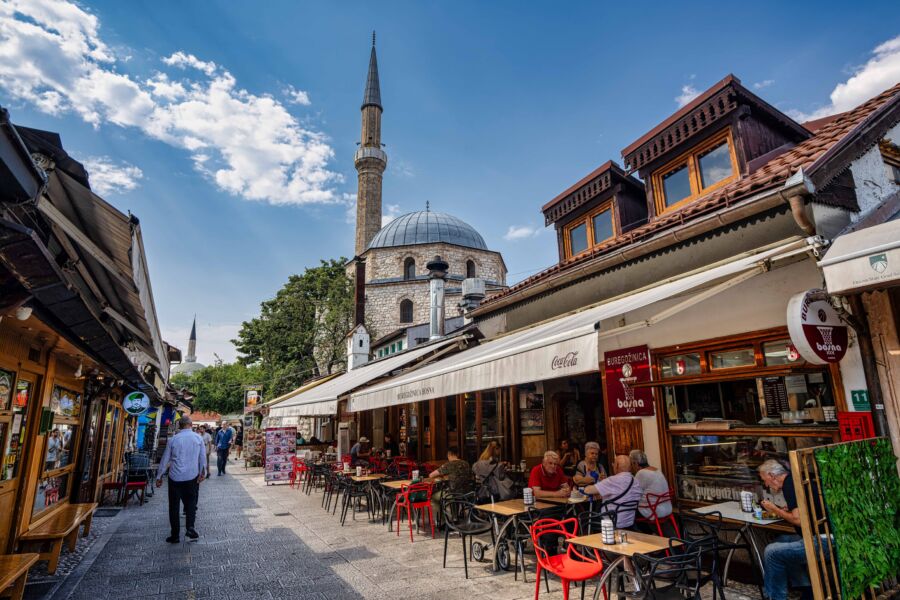
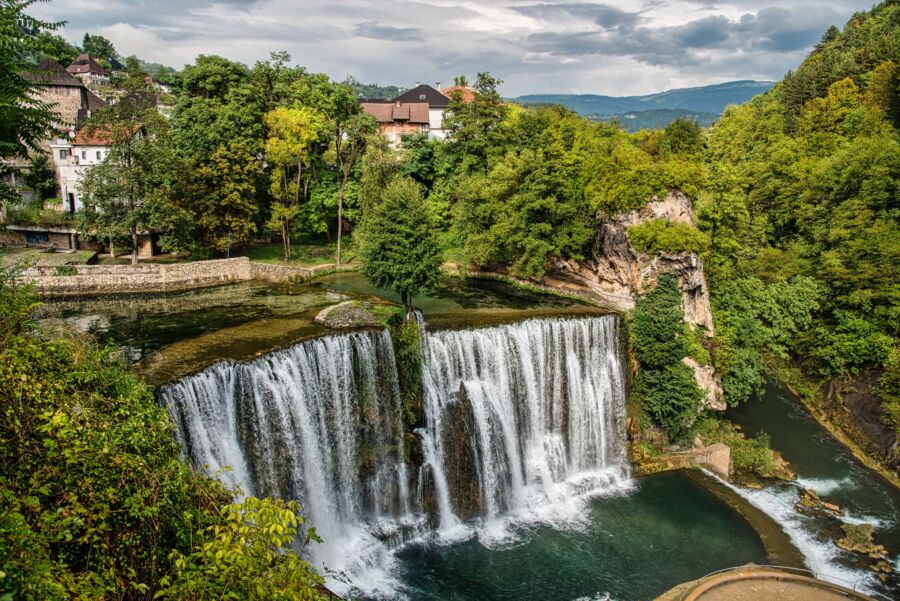
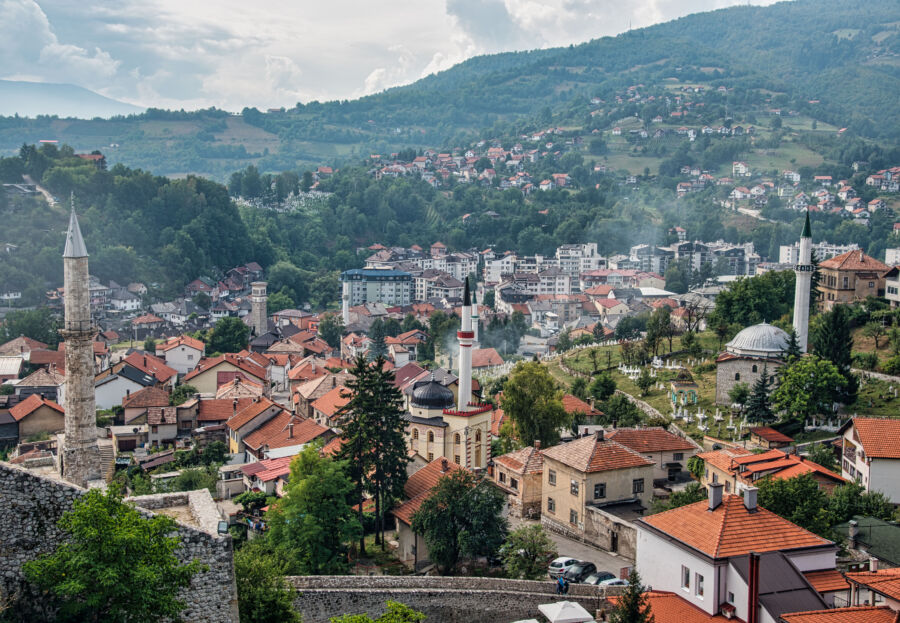
It’s a long day’s drive (or a fun and fascinating couple day’s road trip) from Zagreb through Bosnia-Herzegovina to Sarajevo. Worthwhile stops along the way include Banja Luka, Bosnia’s leading Serb city; the historic and extremely scenic town of Jajce, built upon waterfalls; and the fortified burg of Travnik.

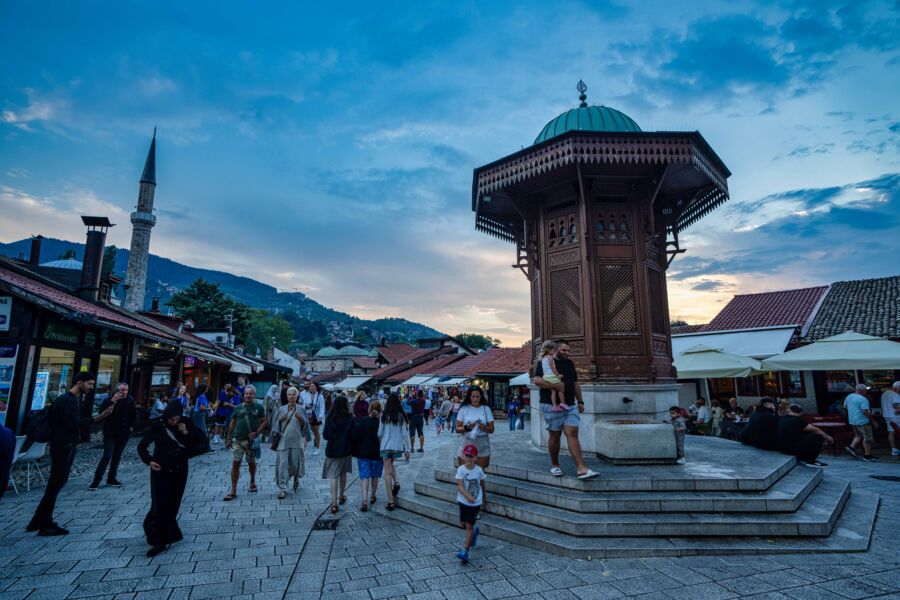
Enjoy Sarajevo — really dig into what may be the Balkans’ single most beautiful, historic, interesting, moving, and purely enjoyable city. Consider side-tripping to the smaller town of Mostar (with its famous Old Bridge) and/or the poignant and powerful Yugoslav Wars genocide memorial at Srebrenica.
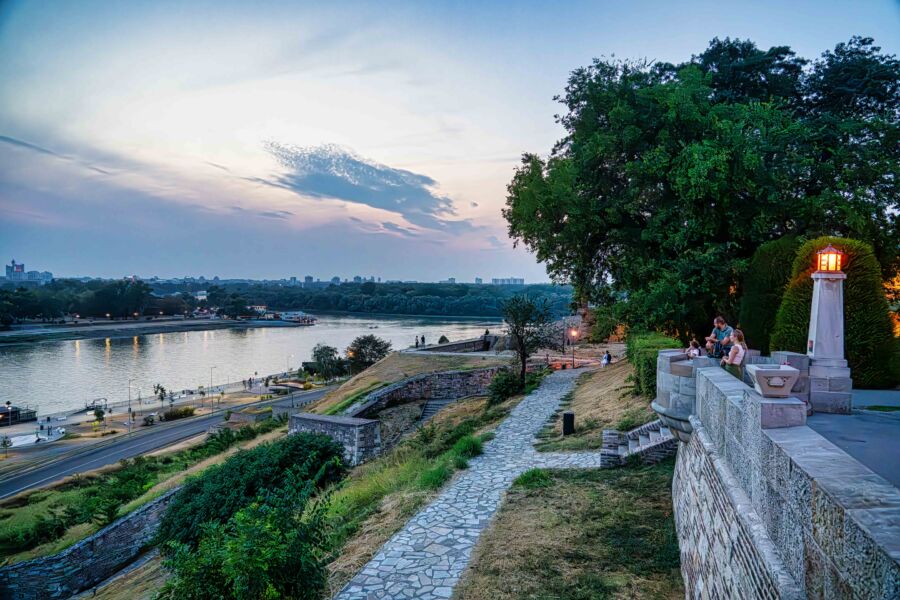
From there, it’s on to the Serbian capital, Belgrade, to dig into that bulky and fascinating metropolis. This is a great place to wander the people-jammed promenade to Kalemegdan (the park overlooking the confluence of the Sava and the Danube); visit the stunning interior of Sveti Sava; soak in some Yugo-history at the Museum of Yugoslavia, with Tito’s tomb; and try to finagle a visit to Tito’s famous Blue Train.
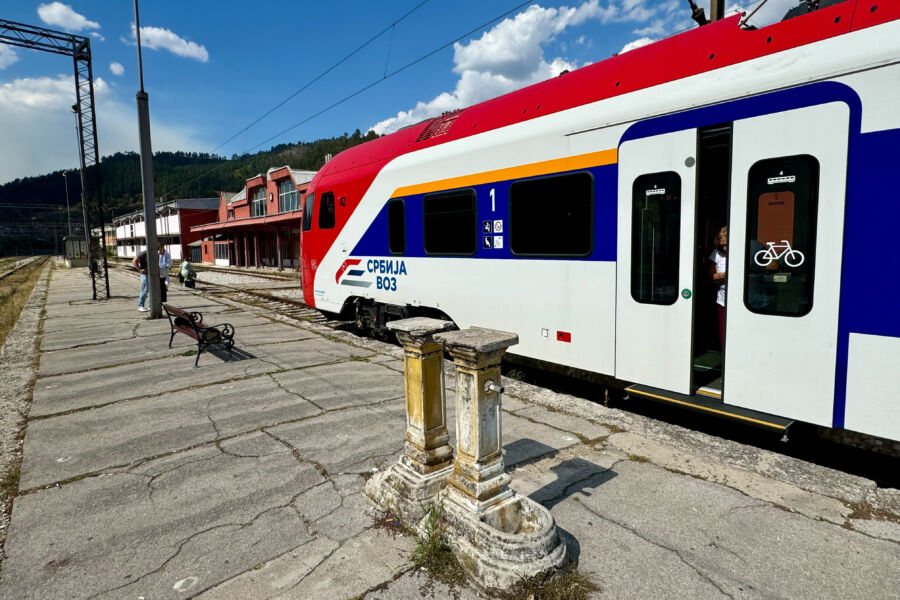
Speaking of trains: To head south, I opted to hop on the 10-hour scenic train through Serbia, then winding down through soaring Montenegrin mountains to Podgorica. (The train continues another 2 hours, all the way to Bar on the coast; for the full details on this very scenic train line, see this excellent article from the Man in Seat 61.)

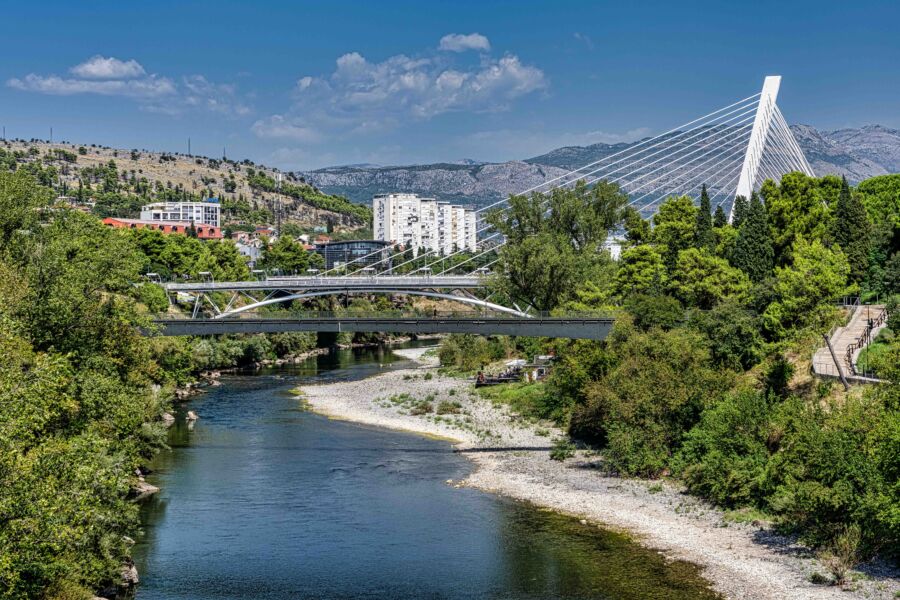
Podgorica (formerly “Titograd”), Montenegro’s capital, has lots of Brutalist architecture; a tidy grid of planned streets, parks, and wide sidewalks; and the stunning Christ’s Resurrection church. From here, it’s a short drive to the Bay of Kotor, with its stunning wall of mountains enclosing a fjord and the fortified town of Kotor.
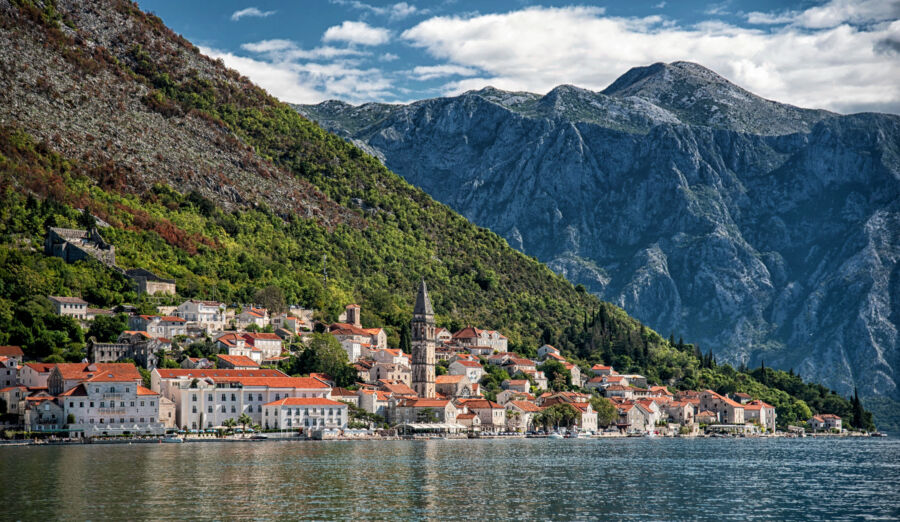
The next link in this itinerary — onward to Kosovo, via Albania — was the toughest part for me to figure out; I opted to hire a driver to make things easier.

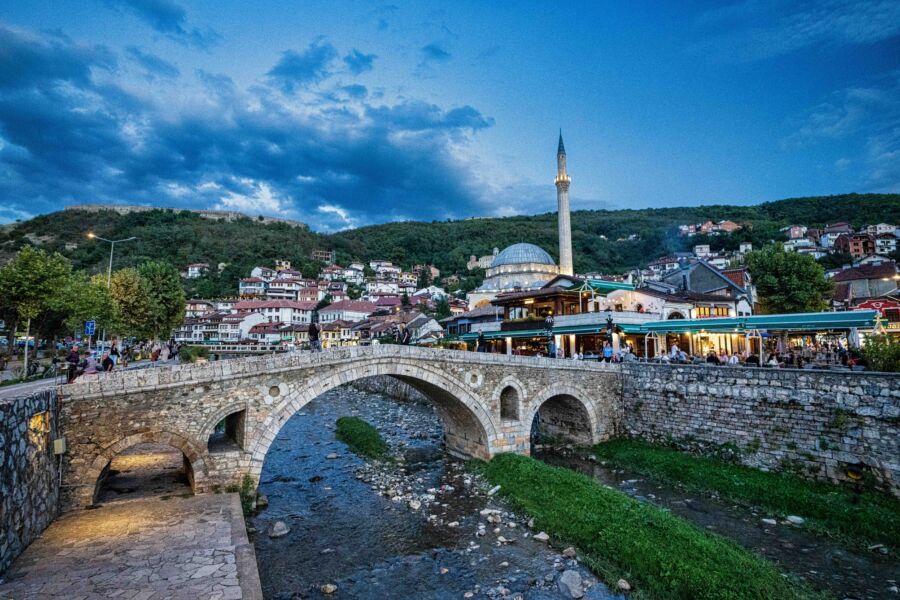
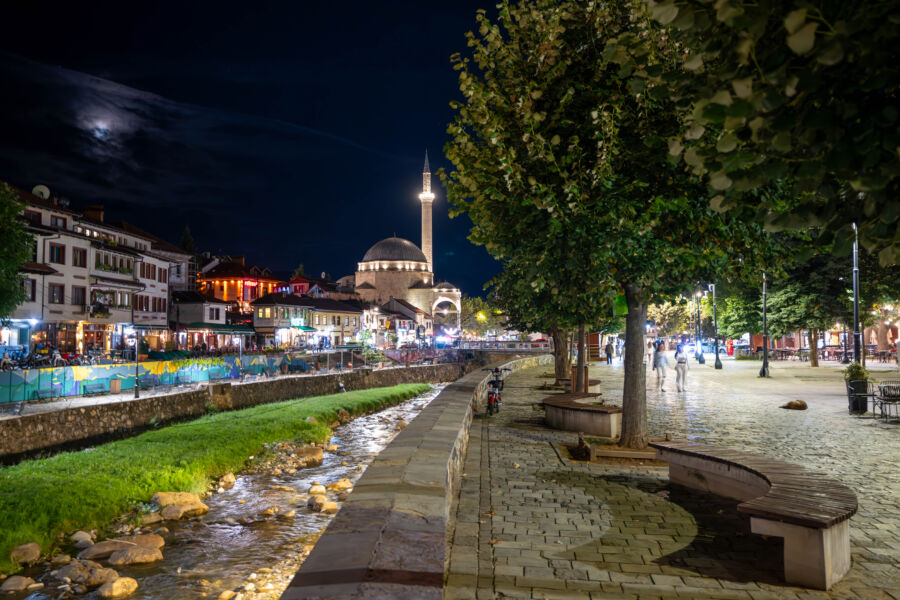
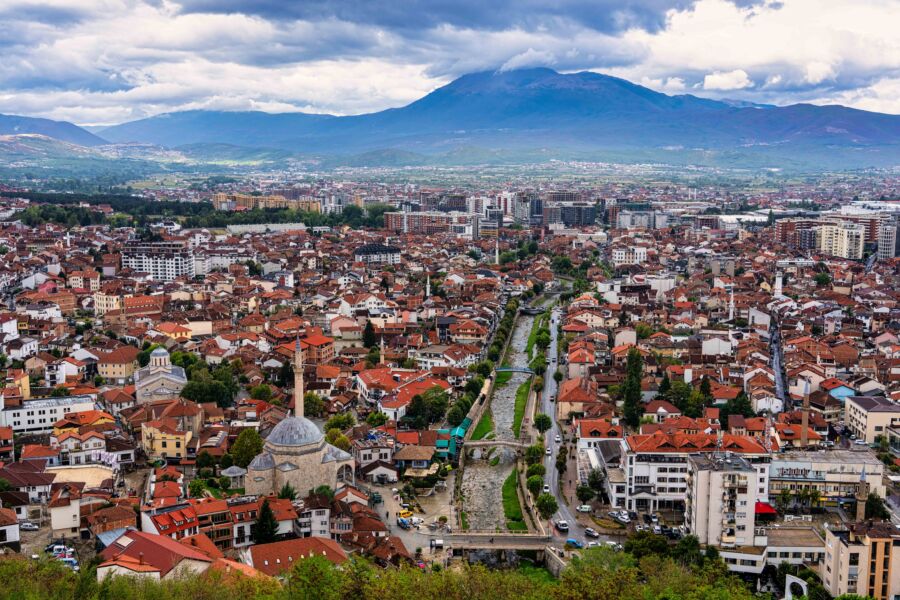
Once in Kosovo, I enjoyed the capital of Prishtinë (with its “Newborn” monument, more Brutalist masterpieces, and delightful urban buzz); the historic Ottoman town of Prizren (with mosques, a hilltop fortress, and a classic stone bridge); and the rugged Accursed Mountains, which ruffle across three countries.
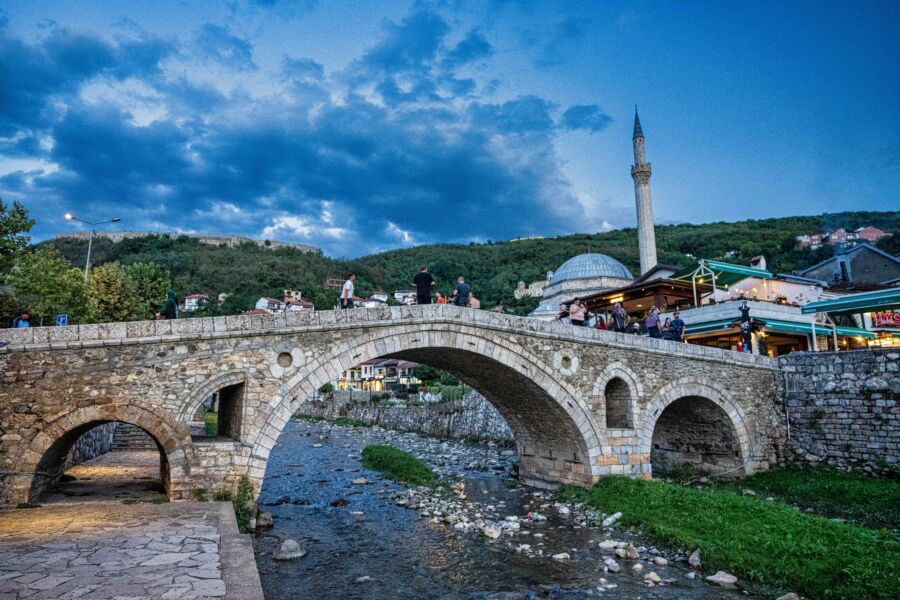
Also in Kosovo, I made a point to visit some of the important Serb landmarks within Kosovo, including three historic monasteries (Gračanica, Peć, and Visoki Dečani) and Gazimestan, the tower overlooking the historically charged battlefield of Kosovo Polje.
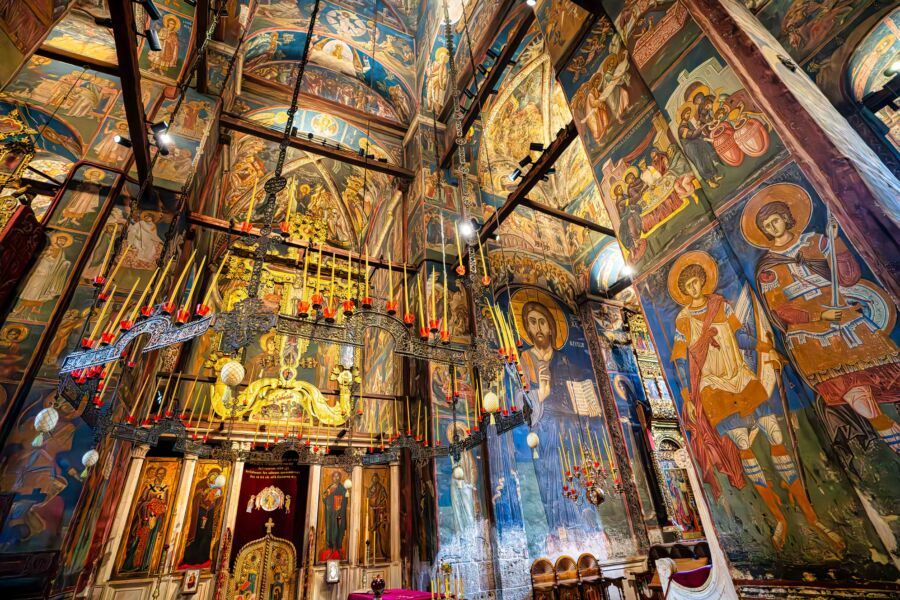
From Kosovo, it’s a quick drive south into North Macedonia and its capital, Skopje, with its mind-bending variety of “kitsch” from the Skopje 2014 initiative: grandiose buildings, countless statues and monuments, and broad squares… all of which are already falling into disrepair. Personally, I was more charmed by the bustling bazaar, across the river, which is one of the best in the Balkans.
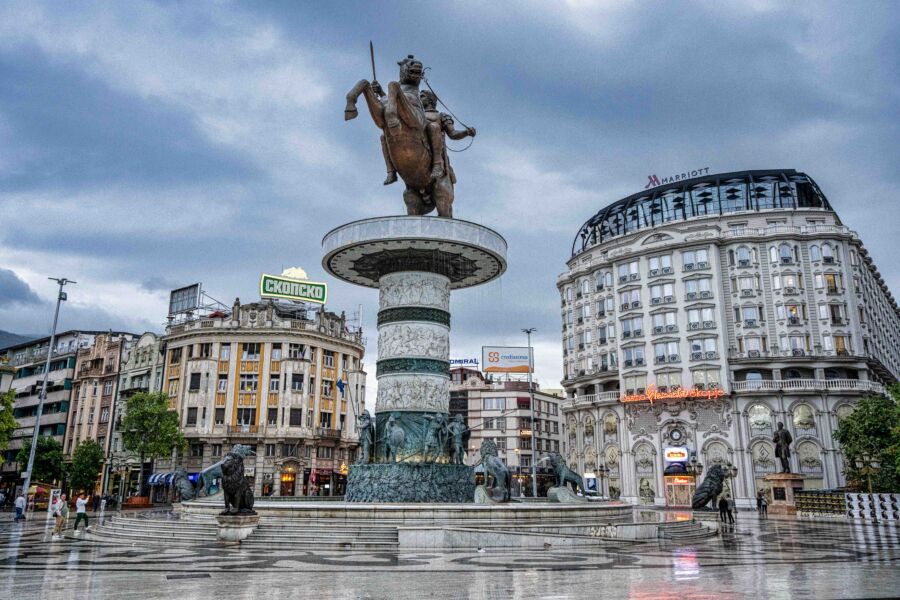
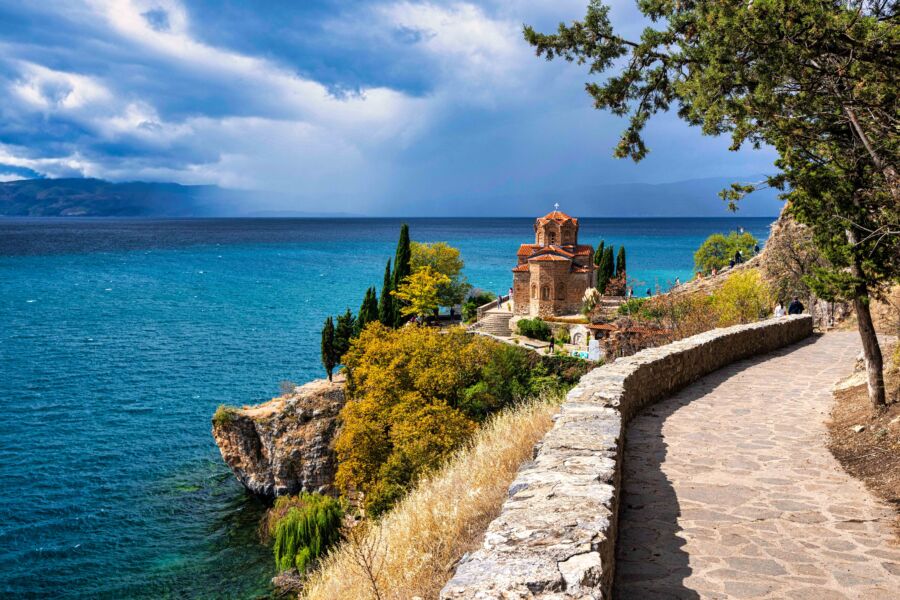
After a quick stop in Tetovo to see the stunning Colorful Mosque, I lingered at Lake Ohrid — one of the world’s oldest and deepest lakes, along the border between North Macedonia and Albania. Its moody waters, historic churches (including the famous St. Jovan Kaneo), and pleasant resort-town bustle were a nice break between cities.
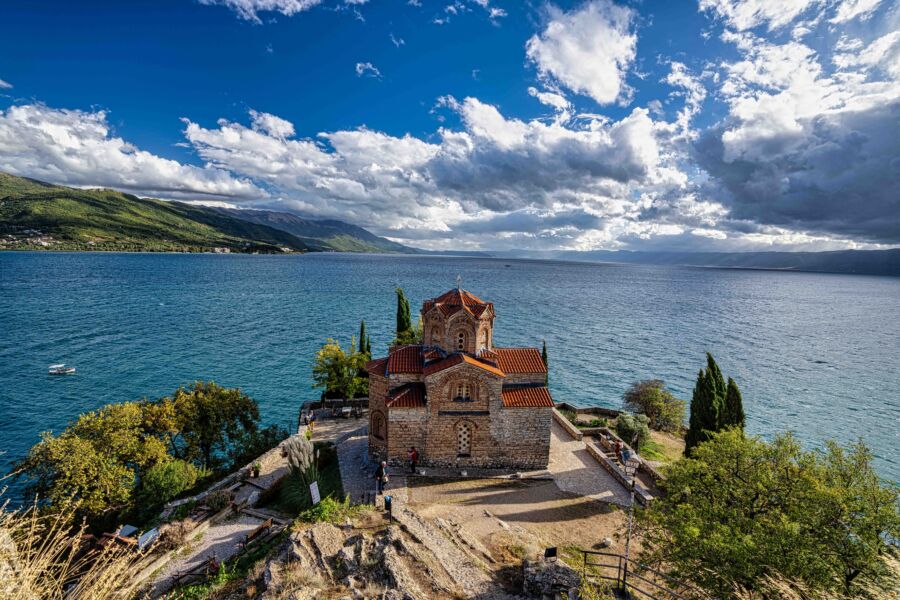
Then it was onward to Albania, which has recently been on the rise as a “budget beach break” destination.

I began in the capital city, Tiranë, which I found surprisingly cheerful and fresh-feeling, with enjoyable parks, generous squares, towering skyscrapers, and interesting museums (especially ones interrogating the legacy of the brutal communist dictator, Enver Hoxha).
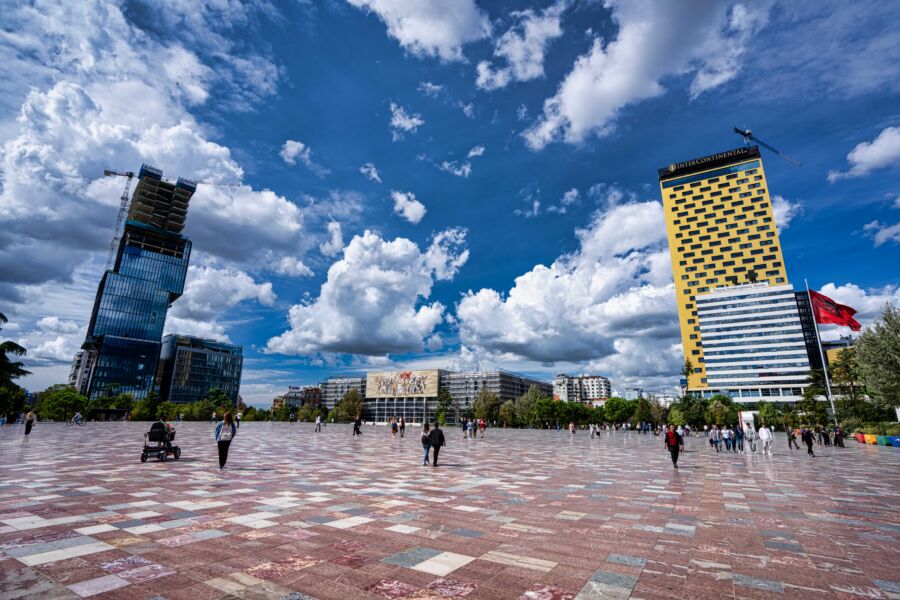
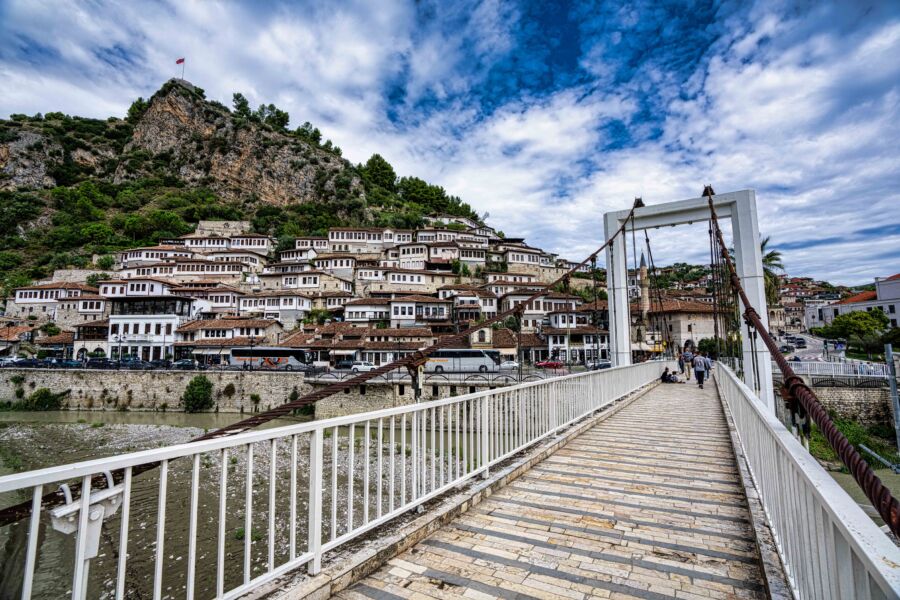
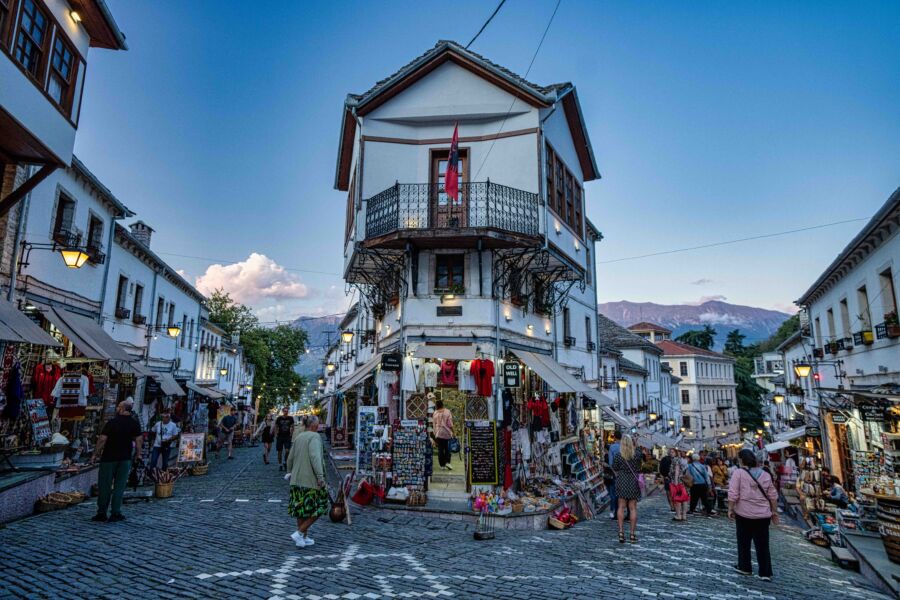
Then I headed to the country’s fine mountain towns, each a warren of narrow, cobbled lanes huddled below a mighty fortress. Berat, the “city of a thousand windows,” was charming, but the real star is Gjirokastër, with its twisty and steep lanes weaving through its historic bazaar, and stunning views to the surrounding mountains.
From here, I side-tripped to a couple of those newly famous, up-and-coming beach resorts (about an hour’s drive away): Big, sprawling, concrete Sarandë; and smaller, dreamier Ksamil. Both had nice sandy beaches that were inviting on a sunny day. But the very crowded beaches, variable standard of accommodations, and noticeably lagging infrastructure made it clear that Albania’s tourism industry is still a work in progress. (Sadly, greedy hoteliers raised prices dramatically in anticipation of a busy 2024, which kept budget-minded travelers away and badly hampered the burgeoning tourism industry.) Nearby are the ancient ruins of Butrint.
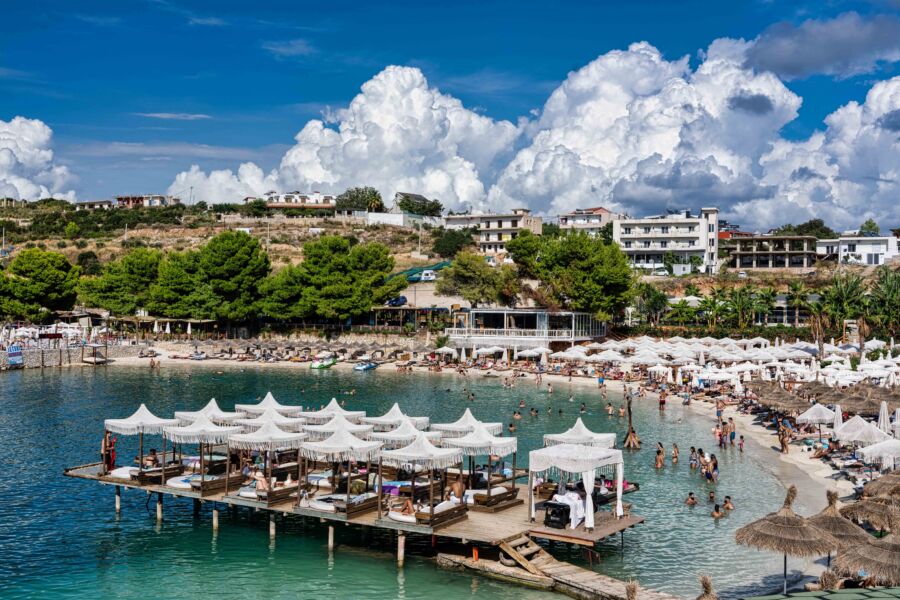
Especially if you’re determined to really settle in and linger on the beach, you could flip this plan — sleep in Ksamil or Sarandë, and side-trip to Gjirokastër — but given the speedy nature of my trip, I was glad to circle back to settle in for another night at Gjirokastër, to soak in its charming atmosphere.

From here, I crossed the Greek border, and headed on to Meteora and Athens, to drop off my rental car and carry on to the islands. But if you had ample time — another week or two — you could make your trip a loop and take the coastal route home: Back up along the Albanian coast, around Montenegro’s Bay of Kotor, then island-hop up Croatia’s Dalmatian Coast to Slovenia, where you began. Phew!

I’ll stress again that this is an ambitious, fast-paced plan, designed to briefly touch down in as many places as possible. But this spine may inspire to you select which part(s) of the Balkans most intrigue you, and do a deeper dive. Consider splitting it up over several trips.

Resources

For Croatia, Slovenia, and the highlights of Bosnia-Herzegovina (Sarajevo, Mostar) and Montenegro (Bay of Kotor), all you need is our Rick Steves Croatia and Slovenia guidebook.

If carrying on through the other six countries, top-quality print information is limited. I found Lonely Planet’s Western Balkans guidebook somewhat useful as a starting point for trip planning, but their on-the-ground coverage is sparse and, for my taste, their opinions are too generic and muddled to be useful in prioritizing stops.

For a deeper dive into each country, Bradt has the most generous coverage of these lands, with dedicated guidebooks on Kosovo; North Macedonia; and Albania. While insightful and useful at times, personally I found these a little too dense and dry for my once-over-lightly trip.

Much better than guidebooks, to really get local insight on these places, I recommend investing in hiring local guides. In most of these cities, you can spend a few hours with a great local guide for around $50 (again, double that — or more — for Croatia, Slovenia, and Montenegro). I found guides in a variety of ways, whether through personal recommendations from my friends in the region or by scouring online reviews until I found a guide or company that matched my travel philosophy. While I had a couple of duds, most of the guides I used were top-quality; I’ve noted some favorites below.

The single best resource I found for this trip was the Sarajevo-based tour company called Funky Tours. Thoughtfully run by Ema, they offer a variety of tools for Balkans-bound travelers, ranging from day trips out of Sarajevo (including an outstanding visit to Srebrenica); to multi-day package tours; to a consulting service for helping you sort out the details of your independent trip; to fully custom study tours, where you tell them what you’re looking for, and they take care of the rest. Based on the exceptional quality of their advice and contacts, I recommend them most highly if you’re looking to invest in some expert help in putting together your dream Balkans trip — especially if you’re heading to the southern part of this region, where clear resources are harder to come by.

And finally, below I’ve listed a country-by-country grab-bag of the resources and other leads I personally found most useful in each place. This is just the tip of the iceberg; my sense is that there are wonderful guides, tour operators, hotels, and contacts all over the Balkans, but it can be challenging to find just the right ones for your trip. (Note: While some of the local guides have email addresses or even websites, many of them communicate primarily through messaging on WhatsApp; in these cases, I’ve given their phone numbers below.) Use this list as a starting point, and if you have any personal favorites in this area, let me know in the Comments, below.

Croatia and Slovenia: All of my best tips and leads are in our Rick Steves Croatia and Slovenia guidebook.

Bosnia-Herzegovina: Our Rick Steves Croatia and Slovenia guidebook covers this area, as well, but I’ll call out a couple of favorite guides: In Sarajevo, Funky Tours (noted above) offer excellent side-trips, including a well-designed side-trip to Srebrenica. Amir Telibećirović is a local guide who’s been partnering with us in Sarajevo for years (teleamir@gmail.com). In Mostar, Alma Elezović is a great guide (aelezovic@gmail.com), and her husband Ermin is a driver for trips around Bosnia (elezovicermin@gmail.com). By the way, if visiting Srebrenica — or even if you’re just curious about that harrowing chapter of the Yugoslav Wars — watching the Oscar-winning 2020 film Quo Vadis, Aida? is a must.

Serbia: On my previous visit to Belgrade, I enjoyed a tour from Srdjan Ristić from Explore Belgrade. On this trip, Serbian Adventure Factory arranged an excellent city historical tour for me with Marija, as well as a visit to Tito’s Blue Train. For a splurge-by-local-standards dinner of upmarket “New Balkan” cuisine, I enjoyed dining at the restaurant called Iva. And the best gelato I have had in the Balkans (outside of Ljubljana) is Crna Ovca, with locations around Belgrade.
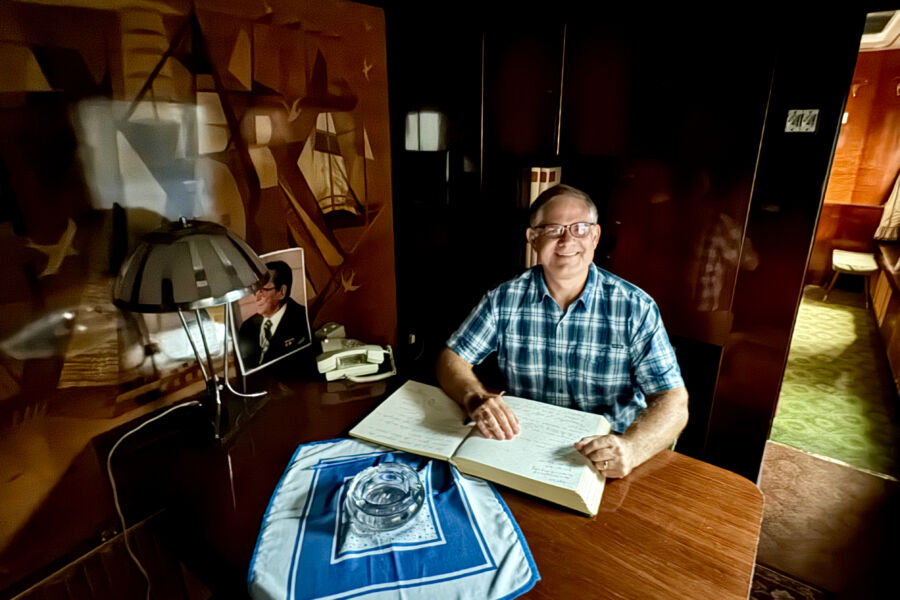
Montenegro: The highlights of this country are also covered in our Rick Steves Croatia and Slovenia guidebook. Our longtime trusted partner in the area is Stefan Đukanović of Miro and Sons; they do a variety of trips around the country. On this trip, in addition to a fun and insightful scenic joyride with Stefan, I enjoyed an insightful tour of Podgorica with his guide Rajan. Also in Podgorica, I had a wonderful  dinner at Konoba Lanterna, with generous portions of delicious traditional food.

Kosovo: I enjoyed staying at the Hotel Gračanica, just outside Prishtinë, near a historic Serb monastery; the reception staff is exceptionally helpful, and the in-house restaurant served one of the best meals I had in the Balkans. In Prishtinë, local guide Ilir gave me a great tour of his “Newborn” city (+383 49 407 769). Prishtinë had so many tempting cafés and restaurants, it was hard to pick; on my brief visit, I enjoyed coffee and cake at Newborn Brew, and had a fun, trendy dinner at the bookstore-themed Soma Book Station. In Prizren, I enjoyed a delicious, traditional dinner along the river near the classic old bridge at Shpija e Kalter.  And the Accursed Mountains — at the intersection of Kosovo, Montenegro, and Albania — is emerging as a popular hiking destination.

North Macedonia: In Skopje, I wandered about 15 minutes from the main square to the trendy area called Debar Maalo, with several traditional restaurants featuring nice outdoor seating (including a few interchangeable places on Gjorgji Peshkov street). A little closer to the center, the big, traditional Old City House Restaurant felt very touristy, but the food was good. I learned much about Lake Ohrid — and North Macedonia in general — from local guide Džino Patel (dzingispatel@gmail.com). In the town of Ohrid, I had a great meal at Kaj Kanevche — quite touristy but friendly and with good traditional food right on the water just below the famous Church of St. Jovan Kaneo. In town, Bro’s Burger Station offered a fun and tasty change of pace from traditional food, serving American-style burgers with a Balkan spin.

Albania: In Tiranë, I was grateful for the help of local guides Eni (+355 68 900 9560) and Gazi (+355 69 631 5858). The city’s main square surprised me with one of the best bookstores (including lots of English books) in the Balkans, Adrion. In Berat, I enjoyed a tour from Erilda Krasi of 1001 Albanian Adventures (+355 69 883 1536). In Gjirokastër, I loved my stay at Tatiana’s guesthouse, Argyropolis Boutique Hotel (you can find her on Booking.com). Also in Gjirokastër, I enjoyed a great dinner at the traditional restaurant called Odaja, with a tiny balcony overlooking the busy bazaar.

Other Video Resources

My “Balkan Odyssey” Monday Night Travel focuses on those lesser-traveled southern Balkan destinations. If you’re craving more focus on the more popular northern countries — especially Croatia and Slovenia — we’ve archived lots of great content on those.

Start by checking out my team-up with my Slovenian friend and fellow tour guide, Tina Hiti, when we co-hosted a Monday Night Travel-style rundown of Croatia, Slovenia, and neighboring lands (from our 2023 Festival of Travel).

We’ve also filmed three TV shows in this region: Croatia: Adriatic Delights — You can watch the original show, or  the Monday Night Travel “watch-along” with Tina Hiti; Dubrovnik and Balkan Side-Trips (including Bosnia-Herzegovina and Montenegro) —  Original show, or the Monday Night Travel “watch-along” with  me; and Best of SloveniaOriginal show, or the Monday Night Travel “watch-along” with Sašo Golub.

Happy Travels! Sretan Put!

I hope this rundown of tips, itinerary ideas, and resources whets your appetite for planning a Balkan Odyssey of your own. While it’s a little more complicated to plan a trip here than to the (overrun, overpriced) biggies in other parts of Europe, your effort is more than rewarded with a wonderful travel experience. If you have any guidance from your own travels to add, please suggest them below in the Comments.

Build Bridges, Not Walls

I’ve been thinking about how — even if all you care about is your own success — it’s much better to build bridges than to build walls.

As we live through yet another abrupt swing of the USA’s political pendulum, two starkly opposed worldviews are coming into focus.

One philosophy embraces walls: physical ones, between nations; trade barriers; cages for locking up enemies. These people see the world as a mountain with America at the top, surrounded by a thick wall, and everyone else desperate to get here. Anyone beyond our borders is our competition — at best, an economic rival; at worst, a bloodthirsty enemy who wills us harm; but either way, in need of being vanquished. In this worldview, our planet is a zero-sum game… and we must prevail. These folks might be inclined to a snappy slogan, maybe something like: “Build! The! Wall!” Or perhaps something less tangible, more esoteric — along the lines of: “America first!”

On the other side — and (spoiler alert!) I freely admit, this is the side I’m on — we view the world differently. Having had the good fortune to travel and experience so much of our planet firsthand, I see our world as a vast, intricate, interwoven network of distinct societies, each one a proud product of its own complicated story. We face many of the same problems, but we approach them differently — and learning from one another is not only in our best interests, but critical to our collective success.

As Rick Steves has often said, the great challenges of our time will be not local or national, but global — in fact, they already are, from global pandemics to a worldwide rolling crisis of unprecedented extreme weather caused by climate change. The solutions must be global, as well. And that means building bridges, not walls.

When you travel — the more you see of the world — the dichotomy between walls and bridges becomes ever clearer:

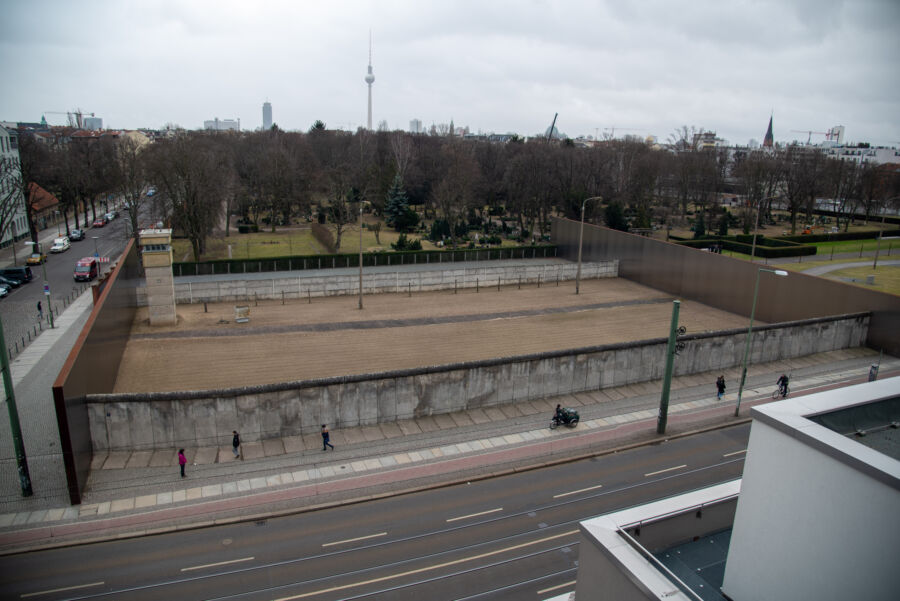
Walls are usually ugly. Think about it: Berlin. Belfast. Israel and Palestine. In these conflicts, walls are a blunt instrument — an act of desperation. They embody misunderstanding, anger, hate. They are barriers to empathy and compassion, making it much easier to demonize those who live on “the other side.”

A wall is a diplomatic failure: By the time you begin stacking bricks, you’ve given up, resigned to a desperate and simplistic “solution” that solves nothing; it just keeps the problem at arm’s length, festering, bloating from inattention until it explodes into a much bigger problem.

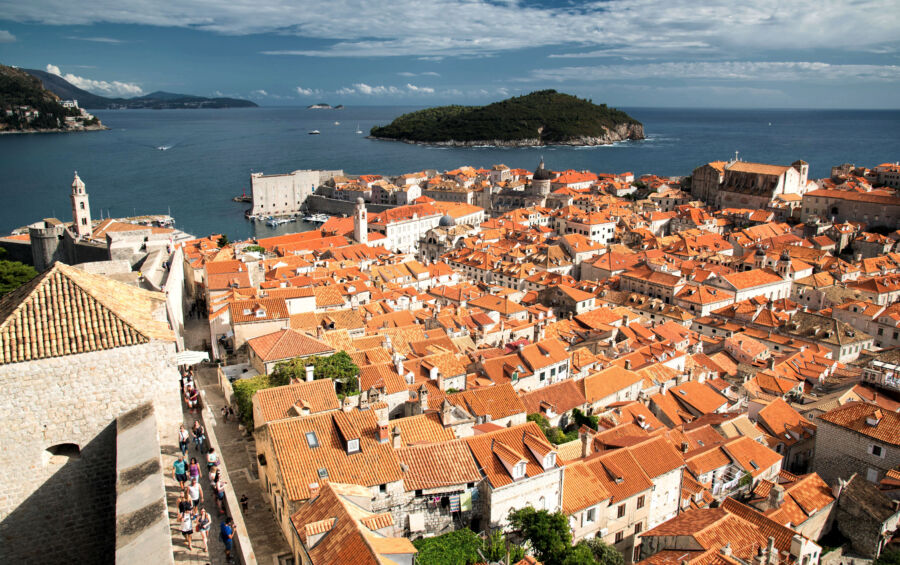
Of course, Europe also has some “beautiful” walls: Dubrovnik. Carcassonne. Rhodes. Lucca. These evoke a time when the world was a dangerous place — when conflict never ceased, and when lives were “nasty, brutish, and short” (as Hobbes put it).

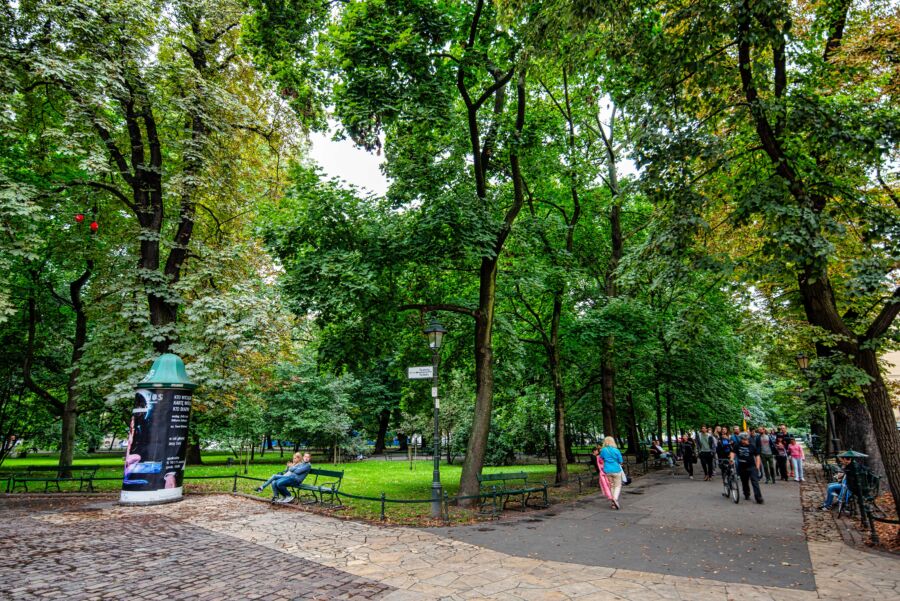
But perhaps more notable are the walls you don’t see anymore. Many of Europe’s most advanced, prosperous, and beautiful cities are surrounded by a green belt or boulevard that forms a suspiciously symmetrical circle: Vienna. Copenhagen. Kraków. Clearly, after building a wall, the next natural stage of societal evolution is tearing it down: forging mutual respect with neighbors to the point that the wall becomes a headache rather than a necessity. And so, eventually, the community dismantles their wall — allowing itself to grow, to advance, to expand, to flourish. Because walls don’t only keep people out. They keep people in.

Now think back on those “beautiful” old walls: What’s truly beautiful about each one is that anyone can now walk freely on top of them — precisely the opposite of their intended purpose. Like jubilant East Berliners dancing atop a hated wall that once contained them, today’s tourists are never so happy as when we’re trampling upon a once-formidable wall. Each picturesque loop is a victory lap, celebrating how far we’ve progressed as a species.

So, then: What about bridges?

Well, bridges are simply everything.

A bridge connects people and places. It allows the flow of both goods and ideas. It strengthens a city, a country, an empire.

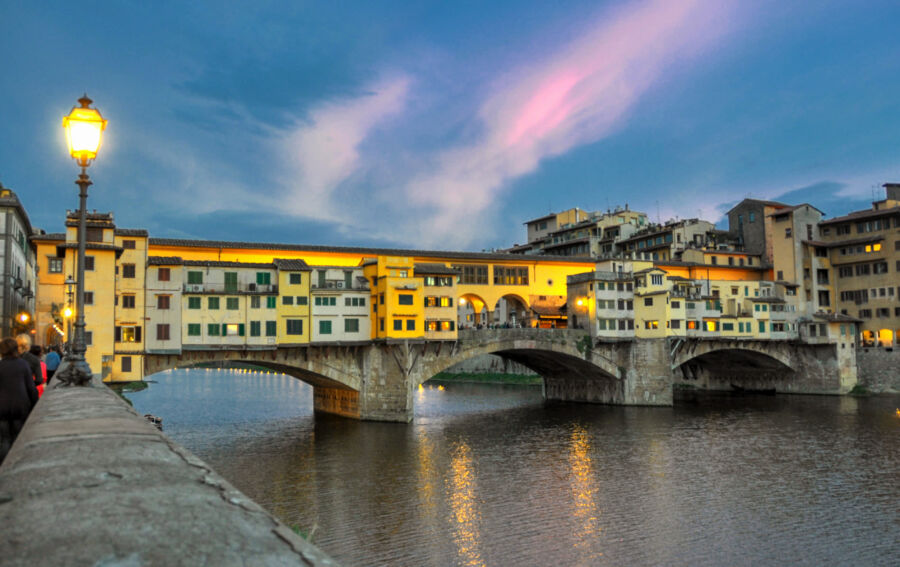
Think of the many iconic bridges that symbolize a great city: In Italy, the Rialto Bridge (Venice), the Ponte Vecchio (Florence), and the Ponte Sant’Angelo (Rome) are clogged with visitors.

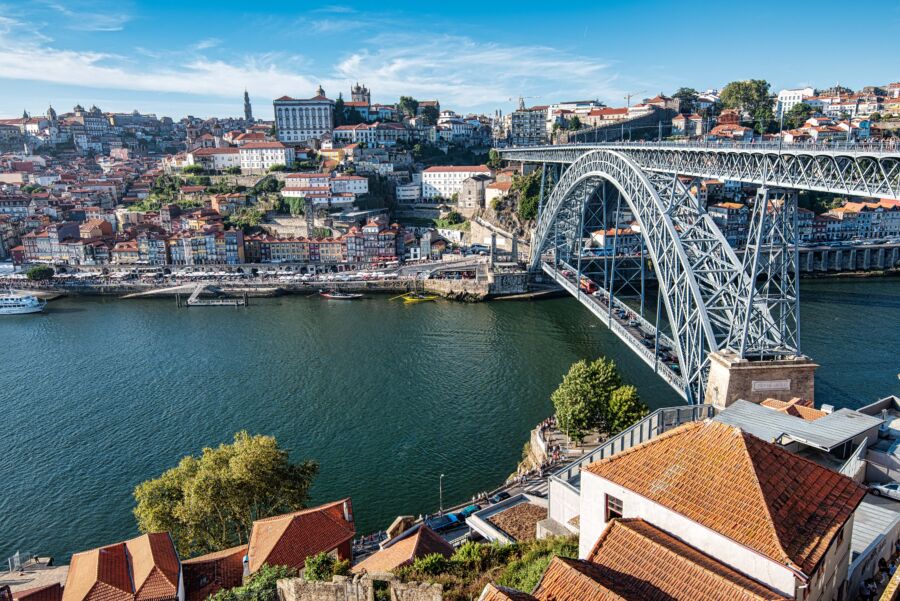
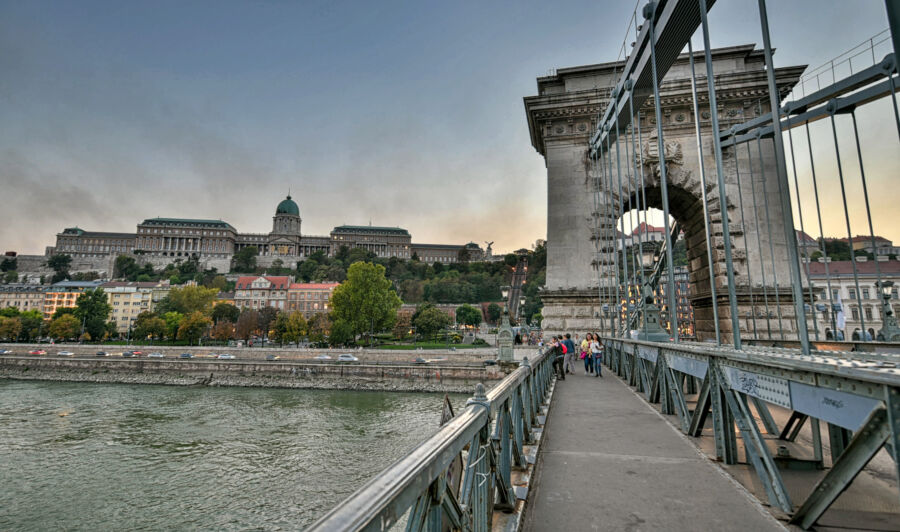
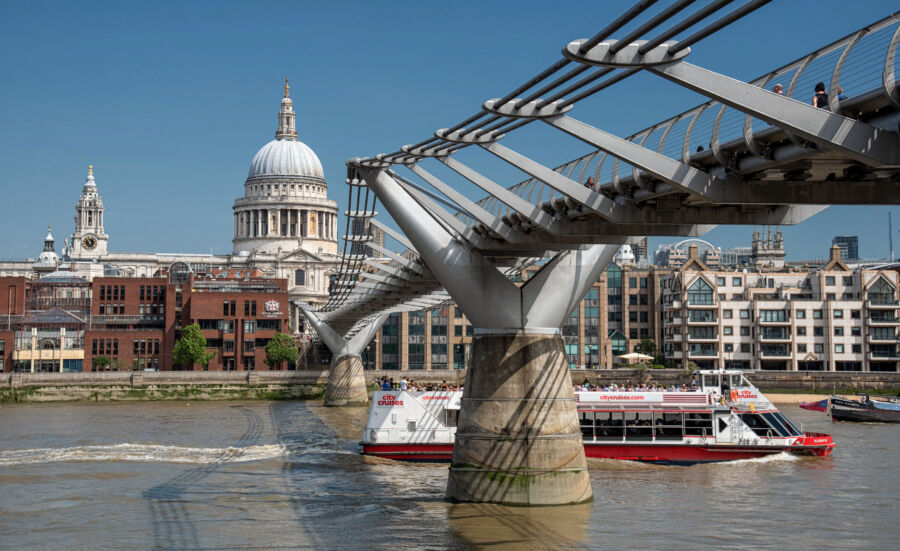
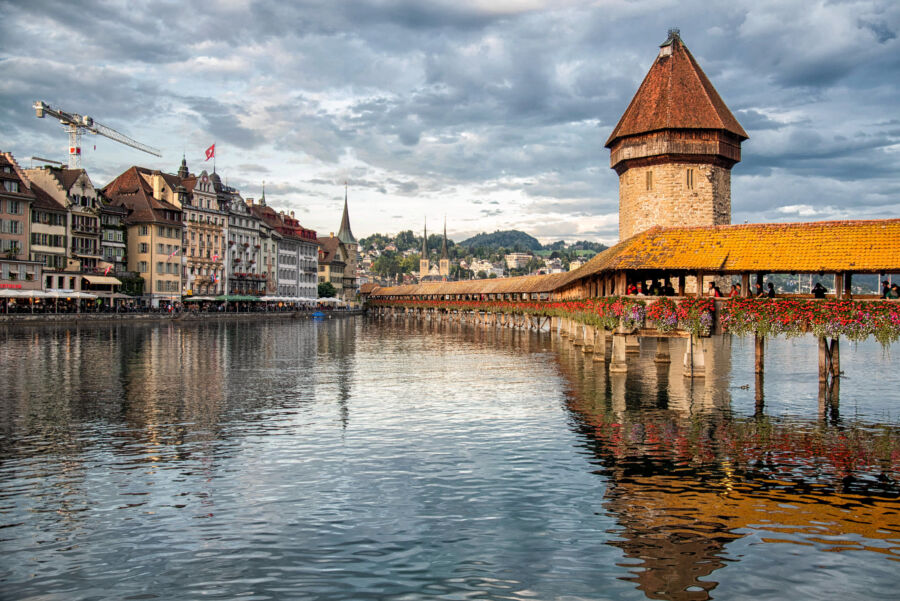
Budapest’s Chain Bridge; London’s Tower Bridge; Prague’s Charles Bridge; Porto’s Dom Luís I Bridge; Luzern’s Chapel Bridge — all of these are as beautiful as they are practical, and each one is synonymous with a world-class city.

A bridge can revitalize a neighborhood, such as when London’s Millennium Bridge reintegrated its South Bank more fully into the city. It can allow two thriving cities to become a single megalopolis, such as when Buda and Pest, separated by the Danube, became Budapest. It connects continents, such as the mighty suspension bridges arcing over the Bosporus in Istanbul. It tethers nations to one another, such as the Øresund Bridge that spans the strait between Denmark and Sweden, integrating Copenhagen and Malmö into one gigantic, transnational economic powerhouse.

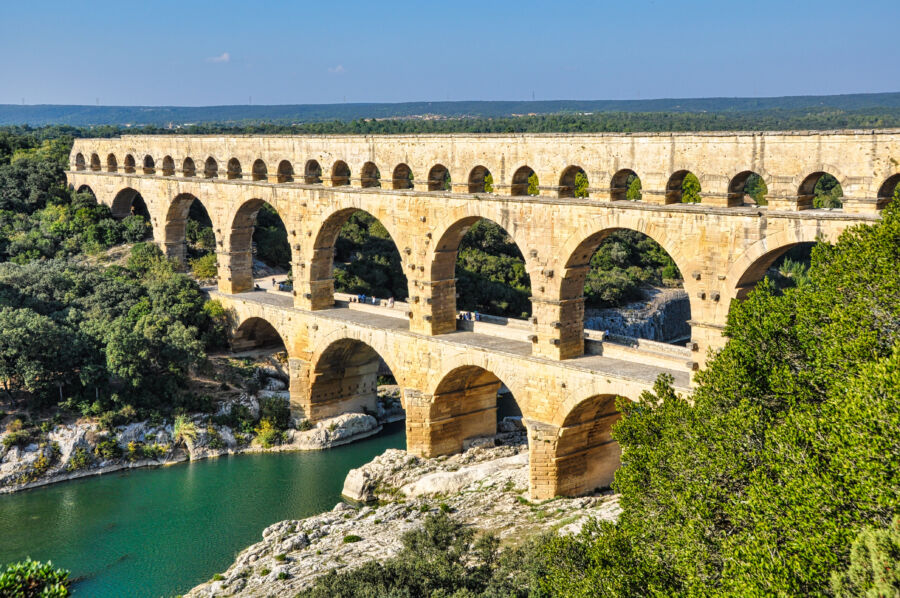
Historically, as kingdoms and empires expanded, they built bridges. Anywhere you go in Europe, you stumble upon old Roman, Celtic, or Ottoman bridges that still stand proud, even as other vestiges of those once-great civilizations have long since been pulverized by the passage of time. In so many cases, the most important surviving symbol of a past civilization is a bridge.

While societies outgrow their walls constantly — and while the dismantling of a wall is, without exception, a marker of progress and a cause for celebration — I can’t think of a single place that has ever outgrown a bridge. Consider this: What bridge has ever been taken down, and not replaced, because it’s a bother? Even when destroyed, by war or by natural disaster, bridges are among the first feature to be rebuilt, so essential are bridges to the proper functioning of a society.

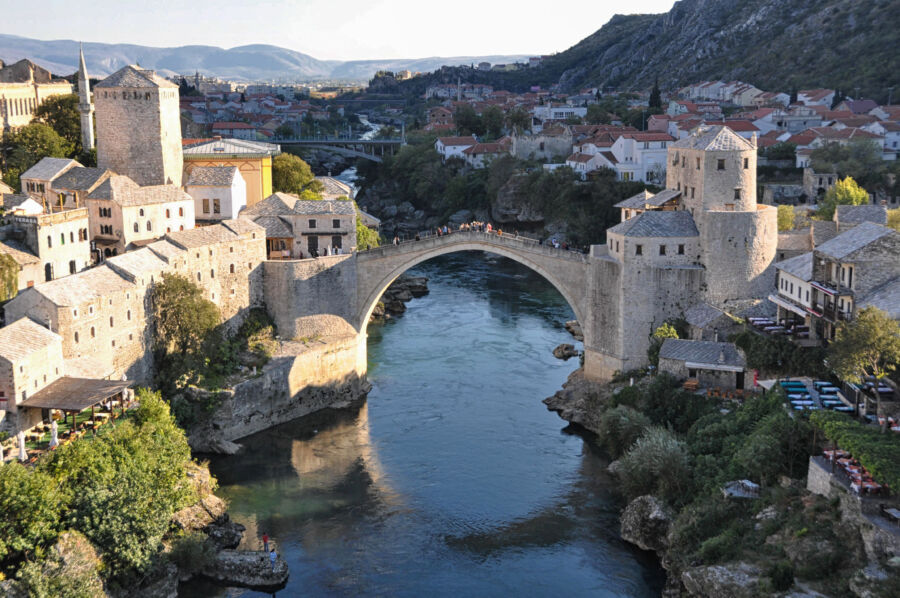
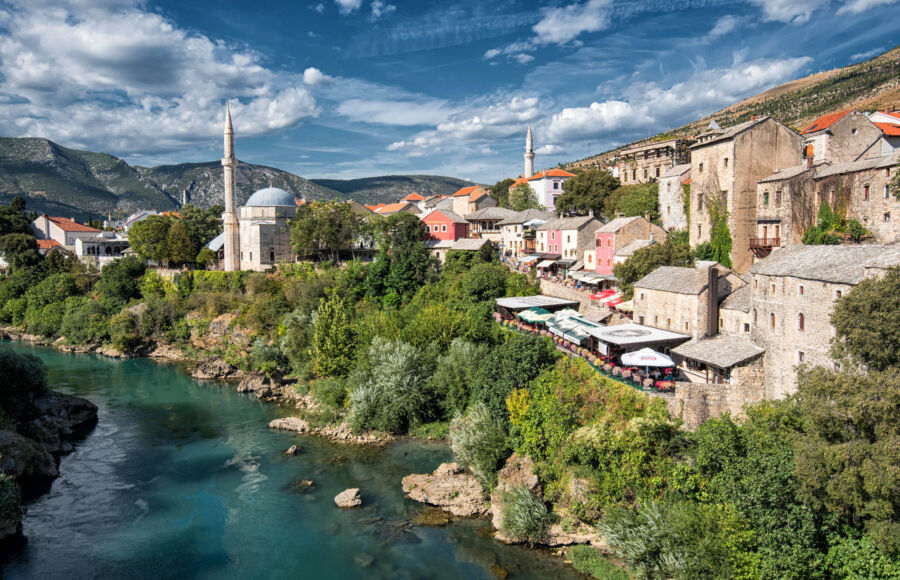
The city of Mostar, in Bosnia-Herzegovina, was long symbolized by its Old Bridge, originally commissioned by the Sultan Süleyman the Magnificent in 1557. It stood strong, connecting opposite riverbanks of the Neretva for centuries, becoming a symbol for this multiethnic community of Bosniaks, Croats, and Serbs. But during the Yugoslav Wars of the 1990s, the bridge was pummeled by artillery until it tumbled into the river below — transformed into a symbol of that conflict’s loss of life, unity, and cultural heritage. And then, after the war, the reconstruction of the Old Bridge infused it with a new symbolism: reconciliation. Such is the versatility of the bridge as a symbol.

In fact, the European Union embraces the bridge — not the church, not the town hall, not the castle or fortress, not the guildhouse or marketplace, and certainly not the wall — as its most prized symbol. The next time you’re in possession of some euro banknotes, take a close look at their design: A defining feature of each one is an illustration of a bridge, from round Roman arches to pointy Gothic ones to sleek modern cables. Bridges fill the wallets and purses of 350 million Europeans.

And what’s the other feature you’ll find on each euro banknote? A doorway. That’s right: a passage that leads through a wall.

Of course, you may see things differently. And that’s as it should be. Even in our polarized times, I believe that smart, caring people can agree to disagree — provided those conversations remain mutually respectful and rooted in objective reality and verifiable fact. No two people will ever see perfectly eye to eye on every single issue or policy.

But if you’re a traveler, as I am, I hope you’ll agree that — surveying the grand swoop of history — a world with more bridges, and fewer walls, is a much better place.

As we carry on into a world where walls, barriers, suspicion, and division are in vogue, I’ll be keeping in mind these vivid memories from my travels. Bridges are a reminder of the transcendent power of connection and cooperation. The act of travel can be a bridge over the troubled waters of our time. And we travelers can strive to be bridges, ourselves, as we connect our increasingly isolated and hostile homeland to the world beyond our borders.

10 European Discoveries for 2025 — Balkans Edition

As the new year dawns, it’s time to plan new travels. Each year around this time, I share 10 “Discoveries” — lesser-known, underappreciated corners of Europe that might deserve a look as your travel dreaming turns to travel planning. And this year, my Discoveries come with a special focus: the Balkans.

Wait… the Balkans? Those Balkans? Absolutely, yes. A few months ago, I set out on an epic road trip from the Julian Alps to the shores of the Aegean, from sunny coastlines to frigid mountaintops, and from Lake Bled to Lake Ohrid… hopscotching through the Catholic, Muslim, and Eastern Orthodox worlds while linking up seven different capitals. This year’s Discoveries showcase 10 locations in 10 countries, combining new-to-me finds and classic favorites.

But the Balkan focus isn’t just because of my recent travels. If there’s a prevailing travel theme for 2025, it’s big prices and bigger crowds. In addition to its astonishing cultural diversity, its stunning landscapes, and its thriving cities, the Balkans’ great appeal is its undiscovered-ness. (In many places, I never saw another American.) And, while inflation is affecting every place to varying degrees, these destinations remain strikingly affordable.

There’s a good chance you’ve never heard of some of these places. But that doesn’t mean they’re not worth a visit. Join me on a spin through the Balkans… and discover something new.

Gjirokastër, Albania

On my Balkan road trip, nothing tested my mettle behind the wheel like driving to my traditional guesthouse near the top of Gjirokastër — the most appealing of Albania’s many historic mountain towns, huddled on steep slopes below a protective citadel.

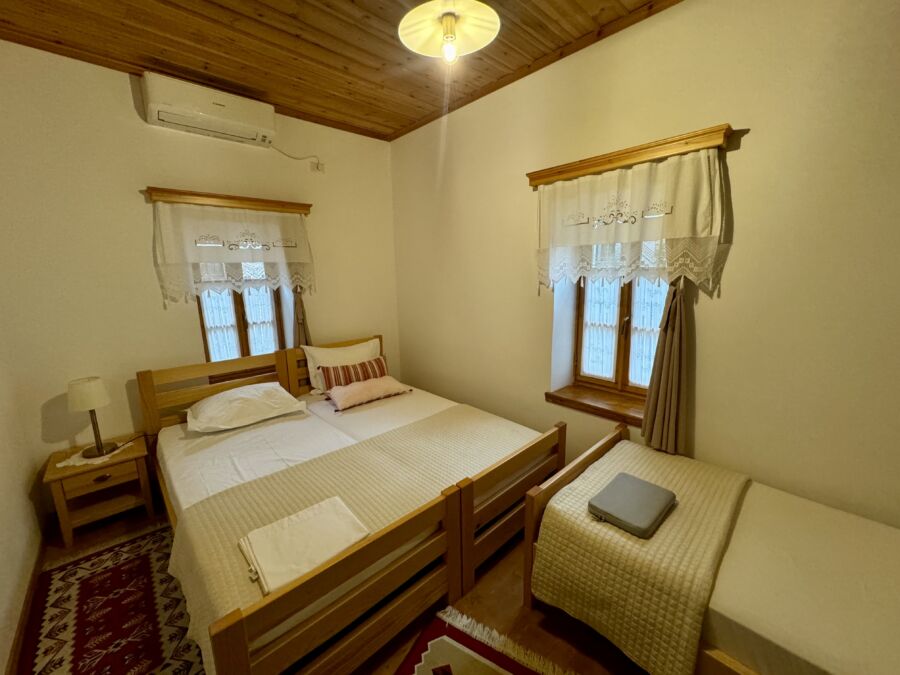
From the broad valley below, I twirled up through Gjirokastër’s labyrinthine old town, inhaling deeply as I squeezed up lanes barely as wide as my car. (I had booked a subcompact. They gave me an SUV.) Summiting town, I was greeted by cheerful Tatiana — my very own temporary Albanian auntie — who made me feel instantly at home in her cozy, traditional, spotless B&B.

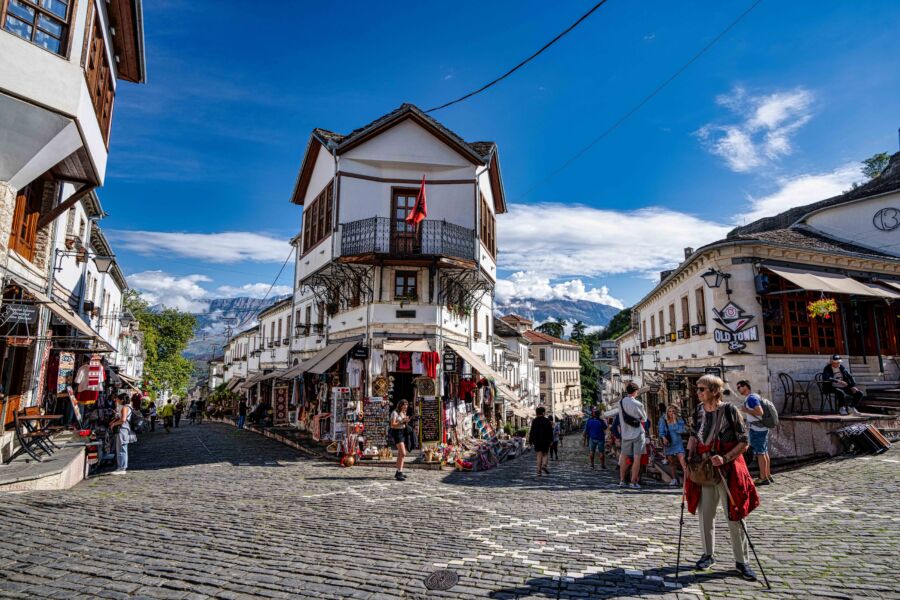
Like so much of Albania (and the Balkans), the historic core of Gjirokastër feels Turkish: cobbled streets, stony slate-roofed homes, soaring minarets, and a thriving bazaar. From the main intersection, with lanes spiraling off in every direction, you have exactly two choices: uphill or downhill.

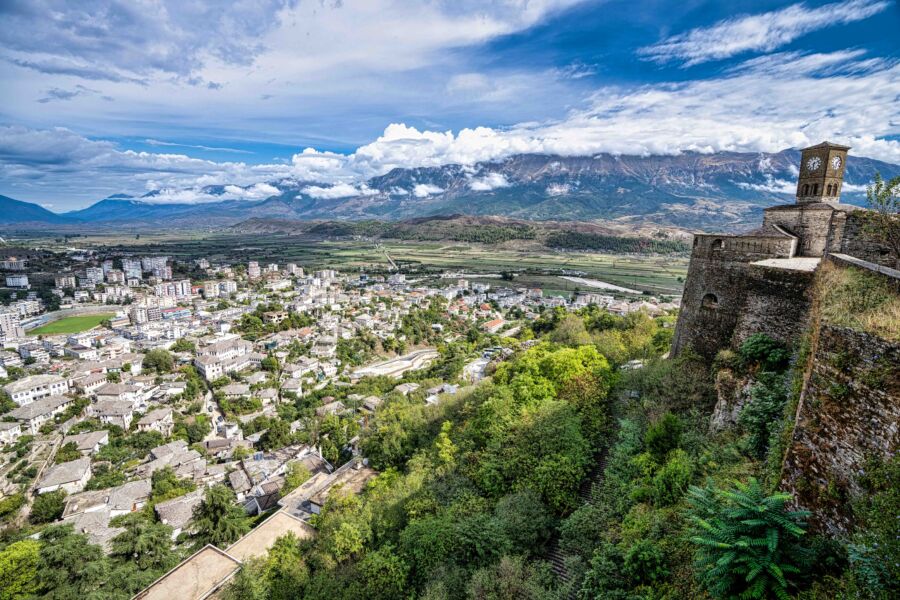
Conquering Gjirokastër’s castle — racking up a day’s worth of steps in a 20-minute vertical climb — I looked down over the city’s rooftops, lined up against a jagged, cloud-catching ridge of peaks across the way.

Later that night, I found the perfect traditional eatery, which had just one tiny table on a miniature porch cantilevered over the bazaar’s busy main drag. Digging into an affordable feast of rice balls, meatballs in yogurt, and an intensely sweet, honey-soaked orange cake, I observed the touristic hubbub just below me. Gjirokastër is gradually becoming known, thanks to its cultural heritage, stunning setting, and proximity to Albania’s increasingly famous Adriatic beaches.

And yet, the place still has an uncorrupted, authentic soul. After dinner, in a needless rush, I hustled past a humble bar with tables facing the bazaar’s main intersection. The bar’s owner slowed me with a generous smile as he all but insisted I take a seat. After charging me less than a buck for an open-your-own-bottle beer, he joined some friends at the next table and savored that priceless twilight view right along with me. It seemed he was less concerned about making money than he was ensuring that this serene view wouldn’t go to waste.

Prishtinë, Kosovo

“I’ll meet you at the Newborn Monument.”

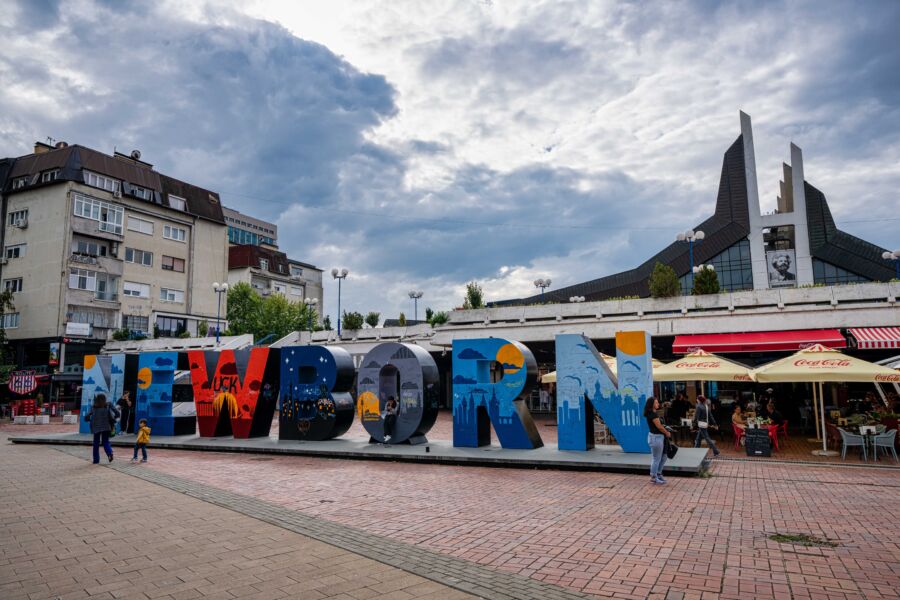
So pinged a text from my local guide, Mentor, as I drove through swiftly developing outskirts toward the center of Europe’s newest capital city. At the monument consisting of the word NEWBORN, Mentor eagerly greeted me, ready to show off his burgeoning hometown.

Prishtinë embraces its newness. Repeatedly, I heard the brag that Kosovo — Europe’s youngest country (independent since 2008, and still not universally recognized) — also has one of its youngest populations, with about two-thirds of its citizens under 30 years old.

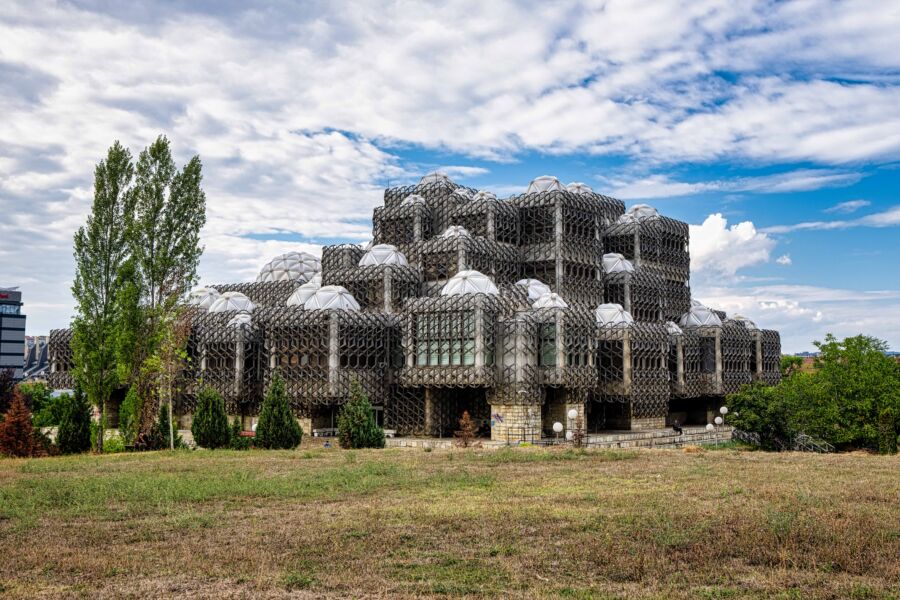
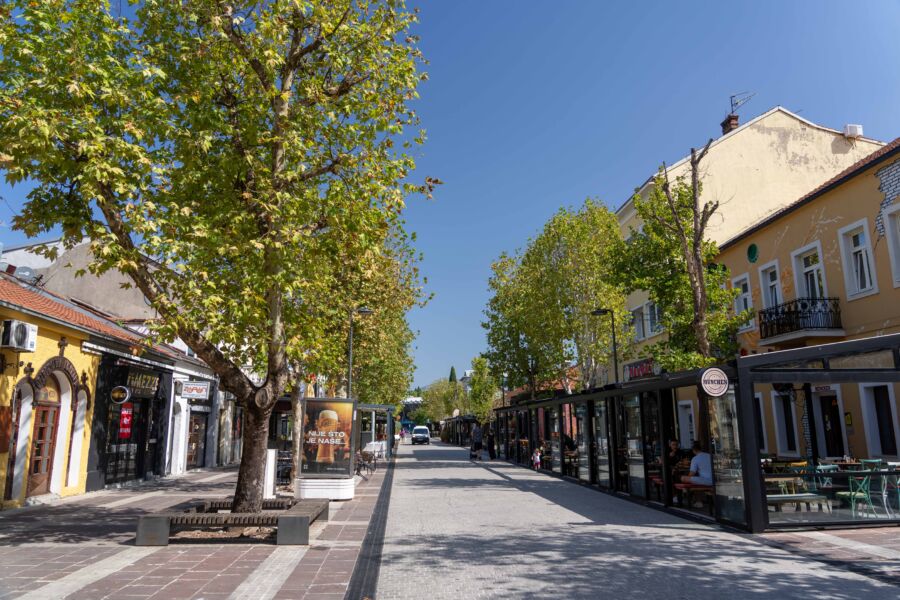
As I explored Prishtinë, I immediately appreciated its appealing urbanity, optimism, and sense of forward momentum. The main drag, recently closed to cars, is a delightful pedestrian mall lined with plywood food sheds and picnic tables. Even its “old” buildings — such as the wonderfully weird, wildly eye-catching National Library, opened in 1982 — feel fresh and innovative: a Brutalist masterpiece with bulbous domes, all wrapped in metallic netting.

At the same time, I also sensed a deep devotion to the past. The ethnic Albanians who make up more than 90 percent of Kosovo’s population are, it’s believed, descended from among the earliest known peoples to reside in Europe: the Illyrians, bewilderingly ancient even to the ancients. And Prishtinë, despite its apparent “newness,” has a very old soul.

As if to demonstrate this, Mentor led me away from the thriving downtown and up to the very top of the main drag (passing the shiny office-tower parliament) to reach the old Ottoman quarter. Passing a duo of soaring minarets — each one marking a lavishly decorated mosque full of locals taking part in evening prayer — we carried on through old Prishtinë’s meandering bazaar streets to a fabulously well-preserved old Turkish house. Mentor lovingly explained each centuries-old item, as if tenderly flipping through the yellowed pages of a precious chronicle.

This parallel devotion to both old and new struck me throughout Kosovo, where visitors divide their attention between the slick new development of a fledgling country, and evocatively antique Orthodox monasteries and Ottoman-era towns (like Prizren). It’s one of the reasons Kosovo, and Prishtinë in particular, got under my skin… much to my (pleasant) surprise.

Logarska Dolina and the Northern Valleys, Slovenia

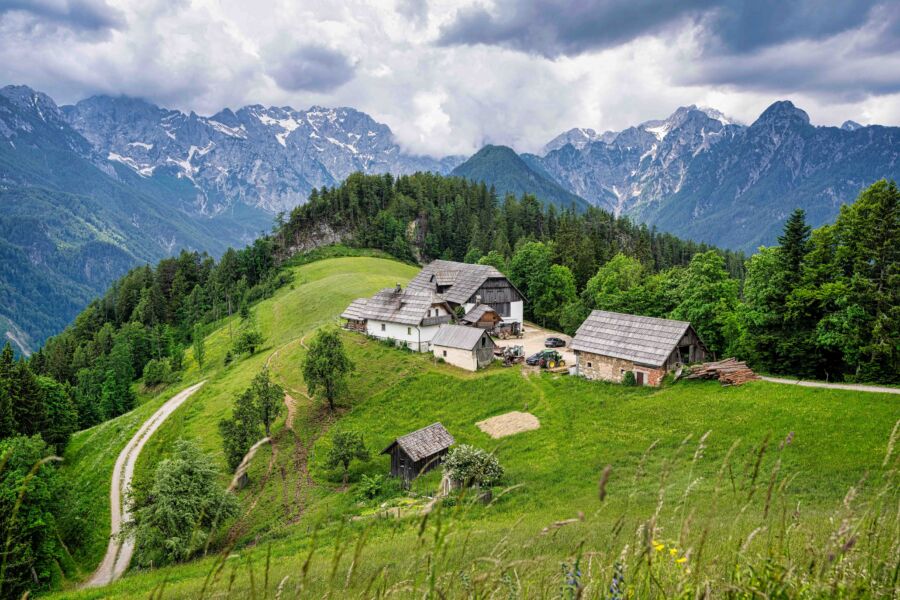
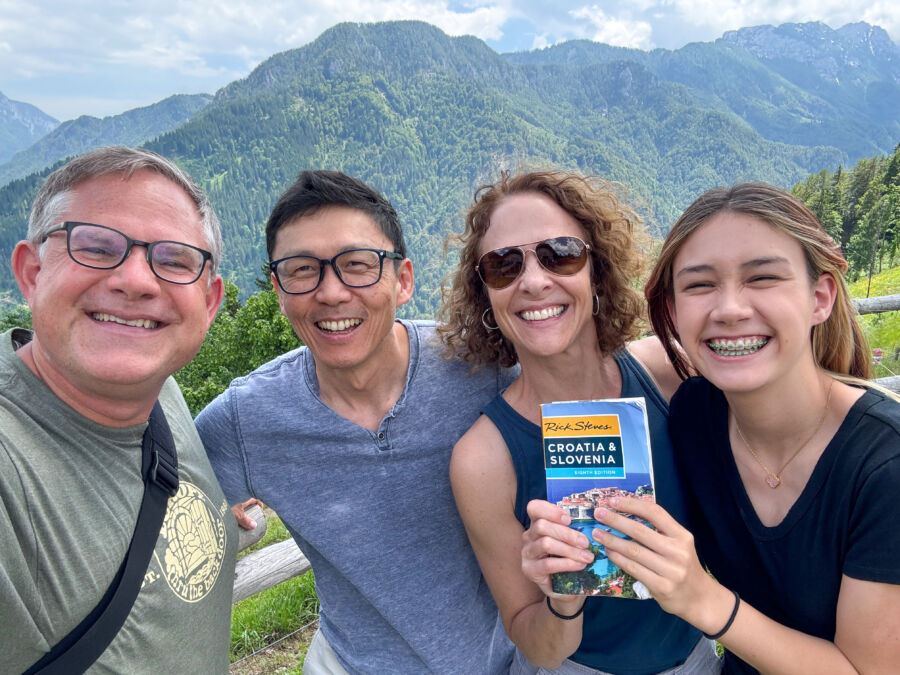
Curling along a ridgetop road at what felt like the attic of the Alps — immersed in 360 degrees of spectacular green hills, yawning valleys, and cut-glass peaks, just a few minutes’ drive from Austria — I pulled up the gravel driveway of a simple farmhouse. Inside the screened-in porch, I met a family of three from Canada: mom, dad, and teenage daughter, all digging into plates of hearty food.

The farmer who owned the place appeared and agreed to bring me a plate, too. As we all chowed down on oversized, pork-filled dumplings, my lunchmates explained that their guidebook had directed them up into these rugged mountains, at the remote northern fringe of one of Europe’s most underrated countries… where they were having the time of their lives. The experience left both my belly and my soul full — making me happy that my work is having an impact on at least a few vacations.

Just down the road, a local tip detoured me up a side valley to another tourist farm, this one specializing in artisanal goat’s-milk ice cream infused with local Slovenian ingredients: anise and honey, tarragon, dried pears, fresh-curd strudel. As a gelato aficionado, I had very high hopes. They were exceeded. (Another discovery for that guidebook!)

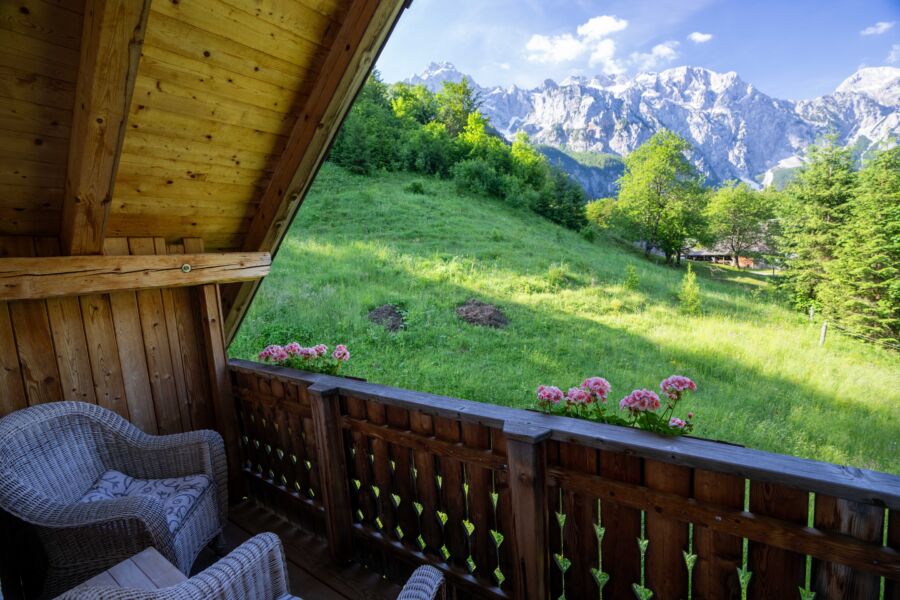
After a long day of heavenly views and earthy flavors, I made my way back to yet another rustic farmhouse, where I was spending the night. The Lenar clan (Urša and her parents) set me up with a woody room where I could step out onto a silent balcony to bask in sweeping views across the valley. Each morning, I savored the traditional folk-art decor of the breakfast room, along with farm-fresh eggs, home-baked pastries, and Urša’s gentle, thoughtful lessons about this region’s distinct farming and forestry methods.

Logarska Dolina specializes in spectacular scenery, in rustic lives that revolve around traditions, and in a refreshing lack of fellow tourists (other than in-the-know Slovenes…and a few wayward Canadians). As Slovenia’s more famous mountain resorts — Lake Bled, Lake Bohinj, the Soča Valley — are becoming, to varying degrees, more crowded, Logarska Dolina is a reminder that even a small country is never exhausted of its beckoning hideaways.

Belgrade, Serbia

Creeping closer and closer in rush-hour gridlock, I observed how the Serbian capital fills its long ridge with gray, uninspiring concrete. Traffic here is as heavy as it is unforgiving. Lush parks, genteel boulevards, and ornate facades are in short supply. The sidewalks are narrow and shabby and forever dribbled by air-conditioning units grafted onto ramshackle apartment blocks that stretch high into the sky, blotting out the sun.

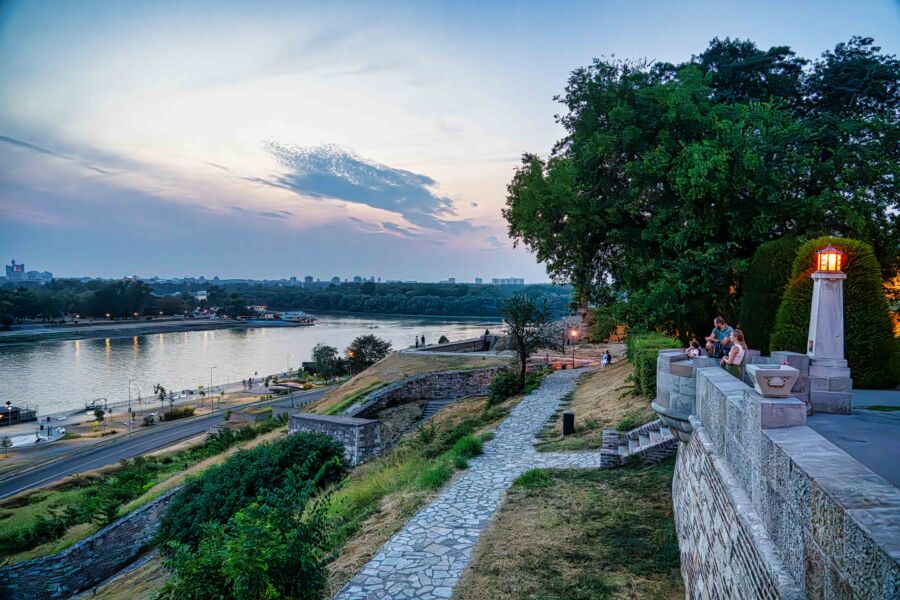
Finally reaching my lodgings, dropping off my bag, and heading out to explore, I joined the people-parade on the main walking street, Knez Mihalova. And suddenly I remembered: Once you’re immersed in the urban jungle of Belgrade, the city abounds with charming details, intriguing detours, and an exuberant humanity. On this balmy evening, the entire city was out promenading… slowly making their way toward Kalemegdan Park, which fills a point surrounding Belgrade Fortress overlooking the confluence of the Danube and the Sava.

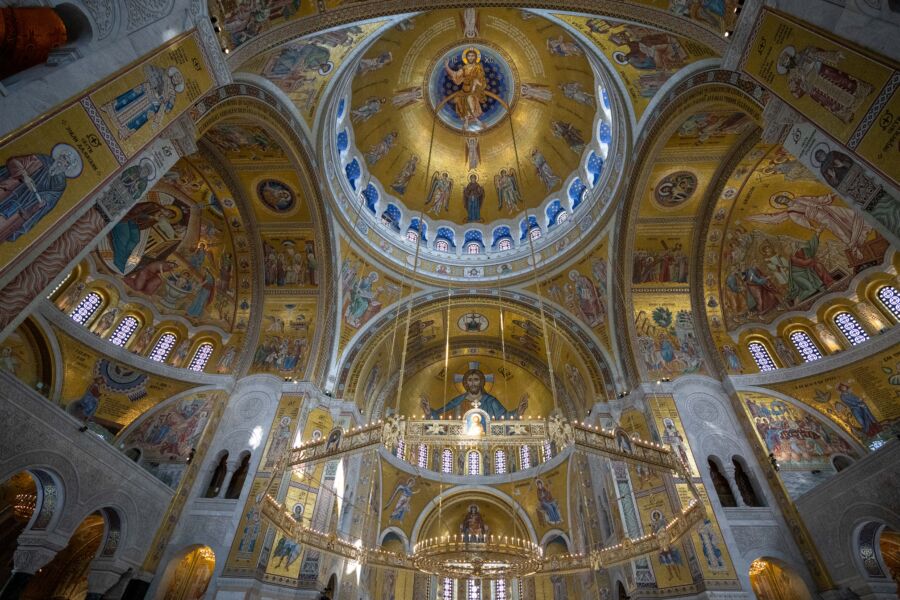
Sightseers find plenty to do here. Sveti Sava, one of the largest Orthodox churches in Christendom, is gobsmackingly stunning inside — shimmering with gilded icons and glittering chandeliers. Just up the street is the former home of inventor Nikola Tesla, now a museum. The Yugo-nostalgic can pay their respects at Marshal Tito’s grave and tour the fascinating, adjacent museum of Yugoslavia. Or simply prowl the cobbles of the traditional quarter, Skadarlija, buzzing with dueling Balkan folk troupes and interchangeable menus of delicious “Serbian national cuisine.”

Departing Belgrade, observing its blight shrink behind me, I thought about how few places provide a starker contrast between that first, distant impression… and the slow, satisfying revelation of experiencing it from within.

Istrian Interior, Croatia

Many years ago, when we were first brainstorming the itinerary for our Rick Steves Best of the Adriatic tour, we knew we needed a couple of nights in Istria — the wedge-shaped peninsula dangling from the northwest corner of Croatia, next to Italy. Initially I figured that stop must be in Rovinj, arguably Croatia’s prettiest coastal town. But then someone suggested that, instead, we should sleep deep in the Istrian interior. Why not settle into an atmospheric hill town with bucolic views and world-class restaurants, still just a short drive from Istria’s coastal delights?

It was one of those Eureka! moments that, instantly, just made sense. And it still does.

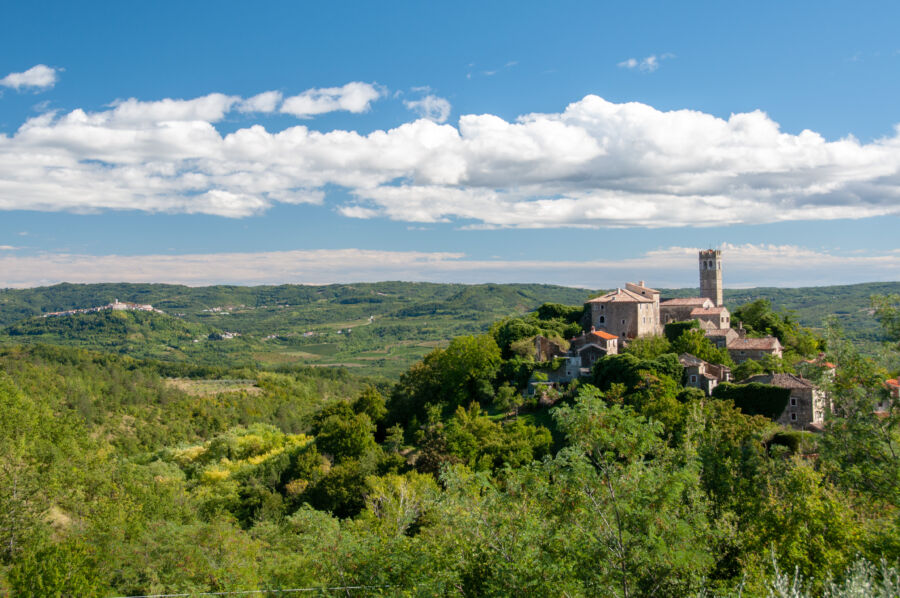
While Croatia is, deservedly, famous for its coastline, I always find myself looking forward to my time in the Istrian interior. There’s nothing like hitting the road for a giddy loop through this stunning, user-friendly region, with its cypress-lined country lanes, stony hill towns capping vineyard-draped hills, trendy boutique wineries and other foodie finds, and dark oak forests embedded with precious truffles. It feels like joyriding through a schlocky painting of Tuscany — but real!

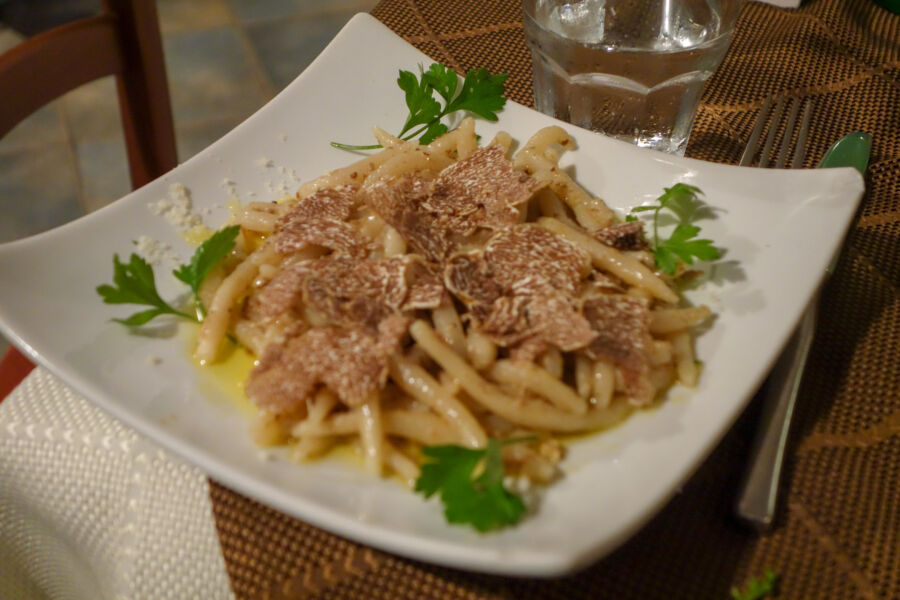
And then, of course, there’s the food: Istria is one of Europe’s most abundant producers of truffles. These pungent tubers are grated like parmesan over noodles or steak. And you’ll also find them in cheese, salami, olive oil, tapenade, pâté, frittata, soufflé, and even ice cream.

Settling into one of my favorite Croatian eateries, in the hill town of Motovun, I perused the menu and made my selection. But then, the owner appeared tableside and turned the page. “Ah, but did you see the white truffle menu? We have some of the first white truffles of the season.”

Well, in that case… don’t mind if I do!

Sibiu, Transylvania, Romania

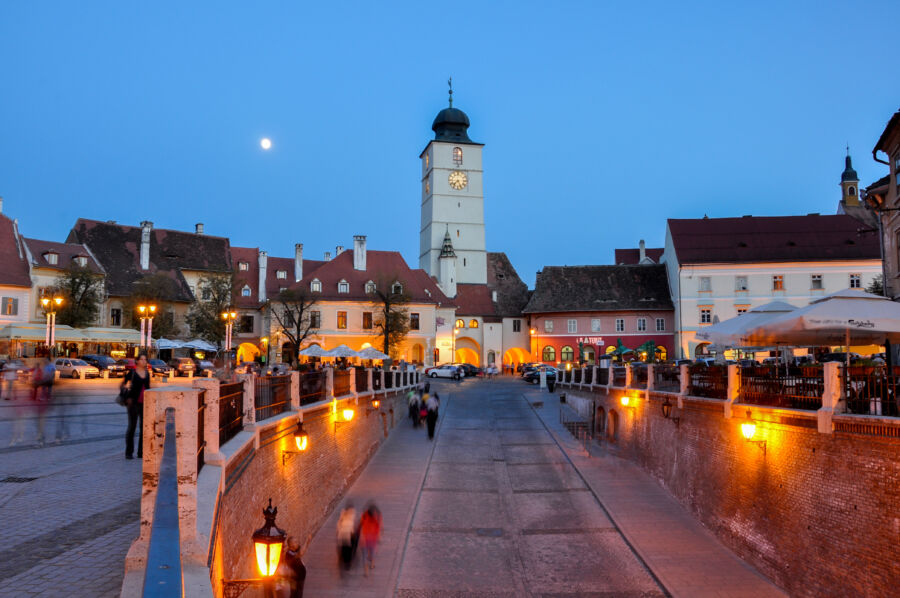
On the night of my first visit to Sibiu, several years ago, the town was throwing its first-ever Oktoberfest party. The main square was alive with festivities: carnival rides, little booths slinging traditional food, and a gigantic beer tent, rollicking with happy Romanians hoisting frothy mugs while swaying in time to the imported German oompah band.

Cultural cross-pollination is a hallmark of the Balkans, and essential to truly understanding the region. But it’s not always easy. Just trying to explain the various cultures that have called Romania home — Roman legionnaires, Germanic (“Saxon”) traders, two different factions of Hungarians, and, oh yes, the Romanians — can glaze over the eyes even of the most curious history student.

That’s why I appreciate places like Sibiu, which embodies those complexities in an easy-to-appreciate package. It’s one of many historically Germanic towns in Transylvania, Romania’s thickly forested heartland. Those rolling foothills and cut-glass Carpathian peaks on the horizon are easy to mistake for the Alps.

After communism, like so many other Romanian communities, Sibiu was in a shambles. But it was rebuilt and brightly polished, thanks largely to a visionary mayor, Klaus Iohannis — the first ethnically German mayor anywhere in Romania since World War II. (The city’s transformation and prosperity vaulted Iohannis to national prominence; he was elected president in 2014, and still holds that office.)

Today, among Romanian towns, Sibiu feels classy, stable, and sure of itself. Exploring Sibiu’s cobbles — wandering between its three grand, interlocking squares, enlivened by stately municipal buildings, café tables, and giant, looming churches, then wandering down its main pedestrian drag to a tranquil park that marks the former moat — I kept catching myself thinking I was in Germany. And in a country that’s still struggling to get back on its feet, emulating one that’s already affluent, well-established, and tidy is a shrewd start.

Lake Ohrid, North Macedonia

For my stay at Lake Ohrid, I “splurged” (by Balkan standards) on an apartment with a deck overlooking the lake. Each time I slid open that giant glass door, subconsciously expecting to catch a whiff of the sea, I was surprised instead to smell the unmistakable dank of freshwater.

Nearly a thousand feet deep, and among the world’s oldest lakes, Ohrid feels primordial… elemental. Looking out over the sea-like deep, you notice how this vast, moody, dramatic lake is big enough to create its own weather system. From miles away, you can see brief, intense squalls ripping across the water’s surface toward you, alternating with shimmering sunbeams, bright blue skies, and cotton-candy clouds.

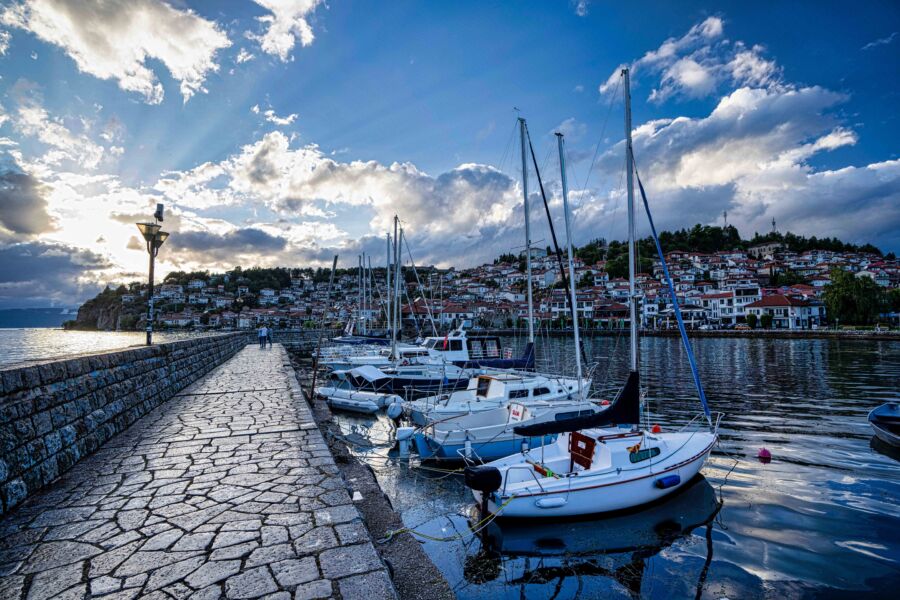
Ohrid floods a gorge between wooded mountains along the border between North Macedonia and Albania. The lake, and the historic town of the same name, are a popular resort for visitors from around the Balkans. Holiday-makers promenade along the wide path that runs along its shore, venturing out onto crumbling piers to be immersed in lakefront splendor. Or they hike just around the bluff above town to reach the iconic, Byzantine-style Orthodox church of St. Jovan Kaneo, clinging to its own little niche just over the water. From here, a steep and winding path leads up to a partially ruined fortress, along its crenellated wall, then to yet more beautiful Byzantine-style churches and twisting lanes that, eventually, meander back down to the lakefront.

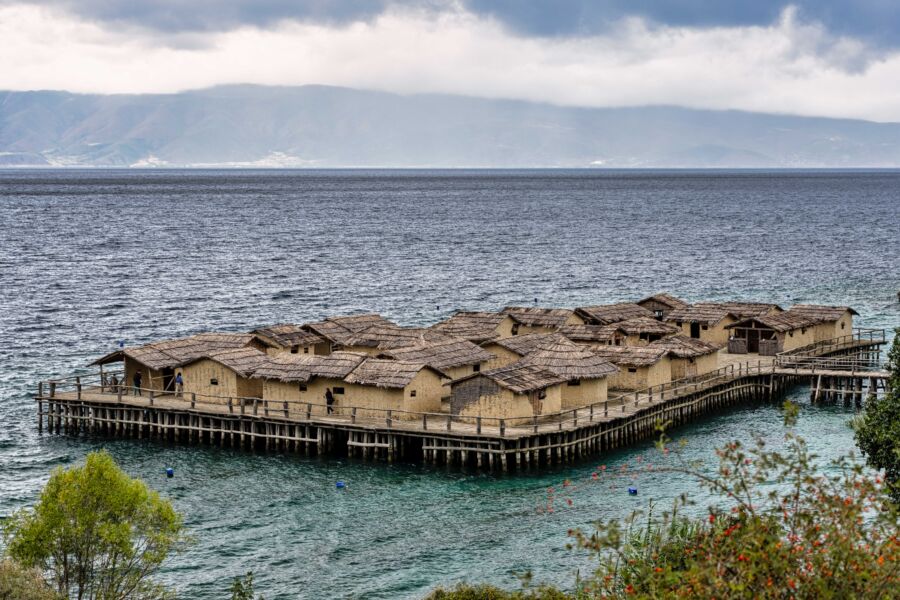
All of those churches are also a reminder that Ohrid is not just for vacationers; it’s one of those places that feels infused with an almost mystical aura, which has attracted settlers and visitors for eons. Following the shoreline highway, you can pull over to explore the rebuilt stilt houses suspended over the Bay of Bones, or to visit yet another historic church, honoring one of the Byzantine missionaries (St. Naum) who converted the Slavs and created the Cyrillic alphabet.

Yes, “primordial” is a strange way to describe a destination. But that’s the word that kept coming to mind on the shores of this bewilderingly old, mysterious, and tranquil lake.

Veliko Tarnovo and Shipka Pass, Bulgaria

There’s an atmospheric lane in the heart of Veliko Tarnovo that’s lined with smiling craftspeople, eager to show off their traditional art. Silversmith Todor creates intricate filigree jewelry. Nina and her son create pottery with patterns dating back centuries. Miglena operates an old-fashioned loom. Rumi carves wooden items. And Rashko painstakingly paints icons. Folk art, still being executed with pride and precision by modern people, is a hallmark of the Balkans. And this “Craftspeople’s Street” is one of the most user-friendly places to experience it.

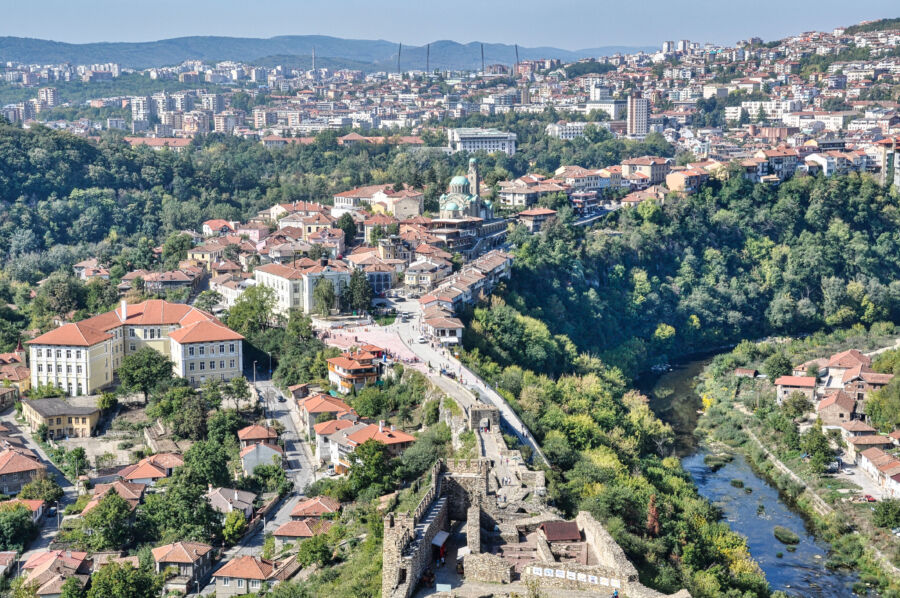
Artisanal handicrafts aside, Veliko Tarnovo — appropriately meaning “Great City of Land and Water” — is among the most dramatically situated settlements anywhere. The city’s homes cling to the steep slopes of a gorge carved by the meandering Yantra River. At one particularly scenic riverbend, a gigantic sword thrusts up into the sky, boldly proclaiming a centuries-old dynasty that still fills locals with pride. And the cliff-topping fortress, Tsarevets, rewards hikers with sweeping views over the city… and the opportunity for kids-at-heart to nock imaginary arrows while defending the substantial bastions.

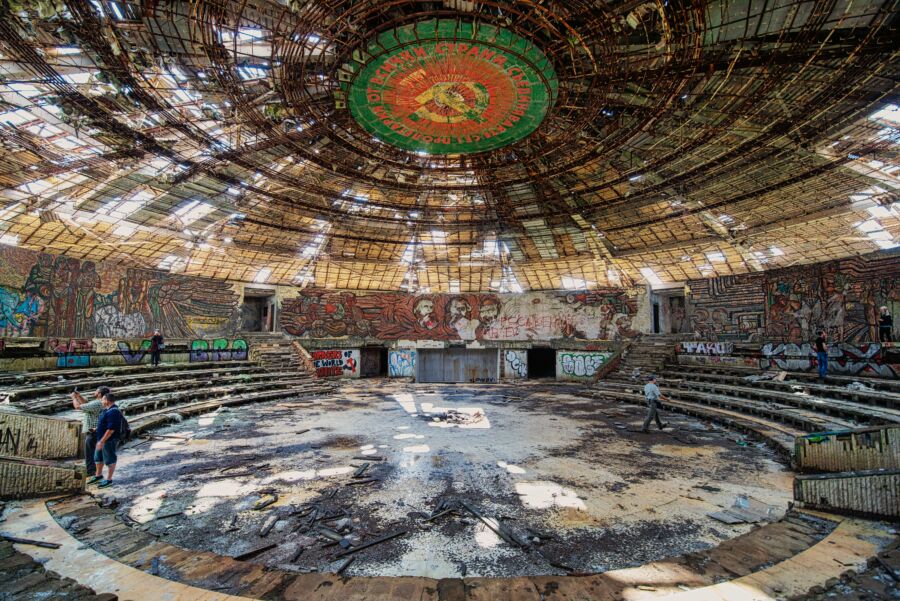
Connecting Veliko Tarnovo to the rest of the country is perhaps Bulgaria’s most entertaining drive, over the Shipka Pass. Along here, you’ll pass through Tryavna, a touristy village that abounds with traditional Bulgarian National Revival-style homes; a lavish Orthodox church celebrating the 1877 battle that forced the Ottomans out of this region; and a rotting-from-the-inside-out communist conference hall that looks like a UFO crash-landed on a mountainside, called Buzludzha.

If Bulgaria is one of Europe’s most pleasantly surprising destinations, then Veliko Tarnovo is one of its very best surprises — and a highlight of perhaps our most underrated tour, the Best of Bulgaria.

Podgorica, Montenegro

“You are probably wondering why you came to Podgorica, widely regarded as the ugliest capital city in Europe.”

These were the first words my guide, Rajan, said when we met. I admired his candor about his hometown; it was refreshing, if a little startling. And it opened my mind to what he said next.

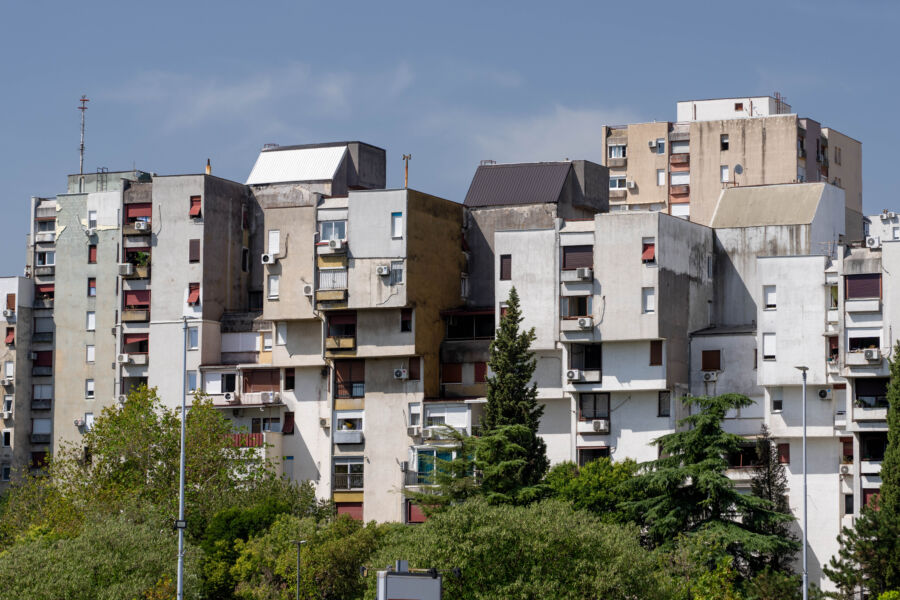
It’s true: Travelers who come to Podgorica (pronounced POD-goh-reet-suh) are not here for beauty. After World War II, the city — then called “Titograd,” after the Yugoslav leader — was built essentially from scratch around the modest footprint of an old Ottoman town at the meeting point of rivers, near the base of a towering mountain range. Titograd was a showcase of Brutalism, the heavy-handed, concrete-happy, form-follows-function style that prevailed in Yugoslavia’s postwar boom.

Brutalism is about as pretty as it sounds…and it hasn’t aged well. The night before I met Rajan, at the end of a 10-hour journey from Belgrade, my train pulled into the Podgorica station just after sunset. The walk to my hotel took me through a neighborhood of towering, bare-concrete apartment blocks, on crumbling sidewalks, past seas of bare dirt and green weeds that crowded out sparse tufts of parched-yellow grass. As a first impression, it was, in a word, brutal.

And yet, as Rajan showed me around by the light of day, I found myself entertaining a thought experiment: What if Podgorica’s burly Brutalism and stark “Ex-Yugo” aesthetic is not a bug…but a feature?

While lacking the graceful arches, stately pillars, and fanciful flourishes that tourists associate with Europe, Brutalism is the essence of functionality. Those Yugoslav nation-builders, like today’s urban planners, faced a desperate shortage of affordable housing. In fact, these days Brutalism is in vogue among young architecture students. Seeing Rajan’s city through his eyes, I found myself appreciating the tidy, grid-planned streets; the broad boulevards with wide, tree-lined sidewalks that encourage strolling; and the strategic juxtaposition of important buildings: parliament, president’s office, ministries, embassies, municipal offices, all efficiently lined up in tidy rows.

Psychologists talk about “radical acceptance.” Rajan, quite radically, accepts that his city is no Prague or Paris. But what it is, is beautiful in its own way. By the end of our time together, we were brainstorming a “Titograd Time Warp Tour” — to really lean into what’s special about Podgorica.

As travelers, we often make snap judgments based on an unflattering first impression…especially in places with a hard history, like the Balkans. Podgorica taught me to keep an open mind and appreciate each place on its own terms.

Talk about radical.

Anywhere, Bosnia-Herzegovina

There’s no doubt that Bosnia-Herzegovina is a “must” on any Balkan list. But where in Bosnia, exactly?

I have already featured the wonderful capital, Sarajevo, on a past Discoveries list. Should I mention Mostar, the convenient-if-touristy “Bosnia with training wheels” city that’s close to Croatia’s Dalmatian Coast? Jajce, the historic town scenically built literally upon a waterfall, where Yugoslavia was born during World War II? Srebrenica, with its wrenching memorial to innocent lives lost in the Yugoslav Wars? Perhaps some remote but charming smaller towns or cities, or amazing foodie finds, or the Bosnian people themselves — some of the kindest, most interesting, most welcoming anywhere?

On the other hand…why choose? If you’re thinking of going to Bosnia, anywhere in Bosnia, you can’t go wrong. In many ways, Bosnia is the quintessence of the Balkans: a ruggedly mountainous, verdant landscape carved by rivers and mountain streams; an epic history, with more than its share of highs and (especially) lows; deeply flavorful comfort food at bargain prices; a complex mix of Muslims, Catholics, and Orthodox, which has left each townscape a jumble of minarets, steeples, and domes; and remarkably affordable prices — making this arguably Europe’s single best destination in terms of cost-to-quality ratio.

Best of all, especially outside of Sarajevo and Mostar, Bosnia has an unmistakable “undiscovered” quality. I’ve been traveling here for two decades; in that time, those showcase cities have become firmly planted on the tourist trail — but those tourists come mainly from the Muslim world, attracted by the promise of an accessible taste of Europe that’s also culturally familiar. (Sharing Bosnia with these fellow travelers is, in itself, a fascinating experience for a non-Muslim visitor from America.) And yet, if you get beyond Sarajevo and Mostar, you’ll likely discover you’re just about the only tourist, from anywhere.

Croatia and Slovenia are certainly the most accessible (and well-known) slice of the Balkans for first-time visitors. But If I had to nominate just one place to get a taste of this region — accessibly, affordably, unforgettably — it would have to be Bosnia-Herzegovina… anywhere.

I realize that some of these Balkan Discoveries might be a hard sell for someone seeking a more, shall we say, “conventional” itinerary. I had great trips in 2024, as well, to Venice, Amsterdam, Germany’s heartland, and the Greek Islands — all still marvelous choices. But as crowds and prices rise to unsustainable peaks in those mainline destinations, off-the-beaten-path alternatives seem more appealing than ever. And you won’t find much that’s more “off the beaten path” than the Balkans.

The Balkans are a big place. What tourists there are, are concentrated in a few very small areas. Whether it’s a remote alpine valley, a giant moody lake, a thriving-if-ramshackle capital city, a historic town that’s improbably built upon an unforgiving landscape, or a Discovery all your own, this region warrants exploration.


Be sure to share your own Discoveries in the Comments.
You can also look back at my Discoveries from 2024, 2023, 2021, 2020, 2019, and 2018… all still great choices.

If you’d like to hear more about my recent “Balkan Odyssey” — and more stories and photos from all of the above places, and more — join me on February 17 on Monday Night Travel (at 6 pm Pacific, or 9 pm Eastern). It’s entirely free — just sign up ahead, when the class is officially announced in a few weeks.

If you’d like to travel along with me in 2025, be sure to follow me on Facebook and Instagram.

And consider checking out my travel memoir, The Temporary European: Lessons and Confessions from a Professional Traveler.

Travel like an Impressionist. Leave Wanting More.

“Slow travel” has more than its share of advocates. And often, I do love to linger. But in my recent travels, I’m surprised to find myself cultivating a new appreciation for “fast travel.” When you get a quick look at a place, then move on, you travel like an Impressionist…and leave wanting more.

One sunny September evening, I eased my way through sloppy, ungovernable roundabouts as I drove into Prizren, Kosovo — the Ottoman-style historic capital of Europe’s youngest country. I’d had an exhilarating day of travel, starting out in the intense capital city, Prishtinë; joyriding a quick loop through the rugged landscapes of the Accursed Mountains; and visiting a pair of Serbian Orthodox monasteries of such cultural importance that wars have been fought over them.

Even as I was gliding on a traveler’s high, I was pretty beat. The hour was nearing 6:30 p.m., and the hazy orange sun was preparing to abruptly tuck itself behind the peaks that hemmed in the horizon. Navigating my way into Prizren’s town center, I negotiated an unmarked maze of torn-up roads, lucked upon a parking lot where I could ditch my car, ran to my B&B to drop off my bag…then hit the town before dark.

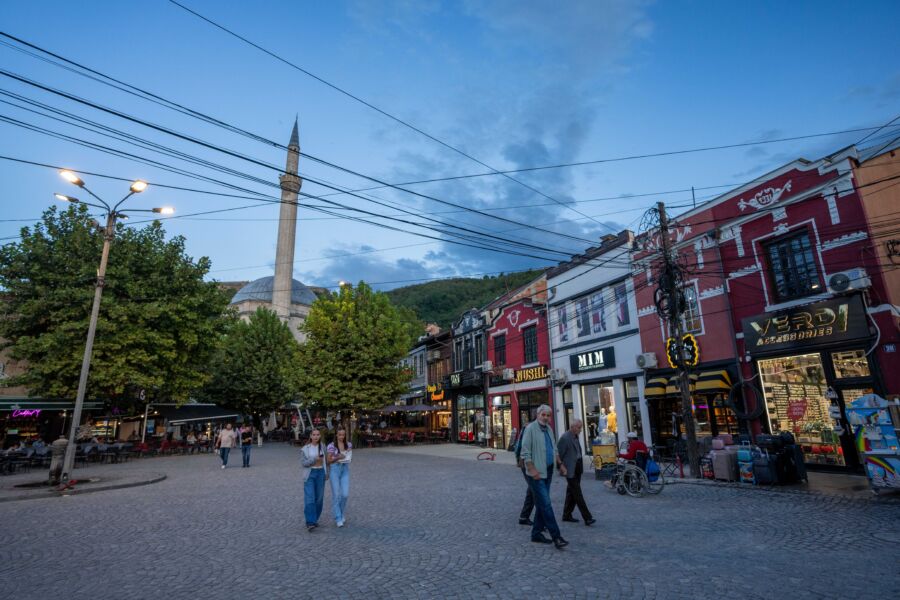
As I rushed double-time down to the main square, past outdoor cafés and the bored guards standing at the gate of the town’s Orthodox church, the call to prayer crackled forth from the soaring minaret of the Sinan Pasha Mosque.

In a matter of minutes, I was stepping out onto Prizren’s Stone Bridge, gracefully spanning the Lumbardh River as it has since the 16th century. While there was still just a hint of light in the sky, I savored a photo safari — wandering up and down the embankments in search of my favorite views of that classic bridge, the exclamatory mosque, the dour citadel slumping over the hilltop, and the distant mountain backdrop.


After dark, I stowed my camera and enjoyed a memorable dinner: a scorch-your-fingers crock of elbasan (or tavë kosi), a traditional dish resembling a cheesy, oven-baked fondue interwoven with delectable bits of tender veal, sopped up with fresh, crispy, rustic bread. Then I enjoyed more strolling and people-watching, picked up a few groceries for breakfast, and got a good night’s sleep.

In the morning, I expected rain but awoke to only clouds. Counting myself lucky, I hiked up to the fortress and enjoyed the panoramas over this historic settlement that so perfectly fills its niche in the mountains. By the time I descended to the main square and nursed a coffee at a tipsy sidewalk table — watching locals stop by the humble landmark fountain for a sip or scrub — the sun made a surprise appearance. After another photo safari, I grabbed my bag, found in my car, and hopped on the highway to North Macedonia.

To be honest, it was hard to pull myself away from this unexpectedly delightful town, after just a few waking hours. Prizren got under my skin, and part of me wished I’d planned more time, maybe even a second night. I’d had only an enticing taste, and it left me wanting more.

But then, I remembered something I’ve learned over a lifetime of travel: Sometimes, it’s not a bad thing to leave wanting more. It’s certainly better than getting tired of a place. And often, a fleeting visit creates the most vivid memories.

I had a lot of those “leave wanting more” experiences on this trip, lacing together an ambitious itinerary through the Balkans — revisiting a few old favorites and finally making it to places I’ve always dreamed about. I had about two weeks for the trip, and when I drew up my preliminary “wish list,” it was clear that I faced a tough choice: Skip half of my list. Or go very, very fast.

I opted for the whirlwind trip. And Prizren was just one of the many stops that left me wanting more. In Belgrade, I had time for just one twilight stroll around Kamerlengen Fortress, overlooking the point where the Danube meets the Sava. During my few hours in Prishtinë, I counted at least a half-dozen cafés and restaurants where I’d like to have nursed a drink or meal. At Lake Ohrid, I never quite captured the perfect sunset rays on the Church of St. Jovan. And in Albania, I scarcely saw Berat — just a quick glimpse on my way to Gjirokastër.

In each case, of course I’d prefer to have lingered — if only I had unlimited time. But here’s the thing: We really don’t have unlimited time, do we? And as I look back, those “too-quick” visits left some indelible impressions that will stick with me forever.

I was in each place just long enough to tease an air of mystery, stoking my imagination to run wild about the potential that hid up each unexplored lane and behind each unentered facade…while sparing me the disappointment of discovering that some of those places would fall short of expectations.

§ § §

I’m not suggesting that “fast travel” is always the best approach. There are many places I can barely pry myself away from: Budapest, London, Ljubljana, Sarajevo, Barcelona… even after a week in these cities, I’d happily double it. And sometimes it’s those tiny, remote places that tempt you to really settle in. That alpine village, perched proudly on its ledge, overlooking a green valley and a panorama of cut-glass peaks. That Tuscan hill town, with its labyrinth of stony lanes, enoteche, trattorie, and gelaterie. That quaint thatched-roof village, at some misty fringe of the British Isles, that tempts you to pull the ripcord on the rat race and permanently join the cast of characters at the local pub. That Norwegian fjordside hamlet, with its red-and-white boat sheds on skinny stilts watching over a vast, still, contemplative fjord.

Digging into a special place for a long stay, you have the deeply rewarding experience of getting to know every last intimate detail. You begin to recognize locals, and they begin to recognize you. You memorize each scenic bend in the footpath. You detect subtle differences in the taste of coffee or pastries from one place to the next… and settle on your favorite. You notice the nuances in the weather from one day to the next, becoming adept at armchair meteorology.

But the reality is, we don’t always have that kind of time, or money  — especially Americans, who (as Rick Steves likes to say) have the shortest paid vacations in the rich world.

There’s a clear contrast among travelers: Americans go fast. Our journey to Europe is long, tiring, time-consuming, and expensive; our time off is limited; we want to make the absolute most of it. In fact, we find it’s tricky to sell tour itineraries that are more than two weeks long.

Two weeks? For Europeans, that’s a quickie beach break. European travelers, who prefer to go slow, are aghast — even offended — at how quickly I’m moving from place to place. Later on this fall’s trip, I spent just one night on the alluring Cycladic islet of Folegandros. Europeans — from the Greek man who ran my B&B, to the British tourists on the catamaran next to me — literally did a double-take upon hearing of my one-nighter. It left them stumped and stammering. And yet… I still had a blast, with what little time I had there.

Europeans figure, if a place is worth a day, then surely, it’s worth five or ten. But the fact is, most Americans don’t have the luxury of lingering. And if our choice is between seeing a place quickly, or not seeing it at all, many of us opt for the former.

There’s a certain traveler’s snobbery when it comes to those of us who move quickly. We’re looked down upon, as if somehow we’re “doing it wrong.” But rather than be embarrassed about going fast, embrace it. Cultivate the art — and the mindset — of having a satisfying visit on the go.

Try this thought experiment: Slow travel — lingering in a favorite place — is Realism or Romanticism, with its closely observed details and its precisely articulated details. Meanwhile, fast travel is Impressionism: Sloppy, quick brushstrokes that capture a unique, unrepeatable moment in time… a vivid impression that sticks with you. When you travel fast, you travel as an Impressionist. And sometimes, those dashed-off impressions carry the most emotional weight. After all, there’s a reason everyone loves Van Gogh and Monet.

This “leave wanting more” philosophy also allows us to practice several traits of a good traveler. It forces us to adopt a mindset of abundance, treasuring the fleeting moments we have with a place, rather than a mindset of scarcity, being pointlessly annoyed at the many “things we didn’t get around to.” The Impressionist traveler is constantly reminded of the value of spontaneity: You can’t get to everything anyway, so you become flexible…follow your instincts…go where the spirit moves you. And then, as you move on to the next place, you find yourself savoring those dashed-off-yet-indelible impressions.

§ § §

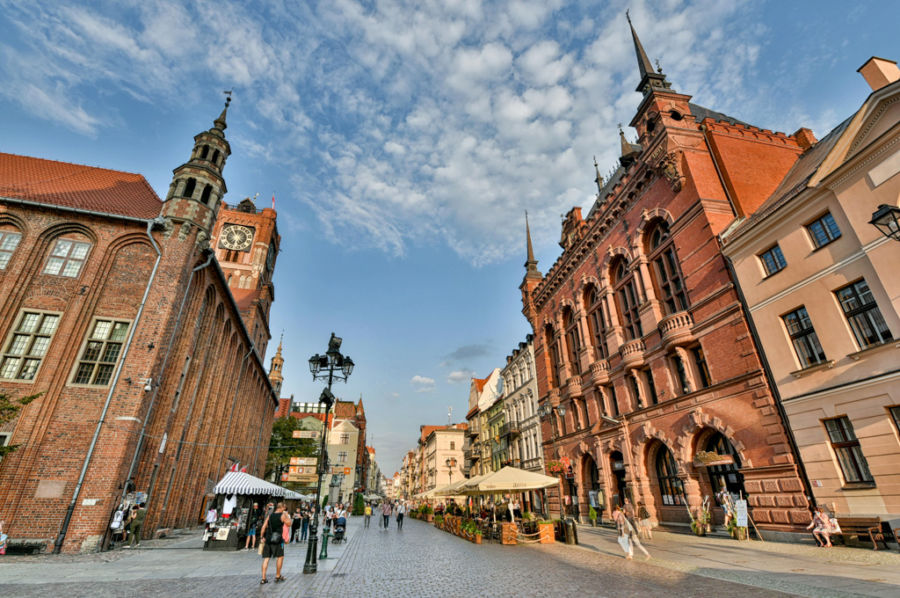
Driving out of Prizren, I suddenly recalled another time I left wanting more. A couple of years ago, I was part of the guide team who led the first-ever outing of our Best of Poland tour. We had painstakingly constructed that itinerary to balance time in the three great cities of Poland: Gdańsk, Warsaw, and Kraków. And, to offer tour members a chance to catch their breath in a smaller town, we included one night in delightful, red-brick Toruń, famous as the hometown of Copernicus and of Poland’s favorite gingerbread.

Toruń is insistently lovable. And, sure enough, our tour members fell for it…hard. We arrived in the mid-afternoon, checked into the hotel, gave them an hour or so to freshen up and/or explore, then did a brief walking tour on our way to a gingerbread-making demonstration. Everyone was on their own to find dinner and prowl the floodlit cobbles to their hearts’ content. The next morning, early risers had another shot at the town. And by 10:00, we were on the bus and underway to Warsaw.

As we pulled out of town, consensus (bordering on mutiny) quickly coalesced around the opinion that one night was nowhere near enough for Toruń. They wanted more, more!

I tried to articulate the same thought that struck me as I departed Prizren: Maybe they liked it so much, in part, because it was such a quick visit. It gave them just enough time to get an enticing taste of the town…a sense of place…to put it on their mental map. Part of it comes down to tour logistics, sure. But it’s also intangible: Some places simply work better as a one-nighter.

I have not dug deeper in Prizren; maybe if I did, I would find it merits another night, or more. But I have spent a good bit of time in Toruń. And from that experience, I know that what our tour group did there represents about 90% of what’s really worth doing. In other words, if we’d spent another night — or even just a few more hours — I’m sure the tour members would have enjoyed it. But maybe, just maybe, they might be surprised how quickly they’d reach a point of boredom… or even begin to wonder if this was really the very best use of their precious, limited time.

It reminds me of that old joke: Houseguests, like fish, begin to stink after three days. There’s an exceedingly fine line between “just enough time” and “too much time.” And based on experience, I’m confident about which side of that line I’d rather fall on.

I’ve often found this to be the case on a second visit to a place that intrigued me the first time: Yes, I enjoy having more time there. But in the end, the longer visit is often less impactful than the shorter one. In my traveler’s imagination, my mental painting of the place is more detailed…but I’ve sacrificed that sloppy, beautiful Impressionistic flourish.

Of course, this also requires a mindful approach to travel: Letting things be as they are. Embracing and fully appreciating whatever winds up on your itinerary, whether it’s a long stay or a short one. And accepting that sometimes, it really is OK — maybe even better — to leave wanting more.


Are there places where you’re glad that you “left wanting more”? Or do you think that fast travel is always bad travel? Share your thoughts in the Comments.
If you appreciate my approach to travel, consider picking up a copy of my memoir, The Temporary European: Lessons and Confessions of a Professional Traveler. This ideal stocking stuffer for the traveler in your life is currently on sale, for 20% off, as part of our Rick Steves’ Europe Holiday Sale. Thanks to all of you who’ve already read and enjoyed my book! I love hearing about your travel tales, too.

Greece on Greece’s Terms

When I returned from my recent guidebook research trip to Greece, my friends and colleagues wanted to hear all about it. My standard response: “Greece is an amazing place to be on vacation. But it’s a very challenging place to write a guidebook.”

I adore Greece. And yet, the same features that make it lovable also make it a nightmare for pinning down essential details. After two intense weeks of traveling through Greece, researching and writing up some new destinations for the next edition of our Rick Steves Greece guidebook, I came away with a new appreciation for the Greek approach to life… even if it resists being captured on the page. Hard as you may struggle and grouse, ultimately you have to take Greece on Greece’s terms. 
For example, on the tiny Cycladic island of Folegandros (population: just over 700), Spiros the cabbie drove me high up to the islet’s mountainous spine, to a remote settlement that’s strung out along a couple of miles of dusty road;  little more than an isolated farm every 100 to 200 yards, it barely seems to qualify as a “village.” From up here, you can see virtually the entire island: its jagged folds, tidy terraces, cozy coves, and parched, windblown hillocks.

I came all that way to visit the only museum on the entire island. But Spiros — who, it quickly became apparent, had never actually been there — had trouble finding the place. He drove up an extremely remote road, with more rocks than gravel, until it dead-ended, then sent me hiking on foot, beyond where any car could go, toward a remote farmstead…which, I imagine, Spiros thought must have been the museum. Instead, I was met by a bald, musclebound, understandably grumpy young man who clearly had come to this out-of-the-way location quite intentionally, to escape the modern world. Guessing from his muscle shirt that he probably was not a museum attendant, nevertheless, I smiled stupidly and asked, “Museum?”

He took pity on me, and far more politely than he needed to, he gestured me back in the other direction. I walked past Spiros, who was smoking a cigarette next to his taxi, and carried on toward a very humble pile of rocks on the horizon which, I now realized, had a handpainted sign out front reading MUSEUM. (Spiros ran after me like a confused puppy dog.)

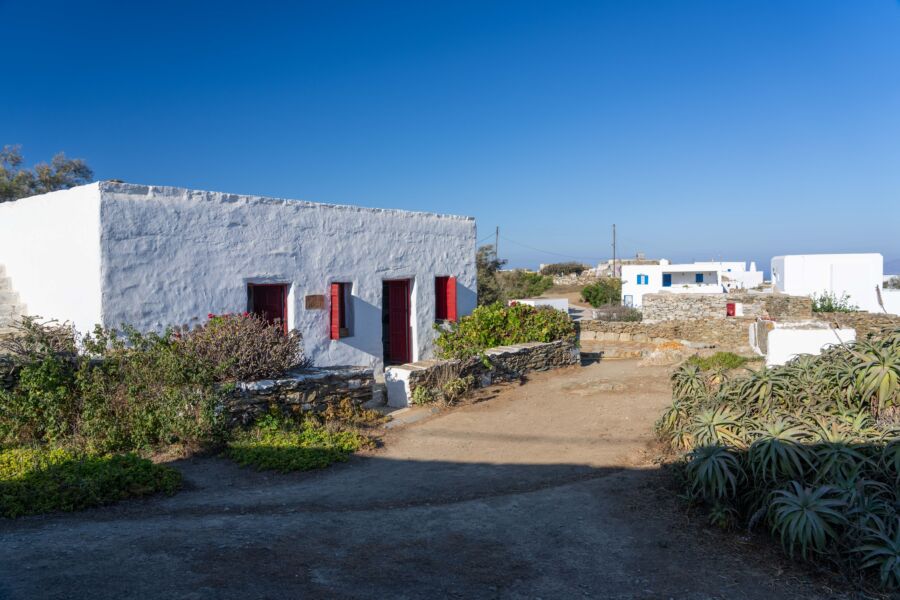
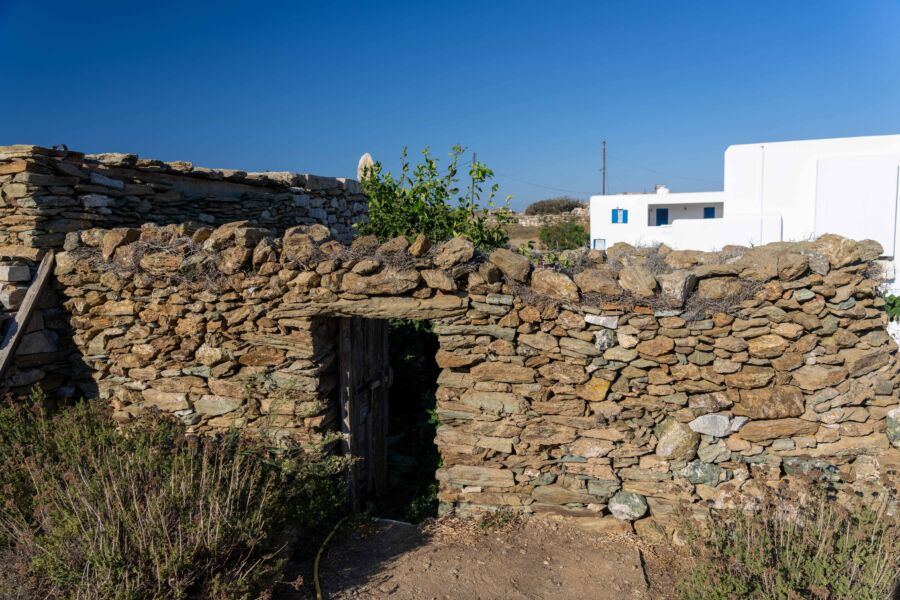
Finally reaching the Folklore Museum of Folegandros, I was cheerfully greeted by Irene. Speaking flawless English, she explained the layout of the humble yet fascinating complex: two historic farmhouses (one from the 18th century, the other from the turn of the 20th), plus a scattering of stone outbuildings and facilities (threshing floor, laundry tub, rainwater cisterns), all lassoed within a rugged stone wall.

She pointed out a lone, scrubby lemon tree, around which had been constructed its very own chest-high wall. Lemons were essential here; when sailors returned from long voyages, they’d drink lemonade to help stave off scurvy. Seeming to speak as much about the people of Folegandros as about their citrus trees, she said, “Life is very precious on this island. So we build walls to protect it from the elements.”

Turns out, this is a real humdinger of a museum, thanks largely to Irene’s commentary — hard to believe, it was actually worth the short, if complicated, trip to the summit of the island. And so, to write it up properly for our book, I needed to confirm the details.

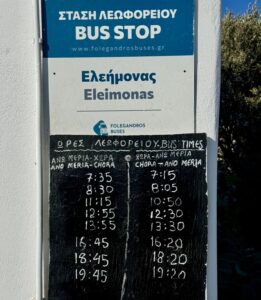
I asked Irene about the “opening hours” I had found online: Open each evening, from 5 p.m. until 7:30 p.m. Irene paused. “Yes, more or less.”

“More or less?” I prodded.

“Well,” she explained. “I come on the bus. So it depends on the bus schedule. In the summer, it’s like you said. In September — starting just two weeks ago — they change the schedule a little, so it’s more like 4:30 until 7. And then, of course, two weeks from now we’ll close until the end of April, because I’m going to Athens for the winter.”

This endearing timetable perfectly suits such an endearing museum. And it makes so much sense: The hours are not arbitrarily set by some faraway office. Rather, they are dictated by Irene’s commute, because Irene — and only Irene — keeps the place open. And if Irene is sick, or wants a break, or has to make a special trip to Athens during the summer…well, then, the museum closes.

This nuance is difficult to capture in a guidebook listing, of course. I feel a weight of responsibility to not let my readers down; I shudder to think of someone making the same journey I did, only to show up and find this museum closed because Irene’s bus was on the shoulder-season timetable. These are the details that it’s my unenviable duty to sweat, on your behalf, in my travels. And perhaps the most psychologically taxing aspect of my job is figuring out how to make the “real world” of Greece jibe with the needs and expectations of our American readers…including our stubborn tendency to assume that schedules are sacrosanct, rather than provisional.

I came across a similarly endearing refusal to be pinned down to a specific timetable in other places, too — even ones that are far less off-the-grid than a remote farming village.

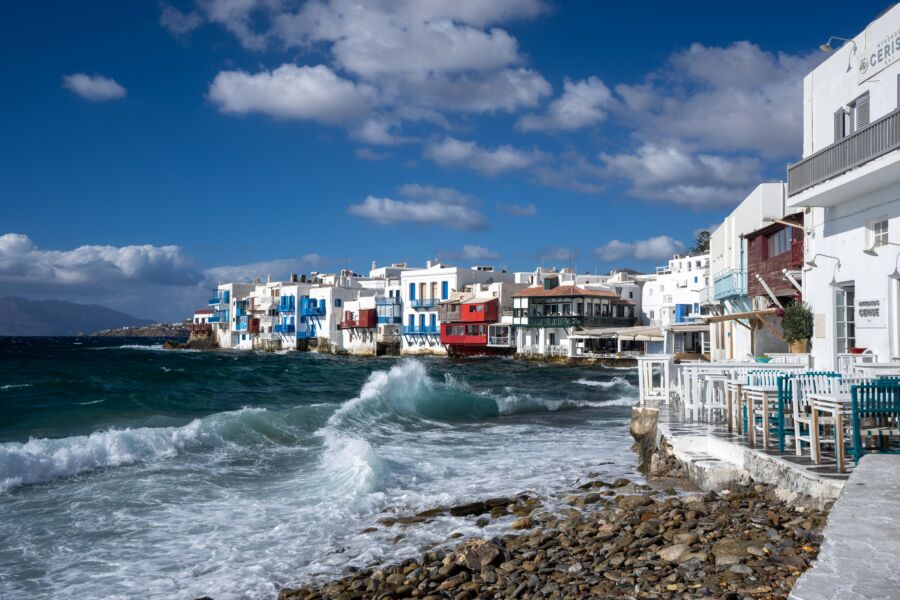
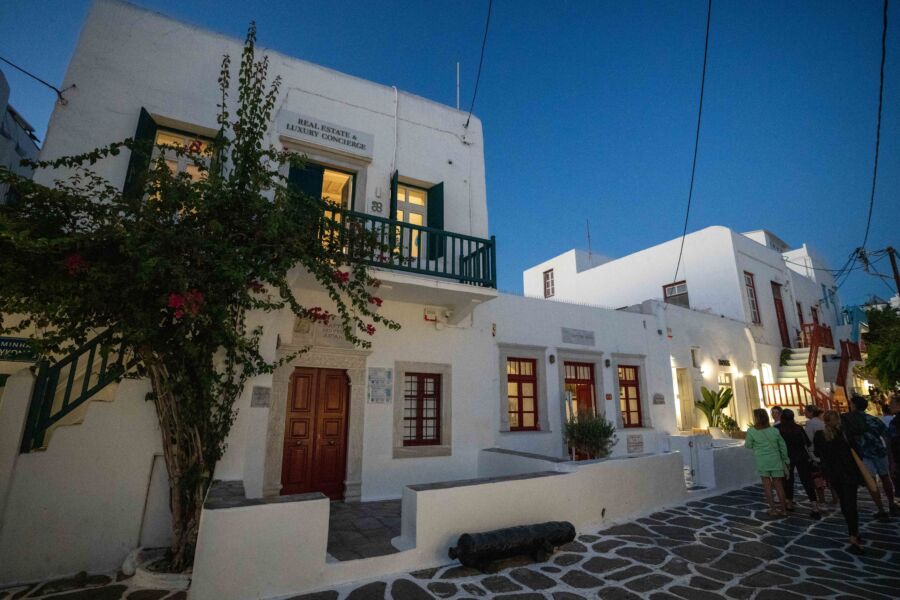
For example, Mykonos is one of the most popular, most crowded, most expensive of the Cycladic Islands. It gets millions of visitors each year. And it has only a scant handful of museums. At one of these, I confirmed the hours printed in our book against the posted hours outside: Spot on! Then I double-checked them with the clerk inside. She waved dismissively at the posted hours and explained: “Ah, right. Those were the hours when the other lady was here, last year. But now I’m here, so the schedule is different.”

And what about next year?

“Well, that depends on whether I’ll be back.”

So, then… do you expect to be back?

“I think so, but you never know. Could be someone else, with their own schedule.”

Again, even as it stymies my data-gathering mission, I find this terrifically endearing. Each of these little museums is a one-person show. And so, naturally, what time they are open depends on that person. If she has to pick up a child at 5…then the museum closes at 4:30 this year. This strikes me as unassailably organic… and so sweetly Greek.

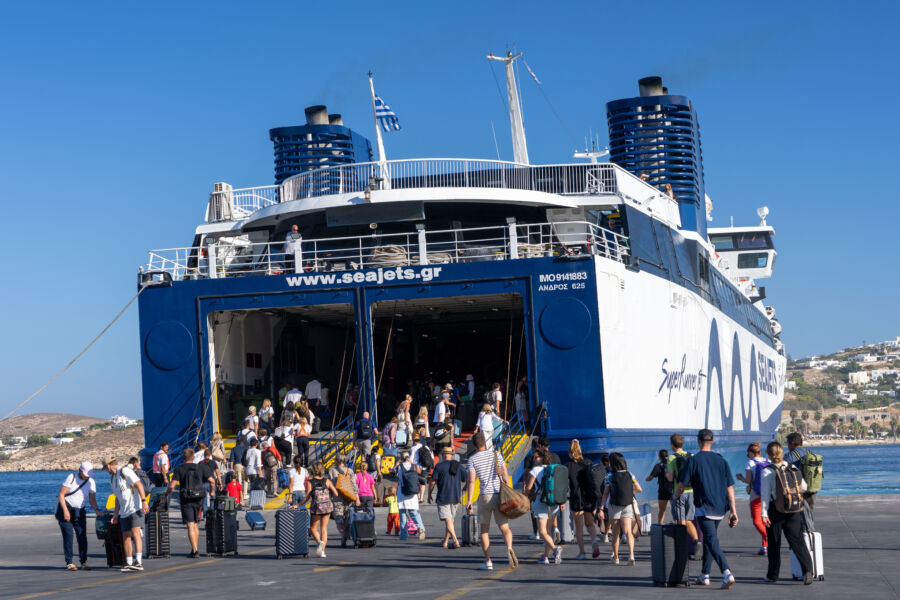
The same goes for ferry schedules. Planning a complicated connection between islands, with a change of boats at an intermediate island, I got some advice from the ticket clerk: “That first boat is always 30 to 40 minutes late,” she said. “But you’ll be fine, because you have two hours to catch your next boat. That boat is always on time.”

Sure enough, that first boat was precisely 35 minutes late… and the second, right on time. Which made me wonder: If everyone who actually works with these boats knows that the schedule is wrong, then why not change the schedule? Ah, but that’s a very American mindset…not a Greek one.

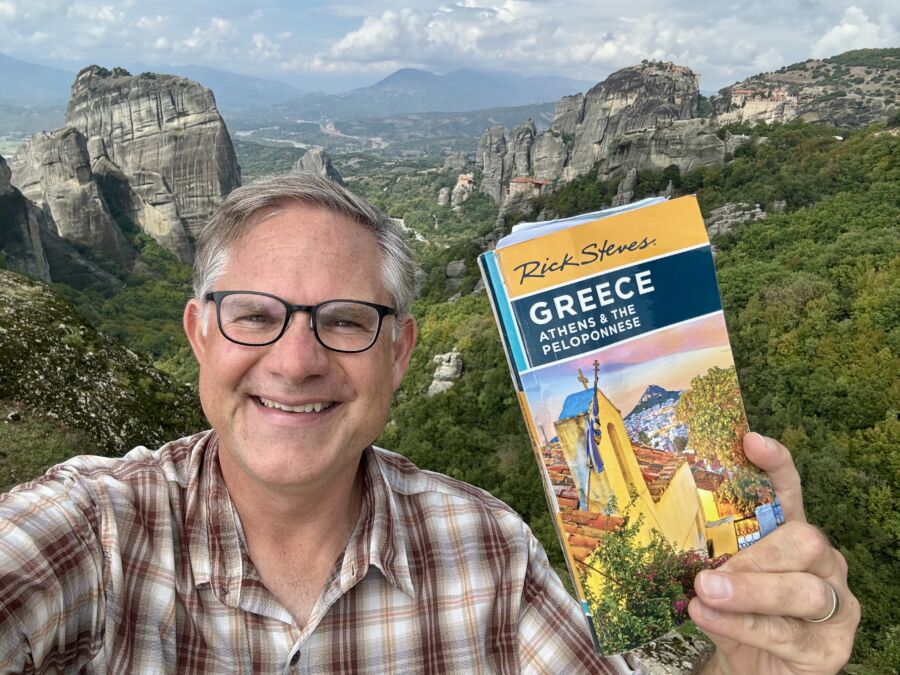
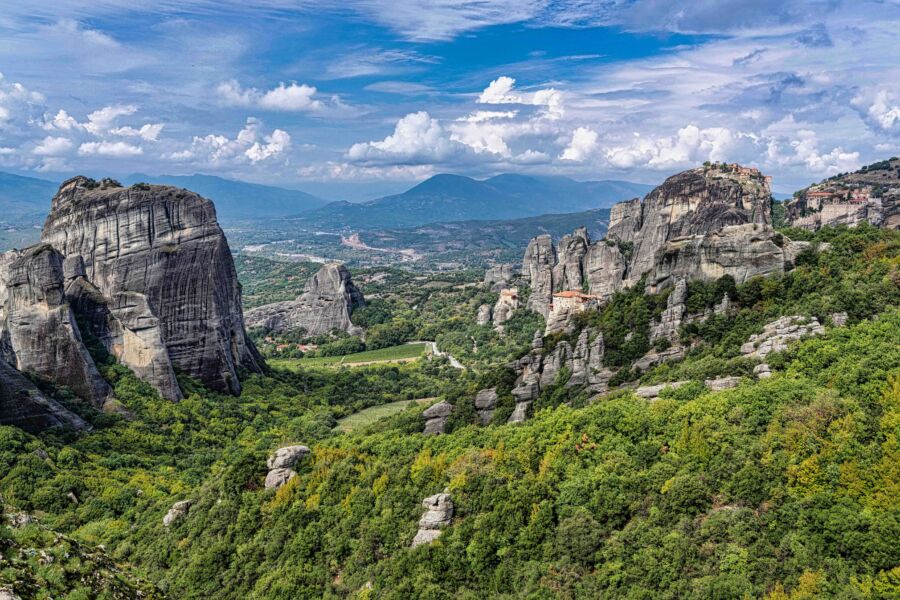
Greece doesn’t always give you the answers where you expect them. But generally, if you’re persistent, you will find them. At the opposite end of Greece, near the mind-bending monastic landscape of Meteora, I dropped by the Kalabaka tourist information office — in a huge, prominent building right on the main roundabout.

I bombarded the smiling TI clerk with my list of questions about how someone without their own car might successfully navigate the six monasteries. She was cheerful and eager to help; unfortunately, it quickly became clear she did not speak one word of English. Her primary function, it seemed, was to hand out a town map and gesture to a wall of brochures.

Unfortunately, I spoke about as much Greek as she spoke English. She grasped that I was working on a guidebook (probably because I kept waving the book around, pointing at it, pantomime-scribbling in its pages). So she pointed out the door behind me and said, “Kah-tel.” With each new attempt I made to clarify bus schedules and taxi fares, she grew more insistent: “Kah-tel! Kah-tel! Kah-tel!”

Finally I realized she was directing me to KTEL, the Greek bus company. Stopping by the town bus station was on my list regardless, so I thanked her, gathered up the piles of maps and brochures I’d harvested, and headed a couple of blocks down the street to the bus station.

Stepping inside the small office, I was greeted by a pleasant clerk who, it turns out, not only spoke perfect English, but instantly understood what I was doing and spent the next 20 minutes talking through all of the complicated details I was trying to unravel.

Part of me — the grouchy part — wonders why they don’t just close down the TI entirely, post a sign on the door saying (in English) to direct all questions to the KTEL office down the street, and give that clerk a big raise. The rest of me has learned, over many such frustrations over many years of visits, to simply shrug it off…and be glad that, when I really needed it, Greece came through. On its own terms, of course.

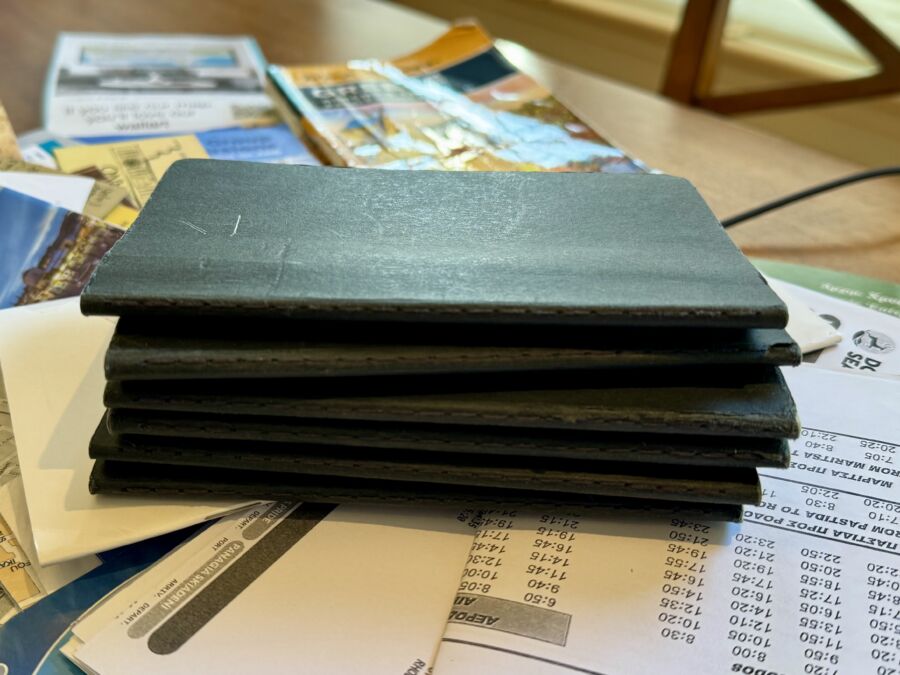
Returning home from Greece, I spent a few more weeks pawing though my big bag of collected brochures and business cards, and thumbing through — page by page by page — the towering stack of little black notebooks where I scrawled details like the peculiarities of Irene’s personal bus schedule, the variable likelihood of tardiness among certain boats, and the pointer to skip Kalabaka’s TI and head for the KTEL office instead.

My challenge: to inject those organic, gangly, uncontainable Greek tidbits into the rigid, unforgiving mold of a guidebook listing template, in unmistakable black-and-white text, so that next year’s readers know what to expect.

Gathering these details in Greece is as squirrelly as anywhere I’ve been. Writing them up clearly and accurately is a whole separate hurdle. So I did my best. Usually this involves evasive language like, “these are the likely hours — call first.” Or even, in some cases, explaining in the book exactly why all those hours are so cagey. But this takes time.

Finally, this week, I wrapped everything up and passed the Greek baton to our hardworking editorial department. Inevitably, sometime in the next couple of weeks, I’ll get a follow-up email from an earnest editor: “I found these other, apparently official hours on the museum’s website. Can we just put those in the book instead?”

The answer: Not a chance. Greece simply doesn’t believe in online hours, or really, in the concept of “hours” at all. It remains a persistently, admirably analog culture — where the only way to know for sure when something’s open is to have your hotelier call up their friend who works there and ask them, today, what the situation is. (This is exactly what I did before I even considered heading up to the Folk Museum of Folegandros.) And if the bus is running late… well, then, so is the museum.

Frustrating as it can be, that feels just right for this quirky, wonderful land.


For more behind-the-scenes tales about researching and writing guidebooks, and much more, check out my travel memoir, The Temporary European. (Here’s an excerpt about the day-to-day grind of guidebook research.)

And keep an eye out in 2025 for the next edition of our Rick Steves Greece guidebook.