My co-author and frequent collaborator, Cameron Hewitt, is well-traveled, smart, and insightful. And, while he and I are in perfect sync in our travel styles and priorities, he gives voice to the next generation of "Rick Steves travelers." Join me in enjoying his reports right here. —Rick

Siniša Saves Hvar: Zero-Kilometer Boar Burgers

I usually do my Croatia guidebook updating rounds in shoulder season — May, June, and September — which works great, since that’s when most of our readers are traveling. July and August tend to have the hottest temperatures and the worst crowds (mostly Europeans enjoying their summer vacations). But this year, due to some scheduling peculiarities, I did my Dalmatian swing the last week of August. And boy, did I see a difference.

The island of Hvar — an easy one-hour boat ride from Split — used to be a sleepy fishing village. But over the last decade, it’s been discovered by affluent jet-setters looking to party under the Mediterranean sun. Celebrities have started showing up on their yachts, making the circuit of posh nightclubs. Comparisons to Ibiza or Mykonos used to feel like a stretch. But on this visit, I could really see it. The place is changing…and, for my tastes, not for the better. Late one evening, walking along the cocktail bar-lined harbor of the main town, dodging drunk and rowdy American bros, I came this close to just giving up on the place and taking it out of my book. But then Siniša saved the day.

Siniša runs Secret Hvar, which specializes in off-road tours to the untouristed corners of Hvar. A few years back, he took me on a fascinating loop around the island, greatly enhancing my appreciation of Hvar beyond its showcase town.

On this visit, I met up with Siniša late one afternoon. We groused at each other for a few minutes, a pair of budding curmudgeons: “Would you believe they’ve had to put up big signs that prohibit picnicking on the main square?” he ranted. “People were getting a takeout pizza and a three-liter bottle of the cheapest beer they could find, and then just lying around all night, getting drunk in front of the cathedral!” “I KNOW!” I agreed vigorously, shaking my head. “Kids today! I just dunno…”

With that out of our system, Siniša gently reminded me that there’s more to Hvar than the few crowded blocks around its main square. To prove his point, he drove me deep into the countryside, past rustic stone igloos, scrubby lavender bushes, and distant sea views over hardscrabble vineyards.

As we drove, Siniša — who’s extremely politically active, having held public office here — filled me in on the struggles of an emerging destination that’s becoming too successful for its own good. There’s a tug-of-war going on between Hvarins who are just trying to grab whatever passing tourist dollars they can, and a vocal minority (Siniša among them) who preach sustainable tourism.

For example, the plucky new mayor of Dubrovnik — just down the coast — recently introduced a no-tolerance ban on loud music late at night. If authorities hear even a peep after midnight, they pull your permit for outdoor tables. And virtually overnight, the Old Town was tamed. Of course, this irritates bar owners, and scares away people who are there only to party, which hurts a bit in the short term. But the status quo was scaring off a more thoughtful (and, frankly, wealthier) breed of traveler, which may be worse in the long term.

Another controversial strategy is to extend the tourist season. Currently the town shuts up tight in mid-October, going into hibernation until mid-May. But winters here can be balmy. And Siniša has unearthed some old postcards, from many decades ago, written by tourists enjoying Hvar well into the winter months. So, how can Hvar balance its residents’ need for a break against the prospect of more income and the benefits of spreading the intensity of the crowds over a longer period of time?

Hvar is at an interesting crossroads. Once a place reaches a certain threshold of success, it can actively decide what kind of destination its going to become. What policies can Hvar pursue today that will shape its reputation — and its long-term viability — tomorrow?

Finally Siniša turned down a rustic driveway barely wider than his car. We stepped out into the cool twilight air and felt a gentle sea breeze — a world away from the intense, glaring heat of Hvar’s marbled main square. Walking down a gravel path to a rustic restaurant, we heard only crickets.

This was Knoboa Kokot, in the village of Dol. “You know about ‘zero-kilometer’ and ‘locally sourced,’ and all that foodie stuff?” Siniša said. “Well, this is as locally sourced as it gets. But that’s just how they’ve always done it…they have no idea they’re perfectly on-trend.”

Konoba Kokot is run by the Pavičić clan, who source virtually everything they serve right on the premises: They raise lambs, have a prolific produce garden, cure their own prosciutto, make and age sheep’s-milk cheeses, and hunt wild boar in the surrounding countryside. The short and remarkably inexpensive menu include the classic peka meal — that’s slow-roasted veal and potatoes, prepared under a copper baking lid covered with glowing coals.  But they also have something unique.

“Do you like wild boar?” Siniša asked. “Don’t laugh, but the specialty here is what they call ‘boar burgers.'” We passed the grilling time with some farm-made prosciutto and an array of pungent sheep’s-milk cheeses. And before long, a big platter hit our table, piled high with grilled vegetables, fries, and steaming patties of perfectly seasoned boar meat.

Biting into the most flavorful chunk of meat I’ve ever been lucky enough to enjoy, I pictured all the travelers jammed into the crowded, steamy town center, eating overpriced and overcooked pasta, not even aware that this alternative exists. And I thought to myself how Siniša — and people like him, who respect and care for the delicate traditions of their home turf, and want to share it responsibly and engagingly with visitors — give me hope for the future of Hvar. I think this little island is going to be OK.

…but just in case, from now on, I’m going to stay away in July and August.

Split, Croatia: From Gritty Port to Posh Resort

I’m just back from my latest guidebook research trip in Croatia, Slovenia, Bosnia, and Greece. Along the way, I enjoyed island-hopping down Croatia’s Dalmatian Coast, from Split to Dubrovnik —  hopscotching across the islands of Hvar, Korčula, and Mljet, updating my guidebook, reconnecting with old friends, and collecting new insights. This post kicks off a series of posts with my latest impressions from one of my favorite corners of Europe. My first stop: the big, coastal city of Split.

The eastern part of Europe has plenty of contenders for “most improved player.” And here in Croatia, Split easily takes the title. In the few years since my previous visit, Split —  which I’ve long lamented as the most underappreciated destination in Croatia —  has finally started getting the attention it deserves.

I first came to Split, Croatia’s gritty second city, in 2003, while writing the first edition of Rick Steves Eastern Europe guidebook. I had been primed to fall in love with Split’s glitzier little sister, Dubrovnik (and indeed I did). But back then, most travelers viewed Split as a necessary evil —  a gritty transfer point you had to endure in order to catch a boat to the Dalmatian Islands. Imagine my surprise when I found Split utterly enchanting. I liked Split immediately for many of the same reasons that some visitors don’t: It’s a real, hardworking harbor city, with more industry and urban bustle than tourism. Split has substance. To me, it’s a much-needed antidote to the pithy effervescence of Croatia’s many backwater island towns. And as a bonus, Split also owns a gorgeous setting, a fascinating historic core, and a relaxed Mediterranean ambience.

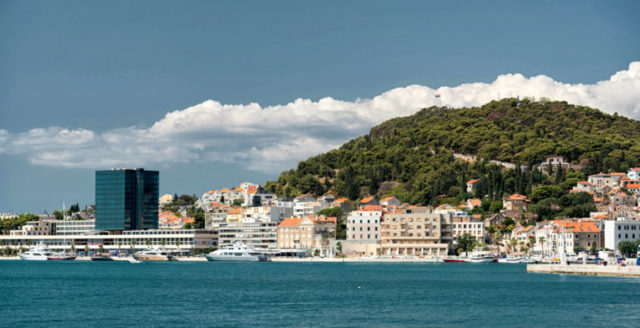
During my first visit, the Croatian Tourist Board put me up in the tallest building downtown: a high-rise hotel that rose abruptly from the harborfront a short walk from the Old Town. It was, and remains, a big black box marring the otherwise idyllic tableau of wooded hillsides, bobbing fishing boats, and terra-cotta roofs. Back then, the Hotel Marjan had tumbled precipitously from its reputation as the city’s top business-class hotel. During the Yugoslav Wars of the mid-1990s, it had housed refugees from Croatia’s war-torn interior; in the intervening decade, only a couple of its many floors had been lightly refurbished and reopened as a hotel. The Marjan had become a white elephant, barely remaining open for business, if only because that was easier than closing it.

One day I returned to my hotel room to find water dripping down through the bathroom light fixture, running down the wall, and tricking toward the drain in the middle of the floor. I reported it to the front desk, who briefly feigned surprise. “You don’t say?” the receptionist said. “Hm. Sounds like someone should look into that.” She then idly doodled on a notepad until I retreated to my soggy room. I always secretly believed that I may well have been the hotel’s final guest. (The building is still there…and it’s still closed.)

But then, very gradually, the city began to transform itself. A decade or so ago, they tore out and completely resurfaced the Riva — the glorious pedestrian strip that runs between the Old Town and the harbor. It had always been an inviting place to promenade, but now it’s also elegant. Each return visit to update my guidebook unearthed a few more appealing discoveries: boutique hotels, interesting restaurants, and formerly dilapidated areas that had been spiffed up. And every time I was able to delete a mediocre hotel or restaurant from my book (what I think of as the “well, we gotta list something” listings), and replace it with a better alternative, I breathed a sigh of relief.

After this visit, in my mind, it’s official: Split has decisively turned the page. These days, it has some of the nicest, and most expensive, hotels on the Dalmatian Coast. It has an exciting new variety of restaurants that dare to go beyond Dalmatian classics. And it has the cosmopolitan energy of a destination that has fully arrived.

What changed? For one thing, cruise ships started showing up. Several years ago, Dubrovnik began to burst at the seams, so cruise lines went looking for a nearby alternative…and there was Split, a big city with a big harbor right downtown. Spilt has also enjoyed the coattails of a general uptick in Croatian tourism…this country is red-hot, and sales are brisk. On this trip, I found myself eavesdropping on local guides lecturing not about the Emperor Diocletian, but about Daenerys Targaryen and her dragons (who briefly resided in the Roman-built cellars below town). Yes, Game of Thrones tourism — already well entrenched in Dubrovnik — is becoming big business in Split now, too.

On this trip, I did some scouting for the upcoming seventh edition of my Rick Steves Croatia & Slovenia guidebook, and I came up with some gems.

This city, which for years had only one decent hotel (Vila Ana, still a trustworthy budget standby with five rooms a short walk outside the Old Town), is now shot through with luxurious hotels charging some of the highest prices in Croatia. Palača Judita is a high-end B&B with an ideal location — right on the city’s charming, bustling People’s Square — and an attentive staff. Just across the square is Palace Suites, which is a bit simpler, but much less expensive and equally welcoming. And Marmont Hotel  — named not the for chivalrous Ser Jorah from Game of Thrones, but for the nearby pedestrian promenade — is a plush oasis with 21 top-end rooms in a quiet corner of the Old Town.

For dining, my big find this trip was the trendy Bokeria (in the Old Town at Domaldova 8). Its decor, like its name, finds inspiration in the bustling Barcelona covered market: a big, bright, boisterous interior with soaring ceilings, legs of prosciutto dangling over the bar, and a wall of Aperol bottles arranged like an art installation. While I found the service so-so, the setting offers Split’s cuisine scene the refreshing jolt it has desperately needed. The beautifully presented cuisine is a smart melding of Croatian classics with modern Mediterranean dishes, and the wine list is substantial and smartly curated. I dug into a decadent dish of handmade pasta with truffles and prosciutto, which had perfectly balanced flavors and sophisticated presentation.

For more traditional Dalmatian cooking, without the pretense, the latest hotspot is Villa Spiza — serving local dishes from a handwritten menu (hiding deep in the Old Towns’s back streets at Petra Kružića 3). It feels fresh, youthful, and energetic, crammed with foodies who’ve done their homework and don’t mind sharing counter seats under claustrophobic beams. They also have a couple of delightful sidewalk tables, out front on the tight lane. Because they don’t take reservations, everything fills up quickly — arrive early, or be ready to line up .

After a decade and a half of sipping good-enough cups of bijela kava (caffé latte-like “white coffee”), I finally discovered a burgeoning third-wave coffee scene in Split, with artfully crafted drinks up to snuff with coffee houses back home in Seattle. Two competing places, both in the Old Town, are worth seeking out for those who care about good coffee: D16 Specialty Coffee (Dominisova 16) and 4Coffee Soul Food (Hrvojeva 9). (Croatia-bound aficionados note: Dubrovnik and Zagreb both have branches of Cogito Coffee, with the best coffee I’ve had in Croatia.)

Another favorite discovery was the lively (and very local) little hangout zone tucked just a short walk beyond the tourist core, in an area nicknamed “Behind the Theater” (Iza Kazališta). From the waterfront, simply head up the broad promenade called Marmontova, then keep going — jogging left up the little covered lane between the yellow National Theater and the blocky modern church. Stepping through the passage, you leave all but the most savvy tourists behind. Locals swarm at the pastry and ice-cream shop Luka, scooping up cones of homemade gelato with some interesting local flavors, such as lavender or rosemary (Svačićeva 2). Delving deeper — into a scene that feels like one big lowbrow party, with the natives decompressing from a busy day of dealing with tourists — you’ll pass cafés, bars, “pizza cut” windows, and more. To satisfy your sweet tooth, look for Stari Plac (with dessert crêpes); just beyond is Sexy Cow, with a hip white-subway-tile interior and a tempting menu of decadent, top-end burgers (Zrinsko Frankopanska 6).

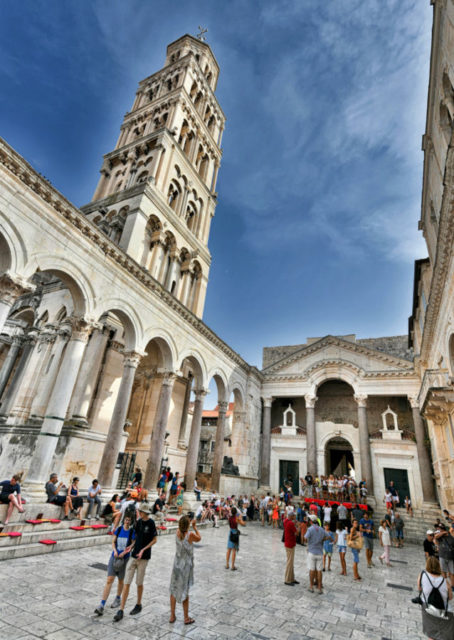
With all that’s new in Split, the city’s big draw card has remained the same for nearly 2,000 years: Its Old Town fills the former retirement palace of the Roman emperor Diocletian. After the fall of Rome, locals scavenged useful bits of stone and metal, and gradually began to graft their rickety homes onto the stout palace walls. And so the hallways of Diocletian’s Palace became the narrow lanes of Split, its main entryway became the town’s main square (the Peristyle), and Diocletian’s mausoleum was transformed into a church — complete with a Venetian-style bell tower. Even after all my travels, I still haven’t found anywhere that plops you in the lap of history as impressively as Split.

After hours, the entire Old Town of Split becomes one big cocktail party. Lose yourself in the skinny black lanes, follow the convivial hubbub and the thumping bass, and find a bar or café that suits your mood. While specific places come and go, the scene as a whole is always thriving. If you can’t have fun after hours in Split, it’s time to retire your passport. Another thing that hasn’t changed is the best nightlife advice in town: Simply show up at the main square (the Peristyle) and plop down on any of the red cushions scattered along the marble stairs, which belong to Luxor Café. Eventually a waiter will show up to take your drink order. Lie back on the steps once trod by Diocletian, luxuriate in the balmy sea air, and listen to crooners belt crowd-pleasing greatest hits under the stars. Enjoy. You’re just the latest in a long line of vagabonds loitering in the halls of this glorious Roman palace.


Top 10 Budget Tips for Iceland

Traveling around Iceland working on our Rick Steves’ Iceland guidebook, I experienced some sticker shock. Here are my best strategies for keeping costs down in one of Europe’s most expensive countries.

1. Consider Airbnb. Airbnb and similar sites rent properties that are typically far cheaper and more spacious than a hotel room, provided you’re willing to forego big-hotel services (such as a reception desk and daily cleaning). Airbnb can also get you into more local-feeling neighborhoods; sleeping in a Reykjavík suburban home is both cheaper and more Icelandic than a hotel in the touristy downtown.

2. Be willing to “go” down the hall. While Icelandic hotels are pricey (starting in the $250 range), its characteristic guesthouses can be affordable (closer to $150). These typically offer basic rooms with a shared bathroom, which cost even less than en-suite rooms.

3. Have a big lunch and a small dinner. Even the fanciest restaurant offers excellent-value lunch specials for around $25 — allowing you to sample a high-end chef affordably. Savor a quality restaurant lunch, then picnic or grab cheap takeout at dinner (when most restaurants drastically increase prices — upper-midrange places charge $40-50 for an entrée). For Icelanders, takeout pizza, the IKEA cafeteria, or the corner hot dog stand provide a cheap and handy meal, just like back home.

4. Picnic. In general, cultivate the art of picnicking in atmospheric settings. Seek out Iceland’s discount supermarket chains — Krónan and Bónus — and use them to stock up. Be careful picnic-shopping at the ubiquitous convenience stores, which are far more expensive. And consider bringing a few staples from home. For example, in a land where a basic takeaway coffee costs $5 a cup, “importing” a few packets of Starbucks Via helps you caffeinate cheaply.

5. Know what’s included. Every restaurant happily provides a free carafe of tap water — just ask, and don’t feel obligated to purchase a drink. And if you’re paying for unlimited soup and bread, don’t be shy about going back for seconds. Since Iceland has no tipping custom, and taxes are included, you’ll pay exactly the price you see on the menu.

6. Economize on alcohol. Alcohol is priced at a premium, particularly in bars and restaurants. Seek out happy hours, when prices drop by as much as half. Stock up at the airport duty-free store on arrival — with the lowest prices in Iceland — or at a government-run liquor store (called Vínbúðin).

7. Consider renting a car. In many places, taking public transportation can save you plenty over the cost of renting a car. But in Iceland — where the best attractions are deep in the countryside, reachable only with a pricey excursion — this thinking is often a false economy. For example, a couple based in Reykjavík for three nights might pay for all-day excursions to the Golden Circle ($100 per person) and the South Coast ($150 per person), plus the transfer from the airport to downtown ($40 per person round-trip) — that’s nearly $600, compared to about $450 for a comparable-length car rental. To reduce rental costs, skip the options you don’t need: Since it’s cool and breezy even in the peak of summer, you can pass on the air-conditioning. And, unless you’re here in winter (when roads can be dicey) or plan to venture far off the beaten path, a casual tourist doesn’t need four-wheel drive.

8. Skip the Blue Lagoon. While the Blue Lagoon spa is famous, and a highlight for many visitors, a basic ticket in peak times starts at $80 — nearly ten times as much as Iceland’s many thermal swimming pools. Reykjavík alone has more than a dozen municipal pools with water just as hot as the Blue Lagoon’s, and that provide a far more authentic Icelandic experience. If visiting several pools, invest in a shareable multi-visit card.

9. Sightsee Selectively. Icelandic museums are typically quite small, well-presented, but expensive (admissions are often $15-20). To stretch your budget, choose carefully, and don’t assume every museum is a worthwhile investment. If you’ll be sightseeing a lot in the capital, consider a Reykjavík City Card. Fortunately, many of Iceland’s best attractions — its natural wonders — are free (though a few charge for parking).

10. Splurge where it counts. When you do splurge, choose an experience you’ll always remember: Naturalists invest in a whale-watching tour, foodies splurge on culinary walks and the occasional high-end restaurant meal, and adventurers spelunk through a lava cave or hike across a glacier.

For lots more advice on traveling to Iceland, check out the new Rick Steves’ Iceland guidebook. Thanks to that book’s co-author, Ian Watson, for his many practical, money-saving insights.

Save the Date: Rick Steves Iceland Guidebook Coming in March

I’ve been mighty quiet on my blog the last couple of months. And when that happens, you know I’ve been working day-and-night on a new guidebook. Yesterday, I turned over the newest Rick Steves guidebook — Rick Steves Iceland — to our editors. It’ll hit bookshelves nationwide in March of 2018.

I’m hoping to post a blog series about Iceland closer to the book’s publication, so stay tuned for that. But I can tell you now that we think this book will be the perfect tool for people going to Iceland — whether for 24 hours, or for 2 weeks.

We’ve focused the book’s coverage on Reykjavík, where most people home-base, and nearby day trips — ideal for a quick visit. We believe the two best side-trips for getting a glimpse of Iceland’s dramatic landscape are the Golden Circle (linking both historical and geological wonders, in the country’s lava-rock interior) and the volcano-and-glacier-lined South Coast (where you can hike up to a glacier tongue, stroll along black-sand beaches, and walk behind a thundering waterfall).

We’ve also included ample coverage of the famous Blue Lagoon spa — a serene, milky-blue oasis in a volcanic landscape — and the West Iceland region around Borgarnes, with an eclectic variety of sights. And my favorite “Back Door” discovery was the Westman Islands, just off Iceland’s South Coast, where you can see the effects of a recent volcanic eruption and meet a real, live puffin (a weather-dependent day trip by plane from Reykjavík, or by boat from the South Coast).


For those with more time to explore Iceland, we’ve also written a chapter on the Ring Road, which curls 800 miles around the island’s perimeter, connecting virtually all of its must-see sights. It’s crazy to do Iceland’s ultimate road trip in less than five days; a week lets you slow down and actually enjoy it. My personal favorites on the Ring Road were Siglufjörður, a charming port town buried deep in a fjord on the north coast, with a more-interesting-than-it-sounds Herring Museum; Mývatn, a volcanic lake ringed by many of Iceland’s most fascinating and fun-to-explore natural wonders; Seyðisfjörður, a tiny, artsy little burg buried deep in a fjord on the east coast, accessed by one of Iceland’s most stunning mountain passes; and the breathtaking glacier lagoons, Jökulsárlón and Fjallsárlón, in the middle of nowhere along the southeastern coast. Just thinking about these amazing places makes me want to shout from the rooftops: “Forget a two-day layover in Iceland! Make it two weeks!”

Of course, producing a guidebook is a team effort. My part is done, and now our amazing staff of editors and mapmakers take over. But the MVP of this project was the book’s co-author, Ian Watson. Ian, who’s had more than two decades of experience writing guidebooks, actually lived in Reykjavík for many years. He became an Icelandic citizen, speaks the language fluently, started his family there, and knows the country as a local. Ian has an encyclopedic knowledge of Iceland’s history and culture, and a passion for debunking the clichés and half-truths that otherwise run rampant in Icelandic tourism…the perfect fit for Rick Steves’ Europe mission to teach thoughtful travel, while still having fun. And from a practical point of view — the nuts-and-bolts our guidebook readers rely on — only Ian could explain the nuanced differences between Reykjavík’s many thermal swimming pools, and know just the right places for a lunch-and-bathroom break on the long drive between Borgarnes and Skagafjörður. Ian’s also the one who suggested we include the Westman Islands, which is often downplayed by guidebooks but turned out to be one of my favorite places in Iceland. Well done, Ian!

Special thanks, too, go to all of the readers who posted suggestions for this book to Rick’s and my Facebook pages when we asked for tips earlier this summer. The day before I touched down in Reykjavík, I read over every single comment, added dozens of them to my notes…and many gems that might have been otherwise overlooked wound up in the new book.

Earlier this summer, Ian handed his work off to me, and I scrambled through Iceland for two and a half weeks to finalize the project, add a few discoveries of my own, and balance Ian’s insider savvy with all the bumpkin naiveté of a first-time visitor. Thank goodness it never really gets dark at that time of year, because I was out at all hours, tracking down just the right tips and details for the book.

As a seasoned traveler, I’m skeptical of anyplace that gets so popular, so quickly. On this, my first visit, I half-expected Iceland to disappoint. How could it possibly live up to the fuss? Imagine my surprise when it far exceeded my hopes. From this traveler’s perspective, Iceland is not an empty bubble. Iceland is for real.

Now that Iceland is in my rearview mirror, I’m already packing for my next trip. I take off tomorrow for a guidebook-update swing through some of my favorite countries: Croatia, Bosnia, and Slovenia, capped by some time in Greece (Athens, Mykonos, and Santorini). As time allows, I’ll try to post a few fresh dispatches from this beautiful and fascinating corner of Europe. And this winter, look for more reports from Iceland, in advance of the book’s March publication. But for now, wherever you may journey this fall…happy travels!

Top 10 Tips for Traveling in Scotland

Two summers ago, I spent a month traveling all over Scotland to research our Rick Steves Scotland guidebook. And right now, Rick Steves is making his own trip around Scotland — updating that book and adding some new discoveries of his own, for the upcoming second edition. Rick was telling me about some of his experiences (which he’ll be writing about on his blog and on Facebook for the next several days)…and suddenly I felt some of those happy pangs that accompany memories of a particularly vivid trip. Here are 10 of my best tips for how to make the most of your Scottish journey.

New Town Concert

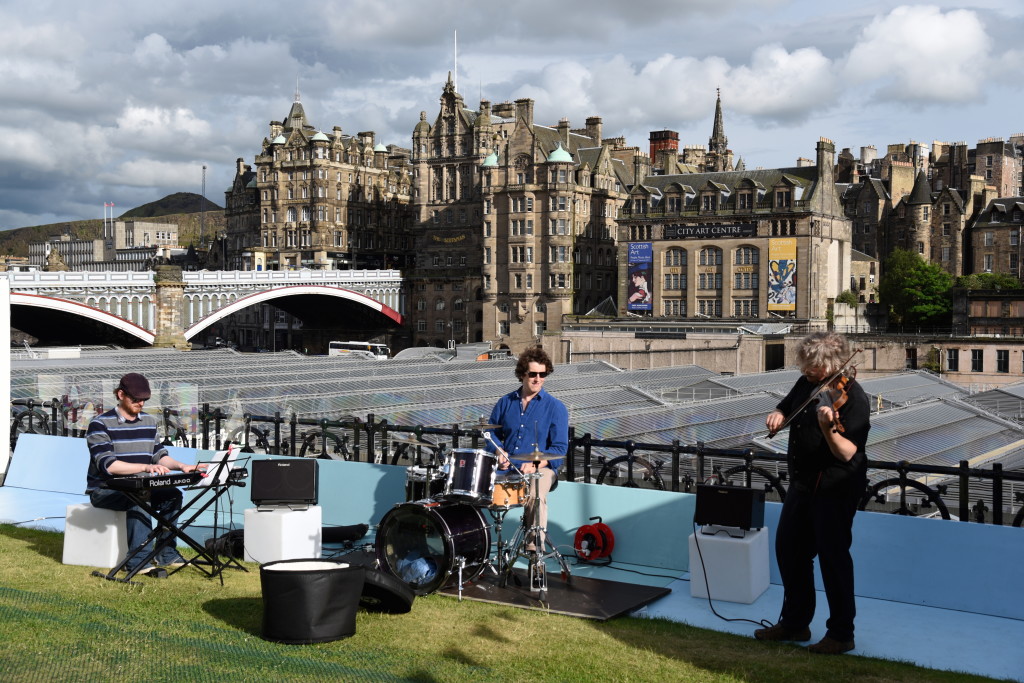
1. Linger in Edinburgh. From the famous Royal Mile — with its great landmarks and quirky shops — to the underrated New Town, Edinburgh entertains. One day gives you just enough time to see the castle and ramble down the Royal Mile. A second day lets you slow down and explore. And a third day (or more) lets you really settle into one of Britain’s finest cities.

Cameron Scotland Glasgow Buchanan Street

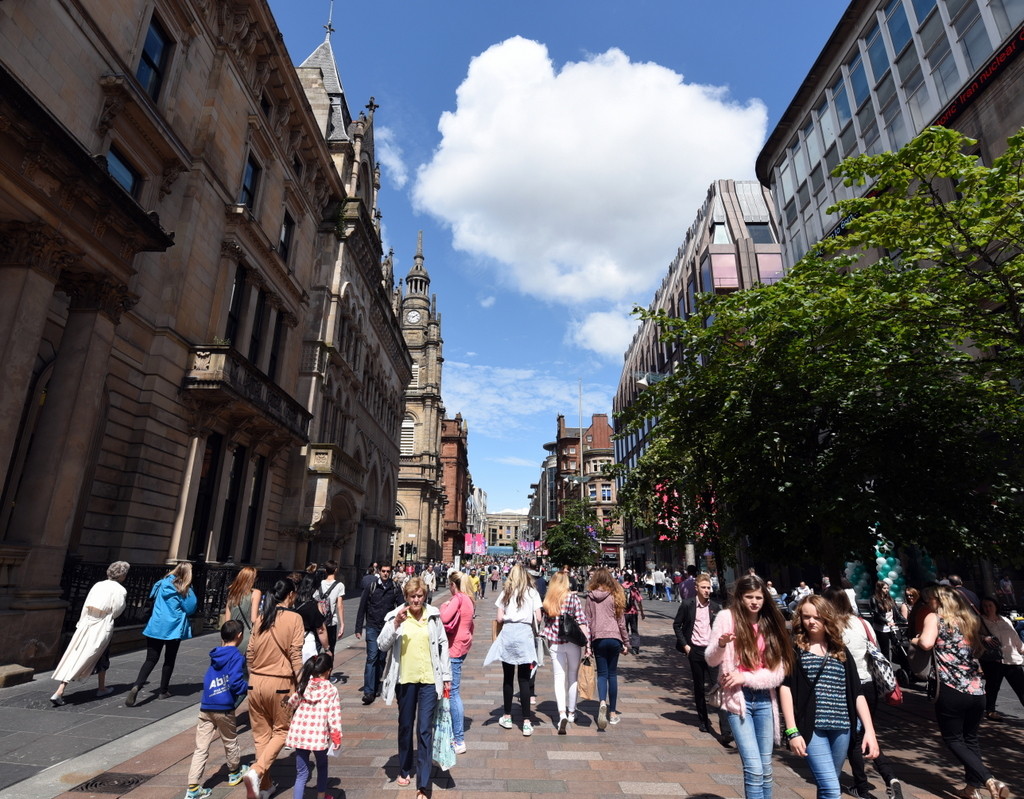
2. …But Don’t Miss Glasgow. Scotland’s biggest city is also its most underrated. The working-class yin to Edinburgh’s upper-crust yang, Glasgow has the most engaging foodie and nightlife scene I found in Scotland. It also has some of Scotland’s best 20th-century architecture, a rejuvenated downtown core, and an impressive collection of museums.

Piper Lap 2

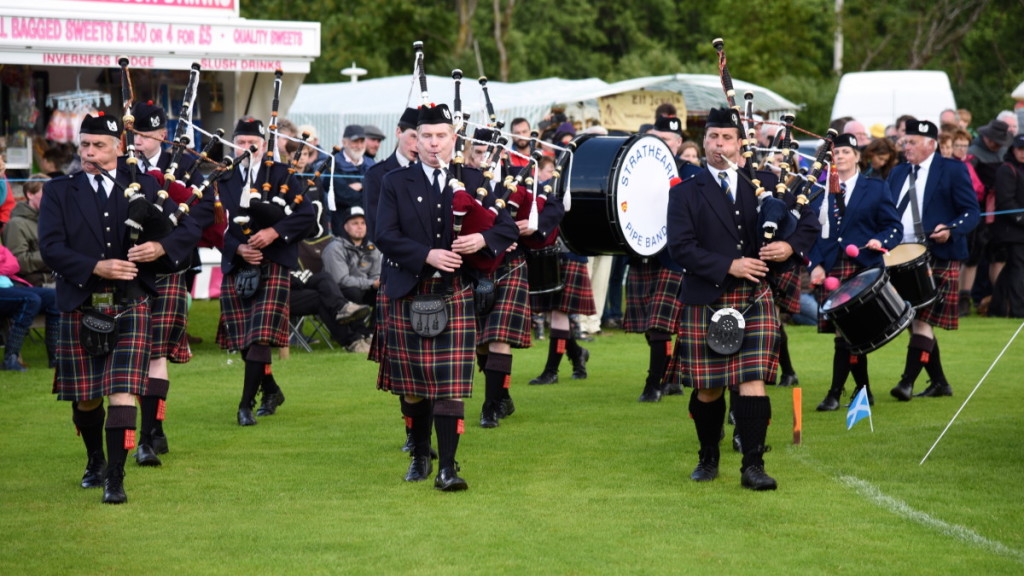
3. Toss a Caber at a Highland Games. These celebrations of traditional Scottish culture fill the summer calendar. A Highland Games (or “Gathering”) is like a county fair, dance competition, and track meet all rolled into one. Ranging from glitzy to endearingly small-town, it’s the one day a year when an entire community turns out to socialize, gorge on junk food (deep-fried Mars bar, anyone?), and cheer on the strongmen, footracers, and graceful dancers. If you’ll be in Scotland in the summer, check the Highland Games schedule before nailing down your itinerary.

x

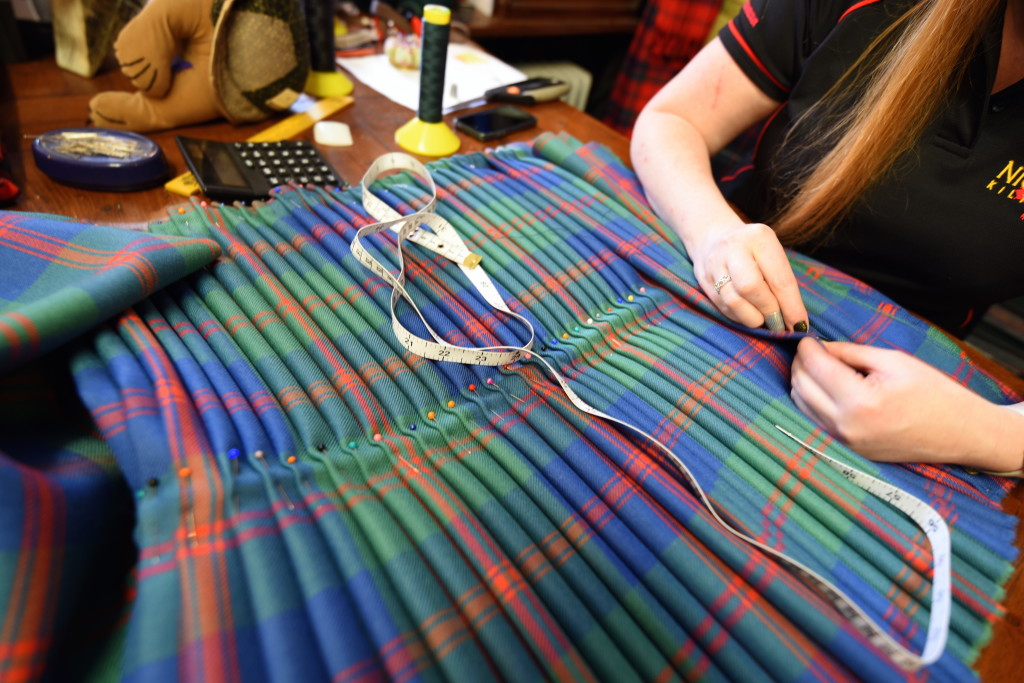
4. Enjoy the Clichés…but Dig Deeper. Kilts, bagpipes, whisky, haggis…for such a wee land, Scotland has so many claims to fame. Be warned: Cliché-hunting can cheapen a trip, and Scotland is only too happy to indulge tourists looking to buy knock-off kilts. But each cliché also comes with an authentic — and often fascinating — backstory. Visiting a kiltmaker on Edinburgh’s Royal Mile, you learn the difference between top-quality tweed and tacky “tartan tat.” Touring a whisky distillery — or several — cultivates an appreciation for the subtle (and sometimes not-so-subtle) variations in bouquet, flavor, and peatiness. And trying your hand at playing the bagpipes instills respect for musicians who’ve devoted their lives (and sacrificed their left eardrum) to their love of the instrument.

CH15JulStirling_047

5. Hunt for Ghosts. I enjoyed a ghost walk led by a surprise skeptic in the historic town of Stirling. And that’s just the tip of the iceberg of ghost-themed experiences in Scotland — where each city has its haunted tours, each castle its apparitions, and each B&B room its mysterious creaks. (As for whether all of the above have scientific explanations…that’s for you to decide.)

CH15JulDoune_022

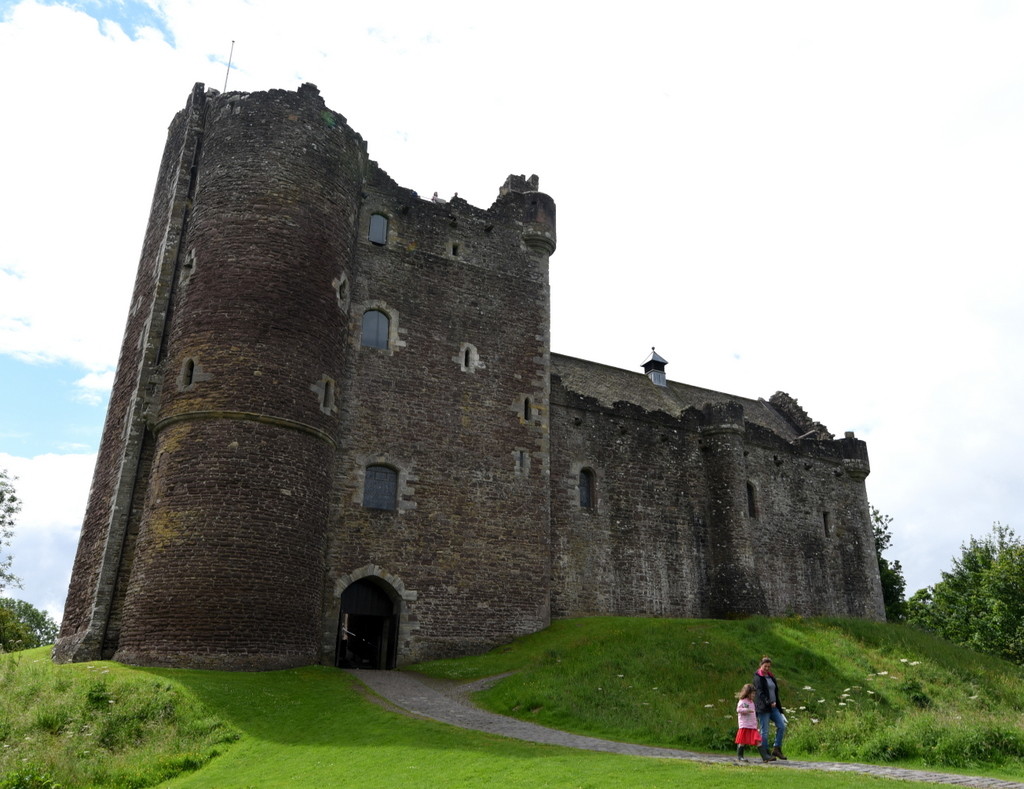
6. Go to the Movies. The hit TV show Outlanderand the novels upon which it’s based, helped Scotland kick off a Renaissance among travelers. But Outlander was hardly the first bit of pop culture with a Scottish lineage. From Monty Python and the Holy Grail to Braveheart, from Highlander to James Bond, and from The Da Vinci Code to Harry Potter, wee Scotland has long had a big presence in show business. Watching these movies and TV shows — before, during, and after your trip — can enhance your enjoyment and appreciation for Scotland. Real fans geek out on visiting the places they’ve seen on the big and small screen (for example, our Scotland guidebook includes a list of Outlander locations). And cynics enjoy debunking half-truths (whether in Braveheart or in The Da Vinci Code), which also buys you street cred with the locals…who are tired of explaining that William Wallace was never called “Braveheart” until Mel Gibson came along.

cameron-scotland-glencoe-hike

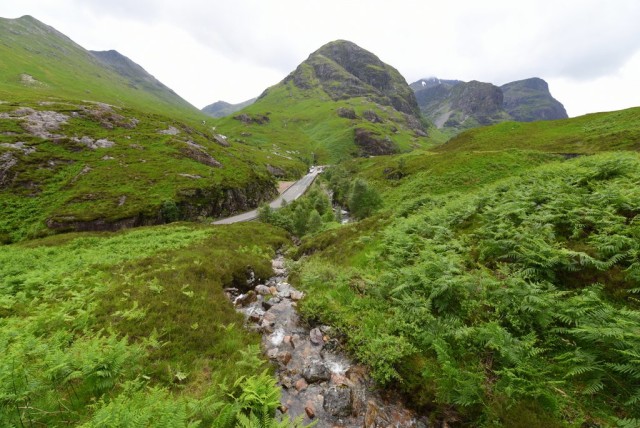
7. Take a Hike…and Bring Good Shoes. Tromping through drizzle, watching my feet settle onto bright-green turf only to disappear under a torrent of brown water, I wished I’d brought my waterproof boots. But before long, I just ignored my soaked socks to fully appreciate the symphony of achingly gorgeous glen scenery all around me. This was in the valley called Glencoe, but hiking opportunities abound throughout Scotland. Just be sure to dress for the damp conditions.

Cameron Scotland Island Hopping Iona

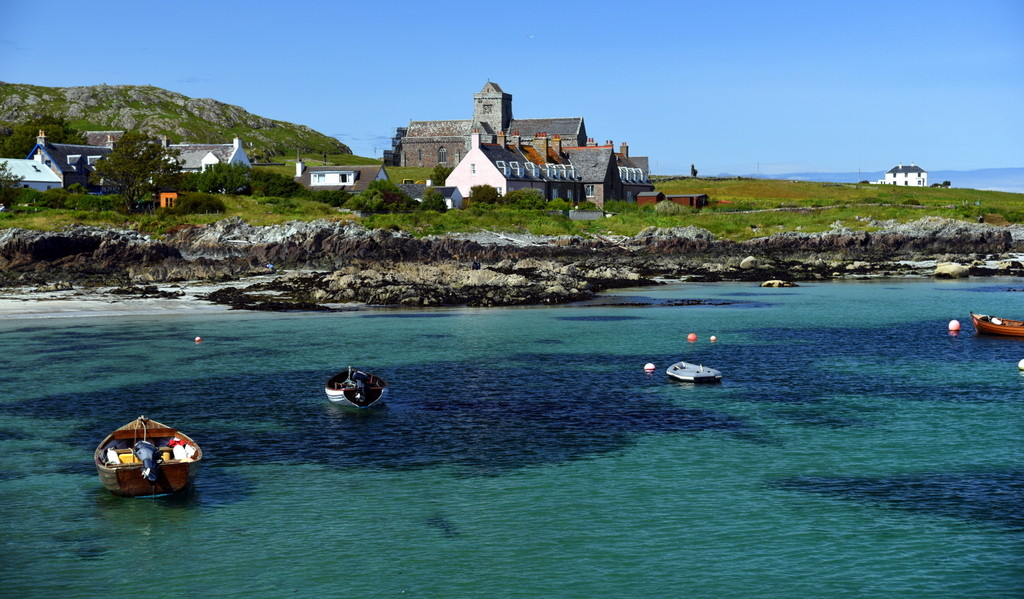
8. Go Island-Hopping. Scotland — with a West Coast slashed by receding glaciers — has nearly 800 islands. But on a short visit, visiting just a few will do the trick. The Isle of Skye, with pretty pastel harbor towns, jaw-dropping scenery, and a vivid heritage of folk tales and clan battles, can easily fill a couple of days. Or, for a strategic strike, base yourself in the small West Coast town of Oban and spend a day side-tripping to a trio of worthwhile Hebrides: Big and desolate Mull, spiritual Iona, and otherworldly Staffa — an uninhabited bulb of rock where puffins greet arriving boats, and the “other end” of Ireland’s famous Giant’s Causeway disappears into a mysterious cave.

Cameron-Scotland-North2

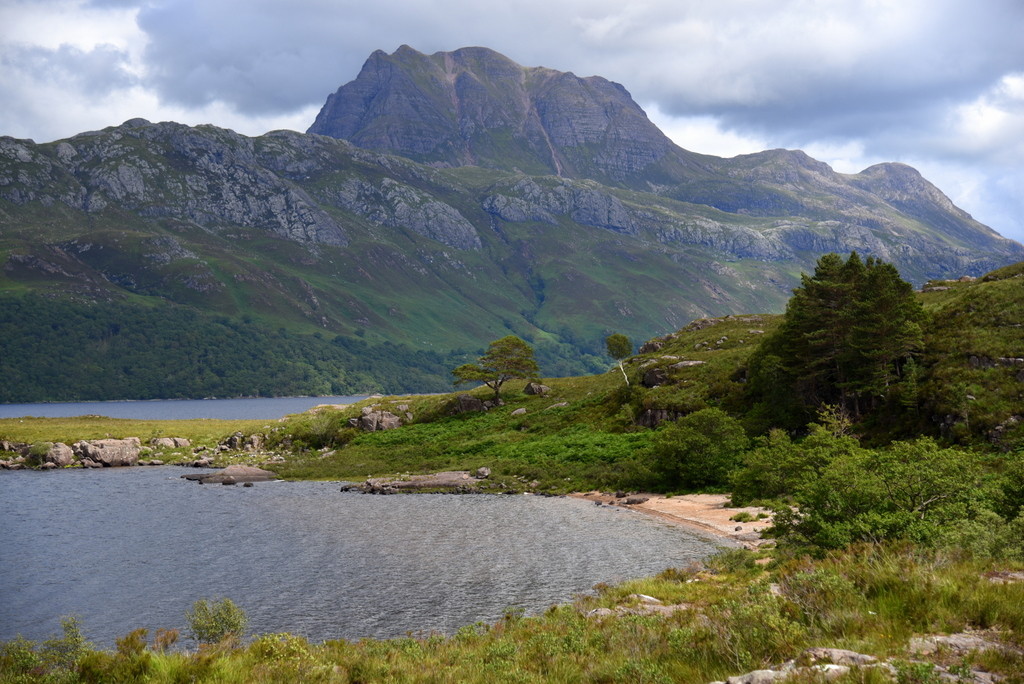
9. Go North to Get Off the Beaten Path. Most tourists in Scotland get stuck in a predictable rut: Edinburgh-Stirling-Glasgow-Fort William-Inverness-back to Edinburgh. And, while there’s plenty to see on that loop, with more time it’s rewarding to break free and strike out for the far north. If rugged scenery tickles your fancy, drive up Scotland’s scenic west coast — called Wester Ross (and yes, that was George R. R. Martin’s inspiration for “Westeros”) — then along its north coast to John O’Groats. (Just don’t run out of gas.) And if you’re really adventurous, catch the ferry to the Orkney Islands — a world apart, with prehistoric treasures and evocative World War II history.

Cameron-Scotland-Highlands-Hairy Coo 3

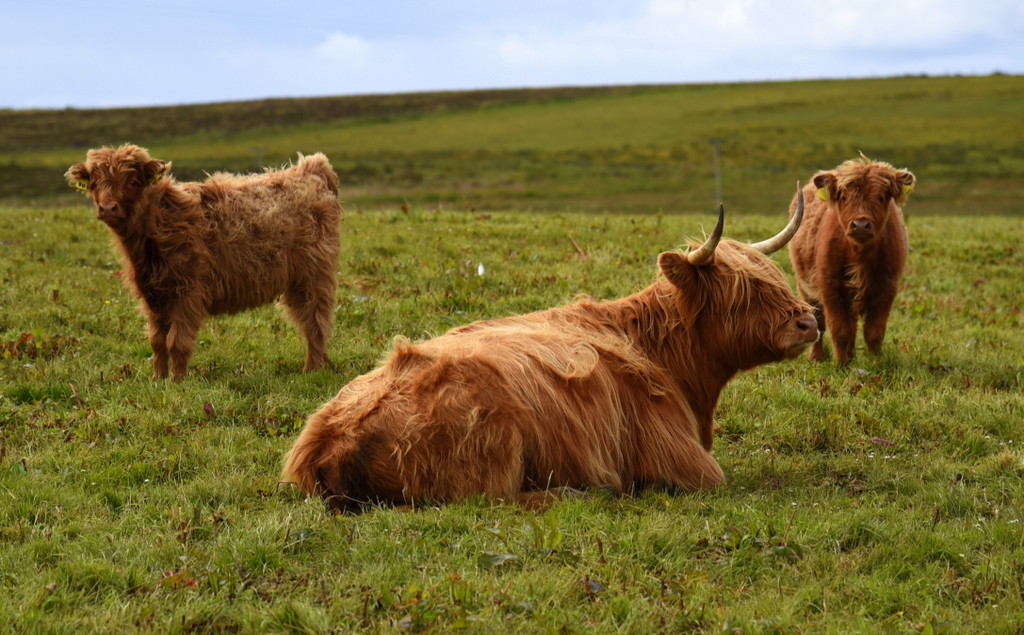
10. Seek Out and Celebrate What Makes Scotland Unique. While it’s still part of the United Kingdom — for now —  Scotland is so much more than just England’s northern annex. In this age of “devolution” (Scotland gaining more autonomy from London), ask locals what they think about current issues. (At least Scotland and England still share a knack for witty signs.) Even if you’re a closet royalist, check your sympathies at the door and really try to understand what makes Scots Scots. And then…celebrate it.

It goes without saying, but all of this — and much more — is covered in the Rick Steves Scotland guidebook.

Turas math dhut! (Happy travels!)