The 2026 Milan-Cortina Winter Olympics are fast approaching, and if you’re heading to Italy this February or March, the Games will likely impact your travels. Specifically, the XXV (that’s 25th) Winter Olympiad will run February 6–22, followed by the Winter Paralympics (March 6–15). An estimated 1.5 million tickets have been allocated for fans to come watch around 3,000 athletes compete across 16 sports.
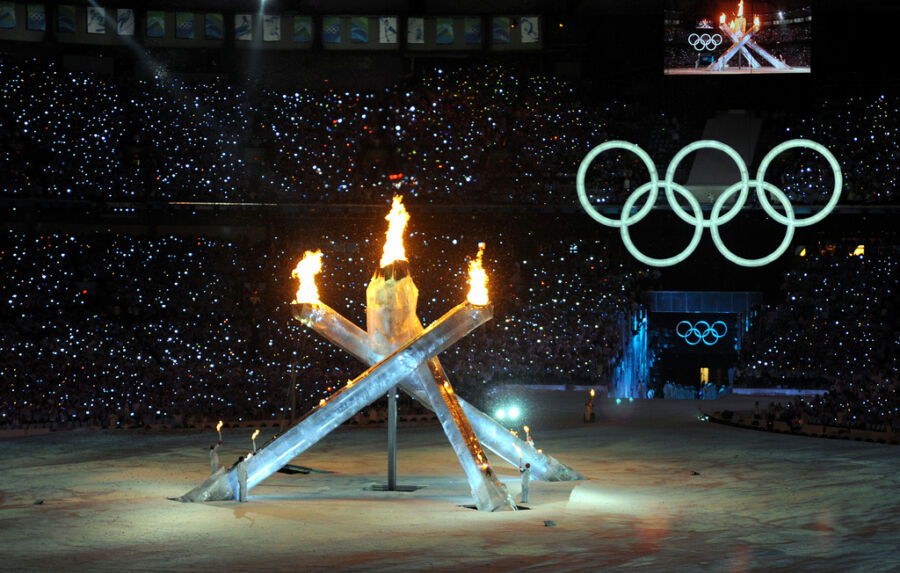
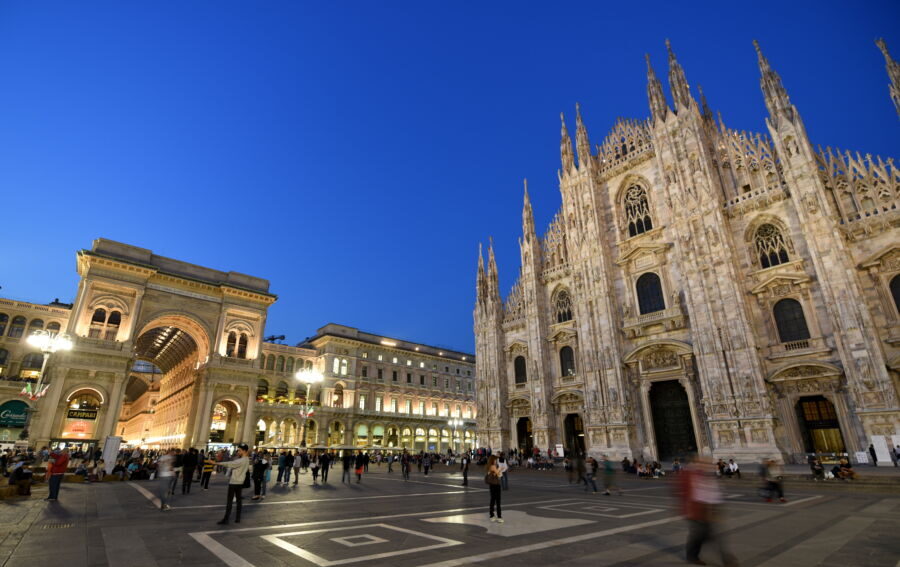
Most of the action will be split between two very different places: Milan, Italy’s second largest city, and Cortina d’Ampezzo, a high-class resort town high in the Dolomites, a two-hour drive from Bolzano. However, other alpine destinations like Bormio and Livigno will also host a few events — and the Closing Ceremony will be held in Verona. Unless you’re going for the Olympics, February and March are good months to give both places a wide berth, as crowds will be heavy and lodgings will be scarce (and expensive).
Transportation throughout this region will also likely feel some Olympic congestion. Although Milan and Cortina are co-hosts, they’re not exactly close together. It’s about a five-hour drive between them, and there’s no direct train connection. While organizers are spinning this positively — they’re labeling the Games as the “most geographically widespread” in history — travelers might call it “logistically inconvenient.” Expect highways, rail lines, and nearby transit hubs (like Venice and Verona) to be busier than usual.
Even if you’re traveling elsewhere in Italy during February and March, you might still feel some Olympic effect. Many heading to the Games will likely extend their vacations to see other Italian highlights like Rome and Florence — or hop across the border into Switzerland and Austria.
Meanwhile, there’s a good chance that Milan and Cortina will continue to see a visitation bump long after the Olympic flame is extinguished. Major sporting events like the Games are a global spotlight, and host cities regularly seize the opportunity to promote tourism. Paris used the 2024 Summer Games to remind the world how irresistible it is, and Italy will likely do the same. While Milan has long been on the travel radar, mountain towns like Cortina have, until now, been more of a niche destination…but soon, it will become mainstream. With every shot of fans sipping espresso, swirling wine, and twirling pasta against a stunning backdrop of the Dolomites, viewers will increasingly say: “I want to go there.”
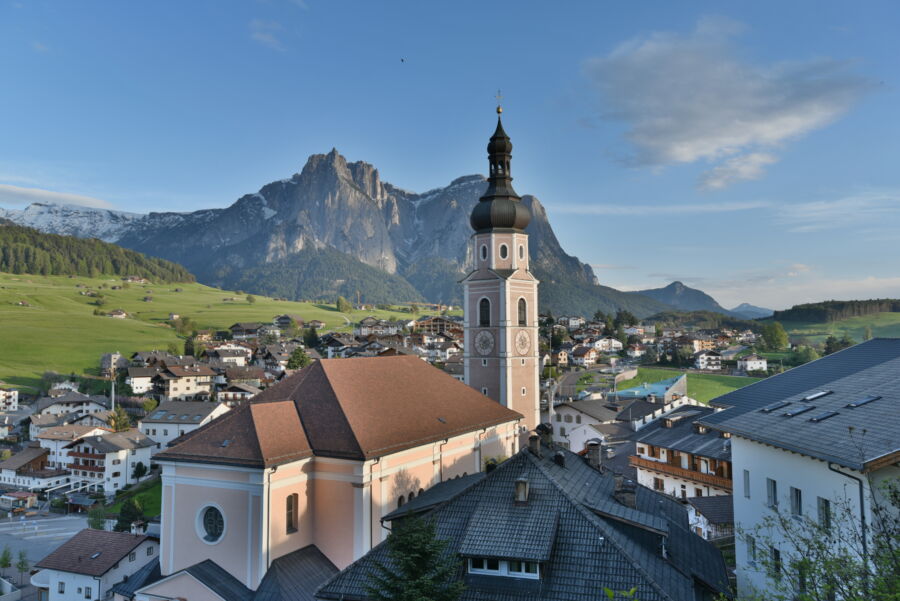
Although Rick Steves’ Europe does not cover Cortina, we have plenty of material on similar (and arguably more culturally intriguing) Dolomite destinations such as Bolzano, Castelrotto, and Europe’s largest alpine meadow, the Alpe di Siusi. And if Milan is in your travel plans, you have your choice of Rick Steves articles, guidebooks, TV episodes, and recommendations at your disposal to help plan your trip.
Culturally, the Winter Olympics are not as important to Italians — or most Europeans in general — as the FIFA Men’s World Cup, which is taking place later this year (and will still impact your trip, even though it’s being played in North America). However, the 2026 Winter Games nevertheless warrant your attention, as they will shape travel in northern Italy during February and March…and might inspire you to visit this region soon.
We’d like to hear from you! As a member of our merry band of travelers, please weigh in on this article by using the comments below. Meanwhile, many of these topics will also be covered on Rick Steves’ Europe’s various social media platforms — Facebook, Instagram, X, and TikTok — and we hope you’ll join the conversation there as well.
Can you tell me about ETAIS?
Hi Jennifer, Travis here. ETIAS is the EU’s travel authorization — very similar to the UK’s ETA, and the United States’ ESTA. ETIAS isn’t in effect yet (and won’t be until late 2026, if not later), but once it is, non-EU travelers (like Americans) will be required to pre-register and pay a €20 fee once every three years. You can learn more here: https://blog.ricksteves.com/insights/ees/