My co-author and frequent collaborator, Cameron Hewitt, is well-traveled, smart, and insightful. And, while he and I are in perfect sync in our travel styles and priorities, he gives voice to the next generation of "Rick Steves travelers." Join me in enjoying his reports right here. —Rick

Video: Iceland Travel Tips

Working on our Rick Steves Iceland guidebook (with co-author Ian Watson), I learned a lot of practical tips for how to make the most of a trip to the land of fire and ice. When I got home, I distilled all of my best advice into this 75-minute talk (part of our Rick Steves’ Europe Travel Talks series). If you took me out to coffee to pick my brain about your upcoming Iceland trip…this is exactly what I’d tell you. Below the video, you can find links to the shorter “chapters” of this talk (excerpted from the full-length version), and my complete class handout for people attending the talk in person.

You can also view individual chapters excerpted from this talk:

Iceland Travel Skills

Reykjavik

Day Trips from Reykjavik

The Ring Road

Class Handout

Iceland 101

Why Visit Iceland? Astonishing, unique natural wonders; cinematic landscapes; easy stopover on the way to/from Europe; surprisingly rich culture/cuisine; wonderful people.

Don’t Visit Iceland…to save money; for great art/architecture; for hot, sunny weather.

Area & Population: 39,682 square miles (a little bigger than Maine) with 340,000 people (like Corpus Christi, Anaheim, or Honolulu) — 2/3 in Reykjavík area.

History: First settled by Scandinavians during Viking Age (9th century); was a collection of remote farms for nearly its entire history. Wrote down history and folk tales (the sagas). Starting A.D. 930, chieftains met annually at the Althing at Þingvellir. Christianized and came under control of Norway, then Denmark. Slow process of independence, made official in 1944. “Occupied” by Allies in WWII (built Keflavík airport); economic crisis in 2008/2009; tourism boom today.

Names: Last name is patronymic (-son and -dóttir); everyone’s on a first-name basis.

Icelandic: Old Scandinavian roots, tricky to pronounce. Key letters: Ð/ð = voiced “th” (breathe); Þ/þ = unvoiced “th” (breath); j = “y”; ll = “tl”

Money: Roughly 100 Icelandic krónur = $1. All transactions are credit card; don’t get much cash.

Budget: Expect very high prices. Seek out budget strategies. Fortunately, natural wonders are free.

Sleeping: Basic accommodations cost $150/double with shared bath; nice hotel is more like $300. Demand outstrips supply, so prices are high. Guesthouses with shared bath are common and cheaper. Airbnb is a budget-friendly option; consider staying in the suburbs for a local experience.

Eating: Icelandic food is good and worth splurging on. A basic meal costs $20-30, but for $10-20 more you can go high-end. “Hardship foods” (rotted shark, fish jerky, lamb’s head). But also delicacies: fresh fish, flavorful lamb, soup & bread buffet, skyr. Even top restaurants have great lunch deals for $25; splurge at lunch and skimp at dinner (picnic, fast food). Nice microbrew culture; happy hours help cut costs.

Itinerary Considerations

Summer vs. Winter: To really explore Iceland, I prefer summer (better weather, endless daylight) vs. winter (very short daylight, icy roads keep you close to Reykjavík). Northern Lights are winter-only, always chancy — don’t plan a trip around it (but thrilling if you see it). Prepare for cold/windy weather anytime!

Quick Layover (1-3 days): A quick taste of Iceland on the way to/from Europe. Home-base in Reykjavík but spend your daylight hours in the countryside: Blue Lagoon (near airport), Golden Circle, South Coast.

Longer Visit (4-8 days): This allows more day trips (Westman Islands, overnighting on South Coast, glacier activities), and more time for Reykjavík.

All Iceland (9-14 days): Driving the Ring Road is well worth the investment of time, and lets you see essentially the entire country.

Transportation: Car rental is best for most trips — most highlights are not accessible by cheap public transit. Bus excursions are convenient, but costs add up quickly. In summer, don’t splurge on 4X4.
Reykjavík

Iceland’s capital (pop. 125,000, or 220,000 metro, like Topeka or Charleston) and tourism hub lacks major sights but has quality accommodations, restaurants, and nightlife. On a short visit, home-base here but don’t over-invest your time; countryside is more rewarding.

Exploring Downtown: Low-key “Parliament Square” (Austurvöllur) with Alþingi (since A.D. 930) and statue of independence advocate Jón Sigurðsson. Better for hanging out: main shopping/nightlife drag Laugavegur. Icelandic sweaters are good but very expensive (consider thrift shops). Licorice candy is cheap and local.

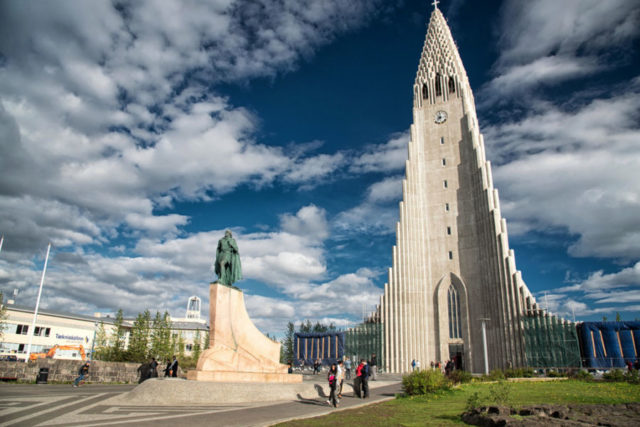
Hallgrímskirkja: Lutheran church (1930s, state architect Guðjón Samúelsson), Reykjavík’s main landmark, views from tower. Statue of Leifur Eiríksson, likely first European to visit the Americas.

History Museums: Settlement Exhibition preserves foundation of 10th-century longhouse; National Museum of Iceland has well-described artifacts.

Harborfront: Cutting-edge Harpa concert hall, opened 2011. Nearby Sun Voyager sculpture already city icon. Whale/Puffin Watching boat trips…but no guarantees. Nearby Whales of Iceland, pricey but good exhibit with life-size models.

Day Trips from Reykjavík

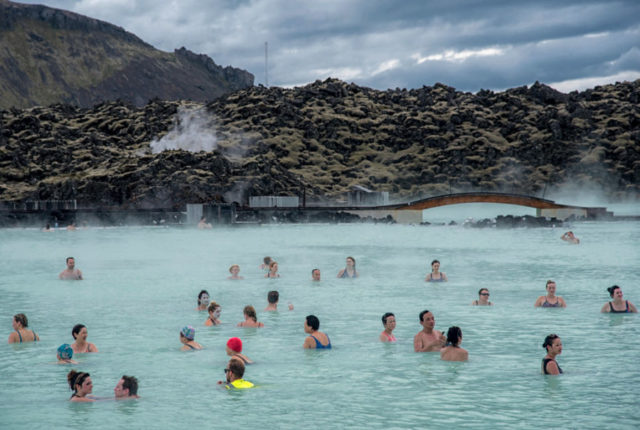
The Blue Lagoon: Top-end thermal bathing complex in volcanic landscape, 45 min south of Reykjavík (near Keflavík Airport); pricey (starts at $80) and requires reservations (bluelagoon.com). There are also municipal swimming pools all over Iceland, including more than a dozen in Reykjavík. Filled with natural thermal water. Very relaxing local custom to adopt. Carefully follow procedure (shower first!) and go with the flow.

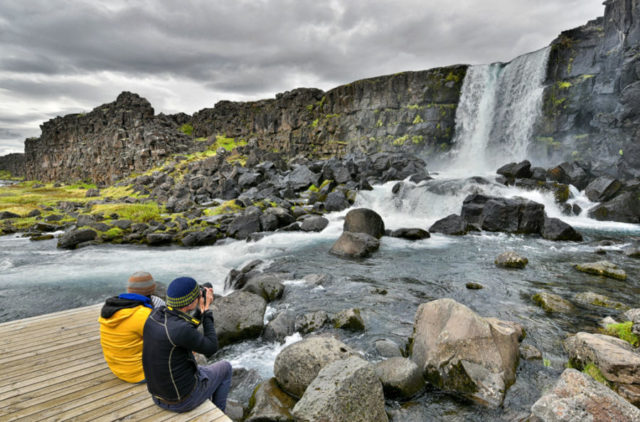
The Golden Circle: Iceland’s quintessential day trip: 150-mile loop with grand scenery, Þingvellir (site of Iceland’s Althing gatherings, along a jagged tectonic fissure), Geysir (steamy field with the original geyser); Gullfoss (thundering waterfall), other stops (including Kerið crater, hike 1 hr to Reykjadalur thermal river)

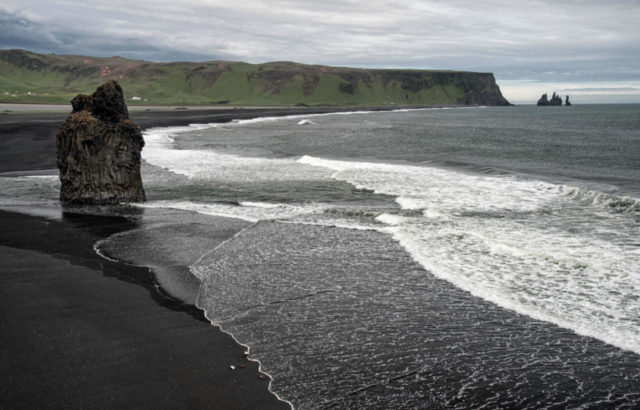
The South Coast: Rivals Golden Circle as Reykjavík’s top day trip: spectacular waterfalls (Seljalandsfoss is best, walk behind it), glacier tongue (Sólheimajökull), black-sand beaches (Reynisfjara), Eyjafjallajökull (famous 2010 volcano); Lava Centre in Hvolsvöllur.

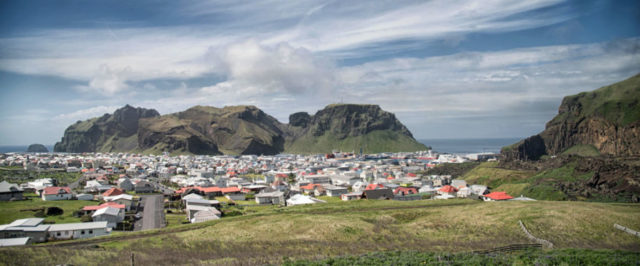
Westman Islands (Vestmannaeyjar): Archipelago just off the South Coast, accessible by boat or plane (but weather-dependent). Famous Jan. 1973 eruption; today part of town still buried under lava rock. Excellent volcano museum; the world’s largest puffin colony; aquarium with a resident puffin (Tóti).

The Ring Road (All Around Iceland)

Logistics: Highway 1 encircles Iceland 800 miles on twisty roads, lots of worthwhile sightseeing stops and detours. Allow 5 days minimum (better with 6-7 days). Some overlap with South Coast; can also tie in Golden Circle and/or Westman Islands. I’ve described it clockwise, but it can be done either way. Can be done with small 2WD car. Best to book accommodations in advance. Some enjoy camping.

West Iceland: Borgarnes (Settlement Center); Víðgelmir lava tube (another volcano cave experience is “Into the Volcano”); Grábrók climbable crater.

Skagafjörður: Northern valley with excellent Glaumbær folk museum; scenic Tröllaskagi (“Troll Peninsula”) drive to charming port town of Siglufjörður, with excellent Herring Era Museum.

Akureyri: Iceland’s “second city” (pop. 18,000), feels like a mini-Reykjavík with landmark church.

Mývatn: “Midge Lake,” named for the mini-mosquitoes here. Area of remarkable natural beauty, lava formations, thermal areas. Highlights include Skútustaðir pseudocraters, Dimmuborgir lava formations, and Mývatn Nature Baths (simpler version of Blue Lagoon for half the price). Just over the ridge is the striking Námafjall geothermal area and Krafla Valley, with geothermal plant, Víti crater, hikes.

Húsavík: Charming port town near Mývatn, with whale watching and whale museum. Just east is stunning Dettifoss waterfall.

Eastfjords: Jagged, sparsely populated, lots of long driving. Best town by far is fjordside village of Seyðisfjörður, beautiful setting, lots of art students, surprisingly cosmopolitan, ferry from Denmark.

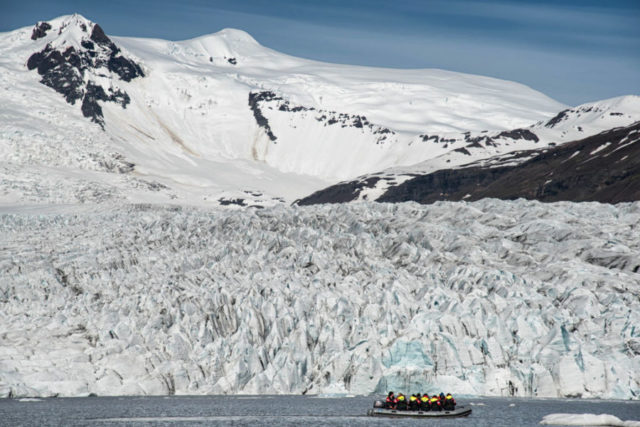
The Southeast: Few towns, but Glacier Country (in the shadow of Vatnajökull (Europe’s biggest glacier). Stunningly beautiful glacier lagoons: Famous Jökulsárlón; less touristy and also spectacular Fjallsárlón; both have RIB rides. Nearby “Diamond Beach” where icebergs wash up. Also possible to hike or snowmobile across a glacier, or visit an ice cave (arrange in advance, consider sleeping in this area).  Skaftafell National Park with hike to Svartifoss falls.

The South Coast: The Ring Road route ends with a drive past the South Coast, described earlier, and back to Reykjavík.

Resources

Rick Steves Iceland guidebook

Reykjavík Highlights travel talk by Kevin Williams


Helpful Websites:

Grapevine.is — Reykjavík’s great English newspaper

IHeartReykjavik.net — Insightful local blog

GuideToIceland.is — Consortium of tour companies

Iceland.is — Official tourism website

Family Travel: Visiting Iceland with Children

With its imagination-stoking natural wonders — volcanoes, glaciers, and puffins — Iceland is practically made for kids. And yet, when we set out to work on our Rick Steves Iceland book, we realized few guidebooks do justice to family travel. So with the help of our co-author, Ian Watson (who raised his kids in Iceland), we wrote an “Iceland for Children” chapter, loaded with 11 pages of advice on where to stay, what to pack, where to eat, and the top sights and activities for kids around the country. Here are a few highlights from that chapter.

Child pointing at map

Iceland is packed with unique geological features, which are fun both to explore, and to learn about. If your child takes an interest in volcanoes or glaciers, deputize them to become an expert and play “tour guide” when you reach key sights. Help them figure out what their name would be in Icelandic (I’m “Cameron Kemptonson.” Rick would be “Rick Dicksson.”) And challenge them to master the pronunciation of the famous volcano, Eyjafjallajökull.

In the Mývatn volcanic area, your family will discover unique land formations, steaming geothermal landscapes, and easy nature walks. (But be careful! Iceland’s many geothermal areas are full of boiling water and hissing steam. Be sure your children understand how important it is to stay on marked trails at all times, and keep younger kids close at hand.)

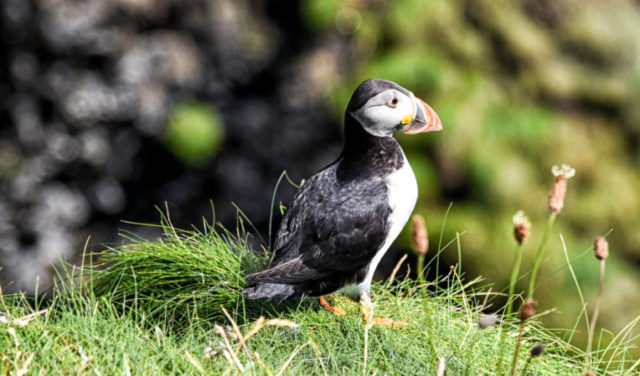
Westman Islands puffin

In the Westman Islands, you can walk up onto a lava flow that partly covered the town in 1973, visit the excellent Volcano Museum, hike up to the still-warm summit of Eldfell, and meet a puffin at the local aquarium.

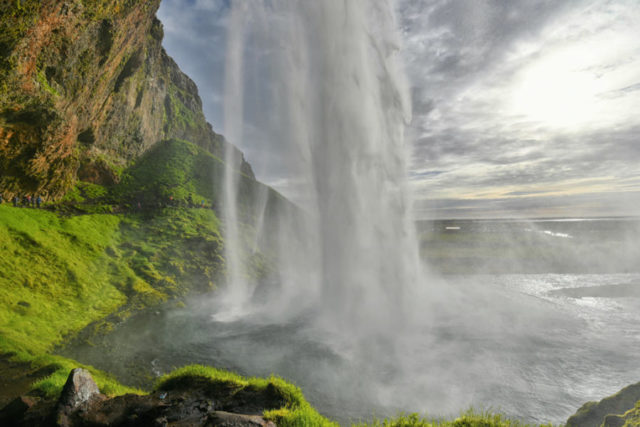
Seljalandsfoss waterfall, Iceland

Iceland also offers many opportunities to get up close to waterfalls. Surefooted kids particularly enjoy Seljalandsfoss, on the South Coast, where they can walk behind the falls. (Just be sure to bundle up, with waterproof shoes and jackets.)

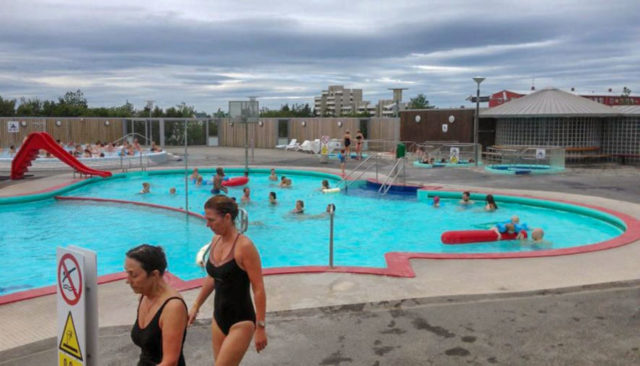
Reykjavik Swimming Pool

The mellow, spa-like atmosphere at Iceland’s premium baths — such as the famous Blue Lagoon — feel very grown-up and may not be the best choice for kids. However, the thermal bathing scene at Iceland’s many municipal pools is perfectly kid-friendly. Many of the larger pools have colorful waterslides and other activities that are designed just for children, and there’s usually a shallow wading section for tiny tots.

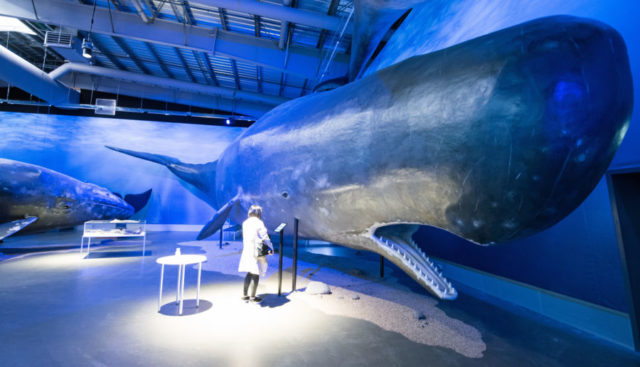
Whales of Iceland

Kids also love wandering among the life-size models at Whales of Iceland, a pricey but riveting attraction tucked in a big-box store zone near Reykjavík’s harbor. The “whales” are impressively detailed and bathed in a shimmering, blue light, and you’re invited to wander under and among them (with the help of the engaging, free-to-download audioguide). You’ll find yourself face-to-face with majestic giants: pilot whale, humpback whale, sei whale, bowhead whale, minke whale, Moby Dick-style sperm whale, and the largest specimen, the blue whale — which can grow up to 110 feet long. The exhibit may sound gimmicky…but it’s genuinely cool. (And many families prefer this to actual whale-watching cruises, which can come with rough waves, unpredictable weather, and a less-than-guaranteed chance of seeing more than a fleeting glimpse of whales.)

Haafell farm, Iceland

In West Iceland, the Háafell Goat Farm is a fun, hands-on activity for kids. On a remote, unpaved road about an hour east of Borgarnes, this farm represents a one-family project by Jóhanna Þorvaldsdóttir and her clan. A few years ago, they set out on an idealistic quest to breed Iceland’s nearly extinct goat stock — descended from animals brought by the first settlers. Now the family invites travelers to visit their farm, meet (and, if you like, cuddle) some adorable baby goats, learn about their work, watch the goats butt heads playfully, and peruse the wide variety of products they make from their goats: feta cheese, ice cream, soap and lotions (from tallow), and goat-hide carpets and insoles.

Lastly, if none of these suggestions seem quite right for your jaded, older kids, you may be able to get their attention by mentioning that Reykjavík has a penis museum. Excuse me: Phallological Museum. Tucked at the far end of the city’s main walking street, Laugavegur, you’ll find a one-room collection of preserved animal penises and various depictions of phalluses in folk art. Surprisingly, it’s more educational than crass. And yet, it’s impossible to visit this place without making juvenile jokes. In some ways, 12-year-old boys are the most fitting audience possible for this collection. A 12-year-old-boy-at-heart, I spent quite some time wandering around here, cracking myself up as I scrawled notes in my little notebook. Here’s my writeup for the Rick Steves Iceland guidebook:

You’ll see more wieners than you can shake a stick at — preserved, pickled peckers floating in jars of yellow liquid. You’ll see a seal’s schlong, a wolf’s wang, a zebra’s zipper trout, a fox’s frankfurter, a giraffe’s gherkin, a dog’s dong, a badger’s baloney pony, a squirrel’s schwanz, a coyote’s crankshaft, a horse’s hardware, a reindeer’s rod, an elephant’s equipment, and lots of whale willies. If you can’t get through this description without giggling, maybe you should visit. If you’re about to set down this book and write me an angry letter…don’t.

And with that…happy travels to you and your whole clan!

How to Plan an Iceland Itinerary — From a 24-Hour Layover to a 2-Week Road Trip

One challenge in producing our new Rick Steves Iceland guidebook (with co-author Ian Watson) was the need to be realistic about the way travelers are visiting Iceland. Detailed, day-by-day recommended itineraries are a major feature of other Rick Steves guidebooks. But most of those are for trips of two weeks. And let me guess — you’re going for two days, right?

And so, in recommending the best plans for touring Iceland, we had to cast a wide net — recommending specific itineraries for anywhere from 24 hours to two weeks. The considerations below helped us shape our plans — and can help you plan your own trip to Iceland, too.

Reykjavík is a great home base. While small and low-impact by European capital standards, Reykjavík is an insistently likeable place to call home for a few nights. It’s compact, walkable, and loaded with a surprising variety of dining, browsing, and nightlife options. While demand is high, more and more hotels and guest houses are opening up downtown, and Airbnb and other apartment rentals round out your options. And, naturally, Reykjavík is strategically located for venturing out into the countryside, making it easy to get an enticing taste of Iceland even on a short visit.

…but, if time is tight, don’t overdedicate time to the capital. If you have only one or two full days in Iceland, sleep in Reykjavík…but during the day, get out of town. You’re here for the majesty of Icelandic nature, not to putter around the capital. I mean Reykjavík no disrespect — the city is endearing, and on a longer visit, it deserves a day or two all its own. But urban sightseeing and window-shopping for stuffed puffins is not what you came to Iceland for. You’re here to peer deep into the maw of a thundering waterfall, touch a glacier, stroll a black sand beach, and simmer in volcanically heated water. Particularly if you’re here in the summer — when daylight is almost limitless — you’ll get a plenty good look at Reykjavík at the end of each day: dinner, nightlife, and late-evening strolls under the midnight sun. In ranking Icelandic destinations for our new book, we made the bold choice to give our highest rating — the coveted “three pyramids” — only to the Blue Lagoon, the Golden Circle, and the South Coast, while Reykjavík got only two pyramids. Our readers trust us for our hard opinions, not our diplomacy. Sorry, not sorry.

For a more authentic Icelandic experience, consider sleeping in the ‘burbs. With the recent spike in tourism, downtown Reykjavík is starting to feel like an Icelandic theme park. The co-author of our Rick Steves Iceland book, Ian Watson — who lived in suburban Reykjavík for years — endorses the alternative of sleeping outside of the city center, where prices are lower and your neighbors are more likely to be Icelanders. Reykjavík is small and car-friendly, so it’s an easy drive into downtown. And if you’ll be side-tripping into the countryside, it’s efficient to stay in a suburb (like Hafnarfjörður) that’s closer to the Golden Circle and South Coast routes. For the cost of a double room with a bathroom down the hall in a downtown guesthouse, you can rent an entire suburban house with easy parking.

Airbnb lists plenty of solid suburban options, scattered over the entire capital region. Some of these come up if you search for “Reykjavík Area,” but it’s also worth checking under the specific suburb name: Seltjarnarnes is a swanky neighborhood at the tip of the Reykjavík peninsula, close to downtown (but less handy for hopping on the highway). Hafnarfjörður, a separate town about 30 minutes south of downtown Reykjavík, feels like its own community and offers easy access both to Reykjavík and to out-of-town sights. Kópavogur and Garðabær are modern suburbs between Reykjavík and Hafnarfjörður. And Mosfellsbær is a small, newer community north of Reykjavík.

Combine the Blue Lagoon with your airport transfer. The international Keflavík Airport is about a 45-minute drive from Reykjavík. And the famous Blue Lagoon lava-rock spa is about a 10-minute drive from the airport — also a 45-minute drive from Reykjavík. For maximum efficiency — especially on a tight “layover” timeframe — it just makes sense to combine your Blue Lagoon visit with your trip to or from the airport. If you arrive on a morning flight, recharge with a soak before heading into town. If you’re flying out later in the day, how better to prepare for a transcontinental flight than with a languid simmer in hundred-degree water? Airport-transfer services make it easy to add on a stop at the Blue Lagoon. One important caveat is that the Blue Lagoon requires reservations — so you’ll want to plan this out in advance.

Prioritize your day trips. If you combine the Blue Lagoon with your arrival or departure, you’ll free up even more time for other day trips from Reykjavík. There are several good options, but the two best — different but equally good — are the Golden Circle and the South Coast. Another excellent, if lesser-known, option is the Westman Islands, just off the South Coast. Each one of these can be easily done in a day from Reykjavík…but you’ll need to prioritize. For starters, check out my post on the 4 Best Day Trips from Reykjavík.

Home-basing for a couple of nights on the South Coast opens up lots of options. If you’re in Iceland for just one, two, or three nights, stay in Reykjavík. But if you’re here for four or more nights, consider splitting your home base between Reykjavík and the South Coast. With five nights in Iceland, I’d spend three in Reykjavík (or its suburbs), and the other two in a rural farmhouse B&B on the South Coast — offering a nice variety of Icelandic accommodations. The South Coast has at least a day’s worth of sightseeing, and it’s also a good home base for visiting the delightful Westman Islands. Since the ferry to the islands can be cancelled in bad weather, this plan works well: Plan two nights on the South Coast. Then, as the date approaches, choose the better-weather of the two days for the Westman Islands, and use the other day for the South Coast sights. (For more details, see my Westman Islands post.) The South Coast also works as a home base for visiting the dramatic hiking area called the “Valley of Thor” (Þórsmörk), or for doing the Golden Circle loop (or you can do the Golden Circle route on your way from the South Coast back to Reykjavík).

If you’re thinking of doing “part of” the Ring Road…just get real, and commit to doing all of it. Highway 1 — the Ring Road — makes an 800-mile loop around the perimeter of Iceland, connecting virtually everything a visitor might want to see on a visit of up to two weeks. However, there are no shortcuts across the middle of Iceland — which is covered by rugged Highlands, impassable glaciers, and gravelly roads requiring four-wheel drive and serious intestinal fortitude. Therefore, if you’re flirting with doing “part” of the Ring Road, you might as well commit to doing all of it.  Once you get about a third of the way around (i.e., Mývatn), continuing the rest of the way is only a little more time-consuming than backtracking the way you came to Reykjavík — and rewards you with entirely different scenery. The Ring Road can be done in as little as five or six days; a week is ideal. If you have less than that, skip it. For all the details, see my Ring Road post.

To efficiently max out on different Icelandic experiences, consider domestic flights. There’s one caveat to the Ring Road Rule, above. If you’d like a peek at the breathtaking Mývatn area, but don’t have time for the seven-hour drive each way, consider booking a same-day or next-day round-trip flight between Reykjavík and Akureyri (a 90-minute drive from Mývatn) on Air Iceland Connect. Another wonderful corner of Iceland, the Westman Islands, can be done most days as an easy side-trip from Reykjavík on Eagle Air. The planes are tiny (there’s no security check, baggage allowances are limited, and strong winds can interrupt flights). But, on the upside, most of these flights use Reykjavík’s tiny domestic airport, which is a long walk or very short drive from downtown.

The Northern Lights are amazing…but the midnight sun is even better. Some travelers go to Iceland in the winter specifically to see the Northern Lights. And that’s understandable: If you get lucky, that’s a lightshow worth traveling long distances for. But on the whole, winter comes with more downsides than upsides. Daylight is incredibly brief (in December, the sun rises a little before 11:30 and sets just after 3:00), and icy roads can make out-of-city sightseeing treacherous. And, if it’s cloudy or conditions are imperfect, there’s no guarantee you’ll even see those elusive dancing lights. Meanwhile, summertime is mightily appealing — particularly for those trying to pack the maximum Icelandic experience into a short visit. The sun technically sets for a few hours, but it never really gets dark — allowing intrepid, energetic visitors to maximize their time in Iceland to a remarkable degree. (The photo above was taken at 11:30 p.m. in early June.) If you have just 24 hours in Iceland — and can get by with very little sleep — you could arrive in the morning, soak at the Blue Lagoon, have lunch and browse Reykjavík in the early afternoon, then hop in a car and drive the 150-mile Golden Circle loop in the evening, all in broad daylight…before collapsing back at your Reykjavík hotel around midnight, catching a few hours of sleep, and flying out. That isn’t remotely possible in winter.

Armed with these tips, even a first-time visitor can plan an Iceland trip with the savvy of a pro. But don’t forget maybe the most important tip of all: If you like what you see, you can always go back to Iceland again later.

Iceland’s 4 Best Day Trips from Reykjavík

For our new Rick Steves Iceland guidebook, Rick and I worked with co-author Ian Watson to figure out the best day-trip options from Reykjavík. Our “top 4” includes the Golden Circle, the South Coast, the Blue Lagoon, and the Westman Islands. This post (part of my Iceland blog series) is a quick-reference guide for how to prioritize your limited time.

Reykjavík is a fun city, and the perfect place to spend the night on a visit to Iceland. But in-town sightseeing options are modest, and you’ll get a plenty good look in the morning and evening. Especially on a speedy “layover” visit, getting out into the epic Icelandic countryside should be your top priority. The key is being selective,  and these four day trips from Reykjavík clearly rise to the top. The complete details for each one — including self-guided driving and walking tours, and lots of restaurant and sightseeing recommendations — are covered in our Rick Steves Iceland guidebook.

1. (tie) Golden Circle

The quintessential Icelandic day trip is a 150-mile loop east of the capital — figure about four hours of driving, plus at least another four or five for sightseeing stops. The Golden Circle route curls through a representative sample of Iceland’s lunar landscape as you link up three main destinations.

The gorge at Thingvellir (or “Þingvellir” in Icelandic) is worth a visit for reasons both geological (as a place where you can see the European and North American tectonic plates pulling apart) and historical (as the site of the annual Great Gathering of the Icelandic chieftains — or Alþingi — dating back to the 10th century).

Geysir is a steaming, simmering field with a variety of active geysers — including the one that introduced that Icelandic word (meaning “the gusher”) to the world’s lexicon. Join the patient circle of tourists standing in a field, staring at a bubbling hole in the ground, and have your camera cocked and ready as you wait…wait…wait… (It usually shoots off about every 10 minutes, but Old Faithful it ain’t — don’t set your watch by it. And don’t blink!)

Gullfoss is one of Iceland’s most dramatic waterfalls — and that’s really saying something. This thundering cascade throws itself over a cliff into a steep, rocky gorge, ejecting a gentle bridal veil of mist into the surrounding countryside. (Wear your raincoat.)

The Golden Circle loop also passes some minor sights (including the historic church at Skálholt and a climbable crater, Kerið), some good restaurants, and four different thermal bathing opportunities. All in all, it’s a handy “Iceland in miniature” look at this unique land.

1. (tie) South Coast

The most accessible slice of spectacular Icelandic coastline is about two hours’ drive south of Reykjavík — on a 40-mile stretch of seafront bookended by the stunning Seljalandsfoss waterfall and the evocative Reynisfjara black sand beach. While it’s a bit farther from the capital (figure about five hours of driving round-trip, plus at least another four or five for sightseeing), it offers an even more epic look at Iceland’s scenery.

The South Coast is an achingly beautiful terrain of bald, craggy mountains blanketed in green, giving it an almost Celtic feel. Looming above it all are mighty, currently dormant, glacier-covered volcanoes, including the famous Eyjafjallajökull, which grounded European air travel in 2010.

Along the South Coast, you can visit two different thundering waterfalls — including the spectacular Seljalandsfoss, where soggy tourists can hike around behind the falls.

At another handy pullout, a 20-minute hike gives you the opportunity to get up close to a gritty glacier (Sólheimajökull) — the closest glacier opportunity to Reykjavík.

The settlement of Skógar boasts another waterfall, and a fine little folk museum.

And Reynisfjara is a dramatic black-sand beach, whittled with basalt formations and jagged sea stacks.

The South Coast also has a variety of restaurants and other attractions — including the cutting-edge Lava Centre (in Hvolsvöllur), which explains volcanic activity in this part of Iceland.

Breaking the Tie

If you have just one day and are torn between these choices, consider this: The Golden Circle offers a tidy variety of experiences on a handy and very well-trod loop with almost no repetition. The South Coast is more outdoorsy, with stirring coastal scenery and a few more substantial opportunities for easy to moderate hikes. It’s a bit farther from Reykjavík, and requires backtracking the same way you came. The choice between these is so difficult that, if I had two days in Iceland, I’d skip Reykjavík entirely to make time for both.

3. Blue Lagoon

Why so low? Because a three-way tie for first seems unhelpful. And the fact is, not every traveler loves the Blue Lagoon. It’s quite expensive ($100 per person at prime times) and requires reservations. It feels touristy and glitzy, with nary an Icelander in sight. And yet, those who love it really love it. If you can afford it and would enjoy a memorable thermal bathing experience, it’s a worthwhile investment. As a bonus, it’s easy to combine the Blue Lagoon with your trip to or from the international airport, so you don’t need to devote an entire day to it. For details (and alternatives), check out my post about the Blue Lagoon and Iceland’s thermal bathing culture.

4. Westman Islands

This little volcanic archipelago, just off the South Coast (and an easy day trip by plane from Reykjavík), is an ideal alternative for intrepid travelers interested in going beyond the well-trod, whistle-stop sights listed above. Visitors are rewarded with stunning sea-cliff scenery, dramatic tales (and lava formations) from a 1973 volcanic eruption, the biggest summertime puffin population in the world, and a real-life (and adorable) mascot puffin named Tóti. Intrigued? Check out my Westman Islands post for more details.

Honorable Mention: Fly to Akureyri for a look at Mývatn

One of my favorite corners of Iceland is the Lake Mývatn area, in the North. But that’s a seven-hour, non-stop drive each way from Reykjavík, and best done as a part of a multi-day Ring Road loop. However, if you’ve got limited time, you could take a quick flight from Reykjavík up to Akureyri (on Air Iceland Connect) and rent a car to get a glimpse at this fascinating volcanic landscape. For the details, see my Mývatn post.

Other Options? Endless.

Various Icelandic companies offer excursions to suit every taste. Interested in glaciers? You can hike across a glacier, snowmobile across a glacier, ride a boat across a glacier lagoon, or spelunk into a cave carved into a glacier. Are volcanoes your thing? Iceland has three different volcanic caves that you can tour. Have you dreamed of seeing a puffin or a whale? Riding an Icelandic horse? Scuba diving or snorkeling in a flooded chasm between continents? Visiting filming locations for Game of Thrones and other blockbusters? Seeing the Northern Lights (winter only)? If so, there’s an excursion for you.

While the four day trips outlined above are of the most general interest, it’s possible to do pretty much anything in Iceland as a day-trip from the capital. Guide To Iceland, a consortium of several tour operators, is a good place to start surveying your options. Or check out the Icelandic Experiences chapter of our Rick Steves Iceland guidebook.

What to Eat in Iceland

 Iceland has great food. There, I said it. In working on the new Rick Steves Iceland guidebook, co-author Ian Watson and I were determined to get our readers past the clichés about Icelandic cuisine. This post (from my Iceland blog series) offers an introduction to Icelandic cuisine, followed by my 10 favorite restaurant finds for the book.

What Do Icelanders Eat?

It’s the rotted shark that you always hear about. Which is a shame.

Not that there’s no such thing as rotted shark. Hákarl really does exist, and its preparation really does involve fermenting a chunk of Greenland shark meat (traditionally by burying it underground for several months), then cutting it into little cubes that taste like a mélange of dead fish, ammonia, and the stinkiest cheese you can imagine. (You can buy tiny tubs of it at Reykjavík’s weekend flea market. I promise, you will never eat even close to that much.)

And that’s just the tip of the “weird foods” iceberg. Icelanders are also notorious for their penchant for fish jerky (harðfiskur), and for tucking into an entire lamb’s head on a plate (called svið; the cheeks are nice and tender…the eyes and tongue are optional). To be fair, it’s hard to blame those early settlers for making the absolute most out of anything edible. Icelanders even have a word for their hardship meats: þorramatur (“winter food”).

However — now that we’ve got that out of the way — there’s so much more to Icelandic cuisine than those infamous hardship foods. These days, most Icelanders would only eat those dishes out of nostalgia, or — like tourists — on a dare.

The truth is, Iceland has a surprisingly dynamic, delicious, and fun-to-explore food scene. Iceland has a long history of absorbing cultural influences from across the sea. And now that the country is trendy with upwardly mobile young people from the United States, Icelandic chefs are masterfully melding their own traditions with world-class know-how.

Icelandic cooking has two main protein staples: fish and lamb. Haddock, cod, and plaice are caught in the North Sea, while salmon and arctic char are farmed. Fish is prepared in a variety of creative ways: pan-seared, smoked, fish-and-chips, cheesy potato-fish casserole (plokkfiskur), fish fritters, fish sandwiches, fish soups and stews, even sushi. For a splurge, look for humar — langoustine (somewhere between a prawn and a lobster). They’re delectable, but expensive. (But, I say again, delectable.)

Icelandic lamb — which you’ll see free-ranging through the countryside — is renowned for its tenderness and its succulent flavor. Every Icelandic grandma has her own recipe for kjötsúpa — lamb soup.

And then there’s whale. When considering the food chain, many otherwise-omnivores decide to draw the line just below whales. And, controversially, Iceland is a rare country where whale is still legally hunted and eaten. Those who support Icelanders’ right to whale point out that they only hunt minke whale, which is in no way endangered. And it seems shortsighted to judge Icelanders’ historical need to harvest whatever protein they could from the North Sea, as a matter of survival. On the other hand, very few contemporary Icelanders eat whale — the majority of whale caught here is sold to curious tourists (or exported to Japan). You could make a very strong case that today, whaling is kept alive not by Icelanders, but by tourists. Whether to sample whale is an individual choice; if you do, expect a flavor somewhere between elk and ahi tuna — gamey red meat, but unmistakably of the sea.

(Personally, I have a harder time eating puffins — which thrive in abundance in Iceland, and are eaten both as meat and as eggs. Puffin tastes like chicken…but cuter.)

If Americans know anything about Icelandic food — other than rotted shark — it may be skyr. This Greek-yogurt-like dairy product is all the rage in upmarket American grocery stores. While skyr is touted for its low fat content, Icelanders usually mix in sugar and fruit, making it less healthy than it initially seems. While it’s trendy today, skyr has a long tradition — going all the way back to the Viking Age. The byproduct of skyr-making, sour whey, was used to preserve foodstuffs during the lean Settlement Age. And these days, whey (mysa) is also newly popular as a probiotic drink (think kombucha). Side note: Beware of tiresome foodies who eagerly food-splain, “Actually, skyr is not technically a yogurt…it’s a cheese.” (Whatever. If it looks like yogurt and quacks like yogurt…)

Another Icelandic treat worth seeking out is licorice. Like other Scandinavians, Icelanders enjoy mixing licorice with salt or with chocolate. Strolling the candy aisle reveals a world of tempting Icelandic candy bars — most of them a mix of licorice and milk chocolate. And, unlike all those made-in-China stuffed puffins, these candy bars are an authentically Icelandic (and very affordable) souvenir. On my last day in Iceland, I like to stock up for the folks back home.

Iceland has a young but thriving microbrew scene that resembles the one Stateside. Several pubs in Reykjavik offer an education in Icelandic brewers (good choices include the mellow, serious Skúli Craft Bar and the more touristy MicroBar; two other microbrew spots — Mikkeller & Friends and Ölverk — are recommended below). But be ready for very high alcohol prices. I was tempted to try a flight of five little Icelandic beers, until I did the math and realized it cost $30. Many budget-conscious tourists stock up on macrobrews at the airport’s duty-free store on arrival in Iceland. Most bars have happy hours, when, instead of paying $15 for a pint of microbrew, you might pay $10 or less.

Most restaurants you’ll encounter serve Icelandic fare that’s updated rather than purely traditional. And high-end restaurants aspire to the New Nordic model of their Scandinavian cousins, mixing locally sourced ingredients, traditional influences, and cutting-edge culinary techniques. At the cheaper end of the spectrum is an abundance of low-end “international cuisine” (read: junk food). Like visitors, Icelanders find food prices staggeringly high; pizza, hot dogs, Subway sandwiches, and the IKEA cafeteria are just as popular in suburban Reykjavík as they are in suburban Raleigh.

In short, expect high-quality food, at very high prices. And consider this very counter-intuitive tip: In a land where $30 buys you a totally forgettable dinner in a nondescript eatery…why not step up to $50 for a really memorable dinner? While this “in for a penny, in for a pound” philosophy will somewhat increase the price of your trip, it also boosts your culinary memories. Foodie friends have told me they were disappointed by Iceland’s food scene…then confess that they mostly ate hot dogs, Thai carryout, and groceries. Look, I get it: Iceland is expensive, and if you can’t afford to splurge, you can’t afford to splurge. There’s no shame in filling the tank cheaply (which, here, means $15-20 per person). But if you really care about food, consider it part of the Icelandic experience to invest in one or two meals at good restaurants that truly represent Icelandic cuisine today.

To facilitate this, my favorite budget tip is to frequent top-end restaurants at lunchtime, when almost every eatery offers a high-quality “fish of the day” or lunch special in the $20 to $30 range (compared to $50 for a dinner entree). Then, at dinnertime, you can economize by grabbing a pizza or a hot dog, or assembling a picnic. And by the way, don’t be mesmerized by the colorful convenience stores that line major streets, which mark up food prices dramatically. To save, stock up at one of Iceland’s budget grocery chains, Bónus or Krónan.

To fight the sticker shock, remind yourself that prices include tax. And Icelanders never tip — so you shouldn’t, either. What you see is what you pay.

By being aware of some of these key budget tips, and strategically mixing and matching picnic/fast food and splurge meals, you can return from an Iceland trip with some good food experiences under your belt, and a few krónur left in your pocket.

Top 10 Favorite Icelandic Food Discoveries

Scouring Iceland for three weeks for our new Rick Steves Iceland guidebook, I was on a mission to come up with as many great edible discoveries as possible. A few of these stick in my mind as personal favorites. These 10 favorites — a variety of trendy hotspots and traditional standbys, listed in no particular order — are the places I’ll be sure to head back to on my next trip. Thanks to our co-author, Ian Watson, for recommending many of these. And thanks to my blog readers, who suggested others when I solicited their tips before my trip.

Reykjavík’s “Hipster Corner.” This colorful little corner of Reykjavík, just a few steps up from the Laugavegur pedestrian drag, is made-to-order for a memorable coffee break. Reykjavík Roasters painstakingly brews top-end, third-wave coffee, literally weighing each portion of grounds to ensure a perfect pull. There can be a line, but while you wait, you can relax in the mismatched-furniture interior and play DJ with the record collection. Just a few steps downhill, a wildly colorful, graffiti-slathered storefront hosts Brauð & Co, a fantastic bakery with some of the best cinnamon rolls and other sweet pastries I’ve had. These two shops provide my favorite breakfast (and, let’s be honest, also my favorite afternoon snack) in Iceland.

Tasting Menu at Grillmarkaðurinn, Reykjavík. On my first evening in Reykjavík, I splurged on dinner at this fine downtown eatery — which is trendy, rustic, upscale, and unpretentious at the same time. And three weeks later, on my last night in Iceland, I couldn’t resist going back to repeat the experience for a trip-capping blowout dinner. Once I’m convinced that I’m dealing with a quality restaurant, I’m willing to really commit money and stomach space to a serious experience. So I splurged on the $110 tasting menu — and it was worth every króna. For a memorable blowout meal in the capital, this is my top pick.

Pizza, Cocktails, and Microbrews at the Mysteriously Hip Old House at Hverfisgata 12, Reykjavík. This classic old house, on a corner just a few steps from the main drag, hides several options for eating and drinking. From street level, go up the stairs and let yourself inside. You’ll find a cocktail bar in the basement; in the middle of the building is a proudly no-name pizza place with tasty wood-fired pies; and upstairs is the beer-snob haven called Mikkeller & Friends, specializing in Scandinavian microbrews. If you’re exploring the cozy, rustic, wood-paneled rooms and find yourself confused about which seating goes with which business…so is everyone else, so don’t be afraid to ask. Once settled in, dining or drinking here feels like hanging out at your Icelandic cousin’s house. To cap it all off, just around the corner (but in the same building) is Dill, a high-end New Icelandic restaurant that owns the country’s only Michelin star (reserve months in advance).

Meatless Burgers at Kaffi Vínyl, Reykjavík. For a combination of mellow hangout and vegan sandwiches so good you’ll never miss what’s missing, drop by Kaffi Vínyl, just a block off of the main Laugavegur pedestrian drag. Choose from a chalkboard menu of enticing hot sandwiches, with the option of upgrading with some tasty “Oumph!” meat substitute. Wednesdays through Saturdays after 8 p.m., DJs spin hangout tunes, creating a vibe that makes you want to throw your itinerary in the harbor. If I were an Icelandic hipster (oh don’t I wish)…I’d hang out here.

Kaffihús Vesturbæjar, après-pool drinks in suburban Reykjavík. Most of these “discoveries” are smack-dab in the middle of Reykjavík’s touristy core. To escape into the suburbs, where you’ll be surrounded by more Icelanders than travelers, go for a dip at Vesturbæjarlaug — one of the capital region’s most appealing municipal thermal swimming pools. And before or after your pool visit, grab a drink or a bite at Kaffihús Vesturbæjar, an inviting and local-feeling neighborhood café across the street. They serve good breakfasts and lunches from a small menu chalked on the board. This is the kind of place where you hide your guidebook, melt into the convivial scene, and pretend you live here.

Ölverk Microbrewery/Pizzeria, Hveragerði. About 45 minutes outside of Reykjavík, where the lunar plateau called Hellisheiði gives way to a steaming valley, sits the workaday little town of Hveragerði. And a couple of blocks in from the main road, facing a potholed strip-mall parking lot, is this delightful, family-friendly brewpub/pizzeria. Tipped off by a beer lover at the other end of the country, I wandered into Ölverk just days after it had opened…and my travel writer’s “spidey sense” went haywire. This place is a find. The beer — which, they brag, is made with natural geothermal power harnessed from the hazy hillsides all around — is top-quality. And the busy wood-fired oven fills the place with the mouthwatering promise of delicious pizza, with an emphasis on creative toppings. Ölverk is ideally located on the way back home to Reykjavík from a South Coast or Golden Circle day trip — but be prepared to wait at busy times.

Slippurinn Restaurant, Westman Islands. One of the best meals I had in Iceland (and that’s saying something) was at this delightful restaurant filling the upper floor of an industrial-mod former machine shop, overlooking the picturesque harbor in Heimaey. After launching a successful restaurant in Reykjavík, chef Gísli Matthías Auðunsson brought his know-how back home to the Westman Islands and opened a top-quality eatery. The space is bright, cheery, and filled with flowers. And the food — emphasizing Icelandic tradition, but with an accessible modern approach — is delicious, ranging from halibut soup to delectable lamb. You’ll enjoy Reykjavík-quality food at Reykjavík prices, but it’s more affordable at lunch — and definitely worth reserving ahead if you’re doing a day trip to the islands.

Norð Austur Sushi Restaurant, Seyðisfjörður. When I first heard about this restaurant — in a tiny village at the far-northeast corner of Iceland, a 10-hour drive from Reykjavík —  I thought, “Sushi in rural Iceland? Really? Really. Really?!” But I gave it a try…and enjoyed some of the best sushi I’ve ever had. Sitting in the rustic, cozy upstairs dining room, it dawned on me that Iceland — which specializes in fish that doesn’t get any fresher — is a perfect match for sushi. This created perhaps the best of many happy-reward-at-the-end-of-a-long-day meals I enjoyed along the Ring Road.

Klausturkaffi Lunch Buffet, Skriðuklaustur, East Iceland. The only part of Iceland I found underwhelming was the long, skinny, fjord-like lake called Lagarfljót — famous for its legends of a Nessie-like sea monster, and little else. It’s not worth the two-hour detour between Egilsstaðir and the Southeast. That said, for those with ample time, it could be worth the trip simply to gorge yourself at one of the best lunches in all of Iceland: the buffet at Klasturkaffi, in the basement a famous writer’s former home. Stepping into the country-cozy dining room, you’re warmly greeted by a mother-and-daughter team who lay out a delectable spread of farm-to-table Icelandic classics — strictly traditional and utterly delicious. This is Nordic comfort food at its very best; if I had an Icelandic granny, I could only hope she’d cook like this. For $35, you can eat all you like — but be sure it’s open before making the trip (lunch only, April-mid-Oct daily 12:00-14:30, tel. 471-2992, coffee-and-cake buffet in the afternoon).

Hafnarbuðin Diner, Höfn. The little town of Höfn, bullied between glaciers and the frigid North Atlantic in Southeast Iceland, is famous for its humar — a local langoustine that’s served up in many different ways. Höfn’s little harborfront has a half-dozen restaurants slinging humar dishes at a premium. But I like Hafnarbuðin for its relatively reasonable price tag and its likeably lowbrow aesthetic. Stepping into what feels like Iceland’s version of a quayside New England diner, you’ll order at the counter, then wait for a table to open up. Soon you’re digging into a $20 “humar baguette” — the local answer to a lobster roll.