I love Italy. (Who doesn’t?) And after years of traveling all up and down “The Boot,” one area in particular keeps drawing me back: Tuscany, Italy’s heartland. In this country notorious for its challenging idiosyncrasies, Tuscany is the one place where everything is in perfect, serene harmony. What’s not to love? Amazing art — check. Gregarious locals — check. Epic history — check. Stunning landscapes — check. Incredible food — check. Entertaining cities — check. Gelato — super-check.

Six months ago, as I was plotting out my summer travels, I volunteered to do some guidebook-updating work in Italy: Orvieto, Assisi, and, oh, I don’t know, maybe a few other places… like, say… Tuscany?
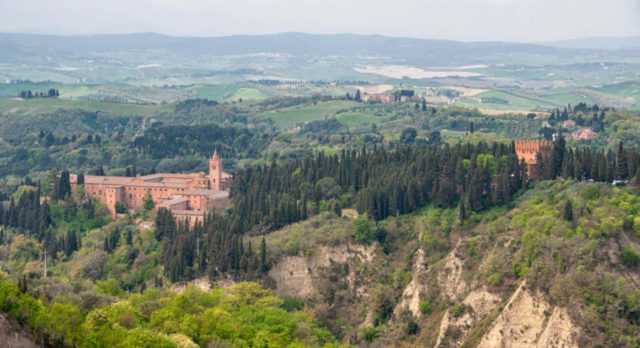
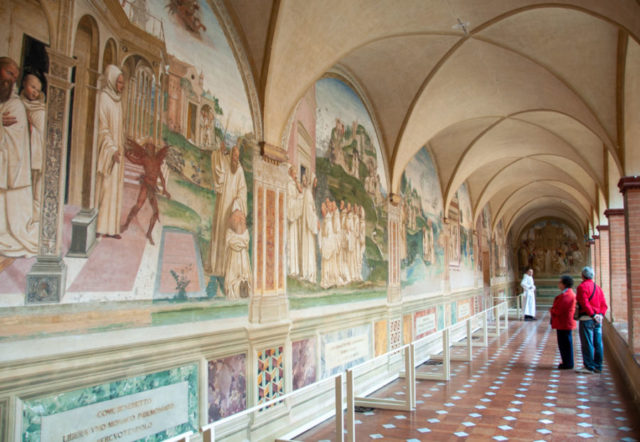
Jennifer Madison Davis, the managing editor who keeps our guidebook production schedule humming like a finely tuned machine, eyed me suspiciously. “Tuscany, eh?” She remembers all too well that the last time I went to Tuscany on a guidebook-updating expedition, I came home with a chapter twice as long as the one I left with…including a nine-page, fresco-by-fresco, self-guided tour of an obscure monastery tucked deep in the Tuscan hills. “Now, why might you want to go to Tuscany?”
I cut to the chase: “Look, I just want to go. I promise that I won’t get carried away. I’ll just update what’s already there. Honest!”
She went for it. And now I’m back in one of my favorite places on earth.

When I’m in the bucolic heart of Tuscany, I have trouble getting to sleep. I’m amped up, like I’m a toy-crazy little kid and every night is Christmas Eve. My head spins with the sublime experiences of the day that just ended, and my pulse quickens thinking about what tomorrow will bring. It’s like I’m on some sort of globetrotting drug…freebasing the essence of peak travel. And when I get home, it all feels like some sort of surreal fever dream. (Or maybe it’s just all the pecorino and truffles.)
Our tour company just announced a brand-new Best of Tuscany Tour for 2020. Impeccably designed by Heather Lawless and other experts and guides in our Tour Operations department, it weaves together 12 days of vivid Tuscan experiences. Comparing notes with Heather as she’s put this tour together, I’m both gratified to see many of my personal favorites on the list…and impressed by how many entirely new-to-me experiences Heather has sniffed out. I’ve led many Rick Steves’ Europe Tours, but I’ve never been on one just for fun. That’s about to change — my wife and I are signing up to be tour members on the Best of Tuscany in 2020.

Why is Tuscany my first choice for a European vacation? I think it’s because it’s so experience-rich. And, after years of visits, I’ve assembled this “best of” list — a running tally of the intensely pleasurable experiences that put Tuscany in travel’s all-time hall of fame. Here my top dozen things to do in Tuscany — whether you’re going with a tour, or on your own.
Bask in Stunning Scenery

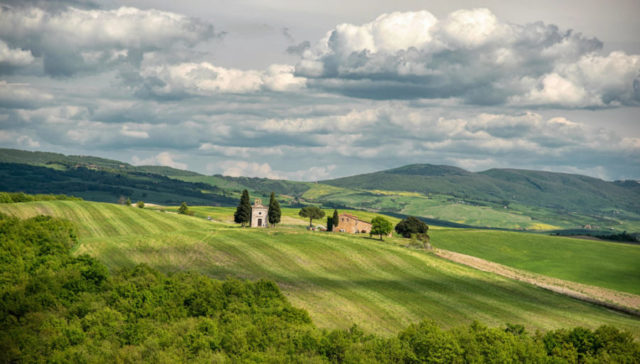
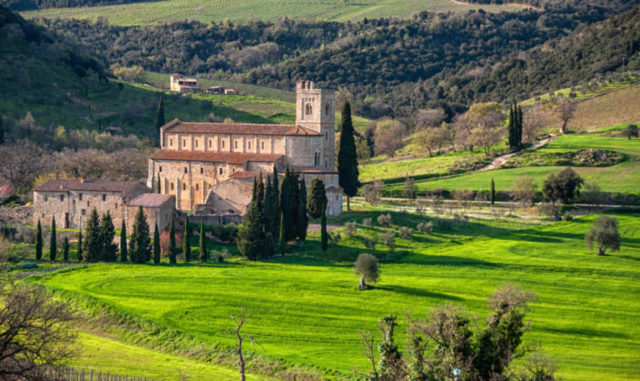
One of Tuscany’s calling cards is its mind-bending scenery: Sumptuous, extravagantly green, undulating farm fields that look like a painting. Hillsides grooved with twisty rural roads and lined with pointy cypress trees. Stately churches, humble chapels, rustic farmhouses, and circles of trees perched just so in resplendent tableaus. But it’s not just the landscape. Beauty is in the DNA of Tuscans. One Siena native recently told me that Tuscans consider themselves the inheritors and stewards of a centuries-long legacy of beauty. Every tree that’s planted, every farmhouse that’s restored, every road that’s re-routed — it’s all carefully considered not only on practical or economic merits, but also on aesthetics.
Have a “Zero-Kilometer” Meal on a Farm
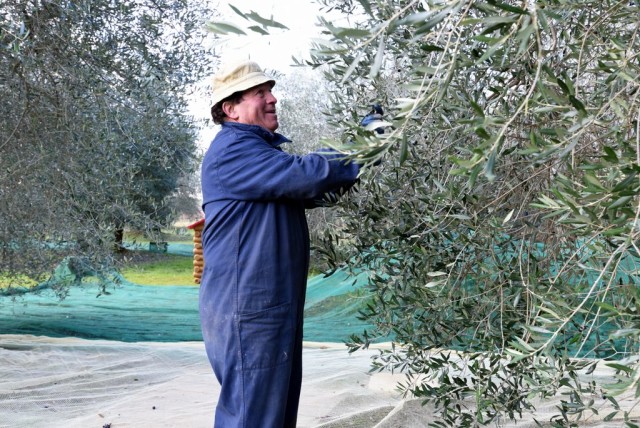
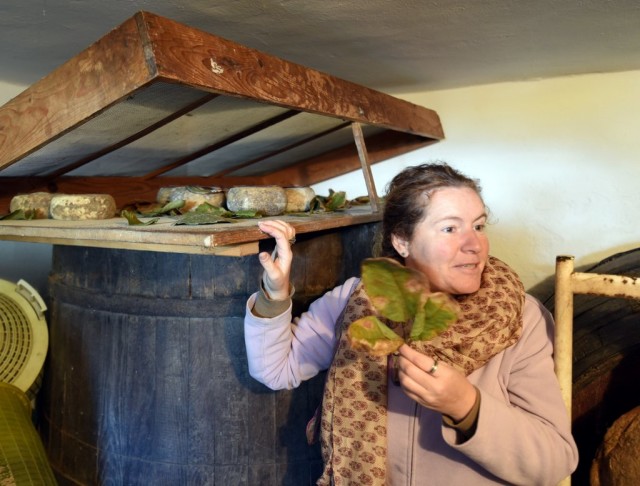
“Farm-to-table” was a thing in Tuscany centuries before it became trendy among 21st-century American foodies. Tuscans have always been keenly aware that the same produce can taste very different, depending on the specific conditions in which it’s grown — soil, sun exposure, micro-climate, and so on. Many Tuscan farms invite visitors to learn about how they make their wine, olive oil, and prosciutto. You can walk through the vineyards, check out the olive press, and step into the hut where giant ham hocks hang on racks, slowly curing in the dry air. The ultimate farm experience is having a “zero-kilometer” meal — meaning that all of the ingredients are sourced from within less than a kilometer of where they’re eaten. A meal like this is an interplay of earthy flavors, where the taste of each item enhances, and is enhanced by, the taste of every other item. At a zero-kilometer meal, you’re not just eating food. You are, in effect, eating a very specific place.
Read about a zero-kilometer meal you can experience just outside of Montalcino.
Ogle Great Art in a Forgotten Church
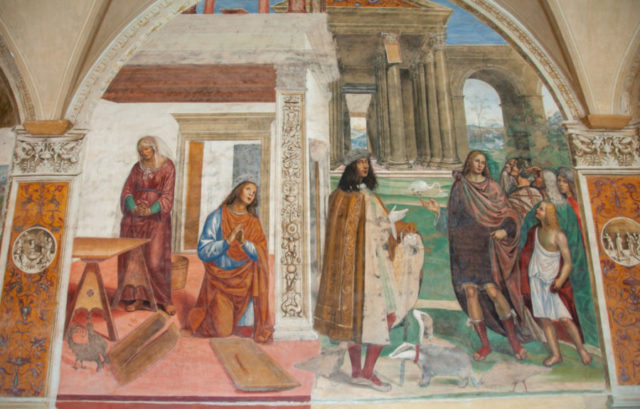
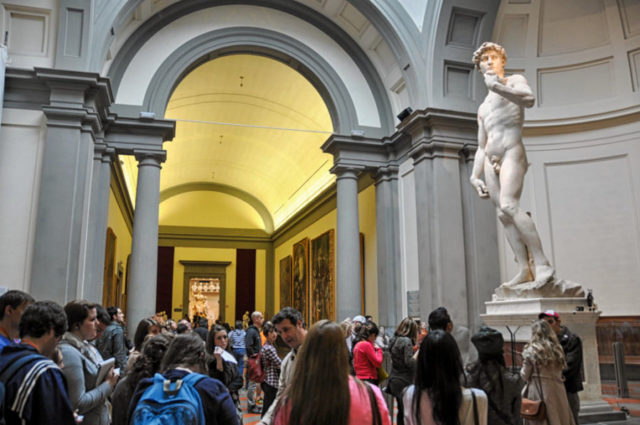
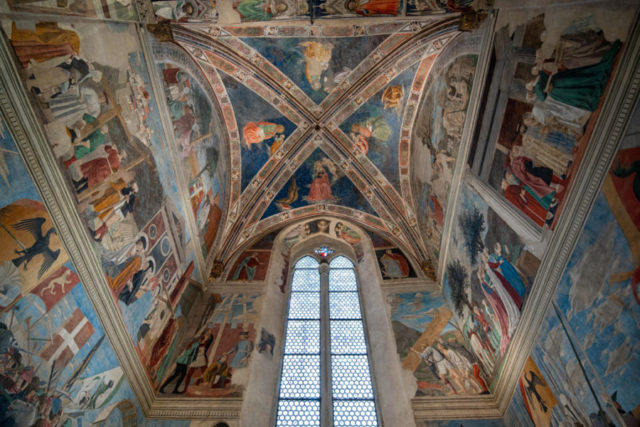
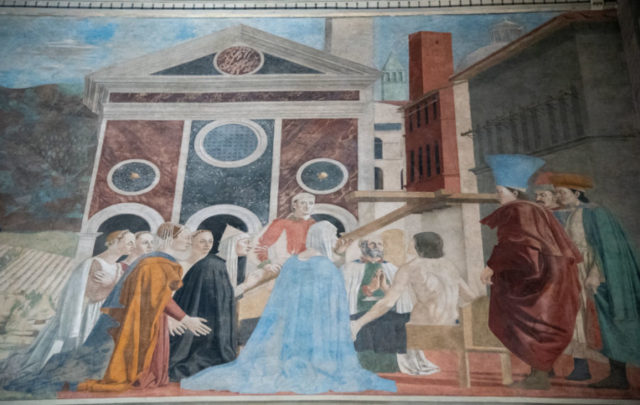
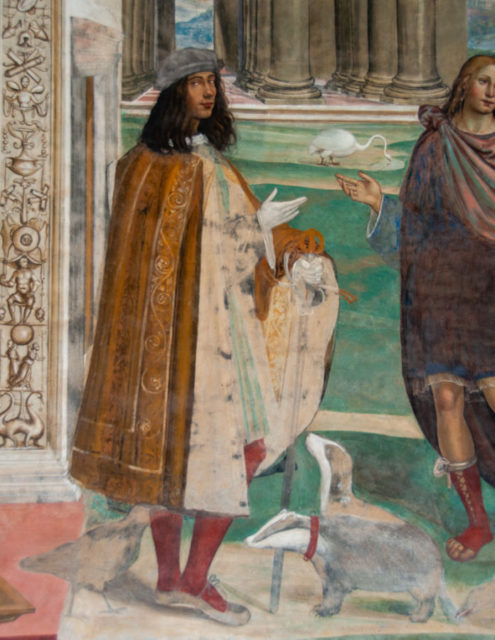
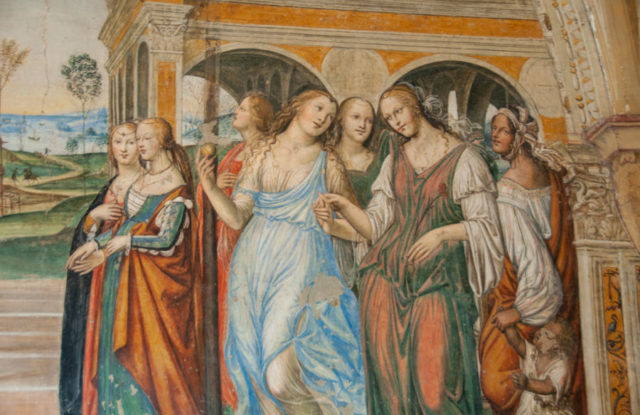
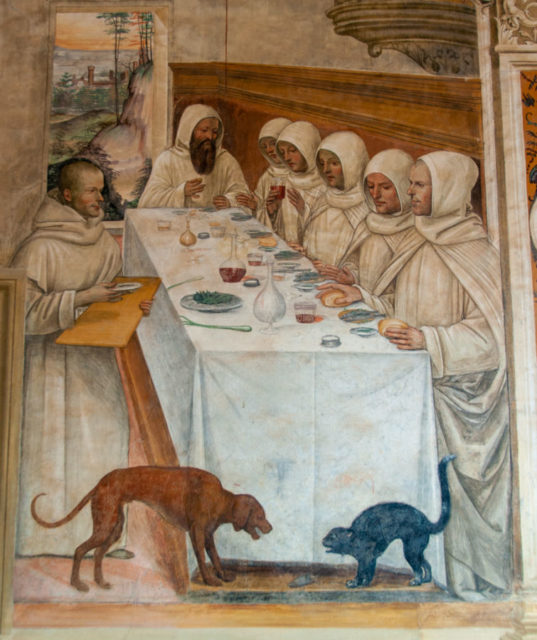
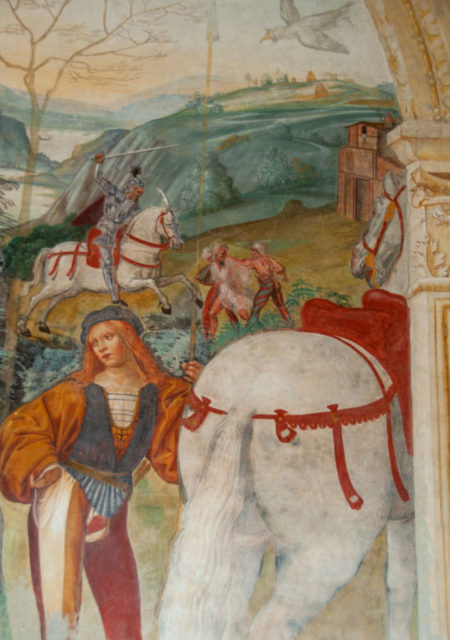
During the 1400s and 1500s, the Tuscan art world had a very, very, very deep bench: Michelangelo. Da Vinci. Raphael. Donatello. And many others (Botticelli, Brunelleschi, Giotto, Vasari, Fra Angelico) who don’t share their names with radioactive turtles. But many of my favorite works don’t hang in famous Florence museums; they’re hidden away in off-the-beaten-path towns and overlooked countryside churches. Two examples stick out in my mind: In Arezzo, you can step into the Technicolor apse of the town church to see luscious frescoes by Piero della Francesca. And deep in the Tuscan countryside, at the abbey of Monte Oliveto Maggiore, the cloister is gloriously frescoed with fascinating works by Luca Signorelli and Il Sodoma — offering both a lesson in the life of St. Benedict, and countless examples of two dueling artists whose egos ran amuck 600 years ago. Best of all, because 99 percent of travelers have never heard of these sights, they’re all yours.
Meet a Real-Life Artisan

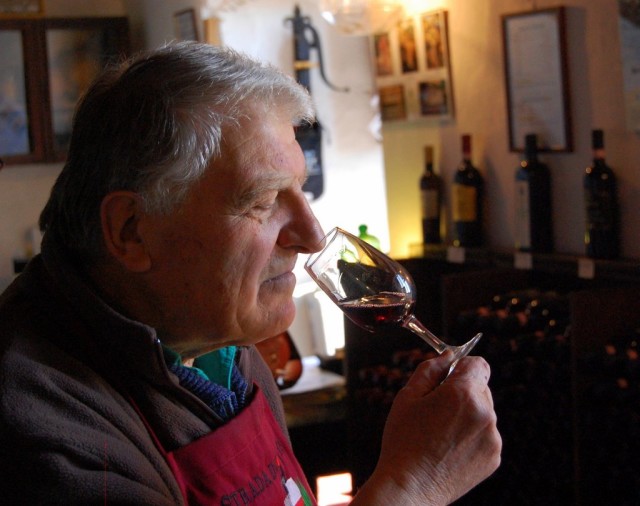
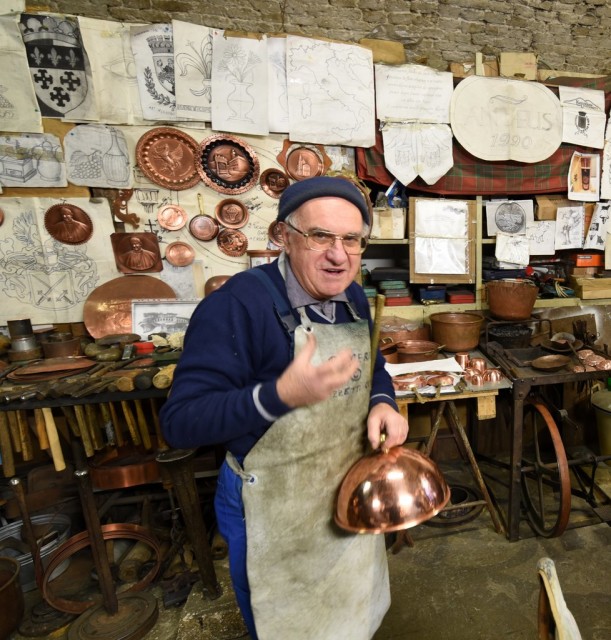
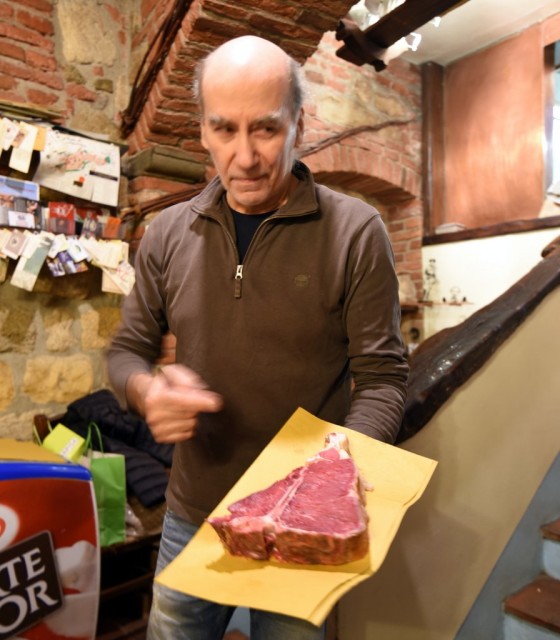
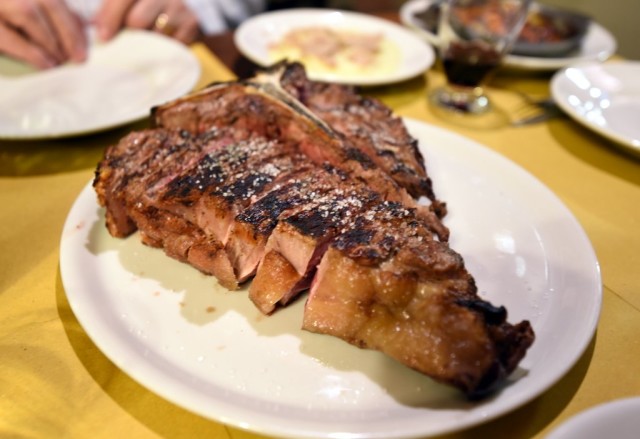
Because of their deep dedication to beauty, many Tuscans have devoted their lives to mastering a craft — creating something with care and precision, while carrying on a proud aesthetic tradition going back centuries. If you take the time to slow down and seek out these modern-day masters, you’re left with indelible memories: Roberto the alabaster sculptor. Cesare the coppersmith. Adamo the vintner. Giulio the steak maestro. Nicola the gelato artist. (All of these craftspeople — and others — are recommended in our Rick Steves Florence & Tuscany guidebook). If you want something done just right, with precision artistry and care…find yourself a Tuscan.
Here are four Tuscan artisans you can get to know in Montepulciano.
Sleep (and Eat) at an Agriturismo
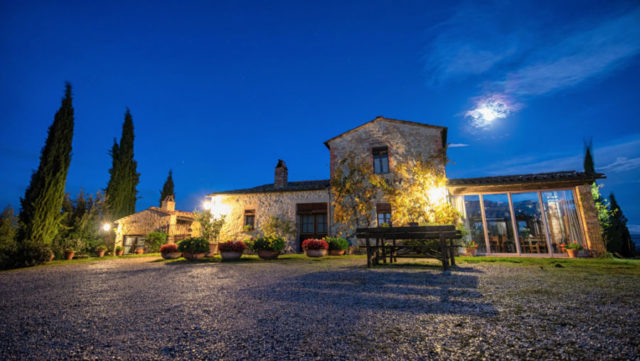
Italy has more than 20,000 agriturismi: farms that are subsidized by the government to introduce travelers to a unique pastoral lifestyle. Agriturismi are required to be working farms (that is, they must actually produce something) while also offering accommodations, restaurants, educational activities, or all of the above. Settling into an agriturismo, you meet fascinating locals and feel close to the earth. It’s like summer camp for grownups. We recommend our favorites in the Rick Steves Florence & Tuscany guidebook, and you can also find a comprehensive list at Agriturismo.it.
Read more about one of our favorite agriturismi: Cretaiole, just outside of Pienza.
Play “King of the Castle” atop a Fortified Tower
Tuscany is crazy about its towers — whether it’s the turreted townhouse of a wealthy local bigwig in San Gimignano, the fancy facade of a humble town hall in Montepulciano or Volterra, the towering City Hall of Siena, or the famously tipsy bell tower at Pisa’s Field of Miracles. Tuscany’s towers date from a time long before there was an “Italy” — when this area was a loose collection of city-states and wealthy families, all vying for the upper hand. Towers both served a defensive purpose and stood as status symbols for proud communities. That architectural legacy is a boon for today’s travelers, who enjoy climbing to the tops of these towers for views over the rooftops and rolling hills of Tuscany.
Learn more about the roots of Tuscany’s obsession with towers.
Lick Artisanal Gelato

My favorite gelato artist in Tuscany, Nicola Sgarbi, is a perfectionist…a total gelato snob. He makes several batches fresh every morning, so they’re not even available until mid-day. And then, in the late afternoon, when they’re gone — they’re gone. But if you’re lucky enough to hit his shop when he’s all stocked up, you’ll enjoy his explosively flavorful creations. Nicola goes all-in on seasonal flavors (creamy basil), surprising combinations (carrot-ginger, kiwi-spinach), and top quality. Nicola’s gelaterie — in Pienza and in Montepulciano — are just two of many great places to try top-quality gelato in Tuscany.
Get to know my favorite gelato artist, Nicola. Or study up on how to sniff out the best gelato wherever you go, anywhere in Italy.
Get to Know the Etruscans

Hold on! Stick with me. Don’t let your eyes glaze over. I know — when compared to things like gelato and Michelangelo and pappardelle alla bolognese, it’s hard to get excited about the people who lived in Tuscany 3,000 years ago. But the Etruscans may well be the most fascinating prehistoric people you’ve never even thought about. Not only did their advanced culture lay a foundation for the ancient Romans, and ultimately for all of Western Civilization. Not only did they warn Julius Caesar about the Ides of March and give their name to the region of Tuscany. But, despite all of this, the Etruscans left virtually nothing tangible behind — shrouding their distant civilization in mystery. A few tragically under-visited museums around Tuscany display what does survive, including delicate artwork (like the hauntingly beautiful statue called The Evening Shadow, or L’Ombra della Sera) and evocative funerary urns, showing Etruscans with big personalities lounging at an eternal banquet for the gods. Give the Etruscans a little bit of your touristic attention…and you may just find yourself entranced by the stories they have to tell.
Here are a few of Tuscany’s top Etruscan artifacts, and where to find them.
Sail Away to Elba for an Island Getaway

So much of the traveler’s Tuscany is rolling farm fields, world-class art, stony hill towns, and hearty, meaty cuisine. For a change of pace, consider hopping a ferry for the one-hour crossing to the little isle of Elba. I went there earlier this summer (researching a new chapter for the upcoming 18th edition of our Rick Steves Florence & Tuscany guidebook) and was totally charmed by the place. Elba is synonymous with Napoleon, who was exiled here for 10 months after his bitter defeat. Today, touring his now-shabby residences is poignant. But there’s much more to this rocky little island: pebbly beaches, hardworking harbors, seafood dinners, and a truly terrifying gondola ride. Elba makes for a relaxing island escape from a busy Tuscan itinerary.
Take a Cooking Class
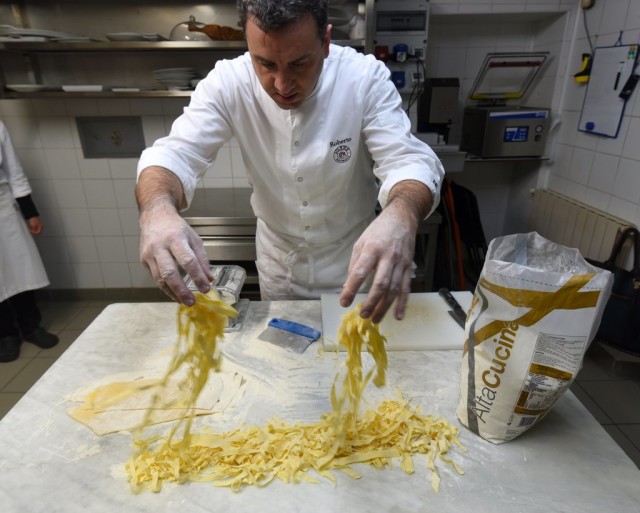
“Tuscan cooking classes” are an entire subgenre of travel. I’ve blogged more about that subject than I have about entire countries. That’s because this region has an outrageously appealing food culture — ranging from big, sloppy plates of pasta to refined high cuisine. And there’s a cooking class for every taste: hand-rolling pasta in a casual, family-friendly setting; going to the private residence of a talented home chef to assemble a seasonal feast; hanging out in the kitchen of a Michelin-star chef; and everything in between. Also remember to look beyond the kitchen. While not technically a “cooking class,” going on a truffle hunt in a Tuscan forest — chasing after a smart-as-a-whip dog who has the scent of those precious deposits — gives you a whole new appreciation for a plate of truffle pasta.
For inspiration, here’s a rundown of my all-time-favorite Tuscan cooking classes.
Linger on a Convivial Piazza and Join the Passeggiata
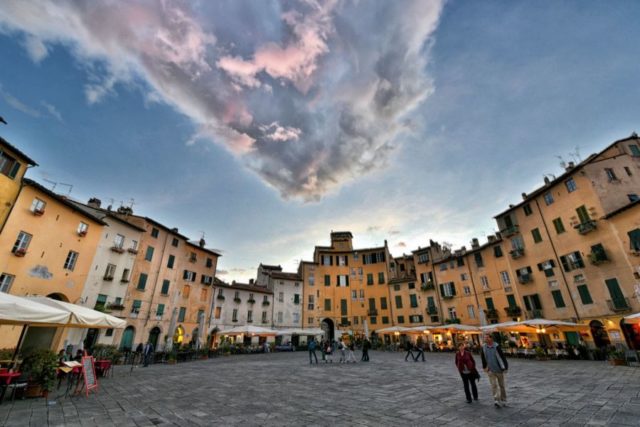
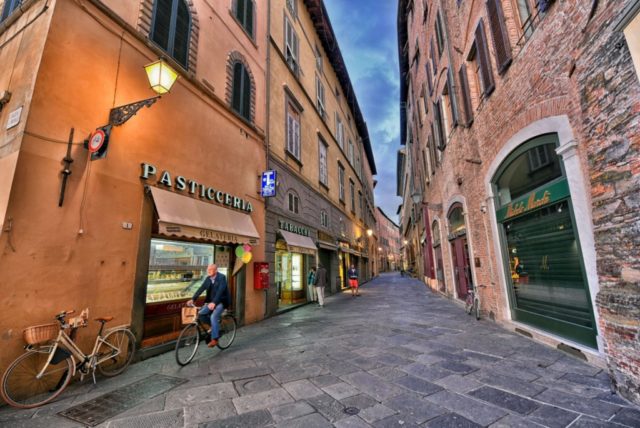
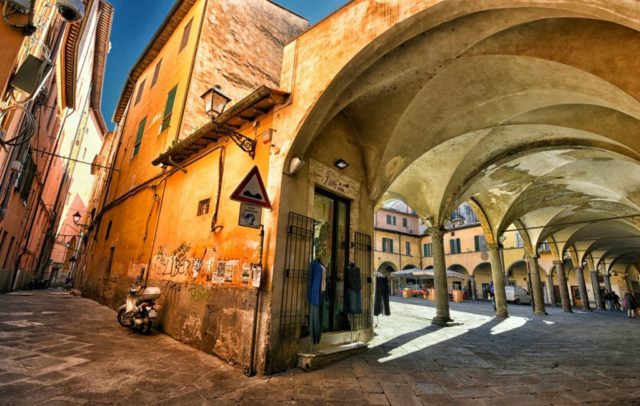
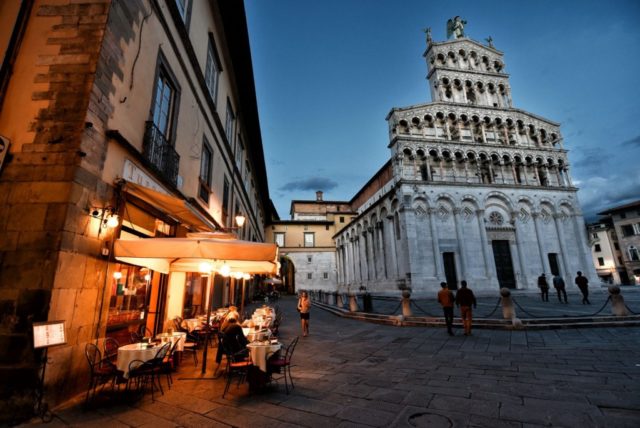
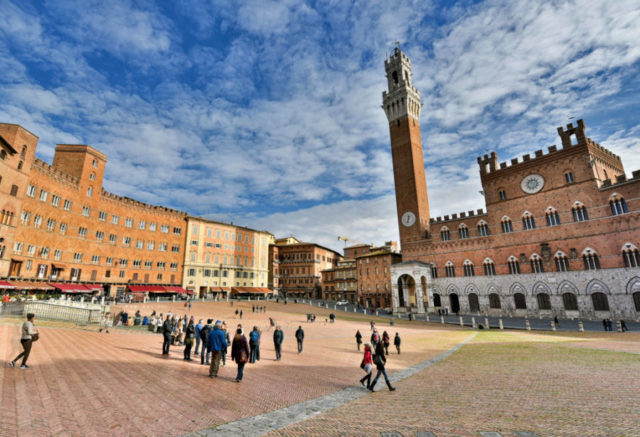
Tuscany is all about community. And there’s no better place to commune with the Tuscans than on the piazza, or main square — particularly in the late afternoon, when families are out strolling…doing those aimless laps that they call the passeggiata. Each Tuscan town’s piazza has its own special character: Florence’s is in the shadow of the towering Palazzo Vecchio. Pienza’s is a perfect Renaissance cube. Lucca’s follows the footprint of an old Roman amphitheater. And Siena’s — the best of them all — is a vast, slanted, brick-paved oblong that hosts a twice-yearly horse race. These are places where it’s actually worth paying way too much for a fancy aperitivo for the privilege of just hanging out at an al fresco table and getting serious about people-watching. Then, hop out of your chair and join the informal people parade as it promenades through the traffic-free town center. Become a temporary Tuscan. Come to understand the local saying, il dolce far niente — “the sweetness of doing nothing.”
Looking for the ultimate Tuscan piazza? Check out this “best of” list.
Visit Off-Season — and Have the Place to Yourself
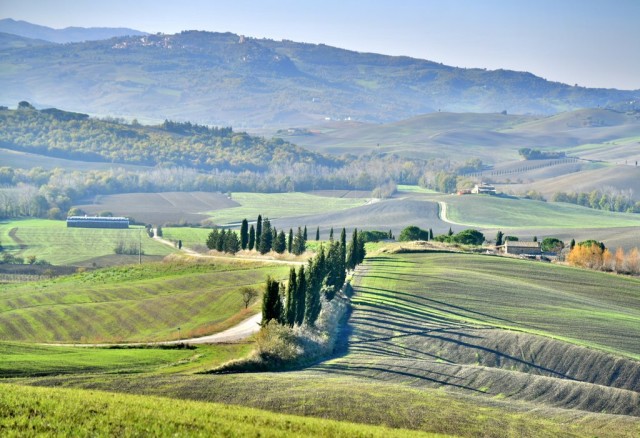
Tuscany — like other popular European destinations — can be extremely crowded. Fortunately, the region remains entertaining off-season, when things are much quieter. One of my all-time favorite trips to Tuscany came in late November. It was chilly but not cold, a crop of winter wheat blanketed the hillsides with a green vibrancy, seasonal ingredients (like chestnuts, persimmons, and truffles) infused each meal with autumnal flavors, and — best of all — we could simply show up spontaneously at museums and restaurants that would have been mobbed a few months before. While off-season travel comes with its downsides (cooler weather, earlier closing times, fewer daylight hours), visiting Tuscany outside of peak season can be a great plan for flexible travelers.
Here’s what to expect in off-season Tuscany.
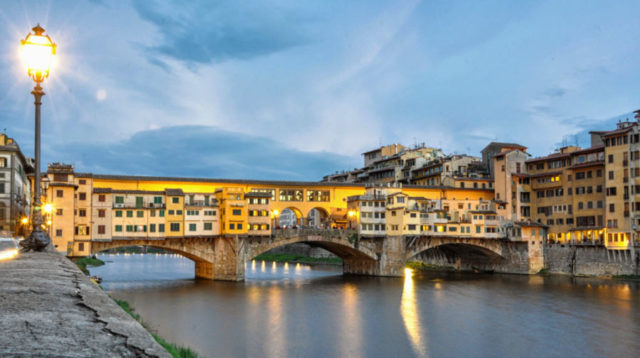
There’s so much more that I haven’t covered here — cycling around Lucca’s ramparts, taking a dip in the Roman-era hot springs of Bagno Vignoni, doing a tasting of high-end “Super Tuscan” wines at a Florentine enoteca — but hopefully this is enough to stoke your wanderlust for your next trip to Tuscany.
What have I forgotten? What are some of your favorite Tuscan experiences?
This roundup is designed to inspire you to pack your trip with quintessential Tuscan experiences. For all of the details on everything described here, check out our Rick Steves Florence & Tuscany guidebook.
Or…let someone else do all that planning. My inspiration for this piece is the arrival of our just-announced Best of Tuscany in 12 Days Tour, which weaves together, in some form or another, virtually all of the experiences I’ve described here. I’ve already signed up for one of the 2020 departures — just for fun (no work this time, I promise). Maybe I’ll see you there.