My co-author and frequent collaborator, Cameron Hewitt, is well-traveled, smart, and insightful. And, while he and I are in perfect sync in our travel styles and priorities, he gives voice to the next generation of "Rick Steves travelers." Join me in enjoying his reports right here. —Rick

In Kyiv, Conflict — and Hope — Springs Eternal

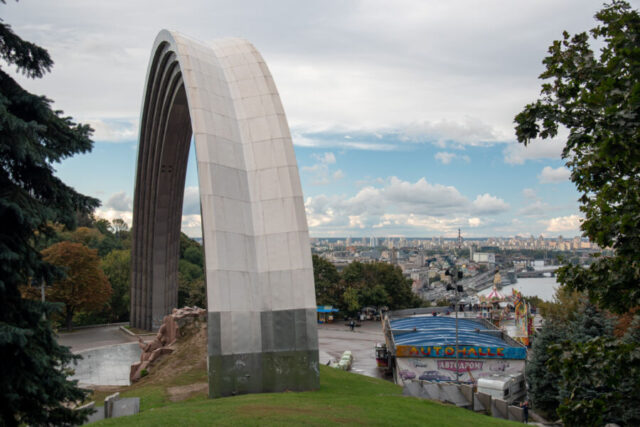
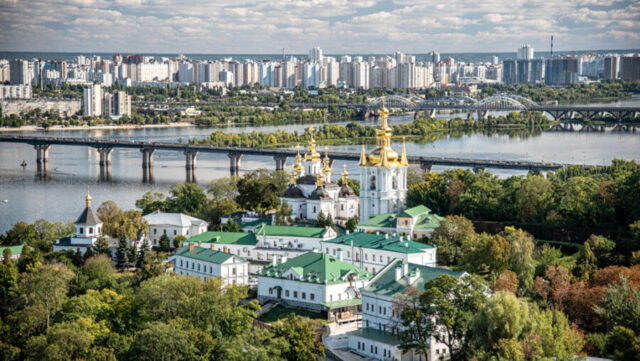
Just below the old town center of Kyiv, where golden onion domes shimmer in the sun, a leafy park blankets a natural shelf overlooking the Dnieper River. Wandering these wooded slopes, at one particularly dramatic spot, you emerge from a tree-lined path and come upon a gigantic metallic arch.

This is the People’s Friendship Arch, a gift from Moscow to the people of Ukraine. It was erected in 1982 to celebrate the 1,500th anniversary of the founding of Kyiv — and also, more importantly for its donors, the 60th anniversary of the USSR. The arch is a perfect half-circle that, if it completed itself underground, would have a diameter of more than 160 feet. It’s wrapped in a silver cladding that glints and glitters on sunny days, like the St. Louis Gateway Arch.

After Ukraine became independent from the USSR, just nine years after it went up, the arch was nearly taken down. Inter-soviet “friendship” was out of vogue. But ultimately it remained — one of those persistent landmarks that people grow so accustomed to that it becomes unmoored from its origins. Occasionally, controversy bubbles up anew — as in 2017, when, for the Eurovision Song Contest, the arch was painted as a rainbow to celebrate diversity; or, a year later, when a giant, jagged crack was affixed to the highest span of the arch, as a protest on behalf of political prisoners being held by Russia. But through it all, the arch still arches.

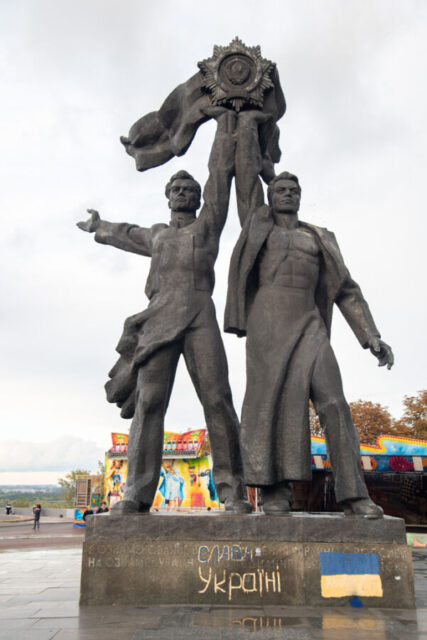
When I visited Kyiv — wandering these lovely hillsides on a sunny evening in early October — what captured my attention wasn’t the arch itself, but the bronze statue that stood directly underneath it. The statue depicts two workers: one Russian, the other Ukrainian. They each raise one arm, together holding up the Order of Friendship of Peoples, which celebrates the fraternity among the USSR’s various ethnicities. They are united, equals in friendship.

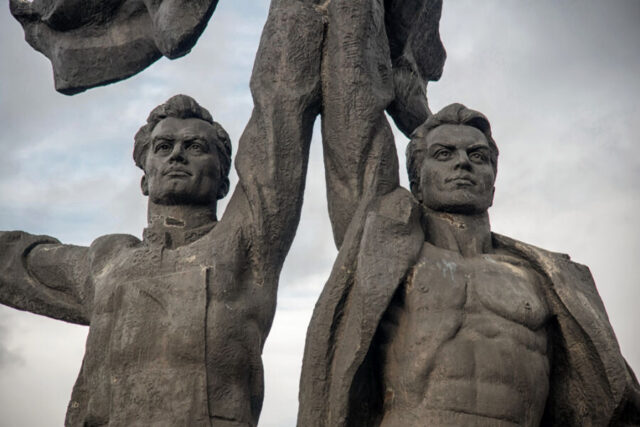
Or are they? What really struck me was how different the two workers are. It was painfully obvious which “friend” was which.

One stands firmly grounded, rooted like a mighty oak. Above his worker’s apron, his jacket hangs open to reveal the flowing musculature of a Greek god; abs and pecs stand at attention, and a sinewy neck supports a strong jaw, clenched determinedly as he looks, unwavering, to destiny.

The other “friend” stands awkwardly with his legs a half-step too far apart, as if trying — but failing — to match the balanced dynamism of his counterpart. His worker’s apron billows behind him, revealing the physique of a mousy, undernourished peasant. His trunk lacks any definition; his neck feels too skinny to support a giant head with sunken cheeks — creating a subconscious impression of malnourishment. And his right arm — the one not supporting the weight of the medallion of fraternity — is thrown backwards, in a gesture which from some angles looks enthusiastic, but from others could be a desperate flailing for help — wishing someone would rescue him.

One of these friends is unmistakably the alpha in this relationship. Worse, the gaunt appearance of the Ukrainian worker brings to mind untold millions of citizens who starved to death during the great famine called Holodomor in 1932 and 1933. While this was a difficult time for the entire Soviet Union, some believe that Ukraine’s particularly heavy toll was engineered — or at least manipulated — by Josef Stalin to keep his Ukrainian subjects in their place.

So then, I take the statue as an insult. And, like many insults, it’s rooted in insecurity. After all, this statue represents Moscow’s congratulations to Kyiv on its 1,500th birthday. Back when St. Petersburg was a swamp with a log cabin and Moscow was a backwater village with mud streets, Kyiv was the thriving cradle of Slavic civilization. This “gift” went a long way toward busting Ukraine down a peg.

Extrapolating so much from a single statue is, I’ll admit, risky business. I may well be projecting some of my own baggage onto those two figures. (If you’d like to know more about the arch, from a real expert, here’s a more in-depth analysis.)

And yet…statues mean things. They’re designed to invite interpretation. That’s why they tend to become flashpoints for social change. And this statue can be read as a metaphor for how the Ukrainian-Russian relationship is fraught, unequal, and never fully satisfying for both parties.

Within the Soviet Union, the Ukrainians were second-class citizens — considered wannabe Russians who felt compelled to assimilate (for example, Brezhnev was a closet Ukrainian). Since its voluntary liberation from the USSR in 1991, Ukraine has weathered not one, but two revolutions to suppress perennially rising pro-Russia factions. And now, in 2022, here we are again — turning the page on yet another chapter.

I stood under the People’s Friendship Arch in Kyiv in 2018. For 20 years, I’d been traveling in and writing about countries just to Ukraine’s west (such as Poland, Hungary, Slovakia, and Romania). And I’ve traveled a few times to its giant neighbor to the east, Russia — each visit more fascinating, and perplexing, than the last. But Ukraine represented a giant hole on my mental map of this part of Europe.

So I went. My friend and fellow Slavophile Ben joined me for a quick spin through Ukraine in the fall of 2018. After that visit, I wrote up my experiences in Lviv (the cultural capital in the far-west of Ukraine) and in Chernobyl (the site of humanity’s worst nuclear accident). And ever since, I’ve wanted to complete my “cycle” of Ukraine, by writing about its capital, Kyiv. My little black notebook marked Ukraine has been perched there next to my computer, just waiting. But every time I crack it open and flip through it, I don’t know where to begin.

If there’s ever a time to dust off that notebook, clearly that time is now. With each news report I see about Russian troops amassed on Ukraine’s borders, I flash back on that statue of the two seeming “friends,” now deathly enemies, currently on the brink of pulling all of Europe into what could be the defining military conflict of our time.

With so much going on in the world lately, it’s been easy to miss that Ukraine has already long since been invaded — twice! — by Putin or his surrogates. Crimea, a historically Russian naval outpost that dangles off the bottom of Ukraine into the Black Sea, was “annexed” by Putin in February of 2014. Soon after, Russian separatists — militias backed by Putin — began fighting in the Donbas region, in the far-eastern fringe of Ukraine. The Donbas conflict has been going on ever since. But how many Americans have even been aware of an eight-year war, involving our most historically volatile rival, taking place on European for soil all this time? I was ignorant about it, too, before I visited. But being in Ukraine, the country was clearly on a war footing, and had been for quite some time.

Ben and I began our trip in Lviv, which is, in every sense, Ukraine’s most western city. It simply feels closer to Europe than to Russia; closing my eyes, then opening them again, I could be in Poland, or maybe even Germany. Lviv is a lovely city that deserves more tourism than it gets. But between its beautiful churches and cobbled streets, we observed how the looming threat of Russia is a constant source of anxiety and defiance.

Ukraine is a huge country — the largest fully in continental Europe, nearly as big as Texas — which helps Lviv feel very far from any conflict in the east. And yet, even here, as we walked through a peaceful, densely forested park, we suddenly heard the synchronous footfalls of combat boots approaching in the distance. Over the rise came a squad of camouflaged Ukrainian troops, jogging in formation, which swiftly approached, then passed us. We were the only people in the park who seemed at all interested in this sight; for the Ukrainians around us, it appeared to be in no way notable.

At one point, we followed a tour guide’s instructions to knock on an anonymous door and say the password: Slava Ukrayini! — “Glory to Ukraine!” The door opened and we stepped into a bar steeped in anti-Russian propaganda. One room had one of those big photo dioramas where you can stick your head through a hole to become part of the picture. By doing so, your face became the face of a Ukrainian soldier holding up the near-lifeless body of a Russian invader that you had trounced in battle.

As an indication of the vast size of Ukraine, for our trip from Lviv to Kyiv — less than halfway across the country — we opted for a cheap and fast flight over the seven-hour express train. Arriving in Kyiv, we found a city that was big and intense, but also lovely and livable. Glittering golden Orthodox domes and icon-slathered church interiors, hazy with incense. Well-tended parks filled with people enjoying life. Colorful turn-of-the-century townhouses. A thriving old market hall. And, all told, a notably easygoing joie-de-vivre for the capital of a country that felt the need to stage military drills in its parks.

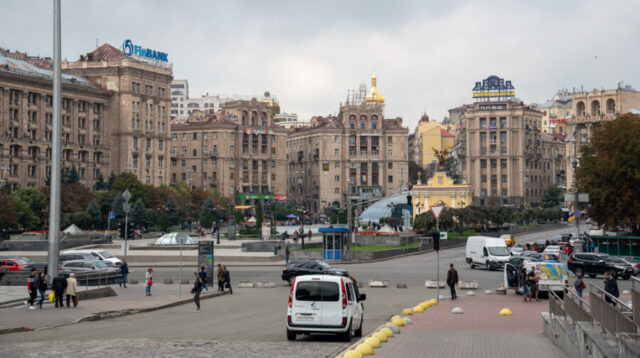
When in Kyiv, you’re drawn to the wide, boulevard-like main drag, Khreshchatyk. Walking here — even on a weekend, when it’s closed to traffic — you feel very, very small. And that was precisely the point. In 1941, Khreshchatyk was blown to smithereens by the Russian Army (with no regard for Kyiv’s architectural heritage) to make things just that much harder for the advancing Nazi war machine. After that war, the boulevard was rebuilt in a stern and stately Stalinist style that demands compliance. The locals we spoke to wanted to make sure we understood that they still resented what had been done here.

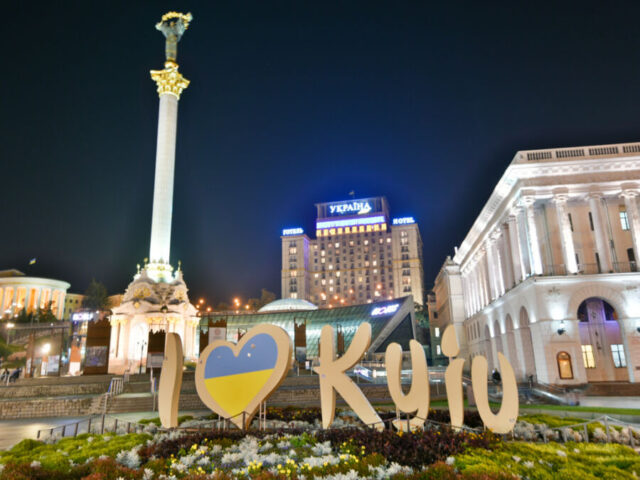
Khreshchatyk leads to the main square of Kyiv — and all of Ukraine — called Maidan Nezalezhnosti, “Independence Square,” or simply the Maidan for short. Watching the news these last few weeks, I see Ukrainians being interviewed on the Maidan and feel deja vu. The space is familiar, as are the people: Strong. Smart. With a wicked sense of humor. And unbending in the face of external pressure. They are people who have simply had enough of Russia’s BS…dating back to those insulting statue “gifts.”

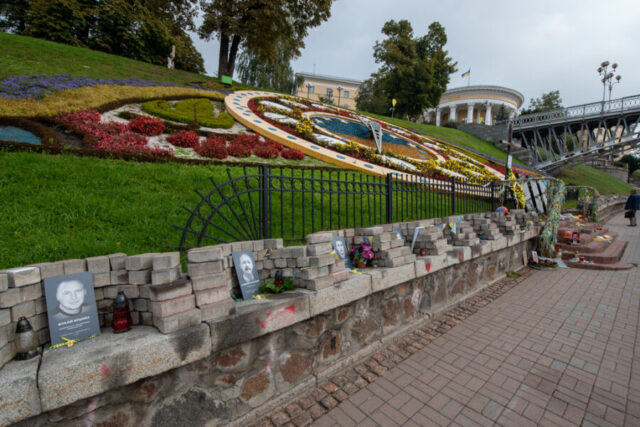
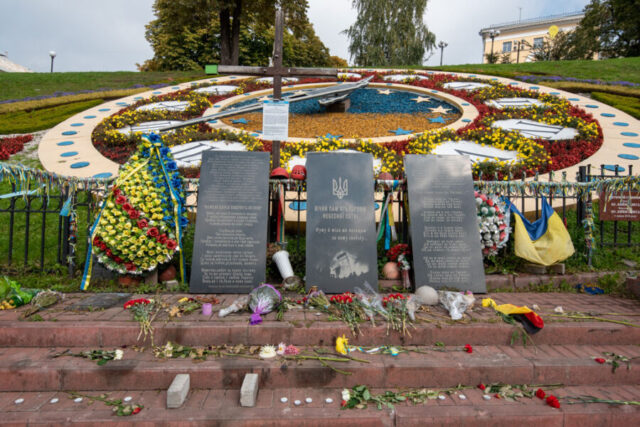
On one side of the Maidan, our local tour guide, Asya, walked us along a memorial to the people who had been killed in Ukraine’s 2014 revolution — at that point, just four years earlier. The monument seemed improvised, almost makeshift, with stacks of stones and engraved images of those who had been killed.

I nodded my head with appropriate sympathy as Asya spoke of the dozens of freedom fighters who had died — many of them slaughtered in these very streets by snipers from the rooftops of government buildings. She described hiding out in her apartment with her toddler daughter just a few blocks away, hearing distant explosions and gunfire, worrying for their safety and for the future of Ukraine.

But deep down, I was embarrassed. Because if I’m being honest, I didn’t know Ukraine had even had a revolution so recently.

You may be thinking (as I did): “Ukrainian revolution? Oh yes — everybody wore orange and the good guy got disfigured by some mysterious radiation poisoning.” Except…that’s not the revolution Asya was describing. That was the Orange Revolution, in 2005, which elected Viktor Yushchenko to the presidency and set Ukraine on a democratic path (and on a path divergent from Putin).

What happened in 2014 was a different revolution — the forceful ouster of a very Russia-cozy megalomaniac, Viktor Yanukovych, who refused to accept the results of the fair and free election that defeated him. (History may not repeat itself, but sometimes it rhymes.) Yanukovych was succeeded at first by a chocolate company magnate, and now by the current president, Volodymyr Zelensky, who in a previous life worked as a stand-up comedian, and who was on the other end of a fateful, coercive phone call that led to Donald Trump’s first impeachment. (Sometimes history doesn’t rhyme at all; sometimes, about history, you can only say, “You can’t make this stuff up.”)

The fact that Ukraine has had not one, but two different revolutions against Russian interference, just since the early 2000s, says plenty about how we got where we are today. It was the 2014 revolution — and the sacrifice of the freedom fighters honored by this monument — that brought about the cultural sea change that so infuriates Putin today. For perhaps the first time, Ukrainians began to take pride in a truly Ukrainian national identity. After 2014, they grew more inclined toward greater integration with the European Union and NATO — which was one of the precipitating events of the current crisis.

Ben (who speaks Russian) had been trying to sort out the interplay ofUkraine’s two official languages —Ukrainian and Russian — in contemporary society. Asya explained that, from the time she was growing up all the way essentially to 2014, the two languages were used in Kyiv almost interchangeably, with Russian’s slight supremacy being a natural outgrowth of its dominance before 1991. But with that watershed year of 2014 — Crimea, Donbas, and revolution — things changed. Especially here in Kyiv, and in places farther west, speaking Ukrainian became patriotic. Friends might chide each other for slipping into Russian, even if everyone understood them just fine.

For example, with this latest round of news, you may have noticed that the city we used to call “Kiev” (kee-EHV) is now being called Kyiv (“keev”). When a place’s name changes, the rest of the world tends roll their eyes in frustration at having to relearn a name they thought they’d already mastered. But calling it Kyiv rather than Kiev — in other words, the Ukrainian name rather than the Russian name — matters a great deal. It’s an acknowledgement that Ukraine’s capital has changed, growing into its own language for the first time, and that the country deserves the true independence that it aspires to.

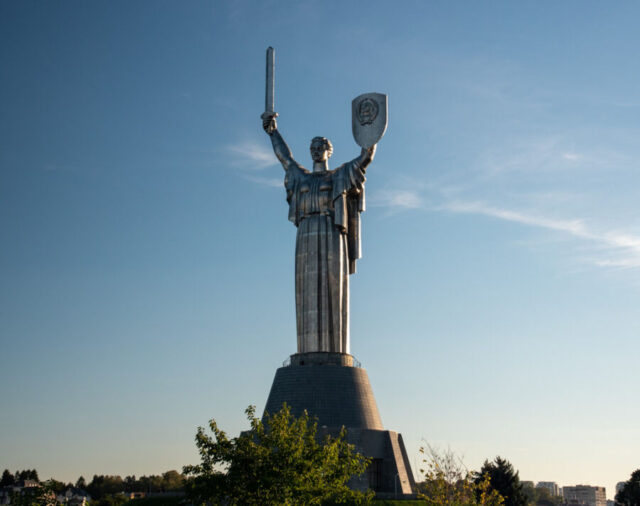
On our last day in Kyiv, we went to see another statue, this one mind-bogglingly immense. The Motherland Monument — another “gift” from Moscow — looms 335 feet high above the southern end of the city center, eclipsing the golden domes of the Kyiv Pechersk Lavra monastery complex. To describe the Motherland Monument as “roughly the same size as the Statue of Liberty” isn’t quite right: In fact, it’s just barely taller enough (by 30 feet) so as to almost certainly have been intentional. And, as if to drive home its point, the Motherland Monument raises not one arm but both — holding a sword in one hand, and a shield with a hammer and sickle in the other. Signaling a touchdown for the righteousness of socialism.

After ogling the towering statue, we made our way into the museum that fills its cavernous stone base. The museum tells the story of World War II in Ukraine. But the lobby was filled with another, even more fascinating exhibit, celebrating the Ukrainians who were fighting Russian separatist forces in the eastern Donbas region. An entire wall was strewn with literally war-torn Ukrainian flags — bringing to mind “The Star-Spangled Banner,” but in blue and yellow — all of which had flown at some point over Donbas. TV screens played gruesome footage of the fighting…confronting us two Americans, for the first time, with the war that had been wracking eastern Ukraine, without our notice, for years.


Then, we toured the original WWII museum. This was also fascinating. Most of the exhibit remains trapped in Soviet times, telling the story of what Russians call “The Great Patriotic War” with a shameless bias toward USSR mythmaking. Russians feel rightly proud for the staggering sacrifice they contributed to toppling Hitler’s army and liberating Eastern Europe from tyranny. And walking through this museum, I felt a strange respect, even excitement, for that narrative. Even if the exhibits were faded and cobwebbed — and the whole place smelled very old and vaguely industrial — it was a story deftly told. Say what you will about the Russians; their propaganda game is on point.

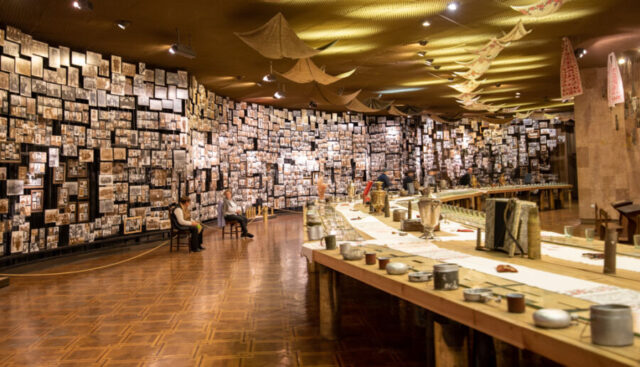
Then we came to the final room: the aftermath of the war. Surely the original exhibit had trumpeted the glorious new world forged by the USSR’s great victory, and the harmonious fraternity of happily socialistic states that rose from the ashes of war. But this was the one part of the exhibit that the Ukrainians had changed. The new exhibit dared to ponder the human cost of war. Casualties weren’t just collateral damage; each human life was precious. It was a dark room filled with one very long table, set with dishes representing every walk of Ukrainian life, from fine china to simple, wooden peasant plates. And on the walls were grainy, black-and-white photographs of the very Ukrainians who might have eaten from those dishes. It was genuinely touching. Viewing this from a contemporary sensibility, I was impressed by how the Ukrainians had beaten the Soviets at their own game.

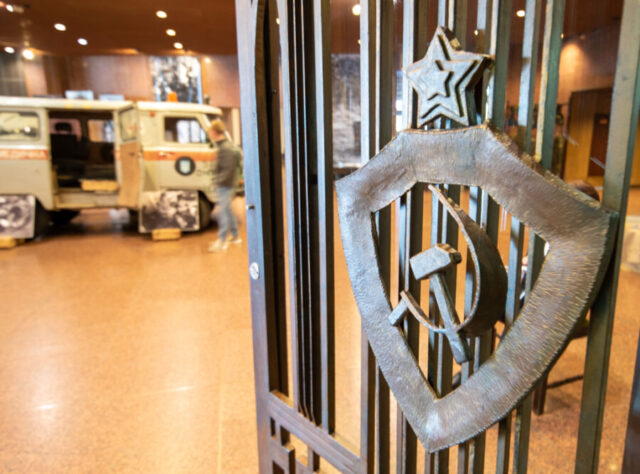
Leaving the museum, I found myself putting my hand on a door handle shaped like a hammer and sickle. The door opened into the entry hall where those tattered blue-and-yellow flags bore witness to the war currently raging between Ukraine and Russia in Donbas.

This juxtaposition stopped me cold. It said far more than an entire museum ever could about Ukraine’s struggle to reconcile the baggage of its Russian past against its wished-for future.

Here the Ukrainians were fighting a war — lacking the support, or even the awareness, of much of the world — against their powerful neighbor. Somehow they’d found the wherewithal to bring artifacts from that war back to their capital city, to display in their most important historical museum, to make sure that story was told. And yet, for whatever reason — politics, funding, apathy, exhaustion — they couldn’t find a way to remove the symbology of the enemy they are fighting, from the very building where they displayed those artifacts.

A fledgling country like Ukraine never has quite enough resources; if they’re lucky, through hard work and pluck, they can begin to make their own way. But the headwinds are fierce, and determination only gets you so far. I’ve seen this story play out, again and again, in other parts of Eastern Europe. But Ukraine‘s bid for independence feels especially tenuous. I left the museum — and the country — wondering if Ukraine will ever really be able to escape the gravity of its gigantic neighbor.

Today, I feel very fortunate to have gotten to know Ukraine in more peaceful times. Statues mean things, and seeing monuments to “Friendship” and “Motherland” in person forced me to grapple with their complicated legacy. Having talked to Ukrainians, in Ukraine, who were just trying to figure out the puzzle of going about their 21st-century lives while distracted by the ugly business of keeping their independent state independent, I watch the news with a deeper understanding, and with a special pain in my heart. I worry about whether Asya and her daughter — and so many other good, decent people —  might once again be huddling in their Kyiv apartment, their world shaking with distant explosions.

In Ukraine, it seems, conflict springs eternal. And yet, based on the people I spoke to there — and their excruciatingly slow but steady progress toward defining Ukrainian nationhood — so does hope. It’s a cruel fact of history that it only takes one megalomaniac to screw everything up for a lot of good people. And yet, having been in Ukraine, I can’t shake a confidence that Putin has overplayed his hand and underestimated the spine of the Ukrainians. They may not be the scrawny “lesser partner” that Russia has always considered them.

There’s one thing that tyrants never seem to understand: Once a place gets a taste for freedom, there’s no turning back. If Putin is annoyed by Ukraine’s stubborn drive for self-determination, well, he’s the one who set it in motion eight years ago. And now, struggle as he might, Ukraine will still be Ukraine.


Epilogue (April 27, 2022): In the more than two months since I wrote this post, my worst fears have come to pass. Except that the Russian invasion of Ukraine has been even more vicious and brutal than anyone expected. The other thing that many didn’t expect: The ferocity of Ukrainians’ defense of their homeland. By standing up to Goliath, this Eastern European David has already avoided the quick conquering of Kyiv that many observers were expecting.

Today I learned that the people of Kyiv removed the statue that I described in this post. My first, and really only, response was: What took them so long? 

There will come a day in the future — who knows how far off? — when travelers will return to Kyiv, as the capital of a free and peaceful Ukraine. They will have the opportunity to witness firsthand the results of Putin’s aggression. (I have visited a few other places not long after a war, and it’s one of the most poignant experiences you can have on the road.) However, there’s one thing they won’t see: a monument, under a glittering metallic arch, celebrating Russian and Ukrainian “friendship.” That chapter of history — if it ever really existed — has closed forever.

Coffee and Ćejf: How to Travel as a Temporary European

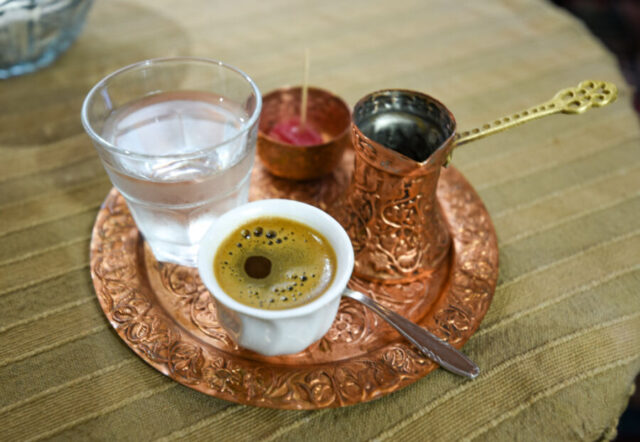
One morning in Mostar, I met my friend Alma for coffee. Not just coffee — Bosnian coffee.

Alma greeted me with her customary, exaggerated warmth: “Aaaaah, Cah-meh-ron! So goooood to see you, my old friend!”

I first met Alma years ago, when I was leading a tour in Bosnia and she was our local guide. She has a painful personal history and a huge heart, two things that seem to go together. Alma and her husband were living in Mostar with their toddler on May 9, 1992, when they were rocked awake by artillery shells raining down from the mountaintop. They persevered through the next few years as bombardment, siege, and street-by-street warfare ripped their city apart.

“Alma” means benevolent, soulful, wise. And Alma is all of these things in abundance. Anyone who meets her is struck by both her generousness of spirit and her forthrightness. Alma speaks her mind in the way of someone who knows mortal danger firsthand and no longer worries with niceties. And she has mastered the art of giving outsiders insight into Bosnian culture.

“Here in Bosnia, we have unfiltered coffee — what you Americans might call ‘Turkish coffee,'” Alma said as we walked. “But it’s not just a drink. It’s a social ritual. A way of life.”

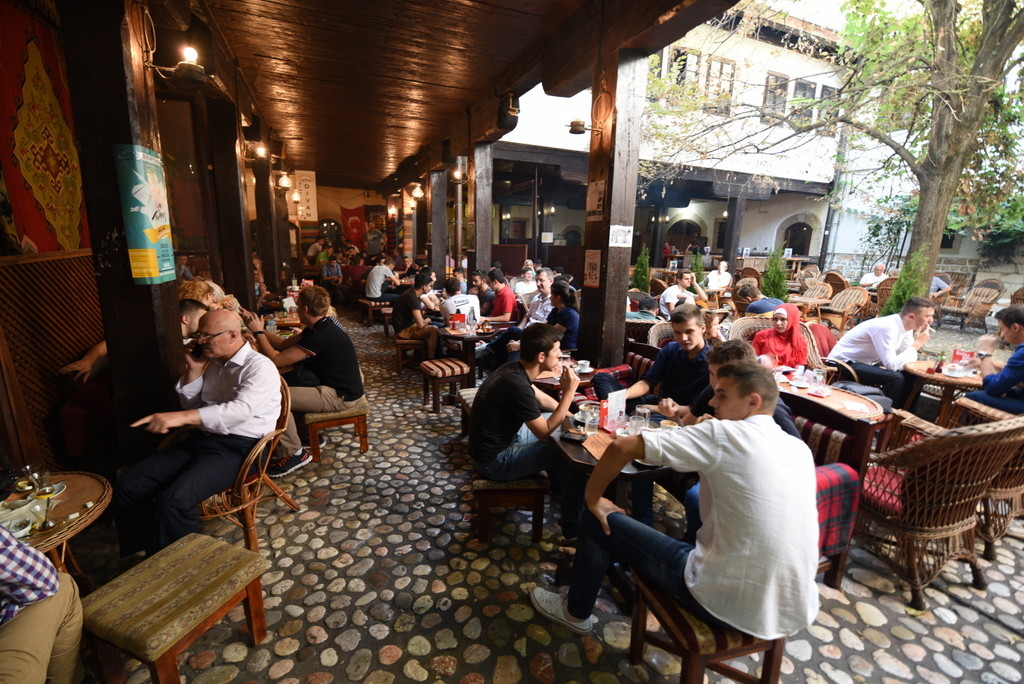
We made our way through Mostar toward a café. The streets were cobbled with river stones — round as tennis balls and polished like marble — that threatened to turn our ankles with each step. Finally we reached a cozy caravanserai courtyard that felt very close to the Ottoman trading outpost that Mostar once was.

We settled in at a low table, and the coffee arrived: A small copper tray, hand-hammered with traditional Bosnian designs. An oblong copper pot, lined with shiny metal and filled with black coffee. A dish containing exactly two Turkish delight candies, dusted with powdered sugar. And two small ceramic cups, wrapped in yet more decorative copper.

The server deliberately poured coffee into each cup. I reached for mine too eagerly. Alma stopped me. “Careful!” she said. “Bosnian coffee punishes those who hurry, with a mouthful of grounds.”

Patiently, Alma explained the procedure — and the philosophy — of Bosnian coffee. “There’s no correct or incorrect way to drink Bosnian coffee. People spend lifetimes perfecting their own ritual. But one thing we agree on is that coffee isn’t just about the caffeine. It’s about relaxing. Being with people you enjoy.”

Alma paused for effect, then took a deliberate sip. Looking deep into my eyes and smiling a relaxed smile, she continued with a rhythmic, mesmerizing cadence: “Talk to your friends. Listen to what they have to say. Learn about their lives. Then take a sip. If your coffee isn’t strong enough, gently swirl your cup. If it’s too strong, just wait. Let it settle. That gives you more time to talk anyway.”

Looking around the courtyard, sparkling with mellow conversation and gentle laughter, Alma said, “This is a good example of merak. Merak is one of those words that you cannot directly translate into English. It means, basically, enjoyment. This relaxed atmosphere among friends. Nursing a cup of coffee with nowhere in particular to be — savoring the simple act of passing the time of day.”

Taking another slow sip, Alma noted that the Bosnian language is rife with these non-translatable words. Another example: raja. “Raja is a sense of being one with a community,” Alma said. “But it also means frowning on anyone who thinks they’re a big shot. It’s humility. Everyone knowing their place, and respecting it.”

But my favorite Bosnian word is ćejf (pronounced “chayf”). Ćejf is that annoying habit you have that drives your loved ones batty. And yet, it gives you pleasure. Not just pleasure; deep satisfaction. In traditional Bosnian culture, ćejf is the way someone spins their worry beads, the way he packs and smokes his pipe, or her exacting procedure for preparing and drinking a cup of coffee.

In American culture, we have ćejf, too. Maybe you have a precise coffee order that tastes just right. (“Twelve-ounce oat milk half-caf latte with one Splenda, extra hot.”) Or every weekend, you feel compelled to wash and detail your car, or bake a batch of cookies, or mow your lawn in tidy diagonal lines, or prune your hedges just so. My own ćejf is the way I tinker with my fantasy football lineup. (Should I start Marvin Jones or Jarvis Landry this week?) Or the way I chew gum when I’m stressed: Extra Polar Ice flavor, always two sticks…never just one.

Americans dismiss this behavior as “fussy” or “O.C.D.” or simply “annoying.” We’re expected to check our ćejf at the door. But in Bosnia, they just shake their head and say, “What are you gonna do? That’s his ćejf.” You don’t have to like someone’s ćejf. But — as long as it’s not hurting anyone — you really ought to accept it. Because everyone has one.
Reaching the bottom of my coffee cup, I noted that the grounds had left no residue at all. “When it’s done properly,” Alma said triumphantly, “you’ll never feel grit between your teeth. If you find a layer of ‘mud’ in the bottom of your cup, it means that someone — either you or the person who made the coffee — was in too much of a hurry.”
Setting down her mudless cup, Alma allowed the silence between us to linger for several long moments. She knew I was in a hurry to get back to work. (I am always in a hurry.) But she was determined to slow me down. We waited. And waited. I sat like a dog with a treat on my nose. My mind began to whirr: Is it easier to be soulful, more at peace with idiosyncrasies, when you’ve survived hardship? Or is this ritual pulling back the curtain on a Muslim worldview?

And then, as if pushing through turbulence on the way to blue skies, I felt myself calming. My pulse abated. I sensed the merak percolating around me. I tuned into the details flowing in the background behind Alma’s smiling face. It’s the first time that having coffee has slowed me down rather than revved me up.

Finally, sensing my peace, Alma took a deep breath and spoke: “Good. Shall we move on? What’s next?”

Alma is just one of the countless Europeans I’ve gotten to know over more than two decades of exploring Europe. Since 2000, I’ve worked for Rick Steves’ Europe, spending about 100 days each year on the road: researching and writing guidebooks; producing TV shows; and leading bus tours. That’s a grand total of about five years, over the last twenty, in more than 35 European countries (which — let’s be honest — is more than I once thought Europe even had). Over all that time, I feel that I’ve become a temporary European.

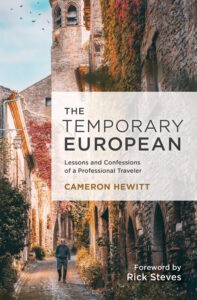
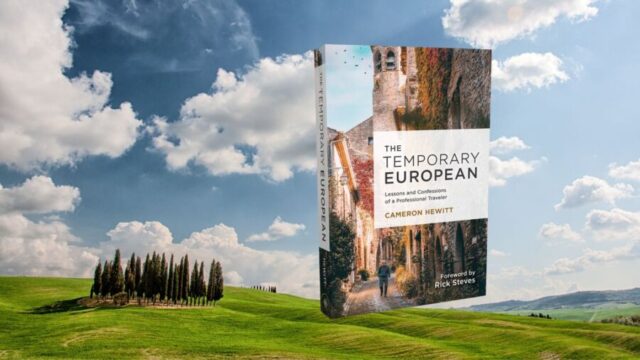
That’s the title of my new travel memoir. The Temporary European: Lessons and Confessions of a Professional Traveler was just published by Travelers’ Tales.

It took me a while to come up with that title. I began the project by collecting my favorite pieces from the travel blog I’ve been writing since 2015. As I refined those, I began to fill in some gaps with new writing. Over time a structure emerged, and the various writings began to cluster around common themes. But I just couldn’t figure out what to call the thing.

Finally, as I was wrapping up the book, I realized that a single thread unites all of the stories in my book: traveling as a Temporary European: Traveling with curiosity and empathy. Seeking to understand the lives of the people I meet…and trying on their ways for size, to see what I like (and what I don’t). I think any traveler can have a more rewarding trip by approaching their travels with a Temporary European mindset.

Take the simple act of caffeinating. In England, you might perk up with a cup of midafternoon tea; in Italy or France, you slam down a tiny mug of espresso standing at a busy counter; in Vienna or Budapest, you spend hours nursing a cup at a grand café, with borrowable newspapers on long wooden sticks. And in Bosnia-Herzegovina, as we’ve learned from Alma, you nurse a copper-clad cup of unfiltered coffee deliberately while chatting with friends.

A Temporary European assumes that other people’s ways make sense to them, and tries to understand why. If you barge into a French shop without saying Bonjour, Madame!, and find the shopkeeper unfriendly, imagine how you’d feel if someone did the same in your living room. If you’re in Croatia and people are cranky, trust them when they explain that the muggy Jugo wind puts everyone in a foul mood. If Germans are standing in the pouring rain, with not a car in sight, waiting for the light to change, wait with them while contemplating why rule-following is important to their notion of a successful society. And if an Italian barista grows agitated when you try to order a cappuccino after lunchtime, consider how having so much milk late in the day might be bad for your digestion.
Dubrovnik — on Croatia’s Dalmatian Coast — is a tourist hotspot. If the cruise ships weren’t enough to overwhelm the place, they’ve also become swamped with Game of Thrones pilgrims. When I’m in Dubrovnik updating my guidebook, I stop by all of the big sights: walking around the top of City Walls, riding the cable car up to the hilltop fortress, dipping into the sumptuous churches and quirky museums.

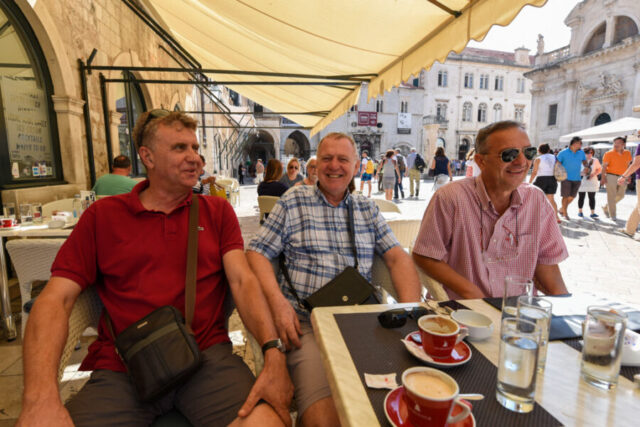
But my favorite thing to do in Dubrovnik is to have my morning coffee right along the main drag — early enough that most of the tourists are still sleeping in. A group of locals gather each morning at an outdoor café to chat and gossip and people-watch.

Sitting there with them, in the amount of time it takes to drink my morning coffee, I learn more about the real life of Dubrovnik than I do in several days of sightseeing.

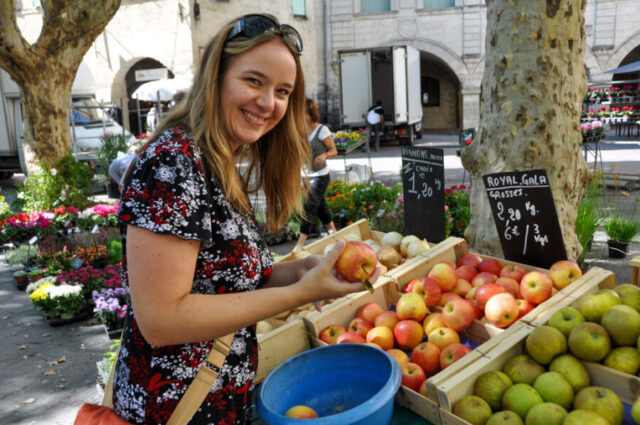
Just before the pandemic, my wife and I took a week off to simply hang out in Provence. Every day, we went to a different market: even markets in seven days. But we really wanted to learn how to marché like a local. Mathilde met up with us one day and gave us some lessons.

First, learn how to recognize the difference between a farmer and reseller: If the producer displays a wide range of produce — especially bananas, mangoes, or other tropical fruit — they’re a reseller. Stickers on produce are also a sure sign of a reseller. Produce from a reseller can still be good quality, she stressed. But knowing the difference can help you choose more carefully. “A farmer picks their produce only when it’s perfectly ripe, to sell today at the market,” Mathilde said. “When picking for a reseller, they tend to pick it just before it’s ripe, to give it more time to be transported.” Connoisseurs shopping for today show up early and seek out farmers first; if they strike out, they turn to the resellers.

“For top quality, watch for a stand selling only one item,” Matilde said. “Only Plums. Just Berries. Apricots seulement. This is a very good sign.”

In Italy, my friend Virginia took me on a crash course for finding the best gelato. She showed me what to look for: small batches of homemade gelato, stored in metal bins, with muted colors. And she showed me what to avoid: big, colorful mounds of ice cream designed to attract children.

Finally, she explained that when she wants to assess the quality of a gelateria, she samples the pistachio — for a very specific reason. Gelato flavors all cost the same to buy, but the cost of producing each one can be quite different. Authentic pistachio gelato, using real nuts, is the most expensive flavor to make. Unscrupulous places cut the pistachio with other, fake flavors to lower their costs. A trained tongue can tell if the pistachio is real pistachio. And if it is, the rest of the gelato will be great too.

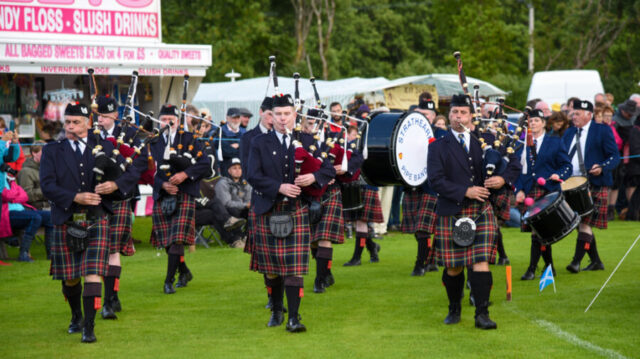
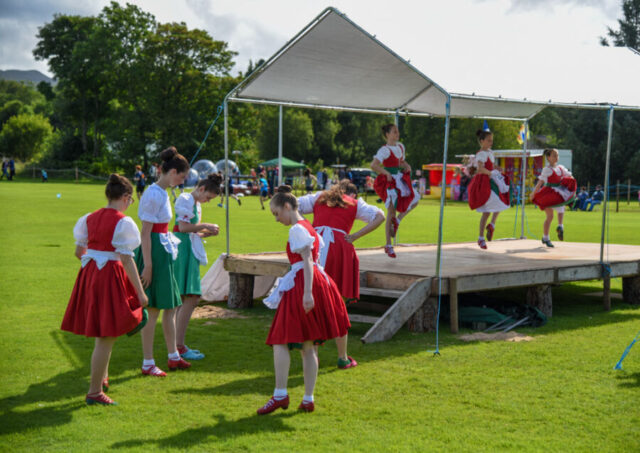
I spent a month one summer driving around Scotland to work on a new guidebook. Even when writing a book to introduce travelers to a new place — especially when doing that — it’s important to have a Temporary European mindset. And in Scotland, so rife with clichés, that’s especially tricky. I see it as my challenge, as a guidebook author, to deconstruct clichés. But here in Scotland, I was about to give up when I spent a day off going to a Highland Games in a little town nobody has ever heard of.

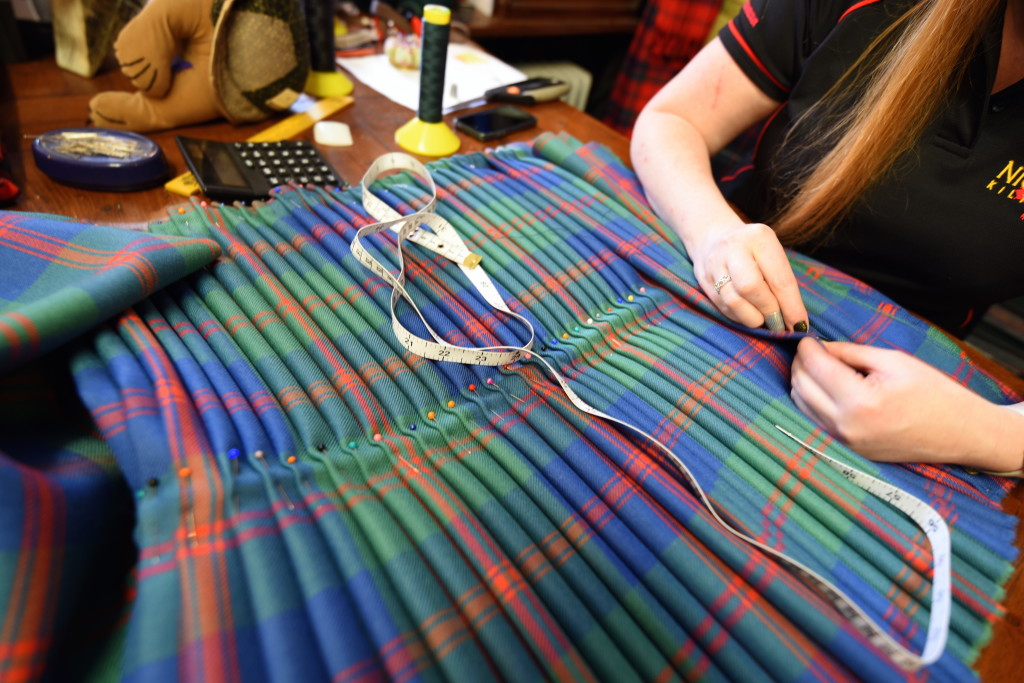
It had all the (seeming) clichés, yes: tartans, bagpipes, Highland dancing, feats of strength, and so on. But it was also, very clearly, a local event — designed to celebrate Scottish pride for Scottish people. And it helped me to see how even those clichés are rooted in authenticity: The tartan patterns were standardized and neatly organized, clan by clan, during Victorian times. Any gift shop in Edinburgh will be all too happy to sell you a tartan matching your surname (or any Scottish surname you happen to take a fancy to).

But if you dig deeply enough in Highland history, you learn that members of a clan lived in the same general area, with access to the same natural dyes — so they really did tend to wear coordinated colors…even if they weren’t in tidy plaid patterns. And all of those events of the Highland games were critical for showcasing skills important to Highlanders: dancing for dexterity; tossing around cabers and weights to show strength; and the hill race — in which runners do a few loops around the track, then run up to the top of a nearby hill, then back again — as a sign of endurance.

On another trip, I spent several weeks driving around Sicily, on a similar guidebook assignment. If you’re not mentally prepared for the experience, driving in Sicily can be mortally terrifying. It took me a few days to dispense with preconceptions about things like obeying traffic signs, or why it’s a bad idea to triple-park in the middle of a busy street, or the importance of cars staying in their lanes (or, really, the very concept of “lanes”).

But eventually I realized that if I’m the only one trying to use the roundabout “the right way” — then I’m the only one using it the wrong way. I came to accept that Sicilians just drive differently than I do; less “legally,” perhaps, but more intuitively. They see how fast you’re going, how big your car is, and where you’re headed next. They probably know more about your driving skills than you do. And they adapt — constantly, intuitively, and effectively. So if you go with the flow and follow along, you’ll do just fine. (Or, failing that, just go numb.)

Finally, on a guidebook-research trip high in the Swiss Alps, I decided to do an impromptu hike high above the Lauterbrunnen Valley. It was just me and the cows. As a cable car floated silently overhead — crammed full of tourists heading up to a James Bond-themed revolving restaurant on the mountaintop — I was thrilled to be striding across a meadow rather than squeezed in there with all of them.

I came upon a mountain hut with giant cowbells hanging on the rafters. I greeted three old-timers a hearty Grüezi! and helped myself to a little wedge of alpine cheese — made right there — from the self-service fridge. It was the best cheese of my trip, if not my life. And then, as I rose to depart, I found myself walking down the gravelly trail just as the cowhands were driving their herd back up to the hut I’d just left. I froze — surrounded, with cows on all sides of me. A bit frightened by the thousands of pounds of agitated beef plodding my way, I stand still — a rock in a stream of livestock. It was one of those beautiful travel serendipities where it felt like every decision I made that day conspired to put me in the perfect place, at the perfect time.

These are just a few of the travel tales you’ll find in The Temporary European. I hope all of these stories help inspire you, on your next trip, to slow down and take in all of those wonderful moments that blossom into a trip’s best memories.

What are your favorite examples of becoming a Temporary European?


The Temporary European, published by Travelers’ Tales, is available now wherever books are sold. (Well, that’s not entirely true. Due to supply chain issues, you may encounter shortages. But books are on the way.) You can get it now for 30 percent off, while supplies last, at the Rick Steves’ Europe online Travel Store. Your favorite local bookstore may have copies in stock, or you can ask them to order you one. The Kindle edition (and other e-versions) are available instantly. And Amazon should be stocked up again on the print edition soon. Enjoy!

Italy’s Best Destination: Anywhere

If you’re going to Italy, it’s tempting to hit the biggies: Venice, Florence, Rome.  But don’t forget that there’s so much of Europe to see, beyond its marquee cities. To mix things up, seek out some lesser-known towns that are, in their own way, just as satisfying but have a fraction of the crowds.

Finally returning to Europe just a few months ago, in addition to some old favorites (like the Cinque Terre and Siena), I made time for a few new places that most tourists miss. And I must stay, I liked them at least as much as the biggies. These four examples — Modena, Lucca, Treviso, and Trento — all happen to be in the northern part of Italy. But lesser-known gems like these are everywhere…and not just in Italy. 

On this trip, I finally made it to Emilia-Romagna, Italy’s most renowned culinary region. Foodies have discovered Emilia-Romagna, but so far it’s largely off the radar of mainstream tourism. Bologna is the capital and leading city, but I stopped off in three smaller towns — Modena, Parma, and Ferrara — that are more accessible while offering a culinary and cultural landscape that’s just as impressive. And my favorite of these was Modena.

If you’ve heard of Modena, it’s probably because of food. This is the production center for the top-quality balsamic vinegar of Modena (aceto balsamico tradizionale modenese) — a thick, oozing, luxurious, black liquid that explodes on the tongue with decades of barrel-aged flavor. Modena is also the home of the world’s best restaurant, Osteria Francescana, owned and operated by the animated Massimo Bottura. If you’ve watched any “foodie TV” about Emilia-Romagna, you’ve surely seen Massimo mugging for the camera as he shaves delicate curls from gigantic wheels of Parmigiano-Reggiano. (I have no evidence that Massimo is contractually obligated to appear in every single Netflix series relating to food. But I have my suspicions.)

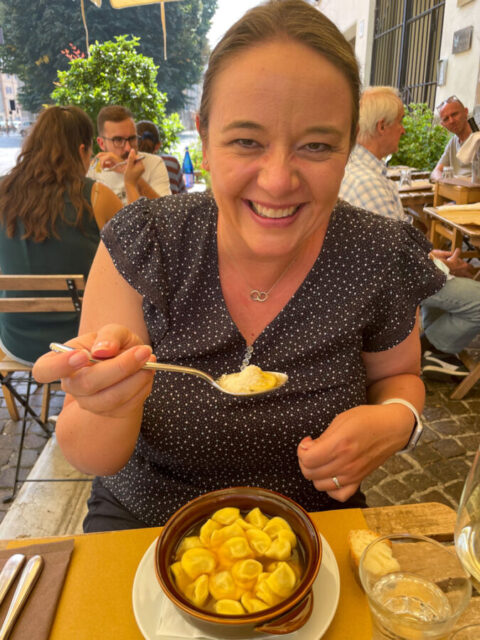
It was the food that brought my wife and me to Modena. We couldn’t get a table at Osteria Francescana — and anyway, we weren’t up for the €500-per-plate price tag. But we did reserve at Massimo’s casual bistro, Franceschetta 58, which offered a sampling of that world-renowned fare for one-tenth of the price. While the five courses were a bit hit-or-miss, the highlights — including delicate, handmade tortellini in a Parmigiano-Reggiano fondue sauce — were astonishingly good.

In fact, every meal we had in Emilia-Romagna was sensational. Italy has great food, but in its über-touristy towns, I find that I miss just as often as I hit. (Frankly, I can’t remember a single truly great meal I’ve had in Florence or Venice.) But in the untouristy towns, restaurants cater to locals rather than visitors, which gives them incentive to turn out excellent food at reasonable prices.

I was in Modena for a Sunday night, when virtually every trattoria and osteria in town was closed. After checking five or six, I landed on my “last resort” — the only place I could find that was actually open: Trattoria da Omer. I set my expectations low, simply relieved to find an alternative to a meager picnic dinner in my Airbnb. But it turned out to be far from an act of desperation; it was one my favorite meals of the trip. The owner brought out a big chalkboard menu, then proceeded to ignore it as he personally talked me through the options to craft my ultimate dinner. Strange as it sounds, it was at least as good as Massimo’s place.

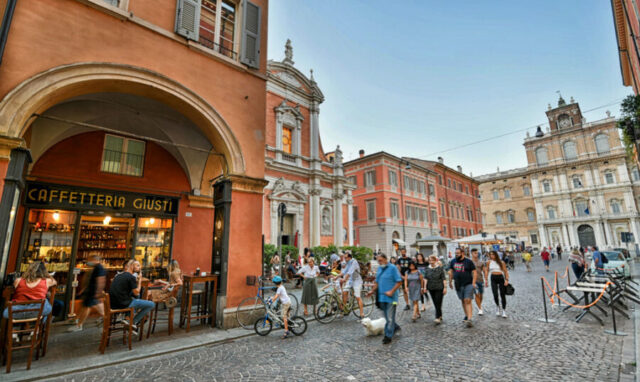
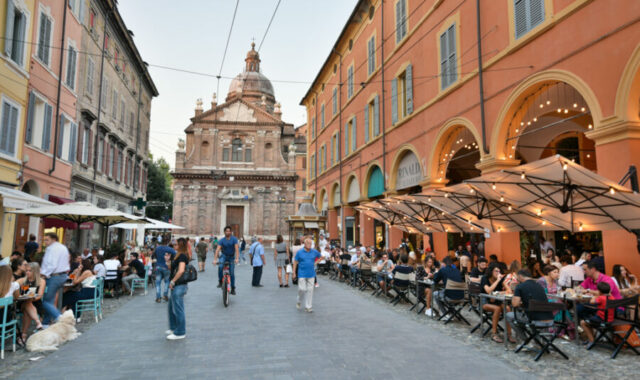
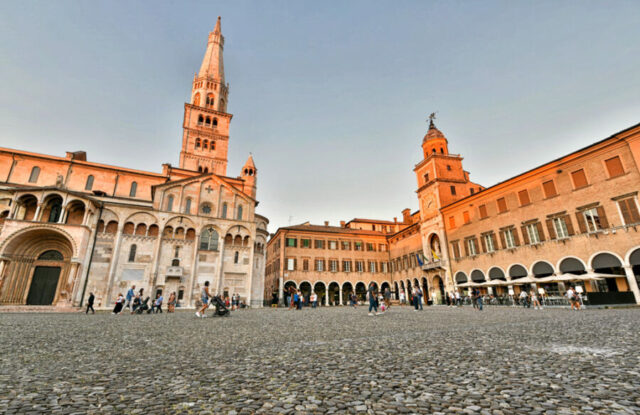
But Modena is more than food; that’s just a trojan horse for attracting travelers to one of Italy’s finest and most livable small cities. The streets feel manicured; the mismatched riverstone cobbles gleam in the hot sun. Arcades are populated by intriguing shops and delightful cafés. And the big, beautiful main square is a classic Italian piazza, with a church bell tower facing down a city hall tower over al fresco café tables. Later, an Italy aficionado told me that the church interior is also impressive. I wouldn’t know, because I didn’t bother to go inside; I was too busy enjoying the simple act of wandering around.

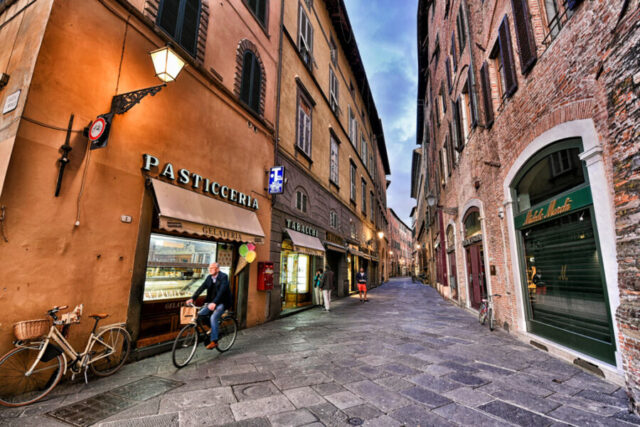
By the way, one thing I notice about these “untouristy” towns is that they’re full of bicycles. Locals commute on streets and alleys, right through the center of town. From a “leaping out of the way of an oncoming bike” perspective, Modena felt like Amsterdam or Copenhagen. I don’t see this in the more touristy Italian cities — I imagine because their infrastructure is oriented more toward visitors than commuting locals.

In untouristy towns like Modena, another thing you notice is the near-total lack of souvenir stands. Instead of spinning racks of postcards and tacky T-shirts and shot glasses, you see pharmacies, fashion boutiques, midrange chain stores, hole-in-the-wall alimentari, and kitchen-supply shops. In short, places where locals do their shopping. While touristy towns have restaurants with exclusively Italian menus, the untouristy ones have a wider variety: Hawaiian-style poke is all the rage, and I spotted several sushi restaurants in Trento, of all places. I also noticed far more people of color in Modena (and other cities of Emilia-Romagna) than in Italy’s tourist hotspots, dispelling the misconception that Europe is an entirely white continent.

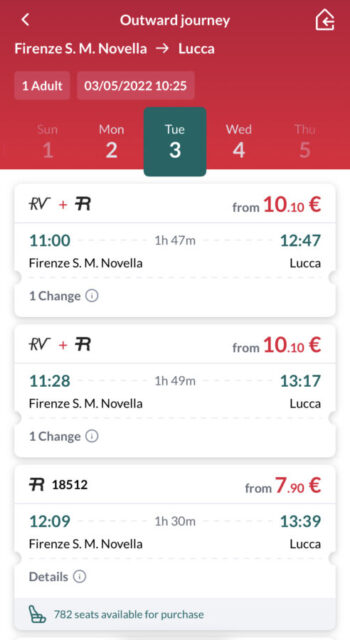
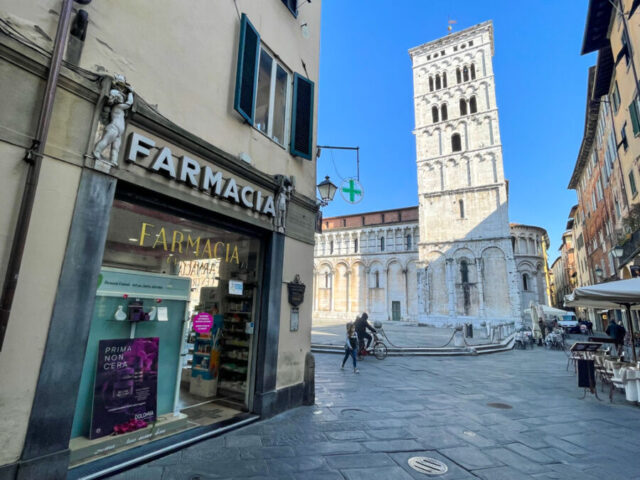
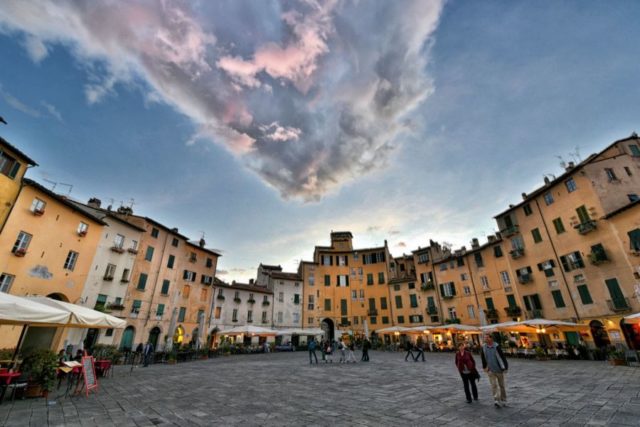
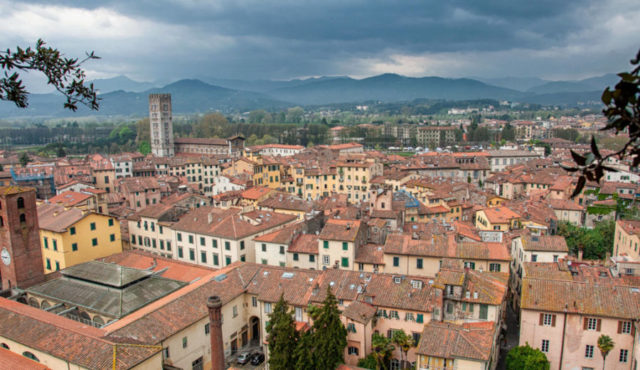
In Tuscany, my wife and I stopped off for lunch in Lucca — which has long been one of my favorite Tuscan towns. I liked it even more this time around. It feels approximately the same size, bustle, and quaintness of Siena, where we’d had lunch the previous day. And, while not exactly “undiscovered,” it was noticeably (and enjoyably) less crowded than Siena.

This got me thinking about why places become popular, or don’t. Lucca is perfectly placed to not become a tourist town, while still remaining convenient for tourists — an improbable feat. Lucca sits in the northwest corner of Tuscany, rather than along the central Florence-Siena-Rome corridor. There is one place people venture out here to visit, and it’s just a half-hour from Lucca: Pisa. The Field of Miracles is stunning and worth seeing. But its popularity has transformed Pisa (or, at least, that little corner of Pisa) into one of Italy’s crassest and most grotesque tourist traps.

And yet, there sits Lucca. In the time it takes me to drive from my house to my office each morning, you can go from the Leaning Tower to uncrowded Lucca. Far from being “overshadowed” by Pisa, this works to Lucca’s advantage, for those of us who enjoy less touristy towns. If you’re enjoying a picnic and ants or bees are driving you crazy, you set out a little dish of sugar water to distract them while you happily munch away on your food. Pisa is the sugar water; Lucca is the main course.

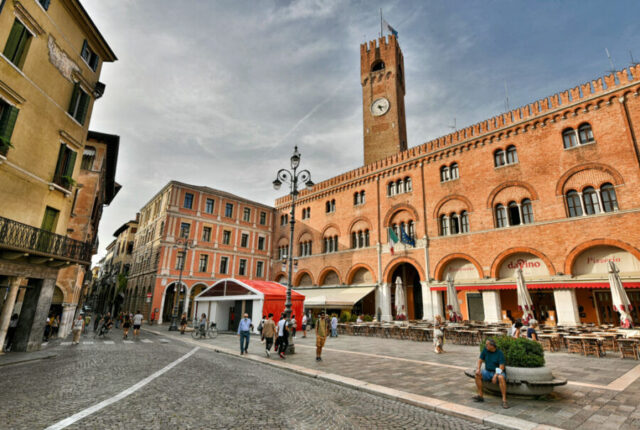
Farther north, I spent a couple of nights in Treviso, which is as close to Venice as Lucca is to Pisa. But I didn’t go to Pisa on this trip, and I didn’t go to Venice, either. Instead, I enjoyed simply exploring Treviso, which I had entirely to myself. The only other American tourist I spotted was a gentleman from Atlanta who lives part-time near Lake Como and, like me, is an aficionado of untouristy Italy.

Why did I go to Treviso? I asked myself that several times before I arrived, and the answer was entirely practical: Because it was the only place between Milan and Croatia that had a direct flight to Prague, where I was heading next. (Plus, I’d read an intriguing New York Times article about Treviso a couple of years ago, which makes many of the same points I’m making here.)

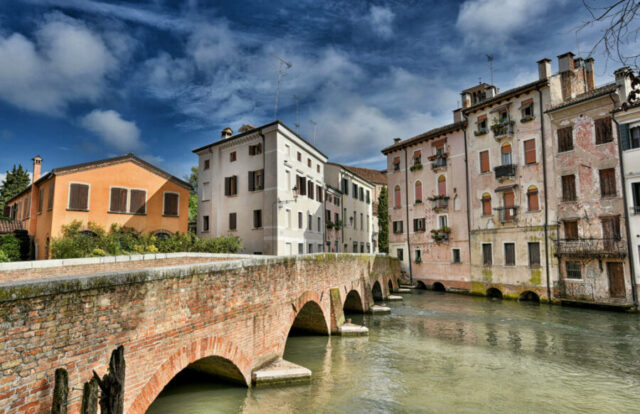
Treviso is unspectacular, yet it’s delightful. People moon over Treviso’s canals, but that’s an overstatement — motivated, I believe, by a sort of inferiority complex relative to Venice. Treviso’s canals are pretty, but there aren’t that many of them, and anyway, I’ve been to plenty of cities with canals that still manage to be miserable. The Chicago stockyards have canals.

Don’t go to Treviso for the canals; go because it’s simply a pleasant, beautiful, untouristy town. Maybe it’s because I was in Treviso to wander, rather than to work, but I never even began to get a handle on the curling snarl of streets that make up its historical core. It’s small enough that you can enjoy getting lost without getting nervous. Mainly I enjoyed sitting at the café tables that fill the enormous loggia on the main square. (In fact, I sat there as I wrote this blog post.)

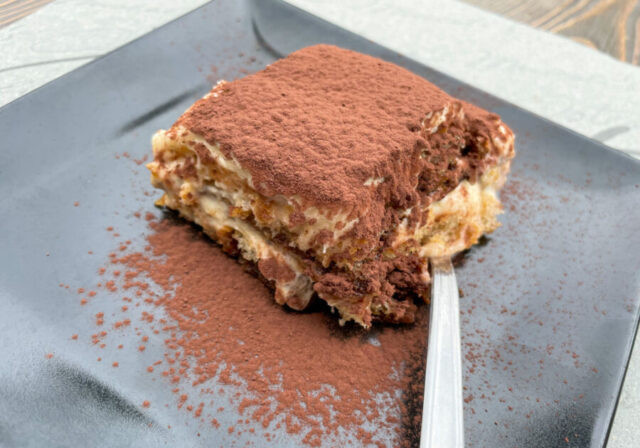
One thing I love about these untouristy towns is that each one has its quirky claims to fame, which it’s extremely proud of. Treviso is, reputedly, the birthplace of tiramisù and of Benetton. I enjoyed one of the former during my time here and, not coincidentally, have put on enough pandemic weight not to be too interested in the latter at the moment.

Speaking of which, I had several great meals in Treviso — again, far more than I can remember having in Venice, where I’ve spent many times as many days. After doing just a little homework, I found that I simply couldn’t miss — each meal was a masterpiece, and very affordable.

Would I go out of my way to visit Treviso? Probably not. But my goal was simply to melt into Italy for a couple of days. And for that purpose, Treviso was ideal. Some suggest staying in Treviso and day-tripping to Venice — just 30 minutes by train. While that would be a great strategy for the right traveler, this traveler didn’t bother going into Venice, and didn’t miss it one bit.

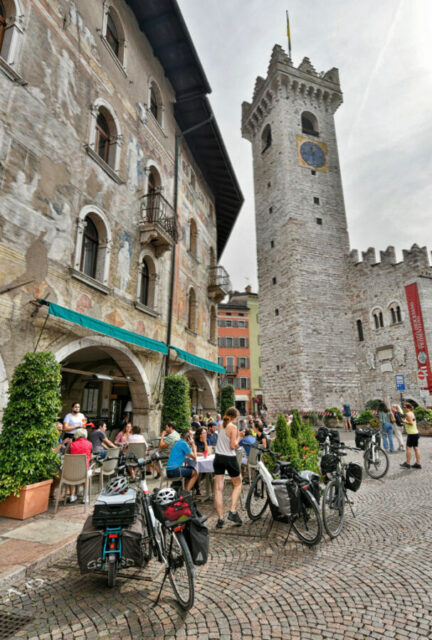
I also enjoyed stopping off for a lunch in Trento, on my way between Emilia-Romagna and Castelrotto, in Italy’s Dolomites. Trento is the capital of Trentino, a region that acts as a sort of hinge between the Germanic far-north and the rest of Italy. While Castelrotto and Alto Adige (a.k.a. Südtirol) feel absolutely Germanic, Trento feels like a Germanic city populated by Italians. This produces something of an identity crisis for the trentini. In the Germanic world, pedestrians wait patiently at red lights. In Italy, those lights are flagrantly disobeyed. I noticed a strange reluctance in Trento: Standing at a red light, with not a car in sight, everyone waited for about five seconds…then, once one person walked, they all did.

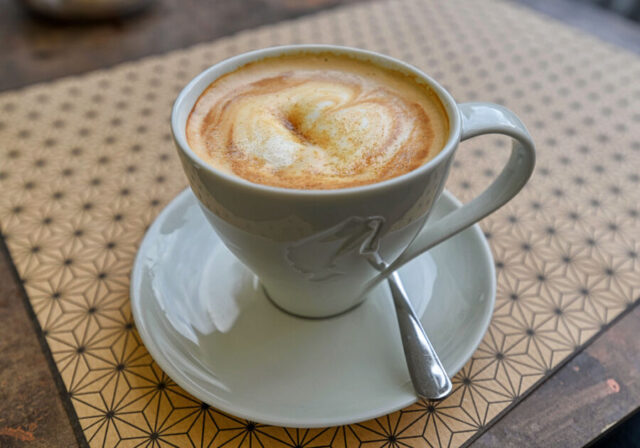
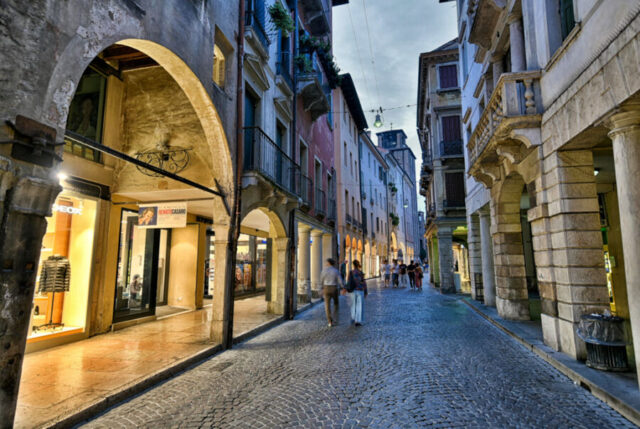
Trento has handsome, wide streets with marbled sidewalks. Each one stretches toward forested peaks and is lined by skinny, stony townhouses with big shutters and faded frescoes. Traffic-free lanes are lined with stone arcades and all of the hallmarks of an untouristy town: big chain stores with no interest in tourists, locals commuting by bike, and lots of people sitting at cafés sipping cappuccinos or bright-orange spritz cocktails. Trento’s cathedral feels like a castle, right down to the crenellations along its roofline, and it’s topped with an Austrian-style onion dome.

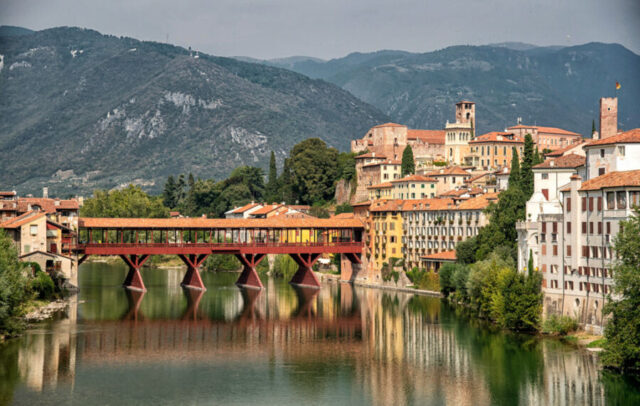
The list goes on and on. I stopped off at a few other new-to-me places that I also enjoyed. One was Bassano del Grappa, where I had a fine stroll and a coffee on the piazza before continuing on my way. I mention it only because I have a really cool photo of the place:

Of these four places — Modena, Lucca, Treviso, Trento — only one of them is covered in the Rick Steves guidebook, or appear on a Rick Steves tour itinerary: Lucca. (That also happens to be the most touristy — or, I guess, “least untoursty” — of the bunch.) After visiting each one, I wondered whether I should pitch Rick on adding them to the book. But that would make our overstuffed Italy book even more gigantic. Unless you want to start buying your guidebooks in volumes, we need to keep them selective.

More important, I don’t think a guidebook is necessary to enjoy these towns. None of them has a single “must-see” sight, or an artistic masterpiece that people travel miles for. Sure, if you’re bored, you can get a list of museums and churches from the TI. Or you can just relax, enjoy, toggle out of “tourist mode” and into “temporary European” mode…and melt into Italy.

As you plan 2022 travels, consider doing just that — maybe not the entire trip, and not necessarily these four towns in particular. But at some point, mix in a day or two in a place that you never imagined you’d visit. A place your friends have never heard of. You may find those are the places you’ll never forget.

What about you? What are your favorite untouristy towns?


If you enjoy out-of-the-way places, pick up a copy of my new travel memoir, The Temporary European — packed with travel tales and insights. You can get it now in Kindle version, and it’ll be available everywhere on February 1.

Favorite (and Least Favorite) Places in Europe

When people find out I’m a travel writer, their first question is usually this: What are your favorite places? I take this as a coded way of asking: Where should I go on my next trip?

My new travel memoir, The Temporary European, is all about my favorite places. Along with the wonderful Europeans who’ve brought meaning to my travels, it’s the places — beautiful, bewildering, exciting, frustrating — that are the stars of my book. And for the appendix, I brainstormed a roundup of my favorite (and least favorite) places in Europe.

As s special sneak preview, I’ve excerpted that list here. Of course, any list like this is arbitrary and cheeky to the point of foolhardiness. It’s admittedly subjective; your mileage will vary. If you wonder “why?” for any of these, in many cases, you can divine the answers from my book. (I’ve also linked a few of these places to blog posts I’ve written about them.)

Favorite Country: Slovenia, followed by any one of a half-dozen countries I’ve been to most recently (Great Britain, Hungary, Italy, Norway, Poland, Iceland…)

Countries I’ve Visited Briefly and Would Love to Know Better: Ireland, Portugal, Estonia, Serbia

Countries I’ve Had Enough of for the Time Being, Thanks All the Same: Spain, Romania, Slovakia, Austria

Most Misunderstood Countries: France, Hungary, Poland

Most Perplexing Country: Russia

Most Perplexing Non-Russian City: Budapest

Favorite Big Cities: Budapest, London, Berlin

Favorite Small Cities: Ljubljana, Slovenia; Gdańsk, Poland; Sarajevo, Bosnia-Herzegovina

Favorite Towns: Sarlat, France; Eger, Hungary; Canterbury, England; Nafplio, Greece

Most Underappreciated Cities: Oslo, Norway; Salamanca, Spain; Sofia, Bulgaria; Antwerp, Belgium; Bern, Switzerland; Erfurt, Germany; Porto, Portugal; Olomouc, Czech Republic

Most Overrated Cities: Salzburg, Austria; Milan, Italy; Vienna, Austria

Least Favorite Cities: Bucharest, Romania; Catania, Sicily; Bratislava, Slovakia

Cities that Initially Seemed Meh, but Have Gotten Under My Skin: Warsaw, Poland; Palermo, Sicily; Reykjavík, Iceland

Favorite Hipster Neighborhoods: Prenzlauer Berg, Berlin; Psyrri, Athens; Brick Lane/Spitalfields, London; Seventh District, Budapest; Monti, Rome; Chiado, Lisbon

Favorite Natural Areas: Val d’Orcia (Tuscany), Italy; Julian Alps, Slovenia; Mývatn geothermal area, North Iceland; Dalmatian Coast, Croatia; Sognefjord and Lustrafjord, Norway

Favorite Road Trips: Iceland’s Ring Road; Slovenia’s Vršič Pass and Soča Valley; pretty much anywhere in the British countryside (especially North Wales, Dartmoor, and the Cotswolds)

Favorite Seaside Escapes: Rovinj and Dubrovnik, Croatia; Salema, Portugal; Collioure, France; Kardamyli, Greece

Favorite and Least Favorite Seaside Escape: Italy’s Cinque Terre

Most Dramatically Situated Towns: Reine, Norway; Veliko Tarnovo, Bulgaria; Santorini, Greece; Ronda, Spain

Most Overrated Dramatically Situated Town: Taormina, Sicily

Favorite Hedonistic Activity: Thermal baths (Hungary or Iceland)

Favorite Food Experiences: Pasta-making class at Cretaiole, Tuscany; browsing London’s street markets; truffle pasta in Istria, Croatia

Favorite Castles and Palaces: Alhambra (Granada, Spain); Peleș Castle (Romania); Château de Chillon (Lake Geneva, Switzerland); Hermitage (St. Petersburg, Russia); Konopiště Castle (Czech Republic)

Favorite Houses of Worship: Gaudí’s Sagrada Família (Barcelona, Spain); Church on Spilled Blood (St. Petersburg, Russia); Mezquita (Córdoba, Spain); Hopperstad Stave Church (Vik, Norway); Hagia Sophia (Istanbul, Turkey); Viscri Church (Transylvania, Romania)

Favorite (Lesser-Known) Museums and Sights: Vigeland Park (Oslo, Norway); Zlatyu Boyadzhiev Museum (Plovdiv, Bulgaria); frescoes at Monte Oliveto Maggiore (Tuscany, Italy); European Solidarity Center (Gdańsk, Poland); Herring Era Museum (Siglufjörður, Iceland)

Favorite Places to Feel Far from Civilization: Norway’s Lofoten Islands, Iceland’s Westfjords, Romania’s Maramureș, rural Bosnia-Herzegovina, Orkney (Scotland)

Weirdest Places I’ve Been: Chernobyl, Ukraine, followed by the places listed above

Favorite US Escapes: Central Oregon Coast; Kaua’i, Hawai’i

Favorite International Destination Beyond Europe: New Zealand

To answer that overarching question, there’s a special spot in my heart for underrated gems — places that I’m confident any traveler would fall in love with, if given a chance. Topping that list is Slovenia. I’ve never met someone who went to Slovenia and didn’t adore the place, and come home kicking themselves that they didn’t allow more time there.

The many people zipping to Iceland for a 48-hour “layover” really should consider extending that by a week or two; impressive as Iceland is on a short visit, it’s even better on a long one.

And I believe that anyone interested in historical, beautiful northern European cities would fall in love with Gdańsk, Poland, as I have.

In general, I’m a fan of what I call Europe’s “third-rate” towns. These aren’t the top-tier cities (London, Paris, Rome), or even the “next most popular” destinations (York, Nice, Milan). They’re the ones much farther down the list. Several of these appear on the list above; others include Dresden or Freiburg, Germany; Albi, Honfleur, or Colmar, France; Delft or Leiden, the Netherlands; and so on. Even if you’re determined to hit some of the biggies, mix in a few of these lesser-known gems.

Your list will certainly differ from mine. That’s the joy of travel: Each of us finds places that resonate with us, and places that we clash against. And that’s OK.


I hope you’ve enjoyed this excerpt from The Temporary European. To learn more about why I chose some of these places, pick up a copy of my book and do a little armchair travel to these places yourself. Currently, the print edition of The Temporary European is available exclusively at Ricksteves.com, and the Kindle edition is already on sale. The book will be available everywhere on February 1 — preorder a copy at your favorite local bookshop.

10 European Travel Resolutions for 2022

I am optimistic.

I know: I probably shouldn’t be. If it’s not Delta, it’s Omicron. If it’s not Omicron, it’s Epsilon, or Omega, or Triple-Theta, or whatever variant next rears its head.

And yet, I remain unaccountably, giddily positive when thinking of 2022 travels. Not just dreaming, but actually planning.

The fact is, the world is turning a corner on the pandemic. It’s not a happy corner. It’s the corner of realizing that we’re stuck with this thing, and we have to learn how to live with it. But that’s a certain form of progress, because it means that those of us who are willing to take an informed risk can get back to Europe.

I speak from experience. In September of 2021, just as Delta was peaking in many parts of the USA, I finally returned to Europe. What I found was a continent of smart, pragmatic, compassionate people doing their best to mitigate personal and societal risk while stubbornly getting back to enjoying life. Winter surges have tapped the brakes on that progress, for now. But what I saw demonstrated that Europe is figuring this out. And I know they’ll pick up where they left off, just as soon as they can.

Each January, I come up with a list of 10 “Discoveries” for the new year — underrated destinations you might consider while planning your travels. (Here are the lists from 2021, 2020, 2019, and 2018 — all still good ideas.)

This year I’m taking a slightly different tack. Rather than “Discoveries,” 2022 has me thinking about Resolutions — the ways I’ll approach travel differently now that the world has changed. These are the “attitude adjustments” I’ll be trying to adopt as we attempt to turn the page from two painful and disappointing years, and begin looking to the future.

Reconnect with Europeans, face to face.

We’ve sure missed the Europeans these last couple of years. And I’m here to tell you: They’ve missed us, too.

When I went back to Europe, my wish list included some favorite destinations. (I’ll talk about those next.) But more than that, I wanted to reconnect with people: friends, tour guides, hoteliers, artisans, market vendors, restauranteurs, bus drivers…all of the wonderful Europeans who populate our travels with that intangible magic that keeps us coming back.

I’m sure there are many Europeans who have enjoyed getting a break from the throngs of tourists. I respect that. But there are also so many who love connecting with us. And they’ve missed the way we make each other feel like our big, ugly, indifferent world is just a little smaller and kinder.

After any crisis comes the catharsis of recovery. Reunions are a powerful antidote to the trauma we’ve all endured — they almost make it seem worth it. And I wish you could’ve tagged along with me as I returned to Europe this fall, reconnecting with people who’ve been missing us as desperately as we’ve been missing them. Tearful hugs that wouldn’t let go; long, breathless, rambling monologues trying to catch each other up on all that’s happened in our lives; that simple moment of being together again and feeling just a little less alone in the loneliest time most of us have ever known.

That’s what you’re going back to Europe for.

Revisit old favorites…and discover new favorites.

When planning our first big trip back to Europe, my wife and I had a wish list we’d been stewing on for a year and a half. The first place we wanted to return to was our favorite country, Slovenia. We added some “greatest hits” in Italy, too: the Val d’Orcia, a perfect little corner of Tuscany; and the Cinque Terre, the most idyllic stretch of the Italian Riviera. After she flew home, I extended my trip to do some hiking in the Dolomites, then hang out in Prague and Berlin — yet more favorites. None of those places let us down. In fact, even ones we’d visited many times before were sweeter than ever.

And yet, our fall trip was like the late-career “Greatest Hits” album of an aging rock band: In addition to the biggies, we also snuck in a few new tracks, just to keep things fresh and remind us of the joy of exploration.

In Italy, we spent a couple of nights in Modena, in Emilia-Romagna. While lured there by the city’s culinary reputation, we immediately fell in love with Modena on its own merits. It’s simply a livable, mid-sized Italian city with — refreshingly — scarcely a whisper of international tourism. Melting into Modena for a couple of days, we ate extremely well, never stepped through a museum turnstile or into a church, enjoyed browsing and strolling the passeggiata, and had as delightful a time as we’ve had anywhere in Italy.

After my wife went home, the only convenient direct flight to my next destination was from Treviso, a lesser-known city that’s just a 30-minute train or car ride from Venice. I figured, why not? And I spent two nights there, thinking I might sneak down to Venice for the day if I got bored. There was no risk of that, as Treviso turned out to be an ideal place simply to wander aimlessly and feel that giddy joy of being back in Italy . Treviso isn’t known for much — it has a few pretty canals, and it’s the birthplace of tiramisu, radicchio, and Benneton — but that’s sort of the point.

Should you go to Modena and Treviso on your next trip to Italy? Sure. Or not. There are literally dozens of small Italian cities that are every ounce as enjoyable as those two — places that rarely make the cut in “best-of” lists (or in Rick Steves guidebooks). One of my resolutions is to start finding them.

Travel as a temporary European.

As the pandemic began in early 2020, I realized I wasn’t going to Europe for a while. And with all that extra time, I found myself thinking about exactly why travel is such an important part of my life. Last winter, I took a few months’ sabbatical to assemble my favorite blog posts and new writings into a travel memoir. It was a fun creative challenge to sort through all of those random travel tales and insights to find common themes. And by the end of that process, I discovered that all of those stories — old and new — were united by a single thread, which became the title of my book: The Temporary European.

Being a temporary European means traveling with curiosity and empathy…two traits that are in sadly short supply these days. It means being fully open to those little eurekas that unlock cultural insights. It means training yourself to think like a local.

In Croatia, I used to laugh at how the weather report includes not just high and low temperatures, suns, and rainclouds, but also smiley and frowny faces — indicating how conditions might affect your mood. But the truth is, when I’m traveling along the Dalmatian Coast and the muggy Jugo wind begins to blow, I really can feel my mood sink. After many visits, I can now tell that it’s a Jugo day without even looking outside…I can just feel it. And, sure enough, it puts me in a funk all day long.

When you get back to traveling, consider jettisoning the bucket lists and the precisely constructed itineraries, and focus on being present to soak in all of the ways that Europeans simply are. If you travel with an openness to these little cultural insights, you’ll have a more complete experience of Europe on Europe’s terms.

Go anywhere that a European friend is excited to show you.

My favorite day on my fall trip was when our Slovenian friend, Tina Hiti, took my wife and me to one of her favorite places in her wonderful little country. It was in the Vipava Valley — the rugged corridor that links Slovenia’s alpine interior to the flat, muggy expanse of Italy’s Veneto. Tina took us to a little hill town, with a name you’d never remember even if I told you, that her family had discovered as the perfect spot for an overnight pandemic getaway. We ate fantastic pršut (prosciutto) and drank the famous amber wine, then headed high into the mountains for a brisk hike with grand views. We wound up at a rustic countryside winery where we had more great food and wine. Best of all, on our way back to the capital, a traffic jam sent us seeking a detour along scenic byways through parts of the country I’d never seen before…including a giant lake that disappears entirely each summer, then reappears in the winter.

My point is not that you should go to the Vipava Valley, necessarily. It’s that Europeans have been stuck close to home these last couple of years, making their own discoveries. This day was special because Tina finally got to share those discoveries with someone else.

When you head back to Europe, consider hiring a tour guide to show you around. But don’t just demand to be shown all the famous sights. Ask them where they’d like to take you. We’ve set up the Rick Steves Guides Marketplace for just this purpose: Connecting travelers with excellent guides all across Europe who would love to introduce you their favorite things.

Finally go to that place you’ve always dreamed of (a.k.a. “Revenge Travel”).

If you could go anywhere in Europe — no matter how outlandish — where would it be?

There’s a place in the back of your mind. It’s the one that popped in there, for a fleeting second, before you said, “No, surely he doesn’t mean that.”

Yes, I really do mean that. The thing you’ve “never had time for.” The thing you’ve never felt brave enough for. The thing that just sounds too out-there, or simply too far away and foreign.

Enough excuses. Come on — do a little “revenge travel.” I love that term to describe the sensation of wanting to get vengeance on this stupid pandemic — all of the disappointment and pain and dashed hopes — by doing something just for yourself. Finally realizing a dream that has been, for too long, deferred.

Rick’s very first trip back to Europe was hiking the Tour du Mont Blanc. Those of us who know Rick can scarcely imagine our workaholic boss taking an entire week off just to walk in the mountains. But he did, and he loved it. Revenge travel!

These can be small things, too. Recently — before Omicron began to surge — I went to considerable effort and expense to attend a live taping of a podcast that kept me going through the darkest days of the pandemic. Revenge travel!

For you, maybe “revenge travel” means devoting a month to walking the Camino de Santiago across northern Spain, or a week to driving Iceland’s spectacular Ring Road. Or renting an apartment in that lovely Provençal village for a long stay and really settling in like a local. Or doing a study trip to Chernobyl or Auschwitz or Srebrenica. Or sailing Norway’s achingly beautiful Lofoten Islands.

What are you waiting for?

Be a good guest.

I’ll never forget the time — maybe a dozen years ago — when I was chatting with a French store clerk in Paris. I was seeking some cultural insights to pass on to our readers, and she was the perfect teacher. One thing that trips up many Americans when visiting France is the importance of greeting the proprietor anytime you enter or leave a shop. It’s sacrosanct: A French person would never enter a store without offering the clerk a cheerful, “Bonjour, Madame!” or “Bonjour, Monsieur!”

I was probing to figure out exactly why this is so important. The shop clerk gave me two insights: First, in France, people take great pride in their work. But — crucially — they do not want to be defined by their job. Saying hello acknowledges the person’s humanity; they are not just an interchangeable provider of services, but a person.

Second, she explained that she has created her shop with tremendous care and thought — which was evident by her lovingly curated stacks of tapenade jars and sachets of herbes de Provence. To her, the shop was an extension of herself. “When someone comes into my shop without saying hello,” she explained, “it is as if they are stomping into my living room with a similar lack of regard.”

I’ve always thought of being a good traveler as equivalent to being a good guest. But her very literal metaphor has stuck with me, reminding me that this isn’t just abstract. Everywhere I go in Europe, I try to imagine that I’m in some stranger’s living room.

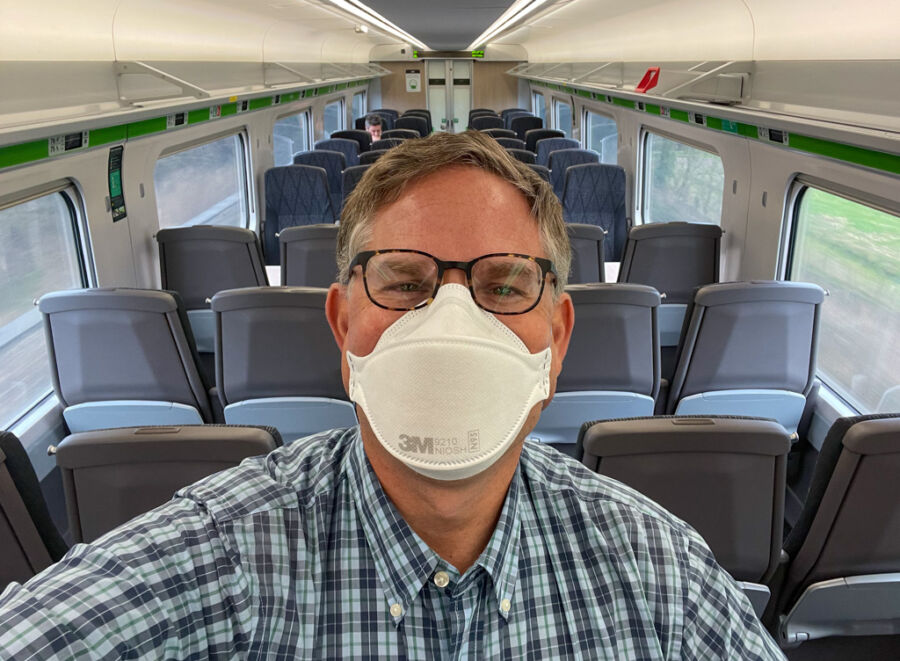
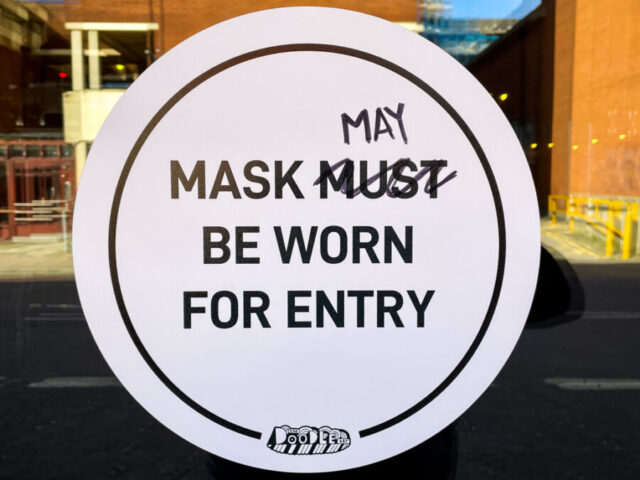
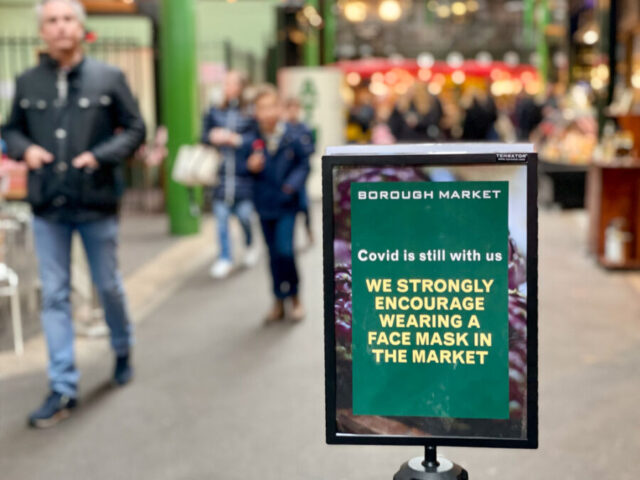
This becomes particularly relevant as we return to travel in the age of COVID. In the United States, we’ve made a national pastime out of inventing highly idiosyncratic approaches to dealing with the pandemic. While Europe is far from monolithic, this fall I observed greater societal consensus: If you’re inside, you mask up (specifically, using a medical-grade mask rather than a cloth mask). If you want to eat indoors, go to a museum, or do any number of other activities, you’ll get vaccinated and carry proof; otherwise, you are choosing not to fully participate in society. Testing is widely available, affordable, and broadly understood as a helpful tool for protecting everyone. It’s refreshingly simple.

My point is: If you’re going to Europe — especially these days — you have a responsibility to be a good guest. That means learning what’s expected of you, and following it to a T. Europe doesn’t care what the masking policies are in your home jurisdiction. When in Europe, mask as the Europeans do. Or…just stay home.

Be flexible. Uncertainty is serendipity in disguise.

Here’s the thing about a pandemic blowing up two years of your life: It teaches you how to be flexible. And if you are even thinking about going to Europe in 2022, you have to commit — right now — to being very, very flexible. Things will change, then change again, between now and your departure date. And once you’re on the road, they’ll just keep changing. However, this is not necessarily a bad thing, because it can lead to some wonderful serendipity.

When I went back to Europe this fall, I had a carefully planned four-week itinerary. But I fully expected that it would probably change at some point. The weird thing is, in my case, it didn’t: Everything came off without a hiccup.

Well, that’s not entirely true: I did make a last-minute change. But it was a voluntary one. When I booked the trip, I made sure everything was fully refundable. And as my return to the USA neared, I found myself dreading having to be at the Berlin airport two and a half hours before my 6:00 a.m. departure. The day before I flew home, as I was about to check in for my flight, something possessed me to look for alternatives. And I found one: an affordable one-way ticket back to Seattle via Reykjavík, leaving in the early afternoon. Because I’d anticipated a need to be flexible, I was able to cancel my original connection, get a full refund, and book that afternoon departure instead. I slept in and enjoyed a lazy morning around Berlin…which happened to coincide with Germany’s Election Day, spurring me to reflect on Angela Merkel’s role in contemporary German life. It was one of the most enjoyable mornings of the trip.

If you’re heading to Europe this year, don’t just tolerate uncertainty — embrace it. Remember that uncertainty breeds serendipity. You may find that leaning into being flexible makes your travels, if less predictable, more spontaneous and rewarding.

Slow down.

Pre-pandemic, I had become obsessed with planning super-efficient itineraries. Any moment of downtime in Europe was a moment wasted. I wanted to squeeze in as much as possible. That approach has its merits. But it also causes you to miss an awful lot.

One of the themes of The Temporary European — one of those epiphanies earned by being stuck at home with nothing else to think about for months on end — is the importance of slowing down and being present. For some people, that means listening to the church bells chime; for others, it means people-watching at any random café; for others, it could mean literally stopping to smell the roses. Take time to hike up that hill and linger over a majestic view.

If you’re planning an itinerary for 2022, give it another careful look…then build in more slack. Add a day here and there, even if that means you have to punt something until next time. If I hadn’t done that on my fall trip, I’d never have been able to rationalize visiting Modena or Treviso — which turned out to be highlights. Very often, that second or third (or eighth) day in a place is the day that you really get to settle in and feel like a temporary European.

Be ready for crowds. (But try to avoid them.)

Wait, what? Crowds, during a pandemic?

At this moment, it may seem far-fetched to imagine European travel returning anywhere close to “crowded” in 2022. And yet, the European friends I talked with in fall 2021 (many of whom predicted our current winter surge) told me they’re expecting a huge rebound in tourism for 2022. In fact, they’re downright worried about it. After two years of atrophy, will the machinery of mass tourism even function?

By spring and summer of 2022, I’d wager that places like Prague, Venice, Barcelona, and Dubrovnik could be more inundated with making-up-for-lost-time tourists than ever before. So, on your first big trip back to Europe, consider skipping the biggies and melting into lesser-known places that still give you a taste of European culture without the crowds. (See “discover new favorites,” above.)

That said, if you happen to be traveling during a lull…enjoy it. Savor it. It won’t last long. Sooner or later, we’ll be looking back fondly on this rare moment of peace.

 Don’t take it for granted. Cultivate a mindset of abundance.

Since I started working for Rick Steves’ Europe in 2000, I’ve spent about 100 days in Europe each and every year…until 2020. On the one hand, over all those years, I really tried to appreciate how fortunate I was to be able to travel so much. On the other hand, I must admit, at a certain point I got jaded. I began to take it for granted. There were even days when travel felt like a tiresome chore.

We travelers have had a powerful reminder that each and every trip is a privilege. And yet, epiphanies have a way of fading; like any practice, you have to keep at it. As we return to travel, we owe it to ourselves (and to the places we go) to remain mindful and fully present when we’re on the road. Each trip comes with an impact — to the environment, to the fragile places we visit, to the people we interact with. I believe that, in spite of all that, travel still has tremendous value. It infuses our lives with perspective, meaning, and fun. But the tradeoff is that we need to do it thoughtfully.

That’s my main hope for travel in 2022: To travel with a mindset of abundance and gratitude. To make up for lost time by fully seizing every opportunity we have to connect with the world. And to use travel as a way to find a happy and sustainable “new normal” — so we can turn the page from a dark period and move into a brighter future.

What about you? What’s your travel resolution for 2022?


I wish you all a very happy 2022. If you enjoy reading my blog, stay tuned! I have a lot more planned, including (I hope) heading back to Europe in a couple of months. Also, please consider picking up a copy of my new travel memoir, The Temporary European: Lessons and Confessions of a Professional Traveler, published by Travelers’ Tales. Currently it’s available exclusively at Ricksteves.com. But the Kindle version will be available on January 11 (available now for preorder), and the book will be released nationwide on February 1. Ask your favorite bookseller to order you a copy.  Happy travels!