Europe’s Best Museums? They Have a Type.

What are the best museums and sights in Europe? Or, more specifically, what are the best types of sights?

I’m wrapping up guidebook research after spending 10 weeks on the road, split over three trips in Spain, Morocco, England, Denmark, the Czech Republic, Slovakia, and Hungary. Looking back, I realize that most of my favorite sightseeing experiences fall into a few categories that go beyond the predictable churches, castles, monuments, and big-name art museums. And so, I brainstormed this admittedly subjective list: not just a roundup of my personal favorite sightseeing in 2025, but also a broad-strokes look at five categories of sights that I find especially rewarding.

Whether you’re planning a trip to these destinations, or looking for inspiration for a trip anywhere, I hope these “types of sights” encourage you to consider some attractions that might, at first glance, be easy to overlook — but that merit some of your limited time.
1. The Endearing Local History Museum

In the sweet town of Keswick, deep in England’s bucolic Lake District, there are two options for a rainy day: Hike and get wet… or find something indoors. I opted for the latter and visited the Keswick Museum, which fills a historic Arts and Crafts-style hall in a lush park. I was unexpectedly charmed by how this place harnesses a chipper community spirit to make the story of this small town surprisingly engaging.

While modest, the Keswick Museum is more than the sum of its parts. It features a well-curated assortment of local artifacts, from a surveyor’s gigantic 1825 relief map of the Lake District (suspended on the wall) to a variety of items relating to the flourishing of Keswick as a tourist destination (including the earliest known guidebook to the town, from the early 1910s). The highlight? “Musical stones”: naturally resonant chunks of slate that someone has whittled down to the perfect tone, then set up as a xylophone for playing tunes. There’s also a gallery where museum volunteers take turns researching and installing their own temporary exhibits. How delightful!
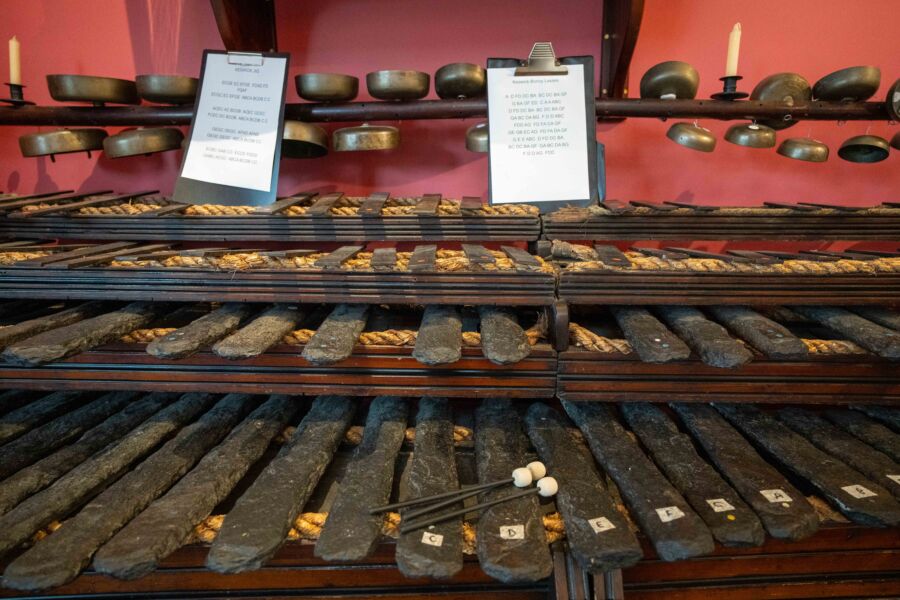
Sure, they ain’t the Louvre or the Prado. But wonderful local history museums around Europe, when done well, can really bring a place vividly to life. Some, like Keswick, are in small towns or even villages. One of my favorites is the Herring Era Museum in Seyðisfjörður, Iceland, which explains how that little fish revolutionized not only the local economy, but made Iceland a financially viable independent nation. I’ve also enjoyed the one in Zermatt, Switzerland; the scrappy hilltop museum on the isle of Folegandros, Greece; and the Appenzell regional museums in the towns of Appenzell, Stein, and Urnäsch, Switzerland.

Others are in big cities, designed to help visitors get their heads around the local identity and the role that place played in the story of Europe. Excellent ones are in Zagreb, Croatia; Lausanne, Switzerland; Liverpool and Bristol, England; the Bryggen Museum in Bergen, Norway; the Musée Basque in Bayonne; and the Riverside Museum in Glasgow, Scotland.

2. The Single-Artist Museum

While wide-ranging art museums can be delightful, I find myself especially drawn to a museum devoted entirely to one artist, often displayed in the home in which they actually lived. In England’s Lake District, William Wordsworth’s Dove Cottage and Beatrix Potter’s Hill Top Farm both had me imagining the writer hunched over a desk, creating their masterpieces.

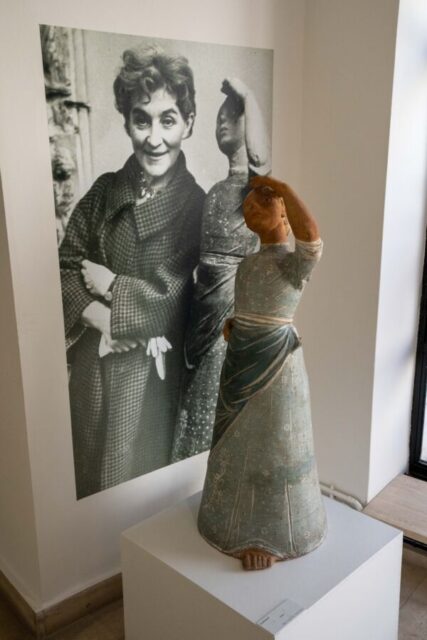
In Hungary’s Szentendre — just up the Danube from Budapest — I enjoyed getting to know the expressive, poignant sculptures of Margit Kovács.
In Córdoba and Ronda, Spain, I marveled at the works of two talented artists I’d never heard of before: Julio Romero de Torres and Joaquín Peinado, respectively.

On past trips to France, Albi’s Toulouse-Lautrec Museum deepened my appreciation of the works of an artist I only thought I was familiar with. And the former home of Claude Monet in Giverny, France, is a pilgrimage for lovers of his works, who stroll through the lily-padded gardens that inspired him.

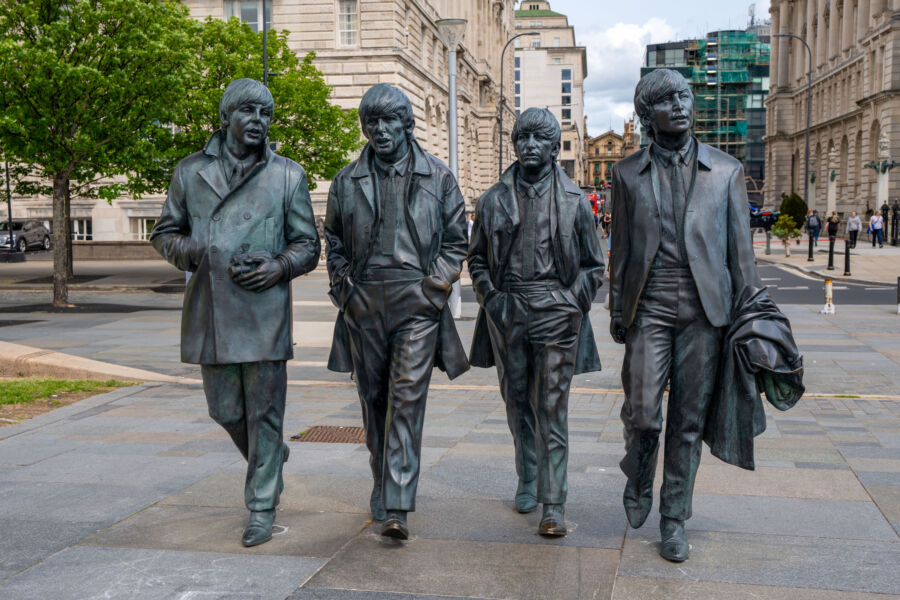
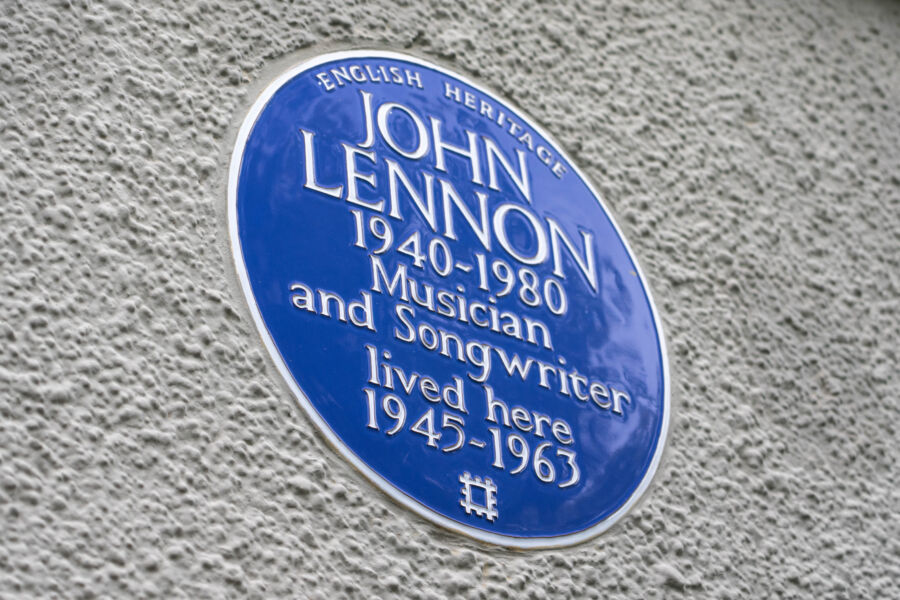
The best example I visited in 2025 (and one of the best anywhere) is the National Trust’s tours of the childhood homes of John Lennon and Paul McCartney. After meeting at a suburban Liverpool train station, your small group hops on a minibus for the short drive to each house, where you’re welcomed by an impressively well-versed docent who does an insightful intro chat, then sets you free to roam the same halls, kitchens, bedrooms, and loos where two of history’s greatest songwriters spent their formative years. Not really a Beatles fan? The homes also provide wonderful social-historical insights into the everyday lives of working-class Liverpudlians in the 1950s. This remarkable experience combines being in proximity to tangible details — the pinups over John’s boyhood bed, the well-worn piano in Paul’s living room — with gaining a strikingly intimate understanding of two boys, becoming young men, who would change the world. For example, I learned that both Paul and John had lost their mothers at a very young age — perhaps providing them with an unspoken kinship that sustained their fruitful, fitful collaboration.
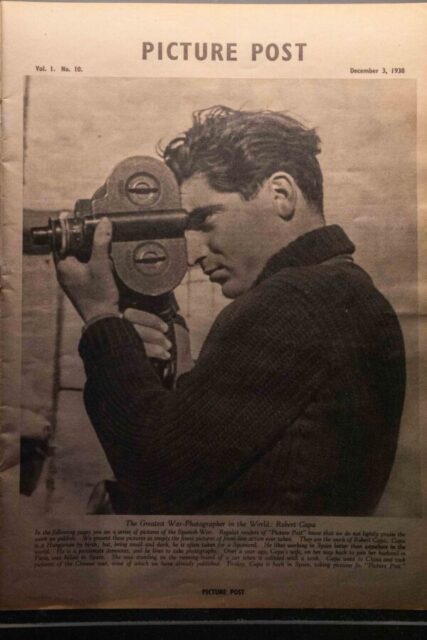
Another mind-blowing “one artist” museum I visited this year was the Robert Capa Center in Budapest, Hungary. I knew little about the Budapest-born photographer, but after spending an hour and a half here, I am a fan. Like a mid-20th-century Forrest Gump, Robert Capa traveled the world during one of its most tumultuous eras — documenting the Spanish Civil War, the First Sino-Japanese War, the Allied campaigns in North Africa and Sicily, the D-Day landings at Omaha Beach, the liberation of France, the creation of Israel, and the early days of postwar communism in Hungary and the USSR. He also snapped intimate slice-of-life portraits of Picasso, Matisse, Hemingway, Ingmar Bergman, and many others. The museum displays Capa’s most iconic images and tells the improbable life story of this eyewitness to history.
My all-time-favorite “one artist” home is devoted to an architect that many have never heard of: Jože Plečnik, who reshaped the Slovenian capital (and his hometown), Ljubljana, and also carried out major works in Prague, Vienna, and other cities. Still furnished with unique, Plečnik-designed furniture, one-of-a-kind inventions, and favorite souvenirs from his travels, the Jože Plečnik House paints an indelible and unusually intimate portrait of an artist.
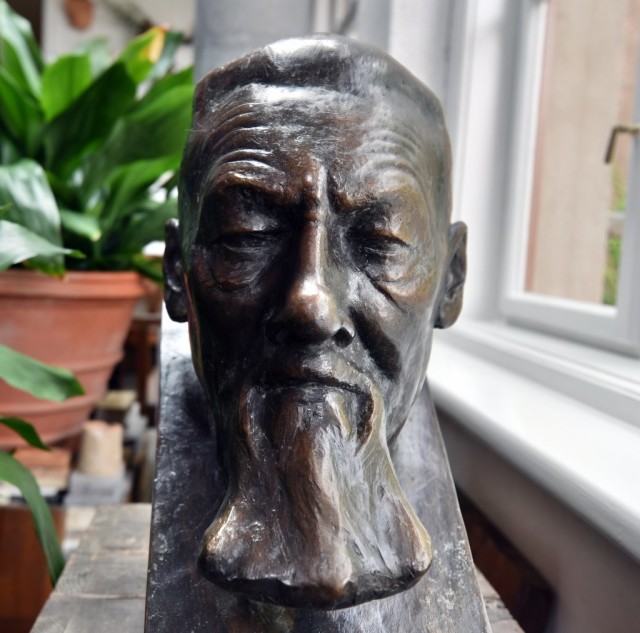
Yet more “one artist” museums to consider around Europe: the Seidel Photo Studio Museum, in the Czech town of Český Krumlov; the Rodin Museum in Paris; the Salvador Dalí sights outside of Barcelona (Cadaqués and Figueres); the Ivan Meštrović Museum in Split, Croatia; the Charles Rennie Mackintosh House at Glasgow University in Scotland; the Rembrandt House Museums in both Amsterdam and Leiden, Netherlands; the Hans Christian Andersen House in Odense, Denmark; the Mozart sights in Salzburg, Austria; the Albrecht Dürer homes in Nürnberg and Wittenberg, Germany; Edvard Grieg’s Troldhaugen, just outside of Bergen, Norway; and The Secession in Vienna, with its Gustav Klimt paintings and distinctive “golden cabbage” dome.

3. The Single-Topic “Deep Dive” Museum

Some museums are a mile wide and an inch deep — trying to cover too much territory and doing none of it well. Many of my favorites take precisely the opposite approach: going all-in on a single, extremely narrow topic, probing the depths of all its fascinating details. (Of course, you could put most of the “single artist” museums, above, into this category as well.)

One of the best in this vein is the magnificent Vasa Museum in Stockholm, Sweden. The entire museum is literally and thematically built around a single item: the massive warship Vasa, which sunk to the bottom of Stockholm Harbor 40 minutes into her 1628 maiden voyage. More than three centuries later, the ship was rediscovered, raised from the deep, refurbished, and became the centerpiece of a state-of-the-art museum that tells the whole story and gets you prow-to-prow with the Vasa herself.

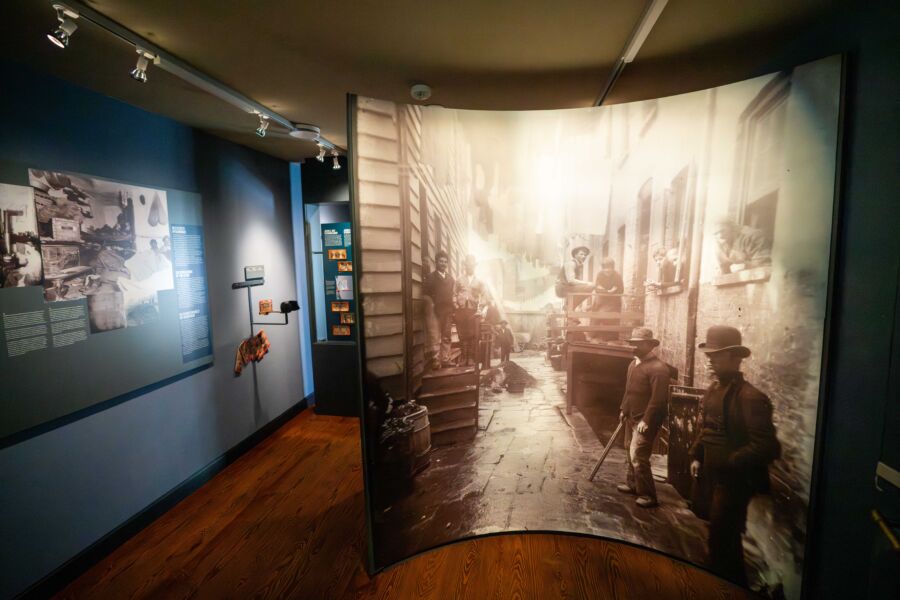
This summer, in charming Ribe, Denmark, I stumbled upon a museum devoted to hometown boy Jacob Riis (1849-1914). Despite the ticket-seller’s assertion that Riis was the most important Danish-American of all time, I was embarrassed to admit that I knew nothing about him. The exhibit set me straight, eloquently telling the tale of this Danish émigré who documented the plight of the desperately poor — mostly immigrants — who lived in the squalor of New York City’s tenements (and eventually published a seminal exposé, How the Other Half Lives). It was inspiring to learn how, by harnessing and pioneering the rapidly evolving medium of photojournalism, Riis brought about reforms that improved the wretched lives of the people he documented. Riis also became close friends with President Theodore Roosevelt, who called him both “the most useful citizen of New York” and “the ideal American.”
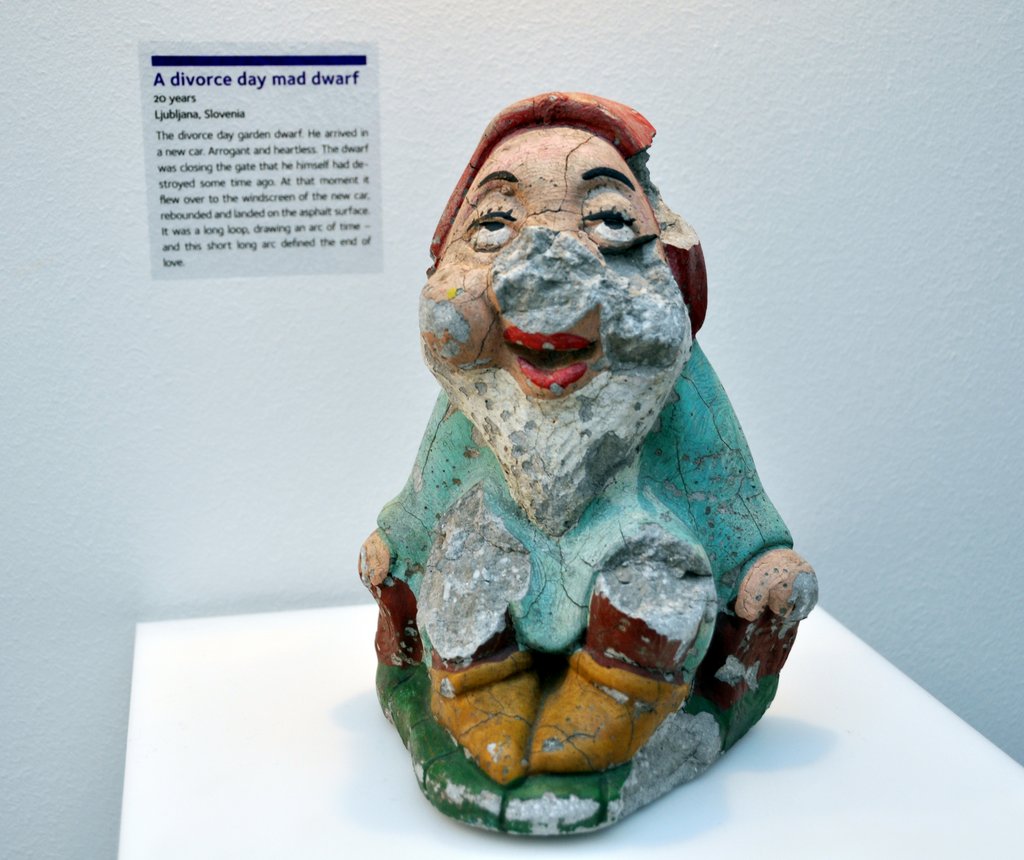
Sometimes that “single topic” is unexpected, even startling. The Museum of Broken Relationships, in the Croatian capital of Zagreb, displays a variety of items that each come with a complicated story of a now-defunct relationship — from a love-at-first-sight romance that burned out, to the loss of a dear friend or parent, to becoming disillusioned with a favorite politician. Touching, witty, and incredibly human, this museum is a good reminder to take a chance on sights that may seem quirky at first blush.
Thinking back on other examples of the “deep dive” style of museum, I realize the Netherlands is particularly adept at this approach: In Amsterdam, you have the famous Anne Frank House, of course, but also a Pipe Museum, a Houseboat Museum, and a Museum of Canals, while nearby Leiden has the Pilgrim Museum. Ireland also has a knack for these, from the Irish Wake Museum in Waterford to the Irish National Famine Museum in Strokestown to 14 Henrietta Street in Dublin; the Titanic Belfast Museum straddles this category and the next one. Others to watch for: the Paris Sewer Museum; the Viking ship museums in both Oslo, Norway, and Roskilde, Denmark (plus Oslo’s Kon-Tiki Museum); the Musical Instruments Museum in Brussels; the Olympics Museum in Lausanne, Switzerland; and some that are just plain bizarre, including the Phallological (Penis) Museum in Reykjavík and the Currywurst Museum in Berlin.

4. The High-Tech History Museum

Increasingly, history museums employ clever, high-tech innovations — location-sensing audioguides, sound and lighting effects, wrap-around films, interactive features — to bring to life a complicated or murky bit of history. Frankly, I’m on the fence about this trend: All too often, the whiz-bang gizmos act as a crutch, distracting from the thinness of the actual information. But when combined with impressive artifacts, compelling storytelling, and a clear point of view, these high-tech history museums can be mind-blowing.

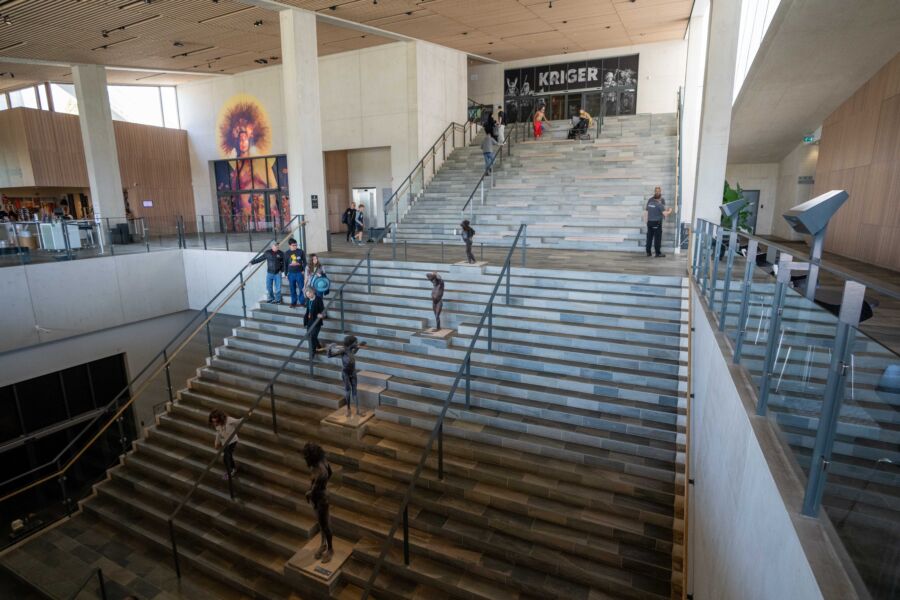
Case in point: This summer I toured the stunning Moesgård Museum, just outside of Aarhus, Denmark. The museum was long famous as the home of the Grauballe Man, a remarkably well-preserved Iron Age corpse that was discovered in a nearby peat bog. In 2014, the Moesgård opened a gigantic new purpose-built building with a mission as grandiose as its architecture: combining astonishing artifacts — from prehistoric stone tools and mysterious barrows, to the Grauballe Man, to a perfectly preserved Viking boat — with evocative storytelling and high-tech methodology to create a powerful experience that kindles an appreciation not only for the story of prehistoric peoples in Jutland, but for human evolution in broad strokes. There are also two sprawling galleries hosting temporary exhibits that are at least as good as the permanent one. It instantly became one of my favorite museums, anywhere.
Another favorite is the Museum of the History of Polish Jews (POLIN), in Warsaw, Poland. Built on the site of the onetime Jewish quarter, POLIN is architecturally striking in itself. Inside, it employs a combination of thoughtful storytelling and state-of-the-art presentation to make the absolute most of the scant few artifacts that survive from what was once a flourishing culture. While so many Jewish-themed sights around Europe focus narrowly on the Holocaust, POLIN takes an expansive and enlightening approach to the entire Jewish experience in Poland.
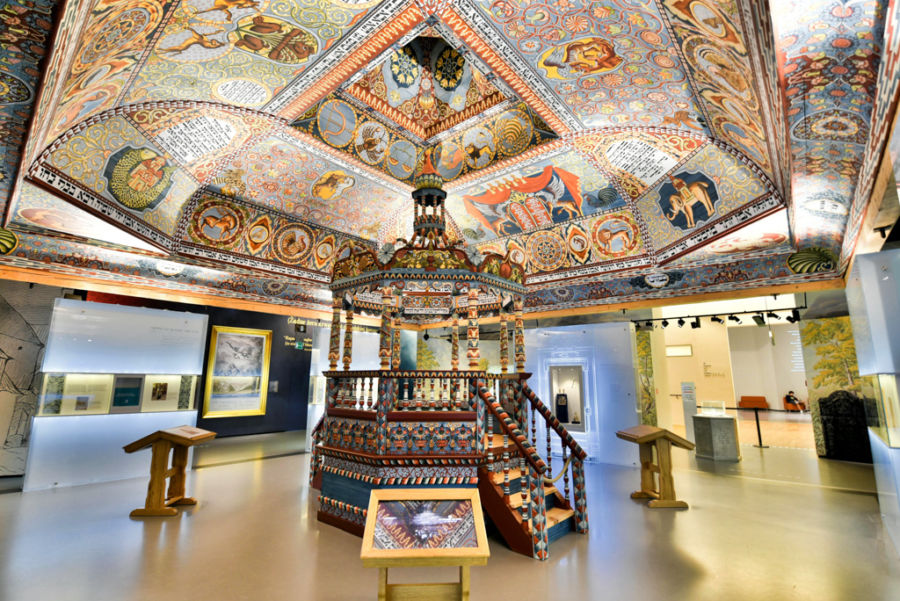
Many of these high-tech history museums focus on one historical era — often World War II, including the Caen Memorial Museum in Normandy, France; the Museum of the Second World War in Gdańsk, Poland; and the Uprising Museum in Warsaw. The museum at the Culloden Battlefield, just outside of Inverness, Scotland, is one of the best of this type. Others are broader in their focus, including the German History Museum in Berlin and the Landesmuseum (Swiss National Museum) in Zürich. And some of the museums described earlier (including the Vasa Museum) could slip into this category, as well.

Artifacts; storytelling; high-tech exhibits: A museum that does all three equally well is rare. But when they hit — they really hit.

5. The Cross-Cultural Structure

Europe’s epic history is the story of successive civilizations layering one upon the other. Often, while a few artifacts survive from centuries past, most of what you see today dates from one or two discrete historical periods. But a few sights manage to capture a broader swath of history in stone, by simultaneously embodying starkly different civilizations in one cohesive structure.

The prime example of this is one of my favorite sights in all of Europe: the Mezquita in Córdoba, Spain. This gigantic structure — a massive box, 400 feet by 600 feet — began as a low-lying Moorish-style mosque, built around 785. Strolling through seemingly endless rows of 800 columns (spanned by graceful double arches), you feel you’ve stepped back to the age of Al-Andalus, when Córdoba was the capital of a sprawling Muslim realm.
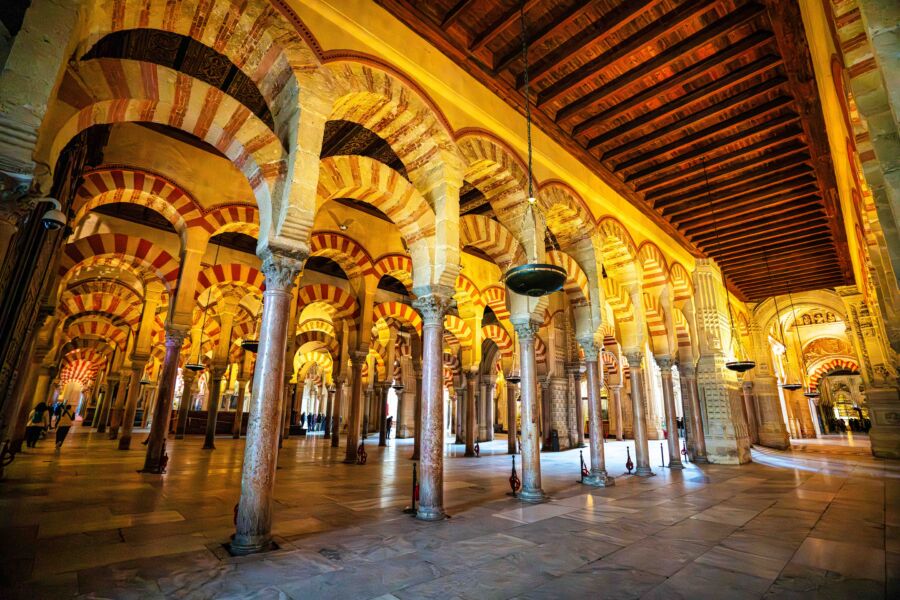
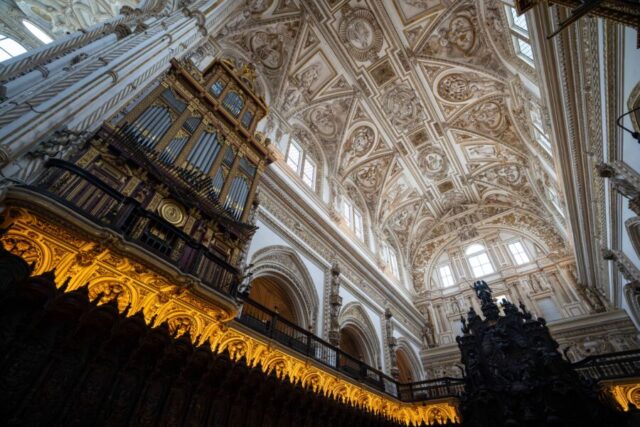
But then you turn a corner and — bam! — you’re transported into an entirely different time and place: a towering 16th-century Catholic Baroque cathedral, stretching 130 feet into the air, that was built within that original mosque.
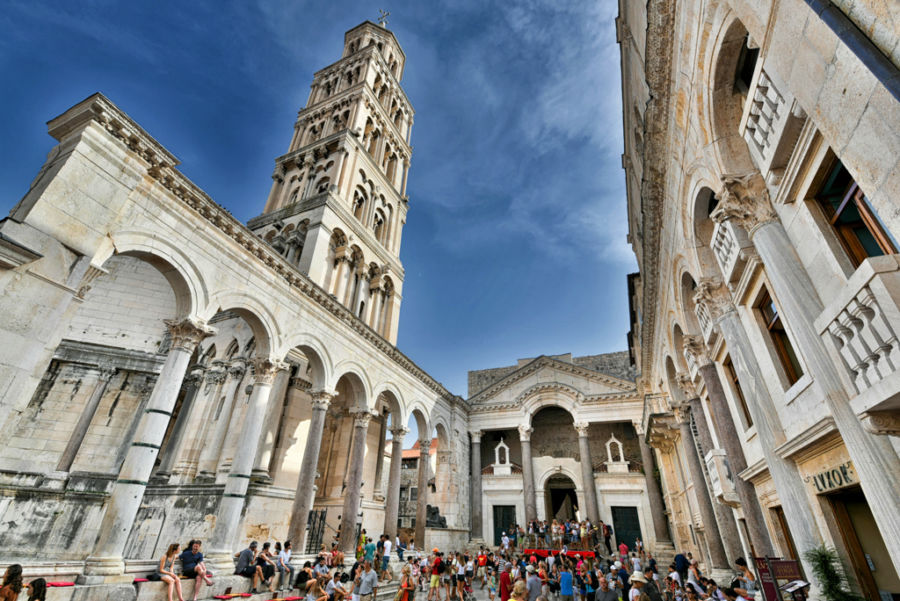
In Split, Croatia, the entire town center (filling the former halls of a Roman palace) gives you this same sensation of “layers of history” — especially the cathedral that sits upon Peristyle Square. The hulking, octagonal hall that forms the core of this building was originally the mausoleum for the Roman Emperor Diocletian, who was born nearby, retired right here, and notoriously tortured many Christians. But the frilly Venetian-style bell tower — and the rich golden decor inside — make it clear that those pagan Romans were soon supplanted by the Catholic Venetians, and later Croatians, who retrofitted Split to their own specifications.
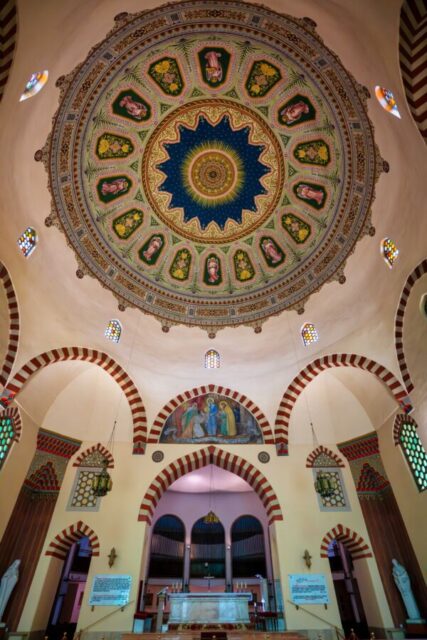
In Pécs, Hungary, the main square is topped by another such structure. The Gazi Kasim Pasha Mosque — originally built during a period of Ottoman control in the 1540s — was later turned into a Catholic parish church (the Church of the Blessed Virgin). Today, its classic mosque architecture is still evident, and upon stepping inside, you observe a hybrid of Muslim and Catholic symbols and styles: striped arches over windows; a large prayer niche (mihrab) with a crucifixion above it; colorful Islamic-style stalactite decorations; and dome paintings that combine Christian angels with the geometric designs of Islam. On the wall is a verse from the Quran, translated into Hungarian and used for Christian worship — a reminder that, as fellow “people of the book,” Muslims and Christians share many of the same foundational principles.
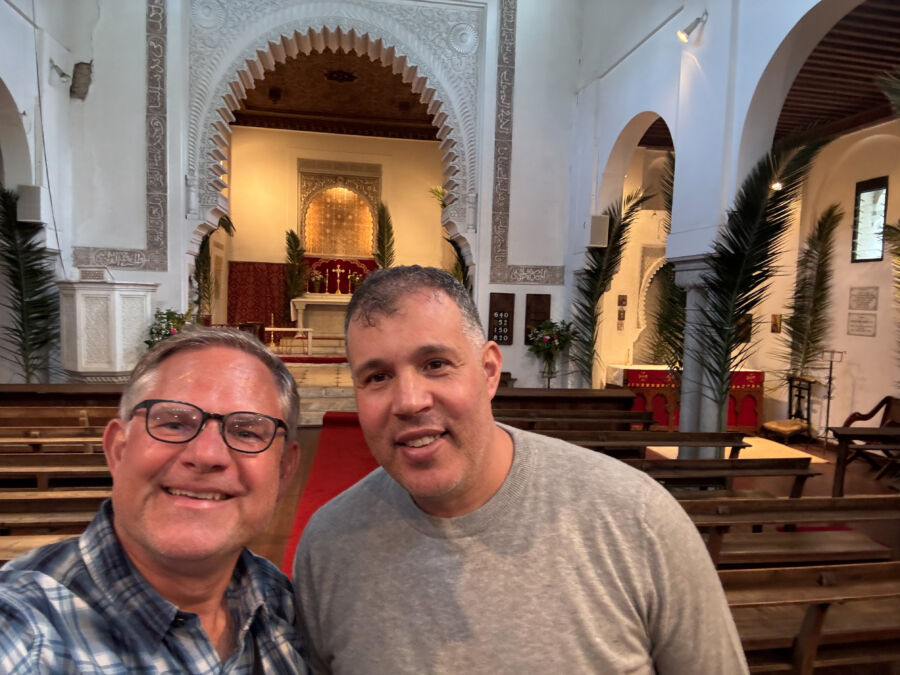
Tangier — Morocco’s closest point to Europe — is another prime spot for these “cultural hybrid” sights. Just off the main square, you escape from the bustle of rumbling delivery vans and buzzing motor scooters into the tranquil garden courtyard surrounding St. Andrew’s Anglican Church — built on land that the sultan offered as a gift to Queen Victoria. There you’re greeted by gregarious Yassin, who wishes “peace be upon you” as he explains how, while the church’s architecture is mostly Islamic, it’s Christian in spirit: The Lord’s Prayer rings the arch in Arabic, as verses of the Quran would in a mosque.
Sometimes it’s not a building but a location. In the heart of old Sarajevo, at the precise point where Sarači street becomes Ferhadija street, you can look in one direction and swear you were in Istanbul, with its cobbles and market stalls; looking the other way, you could easily be in Vienna, with broad pedestrian boulevards and grand Austrian-style architecture.

And speaking of Istanbul, the ultimate example of a “cross-cultural” sight surely must be the Hagia Sophia: an early Christian church, later turned into a mosque, so influential that it became a template for many other mosques across the Ottoman Empire (including the one in today’s Pécs).

All of these sights are a reminder of the full complexity of Europe’s story — and of how few of those layers we actually see in our everyday travels… until we go looking for them.


What are some of your favorite museums in these categories? Or do you have favorite “categories” of sightseeing that I’m overlooking? Share your thoughts in the Comments.

Of course, all of the sights mentioned here — and so many more — are described in detail in our Rick Steves guidebooks.

If you’d like to hear more about my 2025 travels, join me on Zoom Monday, November 10 at 6 p.m. Pacific Time (that’s 9 p.m. Eastern) when I’ll be doing a virtual “Trip Report” for Monday Night Travel. It’s free, as long as you sign up in advance.
24 Fascinating Factoids About Europe

One of the joys of researching Rick Steves guidebooks is how, every day, I stumble upon fascinating little insights that tell me a lot about the place I’m visiting — and sometimes, about human nature. As I spend my summer wrapping up the work I did on this spring’s research trips, I keep rediscovering delightful nuggets scrawled into my little black notebooks. Here are a couple dozen of my favorites, ranging from historical tidbits to everyday cultural insights (like where the Swiss buy their groceries, what the Spaniards fight bulls on, and why Germans — but not Italians — like to open the window)… to things that just made me chuckle. As a kid, I loved paging through yellowed paperbacks of Ripley’s Believe It or Not! Reviewing this list, I’m realizing this is my very own European version.

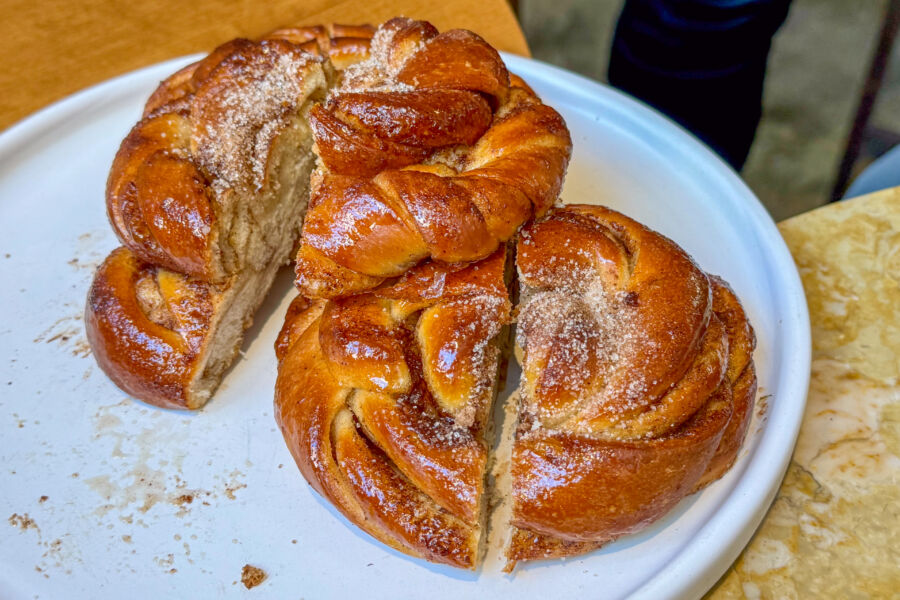
While we use the word “danish” to describe a sweet pastry, in Denmark it’s wienerbrød (“Vienna bread,” from the French viennoiserie) — named for the Viennese bakers who brought the art of pastry-making to Denmark, where the Danes perfected it. Ironically, in Vienna, they call the same thing “Copenhagen” or “Danish” bread.

For centuries, each community kept its own local time, based on the sunrise and sunset in that precise location — which often differed by a few minutes from town to town. But by the late 19th century, faster and faster trains made standardized timekeeping essential. Imagine: You’d show up for your 10:00 train to London, only to discover that, in London, it was already 10:10 — and, therefore, you’d just missed your train. In 1884, the prime meridian (through Greenwich) was established as a starting point for calculating world time zones; over the next few decades, Greenwich Mean Time was gradually adopted across Europe and around the world, ensuring that everyone shares the same clock.

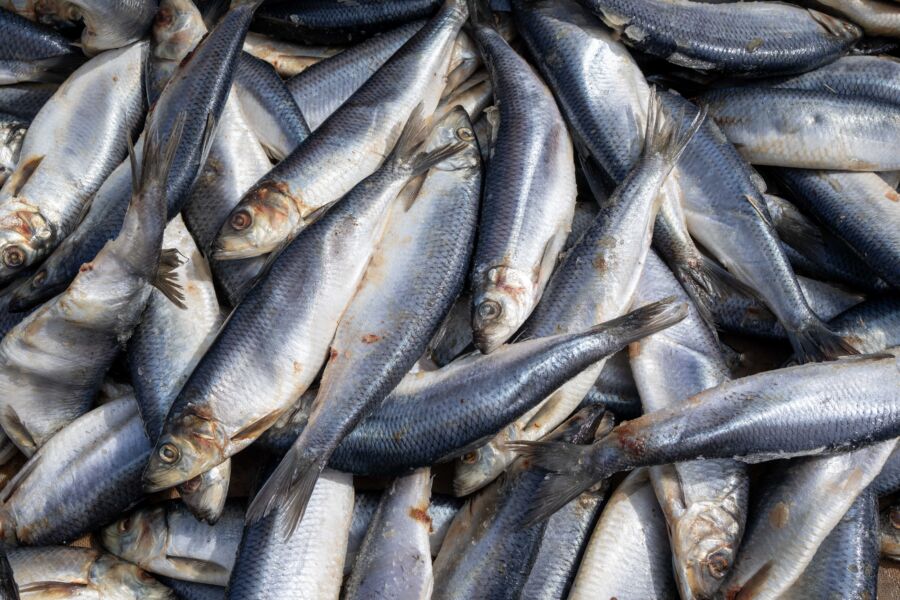
Siglufjörður, a remote fishing village at the northern tip of Iceland, was once a herring boom town, nicknamed the “Atlantic Klondike.” From 1903 to the 1960s, salted herring (which was highly nutritious and traveled well, making it particularly valuable during the world wars) represented fully one-half of Iceland’s total export income. The hard work of cutting and salting the fish was done by “herring girls,” who lived in dorms through the season — hanging out and listening to records while waiting for the boats to come in, when they’d rush down to the docks and work 20- or even 30-hour shifts. These “herring girls” were the muscle behind Iceland’s economy during a critical time, arguably empowering it to become fully independent from Denmark.

Italians think very deeply about digestion. It’s why their food is so delicious. And it also explains several cultural quirks that travelers scratch their heads about: a reluctance to serve cappuccino (or anything with lots of milk) after lunchtime; a taboo against mixing seafood and cheese; their insistence on serving your salad after the pasta, not before; and their bad attitude about tap water. (They’re not trying to upsell you. They’re just worried about your digestion — and there’s a water for that.)

The albero sand used for Spanish bullfights is special: The vivid-yellow color is the perfect complement to the flamboyant matador outfits and deep red blood, and the sand is just coarse enough to provide traction, minimize dust, and allow drainage. The premium sand favored in Andalucía, quarried at Los Alcores near Sevilla, is so precious that bullrings rent it for use only during bullfights; after the spectacle, it’s shoveled into trucks and taken to the next town.

One of Europe’s many north/south divides has to do with the circulation of fresh air indoors. Many Germans adhere religiously to the practice of Lüften (“ventilation”): At least twice each day, especially in the winter, they throw open all the windows to blast out stale air — as a matter of hygiene and good health. (Some people in the Low Countries and Scandinavia have a similar custom.) In Italy, quite to the contrary, many people have a deep fear of catching a draft; they believe a colpo d’aria (“hit of air”) can cause all manner of health problems, from headaches to diarrhea. A similar belief is persistent in many parts of the Balkans, especially Serbia (where it’s called promaja).

John Lennon and Paul McCartney had something very specific in common — aside from growing up near each other in Liverpool and becoming two of the greatest songwriters of all time. Both of them lost their mothers at a young age, perhaps forging an unspoken bond that facilitated their historic collaboration.

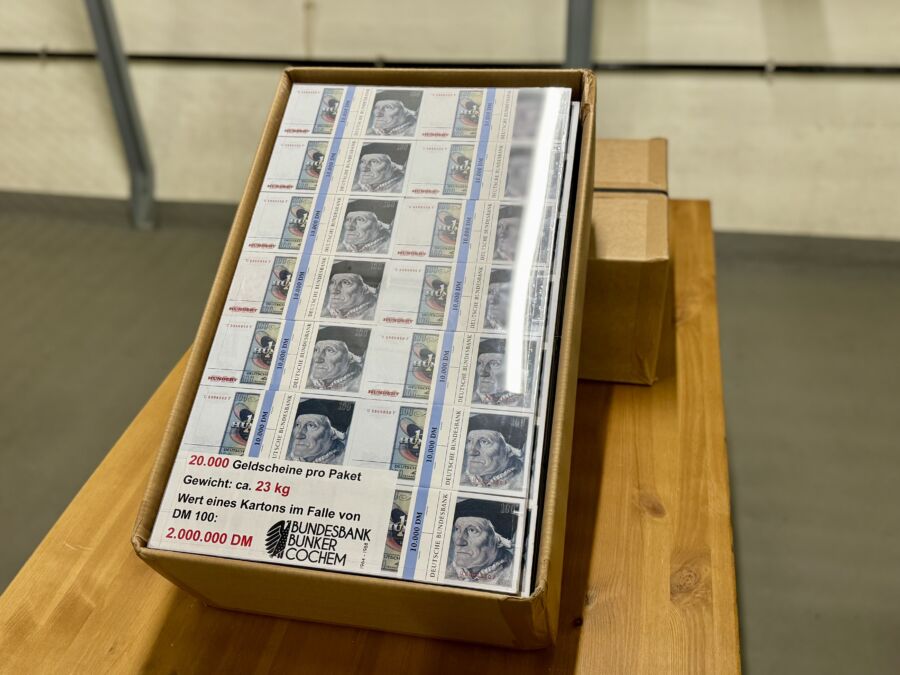
During the Cold War, West German authorities secretly stored 15 billion Deutschmarks (roughly €7.5 billion) in a hidden bunker, tucked in an unassuming neighborhood in Cochem on the Mosel River — neatly stacked floor-to-ceiling in cardboard boxes (now open to visitors). The currency was held in reserve in case of nuclear war, and to protect it from being devalued through nefarious means; the Bundesbank even created alternate designs for their banknotes — and printed billions — in the event that the Deutschmark needed to be replaced wholesale in a hurry.

In many European cities, you’ll find the same sculpture: an anonymous unhoused person, sleeping under a blanket on a bench. Only upon closer inspection do you notice the wounds in the feet that identify this person as Jesus. Homeless Jesus, by Canadian sculptor Timothy Schmalz, challenges the viewer to see the divine worthiness of each fellow human being — no matter their social stature. Since the original version was erected in 2013 at a Toronto theological school, more than 50 copies have appeared all around the world (I’ve seen them in Dublin, Glasgow, and Amsterdam).

Switzerland has two dominant grocery store chains: Coop and Migros — and either you’re a Coop family, or you’re a Migros family. Migros focuses on in-store brands and prides itself on having a conscience: They don’t sell alcohol or cigarettes, they were the first Swiss supermarket to stop giving out free plastic bags, and they donate one percent of their sales to charity. Meanwhile, Coop has a wider variety of brands and higher prices, focusing on organic and sustainable products; it’s considered a bit more posh. Very broadly speaking, Migros is like Trader Joe’s, while Coop is more like Whole Foods.

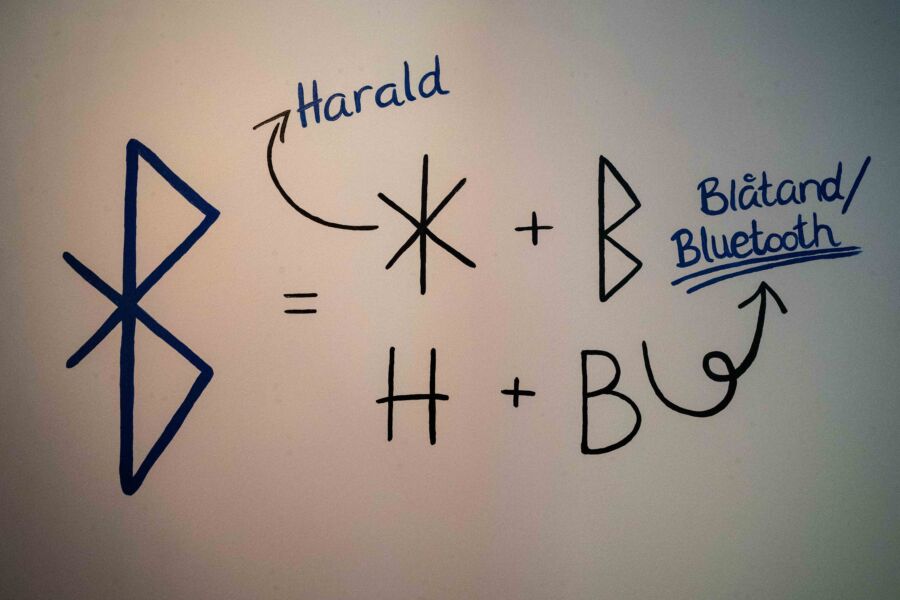
Bluetooth technology — which wirelessly connect devices — was named for Harald Bluetooth, a tenth-century Scandinavian king who “connected” the Danish and Norwegian peoples. Even the symbol for Bluetooth comes from Viking runes: It’s the letters H and B, combined.

In Sicily — and in many other cultures — it’s considered very important for children to know about their deceased ancestors. On special occasions, they may even receive a present from a departed great-aunt or grandpa. (When you think about it, this is no less “creepy” — and certainly more touching — than gifts from the Easter Bunny or Tooth Fairy.)

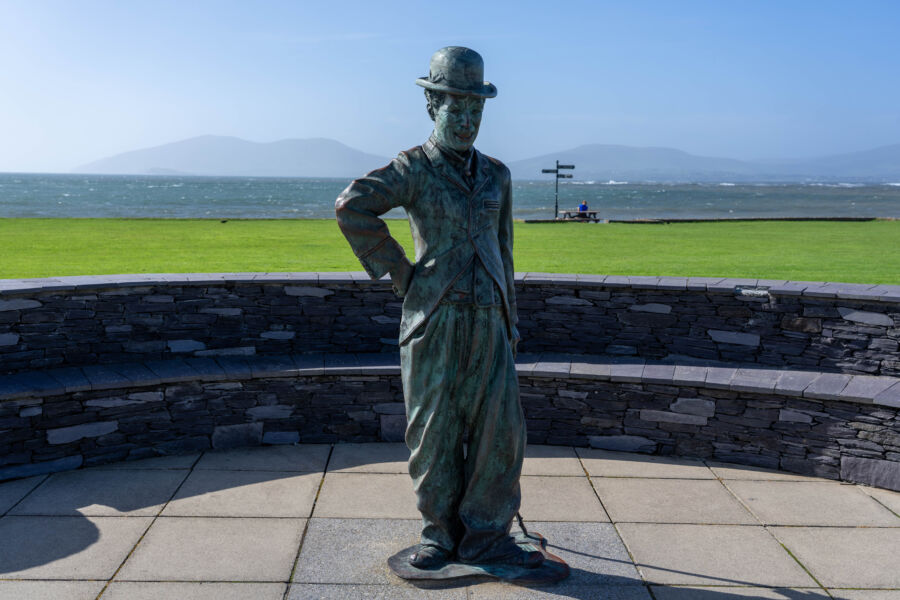
All over Europe, you stumble upon seemingly random statues… and they always come with a story. In Waterville, a castaway beach town on Ireland’s Ring of Kerry, stands a statue of Charlie Chaplin — who enjoyed the time he spent living the good life here. In central Budapest, you’ll find Peter Falk (the Columbo actor had Hungarian roots) as well as Ronald Reagan and George H. W. Bush (whose Cold War policies helped topple Hungary’s communist regime). You’ll find statues of the great Irish writer James Joyce in both Pula, Croatia, and Trieste, Italy — he lived in each city while writing his masterpiece Ulysses. And a park in Ronda, Spain, features busts of Orson Welles and Ernest Hemingway — two early-20th-century American greats who both fell in love with Spanish culture.

At Spain’s prestigious University of Salamanca, Fray Luis de León (1527-1591) challenged the Church’s control over the word of God by translating part of the Bible into Castilian. The Inquisition arrested, jailed, and tortured him for five years. Upon being released, he returned to the university and began his first lecture with, “As we were saying…” Today, he remains a symbol of the intellectual independence of academia in the face of changing political mores.

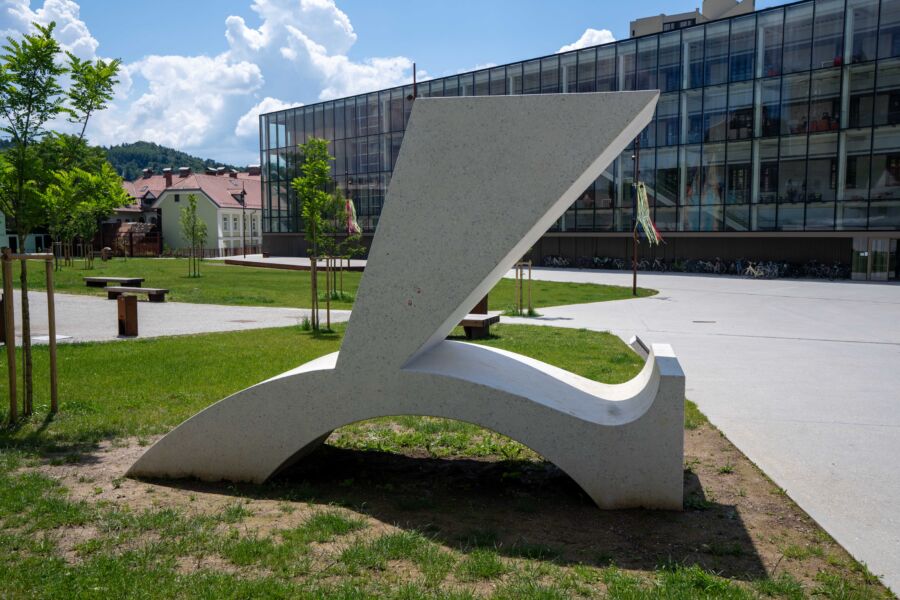
In the Slovenian capital of Ljubljana, you’ll find a strange monument, shaped like the top half of a letter Ć buried in the ground. When Slovenia declared independence in 1991, its population included tens of thousands of people from other parts of Yugoslavia. While most Yugoslav languages have two versions of this letter — Ć and Č — Slovene uses only Č. And so, eager to distance itself from Yugoslavia, Slovenia standardized spellings by replacing Ć with Č. Think of the many names ending in -ić — which now had to be spelled, instead, with -ič. Slovenia had 25,671 “Ć people” (including more than 5,000 children) who were “erased” by the breakup of Yugoslavia — stateless, stripped of governmental services, unable to travel, living in fear of expulsion… not because they moved, but because the borders did. Over time, as Slovenia matured as a nation and the Yugoslav Wars found resolution, the vast majority of these people gained their citizenship — and reclaimed their rightful Ć.

It’s remarkable when a particular place, at a particular moment, becomes a magnet for hugely influential people. If you walked into a coffee house in Vienna in early 1913, there’s a possibility you’d run into Sigmund Freud, Marshal Tito, Adolf Hitler, Josef Stalin, and Leon Trotsky.  Also notable: the Golden Age of ancient Athens; Florence circa 1500; Philadelphia in the 1770s; Victorian Age London; Paris and Harlem in the 1920s; and Silicon Valley at the turn of the 21st century.

Many German parking garages have specially designated parking spots for women, called Frauenparkplätze — generally in well-lit areas close to the entrance. While intended to make women feel safer in a big, dark garage, they are often criticized by German feminists, who consider them condescending (especially because they’re often wider than standard parking places, perhaps based on a stereotype that women are inferior drivers; and because they are typically located next to disabled spaces).

It’s often said that the uprisings that ended communism in Eastern Europe — which culminated in the autumn of 1989 — moved at starkly different paces: In Poland, it took 10 years; in Hungary, 10 moths; in East Germany, 10 weeks; and in Czechoslovakia, 10 days. Whie this requires a bit of fudging, it’s mostly accurate: The 1980 Solidarity protests in Gdańsk, led by Lech Wałesa, kicked off nearly a decade of slow reforms; throughout the summer of 1989, Hungary opened its borders little by little; by early that fall, protests began to sweep across East German cities; and the Velvet Revolution of Czechoslovakia played out over about a week and half, with increasingly large peaceful protests.

To this list, you could add “10 hours” for East Berlin. When the Berlin Wall came down, it happened overnight, as the result of a miscommunication. On November 9, 1989 — in response to those “10 weeks” of protests — the East German politburo issued a statement about their intention to gradually ease border controls, then left town for the weekend. Upon reading the ambiguously worded new policy in front of TV cameras, a flustered spokesman gave the impression that these changes were to happen “immediately.” East Berliners began to show up at border checkpoints in droves. At about 11:30 p.m., an overwhelmed guard threw open the gates. And once open, the Berlin Wall never closed again.

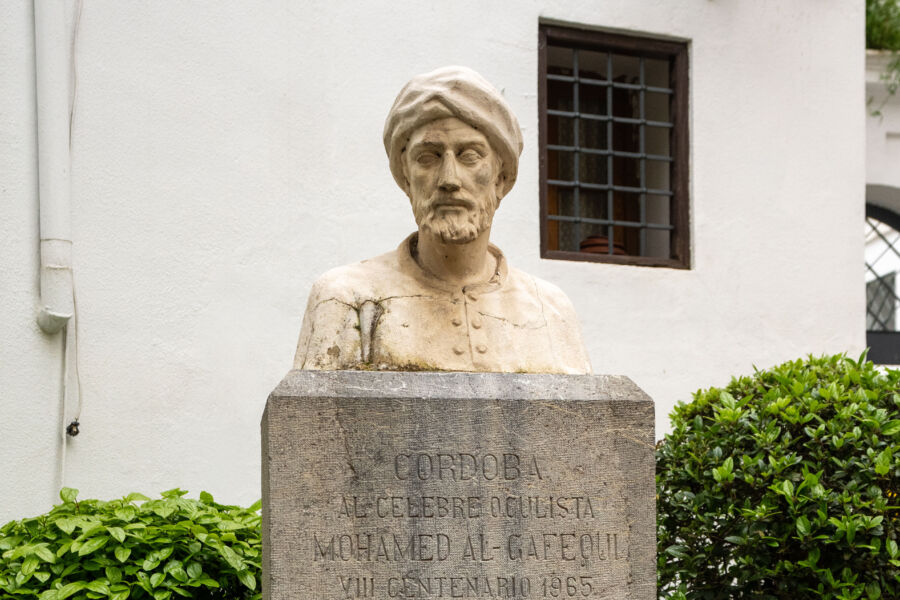
Around the year 1000, Moorish scientist Abu al-Zahrawi wrote a surgical encyclopedia, called Al-Tasrif, that was used throughout Europe for 700 years. He was one of many Muslim doctors and surgeons who advanced the practice of medicine in Al-Andalus (today Andalucía) — at a time when so much of Europe was suffering through its “Dark Ages.” Another example: Muhammad al-Gafeghi, today honored by a statue in Córdoba, was an ophthalmologist who performed successful cataract surgeries in the first half of the 12th century.

Europeans have many stereotypes about Americans: We wear tennis shoes, logo T-shirts, and baseball caps. We talk too loud. And… we drink too much water? Yes, among our many other foibles, Europeans perceive Americans as being bizarrely obsessed with (over-) hydrating. This may be based partly on American visitors requesting — and expecting — big glasses of tap water in restaurants. But it appears to be rooted in reality: Polling suggests that American adults drink, on average, 70 percent more than their European and British counterparts (1.7 liters per day vs. about 1 liter per day). And authorities in the USA and the EU have very different “recommended daily amounts” of water consumption: In the US, it’s 3.7 liters for men and 2.7 liters for women; in Europe, it’s about one-third less: 2.5 liters for men and 2 liters for women.

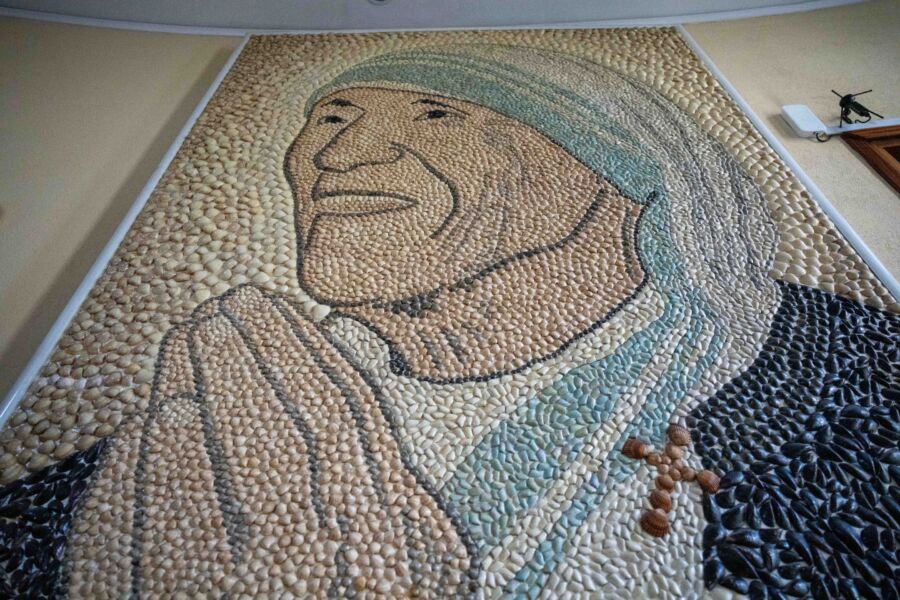
Two starkly different women are celebrated throughout the Albanian world ­— from Tirana to Prishtinë ­— honored by murals, statues, and street names: Mother Theresa, who was born Anjezë Gonxhe Bojaxhiu in Skopje (today’s Macedonia)… and pop star Dua Lipa, a Londoner with Kosovo Albanian heritage.

The early people of Denmark were entranced by bogs. At the dawn of the Iron Age, bogs were the source of ore that could be used to create all manner of tools and weapons. This mysterious and sacred liminal space, existing somewhere between land and water, was believed to be where the gods resided. Precious items (including vast collections of weapons plundered from defeated enemies), animals (up to and including horses), and even human beings were sacrificed to the thick peat of the bogs. Fortunately for present-day archaeologists, this preserved these artifacts perfectly.

Believe it… or not!

Do you have any favorite European factoids to share?


If you enjoy these sorts of insights, you should know that most of these appear, in some form or another, in our Rick Steves guidebooks. Any source can list names and dates; we always strive to provide real insight to help you get your arms around the place you’re visiting, in a more intimate way.

10 European Discoveries for 2020

In 2020, Europe will be more crowded than ever. Fortunately, there are still plenty of undiscovered alternatives: A sweet little beach town in Portugal. The quieter sides of London and Tuscany. The thriving tapas scene in an underrated Basque city. Street markets in Ljubljana and Provence. Switzerland’s capital and Bulgaria’s cultural capital. The wilds of northwest Iceland. The Tuscan island where Napoleon rallied for his final stand. And even a pilgrimage to a newly trendy nuclear meltdown site. These are my 10 European discoveries for 2020.

In 2019, my travels took me to London, Paris, and Rome; to Tuscany, Provence, and the Swiss Alps; and to the fjords of Iceland, the Julian Alps of Slovenia, and the white cliffs of England’s South Coast. And yet, reflecting on a  very busy year, I’m struck by how many of my fondest memories were forged not in the big-name destinations, but in out-of-the-way places. Continuing my annual tradition (check out my discoveries for 2018 and 2019), I’ve collected this list of Europe’s lesser-known highlights. You’ll notice a theme: Most of these are close to extremely famous — and extremely overrun — European biggies. It’s striking how, with a little effort, you can discover a little corner of Europe all to yourself.


The Westfjords, Iceland

About nine in ten visitors to Iceland hew close to the capital, Reykjavík, making speedy day trips to the Golden Circle, South Coast, and Blue Lagoon. That’s efficient and satisfying, if time is short. But to strike out on your own, head north — way north — to the Westfjords. Up here, just shy of the Arctic Circle, you’ll find boundless fjordland vistas, thundering bridal-veil waterfalls (including one of Iceland’s best, Dynjandi), plucky and kind locals, and one of the world’s top bird cliffs, a magical place called Látrabjarg. If you’ve made brief “layover” forays into Iceland and are ready to invest a few days in getting way off the beaten path…the Westfjords are for you. My trip to the Westfjords in September of 2019 — to write a brand-new chapter for the second edition of our Rick Steves Iceland guidebook (coming soon) — ranks as one of my all-time favorite road trips.


Untouristy London

London is a world in itself — endlessly, relentlessly, exhaustingly engaging. For some, it can be too much. When visiting London, hit the big sights, sure. (Ideally equipped with some smart crowd-beating tips.) But make a point to also break out of the tourist rut and become a temporary Londoner. During my two weeks in London in 2019, I cycled through “Little Venice” along the Regent’s Canal, explored hipster street markets (my favorite is Maltby Street Rope Walk Market), hiked across the urban wilderness of Hampstead Heath, explored the Shoreditch street-art-and-foodie neighborhood, checked out the food halls of Brixton, and rode a commuter train to the lovely suburban neighborhood of Dullwich. London is one of Europe’s most satisfying cities to explore. So…explore.

By the way, this approach also works like a charm in other overcrowded cities. For example, in Rome, consider skipping the Sistine Chapel and the Colosseum and heading to some exponentially less overrun alternatives. (I love Rome’s Monti neighborhood, across the street from the Ancient Forum.)


Bern, Switzerland

Switzerland’s seat of government is also its most appealing urban playground. Livable Bern is tucked quietly between some of Switzerland’s most heavily trafficked destinations — namely, the Berner Oberland and Lake Luzern. And yet, it’s one of the only European capitals where locals complain about how few tourists visit, rather than how many. Updating our Rick Steves Switzerland guidebook in Bern this fall, I enjoyed the city’s pristine arcaded streets, playful fountains, engaging museums, super-scenic bridges, warm sandstone townhouses, low-key students-and-politicians pace of life, and convivial park huddled under its towering church steeple. One Friday evening at sunset, I hiked up to a tranquil rose garden where everyone was just hanging out, peering out over the handsome cityscape, and waiting for the sun to go down. It was — in a most unexpected place — one of my favorite travel memories of 2019. (Our Best of Switzerland Tour ends with a night in this fine little city.)


Ljubljana’s “Open Kitchen,” Slovenia

Speaking of underrated capitals, Ljubljana has long been my favorite little city in Europe. And it just keeps getting better. While Ljubljana is inviting anytime, do your best to visit on a Friday (from mid-March through mid-October, weather permitting). That’s when the market square plays host to the wonderful Open Kitchen, one of my favorite food events in Europe. Each of the several dozen stalls is operated by a brick-and-mortar restaurant, from internationally recognized chefs to hole-in-the-wall dives. And the variety is bewildering: During my visit in early October, I saw vegan burgers, huge simmering pans of paella, Argentinian steaks, ribs and pulled pork, Indian dosas, Belgian waffles, poke bowls, Slovenian microbrews, Chinese noodles, hearty sausages and čevapčići, delicate macarons, and an entire roast pig on a spit. People settle into big shared tables or grab a seat on the cathedral steps to graze and socialize. It’s a melting pot of culinary Slovenia — home to one of Europe’s most underappreciated food scenes.


Salema, Portugal

Of the many things that Rick and I agree on, this tops the list: Salema — a tiny town on Portugal’s Algarve Coast — may be the best beach town in Europe. It’s just down the coast from big, glitzy resorts (like Lagos, Abufeira, and Portimão). But Salema feels like an idyllic, Old World hideaway. Visiting recently to update the Algarve chapter for our Rick Steves Portugal guidebook, I was utterly charmed by Salema. It doesn’t have enough hotels, and the ones it has are past their prime (or humble-by-design). Sunbathers share the beach with fishing boats, pulled just beyond the reach of the tide. Grizzled fisherfolk grab the shade at a beachfront café near the communal tractor they use to hoist those boats up onto the sand. The cobbled main drag climbs up through a whitewashed world of simple homes. And Salema’s beach — with powdery yellow sand, just the right amount of surf, vivid-yellow cliffs, and beach bars happy to rent you a thatched umbrella and a lounger — is made to order for a day of sunbathing and splashing.


Chernobyl, Ukraine

Yes, really. Chernobyl — a two-hour drive north of the Ukrainian capital, Kyiv — is a compelling, moving, and (if science is to be believed) safe place to visit. I went to Chernobyl in late 2018 (before it was “cool”) and found the experience captivating. With the smash success of HBO’s award-winning Chernobyl miniseries in 2019, the site of humankind’s worst nuclear accident is becoming known as a travel destination. Why visit? Touring Chernobyl offers an unforgettable lesson in radiation, and its capacity for both technological achievement and destruction. It lets you walk through a trapped-in-time, Cold War-era Soviet workers’ town, and witness the power of nature to reclaim abandoned civilization. And, most importantly, it shares the poignant stories of the brave men and women who sacrificed their lives to contain the meltdown, saving Ukraine — and, likely, much of Europe — from a horrifying fate. It’s hard to imagine a more memorable day out, anywhere in Europe, than Chernobyl.


Lesser-Known Markets of Provence, France

In the fall of 2019, my wife and I spent a week in Provence, making a point to visit a different market each day. We enjoyed the biggies (like the ones in l’Isle-sur-la-Sorgue, Aix-en-Provence, and Uzès). But our favorites were the lesser-known alternatives. On Tuesday in Vaison-la-Romaine, we browsed the floral soaps and lavender sachets that were piled on rickety tables between Roman ruins. On Friday in Lourmarin, we strolled into town along a plane tree-shaded boulevard, lined on both sides with stacks of colorful, plump produce and mounds of glistening olives. And on Sunday in Coustellet, at a lowbrow market filling the crossroad village’s dusty parking lot, we picked up a droopy bouquet of sunflowers, plus some smoked meats and mountain cheese for a picnic. The fact is, every day of the week,  a variety of markets enliven no-name towns all over Provence. Figure out which one’s nearest to you (listed in our Rick Steves Provence & the French Riviera guidebook)… and check it out.


Plovdiv, Bulgaria

Bulgaria remains one of Europe’s most underrated destinations. And if I had to pick one place to visit in Bulgaria, it’d be Plovdiv. This small city of 340,000 has a modern bustle, with a pedestrian-friendly shopping boulevard slathered in vivid street art. It has a funky hipster zone — nicknamed “The Mousetrap” — where communist-kitsch posters laugh down over diners feasting on upmarket Bulgarian fare. And draped over a hillside above the modern city, the atmospheric old town has a remarkably well-preserved Roman amphitheater, colorful traditional homes in the Bulgarian National Revival style, and one of Europe’s very best “hidden gem” art museums, featuring the works of Zlatyu Boyadzhiev —  the “Bulgarian Van Gogh,” who taught himself to paint left-handed after a stroke. If more people knew about Plovdiv, it’d be a tourist mecca. But they don’t…so for now, it’s all yours.

Plovdiv is one of the highlights on our Best of Bulgaria Tour; for a sneak preview, check out this segment from our Bulgaria TV show.


Bilbao Tapas Scene, Spain

The Basque Country is one of Spain’s culinary hotspots, and the genteel beach town of San Sebastián hogs much of the attention. But don’t overlook the bigger urban center of Bilbao, just an hour’s drive to the west. On a recent visit to Bilbao, I arrived late on a Friday evening. From my little B&B in the heart of the old town, I stepped out into a commotion of thriving bars and restaurants, each one with a creative array of tapas proudly lined up on the counter. Facing the Atlantic, Bilbao’s tapas bars come with more than their share of mysterious seafood — mounted on a crunchy little disc of baguette or skewered with a toothpick. As a bonus, you can go for an after-dinner stroll along the serene embankment, culminating in a floodlit view of Frank Gehry’s iconic Guggenheim Bilbao. (Our Basque Country Tour ends with two nights in Bilbao.)

If you’re headed out on a tapas crawl, and want to increase your odds of getting ostras (oysters) instead of orejas (pig’s ears), consider these tapas tips.


The Isle of Elba, Tuscany, Italy

This island is best known as the place where Napoleon was sent into exile. Turns out, it’s also ideal for a beach break from a busy Tuscan itinerary. Connected to mainland Tuscany by an easy one-hour ferry ride, Elba comes with a textbook “salty Mediterranean harbor,” a couple of evocatively faded Napoleonic palaces, scenic drives to secluded beaches, and an unforgettable gondola ride to the island’s rocky summit in an open-air cage that had me feeling like a parakeet going for the ride of its life. The designers of our brand-new Best of Tuscany Tour deserve the credit for this one: After they included Elba on the tour route, I went there to add it to the newly released 19th edition of our Rick Steves Florence & Tuscany guidebook… and I was hooked. (Check out my full report on Elba.)  In fact, I’ll be returning to Elba in 2020 as a tour member on that new Tuscany tour. And I can’t wait.


How about you? What are your favorite European discoveries? Where are you most excited to visit in 2020?


Need more inspiration? My “discoveries” lists for both 2018 and 2019 are still great choices in 2020.

I’ll be posting more about several of these discoveries — including Iceland’s Westfjords, the markets of Provence, and Switzerland’s underrated cities — in the next few weeks. To make sure you don’t miss anything, “like” me on Facebook.

Wherever you’re going in 2020…happy travels!

Remembering the Lost on Slovenia’s Day of the Dead

While the USA is busy celebrating “All Hallows Eve,” the main event in Slovenia is All Hallows Day, November 1.  As the last of the autumn leaves tumble from the trees and winter gloom descends, the Slovenes observe their Day of the Dead (Dan Mrtvih) — pausing to look back on the generations who went before. And just when most of North America is waking up and combating their candy corn hangover with a pumpkin spice latte, Slovenes head to their cemeteries, arms full of candles and flowers, to honor lost loved ones.

Slovenia is one of many Catholic countries that observe the Day of the Dead  (also called All Saints Day, All Souls Day, or Remembrance Day). The best-known variation is Mexico’s Día de Muertos, with its colorful skeletons on parade. But Slovenia’s Day of the Dead is a more subtle affair — all the more poignant for its understatedness.

Several years ago, the Day of the Dead found me in Slovenia’s capital, Ljubljana. At the edge of downtown is one of the most beautiful final resting places I’ve seen: Žale Cemetery, designed by the great Slovenian architect and urban planner Jože Plečnik. (For those who appreciate European cemeteries, Žale is worth a visit any day of the year.)

I first stopped by Žale Cemetery on the afternoon of October 31 — All Hallows Eve. Stepping through its grandiose arcaded entrance, I was met with a deeply moving sight: Slovenes were busy tending the graves. Each plot had been painstakingly weeded and scrubbed to a high shine, with not a pebble out of place. And each tomb was an artfully composed ensemble of candles, flowers, and mementos.

While back home, store shelves are stocked with plastic jack-o-lanterns, superhero costumes, and fun-size candy bars, Slovenian shops are doing a brisk trade in moss remover and headstone polish. Inside the cemetery, rickety green tables groan under the weight of red votive candles stacked on top of each other — two euros a pop. And for florists — who set up tents just outside the entrance — the Day of the Dead is their “Black Friday.”

Slovenes feel an obligation to tidy up the grave of each and every loved one. Cousins compare notes about who’s going to look after Uncle Janez’s grave, and who’s responsible for Aunt Marija. If you have a big family, you have a very busy week. My Slovenian friend said, good-naturedly, “I loved growing up as the only child in a big extended family. But these days, it makes the last week of October extremely busy.”

November 1 is a national holiday — everything is closed and quiet. But returning to Žale Cemetery, I found it overflowing with people. Everyone was wearing their Sunday best, as if attending the wedding of the year. I squeezed along the gravel lanes between elegant tombs decorated like parade floats — each one trying to outdo the next. Around mid-day, a priest appeared and began blessing the graves, and the crowd fell silent. After the ceremony, families departed to share a meal of remembrance, celebration, and fellowship.

Later that night — as the sky turned from overcast white to deep blue to inky black — Žale Cemetery was again full of people. Underfoot, leaves crunched and half-sheathed chestnuts skittered. Thousands upon thousands of flickering candles filled the gloomy cemetery with soft, dancing, deep-red light. Even when it began to rain, people still filled the cemetery. Old friends and distant cousins bumped into each other — for the first time in ages — at the grave of a shared loved one. Families huddled together under umbrellas, their tear-streaked faces shimmering in the candlelight, laughing together at treasured memories.

While this was in the capital’s most prominent cemetery, similar scenes play out in every graveyard, big and small, across Slovenia. After prepping the graves of their own relatives, Slovenes do the rounds to pay their respects to cherished friends, as well. A Slovenian friend counted about 15 different graves — spread over seven cemeteries — that her family tries to visit each November 1. And at each one, she leaves a candle or flowers. (She enjoys bringing her young boys along, if only to take in the spectacle.)

While Slovenia celebrates the Day of the Dead with a special reverence, similar observances take place in many Catholic countries in Europe. For example, recently a Palermitano told me that many Sicilians give gifts to children from their deceased ancestors. For a young child, stories about people they’ve never met can be hard to relate to. But presents? I mean, come on — presents make things real. Getting that toy they’ve been wanting from their deceased Great-Grandma helps a child feel connected to their roots.

Reflecting on these beautiful European traditions, I’m sad that American culture, all too often, doesn’t set aside time for this kind of remembrance. We have national holidays to give thanks and to honor our presidents and to celebrate trees, but not to recall lost loved ones. (The closest thing we’ve got — Memorial Day, honoring fallen veterans — is, for most Americans, the unofficial start to summer and time for a big golf tournament in Ohio.) Perhaps we just have an uneasy relationship with mortality. While Europe looks back with nostalgia and respect, America races forward, as if escaping our past.

As a true-blue American, I can’t remember the last time I actually visited my family graves. Slovenia’s poignant Day of the Dead inspires me to carve out some time in my busy life to just remember…and be thankful.

A Stroll Through Ljubljana — My Favorite City in Europe

Ljubljana — the capital of Slovenia — is my favorite city in Europe.

There, I said it.

Yes, I know how ridiculous that sounds. And yes, I really do mean that I like it better than Paris, Amsterdam, Barcelona, or Rome. Not that it’s objectively “better” than any of those places — just that I like it better.  (For the record, London, Budapest, and Sarajevo are also on my personal “favorite cities” list.)

One of Europe’s smallest capitals, Ljubljana feels even cozier than its population of 280,000. Everyone here knows each other. I have a handful of friends here, and I usually bump into them before I have a chance to look them up.

In town to update my Rick Steves’ Croatia & Slovenia guidebook, I’m finished with the day’s work and ready to meet up with my friend Marijan. I’m standing by the vivid-pink church that crowns the cozy main square, scrolling through my phone’s contacts to find Marijan’s number. Just then, I feel a bicycle pull to a stop next to me. Sure enough, it’s Marijan. “Dobrodošli!” Marijan says. “Welcome back to Ljubljana.”

We begin strolling together through the cobbled streets. Marijan — who leads tours all over Europe for Rick Steves — knows more than anybody about Ljubljana, and Slovenia, and the Balkans, and Europe…and, basically, everything. When I’m working on a guidebook, I can barely scribble fast enough to capture all of the insights that tumble out of Marijan’s mouth. But this afternoon I’m taking a break from all that, and just enjoying Ljubljana.

Wandering through the mellow hubbub of Prešeren Square, I comment on how serene this space has become. I remember — just a few years ago — watching motorcycles rip through the middle of the square. But today, students lounge, loiter, and flirt furiously at the base of the statue of national poet France Prešeren. Street performers blow big bubbles, gyrating the vivid colors: the fluorescent-pink church, the green treetops, and the deep-blue sky. Even the commuters don’t seem in a hurry. “Yes, so much of the center is traffic-free now,” Marijan says. “Mayor Janković has really remade the whole city.”

Zoran Janković, a former supermarket magnate, has been mayor of Ljubljana since 2006. Picture starting with the most people-friendly city you can imagine…and then aggressively pursuing an agenda to make it even better. In his decade in office, Janković has pedestrianized much of the urban core, realized long-delayed urban beautification plans, and connected formerly dilapidated exurbs into the city’s grid, all while keeping the budget under control.

“Yes,” I say. “As an outsider who drops in every year or two, I see so many improvements under Janković, and basically zero downside. But he must have his critics. ”

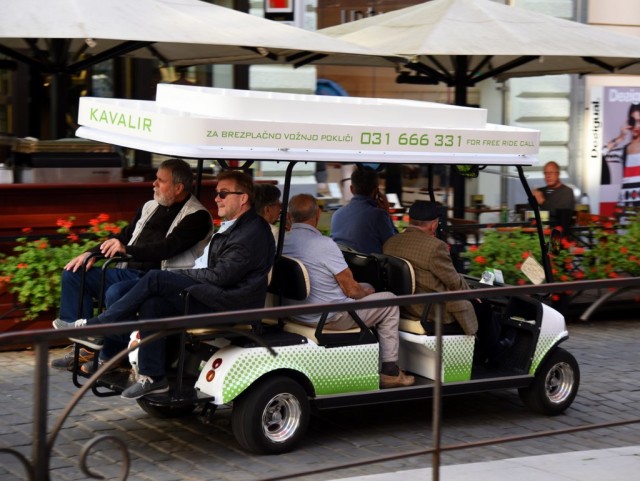
“Sure, a few,” Marijan says. “For example, some older folks who live in the city center became upset because the pedestrian zones made it impossible to drive to their homes. So Janković created a free shuttle system.” Just then, a bright-green golf cart, like a clown car packed with senior citizens, silently rolls past us. “Anyone can just call and tell them where you are, and where you want to go, and in a few minutes one of those carts pulls up.”

cameron-slovenia-ljubljana-kavalir

Despite his over 80% approval rating as mayor, Janković was narrowly edged out when he ran for prime minister a few years back. So he returned to his niche, winning a landslide re-election as mayor. And today, he just keeps on making his improvements to the city.

OLYMPUS DIGITAL CAMERA

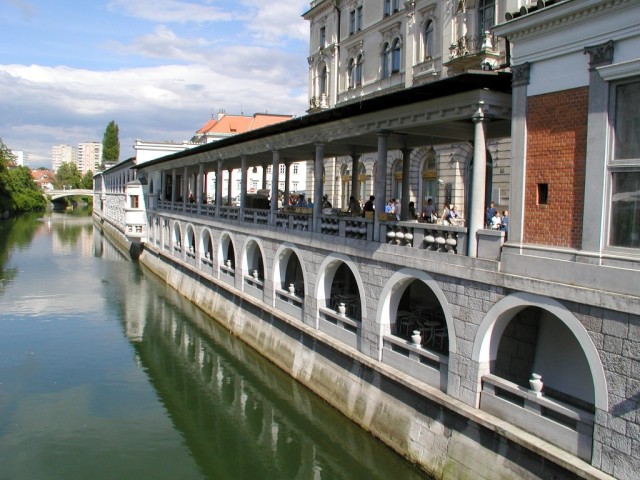
We cross the river on the Triple Bridge, hang a left, and walk along the colonnaded embankment to the outdoor market. The bridge, the embankment, the market, and much of Ljubljana were designed in the early 20th century by Jože Plečnik. This prodigiously talented architect-slash-urban planner is as revered by his fellow Slovenes as he is unknown to everyone else. When you ask locals why Plečnik is so important to them, tears appear in the corners of their eyes as they struggle to find the words.

After a successful career in Vienna, Prague, and Belgrade, Plečnik returned to his hometown. He lived at one end of Ljubljana, and worked at the other, so every day he strolled along this very riverbank. If anyone knew how to make this city more inviting and pedestrian-friendly, it was Plečnik — and that’s exactly what he did.

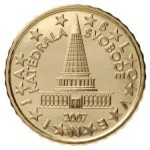
slovenia 10 euro centAt the edge of the market, Marijan points out an eight-foot-tall, cone-shaped monument. “This commemorates Plečnik’s unrealized vision for a Slovenian acropolis. He wanted to build a cone-shaped parliament on top of the hill, where the castle is now. But his plan was just too ambitious. Do you have a €0.10 coin, minted in Slovenia?” Digging in my pocket, I find one. “See, there,” he says, flipping to the back of the coin. “That’s Plečnik’s never-built parliament.”
“I just love this place,” I say, to nobody in particular. “What other country puts an imaginary building on their money?”

cameron-slovenia-ljuibljana-market-stalls

Deeper in the open-air market, rustic stands tidily display today’s produce. Marijan points out that a few of the stands are actually carts, with wheels. “Some garden patches are well within the city center,” he says. “People pick their veggies, pile them into the cart, and hand-push them directly to the market.”

cameron-slovenia-ljubljana-mlekomat

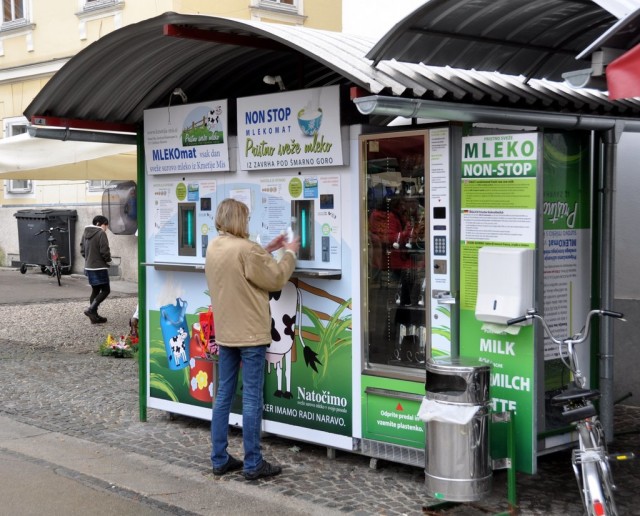
By the meat hall, we pass the “Mlekomat” — a vending machine with a big cartoon of a cow. Just drop in a couple of coins, and the machine fills and seals a glass bottle of farm-fresh, organic milk.

Pausing in the middle of the market, Marijan points in one direction, to the funicular that trundles up the hill to the castle, and then in the opposite direction, to a modern footbridge. “Two more projects that Mayor Janković finally brought about.” I remember hearing about both ideas, many years ago. Each time I visited, people swore the funicular would be up and running by next year…and it never was. But once Janković took over, it actually happened.

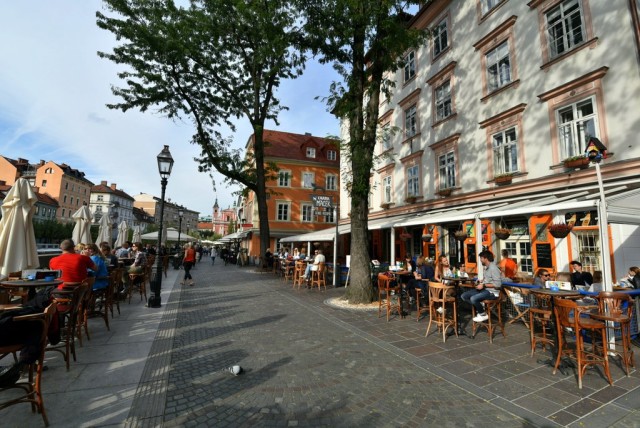
Done with our shopping, Marijan and I walk along another once-traffic-clogged, newly pedestrianized street to a row of riverbank cafés. Shaded by wispy willows and pointy poplars, crammed with tipsy high tables, and populated by easy-to-get-to-know Slovenes, this is my favorite spot in Europe…and maybe on earth. I’ve never quite put my finger on why I love this embankment so much. Maybe it’s because when I travel, I tend to get caught up in my “to do” list. These café tables demand that I slow down for a few minutes and take it all in.

cameron-slovenia-ljubljana-cafes-1

Marijan and I grab a table at my preferred hangout and order two bela kavas (“white coffee,” as they call lattes here). The pastel colors of Ljubljana’s townhouses pop against the hazy blue-and-white sky. The tables around us are filled with students turning a cheap cup of coffee into an opportunity to master the art of conversation. Flowing past us is a steady stream of young families, tourists, and urbanites commuting by foot.

cameron-slovenia-ljubljana-cafes-2

Marijan’s wife Barbara arrives. She tells me about the Rick Steves tour that she just finished guiding (she arrived home from Dubrovnik just last night). And they catch me up on their progress renovating the house Marijan inherited from his grandmother — a years-long project that has been continually delayed by red tape and corrupt contractors. (Apparently Mayor Janković can’t fix everything.)

cameron-slovenia-ljubljana-marijan-barbara

It’s dinnertime. “Do you like burgers?” they ask me. Next thing I know, we pile into their car and drive to Hood Burger, one of my favorite budget-foodie finds of this trip. On our way back to my apartment, Marijan turns off onto a side-street that he thinks is a shortcut, only to find it’s been made one-way in the opposite direction. “Mayor Janković again,” they tell me. “He’s been re-routing streets to improve traffic flow. It can be…difficult to keep track of.” It’s the first time I’ve ever heard either of them breathe a less-than-enthusiastic word about their mayor. Barbara shakes her fist in mock fury. “Curse you, Janković!”

From Marijan and Barbara, to Jože Plečnik and, yes, Mayor Janković, Ljubljana is a city of people whose life’s mission is making their own little corner of the world a better place. This is a city where a two-buck coffee comes with a million-dollar view. Where imaginary buildings and farm-fresh milk are at your fingertips. Where golf carts shuttle old timers to wherever they’re going, and where most people seem to be going nowhere in particular…and loving every minute of it. That’s why I’ll be coming back to this underrated, wonderful little city for the rest of my life.


For more on this fine little city, check out my post about a €25 “budget foodie” day in Ljubljana. I also included Ljubljana’s wonderful Open Market street food event on my list of 10 European Discoveries for 2020.

And there’s much more to Slovenia, including some stunning scenery at Lake Bled and high in the Julian Alps.

We’ve got full coverage of Ljubljana in our Rick Steves Croatia & Slovenia guidebook. It’s also the first stop on our Best of the Adriatic in 14 Days Tour.