Wonderful Wales: Land of Stone Castles, Red Dragons, and Slate Rooftops

As I crest a hill on a tight two-lane road — flanked on both sides by a gritty wall with a fringe of sharp, vertical stone slabs, like a dragon’s tail — the Welsh landscape opens up in front of me: Bald mountains, tufted with scrubby vegetation. A stony, gurgling brook. A few surefooted sheep, nibbling their way through an ankle-twisting terrain of rock and slate. It is, if not the most dramatic, one of the most dramatic scenes I’ve seen in Britain…and on this glorious land, that’s saying something.

The road twists onward, through a gobsmacking landscape. I drive past the hotel where Sir Edmund Hillary stayed while he was training for his historic first ascent of Mount Everest. It’s a Saturday, and the “lay-bys” are strewn with cars — jettisoned by latter-day Hillarys going for a sturdy early-summer hike. Little packs of hikers — with their designer packs, sweat-wicking tank tops, neon-hued rain shells, and carbon-fiber walking sticks — bob along paths cut into the rock and heath.

The road takes me to the hobbit-cute village of Beddgelert, where stony houses huddle around a stony bridge. The entire town looks like it’s risen straight up from the Welsh landscape…and, in a sense, it did. Parking my car, I’m swallowed up by the endearing small-town-ness of it all. It seems that all of Beddgelert’s residents are hanging out at the general store and the village pub, which stand side-by-side at the bridge. They animatedly converse in Welsh, oblivious to the ice-cream-licking, backpack-wearing tourists who wander past.

I finish my guidebook-updating chores in a matter of minutes (easy to do, when every business in town is within fifty paces). I’ve got an hour’s drive to my final stop of the day, where I’ll be checking into my B&B. But I’m in no hurry. It’s a sunny evening. I’m in my personal choice for “most charming village in Britain.” Surely I can spare a few minutes for a walk. But where to?

Slate-carved signposts answer my question: “Gelert’s Grave.” I follow these like breadcrumbs to a path along the gushing river, with craggy cliffs on one side, and a pasture of skittish, territorial sheep on the other. The path leads across the middle of a field to a little stand of trees, where a story carved in stone — in English and in Welsh — explains that this is the Bedd (grave) of a dog named Gelert, who won Prince Llewellyn’s eternal gratitude when he saved his infant son from a wolf attack. The legend is probably bogus…but this place is so idyllic, I just don’t care.

Walking back to my car — and finding excuses to take several scenic detours, since I don’t want this visit to Beddgelert to end — I think back on the incredible number of sights and experiences I’ve enjoyed in just three short days in North Wales.

In Ruthin, I sat in on the practice session for a mixed choir, polishing their glorious harmonies. Of course, the lyrics, the conductor’s instructions, and the chatter between songs was all in Welsh…as if English didn’t exist.

In Llangollen, I walked along the towpath for an industrial canal, built by Thomas Telford to connect this remote corner of Wales (and its rich slate deposits) to the port at Liverpool. And on the hill above town, I toured Plas Gwynedd, a fascinating old manor home where — in the 18th century — two Irish aristocratic ladies decided to leave their husbands, drop out of society, and shack up together, sparking scandal and, like a pair of Georgian Andy Warhols, attracting curious celebrities of the day to come visit.

In Blaenau Ffestiniog, I rode a rickety train deep into a slate mine, where the crusty guide explained the harrowing conditions slate miners worked and lived in, as they painstakingly mined and split slate roof tiles that were the rage all across Europe. At the end of the visit, he demonstrated how the best way to split slate is still by hand. As a chunk cleaved off halfway through the split, he cursed. “They don’t mine slate like they used to,” he grumbled, explaining that the original miners dug deeper for higher-quality slate.

In Harlech, Criccieth, and Beaumaris, I roamed the ramparts of three of the best-preserved “ring castles” built by King Edward I to keep watch over his unruly Welsh subjects. Today these are mostly empty shells — with few real artifacts, and only sparse exhibits — but they present some of Europe’s all-around best rampart walks and “king of the castle” viewpoints.

In Conwy — another walled castle town — I walked around the top of the walls, with a sea of slate rooftops at my feet and the imposing structure of Conwy Castle jutting up boldly at the bottom of town.

In Caernarfon, I toured the granddaddy of all those castles, and spent the night inside the adjacent walled town. In this appealingly blue-collar burg, I found myself in line at the local chippy next to a sprightly Welsh gentleman with a sparkle in his eye, a knack for making conversation, and lilting accent so thick I could barely keep up. “Aye, we’re poor cousins to Conwy,” he said with a wink, and proceeded to tell me about the time his brother went to L.A. and came home with a Buick Riviera, and about the time he watched Prince Charles address the crowd moments after being “invested” with his title at Caernarfon Castle.
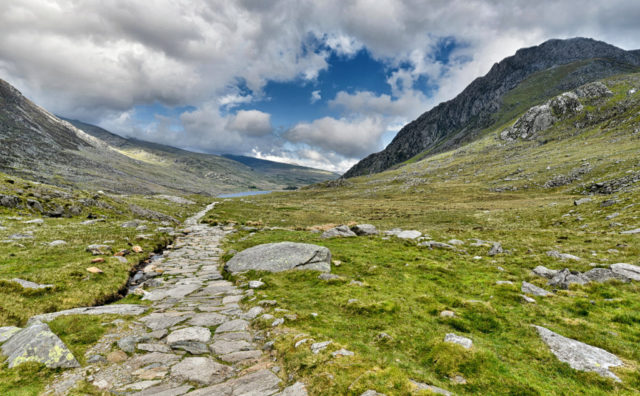
In the middle of nowhere, I parked my car and hiked a well-tended flagstone path up to a remote, stunning little mountain lake called Cwm Idwal — commanding a little plateau ringed by a natural amphitheater of sheer cliffs. The mountaintops muscled back the black clouds that were trying to spill over the summit. The sun broke through the clouds, sweeping a blinding spotlight across the scrubby landscape, before being swallowed up again. And an intense wind crested the ridge and screamed across the lake’s surface with a force that created whitecaps.

In Portmeirion, I had the surreal experience of walking through an Italian Riviera-style village…a pastel, Mediterranean wonderland modeled after Portofino, tucked into a craggy, yet sunny, microclimate of the Welsh coast. (I love the uniquely British notion of a “folly”: an expensive, and ultimately pointless, vanity project done on a rich person’s whim…spending money for the sake of spending money. Portmeirion is the ultimate folly.)

In Llanfairpwllgwyngyllgogerychwyrndrobwllllantysiliogogogoch, I took an obligatory photo of the train-station sign for the town with the second longest name in the world.
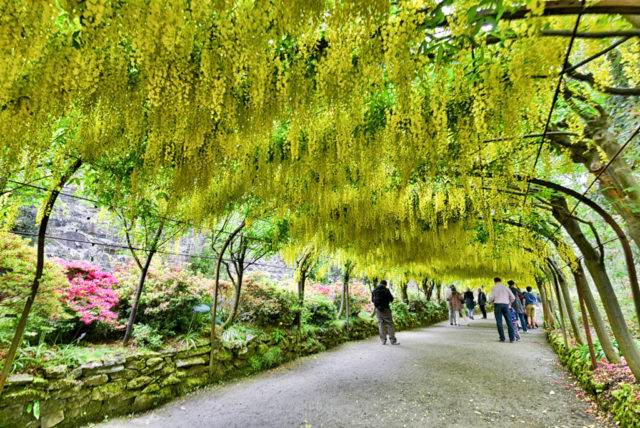
At the Bodnant Garden, I strolled beneath a glorious laburnum arch in full bloom. People who know me could scarcely imagine I’d ever use a phrase like “glorious laburnum arch” un-ironically…but Wales just has that effect on me. It was really quite something. If you’re going to dedicate some serious time to a beautiful garden anywhere in Britain, Bodnant deserves serious consideration.

And at all of these, I always looked up to find myself under the watchful eye of a valiant red dragon, against a white-and-green field, flapping in the bracing Welsh breeze. There’s no doubt that the Welsh are proud of what makes them unique. And they should be.

Even more incredible is that I packed all of this into a mere three days. Compact North Wales makes it easy. Every time I got in the car, I plugged my next destination into my phone…and every time, I was amazed at the short distances. Drives rarely exceed 30 minutes.

Wales is not quite “undiscovered.” (Lonely Planet recently named North Wales one of its “Top Ten Destination,” about which the local tourist board made much hay.) And yet, it still must be one of the most underrated corners of Europe, relative to how purely enjoyable — and easy — it is to travel here. Give Wales a few days, and it’ll give you vivid experiences and powerful memories.


I was in Wales updating our Rick Steves Great Britain guidebook, which has all the details on everything mentioned here.

Or let someone else deal with the details: Our (admittedly misnamed) Best of England tour actually includes two overnights in Conwy, and visits several of the places mentioned here — plus a sheepdog show! (I just love sheepdog shows.)
Brexit Blowback: Why I Still Believe in the EU

Maybe I’m naive. Maybe I’m idealistic. But I’m a huge fan of the European Union.

Granted, I’ve never lived in Europe. But over the last 15 years, I’ve spent about a quarter of my life there. That’s long enough to talk to lots of Europeans, and to form an opinion of my own.

And over that time, believe me, I’ve heard all of the fretful anti-EU criticisms: Heavy-handed bureaucracy. Worries about being lashed to a euro currency that allows a weak partner (ahem, Greece, ahem) to drag everyone else down. And, of course, the fear that seizes many people anytime you open borders and lower barriers to immigration.

The thing is, I think the vast majority of Europeans get far more from the EU than the EU takes from them. They just don’t always see it.

OLYMPUS DIGITAL CAMERA

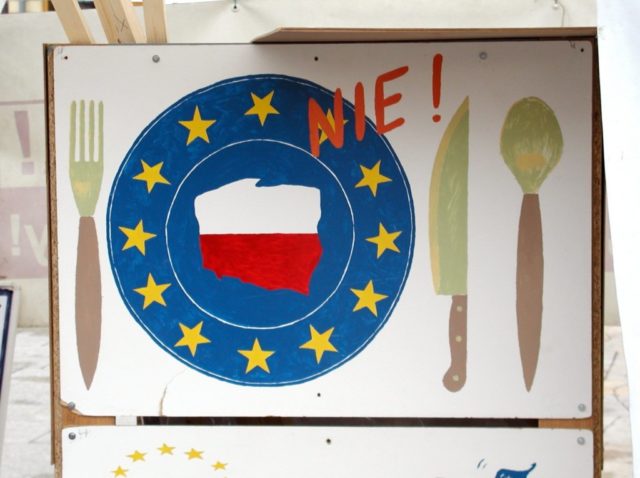
I was traveling in Eastern Europe in the spring of 2004. Poland, Hungary, the Czech Republic, Slovakia, Slovenia, and five other countries were about to join the EU on May 1. I was there in April. EU membership was a done deal, but hadn’t happened yet. So it was the perfect window for irrational fear — which, it turns out, is the EU’s most dangerous enemy.

The Poles, Hungarians, and Czechs I spoke to that spring were terrified. They saw the EU as an unstoppable monster, gobbling up countries as it stomped its way eastward through Europe. “Now I have to get a passport for each of my cows,” one farmer groused. “They won’t let groceries sell bananas with too much curve,” another told me. (That one’s been repeatedly debunked… yet somehow, it survives.)

And in Poland, I was told that there’d been a run on sugar. Apparently a (false) rumor had spread through the country that new EU tariffs would drastically increase raw sugar prices. Poles panicked, rushed to the grocery stores, and bought up bags of sugar…causing a spike in sugar prices.

And what became of all that catastrophizing, after May 1? To find out, I returned to those same countries that fall. And by then, a few months in, my Eastern European friends conceded that the EU hadn’t impacted them negatively one iota — and, they sheepishly admitted, they already saw improvements.

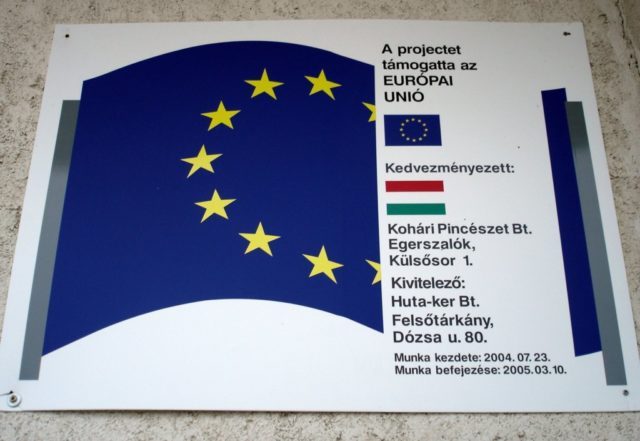
cameron-hungary-eu

In the years since, I’ve observed those improvements all over Europe, from Portugal to Bulgaria. Brand-new expressways and pedestrian zones in cobbled old towns come with a tasteful little EU flag, explaining where the money came from. And I watched my friends from all over Europe move to other parts of Europe, where they could find meaningful employment, make friends, fall in love, get married, and start adorable pan-European families.

Sure, some of the bureaucracy can get troublesome. But when you can see the big picture, the paranoia of the Euroskeptics has always been rooted more in fear than in facts. It’s clear to me that — aside from a devastating global economic crisis, born on Wall Street, that crippled European economies — the heyday of the European Union has been a golden age for Europeans of all walks of life.

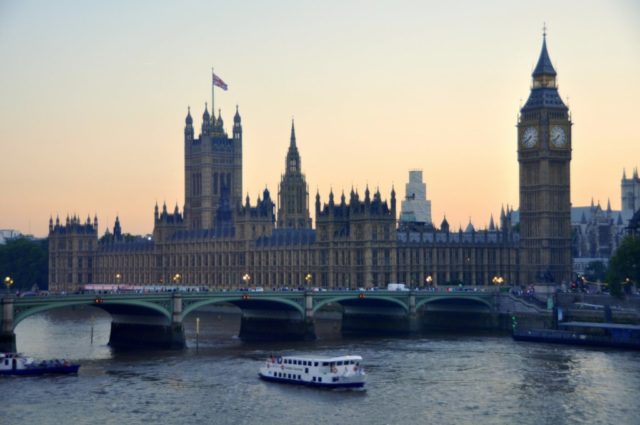
cameron-britain-london-skyline

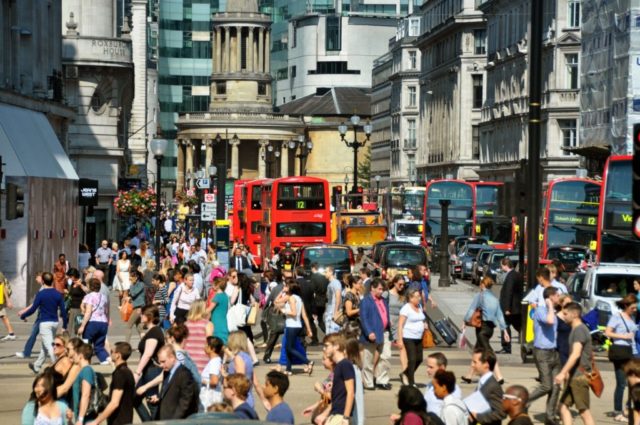
And in my mind, no city better embodies the EU’s bold and optimistic worldview than London. I adore London. It’s one of my favorite places in Europe. I love it for its English-ness. But I also love it for its diversity. London is the world’s melting pot city. It’s the capital of a great civilization, yes. But it’s also a celebration of the sum total of world culture.

But this morning, dawn broke on a different Britain. It’s a Britain where Poles and Romanians and Belgians who fell in love with an Englishwoman or a Scotsman now feel unwelcome in their adopted homeland. It’s a Britain where teenagers who once dreamed of studying in Paris or Rome have to reconsider their plans. And, I fear, it’s a Britain doomed to a dark age of political turmoil, economic struggles, and cultural soul-searching.

The voters have spoken. But I suspect many Brits woke up this morning with voters’ remorse — which will only intensify in the coming months, as the cold, hard reality of the Brexit is negotiated. And some small part of me believes that somehow, the Brexit will never actually come to pass. (Here in Seattle, I voted in favor of a monorail…twice. And guess what? There’s no monorail. Our City Council figured they knew better than the “will of the people.” And they were right.)

cameron-britain-london-crowds

On my first visit to Britain, I kept putting my foot in my mouth by saying I was on a trip to Europe. Finally, an old family friend gently corrected me: “You’re not in Europe. You’re in England.” Ever since that early attitude adjustment, I’ve understood that Britain fancies itself something different from Europe. So maybe the Brexit results aren’t so surprising…in hindsight. While I don’t agree with the Brexit, I’m willing to entertain the possibility that the best role for the UK is as a close partner to, but not officially part of, the EU — like Norway or Switzerland.

But I worry about the rest of the EU. I worry that the Brexit vote will embolden xenophobes in other countries. I was just in Austria, where the Green candidate very, very narrowly defeated an anti-immigrant isolationist in the presidential election. Even if Britain does bail out, the EU can survive without it. But if France ever left, or Austria…then Europe would be in real trouble.

But all of that will play out in the coming months and years. For now, most of all, I’m sad for the idealistic, internationally oriented young people of the United Kingdom. London has a special energy and optimism, and a belief in the goodness of humanity. These are values that inspire me as a traveler and as a person. But the Brexit vote just threw a bucket of ice water on that spirit. I know it will survive…but it’s going to be a rough patch.

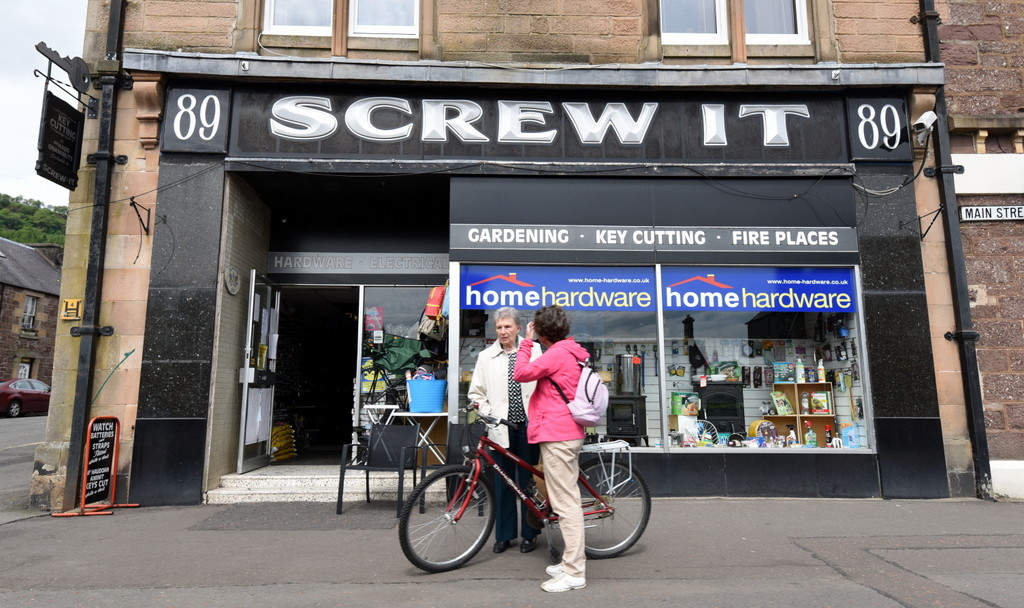
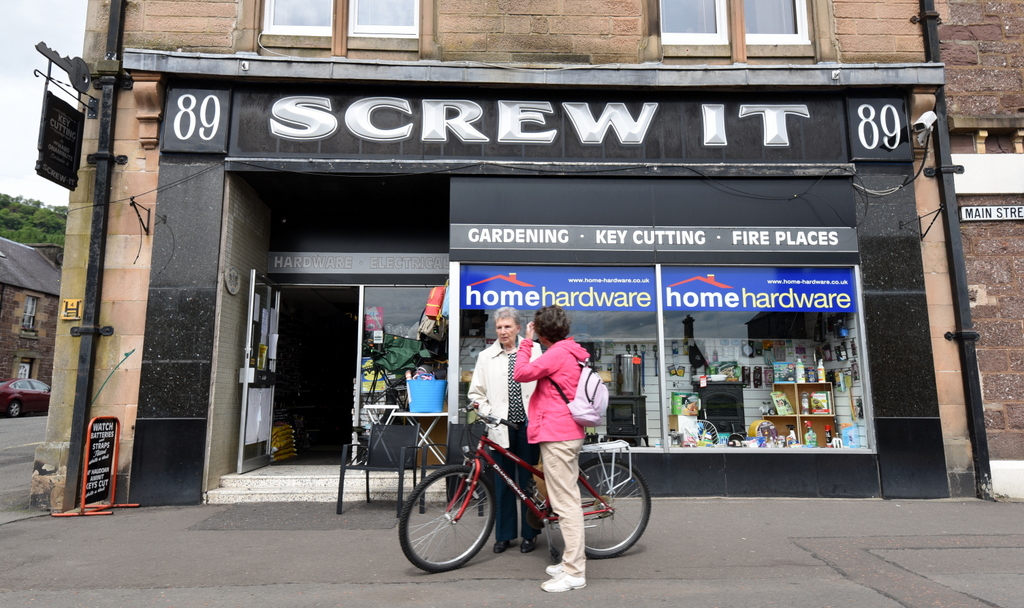
Feeling hopeless at this morning’s announcement, I kept thinking back on a hardware store sign I saw last summer in Scotland:

Cameron-Scotland-British Signs-Screw It

10 Things to Do in Scotland

Recently, I spent a month traveling all over Scotland to research our Rick Steves Scotland guidebook. And I had a blast. There’s something ruggedly beautiful and culturally stimulating about this lonely, lovely land, which bristles atop the isle of Britain like a great, thistly crown. From its hauntingly beautiful glens and sea lochs, to its scintillating cities, to joining the fun of a small-town Highland Games, to the challenge of getting beyond the “kilts, bagpipes, and haggis” clichés — and really understanding the deep cultural underpinnings of those traditions — Scotland is a delight. (As for the weather? Well, I’ll just diplomatically paraphrase Mark Twain: The coldest winter I ever spent was July in Scotland. But it was wonderful nevertheless.)

Here’s a list of my 10 favorite Scottish memories…and ways that you can incorporate them into your own travels.

1. Linger in Edinburgh

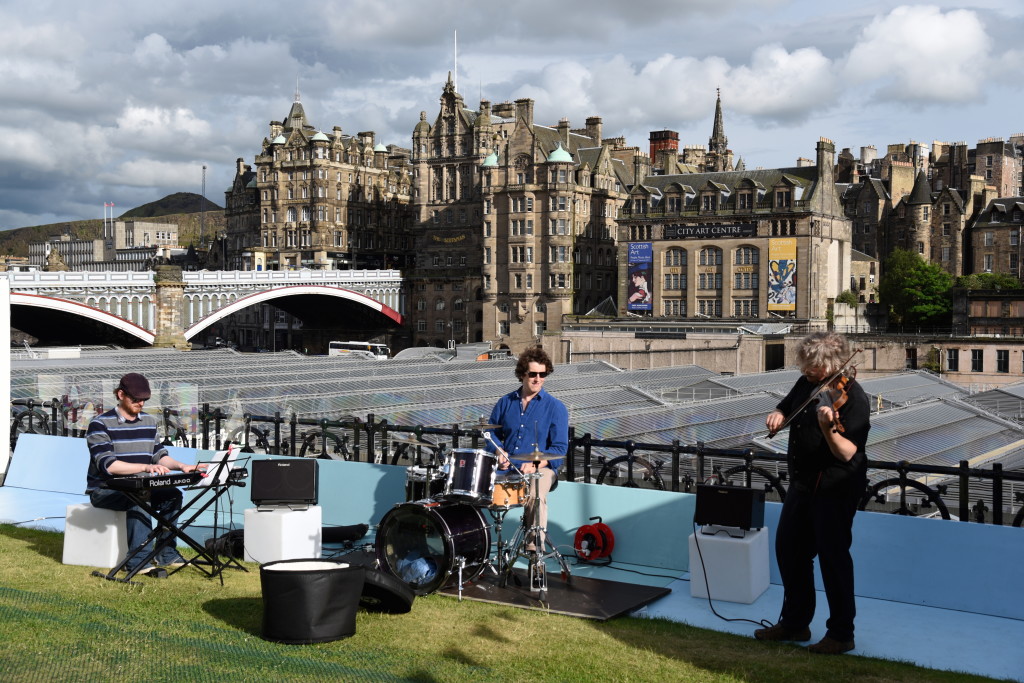
New Town Concert

From the famous Royal Mile — with its great landmarks and quirky shops — to the underrated New Town, Edinburgh entertains. One day gives you just enough time to see the castle and ramble down the Royal Mile. A second day lets you slow down and explore. And a third day (or more) really lets you settle into one of Britain’s finest cities.

2. …But Don’t Miss Glasgow

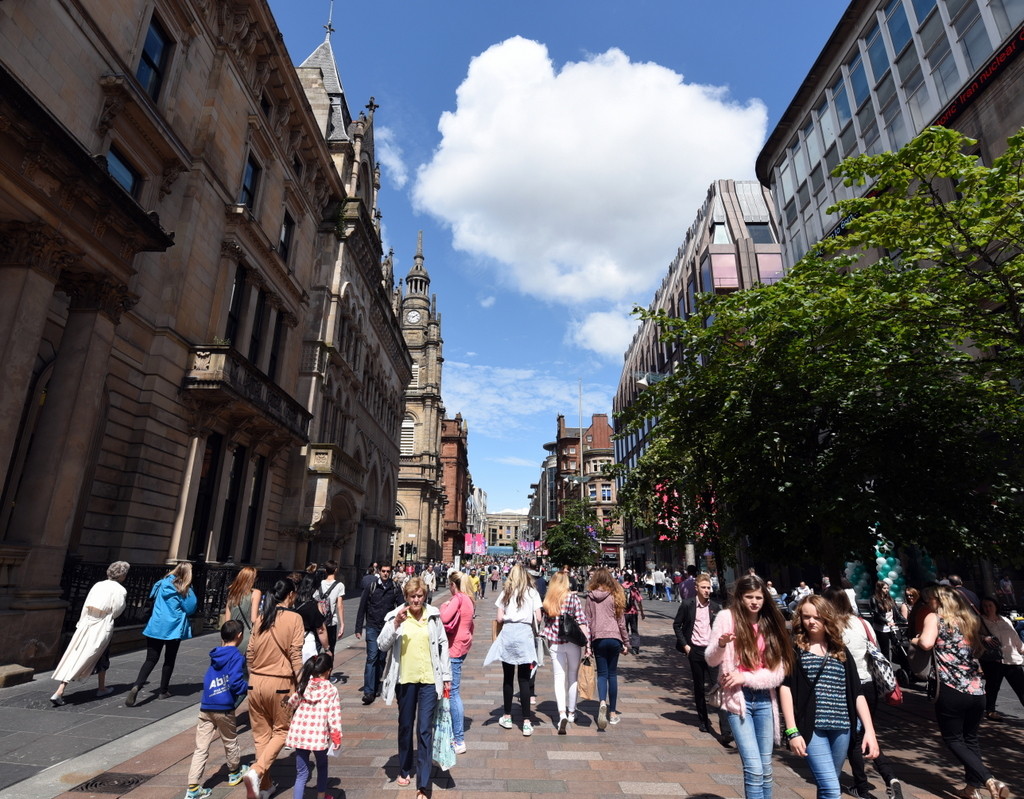
Cameron Scotland Glasgow Buchanan Street

Scotland’s biggest city is also its most underrated. The working-class yin to Edinburgh’s upper-crust yang, Glasgow has the most engaging foodie and nightlife scene I found in Scotland. It also has some of Scotland’s best 20th-century architecture, a rejuvenated downtown core, and an impressive collection of museums.

3. Toss a Caber at a Highland Games

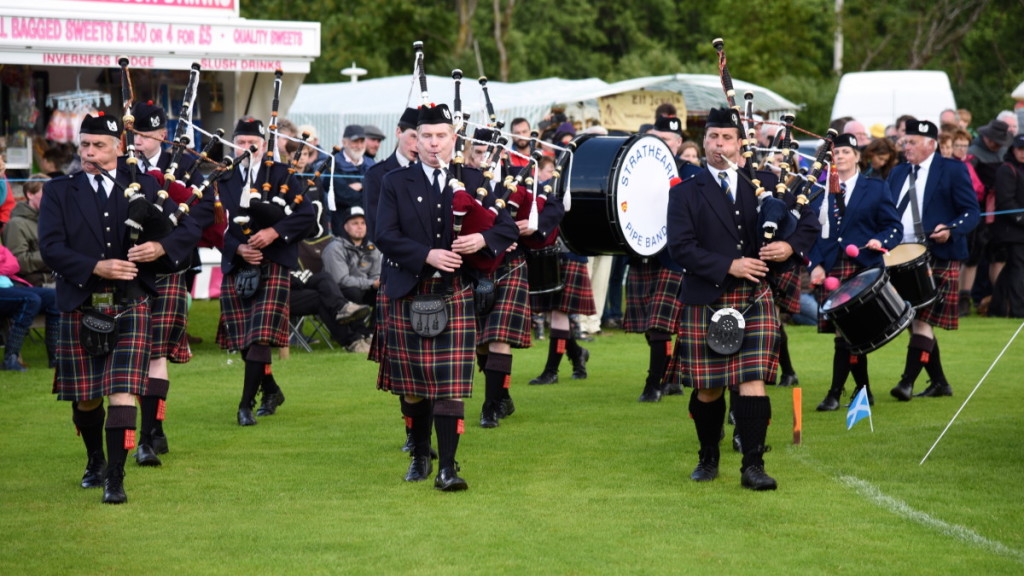
Piper Lap 2

These celebrations of traditional Scottish culture fill the summer calendar. A Highland Games (or “Gathering”) is like a county fair, dance competition, and track meet all rolled into one. Ranging from glitzy to endearingly small-town, it’s the one day a year when an entire town turns out to socialize, gorge on junk food, and cheer on the strongmen, footracers, and graceful dancers. If you’ll be in Scotland in the summer, check the Highland Games schedule before nailing down your itinerary.

4. Enjoy the Clichés…but Dig Deeper

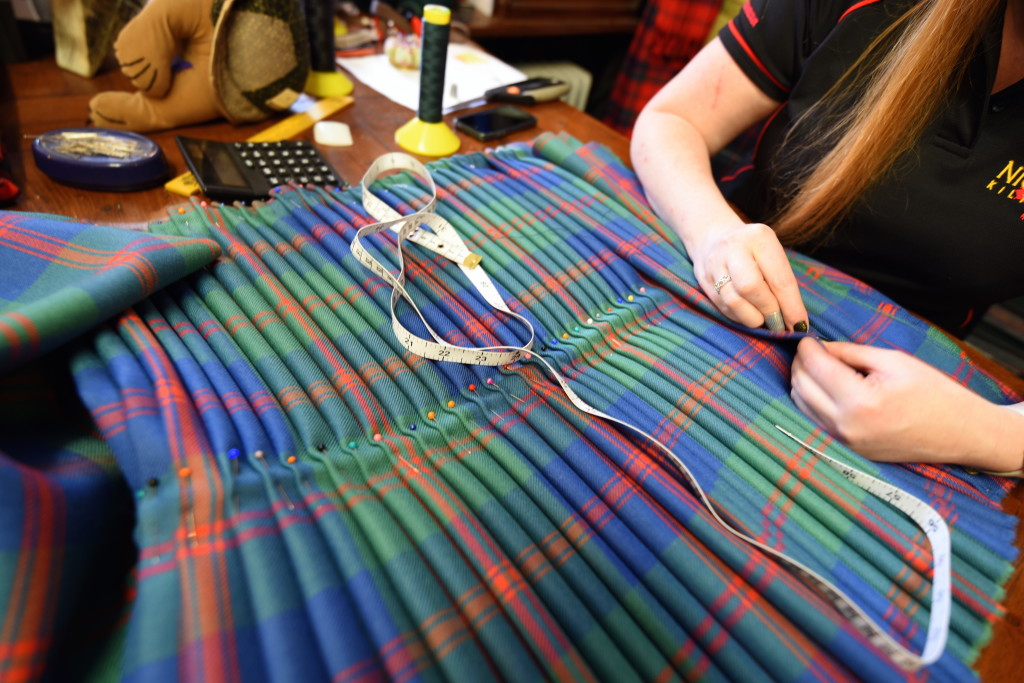
x

Kilts, bagpipes, whisky, haggis…for such a wee land, Scotland has so many claims to fame. Be warned: Cliché-hunting can cheapen a trip, and Scotland is only too happy to indulge tourists looking to buy knock-off kilts. But each cliché also comes with an authentic — and often fascinating — backstory. Visiting a kiltmaker on Edinburgh’s Royal Mile, you learn the difference between top-quality tweed and tacky “tartan tat.” Touring a whisky distillery — or several — cultivates an appreciation for the subtle (and sometimes not-so-subtle) variations in bouquet, flavor, and peatiness. And trying your hand at playing the bagpipes instills respect for musicians who’ve devoted their lives to the instrument.

5. Hunt for Ghosts

I enjoyed a ghost walk led by a surprise skeptic in the historic town of Stirling. And that’s just the tip of the iceberg of ghost-themed experiences in Scotland — where each city has its haunted tours, each castle its apparitions, and each B&B room its mysterious creaks. (As for whether all of the above have scientific explanations…that’s for you to decide.)

6. Go to the Movies

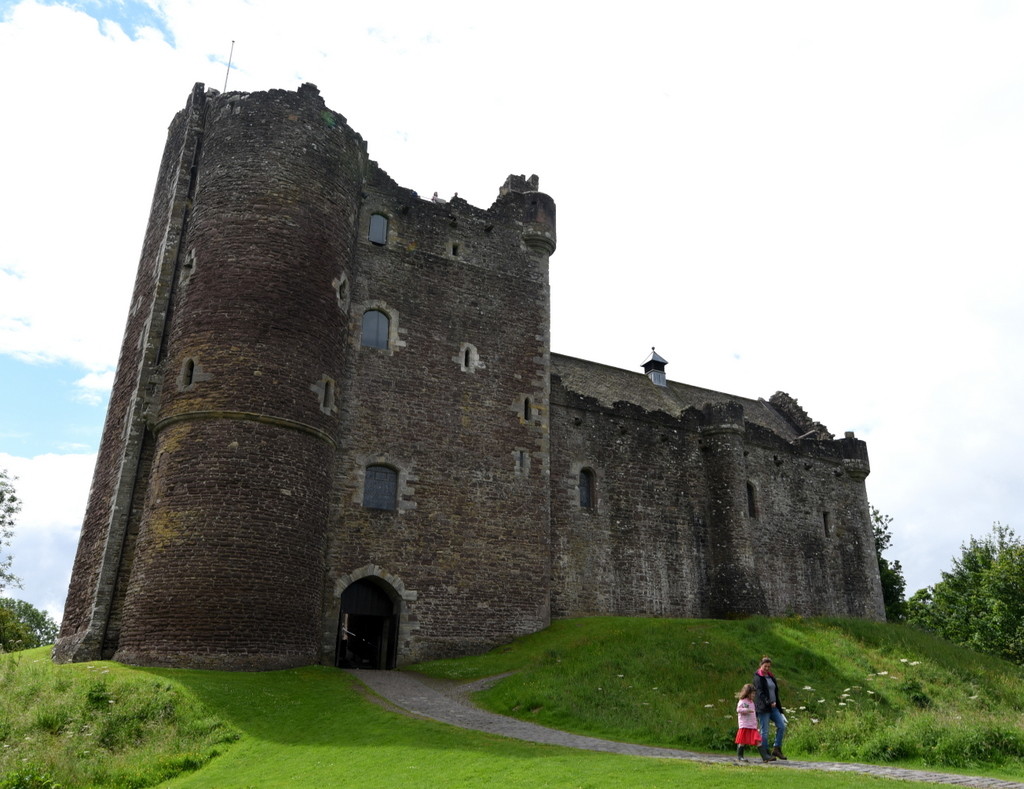
CH15JulDoune_022

The hit TV show Outlander thrust Scotland back into the limelight, like countless pop culture moments before it — from Monty Python and the Holy Grail to Braveheart, and from The Da Vinci Code to Harry Potter. Watching these movies and TV shows — before, during, and after your trip — can enhance your enjoyment and appreciation for Scotland. Serious fans can geek out on visiting actual filming locations (our Rick Steves Scotland book includes an Outlander sidebar for just that purpose). And cynics enjoy debunking half-truths (whether in Braveheart or in The Da Vinci Code), which also buys you street cred with the locals…who are weary of explaining that William Wallace was never called “Braveheart” until Mel Gibson came along.

7. Take a Hike…and Bring Good Shoes

cameron-scotland-glencoe-hike

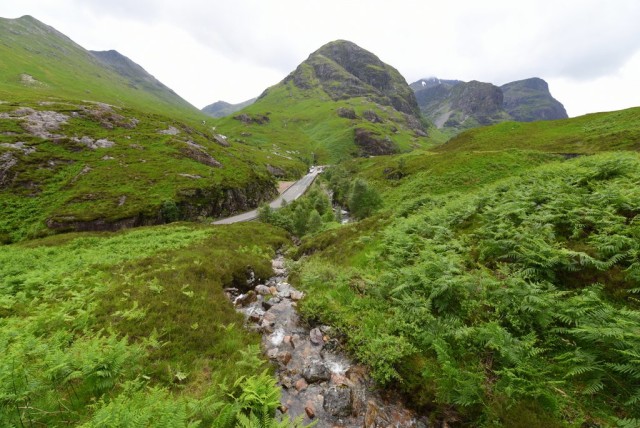
Tromping through drizzle, watching my feet settle onto bright-green turf only to disappear under a torrent of brown water, I wished I’d brought my waterproof boots. But before long, I just ignored my soaked socks to fully appreciate the symphony of achingly gorgeous glen scenery all around me. This was in the valley called Glencoe, but hiking opportunities abound throughout Scotland.

8. Go Island-Hopping

Cameron Scotland Island Hopping Iona

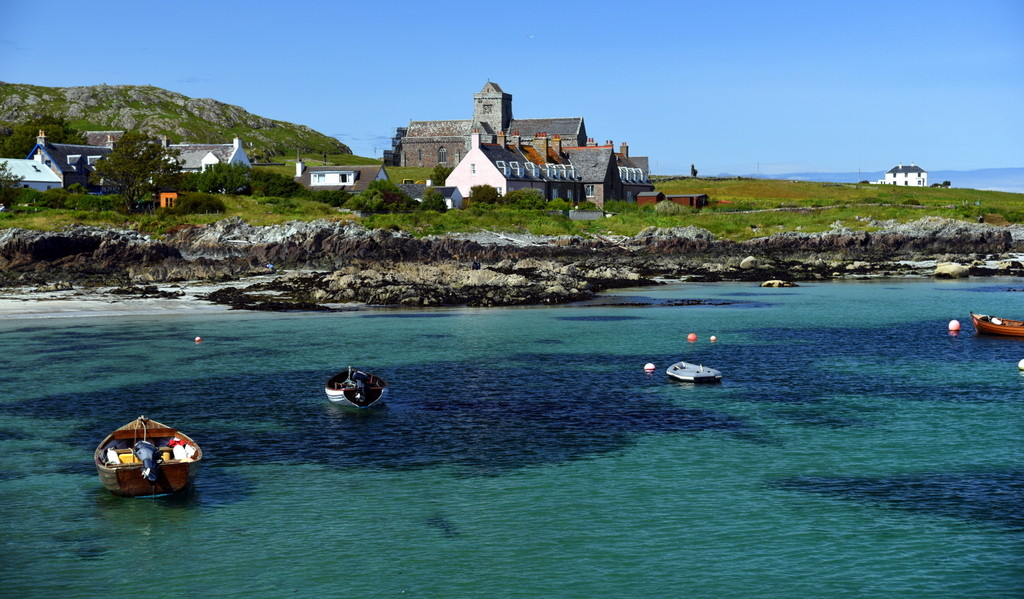
Scotland — with a West Coast slashed by receding glaciers — has nearly 800 islands. But on a short visit, visiting just a few will do the trick. The Isle of Skye, with pretty pastel harbor towns, jaw-dropping scenery, and a vivid heritage of folk tales and clan battles, can easily fill a couple of days. Or, for a strategic strike, base yourself in the small West Coast town of Oban and spend a day side-tripping to a trio of worthwhile Hebrides: Big and desolate Mull, spiritual Iona, and otherworldly Staffa — an uninhabited bulb of rock where puffins greet arriving boats, and the “other end” of Ireland’s famous Giant’s Causeway disappears into a mysterious cave.

9. Go North to Get Off the Beaten Path

Cameron-Scotland-North2

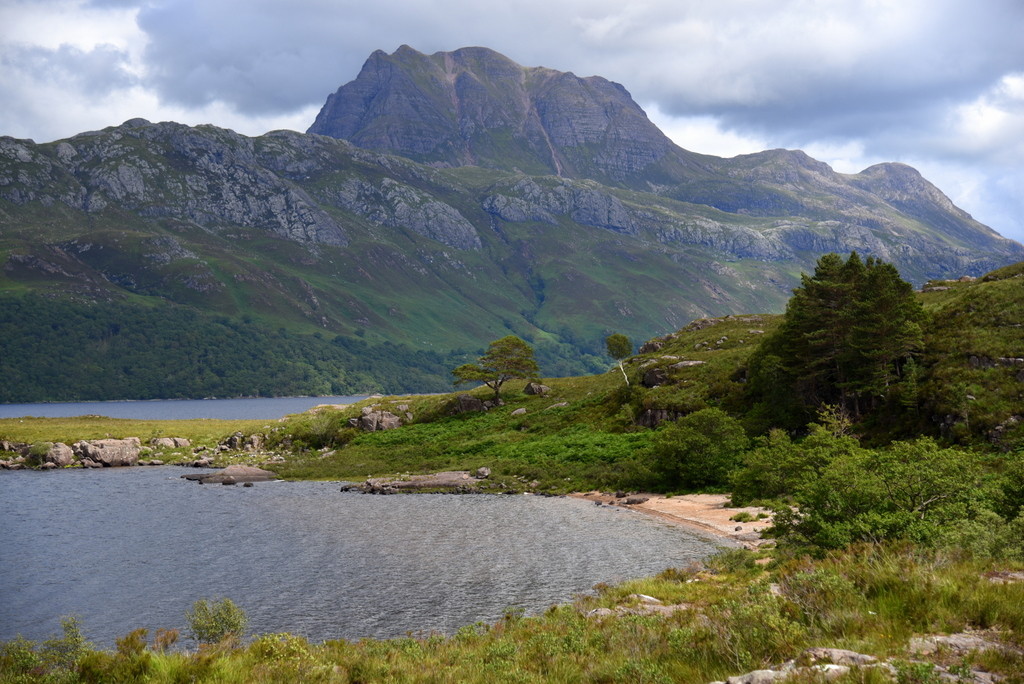
Most tourists in Scotland get stuck in a predictable rut: Edinburgh-Stirling-Glasgow-Fort William-Inverness-back to Edinburgh. And, while there’s plenty to see on that loop, with more time it’s rewarding to break free and strike out for the far north. If rugged scenery tickles your fancy, drive up Scotland’s scenic west coast — called Wester Ross — then along its north coast to John O’Groats. (Just don’t run out of gas.) And if you’re really adventurous, catch the ferry to the Orkney Islands — a world apart, with prehistoric treasures and evocative World War II history.

10. Seek Out and Celebrate What Makes Scotland Unique

Cameron-Scotland-Highlands-Hairy Coo 3

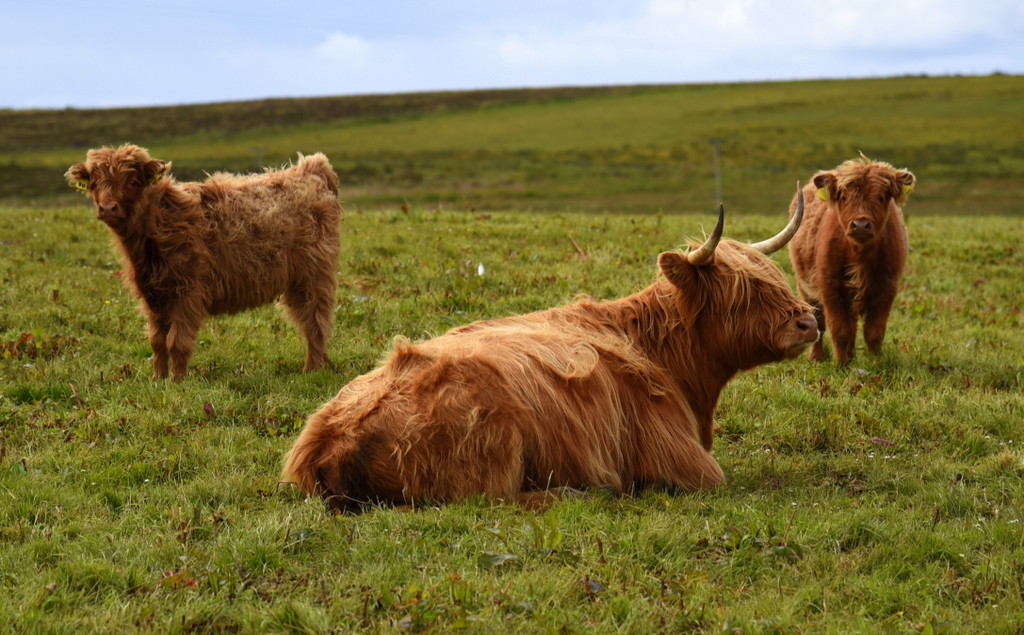
While it’s still part of the United Kingdom — ahem, for the time being —  Scotland is so much more than just England’s northern annex. In this age of “devolution” (Scotland gaining more autonomy from London) and of a contentious Brexit (which most Scots disagree with), ask locals what they think about current issues. (At least Scotland and England still share a knack for witty signs.) Even if you’re a closet royalist, check your sympathies at the door and really try to understand what makes Scots Scots. And then…celebrate it.

What are your favorite Scottish discoveries?

Turas math dhut! (Happy travels!)


It goes without saying, but all of this — and much more — is covered in our Rick Steves Scotland guidebook. And our Best of Scotland in 10 Days tour is one of our most popular itineraries.

The British Really Have a Way with Signs

British people revel in coming up with punny names for their businesses. And anytime I travel in Britain, I love to collect funny signs. Here are a few of my favorites from this trip:


Cameron Scotland British Signs

Is “posh” really the right word here?


Cameron-Scotland-British Sign 4

For the indecisive hipster in your life.


Cameron-Scotland-British Sign 2

Coffee shops with “beans” puns are particularly popular. Also spotted on this trip: “Has Beans.”


Cameron-Scotland-British Sign 1

Not the most appetizing name for a paint-your-own-pottery place. But memorable. I’ll grant them that.


Cameron-Scotland-British Signs-Screw It

Usually when I visit the hardware store, I use much more colorful language than this.

As creative and punchy as Brits are about naming businesses, they can be just as long-winded when it comes to official pronouncements. Why use one word when you can use ten? Here are a few needlessly wordy signs, with succinct subtitles:

Cameron-Scotland-Brirtish-Sign-Concise 1

“Slippery when wet”


Cameron-Scotland-British Sign Concise 2

“Sold”

And finally, sometimes you find a sign that’s simply perfect: Clear. Concise. And to the point. No ambiguity here:

Cameron-Scotland-British Sign-Award Winning Beach

Ghosts and Skeptics in Britain

A few years ago, I visited a half-timbered old guildhall from the time of King Henry VI, in what little survives of the historic town center of Coventry, England. As I explored the vast, echoey space, I noticed that the two museum attendants were listening to a recording of white noise. On my way out the door, I asked, “What’s that?”

The attendants — a younger man and a middle-aged woman — exchanged a knowing glance. Should we tell him? She took a deep breath. “Look, you may not believe this, but this place is extremely haunted. So every night we set up this recorder to keep a log of the many creaks and bumps. See?” She showed me a long, handwritten list of times and types of noises. Just then, a loud clapping sound — like a chair being tipped over onto a wooden floor — erupted from the recorder. “Ah. There’s another one,” she said, adding it to the list.

My interest piqued, I probed a bit further. “So, have you two actually experienced this?” Another knowing glance, this time with barely suppressed smiles. “Oh, constantly. Every day, we hear some bump or knock.”

They proceeded to tell me stories that curled my toes: Normally it was just a strange sound coming from a room they knew was empty. But other things had also happened. Strange things. People on the overnight cleaning crew kept quitting — refusing to give a reason. And one time, when the two attendants were certain they were the only people in the building, one last patron — an elderly woman — arrived to look around. As she was leaving, she filled out a comment card. When they read it later, it said, “Fascinating old space. But that gentleman dressed in historic clothes in the back room was very unfriendly. I kept talking to him, but he never said anything back!”

I asked if they’d personally seen anything strange. Both of them had — usually just flashes of light or inexplicable shadows. But the young man described one particularly harrowing experience. One evening, he was all alone in the building, closing up. He went up to the rickety old minstrel’s gallery overlooking the hall to carry out his duties. When he turned back toward the stairs — the only stairs — he found a ghostly figure blocking his path. Terrified, and with no other options, he simply pushed his way through the phantom and quickly left the building. “What did it feel like?” I asked. “Cold,” he said. “Very, very cold.”

“That’s terrifying! How do you spend so much time here?” They shrugged. “It’s not so bad, really. We get used to it. It’s routine — just part of the job. And we’re never in danger. We’re not so much frightened, but curious. That’s why we record the noises. Try to see if there’s any pattern.”

Maybe I’m a total sucker. Maybe they sit there with their tape recording all day, waiting for a live one to nibble at the bait. But I don’t think so. They seemed like decent, honest people. They didn’t breathe a word of the hauntings until I asked them about it, and even then, they were initially reluctant. I think they really believe these stories. Whatever was happening — explainable by science or not — was happening a lot.

Tonight in Stirling, Scotland, I took one of those nighttime “haunted walks.” An actor, dressed as the ghost of the hangman, led us through the old kirkyard, reciting a carefully composed litany of ghostly stories from the city’s history as we walked between the tombstones.

After the show, he broke character, and we chatted as we walked back down into town. Turns out he’s a serious historian, who’s written two books about the history of Stirling.

We passed the heavily grilled top window of the old tollbooth building, which during his spiel he’d described as the place where the condemned would await the death penalty. Pointing it out again now, he said, “That was actually my office for four years. I didn’t even realize that there was anything strange about it until one day, I mentioned the space to a friend, and he said, ‘Don’t you know that’s the most haunted place in town?'”

I asked him if he’d ever actually had any strange encounters himself. “I’ve had plenty of strange encounters in this town. But none of them were paranormal.” It turns out that the person who has devoted his life to studying, researching, and writing about paranormal activity in Stirling for the last two decades…is a total skeptic. In fact, he has accompanied “paranormal investigators” into the graveyard, and prides himself on finding scientific facts to debunk any unusual findings they come across.

He described an example. One of the town’s historic pubs took down an old bit of paneling, revealing a hidden compartment. Suddenly, the workers were overcome with a terrible sensation. They couldn’t breathe and felt distressed. The only items in the compartment were some empty cans and a faded old black-and-white picture of what appeared to be a priest.

Paranormal investigators and psychics came in to investigate. And while they were doing that, our “ghost hangman” decided to do some actual historical research. He found a faded watermark on the back of the photograph, and conferred with a local museum curator. It turns out, in Victorian times, the pub was owned by the town’s portrait photographer. His wife hated the fumes from the developing chemicals, and insisted that he do his work at the pub. Then, at some point, his darkroom was abandoned and boarded up, with all those nasty chemicals inside, evaporated and trapped for over a century…until modern-day workers unsealed the space and inhaled them.

Should we believe the haunted museum attendants in Coventry? Or the skeptic ghost walker in Stirling? Or perhaps both? One of the joys of travel is being exposed to different real-world perspectives…then having an opportunity to make up your own mind.

Have you experienced any unexplained happenings in your travels around Europe?


I was in Stirling working on our Rick Steves Scotland guidebook.

While on my Scotland trip, I did a lot of blogging (all archived on our website). For a roundup of what I learned, check out my post on Top 10 Tips for Traveling in Scotland.

We can’t promise ghost sightings…but our Rick Steves Best of Scotland in 10 Days Tour does stop in Stirling. And lots of other great places.