As the new year dawns, it’s time to plan new travels. Each year around this time, I share 10 “Discoveries” — lesser-known, underappreciated corners of Europe that might deserve a look as your travel dreaming turns to travel planning. And this year, my Discoveries come with a special focus: the Balkans.
Wait… the Balkans? Those Balkans? Absolutely, yes. A few months ago, I set out on an epic road trip from the Julian Alps to the shores of the Aegean, from sunny coastlines to frigid mountaintops, and from Lake Bled to Lake Ohrid… hopscotching through the Catholic, Muslim, and Eastern Orthodox worlds while linking up seven different capitals. This year’s Discoveries showcase 10 locations in 10 countries, combining new-to-me finds and classic favorites.
But the Balkan focus isn’t just because of my recent travels. If there’s a prevailing travel theme for 2025, it’s big prices and bigger crowds. In addition to its astonishing cultural diversity, its stunning landscapes, and its thriving cities, the Balkans’ great appeal is its undiscovered-ness. (In many places, I never saw another American.) And, while inflation is affecting every place to varying degrees, these destinations remain strikingly affordable.
There’s a good chance you’ve never heard of some of these places. But that doesn’t mean they’re not worth a visit. Join me on a spin through the Balkans… and discover something new.
Gjirokastër, Albania
On my Balkan road trip, nothing tested my mettle behind the wheel like driving to my traditional guesthouse near the top of Gjirokastër — the most appealing of Albania’s many historic mountain towns, huddled on steep slopes below a protective citadel.
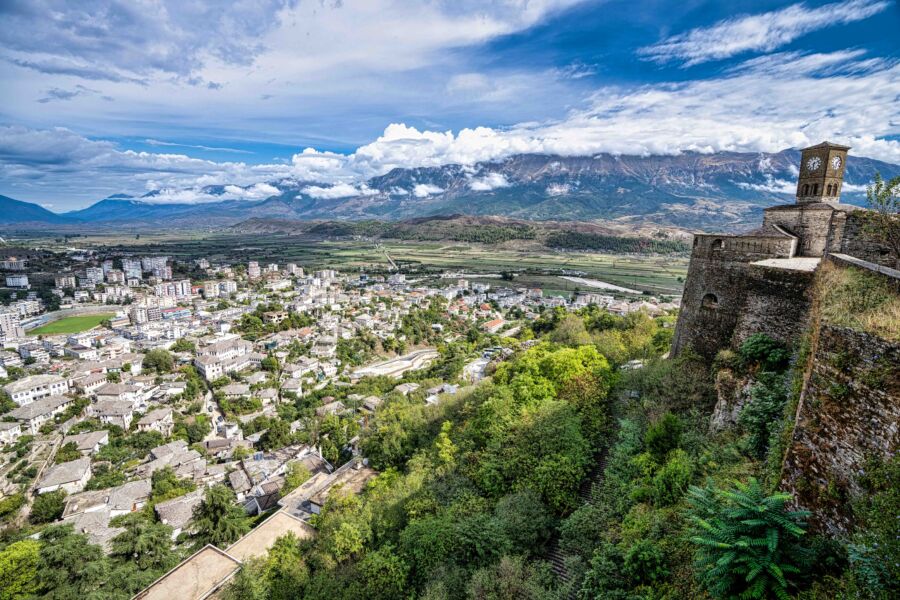
From the broad valley below, I twirled up through Gjirokastër’s labyrinthine old town, inhaling deeply as I squeezed up lanes barely as wide as my car. (I had booked a subcompact. They gave me an SUV.) Summiting town, I was greeted by cheerful Tatiana — my very own temporary Albanian auntie — who made me feel instantly at home in her cozy, traditional, spotless B&B.
Like so much of Albania (and the Balkans), the historic core of Gjirokastër feels Turkish: cobbled streets, stony slate-roofed homes, soaring minarets, and a thriving bazaar. From the main intersection, with lanes spiraling off in every direction, you have exactly two choices: uphill or downhill.
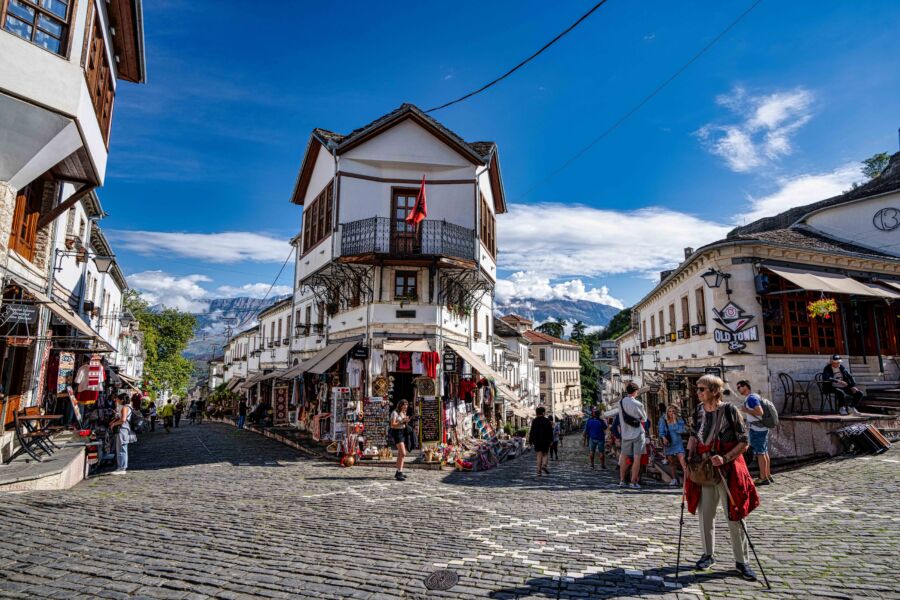
Conquering Gjirokastër’s castle — racking up a day’s worth of steps in a 20-minute vertical climb — I looked down over the city’s rooftops, lined up against a jagged, cloud-catching ridge of peaks across the way.
Later that night, I found the perfect traditional eatery, which had just one tiny table on a miniature porch cantilevered over the bazaar’s busy main drag. Digging into an affordable feast of rice balls, meatballs in yogurt, and an intensely sweet, honey-soaked orange cake, I observed the touristic hubbub just below me. Gjirokastër is gradually becoming known, thanks to its cultural heritage, stunning setting, and proximity to Albania’s increasingly famous Adriatic beaches.
And yet, the place still has an uncorrupted, authentic soul. After dinner, in a needless rush, I hustled past a humble bar with tables facing the bazaar’s main intersection. The bar’s owner slowed me with a generous smile as he all but insisted I take a seat. After charging me less than a buck for an open-your-own-bottle beer, he joined some friends at the next table and savored that priceless twilight view right along with me. It seemed he was less concerned about making money than he was ensuring that this serene view wouldn’t go to waste.
Prishtinë, Kosovo
“I’ll meet you at the Newborn Monument.”
So pinged a text from my local guide, Mentor, as I drove through swiftly developing outskirts toward the center of Europe’s newest capital city. At the monument consisting of the word NEWBORN, Mentor eagerly greeted me, ready to show off his burgeoning hometown.
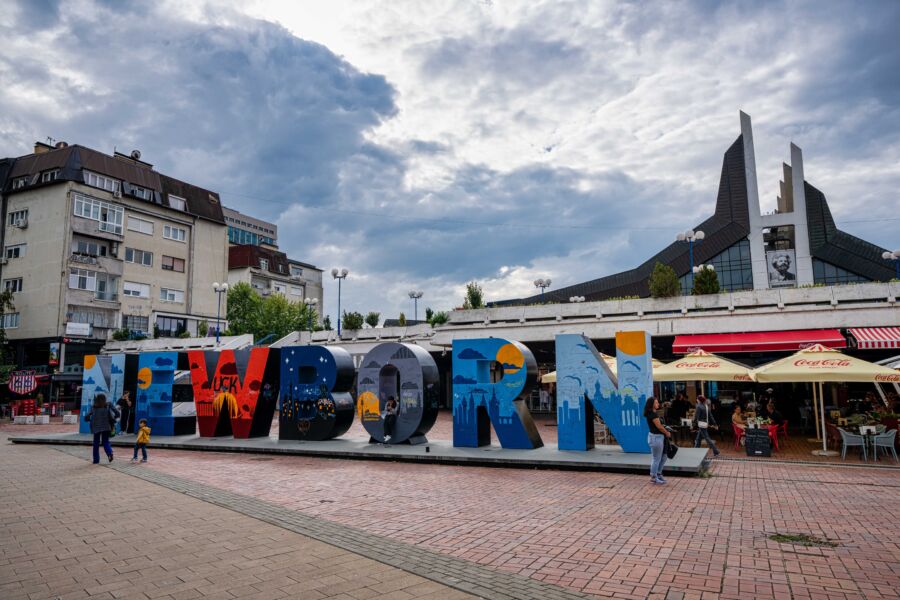
Prishtinë embraces its newness. Repeatedly, I heard the brag that Kosovo — Europe’s youngest country (independent since 2008, and still not universally recognized) — also has one of its youngest populations, with about two-thirds of its citizens under 30 years old.
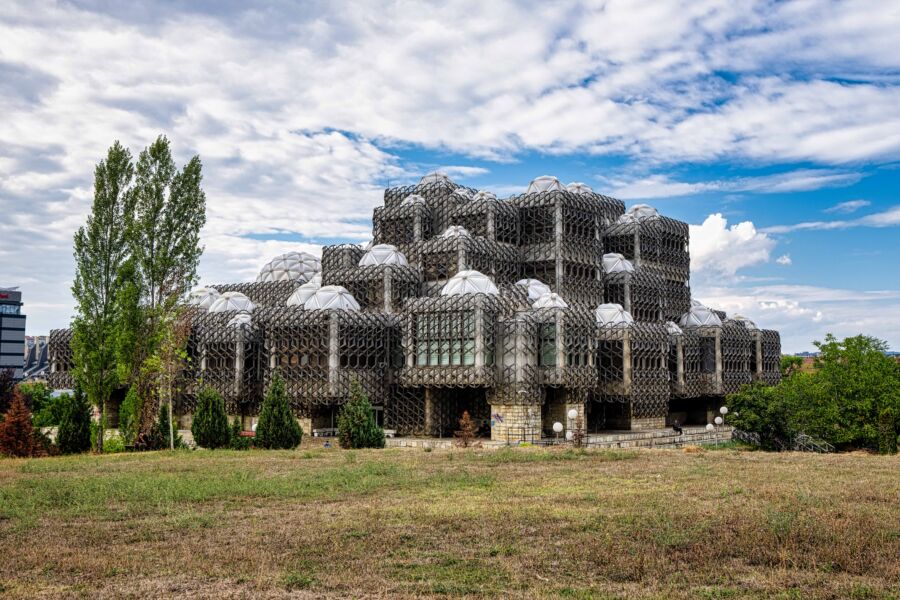
As I explored Prishtinë, I immediately appreciated its appealing urbanity, optimism, and sense of forward momentum. The main drag, recently closed to cars, is a delightful pedestrian mall lined with plywood food sheds and picnic tables. Even its “old” buildings — such as the wonderfully weird, wildly eye-catching National Library, opened in 1982 — feel fresh and innovative: a Brutalist masterpiece with bulbous domes, all wrapped in metallic netting.
At the same time, I also sensed a deep devotion to the past. The ethnic Albanians who make up more than 90 percent of Kosovo’s population are, it’s believed, descended from among the earliest known peoples to reside in Europe: the Illyrians, bewilderingly ancient even to the ancients. And Prishtinë, despite its apparent “newness,” has a very old soul.
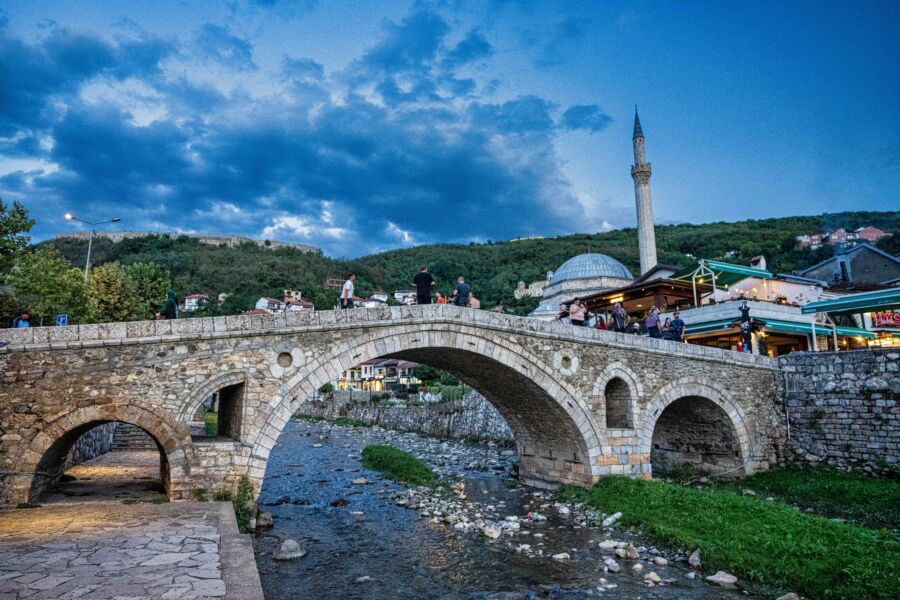
As if to demonstrate this, Mentor led me away from the thriving downtown and up to the very top of the main drag (passing the shiny office-tower parliament) to reach the old Ottoman quarter. Passing a duo of soaring minarets — each one marking a lavishly decorated mosque full of locals taking part in evening prayer — we carried on through old Prishtinë’s meandering bazaar streets to a fabulously well-preserved old Turkish house. Mentor lovingly explained each centuries-old item, as if tenderly flipping through the yellowed pages of a precious chronicle.
This parallel devotion to both old and new struck me throughout Kosovo, where visitors divide their attention between the slick new development of a fledgling country, and evocatively antique Orthodox monasteries and Ottoman-era towns (like Prizren). It’s one of the reasons Kosovo, and Prishtinë in particular, got under my skin… much to my (pleasant) surprise.
Logarska Dolina and the Northern Valleys, Slovenia
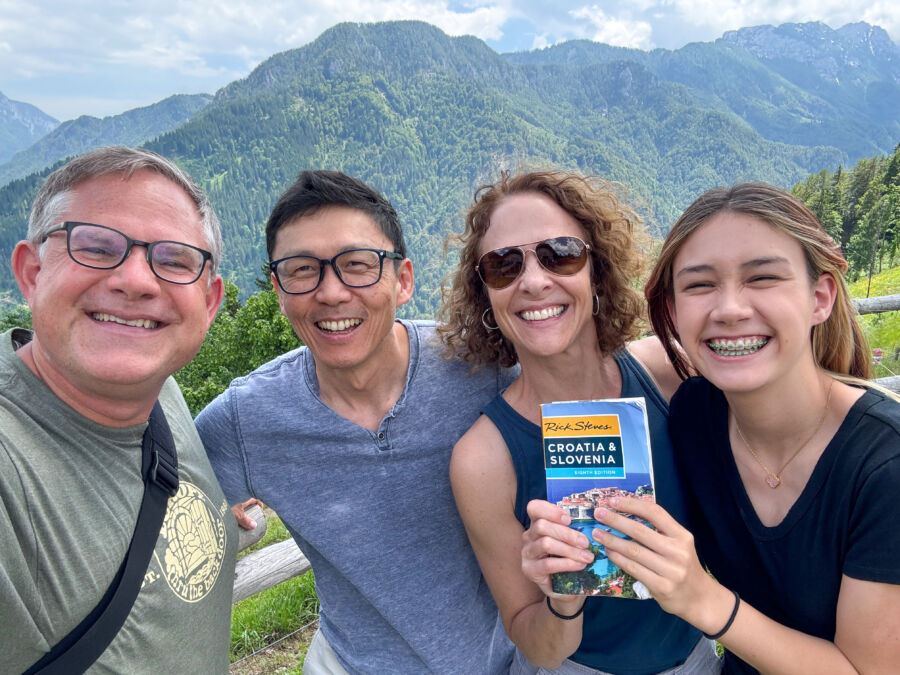
Curling along a ridgetop road at what felt like the attic of the Alps — immersed in 360 degrees of spectacular green hills, yawning valleys, and cut-glass peaks, just a few minutes’ drive from Austria — I pulled up the gravel driveway of a simple farmhouse. Inside the screened-in porch, I met a family of three from Canada: mom, dad, and teenage daughter, all digging into plates of hearty food.
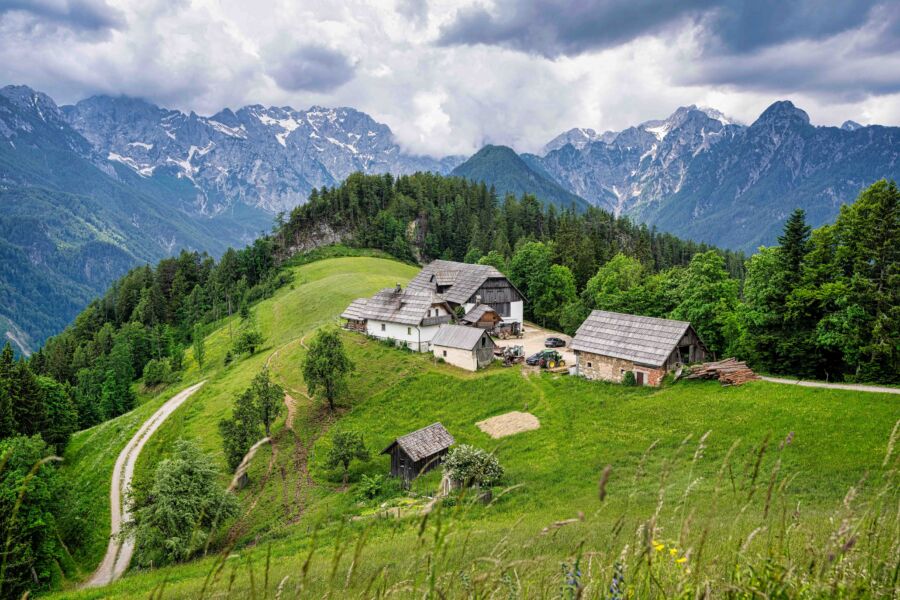
The farmer who owned the place appeared and agreed to bring me a plate, too. As we all chowed down on oversized, pork-filled dumplings, my lunchmates explained that their guidebook had directed them up into these rugged mountains, at the remote northern fringe of one of Europe’s most underrated countries… where they were having the time of their lives. The experience left both my belly and my soul full — making me happy that my work is having an impact on at least a few vacations.
Just down the road, a local tip detoured me up a side valley to another tourist farm, this one specializing in artisanal goat’s-milk ice cream infused with local Slovenian ingredients: anise and honey, tarragon, dried pears, fresh-curd strudel. As a gelato aficionado, I had very high hopes. They were exceeded. (Another discovery for that guidebook!)
After a long day of heavenly views and earthy flavors, I made my way back to yet another rustic farmhouse, where I was spending the night. The Lenar clan (Urša and her parents) set me up with a woody room where I could step out onto a silent balcony to bask in sweeping views across the valley. Each morning, I savored the traditional folk-art decor of the breakfast room, along with farm-fresh eggs, home-baked pastries, and Urša’s gentle, thoughtful lessons about this region’s distinct farming and forestry methods.
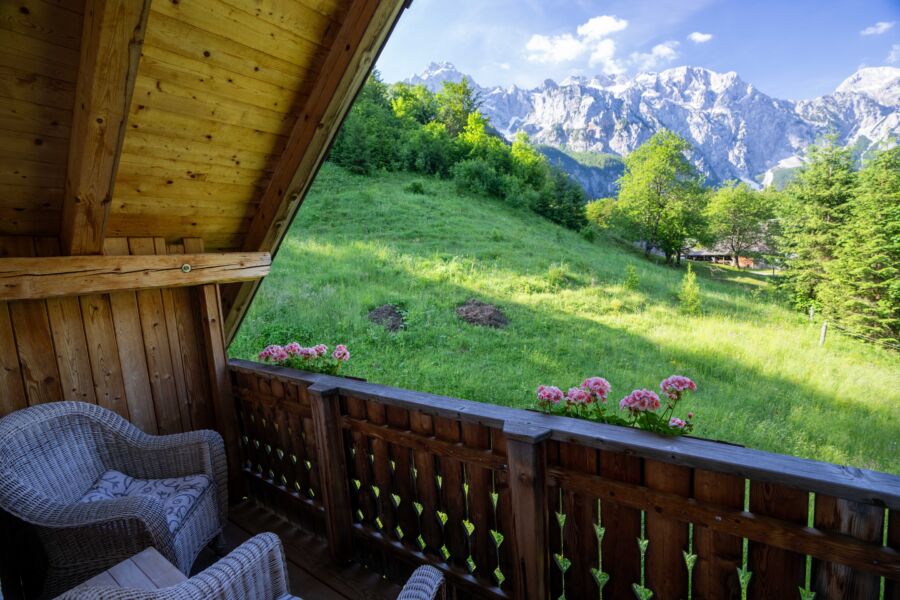
Logarska Dolina specializes in spectacular scenery, in rustic lives that revolve around traditions, and in a refreshing lack of fellow tourists (other than in-the-know Slovenes…and a few wayward Canadians). As Slovenia’s more famous mountain resorts — Lake Bled, Lake Bohinj, the Soča Valley — are becoming, to varying degrees, more crowded, Logarska Dolina is a reminder that even a small country is never exhausted of its beckoning hideaways.
Belgrade, Serbia
Creeping closer and closer in rush-hour gridlock, I observed how the Serbian capital fills its long ridge with gray, uninspiring concrete. Traffic here is as heavy as it is unforgiving. Lush parks, genteel boulevards, and ornate facades are in short supply. The sidewalks are narrow and shabby and forever dribbled by air-conditioning units grafted onto ramshackle apartment blocks that stretch high into the sky, blotting out the sun.
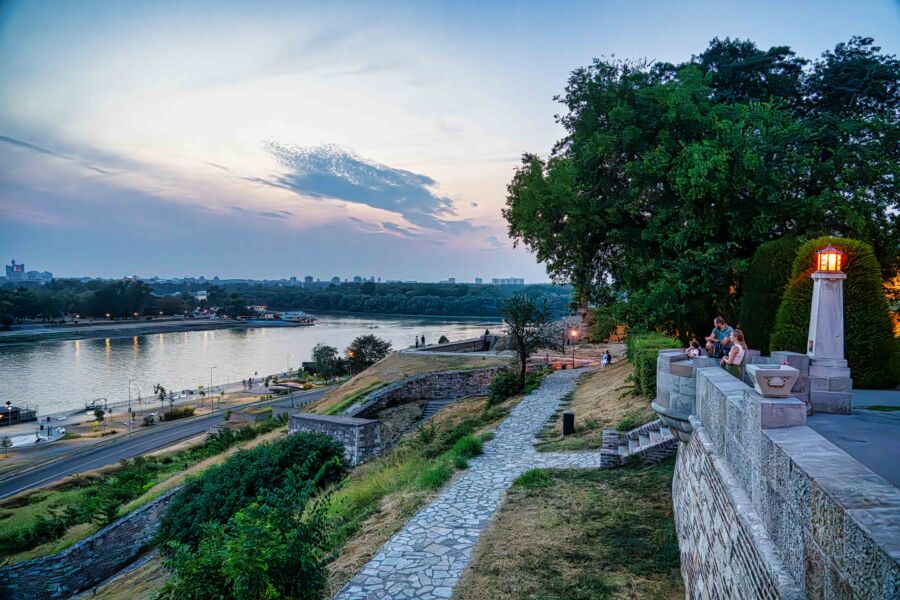
Finally reaching my lodgings, dropping off my bag, and heading out to explore, I joined the people-parade on the main walking street, Knez Mihalova. And suddenly I remembered: Once you’re immersed in the urban jungle of Belgrade, the city abounds with charming details, intriguing detours, and an exuberant humanity. On this balmy evening, the entire city was out promenading… slowly making their way toward Kalemegdan Park, which fills a point surrounding Belgrade Fortress overlooking the confluence of the Danube and the Sava.
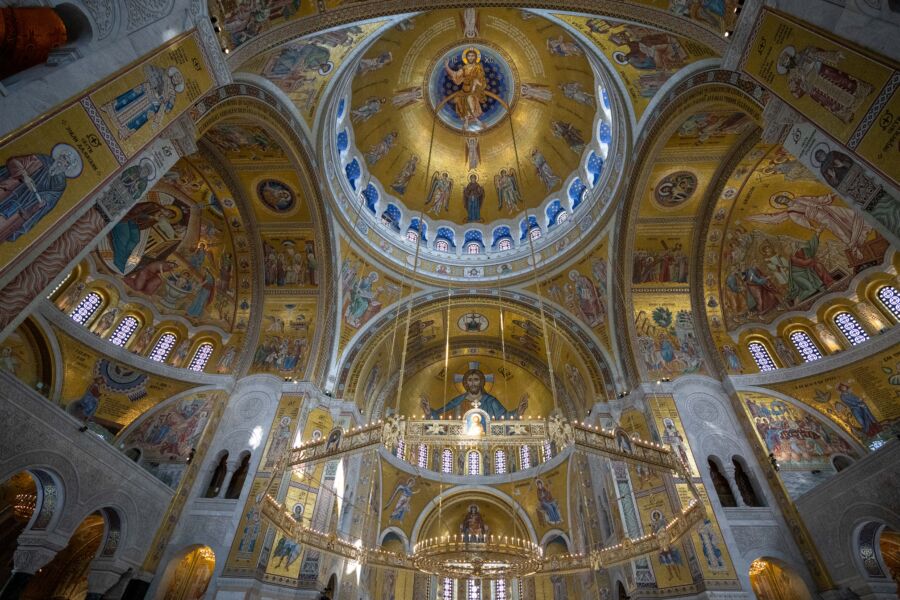
Sightseers find plenty to do here. Sveti Sava, one of the largest Orthodox churches in Christendom, is gobsmackingly stunning inside — shimmering with gilded icons and glittering chandeliers. Just up the street is the former home of inventor Nikola Tesla, now a museum. The Yugo-nostalgic can pay their respects at Marshal Tito’s grave and tour the fascinating, adjacent museum of Yugoslavia. Or simply prowl the cobbles of the traditional quarter, Skadarlija, buzzing with dueling Balkan folk troupes and interchangeable menus of delicious “Serbian national cuisine.”
Departing Belgrade, observing its blight shrink behind me, I thought about how few places provide a starker contrast between that first, distant impression… and the slow, satisfying revelation of experiencing it from within.
Istrian Interior, Croatia
Many years ago, when we were first brainstorming the itinerary for our Rick Steves Best of the Adriatic tour, we knew we needed a couple of nights in Istria — the wedge-shaped peninsula dangling from the northwest corner of Croatia, next to Italy. Initially I figured that stop must be in Rovinj, arguably Croatia’s prettiest coastal town. But then someone suggested that, instead, we should sleep deep in the Istrian interior. Why not settle into an atmospheric hill town with bucolic views and world-class restaurants, still just a short drive from Istria’s coastal delights?
It was one of those Eureka! moments that, instantly, just made sense. And it still does.
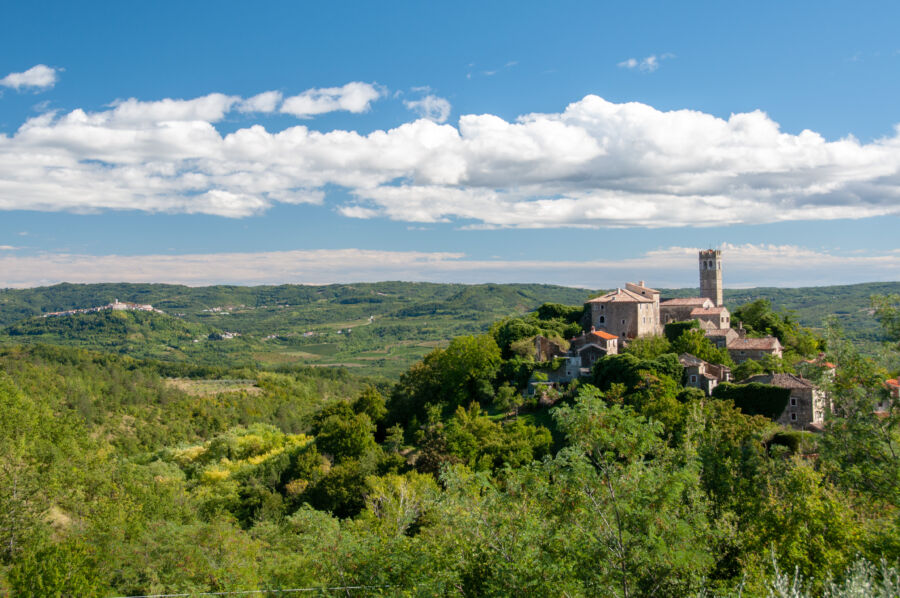
While Croatia is, deservedly, famous for its coastline, I always find myself looking forward to my time in the Istrian interior. There’s nothing like hitting the road for a giddy loop through this stunning, user-friendly region, with its cypress-lined country lanes, stony hill towns capping vineyard-draped hills, trendy boutique wineries and other foodie finds, and dark oak forests embedded with precious truffles. It feels like joyriding through a schlocky painting of Tuscany — but real!
And then, of course, there’s the food: Istria is one of Europe’s most abundant producers of truffles. These pungent tubers are grated like parmesan over noodles or steak. And you’ll also find them in cheese, salami, olive oil, tapenade, pâté, frittata, soufflé, and even ice cream.
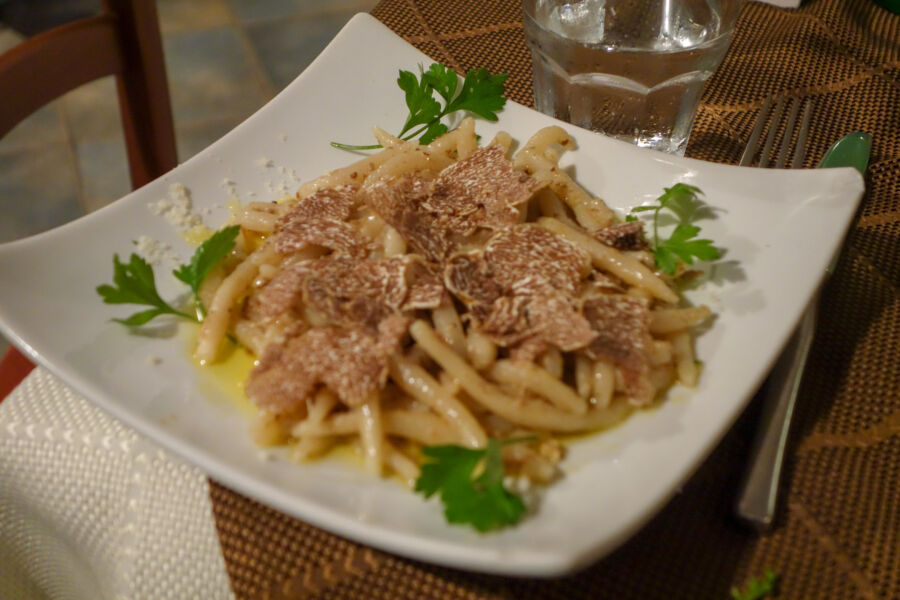
Settling into one of my favorite Croatian eateries, in the hill town of Motovun, I perused the menu and made my selection. But then, the owner appeared tableside and turned the page. “Ah, but did you see the white truffle menu? We have some of the first white truffles of the season.”
Well, in that case… don’t mind if I do!
Sibiu, Transylvania, Romania
On the night of my first visit to Sibiu, several years ago, the town was throwing its first-ever Oktoberfest party. The main square was alive with festivities: carnival rides, little booths slinging traditional food, and a gigantic beer tent, rollicking with happy Romanians hoisting frothy mugs while swaying in time to the imported German oompah band.
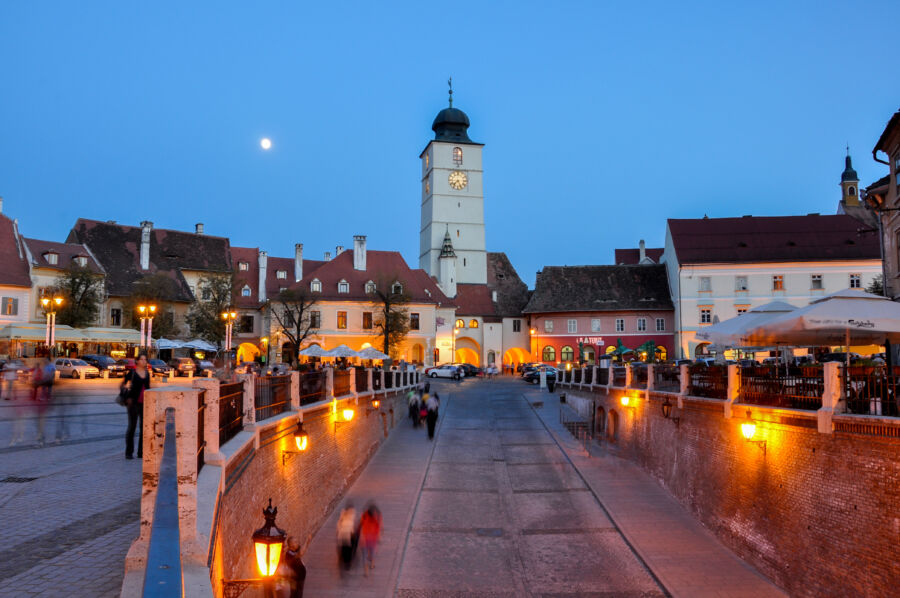
Cultural cross-pollination is a hallmark of the Balkans, and essential to truly understanding the region. But it’s not always easy. Just trying to explain the various cultures that have called Romania home — Roman legionnaires, Germanic (“Saxon”) traders, two different factions of Hungarians, and, oh yes, the Romanians — can glaze over the eyes even of the most curious history student.
That’s why I appreciate places like Sibiu, which embodies those complexities in an easy-to-appreciate package. It’s one of many historically Germanic towns in Transylvania, Romania’s thickly forested heartland. Those rolling foothills and cut-glass Carpathian peaks on the horizon are easy to mistake for the Alps.
After communism, like so many other Romanian communities, Sibiu was in a shambles. But it was rebuilt and brightly polished, thanks largely to a visionary mayor, Klaus Iohannis — the first ethnically German mayor anywhere in Romania since World War II. (The city’s transformation and prosperity vaulted Iohannis to national prominence; he was elected president in 2014, and still holds that office.)
Today, among Romanian towns, Sibiu feels classy, stable, and sure of itself. Exploring Sibiu’s cobbles — wandering between its three grand, interlocking squares, enlivened by stately municipal buildings, café tables, and giant, looming churches, then wandering down its main pedestrian drag to a tranquil park that marks the former moat — I kept catching myself thinking I was in Germany. And in a country that’s still struggling to get back on its feet, emulating one that’s already affluent, well-established, and tidy is a shrewd start.
Lake Ohrid, North Macedonia
For my stay at Lake Ohrid, I “splurged” (by Balkan standards) on an apartment with a deck overlooking the lake. Each time I slid open that giant glass door, subconsciously expecting to catch a whiff of the sea, I was surprised instead to smell the unmistakable dank of freshwater.
Nearly a thousand feet deep, and among the world’s oldest lakes, Ohrid feels primordial… elemental. Looking out over the sea-like deep, you notice how this vast, moody, dramatic lake is big enough to create its own weather system. From miles away, you can see brief, intense squalls ripping across the water’s surface toward you, alternating with shimmering sunbeams, bright blue skies, and cotton-candy clouds.
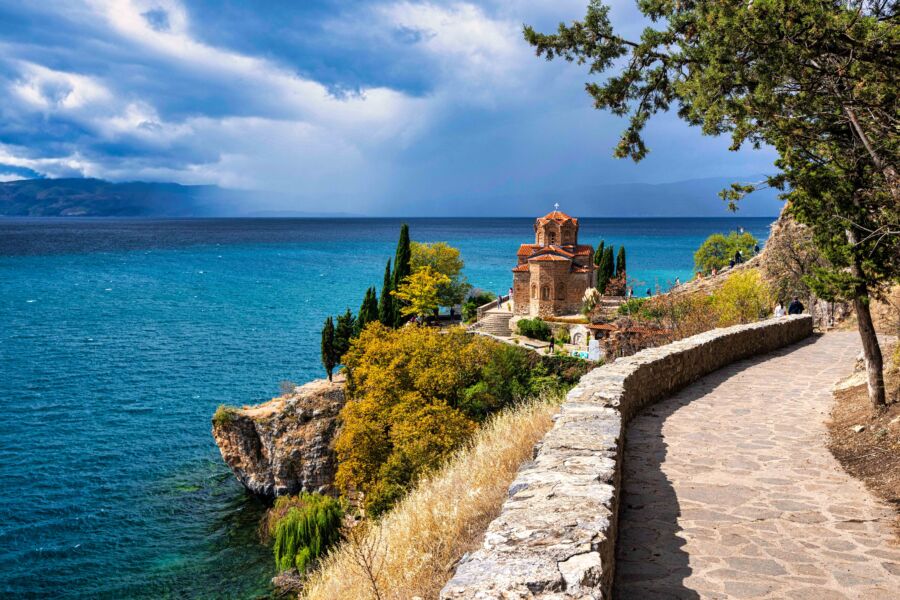
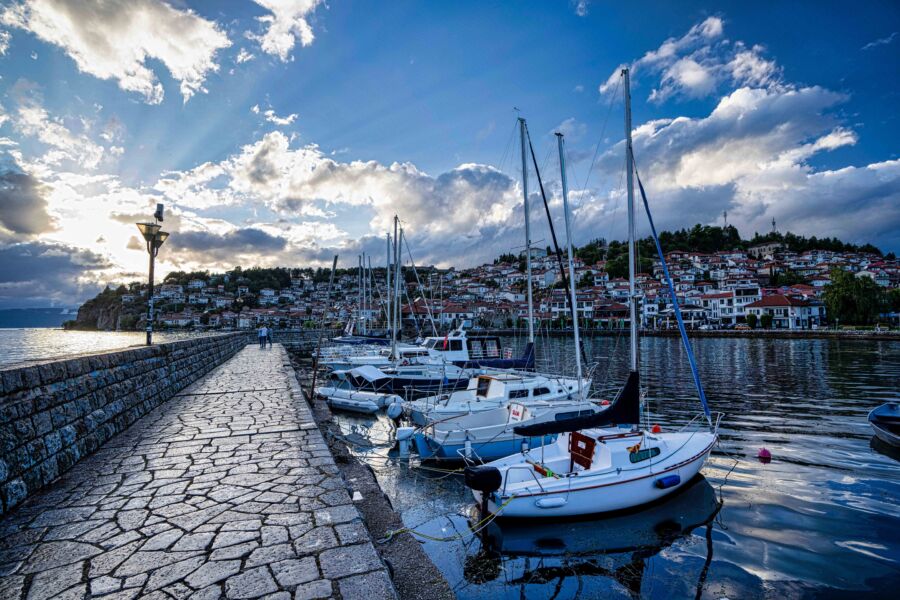
Ohrid floods a gorge between wooded mountains along the border between North Macedonia and Albania. The lake, and the historic town of the same name, are a popular resort for visitors from around the Balkans. Holiday-makers promenade along the wide path that runs along its shore, venturing out onto crumbling piers to be immersed in lakefront splendor. Or they hike just around the bluff above town to reach the iconic, Byzantine-style Orthodox church of St. Jovan Kaneo, clinging to its own little niche just over the water. From here, a steep and winding path leads up to a partially ruined fortress, along its crenellated wall, then to yet more beautiful Byzantine-style churches and twisting lanes that, eventually, meander back down to the lakefront.
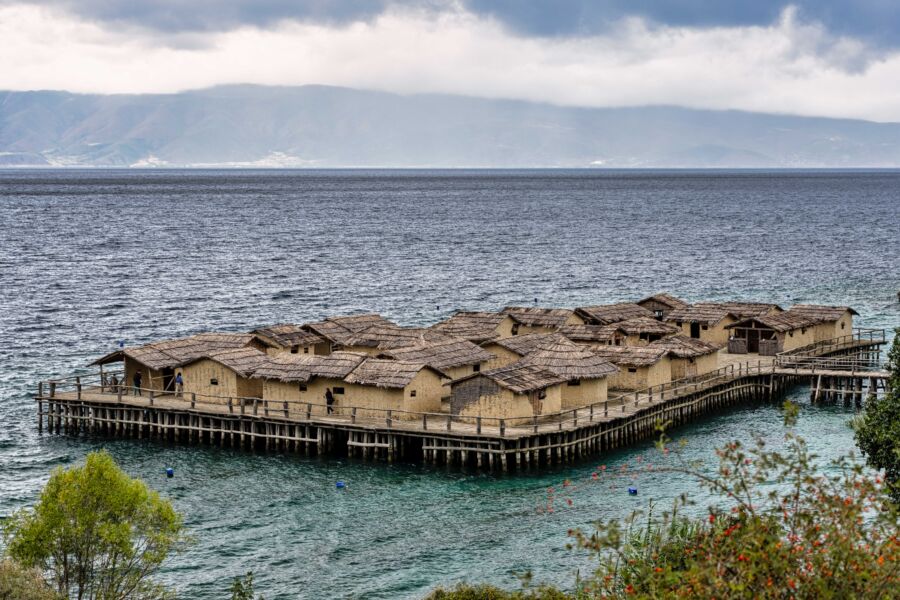
All of those churches are also a reminder that Ohrid is not just for vacationers; it’s one of those places that feels infused with an almost mystical aura, which has attracted settlers and visitors for eons. Following the shoreline highway, you can pull over to explore the rebuilt stilt houses suspended over the Bay of Bones, or to visit yet another historic church, honoring one of the Byzantine missionaries (St. Naum) who converted the Slavs and created the Cyrillic alphabet.
Yes, “primordial” is a strange way to describe a destination. But that’s the word that kept coming to mind on the shores of this bewilderingly old, mysterious, and tranquil lake.
Veliko Tarnovo and Shipka Pass, Bulgaria
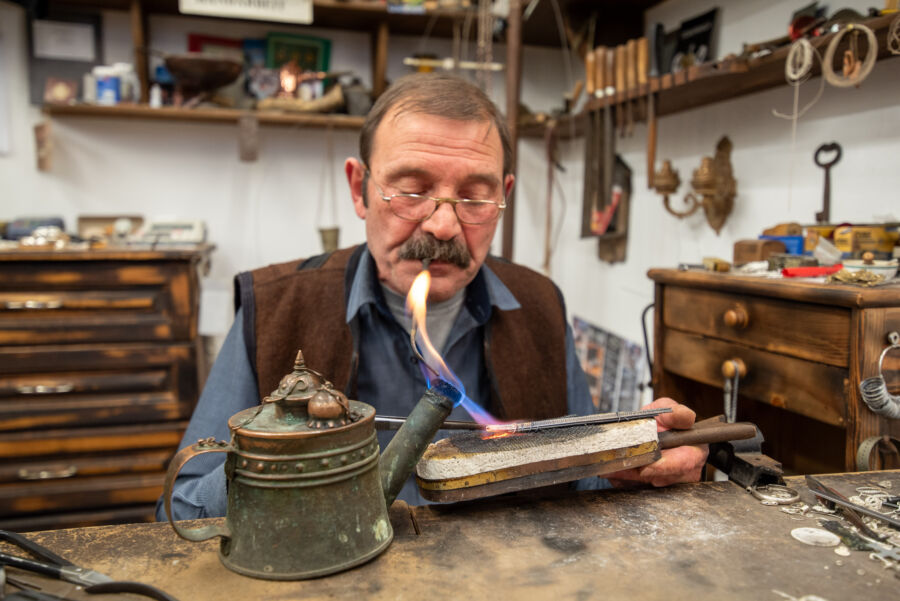
There’s an atmospheric lane in the heart of Veliko Tarnovo that’s lined with smiling craftspeople, eager to show off their traditional art. Silversmith Todor creates intricate filigree jewelry. Nina and her son create pottery with patterns dating back centuries. Miglena operates an old-fashioned loom. Rumi carves wooden items. And Rashko painstakingly paints icons. Folk art, still being executed with pride and precision by modern people, is a hallmark of the Balkans. And this “Craftspeople’s Street” is one of the most user-friendly places to experience it.
Artisanal handicrafts aside, Veliko Tarnovo — appropriately meaning “Great City of Land and Water” — is among the most dramatically situated settlements anywhere. The city’s homes cling to the steep slopes of a gorge carved by the meandering Yantra River. At one particularly scenic riverbend, a gigantic sword thrusts up into the sky, boldly proclaiming a centuries-old dynasty that still fills locals with pride. And the cliff-topping fortress, Tsarevets, rewards hikers with sweeping views over the city… and the opportunity for kids-at-heart to nock imaginary arrows while defending the substantial bastions.
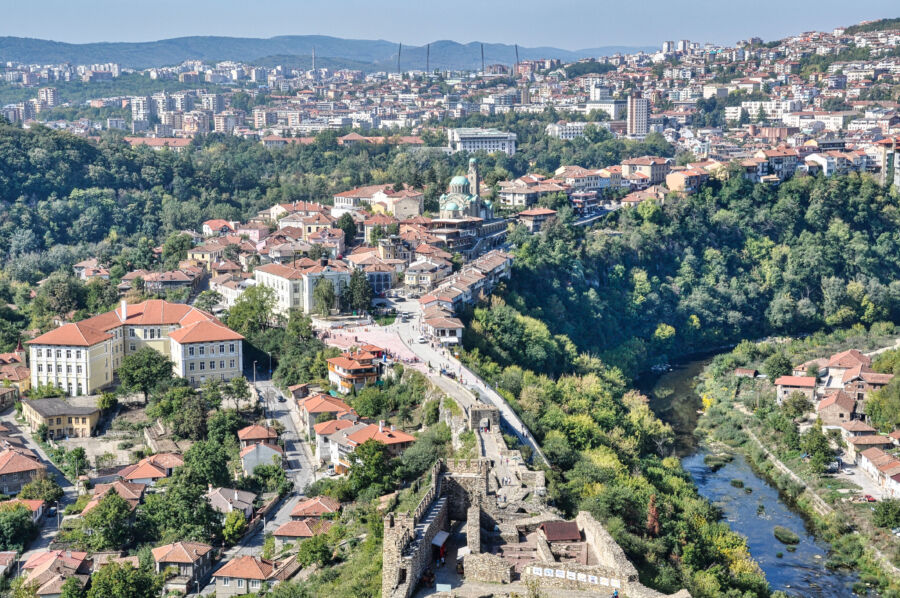
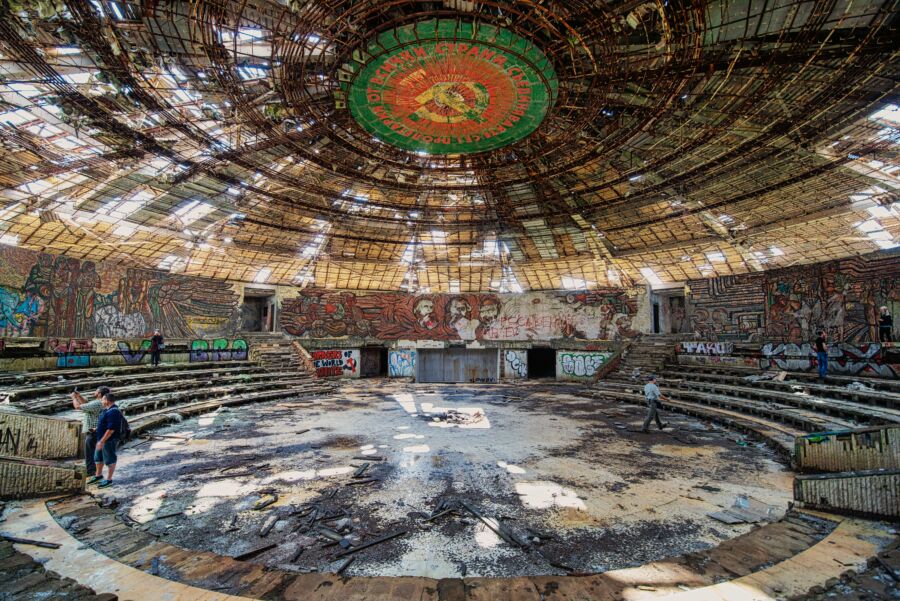
Connecting Veliko Tarnovo to the rest of the country is perhaps Bulgaria’s most entertaining drive, over the Shipka Pass. Along here, you’ll pass through Tryavna, a touristy village that abounds with traditional Bulgarian National Revival-style homes; a lavish Orthodox church celebrating the 1877 battle that forced the Ottomans out of this region; and a rotting-from-the-inside-out communist conference hall that looks like a UFO crash-landed on a mountainside, called Buzludzha.
If Bulgaria is one of Europe’s most pleasantly surprising destinations, then Veliko Tarnovo is one of its very best surprises — and a highlight of perhaps our most underrated tour, the Best of Bulgaria.
Podgorica, Montenegro
“You are probably wondering why you came to Podgorica, widely regarded as the ugliest capital city in Europe.”
These were the first words my guide, Rajan, said when we met. I admired his candor about his hometown; it was refreshing, if a little startling. And it opened my mind to what he said next.
It’s true: Travelers who come to Podgorica (pronounced POD-goh-reet-suh) are not here for beauty. After World War II, the city — then called “Titograd,” after the Yugoslav leader — was built essentially from scratch around the modest footprint of an old Ottoman town at the meeting point of rivers, near the base of a towering mountain range. Titograd was a showcase of Brutalism, the heavy-handed, concrete-happy, form-follows-function style that prevailed in Yugoslavia’s postwar boom.
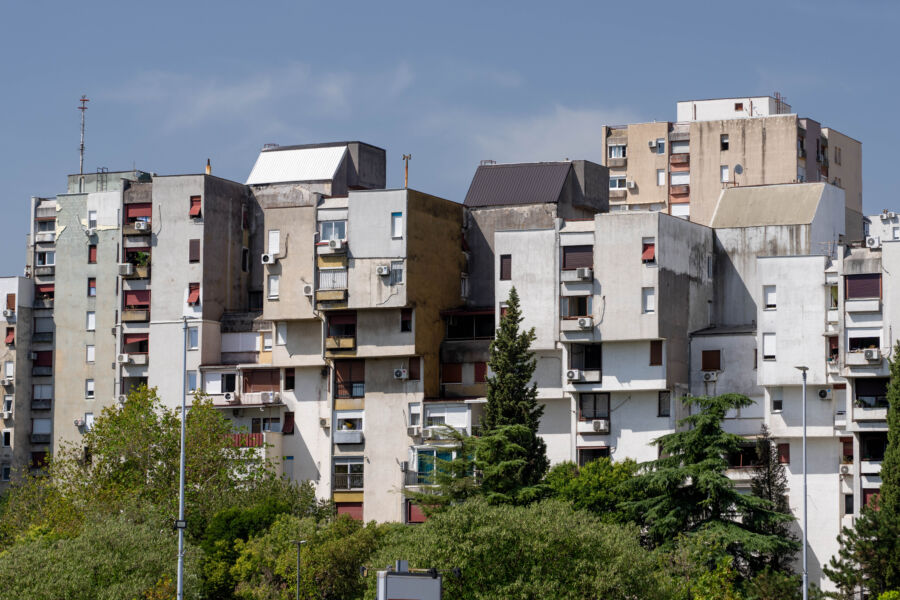
Brutalism is about as pretty as it sounds…and it hasn’t aged well. The night before I met Rajan, at the end of a 10-hour journey from Belgrade, my train pulled into the Podgorica station just after sunset. The walk to my hotel took me through a neighborhood of towering, bare-concrete apartment blocks, on crumbling sidewalks, past seas of bare dirt and green weeds that crowded out sparse tufts of parched-yellow grass. As a first impression, it was, in a word, brutal.
And yet, as Rajan showed me around by the light of day, I found myself entertaining a thought experiment: What if Podgorica’s burly Brutalism and stark “Ex-Yugo” aesthetic is not a bug…but a feature?
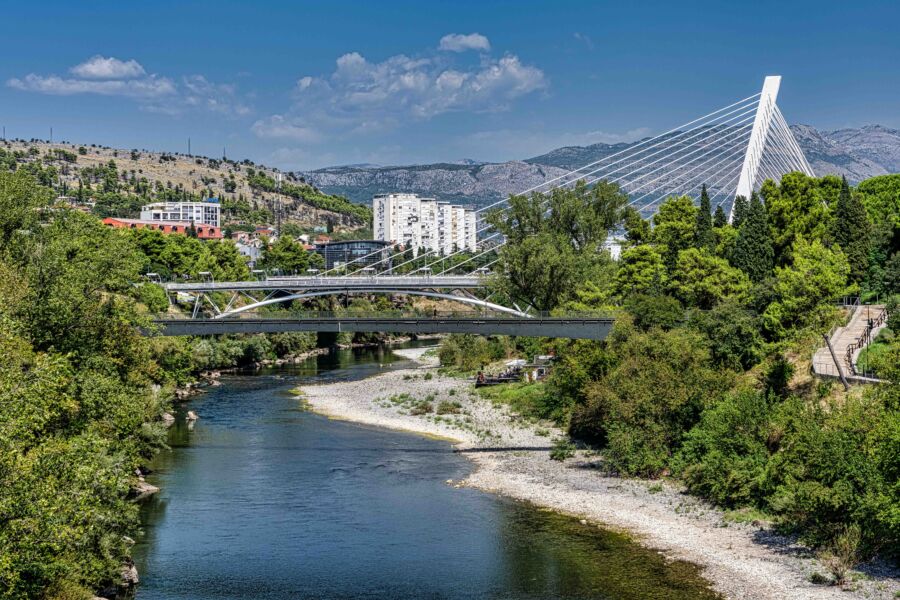
While lacking the graceful arches, stately pillars, and fanciful flourishes that tourists associate with Europe, Brutalism is the essence of functionality. Those Yugoslav nation-builders, like today’s urban planners, faced a desperate shortage of affordable housing. In fact, these days Brutalism is in vogue among young architecture students. Seeing Rajan’s city through his eyes, I found myself appreciating the tidy, grid-planned streets; the broad boulevards with wide, tree-lined sidewalks that encourage strolling; and the strategic juxtaposition of important buildings: parliament, president’s office, ministries, embassies, municipal offices, all efficiently lined up in tidy rows.
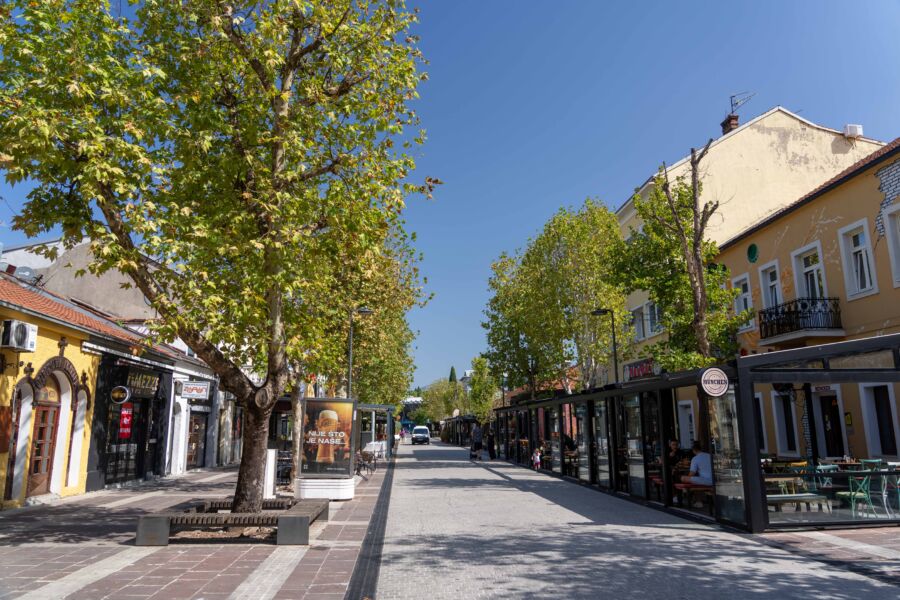
Psychologists talk about “radical acceptance.” Rajan, quite radically, accepts that his city is no Prague or Paris. But what it is, is beautiful in its own way. By the end of our time together, we were brainstorming a “Titograd Time Warp Tour” — to really lean into what’s special about Podgorica.
As travelers, we often make snap judgments based on an unflattering first impression…especially in places with a hard history, like the Balkans. Podgorica taught me to keep an open mind and appreciate each place on its own terms.
Talk about radical.
Anywhere, Bosnia-Herzegovina
There’s no doubt that Bosnia-Herzegovina is a “must” on any Balkan list. But where in Bosnia, exactly?
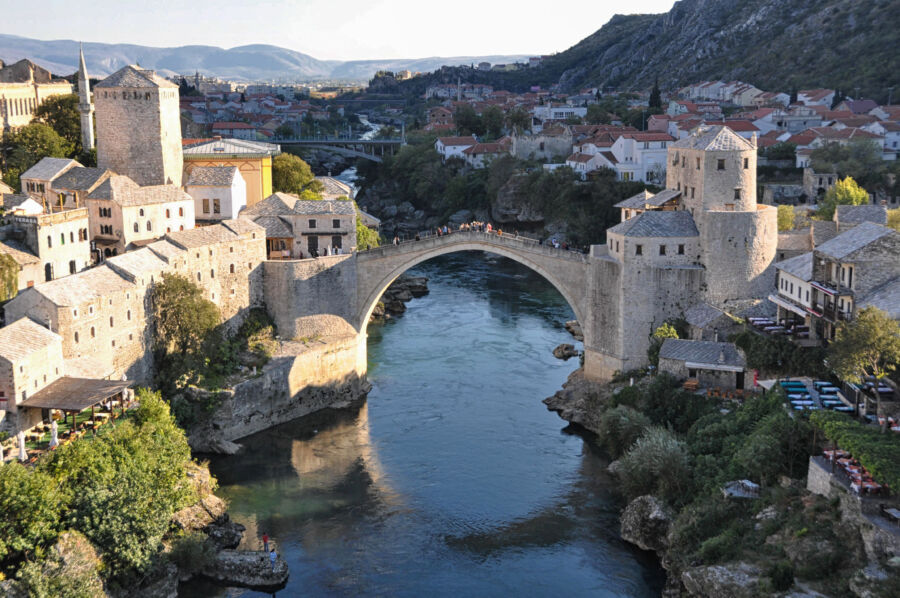
I have already featured the wonderful capital, Sarajevo, on a past Discoveries list. Should I mention Mostar, the convenient-if-touristy “Bosnia with training wheels” city that’s close to Croatia’s Dalmatian Coast? Jajce, the historic town scenically built literally upon a waterfall, where Yugoslavia was born during World War II? Srebrenica, with its wrenching memorial to innocent lives lost in the Yugoslav Wars? Perhaps some remote but charming smaller towns or cities, or amazing foodie finds, or the Bosnian people themselves — some of the kindest, most interesting, most welcoming anywhere?
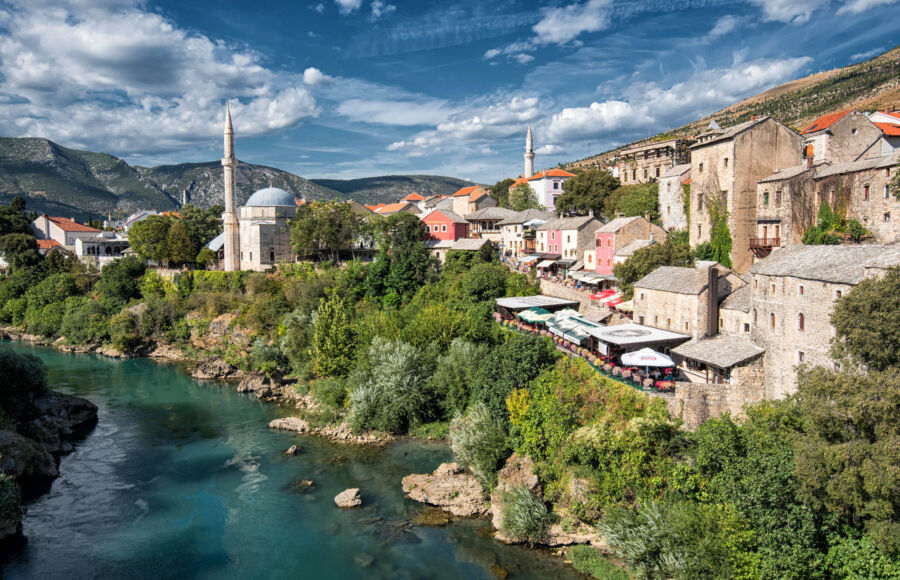
On the other hand…why choose? If you’re thinking of going to Bosnia, anywhere in Bosnia, you can’t go wrong. In many ways, Bosnia is the quintessence of the Balkans: a ruggedly mountainous, verdant landscape carved by rivers and mountain streams; an epic history, with more than its share of highs and (especially) lows; deeply flavorful comfort food at bargain prices; a complex mix of Muslims, Catholics, and Orthodox, which has left each townscape a jumble of minarets, steeples, and domes; and remarkably affordable prices — making this arguably Europe’s single best destination in terms of cost-to-quality ratio.
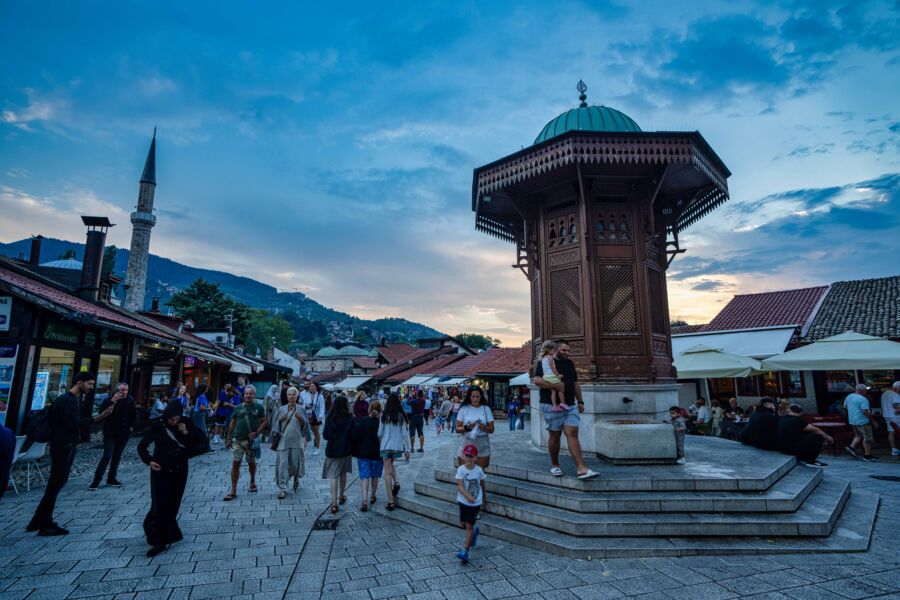
Best of all, especially outside of Sarajevo and Mostar, Bosnia has an unmistakable “undiscovered” quality. I’ve been traveling here for two decades; in that time, those showcase cities have become firmly planted on the tourist trail — but those tourists come mainly from the Muslim world, attracted by the promise of an accessible taste of Europe that’s also culturally familiar. (Sharing Bosnia with these fellow travelers is, in itself, a fascinating experience for a non-Muslim visitor from America.) And yet, if you get beyond Sarajevo and Mostar, you’ll likely discover you’re just about the only tourist, from anywhere.
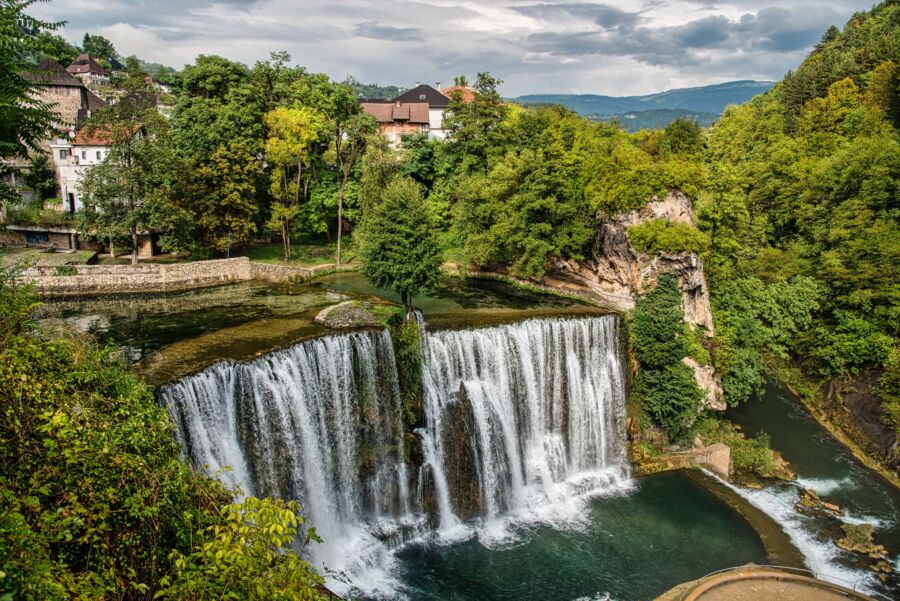
Croatia and Slovenia are certainly the most accessible (and well-known) slice of the Balkans for first-time visitors. But If I had to nominate just one place to get a taste of this region — accessibly, affordably, unforgettably — it would have to be Bosnia-Herzegovina… anywhere.
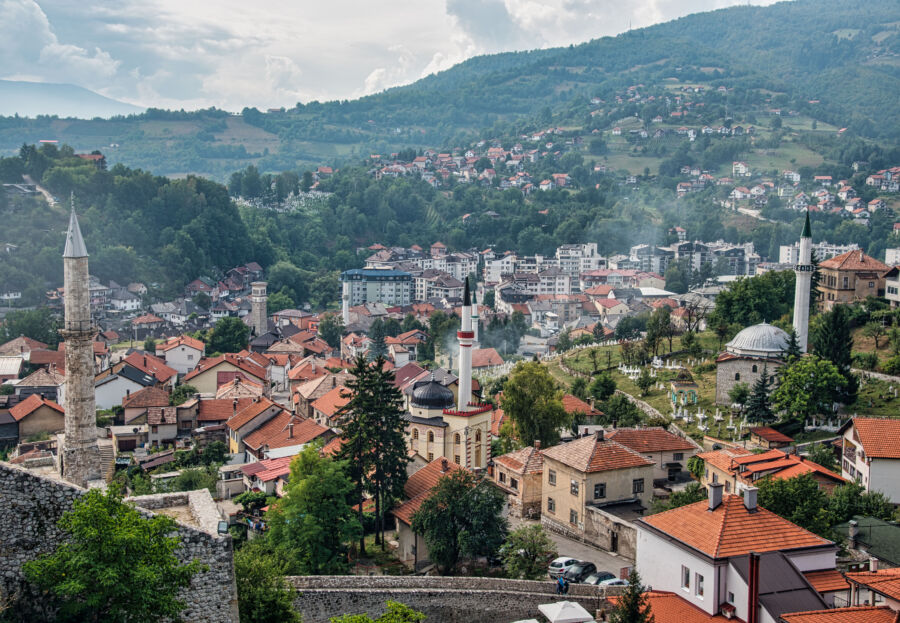
I realize that some of these Balkan Discoveries might be a hard sell for someone seeking a more, shall we say, “conventional” itinerary. I had great trips in 2024, as well, to Venice, Amsterdam, Germany’s heartland, and the Greek Islands — all still marvelous choices. But as crowds and prices rise to unsustainable peaks in those mainline destinations, off-the-beaten-path alternatives seem more appealing than ever. And you won’t find much that’s more “off the beaten path” than the Balkans.
The Balkans are a big place. What tourists there are, are concentrated in a few very small areas. Whether it’s a remote alpine valley, a giant moody lake, a thriving-if-ramshackle capital city, a historic town that’s improbably built upon an unforgiving landscape, or a Discovery all your own, this region warrants exploration.
Be sure to share your own Discoveries in the Comments.
You can also look back at my Discoveries from 2024, 2023, 2021, 2020, 2019, and 2018… all still great choices.
If you’d like to hear more about my recent “Balkan Odyssey” — and more stories and photos from all of the above places, and more — join me on February 17 on Monday Night Travel (at 6 pm Pacific, or 9 pm Eastern). It’s entirely free — just sign up ahead, when the class is officially announced in a few weeks.
If you’d like to travel along with me in 2025, be sure to follow me on Facebook and Instagram.
And consider checking out my travel memoir, The Temporary European: Lessons and Confessions from a Professional Traveler.