Up to My Earlobes in Hot Water, in Budapest’s Best Bath

Updating my Budapest guidebook is hard work. But the day is nearing an end. And the sun hanging heavy in the sky, the soreness in my feet, and the trickle of sweat down my back all conspire to inform me it’s Széchenyi time.

cameron-hungary-baths-budapest-szechenyi-outside

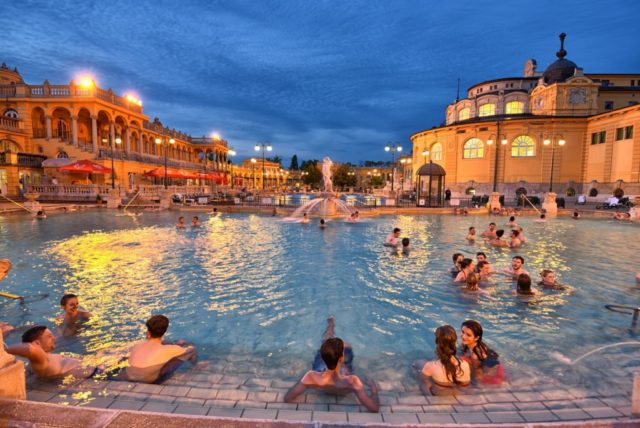
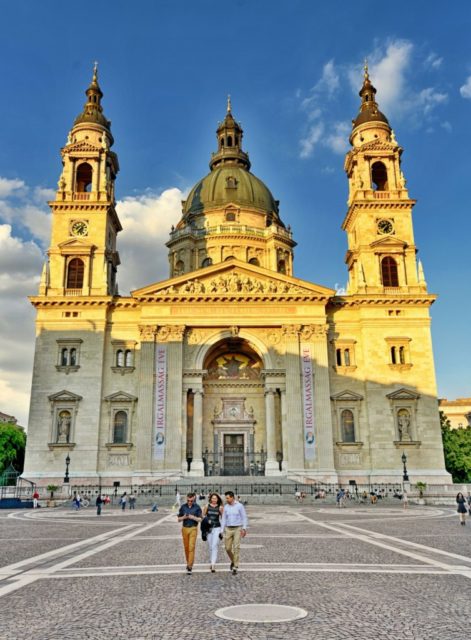
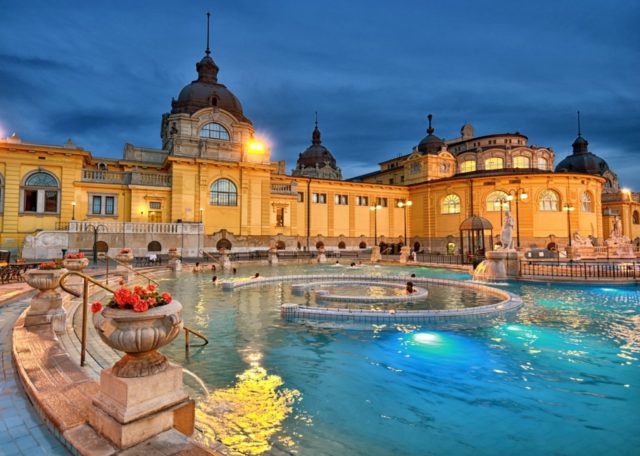
The Széchenyi Baths are Budapest’s ultimate thermal spa experience. Architecturally, the bath complex is grand: A century-old, yellow-and-stone masterpiece, with imperial colonnades and bronze horsemen and copper domes. But it’s also the most purely enjoyable of the city’s two dozen spas.
cameron-hungary-baths-budapest-szechenyi-30

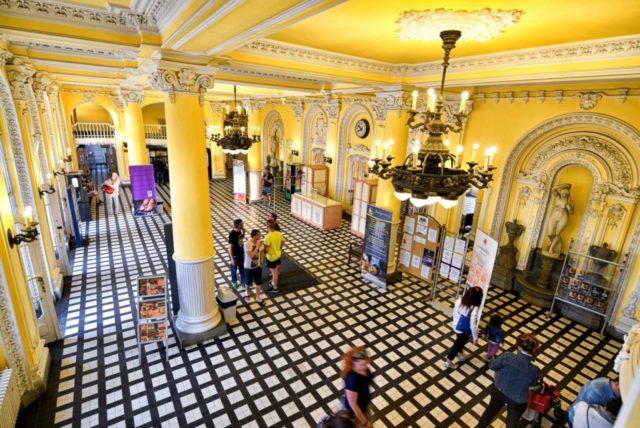
Inside the swanky lobby, a comically complicated menu of services rattles off three feet of options: Cheaper before noon or after 7, more on weekends, cabin vs. locker, a dizzying array of massages and pedicures and other treatments, and on and on. Many tourists — their spirits broken by too many choices — slump their shoulders, turn tail, and head home. But stand tough. Marching right up to the cashier, I tell them I want a swimming pool ticket with a cabin. And before I know it, I’m in my swim trunks and up to my earlobes in hundred-degree water — milky with minerals and steamy with geothermal heat.

cameron-hungary-baths-budapest-szechenyi-35

Even just a few years ago, Széchenyi felt largely undiscovered by tourists. I must admit, these days it has become decidedly touristy. But the people-watching remains unsurpassed. I glance around the pool, squinting through the haze. Nearby, a trio of swarthy Frenchmen — reeking of cheap liquor — dare each other to hit on bathing beauties. A visiting American choir group bobs in a circle and sings pitchy harmonies. And over in the corner, a vigorously affectionate middle-aged couple appear to have completed foreplay.

cameron-hungary-baths-budapest-szechenyi-13

Discreetly paddling to the far end of the pool, I find a pocket of locals ignoring the United Nations of outsiders who swirl around them. Speedo-clad little old men boast bulbous potbellies that hang precipitously over spindly legs, as if determined to defy the laws of physics. In a timeless scene, four graying elder statesmen huddle around a waterproof chessboard, offering suggestions, cheering, and jeering as they launch their attacks. Descending the stairs behind them is a young local couple — weary from a busy day’s work — who slip into the water’s luxurious embrace.

cameron-hungary-baths-budapest-szechenyi-4

To delicate American sensibilities, this all may sound a little seedy…earthy…lurid, even. And maybe it is. But it’s also so very human. People have bodies. Some are pretty, and some are ugly. But one thing is universal: Hot water feels good. The Széchenyi Baths are a place where people of all shapes and sizes come to disrobe, check their inhibitions at the door, immerse themselves in thermal water, and simply have fun. The baths let you be a kid at the neighborhood swimming pool all over again…but with a dash of soothing hot-tub hedonism and a pinch of Old World class.
cameron-hungary-baths-budapest-szechenyi-32

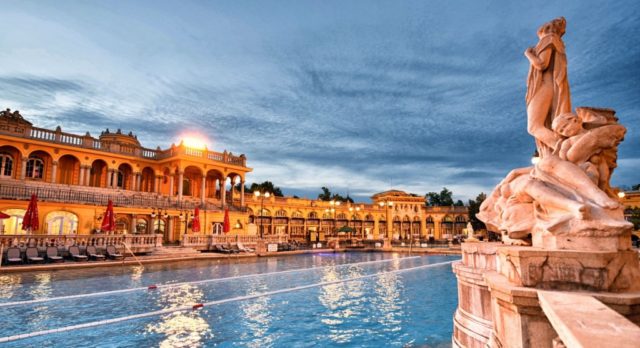
Beginning to sweat in the hot water, I ease myself out of the pool, and — instantly chilled by the twilight air — I scurry, soggy and barefoot, to the opposite end of the courtyard. I shiver as I pass the long lap pool, where swimmers ply Széchenyi’s coolest waters. Along the pool’s edge, stoic statues mark the swimmers’ progress, while overhead looms an empty grandstand.
cameron-hungary-baths-budapest-szechenyi-31

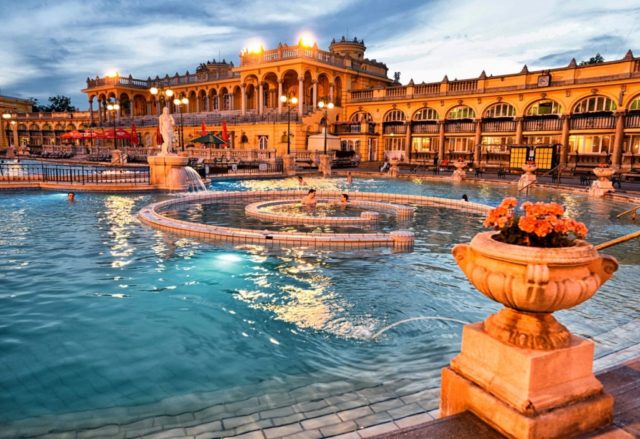
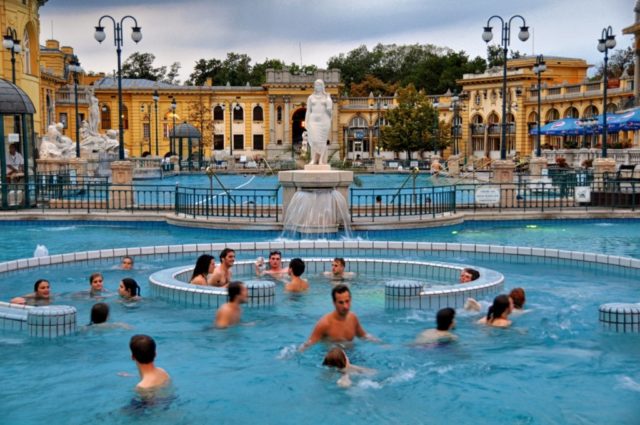
The pool at the far end of the complex is like Goldilocks’ third little bear: not too hot, not too cold, juuust right. This is also the liveliest pool, with more jets, cascades, and a zone where miniature bubbles sputter up from big grates underfoot — like a seltzer foot massage that tickles its way up your legs.
cameron-hungary-baths-budapest-szechenyi-1

In the center of this pool, a tiled whirlpool spins and spins. Once sucked into its steady flow, it’s hard to escape. Some people try to paddle against the current, but I enjoy just going limp and bumping my way around, like a ping pong ball in a turgid eddy. Drifting close to the outside wall comes with a boost of extra propulsion from the jets that keep the whole thing spinning. And then, suddenly, the whirlpool goes still. Across the rippling water, I hear jets and cascades elsewhere in the pool spurt to life. (In a very diplomatic spa tradition, the various whirlpools, waterfalls, and other features take turns.)

cameron-hungary-baths-budapest-szechenyi-33

I’m finished with the whirlpool anyway. Braving the cool air once more, my waterlogged legs wobble me back to the warmest pool. I find a small — but thundering — waterfall, and park myself directly beneath it. Feeling the steaming cascade pound and pound and pound against my shoulders, I slip into a meditative trance, losing all track of time and place. It’s the opposite of water torture…it’s water bliss. It’s been a very long day, and a very long trip. And an evening spent in this water is just what the doctor ordered to recharge my batteries for my journey’s next leg.

Finally I glance up at the clock. The baths are closing in a half-hour. The sky has turned from hazy pink to deep purple to inky black. And I’m determined to stop by my favorite Budapest restaurant for a late dinner on the way home. Changed back into my street clothes, pulling grubby socks onto moist feet, I prepare myself for a jarring re-entry to the real world. But it’s comforting to know that the Széchenyi Baths will always be here. And anytime I’m in Budapest…you know where to find me.

cameron-hungary-baths-budapest-szechenyi-36

Summer Fun in Budapest, Part 2: After Dark

In my last post, I suggested some activities for enjoying summer in Budapest. But after hours, things get even better. Here are some more tips.

cameron-hungary-budapest-roof-terrace

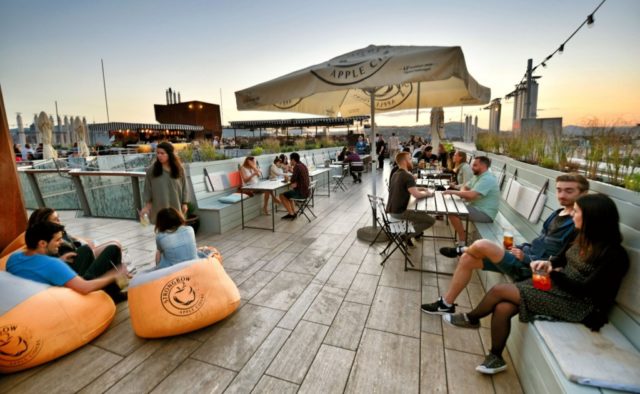
As the sun hangs low in the sky, locals retreat to a series of rooftop bars with sweeping views over the skyline. 360 Bar is my favorite, with a handy location right along Andrássy út and a fun menu of refreshing, summery craft cocktails. An elevator zips you up to the eighth floor and a world of chill Hungarian hipsters enjoying a unique view on their capital. Order at the bar and find the table, bench, or beanbag chair of your choice.

cameron-hungary-budapest-outdoor-dinner

Budapest is one of my favorite food cities in Europe, and its outdoor restaurant scene is a delight. I’ll be covering more on the local food scene in an upcoming blog. But rest assured that finding a breezy and relaxing outdoor spot for dinner is no problem.

cameron-hungary-budapest-ruin-pub-1

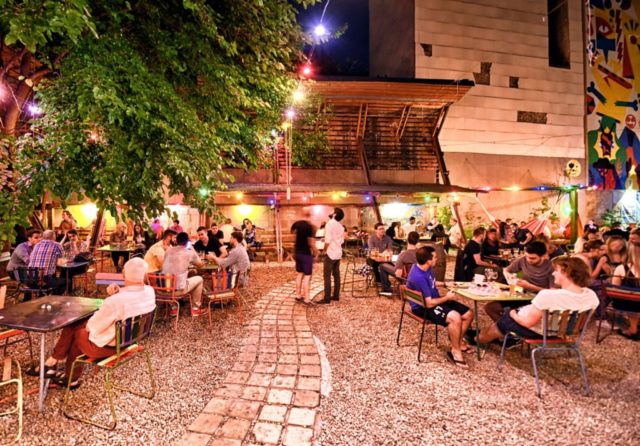
Another Budapest forté is nightlife. Again, I’ll be covering the city’s fascinating and fun “ruin pub” scene in an upcoming blog. In addition to ramshackle bars like the one pictured above, food trucks are tucked between nightspots and apartment blocks.

cameron-hungary-budapest-food-trucks

My favorite Budapest “nightlife”? At the end of a long, hot, busy day of sightseeing, I head for the Széchenyi Baths in City Park. The indoor section closes at 7 p.m., but the even more appealing outdoor pools stay open until 10. What better way to recover from a busy travel day than a pre- or post-dinner dip?

cameron-hungary-budapest-szechenyi-2

Budapest Summer Fun

Budapest is a city for all seasons…but summer is my favorite. With a warm climate, deliciously long days, and ample outdoor fun, Budapest springs to vibrant life when the weather warms up.

cameron-hungary-budapest-fishermen-bastion

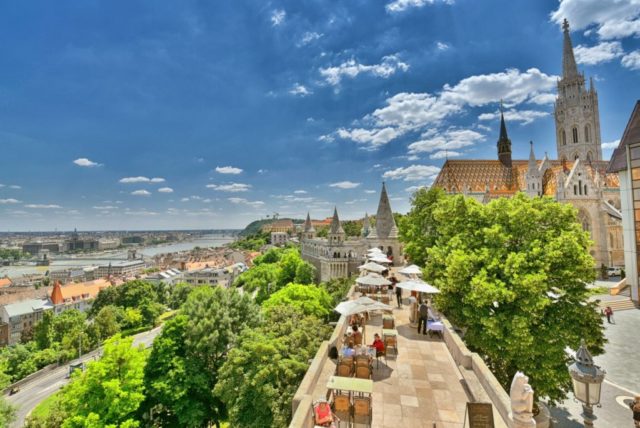
On a sunny day, great views are easy to come by. Up at Buda Castle, most tourists pay $5 to climb onto the fanciful Fishermen’s Bastion view terrace. But if you walk just a few steps to the far end of the terrace, you’ll find a café that lets tourists stroll up for free and snap a photo from essentially the same viewpoint.

cameron-hungary-budapest-design-fair

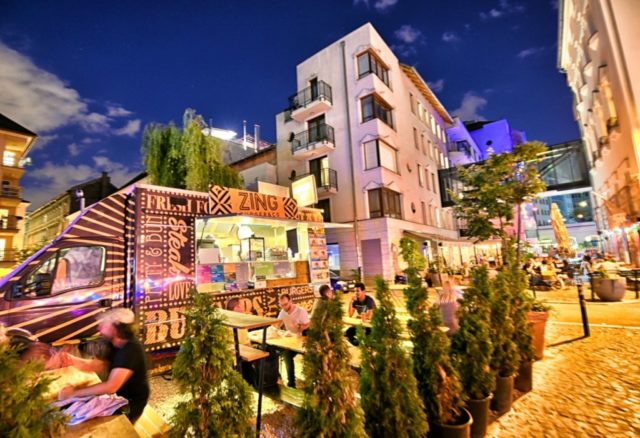
Moments after arriving in Budapest on this trip, I stepped out of my hotel and found myself in the middle of the city’s outdoor summer design fair. Sponsored by the local arts organization WAMP, the craft market fills a city-center square one day each month, all summer long, with stylish shoes and handbags, quirky designer dresses, stylized maps of Budapest, all manner of design-y knickknacks, and other eye-pleasing souvenirs. Nearby, a row of creative food trucks — with gourmet hot dogs, burgers, and ice cream — keeps craft lovers well-fed and watered.

cameron-hungary-budapest-kiosk-1

cameron-hungary-budapest-kiosk-cafe

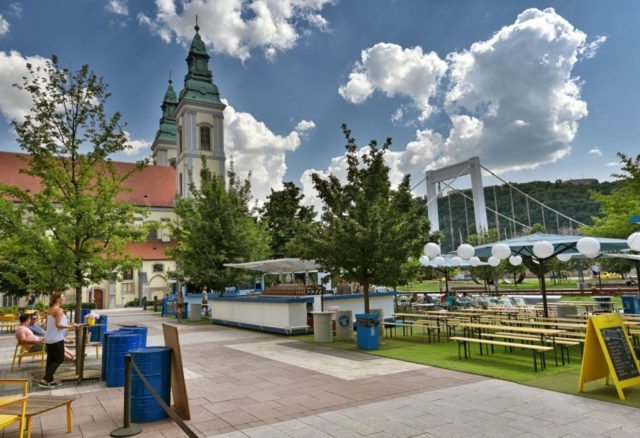
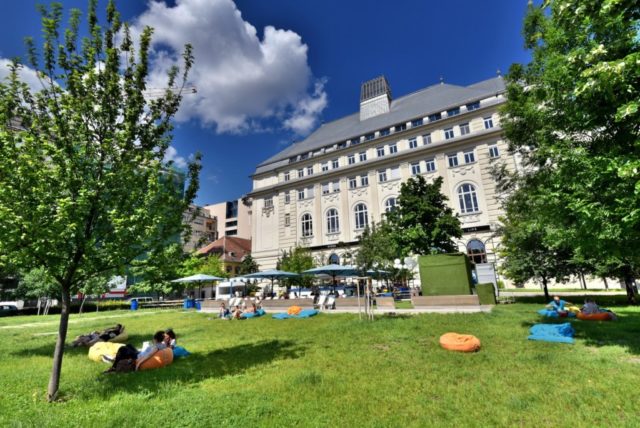
The riverfront March 15 Square — once a seedy and borderline-dangerous area — has been totally refurbished. A hip local café, Kiosk, has taken up residence in the grassy park. Order a drink at the bar, find the neon-beanbag-chair perch you like best, and watch the riverboats float by.

cameron-hungary-budapest-cafe

In fact, appealing little eateries are popping up all over Budapest — often tucked in picturesque and shady little corners like this one.

cameron-hungary-budapest-callas-cafe

For something more classic, grab an outdoor table and nurse an iced coffee or cocktail at one of Budapest’s many grand cafés (a city forté). Callas has long been one of  my favorites for its stunning Secessionist interior. But in good weather, it’s hard to pass up the genteel sidewalk ambience and great views of the Opera House and Budapest’s thriving main boulevard, Andrássy út.

cameron-hungary-budapest-marathon

Budapest has a summer calendar full of special events (including one of Europe’s premier music festivals, Sziget Festival, in August). But even if you don’t plan your trip around special events, you’ll likely stumble upon something going on — such as the Budapest Marathon, filling the Danube embankment.

cameron-hungary-budapest-karolyi-park-1

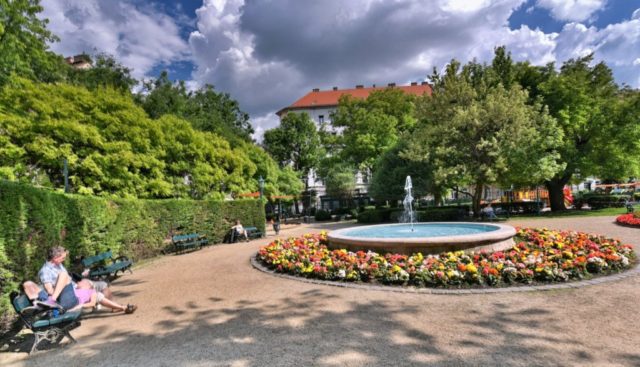
Years ago, after maybe a dozen visits to Budapest, I challenged a local friend to show me something I hadn’t seen before. He spent the day taking me all over the city, poking into little hidden treasures like Károlyi-kert — a public park surrounded by looming buildings dead-center in Pest. While tourists throng the main shopping drag, Váci utca, just a couple of blocks away, almost none of them makes it into this tranquil oasis of green. Instead, you’ll find mostly locals: the après-work crowd nursing a drink at a funky outdoor wine bar (Csendes Tars) and browsing nearby design galleries and vintage shops; kids horsing around after school; urbanites simply looking for a leafy escape from the city; and a few smart travelers using the Rick Steves Budapest guidebook.

cameron-hungary-szentendre

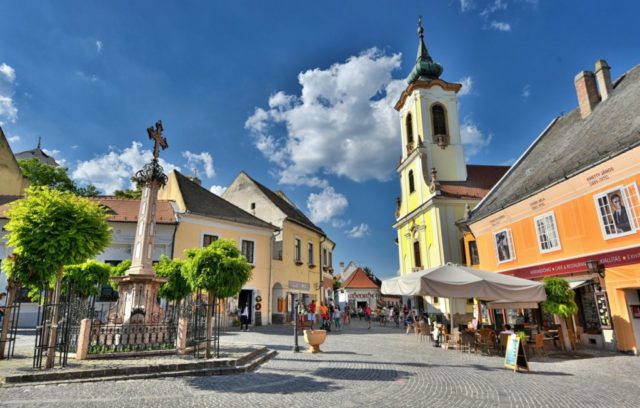
To really escape from the city, ride the train 45 minutes north to Szentendre, a sleepy little river town with an almost Mediterranean street plan and more than its share of beautiful churches. While the town is packed with galleries and shops (and, let’s be honest, tourists), the main reason to come here is simply to stroll the sunny cobbles and enjoy the colorful old houses. Just a two-minute walk into the steep lane takes you completely away from the crowded main drag.

cameron-hungary-szentendre-steps

These are just a few of the ways you can make the most of summer in Budapest. In my next post, I’ll suggest some evening and after-hours options.

Budapest Rebounds

New Yorkers — I mean the dyed-in-the-wool, old-school, real New Yawkers — are fiercely loyal to their city, in good times and bad. Sure, today it’s all family-friendly Times Square and trendy Tribeca eateries and artsy-hipster Brooklyn. But I remember a time when Times Square was one big seedy sex shop, muggers outnumbered tourists on the subway, and the city was hard to love. And yet, New Yorkers cling to a strange nostalgia for that old, unlovable metropolis.

I have a similar nostalgia for Budapest. It’s easy to be head-over heels for Budapest these days:

cameron-hungary-budapest-Istvan

But on my first visit, in 1999, the story was very different. Budapest was grimy and intimidating. Hulking, soot-covered buildings loomed over exhaust-choked highways. Everything was dirty. And the people — with their bushy mustaches and impenetrable language — seemed gruff and shell-shocked.

Only after returning home did I realize that, of all the places I visited on that trip, Budapest had really gotten under my skin. It wasn’t just that Budapest had “potential.” It was a great city all along. It was just going through a rough patch — and you had to work a little harder to appreciate its greatness.

That trip began my love affair with Budapest, which continued as I began to guide Rick Steves tours there, and researched and wrote the Rick Steves Eastern Europe and Rick Steves Budapest guidebooks. I found Budapest unique in how, no matter how often or how long I visited, I always left wanting more. With each visit, my Budapest “to do” list got longer, not shorter. It still does.

cameron-hungary-budapest-moszkva-ter

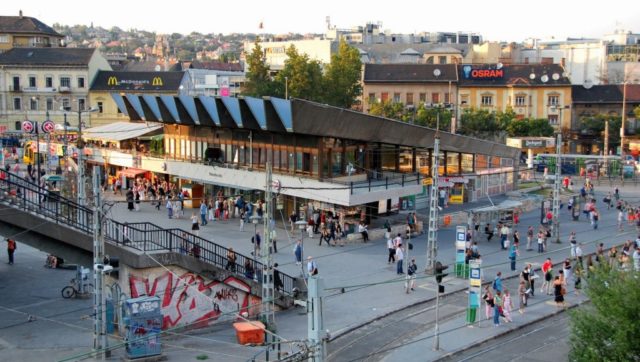
After a few visits, I began to relish the little slices of Budapest life. I got giddy walking through the grimy underpasses that sprawl beneath major intersections. Each one was a thriving delta of infrastructure where the subway system flowed up broken escalators into snarls of trams, buses, and cars. Standing still in a mosh pit of commuters, I was surrounded by ramshackle food stalls, panhandlers, and confusing signage…a happy ant in a busy anthill. Inhaling a pungent mix of sweet pastries, diesel-tinged subway exhaust, and stale urine, I felt alive in a way that only travel makes you feel.

I’ve long used Budapest as my barometer of someone’s travel chops. If a person is turned off by Budapest…well, I’m not saying they’re a “bad traveler.” I’m just saying I probably won’t plan a trip with them. But if someone comes back from Budapest raving, I know we’re in sync. I remember once, co-leading a tour with a Czech guide who was born and raised in Prague, I finally confessed: “You know, I like Prague, but I have to admit…I like Budapest even more.” “Of course!” he said, without hesitation. “Of course you do. I do, too.”

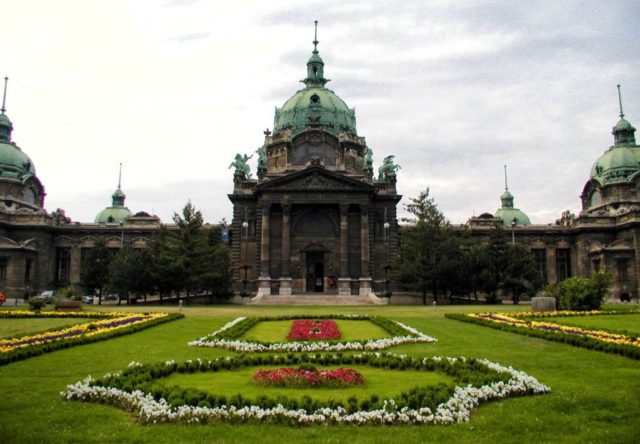
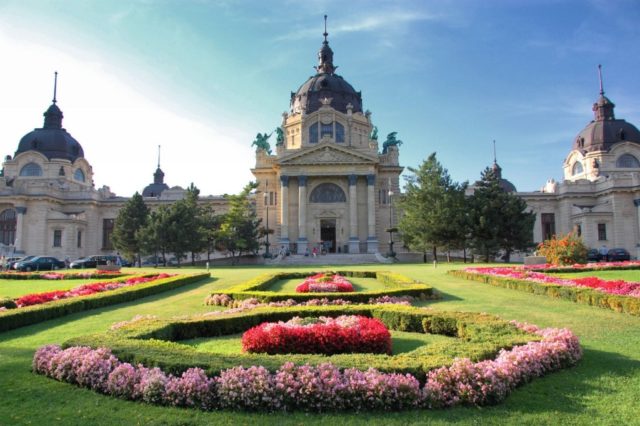
But the Budapest litmus test is less useful than it once was. Budapest has fully transformed itself. Once a diamond in the rough, today the city is a sparkling gem. Grandiose, late-19th-century architecture has been scrubbed of grime and returned to greatness. Check out these images — taken just a few years apart — of the glorious Széchenyi Baths complex in City Park:

OLYMPUS DIGITAL CAMERA

cameron-hungary-budapest-szechenyi-new

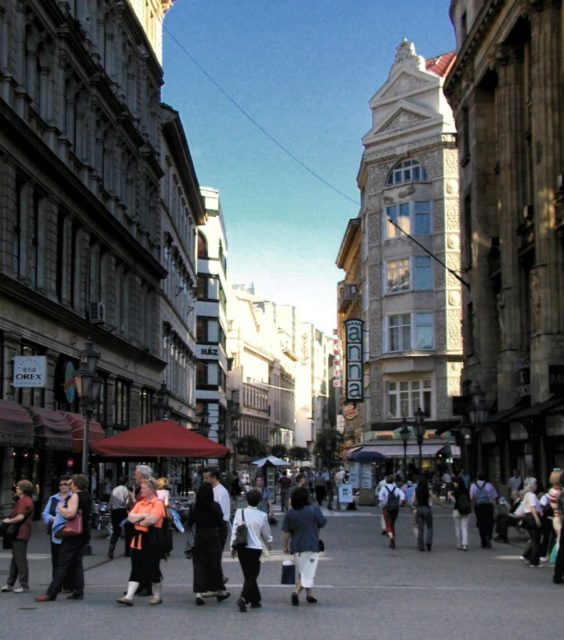
Back on my early visits, even the city’s “showcase” walking and shopping street, Váci utca, was pretty glum:

OLYMPUS DIGITAL CAMERA

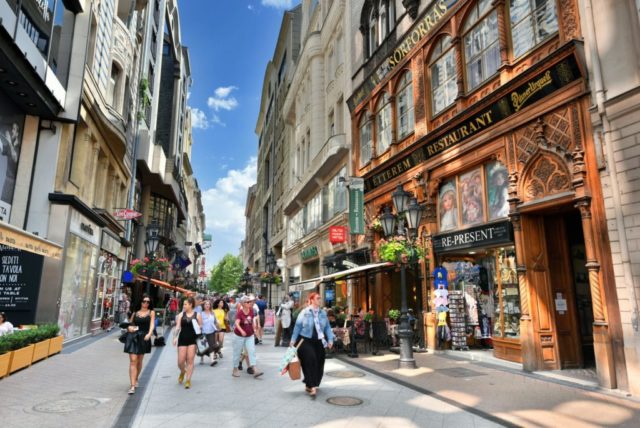
But today — while it’s so thronged with tourists that I can barely stand to go there — at least it’s gorgeous:

cameron-hungary-budapest-vacti-utca-new

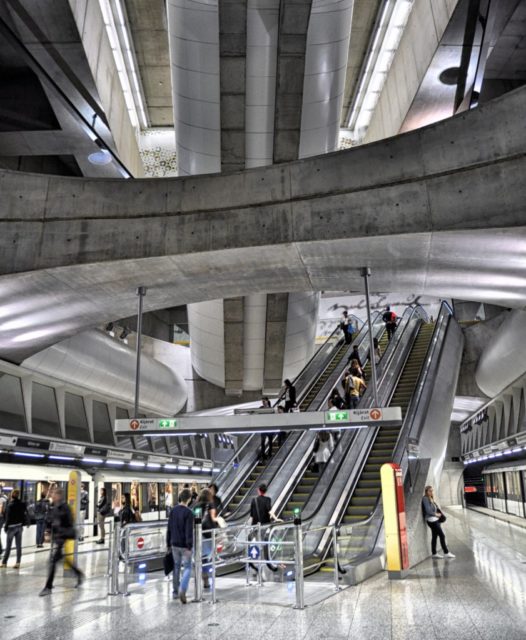
At the same time, the transit system has been overhauled, revamping the old metro stations and building several new, futuristic ones.

cameron-hungary-budapest-subway-new

Those seedy underpasses? They’ve been fully renovated. International chains have elbowed out the mom-and-pop vendors, and the signage is now crystal clear. (But deep down, I miss the old chaos.)

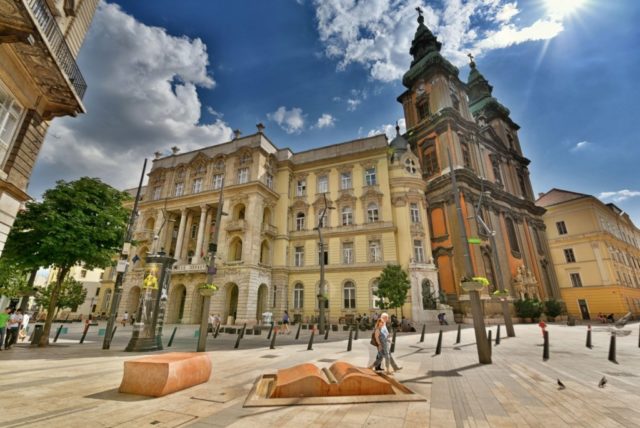
Meanwhile, the city has undertaken an ambitious master plan (funded largely by the EU…are you paying attention, Brexiters?) to re-surface and pedestrianize many formerly car-clogged streets and squares in the city center. It has been a smashing success.

cameron-hungary-budapest-square-new-2

cameron-hungary-budapest-streets-new-1


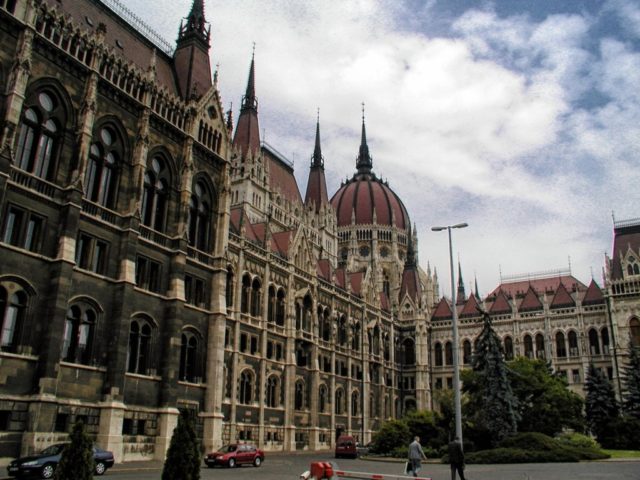
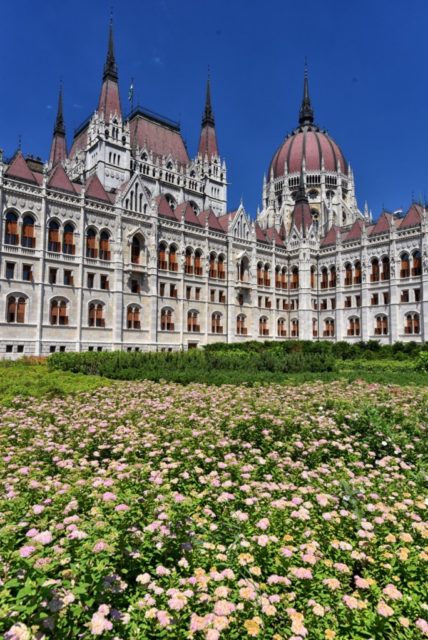
And Budapest’s stately Parliament building — once surrounded by a ramshackle square of broken concrete, overgrown parks, and ragtag monuments — has been polished and completely relandscaped, leaving it gleaming. Before:

OLYMPUS DIGITAL CAMERA

After:

cameron-hungary-budapest-parliament

It’s clear: Budapest — so hard to love for so long — is finally coming into its own. And, while I may miss some of its old rough edges, there’s no doubt that today’s Budapest is a city that anyone can (and should) enjoy. My next few posts will introduce you to various facets — beyond the obvious tourist traps — of my favorite European capital. It has some of Europe’s best nightlife, bars, cafés, and creative ways to simply hang out. It’s the undisputed best foodie city in Eastern Europe (and, for me, is one of the best in all of Europe). Its thermal bath culture is a prefect mix of relaxing and culturally enlightening. And its current political reality is fascinating and instructive.

Stay tuned…and prepare to be surprised by one of travel’s best-kept secrets.

cameron-hungary-budapest-szechenyi

Brexit Blowback: Why I Still Believe in the EU

Maybe I’m naive. Maybe I’m idealistic. But I’m a huge fan of the European Union.

Granted, I’ve never lived in Europe. But over the last 15 years, I’ve spent about a quarter of my life there. That’s long enough to talk to lots of Europeans, and to form an opinion of my own.

And over that time, believe me, I’ve heard all of the fretful anti-EU criticisms: Heavy-handed bureaucracy. Worries about being lashed to a euro currency that allows a weak partner (ahem, Greece, ahem) to drag everyone else down. And, of course, the fear that seizes many people anytime you open borders and lower barriers to immigration.

The thing is, I think the vast majority of Europeans get far more from the EU than the EU takes from them. They just don’t always see it.

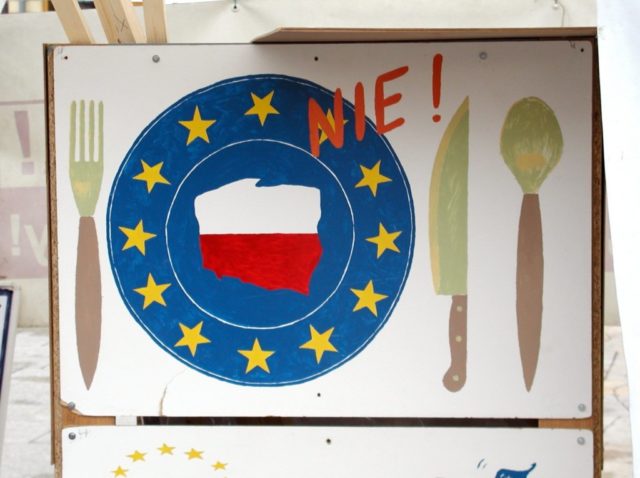
OLYMPUS DIGITAL CAMERA

I was traveling in Eastern Europe in the spring of 2004. Poland, Hungary, the Czech Republic, Slovakia, Slovenia, and five other countries were about to join the EU on May 1. I was there in April. EU membership was a done deal, but hadn’t happened yet. So it was the perfect window for irrational fear — which, it turns out, is the EU’s most dangerous enemy.

The Poles, Hungarians, and Czechs I spoke to that spring were terrified. They saw the EU as an unstoppable monster, gobbling up countries as it stomped its way eastward through Europe. “Now I have to get a passport for each of my cows,” one farmer groused. “They won’t let groceries sell bananas with too much curve,” another told me. (That one’s been repeatedly debunked… yet somehow, it survives.)

And in Poland, I was told that there’d been a run on sugar. Apparently a (false) rumor had spread through the country that new EU tariffs would drastically increase raw sugar prices. Poles panicked, rushed to the grocery stores, and bought up bags of sugar…causing a spike in sugar prices.

And what became of all that catastrophizing, after May 1? To find out, I returned to those same countries that fall. And by then, a few months in, my Eastern European friends conceded that the EU hadn’t impacted them negatively one iota — and, they sheepishly admitted, they already saw improvements.

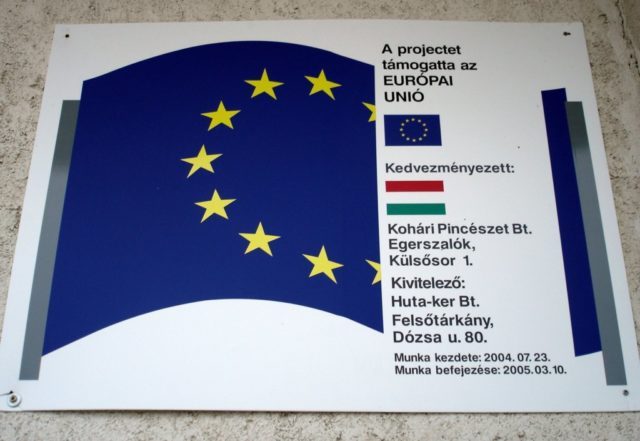
cameron-hungary-eu

In the years since, I’ve observed those improvements all over Europe, from Portugal to Bulgaria. Brand-new expressways and pedestrian zones in cobbled old towns come with a tasteful little EU flag, explaining where the money came from. And I watched my friends from all over Europe move to other parts of Europe, where they could find meaningful employment, make friends, fall in love, get married, and start adorable pan-European families.

Sure, some of the bureaucracy can get troublesome. But when you can see the big picture, the paranoia of the Euroskeptics has always been rooted more in fear than in facts. It’s clear to me that — aside from a devastating global economic crisis, born on Wall Street, that crippled European economies — the heyday of the European Union has been a golden age for Europeans of all walks of life.

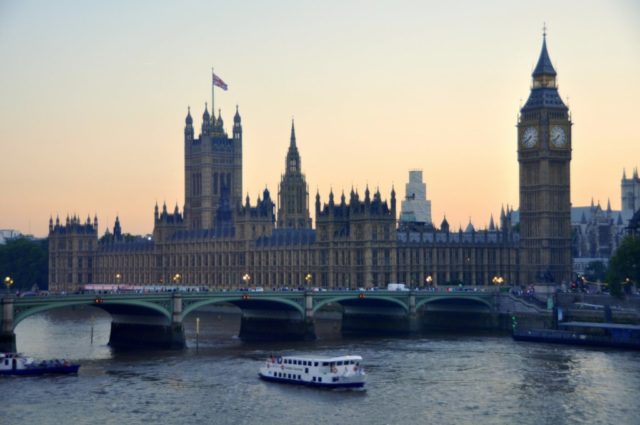
cameron-britain-london-skyline

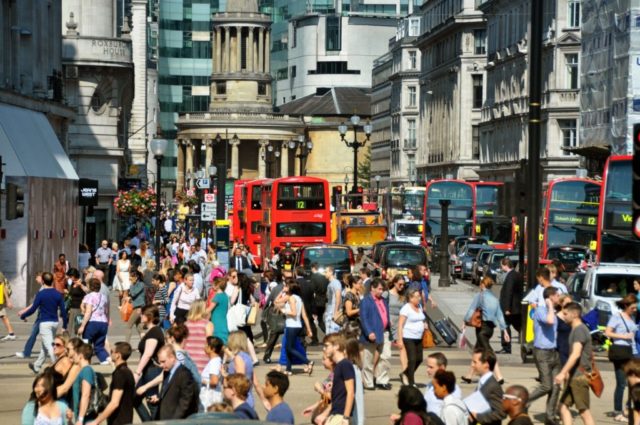
And in my mind, no city better embodies the EU’s bold and optimistic worldview than London. I adore London. It’s one of my favorite places in Europe. I love it for its English-ness. But I also love it for its diversity. London is the world’s melting pot city. It’s the capital of a great civilization, yes. But it’s also a celebration of the sum total of world culture.

But this morning, dawn broke on a different Britain. It’s a Britain where Poles and Romanians and Belgians who fell in love with an Englishwoman or a Scotsman now feel unwelcome in their adopted homeland. It’s a Britain where teenagers who once dreamed of studying in Paris or Rome have to reconsider their plans. And, I fear, it’s a Britain doomed to a dark age of political turmoil, economic struggles, and cultural soul-searching.

The voters have spoken. But I suspect many Brits woke up this morning with voters’ remorse — which will only intensify in the coming months, as the cold, hard reality of the Brexit is negotiated. And some small part of me believes that somehow, the Brexit will never actually come to pass. (Here in Seattle, I voted in favor of a monorail…twice. And guess what? There’s no monorail. Our City Council figured they knew better than the “will of the people.” And they were right.)

cameron-britain-london-crowds

On my first visit to Britain, I kept putting my foot in my mouth by saying I was on a trip to Europe. Finally, an old family friend gently corrected me: “You’re not in Europe. You’re in England.” Ever since that early attitude adjustment, I’ve understood that Britain fancies itself something different from Europe. So maybe the Brexit results aren’t so surprising…in hindsight. While I don’t agree with the Brexit, I’m willing to entertain the possibility that the best role for the UK is as a close partner to, but not officially part of, the EU — like Norway or Switzerland.

But I worry about the rest of the EU. I worry that the Brexit vote will embolden xenophobes in other countries. I was just in Austria, where the Green candidate very, very narrowly defeated an anti-immigrant isolationist in the presidential election. Even if Britain does bail out, the EU can survive without it. But if France ever left, or Austria…then Europe would be in real trouble.

But all of that will play out in the coming months and years. For now, most of all, I’m sad for the idealistic, internationally oriented young people of the United Kingdom. London has a special energy and optimism, and a belief in the goodness of humanity. These are values that inspire me as a traveler and as a person. But the Brexit vote just threw a bucket of ice water on that spirit. I know it will survive…but it’s going to be a rough patch.

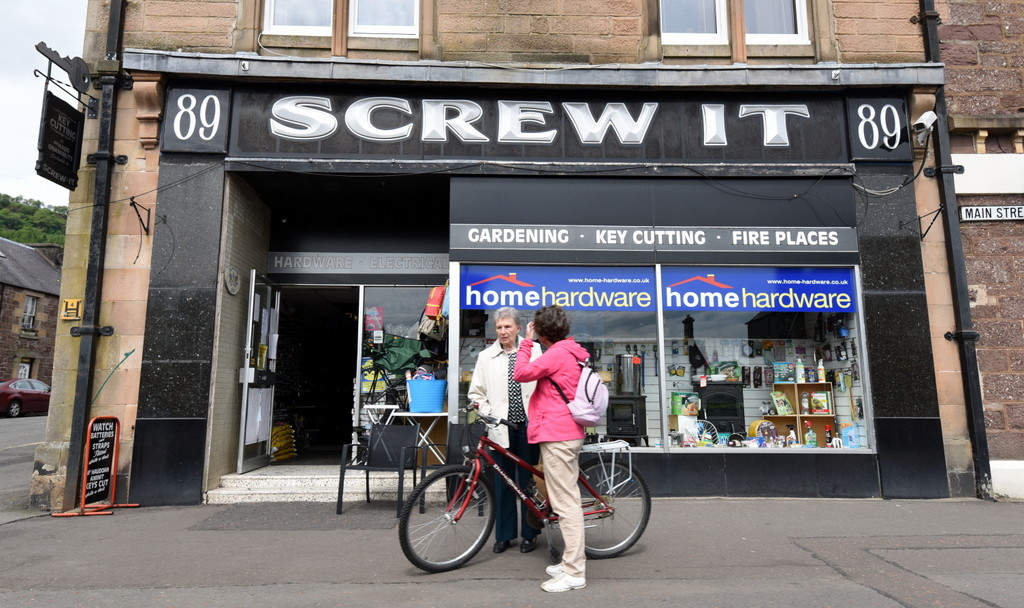
Feeling hopeless at this morning’s announcement, I kept thinking back on a hardware store sign I saw last summer in Scotland:

Cameron-Scotland-British Signs-Screw It