The 2026 Milan-Cortina Winter Olympics: Travel Tips & What to Watch For

The 2026 Milan-Cortina Winter Olympics are fast approaching, and if you’re heading to Italy this February or March, the Games will likely impact your travels. Specifically, the XXV (that’s 25th) Winter Olympiad will run February 6–22, followed by the Winter Paralympics (March 6–15). An estimated 1.5 million tickets have been allocated for fans to come watch around 3,000 athletes compete across 16 sports.
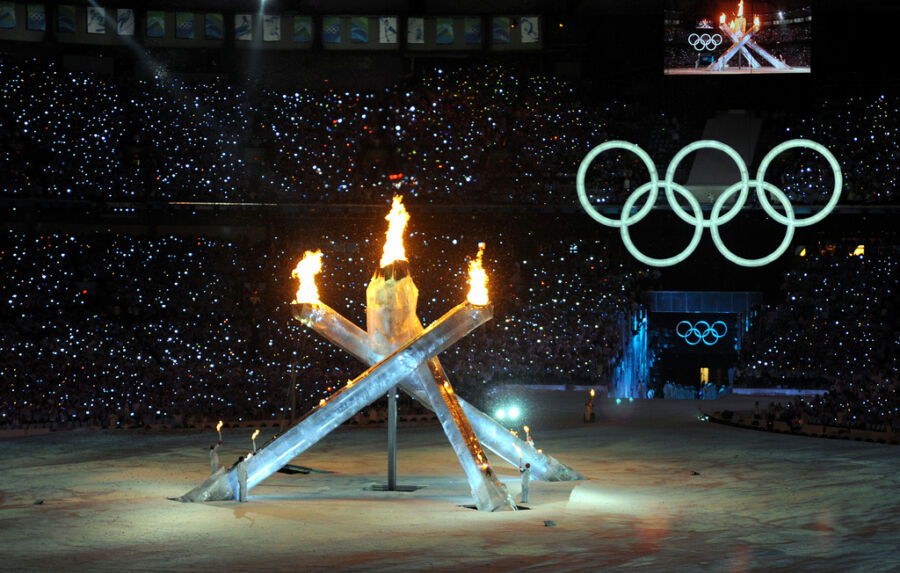
Ice luges with flames atop them, set beneath the Olympic rings
Opening Ceremony of the 2010 Winter Olympics in Vancouver, Canada. (PC: Tim Hipps, FMWRC. Retrieved from Wikimedia Commons)

Most of the action will be split between two very different places: Milan, Italy’s second largest city, and Cortina d’Ampezzo, a high-class resort town high in the Dolomites, a two-hour drive from Bolzano. However, other alpine destinations like Bormio and Livigno will also host a few events — and the Closing Ceremony will be held in Verona. Unless you’re going for the Olympics, February and March are good months to give both places a wide berth, as crowds will be heavy and lodgings will be scarce (and expensive).

Transportation throughout this region will also likely feel some Olympic congestion. Although Milan and Cortina are co-hosts, they’re not exactly close together. It’s about a five-hour drive between them, and there’s no direct train connection. While organizers are spinning this positively — they’re labeling the Games as the “most geographically widespread” in history — travelers might call it “logistically inconvenient.” Expect highways, rail lines, and nearby transit hubs (like Venice and Verona) to be busier than usual.
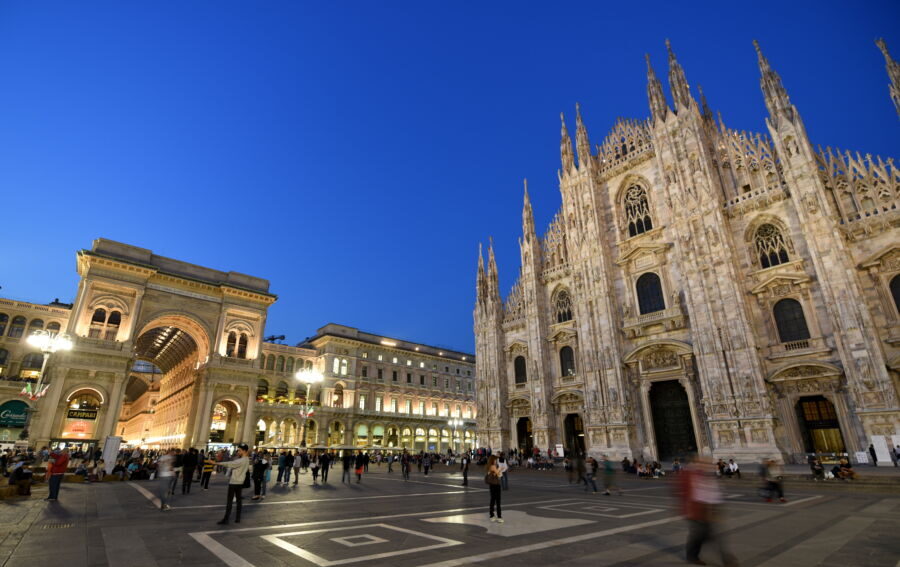
Milan's Cathedral and the square in front of it.
Expect popular destinations like Milan’s Piazza del Duomo to be packed with Olympic fans-turned-sightseers. (PC: Cameron Hewitt, Rick Steves’ Europe)

Even if you’re traveling elsewhere in Italy during February and March, you might still feel some Olympic effect. Many heading to the Games will likely extend their vacations to see other Italian highlights like Rome and Florence — or hop across the border into Switzerland and Austria.

Meanwhile, there’s a good chance that Milan and Cortina will continue to see a visitation bump long after the Olympic flame is extinguished. Major sporting events like the Games are a global spotlight, and host cities regularly seize the opportunity to promote tourism. Paris used the 2024 Summer Games to remind the world how irresistible it is, and Italy will likely do the same. While Milan has long been on the travel radar, mountain towns like Cortina have, until now, been more of a niche destination…but soon, it will become mainstream. With every shot of fans sipping espresso, swirling wine, and twirling pasta against a stunning backdrop of the Dolomites, viewers will increasingly say: “I want to go there.”
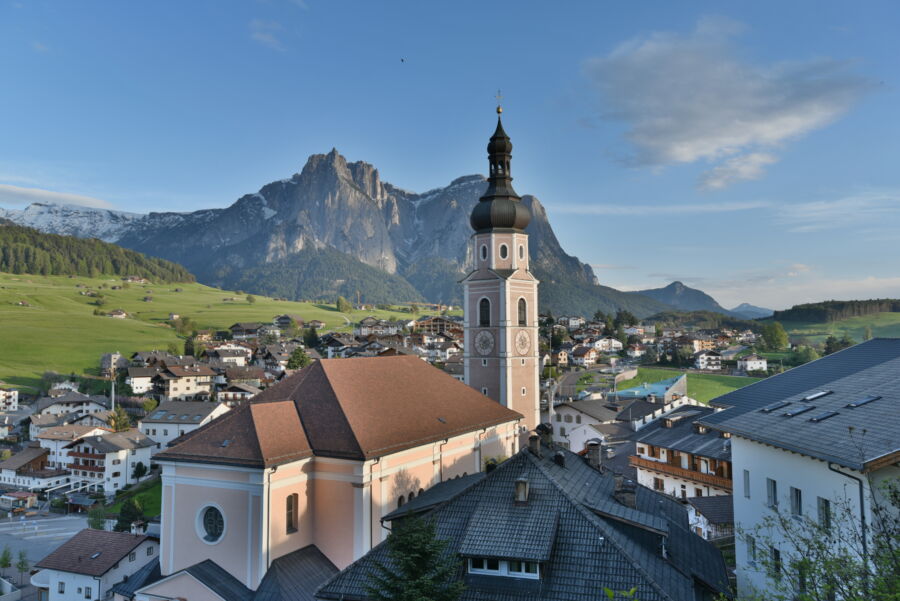
An Italian village set before a mountainous backdrop.
Castelrotto, Italy (PC: Cameron Hewitt, Rick Steves’ Europe)

Although Rick Steves’ Europe does not cover Cortina, we have plenty of material on similar (and arguably more culturally intriguing) Dolomite destinations such as Bolzano, Castelrotto, and Europe’s largest alpine meadow, the Alpe di Siusi. And if Milan is in your travel plans, you have your choice of Rick Steves articles, guidebooks, TV episodes, and recommendations at your disposal to help plan your trip.

Culturally, the Winter Olympics are not as important to Italians — or most Europeans in general — as the FIFA Men’s World Cup, which is taking place later this year (and will still impact your trip, even though it’s being played in North America). However, the 2026 Winter Games nevertheless warrant your attention, as they will shape travel in northern Italy during February and March…and might inspire you to visit this region soon.


We’d like to hear from you! As a member of our merry band of travelers, please weigh in on this article by using the comments below. Meanwhile, many of these topics will also be covered on Rick Steves’ Europe’s various social media platforms — FacebookInstagramX, and TikTok — and we hope you’ll join the conversation there as well.
America’s European Christmas Traditions

December is here, and as many Americans settle into the familiar festive rhythm of shopping for gifts, stringing up twinkle lights, and humming “Jingle Bells,” it can be fun to pause and consider where these Christmas traditions come from. Many of the most popular — like Christmas markets, Christmas trees, and caroling — started in Europe.

Christmas markets trace their roots back to 13th-century Austria, when a local duke thought multi-week December fairs might help lift spirits during long, cold winters. While these weren’t expressly “Christmassy” in nature, the idea proved to be a popular one, and other communities hopped on board. Over time, Austria and its German-speaking neighbors refined these fairs into charming holiday-themed markets, where locals could sing songs, sell handmade crafts, and indulge in seasonal sweets.

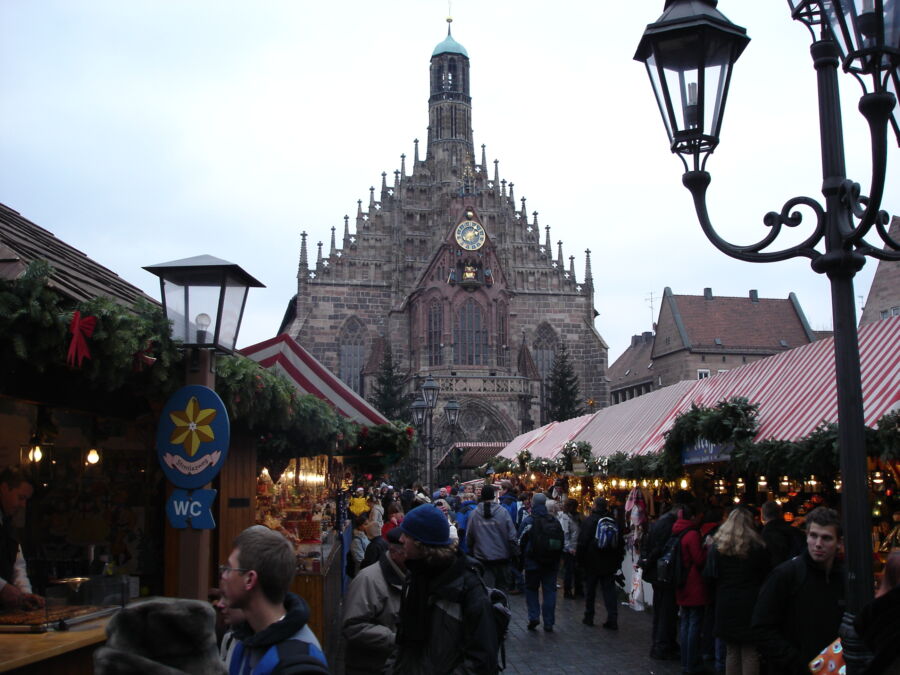
While no Christmas market can accurately claim the title of “first,” several have been going strong for centuries — like Dresden’s Striezelmarkt, which started in 1434, or Nuremberg’s Christkindlesmarkt, which has been around since 1628. Increasingly, more countries are getting in on the fun, and garland-smothered extravaganzas now fill town squares all over Europe and North America. We even have Christmas market tips, to help you get the most out of these cozy collections of wooden stalls, steaming pots of mulled wine, and gigantic trees.

Nuremberg's Christmas Market
Nuremberg’s Christkindlesmarkt has been going strong since 1628.

Those trees also have European roots. Evergreens have long embodied the spirit of perseverance in the winter, as they were one of the few things that didn’t die in the cold, dark season. The Druids and ancient Celts adorned their temples with them as a symbol of everlasting life; the Vikings considered them the favored plant of their sun god; and medieval Christian families in Germany used them to help celebrate the season, by reenacting Biblical stories. On December 24 (the Feast of Adam and Eve), these families would use fir trees to symbolize the Garden of Eden’s Tree of Knowledge. To represent its tempting fruit, they would hang sweets on the branches of these “paradise trees,” turning a religious symbol into an early form of holiday decor.

The ritual of lighting trees, however, has murky origins. One early account comes from 16th-century Latvia, where merchants put up a tree in a Riga town square and lit it on fire, dancing around it to celebrate the warmth and light it provided in the face of the cold, dark winter. Another popular story is that Martin Luther, walking home on a cold winter’s evening, was so taken by the gorgeous stars above that he attempted to recreate the scene for his family by adding candles to their paradise tree. This is probably folklore, but it’s not surprising that candles made their way onto these trees — as they, too, held deep religious symbolism, often standing for the light of Christ and Star of Bethlehem.

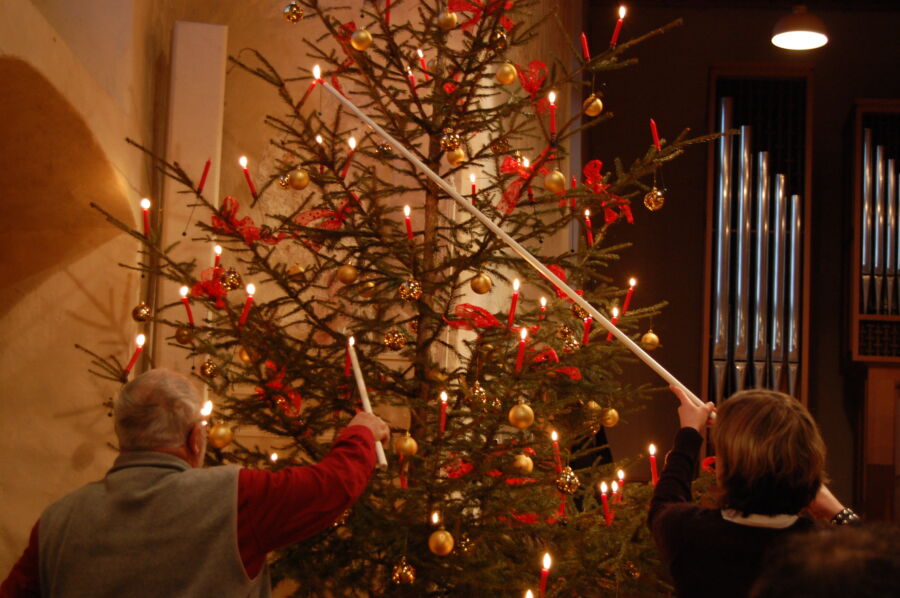
A family lights candles on a Christmas tree
In certain parts of Europe, real candles are still used to light a tree.

By the 1800s, trees decorated with candles and sweets had become a holiday staple in Germany, where they were called Tannenbaums (meaning “fir tree”). In 1840, the Tannenbaum was introduced to England’s Queen Victoria by her German husband, Prince Albert. Victoria took a liking to them…and, since England ruled a quarter of the world, the Christmas tree went global.

Speaking of England, this was the birthplace of another holiday staple: caroling. Back in the Middle Ages, wassailing was a way for peasants to essentially sing for their supper, going door to door and finagling food, ale, and charitable gifts out of the wealthy in exchange for entertainment. This practice grew more aggressive over time, and many started seeing it as an excuse for extortion. Townsfolk who felt menaced by the demanding riffraff attempted to kill it off, but with limited success.

Eventually, the Victorians — amidst their revival of medieval choral music — polished it up and included it as a festive tradition. Now, bundled-up carol singers gather on English street corners from London to the Lake District, and “Here We Come A-Wassailing” is a holiday tune hummed around the world.

Even if a hop across the pond isn’t in the cards this December, a little European culture probably is. When you browse your Christmas markets, decorate your tree, and hear carolers knocking on your door, just know…you might be in America, but you’re being very European.


We’d like to hear from you! As a member of our merry band of travelers, please weigh in on this article by using the comments below. Meanwhile, many of these topics will also be covered on Rick Steves’ Europe’s various social media platforms — FacebookInstagramX, and TikTok — and we hope you’ll join the conversation there as well.