My co-author and frequent collaborator, Cameron Hewitt, is well-traveled, smart, and insightful. And, while he and I are in perfect sync in our travel styles and priorities, he gives voice to the next generation of "Rick Steves travelers." Join me in enjoying his reports right here. —Rick

Europe for Foodies: The Handout

Here at the Rick Steves’ Europe home office in Edmonds, Washington, I regularly present slideshow lectures on various travel topics. And recently, we filmed one of my favorites: “Europe for Foodies”–which is  now available to watch on  Ricksteves.com, or on YouTube. Below is my class handout, for those following along at home. Enjoy!

Europe for Foodies

By Cameron Hewitt

“Foodie-ism” 101

  • The Foodie Revolution & Celebrity Chefs. From Britain to USA, Ramsay, Oliver, Lagasse, Bourdain have given rise to “foodie culture.”
  • European Food Pioneers. Ferran Adrià (elBulli, deconstructivist / molecular), René Redzepi (Noma, New Nordic; influenced Blaine Wetzel).
  • Terroir. Ingredients are shaped by the very specific conditions in which they grow. “Locally sourced” is nothing new in Europe (“zero-kilometer meal”).
  • Eat with the Seasons. Don’t look for French onion soup or white truffles in the summer. Europeans insist on eating seasonally. In Italy, frozen ingredients must be noted on the menu.
  • Cuisine and Culture Are Interchangeable. Each one speaks volumes about the other. Examples: Swiss “cow culture,” Bulgarian wedding feast, Spanish taps culture (paseo).
  • Local Specialties. Get beyond (or learn more about) the clichés. Appreciate the subtle varieties of Spanish jamón, French cheeses, Italian pastas.
  • Be willing to try anything… once. Nose-to-tail classics (haggis in Scotland, tripe sandwiches in Florence) are newly trendy.
  • Understand the Reason for the Cuisine. Italian (simple, ingredient-driven) vs. French (artistry; complex sauces and technique to make the most of limited/low-quality ingredients: coq au vin, escargots, duck confit).
  • Budget Foodie Options. “Foodie” doesn’t have to mean “expensive.” Fried goodies on the street in Naples, street food in Ljubljana.

Choosing a Restaurant

  • Challenge Yourself to Find Something Better. Don’t just settle for the glitziest place with a neon sign that says “We speak English and Accept Credit Cards.” Best choices are often mom-and-pop traditional places, or creative young foodie joints.
  • Get off the main drag. Often, just a block or two away, prices drop and food/service improves.
  • Look for a short, handwritten menu in one language. It’s short because the owner wants to do fewer things and do them well. It’s handwritten because it’s based on what’s fresh today. And it’s in one language because it’s catering to locals—not one-time tourist traffic.
  • Find a nice setting. Sometimes the view trumps food/tourists/price concerns. Better yet, just get a scenic before- or after-dinner drink.
  • Do your homework. Makes the difference between a functional meal and a memorable one.
  • Guidebooks can be helpful. But be sure the author’s philosophy aligns with yours.
  • Crowdsourcing Sites Have Pros and Cons. Wide range of opinions is helpful—but consider the source. TripAdvisor skews to touristy restaurants (e.g., Seattle rankings). Yelp is more local, but unfortunately less active in Europe.
  • Newspapers/Websites. New York Times “36 Hours in…” series is top-notch, well-researched, engaging videos. The Guardian (London) also has excellent food writing (Britain and beyond).
  • Local Food Blogs. Search for “foodie blog” plus your destination; often excellent food writing and photography with a local scoop. Example: Katie Parla in Rome (great apps). Also check out my blog: blog.ricksteves.com/cameron

Practicalities

  • Menu la Carte. Throughout Europe, a menu is a fixed-price meal; to dine à la carte, ask for the “card” (carte/carta/Karte).
  • Menus (Fixed-Price Meals). Can be a good chance to sample local specialties—or a tourist trap. “Tourist menus” are handy but not high cuisine; pay a few euros more for better choices.
  • Courses. In Italy, a full-blown meal has four courses: antipasti (appetizers); primi (“first” course, pasta or soup); secondi (“second” course, meat or fish); and dolci (dessert).
  • Sharing. This is generally OK, but don’t cheap out on the overall bill. In Italy, 2 people can split any 4 courses (e.g., one antipasto, one pasta, one main dish, and one dessert). In general, sharing is an excellent way to sample more dishes, especially in cultures where it’s common (Spanish tapas, Greek mezes). Tip: In Italy, some restaurants will do bis (two half-portions of pasta)
  • Language Barrier. Use a phrase book (with menu decoder) or an online translator (Google Translate uses your camera). But don’t get too hung up on every word—take a leap of faith.
  • Service and Tipping. European service is unhurried (“slow” to Americans). They won’t bring your bill until you ask. Europeans typically tip far less than Americans (many don’t tip at all; others up to 10-12%). In most countries, just round up to the nearest round number, typically 5-10%. Insisting on tipping “American-style” is culturally insensitive, even if well-intentioned.
  • Vegetarianism. Most of Europe tries to be accommodating. Be explicit—in some places, “vegetarian” means “no red meat” or “not much meat.”
  • Gluten-Free. Not as common in Europe. Consider: 1% of the population has Celiac Disease, but 20% eat gluten-free. Hmm…
  • Cheating? If you are inclined to “cheat” on your vegetarian/gluten-free diet, do it in Europe.
  • Food Allergies. Get the list translated so you can show it to servers—especially if dangerous.
Cheap Eats

  • Street Food. Each country has its own; can be some of the best (and cheapest) food in town. In cities look for creative food markets (e.g., London Ropewalk).
  • “Ethnic” Food. It’s OK to take a break from the culinary rut (pork/kraut in Germany, pub grub in Britain, pasta in Italy, etc.). Kebabs (or döner kebabs) are everywhere. And each country has their own “secondary cuisine”: Indian in Britain, Georgian in Russia, etc.
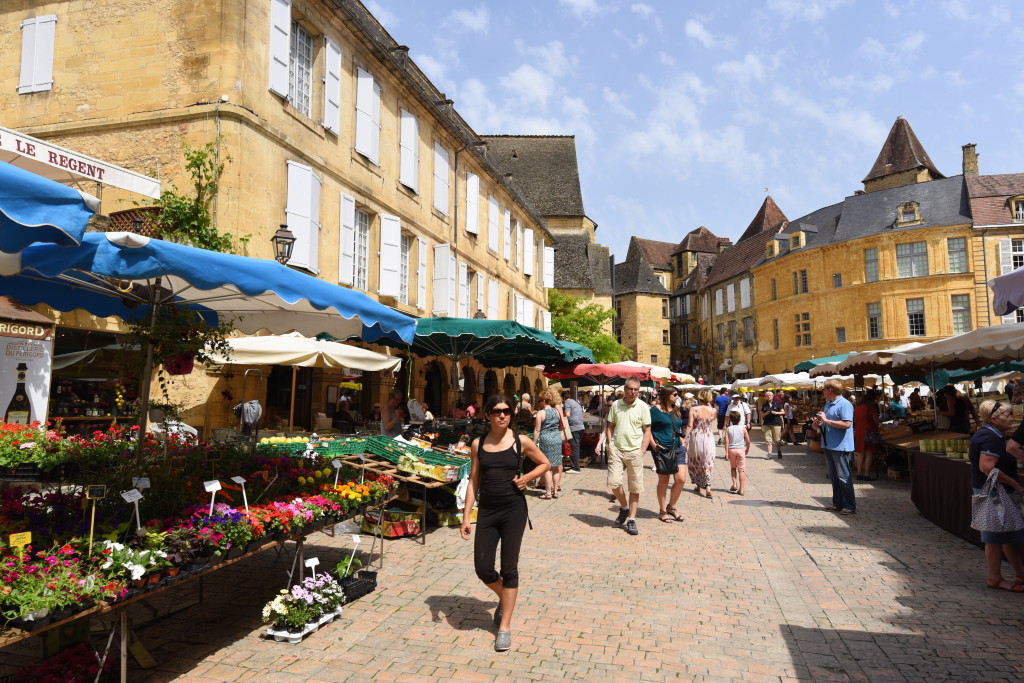
  • Markets. A delight to browse (Budapest’s Great Market Hall, London’s Borough Market). Look for pop-up street markets and outdoor produce markets. Small towns in France designate a weekly “market day”—plan for it (e.g., Sarlat).
  • Other Cheap Eats. Market cafés, worker/student cafeterias (“mensa”), gathering a meal at variety of artisanal shops (bakery, cheese, meats).
  • Picnic. Simply means “non-restaurant meal.” All of the above are ways to assemble a memorable picnic—find a scenic spot for yours.

Drinking

  • Wine. Know what qualities you like—the vintner wants to help you narrow down your options. Wine bars/enoteche pair with good food, wine shops offer variety, and winery visits are more in-depth. Italy, France, and Spain have top wines, but don’t overlook lesser-known wine countries (Hungary, Croatia, Slovenia).
  • Beer. German Biergarten culture, self-service, big liter steins called Mass (deposit). Czech Republic has best (and cheapest) pilsners (named for Plzeň). Belgian beers are refined, higher alcohol, each one served in a very specific glass to highlight the taste. Britain prefers its ales room-temperature, pulled up from cellar using “pulls,” after-work hangout in front of pubs. Craft beers trendy everywhere (especially Italy).
  • Spirits. Splurge on a scenic cocktail. Europeans love both aperitif (before dinner) and digestif (after dinner, aids digestion). National specialties: whisky in Scotland/Ireland (distillery tours), vodka in Poland, limoncello in southern Italy, ouzo in Greece/Turkey, Unicum in Hungary, Becherovka in Czech Rep. Hospitality = homemade firewater.
  • Soft Drinks. Discover the “local Coke”: Rivella in Switzerland (made with milk serum, tastes like vitamins), Irn-Bru in Scotland (bright orange), Cockta in Slovenia.
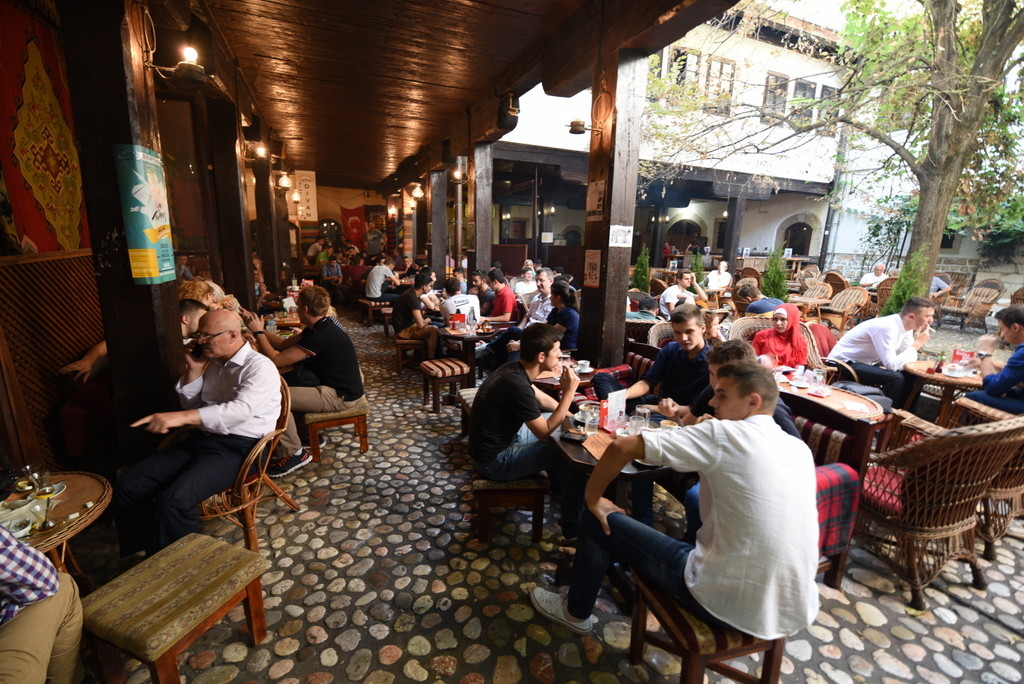
  • Café Culture. Espresso with different amounts of milk (Italians don’t drink milk after lunch, for digestive reasons). You may pay more to sit than to stand—check price list. Genteel Coffee houses in Budapest, Vienna. Afternoon tea in Britain. Turkish coffee in Turkey/Bosnia/ Balkans comes with culture of slowing down.
Sweets

  • Chocolates. Best in Belgium, Britain, Switzerland. Also consider other candies (British sweets, Scandinavian salted licorice).
  • Pastries. In addition to predictable choices, try alternatives: kürtőskalács in Hungary/Eastern Europe; churros in Spain. Cultural divide: SE Europe sweetens with honey rather than sugar.
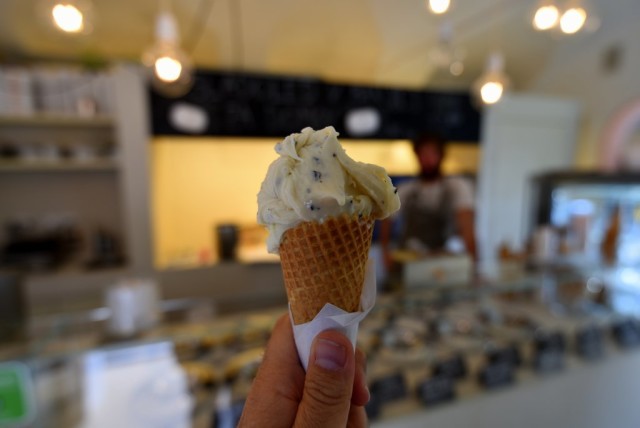
  • Ice Cream/Gelato. Look for “artisanal”/artigianale or “homemade.” Pistachio is best barometer of quality. Flavors that pair/marry well. Avoid big piles of bright colors (for attracting children).

Foodie Experiences

  • Cooking Classes. Have fun, learn a skill (and understand the culture behind it), and bring home recipes. Trendy; look online or ask your hotel.
  • Food Tours. Get to know a (typically less-touristy) neighborhood, learn about local food culture, and identify great restaurants (e.g., Eat Polska food tours in Warsaw and Krakow).
  • Learn Where Your Food Comes From. Agriturismi/ tourist farm (Italy), cheesemakers, beehive (Slovenia), truffle hunt, making kanafeh (Bulgaria).

Happy Travels…and Happy Eating!


You can watch the full-length, 1.25-hour “Europe for Foodies” talk at Ricksteves.com, or on YouTube.

If you don’t have time for the full class, you can check out some of these shorter excerpts:

Europe for Foodies 101 (23 min)

Restaurant-Finding Tips (14 min)

Eating Tips and Tricks (9 min)

Cheap Eats (9 min)

Drinks and Sweets (16 min)

Foodie Experiences (7 min)


And if you enjoy this talk, check out some of the others I’ve done:
European Travel Skills

Iceland

Czech Republic/Poland/Hungary

Slovenia/Croatia

European Cruising 101

Mediterranean Cruise Ports

Northern European Cruise Ports

Coffee and Ćejf: Learning from Muslims in Bosnia

This post was written in February of 2017, immediately after President Trump imposed a travel ban on seven predominantly Muslim countries.

The past week has made it clear that there’s still a lot of fear and mistrust when it comes to Muslims in America. As a patriot and a humanitarian, this makes me sad. And as a traveler, it perplexes me. In several visits to the Muslim world, I’ve had nothing but positive experiences.

I’m not naive. I realize that some Muslims do terrible things. But judging an entire faith based on the actions of a tiny fanatic fringe is insulting at best, and dangerous at worst. When you travel, you realize that the vision of Islam presented by Donald Trump and Steve Bannon is highly selective. Meeting Muslims face to face comes with rich opportunities to connect with a different slice of humanity, and to learn.

The Muslim country I’ve spent the most time in is Bosnia. On my last visit to Sarajevo, my local friend Amir invited me out for coffee. Not just coffee — Bosnian coffee.

“Here in Bosnia, coffee is not just a drink,” Amir explained. “It’s almost a way of life.” Unfiltered, potent Bosnian coffee (which you probably think of as “Turkish coffee”) is the linchpin of a complex social ritual that captures this culture’s deliberate, stop-and-smell-the-tulips approach to life.

Cameron-Bosnia-Sarajevo-Coffee

We settled into a rickety table in a cozy, cobbled caravansary courtyard. When the coffee arrived, I was ready to slam it down. But Amir reminded me that Bosnian coffee punishes those in a hurry…with a mouthful of gritty grounds.

He patiently talked me through the procedure — and, more important, the philosophy — of Bosnian coffee. “There’s no correct or incorrect way to drink Bosnian coffee. People spend lifetimes perfecting their own personal ritual. But one thing everyone agrees on is that coffee isn’t just about getting caffeinated. It’s about relaxing. It’s about being with people you enjoy. Talk to your friends. Listen to what they have to say. Learn about their lives. Then take a sip. If your coffee isn’t strong enough, gently swirl your cup to agitate the grounds. If it’s too strong, just wait. Let it settle. It gives you more time to talk anyway.”

Cameron-Bosnia-Mostar-Coffee

Reaching the bottom of my cup, I remarked that the grounds had left no residue at all. “When it’s done properly,” Amir said, “you’ll never taste the grounds. If you find a layer of ‘mud’ in the bottom of your cup, it means that someone — either you or the person who made the coffee — was in too much of a hurry.” (So I guess that technically, there is an incorrect way to drink Bosnian coffee.)

Looking around the courtyard, Amir said, “This is a good examples of merak. Merak is one of those words that you cannot directly translate into English. It’s more of a concept. It means, basically, enjoyment. This relaxed atmosphere among friends. It’s when you’re nursing a cup of coffee with nowhere in particular to go — savoring the simple act of passing the time of day.”

Amir explained that the Bosnian language is rife with these non-translatable words. Another example: raja.  “Raja means a sense of being one with a community,” Amir said. “But it also means frowning on anyone who thinks they’re a big shot. It’s everyone knowing their place, and respecting it.” In American terms,  Raja is what prevents you from being the jerk who shows up in a convertible and a tux to your high school reunion.

Cameron-Bosnia-Sarajevo-Coffe 1

But my favorite Bosnian word of all is ćejf (pronounced “chayf”).

Ćejf is that annoying habit or ritual you have. It’s the unique little quirk that drives your loved ones batty. And yet, it gives you pleasure. No, not just pleasure: deep satisfaction. In traditional Bosnian culture, ćejf is the idiosyncratic way someone spins his worry beads, the way he packs and smokes his pipe, or the very particular procedure she has for preparing and drinking a cup of Bosnian coffee.

In American culture, we have ćejf, too. We just don’t have a word for it. Maybe you have an exacting Starbucks order that mystifies your friends, but tastes just right. (“Skinny one-pump vanilla split-shot latte, extra hot.”) Or every weekend, you feel compelled to wash and detail your car, or mow your lawn, or prune your hedges…just so. Or maybe it’s the way you keep your desk organized, according to a special logic that only you fully appreciate. My own ćejf is probably the way I tinker with my fantasy football lineup. (Should I start Jordan Howard or Latavius Murray this week?) Or the way I chew gum when I’m stressed out: Exrta Polar Ice flavor, always two sticks…never just one.

In our culture, people call this behavior “fussy,” or “O.C.D.”…or, simply, “annoying.” We’re expected to check our ćejf at the door. But in Bosnia, they just shake their head and say, “What are you gonna do? That’s his ćejf.” You don’t have to like someone’s ćejf. But — as long as it’s not hurting anyone — you do have to accept it. Because everyone has one. What’s your ćejf?

Another Muslim moment that sticks with me came in Morocco. I had just sailed over from Spain to Tangier, setting foot in Africa for the first time. My tour guide, Aziz, brought me to a restaurant where we sat down to a hearty lunch. I’m self-conscious about the very clumsy, very American way I use my knife and fork: Grip the knife in my right hand to cut, then drop it and pick up the fork to eat. I’m jealous of my suave European friends, who deftly use their left-handed fork and right-handed knife, in concert, to eat like pros.

But here in Morocco, Aziz watched me very closely as I ate, a smile slowly spreading across his face. Finally, he blurted out, “I love the way you eat! So respectful.” In Aziz’s culture, the left hand is considered dirty — traditionally used for cleaning yourself — while the right hand is used for eating. By transferring my fork to my right hand, I was — unknowingly — being a very good Muslim.

Traveling in the Muslim world has changed me. And not just by opening my eyes to a beautiful faith — in little ways, too. Thanks to Islam, I force myself to slow down a bit when I get coffee with friends. I’m more forgiving of my loved ones’ little quirks. And I unapologetically grab my fork with my right hand.

When you travel, you figure out where your minuses become pluses, and vice-versa. You pick up new ideas and discover that you fit better into a larger world. With the stroke of a pen, President Trump just made connecting with Muslims much more difficult. Let these stories be a gentle reminder that the world can be an immeasurably rich place…but only if we’re open to it.

God bless America. And may peace be upon us.

17 Travel Lessons for 2017

Like many people, I felt a bit brutalized by 2016. But the new year offers the perfect opportunity to look ahead. Reviewing the blogs I’ve written over the last year, I came away with a few important lessons that I’ll pack along on my 2017 travels.

Destroying a perfectly good guidebook can be a smart travel tip.

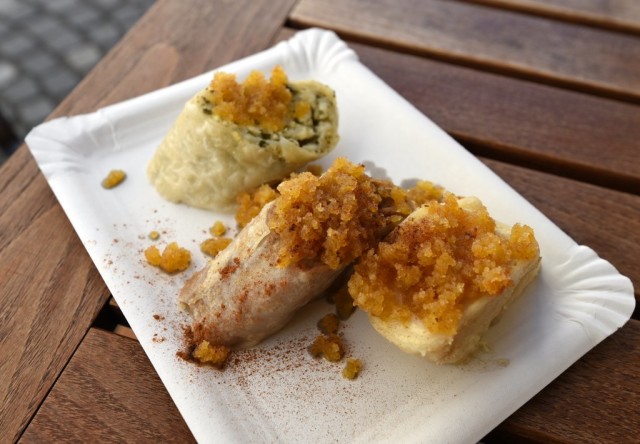
“Foodie” doesn’t have to mean “expensive.” You can eat very well for budget prices — if you do your homework (and don’t mind eating off a paper plate). This works everywhere from Ljubljana to Kraków — the cities where I had two of my most memorable (and cheapest) meals of 2016.

cameron-slovenia-ljubljana-struklji

In Italy, small-town politics can get extremely heated. Even when it comes to gelato. Especially when it comes to gelato.

The more you travel, the more you collect two very different things: pet peeves and favorite little pack-along items.

cameron-austria-SOM-tour

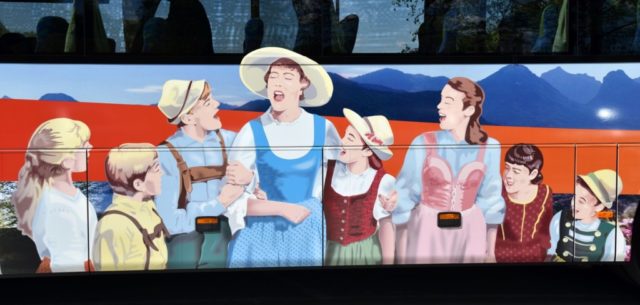
Speaking of pet peeves, if you don’t like The Sound of Music, then for heaven’s sake, don’t go on a Sound of Music-themed tour. Or two of them.

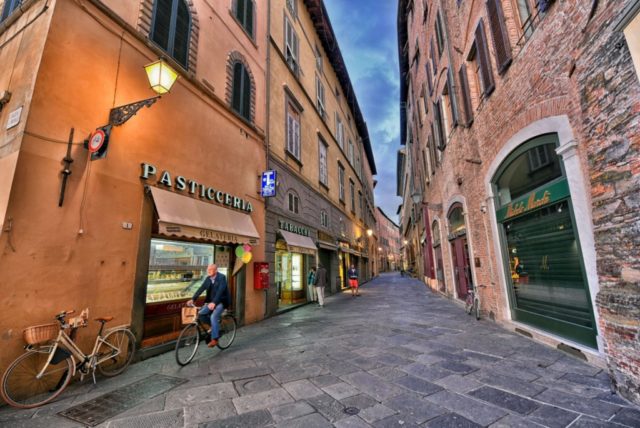
If you really want to find the elusive “untouristy alternative” to popular Tuscan destinations like Florence, Pisa, Siena, and San Gimignano…head to Lucca.

cameron-italy-lucca-street-7

Many of Europe’s quaint and quirky little towns — like Austria’s Hallstatt — are waging a losing war against the rising tide of corporate tourism. Enjoy them now, while they’re still more idyllic than commercialized.

Many alpine trails are snow-covered through early summer. But in Italy’s sunny Dolomites, it’s possible to enjoy a scenic hike even in mid-May. (Still…dress warmly.)

cameron-italy-dolomites-signs

Some of the most memorable travel experiences come in places you’ve never heard of — like off-the-grid villages high atop the Slovenian Alps — especially if you have trusted local friends to show you around.

Taking the time to take good photos is worthwhile. The pictures I’ve snapped this year in places like the Cinque Terre, the back streets of Lucca, Lake Bled, and other Slovenian grandeur are some of my favorite souvenirs.

cameron-italy-riomaggiore-sunset

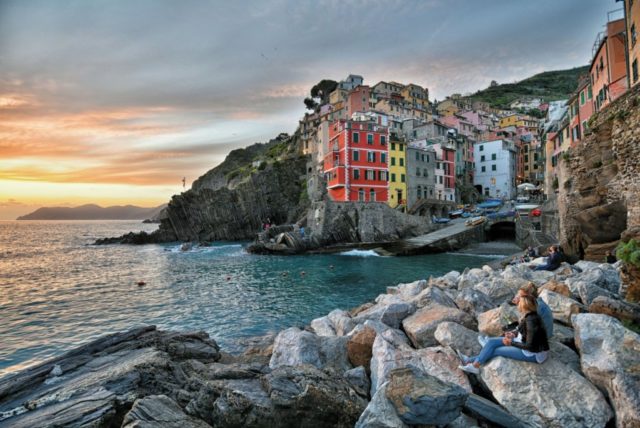
Italy’s Cinque Terre is tremendously crowded these days. But you can still enjoy it — as long as you equip yourself with smart crowd-beating strategies. (Trains jammed up? Hire a boat for a speedy and scenic ride to the next town.)

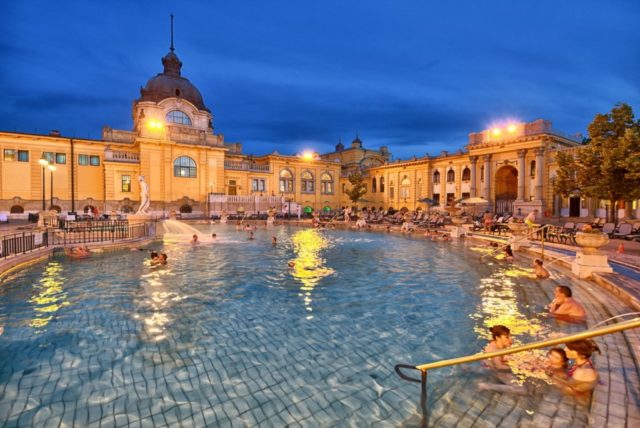
My ultimate travel thrill for 2016: Soaking in the Széchenyi Thermal Baths of Budapest. (OK, this was far from a new discovery — but it was just as glorious as I remembered.) And if you like Hungarian hot water, those baths are just the tip of the iceberg.

cameron-hungary-baths-budapest-szechenyi-14

Speaking of Budapest, the Hungarian capital still gets my vote for most underrated (and most improved) city in Europe. Budapest has some of the best nightlife anywhere — from ramshackle “ruin pubs” to budget opera to ritzy rooftop bars. Budapest is also emerging as one of Europe’s top foodie cities.

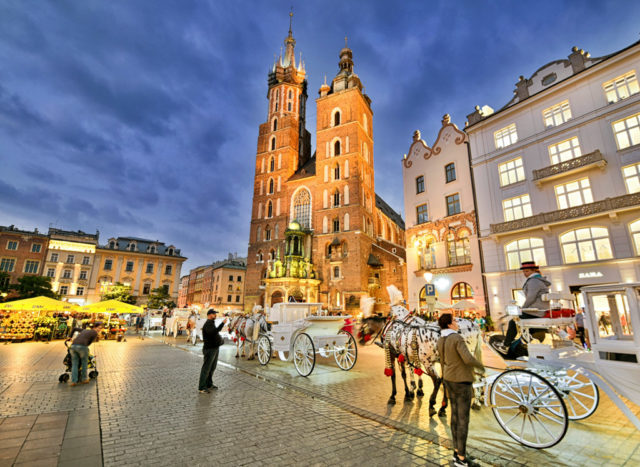
The main square of Kraków, Poland, remains my favorite in Europe — and on a balmy late-summer evening, when the horse carriages and breakdancing buskers are out, it’s pure magic.

CH16SepKrakow_372

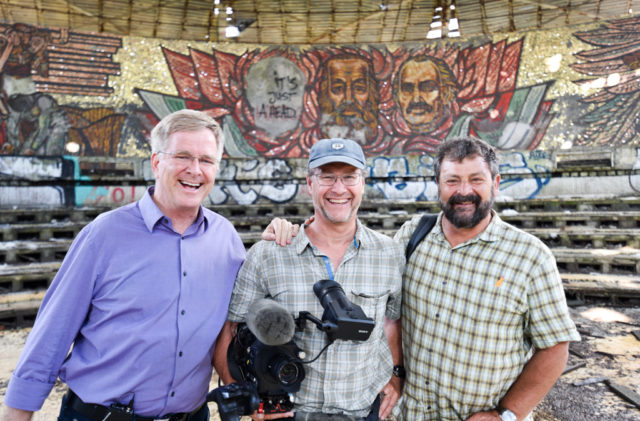
Making great television requires a lot of hard work. But it’s worth it. I enjoyed traveling with Rick and his crew as we filmed new episodes in Bulgaria and Romania — from cheesy polenta at a rustic shepherd’s encampment to bureaucratic snafus that nearly forced us to scrap our Bucharest shoot.

CH16MayBuzludzha_071

While much of the United States was shocked by our election results, Europeans have seen a similar trend rising for a long time — from Trump-style leaders like Hungary’s Viktor Orbán to the Brexit vote in June. In the new year, I resolve to learn more about other countries’ experiences — to better understand what’s happening back home.

It’s a sad fact these days: Terrorist attacks will happen. And when they do, it’s natural to get scared and second-guess your travel plans. But in my view, it’s essential to separate fear from actual risk. Statistically, you’re far more likely to get killed this year in a car crash (1 in 50,000), in a plane crash (1 in 750,000), or even struck by lightning (1 in 14 million), than you are to be killed by terrorists (1 in 20 million). If you really fear for your safety when going to Europe…then you should walk to the airport. Especially in dicey times, I embrace travel as an opportunity to appreciate the full beauty on our planet — which becomes especially poignant when those places are in the news,  as Brussels was in March.

As a new year dawns, my travel plans are starting to take shape. I hope yours are, too. It seems we may be in for another tumultuous year. There’s never been a better time to keep on traveling.

Rick Steves’ Europe Behind the Scenes: Post-Production

After a busy shoot — scrambling to get as much usable footage as possible while dodging the weather — we return home with a hard drive that’s loaded up with all that hard work. That’s when Steve takes over.

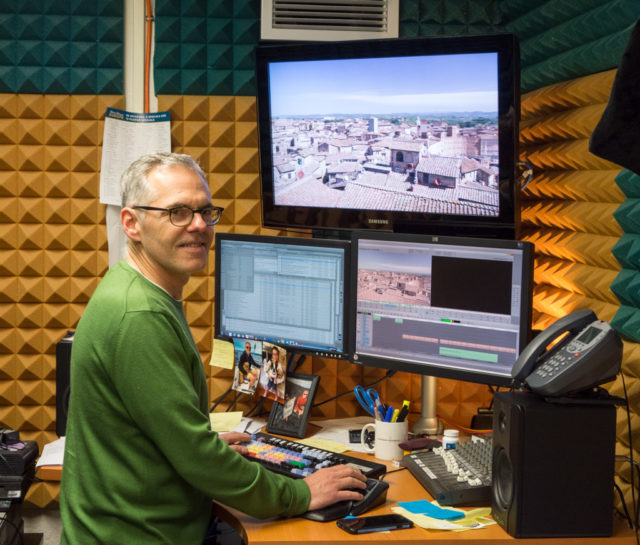
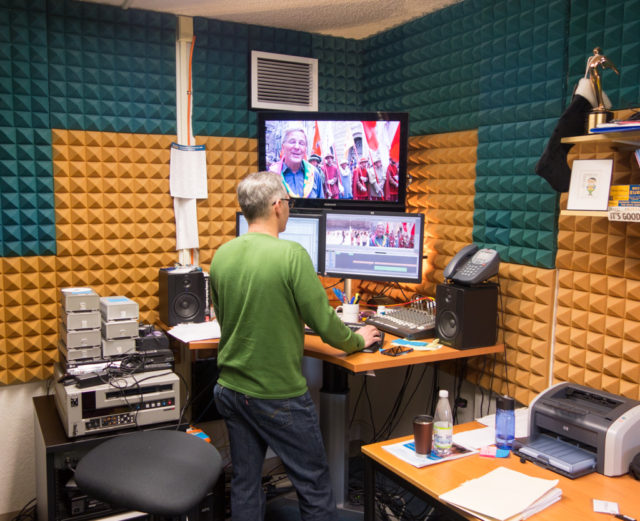
Rick is the creative spark, Simon is the logistical mastermind, and Karel is the artistic eye. But Steve Cammarano — who has edited every single one of the more than 100 episodes of Rick Steves’ Europe — is the one who puts it all together.

cameron-romania-tv-steve-cammarano-02

In the field, Simon and Karel always have Steve’s concerns in mind — making sure they provide him with footage that can be cut together easily. For example, it’s jarring to cut straight to a close-up — you need to ease the viewer into it with an establishing shot. So Simon and Karel make sure they’ve shot all of the bits and pieces that Steve will need.

When filming, each shot needs to be identified to facilitate Steve’s work. There’s no literal slate clapboard, but at the beginning of each shot, Karel verbally “slates” what he’s about to film: “Hey Steve, this is that communist statue.” “Hey Steve, another angle on that statue.” “Steve, a close-up of the two main figures.” “OK, this is a wide on the Square of the People, where that statue is.”

Steve also gets a copy of the (semi-) final script, which has been tweaked and polished throughout the shoot — a process we call “scrubbing the script.” “Scrubbing” means simply reading through the entire script, again and again, making each word earn its keep. Part of the scrub is knowing which footage worked — and which didn’t — and tailoring the words perfectly to what’s in the can.

When we’re satisfied with the script, Rick records a “scratch track” — a quickie voice track of the entire script, whose sole purpose is to give Steve something to cut to. This doesn’t have to be perfect — it’ll be replaced later — and in a pinch, Rick might even record it on his iPhone in a hotel-room closet (between hanging clothes to buffer echoes).

cameron-romania-tv-steve-cammarano-01

In his rabbit’s warren of an office, Steve uses the script, the verbal slates, and the scratch track as guidelines for piecing together the show. Like every other part of the process, editing TV is equal parts science and art: Steve has a clear blueprint, but he employs his own artistic vision in how he pulls it all together. It’s also tedious: Steve has to rewind each little snippet and rewatch it, again and again and again, to cut it just right. (I used to work in an office adjoining Steve’s, and I must admit: Overhearing a little two-second audio clip — say, a Swiss cowbell clanging, or a Norwegian girls’ choir singing a Christmas carol, or Rick shouting “Freeeedooom!” on the Scottish Highlands — 20 or 30 times in a row was enough to drive me batty. How Steve maintains his sanity, I’ll never know.)

Once Steve is finished with the rough cut, Rick and Simon watch it and weigh in with notes. If the show comes in a little long (not unusual) — or a lot long (as was the case in Romania, which was nearly four and a half minutes over) — it’s time to reach a consensus about what to trim. It’s a tough decision. Some cuts are pretty obvious, but others come down to a no-win pick-’em between two equally good bits that both deserve to be in the show. But at the end of the day, each show gets just 30 minutes (24 minutes and 16 seconds of actual content, to be exact, once you subtract the open, credits, and underwriting). And to be honest, those time constraints are probably a blessing in disguise: They force us to respect the attention span of our fans, and make tough decisions rather than bore our viewers.

Once the final cuts are made, Steve sends the footage to be color-corrected, evening out variations from different shooting situations to help the show feel visually cohesive. (It’s amazing what a good colorist can do to spruce up washed-out or cloudy footage.) Meanwhile, Rick and Simon watch the final cut one more time — the final “scrub,” with the help of ace wordsmith Risa Laib — and make a few last-minute wording tweaks. Finally, Rick records the final voice track, Steve cuts it to the color-corrected final cut…and the show is finished.

dv-bd-sn97d0e46e6d7f944fd8889ede469d45b50

The last of 10 brand-new episodes of Rick Steves’ Europe Season 9 (Cornwall) is airing across the country right now. We hope you enjoy them. And if you do, keep in mind the many talented experts — both in front of and behind the camera — who make that scrappy little show some of the most lovingly produced and most compelling travel television out there.

CH16MayBuzludzha_071

Thanks for tuning in for this “behind the scenes” blog series on Rick Steves’ Europe. And, of course…keep on traveling!


This is the ninth and final installment of my “Behind the Scenes” blog series about Rick Steves’ Europe Season 9 — now airing nationwide (check your local listings). You can also watch the Bulgaria and Romania episodes for free. And in case you’re in a gift-giving mode, the brand-new, 10-episode Season 9 DVD is currently on sale in our Travel Store.

Rick Steves’ Europe Behind the Scenes: Romania’s Parliament Votes No… Then Yes

After filming more than 100 episodes of Rick Steves’ Europe, Rick and the crew have seen most everything…until they got to Romania. While we wound up with a great show, the crippling red tape didn’t make things easy.

I want to be clear that we worked with dozens of exceptionally gracious, helpful, and capable people in Romania. Sadly, they all seem to be trapped in a ridiculously dysfunctional system. They tried to help us — they really did. At every major sight, the tourist authority would dispatch little delegations to greet us: guides, local tourist board representatives, big-name hoteliers, and so on. But at the end of the day, all of them answered to a higher power that seemed to relish saying “no.” Our contacts’ main function seemed to be commiserating with us when things fell through.

The tourist authority was over the moon that Rick was going to film in Romania. But they were also nervous. Apparently, another American travel TV personality filmed a show in Romania a few years back, and it did not go well. We were told that the presenter — known for employing his sharp tongue to call it like he sees it — grew so frustrated with bureaucratic snafus that he decided to take it out on Romania itself, producing a show that made the country seem like a miserable wasteland. The tourist authority was terrified that Rick, too, would present Romania in a negative light. And so — as if to guarantee the very thing they feared most — they gradually tortured us by trying to (subtly and not so subtly) exert control over the project.

Their paranoia bred paranoia in us. The night before we arrived in Romania, I got a call from the tourist board. Due to a “clerical error,” we had been assigned a guide who would accompany us at all times. He explained that this mistake was only just discovered, the guide had already been booked, and it was impossible to cancel. Rick — who remembers traveling here during the communist era, when any visiting foreigner was assigned a “minder” to report their activities to the authorities — wondered whether this “tour guide” was only there to keep us in line.

It turned out that he was a great guy, and that it really was just a mistake…probably. However, because we had already arranged our own, trusted local guides all over the country, our government-provided guide had literally nothing to do the entire time. We began brainstorming errands we could send him on, just so he could feel useful. (He was.)

CH12SeptBcharest_067

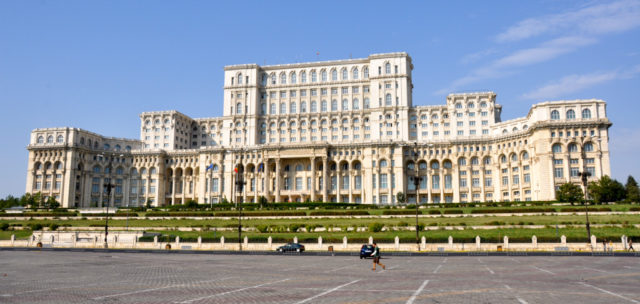
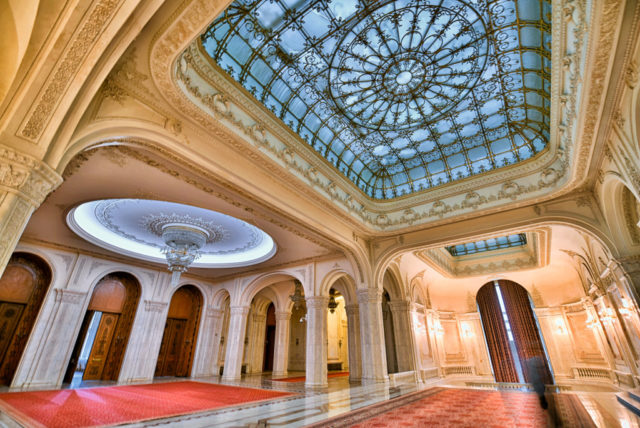
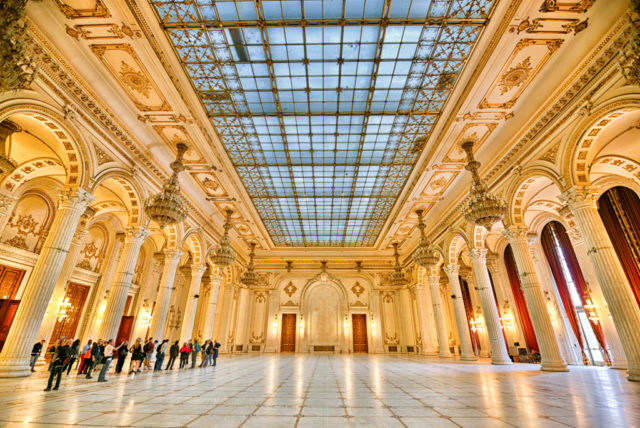
The biggest headaches came along with Europe’s biggest building: the Palace of Parliament, which was built to accommodate communist dictator Nicolae Ceaușescu’s ballooning ego. It was a must to film the palace’s jaw-droppingly vast and opulent interior — a priority we had made explicitly clear to the authorities months before we arrived. They repeatedly reassured us that all was being arranged.

But then, something happened. The night before we were to film, we found ourselves being told by the honcho of the tourist authority that we probably wouldn’t be allowed official access. It was suggested that we show up anyway, buy a tourist ticket, and send our cameraman in with the regularly scheduled tour to film it on the fly. It wasn’t ideal, but it could work. It had to work.

CH16MayBucharest_021

The next morning, we were greeted by a half-dozen tourism officials. As instructed, we bought tickets for the official tour and lined up. But then, moments before the tour began, we were told that the authorities were onto us. To keep a low profile, we decided to send only our cameraman, Karel.

Karel hung his DSLR around his neck and headed inside to “play tourist.” Rick, Simon, and the entire delegation waited nervously outside, hoping Karel could get the shots we needed. But just a few minutes later, Karel walked out the door. “I got kicked off the tour,” he said apologetically. Nothing could be done.

We decided to bail on the parliament and began filming other sights around Bucharest. A few hours later, as Rick was filming an on-camera with the parliament in the distant background, my phone rang.

“I am sorry to say there was a misunderstanding,” came the voice of our tourist authority contact. “But we have now obtained permission, and you may go film at the parliament.”

We didn’t buy it. “Are you sure we have official permission to film?”

“Yes.”

“With our big camera?”

“Yes.”

“And with our tripod?”

“Yes.”

“Complete access?”

“Yes, of course.”

“Do we have to tag along with a tour?”

“No, you may go wherever you like. They will provide you with your own guide. In fact, do not go to the tourist entrance. Go to the parliamentarians’ entrance. ”

Still skeptical, we hopped a taxi back to the parliament to be warmly greeted by a literal red carpet and a press secretary. Sure enough, we had the run of the place. Talk about a turnaround: from being kicked to the curb, to VIP treatment…in just a couple of hours. (And the Palace of Parliament segment turned out great.)

CH16MayBucharest_019

While much of Eastern Europe is doing well these days, Romania still struggles. Throughout our shoot, we got to know many wonderful Romanians grappling with a system that simply doesn’t understand how to function. When pressed, many locals deny that this is an artifact of Ceaușescu’s brutal rule (embodied by the opulent palace that he literally starved his people to build). But, given the success stories I’ve seen in so many other formerly communist countries, and the number Ceaușescu did on poor Romania, it feels like they protest too much. Are they in denial? Or still trying to hide the damage that was done?

Thanks to the help of many fine individuals, we came home with 30 glorious minutes of TV celebrating the beauty of Romania. On my scouting trip, several locals quoted a cryptic saying: “Romania is a beautiful country…what a pity it’s inhabited.” I’m charmed by Romania, and couldn’t understand where this cynicism came from. But after dealing with the red tape of filming a show here…I have a new appreciation for the unofficial national motto.


This is part eight of my “Behind the Scenes” blog series about Rick Steves’ Europe Season 9 — now airing nationwide (check your local listings). You can also watch the Bulgaria and Romania episodes for free. And in case you’re in a gift-giving mode, the brand-new, 10-episode Season 9 DVD is currently on sale in our Travel Store.