My co-author and frequent collaborator, Cameron Hewitt, is well-traveled, smart, and insightful. And, while he and I are in perfect sync in our travel styles and priorities, he gives voice to the next generation of "Rick Steves travelers." Join me in enjoying his reports right here. —Rick

Top 10 Tips for Traveling in Scotland

Two summers ago, I spent a month traveling all over Scotland to research our Rick Steves Scotland guidebook. And right now, Rick Steves is making his own trip around Scotland — updating that book and adding some new discoveries of his own, for the upcoming second edition. Rick was telling me about some of his experiences (which he’ll be writing about on his blog and on Facebook for the next several days)…and suddenly I felt some of those happy pangs that accompany memories of a particularly vivid trip. Here are 10 of my best tips for how to make the most of your Scottish journey.
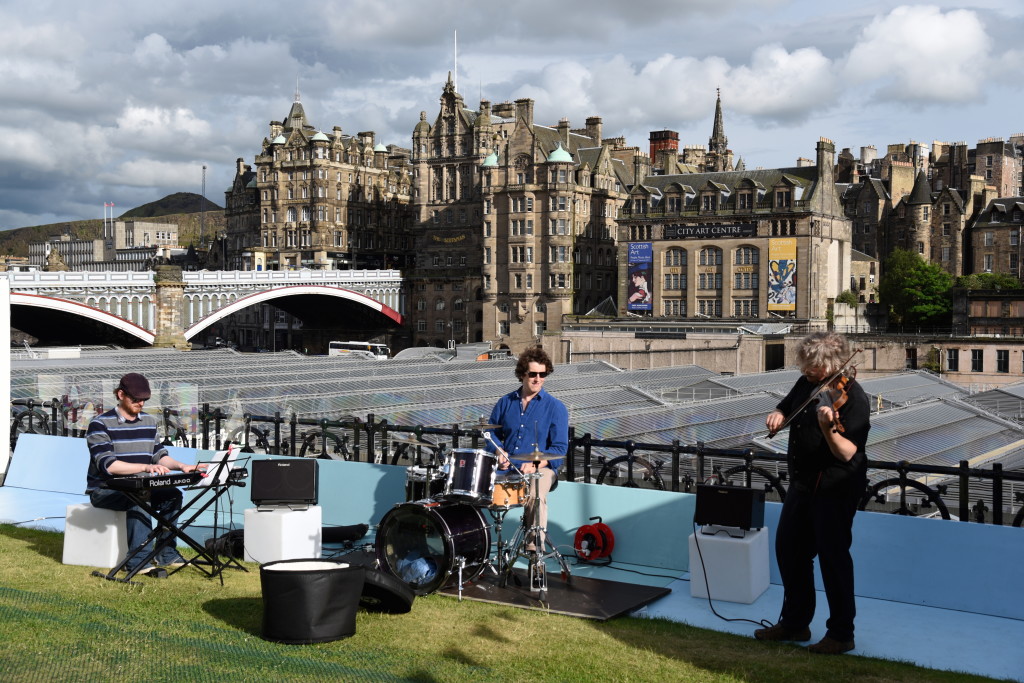
New Town Concert

1. Linger in Edinburgh. From the famous Royal Mile — with its great landmarks and quirky shops — to the underrated New Town, Edinburgh entertains. One day gives you just enough time to see the castle and ramble down the Royal Mile. A second day lets you slow down and explore. And a third day (or more) lets you really settle into one of Britain’s finest cities.
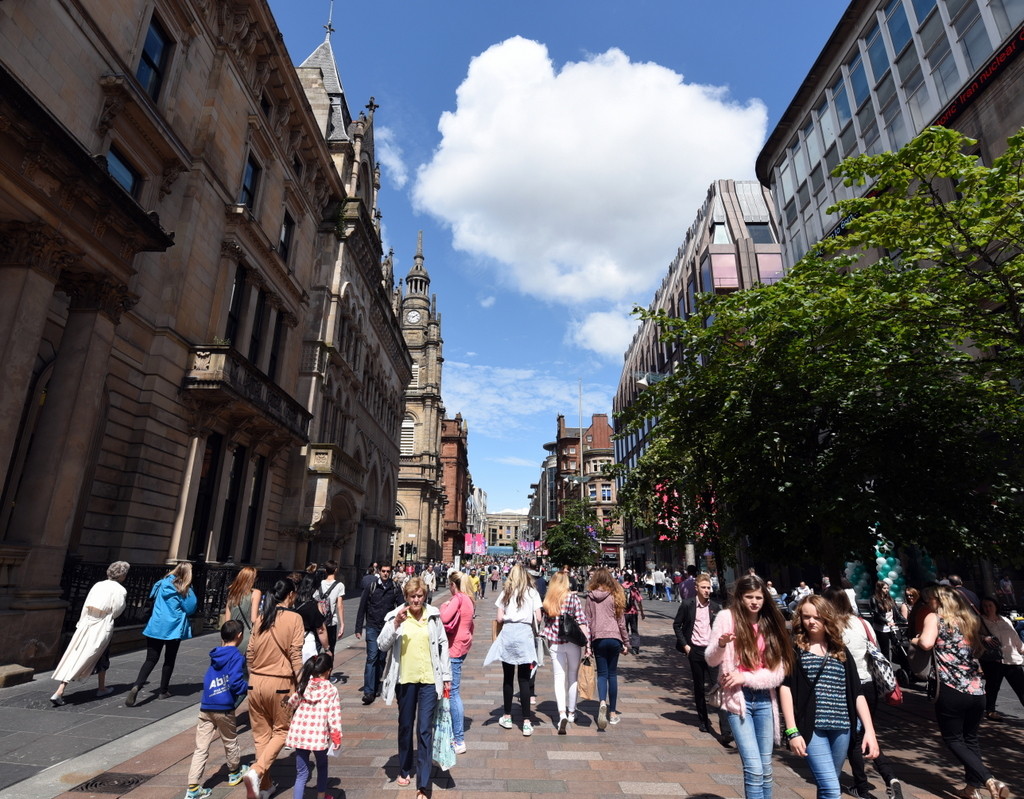
Cameron Scotland Glasgow Buchanan Street

2. …But Don’t Miss Glasgow. Scotland’s biggest city is also its most underrated. The working-class yin to Edinburgh’s upper-crust yang, Glasgow has the most engaging foodie and nightlife scene I found in Scotland. It also has some of Scotland’s best 20th-century architecture, a rejuvenated downtown core, and an impressive collection of museums.
Piper Lap 2

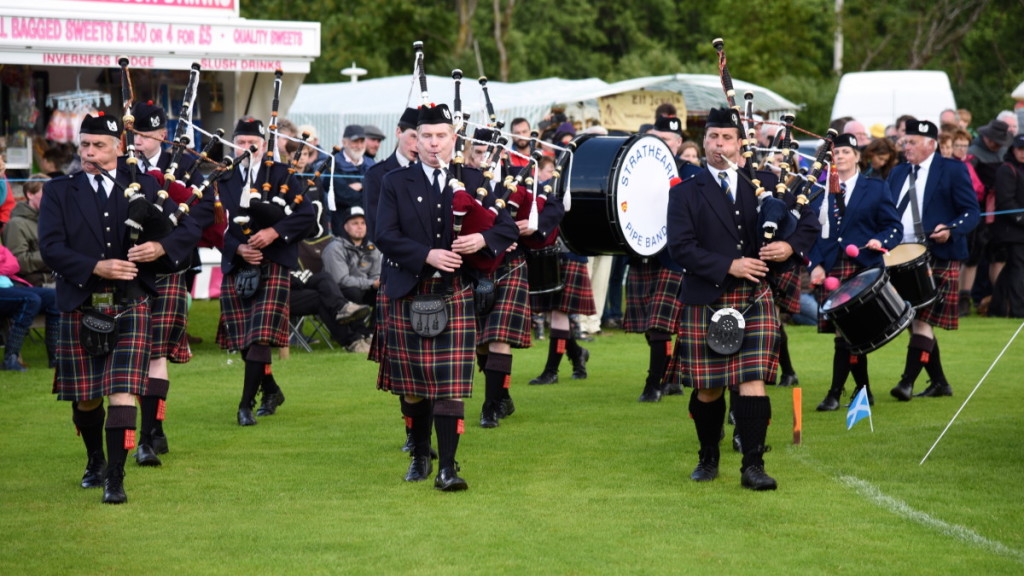
3. Toss a Caber at a Highland Games. These celebrations of traditional Scottish culture fill the summer calendar. A Highland Games (or “Gathering”) is like a county fair, dance competition, and track meet all rolled into one. Ranging from glitzy to endearingly small-town, it’s the one day a year when an entire community turns out to socialize, gorge on junk food (deep-fried Mars bar, anyone?), and cheer on the strongmen, footracers, and graceful dancers. If you’ll be in Scotland in the summer, check the Highland Games schedule before nailing down your itinerary.
x

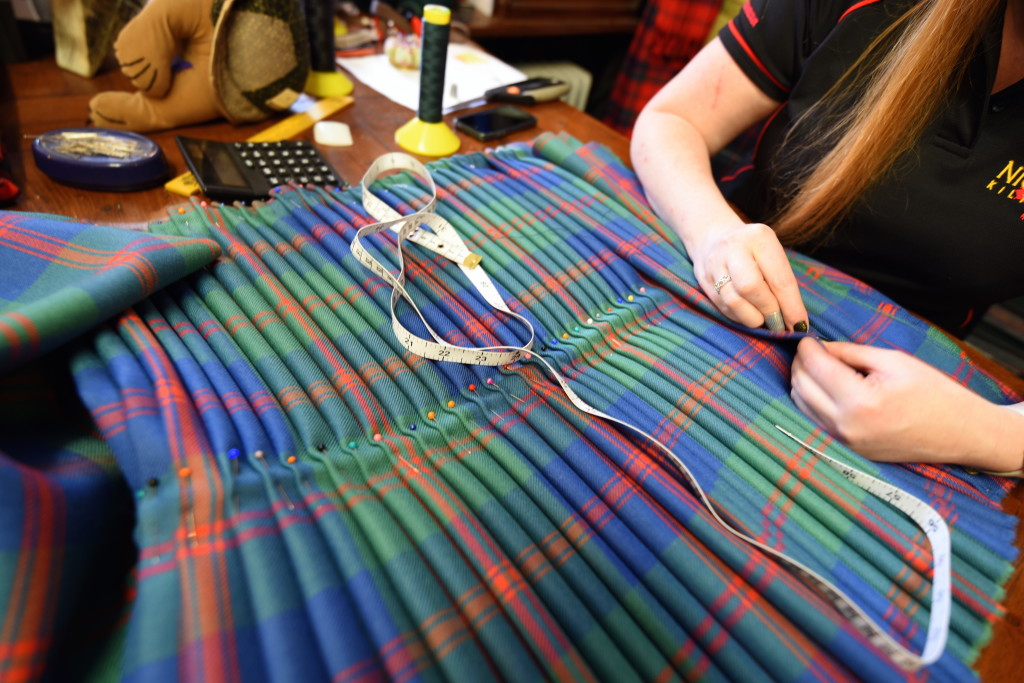
4. Enjoy the Clichés…but Dig Deeper. Kilts, bagpipes, whisky, haggis…for such a wee land, Scotland has so many claims to fame. Be warned: Cliché-hunting can cheapen a trip, and Scotland is only too happy to indulge tourists looking to buy knock-off kilts. But each cliché also comes with an authentic — and often fascinating — backstory. Visiting a kiltmaker on Edinburgh’s Royal Mile, you learn the difference between top-quality tweed and tacky “tartan tat.” Touring a whisky distillery — or several — cultivates an appreciation for the subtle (and sometimes not-so-subtle) variations in bouquet, flavor, and peatiness. And trying your hand at playing the bagpipes instills respect for musicians who’ve devoted their lives (and sacrificed their left eardrum) to their love of the instrument.

CH15JulStirling_047

5. Hunt for Ghosts. I enjoyed a ghost walk led by a surprise skeptic in the historic town of Stirling. And that’s just the tip of the iceberg of ghost-themed experiences in Scotland — where each city has its haunted tours, each castle its apparitions, and each B&B room its mysterious creaks. (As for whether all of the above have scientific explanations…that’s for you to decide.)
CH15JulDoune_022

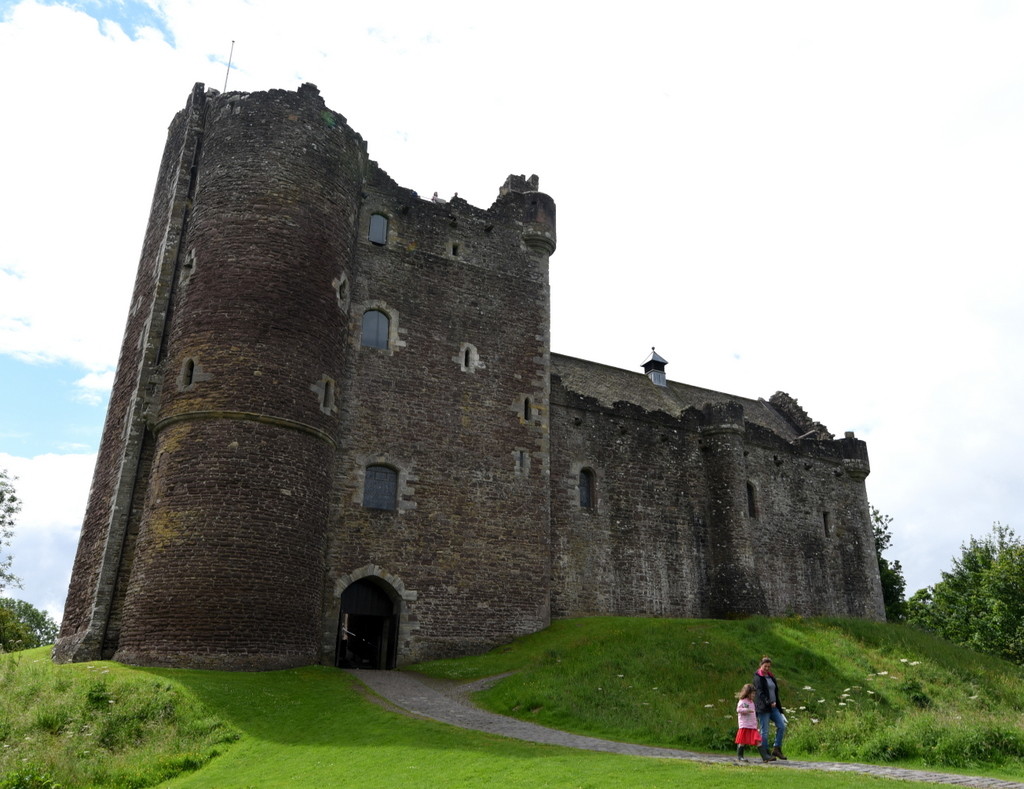
6. Go to the Movies. The hit TV show Outlanderand the novels upon which it’s based, helped Scotland kick off a Renaissance among travelers. But Outlander was hardly the first bit of pop culture with a Scottish lineage. From Monty Python and the Holy Grail to Braveheart, from Highlander to James Bond, and from The Da Vinci Code to Harry Potter, wee Scotland has long had a big presence in show business. Watching these movies and TV shows — before, during, and after your trip — can enhance your enjoyment and appreciation for Scotland. Real fans geek out on visiting the places they’ve seen on the big and small screen (for example, our Scotland guidebook includes a list of Outlander locations). And cynics enjoy debunking half-truths (whether in Braveheart or in The Da Vinci Code), which also buys you street cred with the locals…who are tired of explaining that William Wallace was never called “Braveheart” until Mel Gibson came along.
cameron-scotland-glencoe-hike

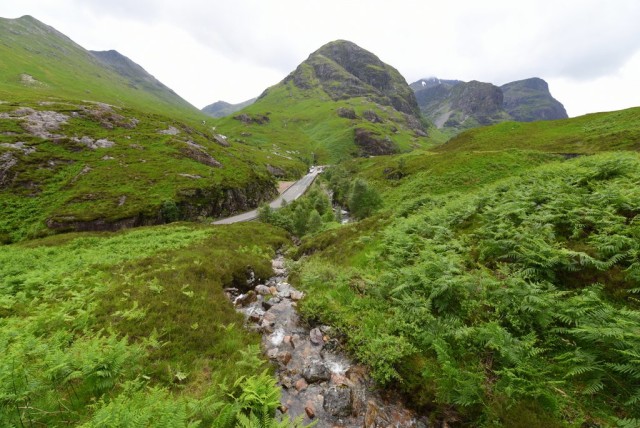
7. Take a Hike…and Bring Good Shoes. Tromping through drizzle, watching my feet settle onto bright-green turf only to disappear under a torrent of brown water, I wished I’d brought my waterproof boots. But before long, I just ignored my soaked socks to fully appreciate the symphony of achingly gorgeous glen scenery all around me. This was in the valley called Glencoe, but hiking opportunities abound throughout Scotland. Just be sure to dress for the damp conditions.
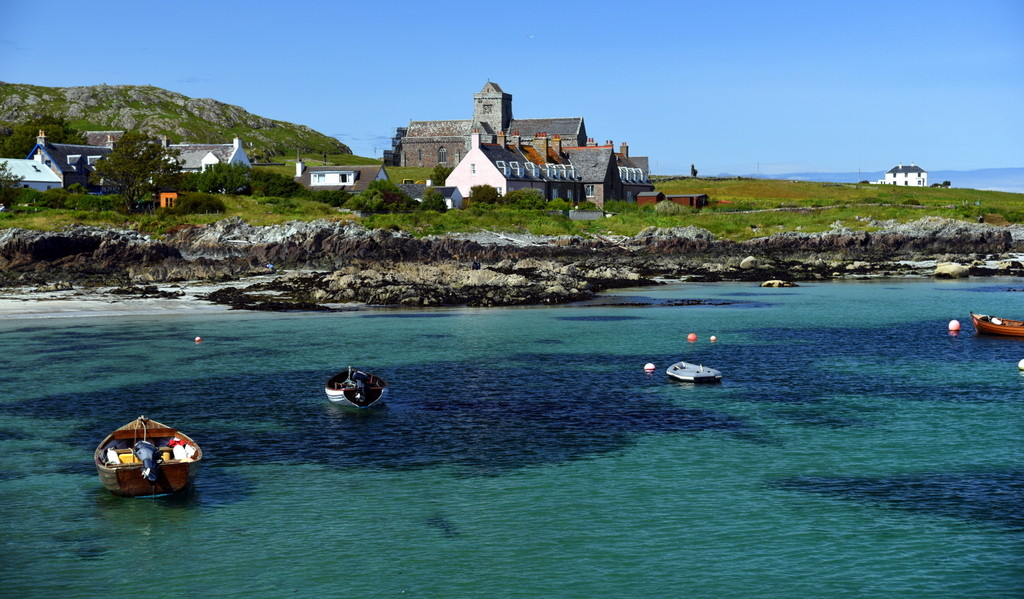
Cameron Scotland Island Hopping Iona

8. Go Island-Hopping. Scotland — with a West Coast slashed by receding glaciers — has nearly 800 islands. But on a short visit, visiting just a few will do the trick. The Isle of Skye, with pretty pastel harbor towns, jaw-dropping scenery, and a vivid heritage of folk tales and clan battles, can easily fill a couple of days. Or, for a strategic strike, base yourself in the small West Coast town of Oban and spend a day side-tripping to a trio of worthwhile Hebrides: Big and desolate Mull, spiritual Iona, and otherworldly Staffa — an uninhabited bulb of rock where puffins greet arriving boats, and the “other end” of Ireland’s famous Giant’s Causeway disappears into a mysterious cave.
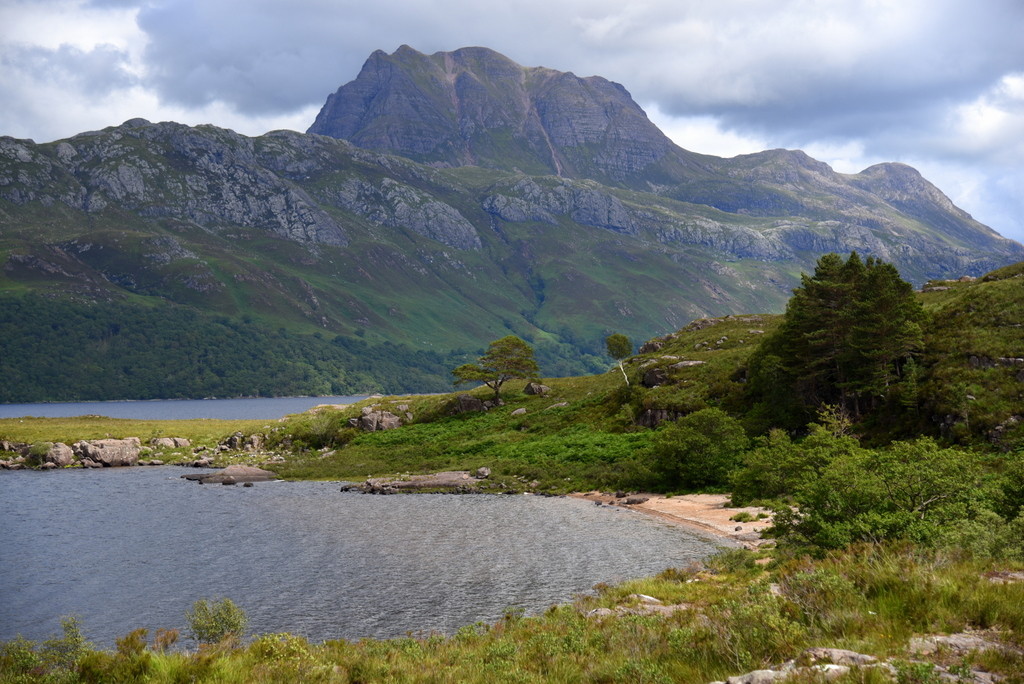
Cameron-Scotland-North2

9. Go North to Get Off the Beaten Path. Most tourists in Scotland get stuck in a predictable rut: Edinburgh-Stirling-Glasgow-Fort William-Inverness-back to Edinburgh. And, while there’s plenty to see on that loop, with more time it’s rewarding to break free and strike out for the far north. If rugged scenery tickles your fancy, drive up Scotland’s scenic west coast — called Wester Ross (and yes, that was George R. R. Martin’s inspiration for “Westeros”) — then along its north coast to John O’Groats. (Just don’t run out of gas.) And if you’re really adventurous, catch the ferry to the Orkney Islands — a world apart, with prehistoric treasures and evocative World War II history.
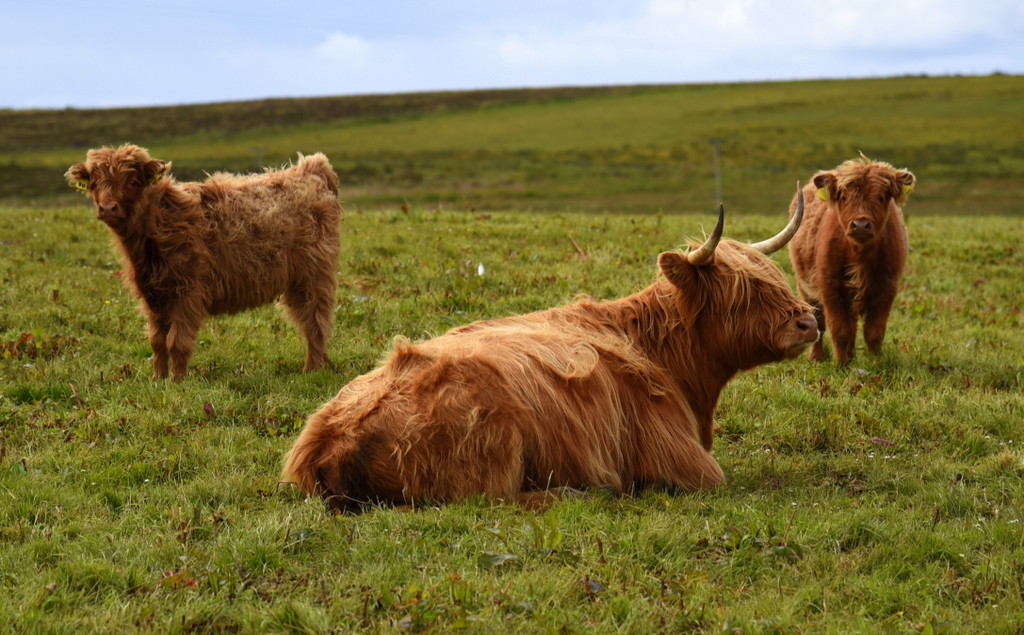
Cameron-Scotland-Highlands-Hairy Coo 3

10. Seek Out and Celebrate What Makes Scotland Unique. While it’s still part of the United Kingdom — for now —  Scotland is so much more than just England’s northern annex. In this age of “devolution” (Scotland gaining more autonomy from London), ask locals what they think about current issues. (At least Scotland and England still share a knack for witty signs.) Even if you’re a closet royalist, check your sympathies at the door and really try to understand what makes Scots Scots. And then…celebrate it.

It goes without saying, but all of this — and much more — is covered in the Rick Steves Scotland guidebook.

Turas math dhut! (Happy travels!)

4 Little Things I Love — and 4 I Love to Hate — About Traveling in Britain

I’m driving around England and Wales, updating our Rick Steves Great Britain guidebook for the new edition. Britain is one of my favorite places to travel — it’s so beautiful, so charming, so welcoming, so compact, and so substantial in its sightseeing. Re-visiting several places I’ve updated before (and finding them even better than I’d remembered), every day I also drive past many other places that seem just as good. I’m beginning to think you could throw away our whole guidebook, start from scratch with all new destinations…and you’d still wind up with a smashing book.

Nearing the end of my time in Britain, I’ve been collecting a list of some of the things I just love about traveling here…along with a few pet peeves. (You can blame Bill Bryson, a fellow American Anglophile whose curmudgeonly Road to Little Dribbling audiobook has been my soundtrack through much of Britain.)  I hope you’ll take these as they’re intended — with an undercurrent of great respect for a great nation, and with tongue planted firmly in cheek. Enjoy!

Delightful town names. British maps are peppered with place names that seem like a prank or a put-on. I was never more aware of this than the day I found myself leaving the village of Cerne Abbas on Piddle Lane, en route to Piddletrenthide. In this tiny corner of Britain alone (Dorset, about an hour southwest of Salisbury), you’ll find hamlets named Plush, King’s Stag, Fifehead Neville, Maiden Newton, Mappowder, Hazelbury Bryan, Poopton-upon-Piddle, Stock Gaylard, Bishop’s Caundle, Alton Pancras, Melbury Bubb, Beer Hackett, Sturminster Newton, Nether Cerne, Margaret Marsh, Ansty, Lower Ansty, and, of course, Higher Ansty. (Believe it or not, only one of these names is made up. Any guesses?) Later on my trip, I drove through the villages of Much Birch and Diddlebury. And of course, in Wales, the names are tongue-twisting and (to this non-Welsh speaker) indecipherable: On the 30-minute drive between Caernarfon and Conwy alone, you’ll pass Llanddeiniolen, Capel-y-graig, Llanfairfechan, Abergwyngregyn, Penmaenmawr, Dwygyfylchi, and Llanfairpwllgwyngyllgogerychwyrndrobwllllantysiliogogogoch. (Believe it or not, none of these is made up.) Having grown up in a place with non-nonsense names like Columbus, Cleveland, and Dayton, and I find these irreverent names downright inspiring.

Everyone is so darned friendly. Brits must be about the most socially intelligent people on earth. They’re simply good talkers and fun to interact with. Updating a guidebook, how smoothly my day goes depends largely on the helpfulness of the people I meet. Maybe that’s why Britain is one of my favorite places. They instantly grasp what I need, validate my request, and quickly set about to helping me as efficiently as they can (“Let’s see if we can’t get you sorted!”). I find myself being exaggeratedly polite here, because I’m reflecting back the kindness all around me. Britain really brings out the best in this traveler.

Remarkably courteous drivers. The pleasant British demeanor also extends to the roads. On paper, Britain should be the most formidable place in Europe to drive: You’re on “the wrong side” of the road, and the steering wheel is on “the wrong side” of the car. Major thoroughfares squeeze through constricted village centers, where double-parked cars funnel all traffic — in both directions — into a single, shared lane. Country roads are often barely a car wide, and flanked on both sides by claustrophobic, ten-foot-tall hedges. Roundabouts are endless, at times slinging you from one traffic circle into another, then into another, until you’re somehow right back where you started. And yet, even with all that, driving here is an utter delight. I think that’s largely thanks to the British style of driving: Everyone seems to view the roads as a shared venture, and we’re all in this together. So if you come to a narrow passage, British people are just naturally programmed to take turns in the most equitable way possible. Need to back up to the nearest “passing place”? Have to pull in those side-view mirrors to squeeze through? No problem! When they finally do nudge past each other, drivers raise a few fingers off the steering wheel, in a salute of mutual gratitude. It’s all so…civilized.

Tossed Salads and Scrambled Eggs. Every morning for an hour — from 9:00 until 10:00 — Britain’s Channel 4 broadcasts old reruns of Frasier. Every. Single. Morning. Going back at least 10 years. Because that coincides exactly with when I’m getting ready for my day, watching the Crane family antics has become part of my British routine. Why is Frasier, of all shows, a UK mainstay?  Maybe its highbrow-yet-farcical tone suits British tastes…literate, wry, but unafraid to become irreverent when called for. For whatever reason, when I hear Kelsey Grammer singing about tossed salads and scrambled eggs, I know it’s time to hit the road. (“Frasier…has left…the building.”)

Now that I’ve buttered you all up, I must admit it’s not all cream teas and sunny spells. After intensely traveling somewhere — anywhere — a few things start to rankle. To balance things out, here are my four pet peeves about traveling in Britain:

Pockets Overflowing with Heavy Change. As much as I love driving in Britain, it comes with a major drawback: The constant need to feed greedy “pay-and-display” parking meters. These appear in any and every parking lot, even for sights where you’re also paying admission. (Especially for sights where you’re paying admission. You stay classy, National Trust.) The vast majority of these machines take only coins. And, making things more difficult, the weighty British pound may be the most literally named coin in circulation. To be sure I have enough coins for my four or five sightseeing stops each day, I’m constantly paying for small purchases with big bills and hoarding the change. My jeans pockets are perennially weighted down with Sterling metal. (I just checked…I currently have £14 in British coins, or about $18, in my pockets.) And recently, Britain has introduced a new (infinitesimally lighter) one-pound coin…but most parking meters I’ve encountered still don’t take these. So now, within my hoard of British coins, I have a sub-hoard of old pound coins, which I guard ferociously. By the end of a trip to Britain, I’m walking with limp from all the extra weight in one pocket.

Curry stains on my nice new shirts. Before this trip, I stocked up on some nice, new, crisp button-down shirts. On my first evening in Britain, I was trying out a trendy Indian street food place in Salisbury — dredging a chunk of naan bread through a multicolored mash of curry and chutney — when a drop broke loose on its way to my mouth…permanently staining my brand-new shirt. I wrote it off to jet lag-induced stupor. But then, a few days later, wearing another new shirt for the first time, I did the same thing. Curry stains in cotton simply do not come out, no matter how quickly or how aggressively you treat them. While the obvious response here is, “Be more careful when you eat!”, this never happens stateside. And so I choose to blame Britain, for having such delicious yet vividly colored food.

Gift Aid. In Britain, certain cultural attractions can charge British taxpayers pay a slightly higher, but tax-deductible, admission fee — called “Gift Aid.” I don’t entirely understand how this works, but I do know that the readers of our guidebook — at least 95% Americans and Canadians — are not eligible. Still, I have to suffer through several conversations each day where an earnest ticket-seller tries to talk me into listing the Gift Aid price in our book. Each time, I have to explain (to their puzzlement, and often guilt-inducing looks) that it’s not relevant to our readers. British people refer to programs like Gift Aid as a “scheme,” oblivious to the sinister overtones to American ears. In this case, that word feels apt.

No right angles…anywhere. The other day, I dropped a coin in my hotel room. As I bent to pick it up, I could hear it rolling, rolling, rolling across the floorboards, accelerating until it finally toppled into a baseboard. I never found it. All those centuries-old houses are a substantial part of Britain’s charm. And, naturally, you have to expect a little settling in a house that was built back when America was an oversaeas colony. Consequently, the most characteristic B&Bs have no right angles. Doors don’t always fit cleanly into their frames. And windows — which tend to be single-pane, and with complex Rube Goldberg counterweights and latches dating from the Victorian (or at least Edwardian) Age — do very little to block out road noise. To be fair, I do find this mostly quaint. But I must admit, at some level I’m looking forward to settling into a modern, business-class hotel at my next stop, Oslo — where at least I know I can set down a round object without fearing it’ll make a break for the nearest corner.

When all is said and done, of course, Britain’s many wonderful qualities far outweigh its few quirks. Perhaps the biggest “problem” I have when traveling around Great Britain is that I keep getting tempted to move here. Hey, wait a tick…then I’d finally be eligible for Gift Aid!

Stonehenge Is Ready for Its Close-Up

It’s easy to be cynical about Stonehenge. Yes, it’s world-famous. Yes, it’s an astonishing feat of prehistoric engineering. But at the end of the day, it’s just a pile of rocks, on a windswept plain where sideways rain is far more common than cheery sunshine. Worse, for years the way it was presented was laughably poor: You’d pull off the highway, park in a big lot, zip through a cut-rate visitors center, and then walk through a tunnel to an ugly cordon that kept you well away from the site.

I’m happy to say Stonehenge has turned things around, in a big way. In the last few years, they’ve built a state-of-the-art new visitors center, with a concise but engaging exhibit about the site’s history. Just outside is a re-creation of a thatched-hut village similar to the one where Stonehenge’s builders likely lived. You can walk through the huts to see their primitive “wicker” furniture and woven blankets. Docents show off Stone Age tools — made exclusively of wood, flint, and antler. And lying nearby is one of those massive sarsen stones, lying sideways on a log-wheeled cart — likely the way these were transported 20 miles, up and down undulating hills, to this location.

Another big change has been to keep the tourist hubbub far away from the stone circle itself. Now you have to ride a shuttle bus from the visitors center a few minutes to Stonehenge itself. Or you can walk about 20 minutes through the fields. Here’s a tip: I was glad that I arrived early in the day (around 10:00). I hopped on a nearly empty bus to the stones — saving the museum exhibits for later. By the time I rode back to the visitors center, there was a long line waiting for the shuttle bus.

The staff told me that it’s best to arrive before 10:30; it’s also quieter late in the day — ideally, arrive two hours before closing time, which is also officially the “last entry” time…that’s 18:00 in June-Aug, 17:00 in spring and fall, and 15:00 from late October through March. Yet another tip: You can avoid ticket-buying lines if you prebook at www.english-heritage.org.uk/stonehenge (no extra charge). While you have to designate your arrival time, the staff told me (with a wink) that they really don’t worry too much about that — if you’re running late, or want to swing by earlier in the day to avoid encroaching bad weather, it’s generally no problem. (Keep in mind that, even once you have a ticket, you may still face a line for the bus…that alone is a good reason to aim for a quieter time.)

Anyway, back to the stones: Even having seen this before, it’s hard not to be impressed by the undertaking of people living 5,000 years ago. The decision to build it, and the know-how and hard work to make it happen, are staggering….the B.C. equivalent of putting a man on Mars. And yet, here it stands, five millennia later, admired by visitors who’ve traveled from thousands of miles away — from every corner of the earth — to share this experience. During my visit, I kept overhearing travelers whisper to each other, in giddy awe, “Wow. This really is amazing.”

In our guidebooks, we rate every sight on a scale of zero to three “pyramids” to indicate each one’s relative worthiness. Stonehenge has been at two pyramids for years. But with all of these improvements, the new consensus around the office (including Rick, who filmed here recently) is to promote Stonehenge to coveted three-pyramid status.

On a side note, I was also here on a mission: At Rick Steves’ Europe, our photo database is woefully thin on Stonehenge images. We’ve been leaning on one grainy, 10-year-old shot for way too long. One of our designers made a special plea for me to get some better photos. So I enjoyed getting as many good angles as the barriers would allow, taking advantage of a nice sunny day with big puffy clouds to add texture. I was able to text back: “I shot the hell out of these rocks for you.”

Yes, you can still manage to be cynical about Stonehenge. But these days, that’s just too much work…now the easy thing is to let yourself be swept up in the majesty and the mystery of it all.

Wonderful Wales: Land of Stone Castles, Red Dragons, and Slate Rooftops

As I crest a hill on a tight two-lane road — flanked on both sides by a gritty wall with a fringe of sharp, vertical stone slabs, like a dragon’s tail — the Welsh landscape opens up in front of me: Bald mountains, tufted with scrubby vegetation. A stony, gurgling brook. A few surefooted sheep, nibbling their way through an ankle-twisting terrain of rock and slate. It is, if not the most dramatic, one of the most dramatic scenes I’ve seen in Britain…and on this glorious land, that’s saying something.

The road twists onward, through a gobsmacking landscape. I drive past the hotel where Sir Edmund Hillary stayed while he was training for his historic first ascent of Mount Everest. It’s a Saturday, and the “lay-bys” are strewn with cars — jettisoned by latter-day Hillarys going for a sturdy early-summer hike. Little packs of hikers — with their designer packs, sweat-wicking tank tops, neon-hued rain shells, and carbon-fiber walking sticks — bob along paths cut into the rock and heath.

The road takes me to the hobbit-cute village of Beddgelert, where stony houses huddle around a stony bridge. The entire town looks like it’s risen straight up from the Welsh landscape…and, in a sense, it did. Parking my car, I’m swallowed up by the endearing small-town-ness of it all. It seems that all of Beddgelert’s residents are hanging out at the general store and the village pub, which stand side-by-side at the bridge. They animatedly converse in Welsh, oblivious to the ice-cream-licking, backpack-wearing tourists who wander past.

I finish my guidebook-updating chores in a matter of minutes (easy to do, when every business in town is within fifty paces). I’ve got an hour’s drive to my final stop of the day, where I’ll be checking into my B&B. But I’m in no hurry. It’s a sunny evening. I’m in my personal choice for “most charming village in Britain.” Surely I can spare a few minutes for a walk. But where to?

Slate-carved signposts answer my question: “Gelert’s Grave.” I follow these like breadcrumbs to a path along the gushing river, with craggy cliffs on one side, and a pasture of skittish, territorial sheep on the other. The path leads across the middle of a field to a little stand of trees, where a story carved in stone — in English and in Welsh — explains that this is the Bedd (grave) of a dog named Gelert, who won Prince Llewellyn’s eternal gratitude when he saved his infant son from a wolf attack. The legend is probably bogus…but this place is so idyllic, I just don’t care.

Walking back to my car — and finding excuses to take several scenic detours, since I don’t want this visit to Beddgelert to end — I think back on the incredible number of sights and experiences I’ve enjoyed in just three short days in North Wales.

In Ruthin, I sat in on the practice session for a mixed choir, polishing their glorious harmonies. Of course, the lyrics, the conductor’s instructions, and the chatter between songs was all in Welsh…as if English didn’t exist.

In Llangollen, I walked along the towpath for an industrial canal, built by Thomas Telford to connect this remote corner of Wales (and its rich slate deposits) to the port at Liverpool. And on the hill above town, I toured Plas Gwynedd, a fascinating old manor home where — in the 18th century — two Irish aristocratic ladies decided to leave their husbands, drop out of society, and shack up together, sparking scandal and, like a pair of Georgian Andy Warhols, attracting curious celebrities of the day to come visit.

In Blaenau Ffestiniog, I rode a rickety train deep into a slate mine, where the crusty guide explained the harrowing conditions slate miners worked and lived in, as they painstakingly mined and split slate roof tiles that were the rage all across Europe. At the end of the visit, he demonstrated how the best way to split slate is still by hand. As a chunk cleaved off halfway through the split, he cursed. “They don’t mine slate like they used to,” he grumbled, explaining that the original miners dug deeper for higher-quality slate.

In Harlech, Criccieth, and Beaumaris, I roamed the ramparts of three of the best-preserved “ring castles” built by King Edward I to keep watch over his unruly Welsh subjects. Today these are mostly empty shells — with few real artifacts, and only sparse exhibits — but they present some of Europe’s all-around best rampart walks and “king of the castle” viewpoints.

In Conwy — another walled castle town — I walked around the top of the walls, with a sea of slate rooftops at my feet and the imposing structure of Conwy Castle jutting up boldly at the bottom of town.

In Caernarfon, I toured the granddaddy of all those castles, and spent the night inside the adjacent walled town. In this appealingly blue-collar burg, I found myself in line at the local chippy next to a sprightly Welsh gentleman with a sparkle in his eye, a knack for making conversation, and lilting accent so thick I could barely keep up. “Aye, we’re poor cousins to Conwy,” he said with a wink, and proceeded to tell me about the time his brother went to L.A. and came home with a Buick Riviera, and about the time he watched Prince Charles address the crowd moments after being “invested” with his title at Caernarfon Castle.

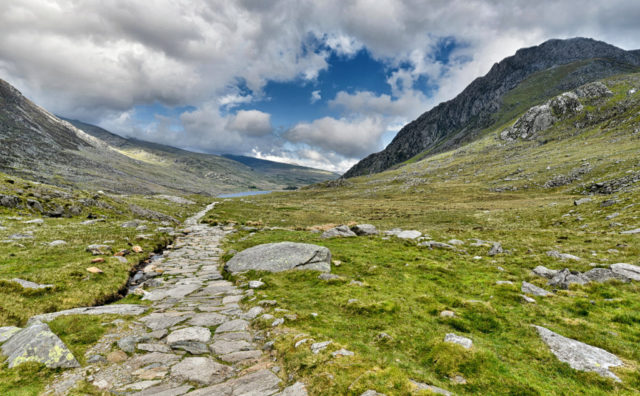
In the middle of nowhere, I parked my car and hiked a well-tended flagstone path up to a remote, stunning little mountain lake called Cwm Idwal — commanding a little plateau ringed by a natural amphitheater of sheer cliffs. The mountaintops muscled back the black clouds that were trying to spill over the summit. The sun broke through the clouds, sweeping a blinding spotlight across the scrubby landscape, before being swallowed up again. And an intense wind crested the ridge and screamed across the lake’s surface with a force that created whitecaps.

In Portmeirion, I had the surreal experience of walking through an Italian Riviera-style village…a pastel, Mediterranean wonderland modeled after Portofino, tucked into a craggy, yet sunny, microclimate of the Welsh coast. (I love the uniquely British notion of a “folly”: an expensive, and ultimately pointless, vanity project done on a rich person’s whim…spending money for the sake of spending money. Portmeirion is the ultimate folly.)

In Llanfairpwllgwyngyllgogerychwyrndrobwllllantysiliogogogoch, I took an obligatory photo of the train-station sign for the town with the second longest name in the world.

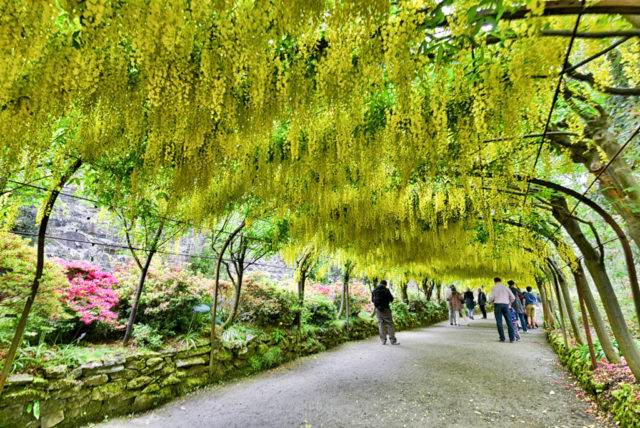
At the Bodnant Garden, I strolled beneath a glorious laburnum arch in full bloom. People who know me could scarcely imagine I’d ever use a phrase like “glorious laburnum arch” un-ironically…but Wales just has that effect on me. It was really quite something. If you’re going to dedicate some serious time to a beautiful garden anywhere in Britain, Bodnant deserves serious consideration.

And at all of these, I always looked up to find myself under the watchful eye of a valiant red dragon, against a white-and-green field, flapping in the bracing Welsh breeze. There’s no doubt that the Welsh are proud of what makes them unique. And they should be.

Even more incredible is that I packed all of this into a mere three days. Compact North Wales makes it easy. Every time I got in the car, I plugged my next destination into my phone…and every time, I was amazed at the short distances. Drives rarely exceed 30 minutes.

Wales is not quite “undiscovered.” (Lonely Planet recently named North Wales one of its “Top Ten Destination,” about which the local tourist board made much hay.) And yet, it still must be one of the most underrated corners of Europe, relative to how purely enjoyable — and easy — it is to travel here. Give Wales a few days, and it’ll give you vivid experiences and powerful memories.


I was in Wales updating our Rick Steves Great Britain guidebook, which has all the details on everything mentioned here.

Or let someone else deal with the details: Our (admittedly misnamed) Best of England tour actually includes two overnights in Conwy, and visits several of the places mentioned here — plus a sheepdog show! (I just love sheepdog shows.)

“Conditions in Iceland May Be Different than You Are Used To”

That warning — white letters against an alarming-red field — pops up on the seat-back TV screen as I settle into my Icelandair flight to Reykjavík. It’s a message from Safe Travel Iceland, warning tourists — as early in their trip as possible —  to be ready to share one-lane roads, to drive carefully on gravel, and not to get too tired driving late in the land of the midnight sun. But in a way, it also sums up my upcoming journey.

My early-summer guidebook research trip in Europe is underway. My first stop is, technically, Iceland — but I won’t be there for long. After an hour’s layover, I’ll continue to Great Britain (for a spin through Salisbury, Stonehenge, Cardiff, Ironbridge Gorge, and North Wales), then Oslo. But then, around the beginning of June, I’ll fly back through Reykjavík…and this time, I’ll be sticking around for a couple of weeks.

At Rick Steves’ Europe, one of our big projects this summer is to produce our first-ever Rick Steves Iceland guidebook. It’s a big step for us. While Rick has been to Iceland — and greatly enjoyed it — it has always felt “not quite Europe.” But our fans — who, like so many travelers, are making a habit of stopping off for a few days in Iceland on their way to or from Europe — have made it clear that they’d really appreciate the “Rick Steves take” on Iceland. And the numbers are astonishing: Tourist visits to Iceland are growing at an exponential rate. Last year, more Americans visited Iceland than all the people who live in Iceland. It’s clear that a lot of our readers’ travel dreams include Iceland…and it’s our duty to help them out.

Even before I boarded my flight, we already had a great guidebook in the can. Ian Watson, one of our most experienced guidebook researcher/writers and a longtime collaborator, lived in Iceland with his family for many years. He spent this past spring researching and writing our book on his adopted homeland. Now it’s my turn: In early June, I’ll be test-driving, polishing, and “Rick-ifying” Ian’s work. (Thanks to Ian for letting me use one of his photos for this post!)

As I’ve prepared for this trip, I’ve been surprised how many people I know are already experienced Iceland travelers. I’m sure a lot of you reading this have been there — and I’d love your input.

In the comments, please share your best Iceland tips. Favorite restaurants, hotels, museums, nightlife, or shops? Best day-trips (or day-trip companies)? Any particularly memorable experiences — food tours, scenic drives, volcano visits, and so on? What kind of information would you have found helpful in planning your trip? What tips do you share with your friends who are heading there? In general, what aspects of an Iceland trip should a Rick Steves-style book be sure not to miss?

I’ll collect everyone’s advice, add it to my already-lengthy list of leads, and make sure to take it into consideration as I explore Iceland.

Thanks in advance for your help. I’ll be posting later this summer with my observations about the land of ice and fire. Between now and then, however, I’ve got lots of other travels to report on. Next up: Wales.