My co-author and frequent collaborator, Cameron Hewitt, is well-traveled, smart, and insightful. And, while he and I are in perfect sync in our travel styles and priorities, he gives voice to the next generation of "Rick Steves travelers." Join me in enjoying his reports right here. —Rick

24 Fascinating Factoids About Europe

One of the joys of researching Rick Steves guidebooks is how, every day, I stumble upon fascinating little insights that tell me a lot about the place I’m visiting — and sometimes, about human nature. As I spend my summer wrapping up the work I did on this spring’s research trips, I keep rediscovering delightful nuggets scrawled into my little black notebooks. Here are a couple dozen of my favorites, ranging from historical tidbits to everyday cultural insights (like where the Swiss buy their groceries, what the Spaniards fight bulls on, and why Germans — but not Italians — like to open the window)… to things that just made me chuckle. As a kid, I loved paging through yellowed paperbacks of Ripley’s Believe It or Not! Reviewing this list, I’m realizing this is my very own European version.

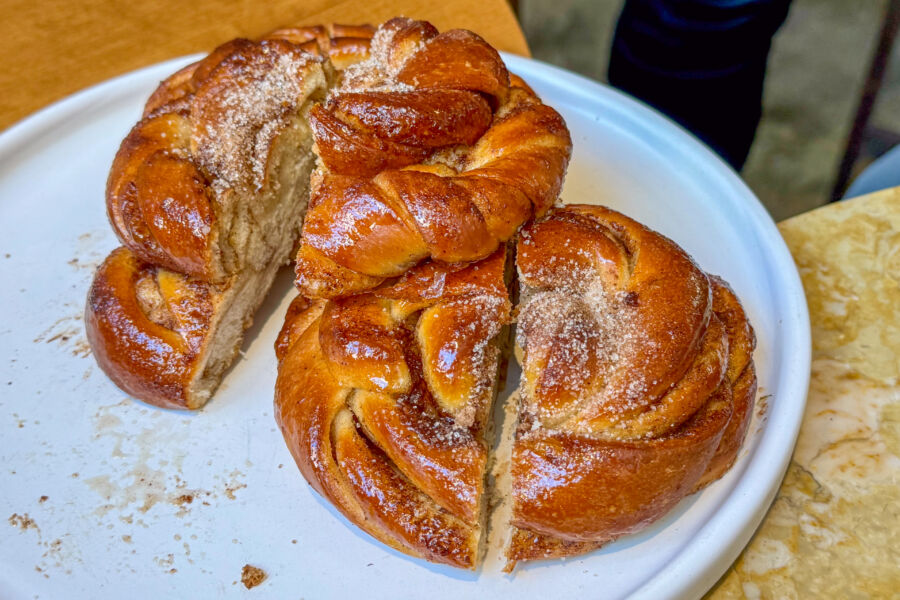
While we use the word “danish” to describe a sweet pastry, in Denmark it’s wienerbrød (“Vienna bread,” from the French viennoiserie) — named for the Viennese bakers who brought the art of pastry-making to Denmark, where the Danes perfected it. Ironically, in Vienna, they call the same thing “Copenhagen” or “Danish” bread.
For centuries, each community kept its own local time, based on the sunrise and sunset in that precise location — which often differed by a few minutes from town to town. But by the late 19th century, faster and faster trains made standardized timekeeping essential. Imagine: You’d show up for your 10:00 train to London, only to discover that, in London, it was already 10:10 — and, therefore, you’d just missed your train. In 1884, the prime meridian (through Greenwich) was established as a starting point for calculating world time zones; over the next few decades, Greenwich Mean Time was gradually adopted across Europe and around the world, ensuring that everyone shares the same clock.

Siglufjörður, a remote fishing village at the northern tip of Iceland, was once a herring boom town, nicknamed the “Atlantic Klondike.” From 1903 to the 1960s, salted herring (which was highly nutritious and traveled well, making it particularly valuable during the world wars) represented fully one-half of Iceland’s total export income. The hard work of cutting and salting the fish was done by “herring girls,” who lived in dorms through the season — hanging out and listening to records while waiting for the boats to come in, when they’d rush down to the docks and work 20- or even 30-hour shifts. These “herring girls” were the muscle behind Iceland’s economy during a critical time, arguably empowering it to become fully independent from Denmark.

Italians think very deeply about digestion. It’s why their food is so delicious. And it also explains several cultural quirks that travelers scratch their heads about: a reluctance to serve cappuccino (or anything with lots of milk) after lunchtime; a taboo against mixing seafood and cheese; their insistence on serving your salad after the pasta, not before; and their bad attitude about tap water. (They’re not trying to upsell you. They’re just worried about your digestion — and there’s a water for that.)

The albero sand used for Spanish bullfights is special: The vivid-yellow color is the perfect complement to the flamboyant matador outfits and deep red blood, and the sand is just coarse enough to provide traction, minimize dust, and allow drainage. The premium sand favored in Andalucía, quarried at Los Alcores near Sevilla, is so precious that bullrings rent it for use only during bullfights; after the spectacle, it’s shoveled into trucks and taken to the next town.

One of Europe’s many north/south divides has to do with the circulation of fresh air indoors. Many Germans adhere religiously to the practice of Lüften (“ventilation”): At least twice each day, especially in the winter, they throw open all the windows to blast out stale air — as a matter of hygiene and good health. (Some people in the Low Countries and Scandinavia have a similar custom.) In Italy, quite to the contrary, many people have a deep fear of catching a draft; they believe a colpo d’aria (“hit of air”) can cause all manner of health problems, from headaches to diarrhea. A similar belief is persistent in many parts of the Balkans, especially Serbia (where it’s called promaja).

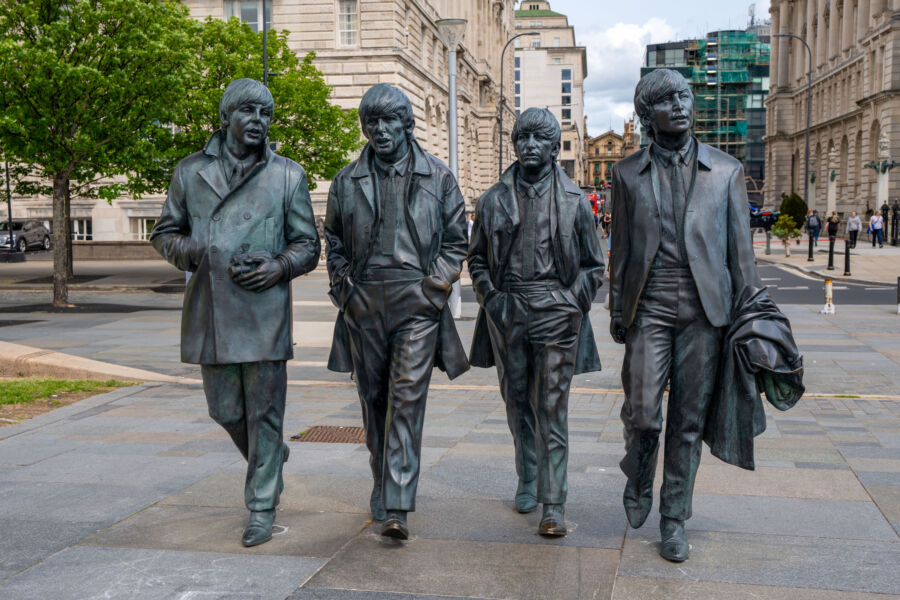
John Lennon and Paul McCartney had something very specific in common — aside from growing up near each other in Liverpool and becoming two of the greatest songwriters of all time. Both of them lost their mothers at a young age, perhaps forging an unspoken bond that facilitated their historic collaboration.
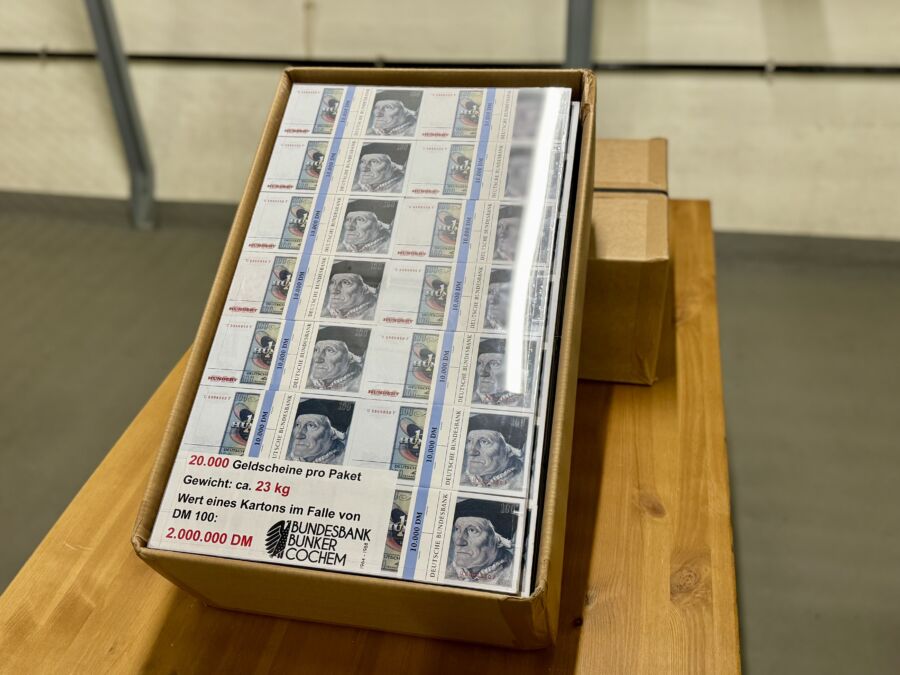
During the Cold War, West German authorities secretly stored 15 billion Deutschmarks (roughly €7.5 billion) in a hidden bunker, tucked in an unassuming neighborhood in Cochem on the Mosel River — neatly stacked floor-to-ceiling in cardboard boxes (now open to visitors). The currency was held in reserve in case of nuclear war, and to protect it from being devalued through nefarious means; the Bundesbank even created alternate designs for their banknotes — and printed billions — in the event that the Deutschmark needed to be replaced wholesale in a hurry.
In many European cities, you’ll find the same sculpture: an anonymous unhoused person, sleeping under a blanket on a bench. Only upon closer inspection do you notice the wounds in the feet that identify this person as Jesus. Homeless Jesus, by Canadian sculptor Timothy Schmalz, challenges the viewer to see the divine worthiness of each fellow human being — no matter their social stature. Since the original version was erected in 2013 at a Toronto theological school, more than 50 copies have appeared all around the world (I’ve seen them in Dublin, Glasgow, and Amsterdam).

Switzerland has two dominant grocery store chains: Coop and Migros — and either you’re a Coop family, or you’re a Migros family. Migros focuses on in-store brands and prides itself on having a conscience: They don’t sell alcohol or cigarettes, they were the first Swiss supermarket to stop giving out free plastic bags, and they donate one percent of their sales to charity. Meanwhile, Coop has a wider variety of brands and higher prices, focusing on organic and sustainable products; it’s considered a bit more posh. Very broadly speaking, Migros is like Trader Joe’s, while Coop is more like Whole Foods.

Bluetooth technology — which wirelessly connect devices — was named for Harald Bluetooth, a tenth-century Scandinavian king who “connected” the Danish and Norwegian peoples. Even the symbol for Bluetooth comes from Viking runes: It’s the letters H and B, combined.

In Sicily — and in many other cultures — it’s considered very important for children to know about their deceased ancestors. On special occasions, they may even receive a present from a departed great-aunt or grandpa. (When you think about it, this is no less “creepy” — and certainly more touching — than gifts from the Easter Bunny or Tooth Fairy.)

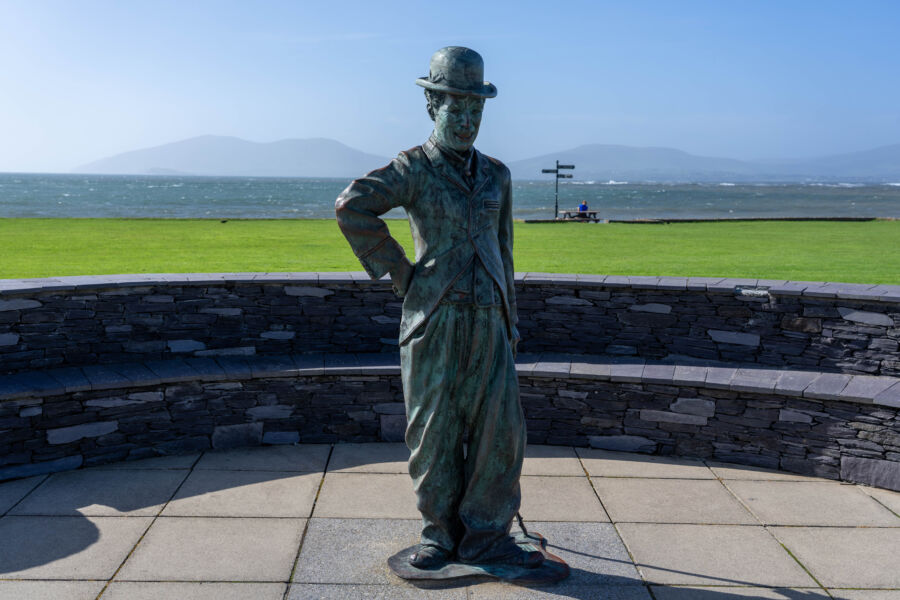
All over Europe, you stumble upon seemingly random statues… and they always come with a story. In Waterville, a castaway beach town on Ireland’s Ring of Kerry, stands a statue of Charlie Chaplin — who enjoyed the time he spent living the good life here. In central Budapest, you’ll find Peter Falk (the Columbo actor had Hungarian roots) as well as Ronald Reagan and George H. W. Bush (whose Cold War policies helped topple Hungary’s communist regime). You’ll find statues of the great Irish writer James Joyce in both Pula, Croatia, and Trieste, Italy — he lived in each city while writing his masterpiece Ulysses. And a park in Ronda, Spain, features busts of Orson Welles and Ernest Hemingway — two early-20th-century American greats who both fell in love with Spanish culture.
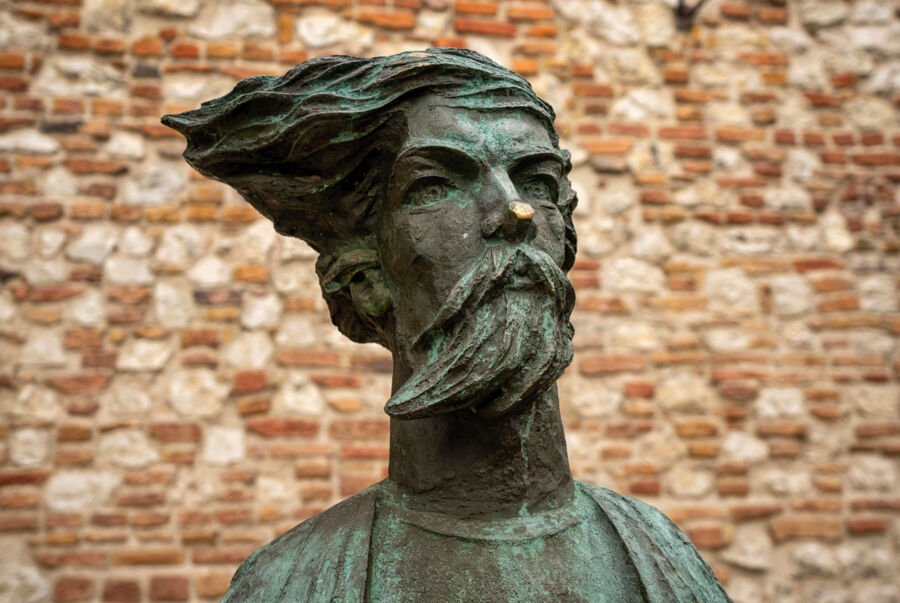
At Spain’s prestigious University of Salamanca, Fray Luis de León (1527-1591) challenged the Church’s control over the word of God by translating part of the Bible into Castilian. The Inquisition arrested, jailed, and tortured him for five years. Upon being released, he returned to the university and began his first lecture with, “As we were saying…” Today, he remains a symbol of the intellectual independence of academia in the face of changing political mores.

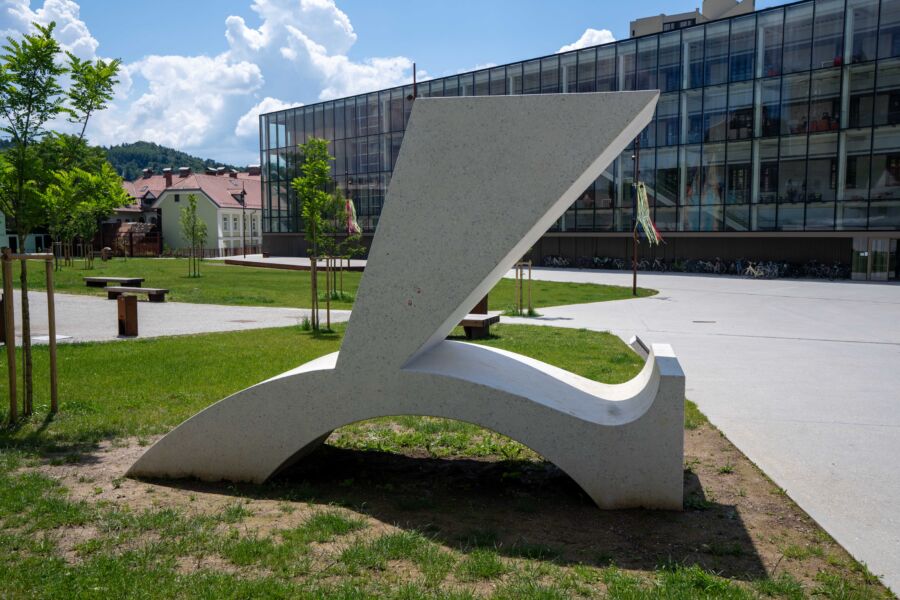
In the Slovenian capital of Ljubljana, you’ll find a strange monument, shaped like the top half of a letter Ć buried in the ground. When Slovenia declared independence in 1991, its population included tens of thousands of people from other parts of Yugoslavia. While most Yugoslav languages have two versions of this letter — Ć and Č — Slovene uses only Č. And so, eager to distance itself from Yugoslavia, Slovenia standardized spellings by replacing Ć with Č. Think of the many names ending in -ić — which now had to be spelled, instead, with -ič. Slovenia had 25,671 “Ć people” (including more than 5,000 children) who were “erased” by the breakup of Yugoslavia — stateless, stripped of governmental services, unable to travel, living in fear of expulsion… not because they moved, but because the borders did. Over time, as Slovenia matured as a nation and the Yugoslav Wars found resolution, the vast majority of these people gained their citizenship — and reclaimed their rightful Ć.
It’s remarkable when a particular place, at a particular moment, becomes a magnet for hugely influential people. If you walked into a coffee house in Vienna in early 1913, there’s a possibility you’d run into Sigmund Freud, Marshal Tito, Adolf Hitler, Josef Stalin, and Leon Trotsky.  Also notable: the Golden Age of ancient Athens; Florence circa 1500; Philadelphia in the 1770s; Victorian Age London; Paris and Harlem in the 1920s; and Silicon Valley at the turn of the 21st century.

Many German parking garages have specially designated parking spots for women, called Frauenparkplätze — generally in well-lit areas close to the entrance. While intended to make women feel safer in a big, dark garage, they are often criticized by German feminists, who consider them condescending (especially because they’re often wider than standard parking places, perhaps based on a stereotype that women are inferior drivers; and because they are typically located next to disabled spaces).
It’s often said that the uprisings that ended communism in Eastern Europe — which culminated in the autumn of 1989 — moved at starkly different paces: In Poland, it took 10 years; in Hungary, 10 moths; in East Germany, 10 weeks; and in Czechoslovakia, 10 days. Whie this requires a bit of fudging, it’s mostly accurate: The 1980 Solidarity protests in Gdańsk, led by Lech Wałesa, kicked off nearly a decade of slow reforms; throughout the summer of 1989, Hungary opened its borders little by little; by early that fall, protests began to sweep across East German cities; and the Velvet Revolution of Czechoslovakia played out over about a week and half, with increasingly large peaceful protests.

To this list, you could add “10 hours” for East Berlin. When the Berlin Wall came down, it happened overnight, as the result of a miscommunication. On November 9, 1989 — in response to those “10 weeks” of protests — the East German politburo issued a statement about their intention to gradually ease border controls, then left town for the weekend. Upon reading the ambiguously worded new policy in front of TV cameras, a flustered spokesman gave the impression that these changes were to happen “immediately.” East Berliners began to show up at border checkpoints in droves. At about 11:30 p.m., an overwhelmed guard threw open the gates. And once open, the Berlin Wall never closed again.

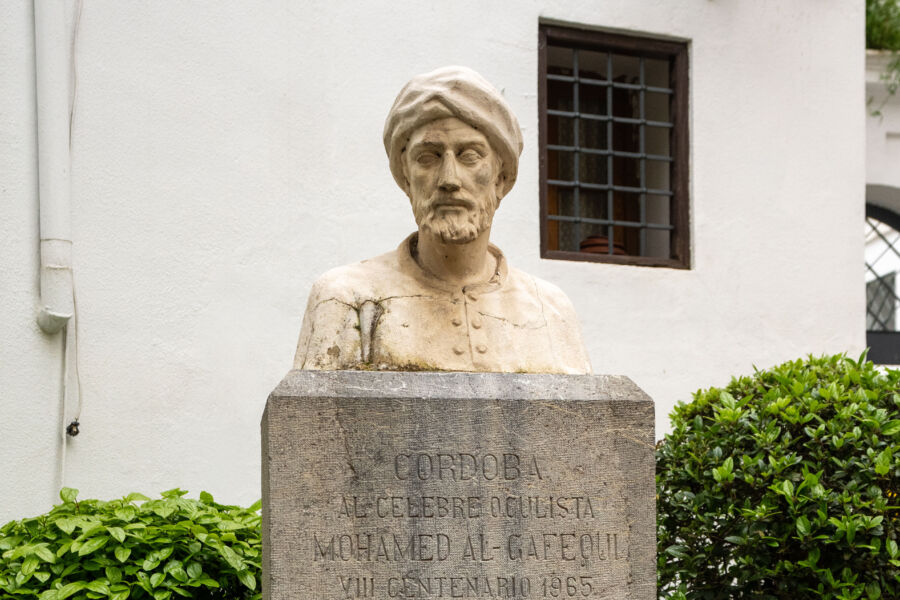
Around the year 1000, Moorish scientist Abu al-Zahrawi wrote a surgical encyclopedia, called Al-Tasrif, that was used throughout Europe for 700 years. He was one of many Muslim doctors and surgeons who advanced the practice of medicine in Al-Andalus (today Andalucía) — at a time when so much of Europe was suffering through its “Dark Ages.” Another example: Muhammad al-Gafeghi, today honored by a statue in Córdoba, was an ophthalmologist who performed successful cataract surgeries in the first half of the 12th century.
Europeans have many stereotypes about Americans: We wear tennis shoes, logo T-shirts, and baseball caps. We talk too loud. And… we drink too much water? Yes, among our many other foibles, Europeans perceive Americans as being bizarrely obsessed with (over-) hydrating. This may be based partly on American visitors requesting — and expecting — big glasses of tap water in restaurants. But it appears to be rooted in reality: Polling suggests that American adults drink, on average, 70 percent more than their European and British counterparts (1.7 liters per day vs. about 1 liter per day). And authorities in the USA and the EU have very different “recommended daily amounts” of water consumption: In the US, it’s 3.7 liters for men and 2.7 liters for women; in Europe, it’s about one-third less: 2.5 liters for men and 2 liters for women.

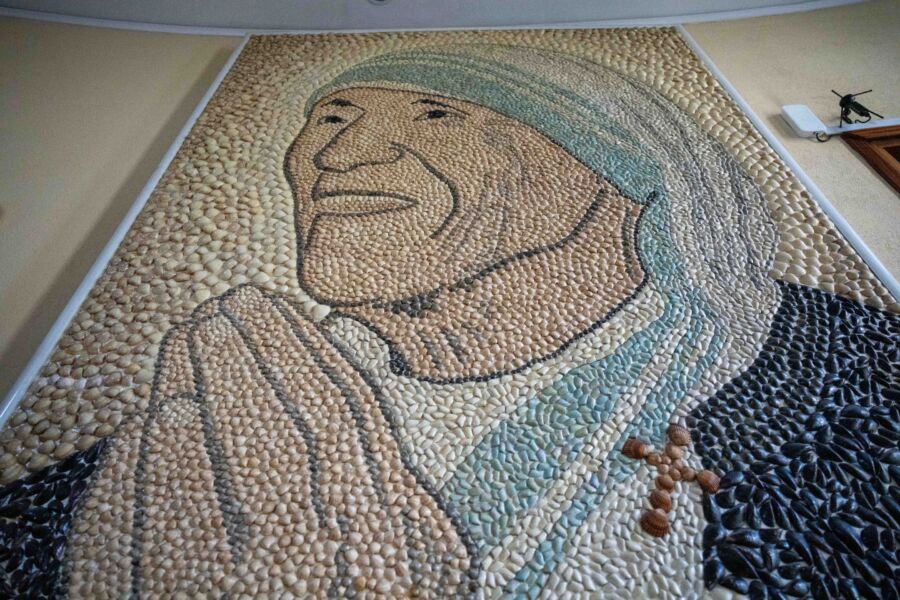
Two starkly different women are celebrated throughout the Albanian world ­— from Tirana to Prishtinë ­— honored by murals, statues, and street names: Mother Theresa, who was born Anjezë Gonxhe Bojaxhiu in Skopje (today’s Macedonia)… and pop star Dua Lipa, a Londoner with Kosovo Albanian heritage.
The early people of Denmark were entranced by bogs. At the dawn of the Iron Age, bogs were the source of ore that could be used to create all manner of tools and weapons. This mysterious and sacred liminal space, existing somewhere between land and water, was believed to be where the gods resided. Precious items (including vast collections of weapons plundered from defeated enemies), animals (up to and including horses), and even human beings were sacrificed to the thick peat of the bogs. Fortunately for present-day archaeologists, this preserved these artifacts perfectly.

Believe it… or not!

Do you have any favorite European factoids to share?


If you enjoy these sorts of insights, you should know that most of these appear, in some form or another, in our Rick Steves guidebooks. Any source can list names and dates; we always strive to provide real insight to help you get your arms around the place you’re visiting, in a more intimate way.

Wonderfully Weird: Legos, Doorbells, and Anne Frank

Imagine getting your hands on 25 million Lego bricks — a virtually unlimited supply. What would you build?

I had high hopes for the Lego House in Billund, Denmark. Not only was I eager to write up the experience for the next edition of our Rick Steves Scandinavia guidebook; as someone who grew up playing with Legos, I figured I’d also enjoy it. What I did not expect was an epiphany about human nature. But then, travel is all about the joy of unexpected discovery.

The Lego House is a giant white structure in the middle of a small park in the center of Billund — just up the street from where Ole Kirk Christiansen started his wooden-toy business in 1932. The building looks like it was built from (you guessed it) Legos. Inside, the 50-foot-tall “Tree of Creativity” — made of 6.3 million bricks, its boughs supporting delightful creations — rockets up through the atrium.

Curling up the staircase, you arrive at the Masterpiece Gallery to learn about the AFOL (“Adult Fans of Lego”) community, who specialize in assembling MOCs (“My Own Creations”). These wildly inventive sculptures — which break free from the rigid architectural plans that come with any Lego set — are displayed throughout the Lego House, each one labeled with its creator, who come from all over the world.

From this central hub, the Lego House’s exhibits are organized into “experience zones” that are color-coded to emphasize different qualities that Lego play can bring out: green for socialization; blue for cognitive skills; red for creativity; and yellow for emotional intelligence.

When evaluating sights like this for our guidebooks, I tend to approach them with a healthy skepticism, verging on cynicism. (Are you familiar with my thoughts on Salzburg’s Sound of Music tours?) And it struck me as pretty bold for a plastic plaything to make such lofty claims… covering so many developmental bases in one fell swoop. Was this attraction merely a money-grubbing incarnation of crass corporate commercialization — a massive come-on to hoodwink kids and their parents into sinking even more cash into their Lego collections?

And yet, as I wandered from zone to zone, I found myself completely won over. It wasn’t just the hands-on activities in each section — for example, creating your own “animal with emotions” to upload and dance on a giant screen; or designing and testing a race car at the test track; or the remarkably detailed model of a gigantic city packed with fun-to-scrutinize details and fascinating Easter eggs. (Though I will admit, that was pretty cool.)

No, more than the “exhibits,” what got to me were the people. Huddled around the base of an 18-foot-tall waterfall of multicolored bricks — immersed in a sea of Legos — were people playing, people building, people laughing, people enjoying.

And those people — like the bricks they were stacking together — came in every conceivable type. They were young and old, they were rich and poor, they were Europeans and Americans and Indians and Chinese and Africans… a United Nations of humanity, all playing side-by-side, like a real-life Benetton ad or a Sesame Street teachable moment. Suddenly, I found myself touched to consider how many millions of people, around the world, grew up playing with the same toys I did.

Looking back on my own childhood, I remember how I adored my Legos. I could spend endless hours stacking and unstacking them, creating my own buildings and spaceships and dioramas. Today, I have friends who still build elaborate Lego sets (a COVID-era hobby that never went away); and I also have a pair of young nephews who count Legos among their favorite toys. Something about this “simple plaything” is far from simple, and seemingly universal.

But… why?

I think it’s because life is incredibly difficult, even for kids. (Especially for kids.) Every day, we’re told what we can’t do and say and feel. And we’re not always equipped with the tools we need to grapple with those hard realities of existence. Lego provides those tools, letting us use them in whatever way we find most helpful in that moment — whether that means engineering elaborate and detailed constructions, or going wild with rule-breaking creativity, or just scattering them around the room like a spring rainstorm… for an unassuming parent to step on in the middle of the night.

There’s a reason kids love Legos — and why people who want to better understand kids also love Legos. My mother, a retired clinical psychologist who often worked with children, could learn a lot from what a young patient built with their Legos, and how they built it, and what they had to say about their creation. Legos are the Rorschach Test of our time: You can make anything. So… what do you want to make?

Another thing I noticed, as I toured the exhibit, was that the Lego House was filled with misfits… oddballs… quirky characters. Some were merely socially awkward, shy, pushy, a little too excited; others appeared to have physical or developmental disabilities. I was suddenly very aware that everything here was designed to be accessible to all. And I watched many visitors taking full advantage of those adaptations, having the absolute time of their lives, with no regard for what a clueless observer like me might see as a “limitation.” They could simply be themselves and be in the moment, enjoying the vibrant mountains of Legos along with everyone else.

Of course, I’m an oddball too — someone who spends a hundred days each year far from home, wandering around Europe, obsessing over making guidebooks flawless. I get disproportionately excited by collecting and sharing arcane tidbits with my readers. (For example, did you know “Lego” stands for LEg GOdt, Danish for “play well”? And that it also means “I put together” in Latin — but that’s sheer coincidence?) When I’m in the middle of an intense research trip, I get jazzed about heading back to my hotel for a couple of productive hours writing on my laptop — which sounds so much more appetizing a fancy dinner. Weird!

But then, each of us is “weird’ in our own wonderful way, aren’t we? Think about it: Have you ever met someone who was actually “normal”? And if so, how long did it to take you to figure out that they, too, had their quirks: an unusual hobby, an inexplicable obsession, a hard-to-explain fetish, a problematic sense of humor, a hang-up that only they could fully understand? Sometimes, the more “normal” they try to seem, the weirder they are.

And so there I was, a weirdo surrounded by fellow weirdos — united, and comforted, in our collective weirdness — each of us drawn to those heaps of multicolored plastic bricks. And we were given access to 25 million of them to create whatever we could possibly imagine… each of us empowered to make an “MOC” (or several) all our own. Imagine: No two creations will ever be the same… and not a single one will ever be boring. How staggeringly human!

So then: What did I build? I must admit: nothing. I was too busy scurrying around, taking notes, thinking about how I’d describe this place in our guidebook, pondering my own childhood and the universal appeal of Legos, and watching the clock tick down until I had to leave… if I wanted to squeeze in the other sights on my itinerary.

Wait, what?! You went all the way to Lego House, had access to millions of Legos, and didn’t build a thing?

I know… weird, right?

§     §     §

My Lego House experience reminded me of a similar epiphany I enjoyed during a visit last spring to Amsterdam. I was walking along a residential street, several blocks from the touristy canals of the historical center, when a bank of doorbells stopped me in my tracks.

Instead of adhering to a standardized template for this building’s buzzers, each resident had provided their own nameplate, with their own idiosyncratic flair. And each one was as individual as the person it represented.

Scanning those nameplates, I could really imagine the face of a human being behind each one. It wasn’t just a list of names; the irregularity of the labels embodied how this building contained an eclectic mix of personalities, hopes, dreams, tastes, dislikes, desires, fears, and, yes, weirdnesses.

Later that week, in the former shipyard-turned-hipster-hotspot of NDSM, another sight grabbed my attention: A glorious, several-stories-high street art mural of Anne Frank.

What struck me wasn’t just the medium — spray paint on the side of a building, casting a patchwork of colorful rectangles on Anne’s smiling face, instead of a black-and-white photograph. It was also the message: “Let me be myself.”

Of course, that’s precisely the story of Anne Frank: She was a young girl with a big personality and an exuberantly complicated inner life, forced to hide away in a secret annex because she also happened to be Jewish — at time when her city was occupied by an antisemitic, fascistic regime.

In our cynical, overheated, politicized age, people roll their eyes at ideas like “tolerance” and “letting people be themselves.” But the cautionary tale of Anne Frank — and the 102,000 other Dutch Jews murdered in the Holocaust — reminds us of the stakes of intolerance. Everyone, regardless of their politics, loves Anne. We love Anne because she dreams so big, beyond the walls of her tiny annex; she deserved a bigger space in which to not only dream, but to live out those dreams. To be herself. What would Anne have made with all those Legos, if she’d lived long enough to see them?

The Dutch learned some hard lessons from World War II and the Holocaust, and from the centuries of Catholic-versus-Protestant carnage that preceded it. That’s why Amsterdammers, quite famously, go out of their way to let people be themselves. For example, in 2001, the Netherlands was the first nation in the world to recognize same-sex marriage. (They’re in good company: Denmark, the birthplace of Lego, became the very first nation to grant legal rights to same-sex partnerships in 1989.) It’s also why this city is synonymous with decriminalized marijuana and legal sex work. Amsterdam is built upon a live-and-let-live ethos, which is rooted in agonizing historical lessons that doing the opposite ends in tragedy.

Another thing that strikes visitors to today’s Amsterdam is its diversity. Strolling the canals, you see people from every imaginable background sharing a stunning 17th-century city that was built on profits from colonial exploitation and the transatlantic slave trade. This complicated heritage is another reason the Dutch are determined to do better.

Amsterdammers like each other, or don’t like each other, as individuals. I imagine the people represented by all those doorbell nameplates don’t always get along. But they always accept each other’s right to exist.

Consider another Amsterdam icon, the tulip: It begins life as a knotty, ugly, dirty bulb. It looks like a misshapen tumor… something you want to bury deep in the ground, if only so that you never have to see it again. But then, with proper care, it sends up a green shoot. And when it opens up, you never know quite what color and shape its petals will take — but it’s always beautiful.

That’s why, upon visiting Denmark’s Lego House — where toddlers and kids and teens and adults and seniors from around the world convene to play with millions upon millions of colorful bricks, each building their own creations that could only be built by them — I found myself thinking about Dutch doorbells, Anne Frank, and knotty tulip bulbs.

§     §     §

We live in an uncertain, often unnerving time, when the political pendulum swings to dizzying extremes, and it often feels the ground is shifting beneath our feet. Perhaps understandably, we’re turning on each other: reducing one another to a political talking point, a red baseball cap, a nationality, an immigration status, a long-ago misstep or misstatement. There are powerful forces in our society that stand to benefit from this divisive trend — in fact, they’re counting on it, because it distracts us from our shared humanity and overlapping values.

But travel is the antidote to all of that. Whether you lose yourself while building with endless Legos, or learn about the cautionary tale of Anne Frank, or pause to enjoy the tulips, or simply find yourself pondering a random row of doorbells, travel reminds us that — in the end — we’re all just people: beautifully different, wonderfully weird people.

On my last train ride in Denmark, I noticed a sign in the window — a piece of instruction for passengers. The message was not “No smoking” or “No feet on the seats” or “If you ride without a ticket, we’ll fine you.” It was simply this:

It’s a simple request — but there’s so much behind it. Consideration feels in short supply these days; it’s a privilege and an inspiration to spend some time in a society that still values it.

Consideration means treating one another with respect, even when we disagree, and extending one another the benefit of the doubt. Consideration means letting people be themselves. Consideration means making sure everyone gets a chance to play with the Legos — because you never know what wonderfully weird things they might create.

One Dozen Europe Travel Hacks

Things change fast — especially for travelers. As someone who’s fortunate enough to spend about 100 days each year on the road in Europe — mainly updating and writing our Rick Steves guidebooks — I’ve collected some favorite nuggets of travel wisdom. You can call these “travel skills” or “travel tips” — but in keeping with recent trends, I’ll call them “travel hacks.”

Most of my top tips wind up in our guidebooks, or on my social media posts (on Facebook and Instagram). But I haven’t done a comprehensive roundup since pre-COVID (when I posted travel hacks for 2018, and more for 2019 — most of these are still relevant). So, I swept through all of my little hand-scrawled black notebooks, social media posts, and never-published random writings on my hard drive, and came up with this fresh list for today’s travelers. In no particular order, here are a dozen of the travel skills, tips, and — yes — hacks that have become part of my everyday travel routine.

Book major sights in advance — and always on the official site.

The first half of this tip should be, I hope, common knowledge: So many of Europe’s top sights — the Uffizi and Vatican Museums, the Alhambra and the Prado, the Louvre and the reopened Notre-Dame — book up days or even weeks in advance. Prebooking tickets online is critical. (Our Rick Steves guidebooks provide clear guidance on which sights require reservations; which ones strongly recommend them; and which ones you can usually just show up for.) However, when prebooking tickets, be very careful which website you use. Every museum has an official ticketing site. But there’s an entire industry of third-party resellers who masquerade as the real deal — making it all too easy to accidentally purchase your tickets through a middleman who marks up the price. Because Google leads with “Sponsored” results, simply searching for the sight name and “tickets” may push you first toward these resellers, while the official outlet hides farther down the list. This has become a pet peeve for many of our favorite local guides, who always tell me, “Please warn your readers about this!” Our guidebooks always list the one-and-only official site; otherwise, you’ll have to check your options carefully to determine which is the correct one. (Often, it’s less flashy and less user-friendly than the big resellers. If it seems too slick… it may not be right.)

Know the cruise-ship schedule.

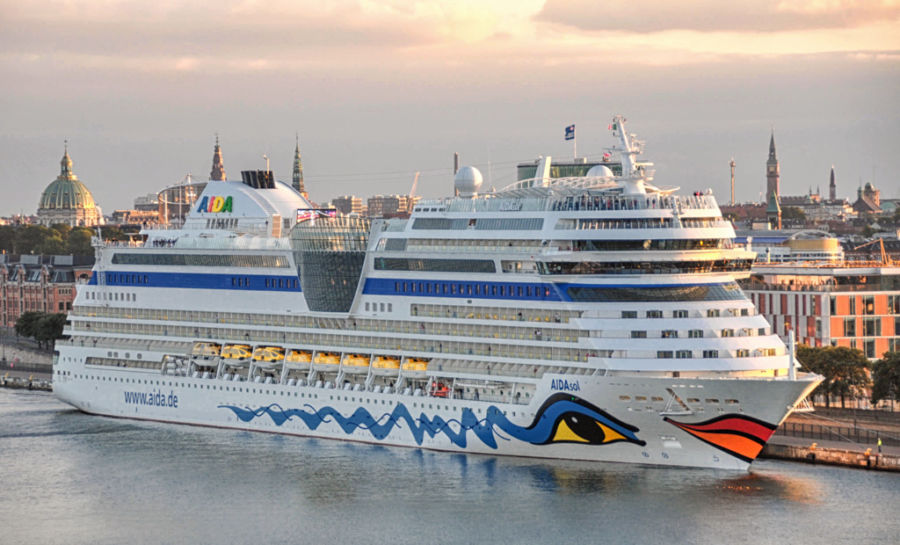
If you’re visiting a major cruise port, the number of ships in town can drastically impact your experience. So, get in the habit of checking each day’s arrival schedule. Various websites (including Cruisemapper.com and Cruisetimetables.com) offer a day-by-day list — not only how many ships are arriving, but which ships, what time they come and go, and how many passengers they carry. Especially in a smaller town like Mykonos, Flåm, or Dubrovnik, there’s a massive difference between a “light” day (with no ships at all) and a “heavy” day (with multiple ships and thousands, or even tens of thousands, of additional visitors). Knowing the schedule can help you plan more strategically: Which days to sightsee in town versus prime times to side-trip or hit the beach. And if, for example, you know that multiple cruise ships are staying in port late into the evening, it may be worth booking a dinner reservation… which may not be so important on a night when all the cruisers have set sail by late afternoon.

Don’t trust very long lines.

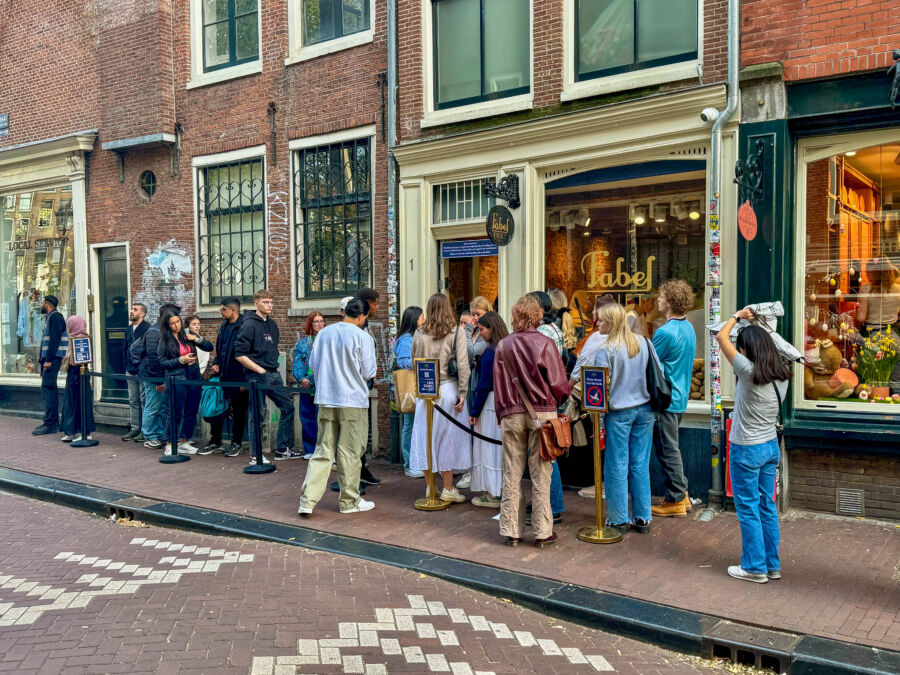
One of my well-traveled colleagues explained that, when traveling in communist Poland in the 1980s, the conventional wisdom was: “If you see a line, get in it.” They were probably selling something you needed (or, at least, something you could barter to get what you needed). These days, travelers still encounter some very long lines — for a very different reason — and precisely the opposite advice holds true. Social media influencers have a huge impact on trendy destinations, and being featured by a TikToker, YouTuber, or someone who’s Insta-famous can create a vortex of overpromotion… and an incredibly long line. I’ve seen these stretching down the block in front of a hole-in-the-wall sandwich shop in Florence, a fry stand in Amsterdam, and a gelateria in Split. I’ve tried a few of these (often returning later in the day, when the line has died down a bit)… and found them good, sure, but rarely a-MAH-zing — certainly not worth of an incredibly long wait. Very often, if you ask around (or do a little online sleuthing, avoiding the famous influencers), you’ll find that locals have a favorite alternative that’s never crowded. For example, in Amsterdam, I saw people lined up all the way across an adjacent canal for a chocolate-chip cookie. Literally steps away was a café selling amazing, handmade, delicate-yet-gooey stroopwafels — so much more authentically Dutch… and with zero line.

Get comfortable with WhatsApp.

These days, absolutely everyone in Europe uses the WhatsApp messaging app (owned by Meta) to keep in touch. Europeans like that it allows for encrypted messages and calls over any Internet connection, rather than paying a per-message or per-minute fee. Time and again, I’ve noticed that small businesses — local guides and drivers, restaurants, even B&Bs and hotels — have done away with traditional phone connections and can be most easily reached via WhatsApp. It’s free to download and easy to set up; you can use your existing mobile phone number. While I rarely use WhatsApp at home, in Europe it’s indispensable.

Stay in less-crowded, less-expensive, more charming towns and “commute” to the major destination.

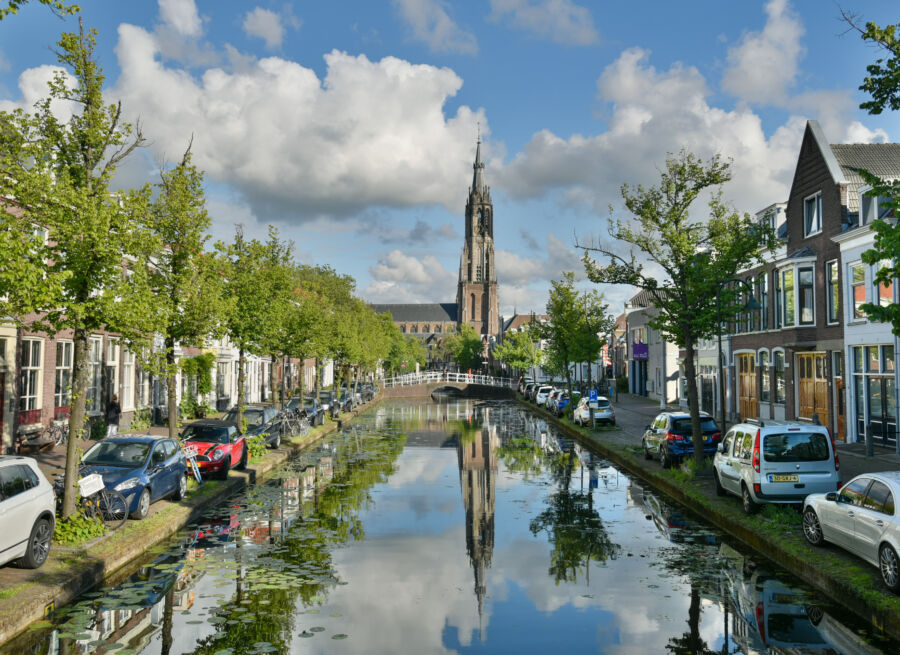
Even in our age of overcrowding and soaring prices, many travelers still insist on going to the big, famous, marquee cities, where everyone else also wants to go… and then they complain about the crowds and prices. If you just can’t resist the biggies, consider this compromise: Stay at a smaller town nearby and side-trip to your sightseeing. If you’re interested in Amsterdam, consider sleeping in Haarlem (20 minutes away by train), Leiden (30 minutes away), or Delft (45 minutes away) — each a charming and oh-so-Dutch town in its own right, with far fewer crowds and lower prices. If you’re dying to see Venice, consider sleeping in Padua or Treviso — from either, a high-speed train zips you in about 30 minutes right to the Grand Canal. And if visiting the Greek Islands, how about sleeping on workaday, foodie Naxos (30 minutes by express boat from Mykonos) or easygoing Folegandros (less than an hour from Santorini)?

If the locals are geeking out about something… join them.

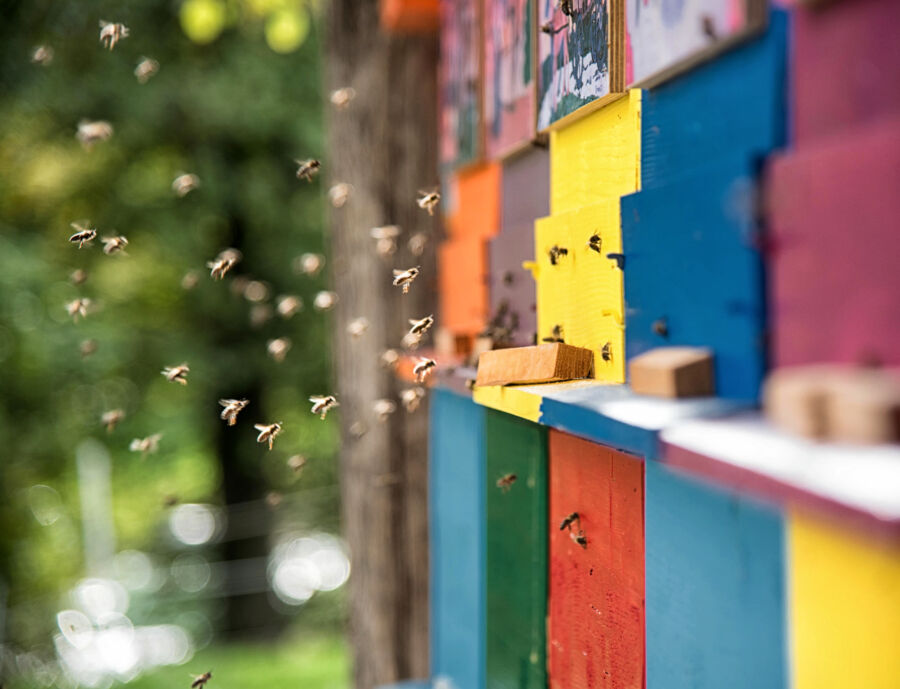
In Slovenia, everyone’s wild about beekeeping. The art and science of beekeeping was pioneered by a Slovenian scientist, and to this day, colorful beehives perch proudly in every alpine meadow. Honey in every form — from bee pollen to beeswax candles to sweet honey mead — is ever-present in Slovenian life.  Even Slovenia’s most prized folk art is tied to bees: wooden panels painted with elaborate scenes. Maybe you have zero interest in bees back home. But it’d be a mistake to overlook this beautiful, intimate slice of Slovenian life on your visit there. In Europe, where traditions run very deep, every community and country seems to have their own version of this: In the Welsh mountains, slate is huge. On Germany’s Mosel River, white wine is an essential feature of the local economy and culture. Hungarians go nuts for water polo and paprika; Spaniards love to sip dry white sherry; this year, England is excited about Jane Austen’s 250th birthday, while the folks in both Liverpool and Wrexham are soaring after their recent soccer victories; and Norwegians have a burgeoning artisanal hard apple cider scene. Wherever you go, make a point to figure out what everyone’s excited about… and jump on that bandwagon, whether or not you think you find it interesting. (I might pretend this is a “new hack,” but for decades Rick has been talking about this being a “cultural chameleon.” Same thing!)

Ask to borrow a fan.

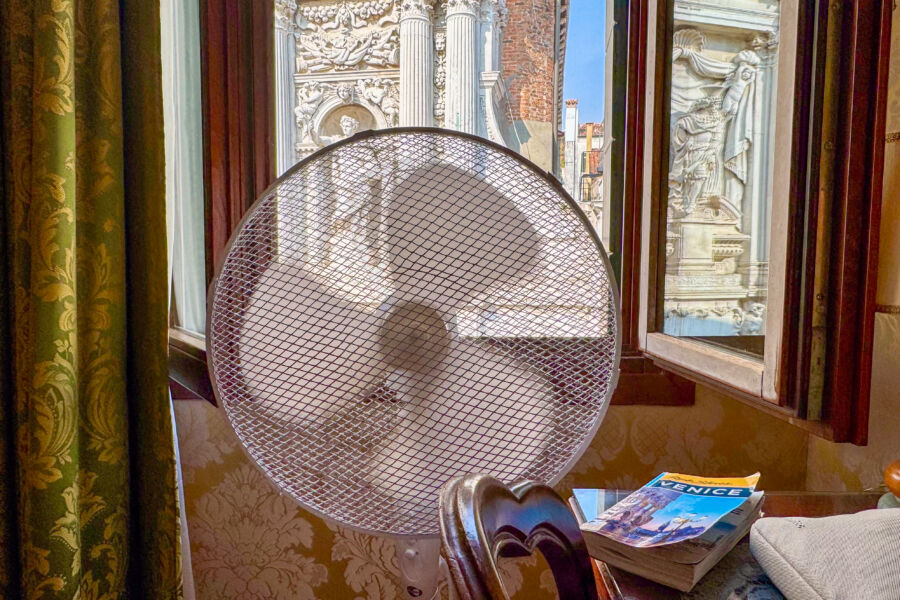
As our world’s climate changes, Europe often faces record-breaking summer temperatures, as well as unseasonal heat waves year-round. Europeans are more mindful about energy consumption than us Americans, so even if your hotel has air-conditioning, it may not blow as cold as you’re used to back home. And some places, running the AC in spring and fall is restricted. (During a hot snap in April, a Venetian hotelier explained that he’s required to turn off the heat on April 15, and can’t turn on the AC until May 15, unless the mayor declares an emergency.) If the weather’s hot, upon checking into my hotel, I quickly assess the AC situation. If it seems stuffy, I go straight back to the front desk to ask politely if I can borrow a fan. Most hotels have only a few, and they’re first-come, first-served… so if you wait until you’re going to bed, you might have to just sweat. Come to think of it, that’s another hack: Rather than get upset about how Europeans refuse to over-cool, develop an affinity both for their approach to energy conservation… and for tolerating the heat.

Where possible, tap-to-pay for transit — and understand the local system.

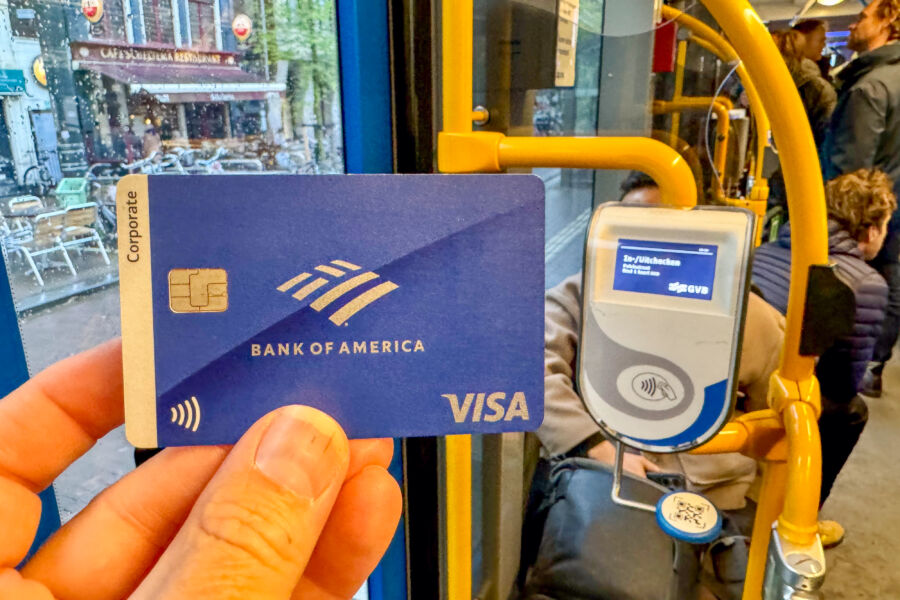
It’s old news that in many places, you can pay for local transit (buses, trams, the Metro) simply by tapping your credit card as you board. But this can vary dramatically from place to place. Before you arrive, take a moment to figure out whether that’s the case in the place you’re visiting — and how, exactly, it works. For example, the Netherlands is a global trendsetter: You can pay for any ride throughout its entire nationwide transit system (from in-city trams and the Metro, to long-distance intercity trains, to buses that travel deep into the countryside) simply by tapping your credit card. However, there are always caveats: First, you also have to “tap out” when you’re getting off. And each individual user needs their own payment method — so a family of four can’t “share” a single card, so they need to be prepared with other ways to pay.  By all means, take full advantage of tap-to-pay where it exists — to save lots of stress and time (trying to find and buy paper tickets) as well as money (giving you access to the best possible prices) — but understand the system.
Follow the local news.

As Rick always says, “The more you know about a place, the more you’ll like it.” And that goes for current events, too. Leading up to your trip, start reading local news sources, for insights into everything from town gossip and hot-button political issues, to strikes or festivals that might throw a wrench in your plans, to severe weather that’s about to hit (and might require some changes to your apparel, if not your itinerary). I also enjoy keeping up with the headlines after I’ve left a place — now that I’m up to speed on the local scuttlebutt, it’s delightful to find out how things turned out, and it helps me feel a continued connection to the place. This is also a great illustration of how the experience of travel doesn’t have to just be when you’re “on the road”: It can be something that you anticipate… and something that changes you.

When using cards: Always pay in the local currency. And always use a bank-affiliated ATM.
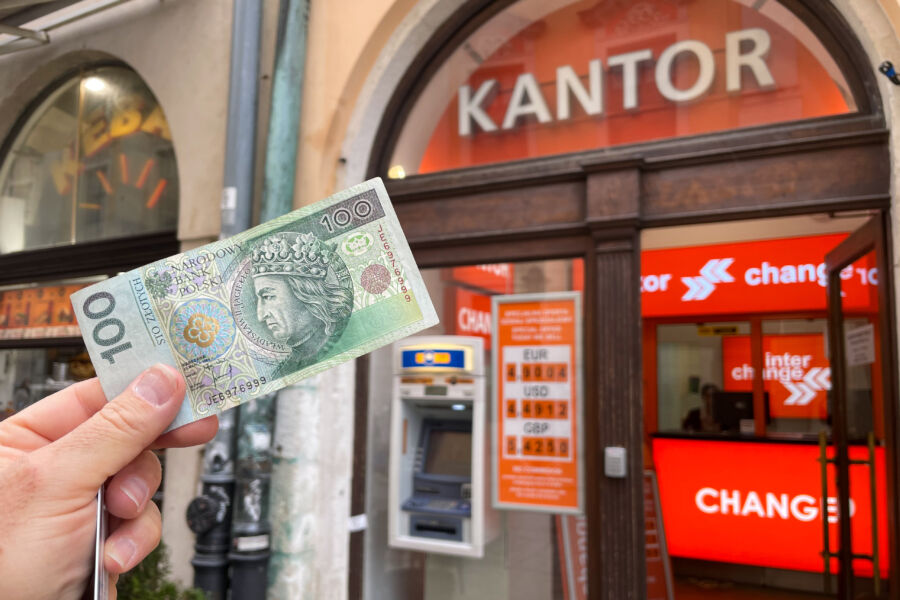
I have two unalienable rules of thumb for money matters in Europe: First, when you pay by card (or use an ATM), you’ll very often be asked whether you want to pay in US dollars, or the local currency. While paying in dollars seems convenient, you’re actually giving the vendor’s bank permission to choose an exchange rate that costs you more. If you always select the local currency, your credit-card company will set the rate, which is more favorable to you. Second, if taking out cash, be sure you’re using an ATM affiliated with (and ideally attached to) a real bank. Increasingly, Europe abounds with ATMs operated by exchange bureaus, with worse rates and higher fees. Avoid these. (Major chains to watch out for include Euronet, Travelex, Your Cash, or Cashzone.) Frustratingly, many airports and train stations don’t even have a bank-operated ATM anymore. For that reason, I usually head into town first (paying my way by card)… then go looking for a real brick-and-mortar bank, with an ATM out front, on my first evening’s stroll.

Know your rights as an air passenger.

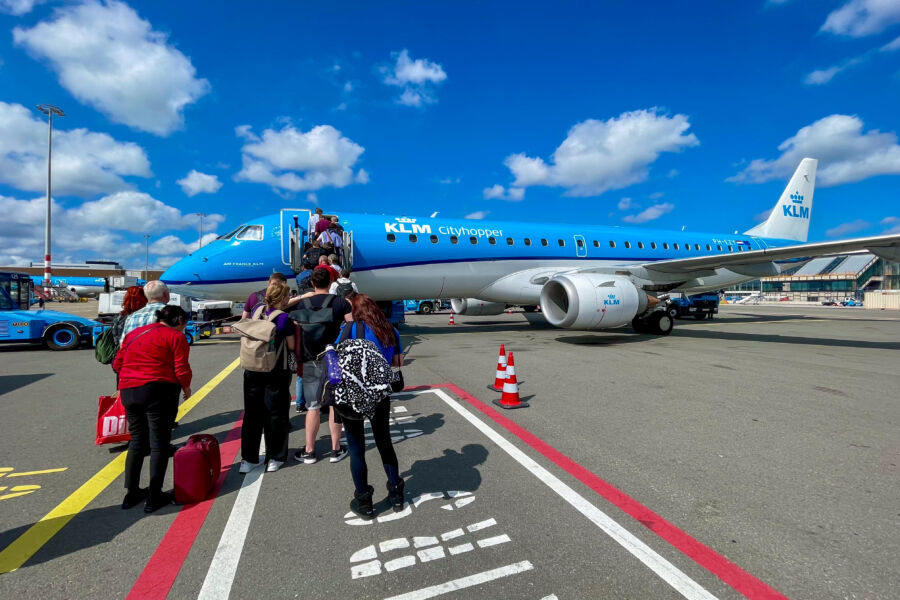
Recently, at the Amsterdam airport, my connecting flight to Norway was cancelled. While I was starting to panic, a European at the gate near me was calm and confident: “No worries. They’ll find us a new plane soon,” she said. “If they don’t, they have to pay each of us €250.” Sure enough, within minutes, they’d reassigned another plane — and we wound up arriving in Norway just 45 minutes late. Why? The European Union (EU) has generous consumer protections for air passengers. We’re entitled to compensation for flights that are delayed more than three hours, or cancelled outright. Knowing about this serves two purposes: First, the airline might not volunteer this information — so you may have to ask for it. And second, it provides strong incentive for airlines to find a quick solution… and reassures passengers that it’ll work out (and if it doesn’t, you’ll make a tidy profit).

Are you dreaming of a “trip of a lifetime”? Make it happen!

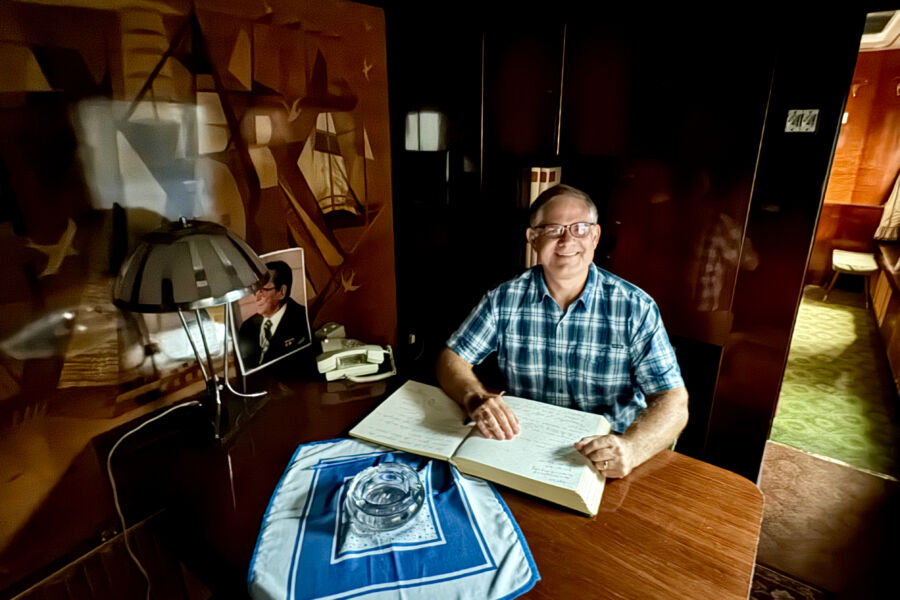
We all have those “dream trips” that we’ve always fantasized about. Often, it’s something very specific… even “weird” to anyone else. Rick recently published a book, On the Hippie Trail, about his early backpacking trip overland from the heart of Europe to India. Last fall, I finally put together a road trip I’d always dreamed of: traveling through the Balkans, from Slovenia to Greece, by way of eight different countries. And along the way, I ticked off another bucket list item when I got to step on board the famous “Blue Train” of the Yugoslav dictator Tito. Now, I’m not saying that you should go on the Hippie Trail, or travel through the Balkans, or become obsessed with Tito’s train. But I’m sure there’s something you’ve always dreamed of, just the same. You’ve been waiting all this time to make it happen. So… make it happen. There’s no time like the present. The only thing standing between you, and your dream destination, is making the decision to do it. So, here’s the hack: Do it!

These are just a dozen of my favorite “travel hacks.” What are yours?

So, Are Americans Still Welcome in Europe? — A Trip Report

Before heading off on my spring trip to Europe, I had one big question: Would the provocative “America First” words and deeds of our new president affect how I’d be received by Europeans? In short, as an American, was I still “welcome” in Europe?

After more than two weeks in Spain — with a very small sample size of one traveler and one country — my main takeaway is that I’m surprised how little American politics came up, over dozens upon dozens of interactions with Spaniards. In fact, I detected no difference whatsoever — not one iota — in how I was treated here, compared to previous trips.

There is no resentful, angry edge; no sudden cold shoulder upon learning that I’m American; no nasty comments or hostile, pointed questions. Whether they’re indifferent or concerned, supportive of my president or terrified of him, Spaniards — and, I imagine, most Europeans — still afford each of us individual American travelers the same respect and warmth they always have.

When I polled travelers on my Facebook page about this question,  everyone reported a similar experience — that politics rarely came up, and never resentfully. Some did say that they were asked more often than before about what’s happening in the US. However, these questions are posed in a spirit of genuine curiosity, part of a natural tendency to talk about — and to try to better understand — what’s in the news.

On my first day in Spain, I was chatting with a local guide I’ve known for years — someone who’s highly intelligent and well-informed. I started talking about Elon Musk. She said: “Elon who?”

As I stammered through an explanation, I was grateful for this reality check. Like most of us, I’m deeply embedded in a media bubble, one where the name “Elon Musk” triggers an avalanche of high emotion. Outside of my bubble, those connotations are different. And outside of my borders, all bets are off — in a way that struck me as refreshing.

In the end, while Trump (if not Musk) dominates Spanish headlines just like back home, being in Spain reminded me that most people on this planet are, fundamentally, pretty apolitical.

This might seem contradictory, but two things can be true at the same time: First, Europeans are aware of the broad strokes of what’s happening Stateside, and many are worried that Trump’s actions on a wide range of issues — from his brewing trade war to potentially ending military support in the critical fight for Ukraine — could have a significant impact on their lives. For example, if you produce olive oil or wine, and you depend upon selling your goods to an American market, you’d have cause to lose sleep over Trump’s on-again, off-again tariffs.

And yet, simultaneously, for most people these potential outcomes feel both distant and (so far) mostly hypothetical… enough to keep those worries on the back burner, and not to bubble over into resentment toward American visitors.

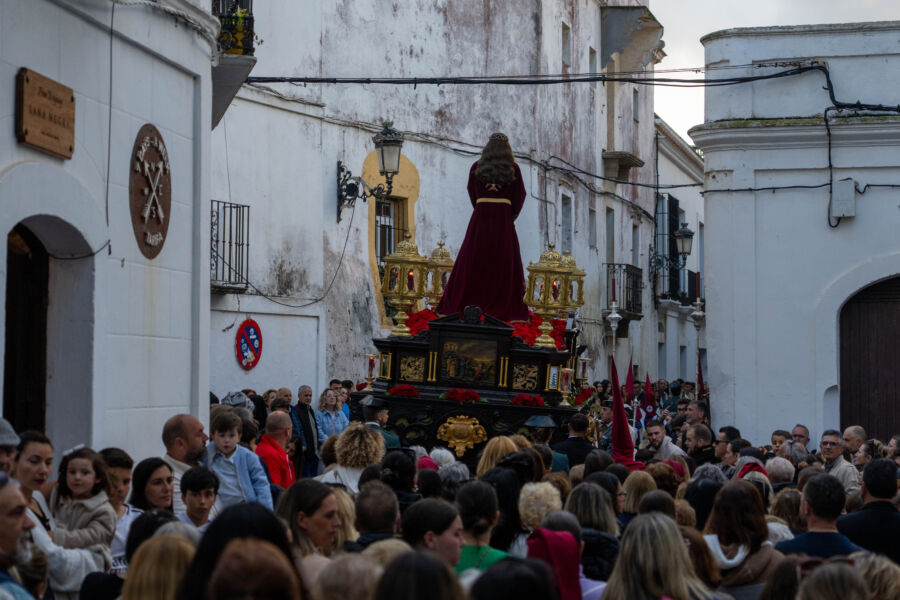
Front-of-mind worry is more focused on things that have an immediate impact on their day-to-day lives — such as the likelihood of rain ruining the Holy Week processions that everyone spent the last year preparing for. Until Semana Santa was behind them, the people of Andalucía had bigger fish to fry.

If Spaniards had a general response to my American-ness, it was to commiserate about what we’re facing. They feel for us, because they get it. Any Spaniard over the age of about 55 still has memories of their fascist dictator, Francisco Franco, who took control of Spain during its brutal Civil War and kept it until his death in 1975. Franco had groomed the king-in-waiting, Juan Carlos, to be his successor and carry on his strongman legacy. Instead, Juan Carlos shocked everyone by pivoting in the opposite direction, transforming Spain into a true democracy and a modern, open society, and rejoining the family of nations.

Viewing the grand scope of history, sometimes things break one way… and sometimes, the other. If Spain’s king had stuck to the course Franco charted, this corner of Europe may still be a backwards autocracy. And back home, if votes had gone just a little differently in a few key parts of our country last November, then we’d all be on a very different course today. Europeans, who have a knack for taking the long view of history, understand how these dice-rolls can alter the course of events, and they sympathize.

Of course, my experience on this trip is based exclusively on the places I’m visiting, and the people I’m talking to. I imagine there are other countries where people are already feeling a more “front-burner” worry… places where the conversations might be a little more, shall we say, animated. My Polish friends, living on the border with Ukraine, text me regularly about their concerns. And later this summer, I’ll be in Denmark — where, I expect, some Danes may be eager to talk about my president’s repeated threats to annex one of their territories, Greenland,  “one way or the other.”

But after two weeks in Spain, I have a renewed confidence that nobody’s going to run me out of town on a rail… unless that’s how I choose to travel to my next destination.

§ § §

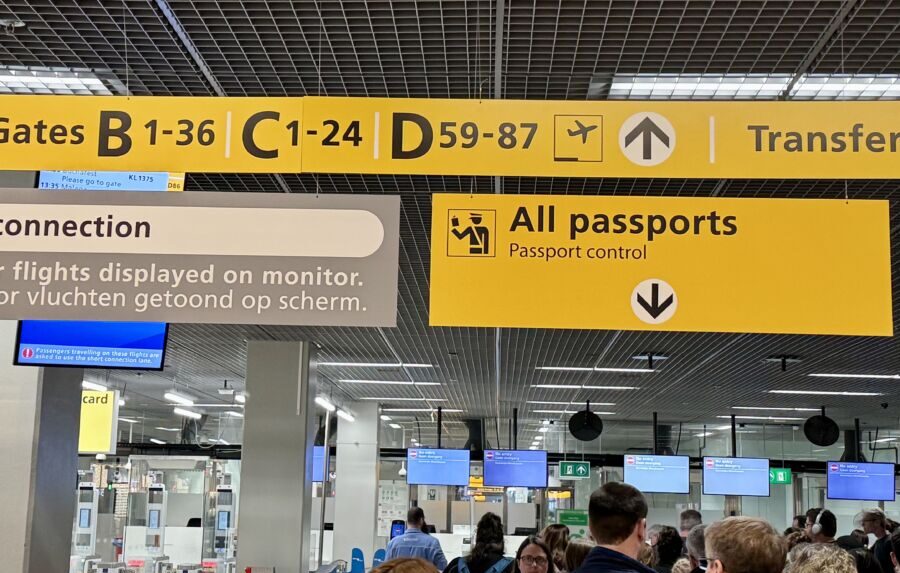
On my way to Spain, upon changing planes at Paris’ Charles de Gaulle Airport, I found myself in a long passport line — in fact, one of three passport lines. Bleary-eyed after the nine-hour flight, shuffling toward the uniformed guards, I glanced around and got to thinking about the role of the USA in the world. (I love it when travel triggers these little epiphanies.)

Upon entering the Schengen (European Union) passport check area, you’re immediately sorted into three groups: Europeans, who hold Schengen passports, enjoy VIP treatment and speedy processing. Then come those of us from the wealthy, non-Schengen world: Americans, Canadians, Brits, and so on. We get our own line, which is still relatively efficient, if not as slick as the EU line.

Standing in this second line, I saw a third line — one that I had never noticed before. This very long, very slow-moving line consisted almost entirely of people of color from what we might call the Second and Third Worlds: the nations of Africa, the Middle East, Asia… in short, lands that our president has referred to as “shithole countries.”

Two thoughts occurred to me. First, what should be obvious: While those three “tiers of travelers” might imply otherwise, all of us are human beings just the same, and all deserving of respect. Just like those of us in the first and second lines, the folks in the third line have places to go that are every bit as important as where we’re going; they get just as impatient waiting in a long line; they’re dealing with the very same sore backs, swollen feet, twisted intestines, and backed-up flatulence after a long flight.

And second, while the above “should be” obvious, our society is preoccupied with reassuring us of exactly the opposite: There are “good” places, there are “great” places, and there are “bad” places.

In America — a land that, to many, is synonymous with exceptionalism — we suffer from a persistent and feisty narcissism. I grew up being constantly reminded that I was born into the “greatest country on earth,” that we were the “leader of the free world,” and so on.

Now, as our new president has put us on the outs with the rest of the family of nations, we Americans worry about how we’ll be received overseas. Will we be welcome abroad?

Sure… we’ve always been “welcome,” in the sense that most locals fall somewhere between agnostic and pleased that we’re there. That’s not changing, far as I can tell. But sometimes I think that when we fret about being “welcome,” what we really want is to be treated as “special.”

When we visit Europe, we’re already in the second-tier passport line…. glancing at that third line, terrified that that’s where we’re headed. Will we soon reach a point where our country of origin is cause for embarrassment rather than pride? 

This would be far from unprecedented. Countries slide between these tiers constantly. I remember another layover, when I changed planes in Amsterdam, maybe six months or a year after Brexit went into effect. That passport checkpoint was a chaotic scrum, with many of us cutting it uncomfortably close for our connections. The security guard, surveying that “second tier” line, asked if anyone had EU passports. A few people, who’d gotten in the wrong line, waved their French, Portuguese, or Polish passports — and were whisked into the fast lane. Then a couple more hands shot up, and an English accent asked, hopefully, “What about the UK?”

The guard — a vicious smirk spreading across his face, as he completely failed to disguise his glee — explained: “Ah, but you are not in the EU anymore. Remember? Brexit?” As the two would-be-fast-laners hid away their passports and turned scarlet, the rest of us in line enjoyed a cathartic chuckle at their expense. Welcome to the second tier!

I suspect that deep down — perhaps even subconsciously — that’s what many of us Americans are worried about: Are we still “special”? Or might we be heading for that third passport line?

If we do make that slide… well, would that be such a horrible thing? Perhaps joining that line would inject our American narcissism with a dose of much-needed global empathy.

Many observers outside our borders have seen the election — and the re-election — of Donald Trump as a loss of innocence for America. When I talk to Europeans about our current state of affairs, rather than anger or resentment, mostly I sense a resigned disappointment. They love the USA. They’re pulling for us. And they were hoping that we’d be immune to this global trend of extremist, isolationist populism. They expect this from “other countries” —  but not from us, the noble Americans who helped save them from the Nazis and the USSR. Seeing our current circumstances through their eyes is a wake-up call that complacency erodes democracy back home, and respect around the globe.

And so, if at some point you wind up spending an extra 30 minutes waiting to enter a foreign land, use that time to consider the role America plays on the world stage, and the responsibility each American voter has for the consequences of our elections — and in shaping the culture that influences those elections.

§ § §

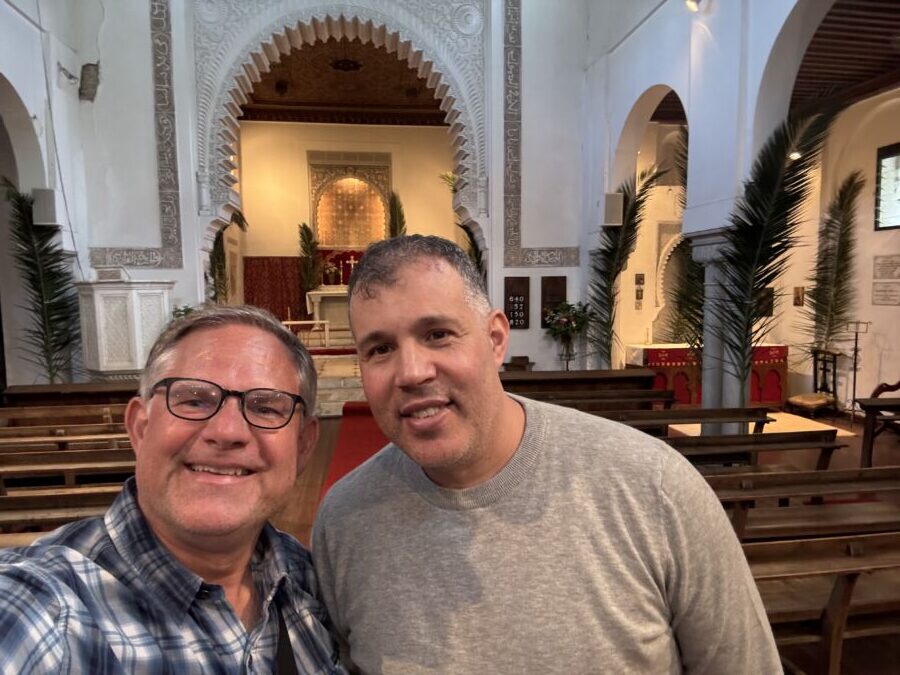
I wrapped up my spring trip in Morocco. Here, as in Spain, I found the welcome very warm. And, as in Spain, people had their own personal concerns that trumped world events. In Tangier, Yassin was much more interested in showing me all the amazing details of St. Andrew’s Church — where the Lord’s Prayer is etched into the wall in Arabic — than in “talking politics.”

Later, on a road trip through the Moroccan countryside, my guide and I were pulled over for a routine traffic stop. Reviewing our papers and noticing my American passport, the policeman playfully asked, “Who did you vote for?” A little too eagerly, I answered: “Harris! Harris!”

Both the policeman and the guide gave me a funny look. After the policeman shrugged and waved us a cheerful goodbye, my guide explained, “Actually, that wasn’t the answer he was hoping for.”

I was perplexed. Here I am — in one of those countries my president would dismiss as a “shithole,” where Islam is deeply interwoven into everyday life — and yet this police officer… likes Trump?

My guide explained: During his first term, for complicated diplomatic reasons, Trump recognized the disputed territory of Western Sahara as part of Morocco. Therefore, Trump has a surprisingly strong thread of support in this country — one that, on paper, should find him abhorrent.

I guess this all goes to prove the old saying: All politics is local. For many of us Americans, the political landscape is frightening, and the future feels bleak. And yet, even if others are looking worriedly at what’s happening here, ultimately they have their own pet issues that complicate a simplistic, one-size-fits-all understanding of a place.

This trip has provided so many reminders of how, at the end of the day, people are just people. Each of us is a quirky, idiosyncratic, often internally inconsistent constellation of thoughts, feelings, and beliefs. The greatest joy of travel remains having those people-to-people interactions that confront your assumptions and tease out new colors, textures, and threads in your understanding of the tapestry of humanity.

Whether it’s the well-informed Spaniard who needs a lesson in “Elon Musk 101,” the too-easily-dismissed person in the next passport line, or the Moroccan cop who loves Trump, travel puts us, for a fleeting moment, in improbable proximity — to teach and learn from each other, and to be reminded of the wonderful weirdness of humanity.

If you’ve had a chance to travel to Europe in 2025, what has your experience been? Have you been to places where people are more eager to talk politics, or are you finding that it remains — for now — mainly a back-burner worry?

Top Ten Polish Experiences

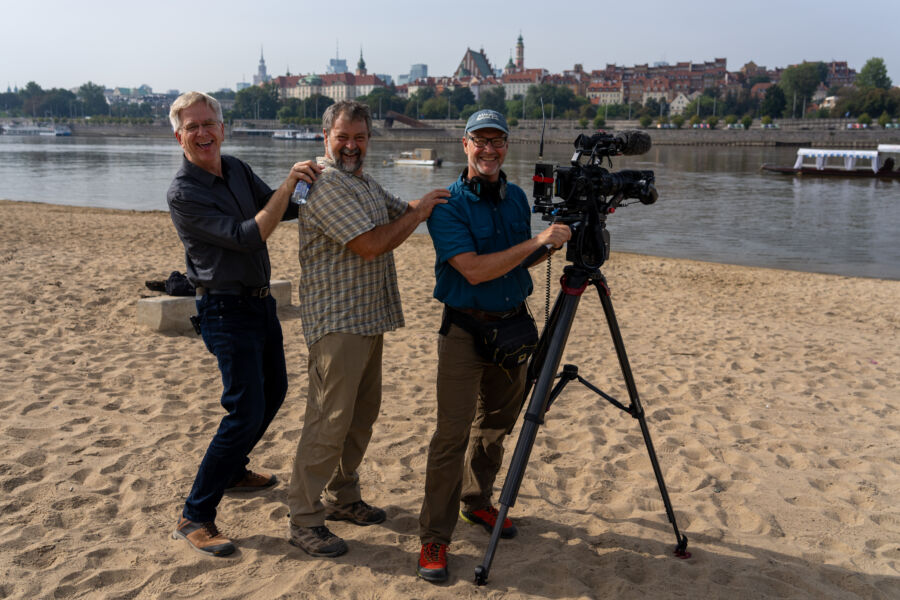
My vote for Europe’s most underrated country, Poland is packed with vivid experiences, a rich and proud culture forged by a hard history, and wonderful people. As our brand-new Rick Steves Poland one-hour special premieres on public television, I’ve been thinking about why Poland gets under my skin. I’ve brainstormed this list of 10 definitive Polish experiences, which you can enjoy vicariously on our new TV show… or by going there in person. And, since I had the privilege of working with Rick, producer Simon Griffith, camera operator Karel Bauer, and editor Steve Cammarano to make our new special, I’ve also included a few behind-the-scenes insights.

Listen for the Kraków Bugler

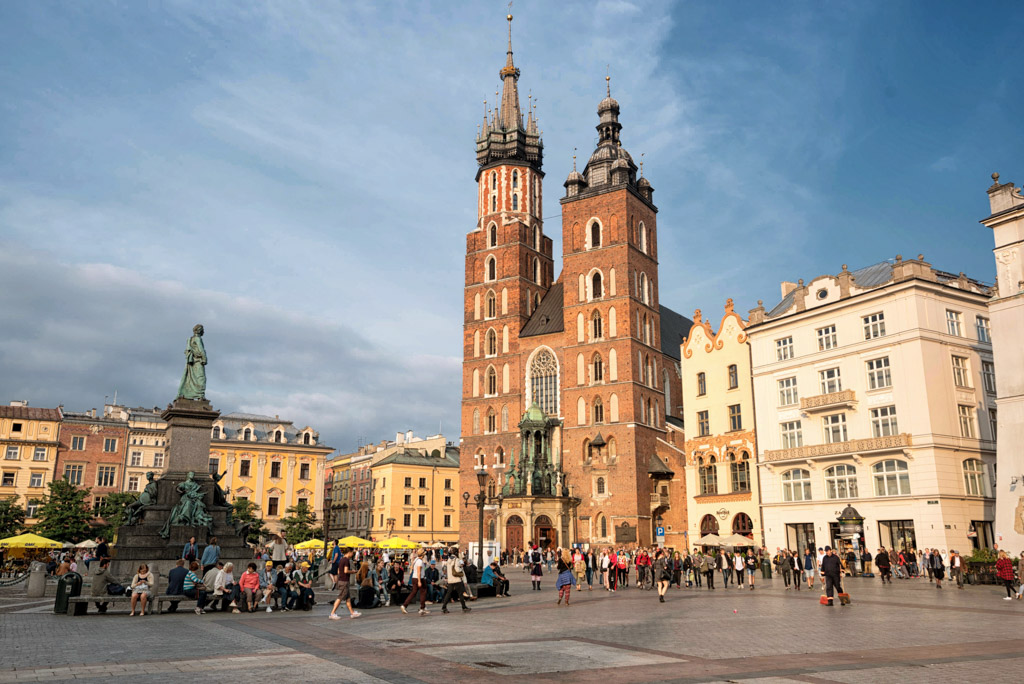
In Kraków — Poland’s finest (and most popular) town — everything converges on the vast and atmospheric Main Market Square, which bustles day and night with locals, tourists, vendors, and the rustle of pigeons. Rising up from one corner of the square are the two steeples of St. Mary’s Church, the taller of which is officially the town’s watchtower. And since anyone can remember, at the top of each hour, a bugler comes to the window and plays a soulful tune called the hejnał… which stops short midway through (recalling the legend of a watchman whose throat was pierced by an arrow while sounding the alarm).

This brief medieval moment fades into the background hubbub… but if you listen for it, you’ll know you’re in Kraków. The national radio station even broadcasts it each day at noon — the Polish answer to the BBC’s “pips.” For our TV show, in addition to filming the hejnał from the square below, we huffed up the spiral stone steps to the top of the tower for the watchman’s-eye-view of the ritual.

Nibble Gingerbread in Toruń

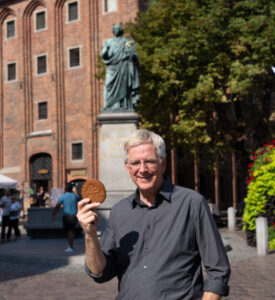
If you tell a Pole that you’ve been to the town of Toruń, they might ask you: “Well, then. Did you bring me some gingerbread?” Toruń is synonymous with gingerbread, and its red-brick streets are lined with shops selling every variation imaginable — from basic bulk cookies to high-end pralines. We filmed one of the many medieval bakeries where costumed guides teach local kids all about the history and traditional preparation of this spicy sweet (which bakes for, as they say, “10 Hail Marys”).

While this seems like a gimmick, it’s rooted in real history: In the Middle Ages, Toruń’s Hanseatic League trading connections gave bakers access to exotic spices — such as ginger, cinnamon, clove, and peppercorn — to aid digestion. And the honey in gingerbread dough was a natural preservative, allowing it to be traded far and wide. All of that said, come for the gingerbread…and stay for an all-around great town, as Toruń (the birthplace of Copernicus) is also simply a delightful place to hang out.

Grapple with a Hard History

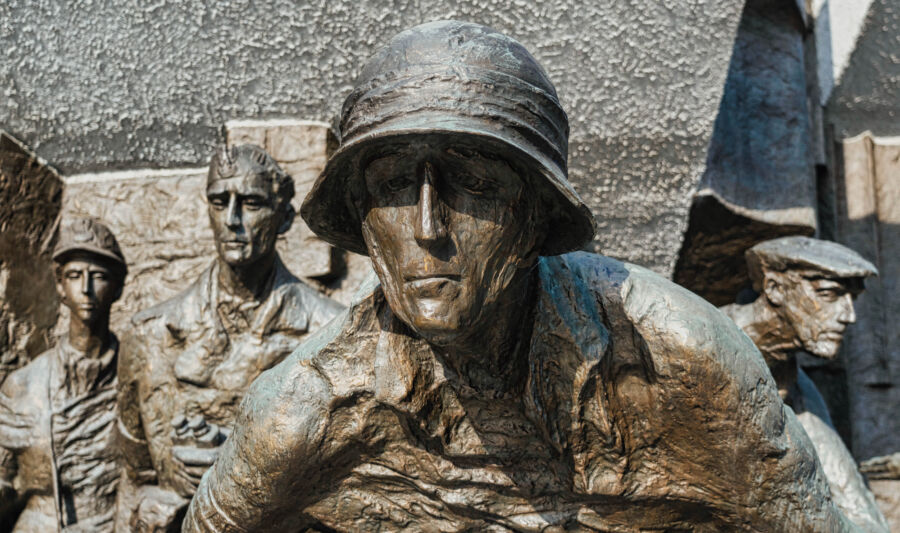
Poland is big and broad and flat — the “path of least resistance” between the Germanic lands to the West and the Russian realm of the East. And for that reason, Poland has been invaded, leveled, rebuilt, and leveled again, and again, and again. A powerful dimension of traveling here is coming to better understand Poland’s hard-fought history, from its disappearance from the European map for 123 years following three Partitions; to World War II and the Holocaust (which was carried out by the occupying Nazis largely on Polish land); to our present day, when Ukrainian refugees fleeing Putin’s invasion of their country have boosted and transformed the local population. There are few places with a history as epic, as tragic, and as beautiful as Poland — and the Poles love to tell that story, in stirring monuments, top-of-the-line museums, and everyday conversations that make you realize that in this country, everyone’s a historian.

Enjoy a Chopin Concert — Grand or Intimate

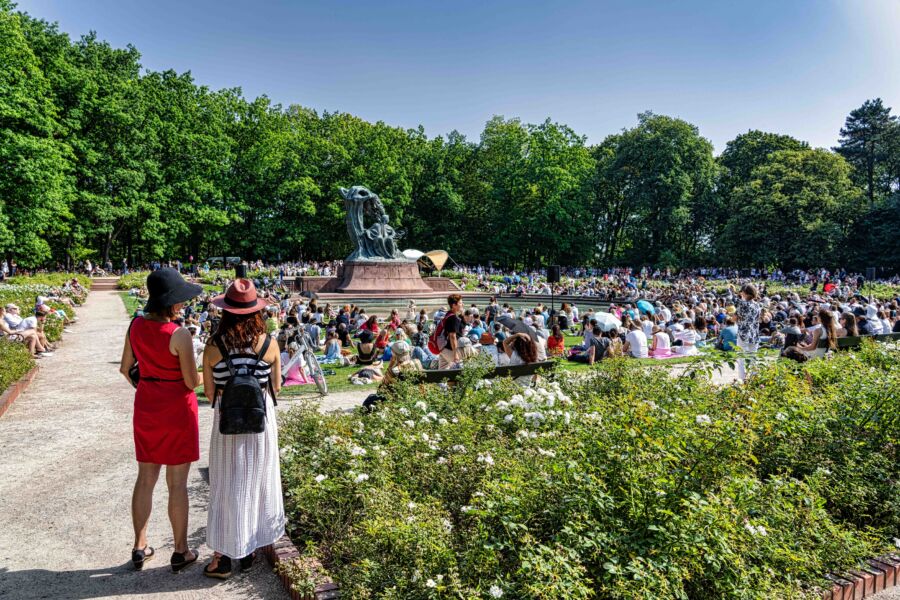
The Poles revere — roughly in this order — Jesus Christ, the Virgin of Częstochowa, St. John Paul II… and Frederick Chopin. In Chopin’s hometown of Warsaw, there are plenty of ways to enjoy a concert of the great composer’s music. Each Sunday through the summer, it feels like the entire city turns out in Łazienki Park for an outdoor performance in front of the giant Chopin statue. Alternatively, head to the Chopin Boutique Hotel, where owner Jarek Chołodecki opens up his drawing room each evening for an old-fashioned salon concert. There’s something deeply moving about attending a concert in a room (or a park) among Polish people who wipe away their tears at the beautiful music.

Pig Out on Pierogi, Pączki, and More

When it comes to satisfying, nourishing comfort food, few cultures can rival Poland. Whether you have a Polish babcia (as I did), or it’s your first time experiencing this cuisine, Poland’s specialties are delicious and craveable. While the classic pierogi (stuffed dumplings) and pączki (jelly donuts) are cornerstones, there’s also a wide variety of soups (savory, beety borscht and rye-flavored żurek), hearty dishes like gołabki (cabbage rolls) and bigos (flavorful stew), and, of course, vodka.

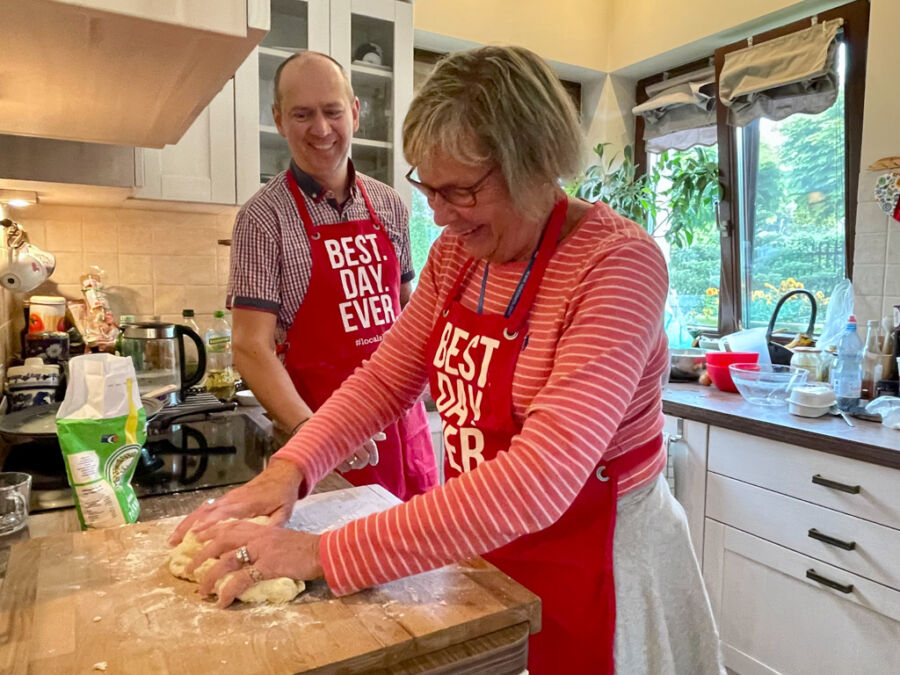
For our TV show, Rick and our local guide, Tomasz Klimek, dug into a spread of all the Polish classics, offering a delicious primer for anyone Poland-bound. Tomasz also taught Rick how to do a proper Polish vodka toast (na zdrowie!) and gave him a lesson in making pierogi by hand. (Our Best of Poland tour also features that same pierogi-making lesson, in a local home; or you can book the experience as an independent traveler through Kraków Urban Tours.)

Acquire a Taste for Polish Artists

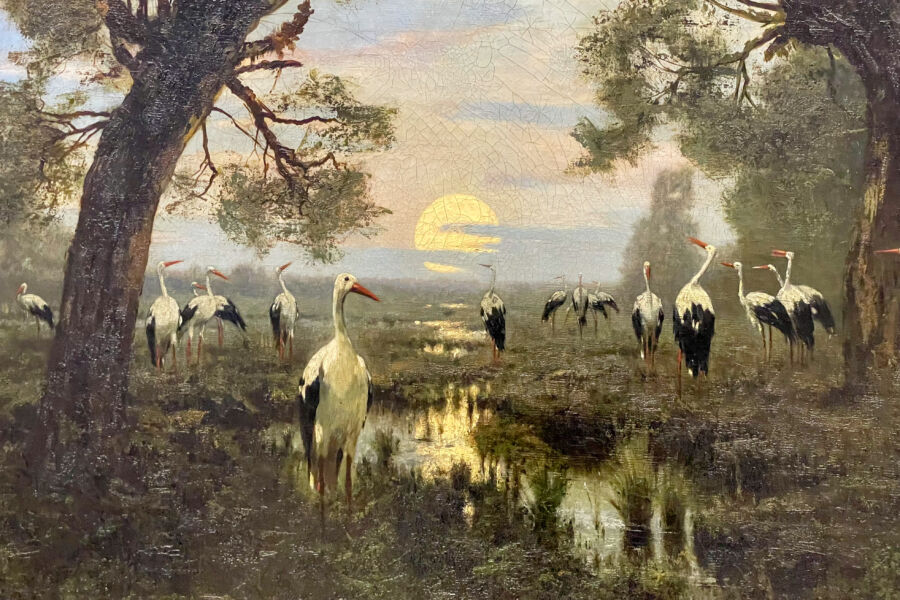
Beyond Poland’s borders, its artists aren’t particularly well-known. But one of the joys of delving into a culture is getting to know talented painters who, through no lack of talent or fault of their own, have been overlooked by the Western European-oriented “art history” canon. I find it hard to pull myself away from the great art museums in places like Kraków and Warsaw, where Jan Matejko’s movie-screen-sized canvases capture epic moments from that rousing Polish story; and serene, gripping, powerful canvases of the Młoda Polska (“Young Poland”) school illustrate how Art Nouveau was a pan-European movement. Go ahead: Stand in front of a work of art with a signature you can’t pronounce — Stanisław Wyspiański, Jacek Malczewski, Olga Boznańska — and let yourself be moved.

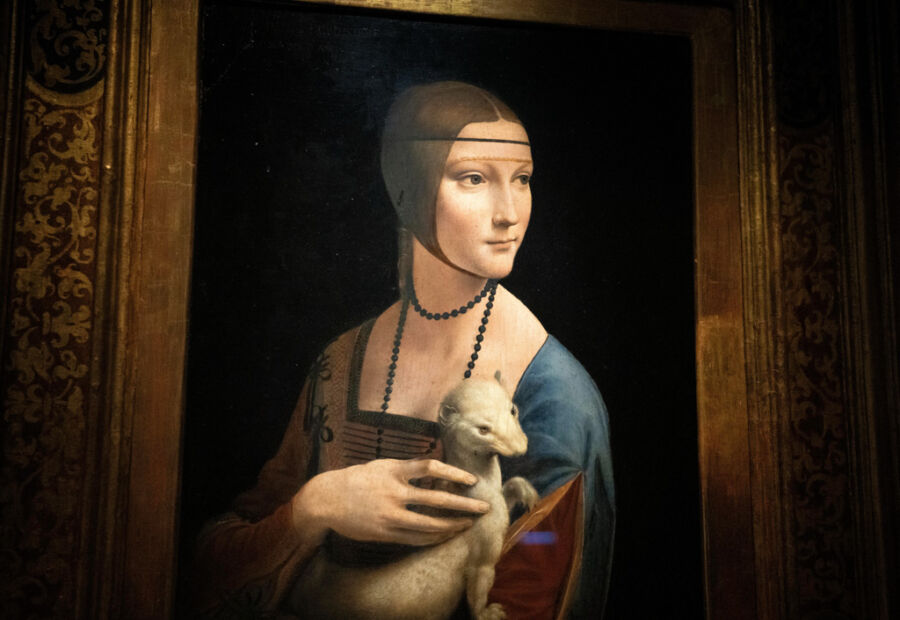
On our show, we visited the new Stanisław Wyspiański museum in Kraków, and also featured a non-Polish painting: the stunning Lady with an Ermine by Leonardo da Vinci, on display at Kraków’s Czartoryski Museum. But that’s a whole other story…

Get Caught Up in the Story of Solidarity, in Gdańsk

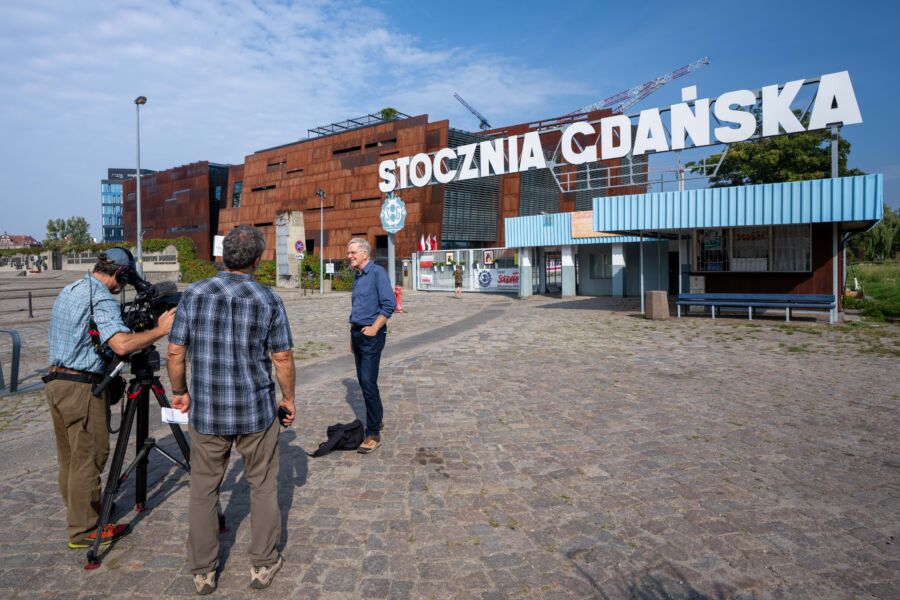
While today it’s a gorgeous Hanseatic town of skinny gabled town houses, towering red-brick churches, and a thriving food and nightlife scene, not that long ago Gdańsk was famous for something very different: its gritty, rusted shipyards. In the 1980s, these Soviet-built factories became the crucible for the Solidarity movement that marked the beginning of the end of communism in Poland, and ultimately, throughout Central and Eastern Europe.

Lech Wałęsa still lives here, and in the place where he led those pivotal trade union strikes, the state-of-the-art European Solidarity Center does a wipe-a-tear-beautiful job of telling the story of the brave shipyard metalworkers, crane operators, and electricians who stood up to a powerful empire… and prevailed. Few sights in Europe leave me with more goosebumps. (We aaalmost got the chance to meet Lech Wałęsa while filming in Gdańsk, but he happened to be out of town while we were there. Next time!)

Get Trendy and Urbane

Plac Zbawiciela

If you think of Poland as being dated and old-fashioned — toothless grannies wrapped in tattered shawls, sleepy and gray town squares, dreary food — you are outrageously out of date. Especially in its urban centers, Poland feels as fresh, vibrant, experimental, creative, and youthful as anywhere in Europe. For our TV show, we made a point to show off the “post-industrial” trend that’s sweeping Polish cities, where gloomy old red-brick factories are being transformed into glittering old-meets-new megamalls. And we filmed some great foodie experiences, from my favorite trendy Warsaw Polish-fusion restaurant (Bibenda) to the lively food-truck scene in Kraków’s thriving Kazimierz district.

Learn about Jewish Heritage

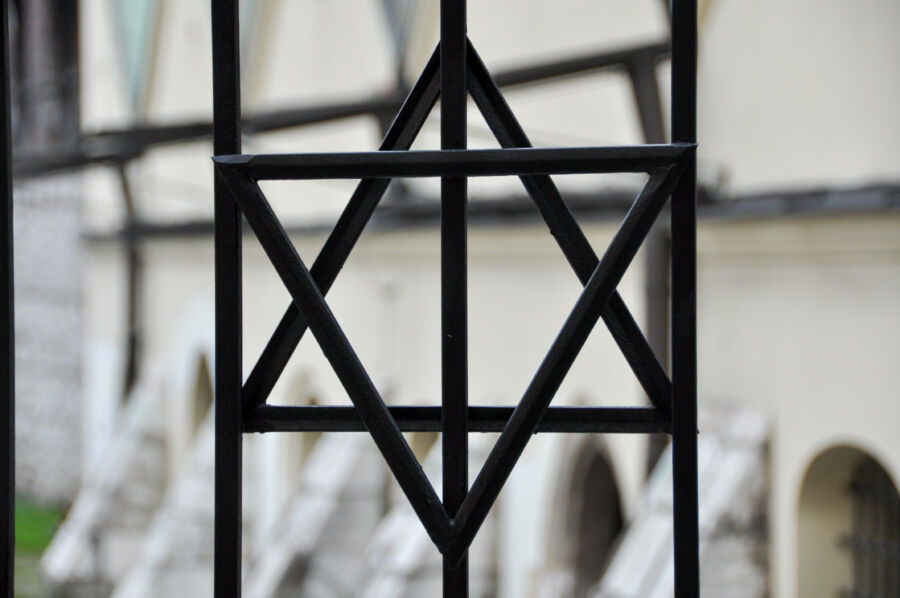
Speaking of Kazimierz, that’s a neighborhood with two very different personalities: By night, it’s a trendy nightspot, heaving with students out dining well and partying. By day, it’s one of Poland’s most important locations for Jewish heritage, with synagogues, cemeteries, museums, and poignant memorials on seemingly every corner. Thanks to a relatively progressive medieval king (named, you guessed it, Kazimierz) — who invited Jews to settle in his realm, as they were being ejected from so many others — Poland had, for centuries, Europe’s largest and most thriving Jewish population. While that population was decimated by the Holocaust, recently Poland has returned to its Jewish roots and is becoming a major destination for people seeking to better understand their family’s connection to this land (as beautifully depicted in the recent, Oscar-winning film A Real Pain).

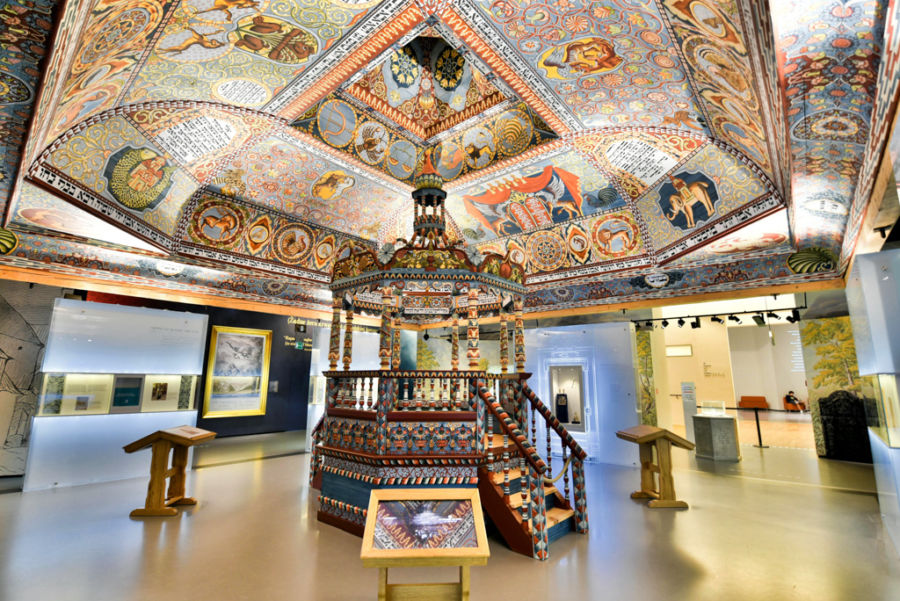
Poland has an abundance of memorials, like the Auschwitz-Birkenau Memorial and Museum, that are difficult but important to experience. But it also has, increasingly, beautiful celebrations of the Jewish culture that thrived here for centuries — from jovial klezmer music concerts in dusty old libraries to the fantastic Museum of the History of Polish Jews in Warsaw. We made a point to feature all of these in our new show.

Connect with the Polish People

I’ve been traveling to Poland for more than 25 years. And over thirty-something visits, what sticks with me most of all isn’t any of the above. It’s those beautiful interactions I’ve enjoyed with the Polish people I’ve met along the way: Learning from a dynamic, delightful Polish guide, who has a strong sense of mission about helping outsiders understand her passion for her homeland. Sharing a bag of pretzels with my compartment-mates on a long train ride, transforming gruff frowns into warm smiles. Sensing a tender pride and gentle kindness emanating from people on the street, who remind me of my own Polish ancestors.

When I first started traveling here — in the late 1990s — English was less commonly spoken, and many locals had a hard patina of gruffness, left over from the trauma and paranoia of communism. But today, that baggage is being left in the past. English is widely spoken, the country feels rejuvenated and forward-looking,  the Poles have emerged from their shells…. and they’re excited to meet people who’ve come from so far away, and flattered by your interest in their treasured homeland.

I hope you’ll get a chance to watch our new Rick Steves Poland special. More than that, if Poland hasn’t yet made it to your “wish list” of future travels, I hope this post — and the show — inspire you to give it another look. Poland is a place that really gets under your skin… if only you give it a chance.


If you’d like to enjoy these experiences from the comfort of your living room, be sure to tune into our brand-new, one-hour Rick Steves Poland special. It’s airing this month at public television stations nationwide (check your local listings) and streaming on PBS Passport.

But why stop there? To visit Poland in person, pick up a copy of our Rick Steves Kraków, Warsaw, and Gdańskguidebook — which covers everything described here, and much more. (Poland is also fully covered in our Rick Steves Central Europe guidebook.)

Or sign up for our Rick Steves Best of Poland in 10 Days tour. A few years ago, I had the pleasure of creating this tour alongside my RSE home office colleague, Robyn Stencil, and our wonderful team of Polish tour guides — some of whom are also featured on our new TV show. I can’t imagine a better way to experience Poland, including every single one of the experiences on this list. While this popular tour is sold out for 2025, seats for 2026 will be released soon… stay tuned!