10 European Discoveries for 2020

In 2020, Europe will be more crowded than ever. Fortunately, there are still plenty of undiscovered alternatives: A sweet little beach town in Portugal. The quieter sides of London and Tuscany. The thriving tapas scene in an underrated Basque city. Street markets in Ljubljana and Provence. Switzerland’s capital and Bulgaria’s cultural capital. The wilds of northwest Iceland. The Tuscan island where Napoleon rallied for his final stand. And even a pilgrimage to a newly trendy nuclear meltdown site. These are my 10 European discoveries for 2020.

In 2019, my travels took me to London, Paris, and Rome; to Tuscany, Provence, and the Swiss Alps; and to the fjords of Iceland, the Julian Alps of Slovenia, and the white cliffs of England’s South Coast. And yet, reflecting on a  very busy year, I’m struck by how many of my fondest memories were forged not in the big-name destinations, but in out-of-the-way places. Continuing my annual tradition (check out my discoveries for 2018 and 2019), I’ve collected this list of Europe’s lesser-known highlights. You’ll notice a theme: Most of these are close to extremely famous — and extremely overrun — European biggies. It’s striking how, with a little effort, you can discover a little corner of Europe all to yourself.


The Westfjords, Iceland

About nine in ten visitors to Iceland hew close to the capital, Reykjavík, making speedy day trips to the Golden Circle, South Coast, and Blue Lagoon. That’s efficient and satisfying, if time is short. But to strike out on your own, head north — way north — to the Westfjords. Up here, just shy of the Arctic Circle, you’ll find boundless fjordland vistas, thundering bridal-veil waterfalls (including one of Iceland’s best, Dynjandi), plucky and kind locals, and one of the world’s top bird cliffs, a magical place called Látrabjarg. If you’ve made brief “layover” forays into Iceland and are ready to invest a few days in getting way off the beaten path…the Westfjords are for you. My trip to the Westfjords in September of 2019 — to write a brand-new chapter for the second edition of our Rick Steves Iceland guidebook (coming soon) — ranks as one of my all-time favorite road trips.


Untouristy London

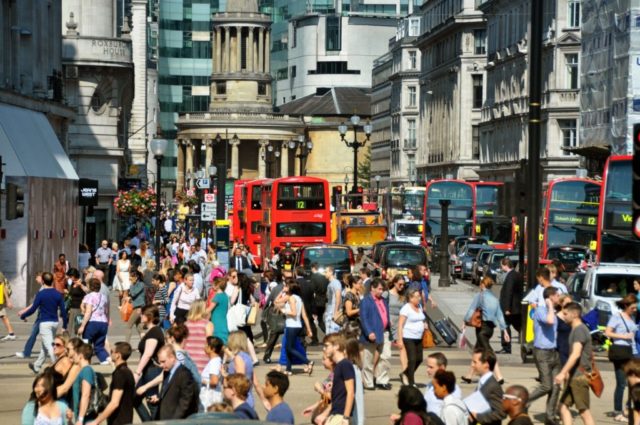
London is a world in itself — endlessly, relentlessly, exhaustingly engaging. For some, it can be too much. When visiting London, hit the big sights, sure. (Ideally equipped with some smart crowd-beating tips.) But make a point to also break out of the tourist rut and become a temporary Londoner. During my two weeks in London in 2019, I cycled through “Little Venice” along the Regent’s Canal, explored hipster street markets (my favorite is Maltby Street Rope Walk Market), hiked across the urban wilderness of Hampstead Heath, explored the Shoreditch street-art-and-foodie neighborhood, checked out the food halls of Brixton, and rode a commuter train to the lovely suburban neighborhood of Dullwich. London is one of Europe’s most satisfying cities to explore. So…explore.

By the way, this approach also works like a charm in other overcrowded cities. For example, in Rome, consider skipping the Sistine Chapel and the Colosseum and heading to some exponentially less overrun alternatives. (I love Rome’s Monti neighborhood, across the street from the Ancient Forum.)


Bern, Switzerland

Switzerland’s seat of government is also its most appealing urban playground. Livable Bern is tucked quietly between some of Switzerland’s most heavily trafficked destinations — namely, the Berner Oberland and Lake Luzern. And yet, it’s one of the only European capitals where locals complain about how few tourists visit, rather than how many. Updating our Rick Steves Switzerland guidebook in Bern this fall, I enjoyed the city’s pristine arcaded streets, playful fountains, engaging museums, super-scenic bridges, warm sandstone townhouses, low-key students-and-politicians pace of life, and convivial park huddled under its towering church steeple. One Friday evening at sunset, I hiked up to a tranquil rose garden where everyone was just hanging out, peering out over the handsome cityscape, and waiting for the sun to go down. It was — in a most unexpected place — one of my favorite travel memories of 2019. (Our Best of Switzerland Tour ends with a night in this fine little city.)


Ljubljana’s “Open Kitchen,” Slovenia

Speaking of underrated capitals, Ljubljana has long been my favorite little city in Europe. And it just keeps getting better. While Ljubljana is inviting anytime, do your best to visit on a Friday (from mid-March through mid-October, weather permitting). That’s when the market square plays host to the wonderful Open Kitchen, one of my favorite food events in Europe. Each of the several dozen stalls is operated by a brick-and-mortar restaurant, from internationally recognized chefs to hole-in-the-wall dives. And the variety is bewildering: During my visit in early October, I saw vegan burgers, huge simmering pans of paella, Argentinian steaks, ribs and pulled pork, Indian dosas, Belgian waffles, poke bowls, Slovenian microbrews, Chinese noodles, hearty sausages and čevapčići, delicate macarons, and an entire roast pig on a spit. People settle into big shared tables or grab a seat on the cathedral steps to graze and socialize. It’s a melting pot of culinary Slovenia — home to one of Europe’s most underappreciated food scenes.


Salema, Portugal

Of the many things that Rick and I agree on, this tops the list: Salema — a tiny town on Portugal’s Algarve Coast — may be the best beach town in Europe. It’s just down the coast from big, glitzy resorts (like Lagos, Abufeira, and Portimão). But Salema feels like an idyllic, Old World hideaway. Visiting recently to update the Algarve chapter for our Rick Steves Portugal guidebook, I was utterly charmed by Salema. It doesn’t have enough hotels, and the ones it has are past their prime (or humble-by-design). Sunbathers share the beach with fishing boats, pulled just beyond the reach of the tide. Grizzled fisherfolk grab the shade at a beachfront café near the communal tractor they use to hoist those boats up onto the sand. The cobbled main drag climbs up through a whitewashed world of simple homes. And Salema’s beach — with powdery yellow sand, just the right amount of surf, vivid-yellow cliffs, and beach bars happy to rent you a thatched umbrella and a lounger — is made to order for a day of sunbathing and splashing.


Chernobyl, Ukraine

Yes, really. Chernobyl — a two-hour drive north of the Ukrainian capital, Kyiv — is a compelling, moving, and (if science is to be believed) safe place to visit. I went to Chernobyl in late 2018 (before it was “cool”) and found the experience captivating. With the smash success of HBO’s award-winning Chernobyl miniseries in 2019, the site of humankind’s worst nuclear accident is becoming known as a travel destination. Why visit? Touring Chernobyl offers an unforgettable lesson in radiation, and its capacity for both technological achievement and destruction. It lets you walk through a trapped-in-time, Cold War-era Soviet workers’ town, and witness the power of nature to reclaim abandoned civilization. And, most importantly, it shares the poignant stories of the brave men and women who sacrificed their lives to contain the meltdown, saving Ukraine — and, likely, much of Europe — from a horrifying fate. It’s hard to imagine a more memorable day out, anywhere in Europe, than Chernobyl.


Lesser-Known Markets of Provence, France

In the fall of 2019, my wife and I spent a week in Provence, making a point to visit a different market each day. We enjoyed the biggies (like the ones in l’Isle-sur-la-Sorgue, Aix-en-Provence, and Uzès). But our favorites were the lesser-known alternatives. On Tuesday in Vaison-la-Romaine, we browsed the floral soaps and lavender sachets that were piled on rickety tables between Roman ruins. On Friday in Lourmarin, we strolled into town along a plane tree-shaded boulevard, lined on both sides with stacks of colorful, plump produce and mounds of glistening olives. And on Sunday in Coustellet, at a lowbrow market filling the crossroad village’s dusty parking lot, we picked up a droopy bouquet of sunflowers, plus some smoked meats and mountain cheese for a picnic. The fact is, every day of the week,  a variety of markets enliven no-name towns all over Provence. Figure out which one’s nearest to you (listed in our Rick Steves Provence & the French Riviera guidebook)… and check it out.


Plovdiv, Bulgaria

Bulgaria remains one of Europe’s most underrated destinations. And if I had to pick one place to visit in Bulgaria, it’d be Plovdiv. This small city of 340,000 has a modern bustle, with a pedestrian-friendly shopping boulevard slathered in vivid street art. It has a funky hipster zone — nicknamed “The Mousetrap” — where communist-kitsch posters laugh down over diners feasting on upmarket Bulgarian fare. And draped over a hillside above the modern city, the atmospheric old town has a remarkably well-preserved Roman amphitheater, colorful traditional homes in the Bulgarian National Revival style, and one of Europe’s very best “hidden gem” art museums, featuring the works of Zlatyu Boyadzhiev —  the “Bulgarian Van Gogh,” who taught himself to paint left-handed after a stroke. If more people knew about Plovdiv, it’d be a tourist mecca. But they don’t…so for now, it’s all yours.

Plovdiv is one of the highlights on our Best of Bulgaria Tour; for a sneak preview, check out this segment from our Bulgaria TV show.


Bilbao Tapas Scene, Spain

The Basque Country is one of Spain’s culinary hotspots, and the genteel beach town of San Sebastián hogs much of the attention. But don’t overlook the bigger urban center of Bilbao, just an hour’s drive to the west. On a recent visit to Bilbao, I arrived late on a Friday evening. From my little B&B in the heart of the old town, I stepped out into a commotion of thriving bars and restaurants, each one with a creative array of tapas proudly lined up on the counter. Facing the Atlantic, Bilbao’s tapas bars come with more than their share of mysterious seafood — mounted on a crunchy little disc of baguette or skewered with a toothpick. As a bonus, you can go for an after-dinner stroll along the serene embankment, culminating in a floodlit view of Frank Gehry’s iconic Guggenheim Bilbao. (Our Basque Country Tour ends with two nights in Bilbao.)

If you’re headed out on a tapas crawl, and want to increase your odds of getting ostras (oysters) instead of orejas (pig’s ears), consider these tapas tips.


The Isle of Elba, Tuscany, Italy

This island is best known as the place where Napoleon was sent into exile. Turns out, it’s also ideal for a beach break from a busy Tuscan itinerary. Connected to mainland Tuscany by an easy one-hour ferry ride, Elba comes with a textbook “salty Mediterranean harbor,” a couple of evocatively faded Napoleonic palaces, scenic drives to secluded beaches, and an unforgettable gondola ride to the island’s rocky summit in an open-air cage that had me feeling like a parakeet going for the ride of its life. The designers of our brand-new Best of Tuscany Tour deserve the credit for this one: After they included Elba on the tour route, I went there to add it to the newly released 19th edition of our Rick Steves Florence & Tuscany guidebook… and I was hooked. (Check out my full report on Elba.)  In fact, I’ll be returning to Elba in 2020 as a tour member on that new Tuscany tour. And I can’t wait.


How about you? What are your favorite European discoveries? Where are you most excited to visit in 2020?


Need more inspiration? My “discoveries” lists for both 2018 and 2019 are still great choices in 2020.

I’ll be posting more about several of these discoveries — including Iceland’s Westfjords, the markets of Provence, and Switzerland’s underrated cities — in the next few weeks. To make sure you don’t miss anything, “like” me on Facebook.

Wherever you’re going in 2020…happy travels!

10 MORE Europe Travel Hacks

Last year, I brainstormed a list of my 10 favorite travel hacks, tips, and expert insights gleaned from two decades traveling for Rick Steves’ Europe. It was one of my most-viewed posts ever…and ever since, I’ve been collecting a new batch. Here are 10 more practical strategies and how-tos to make your next European trip smoother than ever.

Visit major sights late in the day.

In this age of “overtourism,” Europe’s top sights are jam-packed. To avoid the crowds, your best bet is to make a reservation. But if you’re winging it, count on long lines.

One way to mitigate your wait is to show up as close to closing time as you think is reasonable. Figure out (conservatively) about how much time you need to see the sight, then subtract that from the closing time, and figure an extra 15-30 minutes of buffer in case there’s a short line.

In addition to saving time in line, arriving late in the day creates a mellower sightseeing experience: If a museum is ever going to be “quiet,” it’s during those serene moments just before the attendants start scurrying from room to room, shooing everyone out.

This “show up late” strategy worked like a charm for me this summer in London (St. Paul’s Cathedral, Houses of Parliament, Westminster Abbey, Hampton Court Palace); Paris (the Orsay, Rodin Museum, Sainte-Chapelle, Versailles); and Rome (Colosseum, Forum, Pantheon, St. Peter’s Basilica). While I still had to wait in lines at some of those places, they were much shorter than they would’ve been a few hours earlier.

Bonus hack: Find out if the sight ever has extended hours. In Paris, my hotel was near the Orsay, and every time I walked past, I saw long lines snaking out the front door. So I waited until Thursday evening, when I knew it was open late (until 9:45 p.m.). I showed up around 6:30, waltzed right in, and had the world’s best collection of Impressionist paintings virtually to myself.

One caveat: A few super-popular sights effectively require reservations. For example, there’s never not a long line at the Eiffel Tower. A good guidebook will help you figure out which sights these are. (I happen to know one.)

Always ask for a quiet room.

At any hotel, someone has to take the noisy ground-floor room facing the busy street. And invariably, that “someone” will be the guest who doesn’t specify otherwise. Obviously, requesting a quiet room is essential for light sleepers like me. (Check out my tips for traveling insomniacs.) But it’s sound advice for anyone who doesn’t want to hear each and every bus rumble past, day and night.

There is one key exception: If you’re a rock-solid sleeper who enjoys having a view, you may want to skip this tip. In some hotels, the quietest rooms face away from the best views. The choice is yours. But one thing’s for sure: If you don’t make the choice for yourself, someone else will.

Save on bank fees.

It’s been many years since I exchanged money before arriving in a country. User-friendly ATMs are everywhere (I’ve never seen an airport without one, ever, anywhere) — and they offer generally better rates and fewer fees. But savvy travelers can choose their specific ATM carefully to minimize fees.

I always look for an ATM that’s affiliated with a major bank (like Deutsche Bank, HSBC, Barclays, or the local equivalent). I try to avoid ones that are owned and operated by a currency-exchange company. (These include Euronet, Travelex, Moneybox, Cardpoint, and Cashzone.)

Why? A major bank sticks to the standard, equitable bank-to-bank rate, whereas an exchange company will always use a rate that’s favorable to them. Unfortunately, in some cases — such as at certain airports, where an exchange company has a monopoly — you may not have a choice of ATMs. In that case, I might get a small amount on arrival, then top up later with a larger withdrawal at a bank-owned ATM.

Another hack: Whether using an ATM or making a purchase with your credit card, you’ll likely be asked whether you want to pay in dollars or in the local currency. Always choose the local currency. If you select dollars, you’re giving the vendor (or its bank) permission to dictate the exchange rate, which will always be unfavorable to you. When they ask, “Do you want to pay in dollars?”, they might as well be asking, “Do you want us to cheat you out of some money?”

For more details, check out our cash and currency tips for Europe.

When crossing a busy street, draft behind a sweet old lady.

In many parts of Europe — especially big cities — drivers enjoy playing chicken with pedestrians. Even when using a crosswalk, I take comfort when I’m able to cross in the shadow of a local. And the best possible blocker for navigating a busy intersection is Nonna Luisa. Not only does she know when it’s safe — but when cars see her crossing, they slam on the breaks. (When they see me crossing alone, they speed up.) A group of adorable preschoolers or a no-nonsense, power-dressing local businessperson works like a charm, too.

Pack smart for picnics on road trips.

One of my favorite parts of a road trip is enjoying a picnic of local foods in a stunning natural setting. When packing for a road trip, I bring along key picnic gear: a very lightweight, collapsible cooler; some picnic ware (reusable cutlery and light plastic plates save money and reduce waste); an ample supply of resealable plastic baggies; and — if I plan to check my bag — a Swiss army knife.

Armed with a cooler, I can stock on up perishable items (yogurt for breakfast, cream for my coffee) and memorable local treats (salami and other charcuterie, interesting local spreads, a world of funky French cheeses from the fromagerie).

On days when I’m in transit, I fill up a plastic water bottle not quite to the top and stick it in the freezer the night before (rather than bringing or buying ice packs). In the morning, the frozen bottle goes into the cooler with my perishables — and keeps things just cold enough until I arrive at that night’s stop.

Note: This assumes your accommodations have a fridge and freezer (such as an Airbnb or other rental apartment). If staying at hotels, you could keep your perishables in the minibar and fill up a resealable plastic baggie from the ice machine before you take off in the morning. At a B&B, try politely asking your host whether they’d mind storing a few items in the fridge for you overnight.

Dry out your swimsuit in seconds with a centrifuge.

There’s nothing quite as unappealing as wringing out a dripping swimsuit, wrapping it up in a plastic sack, and jamming it into your suitcase…only to pull out a moldy mess a few days later. Fortunately, many aquatic attractions — such as the world-class thermal baths in Hungary, and Iceland’s Blue Lagoon and thermal swimming pools — provide the perfect solution: a small centrifuge. Just stick in your suit, press down on the lid, feel it go for a super-spin-cycle lasting a few seconds, and pull out a suit that’s barely damp. Typically hidden away in some dark corner of in the locker room, these are very easy to miss, especially if you’re not looking for one. So…look for one.

Park carefully.

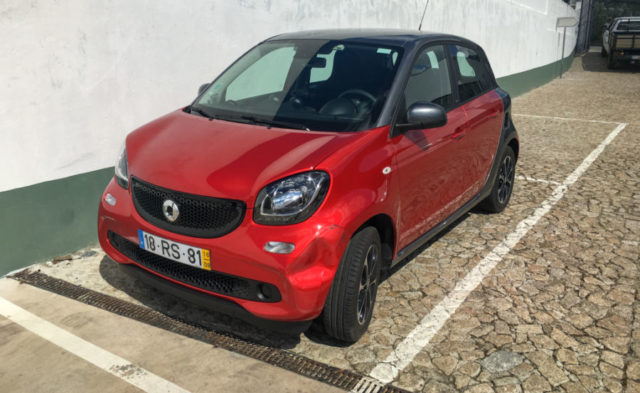
In densely populated, efficiency-minded Europe, everything is smaller: Pint-sized hotel rooms…tiny towels…miniscule parking spaces. When renting a car, I always request the smallest possible model — both for fuel efficiency, and because I know I’ll be wedging it into itsy-bitsy parking spaces. On the rare occasions when I’ve dinged a bumper, it was because the rental agent had upgraded me to a midsize. Like that time in Wales when parking my car in my B&B’s tiny, stone-walled lot felt like a real-life game of Tetris. (Whoops!)

Take your time when nudging your car through these tight squeezes, and don’t hesitate to have your navigator hop out so they can start screaming just before you scuff the Lambroghini in the next space. When parking in a soon-to-be-packed garage, I’ll back into my space (or, better yet, pull through to an outward-facing space) to avoid having to back out later.

Bonus hacks: When paying at a parking meter, you’ll often need to punch your rental car’s license plate number into the machine. It’s almost always printed on the keychain; otherwise, snap a photo of it on your phone (to avoid a long hike back through the parking lot to jot it down). If parking in a giant, multistory garage, I also snap a photo of my space number so I can find it later.

Get on the first or last car of the Metro.

Earlier this summer, I spent several weeks in London, Paris, and Rome — often traversing the congested city center at rush hour. And in all that time spent waiting on subway platforms, I noticed a stable pattern: On any given train, the middle cars were crammed like sardine cans, while the cars at the start and end had more room. I made it a habit to walk to either end of the platform, and it reliably earned me a less crowded, more enjoyable commute. Sometimes, I even got a seat.

This also works for intercity trains: When you reach the head of platform, rather than hopping on the first (cramped) car, walk a few cars down the line…and you’ll have your pick of seats.

Suffer through the tedious commute on your day of arrival…when you’re miserable anyway.

If you’re visiting both the capital city and an outlying smaller town — for example, London and Bath, or Madrid and Toledo, or Rome and Orvieto — consider this strategy: Fly into the big city, then travel onward to the secondary destination that same afternoon. There you can settle into a mellower environment, have some time to recover from your long flight, and adjust to jet lag. By the time you move on to the energy-draining big city, you’re already rested up and acclimated. I’ve done this again and again when planning itineraries, and I’m always glad that I did. I’d so much rather spend my first night in a floodlit small town than in an intense metropolis.

Sure, it adds a bit of stress to that day of arrival. But I assume that I’ll be a jet-lagged zombie anyway…so I might as well doze off on the train. Also, for me, the hardest part about jet lag is staying awake that first night until a reasonable bedtime. If I’m already checked into my hotel by lunchtime, I spend the rest of the day fighting the temptation to take a nap. Using that time for travel — and reaching my final destination closer to bedtime — is an ideal solution.

Check out more advice for crafting a European itinerary.

Take advantage of home remedies and travel gizmos to solve real problems.

You never really master the art of travel — you’re always on the learning curve. And the more I travel, the more I enjoy the challenge of finding the perfect solution to a long-vexing problem. Whether it’s an elegantly simple home remedy or a perfectly designed gizmo, there is a fix for your travel headache.

Recently I got a new pair of shoes that squeaked loudly once I inserted an insole. A quick online search revealed the elegantly simple solution: Just sprinkle in a little talcum powder. Problem solved.

For years, I’d simply throw my razor into the little mesh side-pouch of my toiletries kit. But over time, it ripped a hole in the pouch, and the exposed blade would occasional nick my finger. Finally, I searched for advice on this problem and discovered multiple solutions: You can clip one of those giant paper clips over the razor…or buy a “razor saver,” designed just for this purpose. (I just invested in one and plan to test-drive it on my upcoming trip.) Either of these solutions protects your bag (and your fingers) while also extending the life of your blade.

Here’s another example: While driving in Europe, I used to struggle to keep one eye on the road and the other on my smartphone’s GPS driving directions. Finally, I bought a suction-cup attachment for the windshield. It worked great, but it was bulky in my luggage, and some rental agencies forbid them (because they can leave a permanent ring on the glass). Looking around online for a better option, I finally discovered the perfect solution: A vent mount has rubbery prongs that you insert into your dashboard air vents. And, unlike those giant windshield suckers, it’s tiny and super-packable — about the size and weight of a pack of gum. Again — problem solved.

What problem have you come up with a creative solution for? Share your ideas — and your own favorite travel hacks — in the Comments.


Affiliate Disclosure: I receive not one dime from any product or service mentioned in this post. Like all of our travel advice at Rick Steves’ Europe, these hacks are based entirely on my own judgment, formed by years of European travel. If I help someone sell a few more razor protectors or vent mounts with this post, that’s just fine with me — but only if it helps you have a better trip.

Don’t miss my earlier list of 10 Europe Travel Hacks. And for packing-specific tips, check out my 10 Little Things I Won’t Go to Europe Without, and my Five Electronics Essentials for Traveling in Europe.

For a big ol’ book of travel hacks, tips, and advice, pick up a copy of our flagship travel-skills handbook: Rick Steves Europe Through the Back Door.

Happy travels!

How to Get a Good Night’s Sleep on the Road: A Guide for Traveling Insomniacs

I’m a professional traveler…and an inveterate insomniac. It’s hard to imagine a worse malady for a travel writer. (Xenophobia, maybe?) While I sleep well enough in my own bed, I’ve struggled with getting a solid night’s sleep while on the road. After doing much research on the topic — including consulting with more than one medical professional — I’ve assembled this list of tips and strategies that have helped me, at least somewhat, overcome my insomnia. At one time, waking up feeling well-rested was a rare treat in my travels. But since I’ve made a concerted effort to conquer sleeplessness, I’m happy to be sleeping much easier.

I am not any kind of expert. Please don’t mistake this post as authoritative. Of all the things I’ve done to fight sleeplessness, nothing had more impact than one brief session with a physician who specializes in sleep medicine and could tailor his treatment to my specific situation. Every person is different, and what helps one insomniac may not work at all for another. If you have serious sleep problems, talk to your doctor.

One more note: This is not a post about overcoming jet lag. This is about the insomnia that comes with any kind of travel, even long after you’ve adjusted to your new time zone. (For strategies specific to jet lag, check out Rick’s tips.) Since my beat is Europe, most of my examples are from there — but this advice can help any traveler, international or domestic. If you’re one of those people who can fall asleep anywhere, anytime, all of this will seem outrageously high-maintenance…but as my fellow light sleepers can testify, this is no small matter.

With those caveats in mind, here is one insomniac traveler’s roundup of what might be helpful in achieving that elusive good night’s sleep.

Hotel Issues

Choose quiet hotels. Painfully obvious, I know — but the hard part is how. Once I’ve narrowed down my options, I scour online reviews. Most big booking sites (TripAdvisor, Booking.com, Airbnb) let you search their reviews for keywords such as “noise” and “quiet.” Usually, a strong pattern for one or the other quickly emerges. If there are no comments about noise, I usually take it as a bad sign. Maybe past guests like the hotel — or the people who run it  — and don’t have the heart to mention the all-hours nightclub next door.

Of course, reviews only tell part of the story. And I’ve learned the hard way that the quietest hotel in town has a room that’s noisy, and the noisiest hotel in town has a room that’s quiet.

So once you book, ask for a quiet room — early, often, and as insistently as possible while still being polite. For this reason, I prefer to book direct — even if I’ve done my research on a booking site — so I can be clear and specific about my need for a quiet room.

And when you’re making your request, realize many cultures — ahem, Spain, ahem — have a different (or nonexistent) understanding of “quiet.” People live their lives against a steady soundtrack of buzzing motor scooters and rumbling buses and late-night revelers, to the point where they just don’t hear it anymore. I’ll never forget the time I checked into a downtown Lisbon hotel where the clerk offered me two room choices, while clearly prodding me toward his idea of the better option: the one with the view. I took the keys up and checked them both out. The view room had a nice vista over a bustling street — but every time a bus went by, the windows rattled. The second room was facing an interior courtyard, with a view of ugly HVAC venting, but blessedly silent. When I told him my choice, the receptionist was mystified. I explained that the buses would keep me awake, and he said, “Wow. It must be very quiet where you live!”

Because of this cultural difference, it’s worth running the risk of over-explaining: “I would like your quietest room, ideally on a higher floor and away from street noise or elevators.” In Europe, many hotels surround a courtyard, which is usually drastically quieter than street-facing rooms. I’ll sacrifice a view for a courtyard-facing room every single time (which has frequently mystified a hotelier who was trying to schmooze me).

And speaking of elevators: Those are the silent killers of a good night’s sleep. If your room adjoins an elevator shaft, you may assume it’s no problem when you check in mid-afternoon — when nobody is using it. But when the breakfast room opens at 6 a.m., every early bird in the hotel will be riding up and down. And only then do you realize that the gears haven’t been oiled since Franco was in power. (Vibrations through the walls and floor can be worse than the actual noise — and earplugs do nothing against vibrations.) If I’m assigned a room near an elevator, I’ll give it a test-run: Hit the “lobby” button, then dash into my room to see if I can hear it rumbling up and down the shaft. If I suspect it’ll keep me awake, that’s the time to ask for a different room….not at midnight, when everyone’s coming back from dinner.

And don’t be afraid to ask to change rooms. It’s really OK. They may not be able to accommodate your request, but often there’s a way — and it’s well worth the hassle of repacking.

Also, don’t rule out switching hotels entirely if that’s what it takes to get a good night’s sleep. On a recent trip, I toughed out three noisy, sleepless nights in a crummy hotel. I moved on to the next town, determined to change my luck. But that night, I stepped in the door of my guesthouse around midnight and heard the loudest snoring I’ve ever heard in my life. The banshee-howl echoed throughout the linoleum-lined hallways, all the way to the front door. As I curled around the corridor to my room, the noise got louder and — unbelievably — louder still, until I realized it was coming from the room next to mine. Lying in bed, I could hear the snoring through the wall; I could hear the snoring echoing out through the halls and back through my flimsy door; and I could even hear the snoring bouncing around the courtyard and back through my window. I was surrounded on all sides…and earplugs were useless.

Waking up the next morning (after a scant few hours of sleep), I found a dead-quiet Hilton down the street and splurged on their last available room. When I explained the situation to the guesthouse owner, he said, “Yeah, I don’t blame you one bit. I have never heard anything like that. Those people need a doctor.”

Sometimes, you’re stuck with the room you’ve got. But even a borderline room can be salvaged. Adjust your room for both noise and light.  Close windows and blinds. If the bathroom has an exterior window, close the bathroom door so that the light and noise of daybreak won’t awaken you. I like to turn up the fan on the air-conditioning unit to maximum, and/or flip on the fan in the bathroom, because the white noise can help mask bumps in the night. And finding a suitable temperature is important, too; research suggests that cold is more conducive to sleep than warmth.

Gear for Good Sleep

Equip yourself. I carry a little “sleep kit” in a zip-loc bag that goes on my nightstand: a variety of earplugs, an eye mask, noise-cancelling headphones, and medications. It’s all at my fingertips, in case I need it.

A word on earplugs: Use them. They are your single most effective weapon against hotel noise. If you find them uncomfortable, maybe you’re using the hard, scratchy styrofoam cheapies that some hotels hand out to assuage their guilt for skimping on decent windows. Try several varieties and find one that works for you. I like Mack’s, which go in soft but expand robustly. If you’re bothered by the sensation of something in your ear, give it a couple of nights; you’ll be surprised how quickly you adjust. If you just can’t get over the feeling of something inside your ear, try over-ear silicone putty earplugs, which can be very nearly as effective.

By the way, I wear earplugs even when going to bed in what seems to be a very quiet room. You never know what early-morning noises might erupt well before your alarm clock…like that time in Berlin when my room adjoined the housekeeping closet.

All of that said, I have stayed in more than my share of hotels where earplugs were almost, but not quite, effective against noise or vibrations — often due to the rumble of traffic outside, noisy plumbing, or thin walls and doors. (Fellow light sleepers know what I’m talking about.) Earplugs are my front line, but I also have a few emergency counter-measures on hand.

I also travel with noise-cancelling headphones. If you can sleep while wearing them, this can be a great alternative to earplugs. But for me, the best use for noise-cancelling headphones is to wear them before bed. If I’m in my hotel room working in the evening, and there’s a lot of bustle outside, I might start to focus on the noise and worry that it’s going to keep me up — which, of course, increases the odds of exactly that. So instead, I pop on my noise-cancelling headphones and listen to music while I work. By the time I’m ready to take off the headphones and go to bed, things are usually much quieter.

White noise works for many insomniacs. I have a free app on my phone (myNoise) that has a variety of white-noise soundtracks (I like the gentle raindrops). You can put your phone on the nightstand and hit play, or you can wear headphones, or you can get a speaker designed to place under your pillow. One thing to keep in mind is that if you can hear your neighbors, they can hear your white noise — so be considerate of those who don’t want to hear raindrops all night long. (Or, again, just flip on the fan.)

After sound, light is the second big killer of solid sleep. There are two kinds of people in this world: People who need it completely dark to sleep, and people who can sleep in broad daylight. And both types of people run hotels. While I’m not nearly as light-sensitive as I am noise-sensitive, I marvel at otherwise great hotels that simply don’t bother to fully black out their windows. My favorite are hotels with those amazing European blackout blinds: Pull on the rope, and interlocking blinds cascade down, stacking on top of each other until all light is obliterated. But many hotels have gauzy drapes that gape open stubbornly. I’ve been known to prop a chair against a gappy drape to keep it closed — or even to tape a drape to the wall. (And don’t get me started on skylights without shades.)

To be prepared for any eventuality, travel with an eye mask. After trying several (including freebies from the airplane trip over), I find the Rick Steves Travel Dreams Sleep Mask the most comfortable — soft and cushy, with a wide strap that keeps it firmly in place.

Medications

If you have serious sleep problems, sleep medications can help. Talk to your doctor — again, I am not qualified to give advice on sleeping meds. But I can tell you what has worked for me.

The most popular non-prescription sleep aid for travelers is melatonin, a naturally produced hormone associated with calibrating your body clock. While doctors aren’t in total agreement about how useful melatonin is (some suggest it’s mainly a placebo effect), it’s often recommended for two reasons: First, it has a mild sedating effect, which can help you fall asleep without the wallop of prescription sleep meds. And second — particularly relevant if you’re traveling across many time zones — it can help reset your natural body clock and more quickly. (Because the sale of supplements like melatonin is restricted in parts of Europe, I bring a supply from home.)

Given my history of sleep problems, I have a prescription for zolpidem (the generic version of Ambien; eszopiclone/Lunesta is similar, but longer-lasting). For me, zolpidem is the nuclear option:  my last-ditch strategy for aggressively forcing myself to fall asleep, in cases where nothing else works. Zolpidem is serious stuff — it requires a prescription, it can be habit-forming, it makes some users feel groggy and clumsy the next morning (and can increase the risk of falls), and the jury’s out on its long-term effects. But it’s effective — sometimes comically effective. I can be wide awake, convinced I’ll never get to sleep. I’ll pop a half-tablet of zolpidem and wait the 20 to 30 minutes for it to kick in — the entire time convinced there’s no way it’ll work. And then, suddenly, like flipping a light switch, I get a little dizzy…and then I wake up, several hours later. That’s far preferable to lying awake in bed from 2 to 5 a.m. on my first couple of nights in Europe.

There are other sedatives and sleep aids out there: Sominex and Valium have both been used as sleep aids for generations, and Tylenol PM is popular with some. But some users report that those meds leave them feeling groggy the next day, and reduce the quality of sleep. (I haven’t tried them.)

Sleep Hygiene and Psychology

Fortunately, there are ample non-medicinal strategies that also work. In clinical studies, insomniacs treated with Cognitive Behavioral Therapy for Insomnia (CBT-I) saw better long-term results than those who took medications. That tells you that psychology plays a huge role in sleep. While medicines can be a useful tool, I’ve found that the most effective treatment for my insomnia has been an attitude adjustment, combined with some specific behavioral changes. This is sometimes called “sleep hygiene” — developing effective habits around your sleep routine.

Associate the bed only with sleep. Think about it: If you’re sitting up in bed on a laptop working, or watching an exciting sports match, and then suddenly you try to sleep in that same place, it’s confusing to your body. Wait…is this is a place for work, or for sleep? This sounds elementary — even primal — but it’s powerful. Because I understand this rule of thumb, I do my computer work sitting in a chair, and shift to the bed only when I’m ready to sleep.

This ties into the next tip: Get into a very specific bedtime routine, and stick to it — even if you’re traveling, and everything else in your life is different every day. I used to work on writing up my guidebook research until 1 or even 2 in the morning, then went straight to bed…and wondered why I couldn’t fall asleep (as my mind was spinning full-tilt about all the work I’d just done, and what I had left to do tomorrow). Now I force myself to stop working at the same time every night — whether I’m “done” working or not. I brush my teeth and settle in to watch one 30-minute TV show, then lights out. Habits are extremely powerful, and good sleep habits can compensate for an awful lot.

What about when you wake up in the middle of the night? (This is my big problem.) Specialists prescribe a very specific approach: Try to get back to sleep for 10 or 15 minutes. If you can’t sleep, get out of bed, go into another room, do something that’s not too engaging, and only return to the bed when you’re ready to try sleeping again. If you begin to associate the bed with frustrated sleeplessness, it aggravates the negative spiral. This sounds impractical in a tight hotel room, but it can be done. For example, on a recent stay in a tiny hotel room, I couldn’t get back to sleep at 3 a.m. So I got up and sat up on the foot of the bed, watching videos until I was ready to get back to sleep. And I did.

Yes, I admitted that I was using my phone in the middle of the night. (Gasp!) This is a huge taboo in the sleep science world. Your phone, tablet, or laptop screen emits light. And if you’re directing that light straight into your eyes just before bed, you’re sending your body mixed messages. Strict sleep specialists will tell you, simply, no screen time for a few hours before bed, period. In my case, I find watching videos very soothing. I’ve found I can get away with breaking this rule, but I am very careful to turn the brightness all the way down. (These days, most phones have a built-in feature to automatically dampen the brightness of your phone after a certain time — check your phone’s settings.)

If you’re trying to sleep and your mind is racing, try some deep, diaphragmatic breathing. “Diaphragmatic” means that you’re breathing deeply, from your diaphragm, not just shallowly in your chest. Breathe in a way that your belly extends. There’s a world of apps out there designed to teach basic meditation techniques, focusing on your breathing in a way that lets the thoughts buzzing inside your head fade into the background. (I’ve found the book Mindfulness, by Mark Williams and Danny Penman.)

Accept your natural sleeping patterns. The fact is, just like people are left-handed or right-handed, or introverted or extroverted, some people are night owls and some are early birds. You probably already know which one you are. Now lean into it: Larks shouldn’t try to stay up late, and owls shouldn’t set an early alarm. Being true to your nature facilitates better sleep. My sleep doctor told me not to go to bed until I’m so tired I can’t keep my eyes open. Since I lean toward being a night owl, that means going to bed later than I might think I “should.” But, anecdotally, he’s seen how forcing an unnaturally early bedtime can make things much worse for insomniacs.

Another “attitude adjustment” that has revolutionized my thinking about sleep is the concept of “sleep effort.” This is based on the downward spiral that tortures all insomniacs: The worse you sleep, the more you begin to obsess about not sleeping. But ironically, the more effort you put into worrying about sleep — the worse you’ll sleep. (If you are a great sleeper who has never had this problem…I hate you. Also, why are you still reading?)

Break out of this negative pattern. Resist the urge to scour reviews of upcoming hotels for signs of noise. And have confidence in your ability to sleep. If you wake up at 5 a.m. even though your alarm is set for 7, it’s natural — for those of us who suffer insomnia — to immediately think, “Oh, rats. That’s it. I’m never getting back to sleep!” That is, obviously, a self-fulfilling prophecy. Challenge those assumptions. Remind yourself of the many times when you woke up in similar circumstances and did get back to sleep.

Don’t catastrophize about not sleeping. If you have one or two wakeful nights, remind yourself that it’s not the end of the world. I’ve had some amazing travel experiences after even four or five nights in a row of not enough sleep. I’ll remember what I did long after I’ve forgotten how tired I was. You may be cranky and less sharp, but you can still enjoy your travels. Cut yourself some slack — especially when you’re jet lagged.

Just like athletes are at the best when they’re “playing loose,” poor sleepers sleep better if they can stop thinking about sleeping all the time. Sleep loose!

The Final Word

Hopefully some combination of these strategies will help you sleep easier on your next trip. But if you’re truly having trouble sleeping, consult a doctor — either an M.D. who specializes in sleep medicine (usually a pulmonologist), or a psychologist who specializes in Cognitive Behavioral Therapy for Insomnia (CBT-I). A physician can give you a sleep test to rule out sleep apnea as a cause for your insomnia (or to diagnose it and treat it). A CBT-I specialist can train you in specific behavioral approaches to target your sleeplessness. And either one can tailor their treatment to your circumstances…far better than a travel blog post ever could.

Well, it’s getting late. I could go on about this forever…but it’s bedtime, and sleep comes first.

Five Electronics Essentials for Traveling in Europe

Electronics play a big role in my travels: smartphone, laptop, serious camera. This post isn’t about those big items, but the smaller “support” items that help me get the most out of my gear. In the spirit of my 10 practical little items I won’t go to Europe without, here are five more electronics-related items that you’ll find in my bag anytime I hit the road.

1. Extra-Long Phone/Tablet Charging Cable

cameron-packing-05

Europe’s characteristic old hotels were designed decades — or centuries — before everyone needed to plug in a phone at bedtime. I use my phone as an alarm clock, so I want it on my nightstand — not charging on the desk, halfway across the room. An extra-long, 6- or even 10-foot cable doubles your flexibility and takes up only a little more space and weight than a standard 3-foot cable. (Bonus tip: If the outlet is juuuust out of reach of my nightstand, I plug in my laptop, then plug my phone into the laptop — using my MacBook to daisy-chain my way to a few extra feet.)

2. Slide-on Euro Adapter Plug

cameron-packing-06

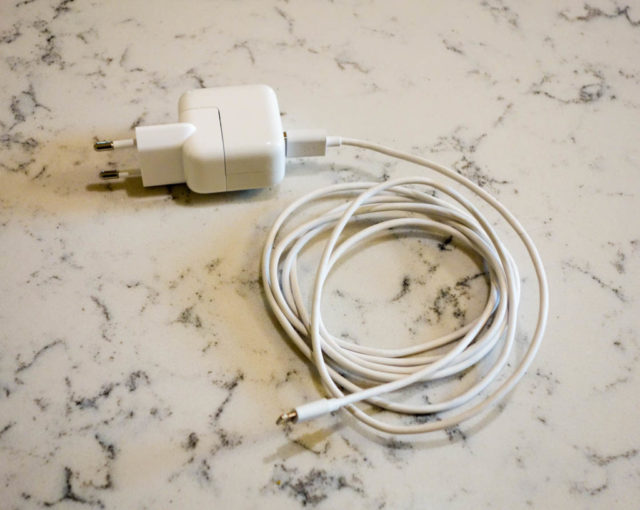
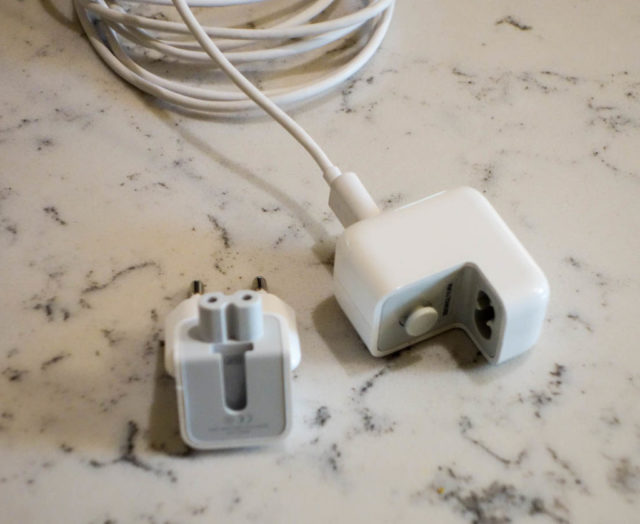
If you have an Apple device or laptop, notice that you can slide off the American-style two-flat-prong plug, and slide on a plug for Europe (or wherever). This reduces the odds of leaving your plug adapter behind in the socket when you’re packing in a hurry.

3. Phone Car Charger and Windshield Holder

cameron-packing-11

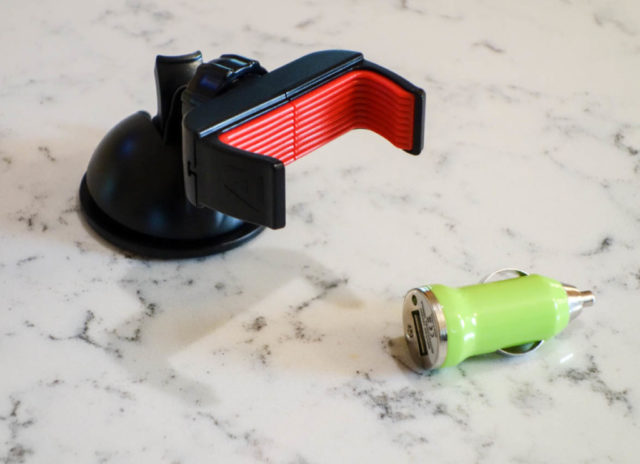
The first one’s a no-brainer — you never know when your phone’s battery will flatline at the worst possible time. Packing along a little charger helps tide you over on long journeys. The second item — a suction-cup windshield holder for my phone — may be bulky, but it’s worth it. Now that I’ve used one, I can’t imagine how I got by without it. (Quite dangerously, in all likelihood.) My travels in Europe often include long road trips where I’m the driver, navigator, and sole passenger. And I navigate almost entirely with Google Maps on my phone. With this combo, I can plug in my phone to charge, then affix it to the windshield — letting me navigate my way safely anywhere in Europe, all day long. (By the way, more and more European rental cars now have USB outlets, which let you not only charge your phone while you drive, but listen to your own music or podcasts on the car’s sound system.)

UPDATE (August 2018): Since I first wrote this list, I discovered the perfect solution for safely using GPS while driving: The Kenu Portable Vent Mount. It grips your phone tightly, and you insert its prongs into the car’s vents. And, since it doesn’t rely on bulky suction cups, it’s impressively compact — about the size of a cigarette lighter. The vent mount takes up a fraction of the bag space of a suction-cup model, and works even better…easily my favorite travel gizmo find of the last few years.

4. Headphone Splitter

cameron-packing-26

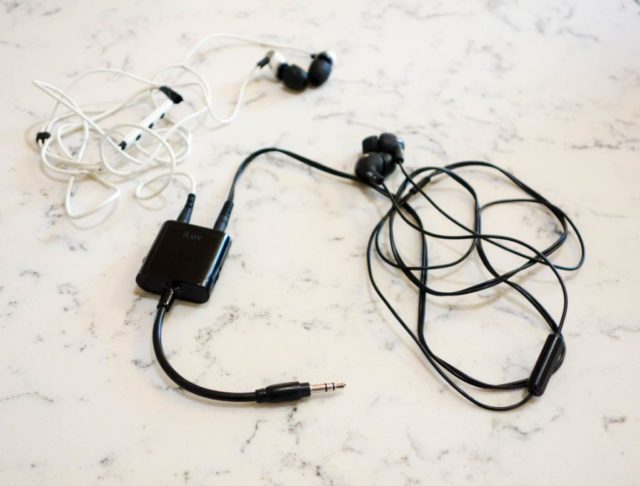
My wife often joins me on my trips. And she always packs along this handy little device, which lets us share iPad videos without bothering fellow passengers on a plane or train.

UPDATE, December 2022: OK, I know: Times have changed, and these days it’s probably easier just to pair two sets of AirPods (or other wireless headphones) to the same device. But this splitter can still come in handy while sightseeing: It lets two people share an audioguide while touring a museum for the price of one. (Even when I’m alone at a museum, I look for a headphone jack on the audioguide handset. This frees up my hands to take notes, snap photos, or stroke my chin appreciatively.)

5. Camera Gear

cameron-packing-30

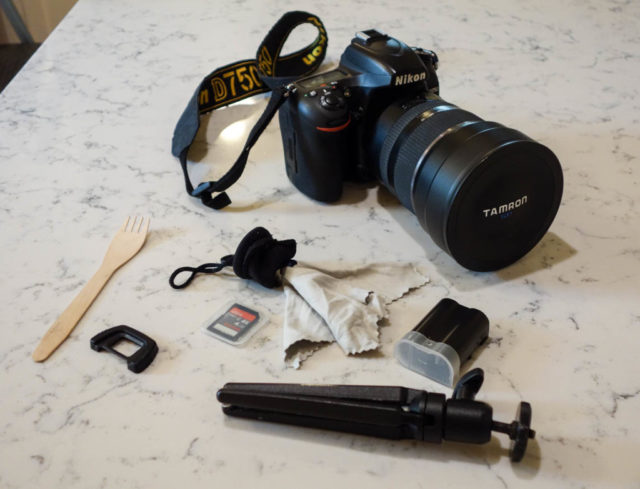
I carry a bigger camera than most people do (Nikon D750), but that doesn’t mean I want to lug around a lot of dead weight. In my camera bag, you’ll find just the basics: an extra memory card and battery (I learned my lesson last summer, when my battery died just after I’d hiked up to a hilltop viewpoint over Rocamadour at “magic hour”); a spare viewfinder eye cup (mine tends to pop off easily when I slide my camera in and out of my bag, so I stocked up on a few cheap replacements); and a microfiber dust cloth (this one tucks up inside a little pouch). I don’t haul a full-size tripod, but every so often you want to be able to shoot in low light. After going through several, the best mini-tripod I’ve found is by Manfrotto — it’s sturdily built and can support a heavy camera, but still lightweight. And what about that little wooden fork? I don’t carry a day bag — just my camera bag. And I often eat a quick lunch on the run…like a salad from a mini-market that doesn’t stock plastic cutlery. This wooden fork has allowed me to eat several healthy salads…without using my hands.

One “caveat emptor” note: Online — even at some of the big vendors — you can find suspiciously inexpensive versions of some of these items. But I’d stick with a mainstream brand. I’ve bought a few extremely cheap camera batteries that turned out to be exactly that (they died after just a few uses), and some off-brand Euro adapters that broke the first time I used them. When surveying your options, read the reviews carefully.

What am I missing? Do you have any favorite electronics or related accessories?


This list is focused on electronics. But don’t miss my companion list of 10 Little Things I Won’t Go to Europe Without. Or, for a wealth of packing advice and information, check out the Packing Light section of our website.

10 Little Things I Won’t Go to Europe Without

While packing for a trip to Europe, I took a break for a little photo session of my favorite take-alongs. I’m not talking about the obvious stuff — backpack, day bag, toiletries kit, and packing cubes. No, these are the little odds and ends that 20 years of European travel have taught me to always bring along.

Every seasoned traveler has a little bag of doodads stuffed deep in their suitcase, “just in case.” But I’m evangelical about packing light. So I’ve narrowed my MacGyver bag of tricks down to items that are practical, useful, and light enough that even if I don’t wind up needing them, they’re still worth packing along. Here, in no particular order, are the 10 little items that I may never need in Europe…until I definitely do. (You can download or print the list here.) While this list was originally posted in 2016, I update it routinely and occasionally add some new items — most recently in December of 2022.

1. Two types of tape

In a previous post, I mentioned how I use a little roll of black electrical tape to cover up annoying little lights in a hotel room. I’ve used it for dozens of other things, too: band-aiding a fraying headphone cable, de-linting a sweater, fastening a plug to its adapter so I don’t leave it behind in the socket, and on and on. I also bring another type of tape: a very small roll of white duct tape. I often ship a box of accumulated dead weight home midway through a trip, and this tape is essential for sealing the box and reinforcing its seams. Duct tape has so many other uses, too. For example, I’ve used it to help keep stubborn drapes closed to avoid an early-morning sunbeam wake-up call.

UPDATE (December 2022): A roll of tape, even a small one, is admittedly bulky to pack. Imagine how glad I was to learn, from one of my Facebook followers, about RediTape, a flat-pack duct tape. This has replaced that bulky roll in my rucksack. )

2. Vapur Water Bottle

Of course, you could just buy a bottle of water, then re-use the bottle throughout your trip. But an empty plastic bottle takes up more than its share of space in a tightly packed day bag. Instead, I carry a collapsible Vapur water bottle, which you can roll up and tuck (unobtrusively) into any pocket until it’s needed. The plastic carabiner-type hook on the cap is handy for attaching it hands-free to my camera bag or a belt loop. And they’re durable — mine has survived several multi-week trips.

3. Trader Joe’s “Just Mango Slices”

On an hours-long plane or train ride, junk food is tempting. But instead, I carry a couple of bags of Trader Joe’s dehydrated, unsweetened “Just Mango Slices.” They’re explosively flavorful and hearty enough to cut through any jet lag-induced hunger — and they’re more nutritious than a candy bar.

4. Resealable Plastic Baggies (Various Sizes)

It can be hard to find these in Europe. And even if you do, why buy a dozen when you really just need one or two? To save time, I pack away a little bundle of zippered baggies — a mix of gallon, quart, sandwich, and “snack” sizes. I never know just how I’ll use them…until I do (sticky snacks, wet swimsuit, edible souvenirs with a potential for leakage, somewhere to safely stow my phone when I hit the beach or pool, and so on).

5. Sea Bands

I’m fortunate not to have too many problems with motion sickness. But you never know when you’ll wind up on a plane through heavy turbulence, or a bus ride on a serpentine mountain road, or a boat on rough seas. These elastic bands slip onto your wrists, with little beads aimed at pressure points related to combating nausea. This non-medicinal cure has earned many loyal fans among cruise enthusiasts, morning-sickness sufferers, chemo patients, and the perennially carsick.

6. Go Toobs and FlatPak Soap Case

I’ve tried all different types of little bottles for my shampoo, laundry soap, and other liquids. Most have failed — often messily. But a few years back I discovered Go Toobs, and now that’s all I use. The silicone bottle is sturdy yet flexible, and the cap is firmly built and stays on well. By the way, I always seal little bottles like this in “snack-size” plastic baggies before plane trips — just in case the pressure changes trigger any problems.

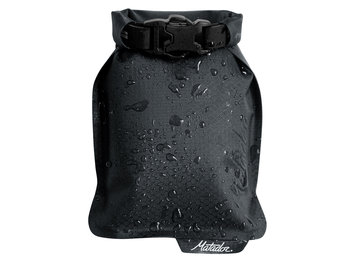
Rick Steves Store: Matador® FlatPak™ Soap Bar Case - Closed

UPDATE (December 2019): Russ Whealy, who manages merchandise here at Rick Steves’ Europe, recently added to our product lineup one of my favorite new discoveries: the Matador FlatPak soap bar case. It’s a little collapsible baggie where you can keep your bar of soap. Somehow, it keeps your moist soap from becoming a soggy mess while also preventing leakage. This seemed too good to be true. But I took one on my latest research trip…and it worked like a charm. I used to carry around a heavy plastic soap dish that took up more than its share of space in my toiletries kit. Never again.

(You can also thank Russ for our “spinner” carry-on wheeled bag — my wife’s new favorite bag.)

7. Starbucks Via Instant (or Instant Cappuccino)

If your accommodations don’t provide breakfast, it can be a pain to go prowling the cobbles, bleary-eyed at dawn, just to caffeinate. A few packets of Starbucks Via Instant can save the day. (I also carry single-serving packets of sweetener and powdered creamer. ) This is especially handy if you’re renting an Airbnb-type apartment that comes with a way to heat water, but nothing to put in it. A cup of Via (and maybe a couple of mango slices) tides me over just long enough to get ready for the day and go find a real breakfast.

UPDATE (December 2022): The only catch with Via is that I take milk with my coffee. For a few years, I brought along some individual packets of powdered Coffe Mate…a workable hack, but a little cumbersome. Finally I realized that Europe already has the perfect solution: Over there, it’s easy to get instant cappuccino (Nescafé is one ubiquitous brand), either in individual packets or a little plastic can. Just add water, and you have a coffee drink that’s nicely frothy (how do they do that?) and just the right amount of sweet. While instant cappuccino is tricky to find Stateside (especially in individual packets), it’s readily available at grocery stores all over Europe. I still bring a couple of Via packets for emergencies, then hit a grocery store early in my trip for some instant cappuccino.

8. Airplane Barf Bags

I’ve never used one of these for its intended purpose. But I never leave one behind when I get off the airplane. I have quite a collection of these practical little enclosures, which are just the thing for organizing receipts, postcards, or other random bits of paper…or for just about anything else.

9. Earplugs

As an absurdly light sleeper, I’ve tried every possible kind of earplug (believe me), and I’ve settled on this as my favorite brand: Mack’s, which are soft (comfortable) yet substantial (soundproof). Even if you are a heavy sleeper, you never know when you’ll check into your hotel and discover that the new nightclub next door happens to be holding its grand opening rave…tonight. (This actually happened to me once.) Pack along a few sets of earplugs, and you’ll increase your odds of sleeping soundly.

(If you’re a terrible sleeper like I am, check out my tips for getting a good night’s sleep on the road.)

UPDATE, December 2022: OK, this is hardly a “little thing.” But more recently, to get a good night’s sleep in noisy surroundings, I go to bed wearing my Bose noise-cancelling headphones. (I travel with them anyway, for a little peace and quiet on long flights and train trips…so why not use them overnight?) I never tried this until recently because I simply thought there was no way I’d be comfortable sleeping with them on. But now that I’m used to them, I barely notice them. It’s nice having a second option in my arsenal for noisy nights: Depending on the kind of clamor I’m dealing with, sometimes earplugs do the job, other times the headphones work better, and on occasion, having both is not a terrible thing.

10. Plastic Sheet Protectors

Magazines and assorted papers tend to get beat up when you jam them into a bag, or when you’re fishing around in that bag to find something. For years, I’d eventually succeed in ripping off the cover of any magazine I brought along. But now, to keep papers and magazines organized and tidy, I slide them into plastic sheet protectors. I can see just what’s inside each one: This one has my trip schedule; some extra screen protectors for my phone (which tend to wear out on a long, intense trip); a few of those handy barf bags; and postcard reminding me of my travel motto. Also, did you ever think about how much gross grime and germs live in those seat-back pockets where you stuff your iPad? If you slip it into one of these first…then you never have to.

11. (New Bonus Item) Smartphone Vent Mount

Since I first wrote this list, I discovered the perfect solution for safely using GPS while driving: The Kenu Portable Vent Mount. It grips your phone tightly, and you insert its prongs into the car’s vents. And, since it doesn’t rely on bulky suction cups, it’s impressively compact — about the size of a cigarette lighter. This is also included on my list of Five Electronics Essentials for Traveling in Europe.

UPDATE, December 2022: Things just keep on changing! Since I added the vent mount to this list, I’ve noticed that more and more of the cars I rent have built-in screens that let me plug in my phone and use Google Maps right on the dashboard…making this item unnecessary. However, this vent mount is so tiny that I still tuck it into my bag, just in case I wind up with an older car (which still happens on occasion).

Minimalist packers would say this is all just clutter: “You might not ever need that stuff! And if you do, why not just shop for it in Europe?” But when I’m traveling, every moment is precious. And anytime I have to go on a wild goose chase around a supermarket or department store to find some obscure little item, that’s a museum I didn’t tour, or a gelato I didn’t lick, or a park bench I didn’t get to people-watch from. Each of these items has saved me time, money, stress, or all three. And even if you add them all up, the combined weight and space they take up in my bag is negligible.

What are your favorite clever packing extras?


Affiliate disclosure: I receive not one dime if you purchase any of the items mentioned in this post. Like all of our travel advice at Rick Steves’ Europe, this is based purely on my judgement of what’s best for the traveler.

Be sure to check out a related post: my list of affordable, lightweight, and handy electronics-related items I’d never go to Europe without.

For more practical travel tips — hard-earned from 20 years of being a professional traveler — check out my 10 Europe Travel Hacks and 10 MORE Europe Travel Hacks.

Better yet, review the Travel Tips section on our website, a comprehensive, in-depth collection of tips and advice covering every angle of European travel.

And, if you enjoy my take on travel, be sure to get a copy of my travel memoir, The Temporary European: Lessons and Confessions of a Professional Traveler. It’s a collection of my favorite travel tales from 20-plus years of working with Rick Steves; an inside look at what it’s like to write guidebooks, lead tours, and make travel TV as a living; and, because I’m a travel teacher at heart, plenty of practical advice (like this list) for how to experience Europe like a pro.