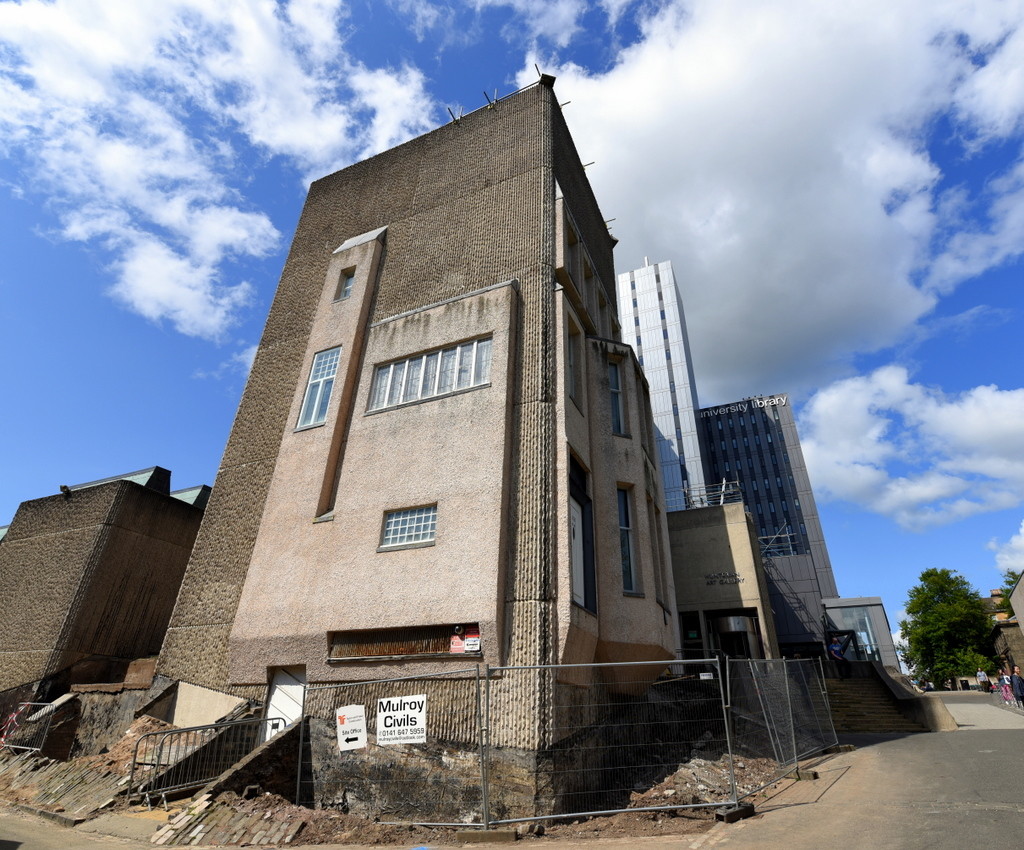
Behind Scottish Clichés: Bagpipes

Everywhere you go in Scotland, you hear the hum, whine, and drone of bagpipes. In my first couple of weeks here, I’ve probably seen at least a dozen different pipers, ranging from a teenaged lass on Edinburgh’s Royal Mile, to a spry octogenarian a few steps below Stirling Castle, to a twentysomething kilted slacker on Glasgow’s posh shopping street.Cameron Scotland Edinburgh Royal Mile Bagpipes

Bagpipes are a way of life for the Scots. And, like so many quirky Scottish customs, bagpipe music has become a cliché — practically a parody of itself.

But like any cliché, piping becomes meaningful when you learn more about it. To do that, I paid a visit to Glasgow’s National Piping Centre. This isn’t a tacky tourist trap. It’s quite the opposite — in fact, it almost seems designed to bore a superficial tourist to tears. And that’s a good thing. Affiliated with one of Scotland’s premier music schools, this fine little museum takes the history and musicality of the bagpipes very seriously. For those with an attention span for either history or musical instruments — or ideally both — it’s riveting.

Cameron Scotland Glasgow National Piping CentreThe Piping Centre is basically one big room packed with well-described exhibits, including several historic bagpipes. The scholarly, beautifully produced audioguide — which mixes a knowledgeable commentary with sound bites of bagpipes being played, and brief interviews with the performers — sounds like a BBC radio documentary.

Leaving the museum, I stopped to chat with the lads at the ticket desk. One of them, named Chris, pointed out a new attraction: an actual set of bagpipes that visitors are encouraged to try out. “Really?” I asked. “O’ course,” he assured me. “Like, I could try it?” “Why not?”

I have zero musical training, beyond a couple of Led Zeppelin riffs my high school friends taught me to pluck out. But, with Chris’ patient explanation, I gave it a whirl. I’d never really paid attention to the way a bagpipe actually work — until I was the one trying to make it work.

First, you tuck the deflated bag under your left arm. There’s no strap — you just wedge it in there. (Chris explained that seasoned bagpipers build up an overdeveloped left shoulder muscle, like callouses on a guitarist’s fingers.)Cameron Scotland Edinburgh Royal Mile Bagpipes

Jutting out from the bag, at willy-nilly angles, are five different sticks. The three stoutest, longest ones are the drones. Those rest against your left upper chest and shoulder. Another one is the blowpipe. And the fifth one, with a row of holes like a recorder, is the chanter. The chanter is what makes the music.

Holding the blowpipe in your mouth, and with both fingers on the chanter, you start to blow. That’s the hardest part. Just as trumpeters and didgeridoo players have to develop circular breathing to keep a steady tone, pipers become masters of keeping the bag fully inflated at all times. For them, it’s second nature. But for me, it was all I could do to keep the bag half-full without passing out.

As I huffed and puffed and the bag began to inflate, the three drones groaned to life with a horrifying cacophony of mewing and whining that sounded like euthanasia day at the cat shelter. As Chris patiently coached me with the poise of a master, I suddenly realized he wasn’t just a ticket-taker. “So you play, then?” I said. “Yes! In fact, I just earned my Master’s in piping.”

Now completely self-conscious about butchering the instrument my tutor has devoted his life to, I gave it another shot. As my face turned purple, the warbling drones began to even out. And only then did the chanter spring to life. I was on the verge of hyperventilating, and had only just gotten to the point of generating music.

Cameron Scotland Stirling BagpipesFeeling sheepish about what anyone within earshot must be thinking, I said, “So I guess there’s really just the one volume, then?” Chris laughed. “Yes, there’s only one dynamic: loud. Pipers have to be careful of their hearing, especially with the drones always so close to the left ear. I wear earplugs when I play.”

As my brief career as a piper came to a close, Chris told me about learning to play the instrument. “First you focus on learning the fingerings on the chanter. You simply blow into it, like a recorder, and make music. Then, when you’re ready, you try it with the bag. But at that point, it’s like learning an entirely new instrument.”

While all of the kitschy kilted pipers in Scotland’s cities and green glens are fun, I’m glad I stopped by the National Piping Center. It’s given me a new appreciation for the skill and musicality that goes into playing an instrument that I can confidently say I will never master.
Glasgow’s Trendy, Fascinating West End

As I’ve been expanding our Scotland coverage for the upcoming Rick Steves Scotland guidebook, it’s been a pleasure to revisit some places that we now have enough space to cover in more depth. One of the best examples is Glasgow.

Up until now, our Glasgow chapter has focused on the downtown core, with just a bit of “by the way” information on its trendy West End residential zone. But for the new Scotland book, we wanted to dig deeper. I spent a day exploring Glasgow’s West End with an excellent local guide, Colin Mairs, and discovered that the area is even more worthwhile than we’d guessed. It will be prominently featured in the new book, but here’s a sneak preview.

Cameron Scotland Glasgow Royal Botanic Gardens West End

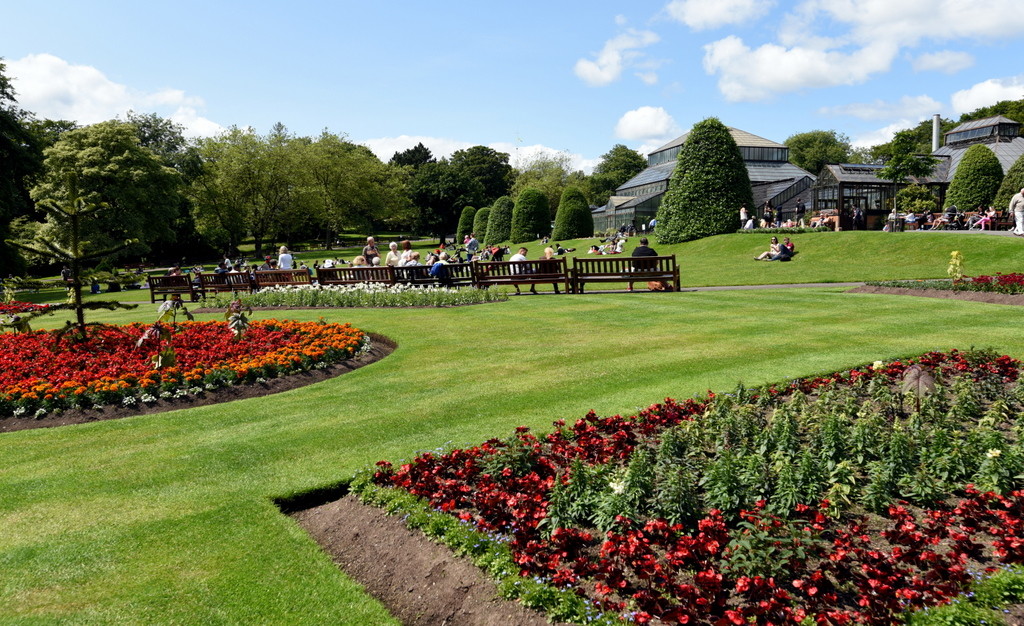
The Royal Botanic Gardens are Glaswegians’ favorite place to enjoy a wee break from the bustling city. And, like so many things in Glasgow, it’s free. When the sun’s out, it’s jammed with people enjoying some rare rays. Young lads wait all winter for the day when they can cry, “Sun’s oot, taps aff!” and pull off their shirts to make the most of it. Glaswegians brag about their many parks, claiming that — despite their industrial reputation — they have more green space per capita than any other city in Europe. And even the city’s name comes from the Gaelic for “the dear green place.”

Cameron Scotland Glasgow West End Ashton Lane

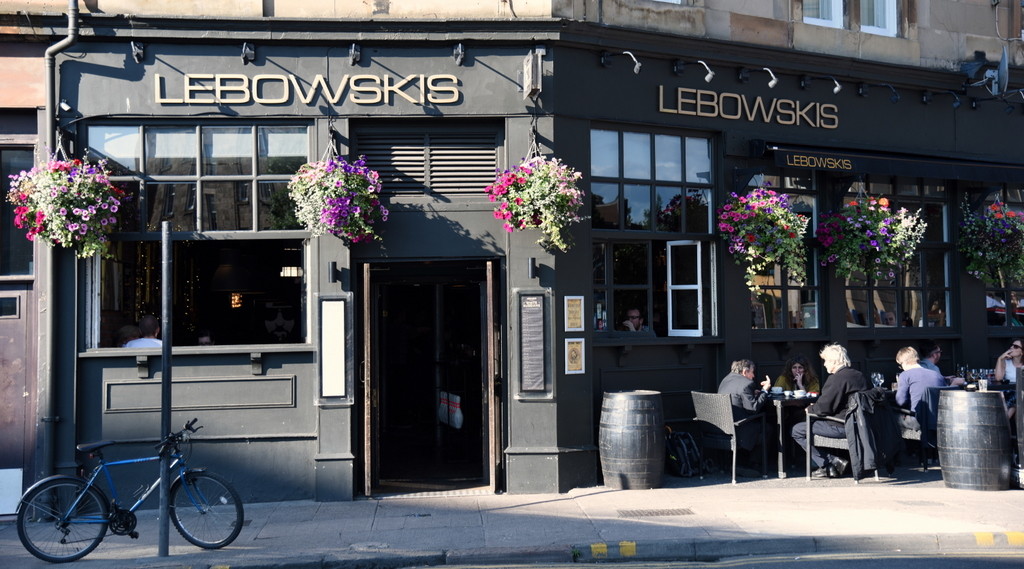
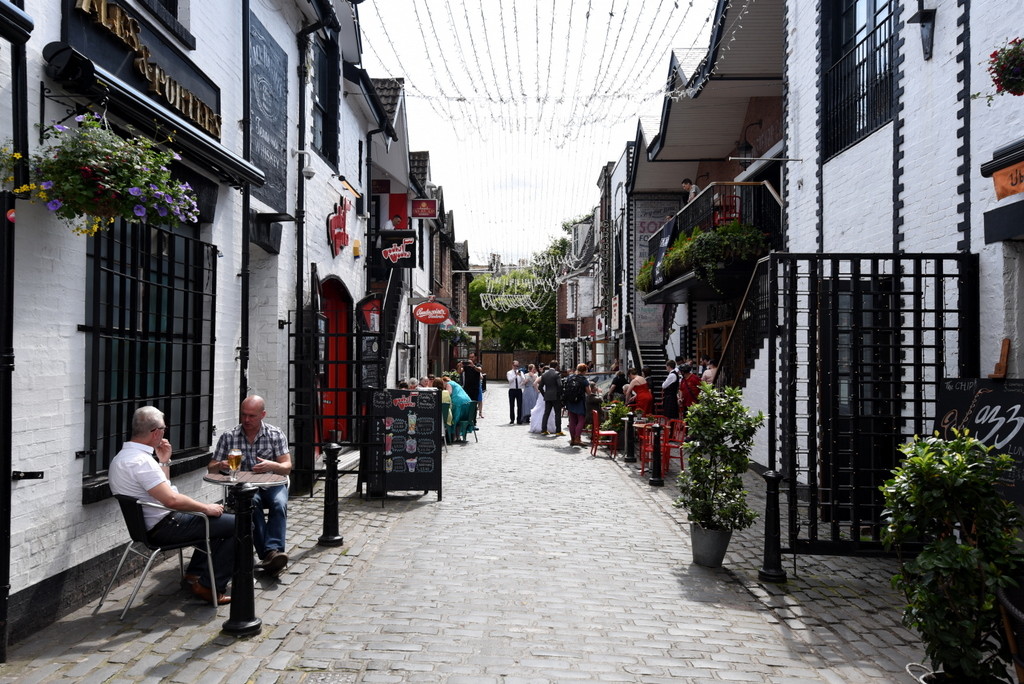
The little West End pedestrian zone called Ashton Lane is one of Glasgow’s most appealing dining, shopping, and nightlife areas. On this one wee street, you’ll find a staggering array of restaurants: the landmark Ubiquitous Chip pub/restaurant, Ketchup (American-style diner), Brel (Belgian beer bar), Vodka Wódka (Polish vodka bar), The Wee Curry Shop (Indian), and Jinty McGuinty’s (Irish pub and beer garden). There’s even a fine movie house, the Grosvenor Cinema, with cushy leather seats and a full bar…it was almost enough to convince me to abandon my research chores and catch up on some moviegoing.

Cameron Scotland Glasgow West End Trendy Hillhead Bookclub

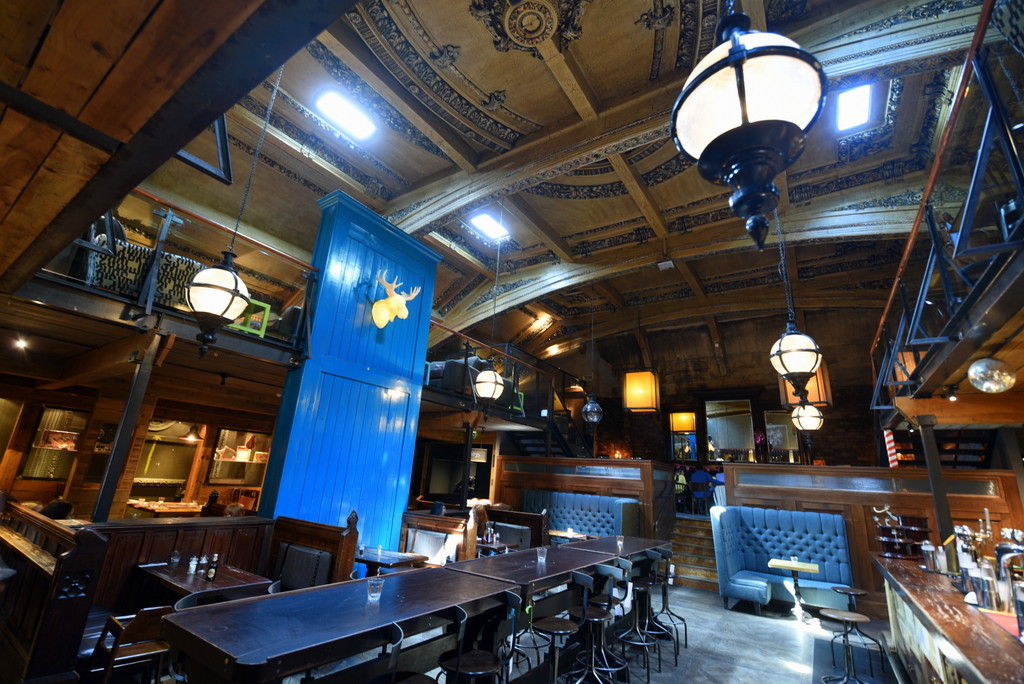
Speaking of cinema, the Hillhead Bookclub fills a former movie house with rustic tables, cheap food and drink, live music and DJs, and lots of students. While it was sleepy when I visited (and took this picture) at mid-day, in the evenings it’s an ideal place to feel the pulse of Glasgow’s youth.

Cameron Scotland Glasgow West End Fascinating Hunterian

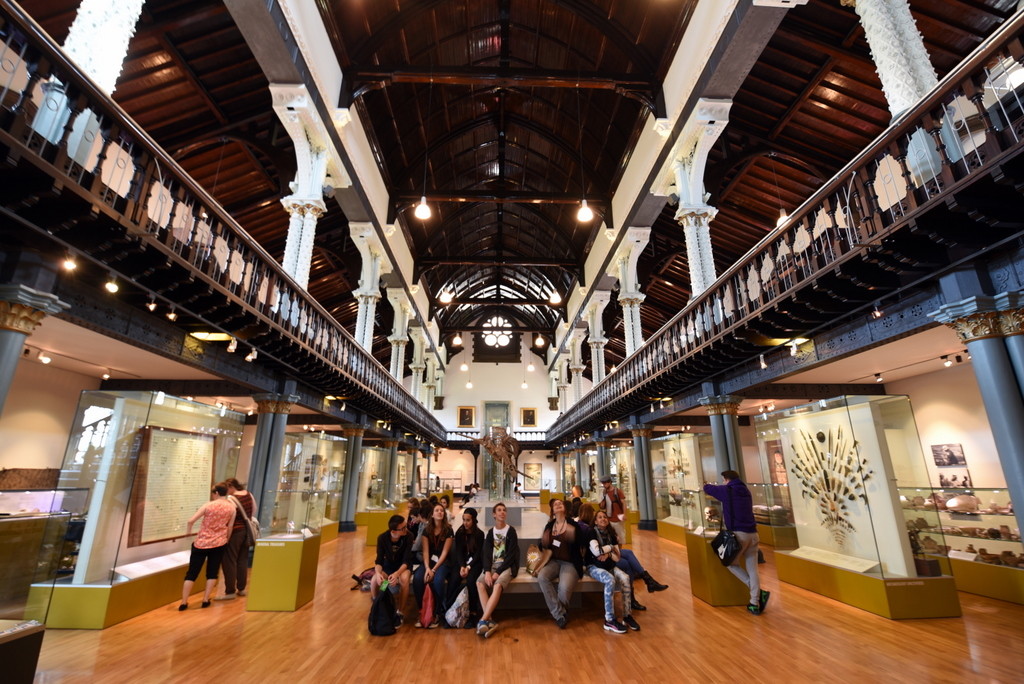
While Glasgow’s downtown has a variety of good museums, the West End has its own share as well. On the campus of the University of Glasgow (Scotland’s second-oldest, enrollment 24,000) are two excellent branches of The Hunterian, named for a prestigious alum who donated his scientific collections to the university to seed a great museum.

Cameron Scotland Glasgow West End Fascinating University

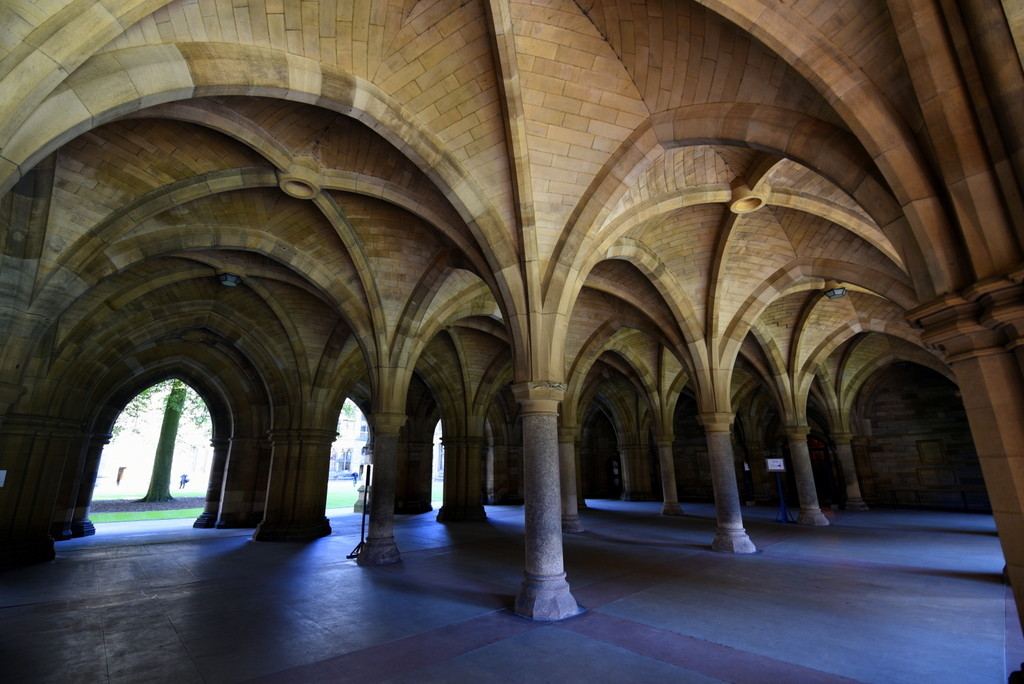
Right up there with Oxford, Cambridge, and St. Andrews, the University of Glasgow has several stately old buildings. This arcade connects the dual quads of the historic U. of G. headquarters.

Cameron Scotland Glasgow West End Trendy Finnieston

I’m always on the lookout for the emerging hipster neighborhoods in Europe’s cities. That’s almost invariably where you find the best restaurants, bars, design shops, and nightlife. The West End as a whole has that vibe, but it’s most concentrated in the neighborhood called Finnieston, just down the hill from campus. Here are my new restaurant listings in Finnieston, from the upcoming Rick Steves Scotland guidebook:

Brewdog Glasgow is a great place to sample Scottish microbrews — from their own brewery in Aberdeen, as well as guest brews — in an industrial-mod setting reminiscent of American brewpubs. Also American-style, they serve many their beers cold — unlike the room temp of most British brews (also £8-9 burgers and pub grub, daily 12:00-24:00 except Sun from 12:30, directly across the street from Kelvingrove Museum at 1397 Argyle Street, tel. 0141/334-7175, www.brewdog.com).

Butchershop Bar & Grill is a casual, rustic American-style steak house, but featuring Scottish produce — focusing on dry-aged Scottish steaks (£12-16 main courses and £18-29 steaks, lunch and early-bird deals, daily 12:00-22:00, 1055 Sauchiehall Street, tel. 0141/339-2999, www.butchershopglasgow.com).

Trendy Finnieston Eateries on and near Argyle Street: Crabshakk, specializing in fresh seafood, is a foodie favorite, with a very tight bar-and-mezzanine seating area and tables spilling out onto the sidewalk. It’s casual but still respectable, and well worth reserving ahead (£8-16 meals plus seafood splurges, Tue-Sun 12:00-22:00, closed Mon, 1114 Argyle Street, tel. 0141/334-6127, www.crabshakk.com). Crabshakk anchors a strip of copycat funky/foodie eateries. Survey the choices along here (which change from week to week), but pay special attention to these three: The Gannet has £5-8 small plates and £15-20 meals, emphasizing Scottish ingredients with a modern spin (Tue-Sun 12:00-14:00 & 17:00-21:30, closed Mon, 1155 Argyle Street, tel. 0141/204-2081, www.thegannetgla.com). Kelvingrove Café and Cocktails is an unpretentious, rustic-chic bar serving creative £8-10 cocktails and £10-13 Scottish comfort food (daily 10:00-24:00, 1161 Argyle Street, tel. 0141/221-8988, www.kelvingrovecafe.com). Ox and Finch, a block up toward the main drag, is another good choice serving £5-8 small plates in a more upscale, rustic-wood-meets-industrial atmosphere (daily 12:00-22:00, 920 Sauchiehall Street, tel. 0141/339-8627). Several other fun bars and eateries are in this area — browsing is a delight.

In general, Glasgow’s West End is a great place to home-base for your visit to the city. Here are some accommodations I just scouted to add to our new Rick Steves Scotland guidebook:

The Alamo Guest House, energetically run by Steve and Emma, faces a bowling green and tennis court in an inviting residential area near the Kelvingrove Gallery (not as handy to the subway, but still easy by bus). It has rich, lavishly decorated public spaces and 12 comfortable rooms, half of which have bathrooms on the hall (D-£69-79, Db-£89-109, 46 Gray Street, tel. 0141/339-2395, www.alamoguesthouse.com, email: info@alamoguesthouse.com).

Amadeus Guest House, a classy refuge overlooking the Kelvin River with nine modern rooms and artistic flourishes, is conveniently located near the Kelvinbridge subway stop — just a 10-minute walk or one subway stop from the restaurant zone (Db-£80, includes continental breakfast, 411 North Woodside Road, tel. 0141/339-8257, www.amadeusguesthouse.co.uk, email: reservations@amadeusguesthouse.co.uk, Alexandra).

The Alfred, run by the landmark Òran Mór restaurant/pub in the former church just up the street, brings a contemporary elegance to the neighborhood, with 12 new-feeling, stylish rooms (Db-£70, larger Db-£90, 1 Alfred Terrace, tel. 0141/357-3445, www.thealfredhotelglasgow.co.uk, email: alfred@thealfredhotelglasgow.co.uk).

Argyll Western, with 17 sleek and tartaned Scottish-themed rooms, feels modern, efficient, and a bit impersonal (Db-£70, breakfast-£5, 6 Buckingham Terrace, tel. 0141/339-2339, www.argyllwestern.co.uk, email: info@argyllwestern.co.uk).

The Heritage Hotel is a lesser value — it’s modern but characterless, and the 27 rooms are well-worn. But the location is convenient and the rates are reasonable (Db-£60, 4/5 Alfred Terrace, tel. 0141/339-6955, www.theheritagehotel.net, email: bookings@heritagehotel.fsbusiness.co.uk

Glasgow’s Architectural Bounty: From Red Sandstone to Mackintosh

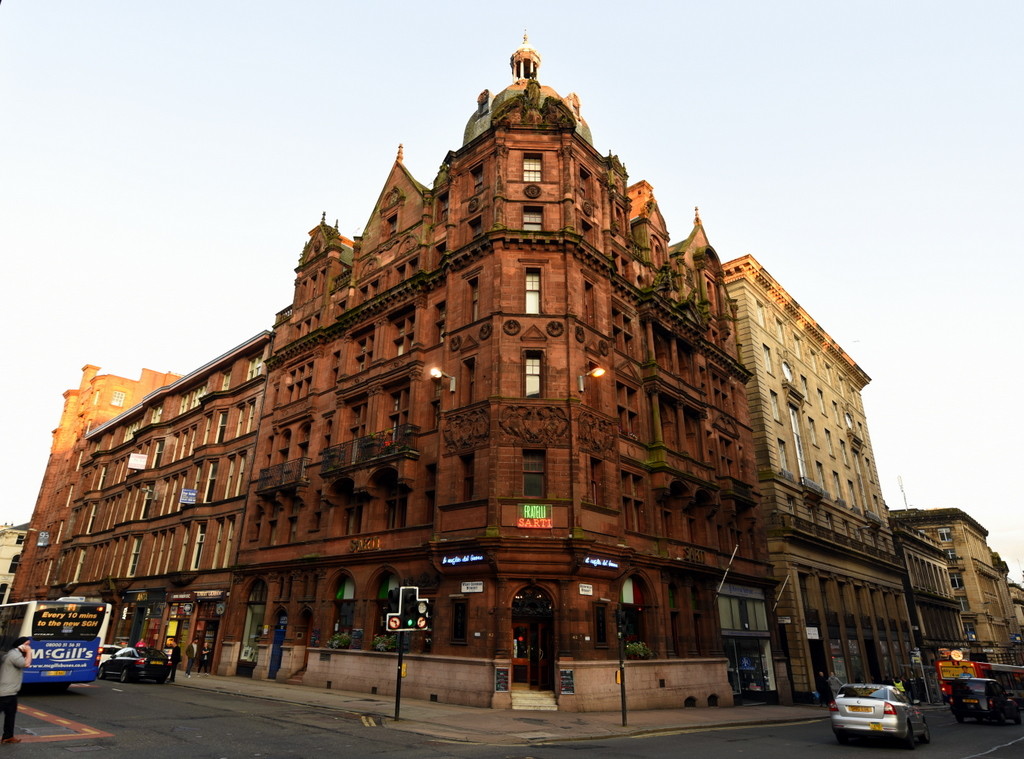
Glasgow’s underdog status may be thanks to its lack of conventional “Old World charm.” Europe’s darlings are creaky medieval burgs and sleek Renaissance cities…but late-bloomer Glasgow didn’t really take off until the shipbuilding boom of the 19th century. Downtown Glasgow feels more like Pittsburgh or Cincinnati than any European city I’ve seen: a tight, carefully planned grid of one-way streets connecting office buildings, shopping malls, and parking garages. And there’s not an “old town” in sight. But even if Glasgow lacks the atmosphere of the Royal Mile, it more than makes up for that in other ways — especially with its unique urban architecture.

Cameron-Scotland-Glasgow-Sandstone1

Cameron Scotland Glasgow Red Sandstone

Cameron-Scotland-Glasgow-Sandstone3

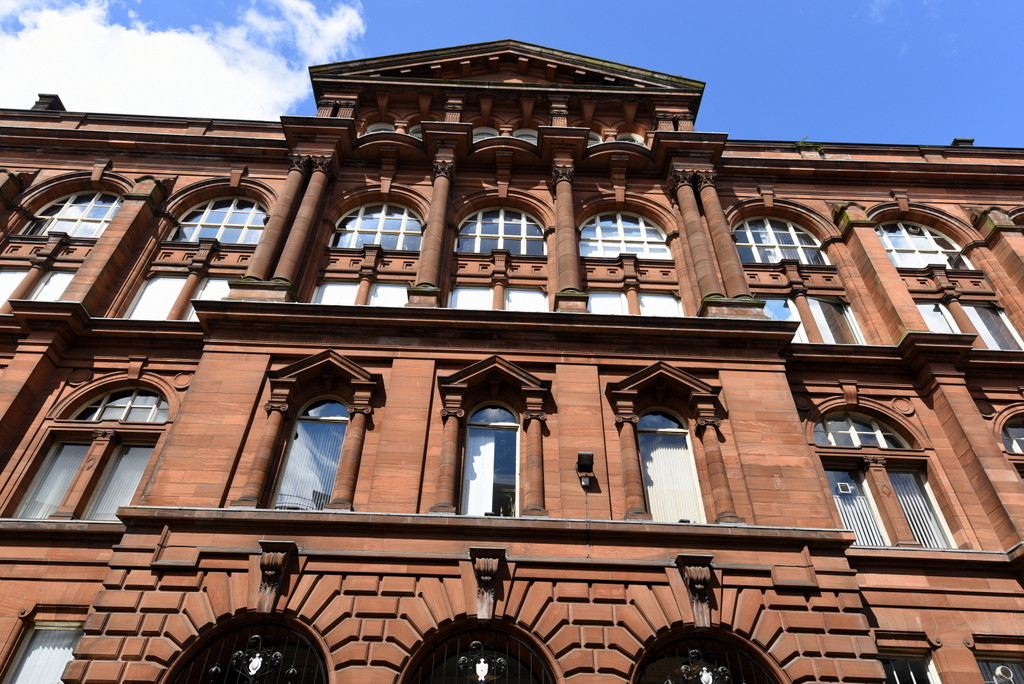
Much of Glasgow is built from red sandstone, bathing the entire city a warm glow.


Cameron Scotland Glasgow School of Art Mackintosh

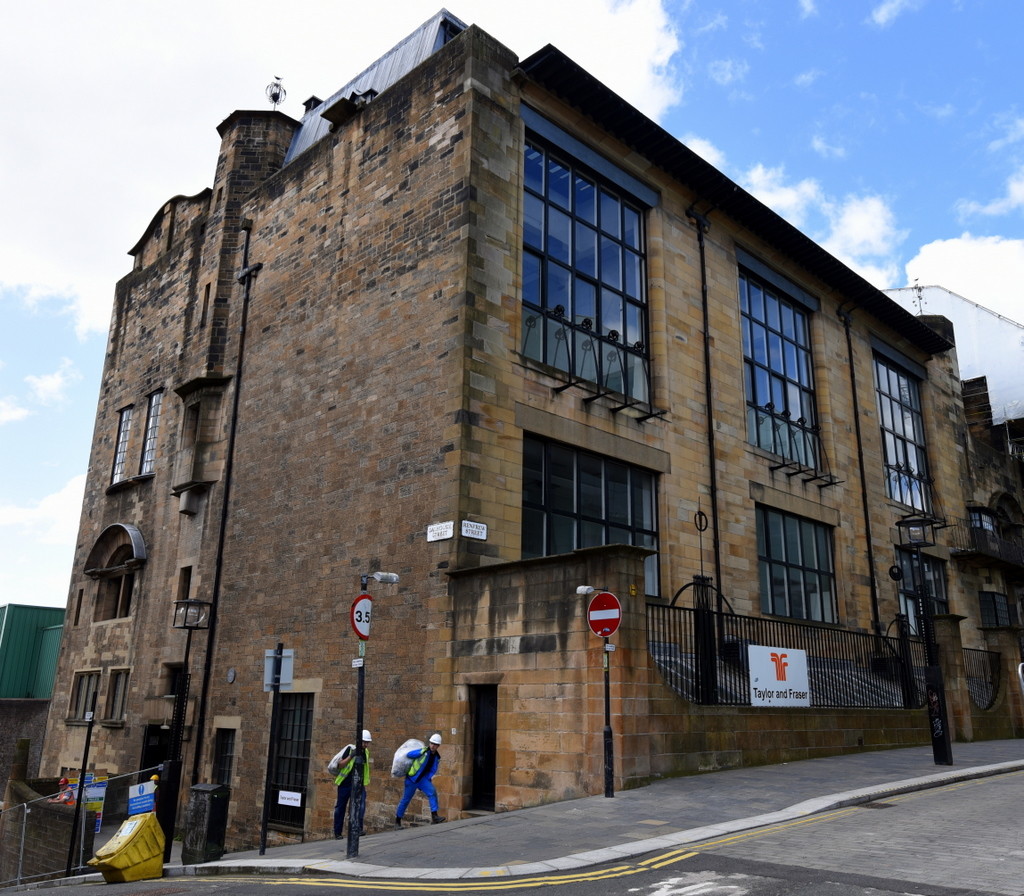
The big name in Glasgow architecture is Charles Rennie Mackintosh, who (along with his wife, sister-in-law, and brother-in-law) defined the “Glasgow Style” in the early 20th century. Mackintosh’s masterpiece, the Glasgow School of Art, was damaged in a fire last year, and remains closed to visitors. But while the School of Art is being rebuilt, students still lead tours of the building’s exterior (www.gsa.ac.uk/tours). From the outside, the School of Art may look like any old building. But your guide helps draw your attention to its many unique (and cleverly functional) flourishes, including these huge north-facing windows designed to wash the painting studio in an even light all day long.


Cameron Scotland Glasgow Charles Rennie Mackintosh School of Art Chair

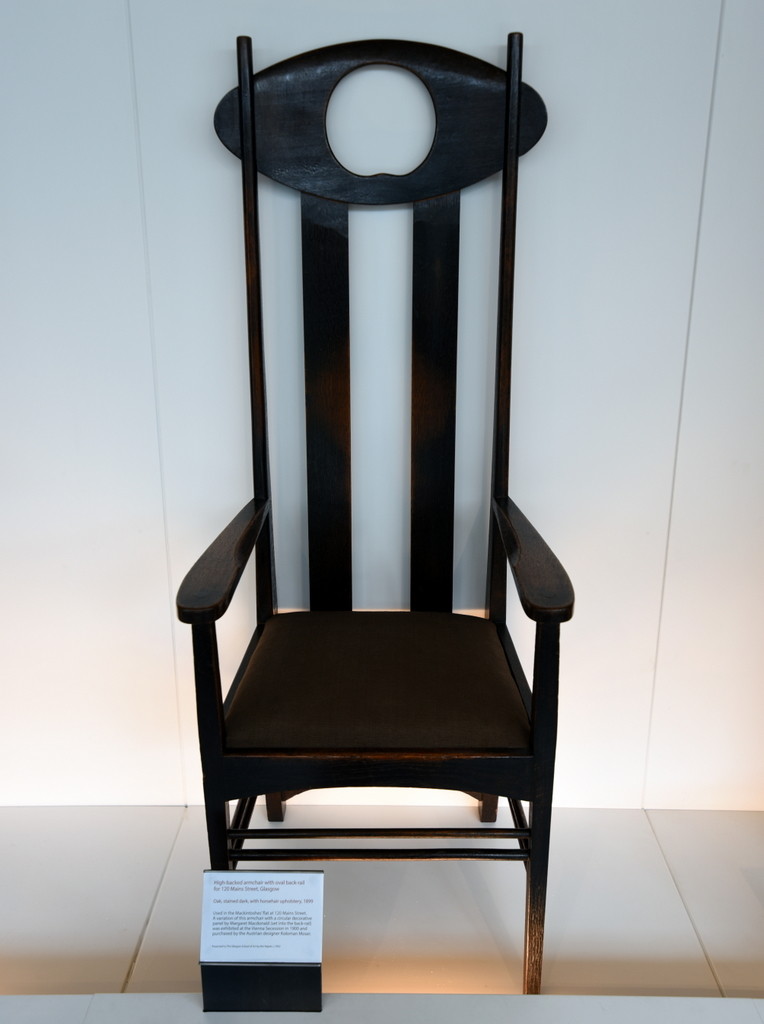
The Glasgow School of Art tour also includes a fine collection of Mackintosh furniture. (The artist insisted on designing every minute detail of his commissions, from the foundation and the facade to the chairs and the cutlery.) While the shorthand of “Art Nouveau” is often applied to Mackintosh, he really forged his own style, mixing Art Nouveau, Japanese influences, and the arts-and-crafts movement. With his clean, functional lines, some say he was the spiritual godfather of Art Deco. And his work was practical as well as beautiful: This chair, designed for the Willow Tea Rooms, has a high back that’s designed to provide privacy from eavesdroppers.


Cameron Scotland Glasgow Charles Rennie Mackintosh House

Some of my favorite sights in Europe are the homes of artists, preserved to let visitors experience the world that the artist created for himself or herself to live in. What do artists surround themselves with — whether to promote creativity, or just to blow off steam? When Mackintosh and his artist wife, Margaret MacDonald, moved out of their Glasgow home in 1914, the University of Glasgow had the foresight to preserve all of their original furnishings. And, while the home was eventually demolished, in 1981 the university built this replica to house and display the Mackintosh decor and furniture. While concrete and functional on the outside, the interior feels like Charles and Margaret invited you over for tea. You can join a free 30-minute tour to see all of the rooms and get the whole story (2/hour, at the Hunterian Gallery in the West End, for details see www.gla.ac.uk/hunterian).

Glasgow: No Respect, I Tell Ya, No Respect

Glasgow is the Rodney Dangerfield of British towns. Although it’s the biggest city in Scotland, it always seems to fall off the bottom of most people’s wish lists for a Scottish vacation. And that’s a shame, because the city has a lot to offer. Admittedly, if you’re chasing misty daydreams of bagpipes, kilts, mysterious lochs, and sweeping glens, Glasgow will disappoint. But to understand Scotland beyond the cliches, Glasgow is a must.

Maybe the biggest thing Glasgow has going for it are its people. The Glaswegians (rhymes with “Norwegians”) are the friendliest people in this exceptionally friendly country. Although it’s a hardworking city, shop clerks here seem in no hurry to do anything but chat. And their accent is a hoot to listen to. Most caricatures of “colorful Scots” have a thick Glaswegian accent — think Billy Connolly.

Glaswegian is one of the most impenetrable dialects of English (to my ear, only Belfast is harder). A few tips: Don’t worry about understanding every word. Just let the lovely lilting cadence wash over you, and grab onto any passing vocabulary you recognize. And don’t freeze up like a deer in headlights when they ask you a question you don’t understand: Just politely ask them to repeat. And repeat again. And again. And eventually you’ll get it.


Cameron Scotland Glasgow Buchanan Street

Like the centers of many other British (and American) industrial cities, Glasgow’s once-seedy and abandoned downtown has been reclaimed by developers. Buchanan Street is one of three streets (collectively called “The Golden Zed” or “Style Mile”) that have been pedestrianized and graced with big-ticket shops.


Cameron Scotland Glasgow Buchanan Street

Strollers and window-shoppers promenade along Glasgow’s Buchanan Street, soaking in some rare sunshine. (While most of Europe has suffered through record heat, this has been the coldest Scottish summer in 40 years. Or more to the point, as many Scots have told me, “We’re not really getting a summer at all this year.” My Glasgow visit has been one of the rare stretches of sun on my trip.)


Cameron Scotland Glasgow Royal Concert Hall Steps

It’s fun to see what could be a dreary eyesore become a vibrant people zone. The steps leading up to Glasgow’s Royal Concert Hall are jammed with office workers on their lunch break.
Cameron Scotland Glasgow Graffiti CollageAmericans struggle with the graffiti that tarnishes European cities. It helps to view at least some of the graffiti not as an eyesore, but as street art. Glasgow has a bold and progressive program to employ graffiti artists by commissioning huge murals on otherwise bare and ugly walls. Exploring the city, you stumble upon these everywhere — and you’ll soon find yourself appreciating the way that graffiti has been repurposed as a tool of urban beautification.

Stirling’s Top Side-Trips: A Time-Warp Village on the Firth of Forth

I’m wrapping up my series of sneak previews of new listings for sights within a 30-minute drive of Stirling (from our upcoming Rick Steves Scotland guidebook). This last one is ideal for anyone wanting a time warp to the 18th century, conveniently located on the way between Stirling and Edinburgh.

CH15JulCulross_031

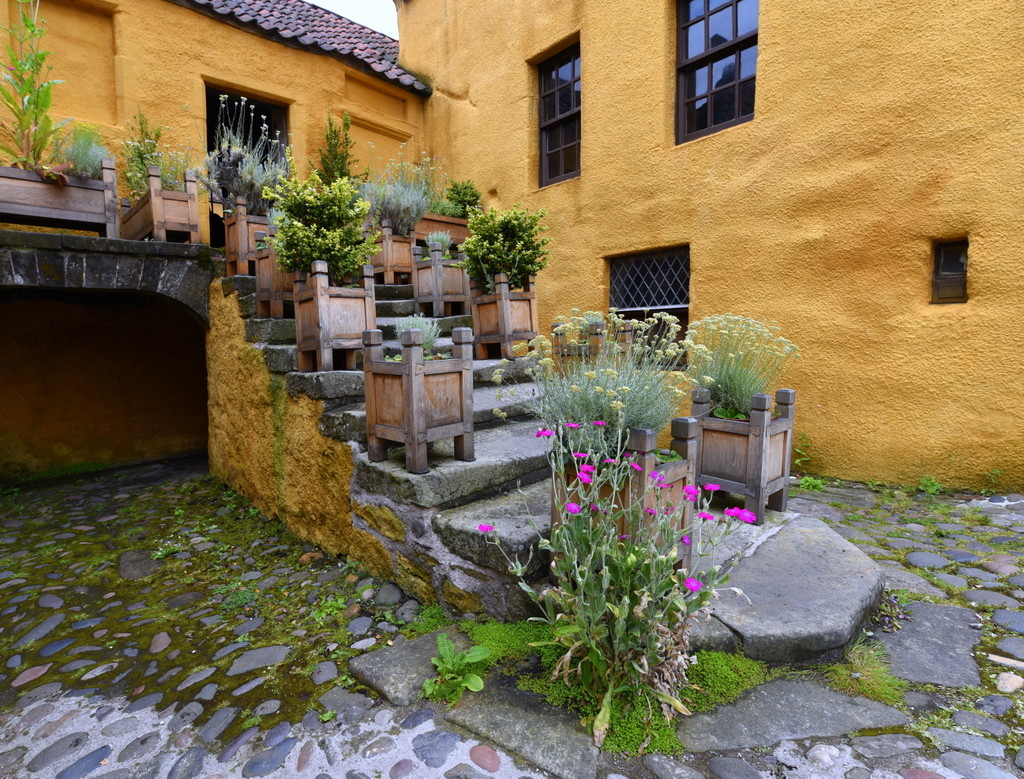
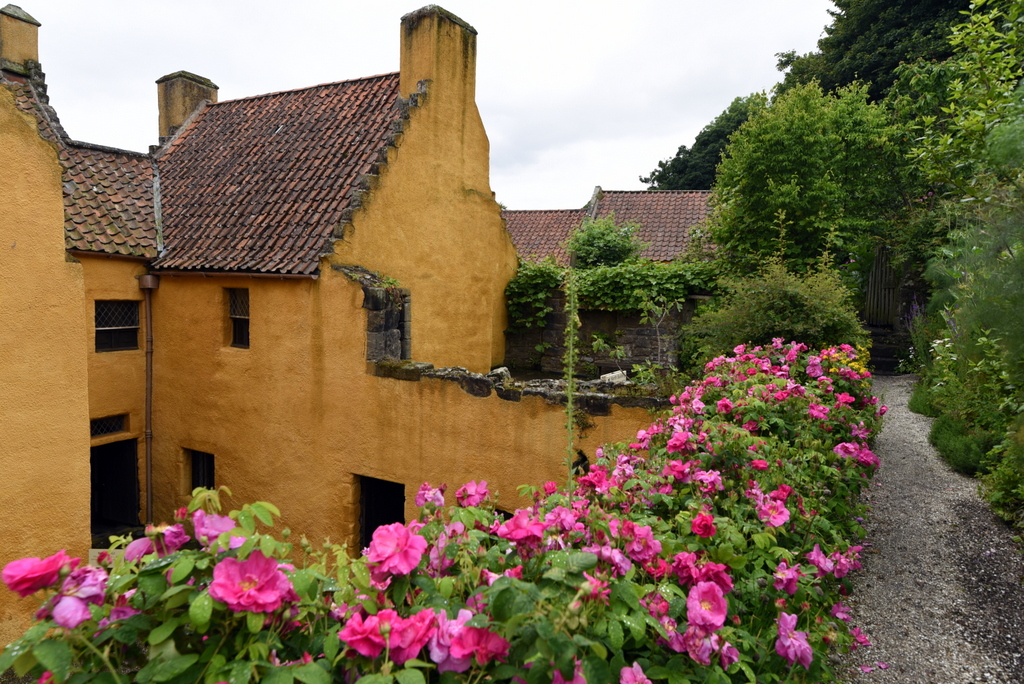
Culross — a time-warp of a village sitting across the Firth of Forth from Edinburgh  — is a perfectly preserved artifact from the 17th and 18th centuries. If you’re looking to let your pulse slow, stroll through a steep and sleepy hamlet, and tour a creaky old manor house, Culross is your place. Filmmakers use Culross to evoke Scottish villages of yore (you’ve seen it in everything from Captain America: The First Avenger to Outlander). While not worth a long detour, it’s a workable stop for drivers connecting Edinburgh to either the Stirling area or St. Andrews (free parking lots flank the town center — both an easy, five-minute waterfront stroll away).

The story of Culross (which locals pronounce KOO-russ) is the story of Sir George Bruce, who, in the late 16th century, figured out a way to build coalmines beneath the waters of the Firth of Forth. This hardworking town flourished, Bruce built a fine mansion, and the town was granted coveted “royal burgh” status by the king. But several decades later, with Bruce’s death and the flooding of the mines, the town’s fortunes tumbled — halting its development and trapping it in amber for centuries. Rescued and rehabilitated by the National Trust for Scotland, today the entire village feels like one big open-air folk museum.

CH15JulCulross_005

The main sightseeing attraction here is the misnamed Culross “Palace,” the big-but-creaky, half-timbered home of George Bruce (£10.50; June-Aug daily 12:00-17:00; April-May and Sept Thu-Mon 12:00-17:00, closed Tue-Wed; shorter hours in Oct and closed Nov-March, tel. 01383/880-359, www.nts.org.uk/culross). Buy your ticket at the office under the town hall’s clock tower, pick up your included audioguide, then head a few doors down to the ochre-colored palace itself. First you’ll watch a 10-minute orientation film, then walk through several creaky floors to see how a small town’s big shots lived four centuries ago.

CH15JulCulross_014

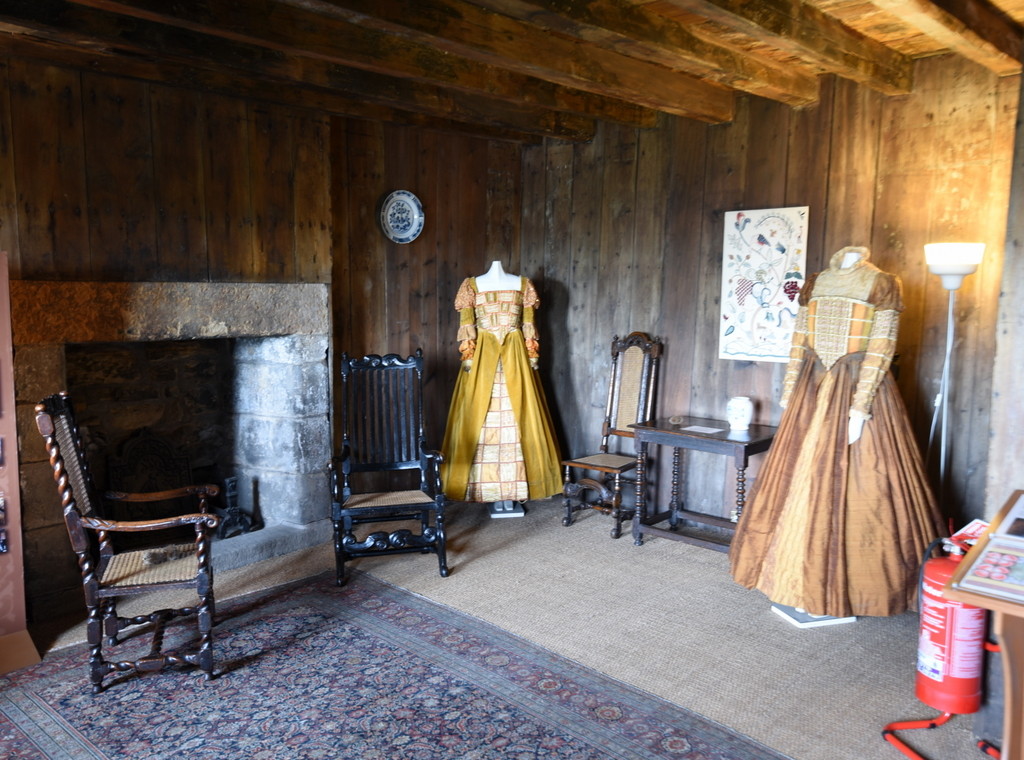
Docents in each room are happy to answer questions. You’ll see the great hall, the “principal stranger’s bedchamber” (guest room for VIPs), George Bruce’s bedroom and stone strongroom (where he stored precious — and flammable — financial documents), and the highlight, the painted chamber. The wood slats of its barrel-arched ceiling are painted with whimsical scenes illustrating Scottish virtues and pitfalls. You can also poke around the densely planted, lovingly tended garden out back. (They sell plants from a table in the front courtyard.)

CH15JulCulross_012

Your ticket also includes a 45-minute guided walk through the town itself (3/day, check website for schedule).

The only other real sight, a steep hike up the cobbled lanes to the top of town, is the partially ruined abbey. While there are far more evocative ruins in Scotland, it’s fun to poke into the stony, mysterious-feeling interior of the still-intact church. But the stroll up through the town’s cobbles and pastel houses, with their carefully tended flower boxes, is even better than the church itself.

CH15JulCulross_028