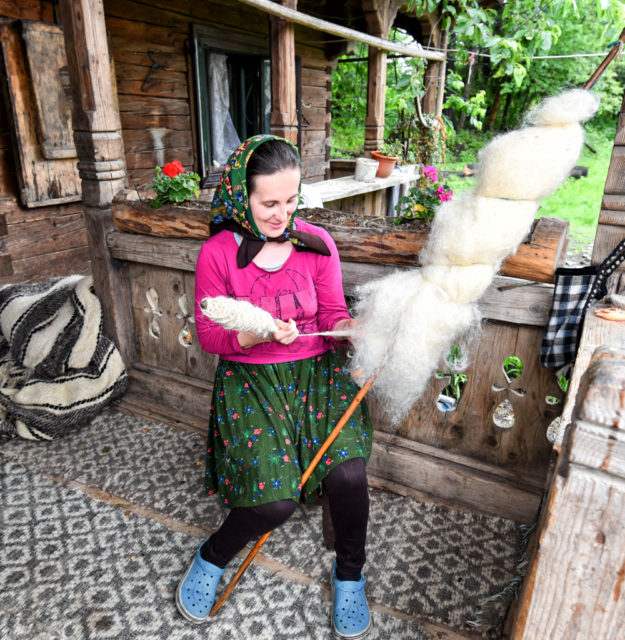
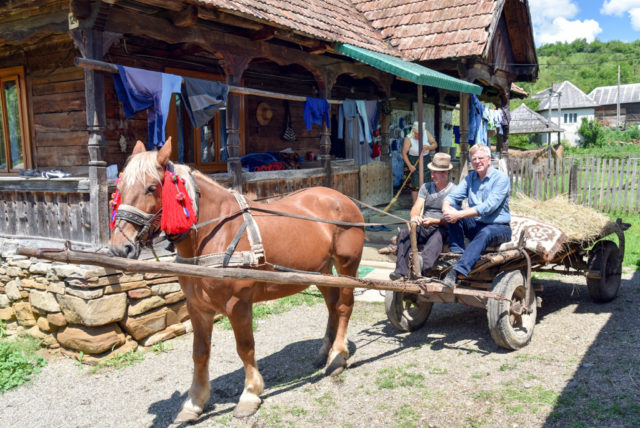
10 European Discoveries for 2025 — Balkans Edition

As the new year dawns, it’s time to plan new travels. Each year around this time, I share 10 “Discoveries” — lesser-known, underappreciated corners of Europe that might deserve a look as your travel dreaming turns to travel planning. And this year, my Discoveries come with a special focus: the Balkans.

Wait… the Balkans? Those Balkans? Absolutely, yes. A few months ago, I set out on an epic road trip from the Julian Alps to the shores of the Aegean, from sunny coastlines to frigid mountaintops, and from Lake Bled to Lake Ohrid… hopscotching through the Catholic, Muslim, and Eastern Orthodox worlds while linking up seven different capitals. This year’s Discoveries showcase 10 locations in 10 countries, combining new-to-me finds and classic favorites.

But the Balkan focus isn’t just because of my recent travels. If there’s a prevailing travel theme for 2025, it’s big prices and bigger crowds. In addition to its astonishing cultural diversity, its stunning landscapes, and its thriving cities, the Balkans’ great appeal is its undiscovered-ness. (In many places, I never saw another American.) And, while inflation is affecting every place to varying degrees, these destinations remain strikingly affordable.

There’s a good chance you’ve never heard of some of these places. But that doesn’t mean they’re not worth a visit. Join me on a spin through the Balkans… and discover something new.

Gjirokastër, Albania

On my Balkan road trip, nothing tested my mettle behind the wheel like driving to my traditional guesthouse near the top of Gjirokastër — the most appealing of Albania’s many historic mountain towns, huddled on steep slopes below a protective citadel.
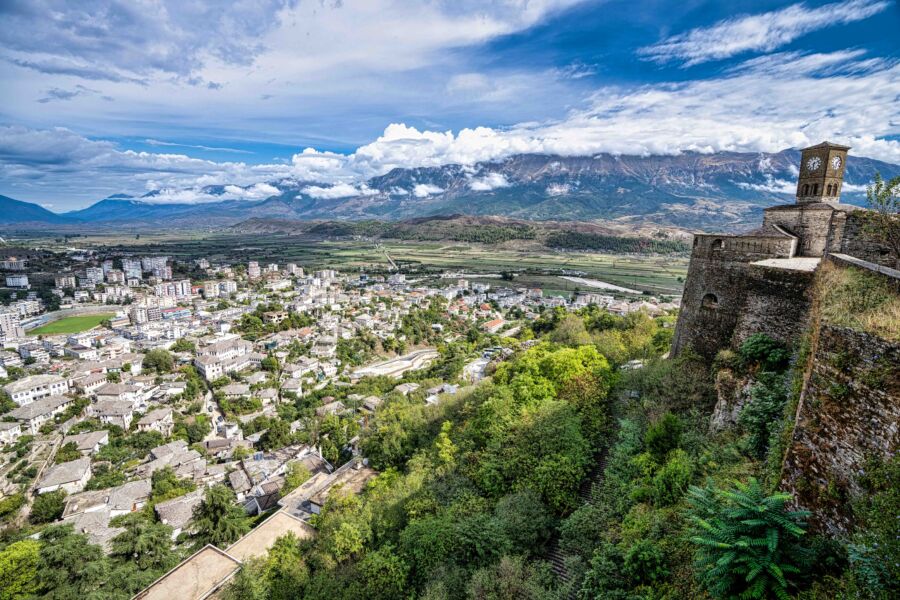
From the broad valley below, I twirled up through Gjirokastër’s labyrinthine old town, inhaling deeply as I squeezed up lanes barely as wide as my car. (I had booked a subcompact. They gave me an SUV.) Summiting town, I was greeted by cheerful Tatiana — my very own temporary Albanian auntie — who made me feel instantly at home in her cozy, traditional, spotless B&B.

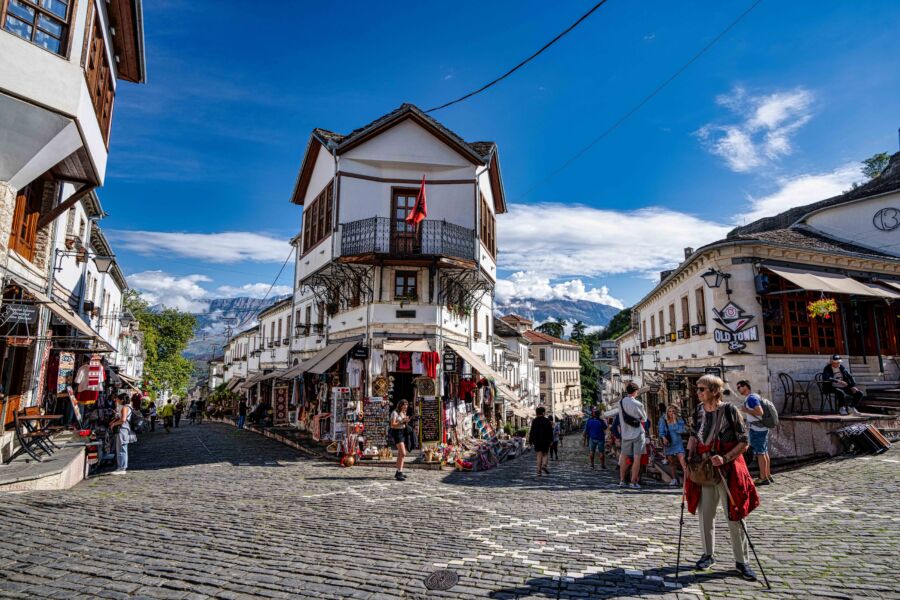
Like so much of Albania (and the Balkans), the historic core of Gjirokastër feels Turkish: cobbled streets, stony slate-roofed homes, soaring minarets, and a thriving bazaar. From the main intersection, with lanes spiraling off in every direction, you have exactly two choices: uphill or downhill.
Conquering Gjirokastër’s castle — racking up a day’s worth of steps in a 20-minute vertical climb — I looked down over the city’s rooftops, lined up against a jagged, cloud-catching ridge of peaks across the way.

Later that night, I found the perfect traditional eatery, which had just one tiny table on a miniature porch cantilevered over the bazaar’s busy main drag. Digging into an affordable feast of rice balls, meatballs in yogurt, and an intensely sweet, honey-soaked orange cake, I observed the touristic hubbub just below me. Gjirokastër is gradually becoming known, thanks to its cultural heritage, stunning setting, and proximity to Albania’s increasingly famous Adriatic beaches.

And yet, the place still has an uncorrupted, authentic soul. After dinner, in a needless rush, I hustled past a humble bar with tables facing the bazaar’s main intersection. The bar’s owner slowed me with a generous smile as he all but insisted I take a seat. After charging me less than a buck for an open-your-own-bottle beer, he joined some friends at the next table and savored that priceless twilight view right along with me. It seemed he was less concerned about making money than he was ensuring that this serene view wouldn’t go to waste.

Prishtinë, Kosovo

“I’ll meet you at the Newborn Monument.”

So pinged a text from my local guide, Mentor, as I drove through swiftly developing outskirts toward the center of Europe’s newest capital city. At the monument consisting of the word NEWBORN, Mentor eagerly greeted me, ready to show off his burgeoning hometown.
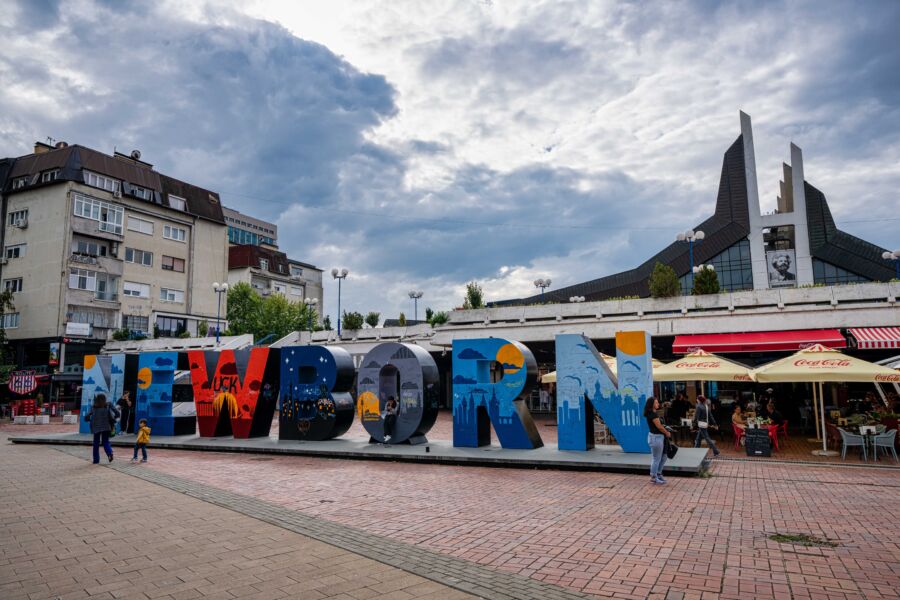
Prishtinë embraces its newness. Repeatedly, I heard the brag that Kosovo — Europe’s youngest country (independent since 2008, and still not universally recognized) — also has one of its youngest populations, with about two-thirds of its citizens under 30 years old.

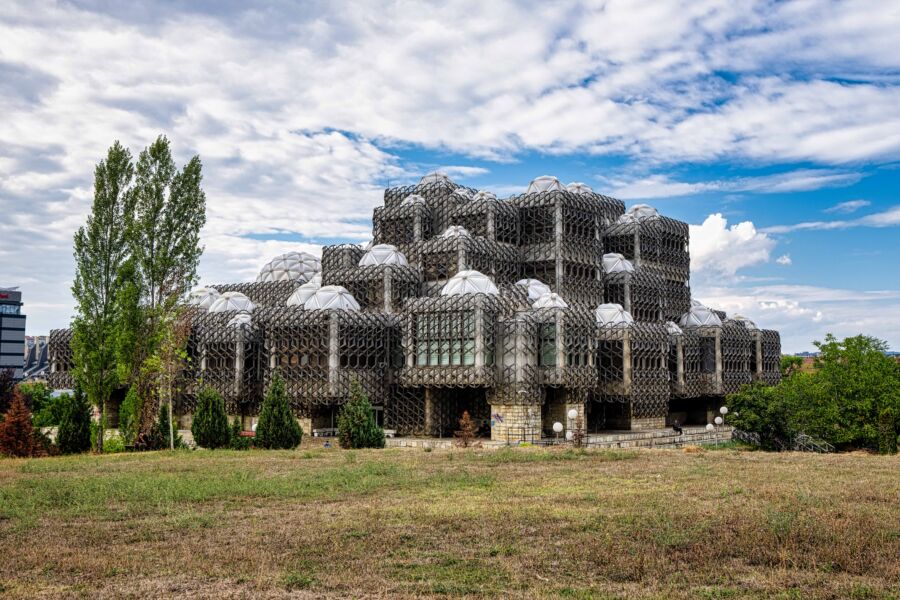
As I explored Prishtinë, I immediately appreciated its appealing urbanity, optimism, and sense of forward momentum. The main drag, recently closed to cars, is a delightful pedestrian mall lined with plywood food sheds and picnic tables. Even its “old” buildings — such as the wonderfully weird, wildly eye-catching National Library, opened in 1982 — feel fresh and innovative: a Brutalist masterpiece with bulbous domes, all wrapped in metallic netting.
At the same time, I also sensed a deep devotion to the past. The ethnic Albanians who make up more than 90 percent of Kosovo’s population are, it’s believed, descended from among the earliest known peoples to reside in Europe: the Illyrians, bewilderingly ancient even to the ancients. And Prishtinë, despite its apparent “newness,” has a very old soul.

As if to demonstrate this, Mentor led me away from the thriving downtown and up to the very top of the main drag (passing the shiny office-tower parliament) to reach the old Ottoman quarter. Passing a duo of soaring minarets — each one marking a lavishly decorated mosque full of locals taking part in evening prayer — we carried on through old Prishtinë’s meandering bazaar streets to a fabulously well-preserved old Turkish house. Mentor lovingly explained each centuries-old item, as if tenderly flipping through the yellowed pages of a precious chronicle.

This parallel devotion to both old and new struck me throughout Kosovo, where visitors divide their attention between the slick new development of a fledgling country, and evocatively antique Orthodox monasteries and Ottoman-era towns (like Prizren). It’s one of the reasons Kosovo, and Prishtinë in particular, got under my skin… much to my (pleasant) surprise.

Logarska Dolina and the Northern Valleys, Slovenia

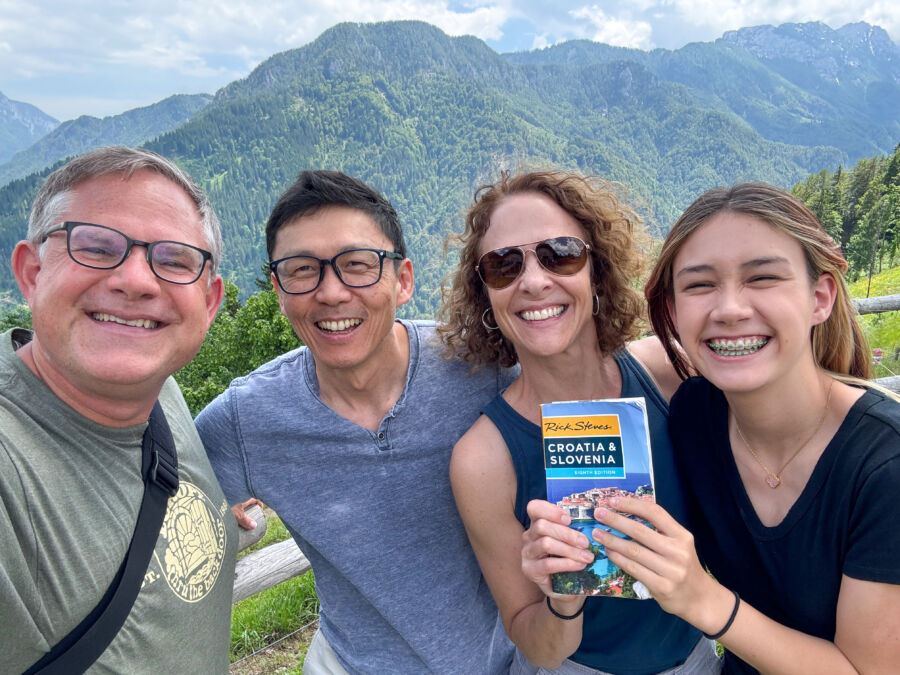
Curling along a ridgetop road at what felt like the attic of the Alps — immersed in 360 degrees of spectacular green hills, yawning valleys, and cut-glass peaks, just a few minutes’ drive from Austria — I pulled up the gravel driveway of a simple farmhouse. Inside the screened-in porch, I met a family of three from Canada: mom, dad, and teenage daughter, all digging into plates of hearty food.
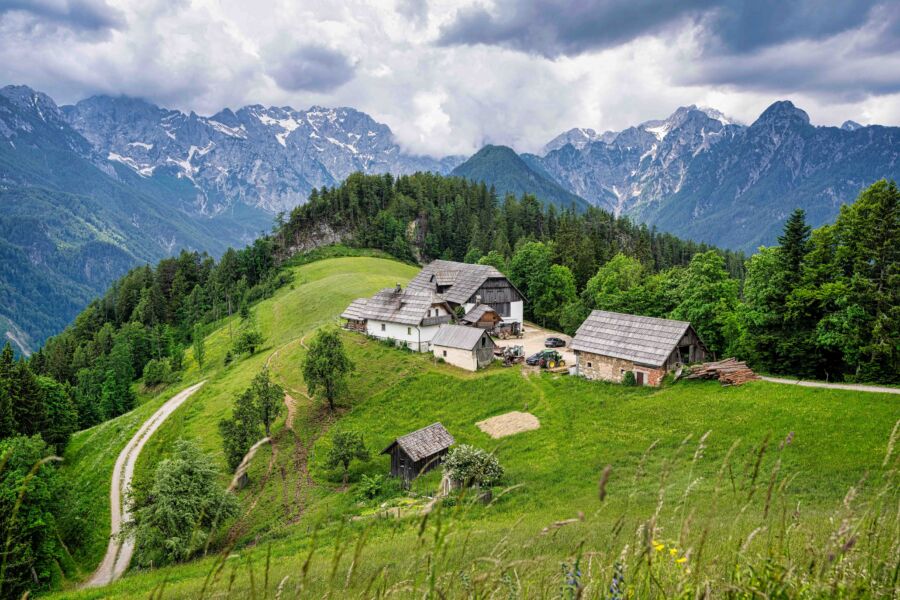
The farmer who owned the place appeared and agreed to bring me a plate, too. As we all chowed down on oversized, pork-filled dumplings, my lunchmates explained that their guidebook had directed them up into these rugged mountains, at the remote northern fringe of one of Europe’s most underrated countries… where they were having the time of their lives. The experience left both my belly and my soul full — making me happy that my work is having an impact on at least a few vacations.
Just down the road, a local tip detoured me up a side valley to another tourist farm, this one specializing in artisanal goat’s-milk ice cream infused with local Slovenian ingredients: anise and honey, tarragon, dried pears, fresh-curd strudel. As a gelato aficionado, I had very high hopes. They were exceeded. (Another discovery for that guidebook!)

After a long day of heavenly views and earthy flavors, I made my way back to yet another rustic farmhouse, where I was spending the night. The Lenar clan (Urša and her parents) set me up with a woody room where I could step out onto a silent balcony to bask in sweeping views across the valley. Each morning, I savored the traditional folk-art decor of the breakfast room, along with farm-fresh eggs, home-baked pastries, and Urša’s gentle, thoughtful lessons about this region’s distinct farming and forestry methods.
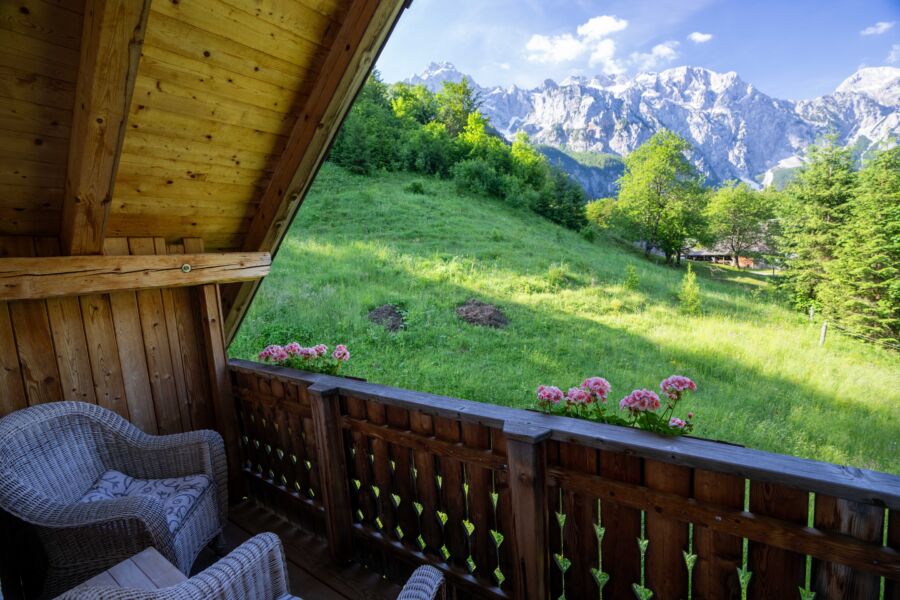
Logarska Dolina specializes in spectacular scenery, in rustic lives that revolve around traditions, and in a refreshing lack of fellow tourists (other than in-the-know Slovenes…and a few wayward Canadians). As Slovenia’s more famous mountain resorts — Lake Bled, Lake Bohinj, the Soča Valley — are becoming, to varying degrees, more crowded, Logarska Dolina is a reminder that even a small country is never exhausted of its beckoning hideaways.

Belgrade, Serbia

Creeping closer and closer in rush-hour gridlock, I observed how the Serbian capital fills its long ridge with gray, uninspiring concrete. Traffic here is as heavy as it is unforgiving. Lush parks, genteel boulevards, and ornate facades are in short supply. The sidewalks are narrow and shabby and forever dribbled by air-conditioning units grafted onto ramshackle apartment blocks that stretch high into the sky, blotting out the sun.

Finally reaching my lodgings, dropping off my bag, and heading out to explore, I joined the people-parade on the main walking street, Knez Mihalova. And suddenly I remembered: Once you’re immersed in the urban jungle of Belgrade, the city abounds with charming details, intriguing detours, and an exuberant humanity. On this balmy evening, the entire city was out promenading… slowly making their way toward Kalemegdan Park, which fills a point surrounding Belgrade Fortress overlooking the confluence of the Danube and the Sava.
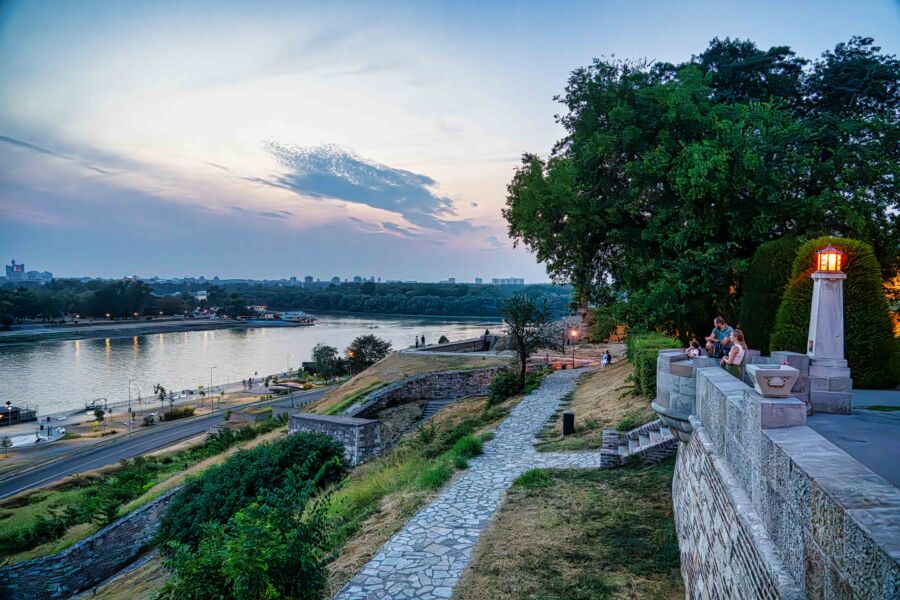
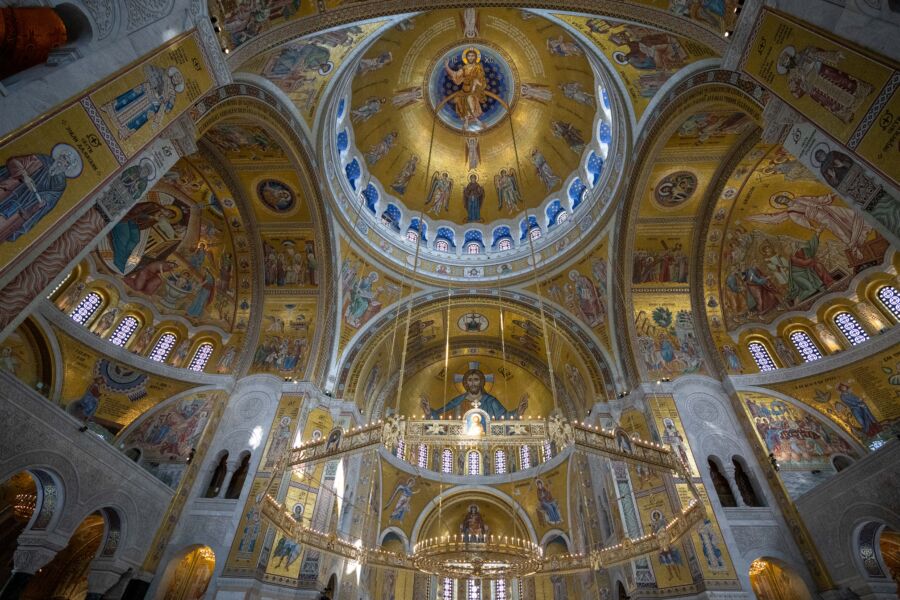
Sightseers find plenty to do here. Sveti Sava, one of the largest Orthodox churches in Christendom, is gobsmackingly stunning inside — shimmering with gilded icons and glittering chandeliers. Just up the street is the former home of inventor Nikola Tesla, now a museum. The Yugo-nostalgic can pay their respects at Marshal Tito’s grave and tour the fascinating, adjacent museum of Yugoslavia. Or simply prowl the cobbles of the traditional quarter, Skadarlija, buzzing with dueling Balkan folk troupes and interchangeable menus of delicious “Serbian national cuisine.”
Departing Belgrade, observing its blight shrink behind me, I thought about how few places provide a starker contrast between that first, distant impression… and the slow, satisfying revelation of experiencing it from within.

Istrian Interior, Croatia

Many years ago, when we were first brainstorming the itinerary for our Rick Steves Best of the Adriatic tour, we knew we needed a couple of nights in Istria — the wedge-shaped peninsula dangling from the northwest corner of Croatia, next to Italy. Initially I figured that stop must be in Rovinj, arguably Croatia’s prettiest coastal town. But then someone suggested that, instead, we should sleep deep in the Istrian interior. Why not settle into an atmospheric hill town with bucolic views and world-class restaurants, still just a short drive from Istria’s coastal delights?

It was one of those Eureka! moments that, instantly, just made sense. And it still does.
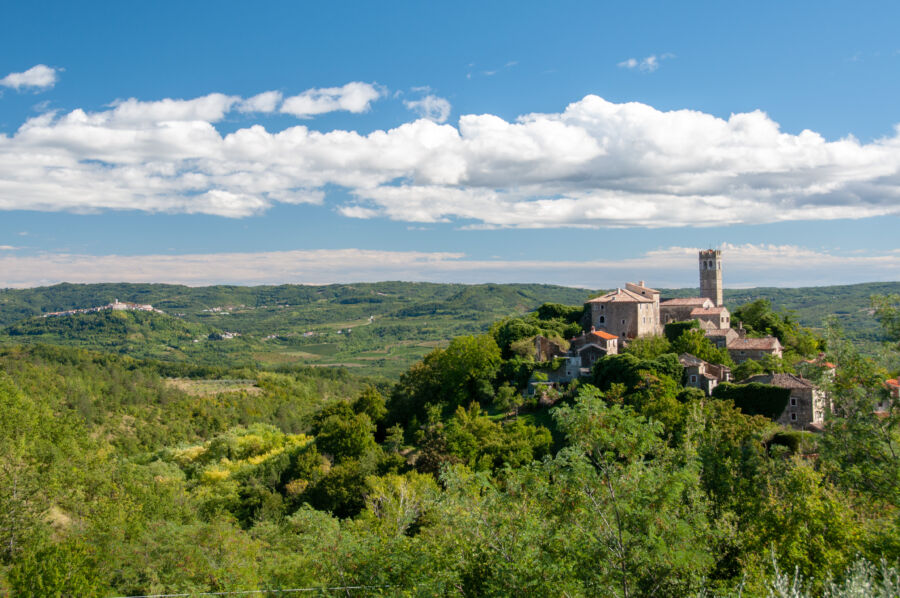
While Croatia is, deservedly, famous for its coastline, I always find myself looking forward to my time in the Istrian interior. There’s nothing like hitting the road for a giddy loop through this stunning, user-friendly region, with its cypress-lined country lanes, stony hill towns capping vineyard-draped hills, trendy boutique wineries and other foodie finds, and dark oak forests embedded with precious truffles. It feels like joyriding through a schlocky painting of Tuscany — but real!

And then, of course, there’s the food: Istria is one of Europe’s most abundant producers of truffles. These pungent tubers are grated like parmesan over noodles or steak. And you’ll also find them in cheese, salami, olive oil, tapenade, pâté, frittata, soufflé, and even ice cream.
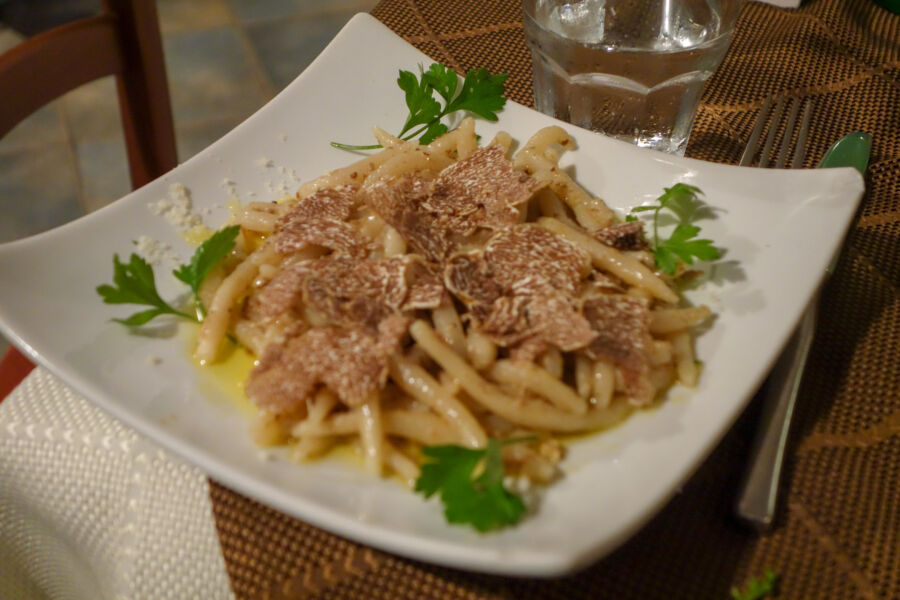
Settling into one of my favorite Croatian eateries, in the hill town of Motovun, I perused the menu and made my selection. But then, the owner appeared tableside and turned the page. “Ah, but did you see the white truffle menu? We have some of the first white truffles of the season.”

Well, in that case… don’t mind if I do!

Sibiu, Transylvania, Romania

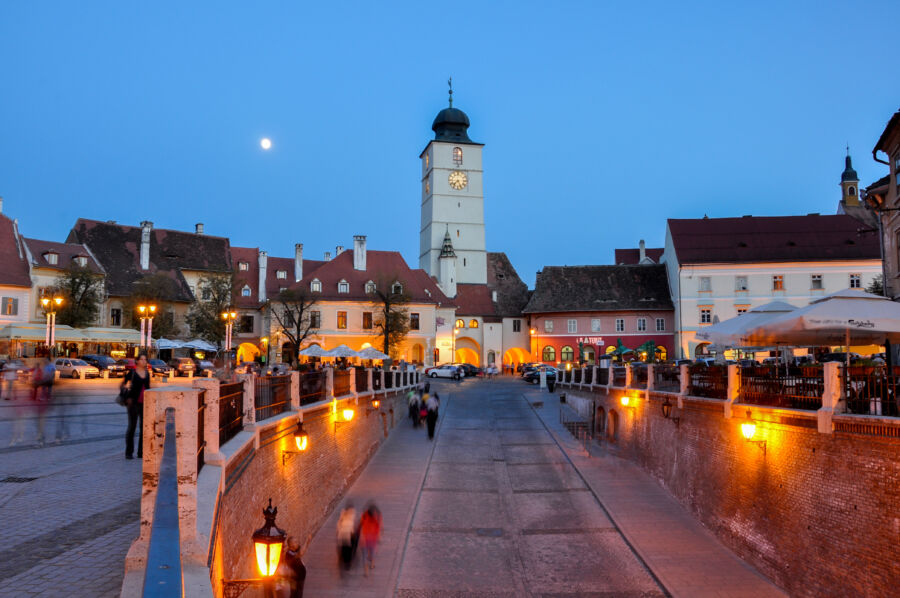
On the night of my first visit to Sibiu, several years ago, the town was throwing its first-ever Oktoberfest party. The main square was alive with festivities: carnival rides, little booths slinging traditional food, and a gigantic beer tent, rollicking with happy Romanians hoisting frothy mugs while swaying in time to the imported German oompah band.
Cultural cross-pollination is a hallmark of the Balkans, and essential to truly understanding the region. But it’s not always easy. Just trying to explain the various cultures that have called Romania home — Roman legionnaires, Germanic (“Saxon”) traders, two different factions of Hungarians, and, oh yes, the Romanians — can glaze over the eyes even of the most curious history student.

That’s why I appreciate places like Sibiu, which embodies those complexities in an easy-to-appreciate package. It’s one of many historically Germanic towns in Transylvania, Romania’s thickly forested heartland. Those rolling foothills and cut-glass Carpathian peaks on the horizon are easy to mistake for the Alps.
After communism, like so many other Romanian communities, Sibiu was in a shambles. But it was rebuilt and brightly polished, thanks largely to a visionary mayor, Klaus Iohannis — the first ethnically German mayor anywhere in Romania since World War II. (The city’s transformation and prosperity vaulted Iohannis to national prominence; he was elected president in 2014, and still holds that office.)

Today, among Romanian towns, Sibiu feels classy, stable, and sure of itself. Exploring Sibiu’s cobbles — wandering between its three grand, interlocking squares, enlivened by stately municipal buildings, café tables, and giant, looming churches, then wandering down its main pedestrian drag to a tranquil park that marks the former moat — I kept catching myself thinking I was in Germany. And in a country that’s still struggling to get back on its feet, emulating one that’s already affluent, well-established, and tidy is a shrewd start.

Lake Ohrid, North Macedonia

For my stay at Lake Ohrid, I “splurged” (by Balkan standards) on an apartment with a deck overlooking the lake. Each time I slid open that giant glass door, subconsciously expecting to catch a whiff of the sea, I was surprised instead to smell the unmistakable dank of freshwater.

Nearly a thousand feet deep, and among the world’s oldest lakes, Ohrid feels primordial… elemental. Looking out over the sea-like deep, you notice how this vast, moody, dramatic lake is big enough to create its own weather system. From miles away, you can see brief, intense squalls ripping across the water’s surface toward you, alternating with shimmering sunbeams, bright blue skies, and cotton-candy clouds.
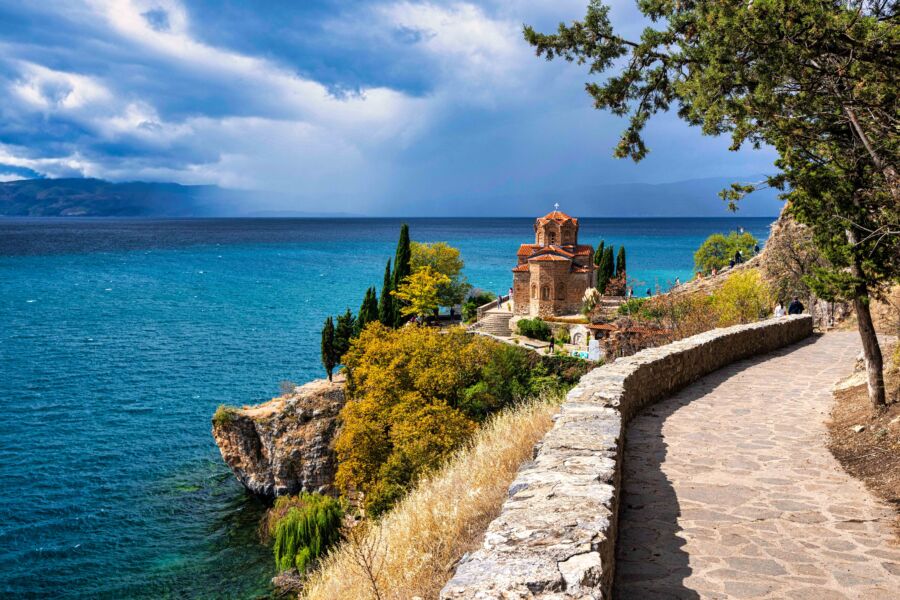
Ohrid floods a gorge between wooded mountains along the border between North Macedonia and Albania. The lake, and the historic town of the same name, are a popular resort for visitors from around the Balkans. Holiday-makers promenade along the wide path that runs along its shore, venturing out onto crumbling piers to be immersed in lakefront splendor. Or they hike just around the bluff above town to reach the iconic, Byzantine-style Orthodox church of St. Jovan Kaneo, clinging to its own little niche just over the water. From here, a steep and winding path leads up to a partially ruined fortress, along its crenellated wall, then to yet more beautiful Byzantine-style churches and twisting lanes that, eventually, meander back down to the lakefront.
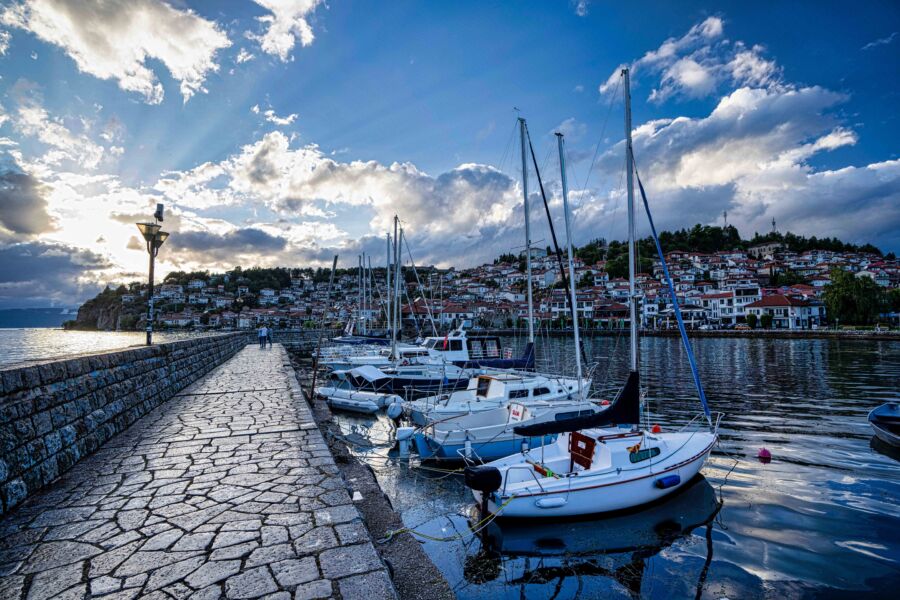
All of those churches are also a reminder that Ohrid is not just for vacationers; it’s one of those places that feels infused with an almost mystical aura, which has attracted settlers and visitors for eons. Following the shoreline highway, you can pull over to explore the rebuilt stilt houses suspended over the Bay of Bones, or to visit yet another historic church, honoring one of the Byzantine missionaries (St. Naum) who converted the Slavs and created the Cyrillic alphabet.
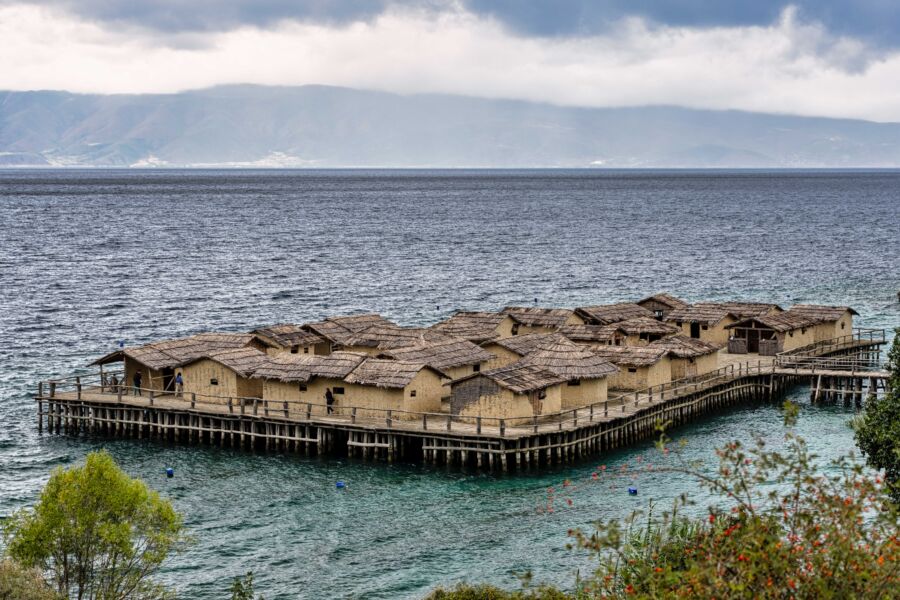
Yes, “primordial” is a strange way to describe a destination. But that’s the word that kept coming to mind on the shores of this bewilderingly old, mysterious, and tranquil lake.

Veliko Tarnovo and Shipka Pass, Bulgaria

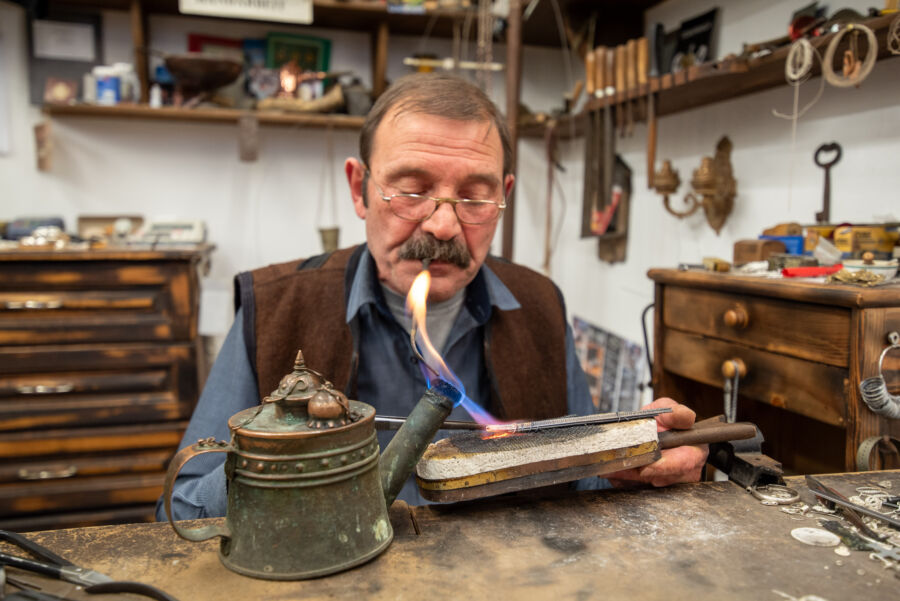
There’s an atmospheric lane in the heart of Veliko Tarnovo that’s lined with smiling craftspeople, eager to show off their traditional art. Silversmith Todor creates intricate filigree jewelry. Nina and her son create pottery with patterns dating back centuries. Miglena operates an old-fashioned loom. Rumi carves wooden items. And Rashko painstakingly paints icons. Folk art, still being executed with pride and precision by modern people, is a hallmark of the Balkans. And this “Craftspeople’s Street” is one of the most user-friendly places to experience it.
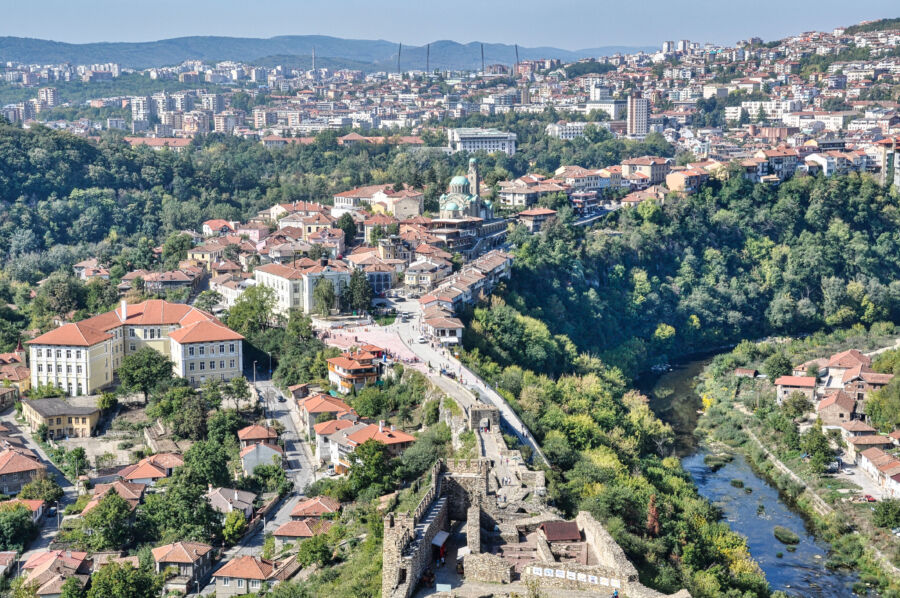
Artisanal handicrafts aside, Veliko Tarnovo — appropriately meaning “Great City of Land and Water” — is among the most dramatically situated settlements anywhere. The city’s homes cling to the steep slopes of a gorge carved by the meandering Yantra River. At one particularly scenic riverbend, a gigantic sword thrusts up into the sky, boldly proclaiming a centuries-old dynasty that still fills locals with pride. And the cliff-topping fortress, Tsarevets, rewards hikers with sweeping views over the city… and the opportunity for kids-at-heart to nock imaginary arrows while defending the substantial bastions.
Connecting Veliko Tarnovo to the rest of the country is perhaps Bulgaria’s most entertaining drive, over the Shipka Pass. Along here, you’ll pass through Tryavna, a touristy village that abounds with traditional Bulgarian National Revival-style homes; a lavish Orthodox church celebrating the 1877 battle that forced the Ottomans out of this region; and a rotting-from-the-inside-out communist conference hall that looks like a UFO crash-landed on a mountainside, called Buzludzha.
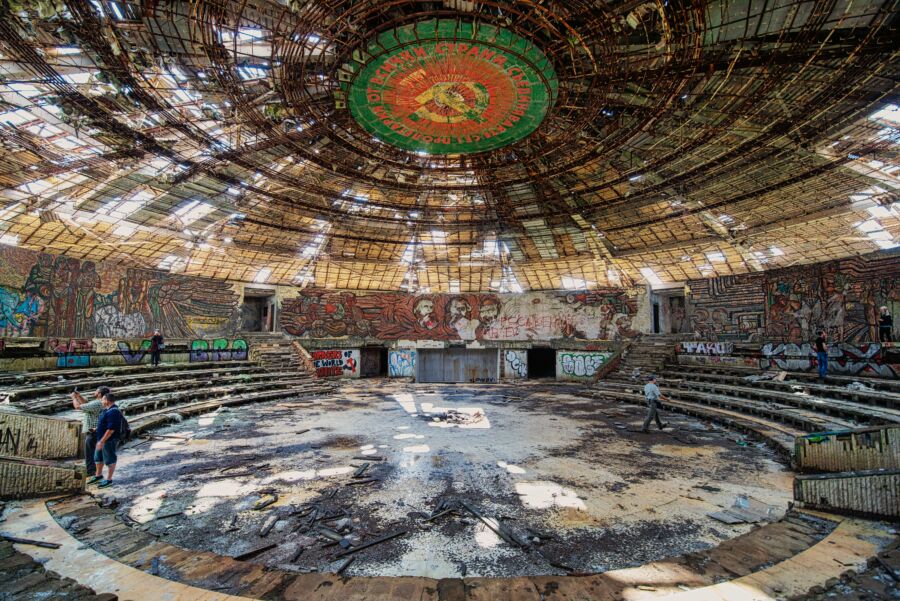
If Bulgaria is one of Europe’s most pleasantly surprising destinations, then Veliko Tarnovo is one of its very best surprises — and a highlight of perhaps our most underrated tour, the Best of Bulgaria.

Podgorica, Montenegro

“You are probably wondering why you came to Podgorica, widely regarded as the ugliest capital city in Europe.”

These were the first words my guide, Rajan, said when we met. I admired his candor about his hometown; it was refreshing, if a little startling. And it opened my mind to what he said next.

It’s true: Travelers who come to Podgorica (pronounced POD-goh-reet-suh) are not here for beauty. After World War II, the city — then called “Titograd,” after the Yugoslav leader — was built essentially from scratch around the modest footprint of an old Ottoman town at the meeting point of rivers, near the base of a towering mountain range. Titograd was a showcase of Brutalism, the heavy-handed, concrete-happy, form-follows-function style that prevailed in Yugoslavia’s postwar boom.
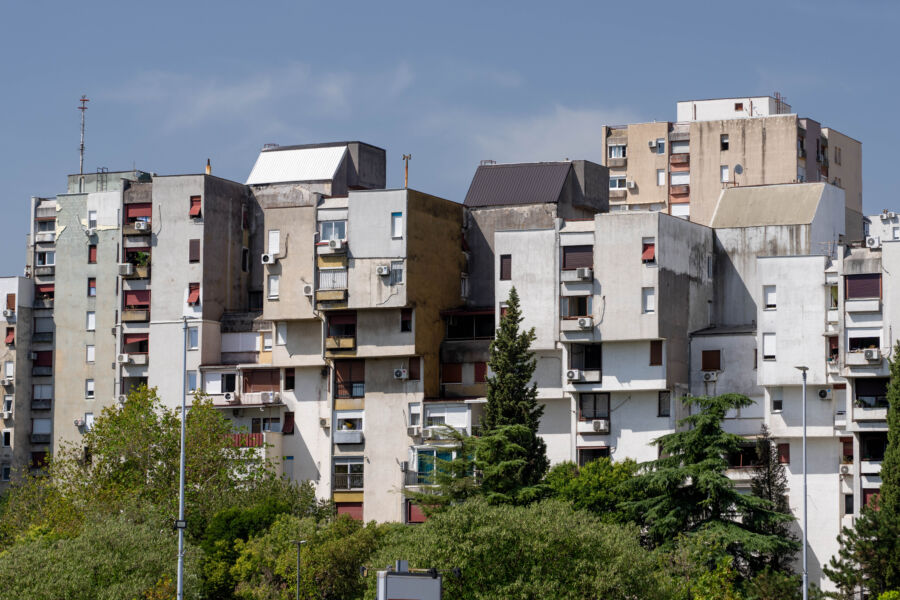
Brutalism is about as pretty as it sounds…and it hasn’t aged well. The night before I met Rajan, at the end of a 10-hour journey from Belgrade, my train pulled into the Podgorica station just after sunset. The walk to my hotel took me through a neighborhood of towering, bare-concrete apartment blocks, on crumbling sidewalks, past seas of bare dirt and green weeds that crowded out sparse tufts of parched-yellow grass. As a first impression, it was, in a word, brutal.

And yet, as Rajan showed me around by the light of day, I found myself entertaining a thought experiment: What if Podgorica’s burly Brutalism and stark “Ex-Yugo” aesthetic is not a bug…but a feature?
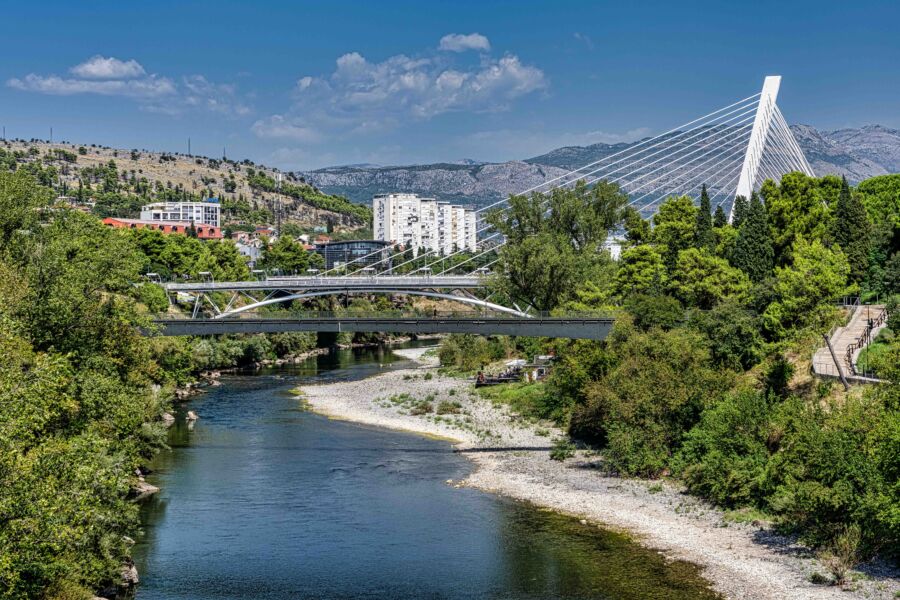
While lacking the graceful arches, stately pillars, and fanciful flourishes that tourists associate with Europe, Brutalism is the essence of functionality. Those Yugoslav nation-builders, like today’s urban planners, faced a desperate shortage of affordable housing. In fact, these days Brutalism is in vogue among young architecture students. Seeing Rajan’s city through his eyes, I found myself appreciating the tidy, grid-planned streets; the broad boulevards with wide, tree-lined sidewalks that encourage strolling; and the strategic juxtaposition of important buildings: parliament, president’s office, ministries, embassies, municipal offices, all efficiently lined up in tidy rows.
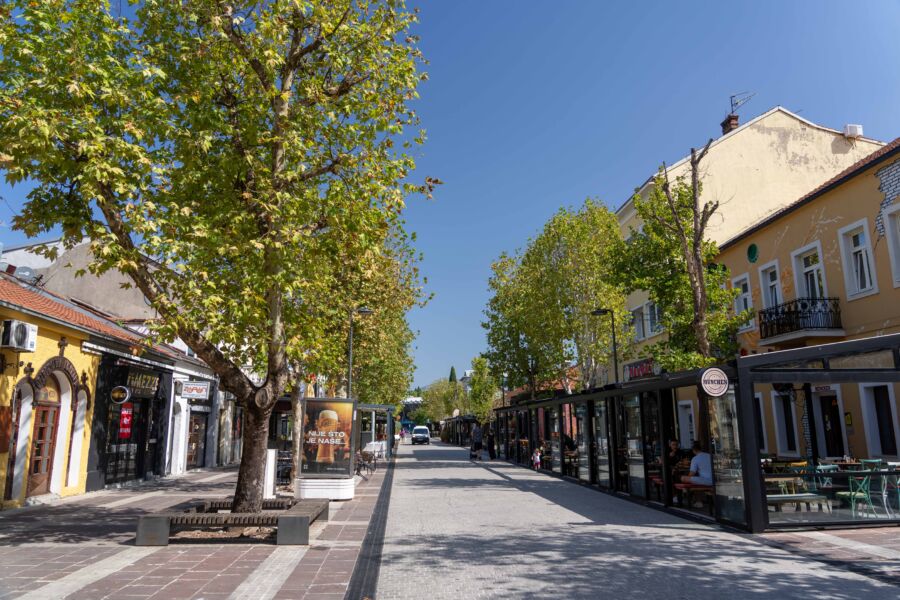
Psychologists talk about “radical acceptance.” Rajan, quite radically, accepts that his city is no Prague or Paris. But what it is, is beautiful in its own way. By the end of our time together, we were brainstorming a “Titograd Time Warp Tour” — to really lean into what’s special about Podgorica.

As travelers, we often make snap judgments based on an unflattering first impression…especially in places with a hard history, like the Balkans. Podgorica taught me to keep an open mind and appreciate each place on its own terms.

Talk about radical.

Anywhere, Bosnia-Herzegovina

There’s no doubt that Bosnia-Herzegovina is a “must” on any Balkan list. But where in Bosnia, exactly?

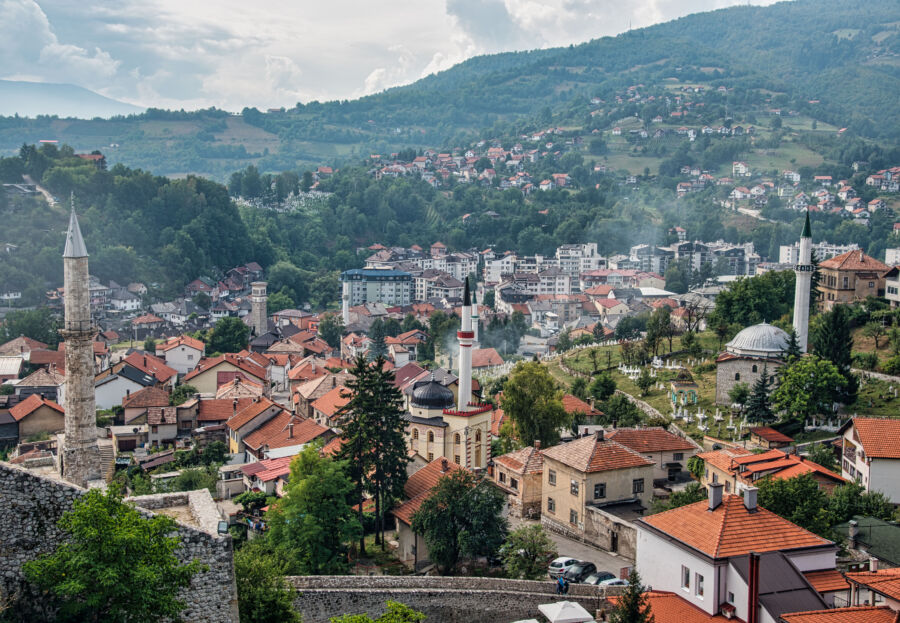
I have already featured the wonderful capital, Sarajevo, on a past Discoveries list. Should I mention Mostar, the convenient-if-touristy “Bosnia with training wheels” city that’s close to Croatia’s Dalmatian Coast? Jajce, the historic town scenically built literally upon a waterfall, where Yugoslavia was born during World War II? Srebrenica, with its wrenching memorial to innocent lives lost in the Yugoslav Wars? Perhaps some remote but charming smaller towns or cities, or amazing foodie finds, or the Bosnian people themselves — some of the kindest, most interesting, most welcoming anywhere?
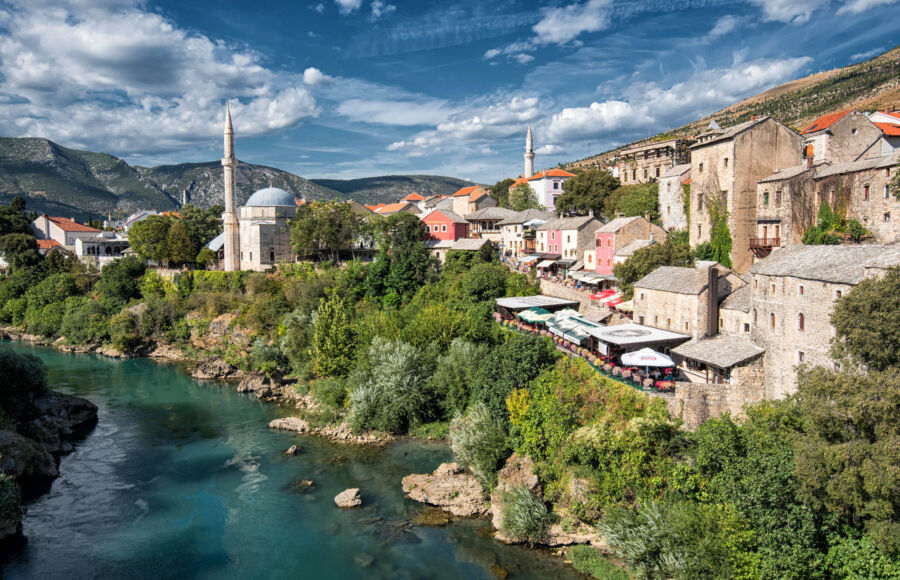
On the other hand…why choose? If you’re thinking of going to Bosnia, anywhere in Bosnia, you can’t go wrong. In many ways, Bosnia is the quintessence of the Balkans: a ruggedly mountainous, verdant landscape carved by rivers and mountain streams; an epic history, with more than its share of highs and (especially) lows; deeply flavorful comfort food at bargain prices; a complex mix of Muslims, Catholics, and Orthodox, which has left each townscape a jumble of minarets, steeples, and domes; and remarkably affordable prices — making this arguably Europe’s single best destination in terms of cost-to-quality ratio.
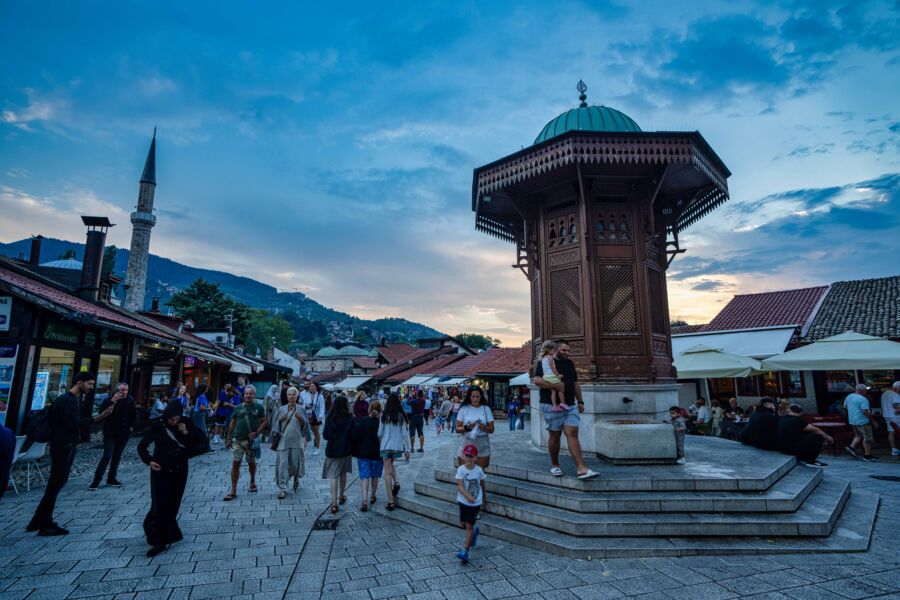
Best of all, especially outside of Sarajevo and Mostar, Bosnia has an unmistakable “undiscovered” quality. I’ve been traveling here for two decades; in that time, those showcase cities have become firmly planted on the tourist trail — but those tourists come mainly from the Muslim world, attracted by the promise of an accessible taste of Europe that’s also culturally familiar. (Sharing Bosnia with these fellow travelers is, in itself, a fascinating experience for a non-Muslim visitor from America.) And yet, if you get beyond Sarajevo and Mostar, you’ll likely discover you’re just about the only tourist, from anywhere.
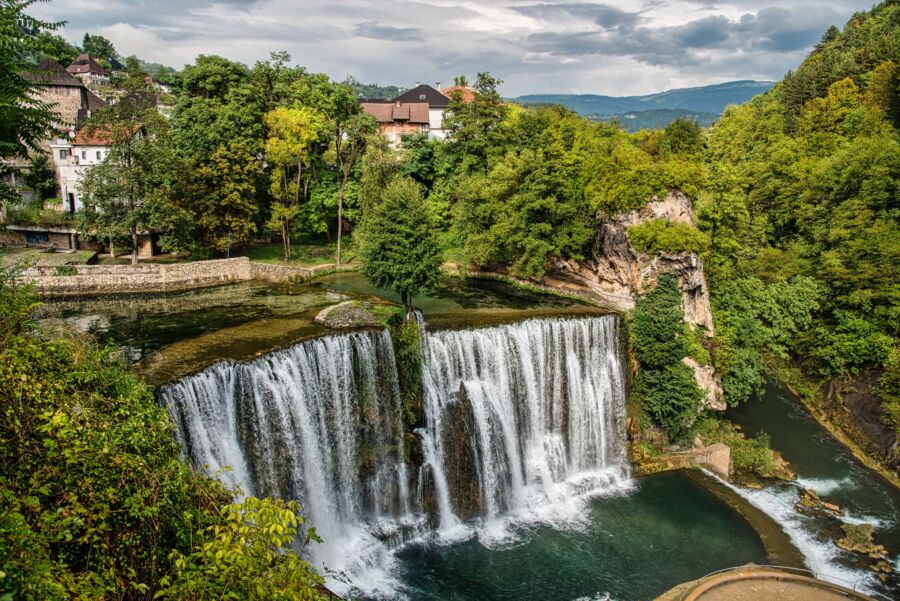
Croatia and Slovenia are certainly the most accessible (and well-known) slice of the Balkans for first-time visitors. But If I had to nominate just one place to get a taste of this region — accessibly, affordably, unforgettably — it would have to be Bosnia-Herzegovina… anywhere.
I realize that some of these Balkan Discoveries might be a hard sell for someone seeking a more, shall we say, “conventional” itinerary. I had great trips in 2024, as well, to Venice, Amsterdam, Germany’s heartland, and the Greek Islands — all still marvelous choices. But as crowds and prices rise to unsustainable peaks in those mainline destinations, off-the-beaten-path alternatives seem more appealing than ever. And you won’t find much that’s more “off the beaten path” than the Balkans.

The Balkans are a big place. What tourists there are, are concentrated in a few very small areas. Whether it’s a remote alpine valley, a giant moody lake, a thriving-if-ramshackle capital city, a historic town that’s improbably built upon an unforgiving landscape, or a Discovery all your own, this region warrants exploration.


Be sure to share your own Discoveries in the Comments.

You can also look back at my Discoveries from 2024, 2023, 2021, 2020, 2019, and 2018… all still great choices.

If you’d like to hear more about my recent “Balkan Odyssey” — and more stories and photos from all of the above places, and more — join me on February 17 on Monday Night Travel (at 6 pm Pacific, or 9 pm Eastern). It’s entirely free — just sign up ahead, when the class is officially announced in a few weeks.

If you’d like to travel along with me in 2025, be sure to follow me on Facebook and Instagram.

And consider checking out my travel memoir, The Temporary European: Lessons and Confessions from a Professional Traveler.
10 European Discoveries for 2021

On the horizon, there is light. The sun hasn’t risen yet, but it’s coming. Although it has never been more important (or harder) to continue staying home, limiting contact with others, wearing masks, and so on, it’s beginning to feel like 2021 may bring the “return to normal” — and the return to travel — that we all crave. It’s too early to begin planning trips, but it’s never too early to dream. So…where to?

The last several years, my New Year tradition has been to assemble a list of 10 European Discoveries. As we reach the end of a year of hardship, and face a new year of further uncertainty, I almost bailed on this idea. But we will return to Europe. It’s just a question of when. So I’ll keep with tradition — but with a new spin.

I believe that in the post-pandemic world, travelers will look for something different. Before COVID-19, we had gotten so busy, and so stressed by the crowds, that we forgot to slow down and hear the church bells — to savor those beautiful everyday moments of European life. (If I have a post-pandemic resolution, it’s to not make this mistake again.) Having renewed our appreciation for the incredible privilege of being able to go anywhere we want, we’ll seek opportunities to settle in, slow down, and be fully present in Europe. We’ll choose places just outside the mainstream, ones that reward patience and contemplation.

And that’s the theme of my 2021 European Discoveries: 10 places where you might want to settle in for a week, or a few, and really get to know a fascinating corner of our planet. I haven’t set foot in Europe in well over a year — with, I assume, several more months yet to go. It has afforded me ample opportunity to reflect on my 20-plus years of exploring Europe. And looking back on all of it, these are the places the burn brightest in my mind.

Where are you hoping to slow down and savor our world in 2021?


Soča Valley, Slovenia

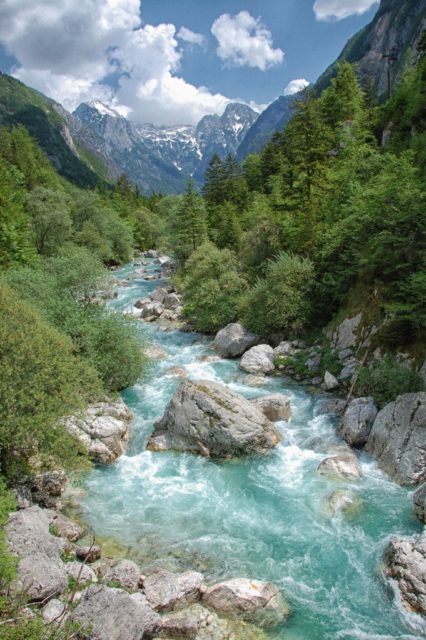
I can think of few places I’ve missed more in 2020 than Slovenia. And for me, the most beautiful place in this incredibly beautiful country is the Soča Valley, where a turquoise river cuts a gorge deep into soaring alpine cliffs, just a few miles from the borders with Austria and Italy. Historians know the Soča Valley for its fierce mountaintop battles during World War I (this is where Ernest Hemingway was wounded while driving an ambulance). And contemporary travelers know it as an adventure-sports capital (whitewater rafting, canyoning, paragliding) and home to the restaurant of Ana Roš, the world’s best female chef. You can get a taste of the Soča Valley on a very busy one-day side-trip from Lake Bled or Ljubljana. But why not settle in for several days? Sleep at a tourist farm on a high-mountain pasture, wake up each day to the sun peeking over snowcapped mountains, and spend your breakfast (of farm-fresh eggs) deciding which breathtaking hike or scenic drive to do today.


The Markets of Provence

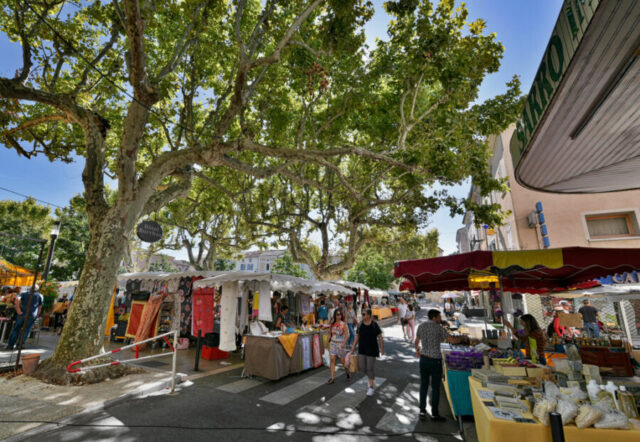
In September of 2019, my wife and I had a full week to unwind anywhere in Europe. Already exhausted from a packed and fast-paced year of travel, we opted for a quiet weeklong break in the South of France. Why? We wanted to savor the delightful market days (jours de marché) that hop from place to place around the bucolic Provençal countryside. In one week, we sampled seven different markets, each with its own personality. Yes, Provence is packed with other attractions: great sights and wine-tastings and gourmet meals and scenic hikes and hot-air balloon rides. But the markets are precisely the type of sensory super-experience we’re all desperate for after a 2020 spent very close to home. After living through a time when going to the corner grocery store feels like high adventure, imagine the thrill of strolling a lively town square, generously shaded by plane trees, as you choose a little wheel of cheese for your picnic from a mound of fragrant options, browse for just the right produce for a home-cooked Provençal feast, and bite into a strawberry that truly, intensely tastes like strawberry.


Budapest

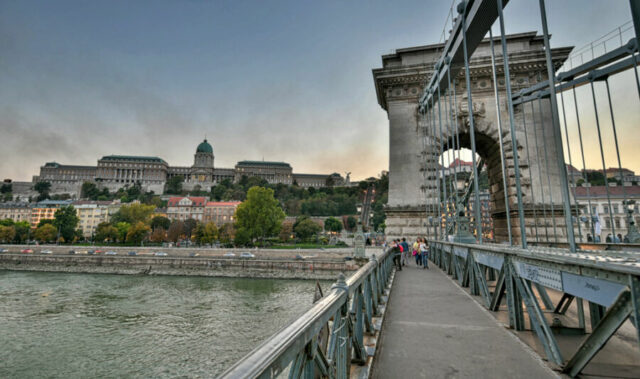
I wrote the book on Budapest…literally. And yet, even after 20-some visits, I still can’t get enough of this grand city on the Danube. With each weeklong visit to update my guidebook, the list of things I’d still like to see and do gets longer, not shorter. The melting pot and de facto capital of Central Europe, Budapest’s unique urban culture mixes a respect for tradition with a cosmopolitan openness to creativity and innovation. It wins my vote for the hands-down best restaurant and nightlife scene in Europe. And yet it also has a stately elegance, with ornate turn-of-the-century buildings, inviting tree-lined plazas, and wooded hills ideal for nature hikes. (And don’t get me started on the thermal baths.) Last March, I had already booked my tickets for yet another visit to Budapest, and I couldn’t wait. That trip, of course, never happened. And by the time I finally get back there, the anticipation will be unbearable. I never know precisely what I’ll see, do, and learn in Budapest. But I know it’ll create lasting memories.
 

Iceland’s Ring Road

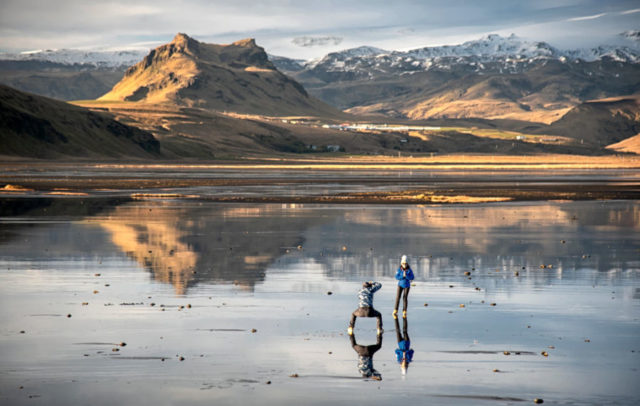
When we produced our Rick Steves Iceland guidebook, we included a “how to” chapter on Europe’s ultimate road trip: driving 800 miles on Highway 1 around the perimeter of Iceland, connecting astonishing scenery, geothermal hotspots, glaciers and icebergs, charming fjordside settlements, and warm and wonderful Icelanders. We covered the Ring Road generously in our book, even though we figured very few people would devote the full week required to do this trip justice. But maybe we were wrong. The pandemic has made National Lampoon’s Vacation-style road trips all the rage again. There’s never been a better time to rack up some serious miles through cinematic landscapes and have an honest-to-goodness adventure. And Iceland is made to order for “social distancing” as we tiptoe into the post-pandemic future. My Ring Road post covers the basics; if the photos and places intrigue you, forget about that “48-hour Icelandic layover” you’ve been contemplating…go all-in on the full Ring Road.


North Wales

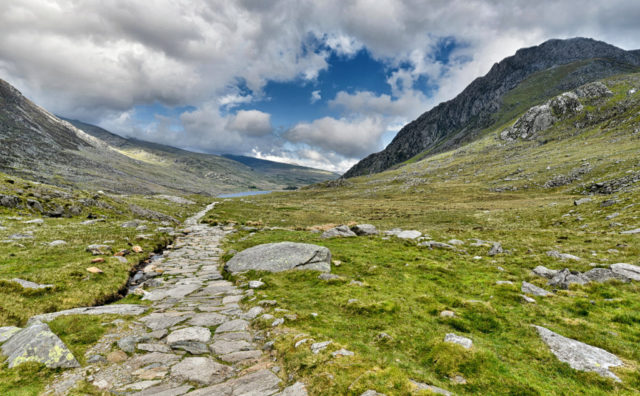
Recently I had the joyful experience of driving around North Wales (roughly the triangle formed by Conwy, Caernarfon, and Ruthin) for several days to update our Rick Steves Great Britain guidebook. I adore Europe’s plucky, off-the-beaten-path cultural eddies, and North Wales tops the list. Along with offering a fascinating crash course in Welsh culture and language, this region is studded with towering stone castles that make you feel like a kid again, a rugged landscape of craggy mountains and slate rooftops, and cheery red dragons laughing down from every flagpole. And it’s compact, making it easy to see a lot from any one of a number of charming home bases. While less known than the Scottish Highlands or Ireland’s Dingle Peninsula, North Wales is every bit as fun, scenic, and culturally rich.


Maramureș, Romania

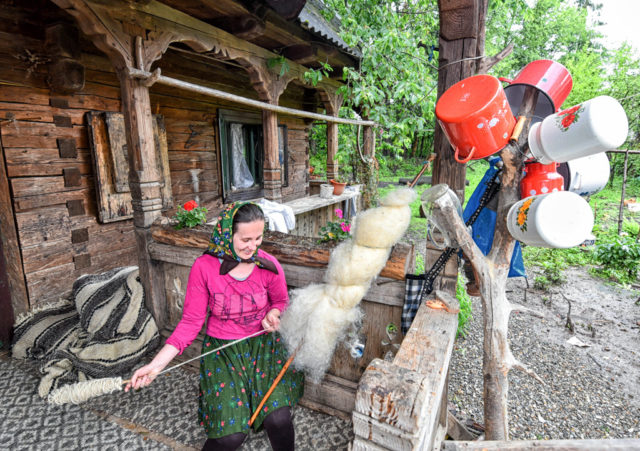
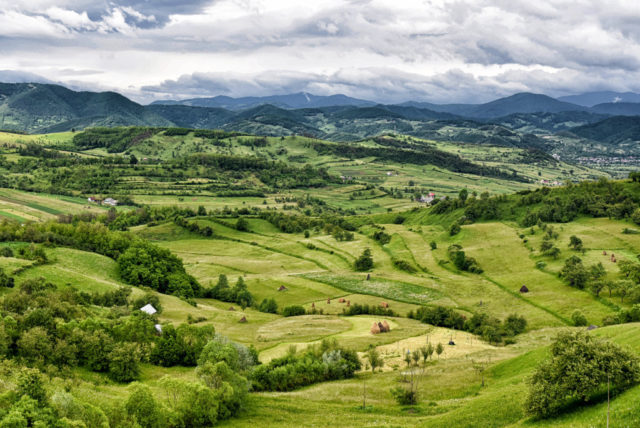
Years ago, my Dad and I went on a road trip through Romania, seeking traditional culture. When we came to Maramureș — ten long, potholed hours of driving north of Bucharest — we felt like anthropologists stumbling upon a place that time forgot. The rolling green hillsides are dotted with giant, tipsy haystacks. Rustic villages with mud roads — and more horse carts than cars — are lined with elaborate wooden churches and ceremonial gateways. Shepherds living in split-wood shacks make cheese like medieval peasants. And riverside settlements bustle with industry dating back to biblical times, from carpet-washers to fulling mills to to weaving looms to moonshine stills. This is not an “open-air folk museum” — it’s the real deal, Europe’s Amish Country. As our world changes at a dizzying pace — which only accelerated in 2020 — there’s no guarantee that Maramureș traditions will survive for much longer. (Teo Ivanciuc, an excellent local guide who helped us film our TV segment in Maramures, would love to show you around.)


Camino de Santiago, Spain

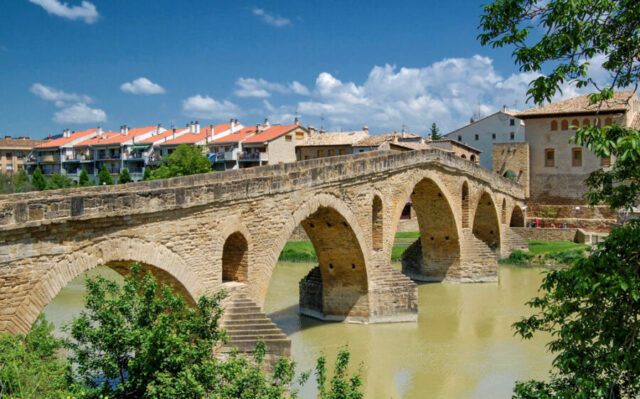
In the Middle Ages, pilgrims walked from all over Europe to venerate the bones of St. James in Santiago de Compostela, at the northwest corner of Iberia. This route — the Camino de Santiago — was largely forgotten over the centuries, only to be rediscovered in our own lifetime by travelers seeking an escape from modern life. After a year of deep soul-searching, there’s nothing like a four-week hike to clear the mind, synthesize all we’ve learned, and contemplate where to go from here. Begin in the green Pyrenees foothills of Basque Country, then walk across the arid plains of northern Spain, through villages and cities and across stone bridges from Roman times, before finally passing trough the wilds of lush, green, and rocky Galícia — all along the way, sleeping in rustic pilgrims’ hostels and following scallop shells through the wilderness. I’ve hiked bits of the Camino here and there (and I drove the entire route, end to end, to write a “how to” chapter in our Rick Steves Spain guidebook). But I’ve never been so tempted to do the full Camino the old-fashioned way.


Lofoten Islands, Norway

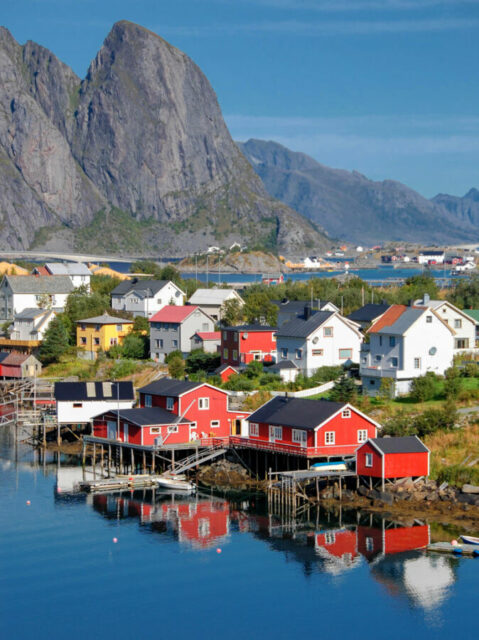
All my life, I’d seen this magical place in postcards and coffee-table books: soulful fjords with cut-glass mountains rising high above serene, deep waters, speckled with red cottages and almost no people. My wife and I decided we simply had to see this scene for ourselves. And when we finally made it to the Lofoten Islands — above the Arctic Circle and chilly even in August — we found it even more stunning than the photos. Getting to the Lofoten requires some effort (from Oslo, fly due north for an hour and a half), so you might as well settle in. The rugged Norwegians who’ve carved out a hardy life up here, hanging cod to dry on rickety wooden frames, are adept at introducing visitors to traditional lifestyles. Rent a rorbu (cheery cottage perched on stilts over the fjord) and spend a few days just tooling around, from the “capital city” village of Svolvær to the end-of-the-road cod-fishing settlement called Å. We home-based in Reine, perched on a flat rock in the middle of a fjord with the most stunning views in all of the Lofoten, and from there we ventured out to see everything the archipelago has to offer.


New Zealand

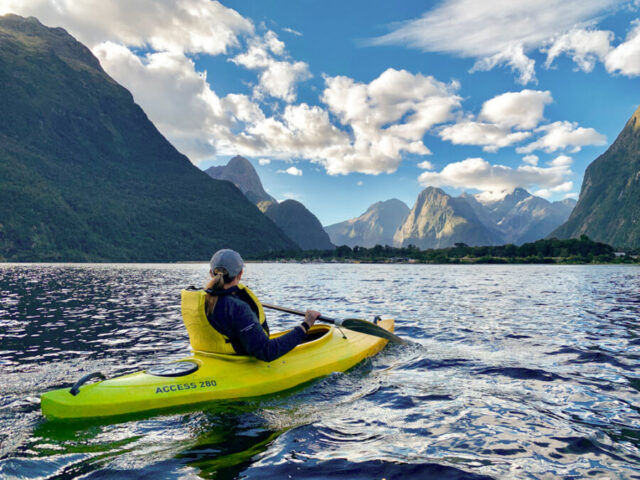
Sure, it’s not “European” in geographical terms. But for anyone who loves Europe, New Zealand feels strikingly familiar…yet excitingly different. (One afternoon, you’re punting the River Avon in Christchurch, as if you were in an English country garden; the next day, you’re swimming with dolphins at Kaikoura.) After years of hearing from our well-traveled friends about this seemingly too-good-to-be-true land, my wife and I finally spent a few weeks here in early 2019. And we fell instantly, hopelessly in love. Yes, the scenery is gobsmacking, and Lord of the Rings fans are in heaven. But New Zealand is so much more: a melding of Europe and Polynesia set amidst an entertaining landscape, where majestic glaciers rise high above steamy groves of ferns and palm trees. We loved sampling the local wine, craft beer, and third-wave coffee culture; learning about the indigenous Māori culture; and getting to know the wonderful Kiwis, who somehow manage to be well-organized and ceaselessly competent while remaining low-key and easygoing. Even before we came home, we’d already started Googling “How do I emigrate to New Zealand?” Now that the Kiwis (under the steady and compassionate leadership of Jacinda Ardern) have managed the pandemic better than anyone, this little island nation is sure to be flooded soon with more than its share of tourists…and transplants. Why not finally get down there soon,  ahead of the crowds? As soon as they open up to outsiders, New Zealand is at the top of our list of post-pandemic dreams.


Agriturismo Cretaiole, Tuscany

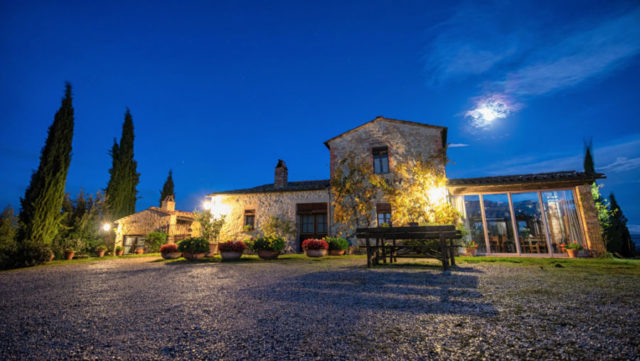
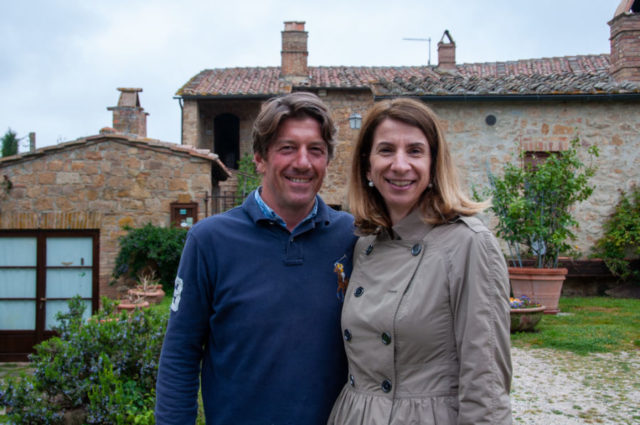
For years I’ve been singing the praises of a very special place to stay in the most beautiful corner of Tuscany. On a wooded ridge just outside Pienza, city mouse Isabella married country mouse Carlo and, together, they converted a traditional Tuscan farm into the best possible expression of an agriturismo — where visitors experience rural Italian culture and cuisine with modern comforts. With each visit, this place impresses me even more — and especially the vivid, perfectly orchestrated Tuscan experiences that Isabella creates for her guests: truffle hunts, pasta-rolling parties, olive oil appreciation classes, wine tastings, deeply meaningful nature hikes, and on and on. When I close my eyes and picture the one place I’d love to get back to as soon as I can, it’s spending a week — or more — at Cretaiole.

On my most recent visit to Tuscany, a few months before COVID-19 hit, Isabella showed me around her gorgeous new boutique hotel (La Moscadella), offering a similar Tuscan cultural experience with more luxury. But now that fine hotel, and the original farmhouse, sit mostly empty — one more tragedy in this year full of them. Whether it’s Cretaiole or some other perfect place you’ve discovered in your travels, small businesses are hurting right now. If you have the means to travel, as soon as it’s safe, consider booking a return visit. Helping to jump-start these businesses is the least we can do, considering all of the joy people like Isabella and Carlo have brought to our lives over the years.

I’m hoping that 2021 brings good fortune and a return to what we love, both for us travelers and for the people we meet on the road. Like all things, this too shall pass. And a year from now, if all goes well, we’ll be comparing notes about a whole new slew of discoveries for a new age of travel.

Rick Steves’ Europe Behind the Scenes: Romania’s Parliament Votes No… Then Yes

After filming more than 100 episodes of Rick Steves’ Europe, Rick and the crew have seen most everything…until they got to Romania. While we wound up with a great show, the crippling red tape didn’t make things easy.

I want to be clear that we worked with dozens of exceptionally gracious, helpful, and capable people in Romania. Sadly, they all seem to be trapped in a ridiculously dysfunctional system. They tried to help us — they really did. At every major sight, the tourist authority would dispatch little delegations to greet us: guides, local tourist board representatives, big-name hoteliers, and so on. But at the end of the day, all of them answered to a higher power that seemed to relish saying “no.” Our contacts’ main function seemed to be commiserating with us when things fell through.

The tourist authority was over the moon that Rick was going to film in Romania. But they were also nervous. Apparently, another American travel TV personality filmed a show in Romania a few years back, and it did not go well. We were told that the presenter — known for employing his sharp tongue to call it like he sees it — grew so frustrated with bureaucratic snafus that he decided to take it out on Romania itself, producing a show that made the country seem like a miserable wasteland. The tourist authority was terrified that Rick, too, would present Romania in a negative light. And so — as if to guarantee the very thing they feared most — they gradually tortured us by trying to (subtly and not so subtly) exert control over the project.

Their paranoia bred paranoia in us. The night before we arrived in Romania, I got a call from the tourist board. Due to a “clerical error,” we had been assigned a guide who would accompany us at all times. He explained that this mistake was only just discovered, the guide had already been booked, and it was impossible to cancel. Rick — who remembers traveling here during the communist era, when any visiting foreigner was assigned a “minder” to report their activities to the authorities — wondered whether this “tour guide” was only there to keep us in line.

It turned out that he was a great guy, and that it really was just a mistake…probably. However, because we had already arranged our own, trusted local guides all over the country, our government-provided guide had literally nothing to do the entire time. We began brainstorming errands we could send him on, just so he could feel useful. (He was.)

CH12SeptBcharest_067

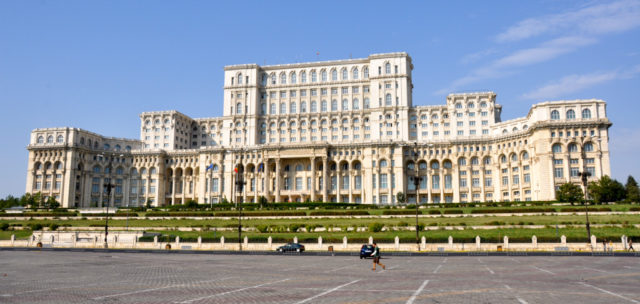
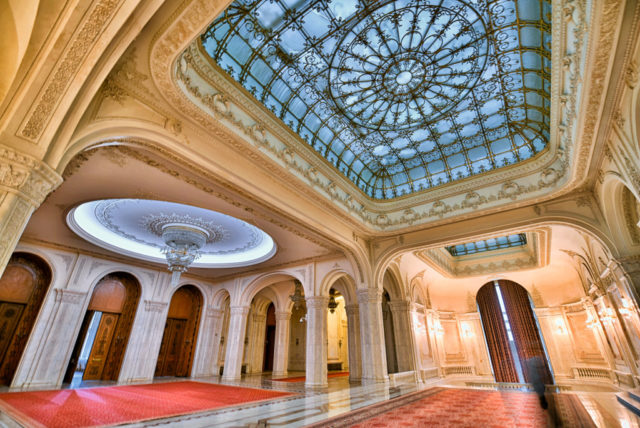
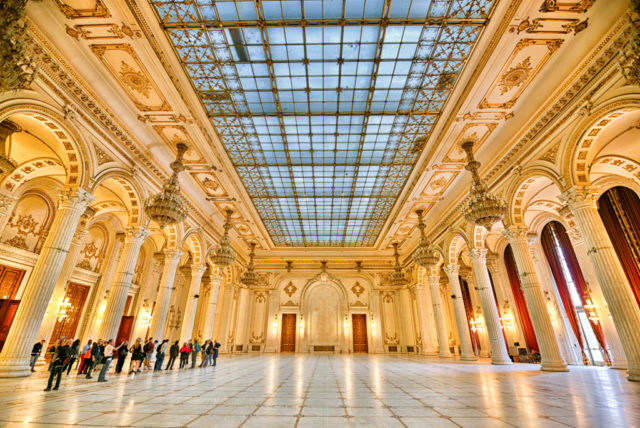
The biggest headaches came along with Europe’s biggest building: the Palace of Parliament, which was built to accommodate communist dictator Nicolae Ceaușescu’s ballooning ego. It was a must to film the palace’s jaw-droppingly vast and opulent interior — a priority we had made explicitly clear to the authorities months before we arrived. They repeatedly reassured us that all was being arranged.

But then, something happened. The night before we were to film, we found ourselves being told by the honcho of the tourist authority that we probably wouldn’t be allowed official access. It was suggested that we show up anyway, buy a tourist ticket, and send our cameraman in with the regularly scheduled tour to film it on the fly. It wasn’t ideal, but it could work. It had to work.

CH16MayBucharest_021

The next morning, we were greeted by a half-dozen tourism officials. As instructed, we bought tickets for the official tour and lined up. But then, moments before the tour began, we were told that the authorities were onto us. To keep a low profile, we decided to send only our cameraman, Karel.

Karel hung his DSLR around his neck and headed inside to “play tourist.” Rick, Simon, and the entire delegation waited nervously outside, hoping Karel could get the shots we needed. But just a few minutes later, Karel walked out the door. “I got kicked off the tour,” he said apologetically. Nothing could be done.

We decided to bail on the parliament and began filming other sights around Bucharest. A few hours later, as Rick was filming an on-camera with the parliament in the distant background, my phone rang.

“I am sorry to say there was a misunderstanding,” came the voice of our tourist authority contact. “But we have now obtained permission, and you may go film at the parliament.”

We didn’t buy it. “Are you sure we have official permission to film?”

“Yes.”

“With our big camera?”

“Yes.”

“And with our tripod?”

“Yes.”

“Complete access?”

“Yes, of course.”

“Do we have to tag along with a tour?”

“No, you may go wherever you like. They will provide you with your own guide. In fact, do not go to the tourist entrance. Go to the parliamentarians’ entrance. ”

Still skeptical, we hopped a taxi back to the parliament to be warmly greeted by a literal red carpet and a press secretary. Sure enough, we had the run of the place. Talk about a turnaround: from being kicked to the curb, to VIP treatment…in just a couple of hours. (And the Palace of Parliament segment turned out great.)

CH16MayBucharest_019

While much of Eastern Europe is doing well these days, Romania still struggles. Throughout our shoot, we got to know many wonderful Romanians grappling with a system that simply doesn’t understand how to function. When pressed, many locals deny that this is an artifact of Ceaușescu’s brutal rule (embodied by the opulent palace that he literally starved his people to build). But, given the success stories I’ve seen in so many other formerly communist countries, and the number Ceaușescu did on poor Romania, it feels like they protest too much. Are they in denial? Or still trying to hide the damage that was done?

Thanks to the help of many fine individuals, we came home with 30 glorious minutes of TV celebrating the beauty of Romania. On my scouting trip, several locals quoted a cryptic saying: “Romania is a beautiful country…what a pity it’s inhabited.” I’m charmed by Romania, and couldn’t understand where this cynicism came from. But after dealing with the red tape of filming a show here…I have a new appreciation for the unofficial national motto.


This is part eight of my “Behind the Scenes” blog series about Rick Steves’ Europe Season 9 — now airing nationwide (check your local listings). You can also watch the Bulgaria and Romania episodes for free. And in case you’re in a gift-giving mode, the brand-new, 10-episode Season 9 DVD is currently on sale in our Travel Store.

The Unkindest Cut: Shepherds, Mud, Dogs that Bite, and Cheesy Polenta

Stepping out of our car into the mist, Karel and I begin to organize our filming gear. Our guide, Teo, has driven us up a twisty road high into the Budeşti Mountains of Maramureş, in Romania. He’s brought us here to visit a very traditional shepherd settlement, where people still make rustic cheese as they have for centuries. It should make for great TV.

CH16MayMaramures_063

Gathering up the heavy tripod and the industrial-strength golf umbrella, I hear a pack of mangy, mud-stained, mismatched dogs bark furiously as they gallop across the soggy fields to greet us. They are very protective of their settlement — even though, to our eyes, there’s little worth protecting. “Don’t worry,” Teo says, with his wry smile. “Their bark is worse than their bite.” Over the chorus of yelps and growls, the shepherd yells something to Teo in Romanian. A flash of concern crosses his face. Translating, Teo points to one of the dogs. “Careful,” he says. “That one bites.”

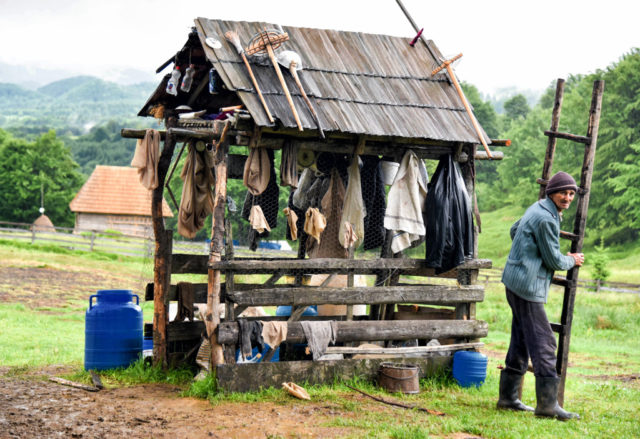
We trudge through the muddy settlement, scouting what we’re about to film. Near the road is a paddock. A hundred yards uphill is a little roofed shed, a small hut, and a picnic table under a tarp. Everything is soaking wet. And everywhere we step, our feet squish.

Teo introduces us to the settlement’s owners, a Mutt and Jeff duo: one built like an aging linebacker, the other an emaciated beanpole. These shepherds live up here through the summer, tending their flock of goats and sheep, milking them three times a day, and making cheese. This is a far cry from the log-cabin-cutesy, government-subsidized cheesemaking huts high in the Swiss Alps — with flower boxes, antique cowbells hanging from the eaves, and lederhosen-clad, apple-cheeked farmhands straight out of Central Casting. No, this is a much more authentic scene: a patch of mud with just enough pasture to graze a flock, and buildings so basic they barely qualify as “buildings.” Nevertheless, the shepherds take pride in their work, and do it with precision.

CH16MayMaramures_039

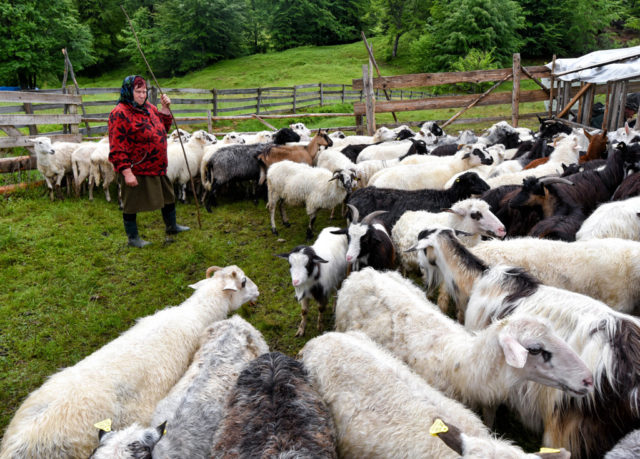
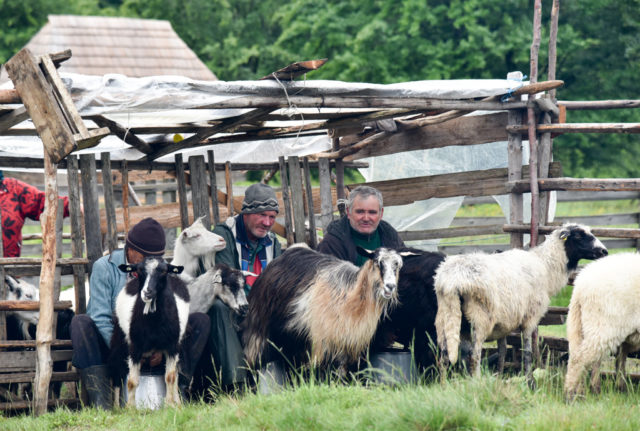
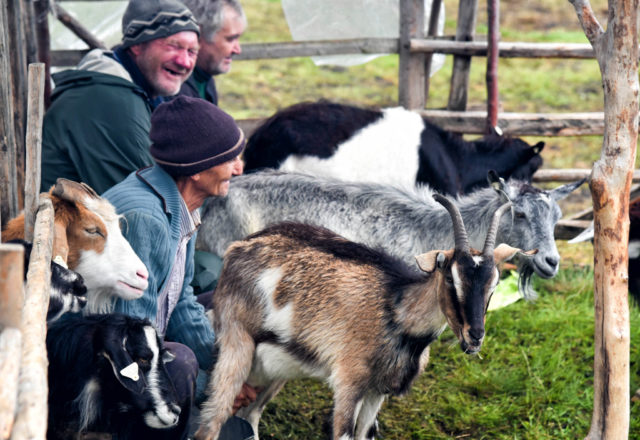
It’s time to milk. The motley mix of goats and sheep huddle up at a rickety wooden turnstile separating the two halves of the paddock. Another stout shepherd — more linebacker than beanpole — plants herself in the middle of the paddock, gently prodding the livestock toward three shepherds who hunch on little stools, evenly spaced under a plastic tarp.

CH16MayMaramures_032

They grab each animal as it passes through, and milk it into a stainless-steel bucket. Teo explains that every goat and sheep is different, so the shepherds gradually figure out the preferred technique for each one.

Karel gets to work, detaching his camera from the tripod for a shoulder-held shot. A few minutes later, Teo and I watch helplessly, in slow motion, as a curious goat sniffs the tripod until it tips over. Its delicately machined head lands with a damp thump in a goat patty. I spend the next ten minutes fruitlessly trying to polish it with a few tattered tissues I find in my pocket.

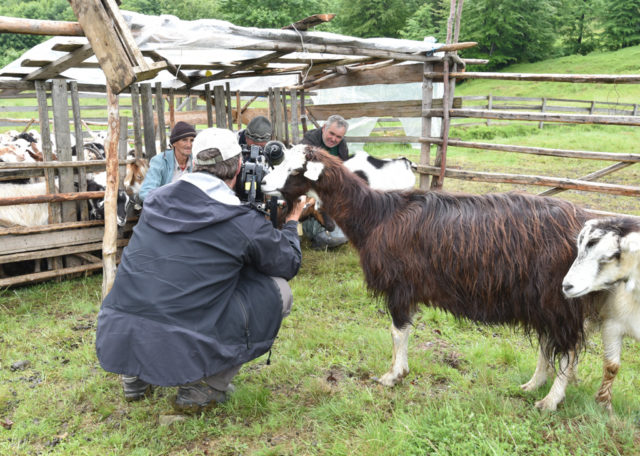
Meanwhile, Karel is lost in his viewfinder, squatting a few inches above the muck. A nosy goat waddles up and tickles Karel’s ear with his goatee. But Karel holds the camera steady…he knows he’s shooting gold.

CH16MayMaramures_038

The chorus of barks crescendos again, and we look up to see another shepherd coming over the horizon. He brings his own ragtag herd of sheepdogs, who quickly engage the local pack in a delicate do-si-do for dominance. It’s a commotion of fur and teeth, barking and growling and posturing — until, finally, one of the guest dogs goes too far and starts biting. The shepherds exchange angry words until the neighbor retreats to his own settlement with his pack — all of their tails tucked between their legs.

CH16MayMaramures_044

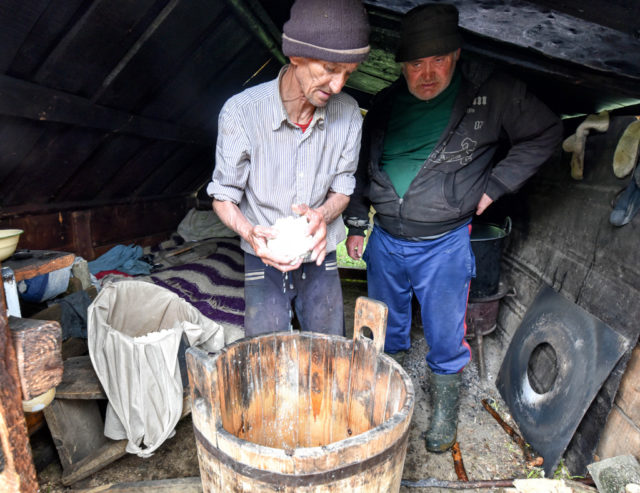
After about 45 minutes, the entire flock has been milked, and we follow the shepherds as they lug the buckets up to their little house. Pulling back the curtain at the door of their dirt-floor cabin, they reveal an impossibly spartan lifestyle: a cot covered with heavy blankets, a simple basin on a shelf, and a little potbellied stove. Standing in the doorway, they pour all the milk into a wooden bucket, then sprinkle in a powdered enzyme.

CH16MayMaramures_058

After 15 minutes, the shepherds dip in a cheesecloth to skim out the curds. Then the skinny one carefully hand-shapes them in a slow, rhythmic, squeezing motion, resulting in a tight little clump of cheese. Karel stands in the doorway, filming, while I hold the golf umbrella to keep his gear dry. Feeling the several inches of liquid mud and dung finally crest the cuffs of my shoes, I don’t even mind.

CH16MayMaramures_047

Having wrung out as much moisture from his newly formed clump as possible, the spindly shepherd pulls out a spindly ladder and climbs up to place the new cheese in the little attic above their supply shack. It seems that this is the only dry place in the entire compound: Its sharply angled roof protects food, jackets, towels, and damp laundry. On the roof rest tools that look like the spoils of a folklore museum heist.

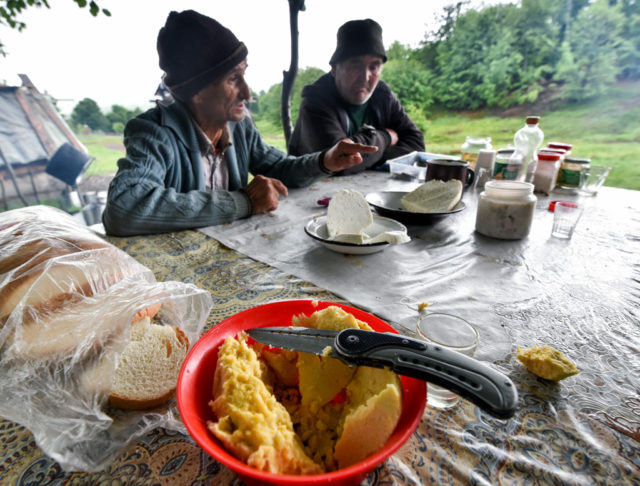
Finally, it’s time for a break. We retreat to a heavy wooden picnic table under a jerry-rigged tarp, and break bread over the plastic paisley tablecloth. With gratitude, we nibble on little samples of their very young, semi-flavorless cheese.

CH16MayMaramures_054

Then they bring out a red plastic bowl with a special treat: polenta mixed with cheese. One of the shepherds pulls out a wicked pocketknife, wipes it on his sleeve, carves off a little chunk, and hands it to me. Popping it into my mouth, I bite into a decadent, creamy texture — halfway between cheese and polenta — and taste the pungent kick of goat cheese. Fantastic.

In our travels around Romania, we’ve learned time and again about the importance of polenta. It’s such an important staple here that, in this part of Europe, Romanians are nicknamed “polenta-eaters.”

To finish the meal — and cut through the chilling wind — the shepherds pull out bottles of homemade firewater, along with a fascinating concoction: a dense, sweet syrup made of pine needles. Taking a sip, it’s sweet, but not too sweet, and mildly piney…unexpectedly delicious.

We bid farewell and head back to Teo’s car, where he winds us back down the mountain to the dry, warm comfort of our hotel. Karel and I are well aware that our Romania show will be too long. But we don’t yet know that the cheesemaking segment we just filmed will wind up on the cutting-room floor.

Trimming an overstuffed show to fit its 30-minute window requires some difficult calls, and — in the context of the entire show — this was the right call. But thinking back on the magic we captured, it feels like a particularly unkind cut. Maybe someday, somehow that footage will see the light of day. But even if it never does, my rainy afternoon on a Maramureş mountaintop was well worth it: I came away with a vivid travel memory.

Rick Steves’ Europe Behind the Scenes: Rugged, Rewarding Romania

Romania is a big, fascinating country with an epic story. Fitting the entire thing into one 30-minute TV show was a scripting challenge — and filming it was a logistical challenge. The Romania shoot included glorious scenery, extremely helpful local guides, and more fascinating opportunities than we knew what to do with…but it also came with some unique headaches. (More on that in my next post.)

CH16MaySighisra_041

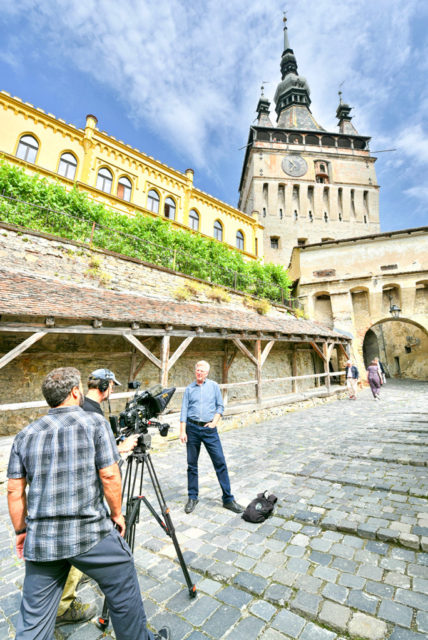
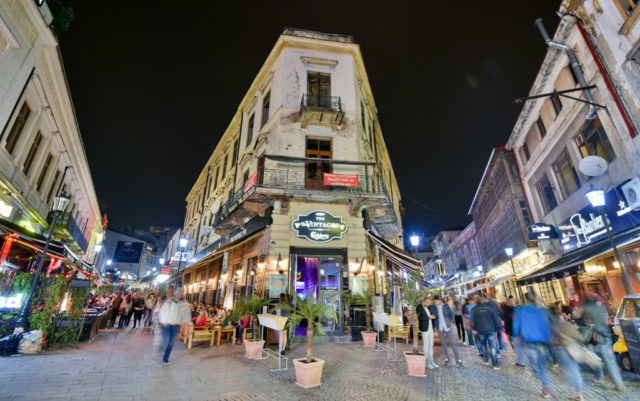
On our first evening in Bucharest, bigwigs from the national tourist authority threw us a blowout welcome dinner. Knowing that Bucharest’s nightlife scene is legendary, Rick and I had designs on filming the after-hours al fresco bars and cafés. But producer Simon and cameraman Karel weren’t necessarily sold on working after dinner, and proposed that we try to fit it in the next night instead.

CH16MayBucharest_014

After a long and decadent dinner of Romanian food — and drink (the plum firewater, țuică) — we stumbled out of the restaurant and found ourselves in the middle of an energetic, open-air cocktail party that sprawled for blocks in every direction. As we began our wobbly walk home, Simon and Karel’s eyes got wider and wider as they took in the lively scene. I could practically see their TV-production gears kicking into motion. With a wordless glance and nod, they set up their gear and began shooting the scene. It’s not smart to drive while tipsy. But apparently filming while tipsy can work out just fine…and they got some great stuff for the show. (Best of all, it wound up raining the next night — making us relieved we’d grabbed the outdoor nightlife while we had the chance.)

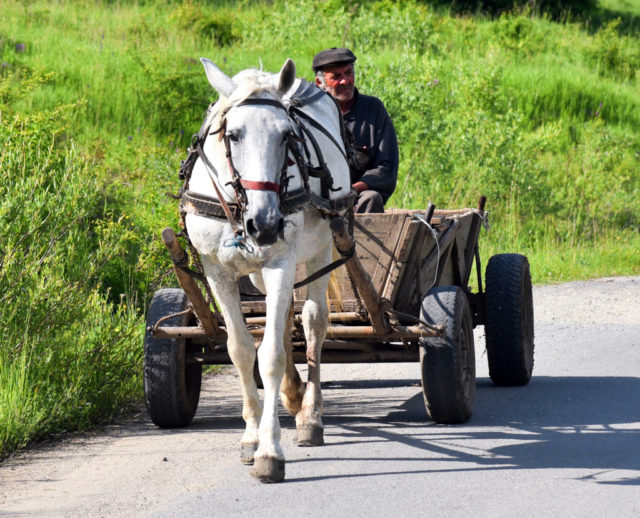
Romania offered serendipity to spare…but not always the serendipity we wanted. On past trips to Romania, I’d been struck by the bizarre scenes that play out along the side of the road. For the script, I’d brainstormed a montage called “Roadside Romania” — a collection of whatever slices of life we’d come across: Horse carts hauling car parts. Roving packs of dogs. Humble peasants on the shoulder of a highway, selling everything you can imagine — from produce to homemade cheese to appliances. Someone sitting on a little three-legged stool, chopping wood, right in the middle of the main road through town.

CH16MayTrnsMisc_023

We had our camera cocked and loaded, ready to shoot whatever we saw. But then…nothing. We saw plenty of strange stuff, sure. But it just wasn’t right for TV, or it appeared at moment when we were rushing to the next location, or the light made it too hard to capture. By the end of the shoot, we were stressing ourselves out trying to hunt down spontaneity. Finally, we realized that serendipity is, by definition, un-plannable. Our script was already overstuffed. “Roadside Romania” got left by the side of the road. (But if you wind up driving through Romania someday, I promise: You’ll find it right where we left it.)

CH16MayShepherd_022

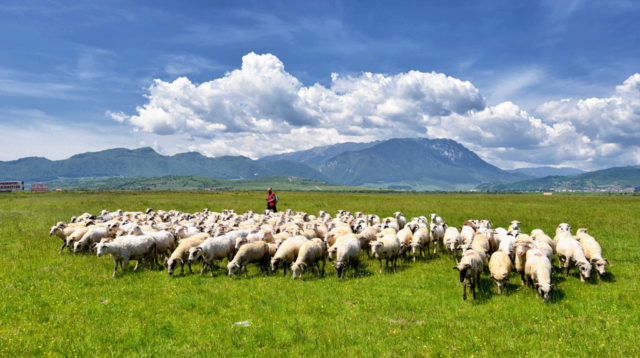
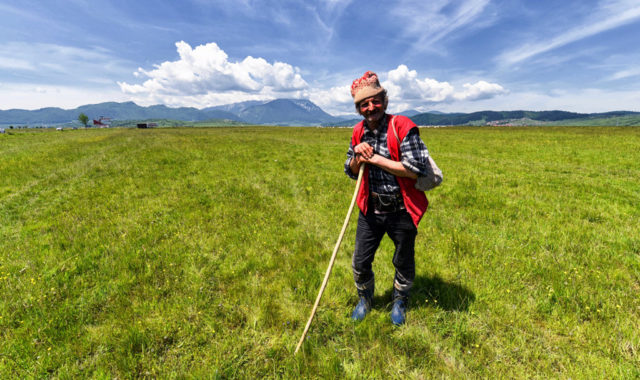
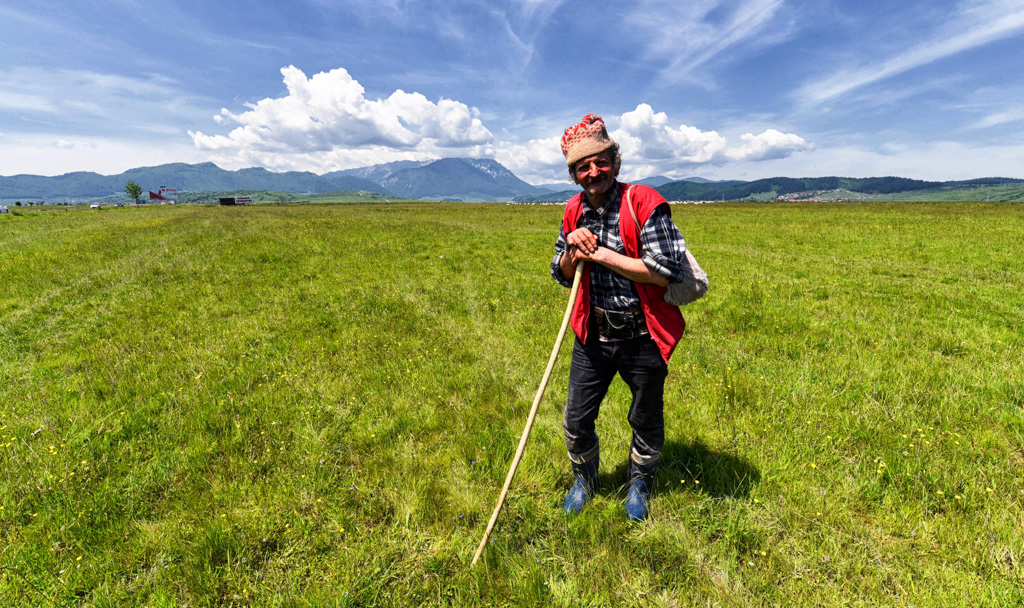
That mission did, however, result in some great footage we were able to use elsewhere in the show. On one gloriously sunny day, as we zipped between Transylvanian castles, we spotted a shepherd out in a verdant field, tending his flock, in a timeless scene. We pulled over and chatted with him, and he was happy to let us film him.

CH16MayShepherd_005

When we asked our guide if we could pay the shepherd a small amount to thank him for his cooperation, he said that what he really wanted was cigarettes. As non-smokers, we couldn’t hook him up. But later that day, I found myself buying several packs of smokes to have on hand for future interactions. It turns out we never had use for them — and I was happy to throw them away the night before I flew home.

CH16MayRomaVllge_026

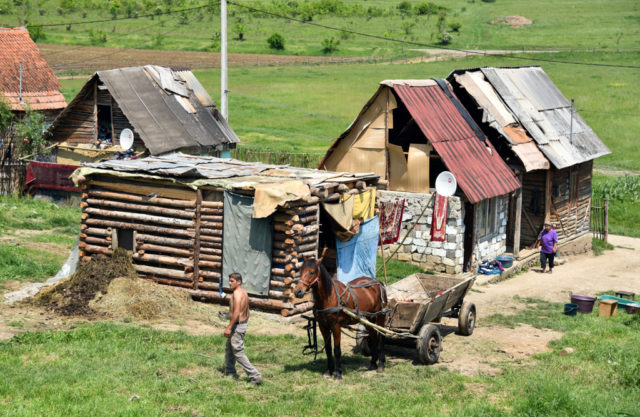
I felt it was essential to include a segment on Romania’s sizable Roma population (sometimes called “Gypsies”). If you wanted to film a muckraking exposé on Roma living in terrible conditions here, it would be easy: Impoverished shantytowns lie on the “other side of the tracks” from many towns and villages. But, in addition to acknowledging the challenges that come with having a large Roma population, we felt it was important to also teach something constructive about Roma culture.

CH16MayRomaFam_024

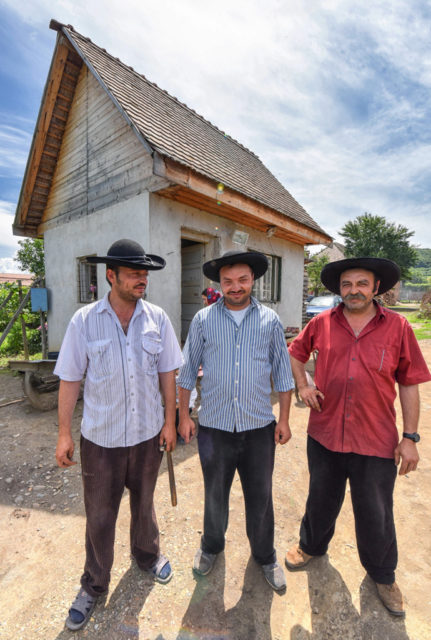
This topic turned out to be radioactive for Romania’s official tourism industry (which, to my disappointment, has utterly failed to constructively serve the many travelers who come to Romania curious to learn more about Roma culture). Fortunately, our excellent local contact for Transylvania, Daniel Gheorghiţă of Covinnus Travel, is adept at serving his clients who, like us (and presumably our viewers), would rather learn more about the Roma than simply dismiss them as some sort of unsolvable societal “problem.”

CH16MayRomaFam_029

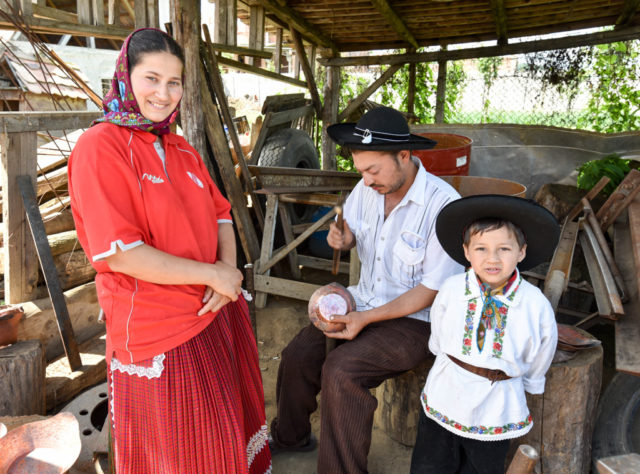
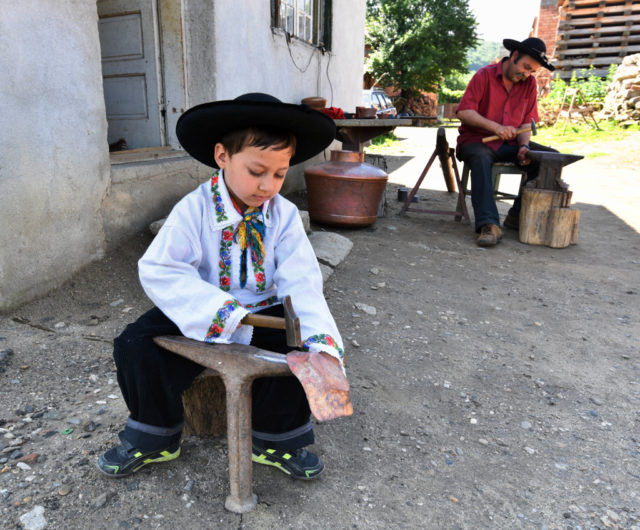
Daniel brought us to meet Emil, the kind and well-spoken paterfamilias of a Roma family living on the outskirts of a workaday village. Like many Roma, Emil’s family earns a living as constructive members of society by making use of a traditional Roma craft (in their case, metalworking). As we spent the morning getting to know Emil’s family and filming their lifestyle, we got a little choked up at having this remarkable opportunity to use our bully pulpit — public television — to humanize an often-misunderstood population, and to prod our viewers to go beyond knee-jerk “Gypsy” stereotypes. It’s easily one of my favorite segments in the show.

CH16MayRomaFam_007

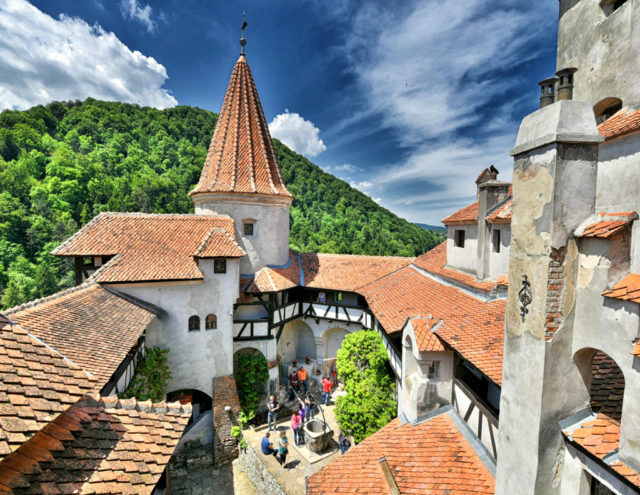
We shot all of the big tourist cliches, of course, including Bran Castle — where we had to toe a fine line of explaining that, while this castle is famous for its ties to Dracula, it actually has no real ties to Dracula. Awkward.

CH16MayBranCstl_018

But our most vivid memories came on the rugged and impossibly remote northwestern fringe of Romania — Maramureş, my vote for the most authentic and vivid traditional culture anywhere in Europe.

CH12SeptMarmures_470

Many people here still live much as their ancestors did in the Middle Ages. Of course, they do have modern conveniences — cell phones and, for some, cars — but their day-to-day lifestyles have changed little.

CH12SeptMarmures_375

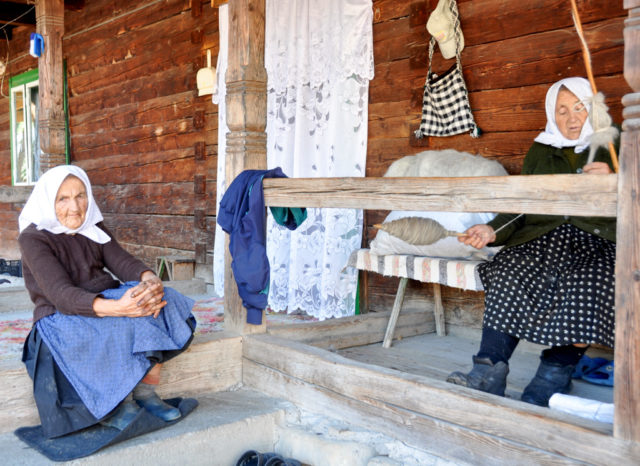
While we obviously hope to show a positive view of Europe, we don’t want an artificially prettied-up one. Dropping in on a humble local family of weavers in Maramureş, we were greeted by the gregarious daughter. While we were setting up, she disappeared for a few moments, then reappeared wearing a pristine, starched traditional outfit. We kindly asked if she’d mind changing back into what she’d been wearing when we met her. She graciously obliged, and thanks to that, that segment in our show feels real rather than staged.

CH16MayMaramures_018

To open and close the show, Rick had a mental image of exactly what he wanted: Delivering his lines from a horse cart trotting down a country lane. It was a tall order, but Simon and local guide Teo were on the case. While Rick, Karel, and I shot b-roll around the region, we sent Simon and Teo ahead to find the perfect place and the perfect cart. As we were wrapping up, we got the call: The horse was ready.

CH16MayMaramures_145

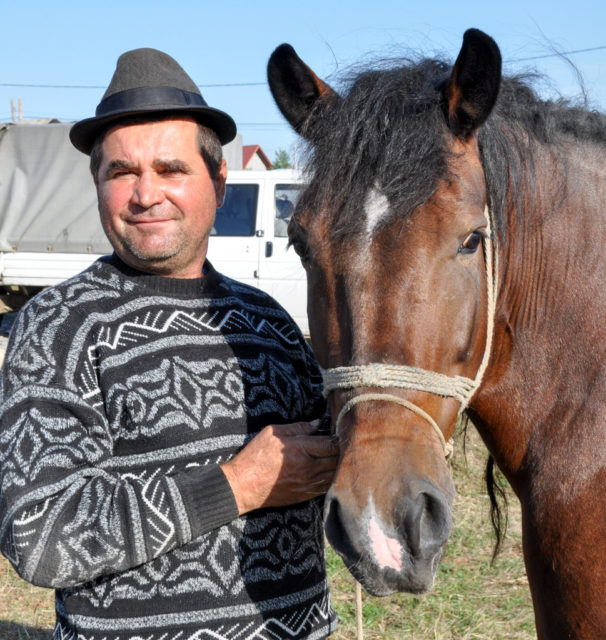
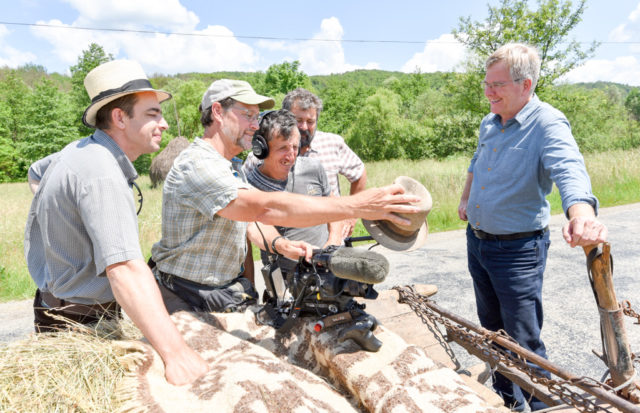
We drove to the location and explained to the farmer exactly what we envisioned. Our new friend (in his typical little Maramureş straw hat) worked hard to make us happy — he even asked his wife to sweep the porch behind him while Rick addressed the camera. It worked out perfectly, and when we wrapped, we enjoyed gathering around to show the horseman the result of his hard work, on the tiny viewfinder on Karel’s camera…shaded by his hat.

CH16MayMaramures_153

The horse cart was one of the final bits of Romania we shot. After a long week of hard work, we captured the best of that fascinating country on film. Coming up are two more in-depth tales from our filming in Romania.


This is part six of my “Behind the Scenes” blog series about Rick Steves’ Europe Season 9 — now airing nationwide (check your local listings). You can also watch the Bulgaria and Romania episodes for free. And in case you’re in a gift-giving mode, the brand-new, 10-episode Season 9 DVD is currently on sale in our Travel Store.