Maybe I’m naive. Maybe I’m idealistic. But I’m a huge fan of the European Union.
Granted, I’ve never lived in Europe. But over the last 15 years, I’ve spent about a quarter of my life there. That’s long enough to talk to lots of Europeans, and to form an opinion of my own.
And over that time, believe me, I’ve heard all of the fretful anti-EU criticisms: Heavy-handed bureaucracy. Worries about being lashed to a euro currency that allows a weak partner (ahem, Greece, ahem) to drag everyone else down. And, of course, the fear that seizes many people anytime you open borders and lower barriers to immigration.
The thing is, I think the vast majority of Europeans get far more from the EU than the EU takes from them. They just don’t always see it.
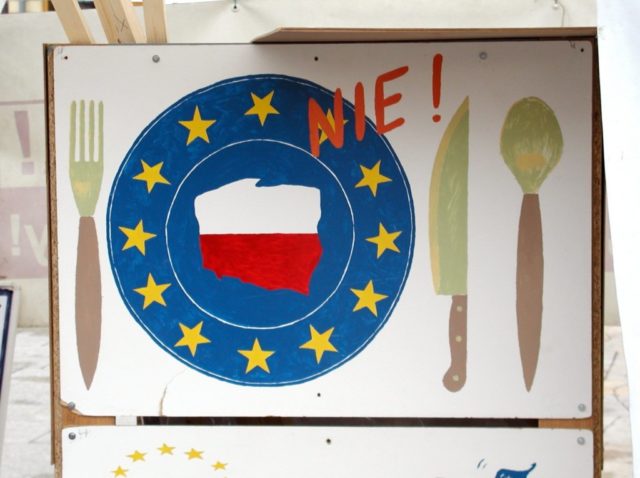
I was traveling in Eastern Europe in the spring of 2004. Poland, Hungary, the Czech Republic, Slovakia, Slovenia, and five other countries were about to join the EU on May 1. I was there in April. EU membership was a done deal, but hadn’t happened yet. So it was the perfect window for irrational fear — which, it turns out, is the EU’s most dangerous enemy.
The Poles, Hungarians, and Czechs I spoke to that spring were terrified. They saw the EU as an unstoppable monster, gobbling up countries as it stomped its way eastward through Europe. “Now I have to get a passport for each of my cows,” one farmer groused. “They won’t let groceries sell bananas with too much curve,” another told me. (That one’s been repeatedly debunked… yet somehow, it survives.)
And in Poland, I was told that there’d been a run on sugar. Apparently a (false) rumor had spread through the country that new EU tariffs would drastically increase raw sugar prices. Poles panicked, rushed to the grocery stores, and bought up bags of sugar…causing a spike in sugar prices.
And what became of all that catastrophizing, after May 1? To find out, I returned to those same countries that fall. And by then, a few months in, my Eastern European friends conceded that the EU hadn’t impacted them negatively one iota — and, they sheepishly admitted, they already saw improvements.
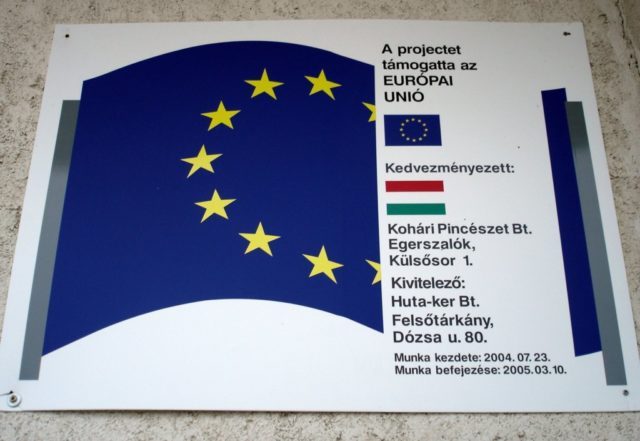
In the years since, I’ve observed those improvements all over Europe, from Portugal to Bulgaria. Brand-new expressways and pedestrian zones in cobbled old towns come with a tasteful little EU flag, explaining where the money came from. And I watched my friends from all over Europe move to other parts of Europe, where they could find meaningful employment, make friends, fall in love, get married, and start adorable pan-European families.
Sure, some of the bureaucracy can get troublesome. But when you can see the big picture, the paranoia of the Euroskeptics has always been rooted more in fear than in facts. It’s clear to me that — aside from a devastating global economic crisis, born on Wall Street, that crippled European economies — the heyday of the European Union has been a golden age for Europeans of all walks of life.
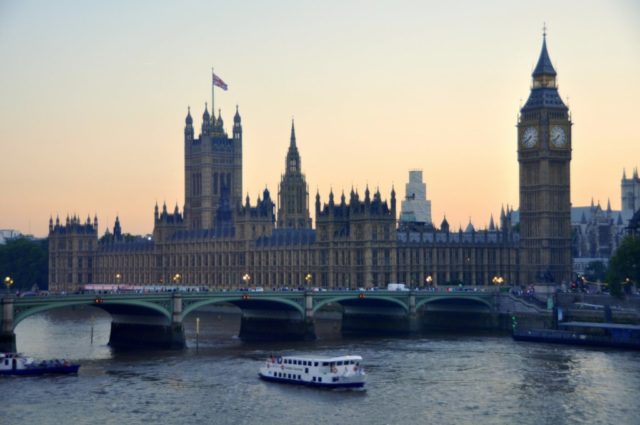
And in my mind, no city better embodies the EU’s bold and optimistic worldview than London. I adore London. It’s one of my favorite places in Europe. I love it for its English-ness. But I also love it for its diversity. London is the world’s melting pot city. It’s the capital of a great civilization, yes. But it’s also a celebration of the sum total of world culture.
But this morning, dawn broke on a different Britain. It’s a Britain where Poles and Romanians and Belgians who fell in love with an Englishwoman or a Scotsman now feel unwelcome in their adopted homeland. It’s a Britain where teenagers who once dreamed of studying in Paris or Rome have to reconsider their plans. And, I fear, it’s a Britain doomed to a dark age of political turmoil, economic struggles, and cultural soul-searching.
The voters have spoken. But I suspect many Brits woke up this morning with voters’ remorse — which will only intensify in the coming months, as the cold, hard reality of the Brexit is negotiated. And some small part of me believes that somehow, the Brexit will never actually come to pass. (Here in Seattle, I voted in favor of a monorail…twice. And guess what? There’s no monorail. Our City Council figured they knew better than the “will of the people.” And they were right.)
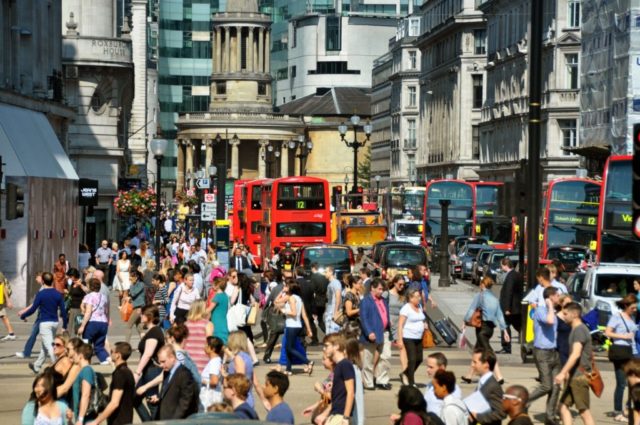
On my first visit to Britain, I kept putting my foot in my mouth by saying I was on a trip to Europe. Finally, an old family friend gently corrected me: “You’re not in Europe. You’re in England.” Ever since that early attitude adjustment, I’ve understood that Britain fancies itself something different from Europe. So maybe the Brexit results aren’t so surprising…in hindsight. While I don’t agree with the Brexit, I’m willing to entertain the possibility that the best role for the UK is as a close partner to, but not officially part of, the EU — like Norway or Switzerland.
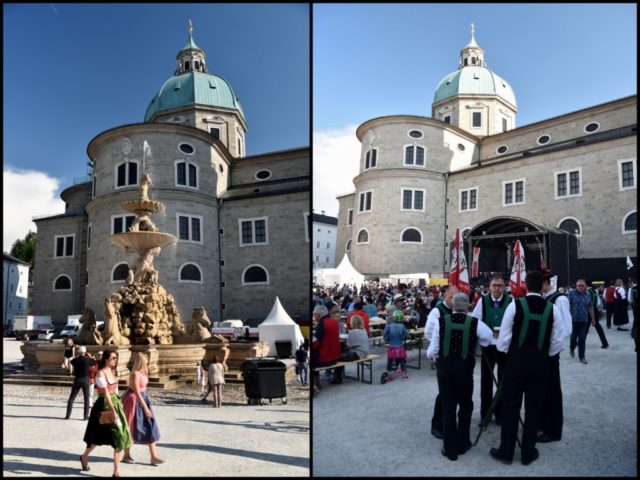
But I worry about the rest of the EU. I worry that the Brexit vote will embolden xenophobes in other countries. I was just in Austria, where the Green candidate very, very narrowly defeated an anti-immigrant isolationist in the presidential election. Even if Britain does bail out, the EU can survive without it. But if France ever left, or Austria…then Europe would be in real trouble.
But all of that will play out in the coming months and years. For now, most of all, I’m sad for the idealistic, internationally oriented young people of the United Kingdom. London has a special energy and optimism, and a belief in the goodness of humanity. These are values that inspire me as a traveler and as a person. But the Brexit vote just threw a bucket of ice water on that spirit. I know it will survive…but it’s going to be a rough patch.
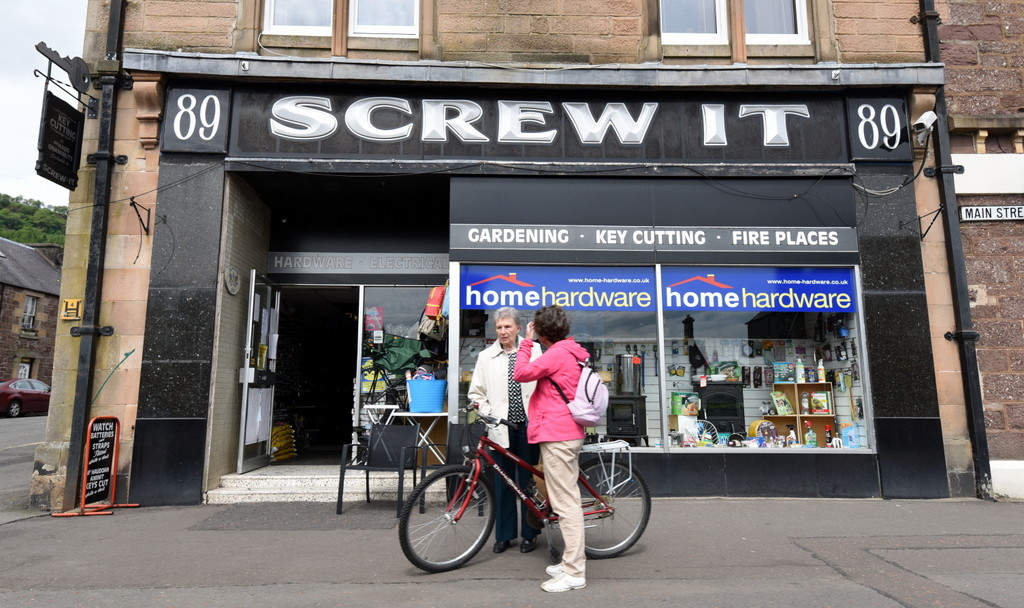
Feeling hopeless at this morning’s announcement, I kept thinking back on a hardware store sign I saw last summer in Scotland: