My co-author and frequent collaborator, Cameron Hewitt, is well-traveled, smart, and insightful. And, while he and I are in perfect sync in our travel styles and priorities, he gives voice to the next generation of "Rick Steves travelers." Join me in enjoying his reports right here. —Rick

2019 Discovery: Glacier Lagoons and Diamond Beach, Iceland

Crowds got you down? This post is part of a series of 10 European Discoveries for 2019 — off-the-beaten-path gems where you can escape the tourist rut and find a corner of Europe all your own.

Iceland’s rugged, stunning South Coast can be seen on a long day trip from Reykjavík. But, as with many things in Iceland, those willing to venture farther are rewarded with even more spectacular sights. Beyond the casual tourists’ South Coast, about four hours from Reykjavík, sit two dramatic glacier lagoons: Jökulsárlón and Fjallsárlón. Formed where tongues of great glaciers lap at serene pools, the lagoons bob with giant chunks of centuries-old ice.

Visitors bundle up, pack into RIBs (rigid inflatable boats), and zip across the frigid, glassy water, weaving between icebergs and listening for the shotgun-like crack of new ones calving off the glacier.

Arguably even more stunning — just downriver from Jökulsárlón — is “Diamond Beach,” where those icebergs wash up on a black-sand beach in the last stage of their slow-motion journey to the open Atlantic. I was on the beach around sunset (in June, that means midnight) to watch hazy sunbeams filter through these glittering chunks of ice — gigantic diamonds scattered across an endless expanse of black velvet.

While there are plenty of reasons to invest an entire week in doing the full “Ring Road” drive around the perimeter of Iceland, these glacier lagoons may just be reason enough to extend your Icelandic layover.


Heading to Iceland? Here’s how to get ready:

1) Pick up a copy of our new Rick Steves Iceland guidebook.
2) Check out the blog series I wrote while working on the book.
3) Watch my 75-minute Iceland travel talk.

2019 Discovery: Collioure, France

Crowds got you down? This post is part of a series of 10 European Discoveries for 2019 — off-the-beaten-path gems where you can escape the tourist rut and find a corner of Europe all your own.

My favorite place to hit the beach in Europe is a little French Mediterranean town hemmed in by green hillsides and rocky cliffs, just a stone’s throw from the Spanish border. I “discovered” this postcard-perfect spot thanks to Steve Smith, the co-author of our Rick Steves France guidebook. Steve has a nose for all the best-hidden gems in France, and Collioure was the first place he sent me when we swapped guidebook research chores a few years ago. (I’ve since returned, just for fun and on my own dime — a sure sign that I’ve discovered a new favorite.)

In Collioure, beefy bastions protect five separate beaches, each with its own personality — swimming, sunbathing, windsurfing, kiddie beach, and so on. The historic town center is a Crayola stage set of pastel houses, gnarled plane trees, climbing vines bursting with flowers, and just enough quality restaurants to keep you well-fed on vacation.

There isn’t much in the way of sightseeing, but drivers can easily side-trip to the eye-popping Salvador Dalí sights in neighboring Catalunya: his psychedelic theater-museum in Figueres and his idiosyncratic waterfront residence in Cadaqués are both within a two-hour drive.

On the other hand, once you’ve settled into Collioure’s pebbly beach, looking past the stout watchtower at the shimmering Med, you may just find yourself surrendering to inertia. Throw your itinerary into the bay and just be on vacation. This is the kind of place where in-the-know French sophisticates on a budget — seeking relaxation rather than glitz — head for an unpretentious break.


If you appreciate small-town France, consider joining up with a Rick Steves Best of Eastern France or Loire to the South of France tour…then take a Collioure beach vacation after your tour. And for nine more suggestions on where to get away from the crowds, check out my 10 European Discoveries for 2019.


2019 Discovery: Gdańsk, Poland

Crowds got you down? This post is part of a series of 10 European Discoveries for 2019 — off-the-beaten-path gems where you can escape the tourist rut and find a corner of Europe all your own.

For years, Gdańsk has had my vote for Europe’s best-kept secret. But its time has arrived — and I’m determined to let the cat out of the bag.

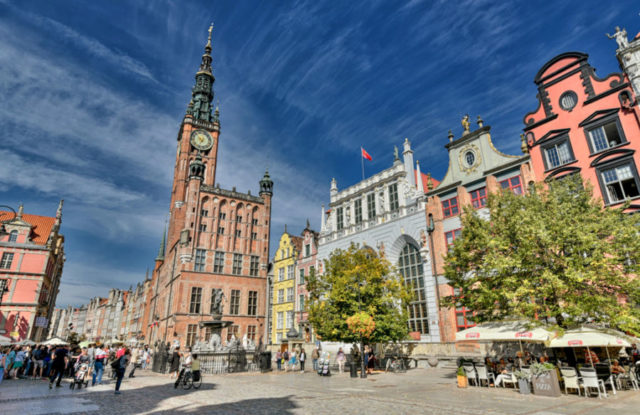
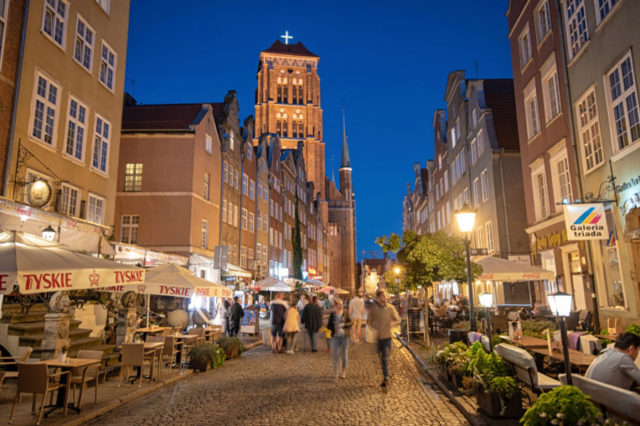
Gdańsk has always been a historic diamond-in-the-rough. But now it’s also stunning and fun. Glittering gables have been scrubbed clean, the exuberantly colorful streets bustle with hip microbreweries and third-wave coffee shops, and Oslo-style high rises and sleek embankments are sprouting all along the long-deserted, WWII-scarred Granary Island — creating a brand-new waterfront people zone in the heart of the city.

Museum-goers find plenty to do here, from lavish old-time interiors to cutting-edge museums on the Solidarity movement that toppled Soviet rule (which began right here), the Polish experience in World War II (which also began right here), and — in nearby Gdynia — Poland’s definitive Emigration Museum (honoring those soon-to-be Polish Americans whose journey to the New World began right here).

While you’ll rarely spot American visitors in Gdańsk, Scandinavians have discovered the city as an affordable yet rewarding getaway. (And when Scandinavians begin to take notice, you know you’re onto something good.) Today’s Gdańsk is hitting that perfect sweet spot: fascinating and entertaining, but without all of the crowds of more famous places like Kraków and Prague. In short, Gdańsk embodies everything I love about travel.

Want to explore more? Halfway between Kraków and Gdańsk, you’ll find the historic, red-brick town of Toruń. I wrote about both stops in this roundup of my favorite unheralded gems in Central and Eastern Europe. And for nine more suggestions on where to get away from the crowds across Europe, check out my 10 European Discoveries for 2019.

2019 Discovery: Salamanca, Spain

Crowds got you down? This post is part of a series of 10 European Discoveries for 2019 — off-the-beaten-path gems where you can escape the tourist rut and find a corner of Europe all your own.

OK, call this one a sentimental favorite. I spent a semester abroad in this Spanish university city, twenty-some years ago. In 2018, I went back to Salamanca for the very first time — now seeing it through the lens of many years of research for the Rick Steves Spain guidebook. And I think I finally figured out why Salmantinos are considered a bit snobby: Because they live in one of Spain’s nicest towns.

Salamanca’s Plaza Mayor is the undisputed best square in Spain — slathered with reliefs of kings, queens, professors, and poets, ringed by cafés, and infused with an ambience that delicately mingles both European elegance and local character.

From the square, Salamanca’s pedestrian zone cuts through the heart of town to the university district, where lemony sandstone buildings are carved with imagination-stoking details — the precocious astronaut on the cathedral portal, the frog perched on a skull on the university facade, and so on.

And Salamanca features an unusually thriving and fun-to-sample tapas scene. (Venture out to Calle Van Dyck, a locals-only lineup of blue-collar tapas bars a 15-minute walk north of the old town.) Even its Automobile and Art Nouveau museums are unaccountably delightful.

Perhaps best of all, Salamanca sits just beyond easy day-tripping reach of Madrid. That means that, unlike slammed Segovia and touristy Toledo, Salamanca feels like you’re in on a Spanish secret.


Heading to central Spain? Here’s how to get ready:

1) Pick up a copy of our Rick Steves Spain guidebook  — with my newly revised-and-expanded chapter on Salamanca.
2) Check out the blog post I wrote as I was updating the chapters on this area of Spain.
3) Watch Rick’s TV episode about the region, Highlights of Castile: Toledo and Salamanca.

And for nine more suggestions on where to get away from the crowds, check out my 10 European Discoveries for 2019.

2019 Discovery: Palermo Street Markets, Sicily

Crowds got you down? This post is part of a series of 10 European Discoveries for 2019 — off-the-beaten-path gems where you can escape the tourist rut and find a corner of Europe all your own.

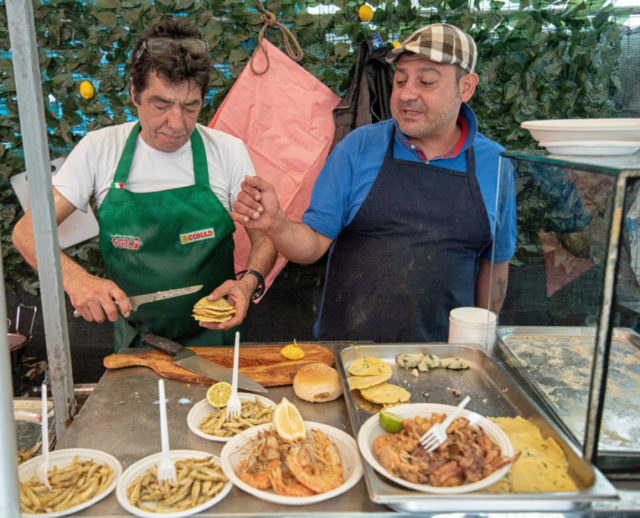
Among Italians (and other foodies), Palermo is synonymous with street food. And its three sprawling street markets — Ballarò, Capo, and Vucciria — let you delve into gritty Sicilian culture in a way that engages all the senses.

Go ahead — taste something you’d never otherwise consider putting in your mouth. Like frittula — basically the leftover parts of veal (cartilage, intestines, little bits of bone) all chopped up, griddled, and seasoned with generous salt and lemon juice. Or pani ca’ meusa — a pillowy bun stuffed with spleen, lung, and other organ meat. Or polpo bollito — a small octopus, boiled whole and spritzed with lemon.

Too adventurous? Then stick to the oldies-but-goodies: arancina, a deep-fried ball of saffron rice and meat sauce; sfincioni, French-bread-style “Sicilian pizza,” grilled up to order; and panelle e cazzilli, chickpea fritters and herbed croquettes.

Best of all, the whole time you’re browsing these gut-bombs, you’re fully immersed in the energetic hubbub of Sicilian urban life — watching the Palermitani greet old friends, listening to the urgent musicality of the vendors’ sales pitches, and smelling all that sizzling and frying goodness (plus a full spectrum of other odors). Palermo’s street markets are quintessential Sicily.

Ready to dive in? If you’re exploring Sicily on a Rick Steves tour, you’re good-to-go: The Best of Sicily in 11 Days Tour includes a guided walk through the Ballarò street market. If you’re traveling independently, consider joining a food tour. You can read about my experience on a Palermo street food tour here — and you’ll find lots of other recommendations in our brand-new Rick Steves Sicily guidebook, co-authored by Sarah Murdoch. Look for that in stores this April.