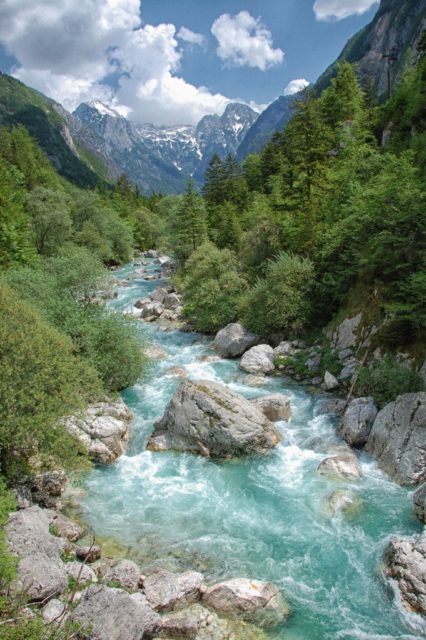
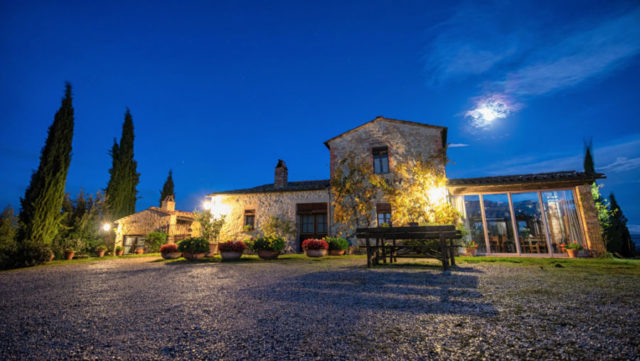
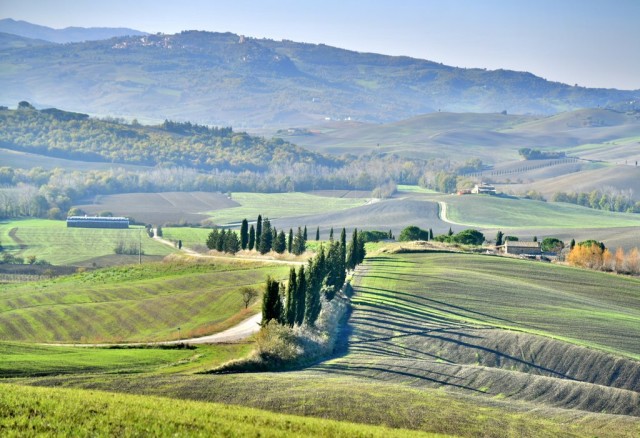
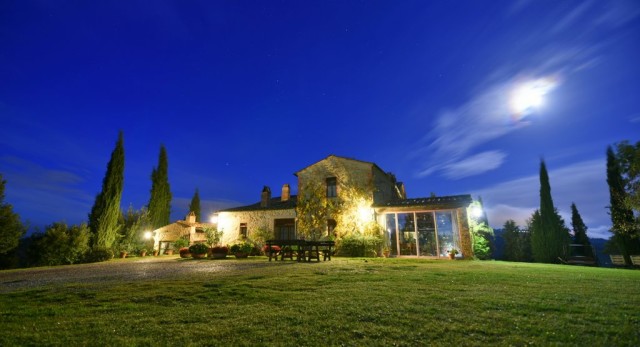
After 14 long months of being patient, travelers finally got some good news: Europe is hoping to reopen to vaccinated Americans this summer. If you’ve been dreaming of Tuscan agriturismi, Greek isles, Slovenian Alps, or Spanish cities…you may not have to dream much longer.
This news, however, raised more questions than it answered. And as I knock the rust off my gears and click over from “dreaming/reminiscing” into “planning” mode, my mind is buzzing with what comes next.
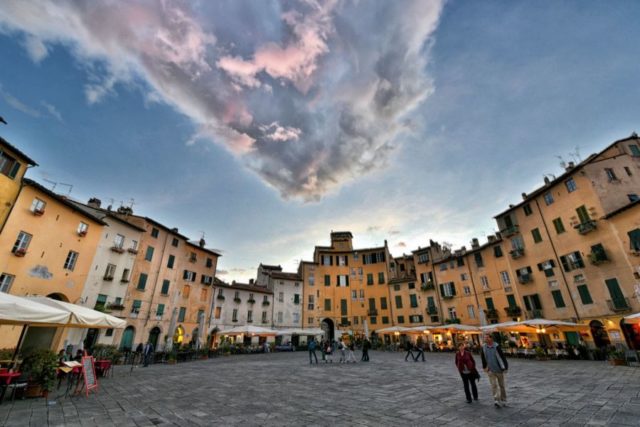
Some things are known — or, at least, “known unkowns.” Over the last several days, I’ve been researching logistics for a post-COVID Europe travel FAQ on our website. If you’re looking for straightforward details on exactly when and how Europe’s reopening might work, click over there.
Those boxes ticked, now I’m finding myself preoccupied with bigger questions about travel in Europe post-COVID — the kinds of questions that are hypothetical until, suddenly, they aren’t. You won’t find many answers in this post, but maybe these questions will prime your pump as you ponder whether and when to go to Europe, too. (And feel free to add your own concerns and musings in the Comments.)
First: How “open” will Europe really be? It seems likely that, in the coming months, the United States’ vaccination rate will continue to outpace most of Europe’s. That means that vaccinated travelers will be mixing among non-vaccinated locals. And that means that COVID restrictions will likely remain in full effect: masking, distancing, limits on gatherings, and so on. Many businesses will still be closed, or operating at very reduced capacity.
In response to Europe’s reopening, I’ve heard some people say, “Why would I go somewhere when the museums and restaurants are closed?” That’s a fair point — and those people should stay home longer, until Europe is entirely back on its feet. But for travelers who choose to venture out sooner, it remains to be seen whether things are “open enough” to warrant the trip. (And, for what it’s worth, if you’ve ever wished you could visit Europe when it was less crowded, this may be your chance. Unexpected closures and other hiccups could be a welcome tradeoff for peace and quiet.)
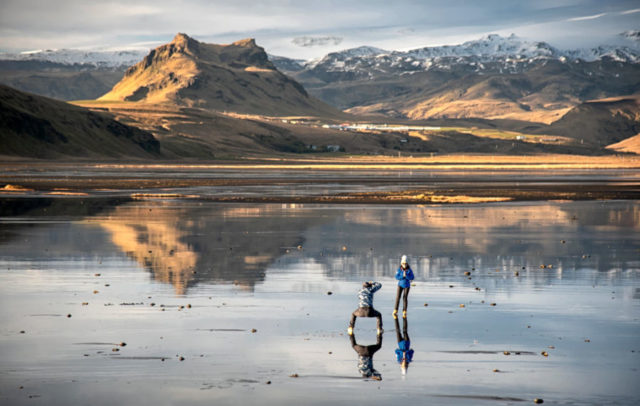
A related question is an ethical one: Is it appropriate to travel in a place where many residents are not vaccinated, even if you are? I chewed over this question in my previous post, about Iceland’s reopening. And I can really see both sides.
The fact is, Europe’s tourism industry is in a tailspin. Every week I get emails from European friends who are struggling: Some tour guides have taken office jobs, chained to a desk rather than leading eager students around the wonders of Europe. Others can’t find work, so they’re scraping to get by. Restaurants and bars that have long been hubs where travelers and locals could meet and mingle have closed their doors forever. Spunky little hotels and lovingly run B&Bs have closed up shop.
Anecdotally, I’ve seen a new wave of closures, both in my own community and across Europe, escalate in the last few months — ironically, just as the end is in sight. It seems like many business operators have the finances and the internal fortitude to weather up to one year of crisis…but at some point, they just can’t keep going. One big question I have is, simply, which businesses will survive and emerge on the other side of the pandemic?
Vaccines are a game-changer. And vaccinated Americans are a huge potential customer base just sitting there, waiting to be invited in to spend money and revive an ailing economy. Nothing is 100% “safe” these days, but vaccinated travelers (provided they obey local masking, distancing, and other regulations) are Europe’s safest bet for getting things rolling again, short of not getting things rolling at all. Will this gamble pay off? Or will unexpected outbreaks cause Europe to pull the “emergency brake” on reopening and make travelers wish they’d waited?

Looking farther into the future, I wonder what the new status quo will be in Europe, in the wake of COVID. We are all eager to get “back to normal,” but it’s only realistic to expect that it will be a new normal. After 9/11, air travel (and travel in general) gradually began to feel “normal” again…but some things were permanently altered. (When’s the last time you walked a loved one to their gate and waved goodbye as they got on the plane?)
Similarly, some aspects of travel will never quite go back to “pre-COVID.” Many of these changes are probably for the best. For example, after a year and half of no colds whatsoever, you’d better believe I’ll be wearing a mask on long flights for the foreseeable future. (Think of all the sore throats and runny noses I’ll avoid!) And for quite some time, I’m sure I’ll keep a mask tucked in my back pocket for crowded Metros and other congested areas.
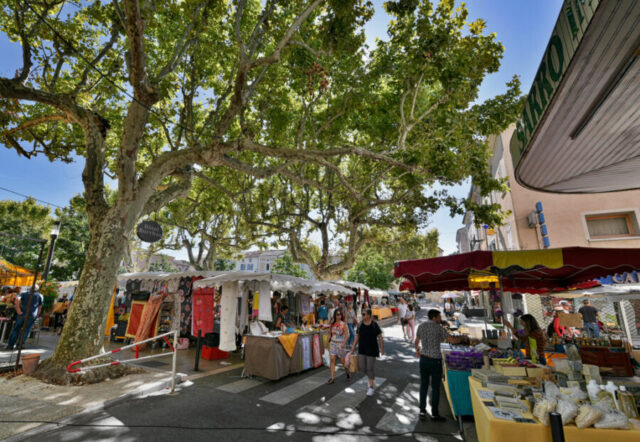
Other things might feel like a loss. In many southern European countries, old friends and new acquaintances greet each other with a double or triple kiss on the cheek. Much as some people are speculating that the elbow or fist bump will remain a viable alternative to a handshake, I have to wonder if Europeans will become less “kissy”? Will they adopt a more American attitude about personal space?
In general, people-to-people interaction has always been one of the great joys of travel. How will that be affected by rampant germophobia? I imagine, at a minimum, we’ll all need to wade back into those kinds of interactions, and deprogram ourselves from seeing every stranger as a potential existential threat.

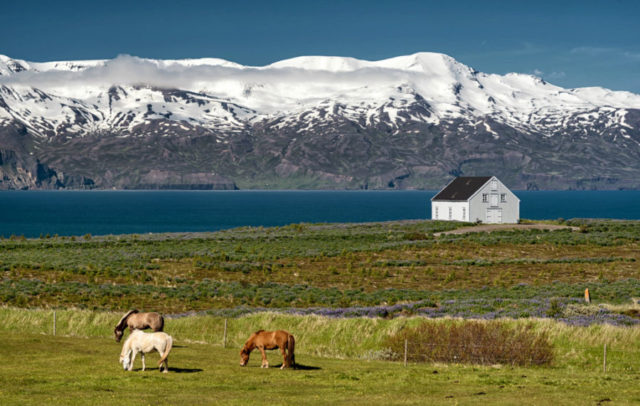
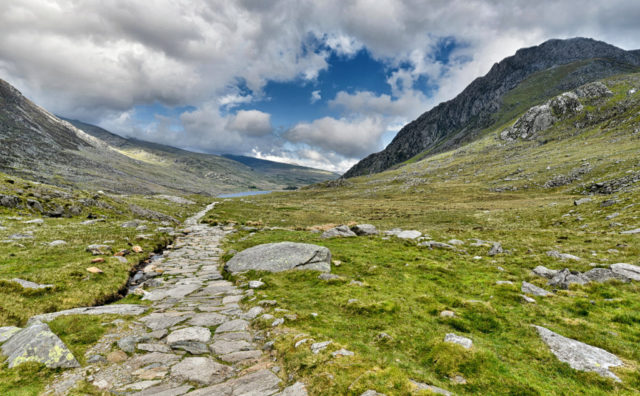
I also wonder how the pandemic will change travelers’ tastes — their preferred style of traveling, their mindset, even their preference of destinations? I’ve heard some speculation that urban destinations will be on the outs, at least for a while, as travelers head for the countryside to socially distance in an idyllic little slice of rural Europe. Places like village Tuscany, rugged North Wales, or Iceland’s remote Westfjords may become newly popular.
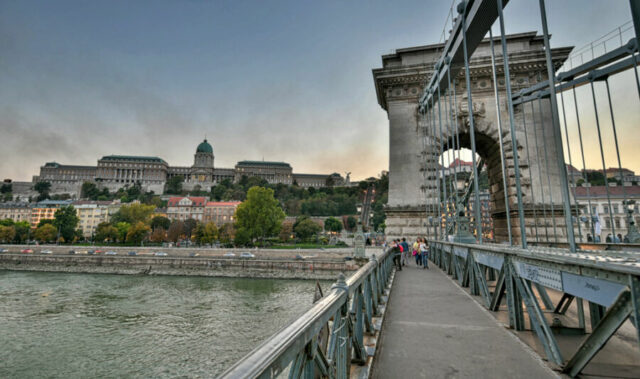
On the other hand, some travelers — having spent so much time stuck at home — may be desperate to plunge into a big city and let it gobble them up whole. I daydream about simply being in my favorite city, Budapest. Not doing anything in particular; just existing in a place I love.
I suspect that fast-paced, whistle-stop, if-it’s-Tuesday-it-must-be-Belgium itineraries may also go out of vogue. Will travelers be inclined to slow down and listen to the church bells? Lingering longer — visiting fewer places and digging in deeper? Not traveling for so long has reminded me what a privilege travel is, and that I shouldn’t take it for granted. Rather than racing through an itinerary as if eager to mark off a big red X on each calendar day, I’m planning on building in more slack…creating space to relax and reflect.
Before the pandemic, Europe had reached a saturation point. “Overtourism” was the big theme of 2018 and 2019, and some super-popular cities (like Amsterdam, Barcelona, or Venice) were even asking travelers to stay away. Soon those people got their wish, and then some, as they had those places entirely, unmistakably to themselves. Will they now welcome us back with open arms? Or have they gotten used to the solitude?
It’s hard to imagine it today. But someday — perhaps sooner than we think — Europe will be grappling with “overtourism” all over again. My last question — more of a hope, really — is whether all of us, Europeans and travelers, will have taken the long pandemic hiatus to approach these challenges in a more thoughtful way. Now more than ever, I am aware that I should travel as an invited guest — mindful that my impact on a place can be positive, or negative, or a mix of both. My goal will be to enjoy and engage in Europe without becoming part of the problem. And maybe Europe will be more proactive about limiting, or more smartly managing, incoming travelers to prevent damaging fragile cities and towns.

In some ways, I wish someone could just give me the answers to these questions right now. At the same time…I just can’t wait to head over there and find out for myself.
What about you? Any hopes or fears about Europe’s reopening? What are the big questions you’re hoping to find answers for, when at long last you make your way back to Europe?