Sensational Sarlat, My Favorite Town in France

Steve Smith, who co-authors our France guidebook with Rick, favors the word “sensational.” I don’t tend to describe things as “sensational,” but if ever a town deserves that superlative, it’s my favorite town in France: Sarlat.

For a traveler, Sarlat ticks all the boxes: It’s beautiful and idyllic, but still feels real. It’s tourist-friendly without being objectionably touristy. It’s just the right size — about 10,000 people — but because it’s a population center for the most scenic stretch of the Dordogne River Valley, it has the bustling metabolism of a city double its size.

Sarlat Market OV2

Sarlat is built out of a soft-focus, distinctly hued limestone that’s perfectly described in our France guidebook as “lemony.”  The only other place I’ve seen that’s so liberally brushed with this palette is England’s Cotswold villages…putting Sarlat in pretty good company. (In this photo, Sarlat is busy with its twice-weekly market. More on that in my next post.)

Sarlat Market Hall

Sarlat decided to convert this old church into a market hall. The Jurassic Park-sized doors are cracked open each morning, when the vendors inside are selling local products.

Sarlat Tower

Sarlat sweetly fills a valley with its stony homes. The church/market hall is equipped with an open-air glass elevator that zips sightseers up, Willy Wonka-style, to this viewpoint. The worthwhile trip comes with a little English commentary. My guide explained that the town’s full name, “Sarlat-la-Canéda,” represents the two communities — Sarlat and the much smaller La Canéda — that merged into one. (No connection to the Great White North, however.)
Sarlart Geese

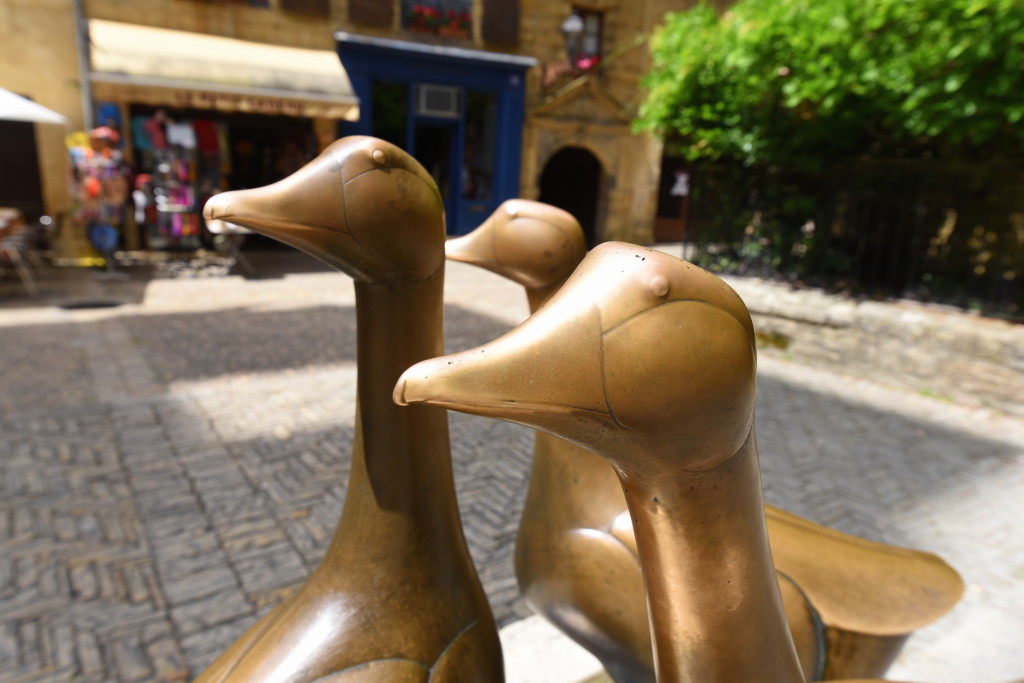
This statue — on the “Square of the Geese” (Place des Oies) — makes it clear who butters Sarlat’s bread: the buttery livers of force-fed geese, better known as foie gras.  In American foodie circles, chefs emphasize taking great care with ingredients as a way to show respect to the animal who made the ultimate sacrifice to please your taste buds. While that’s a relatively new (and still minority) view in the US, Sarlat is way ahead of the curve — literally putting its favorite food on a pedestal. (I discuss the Dordogne Valley’s “duck, duck, goose” approach to cuisine in this post.)

Sarlat Mansion

With so many gorgeous mansions, Sarlat had me wondering what life was like behind those yellow facades. I found my answer at Manoir de Gisson, a noble townhouse-turned-museum just steps from the goose statue. This fortified spiral stairwell connects its four period-decorated floors. Although the English descriptions were pretty dry, the space itself stoked my imagination; I enjoyed daydreaming about what it would be like to live in this splendid burg a century or five ago.

And, just because I’m so head-over-heels about this town, here are a few more pretty pictures of sensational Sarlat:

Sarlat Shops

Sarlat Church


Sarlat Night Square

Endearing Encounters with French Innkeepers

Travelers tell me that they find Rick Steves guidebooks unusually accurate, thoughtful, and practical. There’s a reason: We still update all of our books in person, either every year (if there’s a year printed on the front cover) or every other year (if there’s an “edition” printed on the front cover). And when I’m updating a book, yes, I really do visit every single hotel, restaurant, museum, train station, tourist information office, laundromat, and so on — all in person.

French hoteliers, so proud of what they do, display guidebook endorsements like merit badges.

That personal touch shines through even more, I believe, in our co-authored books, where one expert handles the update each edition (in constant collaboration with Rick, of course). I do this in Eastern Europe, but here in France, I’m on Steve Smith’s turf. And it’s quite touching to see the personal connection that many businesses in our book feel with Steve. They ask after him like he’s a friend they haven’t seen in a year…because that’s essentially what he is. Steve has handpicked — and carefully cultivated relationships with — each and every business that appears in Rick Steves France. That level of dedication and intimacy really comes through in our readers’ experience.

I’m always pressed for time when researching, but here in France, updating the hotels is particularly demanding. French hoteliers are so proud of their properties, they want to show me every square inch. And Steve’s accommodations aren’t just cookie-cutter; they have real character.

I had one particularly lengthy, but very enjoyable, interaction at a countryside hotel near the Dordogne River Valley, called Moulin de Fresquet. The owners, Gérard and Claude, have converted an ancient mill into an idyllic retreat. Gérard greeted me in the driveway and proceeded to show me each of their five rooms — all of them different, but all of them equally well cared for. He told me about the ghost who haunts the mill, showed me a copy of the innkeeper’s memoir he wrote and published (unfortunately, so far available only in French), and took me on a guided tour of the lush, parklike grounds. The place is less a hotel than an enchanting fantasyland.

Dutifully checking the details in our book, I asked Gérard about the duck pond that our listing mentioned. His eyes fell. “Sadly,” he said, “we no longer have ducks in our pond. A hawk moved in and began picking them off, one each day, until they were all gone. Now we just have a few passing ducks who rest here briefly.”

When I was leaving, Gérard asked me, “Excuse me. Do you know what happened to Karen Brown?” It took me a moment to realize who he meant. In the 1990s and early 2000s, Karen Brown wrote a series of guidebooks highlighting romantic, upscale, characteristic inns. (Back then, Rick used to say, “My splurges are Karen Brown’s slums.”) She had a very devoted following, but her niche became one of the casualties when printed guidebooks were eclipsed by online sources.

Genuine affection filled Gérard’s voice as he described how Karen would come personally to visit and update her guidebook each year, and even brought her entire family on holiday once. This wasn’t just a business relationship; it was a friendship. “I wrote a letter to her several months ago and never heard back,” Gérard told me. Since Karen and I are both in the guidebook biz, he figured maybe I knew her. (Karen, if you’re reading this, get in touch with Gérard and Claude! You know, they worry.)

Accommodations with personality are increasingly rare in our mass-produced, crowdsourced age. Most people want to quickly find a hotel online, book it instantly, and tick it off their list. But visiting this and so many other lovingly run accommodations throughout France, I feel proud to be part of an organization that still values people-to-people connections…even if we’re a bit old-fashioned. I can only hope to have enough of an impact that many years from now, my friends in Gdansk, Dubrovnik, or Budapest will ask themselves, “I wonder whatever happened to that Cameron guy from Rick Steves?”

Amazing Albi

Specializing in Eastern Europe, I spend a lot of time in Europe’s little countries, where there’s a finite number of cities worth exploring. Traveling through France, though, I’m struck by how deep this country’s bench is. You could spend weeks in France, never set foot in the heavy hitters, and still have a great trip. One of my favorite examples of this is the utterly underrated city of Albi.

Like its most famous former resident, Henri de Toulouse-Lautrec, Albi is a lovable underdog. Sitting an hour off the freeway between Carcassonne and the Dordogne, Albi gets missed by most tourists. Maybe that’s why it’s such a delight. It’s a red-brick, sun-parched town with a  strollable old center, a magnificent fortress-church, and a half-day’s worth of engaging sightseeing.

Albi Church Ext

Albi was the home city of the Cathars, those “heretical” Christian rebels who stood up to the Pope in the Middle Ages. (They’re also called the Albigensians, after their home city.) After they were defeated, the Vatican built this huge, humorless cathedral — more fortress than church — as a stake in the heart of Albi, and the Albigensians.

Albi Church Int

Inside, the cathedral’s opulent artwork drives home this same fire-and-brimstone message. The Last Judgment altarpiece makes the consequences of disobeying the Church gruesomely clear.

Albi Garden

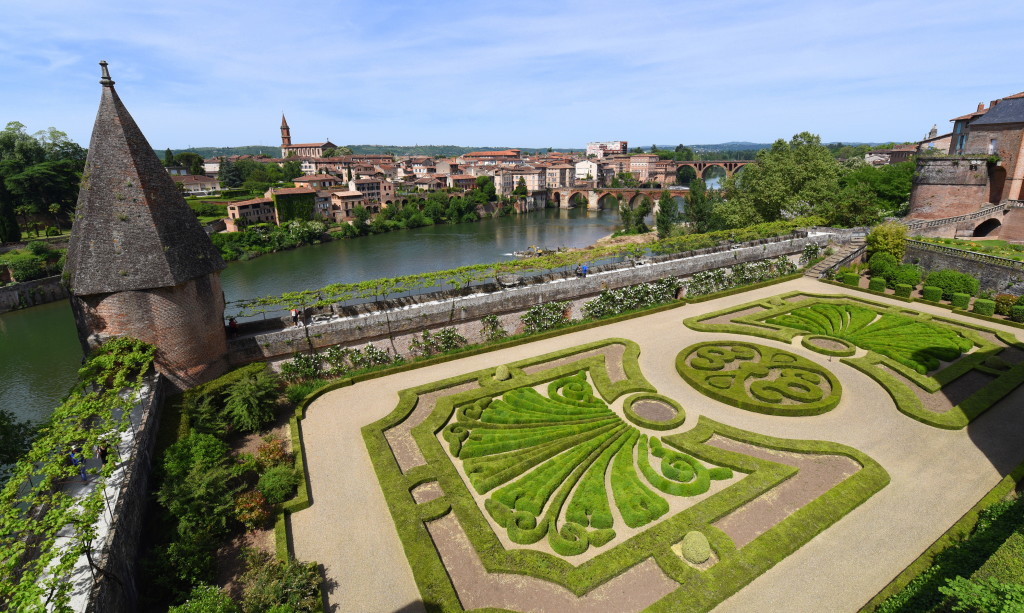
Next to the cathedral sits the Toulouse-Lautrec Museum, with the finest collection of the talented artist’s work outside of Paris. And just beyond is this stunning garden overlooking the Tarn River. Some cities are characterized by a color, and when I think of Albi, I think of the gentle maroon of sunbaked bricks.

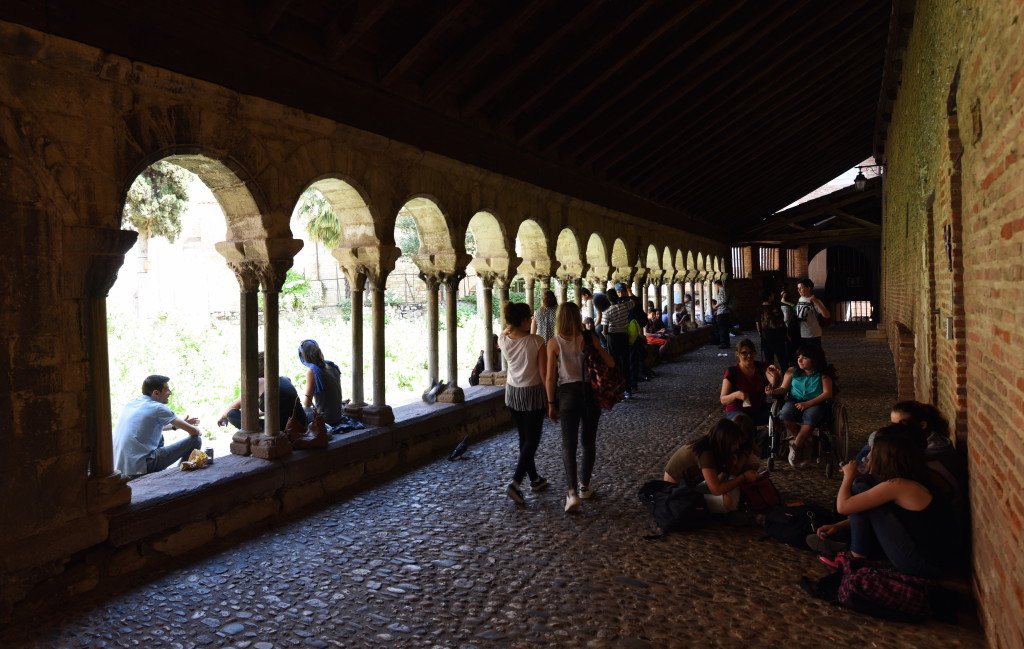
Albi CloisterFrom the cathedral, inviting streets fan out through town. And, like any great city, Albi hides plenty of surprises behind its eye-pleasing veneer. This medieval cloister — packed with a picnicking field-trip group during my visit — is a tranquil eddy that sits, almost unmarked, off the main drag.
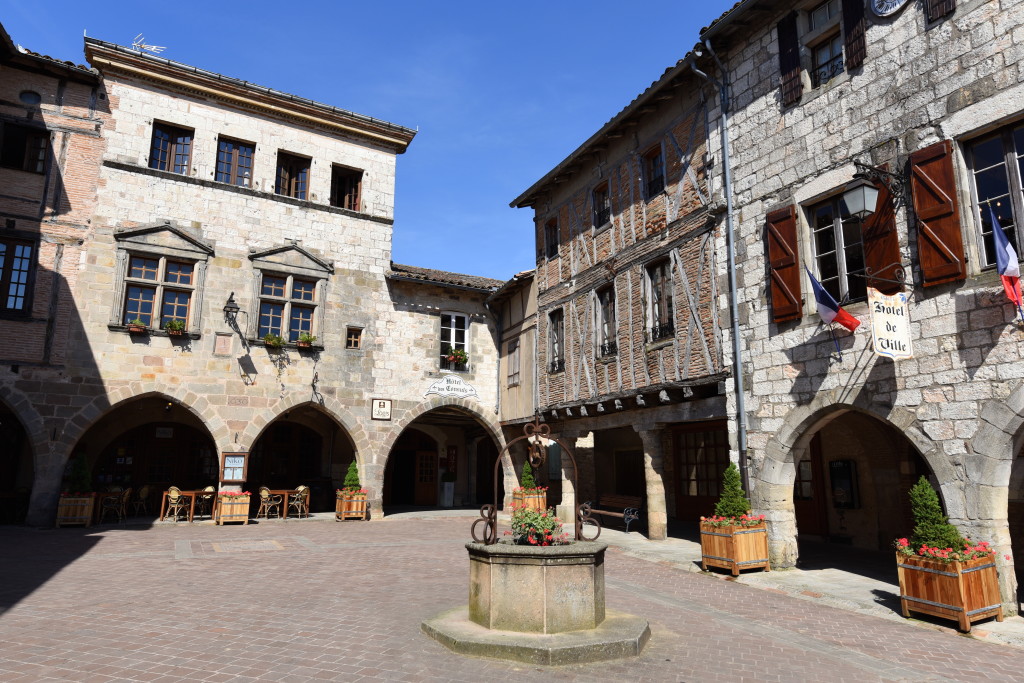
Castlenau Square

The fortified medieval villages (or bastides) in the countryside near Albi are equally enchanting. I dropped in on a few recommended in our Rick Steves’ France guidebook, but my favorite was Castelnau-de-Montmiral — with what may just be the cuddliest main square I’ve ever seen. If I hadn’t had a long drive ahead of me, I could have happily settled in here for a drink…or a week.

Most travelers give Albi a miss. But that’s a mistake. Stop here for a lunch break — or even spend the night — and you’ll have this fine city all to yourself.

Next stop: the Dordogne River Valley.

Carcassonne? Meh.

I love reading a movie critic teeing off about a film that just drives him nuts. And, in that vein, I think there’s something very satisfying in a travel writer bashing an overrated destination. So in the spirit of Roger Ebert, allow me to turn my negativity up a notch.

The medieval fortified town of Carcassonne is a challenge for guidebook writers. We understand that no amount of convincing will persuade you to skip it. So we do our best to offer strategies for enduring it. The Rick Steves’ France guidebook suggests arriving in the evening, spending the night, then getting outta there as fast as possible the next morning. Could it possibly be damned with fainter praise? And based on my second visit — this time for two whole nights — I agree that this is the only way to go.

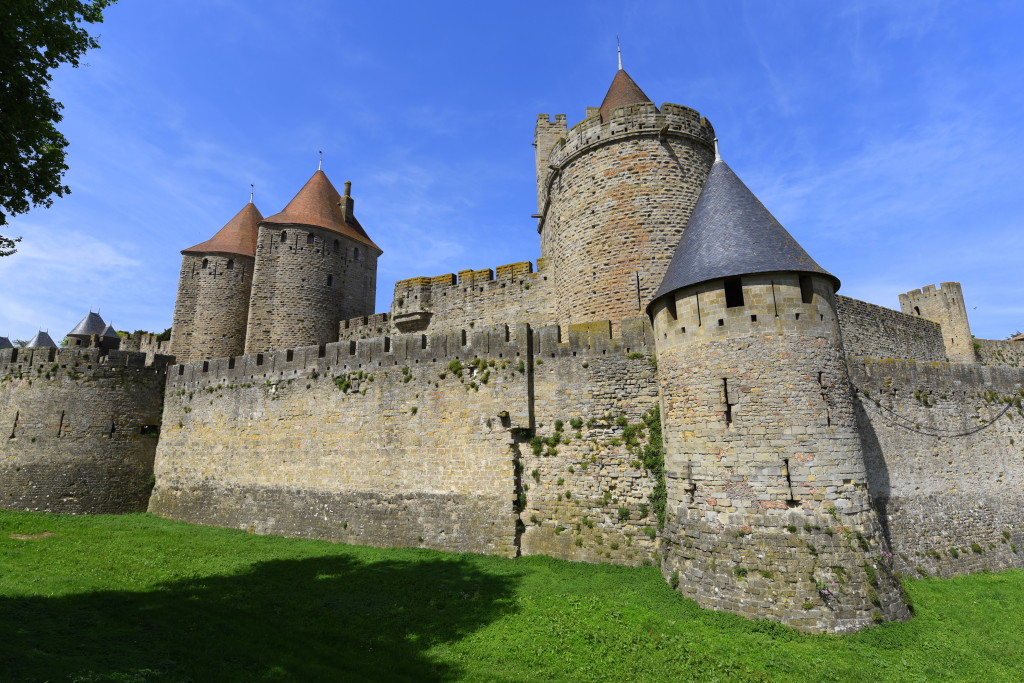
First of all, I’ll concede that the city walls and towers are, without a doubt, magnificent. Carcassonne is well worth a one-hour stroll to appreciate some of the most remarkably intact old fortifications you’ll ever see. Unfortunately, Carcassonne is a few hours away from anything else that’s really worthwhile, so most visitors get stranded here with more time than they need.

When it comes to touristic metabolism, Carcassonne has two speeds: overwhelmed by tourist hordes, and tumbleweed town. By day, you’re fighting your way through a mosh pit of elbows, dodging tacky candy and souvenir boutiques. By night, you’re the lonely, last Cathar defending a lost-cause fortress. Some people enjoy the tranquility of after-hours Carcassonne; to me, it just feels empty and melancholic — a reminder that virtually nobody still lives within the walls of this once-thriving community. (And to be fair, I may be slightly jaded because of my regular visits to Dubrovnik, Croatia, the only walled town in Europe that trumps Carcassonne.)

Normally French chefs can do no wrong, but even the food in Carcassonne manages to be underwhelming. The most famous local dish is a bland casserole of beans and old meat called cassoulet, which I believe is French for “bowl of farts.” If it’s not a lutefisk-style “hardship food,” eaten only in desperation, then it should be. Despite my reverence for French chefs, I desperately want a dash of Sriracha (or even ketchup) to jazz up my cassoulet.

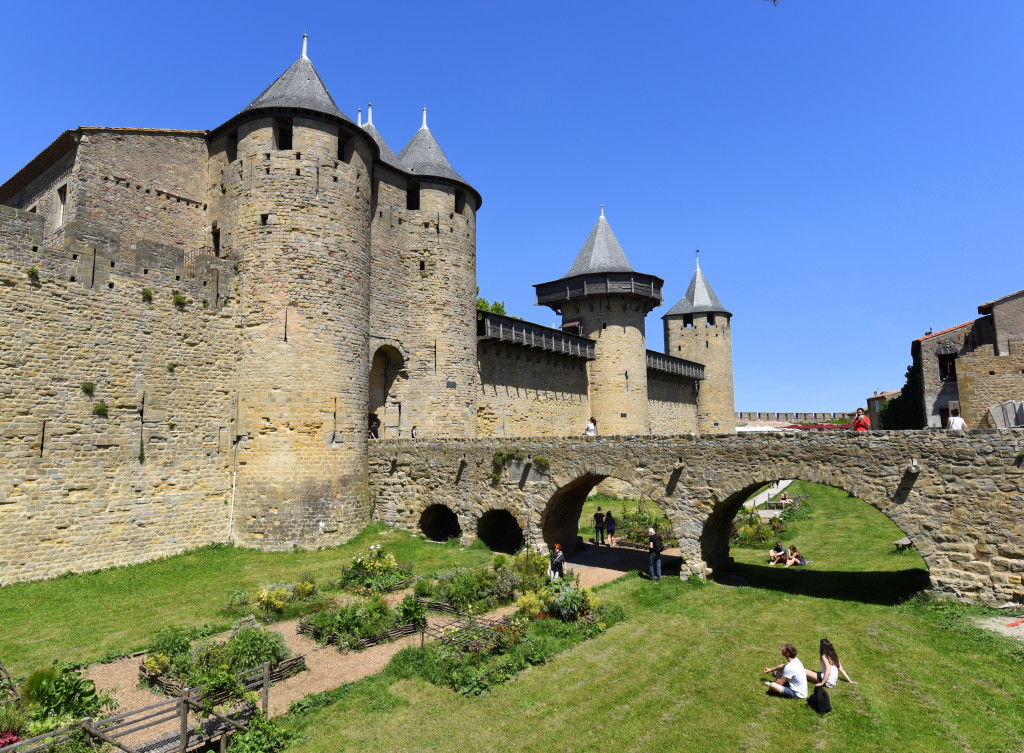
All of that said, I found a few things to enjoy during my stay in Carcassonne. The town has almost no sights worth entering, but the one exception is the castle-within-the-castle Château Comtal, with a well-presented, one-way walking route through the keep and up onto the ramparts. Exploring here with a good imagination, you can envision a far more appealing age when the city would have been inhabited by smelly, raunchy, aggressive soldiers. The moat surrounding that château is filled with a very scenic garden, where pooped sightseers enjoy a restful break. And after dark, the city — while deserted — does have a certain floodlit magic.

What it comes down to is this: In my travels, I’m most drawn to places that feel vital and authentic. And Carcassonne may have the widest gulf between glitz and substance of any place I’ve been. It feels like a stage set: Perfect for a postcard or a coffee-table book, but torturously dull to explore. It is, simply, soulless.

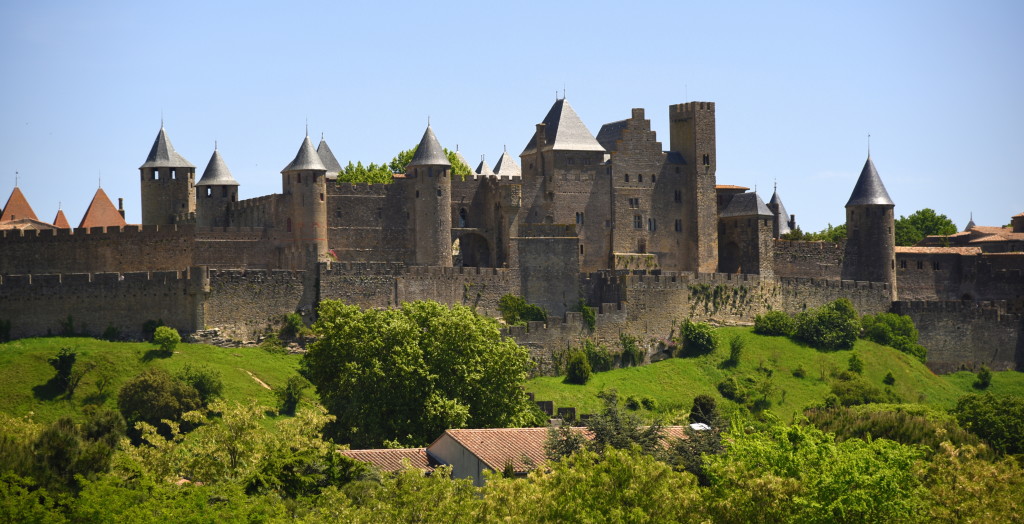
In the interest of saving you time, here are a few pretty pictures of the city from my last visit. (Well, I hope it’s my last…) Staring at these for a few minutes releases you from the obligation of visiting Carcassonne, freeing you up for so many other, underrated things France has to offer.

Carcassonne skyline

It’s striking, sure. But for my money, playing the game Carcassonne is more enjoyable than visiting the town Carcassonne.

Carcassonne Wall

Tourists wander the old moat of Carcassonne…seeking an escape, I imagine.

Carcassonne Chateau

I must admit, the Château Comtal’s garden is one of the most enticing picnic spots I’ve seen in France.
Carcassonne Floodlights

After hours, as the blue hour of twilight dawns, a good tripod makes Carcassonne worth the trip for photographers.
Carcassonne at Night

If you think I’m being too hard on Carcassonne, you’re probably right. Have at it in the comments. And here’s one positive tip to balance out all of my curmudgeonry: If you’d like to stay someplace with far more substance on your swing through Languedoc-Roussillon, take a good, hard look at Albi. This captivating city — about an hour and a half north from Carcassonne (on the way to the Dordogne) — is the focus of my next entry.

Rocky Forts Scrape the Skies High Above France

Driving from the Mediterranean up toward the Dordogne River Valley, I pass through some arid terrain that — as evidenced by the imposing castles and fortified cities at every turn — has survived a hard-fought history. I’m following the cultural fault line between France and Spain, and while this area is now firmly part of France, for centuries that was far from a foregone conclusion.

This was the land of the Cathars, a medieval movement of Christians who pursued their own anti-materialistic understanding of spirituality that flagrantly ignored the Vatican. Condemned as “heretics,” these pre-Reformation reformers had to dig in and fight for their right to worship — until they were wiped out in the brutal Albigensian Crusades of the early 13th century.

Queribus Panorama

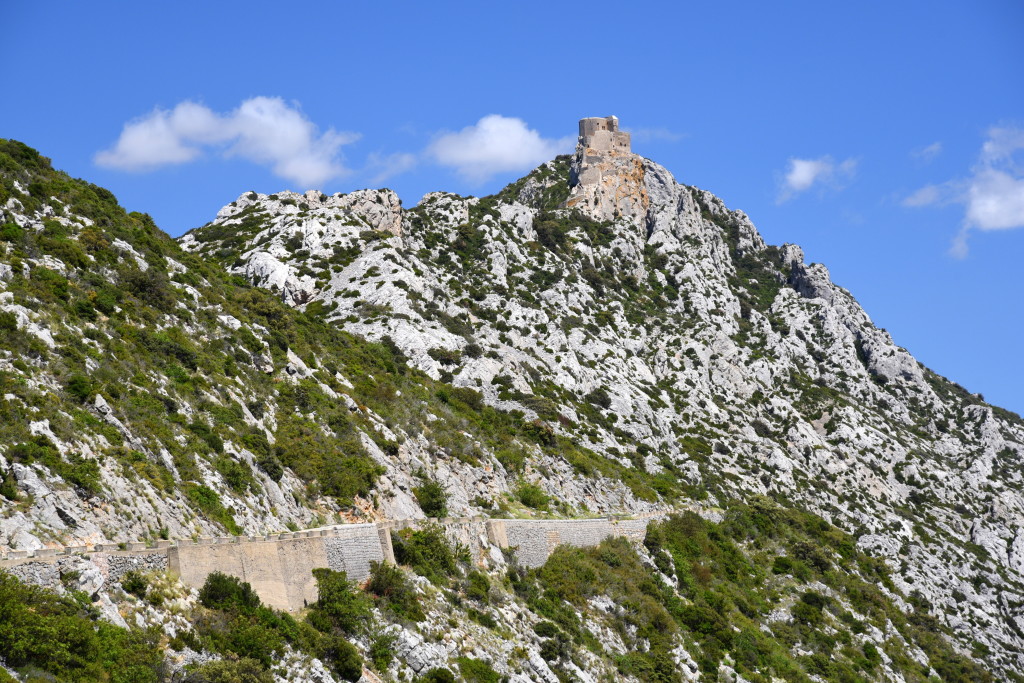
An hour and a half north of Collioure, driving on a highway flanked by steep ranges of limestone mountains, I notice a bulbous little knob clinging to the crest of a stone curtain. I decide to pull over and explore Peyrepertuse and Quéribus — onetime strongholds of the Cathars. Today, tourists park at the base of a mountain, then huff their way up into the stratosphere to scamper over evocative ruins.

Peyrep Profile

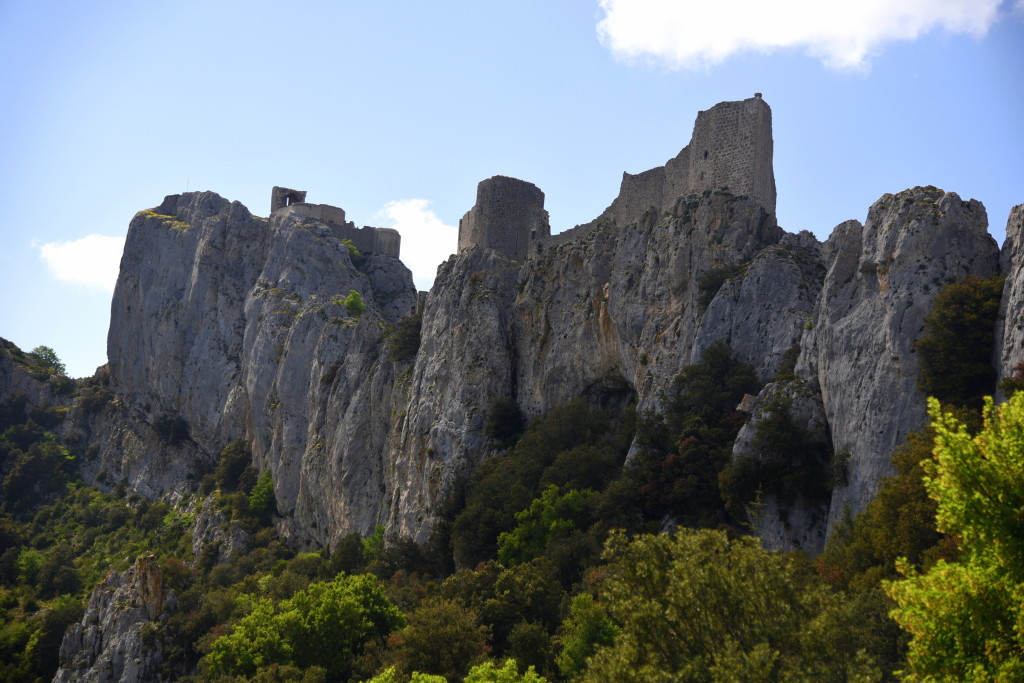
From afar, the most striking castle is Peyrepertuse. Aptly nicknamed “the Carcassonne of the Heavens,” its towers scrape the brilliant blue sky, disrupting the gently passing clouds.

Peyrep Interior

Don’t hike up here expecting to explore an intact structure. Peyrepertuse is a ruined field of rubble. But the views are smashing.

Peyrep View

For the best panoramas, hike up even farther to the topmost tower of St-Louis, where all of southern France spreads out at your feet.

Queribus Road

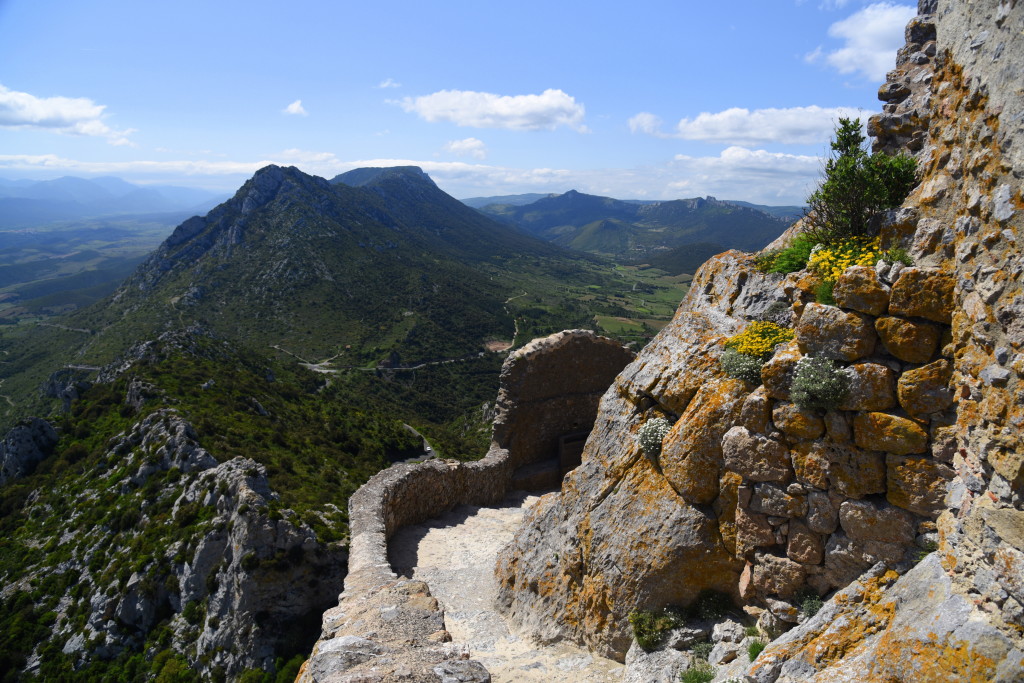
From Peyrepertuse, you can peer several miles away — across the valley, to an adjacent line of peaks — to see Quéribus, an even higher vantage point.

Queribus View

Vertical and vertiginous, the rocky trail up to Quéribus rewards hardy hikers with a top-of-the-world feeling that rivals even Peyrepertuse.

Of course, the biggest, most intact, and most famous of these castles is Carcassonne. And that’s where I’ll be spending the next two nights. Stay tuned.