Zagreb is a great city to live, work, or just hang out. But — well aware that they face some serious competition along the Dalmatian Coast — Zagreb’s tourist board is also working hard to please travelers. The city has one of the best-organized tourist information offices in Europe, and many new walking, bike, bus, Segway, and ghost tours are popping up each year.
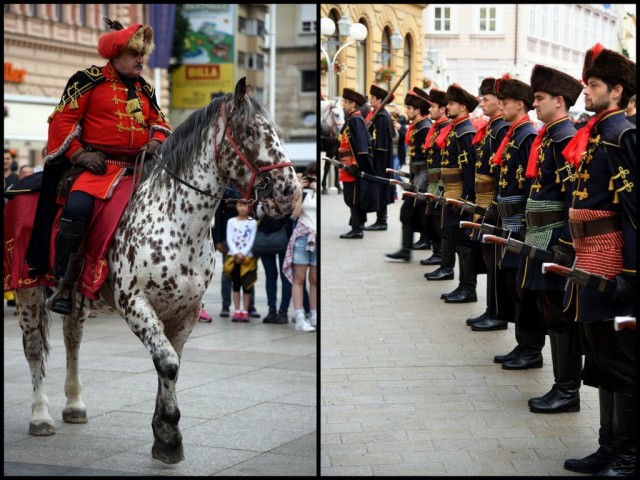
A couple of years ago, for the first time ever, Zagreb created a Changing of the Guard ceremony on weekends. It’s designed to maximize photo ops, strategically passing by all of the big sights.
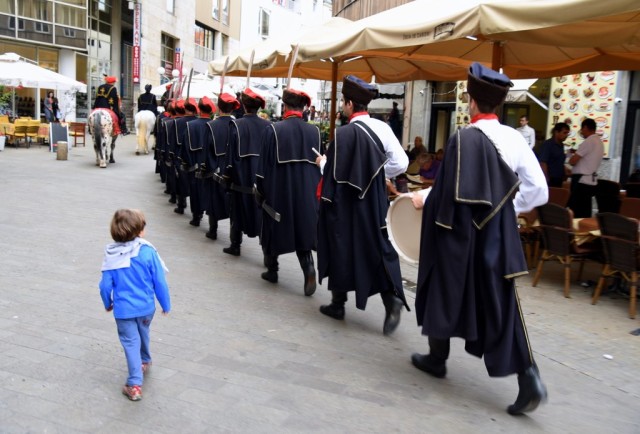
This cute kid got caught up in the Changing of the Guard excitement, stomping his way through the streets alongside the big boys.
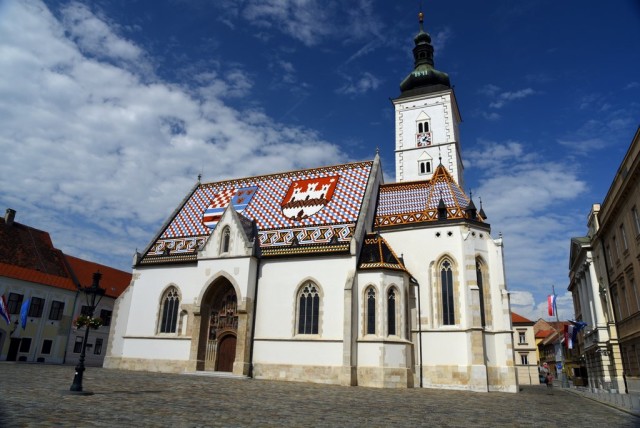
Most of Zagreb’s top tourist attractions are conveniently clustered in a tiny area at the top of its original hill town. This area is anchored by the gorgeous mosaic roof of St. Mark’s Church, which is flanked by the Parliament and the offices of the Croatian President. Just a few steps away are the city’s top museums — and my two favorite museums in all of Croatia.

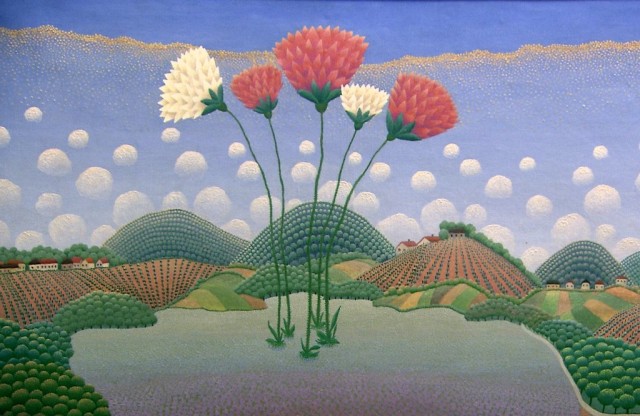
The Croatian Museum of Naive Art celebrates untrained peasant artists of the early 20th century. During this era, art world insiders began to seek out talented outsiders who produced great art. It was part of a broader movement designed to demonstrate that artistic talent was inborn, rather than taught. (This coincided with Picasso’s fascination with African masks, Gaugin’s trip to Tahiti, Béla Bartok’s codification of folk music from the Transylvanian countryside, the Art Brut movement, Grandma Moses, and the elevation of children artists.) I love the Naive Art Museum because it’s one of those places displaying artists — and an entire movement — that most visitors have never heard of. But it grabs you immediately, pulls you in, and wins you over. You’ll leave wondering why you didn’t learn about Ivan Generalić in your college art seminar.
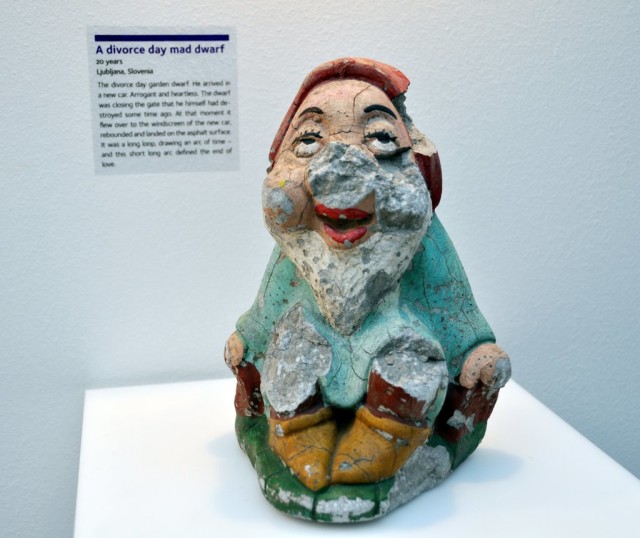
Breakups are ugly. But the Museum of Broken Relationships is a total delight. Opened in 2010 by a couple who had recently split up, this clever museum collects true stories of failed couples from around the world. They provide a succinct, one-sided explanation of what went wrong, which accompanies an item that embodies the relationship: discarded wedding albums, sex toys with stories about unreasonable requests for kinky acts, children’s playthings representing the innocence of young love (and, perhaps, the universality of stuffed animals), and plenty of items broken with vengeful wrath. To me, the Museum of Broken Relationships captures the wry, urbane, and artistic sensibilities of the Croatian capital.
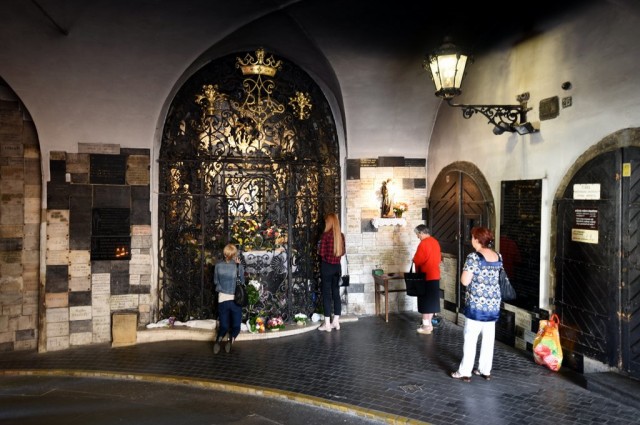
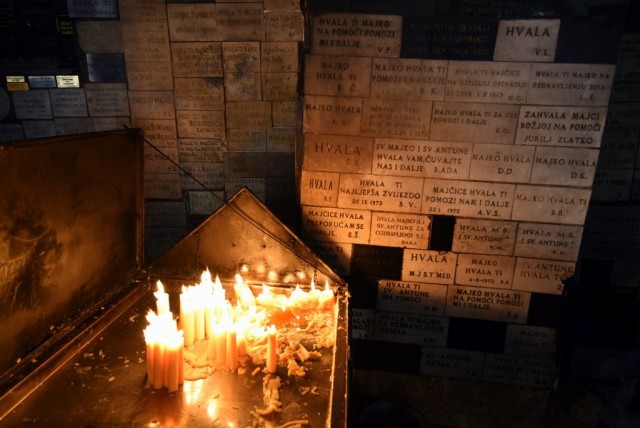
One of the most touching scenes in Zagreb is the Stone Gate, which hides just a few steps below St. Mark’s along a covered passageway between the city’s two old towns. Inside, the chapel’s focal point is a painting of Mary that miraculously survived a major fire in 1731. Zagrebians often pause to light a candle and stay a prayer here, oblivious to the tourists and commuters wandering through. The twinkling candlelight illuminates many plaques with a simple message: Hvala…thank you.
I want to participate in a walking tour of Zagreb. Rick Steve’s book suggested Darija Gotic with contact darija@assistere, however, I am unable to connect. Can you provide any assistance/suggestions of how to contact Darija or another reputable walking tour guide?