Zagreb for Tourists: The New Changing of the Guard, a Museum of Breakups, Naive Artists, and a Somber Stone Gate

Zagreb is a great city to live, work, or just hang out. But — well aware that they face some serious competition along the Dalmatian Coast — Zagreb’s tourist board is also working hard to please travelers. The city has one of the best-organized tourist information offices in Europe, and many new walking, bike, bus, Segway, and ghost tours are popping up each year.
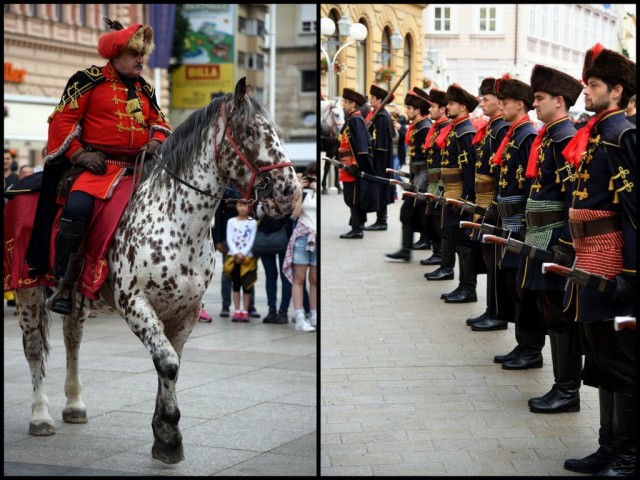
Cameron-Croatia-Zagreb-COTG Collage

A couple of years ago, for the first time ever, Zagreb created a Changing of the Guard ceremony on weekends. It’s designed to maximize photo ops, strategically passing by all of the big sights.
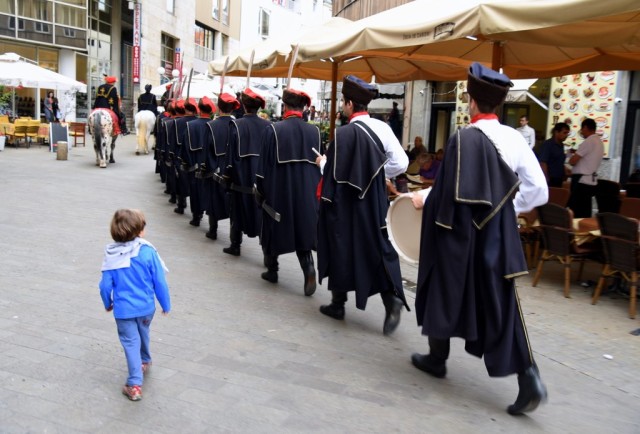
Cameron-Croatia-Zagreb-Changing Guard Kid

This cute kid got caught up in the Changing of the Guard excitement, stomping his way through the streets alongside the big boys.
Cameron-Croatia-Zagreb-St Marks Church 1

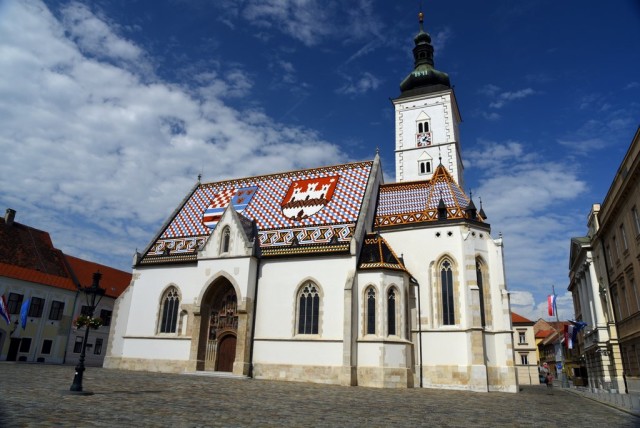
Most of Zagreb’s top tourist attractions are conveniently clustered in a tiny area at the top of its original hill town. This area is anchored by the gorgeous mosaic roof of St. Mark’s Church, which is flanked by the Parliament and the offices of the Croatian President. Just a few steps away are the city’s top museums — and my two favorite museums in all of Croatia.

Kovacic

Rabuzin

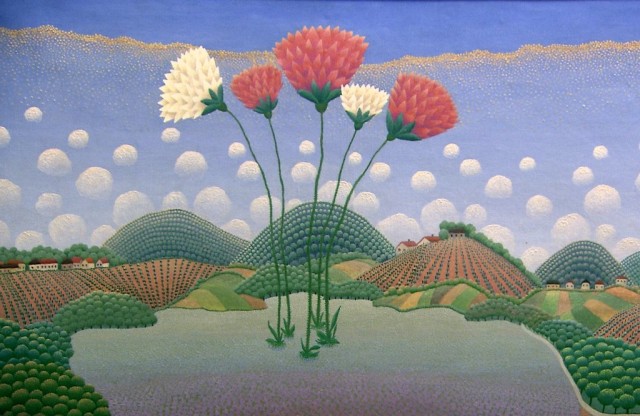
The Croatian Museum of Naive Art celebrates untrained peasant artists of the early 20th century. During this era, art world insiders began to seek out talented outsiders who produced great art. It was part of a broader movement designed to demonstrate that artistic talent was inborn, rather than taught. (This coincided with Picasso’s fascination with African masks, Gaugin’s trip to Tahiti, Béla Bartok’s codification of folk music from the Transylvanian countryside, the Art Brut movement, Grandma Moses, and the elevation of children artists.) I love the Naive Art Museum because it’s one of those places displaying artists — and an entire movement — that most visitors have never heard of. But it grabs you immediately, pulls you in, and wins you over. You’ll leave wondering why you didn’t learn about Ivan Generalić in your college art seminar.
CH11OctZagreb_018.JPG

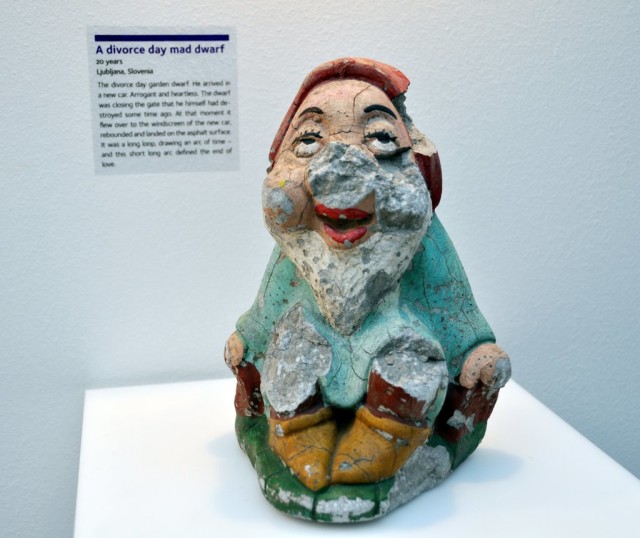
Breakups are ugly. But the Museum of Broken Relationships is a total delight. Opened in 2010 by a couple who had recently split up, this clever museum collects true stories of failed couples from around the world. They provide a succinct, one-sided explanation of what went wrong, which accompanies an item that embodies the relationship: discarded wedding albums, sex toys with stories about unreasonable requests for kinky acts, children’s playthings representing the innocence of young love (and, perhaps, the universality of stuffed animals), and plenty of items broken with vengeful wrath. To me, the Museum of Broken Relationships captures the wry, urbane, and artistic sensibilities of the Croatian capital.
Cameron-Croatia-Zagreb-Stone Gate 1

Cameron-Croatia-Zagreb-Stone Gate 2

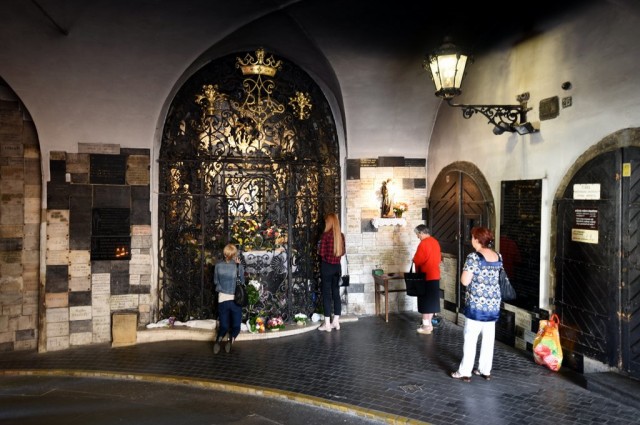
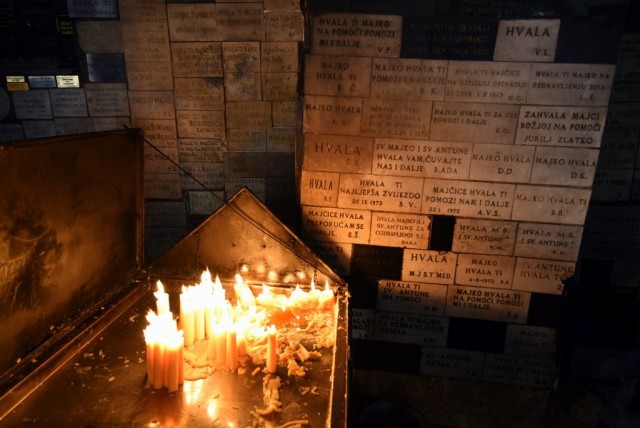
One of the most touching scenes in Zagreb is the Stone Gate, which hides just a few steps below St. Mark’s along a covered passageway between the city’s two old towns. Inside, the chapel’s focal point is a painting of Mary that miraculously survived a major fire in 1731. Zagrebians often pause to light a candle and stay a prayer here, oblivious to the tourists and commuters wandering through. The twinkling candlelight illuminates many plaques with a simple message: Hvala…thank you.
Zagreb: Croatia’s Continental Palate-Cleanser

I love Zagreb. Most people couldn’t imagine loving Croatia’s landlocked capital…or even going there. But trust me: It’s a great city.

On my first trip to Zagreb, I wasn’t sure what to expect…but it certainly wasn’t much. Let’s face it: Even just the name of the city sounds like a wet Slavic belch. But when I first got to know Zagreb, my low expectations were wildly exceeded. “Hey,” I thought. “This is a really cool place!”

Then I brought Rick Steves here. It took some convincing. But as he strolled through the town, gradually succumbing to its charms, he said to me, “Hey, this is a really cool place!”

A couple of years later, Rick and I came back with a film crew to shoot a travel show on Zagreb. Simon, our producer, and Karel, our cameraman, warmed up to the city immediately. They both turned to me and said, “Hey, this is a really cool place!”

Then, just a couple of years ago, I brought my wife here. And you’ll never guess what she said to me…

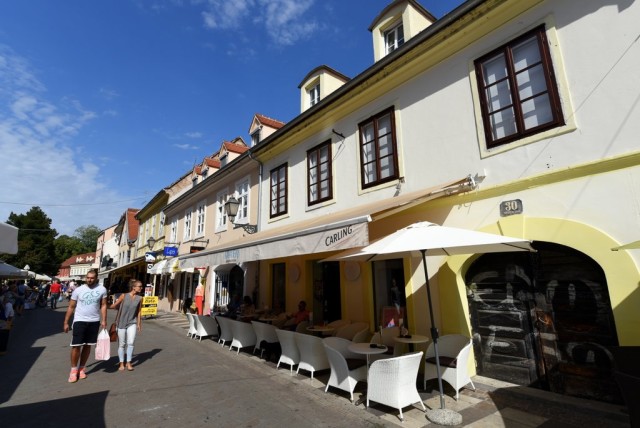
You get the idea. Zagreb is a delight. One out of every six Croatians lives in this hive of commerce, which is closer to Slovenia and Hungary than it is to any beach. As a onetime leading city of the Habsburg Empire, it has a “little Vienna” vibe to it — with Old World elegance, classy Baroque flourishes, and a certain tidiness. Some of its historic streets, like the tongue-twisting café drag Tkalčićeva, have an almost Prague-like charm.

Cameron-Croatia-Zagreb-Tkalci

From a traveler’s perspective, Zagreb also benefits from a contrast effect. Most people visiting Croatia focus on the coast — which, don’t get me wrong, is glorious. But after several days of island-hopping, choosing from the same seafood-and-pizza menu every day, and stubbing your toes on underwater rocks and sea urchins, urbane Zagreb is just the place to recover from your sunburn. In this country so focused on its coastal destinations, Zagreb is a continental palate-cleanser.

Zagreb has always had nice bones. But it’s been a thrill to observe the city fleshing out those bones over the last several years. Today’s Zagreb is flourishing, with an exciting new bustle and vitality: Great restaurants, from artisanal bakeries to foodie splurges. Slick design stores and fashion boutiques that meld Croatian tradition with contemporary style. More great museums than the rest of Croatia combined. And non-stop festivals that enliven the summer.

Cameron-Croatia-Zagreb-Park

Zagreb is a city of magnificent parks. The old town is ringed by forested hills and ravines. And zigzagging through the urban core is a “Green Horseshoe” of thoughtfully manicured parklands, punctuated by genteel historic buildings. During my visit on a sunny September weekend, these parks, and the city’s squares, were packed with revelers…three separate outdoor festivals were going on at the same time.

CH09Spring_635.JPG

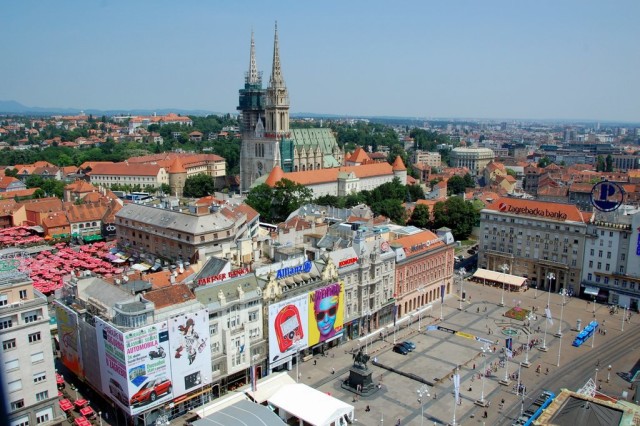
Jelačić Square — Zagreb’s main urban crossroads — is big, angular, and a little imposing. Giant billboards advertise Croatian brands you’ve never heard of, and trams zip through constantly.

Cameron-Croatia-Zagreb-Flowers

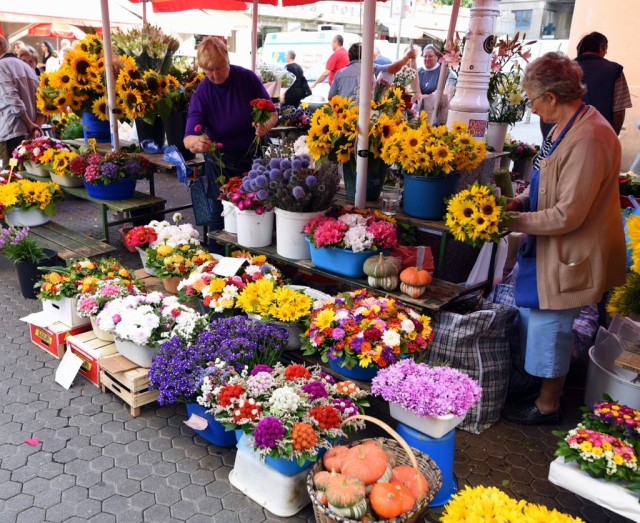
But even here, the hard edges are softened by local life. On weekends, one corner of Jelačić Square is filled with the stalls of a colorful flower market.

RS09Spring_533.JPG

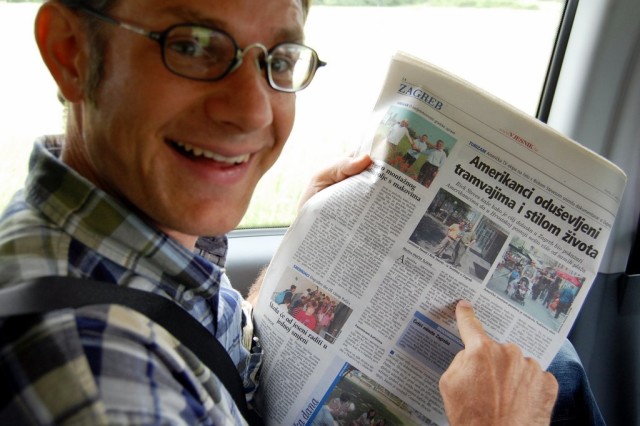
Being back on Jelačić Square, I remember when I was here with Rick in 2009, filming our TV show about Croatia. The tourist board asked us to take an interview with a local newspaper. Trying to convey his excitement about the general bustle and commercial metabolism of the city, Rick mentioned how he enjoyed seeing the trams come and go, with commuters piling on and off. When the paper came out, we bought a copy and got a kick out of seeing — but not reading — the article, which was in Croatian. Later, I showed it to a Croatian friend and asked for a summary. Skimming it, he said, “Hmmm…they say that Rick is really, really excited about the public transportation.”

Cameron-Croatia-Zagreb-Flags

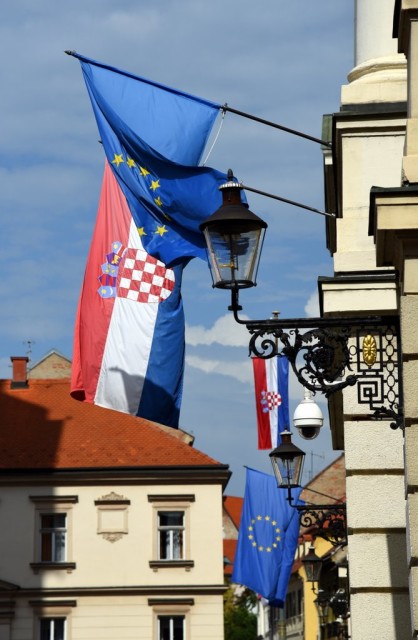
Croatia officially joined the European Union in 2013, and today, civic buildings fly both the red, white, and blue Croatian flag and the yellow stars on a blue field of the EU. Like any country that joins the EU, Croatians expressed a lot of angst leading up to membership. But it seems like most Croatians are already satisfied that, overall, it was the right choice. On the other hand, Croatia — and Zagreb in particular — is facing a trial by fire, as it’s become a highway for refugees from Syria (and other places) making the long journey to a better life in Austria or Germany. I actually met some of those refugees in the Zagreb train station, and later saw their abandoned tents at the border — a very powerful reminder of the human face behind the “refugee crisis.”

I’ll be sharing more photos and insights about Zagreb over the next few days. Stay tuned!

The Shot Heard ‘Round the World

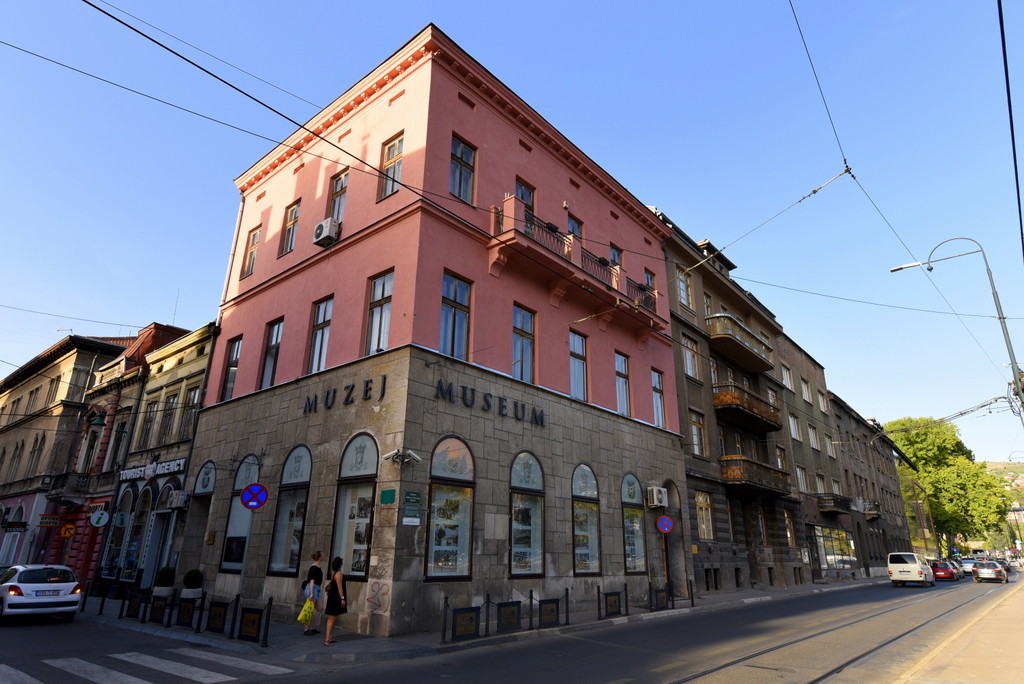
Confusingly, this famous expression is used to describe any number of events. But three are the most important: One has to do with baseball. Another has to do with the American Revolution. And the third “Shot Heard ‘Round the World” took place right here in Sarajevo…on this very corner:

Cameron-Bosnia-Sarajevo-Ferdinand Corner

Armchair historians geek out in Sarajevo. They know it as the place where, on June 28, 1914, the Archduke Franz Ferdinand (the heir to the Habsburg Empire) was gunned down by the teenaged Serb separatist Gavrilo Princip. That assassination set off a chain of events that plunged the planet into a Great War.

Standing on this spot, you can imagine Gavrilo Princip raising his gun and firing the fatal shot into the archduke’s open-top car. But famous as it is, the improbable chain of events that led to the “Shot Heard ‘Round the World” is nothing short of ridiculous: Princip was simply hanging out at this corner after an assassination attempt earlier in the day had failed. Suddenly, Franz Ferdinand — whose driver had gotten lost and pulled off on this side-street to check the map — happened to pull up in front of him. Bang!

Today there’s not much to see at this nondescript Sarajevo corner — just a plaque and a modest museum of the Habsburg era. But just standing here is enough to send shivers down the spine of any fan of 20th-century history.

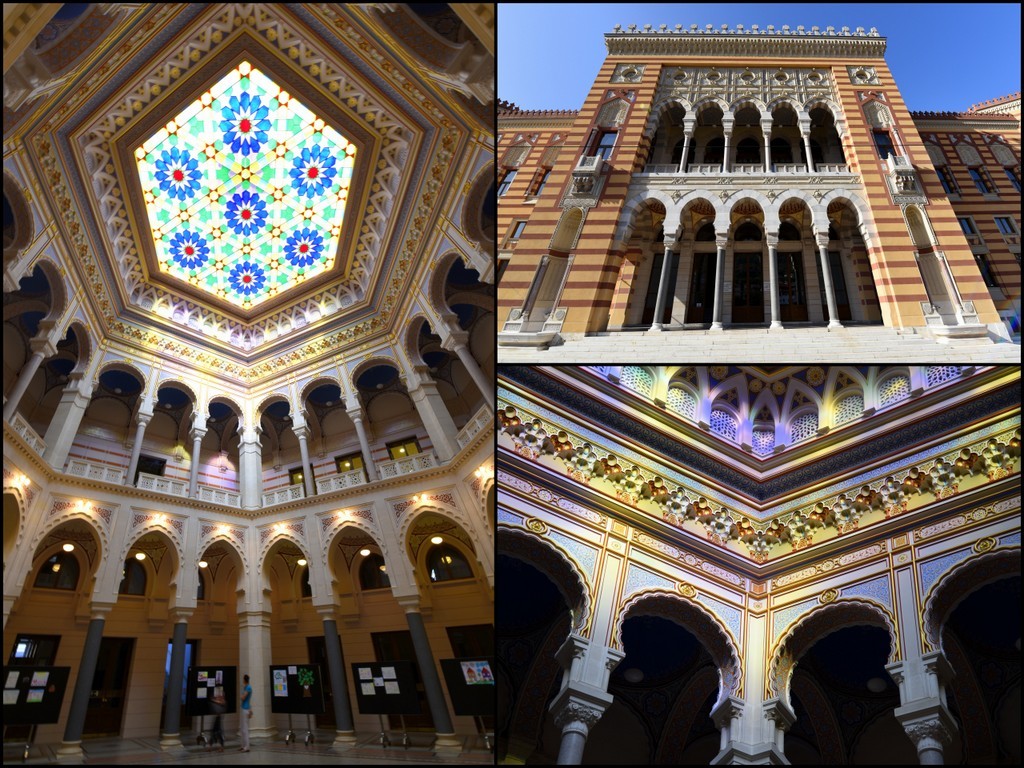
Cameron-Bosnia-Sarajevo-City Hall

Meanwhile, just up the street stands another important landmark of the Habsburg era. The Viennese-flavored, Neo-Moorish-style City Hall is where Franz Ferdinand had visited just moments before his death. Later it became the university library. And  during the siege of the 1990s, it burned to the ground. The “Cellist of Sarajevo” (Vedran Smailović) famously played his instrument in the smoldering rubble here, ignoring the snipers’ bullets that whizzed overhead — embodying the proud perseverance of the besieged Sarajevans. While recovery has been slow, Sarajevo commemorated the 100th anniversary of the Ferdinand assassination last year by unveiling this fully remodeled building. It’s been painstakingly restored to its original glory, right down to the many lavishly hand-crafted details.