Lesser-Known Milan

The big sights of Milan — Duomo, galleria, Last Supper — are all that many visitors see. And that’s enough for most. But if you have some extra time, here are a few ideas for delving deeper.


Milan Brera Street 2

Most of downtown Milan lacks the charm of smaller Italian cities. It’s a snarl of tram tracks, double-parked motorinos, and sterile bank headquarters. But there are a few pockets of Old World charm. The neighborhood around the Brera Gallery, a 10-minute walk north of the Duomo, immerses you in a colorful, cobbled world of medieval homes that feels an eternity away from the congested boulevards.
 

Milan Da Vinci

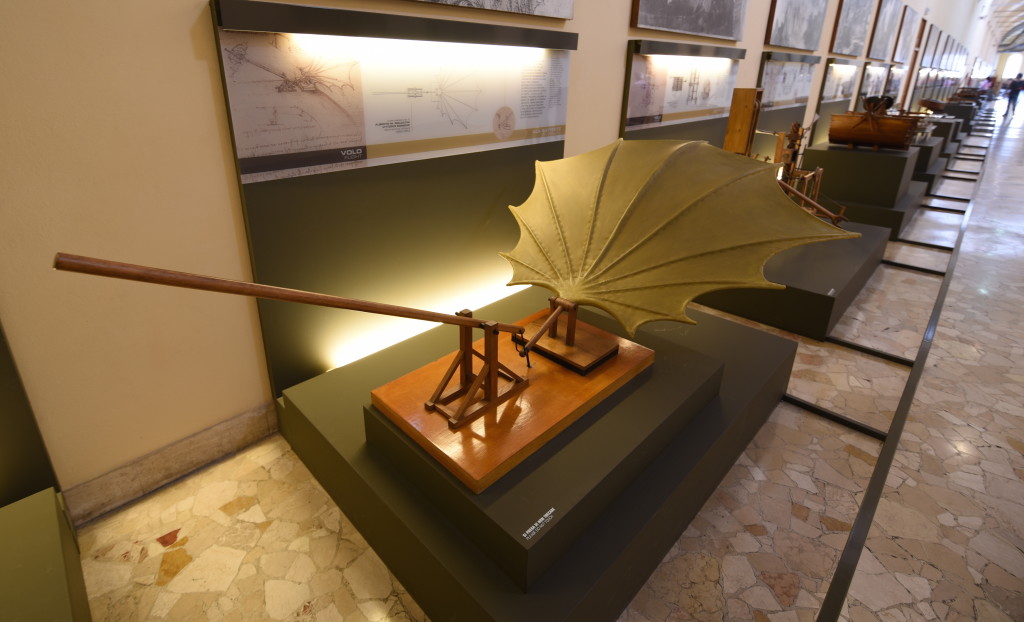
In our Italy guidebook, we recommend the state-of-the-art Leonardo da Vinci Science Museum. In addition to working models of Leonardo’s designs (pictured here), the sprawling museum is packed with hands-on, kid-friendly exhibits covering every facet of science. If I were a 10-year-old Italian ragazzo, this place would blow my mind. But our guidebook’s audience isn’t Italian children— it’s American grown-ups with limited time. Given that there are probably a couple dozen just-as-good science museums scattered across the US, should we instead be devoting that valuable guidebook space to something that’s unique to Milan?


Milan Fashion Street 2

Milan lives up to its reputation as a fashion capital — or, quite possibly, the fashion capital. Wearing in my nicest travel clothes, I still felt like an eyesore. But even those of us who don’t dress for success enjoy strolling the city’s ritziest fashion streets, which are concentrated just northeast of the Duomo in the area around Via Montenapoleone.  Although these are some of the most expensive shops in Italy, the streets themselves are modest — tidy pedestrianized lanes thoughtfully decorated with lush plantings. Those expecting a bigger-is-better Fifth Avenue or Rodeo Drive experience may be disappointed, but I found the human scale of Milan’s fashion scene refreshing.


Milan Barbie

This window display’s honesty is a bit jarring: Yes, now that you mention it, Milan’s fashion scene pretty much does view women as dress-up dolls…


Milan Bank

In addition to fashion, Milan is a capital of banking. The streets in the very center, around the Duomo, teem with imposing bank buildings. But this one, sharing a square with the famous La Scala opera house, offers a fun twist: It’s been converted into the Gallerie d’Italia. You’ll stroll through the wealthy lobby — and past antique teller windows — to reach a fine collection of 19th- and 20th-century Italian art. Downstairs, tucked between the bag check and the toilets,  you can peer into the old bank vault — now guarding not gold bricks, but fine art.


Milan Naviglio Grande

I’m a connoisseur of emerging hipster neighborhoods in big European cities — in my travels, I seek out funky galleries, thriving foodie culture, and an adorkable/heavily bearded Portlandia vibe. And I had high hopes for Milan’s Naviglio Grande district, where dreary old industrial canals have been converted into a dining and nightlife zone. But for me, Naviglio Grande was a bit of a letdown. The restaurants were less creative than I was expecting, and the area already feels co-opted by tacky tourism. I had a couple of dinners here — one at a mediocre trattoria, another at an intriguing but ultimately unsuccessful “Brazilian sushi” place — and left disappointed. Sure, it’s a nice, lively, youthful change of pace from downtown, but this isn’t where you’ll find the most memorable meal of your trip. In general, I’ve finally figured out that truly great hipster zones are in very short supply in Italy. They seem thrive best in Northern Europe — Germany, the Low Countries, Britain — and in Eastern Europe. Perhaps the timeless beauty of traditional Italy is enough to keep young people entertained, whereas the rusting, industrial cities of the north and the east force the new generation to create their own space.


MIlan Aperitivo

Italy has a delightful happy hour custom that’s also a little-known tip  for budget travelers. Each evening after work, convivial bars like this one lay out a generous buffet of tempting antipasti, which are free to anyone who buys a drink. The drink — and the custom — is called aperitivo, and while those drinks aren’t cheap (often around €8-10), if you’re discreet, you can stretch the free snacks into a light meal. The aperitivo is also a great time to feel like a temporary local, as it’s mostly Italian yuppies who fill the tables starting at about 5 p.m. (Tourists show up for dinner just as the aperitivo crowd is clearing out.) Watch for the aperitivo custom all over Italy — but here in Milan, where they claim they invented it, it’s particularly robust. You’ll notice everyone sipping a deep-red drink made with Campari, the famous bitter that also comes from Milan.

Two Weeks in Italy, Plenty to Report

I’m nearing the end of my two-plus-week swing through Italy, updating our guidebook chapters on Naples, Sorrento, the Amalfi Coast, Lake Como, and Milan. And no matter how many times you return to a place, there’s always something new to experience. Here are a few of my favorite photos and observations so far. Next stop: France.


Sorrento Boat

Ritzy Sorrento clings to a cliff high above the Bay of Naples. Directly below is the endearing community of Marina Grande, where local fishermen pull their dinghies up onto the beach between sunbathers and fish restaurants. A long pier with a mix of working boats and pleasure craft lines the horizon, with Mount Vesuvius looming just beyond. Strolling here, you feel a world away from the congested town up above. In your travels, it’s always worth seeking out pockets of real life that trudge on in the shadow of mass tourism.


CH15AprSorrento_022

In addition to lemons, Sorrento seems to specialize in stunning panoramic terraces. I enjoy my work updating guidebooks, and normally I don’t mind hustling around town while everyone around me is on vacation. But passing several of these romantic perches, I really wished I could slow down and settle in for a few days.


Amafli Bus

There are several ways to follow the outrageously twisty, outrageously scenic road that runs along the Amalfi Coast. The very intrepid, foolhardy, and well-insured can rent a car. But, comfortable as I am driving just about anywhere else in Europe, I’d never drive here. For a safer bet, most people hop on public SITA buses (they depart from in front of the Sorrento train station about hourly) or hire their own driver for a personal tour (about €300 for a carload for the entire day).  Another option is to join one of the shared tours by Mondo Guide; I went incognito on their all-day Amalfi Coast drive, just to re-assess it for our guidebook, and found it to be a great value — much more affordable than hiring my own driver, and far more convenient than the public buses.


Positano Beach

Even in late April, the beaches of the Amalfi Coast town of Positano were busy. I was here on a Thursday, in glorious sunshine, and saw only a few people splashing in the surf. Then, when I returned under cloudy skies two days later, the beach was mysteriously packed. My driver explained: On weekends, American college kids studying in big cities head for the beaches — regardless of the weather.


Amalfi Steps

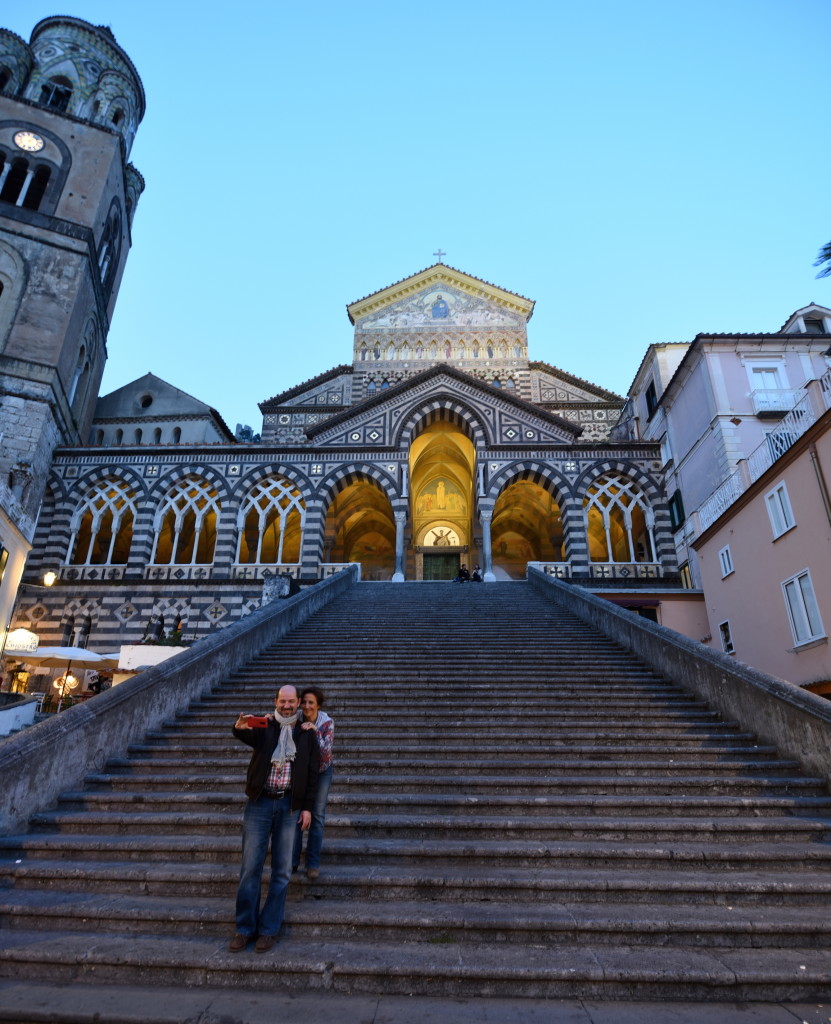
Some of the best public spaces in Italy aren’t squares — they’re steps, like this grand staircase to the cathedral in the town of Amalfi. People hang out here, chat with their neighbors, snap selfies, lick gelato, and savor the sensation of being immersed in Italy. I was glad to spend the night in Amalfi, which gave me a completely different experience than the day-tripping logjam of midday.


Naples Lions

True, Naples is a gritty city. But it also has an elegant history and some beautiful corners. Piazza del Plebescito is a showcase from Naples’ glory days, with a vast open square, a replica of Rome’s Pantheon, and territorial stone lions with more than their share of personality.


CH15AprNaples_129Having a local friend show you around an intimidating city like Naples makes all the difference in the world. Virgilio, a native Neapolitan, helped me decipher the enigma that is his hometown, including teaching me the correct way to eat pizza. He even helped me do some Christmas shopping. Here, we’re posing with the local good-luck charm, corno: a skinny, twisted, red horn that resembles a chili pepper. The corno is two fertility symbols in one: It’s a horn of plenty, and it’s also phallic. Virgilio explained that to close-knit, family-oriented Neapolitans, fertility isn’t sexual; it’s the greatest gift a person can give — new life — and it ensures that their soul will live on into the next generation. The salesperson explained that if the corno breaks, that means it worked — it took the bad-luck hit so you wouldn’t have to. (Eyeing the cheap trinket, I was skeptical about whether this was a real tradition…or just an excuse for shoddy manufacturing.)


Pompeii Crowds

Herculaneum Street

The problem with really famous sights is that they’re really famous — and, therefore, crowded. The ruined ancient town of Pompeii (top picture) is jammed with cruise passengers, armchair archaeologists, and pooped picnickers, even late in the day. I had to sharpen my elbows just to walk down the street. Then, riding the train back to Naples, I hopped off at Herculaneum (bottom picture). Like Pompeii, it was consumed by Mount Vesuvius’ eruption in A.D. 79. But because it’s tucked in a gully and was engulfed by fast-moving lava several hours later, it’s even better preserved. And, since it’s not as famous as Pompeii, it’s far less congested — allowing you to really take your imagination off its leash.


Varenna CinematicRiding the train from South Italy to Lake Como — that’s Switzerland on the horizon — was a shock to my system. But the town of Varenna, filling its little spit, was the ideal place to rest up from the busy first stretch of my trip. From here, it was easy to hop on a boat to side-trip to famous Bellagio and some really stunning villas.


Plane Trees

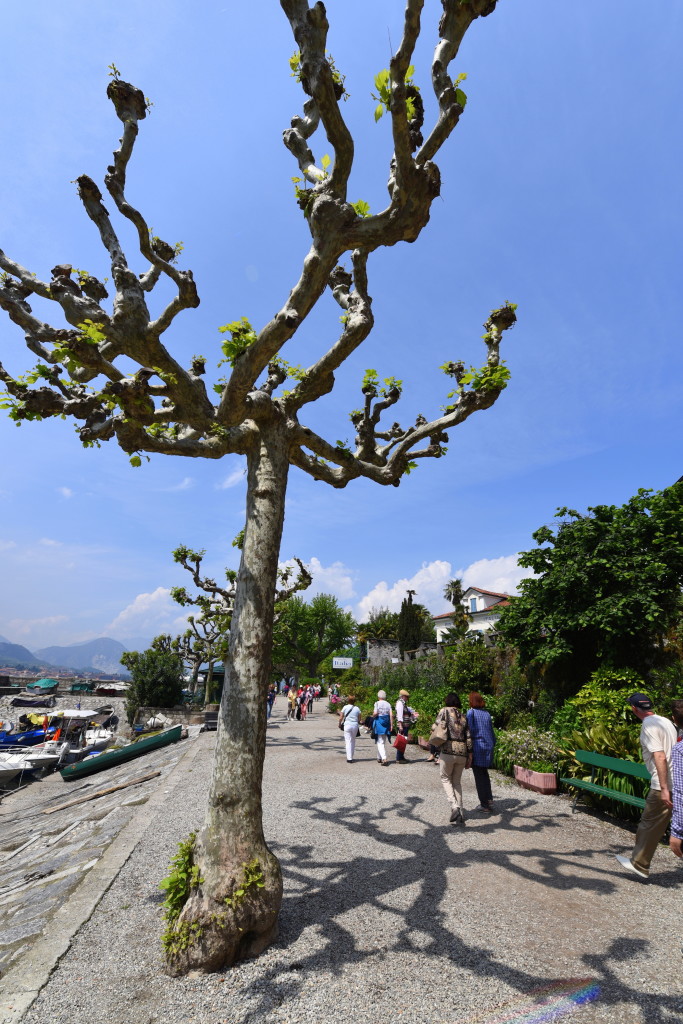
If a garden is a canvas, then pointy cypresses and knobby plane trees are the Italian landscaper’s favorite brushes. From the Amalfi Coast to Lake Como, I’ve reveled in some glorious scenery. And, just like the food, the gardens change with the seasons. I love being in Italy in the late spring/early summer. It seems the entire country is draped in vivid-purple wisteria. (Perhaps not coincidentally, I’ve decided to plant some wisteria in my backyard this summer.) And this time of year reveals the carefully cultivated bulbs of the skeletal plane trees; before these trees completely leaf out, you can see the decades of care that have gone into sculpting their akimbo limbs. While Italy is also well worthwhile in the late summer and fall, by that time its vegetation is getting parched and sun-scorched, and you see more browns than popping colors.


Varenna PastaWhen I travel in Italy, I feel like I’m carbo-loading: Pastries for breakfast. A panino (baguette sandwich) or slice of pizza for lunch. Pasta for dinner. When I complained about this rut to a friend, she looked at me blankly and said, “Well, why do you eat pasta every night? Try some of the secondi.” It hadn’t really occurred to me to delve into the meat and fish main courses. So, inspired, I ordered fish that very evening. It was great. But by the next day, I was right back to pasta. How can you blame me, with options like this on the menu? The thing about Italian pasta is that it’s not just spaghetti and ravioli. The regional variations are staggering — on this trip alone, I’ve had everything from handmade tagliatelle sprinkled with fish eggs (pictured here), to delicate pouches of dough filled with ricotta and smothered in a simple tomato sauce, to dense buckwheat noodles with melted mountain cheese and sautéed greens. You could spend a year in Italy, have a different pasta dish every day, and still not run out of choices.

I’ll have a few more stories from Italy in the coming days, but then I’m heading for a change of scenery (and cuisine): France!

The Milano Express

A striking contrast to much of Italy, Milan is the country’s time-is-money business and fashion hub. People like to describe it as “Germanic,” which is code for “organized but unfriendly.” But I think that’s too much of a swipe at Germany, which, in my experience, can be much friendlier — and much less organized — than its reputation.

Milan isn’t “Germanic.” It’s Milanese. And, let’s be frank, that’s not what most travelers are looking for. The city is less warm, colorful, romantic, evocative, and, yes, friendly than just about anywhere else I’ve been in Italy. Money talks here more loudly than elsewhere, and dressing casually makes you stick out like a pile of parmesan on a plate of seafood pasta. Consequently, most tourists either give Milan a miss, or hit it strategically as they zip through.

Much as I’d like to turn this conventional wisdom on its ear, after a few days in Milan, I’m convinced that a quick visit really is best plan. Don’t linger in Milan. Everything you want to see — the Duomo and its prickly rooftop, the adjacent Vittorio Emanuele II shopping gallery, Michelangelo’s final pietà in the Sforza Castle, and, of course, Leonardo da Vinci’s Last Supper — can easily be squeezed into a few hours…if you’re organized and willing to rush. “Day Two” in Milan ranks pretty low on an Italian scale, and the “extra credit” sights aren’t worth the bonus points. I’d spend just one night. Or, if works for your itinerary, hit the big sights on your way between other destinations.

That said, the greatest hits of Milan really are pretty great. Here are some highlights, and some tips for making the most of your time.

Milan Piazza

Milan’s main square, Piazza del Duomo, is shared by its two most famous landmarks: the Duomo (cathedral) and the Vittorio Emanuele II shopping gallery. Stepping into this piazza, you get the “oh, wow” rush you’d expect… but that excitement is fleeting. The other buildings on the square are mostly drab (even the fancy ones), and the whole space feels soulless and a bit seedy. As a traveler, I favor public spaces that can back up that initial wow with some real substance. But this is not a square that tempts me to linger with a cappuccino.

Duomo Interior

Milan’s famous Duomo is simply massive. It can hold 40,000. And with Expo 2015 happening on the outskirts of Milan right now, it may just need to. I was impressed on this visit to see how smartly Milan is coping with the 20 million Expo revelers who are expected over a six-month period. Just a few days after Expo opened, the city already seemed to have things figured out. For example, many sights are open special extended hours. The Duomo, which usually closes at 7 p.m., is staying open until 11 p.m. for the duration of the Expo.

Milan Rooftop

The Duomo’s interior, while massive, doesn’t have much that sets it apart from other famous Italian churches. But the Duomo does offer one unique opportunity: Riding an elevator (or walking up the stairs) to the rooftop, where you can wander through a forest of frilly Flamboyant Gothic spires.

Galleria 2

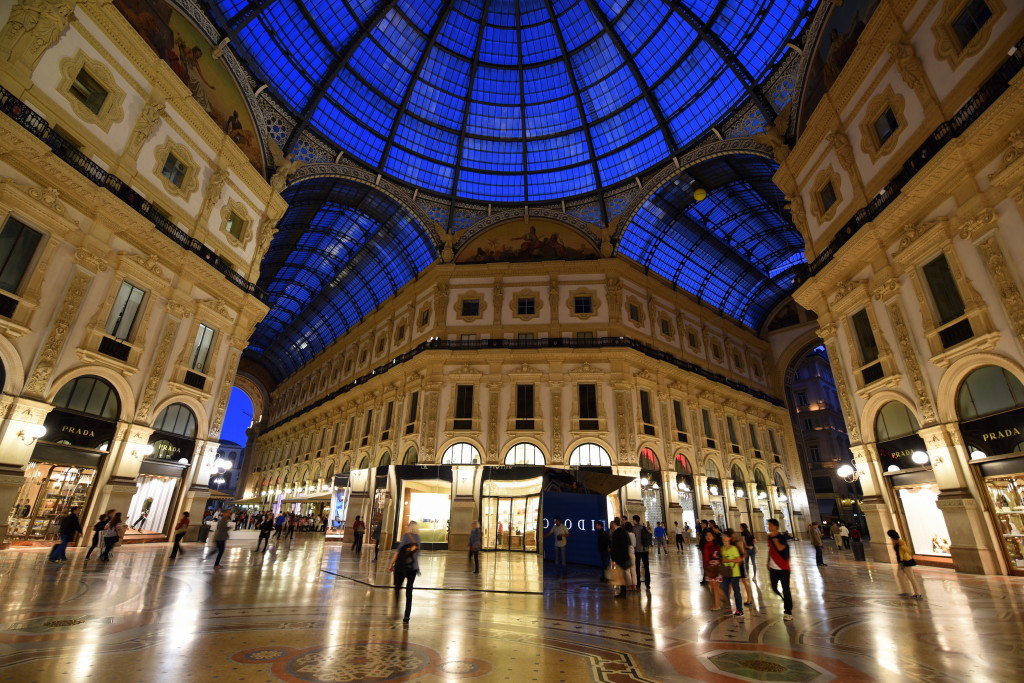
The Galleria Vittorio Emanuele II — named for the king who first united Italy in the 1860s — may be the most stunning shopping mall on earth. But few people come here to actually shop; it’s the city hangout, where tourists and the Milanese come for a genteel stroll, to nurse an overpriced cocktail of the local Campari bitter, or just to get out of the sun or rain.

Michelangelo Pieta

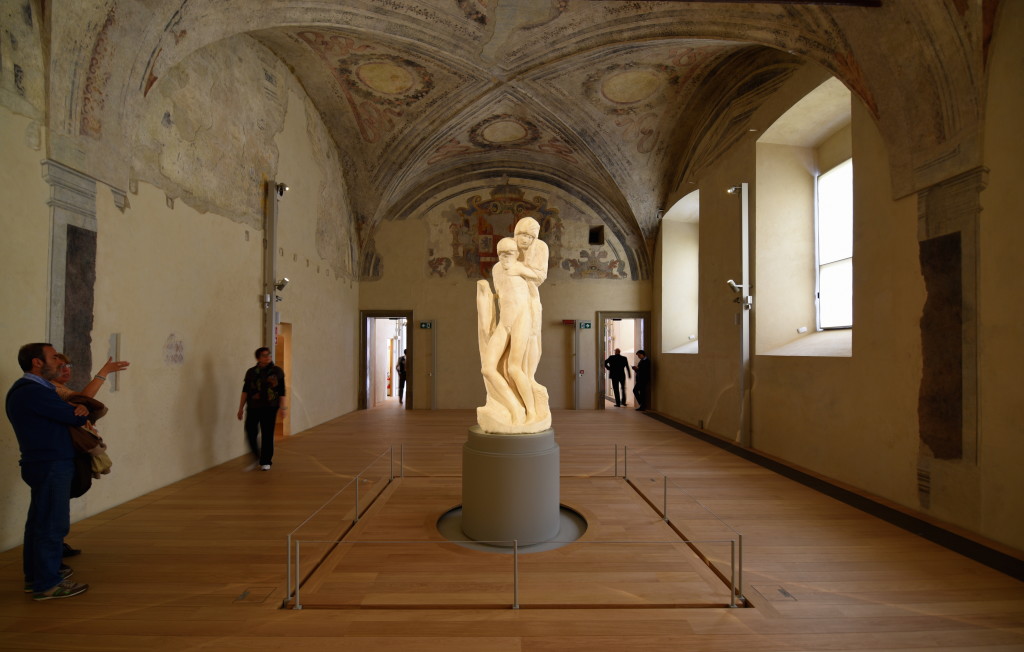
The main art treasure in Milan is Leonardo da Vinci’s Last Supper (not pictured here, because pictures are strictly forbidden — and they mean it). And, while The Last Supper is certainly well worth seeing, it requires a reservation weeks in advance (more on that in a future posting). But a few blocks away is another, completely overlooked masterpiece by another Renaissance great: this final pietà by Michelangelo, who, at nearly 90 years old, was working on this sculpture when he died. Although unfinished, it still demonstrates the unparalleled mastery of Michelangelo. Displayed at Sforza Castle, it has recently been moved into this gorgeously restored old hospital, where it can really take center stage…with nowhere near the crowds you’ll find at other Michelangelos in Italy.

Overheard in Italy

I’m sitting at a kebab shop, detoxing from several consecutive pasta dinners, when three college-age American travelers plop down at the next table.

The earnest, bespectacled one pulls out his dogeared Rick Steves Italy guidebook and begins reading passages aloud to his travel partners. They roll their eyes, but humor him.

Hiding behind my kebab, I’m getting a huge kick out of this scene. First of all, I can totally relate. On my first big trip to Europe 16 years ago, I was the one reading Rick’s words aloud to my friends, driving them nuts, making them wish it would stop…if only it weren’t so helpful. And I’m loving the opportunity to eavesdrop on our readers in situ. Call it “market research.” Rick’s too famous for this trick, but my anonymity allows me to go incognito.

“You know, guys, we joke around about Rick,” he says. (Though I’m guessing that the joking is mostly across the table.) “But you gotta admit, this book is really useful.”

His friends, barely acknowledging the statement, go back to their side conversation, while Poindexter keeps flipping pages.

“Whoah! Check it out, guys,” he says, eager to get in some licks of his own. “There’s a nightlife section!” This elicits more rolled eyes about the notion that a guy famous for money belts and PBS pledge drives would have the nerve to write about nightlife. “Do you suppose that every so often, ol’ Rick throws on a pair of jeans to go clubbing?”

At this point convulsing with silent laughter — making it hard to remain anonymous — I try to tune out the conversation. But I can’t stop listening.

“Wait, maybe he doesn’t do that part himself. Let’s see who his helpers are.” He turns to the “Credits” page in the back of the book, with pictures of a half-dozen guidebook researchers…including me. Three feet away, I flash a little grin just in case he glances over.

“Uh, guys? I have some bad news…” I can see his gears working, as he crafts a perfect joke about how everyone working on this book is a huge dork. I steel myself for what’s coming next.

But then his voice trails off, as he surveys the faces who make Rick’s Italy book possible: Ben, an American thirtysomething who fell in love with Rome (and one of its women) and now divides his time between Italy and Edmonds. Virginia, who moved from Abruzzo to Seattle, earned her Ph.D., and now leads Rick Steves tours back in her native Italy. Trish, a can-do Southern California gal, foodie, blogger, and tour guide. Travel nerds? Maybe. But more important, they’re all brilliant, fun, vivacious people, with a passion for Italy, and for sharing it with travelers.

The joke never comes. I release the breath I’ve been subconsciously holding. We made the cut. Apparently our crew of researchers is just cool enough for this Millennial to let slide. The Rick Steves guidebook street cred is safe for another generation.

Either that, or he finally recognized my photo and didn’t have the heart to mock me to my face. Good call, kid. Maybe someday, you’ll be the one overhearing this conversation from the next table.

Bella Bellagio

I’m disinclined to like a city that gave its name to a Las Vegas casino. But after a couple of afternoons prowling its steep streets, I’ve gotta admit — Bellagio is pretty nice. For the best Lake Como experience, I still prefer home-basing in Varenna, which feels a bit more real and less pretentious. But a targeted side-trip to Bellagio is well worthwhile.

Bellagio OV

Bellagio feels bold and confident. It knows that it has the lake’s glitziest cachet. Its pastel-hued grand hotels stretch out along a lazy lakefront with boat docks, trees, flower boxes, overpriced cafés, and piles of visitors.

Bellagio Dock 2

On a sunny day sandwiched between gloomy ones, hordes of impatient travelers (eager to hop to the next town) meet each arriving boat. While the published boat schedules are nearly impossible to decipher, and the docks can be jammed, somehow it all just works…like everything in Italy. Key strategies: Assume a boat is going to your destination sometime in the next 30-60 minutes. Your job is to ask anyone who seems knowledgeable what time it leaves, and where it leaves from. Don’t wait until the last minute to buy your ticket (since they can’t be bought on board, and long lines can jam up the ticket windows). For a full day of lake-hopping, I splurged on the €15 all-day pass. Cost-wise, I basically broke even, but it saved me loads of time (and, probably, several missed boats while waiting in ticket lines).

Bellago Steps up

While all of the lakefront towns have steep steps leading up from the waterfront, Bellagio’s have more class — they’re wider and more manicured, dressed up with lush flowers, draping ivy, and chichi wine bars. Yeah, I can see why this place is so popular.

Bellagio parkBellagio’s old town is fun to explore, but eventually you’ll need a break. From the promenade — clogged with fancy hotels, designer sports cars, and too many tourists with too much money — a row of carefully cultivated plane trees lures you for a tranquil lakefront stroll.
Bellagio Trees

If you don’t have enough time or interest to ride the boat to some of the famous villas (like the Villa del Balbianello or the Villa Carlotta), just walk to one of the only slightly less stunning gardens near Bellagio or Varenna.  For example, the Villa Melzi Gardens, a scenic 15-minute walk from downtown Bellagio, provides a good sampling of lakefront gardens, without the crowds or hassles of the more famous ones.