The big sights of Milan — Duomo, galleria, Last Supper — are all that many visitors see. And that’s enough for most. But if you have some extra time, here are a few ideas for delving deeper.

Most of downtown Milan lacks the charm of smaller Italian cities. It’s a snarl of tram tracks, double-parked motorinos, and sterile bank headquarters. But there are a few pockets of Old World charm. The neighborhood around the Brera Gallery, a 10-minute walk north of the Duomo, immerses you in a colorful, cobbled world of medieval homes that feels an eternity away from the congested boulevards.
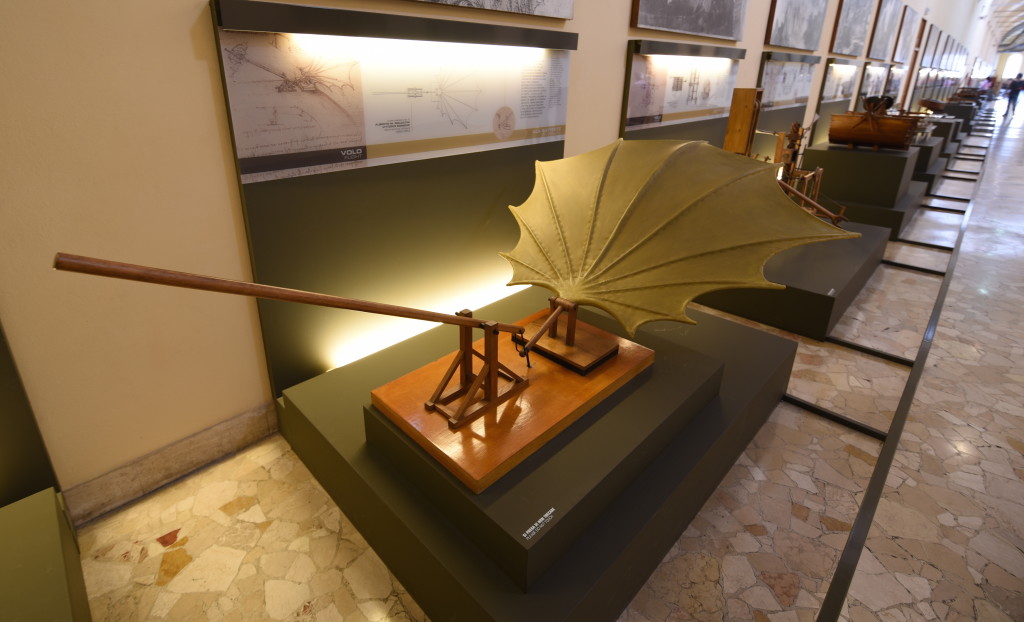
In our Italy guidebook, we recommend the state-of-the-art Leonardo da Vinci Science Museum. In addition to working models of Leonardo’s designs (pictured here), the sprawling museum is packed with hands-on, kid-friendly exhibits covering every facet of science. If I were a 10-year-old Italian ragazzo, this place would blow my mind. But our guidebook’s audience isn’t Italian children— it’s American grown-ups with limited time. Given that there are probably a couple dozen just-as-good science museums scattered across the US, should we instead be devoting that valuable guidebook space to something that’s unique to Milan?

Milan lives up to its reputation as a fashion capital — or, quite possibly, the fashion capital. Wearing in my nicest travel clothes, I still felt like an eyesore. But even those of us who don’t dress for success enjoy strolling the city’s ritziest fashion streets, which are concentrated just northeast of the Duomo in the area around Via Montenapoleone. Although these are some of the most expensive shops in Italy, the streets themselves are modest — tidy pedestrianized lanes thoughtfully decorated with lush plantings. Those expecting a bigger-is-better Fifth Avenue or Rodeo Drive experience may be disappointed, but I found the human scale of Milan’s fashion scene refreshing.

This window display’s honesty is a bit jarring: Yes, now that you mention it, Milan’s fashion scene pretty much does view women as dress-up dolls…

In addition to fashion, Milan is a capital of banking. The streets in the very center, around the Duomo, teem with imposing bank buildings. But this one, sharing a square with the famous La Scala opera house, offers a fun twist: It’s been converted into the Gallerie d’Italia. You’ll stroll through the wealthy lobby — and past antique teller windows — to reach a fine collection of 19th- and 20th-century Italian art. Downstairs, tucked between the bag check and the toilets, you can peer into the old bank vault — now guarding not gold bricks, but fine art.

I’m a connoisseur of emerging hipster neighborhoods in big European cities — in my travels, I seek out funky galleries, thriving foodie culture, and an adorkable/heavily bearded Portlandia vibe. And I had high hopes for Milan’s Naviglio Grande district, where dreary old industrial canals have been converted into a dining and nightlife zone. But for me, Naviglio Grande was a bit of a letdown. The restaurants were less creative than I was expecting, and the area already feels co-opted by tacky tourism. I had a couple of dinners here — one at a mediocre trattoria, another at an intriguing but ultimately unsuccessful “Brazilian sushi” place — and left disappointed. Sure, it’s a nice, lively, youthful change of pace from downtown, but this isn’t where you’ll find the most memorable meal of your trip. In general, I’ve finally figured out that truly great hipster zones are in very short supply in Italy. They seem thrive best in Northern Europe — Germany, the Low Countries, Britain — and in Eastern Europe. Perhaps the timeless beauty of traditional Italy is enough to keep young people entertained, whereas the rusting, industrial cities of the north and the east force the new generation to create their own space.

Italy has a delightful happy hour custom that’s also a little-known tip for budget travelers. Each evening after work, convivial bars like this one lay out a generous buffet of tempting antipasti, which are free to anyone who buys a drink. The drink — and the custom — is called aperitivo, and while those drinks aren’t cheap (often around €8-10), if you’re discreet, you can stretch the free snacks into a light meal. The aperitivo is also a great time to feel like a temporary local, as it’s mostly Italian yuppies who fill the tables starting at about 5 p.m. (Tourists show up for dinner just as the aperitivo crowd is clearing out.) Watch for the aperitivo custom all over Italy — but here in Milan, where they claim they invented it, it’s particularly robust. You’ll notice everyone sipping a deep-red drink made with Campari, the famous bitter that also comes from Milan.