Travelers tell me that they find Rick Steves guidebooks unusually accurate, thoughtful, and practical. There’s a reason: We still update all of our books in person, either every year (if there’s a year printed on the front cover) or every other year (if there’s an “edition” printed on the front cover). And when I’m updating a book, yes, I really do visit every single hotel, restaurant, museum, train station, tourist information office, laundromat, and so on — all in person.

That personal touch shines through even more, I believe, in our co-authored books, where one expert handles the update each edition (in constant collaboration with Rick, of course). I do this in Eastern Europe, but here in France, I’m on Steve Smith’s turf. And it’s quite touching to see the personal connection that many businesses in our book feel with Steve. They ask after him like he’s a friend they haven’t seen in a year…because that’s essentially what he is. Steve has handpicked — and carefully cultivated relationships with — each and every business that appears in Rick Steves France. That level of dedication and intimacy really comes through in our readers’ experience.
I’m always pressed for time when researching, but here in France, updating the hotels is particularly demanding. French hoteliers are so proud of their properties, they want to show me every square inch. And Steve’s accommodations aren’t just cookie-cutter; they have real character.
I had one particularly lengthy, but very enjoyable, interaction at a countryside hotel near the Dordogne River Valley, called Moulin de Fresquet. The owners, Gérard and Claude, have converted an ancient mill into an idyllic retreat. Gérard greeted me in the driveway and proceeded to show me each of their five rooms — all of them different, but all of them equally well cared for. He told me about the ghost who haunts the mill, showed me a copy of the innkeeper’s memoir he wrote and published (unfortunately, so far available only in French), and took me on a guided tour of the lush, parklike grounds. The place is less a hotel than an enchanting fantasyland.
Dutifully checking the details in our book, I asked Gérard about the duck pond that our listing mentioned. His eyes fell. “Sadly,” he said, “we no longer have ducks in our pond. A hawk moved in and began picking them off, one each day, until they were all gone. Now we just have a few passing ducks who rest here briefly.”
When I was leaving, Gérard asked me, “Excuse me. Do you know what happened to Karen Brown?” It took me a moment to realize who he meant. In the 1990s and early 2000s, Karen Brown wrote a series of guidebooks highlighting romantic, upscale, characteristic inns. (Back then, Rick used to say, “My splurges are Karen Brown’s slums.”) She had a very devoted following, but her niche became one of the casualties when printed guidebooks were eclipsed by online sources.
Genuine affection filled Gérard’s voice as he described how Karen would come personally to visit and update her guidebook each year, and even brought her entire family on holiday once. This wasn’t just a business relationship; it was a friendship. “I wrote a letter to her several months ago and never heard back,” Gérard told me. Since Karen and I are both in the guidebook biz, he figured maybe I knew her. (Karen, if you’re reading this, get in touch with Gérard and Claude! You know, they worry.)
Accommodations with personality are increasingly rare in our mass-produced, crowdsourced age. Most people want to quickly find a hotel online, book it instantly, and tick it off their list. But visiting this and so many other lovingly run accommodations throughout France, I feel proud to be part of an organization that still values people-to-people connections…even if we’re a bit old-fashioned. I can only hope to have enough of an impact that many years from now, my friends in Gdansk, Dubrovnik, or Budapest will ask themselves, “I wonder whatever happened to that Cameron guy from Rick Steves?”


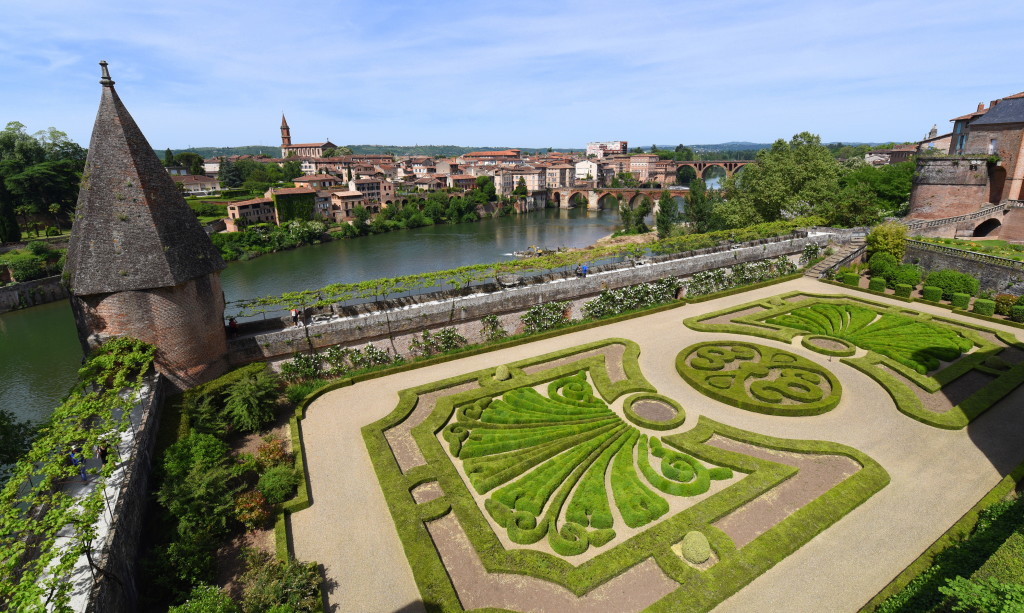
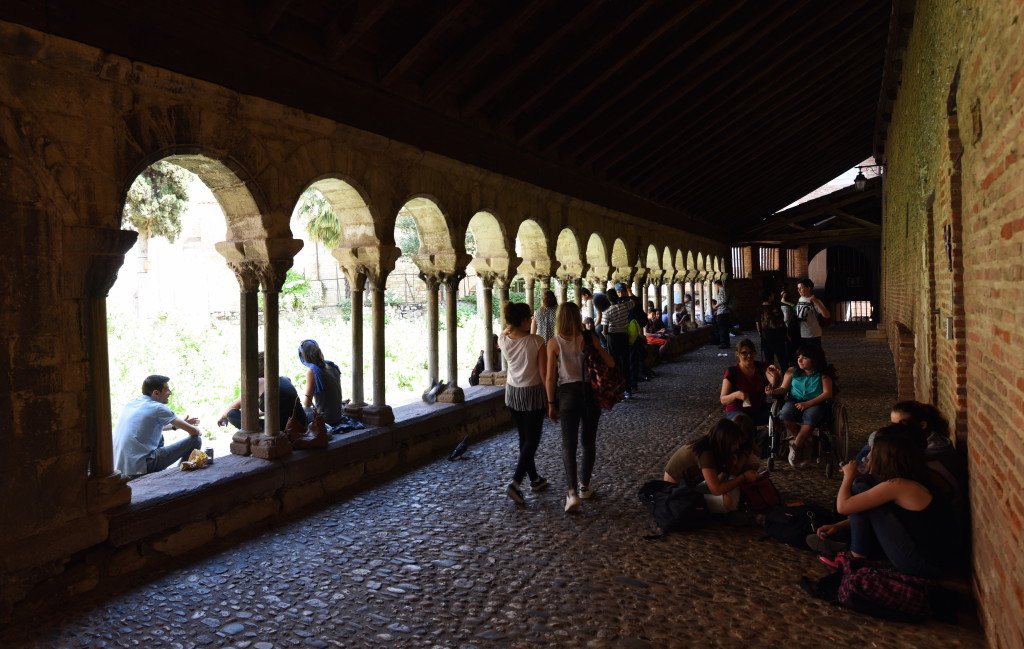 From the cathedral, inviting streets fan out through town. And, like any great city, Albi hides plenty of surprises behind its eye-pleasing veneer. This medieval cloister — packed with a picnicking field-trip group during my visit — is a tranquil eddy that sits, almost unmarked, off the main drag.





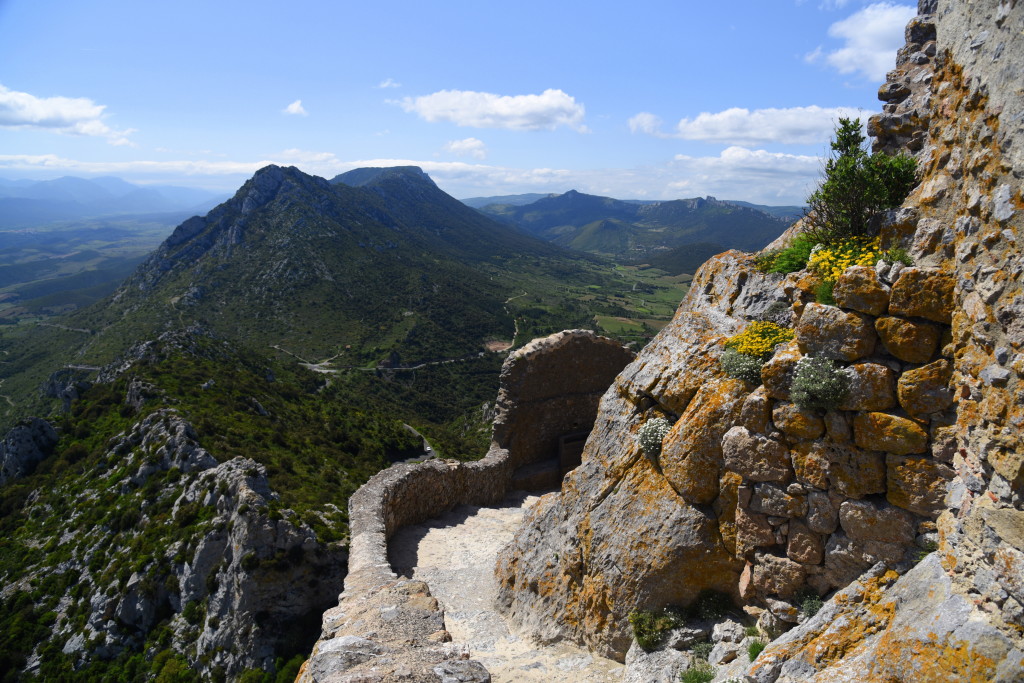


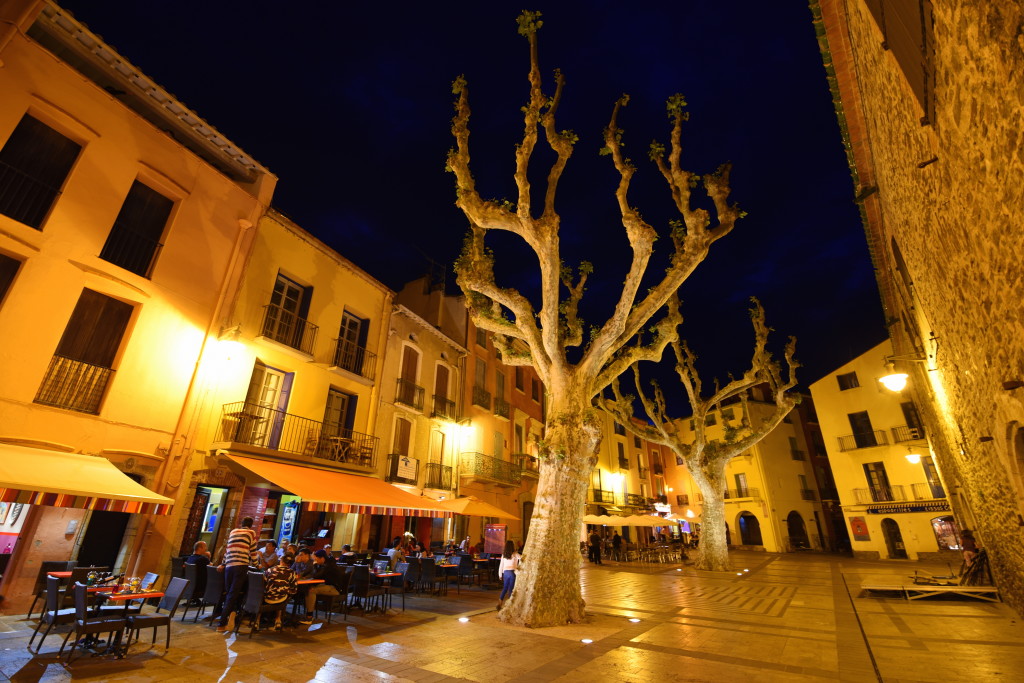
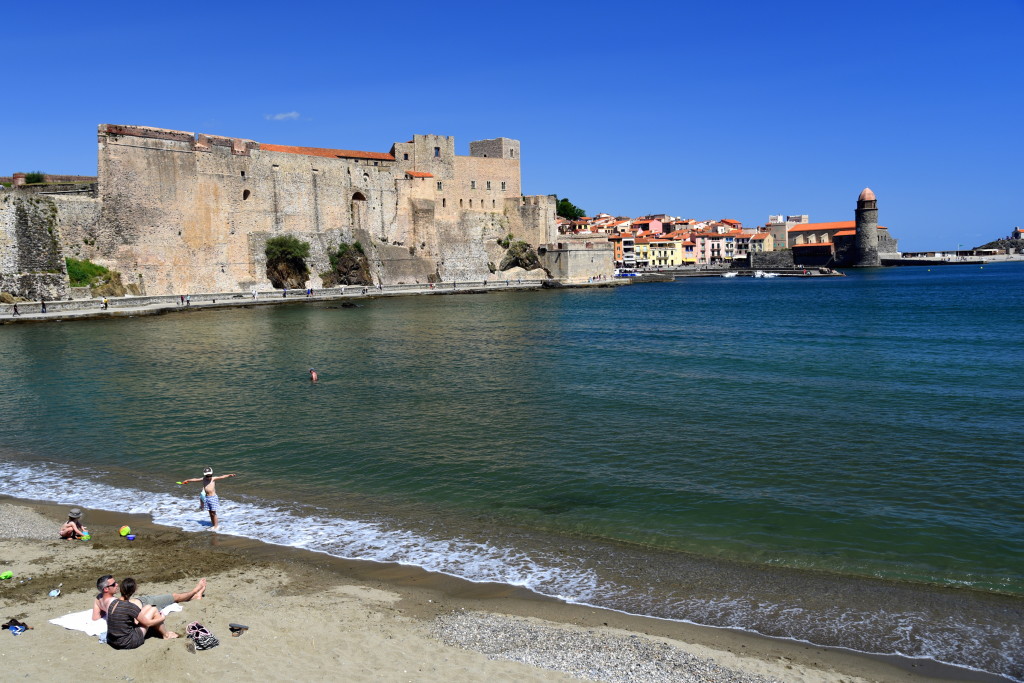
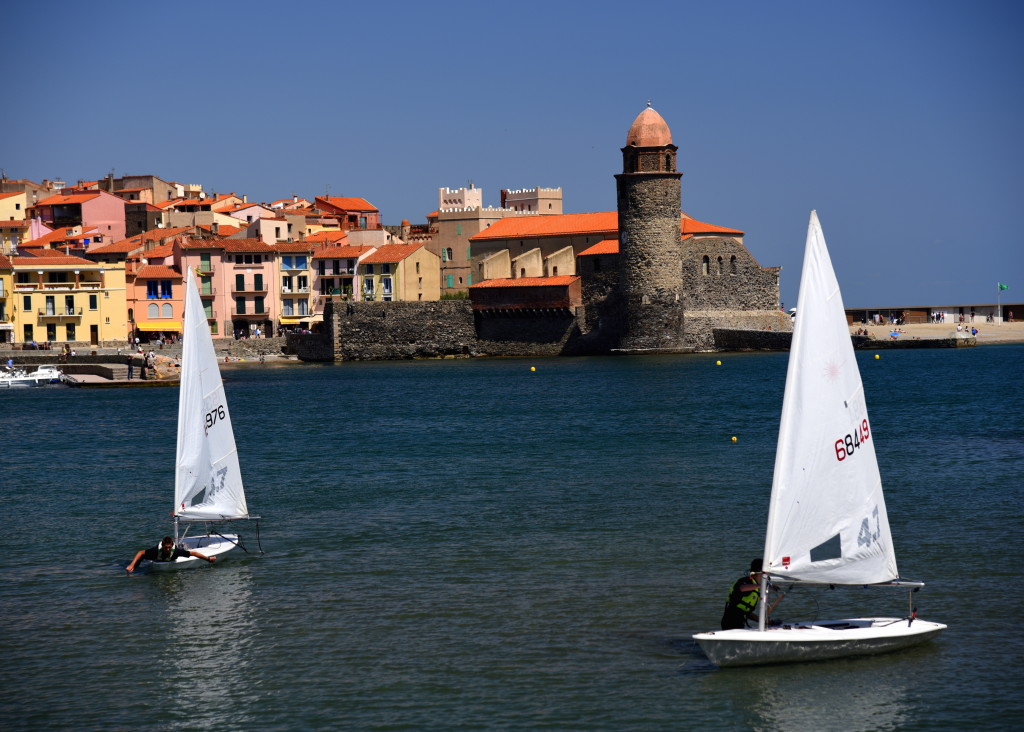 At the biggest beach — whose curve is defined by the stout fortress — chest-deep novices struggle to board their mini-sailboats. Nearby, a topless sunbather catches some rays, while a nubile teenage couple makes out, just steps from where kids build sandcastles. Vive la France!