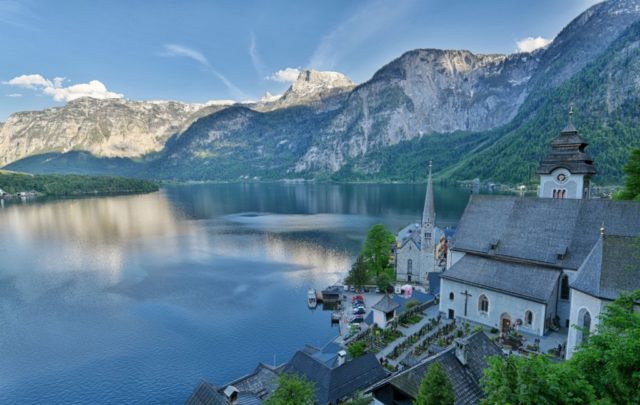
My co-author and frequent collaborator, Cameron Hewitt, is well-traveled, smart, and insightful. And, while he and I are in perfect sync in our travel styles and priorities, he gives voice to the next generation of "Rick Steves travelers." Join me in enjoying his reports right here. —Rick

Budapest Rebounds

New Yorkers — I mean the dyed-in-the-wool, old-school, real New Yawkers — are fiercely loyal to their city, in good times and bad. Sure, today it’s all family-friendly Times Square and trendy Tribeca eateries and artsy-hipster Brooklyn. But I remember a time when Times Square was one big seedy sex shop, muggers outnumbered tourists on the subway, and the city was hard to love. And yet, New Yorkers cling to a strange nostalgia for that old, unlovable metropolis.

I have a similar nostalgia for Budapest. It’s easy to be head-over heels for Budapest these days:
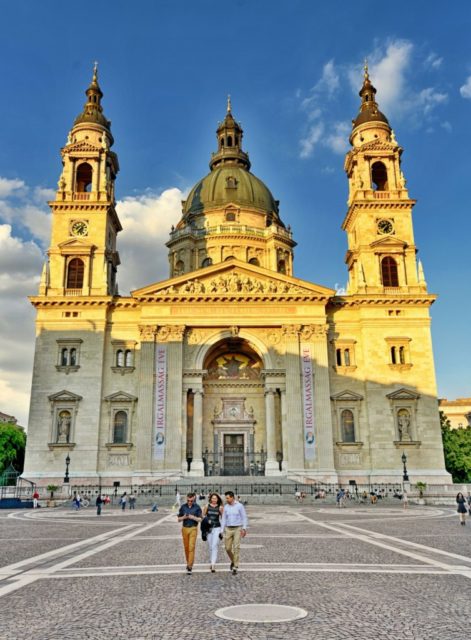
cameron-hungary-budapest-Istvan

But on my first visit, in 1999, the story was very different. Budapest was grimy and intimidating. Hulking, soot-covered buildings loomed over exhaust-choked highways. Everything was dirty. And the people — with their bushy mustaches and impenetrable language — seemed gruff and shell-shocked.

Only after returning home did I realize that, of all the places I visited on that trip, Budapest had really gotten under my skin. It wasn’t just that Budapest had “potential.” It was a great city all along. It was just going through a rough patch — and you had to work a little harder to appreciate its greatness.

That trip began my love affair with Budapest, which continued as I began to guide Rick Steves tours there, and researched and wrote the Rick Steves Eastern Europe and Rick Steves Budapest guidebooks. I found Budapest unique in how, no matter how often or how long I visited, I always left wanting more. With each visit, my Budapest “to do” list got longer, not shorter. It still does.
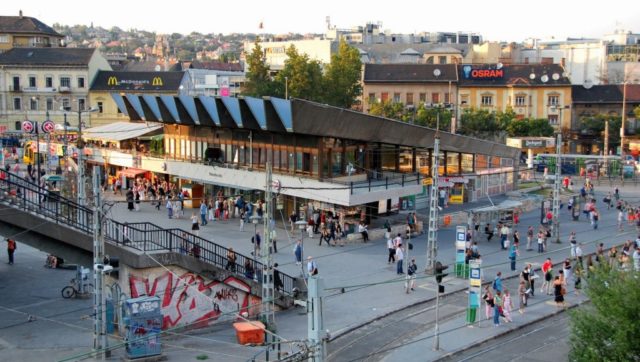
cameron-hungary-budapest-moszkva-ter

After a few visits, I began to relish the little slices of Budapest life. I got giddy walking through the grimy underpasses that sprawl beneath major intersections. Each one was a thriving delta of infrastructure where the subway system flowed up broken escalators into snarls of trams, buses, and cars. Standing still in a mosh pit of commuters, I was surrounded by ramshackle food stalls, panhandlers, and confusing signage…a happy ant in a busy anthill. Inhaling a pungent mix of sweet pastries, diesel-tinged subway exhaust, and stale urine, I felt alive in a way that only travel makes you feel.

I’ve long used Budapest as my barometer of someone’s travel chops. If a person is turned off by Budapest…well, I’m not saying they’re a “bad traveler.” I’m just saying I probably won’t plan a trip with them. But if someone comes back from Budapest raving, I know we’re in sync. I remember once, co-leading a tour with a Czech guide who was born and raised in Prague, I finally confessed: “You know, I like Prague, but I have to admit…I like Budapest even more.” “Of course!” he said, without hesitation. “Of course you do. I do, too.”

But the Budapest litmus test is less useful than it once was. Budapest has fully transformed itself. Once a diamond in the rough, today the city is a sparkling gem. Grandiose, late-19th-century architecture has been scrubbed of grime and returned to greatness. Check out these images — taken just a few years apart — of the glorious Széchenyi Baths complex in City Park:
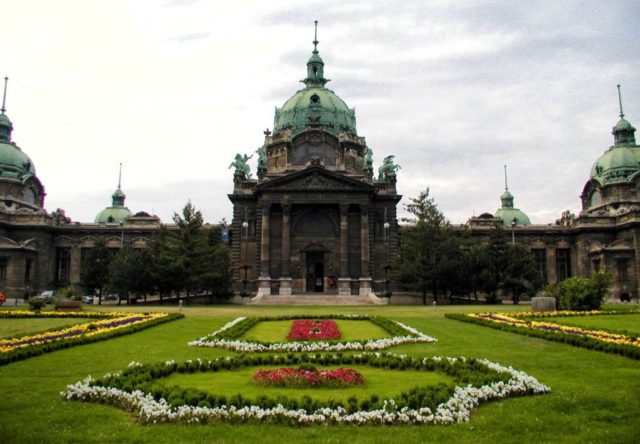
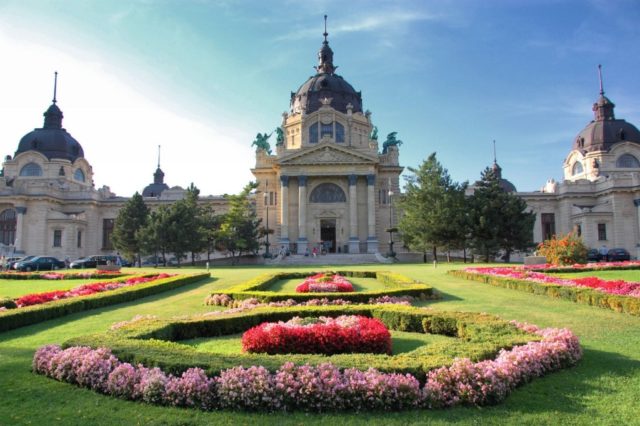
OLYMPUS DIGITAL CAMERA

cameron-hungary-budapest-szechenyi-new

Back on my early visits, even the city’s “showcase” walking and shopping street, Váci utca, was pretty glum:
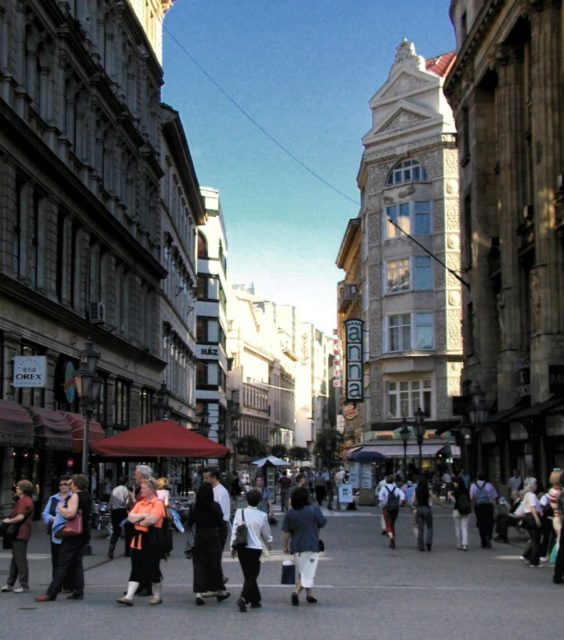
OLYMPUS DIGITAL CAMERA

But today — while it’s so thronged with tourists that I can barely stand to go there — at least it’s gorgeous:
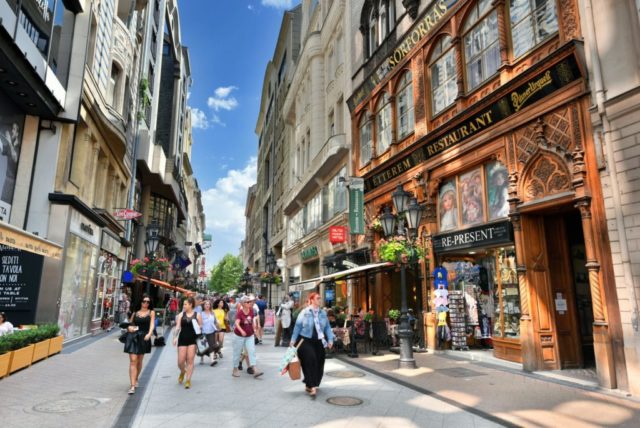
cameron-hungary-budapest-vacti-utca-new

At the same time, the transit system has been overhauled, revamping the old metro stations and building several new, futuristic ones.
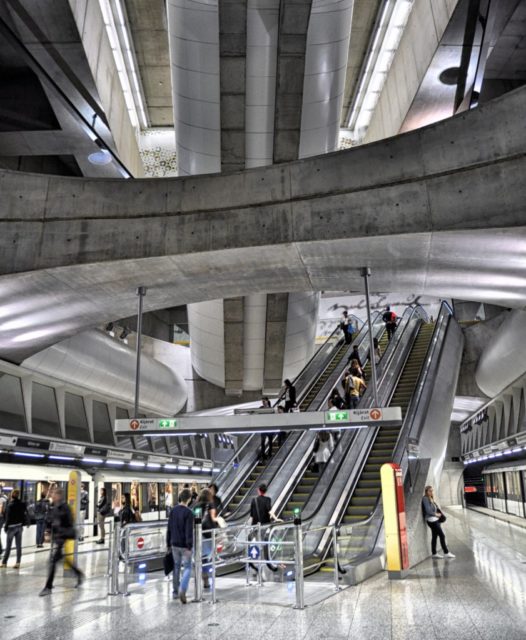
cameron-hungary-budapest-subway-new

Those seedy underpasses? They’ve been fully renovated. International chains have elbowed out the mom-and-pop vendors, and the signage is now crystal clear. (But deep down, I miss the old chaos.)

Meanwhile, the city has undertaken an ambitious master plan (funded largely by the EU…are you paying attention, Brexiters?) to re-surface and pedestrianize many formerly car-clogged streets and squares in the city center. It has been a smashing success.
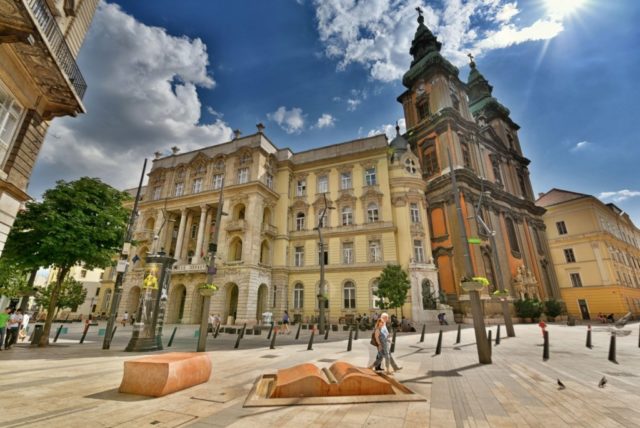
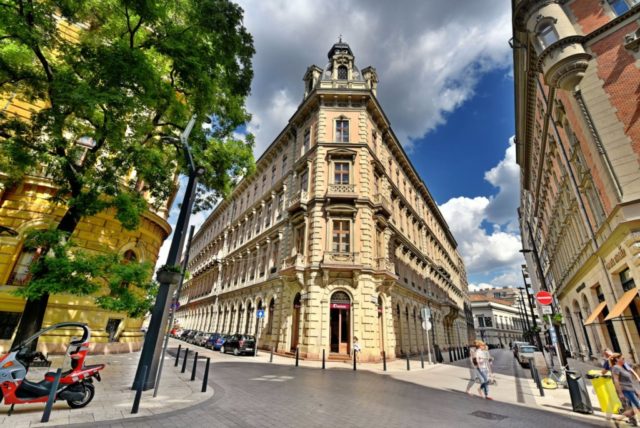
cameron-hungary-budapest-square-new-2

cameron-hungary-budapest-streets-new-1


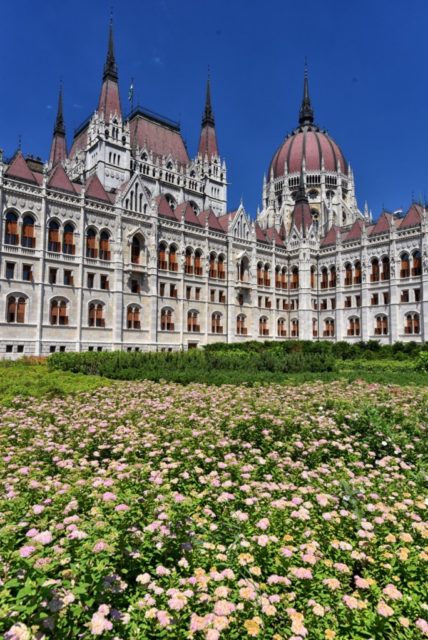
And Budapest’s stately Parliament building — once surrounded by a ramshackle square of broken concrete, overgrown parks, and ragtag monuments — has been polished and completely relandscaped, leaving it gleaming. Before:
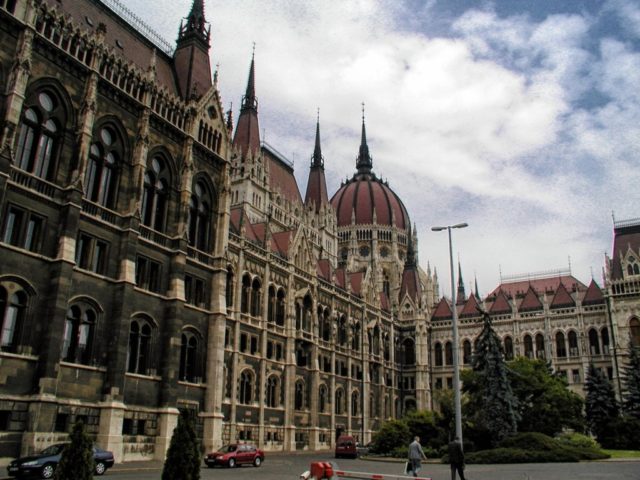
OLYMPUS DIGITAL CAMERA

After:

cameron-hungary-budapest-parliament

It’s clear: Budapest — so hard to love for so long — is finally coming into its own. And, while I may miss some of its old rough edges, there’s no doubt that today’s Budapest is a city that anyone can (and should) enjoy. My next few posts will introduce you to various facets — beyond the obvious tourist traps — of my favorite European capital. It has some of Europe’s best nightlife, bars, cafés, and creative ways to simply hang out. It’s the undisputed best foodie city in Eastern Europe (and, for me, is one of the best in all of Europe). Its thermal bath culture is a prefect mix of relaxing and culturally enlightening. And its current political reality is fascinating and instructive.

Stay tuned…and prepare to be surprised by one of travel’s best-kept secrets.
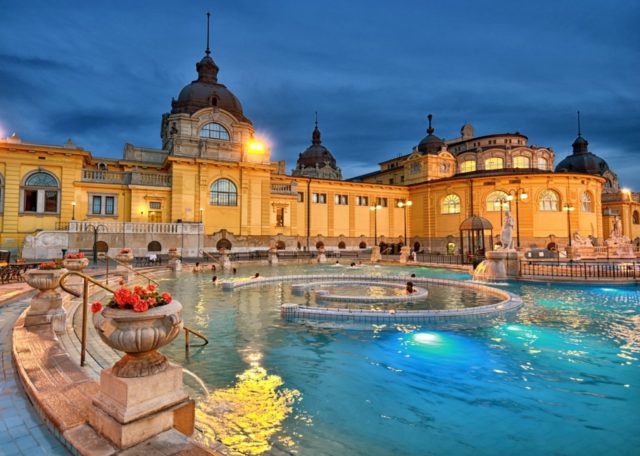
cameron-hungary-budapest-szechenyi

Brexit Blowback: Why I Still Believe in the EU

Maybe I’m naive. Maybe I’m idealistic. But I’m a huge fan of the European Union.

Granted, I’ve never lived in Europe. But over the last 15 years, I’ve spent about a quarter of my life there. That’s long enough to talk to lots of Europeans, and to form an opinion of my own.

And over that time, believe me, I’ve heard all of the fretful anti-EU criticisms: Heavy-handed bureaucracy. Worries about being lashed to a euro currency that allows a weak partner (ahem, Greece, ahem) to drag everyone else down. And, of course, the fear that seizes many people anytime you open borders and lower barriers to immigration.

The thing is, I think the vast majority of Europeans get far more from the EU than the EU takes from them. They just don’t always see it.

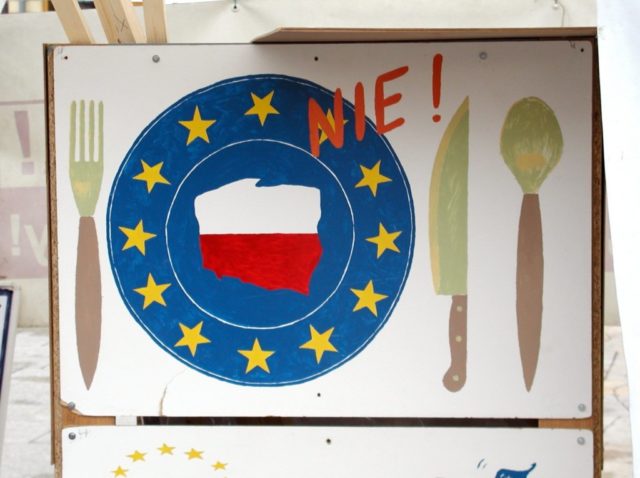
OLYMPUS DIGITAL CAMERA

I was traveling in Eastern Europe in the spring of 2004. Poland, Hungary, the Czech Republic, Slovakia, Slovenia, and five other countries were about to join the EU on May 1. I was there in April. EU membership was a done deal, but hadn’t happened yet. So it was the perfect window for irrational fear — which, it turns out, is the EU’s most dangerous enemy.

The Poles, Hungarians, and Czechs I spoke to that spring were terrified. They saw the EU as an unstoppable monster, gobbling up countries as it stomped its way eastward through Europe. “Now I have to get a passport for each of my cows,” one farmer groused. “They won’t let groceries sell bananas with too much curve,” another told me. (That one’s been repeatedly debunked… yet somehow, it survives.)

And in Poland, I was told that there’d been a run on sugar. Apparently a (false) rumor had spread through the country that new EU tariffs would drastically increase raw sugar prices. Poles panicked, rushed to the grocery stores, and bought up bags of sugar…causing a spike in sugar prices.

And what became of all that catastrophizing, after May 1? To find out, I returned to those same countries that fall. And by then, a few months in, my Eastern European friends conceded that the EU hadn’t impacted them negatively one iota — and, they sheepishly admitted, they already saw improvements.

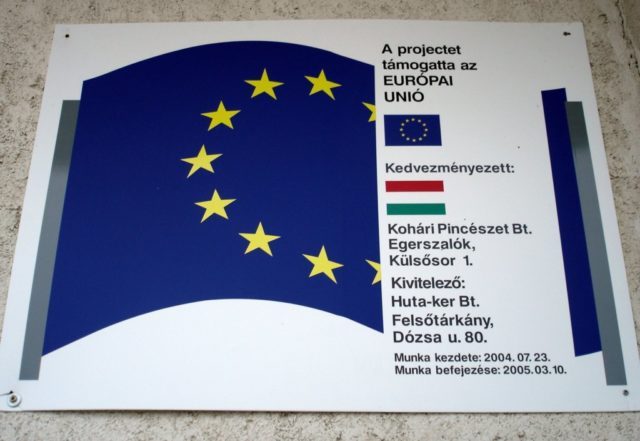
cameron-hungary-eu

In the years since, I’ve observed those improvements all over Europe, from Portugal to Bulgaria. Brand-new expressways and pedestrian zones in cobbled old towns come with a tasteful little EU flag, explaining where the money came from. And I watched my friends from all over Europe move to other parts of Europe, where they could find meaningful employment, make friends, fall in love, get married, and start adorable pan-European families.

Sure, some of the bureaucracy can get troublesome. But when you can see the big picture, the paranoia of the Euroskeptics has always been rooted more in fear than in facts. It’s clear to me that — aside from a devastating global economic crisis, born on Wall Street, that crippled European economies — the heyday of the European Union has been a golden age for Europeans of all walks of life.

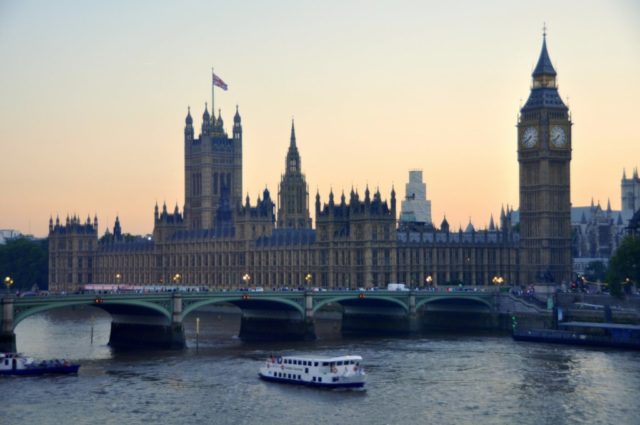
cameron-britain-london-skyline

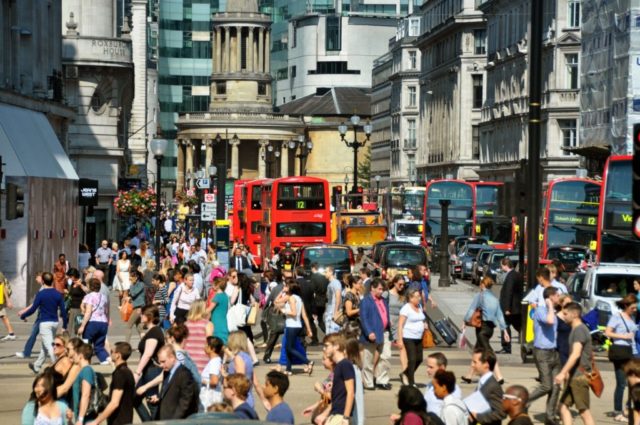
And in my mind, no city better embodies the EU’s bold and optimistic worldview than London. I adore London. It’s one of my favorite places in Europe. I love it for its English-ness. But I also love it for its diversity. London is the world’s melting pot city. It’s the capital of a great civilization, yes. But it’s also a celebration of the sum total of world culture.

But this morning, dawn broke on a different Britain. It’s a Britain where Poles and Romanians and Belgians who fell in love with an Englishwoman or a Scotsman now feel unwelcome in their adopted homeland. It’s a Britain where teenagers who once dreamed of studying in Paris or Rome have to reconsider their plans. And, I fear, it’s a Britain doomed to a dark age of political turmoil, economic struggles, and cultural soul-searching.

The voters have spoken. But I suspect many Brits woke up this morning with voters’ remorse — which will only intensify in the coming months, as the cold, hard reality of the Brexit is negotiated. And some small part of me believes that somehow, the Brexit will never actually come to pass. (Here in Seattle, I voted in favor of a monorail…twice. And guess what? There’s no monorail. Our City Council figured they knew better than the “will of the people.” And they were right.)

cameron-britain-london-crowds

On my first visit to Britain, I kept putting my foot in my mouth by saying I was on a trip to Europe. Finally, an old family friend gently corrected me: “You’re not in Europe. You’re in England.” Ever since that early attitude adjustment, I’ve understood that Britain fancies itself something different from Europe. So maybe the Brexit results aren’t so surprising…in hindsight. While I don’t agree with the Brexit, I’m willing to entertain the possibility that the best role for the UK is as a close partner to, but not officially part of, the EU — like Norway or Switzerland.

But I worry about the rest of the EU. I worry that the Brexit vote will embolden xenophobes in other countries. I was just in Austria, where the Green candidate very, very narrowly defeated an anti-immigrant isolationist in the presidential election. Even if Britain does bail out, the EU can survive without it. But if France ever left, or Austria…then Europe would be in real trouble.

But all of that will play out in the coming months and years. For now, most of all, I’m sad for the idealistic, internationally oriented young people of the United Kingdom. London has a special energy and optimism, and a belief in the goodness of humanity. These are values that inspire me as a traveler and as a person. But the Brexit vote just threw a bucket of ice water on that spirit. I know it will survive…but it’s going to be a rough patch.

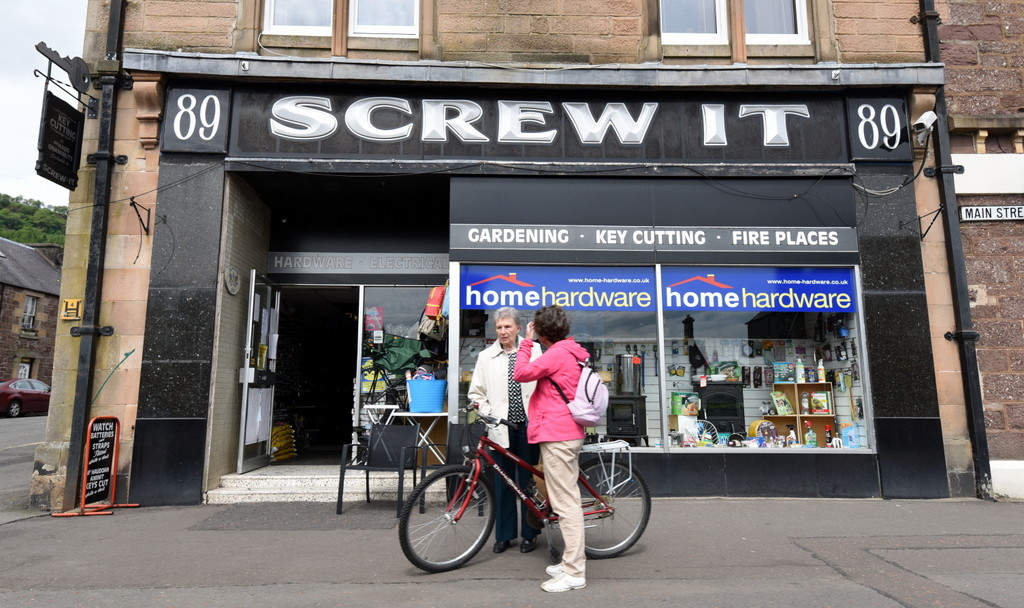
Feeling hopeless at this morning’s announcement, I kept thinking back on a hardware store sign I saw last summer in Scotland:

Cameron-Scotland-British Signs-Screw It

Austrian Odds and Ends: It’s Lumpensammler Time

My parents once lived in Basel, Switzerland. They remember that the last tram of the night — which picked up all manner of drunks, weirdos, and ne’er-do-wells as it passed through town — was nicknamed the Lumpensammler…roughly, “Collector of Dirty Rags.” Sometimes when I leave a country, I have a few leftover bits and pieces that I haven’t yet shared on my blog, but are worth seeing the light of day. And so, here’s my hodgepodge Lumpensammler list for this visit to Austria.

cameron-austria-salzburg-old-town-streets

Salzburg: Defiantly Traffic-Free. Salzburg’s Old Town is beautifully pedestrian-friendly — and that’s because it’s brutally car-unfriendly. The city got fed up with people flouting its traffic restrictions, so they installed a series of ruthless rising bollards that are designed to essentially destroy the car of anyone who dares to slip through behind another vehicle. One day on Mozartplatz, I heard a terrible crunching sound, and looked over just in time to see an unlucky car get totaled: The hydraulic bollard slowly and insistently rose, tearing apart the engine from underneath. Four different types of automotive fluids went running down the street toward the river, and the driver had to stand there and wait, in shame, for the tow truck to come rescue him. Later, I had a revealing conversation about this with a local. Expressing my sympathy for the driver, I was met with steely resolve. “But you don’t understand,” she protested. “We have to keep unauthorized cars out. People were sneaking in.” My pleas for some intermediate solution — one that would be taken seriously without actually damaging violators’ property — got zero traction. So, motorists heading for Salzburg: You have been warned. Salzburgers love their draconian bollards.


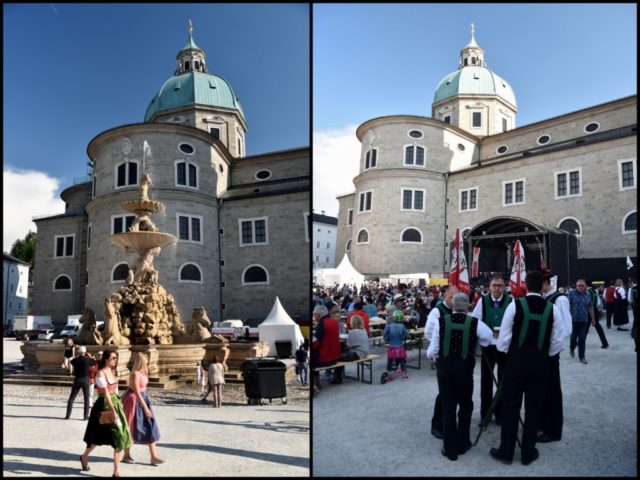
cameron-austria-salzburg-dirndl-lederhosen

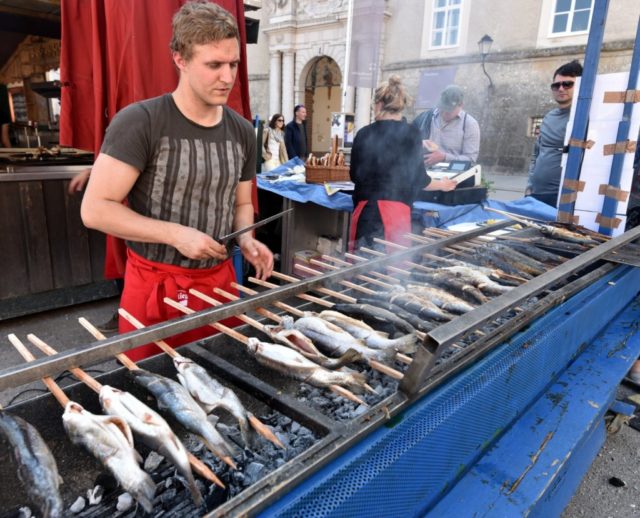
cameron-austria-salzburg-steckerlfisch

Salzburg Parties with Fish on a Stick. Salzburg is a city that loves to celebrate. There are festivals nearly non-stop. When I was there, one of the main squares was lively with an open-air concert series for several days. My evening routine was strolling past the square to see who was performing, and to grab a little street food. It was fun to see all of the festival-goers in their Drindls and Lederhosen. But one local delicacy I’ve never quite acquired a taste for is Steckerlfisch: grilled mackerel on a stick.

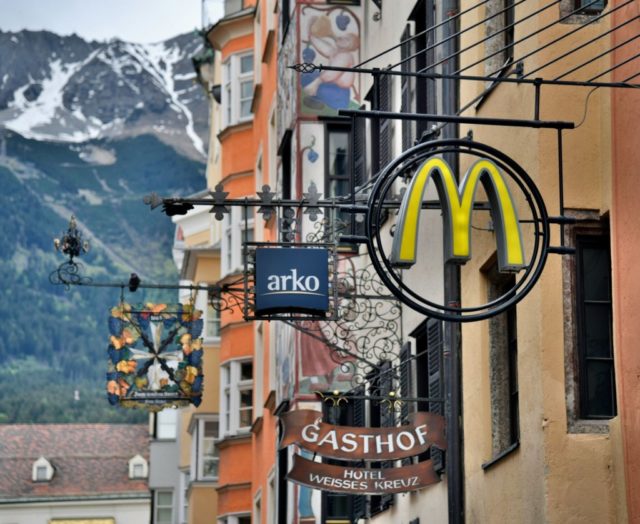
cameron-austria-innsbruck-mcd

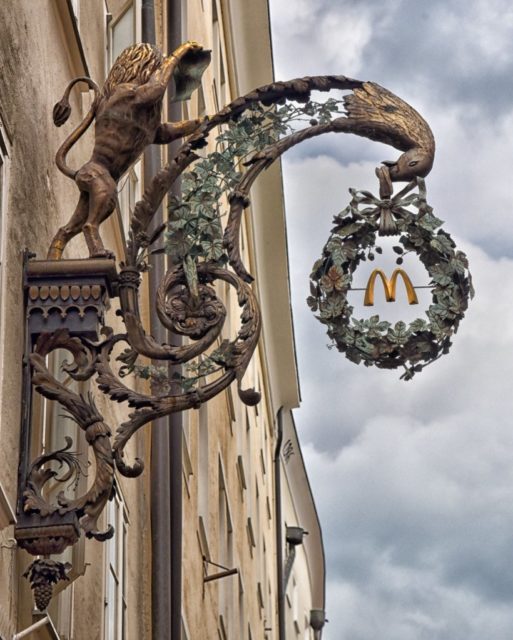
cameron-austria-salzburg-mcd

Camouflaged Corporations. Austria has strict regulations for advertising along its historic drags. That means big companies have to get creative about displaying their logos. In Innsbruck and Salzburg, the golden arches fit (more or less) subtly into the historic signs.

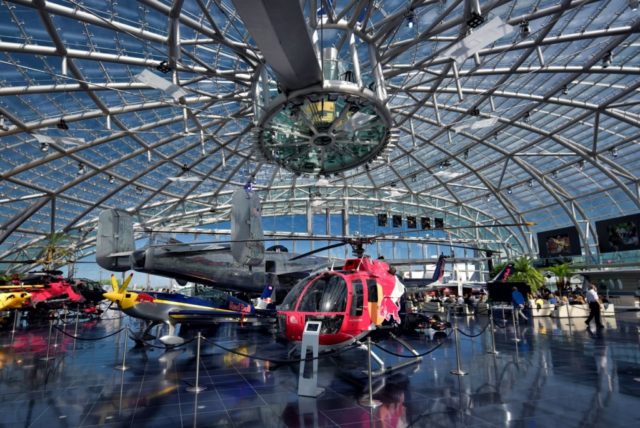
cameron-austria-salzburg-hangar-7

Salzburg: Home of Mozart, The Sound of Music…and Red Bull. In the 1980s, Dietrich Mateschitz founded Red Bull in Salzburg. Today the energy drink magnate is Austria’s richest man (net worth: more than €10 billion) and employs 10,000 people. Mateschitz owns several sports teams (ice hockey, car racing, and multiple soccer teams) and collects airplanes, race cars, and other expensive vehicles. He’s opened his own private hangar (called Hangar-7, across the runway from Salzburg’s airport) to the public. Anyone is invited to come for free and wander through his toys. While most visitors — more interested in the austerity of Fräulein Maria — find this a borderline-grotesque display of wealth, gearheads love it.

Fresh Hallstatt Tips (and Fresh Lake Fish)

I love Hallstatt. And with each visit, I find even more ways to enjoy it. Here are a few tips (which are going into the upcoming edition of our Rick Steves Vienna, Salzburg & Tirol guidebook) that I picked up on my latest trip.

cameron-austria-hallstatt-dinner

I’m a stickler for eating well. (Not necessarily expensively…just well.) I see each meal as an opportunity to create a memory. And in Hallstatt, I enjoyed a twofer: delicious lake fish with grand lake views. This is the little gravel-covered pier at Gasthof Simony’s restaurant — one of a few fine options along the village lakefront. I was in town during an early-summer cold snap. Not every restaurant had their outdoor seating open, but I was perfectly comfortable in my down vest. In these situations, it’s fine to ask politely if you can sit outside. And when it’s this uncrowded, you can pretty much take your pick of tables. This one will do nicely…

cameron-austria-hallstatt-viewpoint-1

One of my favorite experiences in Hallstatt was riding the funicular up to the mountaintop above town, where they’ve opened a new panoramic viewpoint. You can tiptoe out onto this “Skywalk” and stand high above the village and the glorious Hallstättersee — immersed in 360 degrees of alpine splendor.

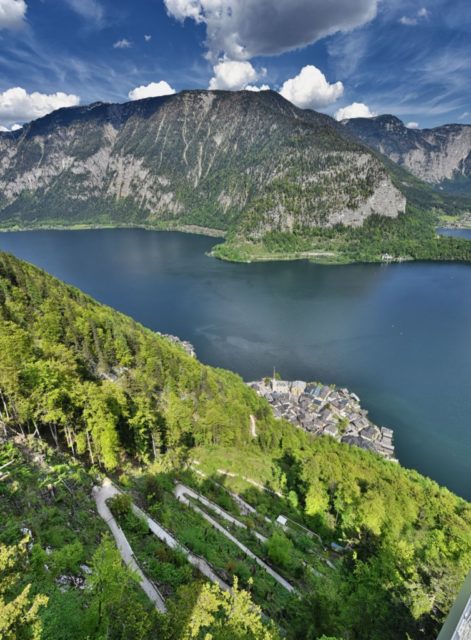
cameron-austria-hallstatt-oV

After enjoying the viewpoint (and touring Hallstatt’s newly updated salt mine experience), I hiked all the way back down to town on the loooong, steeply switchbacked trail you see in this photo. It was a knee-challenging, vertigo-inducing 45-minute hike…and worth every step.

cameron-austria-hallstatt-miners

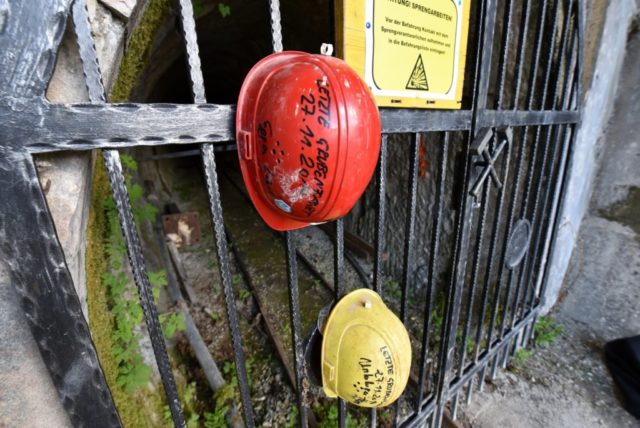
The salt mine that gave rise to Hallstatt 7,000 years ago is still in operation. And partway down the hillside, at the entrance to an abandoned mine shaft, a poignant little monument honors retiring miners — who hang up their hardhats, permanently, on their last day of work. Each one is labeled with a date and the words letzte Grubenfahrt — “last descent into the mine.”

cameron-austria-hallstatt-waterfall

Farther down, the trail passes over a waterfall as it tumbles out of the mountain — offering a unique perspective on Hallstatt’s mostly vertical stream.

cameron-austria-dachstein-ice

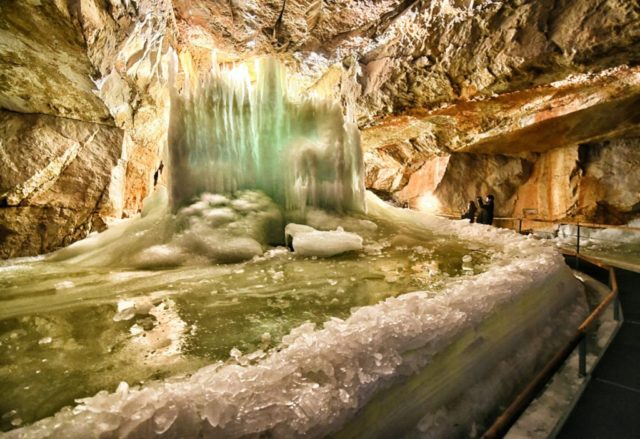
From Hallstatt, I side-tripped to the Dachstein mountain area (about a 10-minute drive away). A cable car whisked me high above the clouds, then I hiked even higher to reach these permanently frozen ice caves. On the frigid but fascinating tour, I clambered through countless caverns and saw many dramatic formations.

cameron-austria-dachstein-peaks

The Dachstein cable car continues even higher, to the rooftop of the Salzkammergut — ringed by other snow-covered peaks.

At the end of the day, I enjoyed the Dachstein experience, but I’m not convinced the side-trip was worth the investment of time and money. Hallstatt’s own little lift (mentioned above) brings you not only to a fine viewpoint, but also to a fun salt-mine tour that’s basically redundant with the ice caves. If you’re tight on time, choose either Hallstatt’s salt mines or the Dachstein ice caves — and for my money, Hallstatt is the better value.

Hallstatt Never Changes…Except When It Does

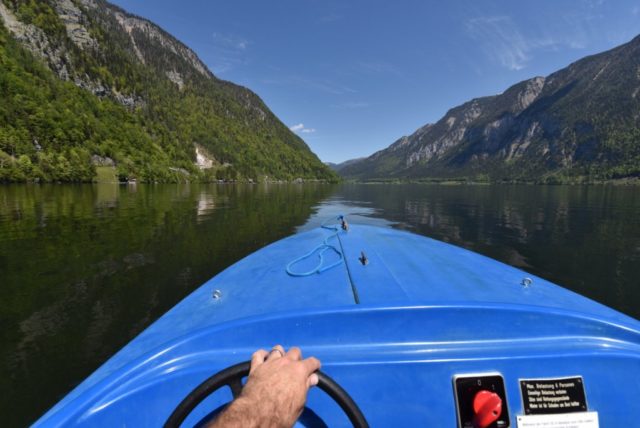
Buzzing along the glassy surface of a glacial lake, feeling the bright summer sun on my face and the wind in my hair, I suddenly realize I’m enjoying my favorite moment of this trip so far.

cameron-austria-hallstatt-water

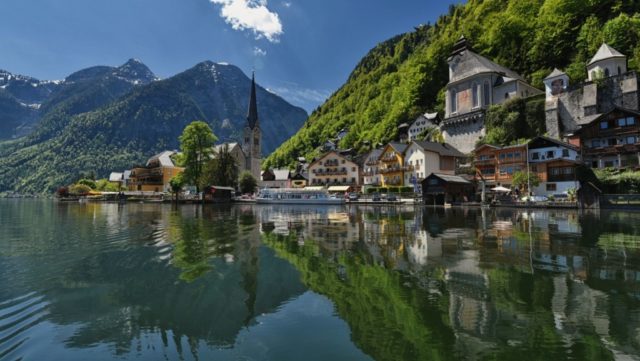
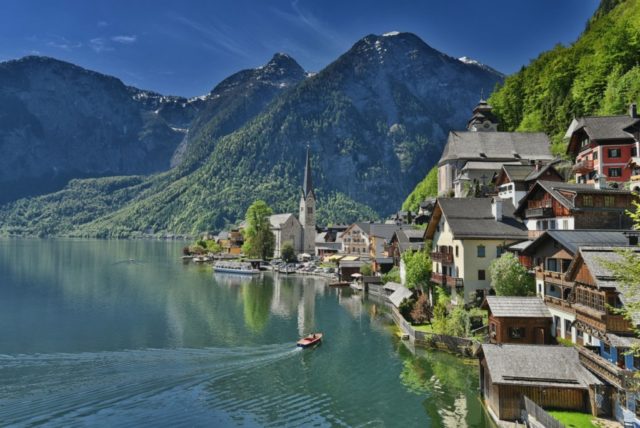
I’m in — or, actually, bobbing in a plastic boat just offshore from — the tiny town of Hallstatt, in Austria’s famed Salzkammergut Lake District. Before me, the pointy Protestant church spire stands like the town flag, proudly staking its claim on the narrow ledge of land that Hallstatt occupies. With sheer cliffs on one side, the deep waters of the Hallstättersee on the other, and a mighty waterfall surging through the heart of town, Hallstatt is one of those improbable settlements that makes you wonder: What possessed someone to build a village here?

The answer is salt. Specifically, the salt deposits deep inside the mountain just above, all rolled up in a chunky granite wrapper by millions of years of tectonic activity. “Hall” comes from an old Celtic word for “salt,” making Hallstatt the “place of salt.”

But today, salt is the farthest thing from my mind. The weather is glorious, and I’ve followed the Rick Steves guidebook‘s advice and rented an electric boat. Motorized watercraft are outlawed on the lake, so rather than worry about dodging speedboats and jetskis, I just need to keep an eye on a few big, plodding paddleboats shaped like the lake’s resident swans.

cameron-austria-hallstatt-boat

My boat has two speeds — “stop” and “go.” It’s an easy way to get out on the water — and, at just €10 for up to four people to take a 30-minute ride (long enough for a scenic loop from one end of town to the other), it’s a screamin’ deal…cheaper than four rides on a Vienna tram. For the next edition of our guidebook, this tip will rocket from “consider” to “a must in good weather.”

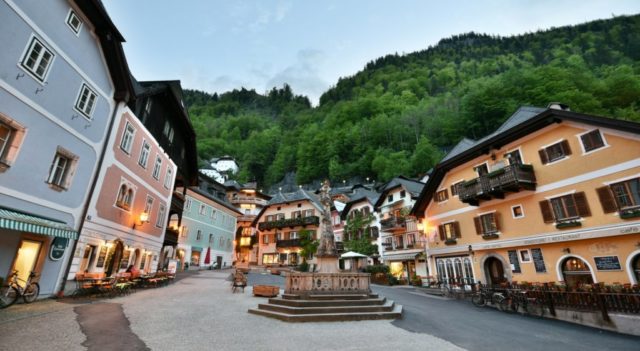
Back on land, I stroll through wee Hallstatt. It’s a 30-second walk from the boat dock to the main square, which feels like a movie set. The gurgling fountain is ringed by an amphitheater of cozy, colorful housefronts.

cameron-austria-hallstatt-square

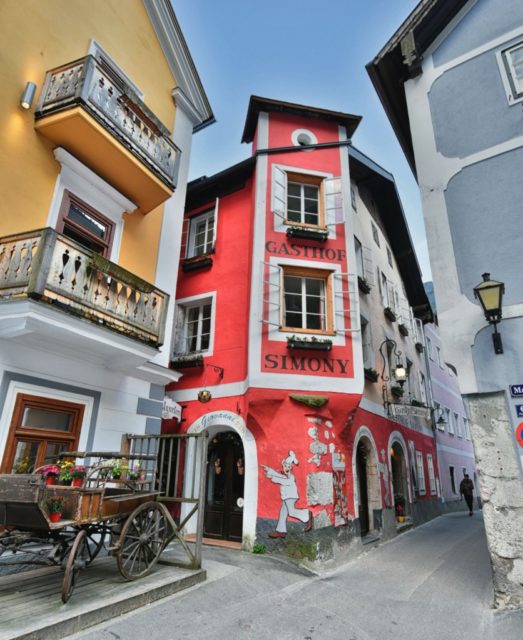
At the bottom corner of the square stands a hot-pink house, peeking between two bigger buildings like an eager kid sister elbowing her way in for the view. This is Gasthof Simony, where I stayed the first time I came to Hallstatt, as a backpacker in 1999.

cameron-austria-hallstatt-simony

Well, that’s not entirely true: At first, I’d booked a room at a cheap pension on the hillside. Back then — traveling with what was one big, sprawling guidebook called Rick Steves’ Germany, Austria, and Switzerland, and Oh By the Way Did We Mention It Also Includes Prague for Some Reason? — my standard procedure was to call the cheapest place in Rick’s book that had a single room. (I slept poorly in hostel dorms, but Rick always listed one or two dirt-cheap, old-school pensions where I could get a single with a shared bath for just a few schillings more.) My strategy worked great — until I hit Hallstatt and checked into my room, which simply wasn’t up to snuff. So I politely bailed out and walked down the hill to knock on Gasthof Simony’s door.

Sweet old Frau Scheutz answered, and warmly offered me a good deal on her budget single. Rick described her as “grandmotherly,” and sure enough, she helped me feel at home partway through a long journey. I still remember reading Rick’s description of the hotel as “stocking-feet-tidy.” I didn’t really know what that meant, but it felt just right…and I remember distinctly enjoying being in stocking feet, once in my room.

Gasthof Simony is still there, with its flashy new paint job. But Frau Scheutz retired several years back. And, based on my inspection, the place is still creaky and traditional, but no longer “grandmotherly” or “stocking-feet tidy.” It’s being run as an afterthought by another hotel in town.

Standing in front of the guesthouse, feeling nostalgic, I’m suddenly recognized by a fellow traveler who’s seen my picture on Rick’s website and books. (Trust me, this does not happen often.) He had his mother are on an epic journey through Eastern Europe — pausing for just a night here on their way between Český Krumlov and Slovenia’s Lake Bled. He tells me that, like me, he stood in this very spot 20 years ago. And he’s stuck at how similar things still are. “Except there used to be cars parked all along this square,” he says.

cameron-austria-hallstatt-square-night

Bidding farewell to my one and only fan, I think a bout how Hallstatt hasn’t changed…and how it has. Yes, on the surface it’s still the same wonderful old place. But overall, I sense a  creeping corporatization of Hallstatt.  Three of the classic old hotels on this square have been purchased and remodeled by big-city investors. Updating the hotels for our guidebook, I grow concerned when I’m told that jolly old Herr Zauner — who always wore lederhosen like pant were never invented — has passed the management of his hotel on to his son. The rooms have been modernized, and the prices raised accordingly. As I probe for more details, the receptionist reassures me: “Oh, don’t worry, Herr Zauner still hangs out here at dinnertime. And he still loves telling all of his old mountaineering stories.”

I’m glad Herr Zauner still makes an occasional appearance. And he’s certainly earned a restful retirement. But the glamification of Hallstatt concerns me. Yes, the town’s rehabbed hotels are able to more efficiently process the tour groups that pour through town. And for some travelers — who appreciate reliable plumbing, speedy Wi-Fi, and room service — that’s a good thing. But for me, it’s at least as much a loss as it is a gain. I worry that Hallstatt is no longer a locally owned town of quirky villagers who run creaky old guest houses on the side. It’s a tourism machine with a veneer of quaint.

Seeking the Hallstatt of yore, I stroll toward the far end of town — and quickly find it. I’m lost in a rustic world of wooden lakefront houses. Hallstatt has a special smell: damp, moss-covered rocks and heavy timbers. Like summer camp.

Lost in an olfactory flashback, I pop out at Hallstatt’s postcard viewpoint: a little gap in the houses with perfect views back on the town and its mammoth mountain backdrop. I snap the same picture I take every time I’m here (but this time, with a better camera).

cameron-austria-hallstatt-view-2

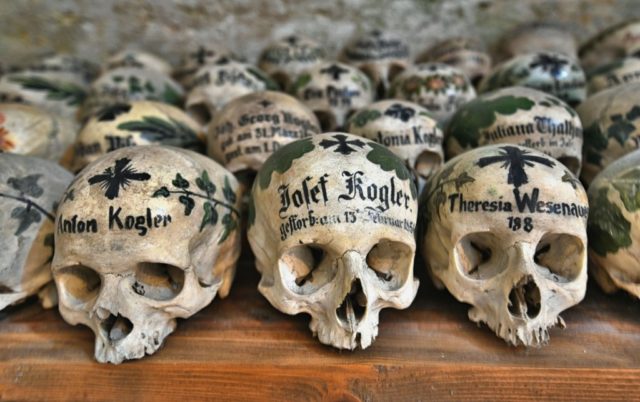
On my way back to town, I detour to the Catholic Church up on the ridge, with its lovingly tended, fresh-flower-bedecked cemetery. This tiny hamlet has only so much space for graves, so traditionally, after a certain period of time the dead were “evicted” and their bones neatly stacked in a chapel. Each skull is lovingly painted with the name of the person who once filled it.

cameron-austria-hallstatt-skulls

Surveying the macabre but strangely touching scene, I notice clusters of shared family names: Steiner. Kierchschlager. Heuschober. Binder. All still together, beyond death. (Hope you like your in-laws.) It’s a poignant — and eerily tangible — chronicle of a tight-knit community that’s changing faster than these people would ever have imagined.

Stepping outside, I see a crew digging a fresh grave at a centuries-old headstone. And as I walk through the tombstones, I notice several death dates in the last few years. I begin to wonder whether some of the people I met back on that first visit might be permanent residents here now. At first, the thought makes me sad. But then, looking at the sweeping views over the church tower, the glassy lake, and the glorious Alps, I realize that if that’s the case, then that’s exactly as it should be.

cameron-austria-hallstatt-cemetery-view
Change though Hallstatt may, old traditions die hard. And — tourists and big-city investors be damned — the people of Hallstatt will always belong to the soil of their hometown, enjoying this gorgeous panorama, for eternity…or, at least, until they’re dug up to make way for the next generation.