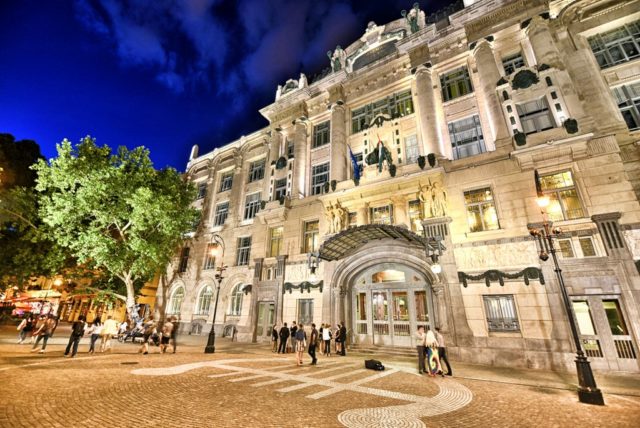
My co-author and frequent collaborator, Cameron Hewitt, is well-traveled, smart, and insightful. And, while he and I are in perfect sync in our travel styles and priorities, he gives voice to the next generation of "Rick Steves travelers." Join me in enjoying his reports right here. —Rick

10 Little Things I Won’t Go to Europe Without

While packing for a trip to Europe, I took a break for a little photo session of my favorite take-alongs. I’m not talking about the obvious stuff — backpack, day bag, toiletries kit, and packing cubes. No, these are the little odds and ends that 20 years of European travel have taught me to always bring along.

Every seasoned traveler has a little bag of doodads stuffed deep in their suitcase, “just in case.” But I’m evangelical about packing light. So I’ve narrowed my MacGyver bag of tricks down to items that are practical, useful, and light enough that even if I don’t wind up needing them, they’re still worth packing along. Here, in no particular order, are the 10 little items that I may never need in Europe…until I definitely do. (You can download or print the list here.) While this list was originally posted in 2016, I update it routinely and occasionally add some new items — most recently in December of 2022.

1. Two types of tape

In a previous post, I mentioned how I use a little roll of black electrical tape to cover up annoying little lights in a hotel room. I’ve used it for dozens of other things, too: band-aiding a fraying headphone cable, de-linting a sweater, fastening a plug to its adapter so I don’t leave it behind in the socket, and on and on. I also bring another type of tape: a very small roll of white duct tape. I often ship a box of accumulated dead weight home midway through a trip, and this tape is essential for sealing the box and reinforcing its seams. Duct tape has so many other uses, too. For example, I’ve used it to help keep stubborn drapes closed to avoid an early-morning sunbeam wake-up call.

UPDATE (December 2022): A roll of tape, even a small one, is admittedly bulky to pack. Imagine how glad I was to learn, from one of my Facebook followers, about RediTape, a flat-pack duct tape. This has replaced that bulky roll in my rucksack. )

2. Vapur Water Bottle

Of course, you could just buy a bottle of water, then re-use the bottle throughout your trip. But an empty plastic bottle takes up more than its share of space in a tightly packed day bag. Instead, I carry a collapsible Vapur water bottle, which you can roll up and tuck (unobtrusively) into any pocket until it’s needed. The plastic carabiner-type hook on the cap is handy for attaching it hands-free to my camera bag or a belt loop. And they’re durable — mine has survived several multi-week trips.

3. Trader Joe’s “Just Mango Slices”

On an hours-long plane or train ride, junk food is tempting. But instead, I carry a couple of bags of Trader Joe’s dehydrated, unsweetened “Just Mango Slices.” They’re explosively flavorful and hearty enough to cut through any jet lag-induced hunger — and they’re more nutritious than a candy bar.

4. Resealable Plastic Baggies (Various Sizes)

It can be hard to find these in Europe. And even if you do, why buy a dozen when you really just need one or two? To save time, I pack away a little bundle of zippered baggies — a mix of gallon, quart, sandwich, and “snack” sizes. I never know just how I’ll use them…until I do (sticky snacks, wet swimsuit, edible souvenirs with a potential for leakage, somewhere to safely stow my phone when I hit the beach or pool, and so on).

5. Sea Bands

I’m fortunate not to have too many problems with motion sickness. But you never know when you’ll wind up on a plane through heavy turbulence, or a bus ride on a serpentine mountain road, or a boat on rough seas. These elastic bands slip onto your wrists, with little beads aimed at pressure points related to combating nausea. This non-medicinal cure has earned many loyal fans among cruise enthusiasts, morning-sickness sufferers, chemo patients, and the perennially carsick.

6. Go Toobs and FlatPak Soap Case

I’ve tried all different types of little bottles for my shampoo, laundry soap, and other liquids. Most have failed — often messily. But a few years back I discovered Go Toobs, and now that’s all I use. The silicone bottle is sturdy yet flexible, and the cap is firmly built and stays on well. By the way, I always seal little bottles like this in “snack-size” plastic baggies before plane trips — just in case the pressure changes trigger any problems.
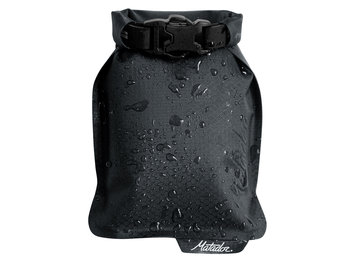
Rick Steves Store: Matador® FlatPak™ Soap Bar Case - Closed

UPDATE (December 2019): Russ Whealy, who manages merchandise here at Rick Steves’ Europe, recently added to our product lineup one of my favorite new discoveries: the Matador FlatPak soap bar case. It’s a little collapsible baggie where you can keep your bar of soap. Somehow, it keeps your moist soap from becoming a soggy mess while also preventing leakage. This seemed too good to be true. But I took one on my latest research trip…and it worked like a charm. I used to carry around a heavy plastic soap dish that took up more than its share of space in my toiletries kit. Never again.

(You can also thank Russ for our “spinner” carry-on wheeled bag — my wife’s new favorite bag.)

7. Starbucks Via Instant (or Instant Cappuccino)

If your accommodations don’t provide breakfast, it can be a pain to go prowling the cobbles, bleary-eyed at dawn, just to caffeinate. A few packets of Starbucks Via Instant can save the day. (I also carry single-serving packets of sweetener and powdered creamer. ) This is especially handy if you’re renting an Airbnb-type apartment that comes with a way to heat water, but nothing to put in it. A cup of Via (and maybe a couple of mango slices) tides me over just long enough to get ready for the day and go find a real breakfast.

UPDATE (December 2022): The only catch with Via is that I take milk with my coffee. For a few years, I brought along some individual packets of powdered Coffe Mate…a workable hack, but a little cumbersome. Finally I realized that Europe already has the perfect solution: Over there, it’s easy to get instant cappuccino (Nescafé is one ubiquitous brand), either in individual packets or a little plastic can. Just add water, and you have a coffee drink that’s nicely frothy (how do they do that?) and just the right amount of sweet. While instant cappuccino is tricky to find Stateside (especially in individual packets), it’s readily available at grocery stores all over Europe. I still bring a couple of Via packets for emergencies, then hit a grocery store early in my trip for some instant cappuccino.

8. Airplane Barf Bags

I’ve never used one of these for its intended purpose. But I never leave one behind when I get off the airplane. I have quite a collection of these practical little enclosures, which are just the thing for organizing receipts, postcards, or other random bits of paper…or for just about anything else.

9. Earplugs

As an absurdly light sleeper, I’ve tried every possible kind of earplug (believe me), and I’ve settled on this as my favorite brand: Mack’s, which are soft (comfortable) yet substantial (soundproof). Even if you are a heavy sleeper, you never know when you’ll check into your hotel and discover that the new nightclub next door happens to be holding its grand opening rave…tonight. (This actually happened to me once.) Pack along a few sets of earplugs, and you’ll increase your odds of sleeping soundly.

(If you’re a terrible sleeper like I am, check out my tips for getting a good night’s sleep on the road.)

UPDATE, December 2022: OK, this is hardly a “little thing.” But more recently, to get a good night’s sleep in noisy surroundings, I go to bed wearing my Bose noise-cancelling headphones. (I travel with them anyway, for a little peace and quiet on long flights and train trips…so why not use them overnight?) I never tried this until recently because I simply thought there was no way I’d be comfortable sleeping with them on. But now that I’m used to them, I barely notice them. It’s nice having a second option in my arsenal for noisy nights: Depending on the kind of clamor I’m dealing with, sometimes earplugs do the job, other times the headphones work better, and on occasion, having both is not a terrible thing.

10. Plastic Sheet Protectors

Magazines and assorted papers tend to get beat up when you jam them into a bag, or when you’re fishing around in that bag to find something. For years, I’d eventually succeed in ripping off the cover of any magazine I brought along. But now, to keep papers and magazines organized and tidy, I slide them into plastic sheet protectors. I can see just what’s inside each one: This one has my trip schedule; some extra screen protectors for my phone (which tend to wear out on a long, intense trip); a few of those handy barf bags; and postcard reminding me of my travel motto. Also, did you ever think about how much gross grime and germs live in those seat-back pockets where you stuff your iPad? If you slip it into one of these first…then you never have to.

11. (New Bonus Item) Smartphone Vent Mount

Since I first wrote this list, I discovered the perfect solution for safely using GPS while driving: The Kenu Portable Vent Mount. It grips your phone tightly, and you insert its prongs into the car’s vents. And, since it doesn’t rely on bulky suction cups, it’s impressively compact — about the size of a cigarette lighter. This is also included on my list of Five Electronics Essentials for Traveling in Europe.

UPDATE, December 2022: Things just keep on changing! Since I added the vent mount to this list, I’ve noticed that more and more of the cars I rent have built-in screens that let me plug in my phone and use Google Maps right on the dashboard…making this item unnecessary. However, this vent mount is so tiny that I still tuck it into my bag, just in case I wind up with an older car (which still happens on occasion).

Minimalist packers would say this is all just clutter: “You might not ever need that stuff! And if you do, why not just shop for it in Europe?” But when I’m traveling, every moment is precious. And anytime I have to go on a wild goose chase around a supermarket or department store to find some obscure little item, that’s a museum I didn’t tour, or a gelato I didn’t lick, or a park bench I didn’t get to people-watch from. Each of these items has saved me time, money, stress, or all three. And even if you add them all up, the combined weight and space they take up in my bag is negligible.

What are your favorite clever packing extras?


Affiliate disclosure: I receive not one dime if you purchase any of the items mentioned in this post. Like all of our travel advice at Rick Steves’ Europe, this is based purely on my judgement of what’s best for the traveler.

Be sure to check out a related post: my list of affordable, lightweight, and handy electronics-related items I’d never go to Europe without.

For more practical travel tips — hard-earned from 20 years of being a professional traveler — check out my 10 Europe Travel Hacks and 10 MORE Europe Travel Hacks.

Better yet, review the Travel Tips section on our website, a comprehensive, in-depth collection of tips and advice covering every angle of European travel.

And, if you enjoy my take on travel, be sure to get a copy of my travel memoir, The Temporary European: Lessons and Confessions of a Professional Traveler. It’s a collection of my favorite travel tales from 20-plus years of working with Rick Steves; an inside look at what it’s like to write guidebooks, lead tours, and make travel TV as a living; and, because I’m a travel teacher at heart, plenty of practical advice (like this list) for how to experience Europe like a pro.

European Travel Pet Peeves

After more than 15 years of traveling around Europe for a living, I still enjoy every moment as much as I did on my first trip. Well, almost every moment. The truth is, the more you travel, the more little, random things start to get on your nerves. At the risk of sounding cranky — and with tongue planted firmly in cheek — here are a few things that make me reconsider renewing my passport.

Noisy hotel rooms

We’ve all been there: Late at night or early in the morning, the bar next door disgorges its rowdy customers onto what had been a serene street. Or your neighbors come back from a late dinner and crank up the volume on their TV. Or a prewar elevator grinds its way up the shaft just on the other side of the wall from your bed…and, even with your head burrowed under a pillow, you can feel the gears trundle over each rusty bolt.

I don’t blame hotels for little bumps in the night. But I am an extremely light sleeper…which means that I’m a magnet for unexpected noises. On a recent trip, in one week alone, I had neighbors with thunderous plumbing and small bladders in Santa Margherita Ligure; a midnight bachelorette party on the shared terrace right outside my room in Pisa; and in Salzburg, a next-door neighbor doing a little 7:00 a.m. remodeling project — literally using a power drill on the wall behind my headboard.

Earplugs can only do so much. Side note: When you ask a hotelier for a quiet room, and they smile sweetly and say, “All of our rooms are quiet,” what they really mean is, “None of our rooms are quiet.” And when they say, “We are in the very center, so you have to expect a little noise,” they actually mean, “We totally cheaped out on the windows.”

Blinking lights in a dark hotel room

Speaking of barriers on the road to sleep, it seems every TV in Europe comes standard with an extremely bright little light that cuts through the darkness of a hotel room. Like the steely gaze of HAL 9000, this laser beam pierces deeply into your soul and jolts you awake just as you’re drifting off. (In my MacGyver bag of travel tricks, I carry a little roll of black electrical tape, which makes short work of these unwanted little lights.)

Traveler-unfriendly transportation connections

I understand that local transit is (and should be) designed for local commuters  — not necessarily for travelers. However, in areas where tourism drives the economy, it’s mystifying when the authorities conspire to complicate a simple journey to a comical degree.

On a recent trip to update our Rick Steves Italy guidebook, I ran into a pages-long wall of text about how to connect two popular hill towns: Orvieto and Civita di Bagnoregio. In their wisdom, this tourism-driven corner of Umbria has turned this journey — which should be a simple 30-minute ride — into a farce of Rube Goldberg complexity.

Hundreds of visitors must do this trip every single day. And if they don’t have a car, here’s how they have to do it:

1. In Orvieto, buy a bus ticket at the tabacchi shop 200 yards up the street from the bus stop. (Actually, buy two. I’ll explain why later.)

2. Go to the bus stop. Mind you, this is not the bus stop immediately in front of the funicular station, where every other regional and local bus stops. Nope — this bus uses its own special stop, which is hidden away (I am not making this up) a five-minute, completely un-signed walk away, inside a deserted former military barracks that feels vaguely postapocalyptic.

3. When the bus arrives in the town of Bagnoregio, you have one more chance to buy a return bus ticket, at the tabacchi shop across the street. This is important, because the shop will be closed in the afternoon when you’re ready to head back. Except on Sundays, when of course it’s closed all day. (While the normal price for the ticket is €2.20, you can buy a ticket from the driver…for €7.)

4. Walk 20 minutes through the town of Bagnoregio, pausing at the belvedere in the garden for an amazing view of Civita. But do not — I repeat, do not — walk down the enticing staircase next to the viewpoint. You’ll reach the bottom of the stairs and discover a locked gate. (The real staircase is just over your right shoulder.)

5. Cross the long causeway up to Civita, and enjoy the heck out of the town — having really earned this experience.

6. Walk back down the causeway and 20 minutes back through town to catch the bus back to Orvieto — feeling smug for having already bought your ticket. Just for fun, sit up front so that you can watch the driver have the same conversation with each of the 20 irate tourists who pile on behind you. “What!? Seven euros?”

Did I mention that you have to leave Orvieto by 7:50 in the morning? Because, of course, even though every single bus between Orvieto and Bagnoregio is 100% tourists, this bus does not run between 7:50 and 12:45. (I could not possibly be making this up. Nobody would believe me.)

If you ever wonder why our Italy guidebook tips the scales at 1,250 pages…now you know. If Italy ever standardized its crazy regional transportation system, we could probably print the book on a postcard.

“Non-stop”

Seen all over Europe, this is the international shorthand for “open 24 hours a day, 7 days a week.” Or so you’d assume. But I frequently see a “non-stop” place shuttered at night or on a Sunday. So technically it’s not “non-stop” at all…right? (To be fair, “infrequent stops” doesn’t quite have the same ring to it.)

Riding a bus to board an airplane

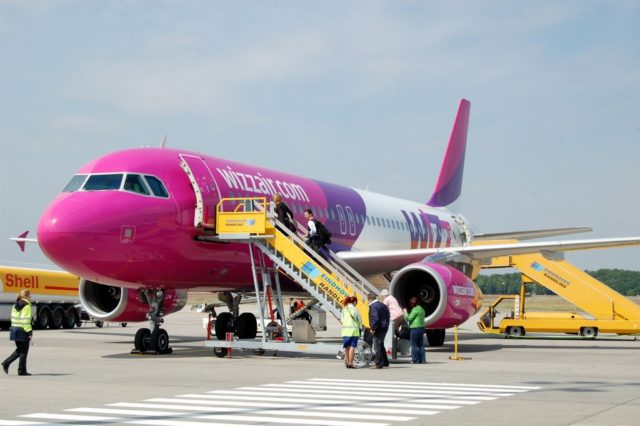
With all of the airport gripes we have in the US, at least once we finally make it to the gate, we know it’s just a matter of walking down the jetway to reach our 17 inches of misery. But at many European airports, there’s yet one more hurdle: cramming onto an overstuffed bus and zipping across runways to some distant fringe of the airport.

cameron-pet-peeves-airplane

Pulling up to the plane, all of the bus doors open all at once, kicking off a melee of passengers elbowing their way up the stairs to find seats scattered throughout the airplane. (Begin boarding from the back? First class first? People needing additional time or assistance? Forget it.) And then, when you reach your destination, you have to ride another bus to get to the terminal.

This is especially stressful when you have a tight connection — you can’t just burst down the jetway and break into a sprint. No, you have to wait patiently for the entire plane to deboard, fidget nervously as the bus dodges luggage carts across the tarmac, and then make like Usain Bolt once you’re unceremoniously deposited at some mysterious annex of the airport, just past the Z gates.

“Rich breakfast”

cameron-pet-peeves-rich-breakfast

I can’t tell you how many hoteliers — all over Europe — have bragged to me, with a wink, “We have an extremely rich breakfast!” This is clearly a language-barrier problem: They think it means “delicious and full of variety.” But to American ears, it’s more like “a little indigestion and heartburn to start your day.” Appetizing.

Tiny showers with big faucets

Europe is small. Tight streets, tight hotel rooms, tight everything. And normally I don’t mind it. In fact, I believe — philosophically — it’s good for Americans (who are accustomed to having all the room we want) to be reminded that space has value, and we need to be thoughtful about sharing it.

cameron-pet-peeve-shower

That said, European showers drive me nuts. The enclosures can be minuscule. And I could deal with that. But all too often, a big chunk is taken out of the middle by a jerry-rigged faucet that pokes way out from the wall. You know what I’m talking about: No matter how careful you are, it jabs into your lower back. And the oversized paddle of a handle is perfectly positioned to catch your elbow every time you turn around — suddenly making the water either volcanic or glacial. And while we’re on the topic of hotel showers…

Liquid soap

It now seems near-universal for hotels to provide a single pump bottle of cheapo, all-purpose “body wash/shampoo/and while we’re at it clothing detergent and dish soap” mixture. (I recently found one that was labeled, simply, “Flowers” — apparently the marketing team took the day off.) For convenience and for environmental reasons, I carry my own shampoo and a big bar of soap. But occasionally I run out, and it’s nice to check in and discover some little individually wrapped itsy-bitsies, or a mini-bottle of shampoo that’s, you know, actually shampoo. However, these have been nudged aside by the liquid soap lobby.

Byzantine pricing

I’m a big fan of straightforward pricing: The burger is $4, add fries for a buck. But many sights in Europe make a hobby of coming up with dozens of different ticketing variations for the same sight.

cameron-austria-salzburg-hohensalzburg-pet-peeve

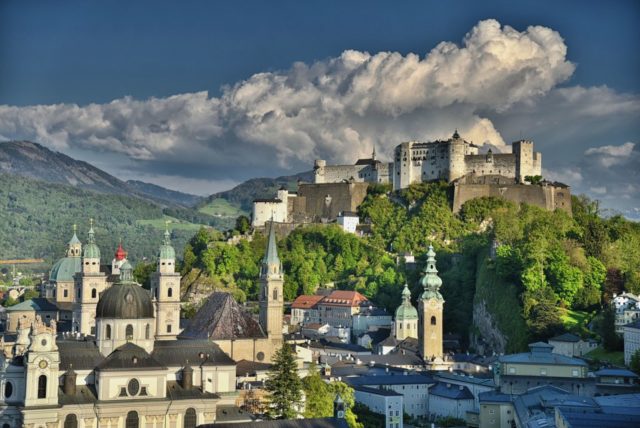
Salzburg’s Höhensalzburg Fortress is the worst offender I’ve seen recently. To enter the fortress, you can either hike up, or take the funicular. This could have been so effortlessly simple: The fortress costs €8, add €2 for each ride on the funicular. But no. They have separate discounts for entering the first hour of the day, or an hour before closing time. You can choose whether you want to add on the “Regency Rooms.” You can pay for the funicular one-way (and hike back down) or round-trip. And so on.

Consequently, the ticket desk is a mob scene. When I dropped by to update our guidebook, I assumed all of these people were waiting in line to buy tickets. But then I noticed a wall of bored cashiers, and I realized: No, these customers are puzzling over the comically long ticket menu, trying to make sense of which ticket they want to buy. I have to assume that, to guarantee future employment, the person responsible for pricing created a system so complex that nobody else could ever fully comprehend it. (I actually met one of these people once…but that’s a pet peeve for another time.)

Come on, no reason I should have all the fun — what are your travel pet peeves?


Cranky as this all seems, sometimes these frustrating memories grow fonder in retrospect. This post is part of my “Jams Are Fun” series — about when good trips turn bad, and the journey is better for it. After a lifetime of world travel, upon writing a memoir of her adventures, my wife’s Great-Great-Aunt Mildred chose the title Jams are Fun. Mildred realized that it’s not always the big sights that stick with you the most…it’s those serendipitous moments when things go memorably awry.

If you savor the Schadenfreude of hearing about good trips gone bad, check out the other posts in my “Jams Are Fun” series. How about that time I ran out of gas on Scotland’s remote north coast? Or that time I was stuck on a cruise ship during a churning storm in the North Sea? Or the time I became embroiled in a gelato feud in a small Italian village? Or really the entire experience of driving in Sicily

Grappling with Thorny Politics, in Budapest

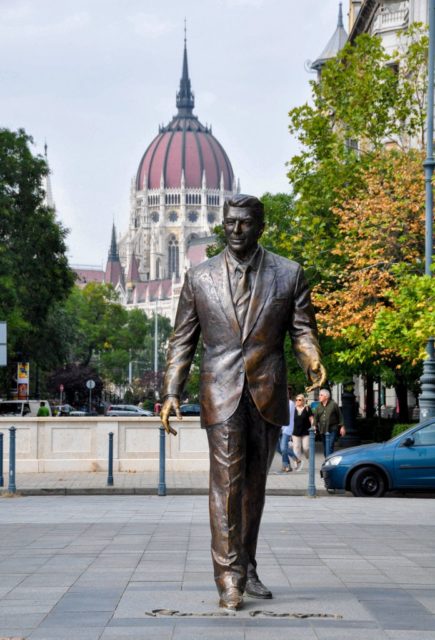
You’re walking through Budapest, ogling the grand architecture of Liberty Square, when you bump into someone familiar. That confident stride, that easy smile, that well-coiffed hair: It’s Ronald Reagan. But why on earth is the Gipper hanging out in this prime piece of Hungarian real estate?

cameron-hungary-budapest-politics-reagan-1

The answer is…complicated. But it begins with understanding Hungary’s current ruling party, Fidesz, and its prime minister, Viktor Orbán. Part of travel is learning about the current events of other countries. And over the last few years, Hungary has had one of Europe’s most fascinating political climates.

After Hungary’s previous leadership — the hard-left Social Democrats — immersed the country in debt and humiliating scandals, the political pendulum took a hard swing to the right. In 2010, Viktor Orbán’s party, Fidesz, took power in Hungary. A kindred spirit of Vladimir Putin and Donald Trump, Orbán first came on the scene back in 1989, when — as a long-haired, anti-communist radical — he delivered a rollicking speech in the waning days of communism. As his political career evolved, he moved gradually toward the nationalistic, authoritarian end of the spectrum. During his first term as prime minister, Orbán wore a child’s backpack decorated with soccer players, to drive home his unpretentious, populist affinities. And throughout his career, he has gained rabid supporters in the Hungarian heartland even as he’s horrified big-city progressives and international observers.

Soon after taking power, Fidesz adopted a new constitution that stripped away many checks and balances, and entrenched party leaders in institutions that had previously been considered apolitical. They also nationalized the school system, implementing a Fidesz-friendly curriculum. (Hungarian parents critical of Fidesz equate this to if the US government unilaterally removed all mention of the slave trade, the Trail of Tears, evolution, and climate change from textbooks.) International observers took note when Fidesz created a new FCC-like media authority with sweeping powers — leaving the Hungarian press less free than it once was. Orbán also attempted to levy a per-use tax on all Internet traffic, until tens of thousands of protesters clogged city streets… making it clear Fidesz had gone too far.

If you’ve heard of Viktor Orbán, it was probably in the fall of 2015, when Hungary took a particularly hard line in preventing the flow of Syrian war refugees from entering their country en route to a better life in Western Europe. Orbán erected barbed wire and dispatched an intimidating border defense squad to make it clear that refugees weren’t welcome. While humanitarians condemned Orbán’s actions — which violated the European Union’s open-borders agreements, and left many desperate people with nowhere to go — his supporters tout his success in preventing unwanted refugees from flooding the country.

cameron-hungary-budapest-politics-signs

Fidesz has left their mark all over the Hungarian capital. They went on a renaming binge in Budapest, rechristening streets, squares, and parks to honor patriotic or obscure (but Fidesz-friendly) historical figures. (They even renamed the country: No longer the “Republic of Hungary,” the nation is now formally called, simply, “Hungary.”)

cameron-hungary-budapest-politics-WWII-memorial

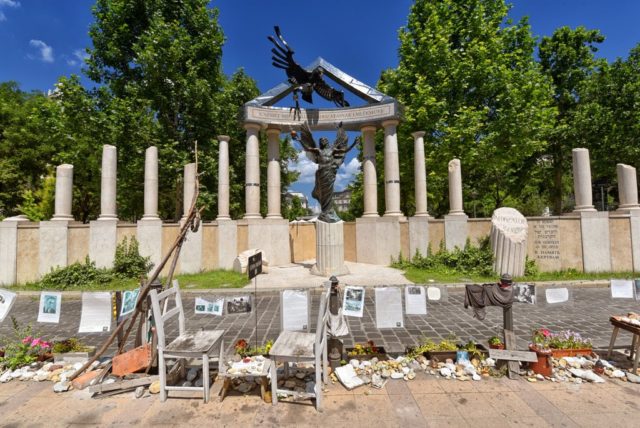
Fidesz also erected a dynamic new monument on Liberty Square, honoring the “Hungarian Victims of Fascism.” While it’s true that many Hungarians died at the hands of the Nazi regime, the monument overlooks the critical fact that Hungary chose to ally with the Nazis early in the war, and that Nazi-empowered Hungarians were some of the worst perpetrators of the Holocaust. As soon as the official monument went up, locals improvised their own memorial directly in front of it — ensuring that the complete history is represented.

cameron-hungary-budapest-politics-transylvanian-flag

In another bold move, for the last couple of years the Parliament has flown two flags: Hungary…and Transylvania. That region (now firmly in Romania) was part of the Hungarian realm for a thousand years. But it was stripped away from Hungary in the Treaty of Trianon that ended World War I. While nationalistic politicians have long used Transylvania (which still has a large Hungarian-speaking minority) as a rallying cry, Fidesz has taken it a step farther: The Transylvanian flag currently occupies the pole that was once reserved for the European Union…making Hungary the only EU member that refuses to fly the EU flag on their capitol.

cameron-hungary-budapest-politics-castle-hill

Up on Castle Hill, overlooking the entire city of Budapest, Orbán has evicted the National Academy of Dance, and is currently renovating their former home to be his personal palace. Critics point out that the Parliament was intentionally built along the riverfront in the city center, to show that the government is one with the people. By moving to the castle — literally looking down on all of Budapest — Orbán is signaling a startlingly different philosophy. (Speculation is that the Royal Palace itself — currently occupied by a pair of museums and some offices — may be next.)

cameron-hungary-budapest-politics-parliament

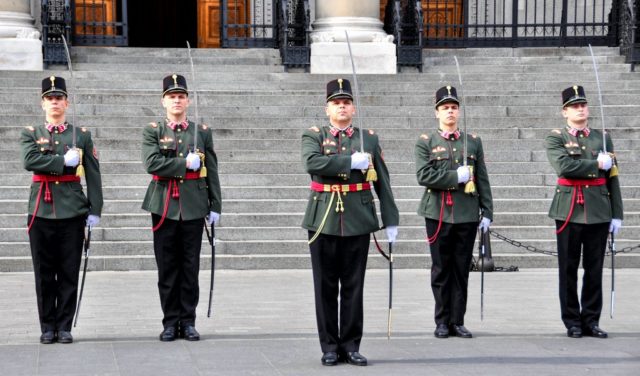
It’s easy to criticize Orbán. But as a traveler who drops in every year or two, I must admit that, from an infrastructure and urban-beautification perspective, Budapest has made great strides in recent years. Under Fidesz, vast swaths of the city have been scrubbed clean, pedestrianized, and landscaped. The formerly ragtag square behind the Parliament has been totally renovated — leaving it sleek, monumental, and (for some) a little too Fascist-feeling. (The brand-new “Changing of the Guard” ceremony — another Fidesz invention — doesn’t do much to reassure them.) The long-delayed green Metró line is finally finished…and it’s slick. And I sense a general pride that I wasn’t aware of 10 years ago. Obviously, the foundations for many of these projects were laid by the previous, left-wing government. And much of the money comes from the EU, which — ironically — Orbán opposes. But the fact remains: A leader with an authoritarian streak gets things done. (I was similarly impressed after a recent visit to Moscow. Say what you will about Putin — and believe me, I know there’s plenty to say — but Moscow is becoming a truly gorgeous city.)

cameron-hungary-budapest-politics-changing-guard

When viewed from a distance, Hungary’s political scene is intriguing…almost entertaining. But for people living there, it’s anything but. On this visit, one of my Hungarian friends — who has two school-age kids —asked me about employment opportunities in Seattle. She feels so depressed at the prospect of raising well-adjusted kids under a regime whose values she can’t stand that she’s considering moving the entire clan abroad until Fidesz is out of power. It reminds me of the pledge that I’ve heard recently from the anti-Trump crowd back home: “If he gets elected, I’m moving to Canada.” (It also made me wonder: There are plenty of tempting “socialist paradise” options for idealistic American lefties to relocate to…Canada, the UK, most of Europe, and so on. But — considering how fundamentally conservative the USA is compared to the rest of the developed world — where do right-wingers move if “things get bad enough”? Well, these days…maybe to Hungary.)

cameron-hungary-budapest-politics-reagan-2

And what about Ronald Reagan? In the early days of Fidesz rule, as Orbán was beginning to take some serious international heat for his questionable policies, he thought it smart to suck up to the powerful USA by erecting a statue of a beloved president in a prime position. And then, perhaps not quite grasping the subtleties of American politics, Orbán invited then-Secretary of State Hillary Clinton to the unveiling.

cameron-hungary-budapest-politics-nagy

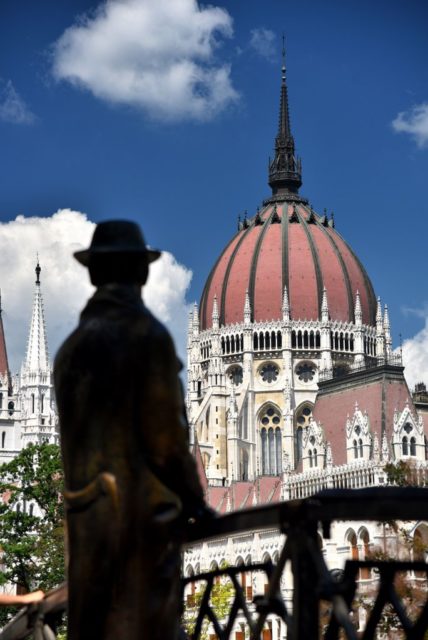
While Reagan played a role in ending the Cold War, many Hungarian patriots are offended that this monument overshadows the contributions and sacrifices of so many other important, homegrown figures — including Imre Nagy, who was executed for taking a leading role in Hungary’s 1956 Uprising. Just a few steps away from Reagan, a pensive statue of Nagy looks toward the parliament dome. For years, Nagy’s confident gaze struck me as an optimistic sign: Hungary, so long oppressed by communism, was determined to keep an eye on its government to ensure it was moving the country in the right direction. But these days, Nagy looks worried. And, my progressive local friends swear, every time Fidesz passes a bold new reform…Nagy winces.

Budapest Nightlife: Ruin Pubs and Beyond

It’s the mid-2000s, and you’re opening a bar in Budapest. You’re scouting potential locations in the 7th District — the former Jewish Quarter, which, since communist times, has been derelict and largely abandoned. It’s a tough sell. Sure, rents are cheap. Very cheap. And the location is fantastic — a short walk from the main boulevard and the town center. But the properties are, simply put, total dumps. Stepping into a dilapidated courtyard — with crumbling plaster peeled back to reveal raw brick, rusty rebar sticking out at odd angles, and not a right angle in sight — you imagine the months of backbreaking work to turn this into a nice bar. But then you realize: Who says bars have to be nice? Some people like dives. And if they like dives, what’s to say they won’t love a ruin? Hey, that has a nice ring to it…

cameron-hungary-budapest-nightlife-ruin-pub-10

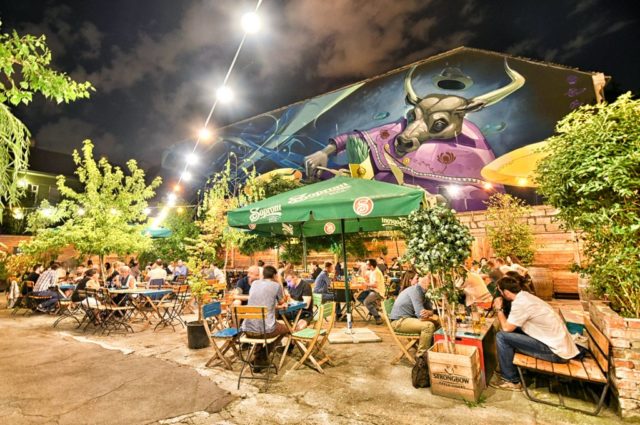
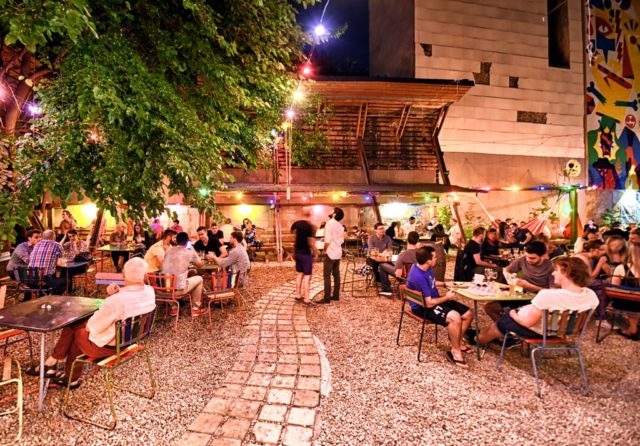
About a decade ago, Budapest invented a unique type of nightspot called a “ruin pub.” The original ruin pub — Szimpla — fills a deteriorating building and its courtyard with mismatched chandeliers, parachute-quilt awnings, lush houseplants, twinkle lights, artful graffiti, ramshackle secondhand furniture, old electronics lashed to the walls…and hundreds of drinkers having the time of their lives. It’s a chance to pretend you’re a squatter for a few hours, before returning to the comfort of your hotel. And, for locals, it’s nostalgic — along with beer, well drinks, and a list of creative cocktails, Szimpla serves the syrupy communist soda pops that Hungarian thirtysomethings were reared on: grape-flavored Traubisoda and sour cherry Meggymárka.

Szimpla remains the best of the ruin pubs. A fixture of the community, they post “don’t bother the neighbors” signs out front and even host a farmers market on Sunday mornings. But in the last several years, dozens of imitators have popped up all over the 7th District…and beyond. And these days, more and more people are flocking to Budapest not to tour the castle or the parliament, but to go on a ruin pub crawl. This scene may sound intimidating, but it’s very accessible. Each ruin pub has its own vibe, from younger party bars to mellow hangouts where hip oldsters are plenty comfortable. (Rick Steves wrote about his visit to Szimpla and some other ruin pubs a few years back.) To make things easier, here are a few tips or visiting ruin pubs — and a few alternatives:

cameron-hungary-budapest-nightlife-ruin-pub-5

Know the terminology. A romkocsma is a “ruin pub.” But other Hungarian terms can clue you in to the character of a specific ruin pub. Some ruin pubs bill themselves as a mulató (club, usually higher-energy) or a kávézó (coffeehouse, usually mellower). In good weather, the best part of a ruin pub is outdoors. Many have a kert (“garden”), with strings of lights lights, hammocks, and a bohemian-junkyard vibe. Others have a tető (“rooftop”), where you can get some fresh air and — often — views over the floodlit city. (More on that later.) In winter or bad weather, find one with a cozy interior.

cameron-hungary-budapest-nightlife-ruin-pub-6

Survey your options. The streets of the 7th District teem with ruin pubs. Before settling in, walk around and find one that suits your tastes. The highest concentration is in the streets between Király utca and Dohány utca, just behind the Great Synagogue. Stroll along Kazinczy utca, and don’t miss the long, crowded, narrow alley that heads south from there — it’s near two of the top ruin pubs, the straightforward Mika Kert and Ellátó Kert (colorful and rickety, with a Latin flair and a taco counter). Just to the north (on Dob utca), Rácskert has colorful plastic light tubes dangling overhead. And a few blocks west, just off the main boulevard (Andrássy út), Anker’t feels sleek, upscale, and minimalist — with unfinished timber tables and tasteful white hanging luminarias. (For a detailed “ruin pub crawl,” check out the Entertainment chapter of my Rick Steves Budapest guidebook.)

cameron-hungary-budapest-nightlife-ruin-pub-zone-3

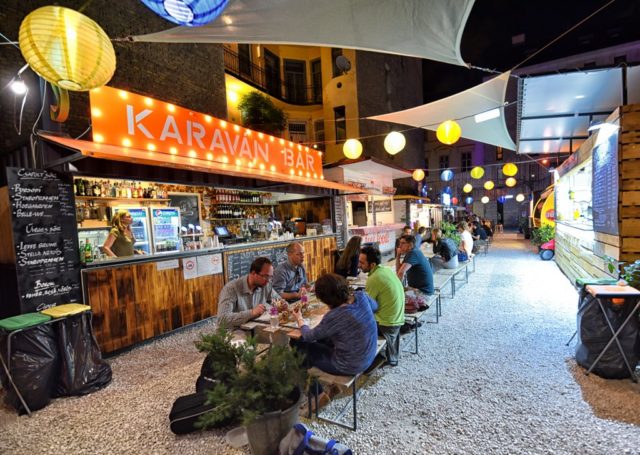
Grab a bite. A few high-quality, sit-down eateries have opened up in the 7th District (I recommended several — including Macesz BistroMazel Tov, and KönyvBár & Restaurant) — in my previous post about foodie Budapest). But there are also simpler joints catering to drinkers who just want a late-night bite. You’ll see taco stands, burger windows, ramen shops, and — just a couple of doors down from Szimpla — the Street Food Karaván, a pod of creative food trucks with picnic tables.

cameron-hungary-budapest-nightlife-godszu-udvar

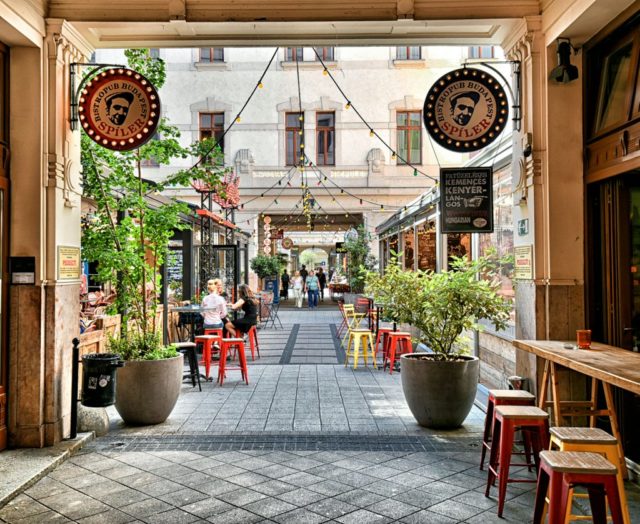
Stroll through Gozsdu Udvar. Years ago, a professorial Budapest tour guide walked me through what was then an empty passageway that ran through the middle of a city block, tunneling elegantly beneath classic apartment buildings. “Passages like this — lined with local shops and cafés — used to be common in Budapest,” he told me. “But most are now in disrepair and have been sealed off. They’ve done a marvelous job fixing this one up. Pity it’s so sleepy, but maybe someday a few shops will move in.” Today, that passage — called Gozsdu Udvar — is sleepy no more. In fact, it has become the epicenter for the ruin pub scene, and it’s jammed with bars, cafés, restaurants (including a branch of DiVino Wine Bar), nightclubs, a video arcade, and more. Busy as it is, it can be easy to miss — find the entrances at Dob utca 16 or Király utca 13…or, if you come down the row of ruin pubs from Kazinczy utca, you’ll run right into it.

cameron-hungary-budapest-nightlife-roof-2

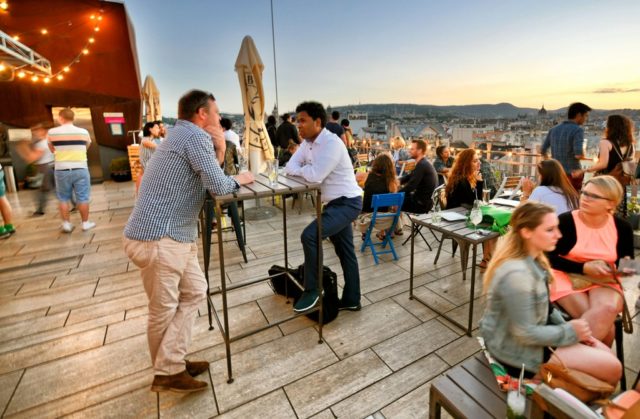
Gain some altitude. Of course, nightlife in Budapest goes well beyond the ruin pub scene. The rooftop bar trend has reached the Hungarian capital in a big way. Easily the best choice, 360 Bar has a classy vibe and perhaps the best views — sweeping panoramas over the domes of the Parliament and St. István’s Basilica. Other good choices are perched high above fancy hotels, but are open even to non-guests: High Note Sky Bar (atop the Aria Hotel) has vivid yellow sofas and point-blank views of St. István’s, while Top Rum Sky & Bar (above the Rum Hotel in Pest’s Town Center, overlooking University Square) has taken over an old favorite location, and is scheduled to re-open any day now (call first). For an edgier vibe, check out the ruin-pubby Gozsdu Sky Terrace (above the Gozsdu Udvar, tricky to find — ride the elevator up from the video arcade and walk through the parking garage) or the techno-nightclub Corvintető (topping an old department store near the Blaha Lujza tér Metró stop).

cameron-hungary-budapest-nightlife-opera

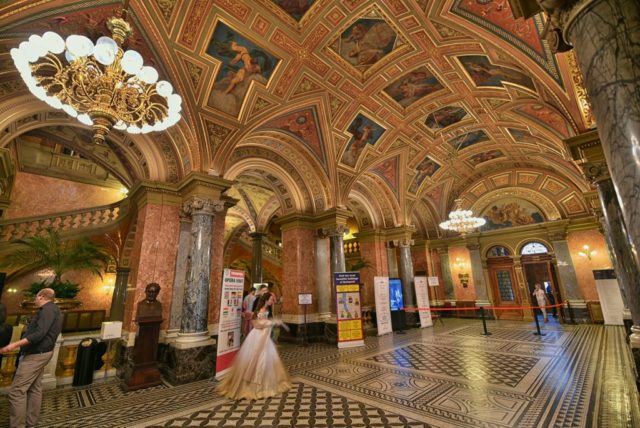
Take in an opera. OK, maybe I buried the lead: Budapest is also one of Europe’s great classical music cities, with one of Europe’s finest opera houses. But this is affordable opulence. At the Hungarian State Opera House, tickets are reasonably priced, ranging from $5 for the cheap seats to $65 for VIPs. But if you’re on a razor-thin budget, you can get standing-room tickets for just over $2; you can either stand with a limited view of the stage, or sit with no view at all. (Since the opera singers are on summer vacation, the Opera House is currently hosting a production of Billy Elliot — in the Hungarian language, as it was meant to be performed.)

cameron-hungary-budapest-nightlife-liszt-hall

“Slum” with the students. Tempting as Opera House is, there’s a new rival in town. The Franz Liszt Academy of Music recently reopened after a head-to-toe renovation of its stunning Art Nouveau concert hall (pictured above). The Liszt Academy’s Grand Hall rivals the Opera House in both opulence and price (good seats run $10-20). And music lovers on a budget can get even cheaper — or free — tickets for smaller venues and student recitals.

cameron-hungary-baths-budapest-szechenyi-7

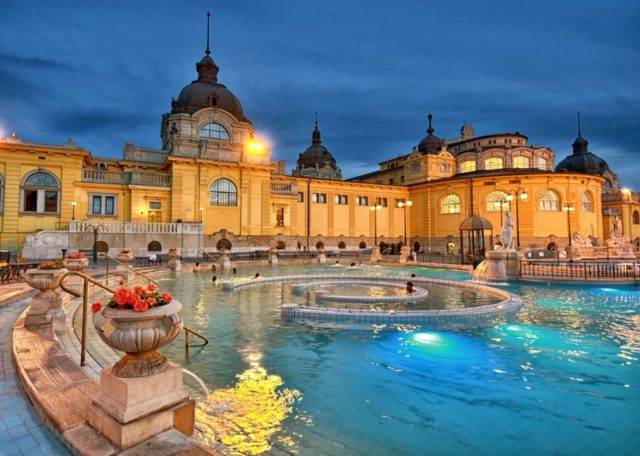
Go for a soak. At the risk of sounding like a broken record, I’ll remind you that Budapest has some amazing thermal spas — and some of them are open late into the evening. Széchenyi Baths (Budapest’s best thermal spa) is open until 10 p.m., and the later it gets, the calmer it gets (see photo above). But then, on weekends, it re-opens after closing time, and becomes a very wet, very hot dance “sparty,” with DJ music, boozy drinks, flashing lights, and hundreds of young Hungarians (and visitors) enjoying the good life.

Clearly, there’s no shortage of fun to be had after dark in Budapest. Whether you’re eating a street burger at 2 a.m. between ruin pubs, listening to top-quality opera, or dancing to throbbing techno music in chest-deep hot water, the city has something for everyone.

Foodie Budapest

Tucked away on a back street deep in the guts of a seedy Budapest neighborhood, the building’s facade is old and weathered. Battered by history. Practically bomb-damaged. Is this really the place? Confirming the address, I step across cracked cobbles through the grimy passage and pop out into a lively courtyard.

cameron-hungary-budapest-foodie-mazel-tov

The distressed brick walls have been expertly spiffed up, with garlands and twinkle lights hung just so. Behind a long counter, chefs scramble to keep up with the orders that just keep pouring in. The tables are packed with eaters. And here at the entrance, packs of hungry foodies wait patiently for their turn.

cameron-hungary-budapest-foodie-mazel-tov-int

This is Mazel Tov, one of Budapest’s trendiest new restaurants. It’s all the rage today — hard to get a table. But soon the novelty will fade, and Mazel Tov will quietly join the ranks of reliable standbys…a list that gets longer and longer every year. That’s the life cycle of a restaurant in a foodie city.

And make no mistake: Budapest is definitely a foodie city. In my last post, I raved about traditional Hungarian food…but I also warned that it’s hard to come by in the capital. “Hungarian restaurants” in Budapest are, almost without exception, looking to exploit a touristy clientele. They line up along the main shopping street, Váci utca, where hawkers out front try to lure in suckers willing to pay too much for a miserable meal and worse service.

OLYMPUS DIGITAL CAMERA

That’s why I don’t even bother looking for traditional Hungarian food in Budapest. Why would I? If you really care about good food, you don’t go to New York City for barbecue on Times Square…you go for trendy foodie haunts in Tribeca or Williamsburg. And in Budapest, the cutting-edge, experimental culinary scene is far from the obvious tourist zones.

A decade and a half ago, when I was just getting to know Budapest and writing the first edition of our Rick Steves Eastern Europe guidebook, I had to scrape the bottom of the barrel to recommend any restaurants. But then something happened. Leafy, mellow Franz Liszt Square became trendy. And wedged between the tourist-oriented theme joints and the drinks-only cocktail bars, a fresh new restaurant opened its doors. Menza (the word for a dreary communist canteen) boldly ventured into Modern Hungarian cooking: traditional ingredients and recipes, but with a fresh spin to please the modern palate. I can still remember my first dinner at Menza: They took the greasy, heavy lángos fry bread (one bite sits in your stomach for a week), lightened it up, and wrapped it around a delicious paprika-dusted entrée. This definitely wasn’t your Grandpa’s goulash. And the decor was a tongue-in-cheek update of commie cafeteria orange. It felt fresh. Bold. Postmodern.

cameron-hungary-budapest-foodie-menza

Menza — still respected, but considered an almost quaint throwback — became a blueprint for the 21st-century Budapest restaurant. Imitators sprung up all over town. And some of those imitators went a step or two beyond — putting their own twists and turns on Hungarian cooking. These days, I can barely keep up. In the year or two between my visits, whole new restaurant districts flourish and whither. It’s all I can do to keep track of the latest buzz. And I spend much of my Budapest research time simply scouting everything that’s new…and re-evaluating the old standbys. Here’s the latest scoop:

cameron-hungary-budapest-nightlife-ruin-pub-zone-1

The Seventh District is red-hot. It’s home to most of the city’s top “ruin pubs” (which I’ll explain in my next post). And now it’s emerging as a culinary destination, as well. In a nod to the district’s heritage as the former Jewish Quarter, Jewish-themed restaurants are popular here. Macesz Bistro is a Grandma’s-dining-room-cozy corner restaurant serving traditional Jewish recipes. And the new Mazel Tov — which I described at the start of the article — takes a different tack, serving Modern Israeli small plates like kebabs, shwarma, falafel, tabouleh, and shakshuka. While the atmosphere is wonderful, the food’s a bit hit-or-miss…not quite living up to the outsize buzz it’s currently enjoying. (But, then, how could it? Once the trendy accolades fade, Mazel Tov will be just fine.) Just around the corner is the inviting little KönyvBár & Restaurant (könyv means “book”), with a literary-themed menu and a dining room that feels like a sleek, minimalist library.

cameron-hungary-budapest-foodie-istvan-ter

St. István Square — in front of the towering facade of St. István’s Basilica, in the once-sleepy government and banking district — has really taken off as a food and wine lovers’ mecca. The cross-street called Sas utca has been a culinary hotbed in recent years. While flashy, style-over-substance places have come and gone along Sas, the reliable standby — with an engaging menu, reasonable prices, and a cozy dining room — remains Café Kör. Closer to St. István Square itself, a pair of wine-focused eateries have earned adoring fans. The classy Borkonyha (“Winekitchen”), which earned its first Michelin star in 2014, takes pride in pairing top-quality Hungarian wines with a nose-to-tail aesthetic and creative reinterpretations of classic cooking. (“Hungarian dishes,” the owner explained to me, “but less paprika, less fat.”) This place is popular and understandably jammed (I recently saw a selfie of Tom Hanks mugging with the staff)…so reserve ahead. For something more casual, try the nearby DiVino wine bar, which lists 130 bottles of Hungarian wines on its chalkboard (most glasses for under $5…did I mention Budapest is remarkably affordable?). They pair the wine with small plates, and have wonderful seating out on the square.

cameron-hungary-budapest-foodie-liszt-ter

I have plenty of other reliable favorites, scattered around the city. If you care about food and want a solid meal in Budapest, check out these options: Mák Bistro — pricey but unpretentious, hidden down a forgotten side-street — feels like a well-kept secret, with a lively brasserie ambience and a short, carefully selected seasonal menu. Bock Bisztró, run by a revered Hungarian vintner from Villány, offers 60 wines by the glass and traditional Hungarian staples presented with modern flourish (just shy of “deconstructed”). And Borssó Bistro, with a cozy two-story dining room near University Square, offers small portions of delicately assembled modern French cuisine with a bit of Hungarian flair.

Another big Budapest food trend is the renaissance of mangalica. That’s a uniquely Hungarian breed of wooly pig — basically a domesticated boar. The mangalica was out of fashion for years. But in this age of foodies who revere the almighty pig, the mangalica‘s high levels of unsaturated fat, distinctive flavor, and catchy backstory have made it newly trendy. These days, you’ll see it on every menu… and, in the case of the mangalica-themed Pesti Disznó restaurant, it’s literally in every item on the menu.

cameron-hungary-budapest-foodie-alexandra-cafe

Budapest has long had an elegant café culture (like its neighbor up the Danube, Vienna). While many cafés serve food, their forté is combining opulent surroundings with a take-your-time approach to coffee. The budget option hides upstairs in the Alexandra bookstore, along the main boulevard, Andrássy út. When the bookstore chain renovated this fine old turn-of-the-century department store, they spared no expense in restoring the sumptuous Lotz Hall. Now they fill this genteel space with a grand café and occasional live piano music. And, remarkably, they’ve kept the prices within reach: You can get a latte and slice of cake here for about the same price as at your hometown Starbucks.

cameron-hungary-budapest-foodie-new-york-cafe

That’s not the case at Budapest’s showiest coffee house, the New York Café. Originally built in 1894 as part of the “New York Palace” — and it really is palatial — this fanciful, over-the-top explosion of Neo-Baroque and Neo-Renaissance epitomizes the “mix and match, but plenty of everything” Historicist style of the day. In the early 20th century, artists, writers, and musicians came here to escape their dreary apartments and be inspired by its opulence. Now restored, the café sells the most expensive cup of coffee in Hungary, along with mediocre food. But you know what? It really may be worth the $7 investment in a caffe latte, just to sit here for an hour.

All of this is just scratching the surface. (If your interest is piqued, pick up my Rick Steves Budapest guidebook.) Foodies are in heaven in Budapest. It’s worth adding an extra night or two to your itinerary, just to eat well. And even those who don’t know sous-vide from deep-fried find plenty to enjoy in the Hungarian capital.