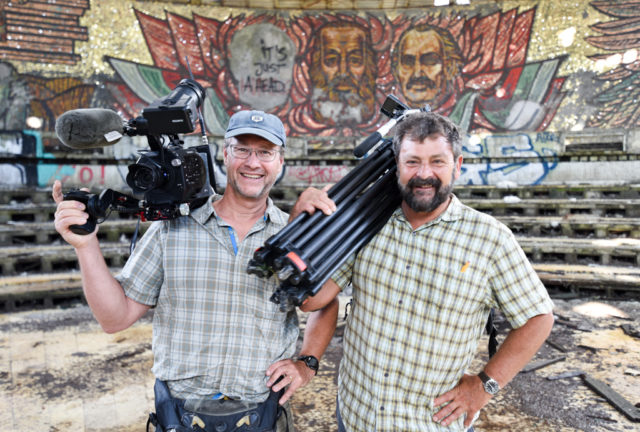
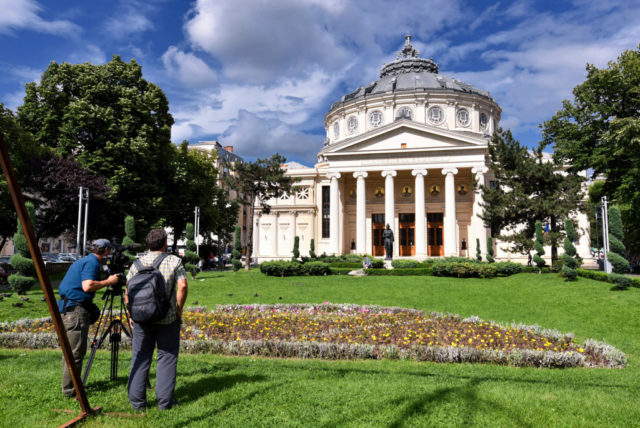
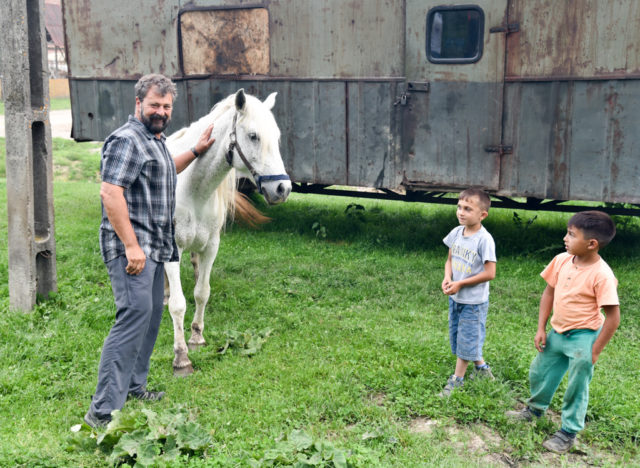
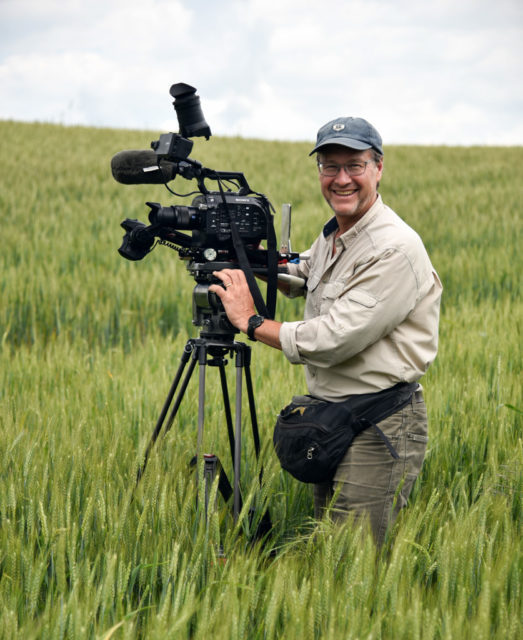
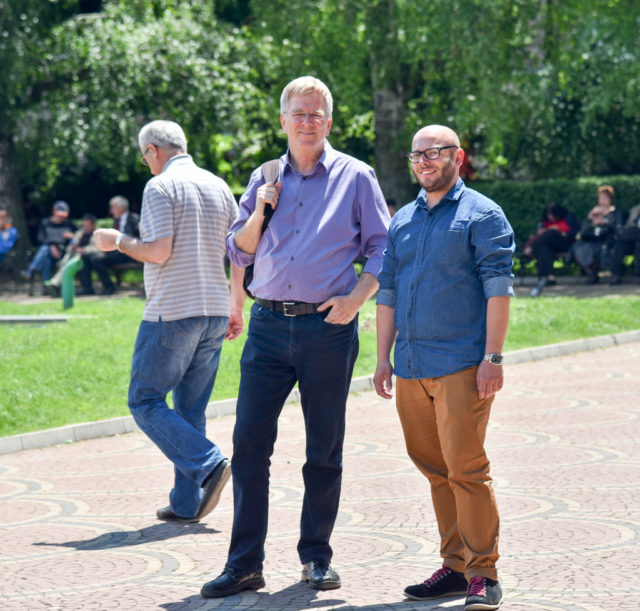
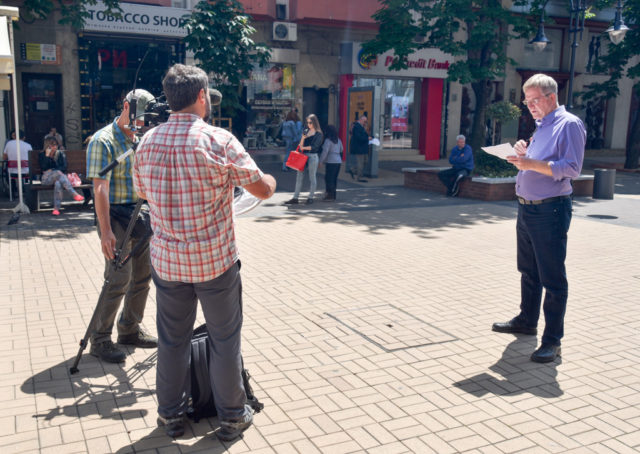
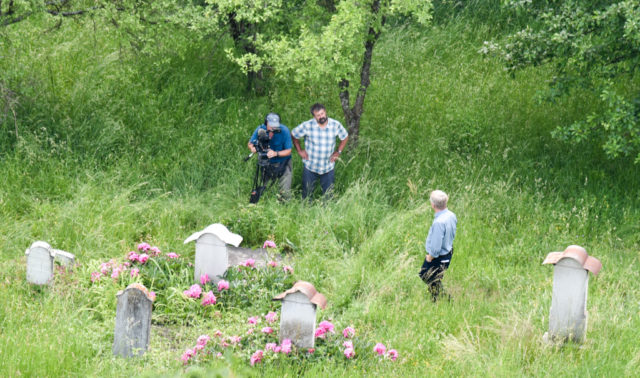
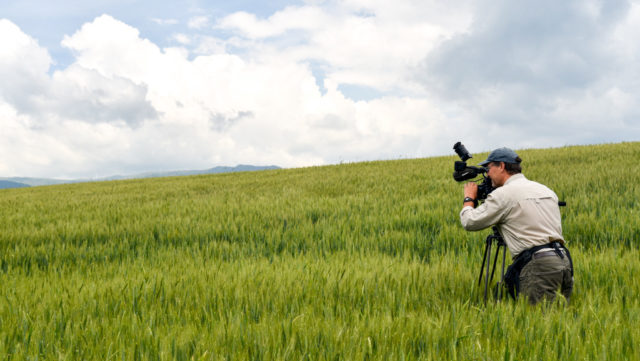
Romania is a big, fascinating country with an epic story. Fitting the entire thing into one 30-minute TV show was a scripting challenge — and filming it was a logistical challenge. The Romania shoot included glorious scenery, extremely helpful local guides, and more fascinating opportunities than we knew what to do with…but it also came with some unique headaches. (More on that in my next post.)
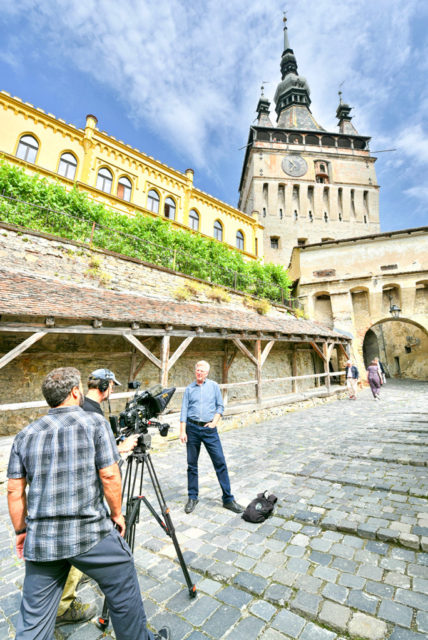
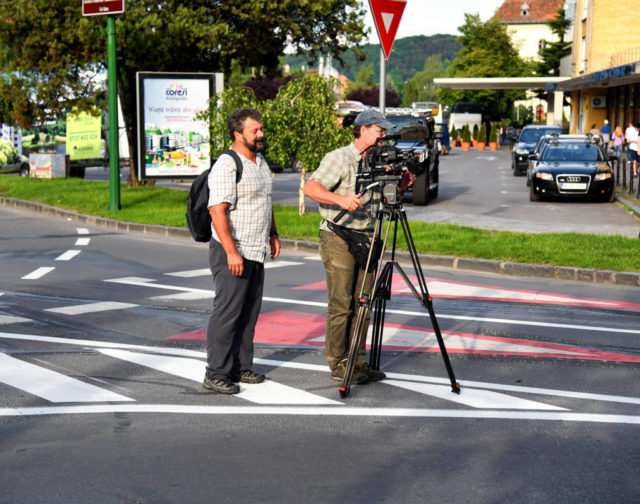
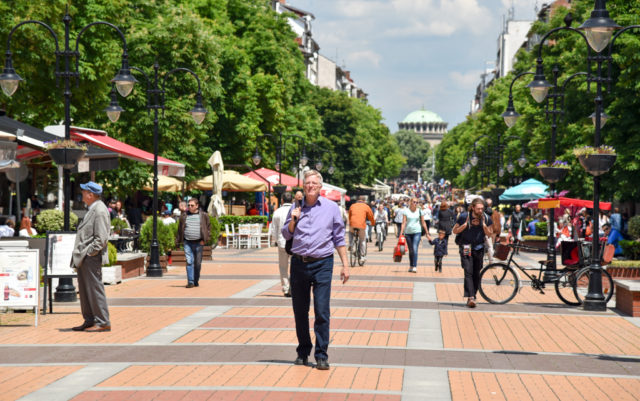
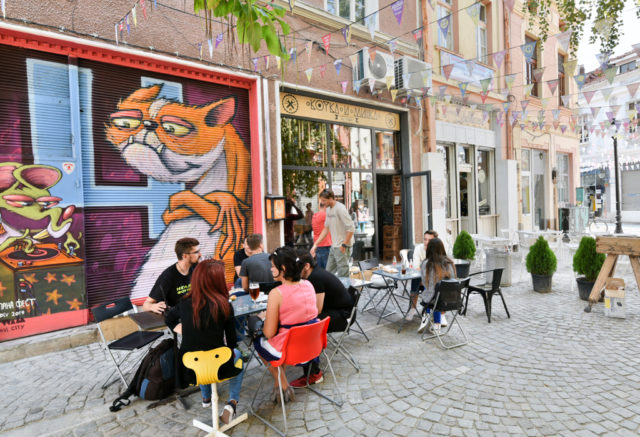
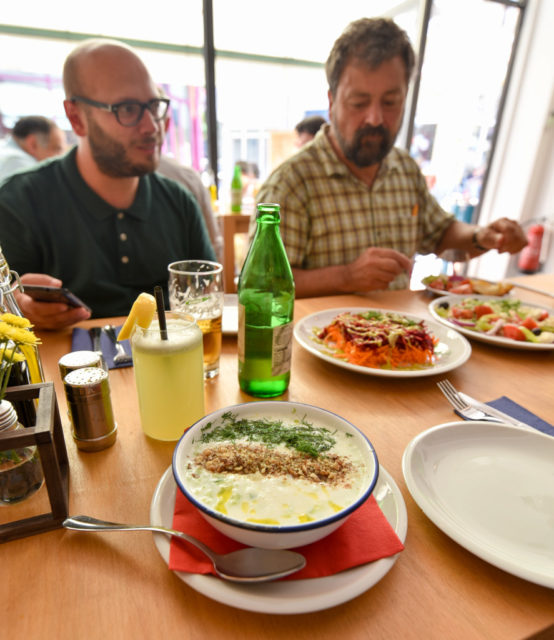
On our first evening in Bucharest, bigwigs from the national tourist authority threw us a blowout welcome dinner. Knowing that Bucharest’s nightlife scene is legendary, Rick and I had designs on filming the after-hours al fresco bars and cafés. But producer Simon and cameraman Karel weren’t necessarily sold on working after dinner, and proposed that we try to fit it in the next night instead.
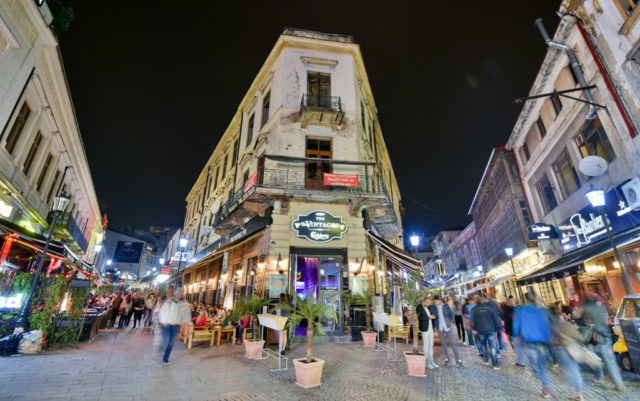
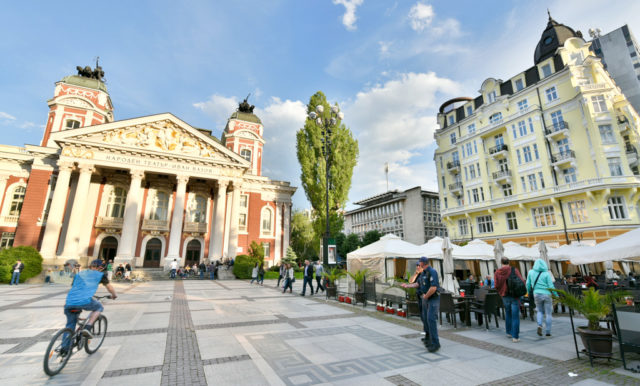
After a long and decadent dinner of Romanian food — and drink (the plum firewater, țuică) — we stumbled out of the restaurant and found ourselves in the middle of an energetic, open-air cocktail party that sprawled for blocks in every direction. As we began our wobbly walk home, Simon and Karel’s eyes got wider and wider as they took in the lively scene. I could practically see their TV-production gears kicking into motion. With a wordless glance and nod, they set up their gear and began shooting the scene. It’s not smart to drive while tipsy. But apparently filming while tipsy can work out just fine…and they got some great stuff for the show. (Best of all, it wound up raining the next night — making us relieved we’d grabbed the outdoor nightlife while we had the chance.)
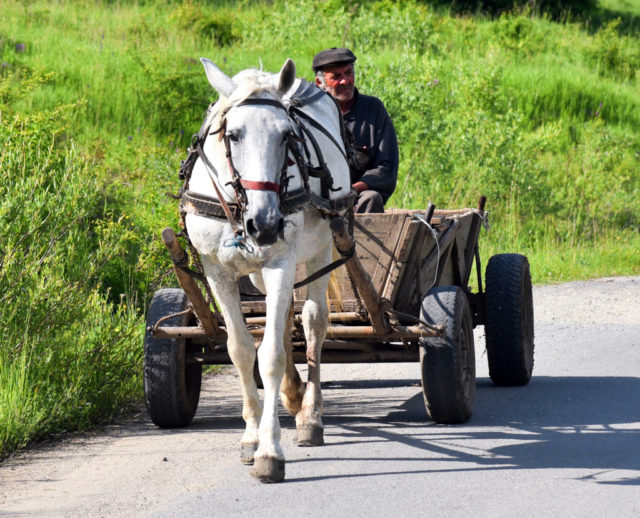
Romania offered serendipity to spare…but not always the serendipity we wanted. On past trips to Romania, I’d been struck by the bizarre scenes that play out along the side of the road. For the script, I’d brainstormed a montage called “Roadside Romania” — a collection of whatever slices of life we’d come across: Horse carts hauling car parts. Roving packs of dogs. Humble peasants on the shoulder of a highway, selling everything you can imagine — from produce to homemade cheese to appliances. Someone sitting on a little three-legged stool, chopping wood, right in the middle of the main road through town.
We had our camera cocked and loaded, ready to shoot whatever we saw. But then…nothing. We saw plenty of strange stuff, sure. But it just wasn’t right for TV, or it appeared at moment when we were rushing to the next location, or the light made it too hard to capture. By the end of the shoot, we were stressing ourselves out trying to hunt down spontaneity. Finally, we realized that serendipity is, by definition, un-plannable. Our script was already overstuffed. “Roadside Romania” got left by the side of the road. (But if you wind up driving through Romania someday, I promise: You’ll find it right where we left it.)
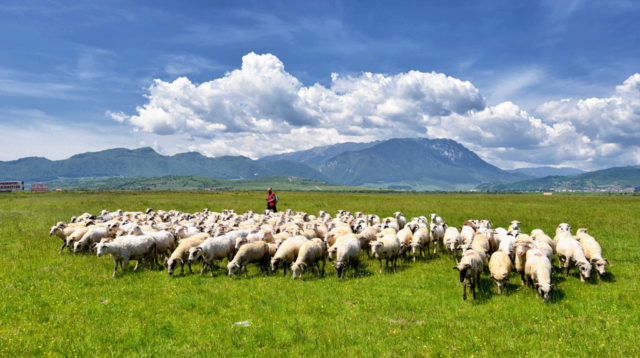
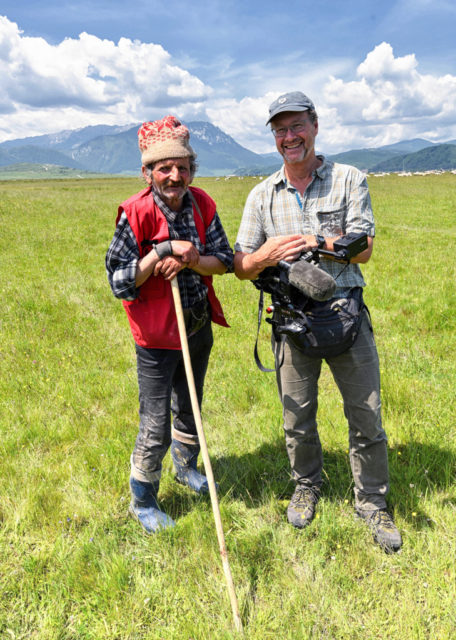
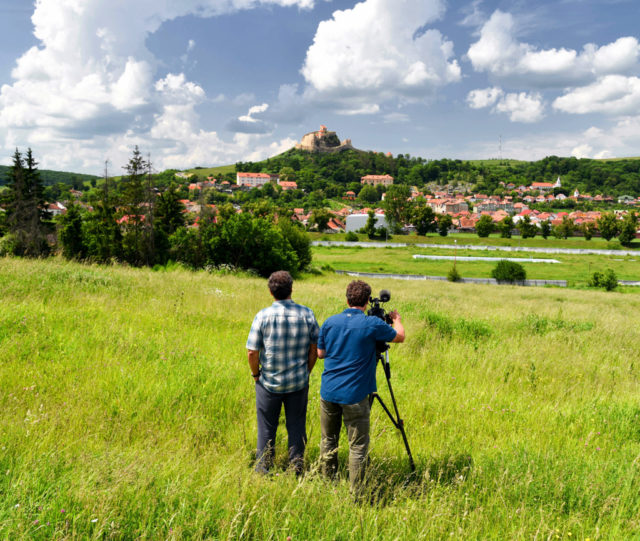
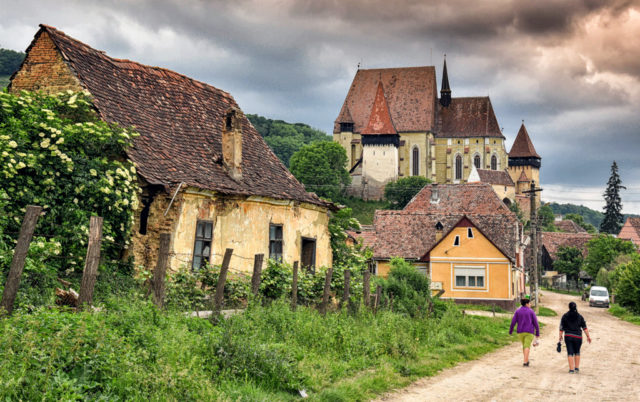
That mission did, however, result in some great footage we were able to use elsewhere in the show. On one gloriously sunny day, as we zipped between Transylvanian castles, we spotted a shepherd out in a verdant field, tending his flock, in a timeless scene. We pulled over and chatted with him, and he was happy to let us film him.
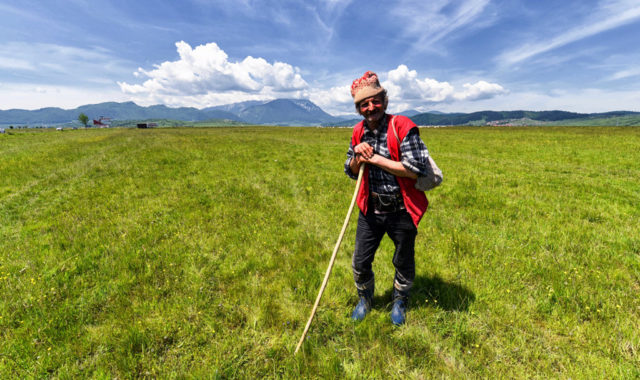
When we asked our guide if we could pay the shepherd a small amount to thank him for his cooperation, he said that what he really wanted was cigarettes. As non-smokers, we couldn’t hook him up. But later that day, I found myself buying several packs of smokes to have on hand for future interactions. It turns out we never had use for them — and I was happy to throw them away the night before I flew home.
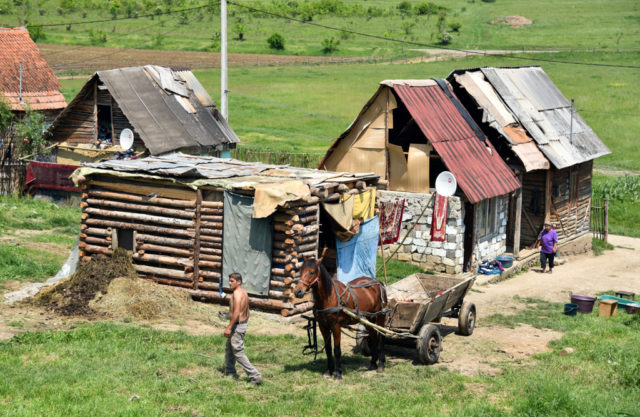
I felt it was essential to include a segment on Romania’s sizable Roma population (sometimes called “Gypsies”). If you wanted to film a muckraking exposé on Roma living in terrible conditions here, it would be easy: Impoverished shantytowns lie on the “other side of the tracks” from many towns and villages. But, in addition to acknowledging the challenges that come with having a large Roma population, we felt it was important to also teach something constructive about Roma culture.
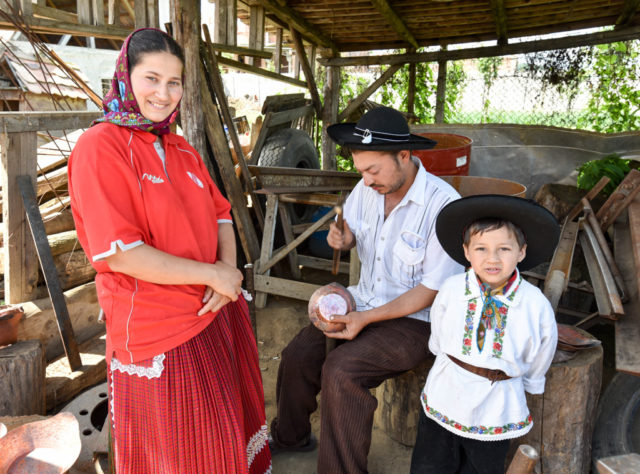
This topic turned out to be radioactive for Romania’s official tourism industry (which, to my disappointment, has utterly failed to constructively serve the many travelers who come to Romania curious to learn more about Roma culture). Fortunately, our excellent local contact for Transylvania, Daniel Gheorghiţă of Covinnus Travel, is adept at serving his clients who, like us (and presumably our viewers), would rather learn more about the Roma than simply dismiss them as some sort of unsolvable societal “problem.”
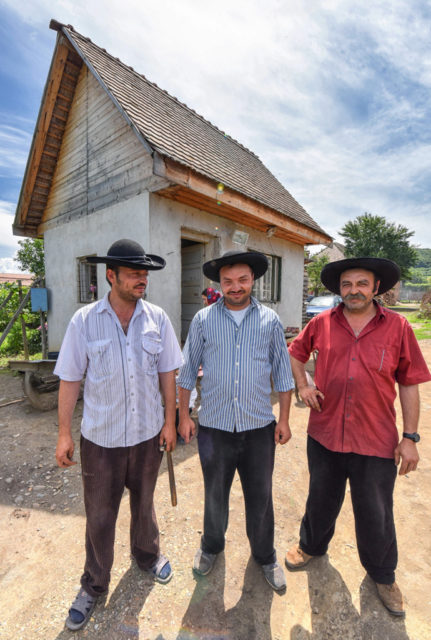
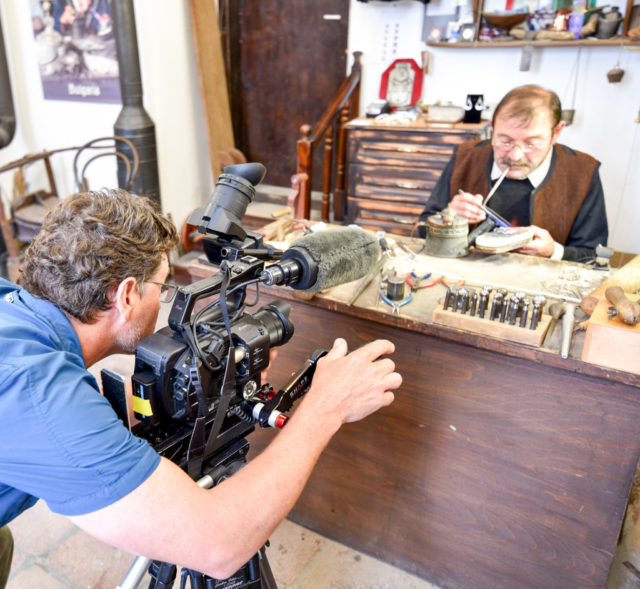
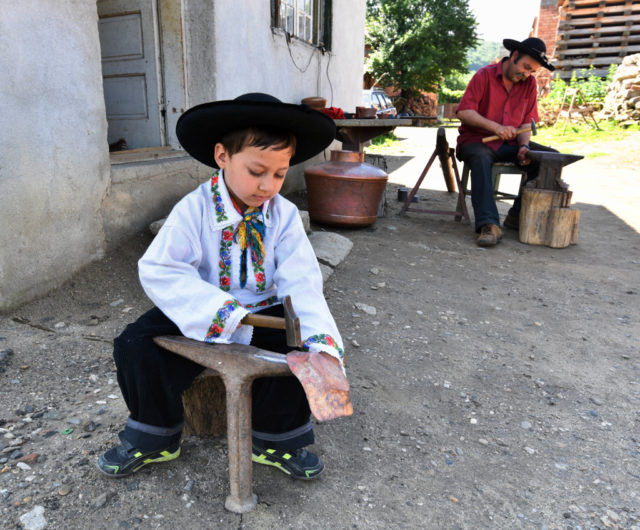
Daniel brought us to meet Emil, the kind and well-spoken paterfamilias of a Roma family living on the outskirts of a workaday village. Like many Roma, Emil’s family earns a living as constructive members of society by making use of a traditional Roma craft (in their case, metalworking). As we spent the morning getting to know Emil’s family and filming their lifestyle, we got a little choked up at having this remarkable opportunity to use our bully pulpit — public television — to humanize an often-misunderstood population, and to prod our viewers to go beyond knee-jerk “Gypsy” stereotypes. It’s easily one of my favorite segments in the show.
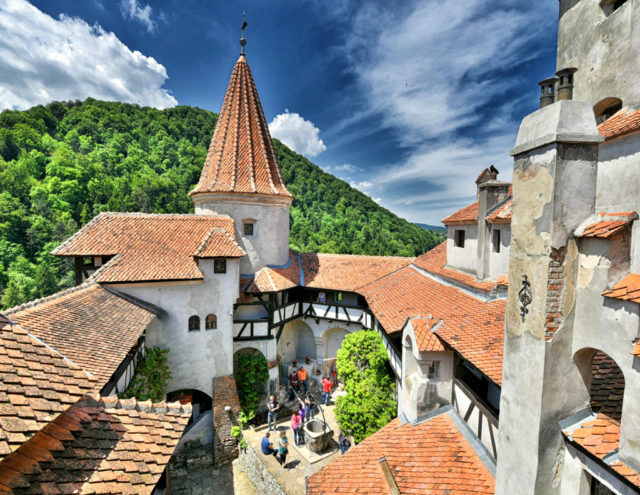
We shot all of the big tourist cliches, of course, including Bran Castle — where we had to toe a fine line of explaining that, while this castle is famous for its ties to Dracula, it actually has no real ties to Dracula. Awkward.
But our most vivid memories came on the rugged and impossibly remote northwestern fringe of Romania — Maramureş, my vote for the most authentic and vivid traditional culture anywhere in Europe.
Many people here still live much as their ancestors did in the Middle Ages. Of course, they do have modern conveniences — cell phones and, for some, cars — but their day-to-day lifestyles have changed little.
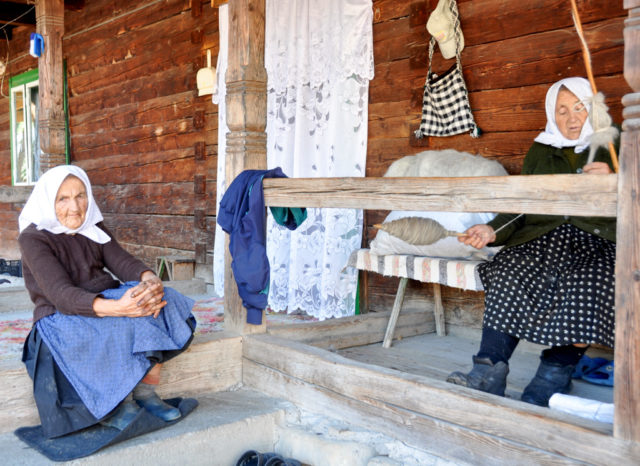
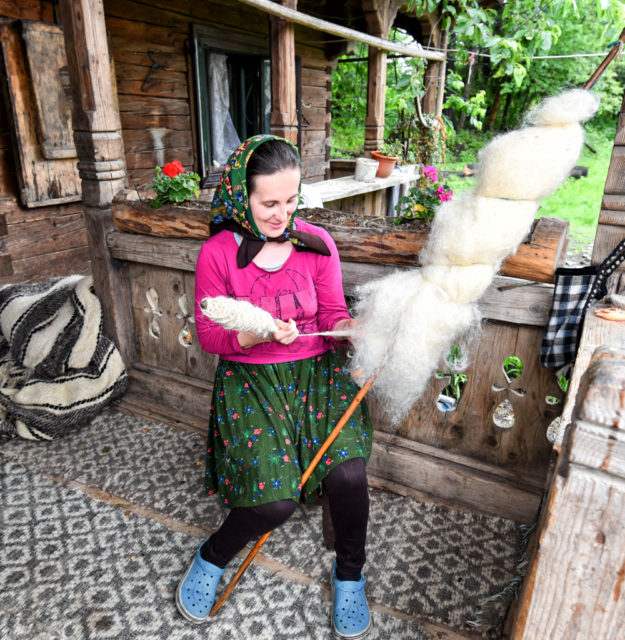
While we obviously hope to show a positive view of Europe, we don’t want an artificially prettied-up one. Dropping in on a humble local family of weavers in Maramureş, we were greeted by the gregarious daughter. While we were setting up, she disappeared for a few moments, then reappeared wearing a pristine, starched traditional outfit. We kindly asked if she’d mind changing back into what she’d been wearing when we met her. She graciously obliged, and thanks to that, that segment in our show feels real rather than staged.
To open and close the show, Rick had a mental image of exactly what he wanted: Delivering his lines from a horse cart trotting down a country lane. It was a tall order, but Simon and local guide Teo were on the case. While Rick, Karel, and I shot b-roll around the region, we sent Simon and Teo ahead to find the perfect place and the perfect cart. As we were wrapping up, we got the call: The horse was ready.
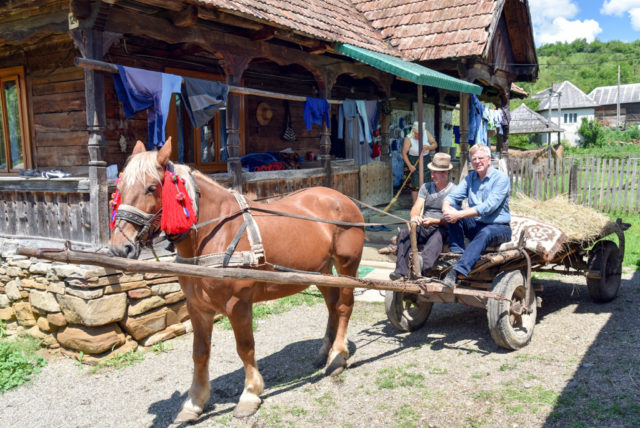
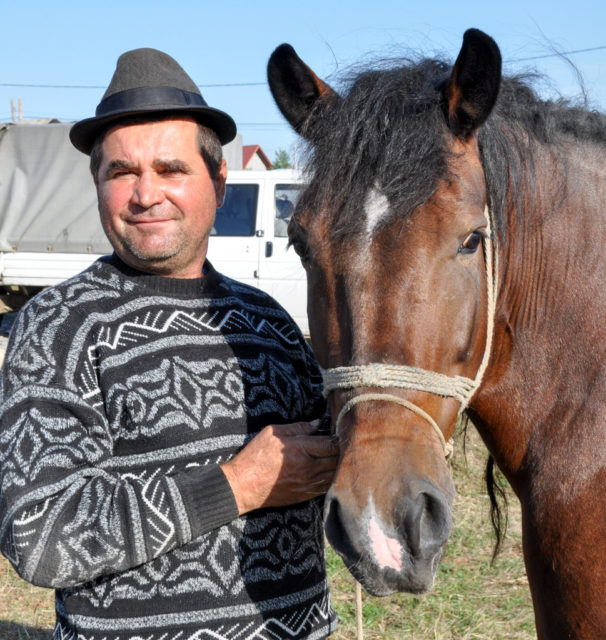
We drove to the location and explained to the farmer exactly what we envisioned. Our new friend (in his typical little Maramureş straw hat) worked hard to make us happy — he even asked his wife to sweep the porch behind him while Rick addressed the camera. It worked out perfectly, and when we wrapped, we enjoyed gathering around to show the horseman the result of his hard work, on the tiny viewfinder on Karel’s camera…shaded by his hat.
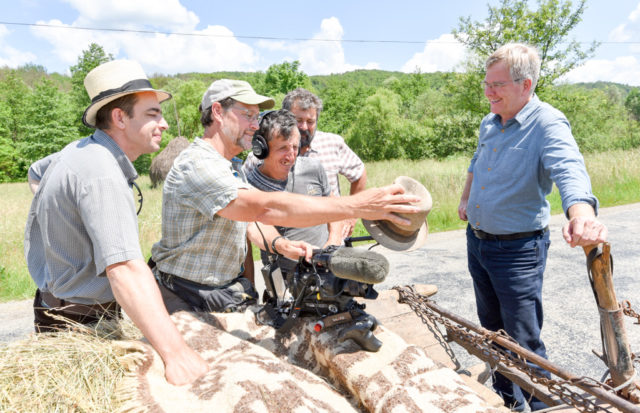
The horse cart was one of the final bits of Romania we shot. After a long week of hard work, we captured the best of that fascinating country on film. Coming up are two more in-depth tales from our filming in Romania.
This is part six of my “Behind the Scenes” blog series about Rick Steves’ Europe Season 9 — now airing nationwide (check your local listings). You can also watch the Bulgaria and Romania episodes for free. And in case you’re in a gift-giving mode, the brand-new, 10-episode Season 9 DVD is currently on sale in our Travel Store.