Waiting for Luciano’s Knock

Every night at around 9:30 or 10:00, there’s a knock on the guest room doors at Agriturismo Cretaiole. It’s Luciano — the 75-year-old farmer who owns the place — inviting people down to the veranda for a nightcap. There’s no point fighting it. Yes, you’re tired from your busy vacation. But Luciano has been working the fields all day, and he’s ready to party. You have no excuse.

Trading your pajama bottoms for blue jeans, you make your way to the glass-enclosed patio. Luciano has laid out his little plastic cups, and bottles of his three homemade spirits: grappa (grape brandy), limoncello (grappa infused with lemon rinds), and Vin Santo — the prized “holy wine” that’s made with concentrated grapes, fortified with grappa, then aged lovingly in special casks.

Luciano pours everyone their slug of choice, then puts on his Sinatra records. As the sprits flow and Frank croons the classics, Luciano nudges his guests to the dance floor. Emboldened by the Vin Santo — and by the general aura of Tuscan romance — couples who haven’t slow-danced in eons grip each other and sway to the music. Occasionally Luciano cuts in for a dance of his own.

The old man loves to talk, even though he speaks no English. Despite his guests’ protests that they don’t speak Italian, Luciano just keeps chattering away — making himself understood (more or less) with meaningful eye contact and by speaking slowly.

Recently Luciano discovered the Google Translate app. So now, when he wants to convey a more complex point, he borrows someone’s smartphone. He speaks into it with a measured, gentle ease — his velvety voice submerging the phone in Italian charisma. After a pause, the phone spits out a rough translation in Siri-speak. It’s a jarring juxtaposition. But — like the traditional-meets-modern mix of the agriturismo itself — it just works.

cameron-italy-tuscany-luciano-farm

The old man is stubbornly old-fashioned. One of his relatives joked, “Luciano’s idea of progress is getting two new sheep for the farm.” Luciano may be the paterfamilias, but his daughter-in-law, Isabella, is the business brains of the operation. By converting his farm into an agriturismo, she created a bridge between Luciano’s rustic ways and a steady stream of visitors from faraway lands. Now that he’s gotten used to it, Luciano has a newfound purpose in life: connecting with tourists, and proudly sharing his traditions. This old dog is learning some new tricks…and loving it. Well, most of the time.

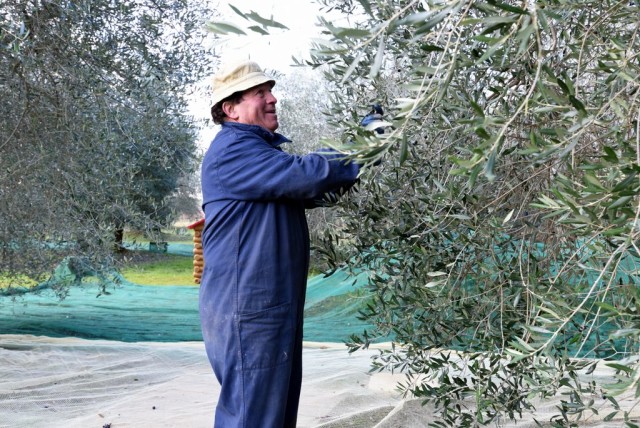
One day, Luciano invited his agriturismo guests to participate in the olive harvest. A few hardy and curious souls showed up, and put in a couple of hours’ work: spreading out tarps, gently raking plump olives off of spindly branches, then stooping over to gather them up.
cameron-italy-tuscany-cretaiole-045

At the day’s end, as the sky became a deep purple, Luciano built a roaring campfire deep in the grove. He pulled out a straw-wrapped bottle of his homemade wine, and began to cut slices of bread to toast on the open fire. He rubbed each crispy slice with garlic, drenched it in a generous dollop of his bright-green, fresh-pressed olive oil, and handed it around. “Bruschetta,” he said. “This is the real peasant cuisine.”

cameron-italy-tuscany-luciano-fire

Luciano’s exhausted work crew of tourists huddled around the fire and crunched into our reward for a hard day’s work. But Luciano wasn’t quite as impressed with us as we were with ourselves. “Here’s the thing about this agriturismo business,” he muttered to me with a wink. “It’s an awful lot of turismo and not much agri.”

While people come to Cretaiole for the food, wine, scenery, and cultural activities, I think that when all is said and done, some of their most prized memories come from their time with Luciano. Yes, things would be easier if Luciano learned some English. But I sure hope he never does.

Black Friday in Tuscany

Some habits die hard. I must admit, when I got home from our Tuscan Thanksgiving dinner,  I checked the football scores. And the next morning, it just felt right to do some shopping.

Fortunately, “Black Friday” in Tuscany is pure pleasure. There’s no getting up early to stand in line. No mob scenes in pursuit of doorbusters. And not a shopping mall in sight.

My wife and her sister wanted some proper Tuscan holiday gifts. So after breakfast, we headed out on a mellow shopping trip.

cameron-italy-tuscany-Pienza-006

First, we drove 10 minutes from our agriiturismo into the delightful Renaissance town of Pienza. Work crews were just setting up the town Christmas decorations, and the golden-stone lanes were ours alone.

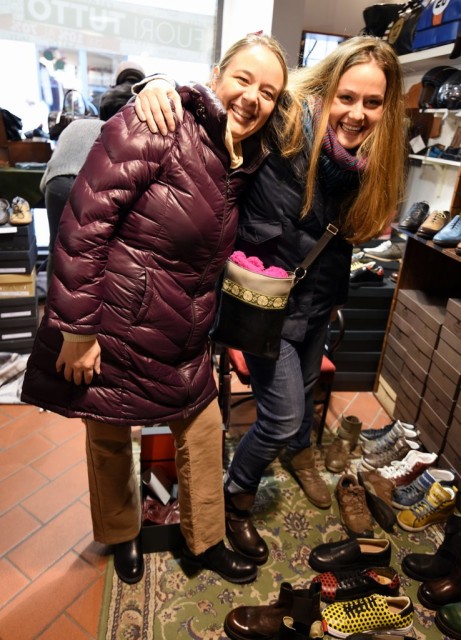
We browsed through Pienza, window-shopping pecorino cheese displays and wispy cypress centerpieces. A leather shop caught our eye. And my wife and her sister enjoyed the sales clerk’s undivided attention as they tried on some shoes…a perfect early Christmas present for each other.

cameron-italy-tuscany-Pienza-012

Next up: wine. Hopping in the car, we twisted for 40 minutes through some of Italy’s most stunning scenery to the town of Montalcino. World-famous for its Brunello di Montalcino wines, this town can be a little intimidating for low-end-intermediate wine-lovers like us.

cameron-italy-tuscany-montalcino-enoteca

The Enoteca di Piazza was just what we needed. More practical than quaint, this shop is designed for a surgical strike to assemble a cross-section of local wines to ship home. Its ingenious, automated system let us try samples from a hundred different open bottles. First, we picked up an electronic card to keep track of what we tasted. (You pay per sample, but if you buy a bottle, the sample is free.) Then, with the help of the clerk, we roamed around the store — which was organized geographically — to get a feel for the “big three” nearby wine regions: Brunello di Montalcino, Vino Nobile di Montepulciano, and Chianti Classico.

Once we had our bearings, we could zero in on some of the nuances of a particular type of wine. What’s the difference between a riserva and a table wine? Which wines are better to drink right away, and which are an investment for aging? What’s the difference between traditional vintners, and those experimenting with modern methods? A taste can tell you all you need to know.

Don’t get me wrong: A more intimate wine-tasting experience — where you actually wander through vines, get to know the vintner, and sip samples straight from the barrel — is a must for wine-lovers. And we had some of those experiences, too. But the catch with a winery is that they sell only their own wines. (And unless you have a designated driver, connecting several rural wineries by car is an iffy proposition.) For a broader education, head to an enoteca instead.

Having shipped our favorite bottles home for Christmas gifts (and maybe a few for ourselves), it was time for a late lunch. Enjoying a stand-up slice of pizza overlooking Montalcino’s main square — not missing stateside strip malls and food courts one bit — we  decided we’d had enough shopping for this Black Friday. The sun was already heading for the horizon. And Tuscany beckoned.

My goal here is not to make you envious…at least, not in a bad way. It’s to inspire you to break free from some of your cherished holiday traditions — whether it’s eating turkey at Thanksgiving, waking up early on Black Friday, or hitting the Boxing Day sales — and see what the rest of the planet is doing. You have a lifetime to lovingly keep up your traditions. But one of these days, consider creating some new ones…someplace else.

Decking the Halls, Italian-Style

While Italy lacks a Thanksgiving kick-off to the Christmas season, by late November big cities and little towns are dressing up in their holiday best.

cameron-italy-tuscany-Pienza-004

cameron-italy-tuscany-Pienza-031

In Pienza, the day after Thanksgiving happened to be decorating day. Doing our “Black Friday” shopping in the traffic-free town center, we watched work crews erect a proud Christmas tree on the gorgeous Renaissance square, and lovingly hang garlands along the lanes.

cameron-italy-tucany-orvieto-tree

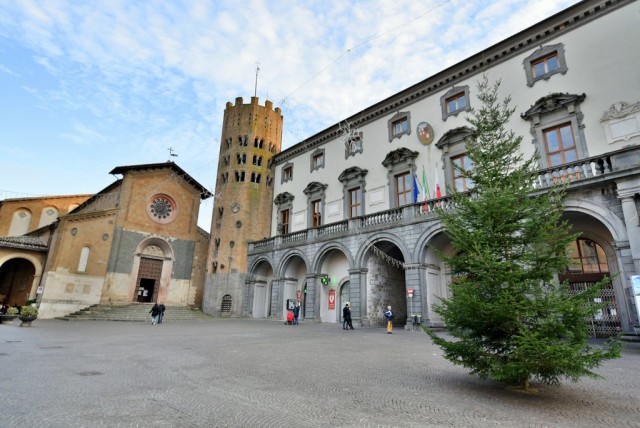
Orvieto’s square was also freshly adorned with a not-yet-decorated tree.

cameron-italy-tuscany-montepulciano-christmas-2

Montepulciano—which was hosting a weekend Christmas market—was the most elaborately decked out, with wooden market stalls, an illuminated tree, and a lightshow on the facade of the otherwise austere city hall.

cameron-italy-rome-shopping-christmas-lights

Bustling Rome was less adorned than we expected. But the high-roller shopping streets near Via del Corso were all lit up.

cameron-italy-rome-vatican-christmas

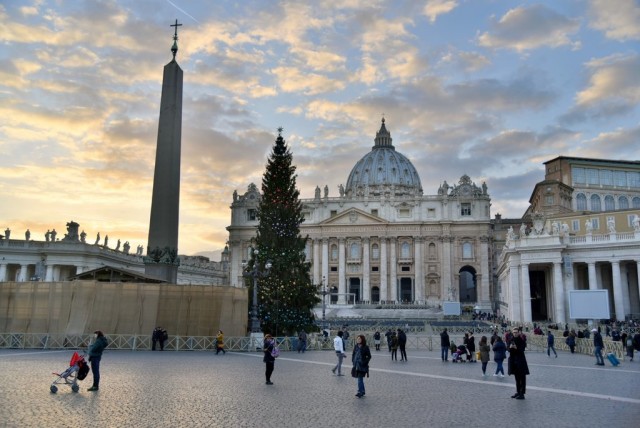
Not surprisingly, the Vatican had perhaps the best Christmas spirit in Rome. On the first Sunday in Advent, St. Peter’s Square heralded the impending birth of the Christ Child with a Rockefeller Center-sized tree (and a not-yet-unveiled nativity scene).

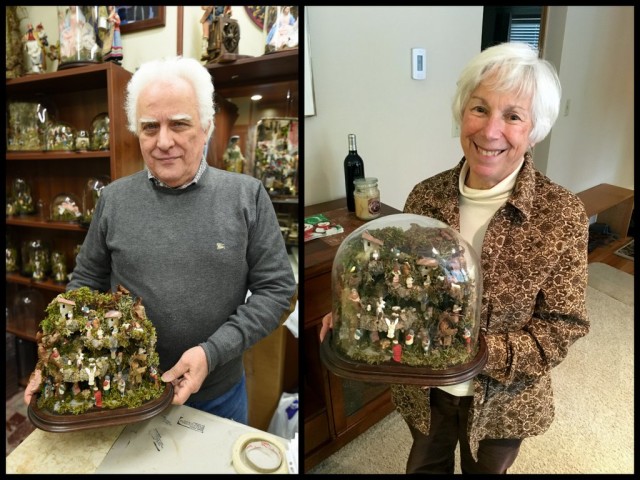
On a previous trip this year, I’d visited Naples — the epicenter of Southern Italy’s passion for nativity scenes. Getting a head start on my holiday shopping, I shipped home the perfect presepe for my mother. Direct from Signore D’Auria’s workshop, my mom now has a perfect Italian addition to her crèche collection.

cameron-italy-presepe-daurio-mom

Wherever you might be headed for Christmas or New Year’s — at home, across the country, or abroad — I wish you holiday travels that are merry and bright!

A Tuscan Thanksgiving Dinner (Don’t Worry — There Was Turkey)

When I tell people I was in Tuscany for Thanksgiving, their first question is — with a note of concern — “Did you have turkey?”

Americans love Thanksgiving dinner. And many of us simply can’t fathom counting our blessings without an oversized portion of turkey, stuffing, mashed potatoes, and gravy. Our agriturismo host, Isabella, understands this, so very early in the planning stages she reassured her nervous American guests: “And of course we will celebrate Thanksgiving with a special Thanksgiving meal — one with a Tuscan twist.” Well, phew!

cameron-italy-tuscany-Thanksgvng-001

In typically thoughtful fashion, Isabella had arranged a fantastic feast, which happened to be at one of my favorite restaurants in the region (Ristorante Daria, in the tiny hill town of Monticchiello). Months before, Isabella had conspired with the owner/chef, Daria, over a list of traditional Thanksgiving dishes. And the gang at the restaurant had come up with a delicious mashup of American and Tuscan.

cameron-italy-tuscany-Thanksgvng-003

cameron-italy-tuscany-Thanksgvng-004

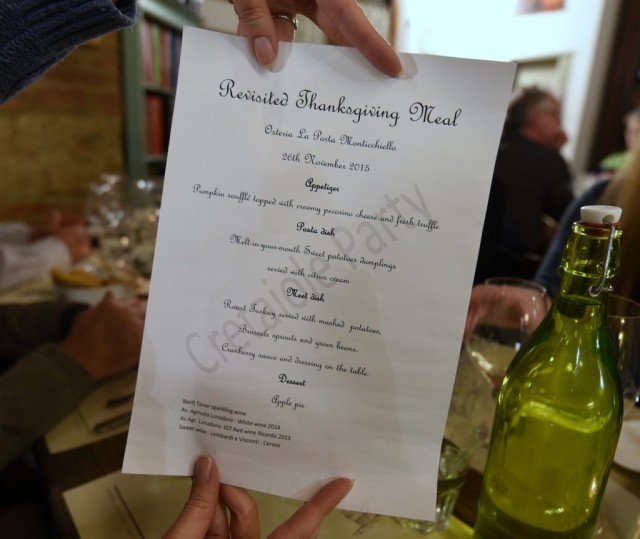
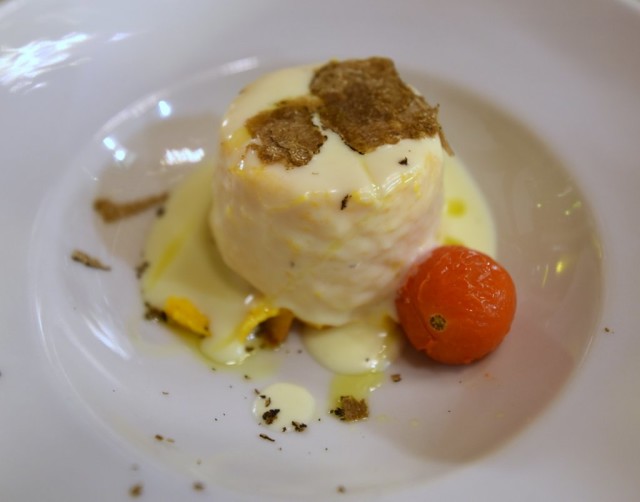
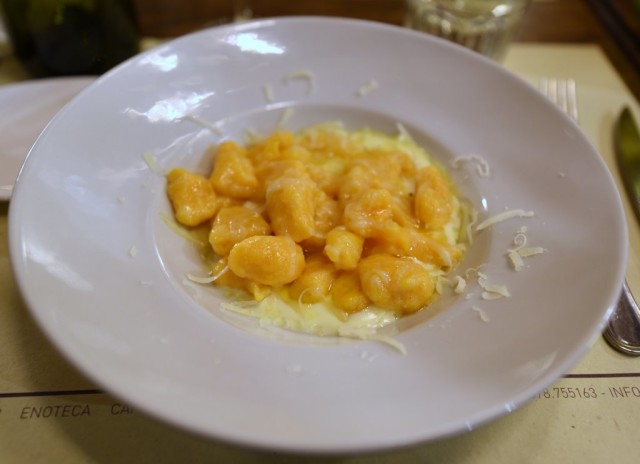
The first two courses were the most Tuscan, but cleverly informed by “our” Thanksgiving ingredients: a delicate pumpkin soufflé, topped with creamy pecorino cheese and fresh-grated truffle. And a dish of pillowy sweet potato gnocchi, gently nestled in a subtle citrus cream. I would not mind seeing either of these dishes on my Thanksgiving table for many years to come.

cameron-italy-tuscany-Thanksgvng-006

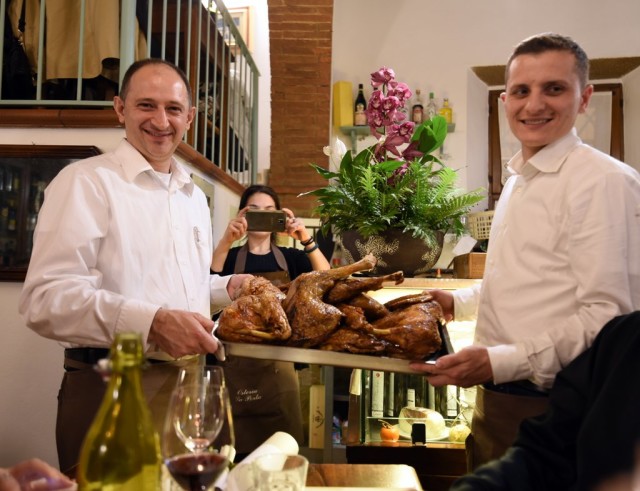
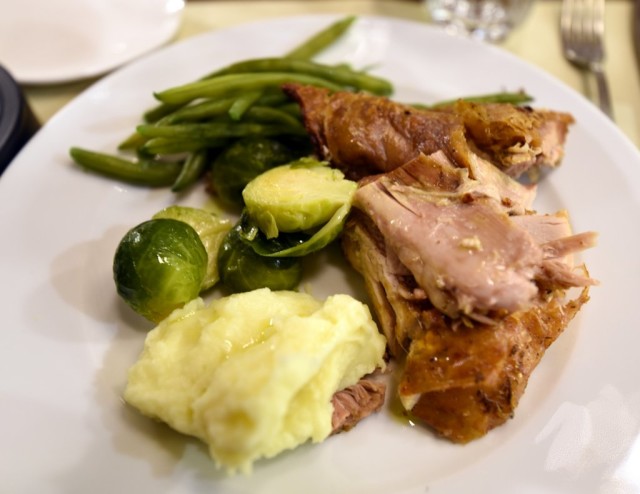
Then it was time for the main event. They loaded all of the turkey onto a tray and ceremonially paraded it through the restaurant. Then they took it back into the kitchen and re-emerged with beautiful — and very traditional — plates of turkey, green beans, Brussels sprouts, and mashed potatoes (with, in a delicious Italian twist, a trickle of fresh-pressed olive oil).

cameron-italy-tuscany-Thanksgvng-007

They also brought out some fantastic gravy and surprisingly traditional cranberry sauce. Daria explained that she’d asked some American friends to ship her some cranberries, which are completely unknown in Italy.

Sitting around the dinner table, watching Isabella’s family, and my family, enjoying an American-Italian hybrid dinner, was poignant. But it made me sad to think that people might pass up an idyllic week in off-season Tuscany with their families, just because of a fear that they may not get their turkey fix.

This is particularly unfortunate because Thanksgiving food isn’t all that exciting to begin with. I sparked something of a riot at our Tuscan Thanksgiving dinner table when I half-jokingly told Isabella, “I’ll let you in on a secret: Nobody really likes Thanksgiving food.”

Yes, we love Thanksgiving dinner. But is it really because of the food? Or is it more about tradition, gauzy memories, and the fun of assembling a blowout meal once a year? Think about it: When’s the last time you got home from work on a Friday night, turned to your spouse, and said, “Hey, you know what I have a taste for? Let’s go out for Thanksgiving food!”

Don’t worry. Plenty of my friends and coworkers have already passionately informed me of my wrongheadedness. But I’ve decided to stick by my highly controversial theory. And, while this rant is partly tongue-in-cheek — and I love a good turkey-and-stuffing dinner as much as the next guy (read: once a year) — it hides a kernel of real travel wisdom.

Holiday traditions are powerful. But keep open the option of busting out of your rut every so often. Risk not having turkey at Thanksgiving. Spend Christmas at a radish festival in Oaxaca instead of singing carols around a fir tree. Skip trick-or-treating in order to be in Slovenia the day after Halloween, when everybody in the country goes to the cemetery to lovingly decorate their family graves. I’ve been fortunate enough to experience all of those things, and never regretted what I was missing out on. And if holidays are primarily about surrounding yourself with the people you care about, you can do that anywhere. Your traditions will always be there, back home, waiting for you…next year.

Cooking in Mamma’s Kitchen: A Tuscan Autumn on a Plate

In today’s foodie age, cooking classes are trendy. And for good reason: They’re the perfect opportunity to learn a new skill, have a culturally broadening experience, and enjoy a great meal, all at the same time. And, while I’ve enjoyed great cooking lessons in polished classrooms, some of the best take place in more casual settings.

cameron-italy-tuscany-marta-cooking-class

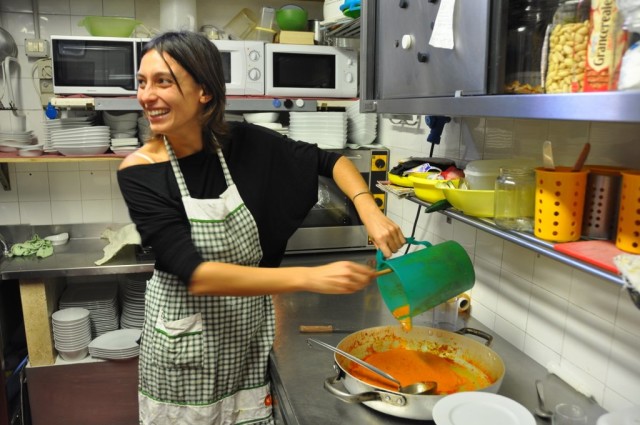
On a previous visit to Tuscany, my wife and I joined Marta in the kitchen of her restaurant. She taught us how to make a spectacular, yet simple, all-purpose tomato sauce: just olive oil, garlic, tomatoes, salt, and a few red-pepper flakes…simmered and blended to smooth perfection. We taught the recipe to our relatives, who — to this day — regularly cook up a batch of “Marta’s sauce.”

On this trip, we wanted to bring the whole family back to Marta’s kitchen. But she’s wintering in Australia, so instead, her mother Laura invited us into her home kitchen to cook — and eat — an extravagant Tuscan lunch.

Not quite the traditional stone farmhouse we’d imagined, Mamma Laura lives in a plush, modern home in a remote hamlet high in the mountains. Standing at her sink, she gazes out over forested slopes, past a beefy plume of smoke rising from a furniture factory just below. It’s a view that makes doing the dishes a reward rather than a chore.

cameron-italy-tuscany-cooking-class-laura-013

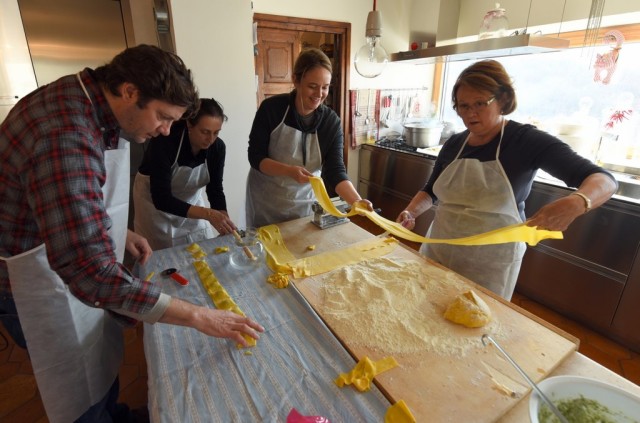
From the moment we arrived, Mamma Laura masterfully orchestrated the meal. She’d demonstrate the task at hand — chopping up chunks of squash, packing ingredients into little pouches of cabbage, rolling out long sheets of pasta dough — then turned us loose to try it out. Ingredients would disappear into an oven or pot or blender, then reappear when it was time for the next step. And, miraculously, everything was done at exactly the right time.

Every so often, Laura pulled out a moonshine-like jug of vibrant green olive oil — just pressed a few days ago — and poured it generously into the recipe. While our calorie-conscious American sensibilities screamed “too much!,”  the result was deliciously persuasive. (And let’s be honest: Are a few extra dollops of fresh-from-the-grove oil any worse for your health than a can of diet pop or a preservative-packed cookie? You could, quite reasonably, make a strong case for the opposite.) One thing I’ve learned from cooking in a Tuscan kitchen: Americans are afraid to use nearly as much salt and olive oil as Italians do. If you want authentic flavor, you have to go all-in.

cameron-italy-tuscany-cooking-class-laura-054

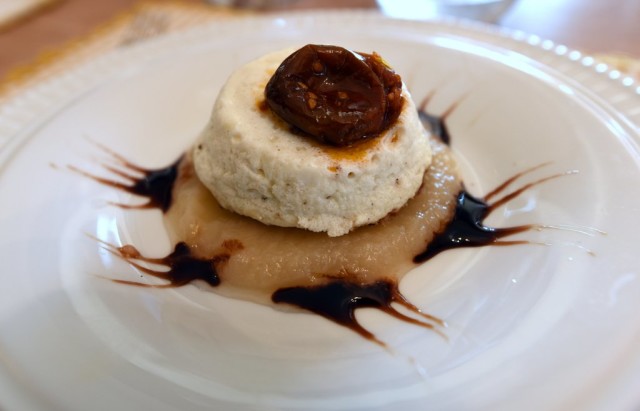
The first course was a crustless, savory cheese tortino (young pecorino and ricotta, made light and delicate by folding in whipped egg whites, then baked in the oven) perched on a pear puree and topped with a marinated, sun-dried tomato.

Next was a scrumptious autumn soup. We rough-chopped chunks of a giant, comically orange “pumpkin” (more like a winter squash), which were then mashed and simmered. Laura mixed in some peeled, boiled chestnuts and a handful of porcini mushrooms. The result wasn’t the sickly-sweet “pumpkin soup” I avoid on menus back home. It was rich, hearty, and satisfying — a Tuscan November in a bowl.

Then came the pasta course: handmade ravioli stuffed with nettle greens and ricotta cheese. This one required a particularly hands-on assembly.

cameron-italy-tuscany-cooking-class-laura-015

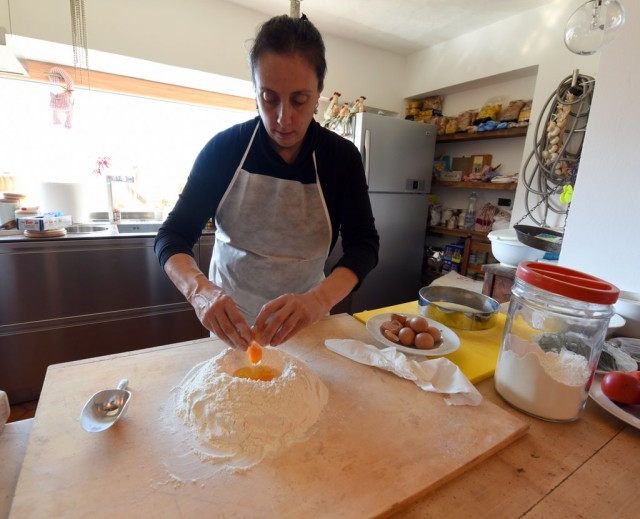
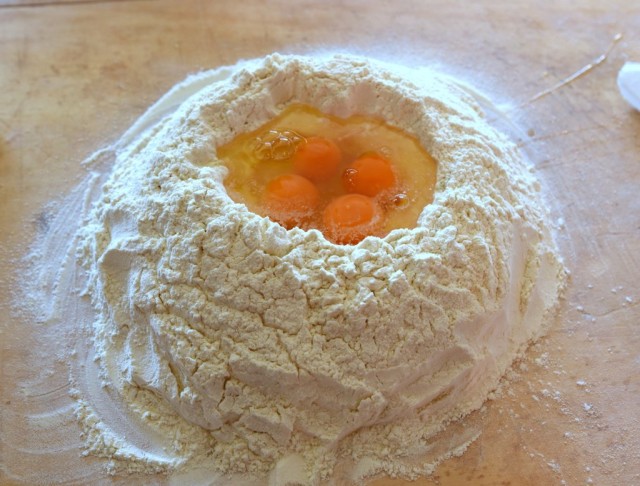
First, Laura created a little volcano of flour, and cracked some vibrant-orange eggs into the crater.

Then we took turns carefully hand-mixing with a fork, as Laura sprinkled in more flour.

cameron-italy-tuscany-laura-cooking-family

When the mushy mess transformed into a solid hunk of dough, we kneaded it, then cranked long, yolk-yellow strips through a pasta roller until they were thin as a ribbon.

cameron-italy-tuscany-cooking-class-laura-034

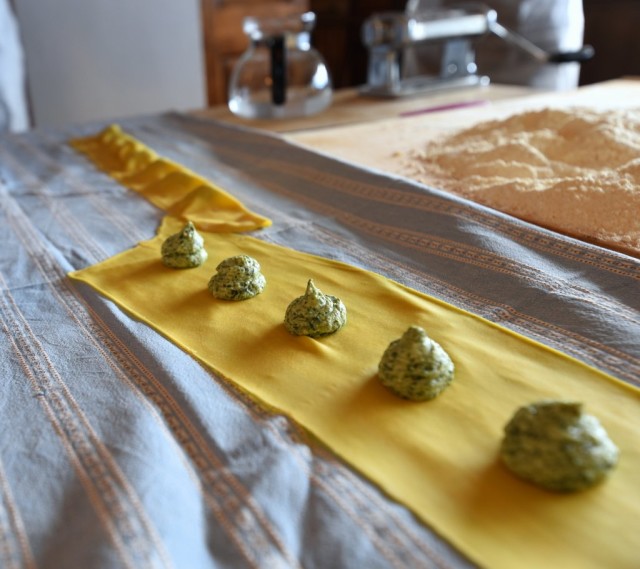
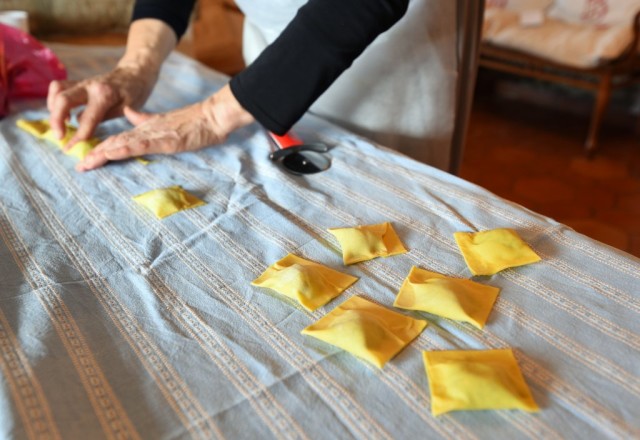
Laura carefully laid each pasta sheet onto the table, piped out the proper amount of filling, folded it over, cinched it shut with water, and sawed out flawless ravioli.

cameron-italy-tuscany-cooking-class-laura-036

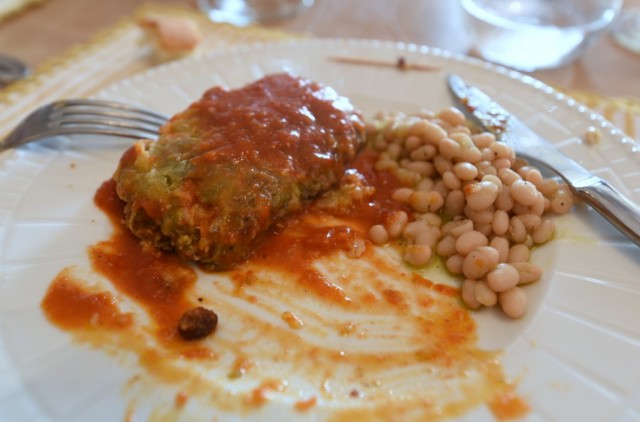
The main course was an outrageously delicious cabbage roll, with a filling of bread crumbs soaked in saffron-infused milk, subtly caramelized raisins, just-cracked walnuts, and decadently melted Gruyère cheese (one of the meal’s only non-local ingredients). Everyone rolled their own. And, of course, it was topped with “Marta’s sauce.”

cameron-italy-tuscany-cooking-class-laura-056

On the side were the best beans I’ve ever eaten. This dish began as a few handfuls of dried beans in the bottom of a pressure cooker. (Italians — with their regional pride and respect for culinary subtlety — are very specific about their ingredients. Laura assured us these were only the very best beans, grown on the shores of Lake Bolsena. Her American students glanced at each other, shrugged, and scribbled “white beans” in our notebooks.) Into the pot went water, abundant olive oil, a few cloves of garlic, pepper flakes, and a little sachet of fresh sage and rosemary. The pot hummed along on the stove all morning long, and by lunchtime, the beans were luxuriously tender and impossibly flavorful.

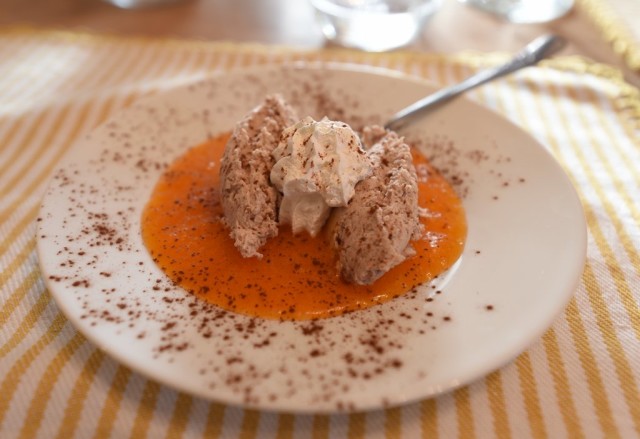
And for dessert: a mousse made with the same chestnuts that had gone into the soup, topped with whipped cream, all sitting on a thick puddle of liquefied flesh from a borderline-overripe persimmon.

cameron-italy-tuscany-cooking-class-laura-057

It wasn’t until we’d eaten to our hearts’ content that we realized the meal had been entirely meatless (to accommodate a vegetarian in the family). And do you know what? With cooking this good, nobody even missed the meat.

Anyone can have an experience like this. It’s a substantial investment of time, but from a financial perspective, it’s a tremendous value: Our all-morning cooking class, and the meal that resulted, cost us about the same, per person, as a nice dinner out.

Incorporating amazing food — and unforgettable experiences — into your travels doesn’t have to be expensive. You just have to set your priorities and plan ahead.