A striking contrast to much of Italy, Milan is the country’s time-is-money business and fashion hub. People like to describe it as “Germanic,” which is code for “organized but unfriendly.” But I think that’s too much of a swipe at Germany, which, in my experience, can be much friendlier — and much less organized — than its reputation.
Milan isn’t “Germanic.” It’s Milanese. And, let’s be frank, that’s not what most travelers are looking for. The city is less warm, colorful, romantic, evocative, and, yes, friendly than just about anywhere else I’ve been in Italy. Money talks here more loudly than elsewhere, and dressing casually makes you stick out like a pile of parmesan on a plate of seafood pasta. Consequently, most tourists either give Milan a miss, or hit it strategically as they zip through.
Much as I’d like to turn this conventional wisdom on its ear, after a few days in Milan, I’m convinced that a quick visit really is best plan. Don’t linger in Milan. Everything you want to see — the Duomo and its prickly rooftop, the adjacent Vittorio Emanuele II shopping gallery, Michelangelo’s final pietà in the Sforza Castle, and, of course, Leonardo da Vinci’s Last Supper — can easily be squeezed into a few hours…if you’re organized and willing to rush. “Day Two” in Milan ranks pretty low on an Italian scale, and the “extra credit” sights aren’t worth the bonus points. I’d spend just one night. Or, if works for your itinerary, hit the big sights on your way between other destinations.
That said, the greatest hits of Milan really are pretty great. Here are some highlights, and some tips for making the most of your time.

Milan’s main square, Piazza del Duomo, is shared by its two most famous landmarks: the Duomo (cathedral) and the Vittorio Emanuele II shopping gallery. Stepping into this piazza, you get the “oh, wow” rush you’d expect… but that excitement is fleeting. The other buildings on the square are mostly drab (even the fancy ones), and the whole space feels soulless and a bit seedy. As a traveler, I favor public spaces that can back up that initial wow with some real substance. But this is not a square that tempts me to linger with a cappuccino.

Milan’s famous Duomo is simply massive. It can hold 40,000. And with Expo 2015 happening on the outskirts of Milan right now, it may just need to. I was impressed on this visit to see how smartly Milan is coping with the 20 million Expo revelers who are expected over a six-month period. Just a few days after Expo opened, the city already seemed to have things figured out. For example, many sights are open special extended hours. The Duomo, which usually closes at 7 p.m., is staying open until 11 p.m. for the duration of the Expo.

The Duomo’s interior, while massive, doesn’t have much that sets it apart from other famous Italian churches. But the Duomo does offer one unique opportunity: Riding an elevator (or walking up the stairs) to the rooftop, where you can wander through a forest of frilly Flamboyant Gothic spires.
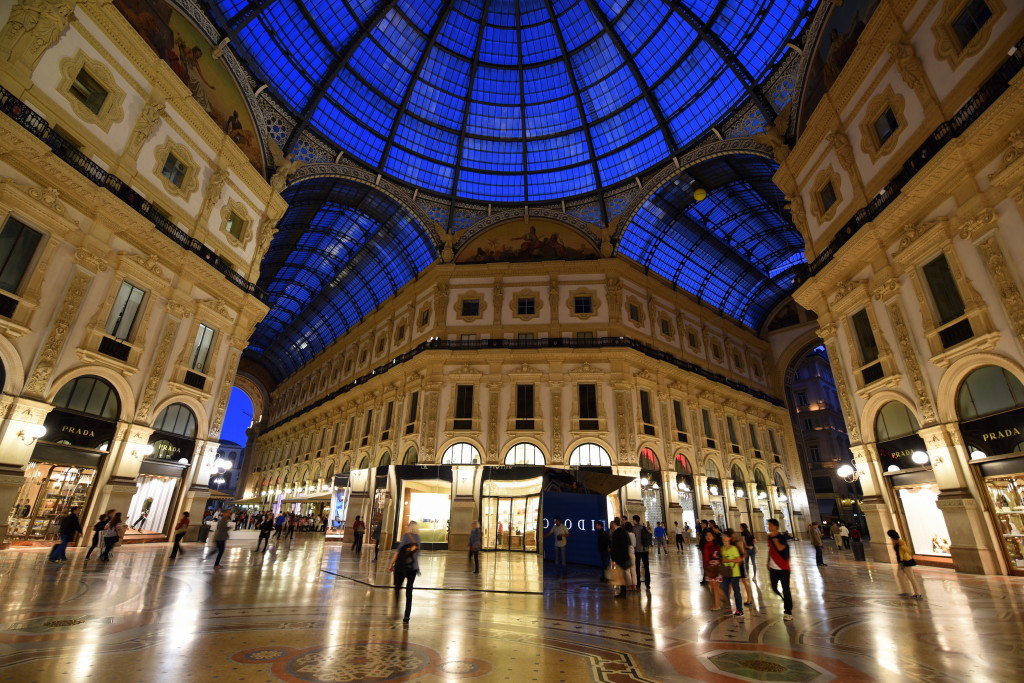
The Galleria Vittorio Emanuele II — named for the king who first united Italy in the 1860s — may be the most stunning shopping mall on earth. But few people come here to actually shop; it’s the city hangout, where tourists and the Milanese come for a genteel stroll, to nurse an overpriced cocktail of the local Campari bitter, or just to get out of the sun or rain.
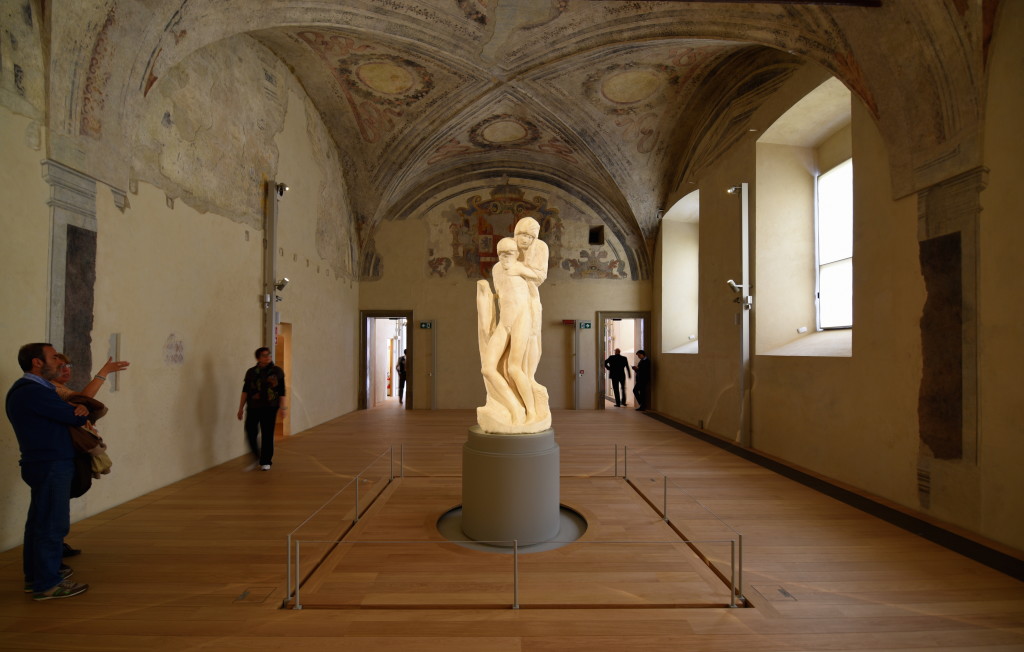
The main art treasure in Milan is Leonardo da Vinci’s Last Supper (not pictured here, because pictures are strictly forbidden — and they mean it). And, while The Last Supper is certainly well worth seeing, it requires a reservation weeks in advance (more on that in a future posting). But a few blocks away is another, completely overlooked masterpiece by another Renaissance great: this final pietà by Michelangelo, who, at nearly 90 years old, was working on this sculpture when he died. Although unfinished, it still demonstrates the unparalleled mastery of Michelangelo. Displayed at Sforza Castle, it has recently been moved into this gorgeously restored old hospital, where it can really take center stage…with nowhere near the crowds you’ll find at other Michelangelos in Italy.


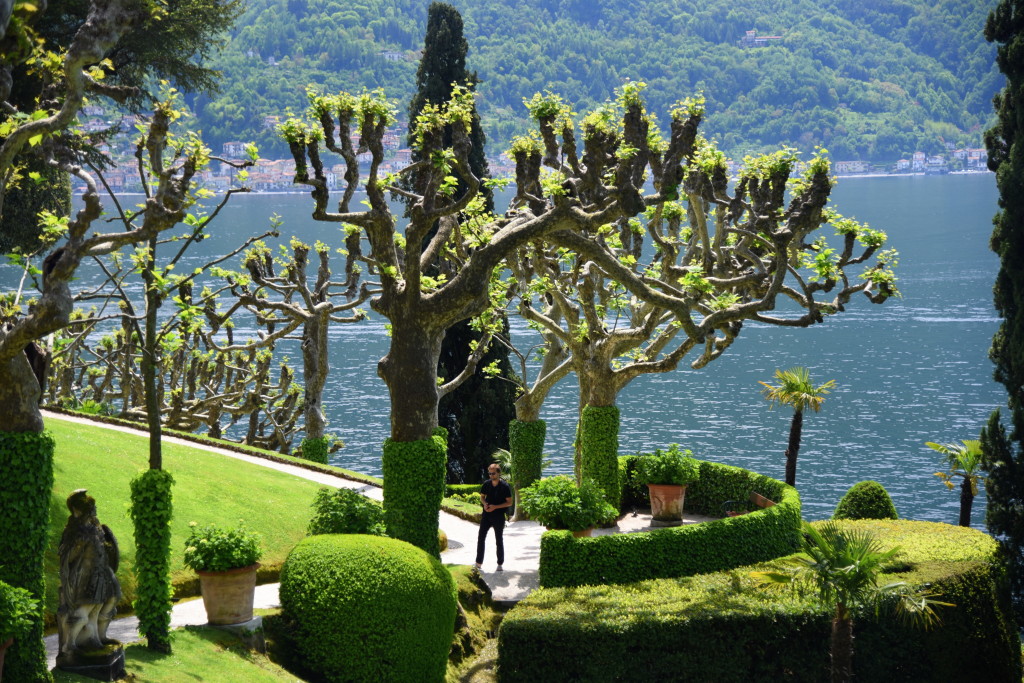
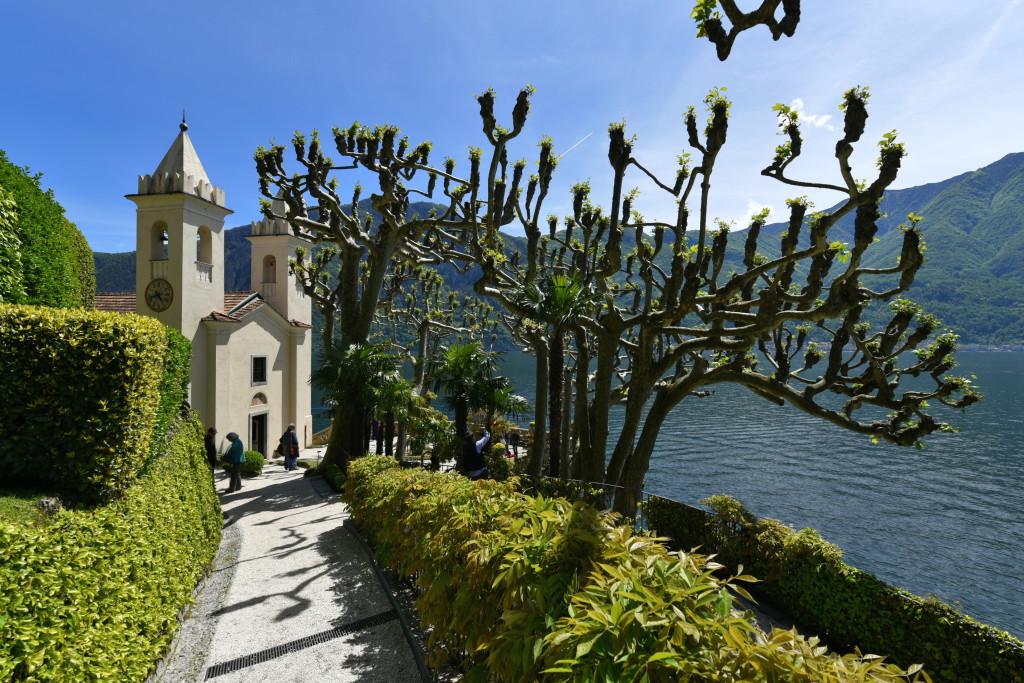
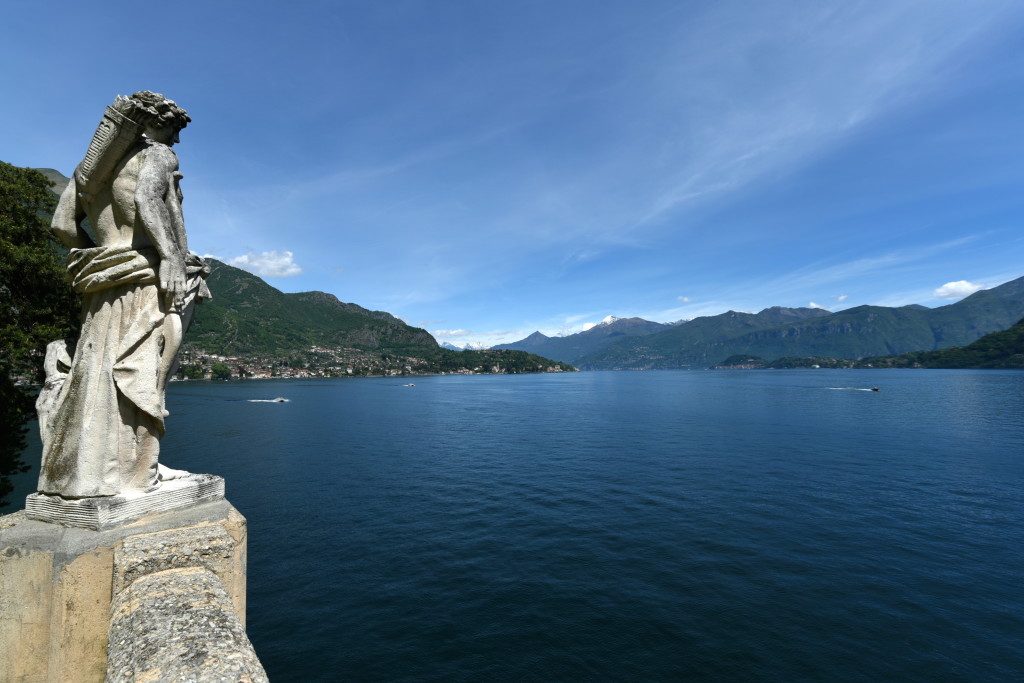
 Bellagio’s old town is fun to explore, but eventually you’ll need a break. From the promenade — clogged with fancy hotels, designer sports cars, and too many tourists with too much money — a row of carefully cultivated plane trees lures you for a tranquil lakefront stroll.