Europe’s Best Neighborhoods: Where Should I Stay in ___?

You’re heading to Europe. You’ve chosen your destinations. And now you’re starting to daydream about your chance to be a temporary Londoner, a temporary Parisian, or a temporary Roman. The next question: Where should you stay?

As the 2023 travel season winds down, early birds are already starting to make plans for 2024. Most people get serious about this in January or so. But if you want to get a jump on the “competition” — and have your pick of places to stay — it’s smart to get started now. (And it’s a fun, constructive way to distract yourself as the days get shorter and colder.)

I have some friends who are dong just that: dreaming of a trip with their two teenagers next June in Rome and Athens. They asked me where I’d suggest staying in those great cities. And I thought to myself: That’s an excellent question! But first, I need a little more information: What kind of neighborhood are you looking for?

Inspired by that question, I’ve brainstormed my suggested home-base neighborhoods for 10 of Europe’s most popular cities. This intel is hard-earned, from years of scouring these cities for accommodations to recommend in our Rick Steves guidebooks.

Those lists are below. For each city, I’ve broken my choices down into three categories:

Central and Touristy. This is where you’d stay to have the top sightseeing right outside your door. However, that also means these neighborhoods are touristy, often a bit tacky, very expensive, crowded, and not particularly “authentic” or “local-feeling.” But sometimes having everything close at hand is worth making those sacrifices, especially on a quick, targeted trip.

Hip and Foodie. Every city worth its salt has an edgy, “emerging” restaurant and nightlife zone. These can be either central or more remote; either way, they’re typically less polished and more characteristic, and they tend to skew more youthful. If you’re in town primarily to check out all the “destination” foodie restaurants, rather than to sightsee until you drop, and if you’d like to settle in to the local version of Williamsburg, Los Feliz, or Wicker Park…then these neighborhoods are for you. (If you don’t know what those names mean, then these neighborhoods are probably not for you.)

Charming and Residential. If you don’t mind commuting to the main sightseeing and trendiest eateries, it can be worthwhile to stay a little farther from the city center. More sedate and charming than the central districts, these neighborhoods feel “older-local” as opposed to “younger-local.” Because they’re less central and less touristy, lodgings are often more affordable (though certain high-end suburbs can be surprisingly pricey). If the “Hip and Foodie” places are for hipsters, then the “Charming and Residential” places are for yuppies and retirees. Just be prepared for a longish metro, bus, or tram ride to achieve most of your bucket list.

Use the suggestions below as a starting point when searching for accommodations — whether hotels, B&Bs, or short-term apartment rentals (like Airbnb). Many room-booking search engines allow you to enter specific neighborhoods to narrow down your options, or you can search via the map. Read reviews carefully, within these areas, to make sure the lodgings you’re considering match your expectations. And here’s a pro tip: Before booking, go for a little “virtual stroll” of the surrounding area on Google Maps Street View to make sure it looks like a place you’d like to settle in.

London

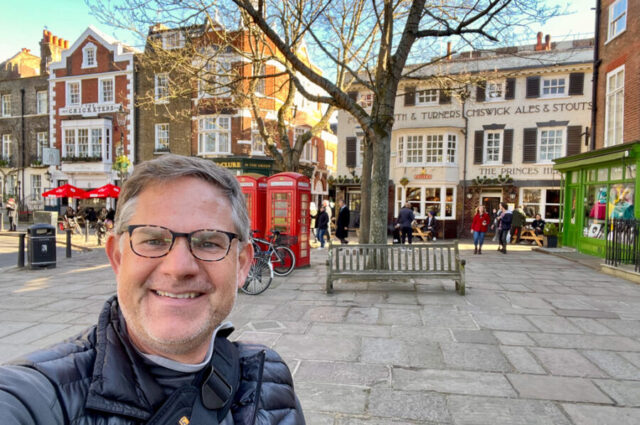
Touristy/Central: Soho and Covent Garden can’t be beat for access to many of the top sights, the West End theater scene, and some of London’s best restaurants to boot.

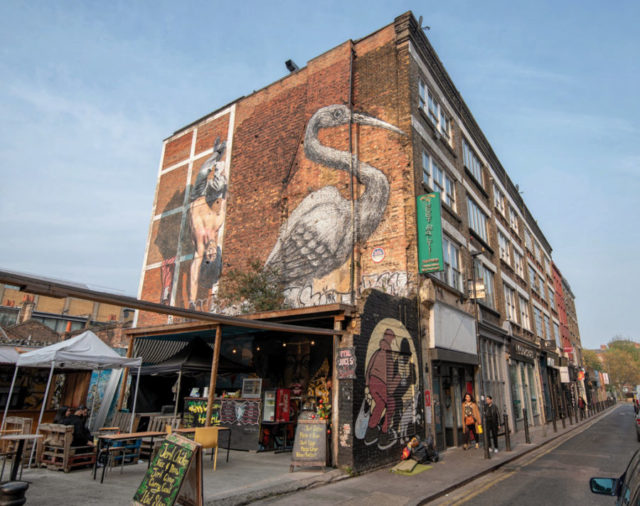
Hip/Foodie: The East End, specifically Shoreditch and nearby, is where hipsters feel at home, with exuberant street art and many of the city’s most interesting restaurants. (Many top London restaurants began with a humble location in Shoreditch before opening a fancy one in Soho.)

Charming/Residential: Try neighborhoods just to the west, surrounding Hyde Park and Kensington Gardens (South Kensington, Notting Hill, Earl’s Court); or to the north, near the British Museum (Marylebone, Fitzrovia). In this vast city, there are countless other choices, depending on how far out you’re willing to travel; Dulwich, to the south, and Ted Lasso’s Richmond, to the west, are each a 30-minute commuter train ride out of the center.

Paris

Touristy/Central: It’s hard to resist staying near the Eiffel Tower (ideally with a view from your window); either there, or in the Latin Quarter (near the Île de la Cité/Notre-Dame and Île St. Louis) puts you very close to the sights…and the crowds.

Hip/Foodie: For something that’s still quite central, but more funky, consider the Marais, or some of the neighborhoods just beyond it: Try Oberkampf and Canal-St-Martin, just to the north, and the Rue du Faubourg Saint-Antoine, just beyond Bastille to the east. The famous Montmartre is a strange combination of obnoxiously touristy and achingly bohemian…just as it was a century ago.

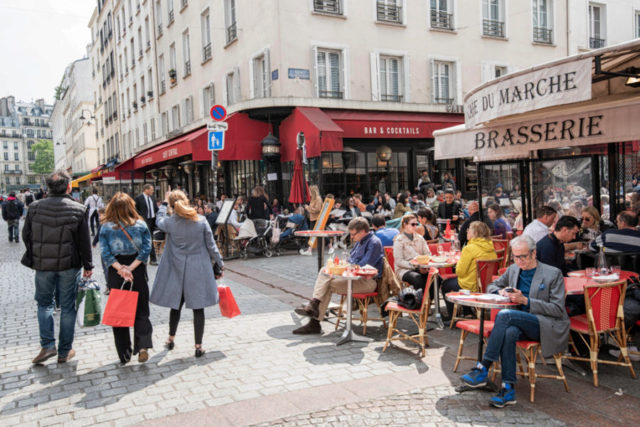
Charming/Residential: It’s hard to resist Rue Cler. This quintessentially Parisian, very central market street is that strange “unicorn” of neighborhoods that ticks only the best bits of both the “Touristy/Central” and “Charming/Residential” boxes. Another good option, slightly less characteristic but still handy, is Luxembourg Gardens.

Rome

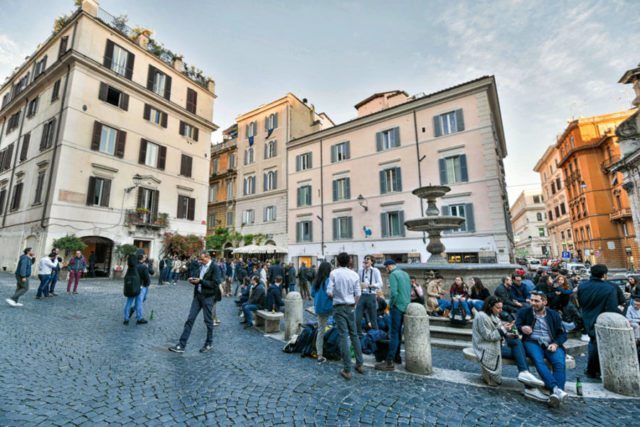
Touristy/Central: It’s a thrill to stay as close to the Pantheon as possible, putting you right in the magical and romantic heart of Rome. For fewer tourists, look in the sleepier, more appealing streets that run from Piazza Navona west, toward the river and Vatican City.

Hip/Foodie: I just love the Monti district, tucked in narrow residential lanes basically across the street from the Roman Forum. Testaccio, farther out, surrounds Rome’s most engaging market hall and offers close proximity to restaurants filled with foodies who’ve done their homework.

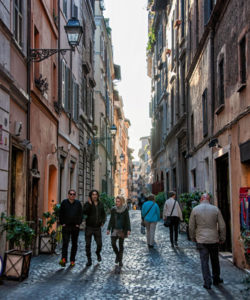
Charming/Residential: Trastevere, which could arguably fit in any of these categories, is extremely atmospheric, slightly less touristy than the most central parts of Rome, and still within a long but very engaging walk to many of the top sights. The small, quiet zone just behind the Colosseum (to the east) feels a world apart from the touristy chaos.

Berlin

Touristy/Central: The city’s spine, Unter den Linden, has several big hotels but lacks personality. That’s why I enjoy the area around Hackescher Markt, just north of Museum Island, which has a little more character and enjoys about as convenient a location as you’ll find in this sprawling city.

Hip/Foodie: Not only the best neighborhood in Berlin, but one of my favorite hipster neighborhoods anywhere, Prenzlauer Berg has oodles of funky Berlin character, outstanding restaurants, a true neighborhood feel, and easy transportation connections around the city. For a deeper dive, consider Neuköln, Kreuzberg, or any number of other cool Kieze (neighborhoods) that Berlin specializes in.

Charming/Residential: The former West Berlin (now called City West) was once a Time Square-like “city center” hub; now it’s a sleepy, sedate, upscale, and charming suburb with relatively easy connections to the big sights. Savignyplatz is the centerpiece of this area, and the surrounding Charlottenburg district has a similar feel.

Athens

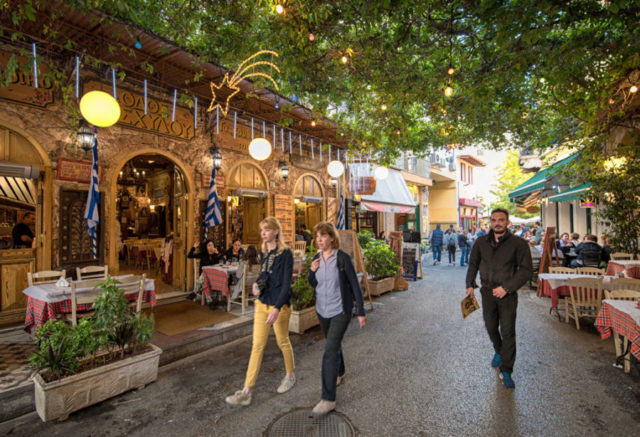
Touristy/Central: The Plaka, tucked at the base of the Acropolis (between the Monastiraki transit hub and the busy Syntagma Square), is super-central and super-touristy.

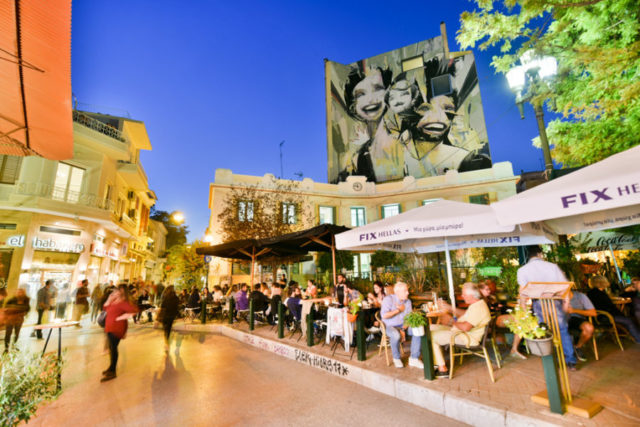
Hip/Foodie: Just across the street from Monastiraki, Pysrri is funky, youthful, and foodie, with an appreciation for wild street art and delicious street food, and close proximity to the thriving Central Market without being too far from the central sightseeing zone.

Charming/Residential: The sleepier streets of Makrigianni and Koukaki, on the “far side” of the Acropolis (to the south), make for a comfortable and relatively mellow home base.

Amsterdam

Touristy/Central: If you’d like to have very easy access to the sights (and to endless tulips-and-wooden-shoes souvenir shops), stay somewhere along Damrak or in the nearby streets of the Red Light District.

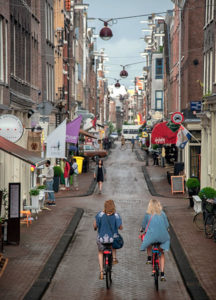
Hip/Foodie: The Jordaan, a short stroll along postcard canals west of the central spine, is one of my favorite neighborhoods in Europe, period. It’s an ideal combination of two categories: Both hip and residential, charming and foodie, it’s a clear winner.

Charming/Residential: If looking beyond the Jordaan, the quiet streets of Southwest Amsterdam, around Museumsplein, tick this box — though the proximity to the Rijks and Van Gogh museums can make it feel quite touristy in places.

Budapest

Touristy/Central: Pest’s Town Center (District V), with the Váci Utca pedestrian drag as its spine, is as central and as touristy as you can get. I prefer the area around the Opera House, along the most interesting stretch of Andrássy Út — just a little farther out, but very well-served by public transit, chockablock with great restaurants, and very close to the Seventh District fun (see next).

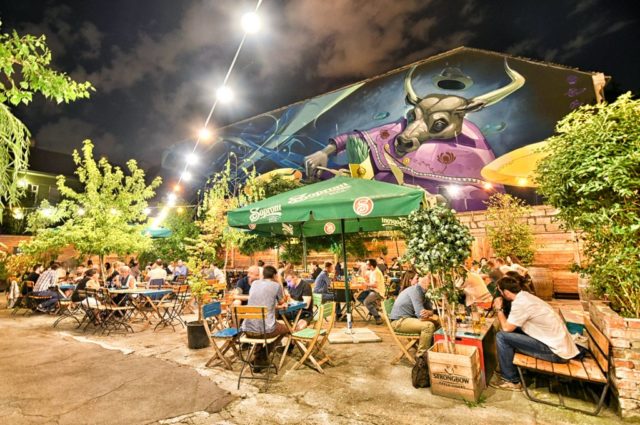
Hip/Foodie: The Seventh District, which overlaps with the Jewish Quarter just across the Small Boulevard from Pest’s Town Center, is one of Europe’s most engaging hipster neighborhoods. It comes with many of the city’s best restaurants (from street food to Michelin-starred) and the fun and fascinating “ruin pub” scene.

Charming/Residential: Buda, across the river from the modern city center, is sleepier, greener, and more sedate. It takes longer to reach much of Pest…but the views across the river are worth the commute. To stay on the Pest side, consider the streets flanking Andrássy Út once you get beyond the Oktagon, in the diplomatic quarter that heads out toward City Park.

Dublin

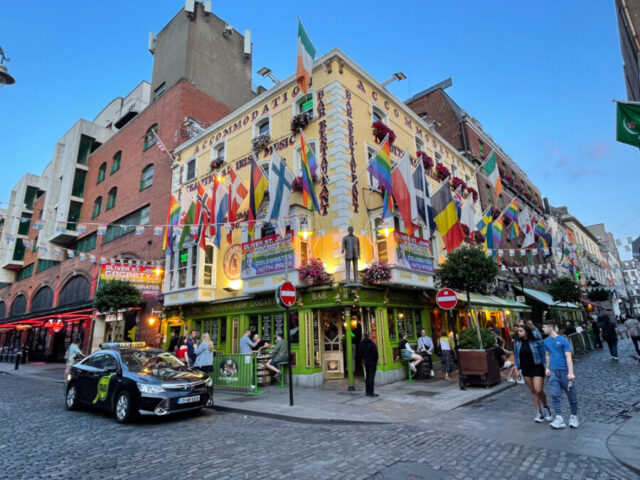
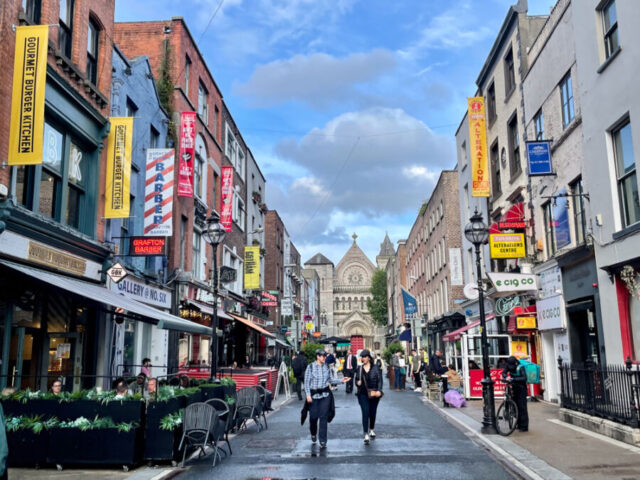
Touristy/Central: Look no farther than Temple Bar and the nearby streets close to Trinity College, on the south bank of the River Liffey. (As a light sleeper, I’ll suggest checking reviews carefully for noise complaints if sleeping anywhere near Temple Bar.)

Hip/Foodie: Earlier this year, I discovered the charming yet hip “village in the city” of Stoneybatter, tucked away beyond Smithfield Square to the northwest. While a bit farther from the center, it has some of the city’s hippest restaurants (especially for brunch) and an “I could live here” vibe.

Charming/Residential: South of St. Stephen’s Green, you encounter fewer tourists and a more local feel. I particularly enjoy the area along the southern canal belt; if you’d like a hipper stretch of this area, try to get close to happening Camden Street and the Portobello area.

Barcelona

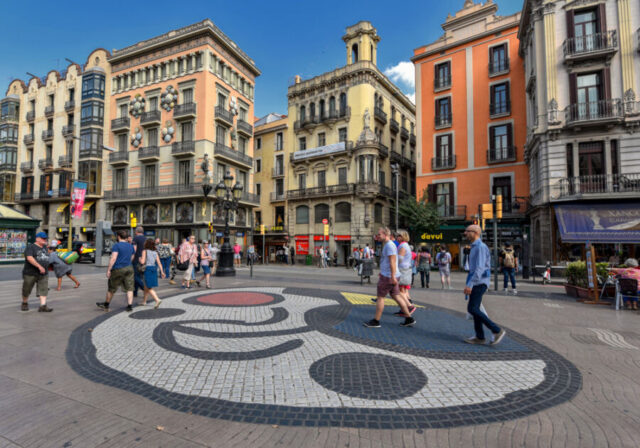
Touristy/Central: There’s a good reason many tourists enjoy staying in the city center: near Plaça de Catalunya, in the Barri Gòtic, and along the Ramblas. This is Barcelona at its most vivid, touristy, crowded, chaotic, and fun.

Hip/Foodie: To escape some of the crowds of the Old City, head to El Born — an easy walk just east of the Barri Gòtic. This area, with the Picasso Museum and Santa Caterina Market, has a more bohemian feel, including great restaurants.

Charming/Residential: The carefully planned Eixample district, which surrounds the Old City on all sides, has an ritzy “uptown” vibe. This is the place to stay if you’d like to pretend you’re a Catalan urbanite for a few days. Or consider the tight, old-school Barceloneta fishermen’s quarter near the water.

Istanbul

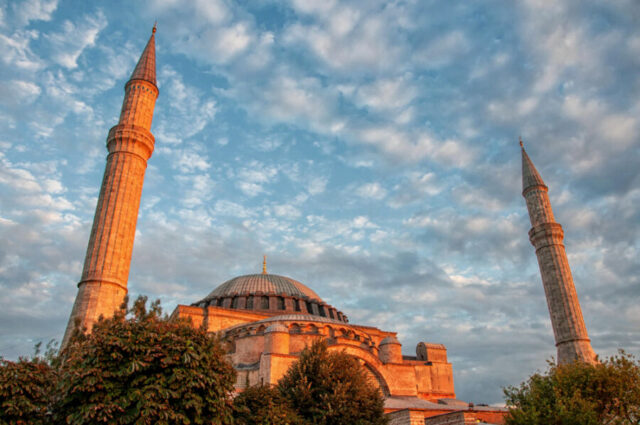
Touristy/Central: For such a sprawling city, Istanbul has as surprisingly compact sightseeing core: Sultanahmet, loaded with hotels for tourists who want proximity to the great sights; just downhill, Sirkeci is similar.

Hip/Foodie: Kadıköy, across the Bosphorus on the Asian side, is both hip and residential. Back on the European side, consider Beşiktaş, along the Golden Horn below the New District.

Charming/Residential: The New District, across the Golden Horn from the old city center, is still quite urban and intense in places. But you’ll also find some pleasant back streets where you can settle in to a local neighborhood.

So…what did I miss? Any favorites to add? I’d love to hear your suggestions in the Comments.


I’ve gotten to know all these great European cities through updating our Rick Steves guidebooks — where you’ll find out a lot more about all of these places, including extensive lists of our handpicked hotels and B&Bs in each area.

Vielen Dank, Mutti! And viel Glück, Deutschland!

I woke up this morning in Berlin to catch my flight home to the USA. And when I stepped out the door of my Prenzlauer Berg apartment, I saw a long line of people stretching down the block. It’s Election Day, and today the Germans choose who will succeed Angela Merkel after 16 years as Chancellor.

As I leave Europe, after two long years of dreaming of being back here, I find it especially poignant that my last few days coincide with the end of Merkel’s rule. I remember traveling here when she was first elected in 2004, and worrying that she would take Germany in a conservative, regressive direction. Instead she is, almost without contest, the most successful and respected Chancellor Germany has had since Reunification. She’s broadly supported and appreciated by all political stripes, at home and abroad, for the sensible stability she brought this country. Her nickname, “Mutti” — “Mom” — smacks of sexism, but the Germans intend it as a very high compliment. Mutti helped them feel safe, cared for, and seen over her 16 years in the Chancellery.

And as I return to the United States, I’m especially sad to say Auf Wiedersehen to Mutti, because I feel like the era she represents — of reasonable, consensus, centrist rule — is a dinosaur. In my own country, the political discourse has been hijacked by the fringe on both sides of the political spectrum. The same thing is happening across Europe; over the last few years, I’ve seen country after country that I love — Hungary, Poland, Slovenia — opt for extremism instead of centrist cooperation. I often think that if only the USA could find its own Angela Merkel, we might somehow make our way out of our current mess. But she’s one of those generational figures that don’t grow on trees. Joe Biden has attempted this, but the headwinds are fierce.

In order to avoid the perception that this is a partisan post, let me stress that Merkel leads the dominant conservative party of Germany (though they have a multi-party system, so Merkel’s CDU is effectively the moderate conservatives — think the GOP before Trump, along the lines of John McCain and Mitt Romney). Imagine if Elizabeth Warren were somehow a Republican, and you’re getting the idea.

Even my most progressive friends in Berlin, begrudgingly, speak admiringly of Merkel’s gift for sensible governance. One of them even bumped into Mutti once in the local supermarket; she shops and cooks for herself, and enjoys showing up to buy groceries unannounced. The biggest complaint Berlin’s liberals can register is that she has allowed leftist policies (such as legal same-sex marriage) to be implemented, then implicitly gets the credit for them.

She certainly has some detractors — including those who say she’s not done enough, fast enough, to protect the environment (again, shades of Joe Biden). But even progressives can’t deny that she’s leaving a Germany with a huge and affluent middle class, an elevated status on the world stage, and a more diverse populace than ever (with 25 percent of Germans having at least one parent who was born abroad).

In fact, one of Angela Merkel’s signature achievements was a “bleeding-heart” humanitarian one, when during the 2015 refugee crisis she invited over one million migrants to take shelter in Germany. This did not come without growing pains. But Merkel’s continued popularity suggests that the Germans agree with her vision to be a compassionate society and a moral leader for the world. Imagine: going from der Führer to die Mutti, from gas chambers to safe harbors, in just 70 years. There are many reasons for this incremental evolution — in fact, I’ve spent this visit to Berlin trying to understand how it happened — but it’s clear that Merkel represents the culmination of that transformation.

And, as a scientist herself, Merkel was the perfect person to lead Germany through the COVID pandemic. Traveling here, I find a remarkably high awareness and understanding of the science and adoption of masking, testing, and other mitigation measures. They understand the stakes, and what works, because their Mutti explained it to them, with patience, reason, and a compelling compassion. One of my friends was grousing that “only” 73 percent of Germans are fully vaccinated. When I expressed envy at this extraordinarily high (by American standards) figure, he ranted a bit longer about how it should be at least in the 80s, if not the 90s! This is a country whose leader has encouraged them to set a very high bar.

Merkel is not term limited, and many suspect that if she ran for another term, she could make it an even 20 years (if not longer). She is the first Chancellor to leave office voluntarily. But, like George Washington before her, she has the wisdom to recognize when the time comes to step aside for fresh leadership.

The German word for “vote” is wählen — “choose.” For 16 years, the Germans have chosen centrist leadership that is confident yet reasonable, compassionate but not wishy-washy, strong but not strongarm. Now they are faced with a variety of potential successors, and everything I’m hearing is that each one appears more flawed than the last. In fact, virtually anyone would be flawed when compared to the combination of attributes that Merkel has brought to the Chancellery. Each one of my Berlin friends offered a different prediction as to the outcome of today’s vote, but all of them clearly felt that anyone who wins will be a downgrade. (One of them told me that, in a recent poll, the top vote-getter was “none of the above” — obviously a stand-in for a hypothetical Mutti fifth term.)

Merkel herself has joked this week about who will fill her shoes, by pointing out how (literally) small those shoes are. Of course, even this joke revealed precisely the opposite: that her pragmatic humility is one of the many traits that make her darn near irreplaceable.

As I get on my plane back to the USA, and Germany votes to say goodbye to their Mutti, we’re both heading to a place of uncertainty, frustration, and fear. I wish all of us good luck weathering our second pandemic winter. And I can only hope that each country eventually finds its own Angela Merkel to show them the way.

Vielen dank, Mutti! And viel Glück, Deutschland.

Europe’s 10 Best Markets

What traveler doesn’t love a great European market? There are few better windows into local life than rubbing shoulders with shoppers, browsing stands piled high with colorful produce, nibbling on street munchies, and being fully immersed in the sights, sounds, and smells of the local community.

Over half a lifetime of traveling around Europe, I’ve been collecting my favorite market experiences for travelers — where you can glean some insights into local culture and cuisine, and browse for a good, local, quality meal. This is a mix of old-school covered markets, trendier food halls, and sprawling, open-air markets that take over an entire neighborhood or town. I’ve heavily skewed my suggestions to foodie options, where you’ll find dishes that are creative and interesting (rather than just fill-the-tank), while still being affordable. Happy browsing!

10. Mercado de San Miguel, Madrid, Spain

Madrid's Mercado de San Miguel

Just steps from the grand Plaza Mayor, in the heart of Spain’s capital, sits this 1915 erector-set market hall. Fully remodeled in 2009, today it’s a bustling showcase of edible Spain. Squeezing between the crowds, you’ll find only the best jamón ibérico (air-cured ham), Manchego and other artisanal Spanish cheeses, powerfully piquant skewered pickles and olives (banderillas), delectable pastries, little skillets of paella, tinned fish and seafood, brochetas (meat or seafood skewers) grilled to order, smoked salmon, sweet vermouths from around Spain, croquetas with various fillings, Mexican dishes from a Michelin-star chef, and robust Rioja wines. It’s a culinary tour of Spain, under one roof.

9. Östermalms Saluhall, Stockholm, Sweden

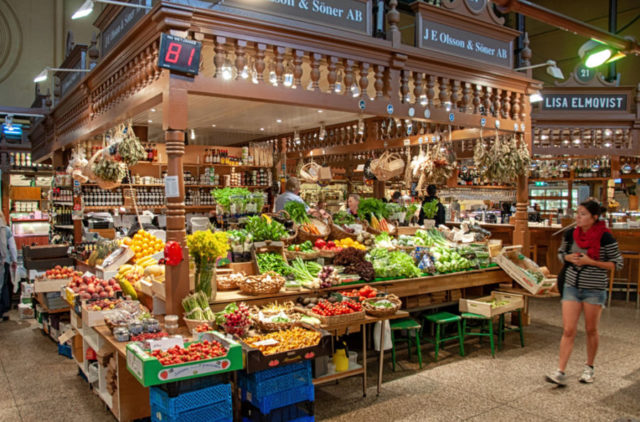
A classic. Anchoring Stockholm’s posh Östermalm neighborhood, this market hall is simply elegant. Handsome, hand-carved wooden stalls display just-so piles of produce, stacked as if posing for a still-life. The wares here feel…curated. Composed. With Scandinavian precision. There aren’t many bargains in this pricey city, but the Östermalms Saluhall is fun to browse for a high-end picnic, or to settle into a market eatery for a quality deli plate, a delicately composed salad, a sticky Scandinavian sweet roll, a splurgy seafood dish, a gourmet smørrebrød (open-face sandwich), a delectable handmade praline, or a selection of Lebanese small plates. Note: The food hall is undergoing a makeover through 2020; in the meantime, the vendors have set up temporary digs nearby.

8. Markthalle Neun, Berlin, Germany

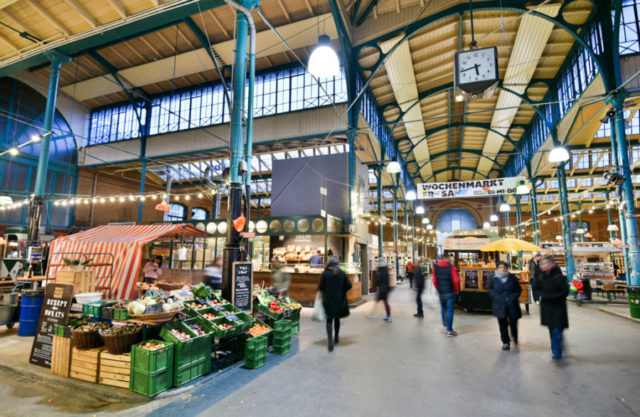
Berlin’s Kreuzberg district is home to its most cutting-edge, engaging culinary scene — and Markhalle Neun is its flagship. Tucked in a workaday neighborhood away from the tourist sights, it fills a beautifully restored 19th-century hall with greengrocers, cheesemongers, butchers, fishmongers, florists, and bakers, all with an appropriately Berlin-hipster vibe. Meanwhile, food stands sell Berlin classics like Buletten (meatballs), Stolle (open-faced sandwiches), Brezel (big doughy pretzels), and Currywurst — but also Italian pastas, French crêpes, Turkish deli meats, Spanish tapas, and even BBQ from the USA. Markhalle Neun scores bonus points for its many special events (listed at www.markthalleneun.de), including its Saturday farmers market and its “Street Food Thursday” — a beloved institution for Berliners seeking a trendy yet affordable dinner.

7. Mercato Centrale, Florence, Italy

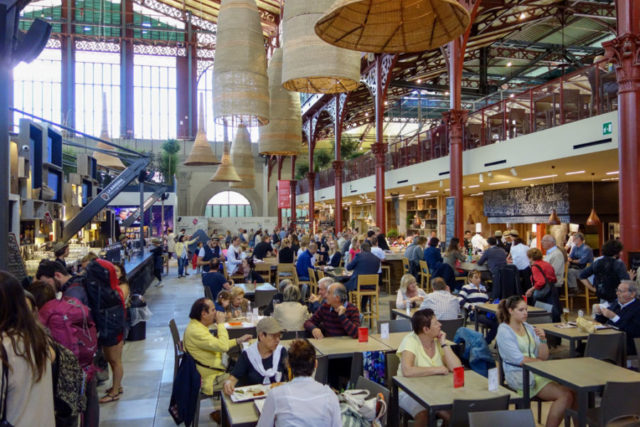
For years, I’d peek tentatively inside this cavernous market hall in the center of Florence, which felt dark and foreboding. With tattered stalls and piles of garbage out front, it felt like it hadn’t changed since the days of Vittorio Emanuele II. Then, in 2014, they converted the top floor into a high-end food circus. Just walk past the still-grubby produce stalls on the main floor, and hike up the stairs to a world of Italian taste treats: hand-rolled pastas, prizewinning prosciutto, massive steaks cooked so rare they still moo, melt-in-your-mouth panini, gourmet burgers made from Tuscany’s prized Chianina beef, rotisserie chicken, big juicy wads of mozzarella di bufala, handheld flatbread sandwiches called trapizzini, big slabs of rustic pizza, tender stewed beef cheeks, truffle-infused oils and pâtés, the rustic Tuscan bread soup called ribollita, deep-fried tasties,  cannoli and other Sicilian sugar bombs, and high-end tripe sandwiches (a Florentine classic!). Travelers smart enough to escape the tourist-gouging restaurants on the main drag retreat to this upper level — like pigeons in the rafters — to take a break from intense Renaissance sightseeing with pretty much any Italian taste treat they can imagine. Tuscany is home to many foodie finds — but this is one of the best.

6. Belvarosi Piac, Budapest, Hungary

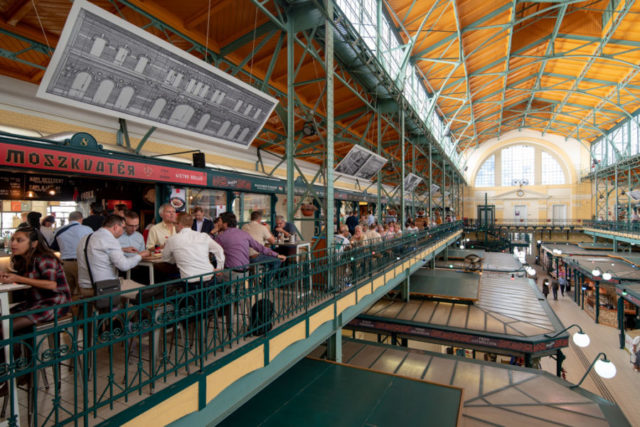
In Budapest, tourists flock to the Great Market Hall, an elegant palace of produce built around the turn of the 20th century. And you really do have to see the Great Market Hall. But don’t eat there — the “local”-seeming food counters upstairs specialize in ripping off naive tourists. Instead, head to a different, smaller, and far more authentic neighborhood market hall, also right in the city center (a couple of minutes’ walk from the Parliament): the Belvarosi Piac on Hold Street. In an atmospheric Industrial Age space that feels like the Great Market Hall’s little sibling, producers occupy the ground floor, while the upstairs is ringed by tempting high end-yet-affordable food stands: massive schnitzels at Buja Diszno(k), gourmet sausage at Lakatos Műhely, Russian grub at Moszkvatér (named for the since-rechristened “Moscow Square”), gourmet burgers at Kandalló, Thai-style khao man gai (poached chicken in garlicky sauce), and updated Hungarian classics at A Séf Utcaja. Anchoring the space, down on the main floor, is Stand 25 Bisztró. Here, celebrity chefs Szabina Szulló and Tamás Széll artfully fuse Hungarian classics with international influences (or is it the other way around?). While not cheap by market hall standards, Stand 25 a bargain for a Michelin-caliber lunch in a memorable setting (lunch only, plus dinner Friday and Saturday, book ahead).

5. Ballarò Market, Palermo

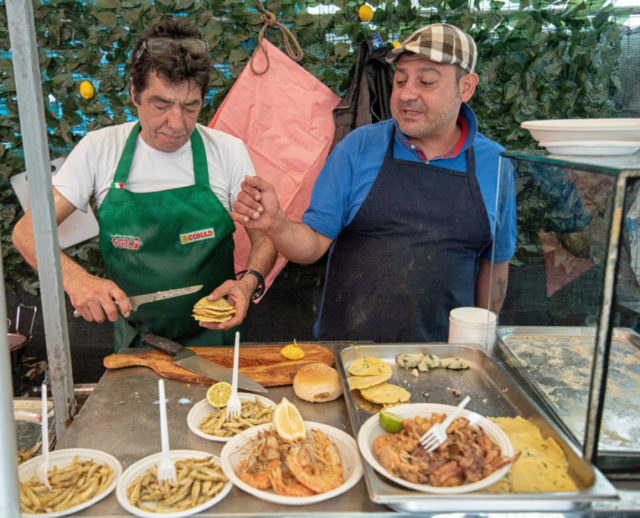
The Sicilian capital has some of the best, most vivid street markets in all of Europe. And the granddaddy of them all is Ballarò — seedy, chaotic, bewildering, and invigorating. Come here to jostle with Sicilians who verbally arm-wrestle for the best deals on the best ingredients. The vendors — continuing a tradition that supposedly dates back to Arab rule — warble their sales pitches with an otherworldly cadence, demanding the attention of passersby. Giant slabs of pink tuna perch on marble counters, like cadavers ready to be dissected. Produce stands overflow with vivid-purple eggplants, long, skinny Sicilian zucchini, and tomatoes that actually taste like tomatoes. Best of all, scattered throughout this multi-block span of barely controlled chaos are a wide variety of tempting street food stands, selling greasy napkins topped with dirt-cheap taste treats for every level of adventurous eaters — from arancine (deep-fried rice balls) and sfincioni (“Sicilian pizza”) to pani ca’ meusa (spleen sandwich) and polpo bollito (tiny boiled octopus, eaten whole). (For a complete rundown, check out my post on Palermo’s street food.) Go ahead, dive in — this is what real travelers live for.

4. Mathallen, Oslo, Norway

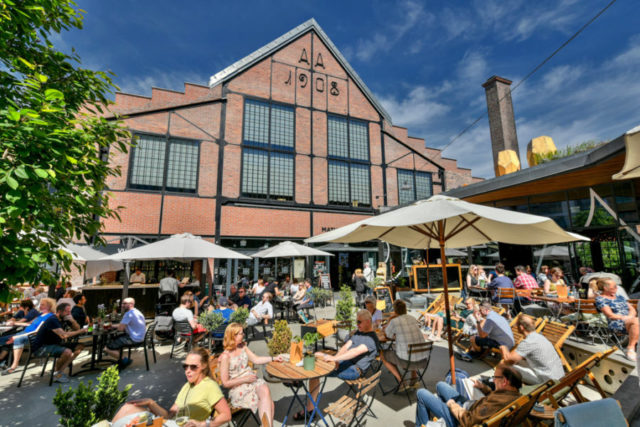
I love Oslo. But I’ve rarely found a memorable meal tucked among the dreary, blocky downtown core along Karl Johans Gate. However, just north of downtown runs the Akers River Valley, where the city has redeveloped a former wasteland of red-brick factories and warehouses into a lively people zone. Its centerpiece is Mathallen (“Food Hall”), filling the scavenged brick skeleton of a 19th-century factory. Norwegians recognize the limitations of their cuisine. And so, in addition to stands selling fresh, whole-grain bread (at Smelt Ostesmørbrød) sweet and savory pies (at Mildrids Kjøkken), and farm-fresh geitost cheese (at Ost & Sånt), you can nibble tapas, pastas, sushi, tacos and tequila, pizza, Asian street food,  gourmet ice cream, and much more. Ringing the outside of the market are a variety of industrial-mod, higher-end eateries. I skipped the fried chicken and “global tapas,” and went a bit more traditional at Vulkanfisk, serving up affordable-for-Oslo, elegantly presented, fresh seafood (the garlic-sautéed scampi were a flavor bomb). Anytime I’m in Oslo at mealtime, I come up with an excuse to head up the Akers River to Mathallen.

3. Maltby Street Market Rope Walk, London

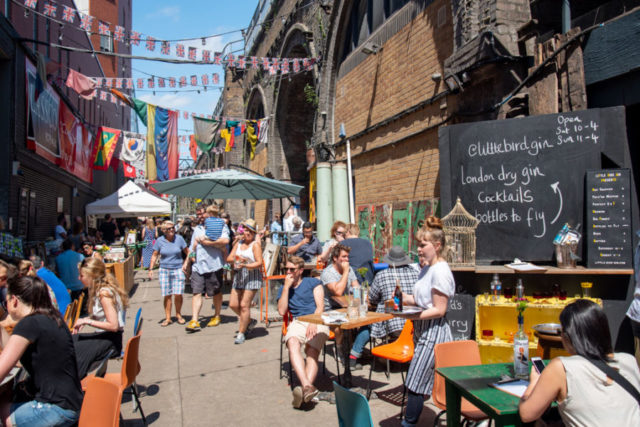
One summer, my wife and I rented an apartment in London for a week and checked out a different market each day. And at the end of the trip, the Maltby Street Rope Walk emerged as our favorite (every Saturday and Sunday). Tucked along a vintage brick railroad trestle, far from any tourist attractions (roughly across the Thames from the Tower of London), it’s an explosion of foodie energy. Beyond the hole-in-the-wall eateries, wine bars, taprooms, and Mozambique-style burger bars squeezed into the arches under the train tracks, the weekend market adds a world of pop-up food stands: grilled sandwiches oozing with tangy English cheese; little slices of rye bread mounted with melt-in-your-mouth Scottish salmon; slabs of grass-fed, dry-aged, rare-grilled hanger steaks; wild variations on Scotch eggs; Middle Eastern flatbreads with savory toppings; German-style sausages; gyoza steamed in wicker baskets; and a mouthwatering array of gooey brownies. For a more traditional “market hall,” it’s hard to beat London’s famous Borough Market. The funky Camden Market sprawls through a yellow-brick wonderland of old industrial buildings. The Portobello Road Market charms Notting Hill fans. And the Broadway Market feels like ground zero for East London’s hipster baby boom. But if I had to pick just one market that incapsulates cutting-edge London…it’s Rope Walk.

2. Mercado da Ribeira/Time Out Market, Lisbon, Portugal

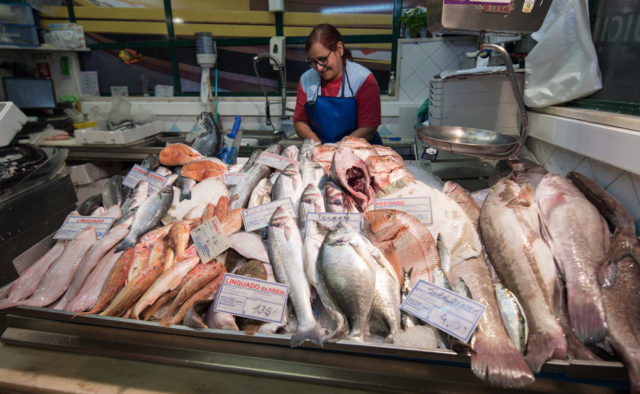
My favorite European market hall has a split personality. One-half of the market is as classic as they come: traditional, rough-and-tumble vendors selling fragrant herbs, plump produce, and an aquarium’s worth of fish. It’s ragtag, ramshackle, and trapped in the 1950s, with rickety wooden stalls, puddles pooling on cracked tile floors, petticoat-clad grannies selling rough bunches of herbs, and Old World scales with dials that spin imprecisely as if digital were never invented. On its own, this market hall is endearing enough to earn an “honorable mention” on this list. But from there, you can step through a door into La Ribera’s other half: a sleek, futuristic, top-of-the-line, Time Out-themed culinary wonderland (opened in 2014). The two dozen eateries here include stands operated by five marquee, Michelin-rated Portuguese celebrity chefs selling affordably price tastes of their favorite dishes. You’ll also find smaller stands bursting with a variety of local and international meals: the beloved Portuguese steak sandwich called prego, croquetes with fillings both traditional and creative, bacalhau (rehydrated salt-dried cod), fresh-baked pasteis de nata and other pastries, Japanese-fusion dishes highlighting the long-forgotten influence of early Portuguese traders, traditional cheeses and charcuterie, catch-of-the-day, quality steaks, gourmet burgers, artful sushi, and crispy pizzas. Rounding out the scene are a well-stocked wine shop, a place to stock up on conserves (tinned fish with colorful wrappers), and a branch of A Vida Portugesa (a classy vendor of Portuguese-themed products, gifts, and keepsakes that tempt even non-shoppers).  Whether for a meal or a one-stop-shop to stock up on all things Portuguese, Mercado da Ribeira is a winner.

1.  Market Day, Sarlat, France

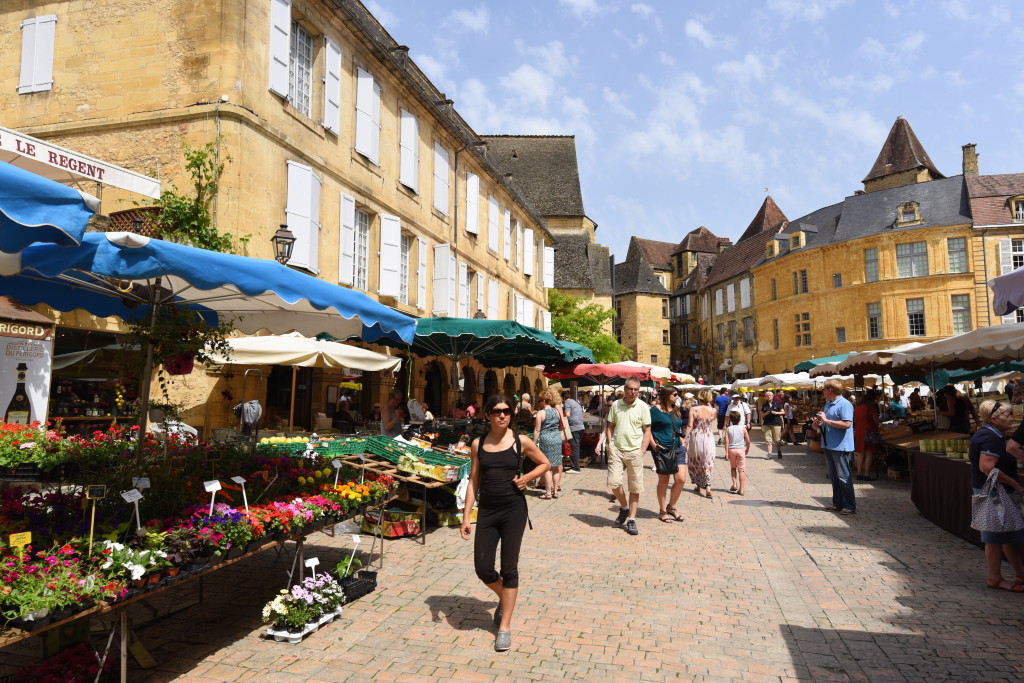
Sarlat’s street market is hard to top. It’s the refined yin to Palermo’s gritty yang. Twice weekly — on Wednesday mornings, and all day Saturdays — the pristine, lemony-sandstone streets of one of France’s finest towns become a big outdoor shopping mall. Locals pour in from the countryside to browse the stalls, reconnect with their favorite vendors, and bump into old friends. You’ll find baked goods, fresh meat, duck-in-a-can (confit de canard), giant wheels of rustic mountain cheese, tiny pyramids of fine gourmet cheese, nuts and dried fruits, explosively flavorful olives, mammoth chunks of nougat, snail shells prefilled for escargot, fruitcake sold by weight, a rainbow of preserves, salamis and sausages of every shape and size, and whatever produce is in season. When the noon bell tolls, the vendors begin packing up, and the shoppers scramble for café tables that catch just the right mélange of sun and shade. This is where the second phase of the Market Day ritual kicks in: taking some time to nurse a cup of coffee with someone you haven’t seen in a while. It’s all so simple…so sophisticated…so smart. If you won’t be in Sarlat, you can enjoy similar market days all over France; every community has its own, but popular ones include Uzès (in Provence), Beaune (in Burgundy), and several in Parisian neighborhoods. But Sarlat is the one that has left me with the warmest memories of an ideal market experience.

What’s your favorite market in Europe?

2019 Discovery: Berlin’s Kreuzberg, Germany

Crowds got you down? This post is part of a series of 10 European Discoveries for 2019 — off-the-beaten-path gems where you can escape the tourist rut and find a corner of Europe all your own.

Kreuzberg has long been known as Berlin’s “Turkish immigrant neighborhood.” But it’s also so much more. Once surrounded on three sides by the Berlin Wall — ground zero for squatters, draft dodgers, punks, and protesters — Kreuzberg is now at the vanguard of Berlin gentrification. Wall? What wall?

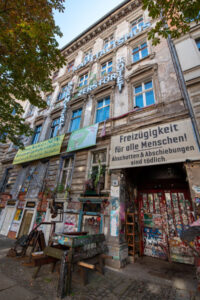
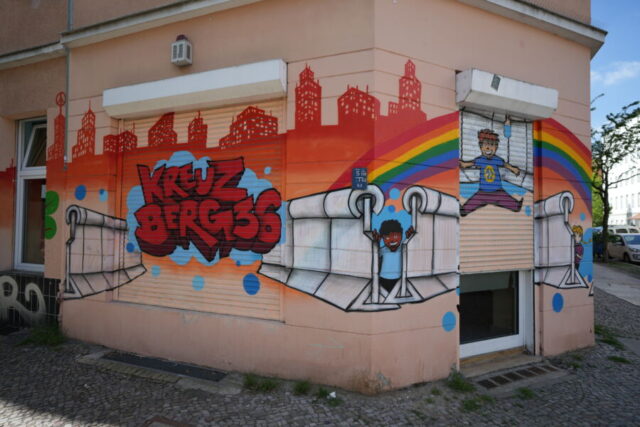
Chasing down leads for our Rick Steves Berlin guidebook, I discovered that Kreuzberg is made up of many micro-neighborhoods called Kieze, each with its own distinct personality. Ride the U-Bahn to Kottbusser Tor (“Kotti” to Berliners) on a Tuesday or Friday and stroll to the riverside Turkish Market, a commotion of sights, sounds, and smells reminiscent of an Istanbul bazaar: vibrant rugs, piles of olives, aromatic teas, and sizzling food carts, along with everyday items like clothes and kitchenware. From there, simply explore.
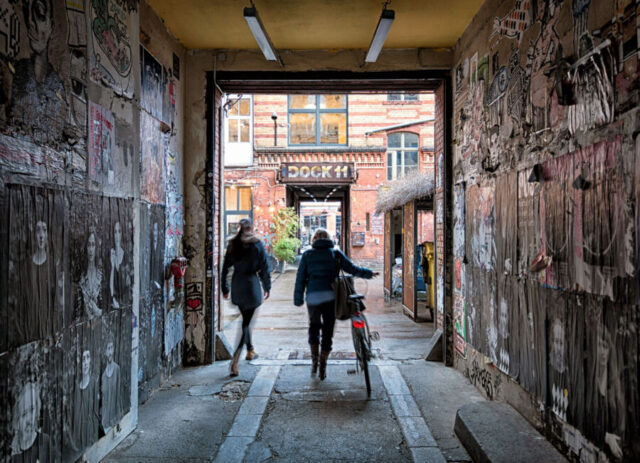
Just across the canal, the Graefekiez lives at the perfect intersection of foodie, yuppie, and affordable; the nearby Paul-Lincke-Ufer embankment is home to some of Berlin’s most cutting-edge restaurants. A few blocks away, Markthalle Neun is Berlin’s super-trendy food hall, with stalls selling gourmet tapas, tofu sandwiches, and Berlin-style meatballs (Buletten). The Bergmannkiez features a swanky shopping zone, a lively market hall, and famous Gemüse Kebab and Currywurst stands with lines around the block. And the Wrangelkiez is jammed with creative bars and restaurants, from microbrews to traditional Georgian food.

You could have a fun and varied visit to Berlin without ever leaving Kreuzberg.


The second edition of our Rick Steves Berlin guidebook — hot off the press —includes a brand-new self-guided walking tour of Kreuzberg.

For nine more suggestions on where to get away from the crowds, check out my 10 European Discoveries for 2019.

Digging Deeper in Berlin

Spending time in Berlin (working on our new Rick Steves Berlin guidebook), I enjoyed getting to know several Berliners. And what really struck me is that almost none of them was originally from Berlin…and each one had a different story of how they came here. They also all spoke fondly about their loyalty to their own little micro-neighborhood, or Kiez. And they all expressed concern about Berlin’s recent surge in gentrification, which is changing the character of various Kieze virtually overnight.

Hearing all of these observations, I came to realize that the city-state of Berlin is practically its own organism. Like London, Paris, New York City, or other multiethnic, cosmopolitan cities, Berlin has its own strong and unique culture that’s distinct from the rest of the country. I wrote up these two new sections for Rick Steves Berlin, which ponder intriguing aspects of Berlin’s unique makeup. While people rely on guidebooks mostly for tips on where to eat, where to sleep, and what to see, at Rick Steves’ Europe we also like to provide readers with cultural context. I hope you enjoy this sneak-preview excerpt of our newest book (which hits bookshelves in September):

Berlin’s Kiez Culture

Berliners have a strong sense of community. They manage this in a big city by enjoying a strong neighborhood identity. Your neighborhood is called your Kiez (“keets”). This doesn’t refer to a large swath of the city (like Prenzlauer Berg or Kreuzberg), but a microscopic sub-sub-sub-neighborhood. A Kiez can be just a few blocks, barely big enough to contain a smattering of key services (grocery store, school, park), and typically named for a major street or square. People tend to live lives very focused on their Kiez, and rarely stray. Some Berliners venture to other Kieze only when entertaining out-of-town visitors.

Each Kiez has its own personality — but things are definitely in flux. As a traditionally low-rent district, once surrounded on three sides by the Berlin Wall, Kreuzberg used to be thought of as being home to two types of people: draft-dodging, alternative-lifestyle German squatters and hardworking, lower-middle-class Turkish immigrants. And to an extent, you’ll still see both groups in Kreuzberg. However, over the last decade or so, several Kreuzberg Kieze have gone through a predictable life cycle of gentrification: Artists and hipsters, lured by the Kiez’s low rents and ramshackle funkiness, move in. They open up gourmet ramen shops and fair-trade coffee houses, stoking a buzz. As these areas become hip and desirable, rents increase — often forcing out long-time residents and ultimately changing the face of the Kiez.

As you talk to Berliners, you’ll learn that these issues of class, gentrification, and socioeconomic stratification are a huge preoccupation. Some make a hobby of chasing the latest trendy neighborhoods around town before they “go mainstream.” Others grow disgruntled at having to move farther and farther from the center, priced out by über-rich yuppies. Throughout its history, Berlin has been a city in transition. And, I imagine, for just as long, the local pastime has been complaining about those changes…and today is no exception.

The Many Faces of Berlin

Like any cosmopolitan city, Berlin has relatively few born-and-bred “original Berliners” — many of the people you meet here aren’t from Berlin, or even from Germany. As you get to know the locals, you’ll come to understand Berlin’s melting pot.

Many Berliners are “internal expats” from elsewhere in Germany. The first wave of these came to West Berlin back when the Wall was up — lured by draft deferments and tax breaks designed to keep this little outpost of the West vital. West Berlin became home to an edgy combination of granola peaceniks and tattooed-and-pierced punks, squatters, and graffiti artists. Still others came to West Berlin for business.

A second wave of “internal expats” arrived immediately after the Wall fell — when East Berliners flocked to the West, abandoning their homes. East Berlin in 1990 enjoyed an “anything goes” anarchy that attracted German artists, students, recent graduates, and unattached singles eager to live on their own terms. This was the heyday for squatting in — and eventually renovating — abandoned apartments.

A third wave of expats — both from inside and outside of Germany — came in the 2000s and 2010s, as Berlin put behind the chaos of reunification and blossomed as a 21st-century cultural capital and all-around cool place to live. You’ll meet many Americans and Brits who came to Berlin as backpackers, fell in love with the place, and decided to stick around. One told me, “People move to Berlin when they want to live in an exciting, international city but can’t afford London.”

And, of course, Berlin is also home to a vast number of immigrants and refugees from the Middle East and North Africa. In the post-WWII years, with a decimated population, West Germany needed help rebuilding. Through the 1960s and 1970s, the government invited Gastarbeiter (“guest workers”) from poorer nations to live and work in Germany. With approximately 200,000 residents of Turkish descent, Berlin is considered the largest “Turkish city” outside of Turkey. These families — some now in their second or third generation — are an integral part of Berlin society.

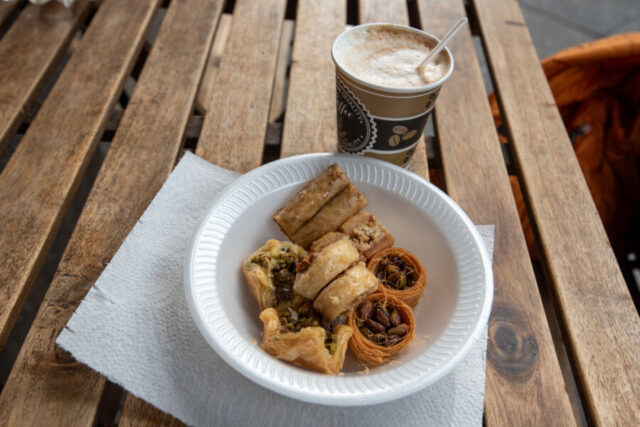
More recently, refugees have formed another strand of Berlin’s cultural tapestry. In 2015, Chancellor Angela Merkel offered asylum to people fleeing war-torn Syria — and 1.1 million took her up on it, in that year alone. While many have since resettled elsewhere, hundreds of thousands remain in Germany. Syrian Berliners have opened Middle Eastern bakeries and restaurants, and the Pergamon Museum actively recruits Syrians as tour guides — allowing them to proudly show off the masterpieces of their homeland’s ancient culture.

If you really want to understand Berlin…take the time to get to know some Berliners. And be sure to ask about their own personal story. You’ll never hear the same one twice.