Looking back on my recent travels in Europe, two big themes stand out: Popular places just keep getting more popular (and more crowded) — and some of the most rewarding places to travel are neither popular nor crowded.
As your travel dreams take shape for 2019, consider mixing things up with a few underappreciated gems. For starters, consider this list of alternatives to the super-famous, super-crowded tourist biggies. My New Year’s resolution in 2019 is to remember that just a little more effort to get off the beaten path can reap huge rewards.

For years, Gdańsk has had my vote for Europe’s best-kept secret. But its time has arrived — and I’m determined to let the cat out of the bag. Gdańsk has always been a historic diamond-in-the-rough. But now it’s also stunning and fun. Glittering gables have been scrubbed clean, the exuberantly colorful streets bustle with hip microbreweries and third-wave coffee shops, and Oslo-style high-rises and sleek embankments are sprouting all along the long-deserted, WWII-scarred Granary Island — creating a brand-new waterfront people zone in the heart of the city. Today’s Gdańsk is hitting that perfect sweet spot: fascinating and entertaining, but without all of the crowds of more famous places like Kraków and Prague. In short, Gdańsk embodies everything I love about travel. Find out more about Gdańsk here.
Palermo Street Markets, Sicily
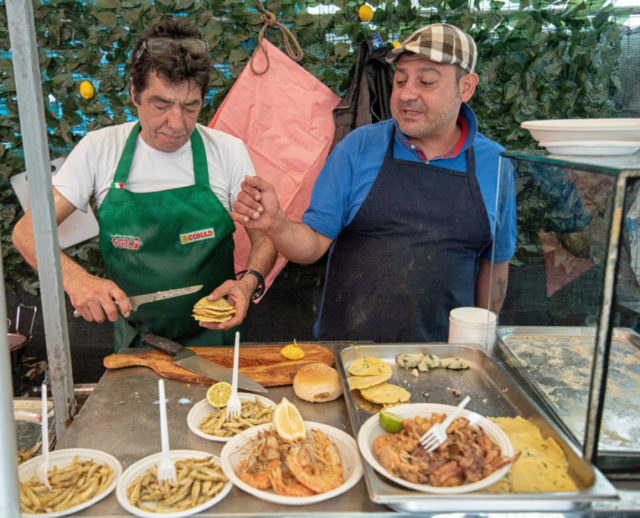
Among Italians (and other foodies), Palermo is synonymous with street food. And its three sprawling street markets — Ballarò, Capo, and Vucciria — let you delve into gritty Sicilian culture in a way that engages all the senses. Taste something adventurous — like pani ca’ meusa, a pillowy bun stuffed with spleen, lung, and other organ meat — or stick to an arancina, a deep-fried ball of saffron rice and meat sauce. Best of all, the whole time you’re browsing these gut-bombs, you’re fully immersed in the energetic hubbub of Sicilian urban life — watching the Palermitani greet old friends, listening to the urgent musicality of the vendors’ sales pitches, and smelling all that sizzling and frying goodness (plus a full spectrum of other odors). Find out more about Palermo street markets here.

My favorite place to hit the beach in Europe is this little French Mediterranean town hemmed in by green hillsides and rocky cliffs, just a stone’s throw from the Spanish border. In Collioure, beefy bastions protect five separate beaches, each with its own personality — swimming, sunbathing, windsurfing, kiddie beach, and so on. The historic town center is a Crayola stage set of pastel houses, gnarled plane trees, climbing vines bursting with flowers, and just enough quality restaurants to keep you well-fed on vacation. This is the kind of place where in-the-know French sophisticates on a budget — seeking relaxation rather than glitz — head for an unpretentious break. Find out more about Collioure here.
Glacier Lagoons and Diamond Beach, Iceland

Beyond the touristy sights of Iceland’s well-trod South Coast, about four hours from Reykjavík, sit two dramatic glacier lagoons: Jökulsárlón and Fjallsárlón. Formed where tongues of great glaciers lap at serene pools, the lagoons bob with giant chunks of centuries-old ice. And just downriver from Jökulsárlón is “Diamond Beach,” where those icebergs wash up on a black-sand beach in the last stage of their slow-motion journey to the open Atlantic. While there are plenty of reasons to invest an entire week in doing the full “Ring Road” drive around the perimeter of Iceland, these glacier lagoons may just be reason enough to extend your Icelandic layover. Find out more about Iceland’s glacier lagoons and Diamond Beach here.
Lisbon’s Chiado District, Portugal

Exploring Lisbon recently to beef up the coverage in our Rick Steves Portugal guidebook, my favorite area was the steep, upscale residential zone called the Chiado, which swirls like a peaceful eddy, surrounded on all sides by the churn of tourism. The Chiado has diamond-in-the-rough Art Nouveau storefronts; breezy, tree-shaded squares with inviting al fresco kiosk cafés (a Lisbon specialty); some of Lisbon’s most enticing foodie finds; and Lisbon’s most appealing shopping zone, around the Príncipe Real Garden. The next time I go to Lisbon, there’s no doubt I’ll hang my hat in the Chiado. Find out more about the Chiado District here.

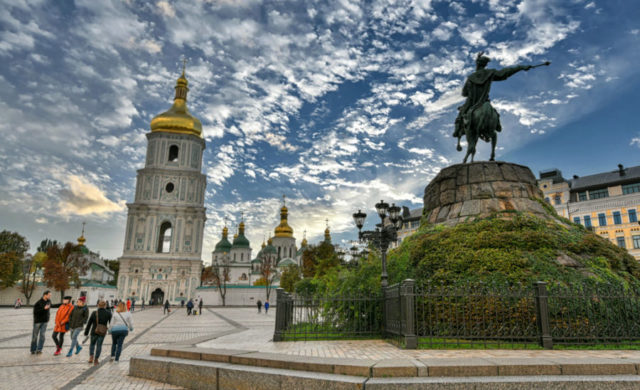
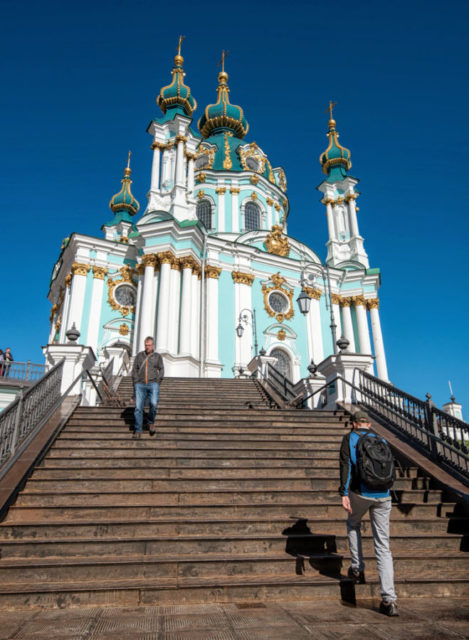
I visited Ukraine this year for the first time…and it was a revelation. Lovely Lviv — with its cobbled old town, Baroque churches, thriving coffee culture, kitschy theme restaurants, and cozy main square — is a time capsule from a simpler age of tourism. The capital, Kyiv, feels like a more manageable, more colorful Moscow on a human scale — a mix of stately Soviet Gothic architecture, vibrant Art Nouveau townhouses, lush parks with stirring views, and gold-domed Orthodox churches on every corner. From Kyiv, it’s an easy day trip to one of the most powerful and thought-provoking sites anywhere in Europe: Chernobyl. And prices are shockingly low: A high-end dinner for two for $25, an Uber ride across town for $4. How can such a huge country (Europe’s second-biggest) be so overlooked by travelers? Beats me. But for now, I am more than happy to be in on this particular secret. Find out more about Ukraine here.
The “Dutch Corridor”: Leiden, Delft, and Rotterdam, Netherlands

I love Amsterdam. But in recent years, it has become the poster child for “overtourism.” Sure, visit Amsterdam — but then hop on the train to a trio of towns that line up just to the south. In about half an hour, you can hop off in Leiden — a charming, sleepy, historic university town that feels like Amsterdam without the tourist-baiting sleaze. Back on the train, and just 20 minutes later, you’re pulling into Delft — the hometown of Vermeer, exquisite blue pottery, and one of the biggest, stateliest squares in the Netherlands, crowned by the burial church of the Orange dynasty. And finally, just 10 minutes farther is Rotterdam — the urban, modernist counterpoint to time-passed Leiden and Delft. For a day — or several days — of Dutch contrasts, invest just one hour in riding this train from downtown Amsterdam. Find out more about the “Dutch Corridor” here.

If you’re visiting the Scottish Highlands, break out of the Inverness-Loch Ness-Oban rut and add a couple of days for the dramatically scenic, fun-to-explore Isle of Skye. Settle into the village of Portree, with its rainbow-painted harbor, and road-trip across the isle: the Trotternish Peninsula, with dragon’s-tooth mossy mountains; Talisker Distillery, dispensing peaty drams of whisky; Dunvegan Castle, providing an intimate peek inside the lived-in home of an aristocratic clan that’s seen better days; hiking areas with names like “The Fairy Glen” and “The Fairy Pools”; and much more. If I had to choose just one place to get an idyllic taste of the Scottish Highlands and Islands, Skye would win by a mile. Find out more about the Isle of Skye here.
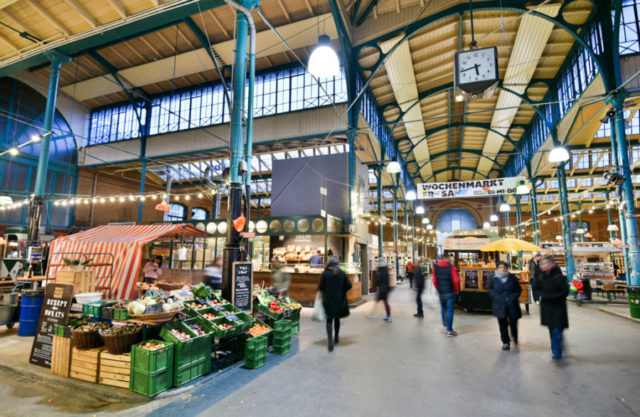
Kreuzberg has long been known as Berlin’s “Turkish immigrant neighborhood.” But it’s also so much more. Once surrounded on three sides by the Berlin Wall — ground zero for squatters, draft dodgers, punks, and protesters — Kreuzberg is now at the vanguard of Berlin gentrification. Chasing down leads for our Rick Steves Berlin guidebook, I discovered that Kreuzberg is made up of many micro-neighborhoods called Kieze, each with its own distinct personality: Kottbusser Tor, with its vibrant Turkish Market; the Graefekiez, at the intersection of foodie, yuppie, and affordable; Markthalle Neun, Berlin’s super-trendy food hall; and the Bergmannkiez, with a swanky shopping zone, a lively market hall, and famous food stands with lines around the block. You could have a fun and varied visit to Berlin without ever leaving Kreuzberg. Find out more about Kreuzberg here.

OK, call this one a sentimental favorite. I spent a semester abroad in this Spanish university city, twenty-some years ago. Returning for the first time in 2018, I finally figured out why Salmantinos are considered a bit snobby: because they live in one of Spain’s nicest towns. Salamanca’s Plaza Mayor is the undisputed best square in Spain — slathered with reliefs of kings, queens, professors, and poets, ringed by cafés, and infused with an ambience that delicately mingles both European elegance and local character. From the square, Salamanca’s pedestrian zone cuts through the heart of town to the university district, where lemony sandstone buildings are carved with imagination-stoking details. Perhaps best of all, Salamanca sits just beyond easy day-tripping reach of Madrid. That means that, unlike slammed Segovia and touristy Toledo, Salamanca feels like you’re in on a Spanish secret. Find out more about Salamanca here.
What are your favorite European discoveries?