On Top of the Pont du Gard Aqueduct

A lot of things impress you when traveling through the South of France. One of my favorites is the ancient stone aqueduct called the Pont du Gard.

This region is called Provence because it was the first “foreign” conquest as ancient Rome set about to building its vast empire. Since it wasn’t Rome proper, they called it “Provincia Romana” (province of Rome) — and the name stuck.

The Romans left behind some impressive examples of engineering in their first province. The Pont du Gard is one of the most striking, and one of the most visited sights in all of France. And even after many visits, I’m forever impressed by the ability of the ancient Roman engineers. This structure, built with perfectly cut stones fitted together without mortar, was designed to slope ever so slightly — less than an inch every hundred yards — as part of a 30-mile canal system that let water flow effortlessly into the city of Nîmes.

The classic view of the aqueduct, from the river, is something every visitor sees. But here’s a peek at the actual stream the Romans created — on the top of that structure. Six times a day, for €4, you can follow a guide (like Michael, who you’ll meet in this clip) and actually walk the length of this ancient bridge…an experience you’d miss if you visited without a good guidebook.

Where have you been most impressed by Roman engineering?
Some Thoughts on Yachts

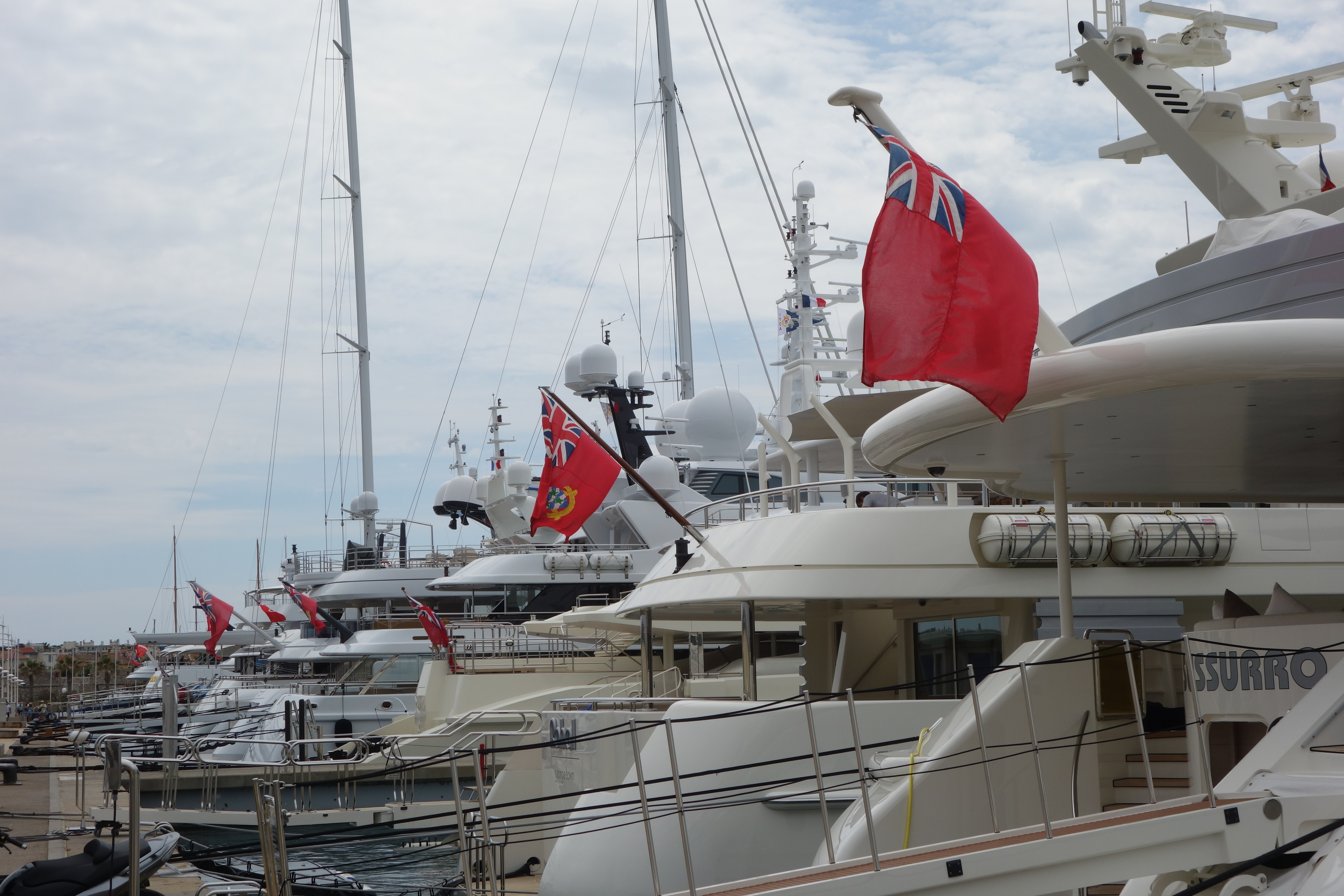
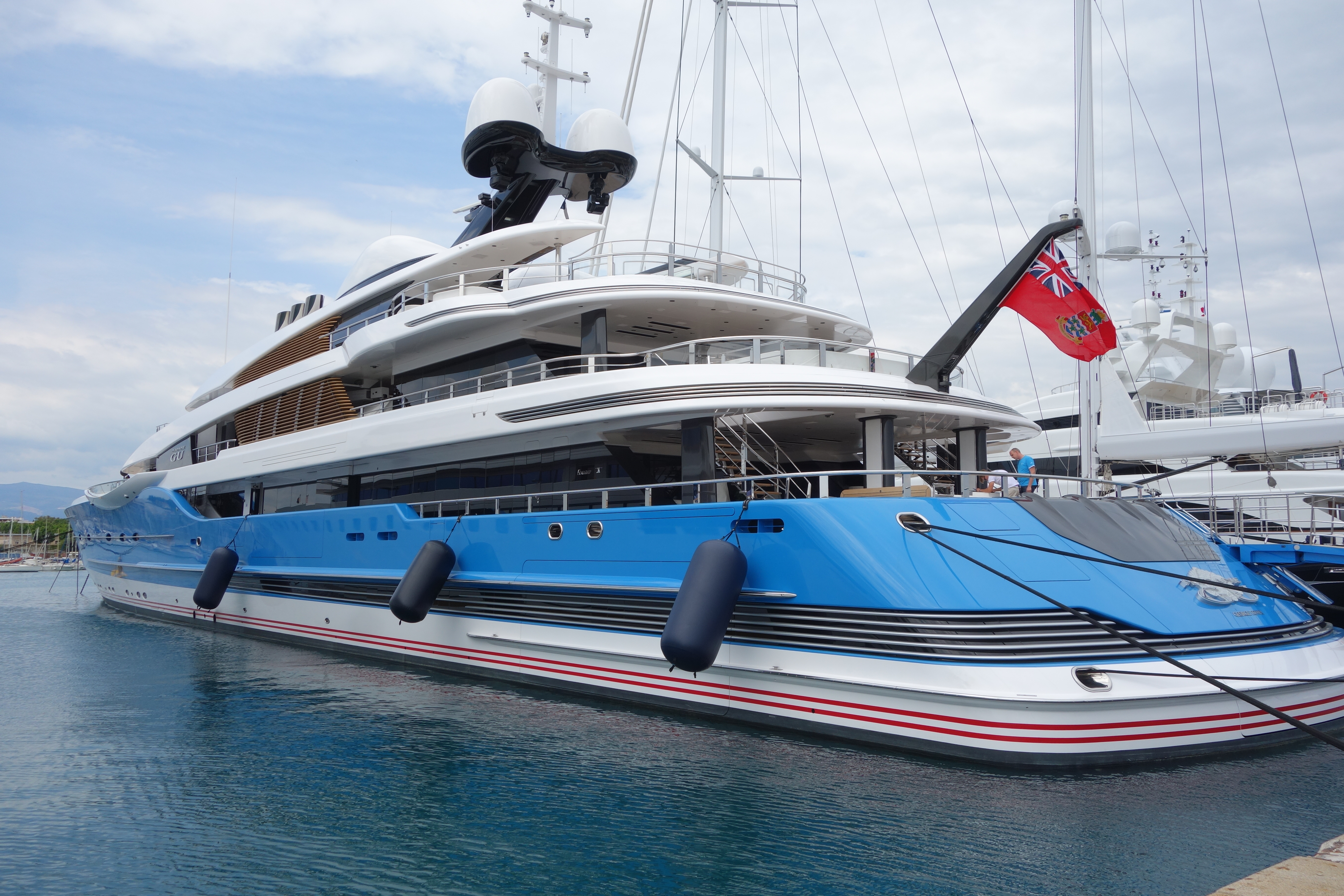
While Nice is the most substantial of Riviera cities, Antibes (just half an hour west of Nice) is smaller and cuter. As you walk from the train station to the old town along its harbor, the yachts get bigger and bigger. Finally, at the end, you reach the “Quai des Milliardaires” (billionaires’ dock), where yacht-length envy inspires unfathomable conspicuous consumption. Click these photos for some thoughts on yachts.

stern tie (2).JPG

On the French Riviera, local guides memorize lists of the world’s largest yachts. A fun dimension of Antibes is its bars, which cater to the crews of yachts like this one.

tax dodge.jpg

Walking along a row of a dozen or so of these mammoth yachts, I noticed they all flew the same flag: the Cayman Islands, a nation where none of their owners actually lives. If you’re that rich, it’s just common sense to avoid taxes by not registering your yacht in your homeland. Or is it? Each one of these people is wealthy enough to own a yacht that has a full-time, year-round staff, yet they typically only use their floating palace 5 to 10 days a year. They don’t know what to do with all of their wealth, and yet they still feel the need to figure out a clever way to avoid paying their taxes. It’s legal, but is it right?

Nice is Nice

When visiting the French Riviera, the best home base is Nice. There are many reasons, and in these six photos, I share a few reasons why, where I come from, people like to say that Nice is nice.

By the way, I was here during the busiest week of the year: The Grand Prix was happening half an hour to the east, in Monaco, and the film festival was raging half an hour to the west, in Cannes. Yet Nice was a delight, from the beaches to the restaurants.


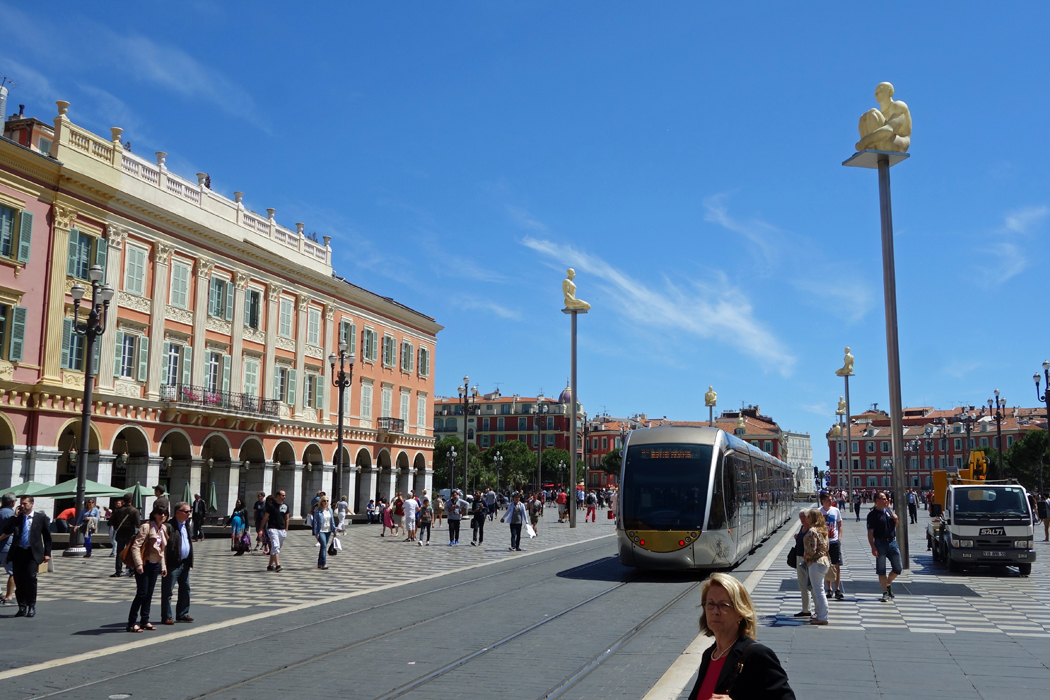
nice tram.jpgAfter being torn up for many years, Nice is now the proud owner for a wonderful new tram line. Trams glide through the heart of town every few minutes, replacing so much traffic congestion and turning a huge swath of the city into a delightful people zone. Bravo, Nice!


nice azure.jpg

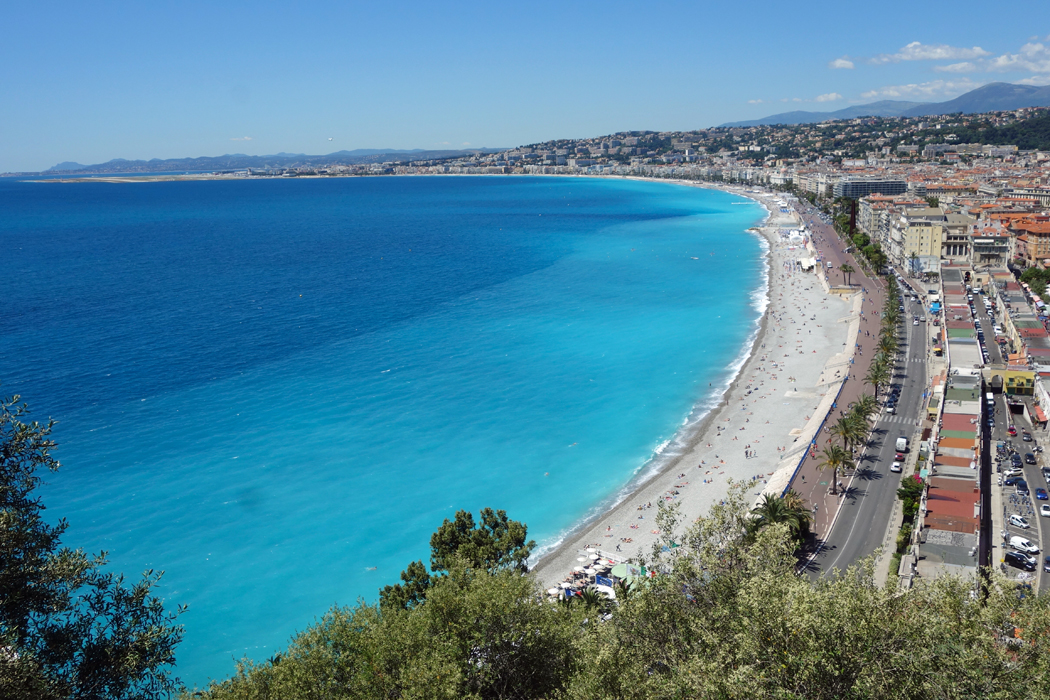
The local term for the French Riviera is the Côte d’Azur, meaning “the Azure Coast.” I’ve been coming here for decades, and I’ve never seen the côte quite so azur as it is on this visit.


nice beach.jpg

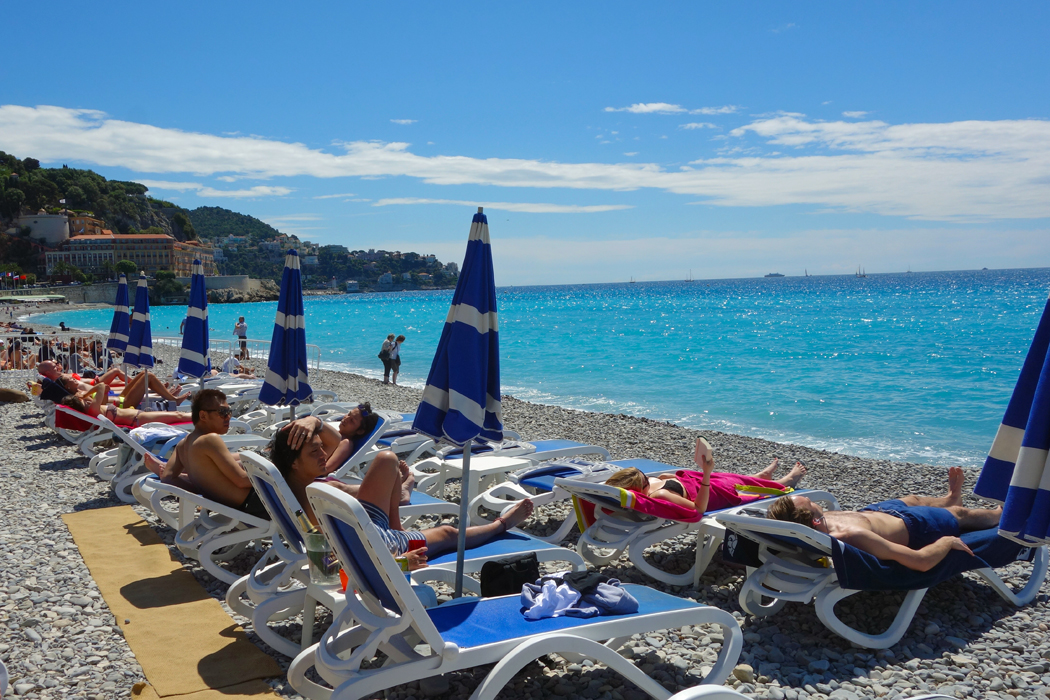
While you won’t find sand on Nice’s beach, the pebbles seem to work just fine. Sunbathers can rent lounge chairs (€16/half-day, €19/full day) and have drinks and meals served literally on the beach. And the law requires that every beach must also have free, public access.


salad nice.jpg

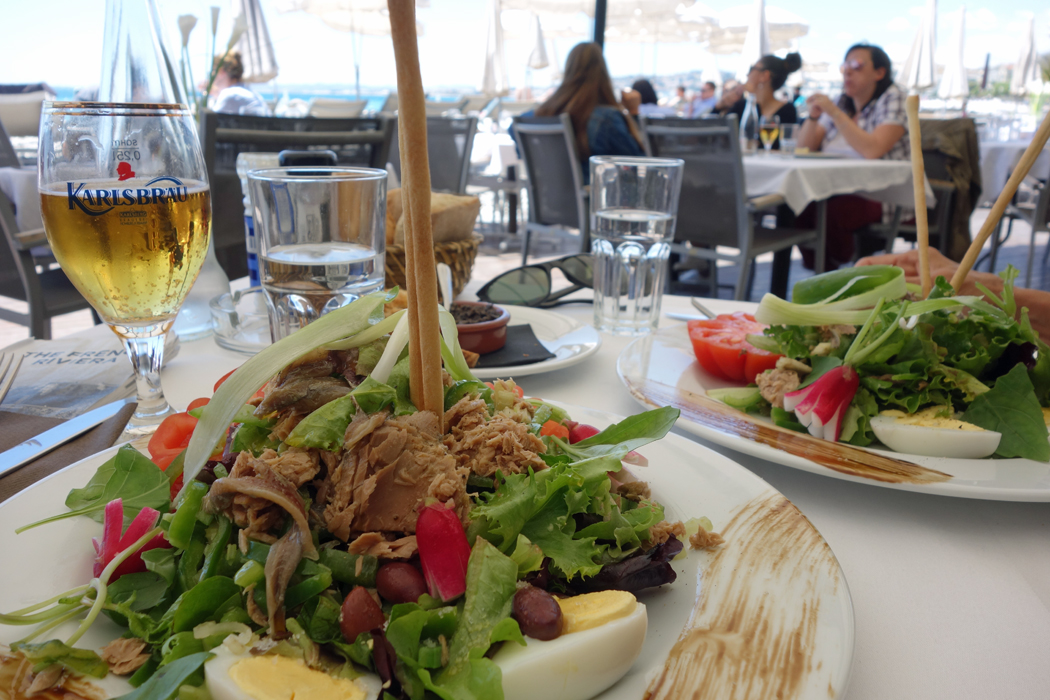
All over Europe, my go-to salad for a working lunch is a salade niçoise. And in its hometown, you just have to order one. The presentation these days is getting much more fun and pretty. I have a favorite restaurant right on the beach, Restaurant Castel, and having my salade niçoise there was just right. (It was pricey, at $25, but a great value…considering it came with a big memory.)


nice floodlit.jpg

There’s something about being out and about after dark with a camera in France that I really like. The French are artists with facades, trees, and floodlighting.


nice at night.jpg

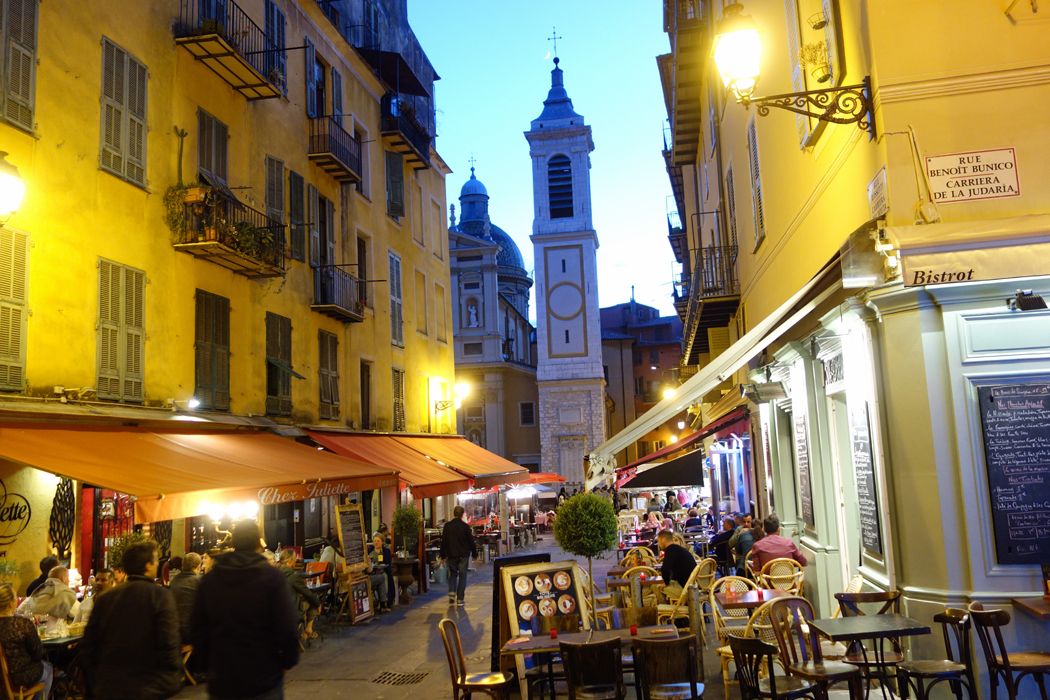
Nice’s old town artfully mixes the character of Italy (it was Italian until 1860) and France (elegant dining and a general affluence). In researching our guidebook, the selection of great-value restaurants was abundant.


Racers, Rainbows, and Romans

I love the way being in Europe can mix fun and fascinating sights, sounds, and ideas. Here, in the space of about two minutes, we size up a tiny country from above, listen to (but don’t see) a famous car race, catch a rainbow marking an international border, consider how the Alps stretch from the Mediterranean at Nice all the way to Vienna, and then marvel at a towering propaganda monument erected by the Romans 2,000 years ago (La Trophée des Alpes). That’s our puzzle and challenge as we travel: to experience the entire range of Europe and weave it together so it has meaning.