I’m done traveling for the year, but other members of my staff are still in the field. While I regroup from 100 days in Europe, I invited my frequent collaborator Cameron Hewitt to share some posts from his blog. Cameron has traveled about as much as me this year, updating our guidebooks in Italy and France, and turning our already strong material in Scotland into a stand-alone Rick Steves Scotland guidebook (due next spring). While Cameron and I are in perfect sync in terms of travel styles and priorities, he gives voice to the next generation of Rick Steves travelers. If you like Cameron’s insights, you can read much more on his travel blog, and you can also follow Cameron on Facebook. — Rick
The Soggy, Sunny Highland Games of Taynuilt
by Cameron Hewitt
Pulling off of the humble main street in the Scottish village of Taynuilt, I feel my tires shimmy on the saturated turf. I follow muddy ruts to where a waterlogged attendant stands in front of a little green shack.
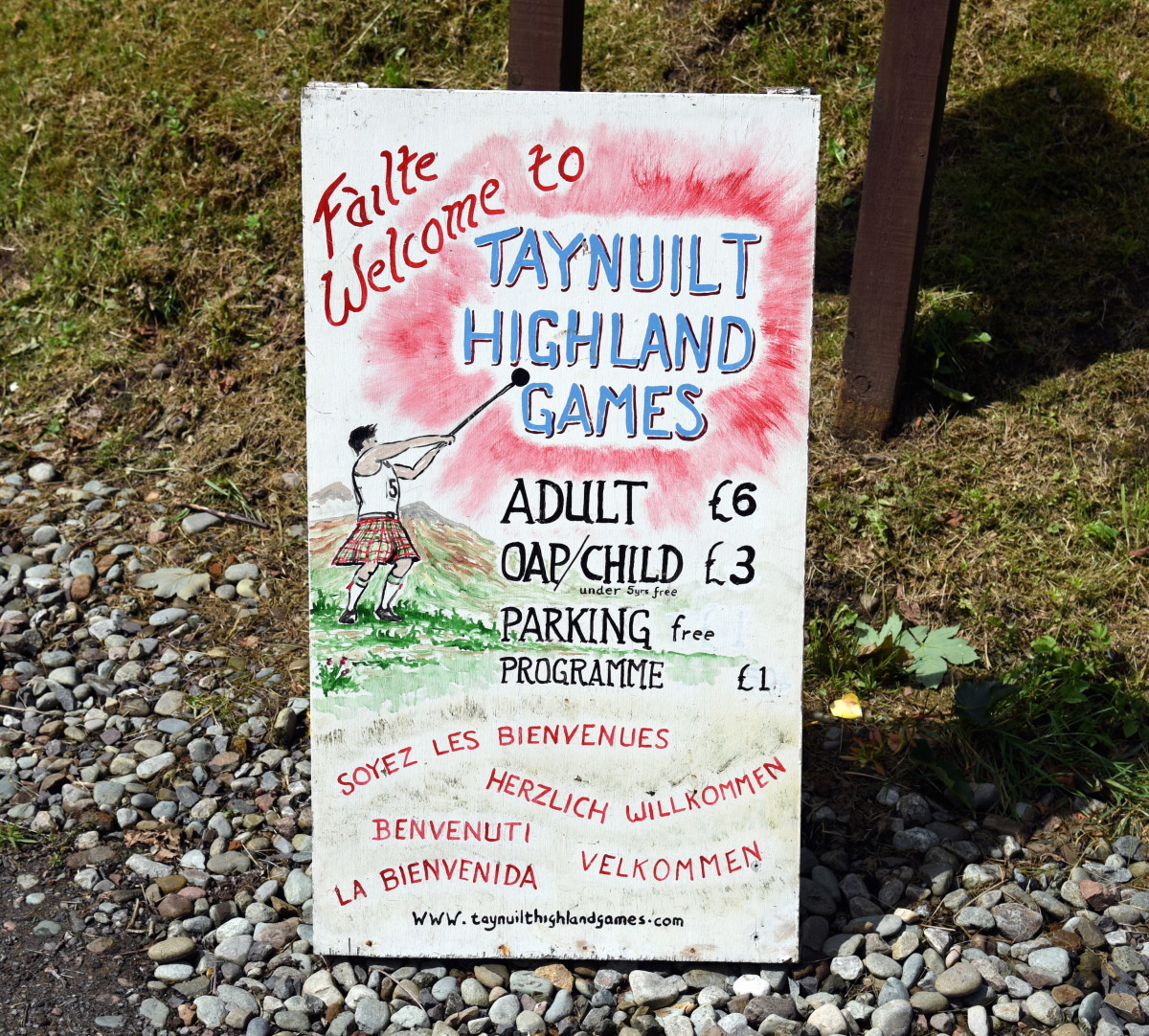
“Is this the parking for the Highland games?” I ask. “Yes,” she says, peering out a narrow slit formed by her rain hood. “Six pounds, please.”
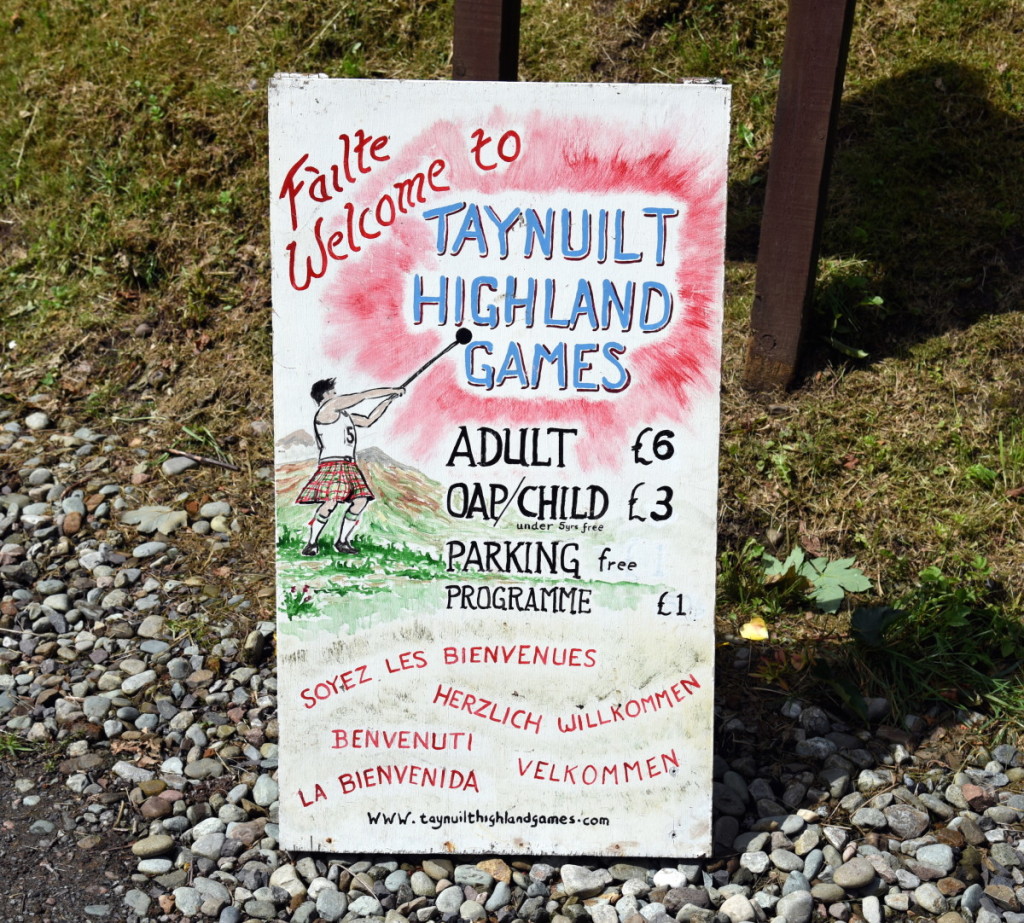
Taynuilt may have picked the wrong date for its annual celebration of Highland culture. Even though it’s July, bone-chilling gusts of North Atlantic air swirl mist across the vibrant-green playing field. I park my car, bundle up, and feel my feet squish through the wet sponge of a lawn — wringing out peaty brown water with each step. I’m considering bailing out and returning to the warmth of my B&B lounge.
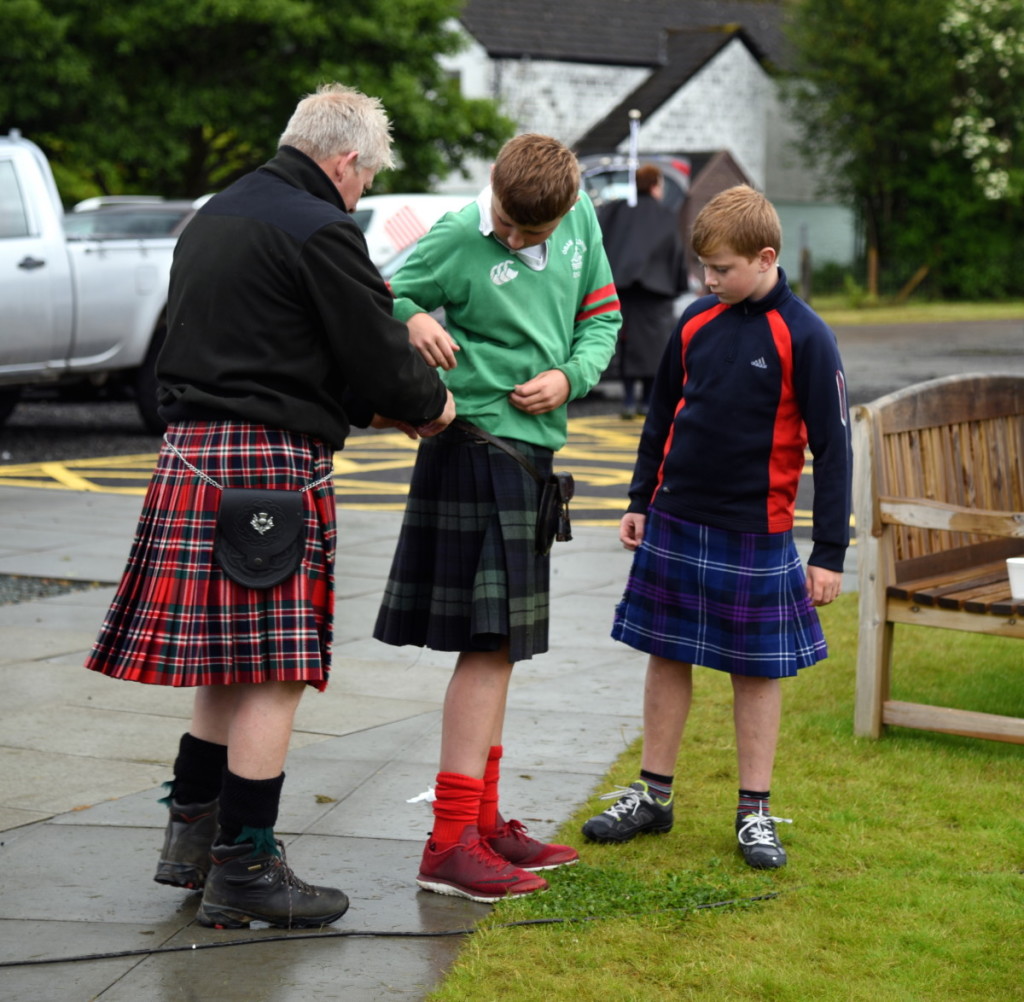
But then a delightful scene unfolds before me: Rural Scotland is putting on their show, rain or shine. Everyone’s wearing their Wellies (rain boots). A traditionally clad family piles out of their minivan, and dad helps his young sons adjust their kilts. And then bagpipes begin droning from every corner of the field: The pipe band is tuning up.
The loudspeakers crackle to life, and a lilting Scottish accent cuts through the foggy air. “If you’d like to join the pipe band in their parade through the village, you can follow them on up to the Taynuilt Hotel in a few minutes.” She proceeds to list off the day’s events. And she explains the rain plan: There is none (except for the Highland dancing, which has been moved into the village hall).
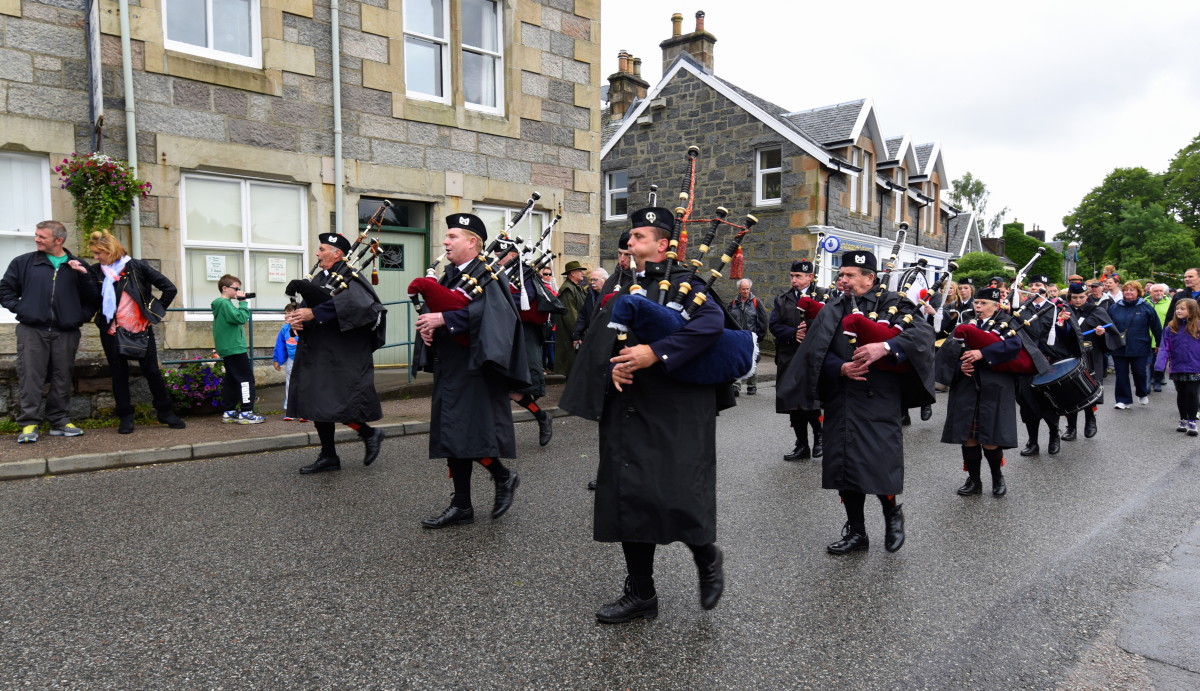
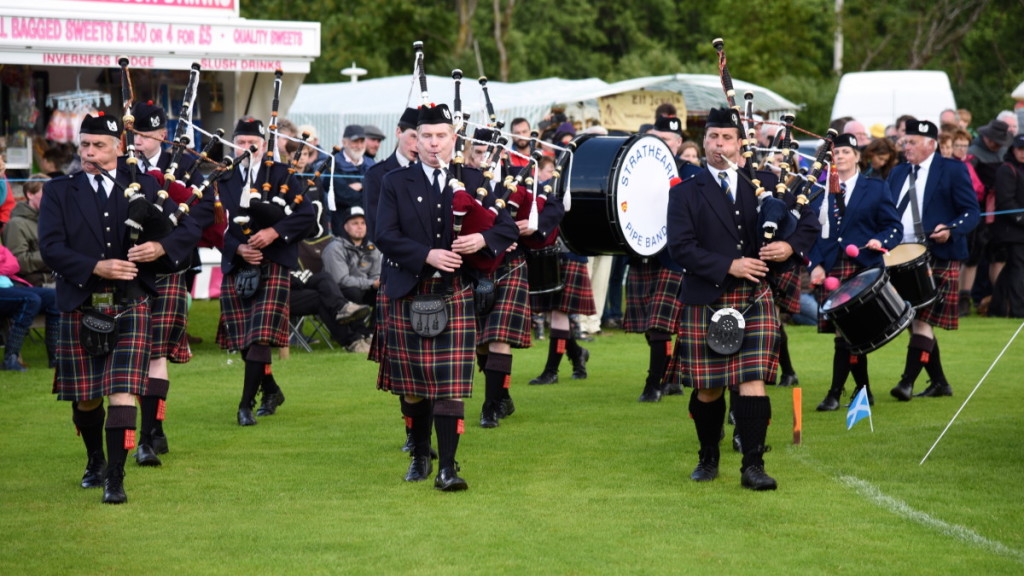
Noticing the pipe band — about eight bagpipers and a half-dozen drummers — starting up the village’s lone street, I decide to tag along. I ask the bass drummer where they’re from. “Strathearn, in Perthshire. We came a long way for this. And according to the weather map, it’s the only part of the country in rain.”
Passing the village hall, I peel off from the pipers to peek inside. Fiercely focused lassies, done up in their finest Highland finery, are dancing their hearts out. They’re hoping the weather will improve as the day goes on, so they can head outside.
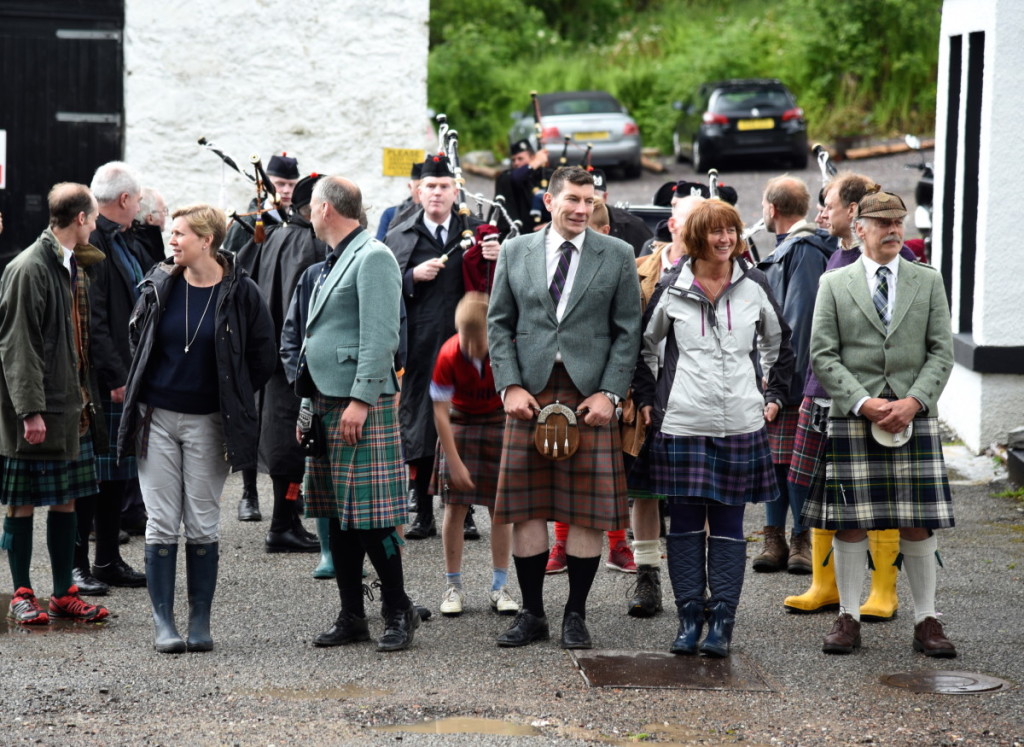
I catch up with the pipers and drummers, who stand huddled in the alley next to the town’s lone hotel/restaurant. They’re getting in one more round of practice before the big show. A crowd of about thirty people gathers across the street, waiting patiently. Finally the clan chieftain shows up with this family. Shivering in their kilts, they line up in front of the pipe band.
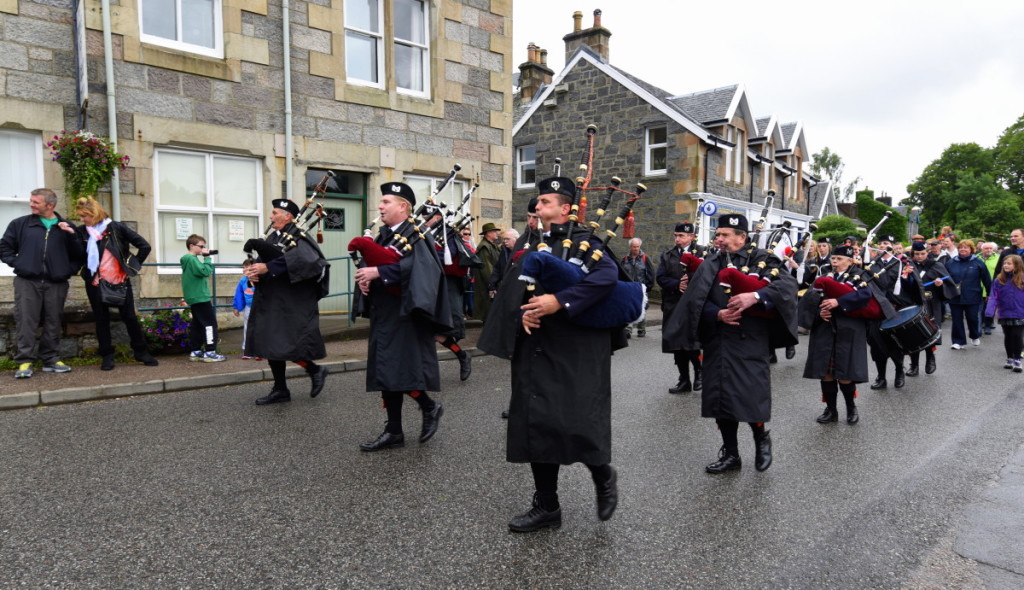
And suddenly, it’s time to begin. The band springs to life, and the ragtag parade marches proudly through the village to the playfield. Ponchoed pipers and drummers play their hearts out, filling the damp air with the drone, whine, and peal of bagpipes. They’re trailed by villagers — and a few visitors from around the world — scurrying around them to snap photos.
By the time we arrive back at the park, it’s a different scene. While still cloudy, the worst of the rain has passed, and — like ginger-haired earthworms — the villagers have tentatively emerged to scope out the scene. The clan chieftain’s family and pipe band take a lap around the field before announcing the Taynuilt Highland Games of 2015 officially open.
Scottish Highland games are like a track meet and a county fair rolled into one. The infield hosts the kilted, macho feats of strength. Ringing that is a running track for the footraces. And surrounding the whole scene are junk food stands, a few test-your-skill carnival games, and fundraising local charities selling hamburgers, fried sausage sandwiches, baked goods, and bottles of beer and Irn-Bru.
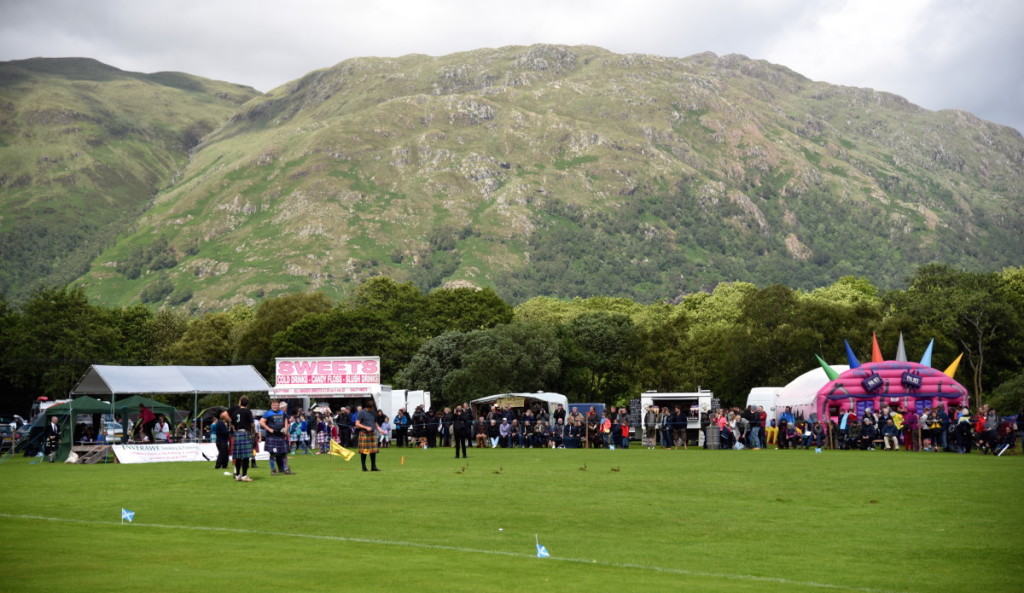
In the center of the field, eight brawny athletes assemble for the feats of Highland strength. They’re all wearing kilts, with track pants underneath and hoodies over top to protect against the howling wind.
The emcee, who has a marvelously dry wit and seems to revel in how folksy it all is, introduces the competitors. “Gary’s wife tells me he’s the most handsome man in Scotland. That’s her over there watching Gary adoringly from the sideline… Stuart is our youngest participant, at just 16 years old. He just started a new job this week, and already he’s getting high marks. They say he can lift anything.” (We have a word for guys like Stuart back in the States: linebacker.)
The events are all variations on the same concept: hurling objects of awkward shape and size as far as possible.
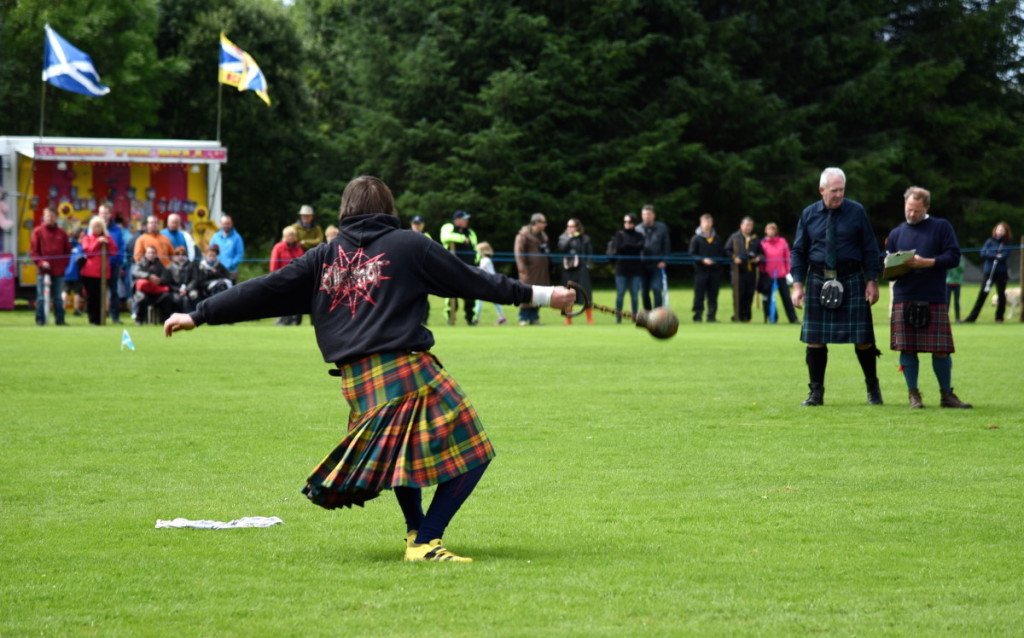
Things kick off with the weight throw, where the stocky competitors spin like ballerinas before releasing a 28- or 56-pound ball on a chain into the sky. The weight quickly changes course, plummeting decisively to embed itself deep in the wet earth. The hammer throw involves a similar technique with a 26-pound ball on a long stick.
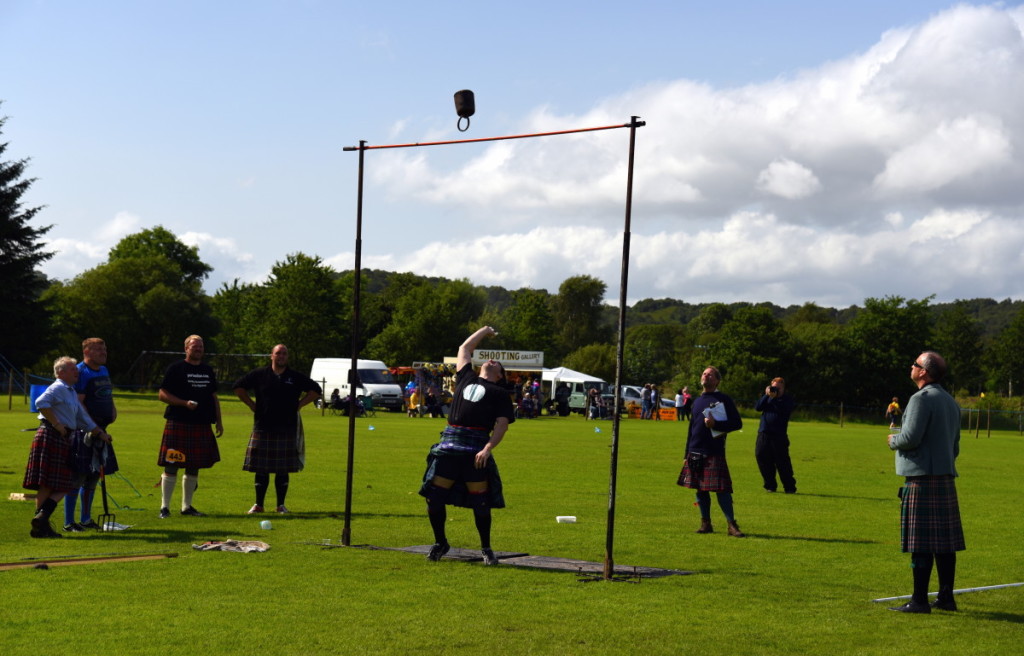
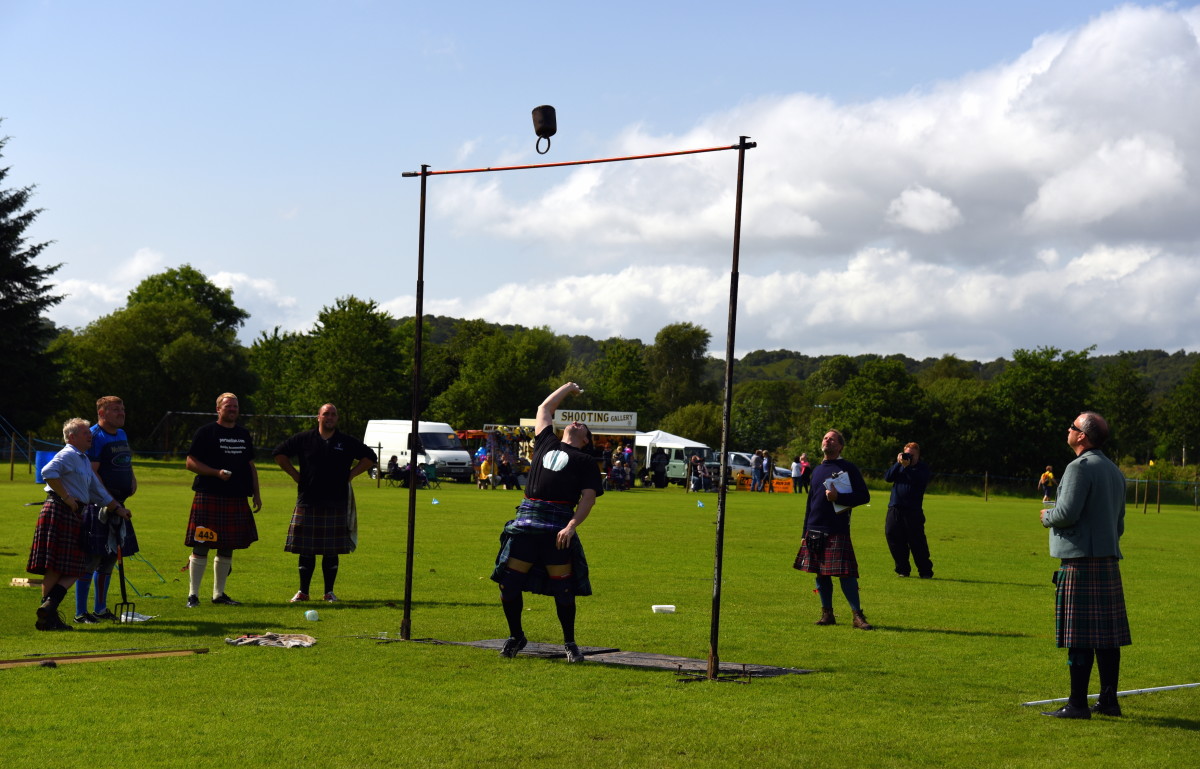
In the “weight over the bar” event, the Highlanders swing a 56-pound weight over a horizontal bar that begins at 10 feet high, and ends at closer to 12 feet. As our emcee keeps reminding us, “That’s like tossing a five-year-old child over a double-decker bus.”
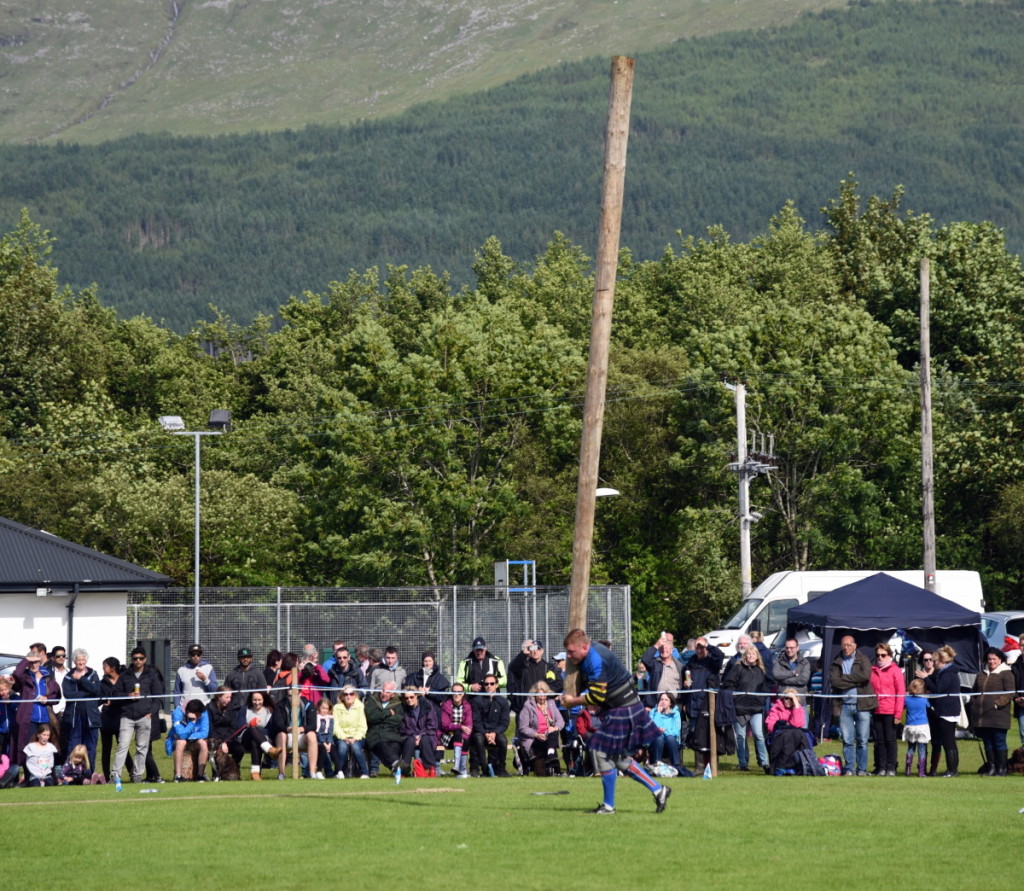
And, of course, there’s the caber toss: Pick up a giant log, take a running start, and release it in an end-over-end motion with enough force to (ideally) make the caber flip all the way over and land at the 12 o’clock position. (On this day, most of the athletes wind up closer to 6. I doubt I could lift the thing to begin with.)
Meanwhile, the track events are running circles around the musclemen: the 100-yard dash, the 1,500 meters, and so on. Trying to fabricate an exciting narrative out of the tiny turnout for the women’s 400-meter, our emcee dramatically intones, “Currently there are only two runners in this race. They are sisters. And they are competitors.”
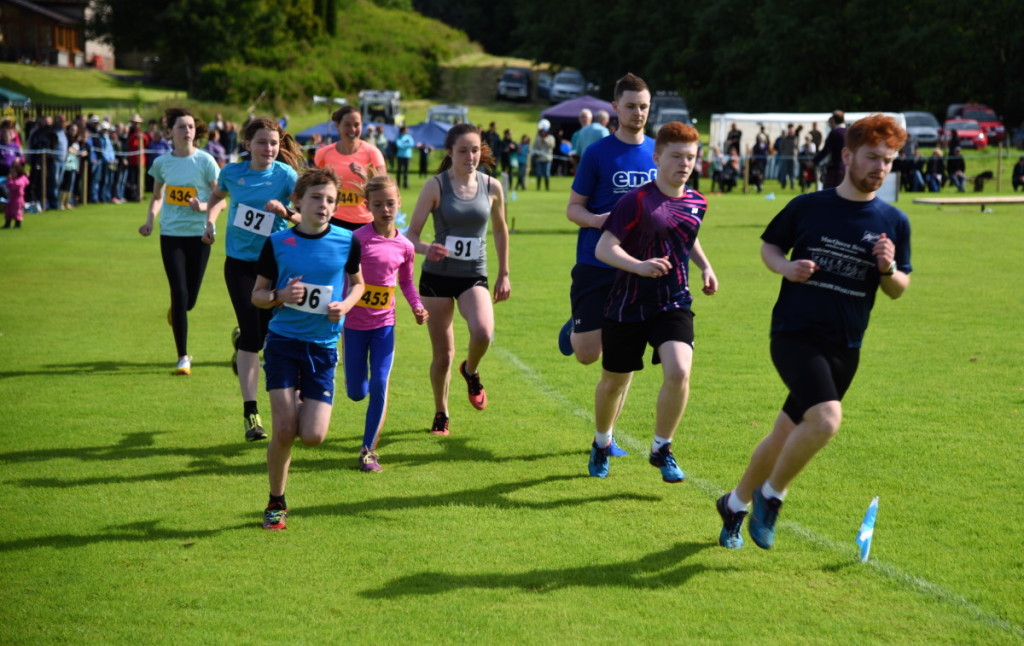
The most impressive event is the hill race, which combines a 1,000-foot mountain ascent with a six-mile footrace. The hill racers begin with a lap in the stadium before disappearing for about an hour. After several minutes, you can begin to faintly see their colorful jerseys bobbing up and down a distant peak. By the time they start trickling back into the stadium, they’ve been gone long enough that even the emcee seems to have forgotten about them.
Finally the sun emerges. People shed their Gore-tex and bask in the hard-earned rays. At one end of the field, the Highland dancers have escaped from the village hall and are dancing on a covered stage. While one set of little girls carefully toe their routines for the judges, others practice on the sidelines. The youngest lassies, with less control over their swinging limbs, work hard but lack grace. But the older dancers are graceful and poised.
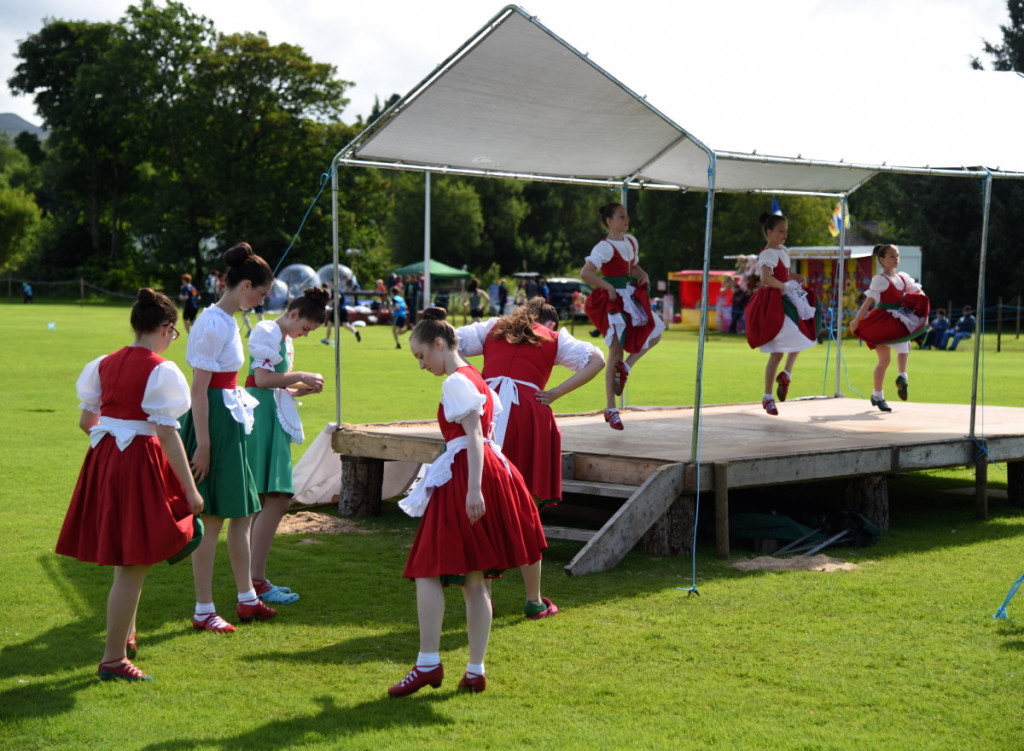
At one point, crossed swords are set on the stage for the performers to delicately dance over. As an indication that the feats of strength may be more my cup of tea, I keep waiting for the dancers to pick up the swords and start fencing. (They never do.)
By the day’s end, the brief breaks of sun have turned into steady sunshine. Cotton-candy clouds echo the candy floss that kids gobble as they watch the final few events, including the village-wide tug-of-war. A good time is had by all…rain or no rain.
Heading back to my car, I realize this may have been the most satisfying, most culturally enlightening, most affordable, and least touristy experience I’ve had in Scotland so far. Taynuilt puts on a great Highland games. But so do dozens of other villages. If you’re heading to Scotland in the summertime, be sure to check the schedule and, if you can, fit one into your itinerary.