Holy Land: Eat, Pray, Film

We’re ramping things up for our public television special, “Rick Steves’ Holy Land: Israelis and Palestinians Today,” which is airing all over the country. I’ll be giving talks around my state (and in Dallas on Oct. 1 at the AT&T Performing Arts Center), and I enjoyed doing an interview with Dave Ross on Seattle’s KIRO Radio. I thought you might like to listen in, so here is our entire 19-minute conversation, uncut.

If you’ve seen the Holy Land show in your city, please let me know your thoughts. If your public TV station has yet to run it, please call them and ask when it’ll air. Thanks.

(By the way, you can find more of Dave Ross’s extended interviews here.)

Guesting on “Wait Wait Don’t Tell Me” Was Simply Too Much Fun

Paramount Theater, Seattle

Last week I enjoyed an amazing experience as a guest on National Public Radio’s popular quiz comedy show, “Wait Wait… Don’t Tell Me!” Each week the show has a guest join the panelists for a bit called “Not my job.” And last week was my turn. They taped the normally Chicago-based show before a live audience last Thursday in my town of Seattle. The host and panelists were on stage with the guest, with a back table full of radio editors. About 3,000 NPR fans packed the Paramount Theater, adding energy and lots of laughs. The event lasted two hours, which was edited down to an amazingly fast, smooth, and smart one-hour package of entertainment. (The program’s editors edited on the fly as the show was taping, and before the night was out the host had a short list of little pick-ups that were needed to make the production smooth.) They actually taped two versions about the Scotland vote, because the result was not yet known the night they were recording the show (to air two days later). Within about 24 hours, the live show was edited and tight and ready for prime time. I was on stage for 20 minutes, which was trimmed down to this nine-minute bit. I’ve never been surrounded by such comedic genius. It was an exhilarating ride. I could say just about anything and they’d run with it in such a fun way. In a few minutes the brilliant and funny host, Peter Sagal, had me talking about things I’d never before talked about (along with a few of my standard lines).

Click here and enjoy.

Solidarity – How Gdańsk Changed the World

After a lifetime exploring Europe — four months a year since the 1970s — I love to go to new places and affirm my deep-seated belief that you can never exhaust Europe of what it has to offer travelers. And visiting Gdańsk, on the Baltic Coast of Poland, did just that. You may associate Gdańsk with dreary images of striking shipyard workers from the nightly news in the 1980s — but there’s so much more to this city than shipyards, Solidarity, and smog. It’s one of northern Europe’s most historic and picturesque cities. This was the perfect finale — the last stop on my two-month summer trip.
gdansk-cityscape

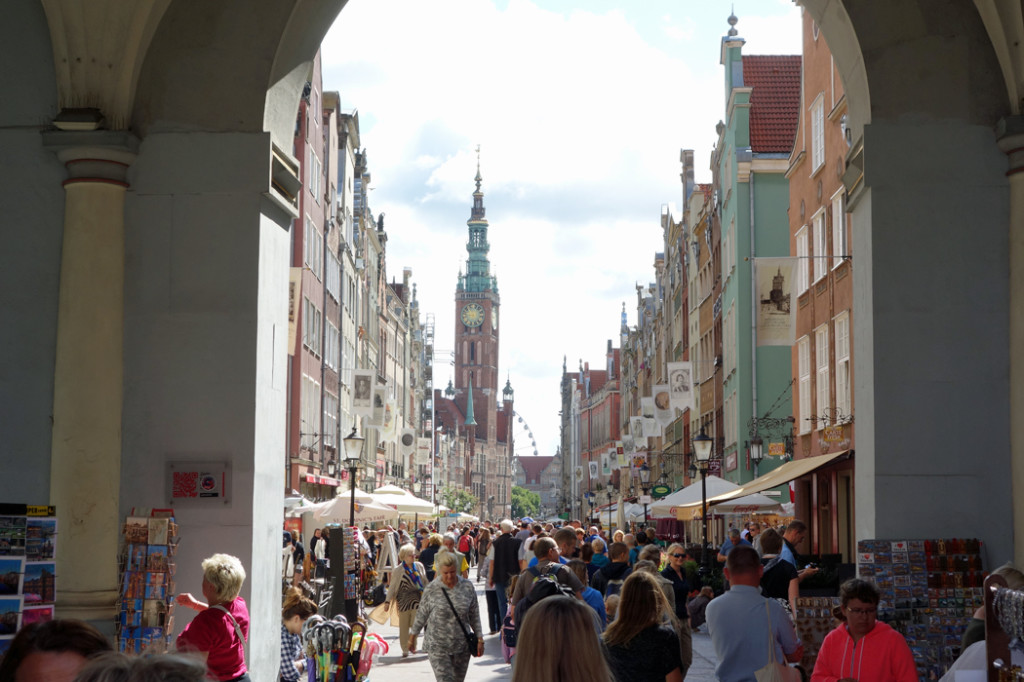
Gdańsk is second only to Kraków as Poland’s most appealing destination. Its historic center boasts block after block of red-brick churches and narrow, colorful, ornately decorated Hanseatic burghers’ mansions. The riverfront embankment, with its trademark medieval crane, oozes salty maritime charm. Gdańsk’s history is also fascinating — from its medieval Golden Age to the headlines of our own generation, big things have happened here. You might even see Solidarity’s portly old Lech Wałęsa still wandering the streets.
 

Gdansk-Shipyard-gate

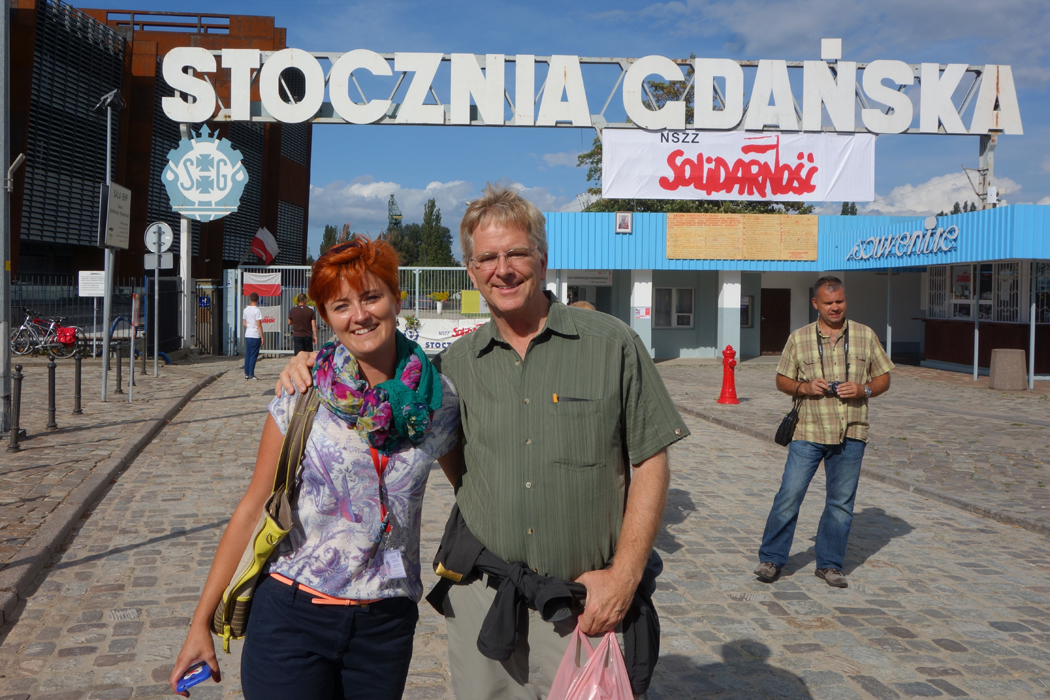
As a fan of freedom, hiking to the Gdańsk Shipyard, where the Polish shipbuilders’ union Solidarity was born (kicking off the beginning of the end of the USSR and the communist rule of half of Europe), was like a pilgrimage. My guide, Agnus, told the story vividly as we stood at the gate under a “Solidarity” banner hanging where a big “LENIN” once hung. The crude yellow board listed the workers’ demands. After my time here, and in Poland in general, I’m eager to make two new shows on Poland and you can bet guides like Agnus will be at my side.
 

Polish-workers-stand-strong-in-line

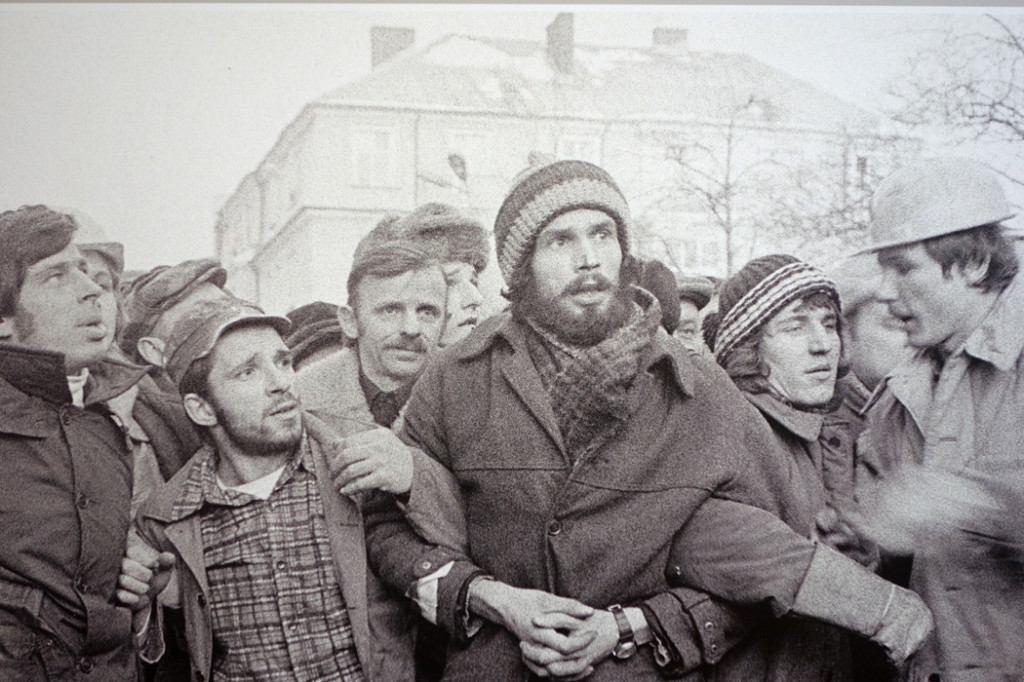
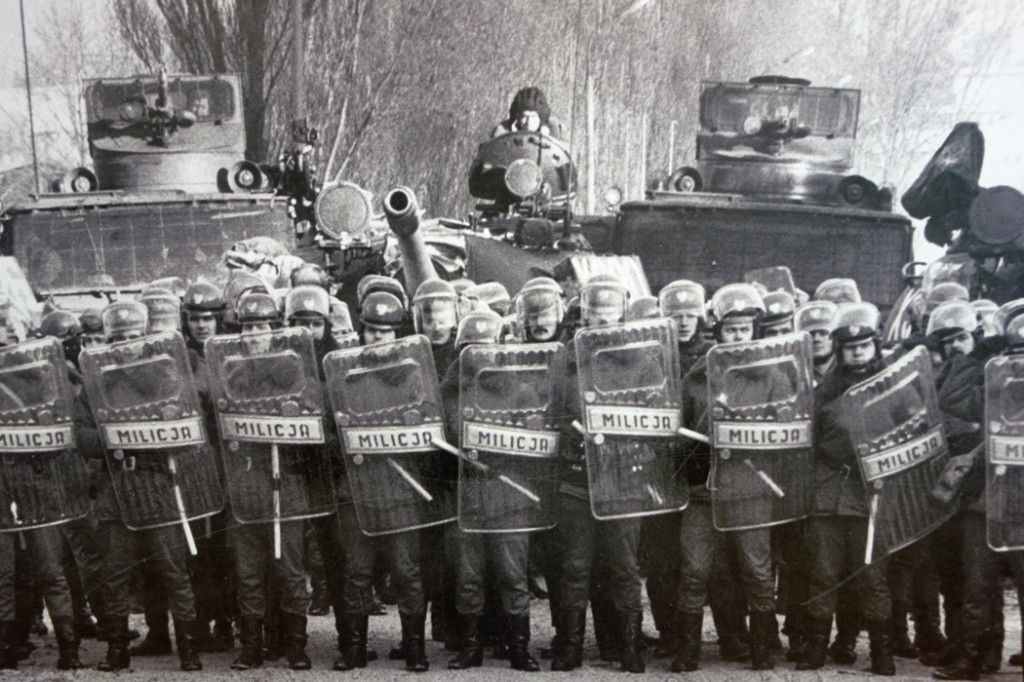
I’m inspired when regular people stand bravely in the face of tyranny anywhere in the world. And photos of Polish workers standing up to a repressive and seemingly invincible Soviet empire is a perfect example. Imagine the bravery of these Poles. In 1980, a wave of strikes and sit-ins spread along the heavily industrialized north coast of Poland, most notably in Gdańsk.
 

Militia-against-polish-workers

The world is full of uniformed and well-armed pawns who crush peoples’ movements in return for steady employment. These troops found themselves facing down legions of courageous Polish workers risking their lives for freedom. And the workers ultimately prevailed.
 

Gdansk-Solidarity-Square

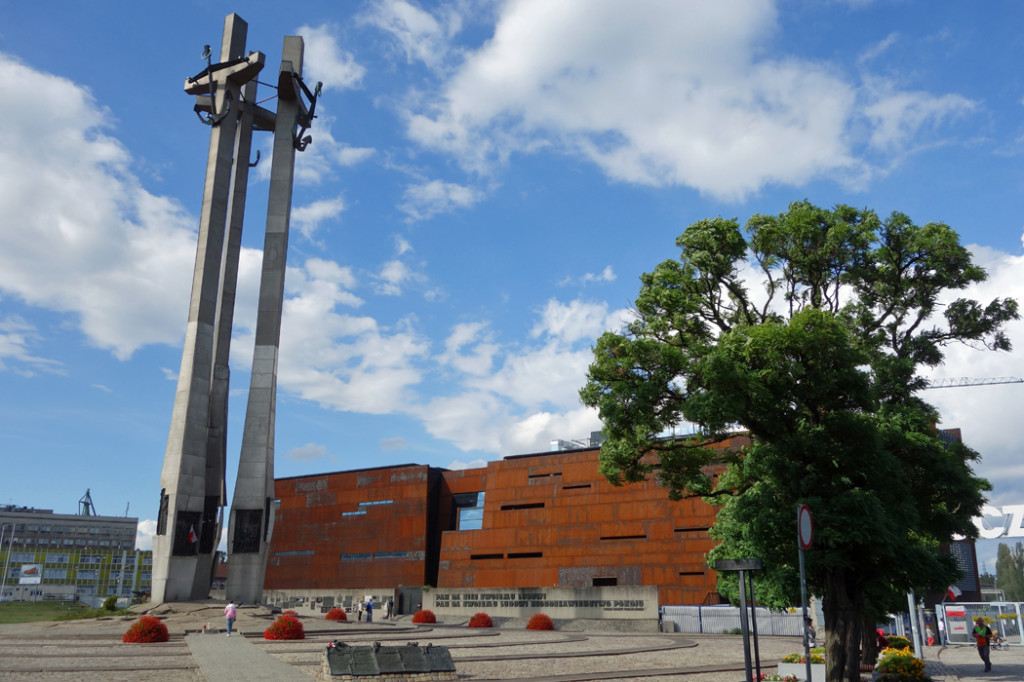
When Solidarity negotiated its way to victory in 1980, one of their conditions was that the Soviets let Poland erect a monument to workers killed a decade earlier while demonstrating for the same workers’ rights. The government agreed, marking the first time a communist regime ever allowed a monument to be built to honor victims of communist oppression. Lech Wałęsa likened it to a harpoon in the heart of the communists. The towering monument, with three crucified anchors on top, was designed, engineered, and built by shipyard workers. In just four months after the historic agreement was signed, the monument was finished. Today on Gdańsk’s Solidarity Square, this monument, with a trio of 140-foot-tall crosses, honors those martyred comrades and is a highlight of any visit to this city.

Scotland is Still Scotland and Remains a Big Part of What Makes Britain Great

With yesterday’s vote, Scotland, while still emphatically Scotland, remains a big part of what makes Britain Great. While the Scottish (probably wisely) chose to stay with the UK, the spirit of Scotland is the big winner as the Scottish came together in an impressive exercise of democracy. While other countries conflicted about borders and independence are mired in violence and chaos, Scotland peacefully voted on an issue many are passionate about. And, regardless of how close the Unionist victory may have been, the voice of the people will be respected, and the Scots will work together to make their society function as Scottish as can be.

Here’s a little video clip, shot a decade ago, from a small clan gathering in the Highlands. As you watch the Scottish strong men labor to flip the caber (telephone pole) end-over-end — and fail three times — think of the dogged and irrepressible strength of the Scottish character, even if still ruled from London. And when you see me come in to clean up, think of how lucky I was not to get a hernia.

Frolicking in Gdańsk

While working on the self-guided town walk of Gdańsk in our Rick Steves’ Eastern Europe guidebook, I came upon an historic mill (whose millstones rumbled 24/7 to produced 20 tons of flour a day for the city in its heyday) and a one-week-old fountain giving local children a giggle-filled dousing. I had to share this scene — so fun and so historic at the same time — with a little video clip.