Enjoying the Open Road in Europe: Tips for Drivers

rick steves in a car

For a part of each of my trips, I generally pick up a rental car through my favorite consolidator, Auto Europe, and enjoy the freedom of having my own wheels.

I don’t use a car in big cities if I can avoid it. (You’d never drive your own car to sightsee in a European city—and it’s an expensive waste to pay for the rental and the parking.) But a rental car empowers you when exploring the small towns and countryside. On this trip, I picked a car up as I left Granada and dropped it upon arrival in Lisbon. While there is occasionally a small extra fee to pick a car up at the airport rather than downtown, I like the ease of taking the cheap public transit to and from the airport and avoiding inner-city driving.

This spring, my great little car put me in the driver’s seat for exploring the white-washed hill towns of Andalucía and the remote beach towns and beaches of the Algarve — both areas where having your own car is a real help. I was stung with a pretty steep drop-off fee to leave the car in a different country — something that I’d work to avoid if traveling on a tight budget. For me, the efficiency was worth the fee.


a street sign written in spanish not allowing cars into the city

Driving in foreign lands can come with a little language barrier and a stint on the learning curve. For example, signs in Granada make it really clear that anyone who drives into restricted zones during high-traffic times without authorization will be ticketed. (Ignore that and a bill for $100 will be awaiting you when you get home.) If you’re staying at a hotel within one of these zones, you’re legal…but only if your hotel files your license plate with the local police.
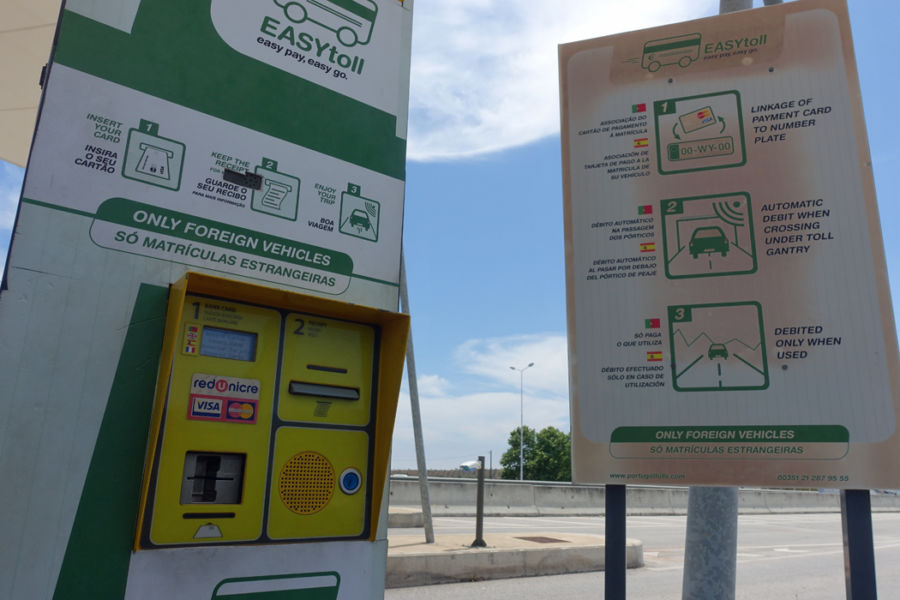
 

toll booth machine

I connected the bigger dots on my spring trip with excellent freeways in both Spain and Portugal. I always feel toll freeways are a good value (in terms of time saved, mileage improved, and relative safety enjoyed) compared to using toll-free national highways. In Spain, you just pay at each booth. In Portugal, the system was very slick. At the border, I popped my credit card into the machine, and it printed out a receipt explaining that periodically, as I drove through the country on the freeways, sensors would click on me and my card would be charged for that stretch of super freeway. The freeways cost me a little but getting around took hours less than it had on earlier trips.


Join our traveling community — connect with me on Facebook and Twitter.

The Art of Bullfighting

rick steves in bullfighting ring

Ronda is the birthplace of modern bullfighting, and its bullring — the oldest in Spain — comes with a fine little museum about the bloody ritual. Local aficionados would never call bullfighting a “sport” — you’ll read newspaper coverage of fights not in the sports pages, but in the culture section. Lovers of the “art” of bullfighting will explain that the event is much more than the actual killing of the bull. It celebrates a noble heritage and Andalusian horse culture.

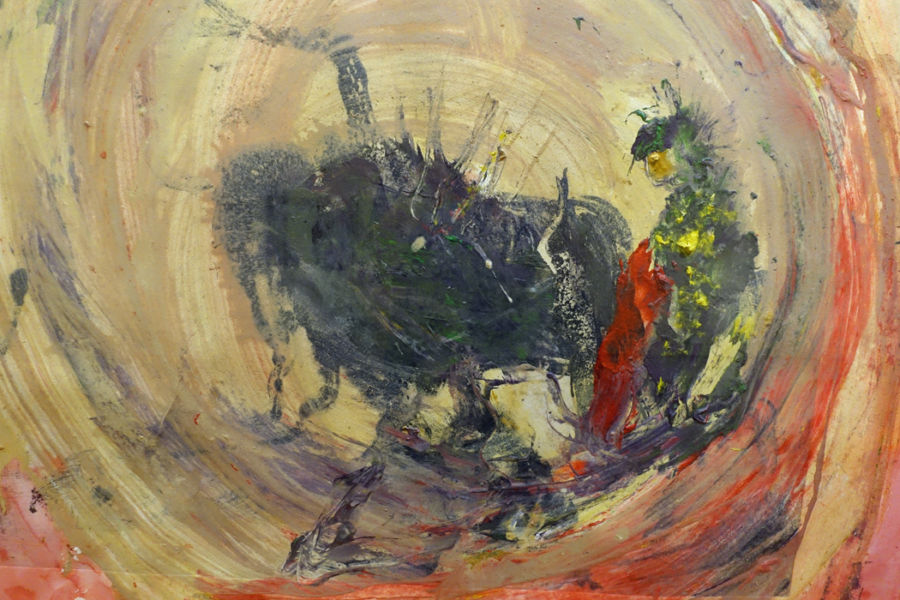
almost abstract painting of bull and bullfighter in arena
This poster promoting a bullfight is like a piece of modern art.

Locals tell me the tradition of bullfighting is still going strong, with or without tourist money. What are your thoughts on bullfighting in Spain? Let me know in the comments below, on Facebook, or on Twitter.

Spain’s Little Sights

Exploring Europe, you see the big sights — and you also see the little ones. Here are a few little things I noticed along the way in Spain.

While I was very comfortable during my visit earlier this spring (temperatures were in the 60s and 70s each day and evening), in a few weeks it’ll be cracking 100, and there will be a lot of wall-crawling shrimps. (The brutal summer sun in Spain turns pedestrians into what are now called “wall crawlers” — people walking right up against the walls, catching whatever shade they can. And tourists not used to the sun who get burned are called “shrimps.”)

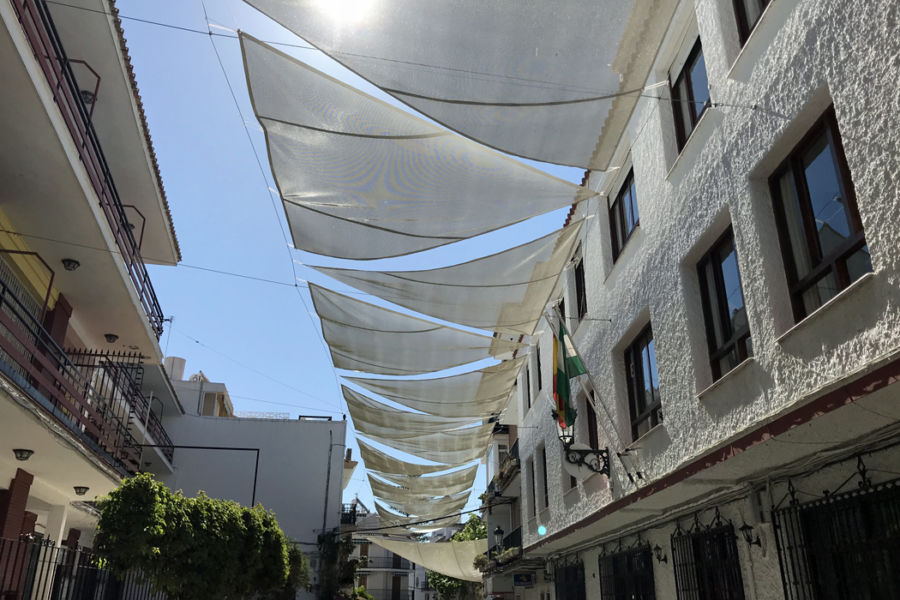
looking up at awnings along a street
Climate change is real — and Europe is getting hotter. In Spain, canvas awnings provide entire streets with critical shade.


More and more, tourists are enjoying the delights of Andalucía and, more and more, English is the language of travel. Rather than the old-school menus with five languages, menus are now generally in two (or maybe three) languages, including English.

Study this menu — great prices, fun tapas.


Spain loves its festivals, and Sevilla takes it to extremes. My favorite Triana bar includes the dates of the major festivals on its business card — for the next several years.

festival dates written in spanish on a small card
Olé!


(What about you? I’d love to hear about some of the little sights you saw on your last trip. Connect with me on Facebook or Twitter.)


Spain: A Festival of Images

Traveling in Spain is a festival of images. While I was there earlier this spring, I chanced upon many beautiful moments…both lively and pristine.

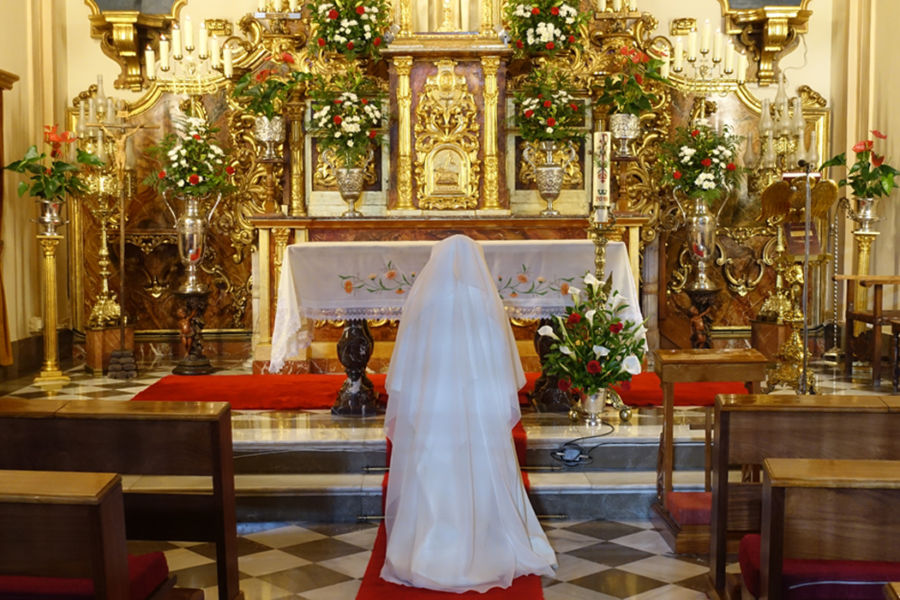
Stepping away from the action of Granada’s Albayzín quarter and into the peace of the small Church of San Gregorio, I came upon a sister in white kneeling at the altar. She’s part of a holy team of Franciscan nuns who are committed to keeping prayers heaven bound 24/7. The silence, offering such a contrast to the hubbub outside, and the quiet persistence of her faith caused me to pause and be both thoughtful and thankful.

nun inside a church


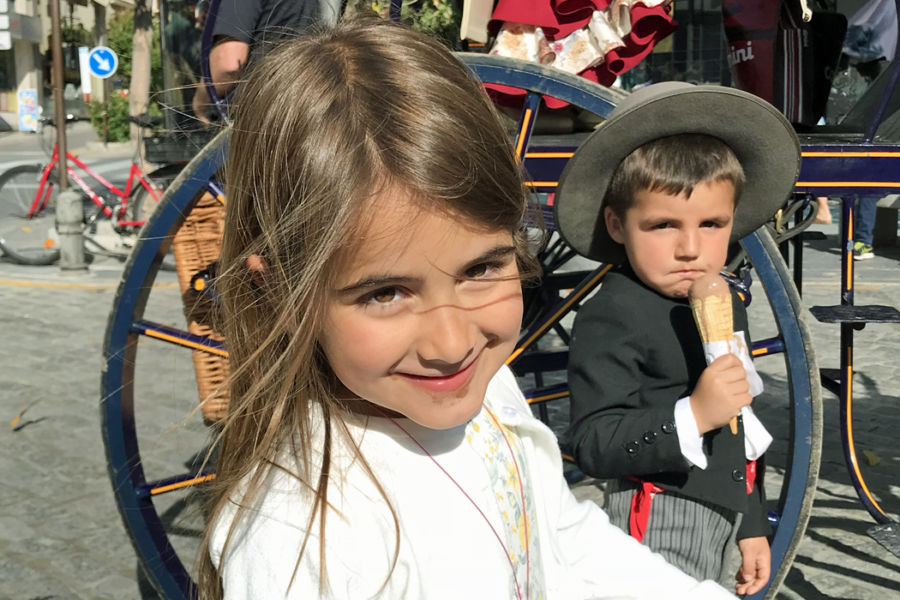
Seeing the delight ice cream brings a child is a universal slam dunk for a happy photo. (Here’s a tip: When photographing little kids, get down on their level.)

kids with ice cream


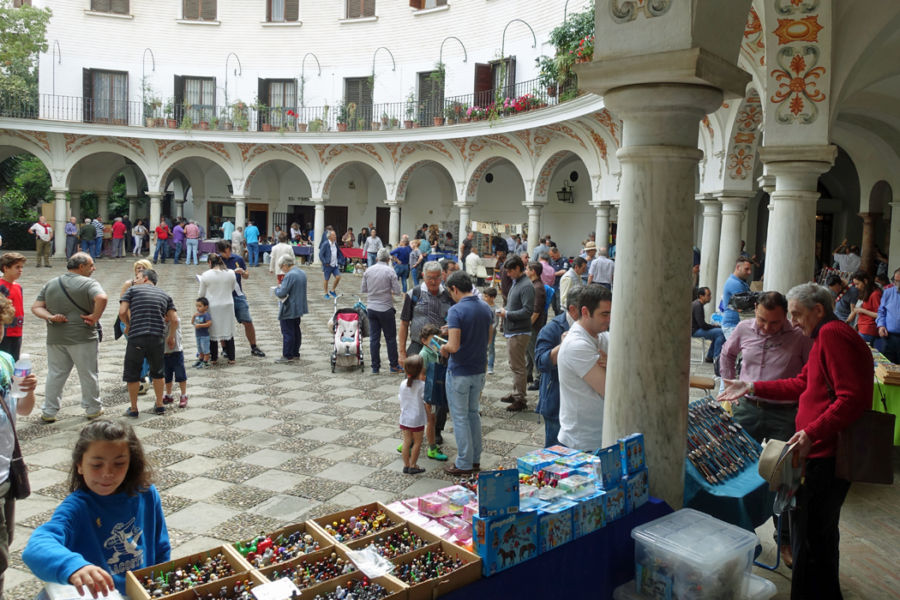
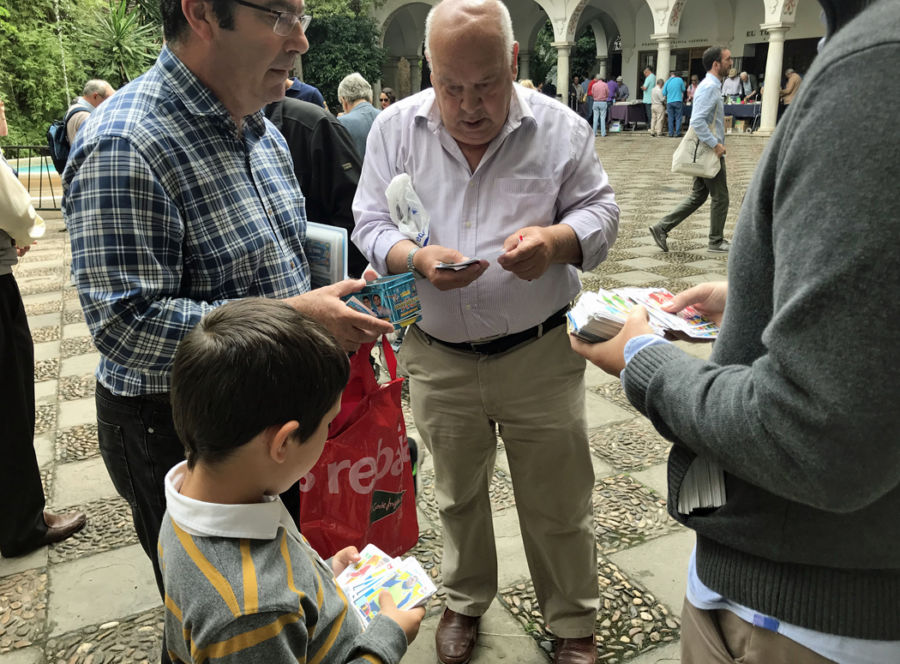
I enjoyed the scene at the Sunday morning antique market in Sevilla’s Plaza del Cabildo, near the cathedral. As I watched little kids earnestly trading soccer cards with adults, it occurred to me that Spanish kids trade cards of their soccer heroes just like American kids trade baseball cards.

market stalls

young boy and older men staring at cards in their hands


Join our traveling community — connect with me on Facebook and Twitter.
Spain’s Costa del Sol: A Bit of Beach and a Bit of History

On Spain’s Costa del Sol, many towns come in pairs: the famous beach town with little history and its smaller yet much more historic partner established a few miles inland — safely out of reach of the Barbary pirate raids that plagued this coastline for centuries. Nerja (my favorite beach town on Spain’s south coast) is a good example of this pattern. Whereas it has almost no history and was just an insignificant fishing village until tourism hit, its more historic sister, Frigiliana, hides out in the nearby hills. The Barbary pirate raids were a constant threat. In fact, the Spanish slang for “the coast is clear” is “no hay moros en la costa” (there are no Moors on the coast). When those pirate raids finally stopped, the people of Frigiliana moved down to the coast for an easier life in what became the resort town of Nerja.

While you’ll likely hang out in Nerja, Frigiliana is a delightful white-washed hill town to explore.

beach
Nerja, Spain
street lined with bright white buildings and pink flowers
Frigiliana, Spain


Join our traveling community — connect with me on Facebook and Twitter.