Cameron’s List of 10 Things to Do in Scotland

These days, Scotland is as hot as perennially-popular-with-our-travelers Ireland. Our Scotland tours are selling as well as our Ireland tours. Meanwhile, our Ireland guidebook has long been right up there with Italy and Paris among our top sellers. And so it was clear: We needed a full-fledged Scotland guidebook. So last year, Cameron Hewitt (co-author of many of my guidebooks) spent much of his summer researching in Scotland and putting together our new Rick Steves Scotland guidebook — which just arrived in our Travel Store. We feel as giddy as proud parents. I’d like to pass around cigars. But for a more practical way to celebrate, I’ll share Cameron’s blog post featuring his top 10 travel experiences in bonnie, bonnie Scotland. By the way, if you enjoy Cameron’s take on Europe, be sure to “like” his Facebook page — he leaves soon for more guidebook research in Italy’s Cinque Terre and Dolomites, Salzburg and the Austrian Alps, Bulgaria, Romania, and Budapest.

10 Things to Do in Scotland
By Cameron Hewitt

Last summer, I spent a month traveling all over Scotland to research our Rick Steves Scotland guidebook. (While Scotland’s top destinations have always been well-covered in our Great Britain guide, this is the first time it’s had its own full-fledged book.) All that hard work has paid off, as we’ve just received our first shipment of the Scotland book at our Travel Store.

To celebrate the newest addition to our Rick Steves guidebook family, here’s a list of my favorite Scottish memories…and ways that you can incorporate them into your own travels.
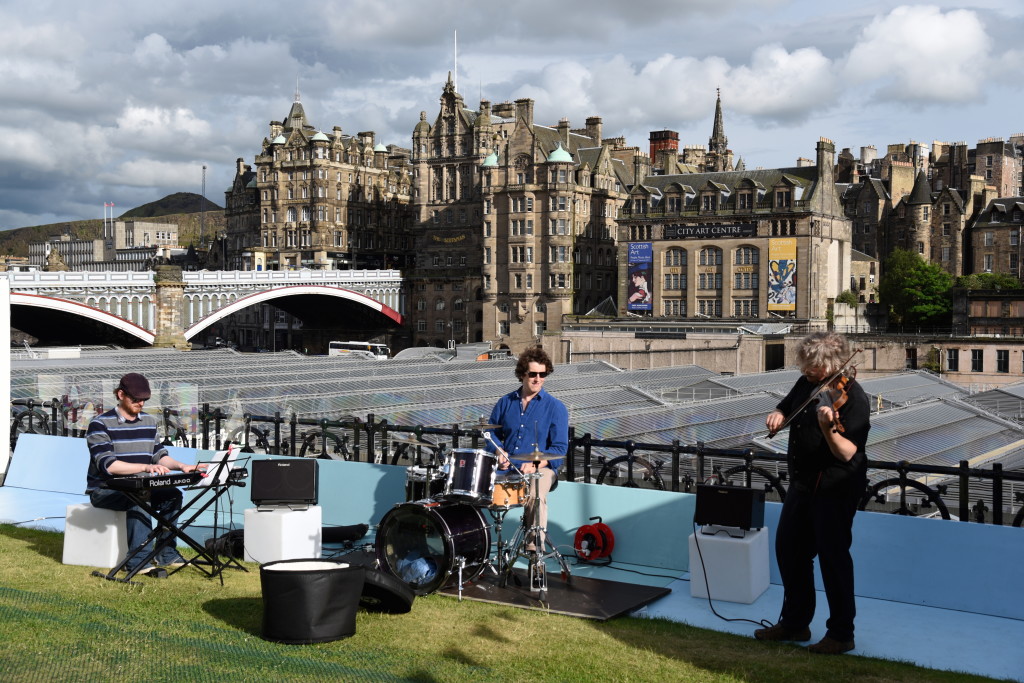
New Town Concert

1. Linger in Edinburgh. From the famous Royal Mile — with its great landmarks and quirky shops — to the underrated New Town, Edinburgh entertains. One day gives you just enough time to see the castle and ramble down the Royal Mile. A second day lets you slow down and explore. And a third day (or more) really lets you settle into one of Britain’s finest cities.
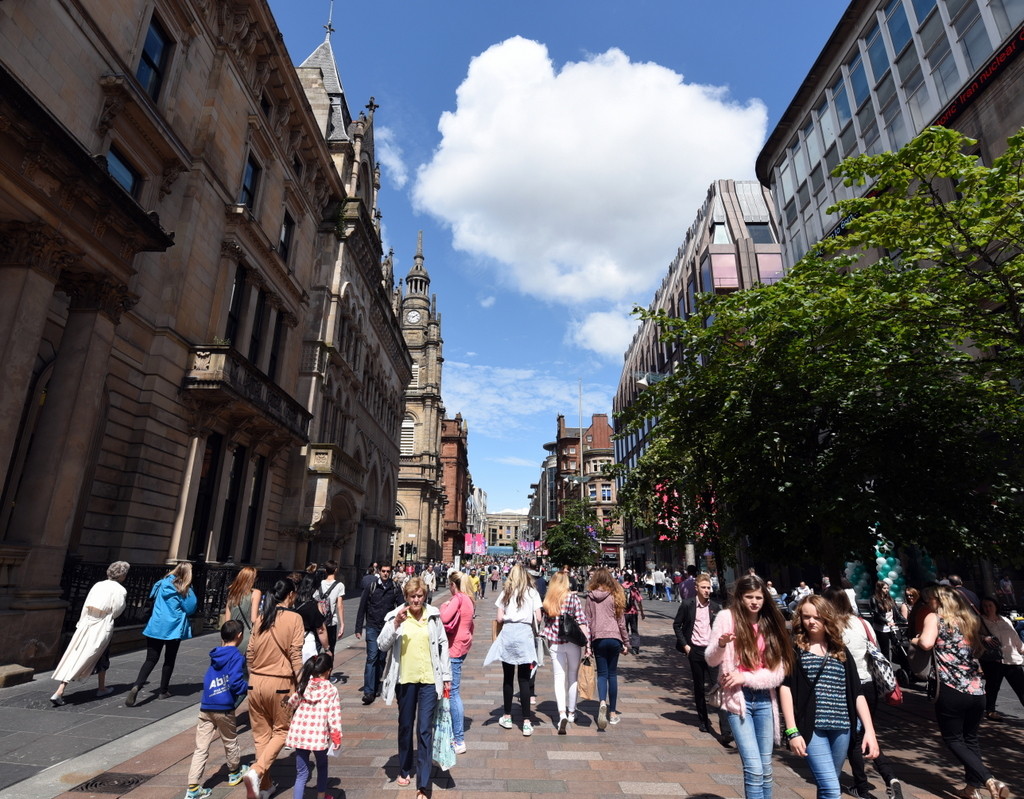
Cameron Scotland Glasgow Buchanan Street

2. …But Don’t Miss Glasgow. Scotland’s biggest city is also its most underrated. The working-class yin to Edinburgh’s upper-crust yang, Glasgow has the most engaging foodie and nightlife scene I found in Scotland. It also has some of Scotland’s best 20th-century architecture, a rejuvenated downtown core, and an impressive collection of museums.
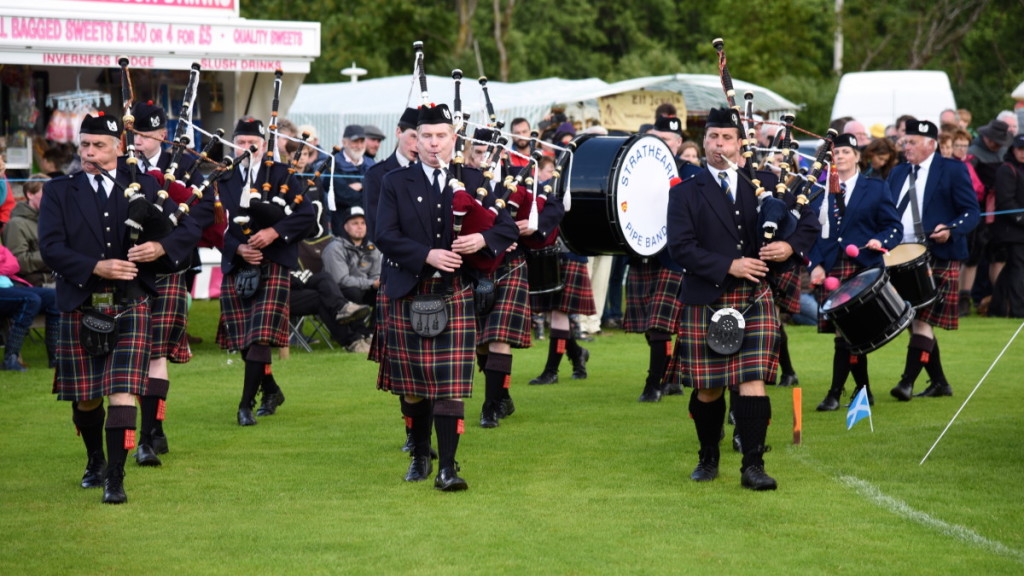
Piper Lap 2

3. Toss a Caber at a Highland Games. These celebrations of traditional Scottish culture fill the summer calendar. A Highland Games (or “Gathering”) is like a county fair, dance competition, and track meet all rolled into one. Ranging from glitzy to endearingly small-town, it’s the one day a year when an entire town turns out to socialize, gorge on junk food, and cheer on the strongmen, footracers, and graceful dancers. If you’ll be in Scotland in the summer, check the Highland Games schedule before nailing down your itinerary.
x

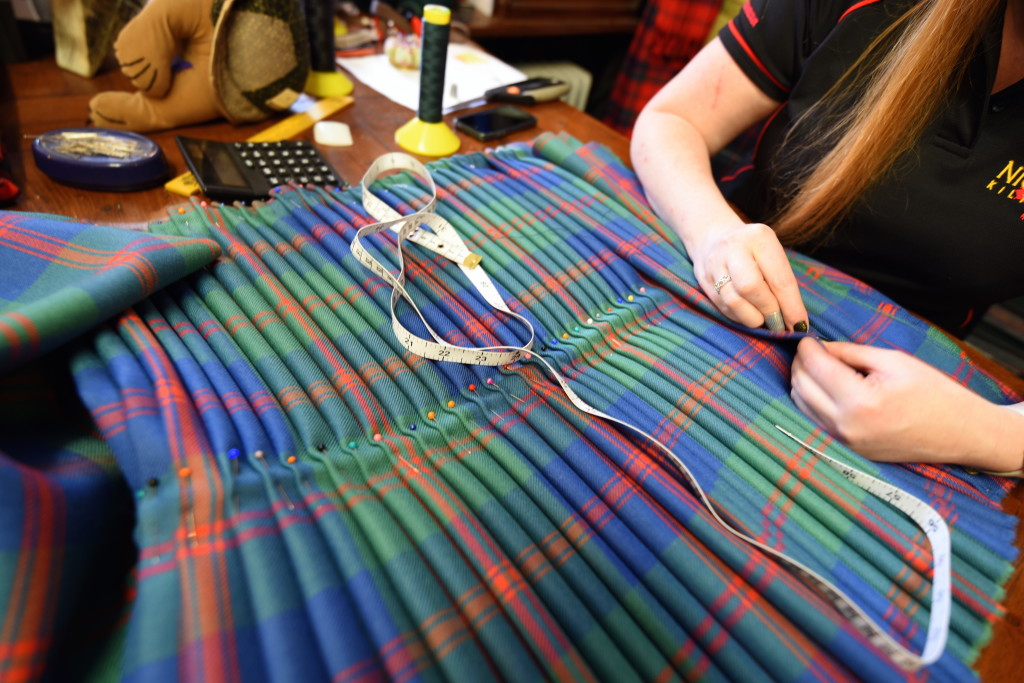
4. Enjoy the Clichés…but Dig Deeper. Kilts, bagpipes, whisky, haggis…for such a wee land, Scotland has so many claims to fame. Be warned: Cliché-hunting can cheapen a trip, and Scotland is only too happy to indulge tourists looking to buy knock-off kilts. But each cliché also comes with an authentic — and often fascinating — backstory. Visiting a kiltmaker on Edinburgh’s Royal Mile, you learn the difference between top-quality tweed and tacky “tartan tat.” Touring a whisky distillery — or several — cultivates an appreciation for the subtle (and sometimes not-so-subtle) variations in bouquet, flavor, and peatiness. And trying your hand at playing the bagpipes instills respect for musicians who’ve devoted their lives to the instrument.

CH15JulStirling_047

5. Hunt for Ghosts. I enjoyed a ghost walk led by a surprise skeptic in the historic town of Stirling. And that’s just the tip of the iceberg of ghost-themed experiences in Scotland — where each city has its haunted tours, each castle its apparitions, and each B&B room its mysterious creaks. (As for whether all of the above have scientific explanations…I’ll leave that to you.)
CH15JulDoune_022

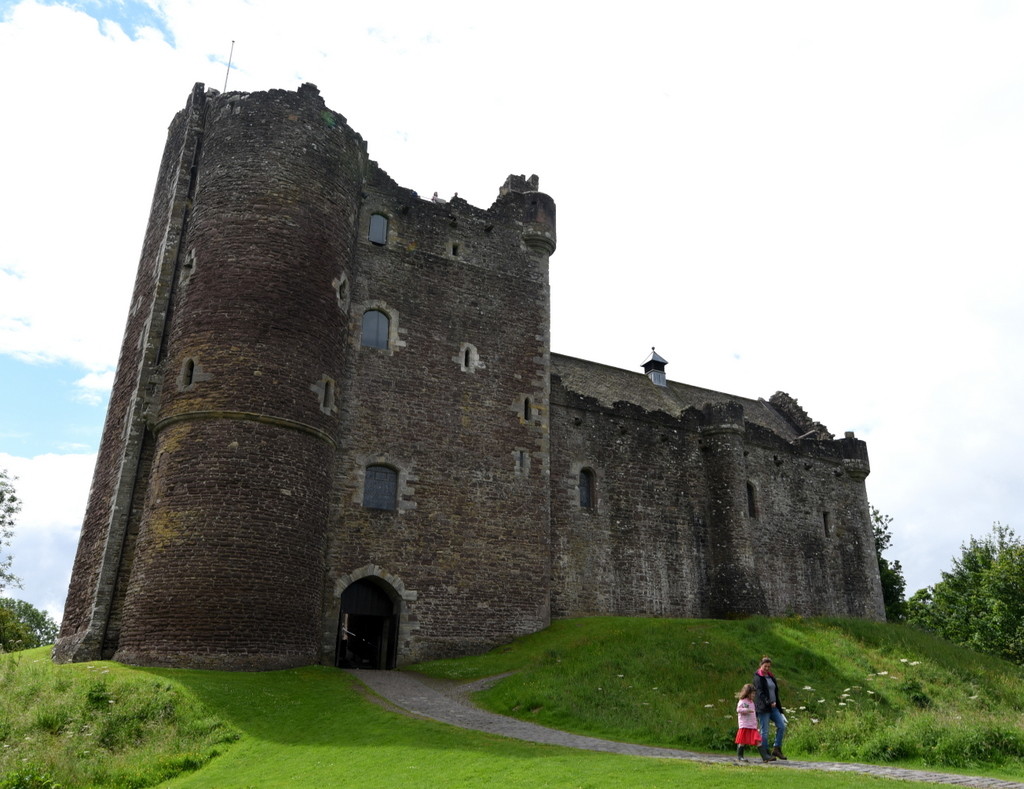
6. Go to the Movies. The hit TV show Outlander has thrust Scotland back into the limelight, like countless pop culture moments before it — from Monty Python and the Holy Grail to Braveheart, and from The Da Vinci Code to Harry Potter. Watching these movies and TV shows — before, during, and after your trip — can enhance your enjoyment and appreciation for Scotland. Real fans can geek out on visiting actual filming locations (we’ve added an Outlander sidebar to the new Scotland guidebook for just that purpose). And cynics enjoy debunking half-truths (whether in Braveheart or in The Da Vinci Code), which also buys you street cred with the locals…who are tired of explaining that William Wallace was never called “Braveheart” until Mel Gibson came along.
cameron-scotland-glencoe-hike

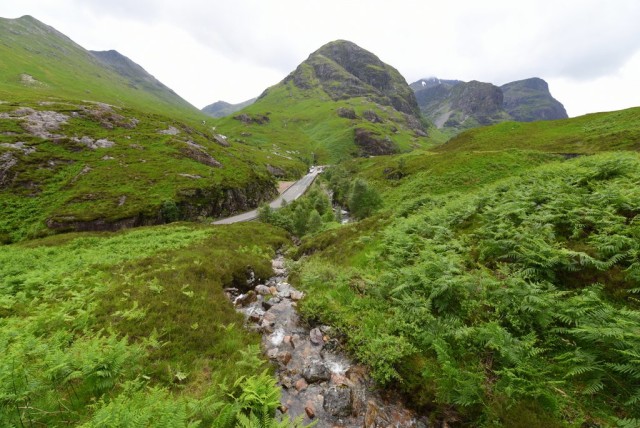
7. Take a Hike…and Bring Good Shoes. Tromping through drizzle, watching my feet settle onto bright-green turf only to disappear under a torrent of brown water, I wished I’d brought my waterproof boots. But before long, I just ignored my soaked socks to fully appreciate the symphony of achingly gorgeous glen scenery all around me. This was in the valley called Glencoe, but hiking opportunities abound throughout Scotland.
Cameron Scotland Island Hopping Iona

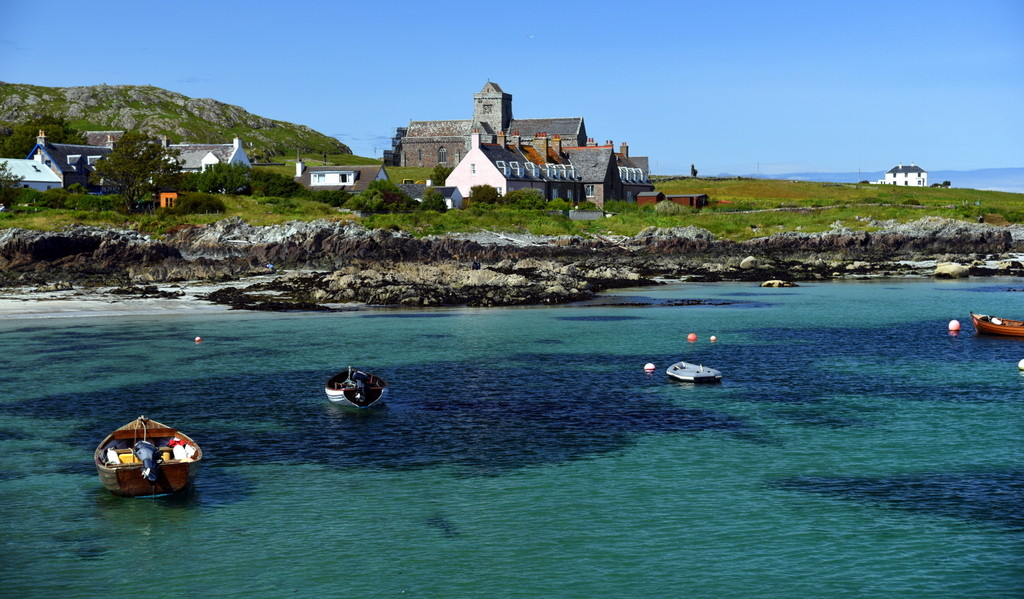
8. Go Island-Hopping. Scotland — with a West Coast slashed by receding glaciers — has nearly 800 islands. But on a short visit, visiting just a few will do the trick. The Isle of Skye, with pretty pastel harbor towns, jaw-dropping scenery, and a vivid heritage of folk tales and clan battles, can easily fill a couple of days. Or, for a strategic strike, base yourself in the small West Coast town of Oban and spend a day side-tripping to a trio of worthwhile Hebrides: Big and desolate Mull, spiritual Iona, and otherworldly Staffa — an uninhabited bulb of rock where puffins greet arriving boats, and the “other end” of Ireland’s famous Giant’s Causeway disappears into a mysterious cave.
Cameron-Scotland-North2

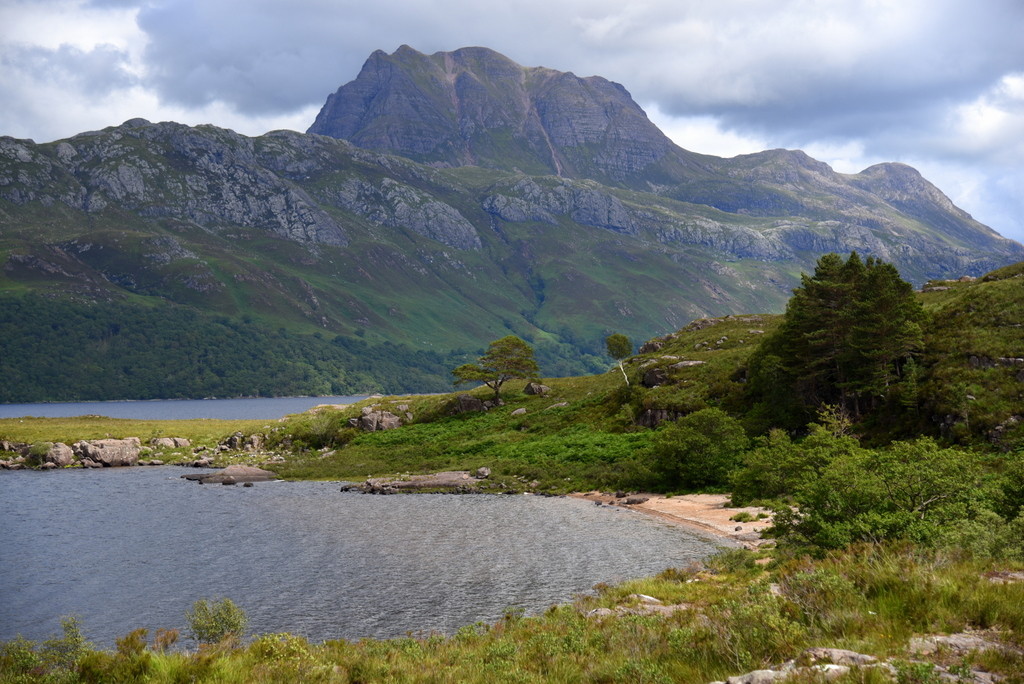
9. Go North to Get Off the Beaten Path. Most tourists in Scotland get stuck in a predictable rut: Edinburgh-Stirling-Glasgow-Fort William-Inverness-back to Edinburgh. And, while there’s plenty to see on that loop, with more time it’s rewarding to break free and strike out for the far north. If rugged scenery tickles your fancy, drive up Scotland’s scenic west coast — called Wester Ross — then along its north coast to John O’Groats. (Just don’t run out of gas.) And if you’re really adventurous, catch the ferry to the Orkney Islands — a world apart, with prehistoric treasures and evocative World War II history.
Cameron-Scotland-Highlands-Hairy Coo 3

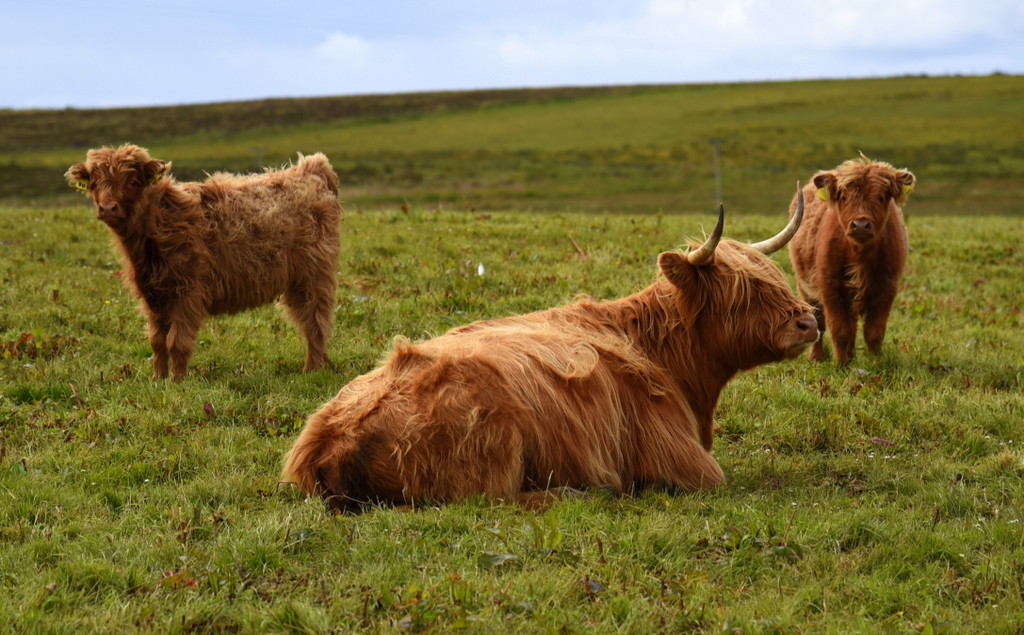
10. Seek Out and Celebrate What Makes Scotland Unique. While it’s still part of Great Britain — for now —  Scotland is so much more than just England’s northern annex. In this age of “devolution” (Scotland gaining more autonomy from London), ask locals what they think about current issues. (At least Scotland and England still share a knack for witty signs.) Even if you’re a closet royalist, check your sympathies at the door and really try to understand what makes Scots Scots. And then…celebrate it.

It goes without saying, but all of this — and much more — is covered in the hot-off-the-press first edition of the Rick Steves Scotland guidebook.

Turas math dhut! (Happy travels!)

Keep on Travelin’!

I love wearing our new “Keep on Travelin’” t-shirt because it’s a bold statement that the world’s our playground, it’s fun, and it’s comfortable too.

I hope you enjoy these photos of me and our tour guides wearing their shirts all over the world. You can also check out more photos of our staff and fans in the shirt on our website. Keep on Travelin’!

rick-steves-keep-on-travelin-t-shirt.jpg

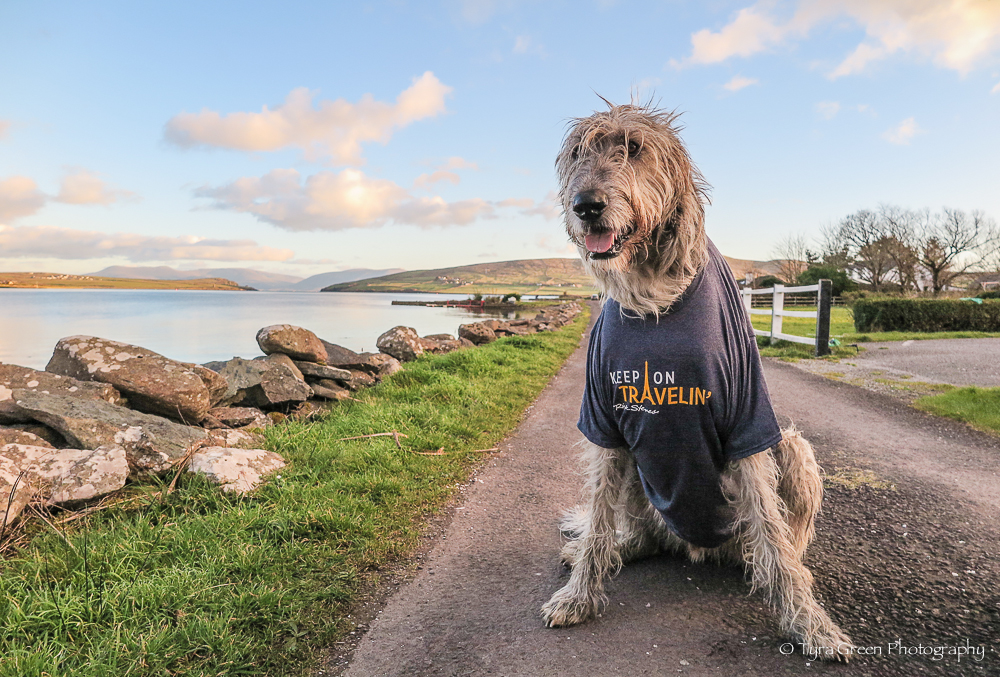
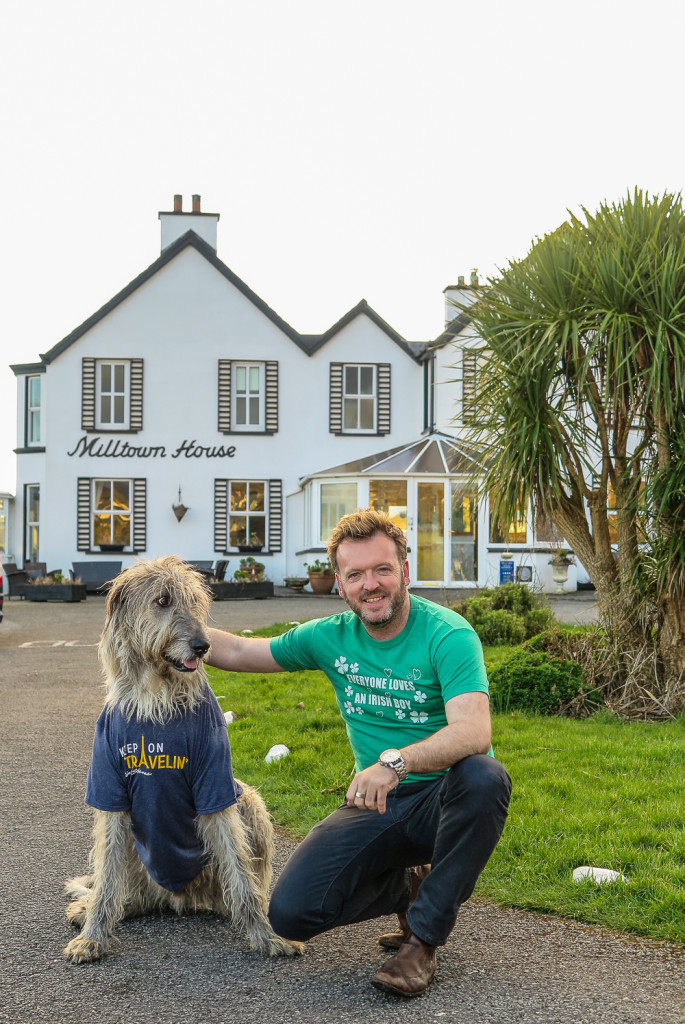
2 - Seamus

Seamus at Milltown House Dingle, Ireland.

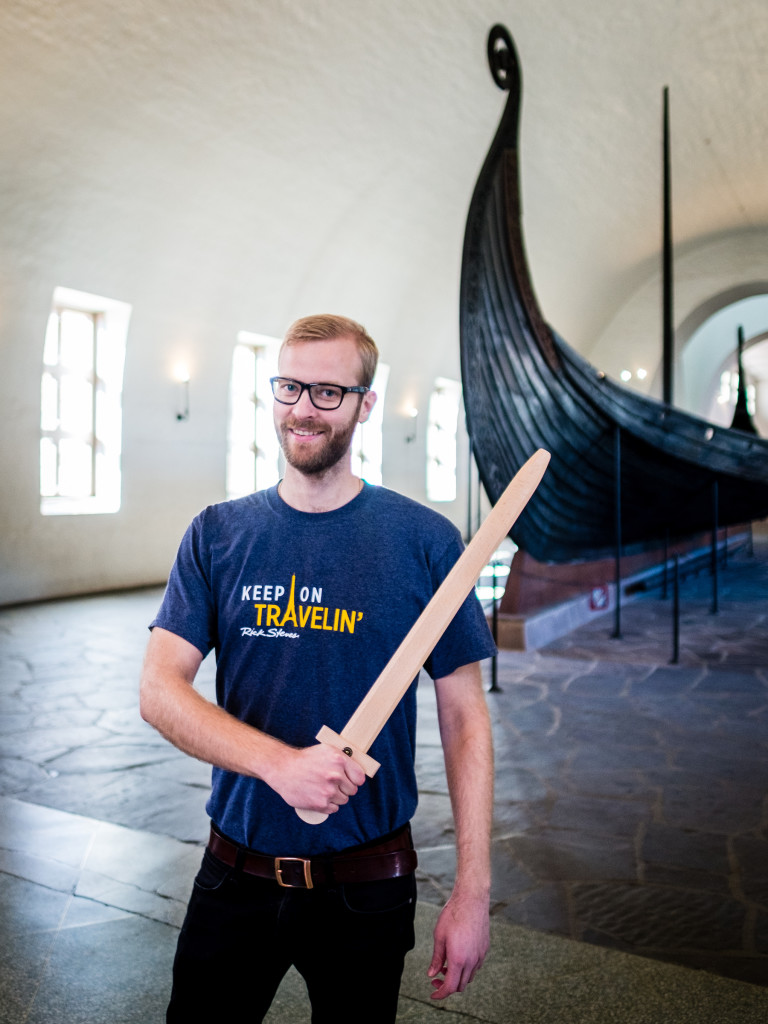
3 - Pål Bjarne Johansen, Oslo’s Viking Ship Museum

Rick Steves’ Europe Tour Guide Pål Bjarne Johansen at Oslo’s Viking Ship Museum.

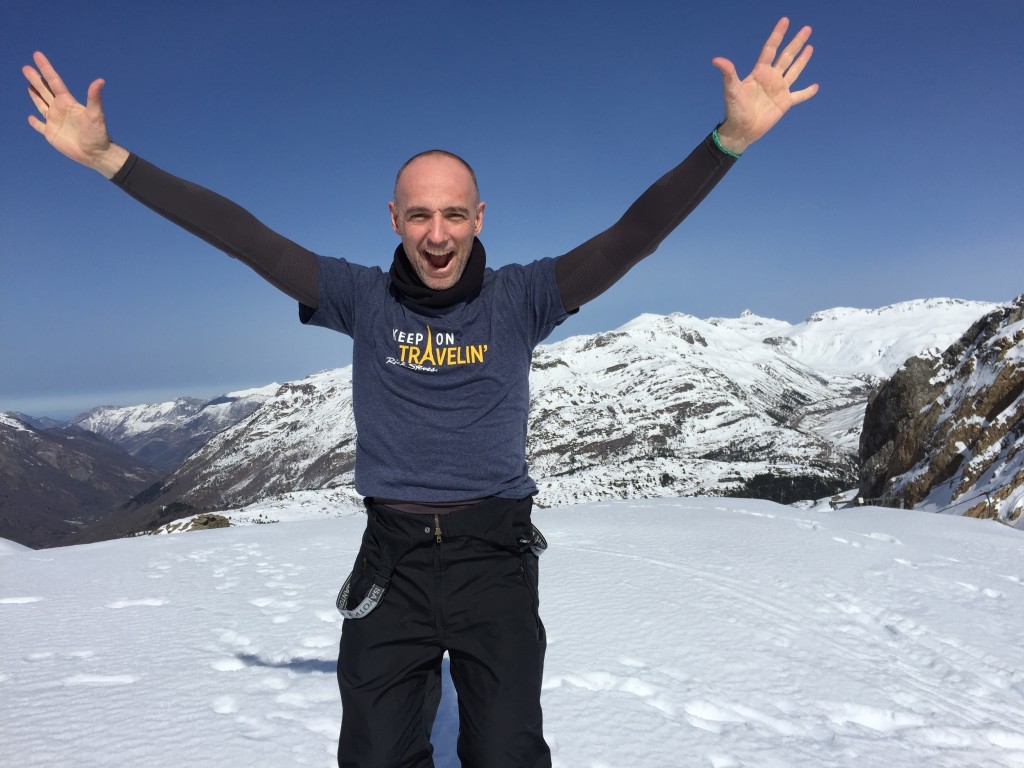
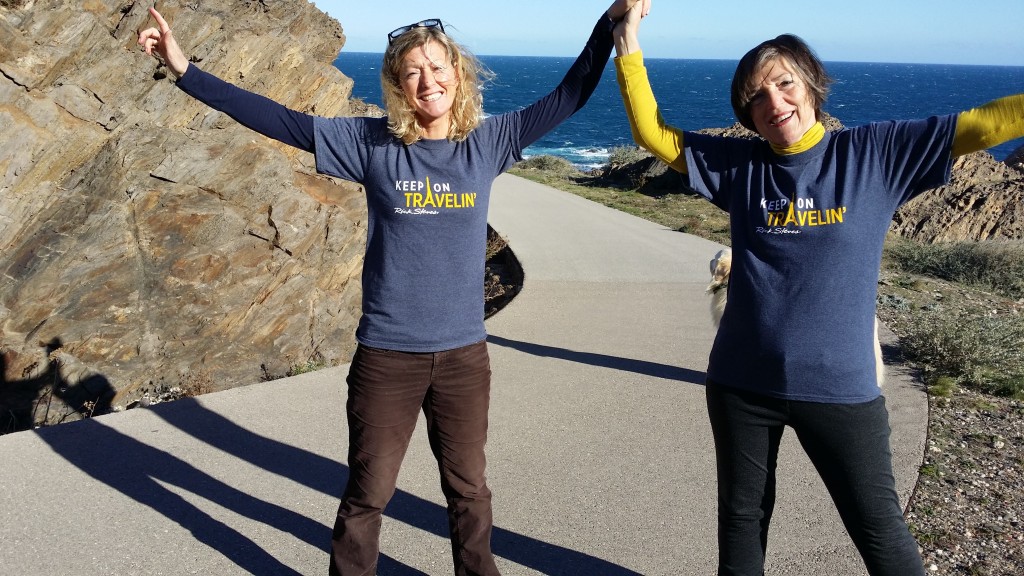
4 - Francisco Glaria in the Pyrenees - in the Spanish part, with France in the back.

Rick Steves’ Europe Tour Guide Francisco Glaria in the Pyrenees.

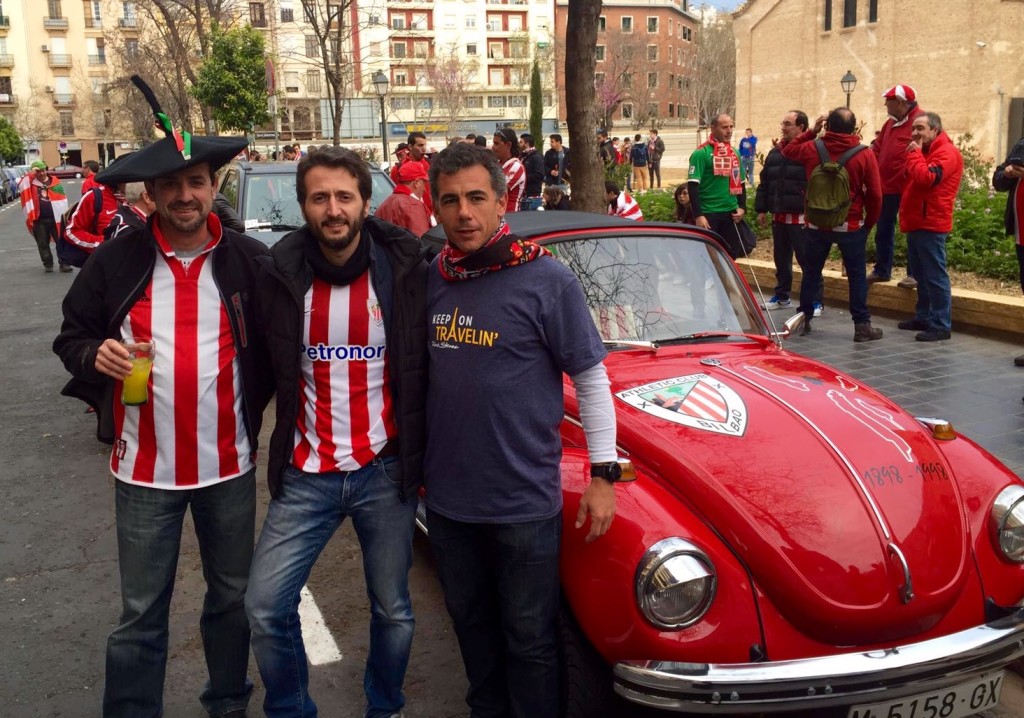
5 - Agus Ciriza in Valencia

Rick Steves’ Europe Tour Guide Agus Ciriza in Valencia.

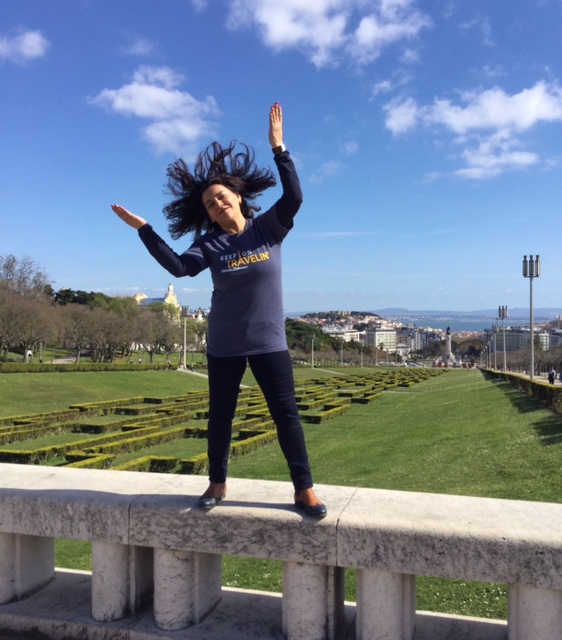
6 - Cristina Duarte in Lisbon

Rick Steves’ Europe Tour Guide Cristina Duarte in Lisbon.

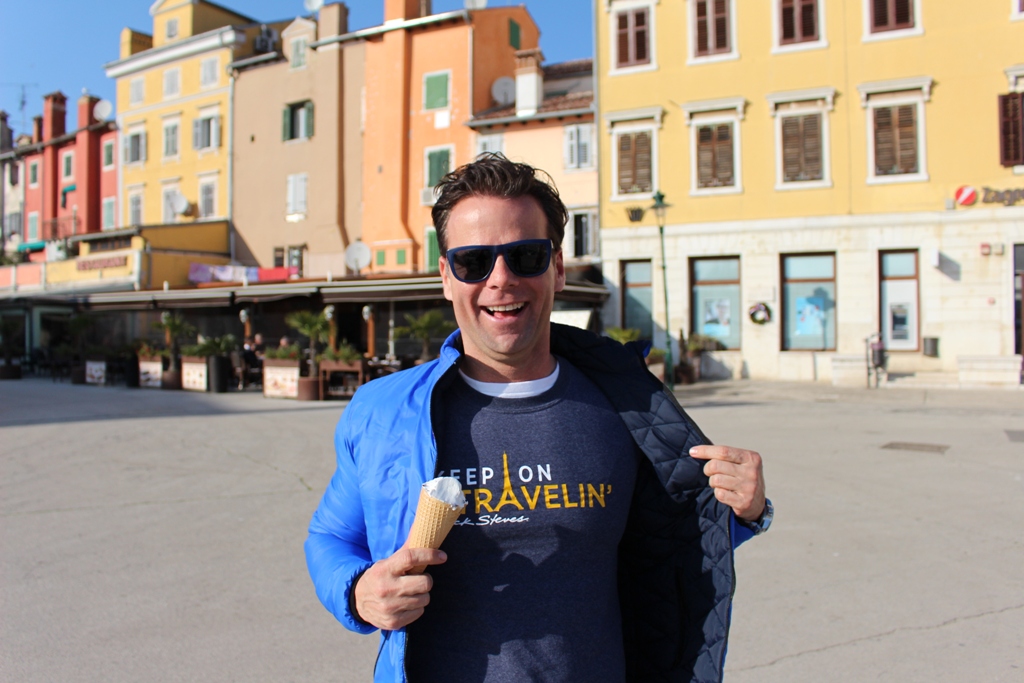
7 - George Farkas in Rovinj, Croatia

Rick Steves’ Europe Tour Guide George Farkas in Rovinj, Croatia.

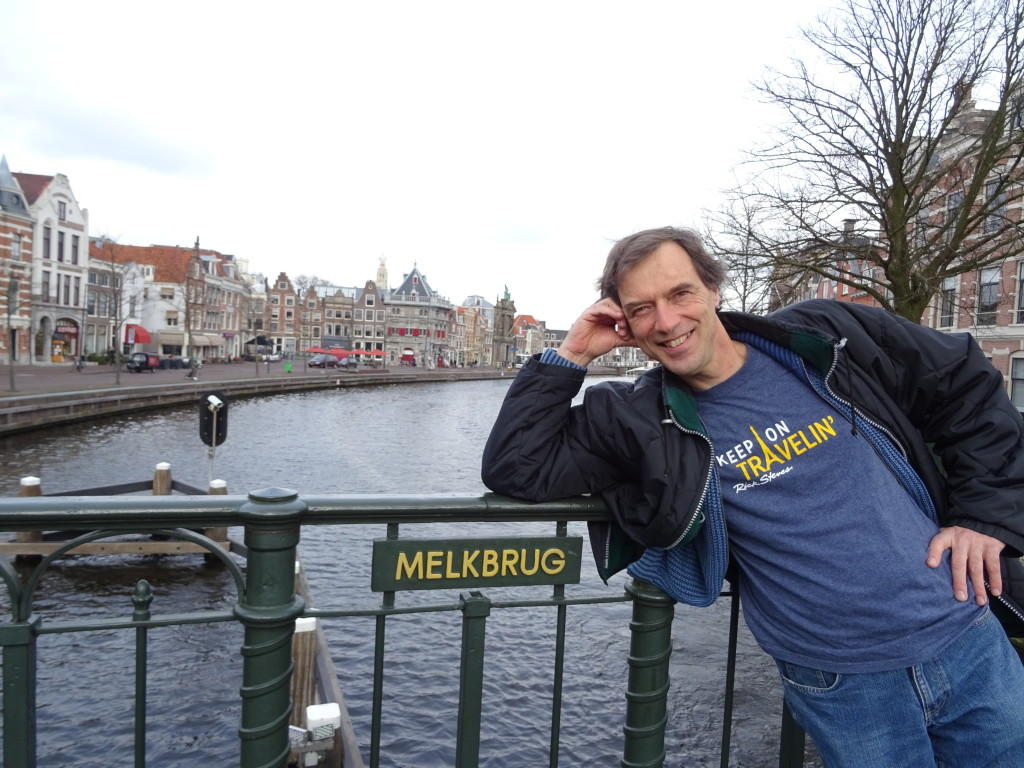
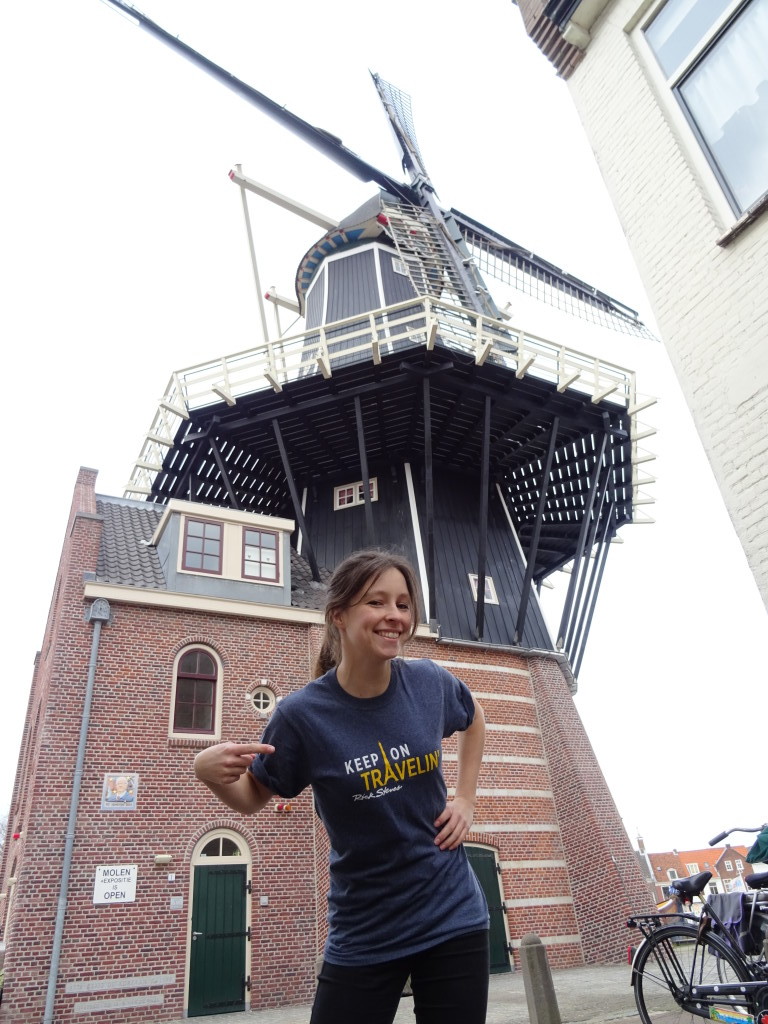
8 - Hans de Kiefte in Haarlem

Rick Steves’ Europe Tour Guide Hans de Kiefte in Haarlem, Netherlands.

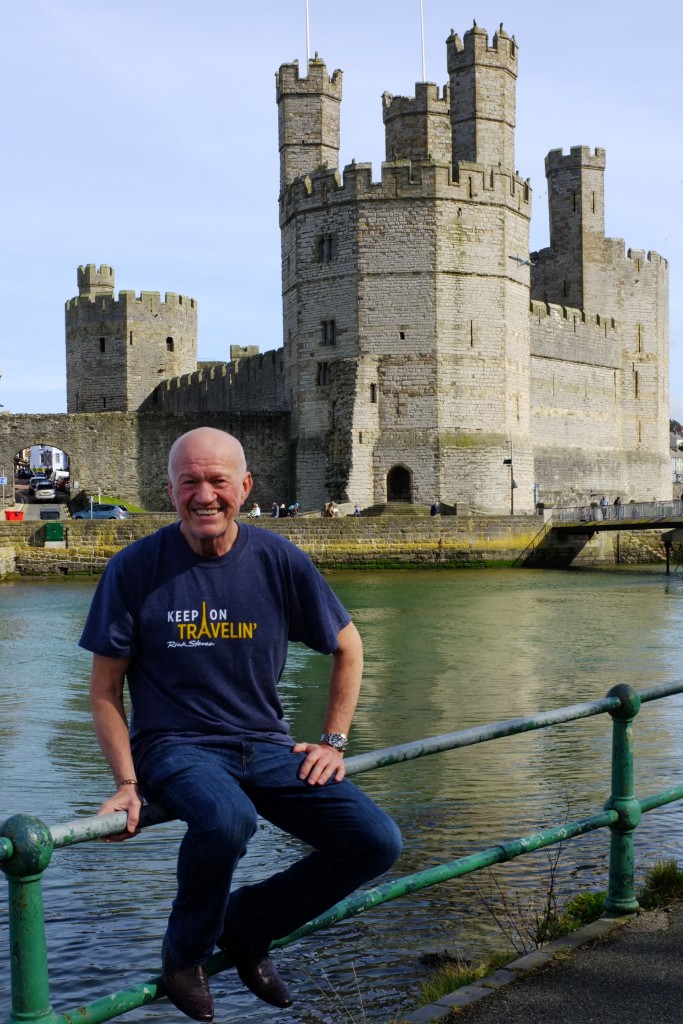
9 - Martin de Lewandowicz at Caernarfon Castle, Wales

Rick Steves’ Europe Tour Guide Martin de Lewandowicz at Caernarfon Castle, Wales.

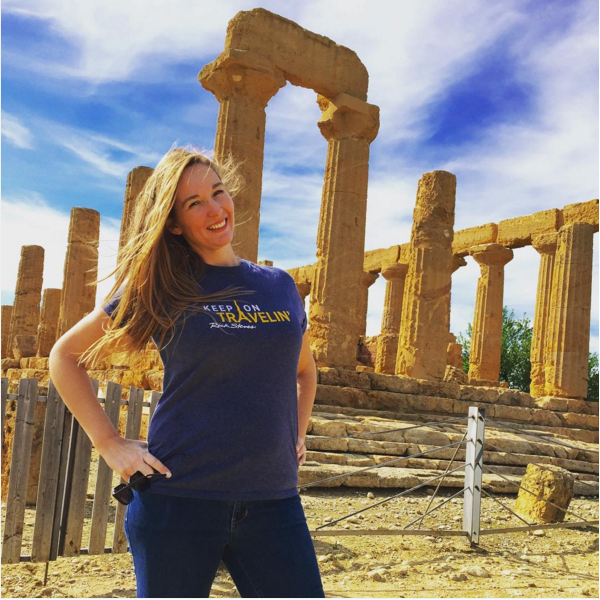
10 - Sarah Murdoch at the Valley of the Temples, Argrigento, Sicily

Rick Steves’ Europe Tour Guide Sarah Murdoch at the Valley of the Temples, Argrigento, Sicily.

11 - Stephen and Seamus

Rick Steves’ Europe Tour Guide Stephen McPhilemy (and Seamus!) at Milltown House Dingle, Ireland.

12 - Tommaso Pante with Kayan Lahwi women, Myanmar

Rick Steves’ Europe Tour Guide Tommaso Pante in Myanmar.

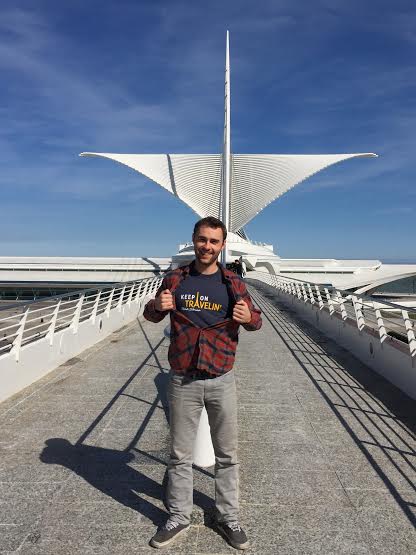
13 - Travis Smith in Milwaukee

Rick Steves’ Europe Tour Guide Travis Smith in Milwaukee, Wisconsin, USA.

OLYMPUS DIGITAL CAMERA

Rick Steves’ Europe Tour Guide Don Chmura at ʻŌpaekaʻa Falls, Kauai, USA.

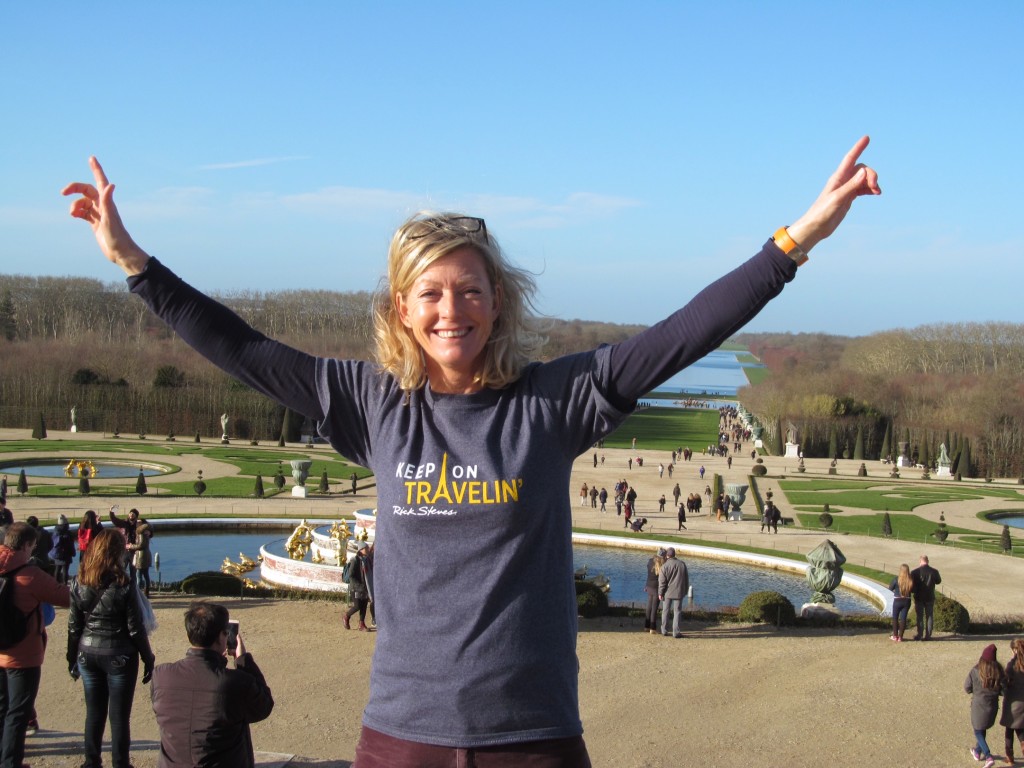
15 - Rolinka Blooming at Versailles, France

Rick Steves’ Europe Tour Guide Rolinka Blooming at Versailles, France.

16 - Rolinka and Elisabeth van Hest in Cadaques, Spain

Rick Steves’ Europe Tour Guides Rolinka Blooming and Elisabeth van Hest in Cadaqués, Spain.

17 - Jody van Engelsdorp Gastelaars in Haarlem, Netherlands

Rick Steves’ Europe Tour Guide Jody van Engelsdorp Gastelaars in Haarlem, Netherlands.

18 - Lisa Anderson in Levanto, Italy

Rick Steves’ Europe Tour Guide Lisa Anderson in Levanto, Italy.

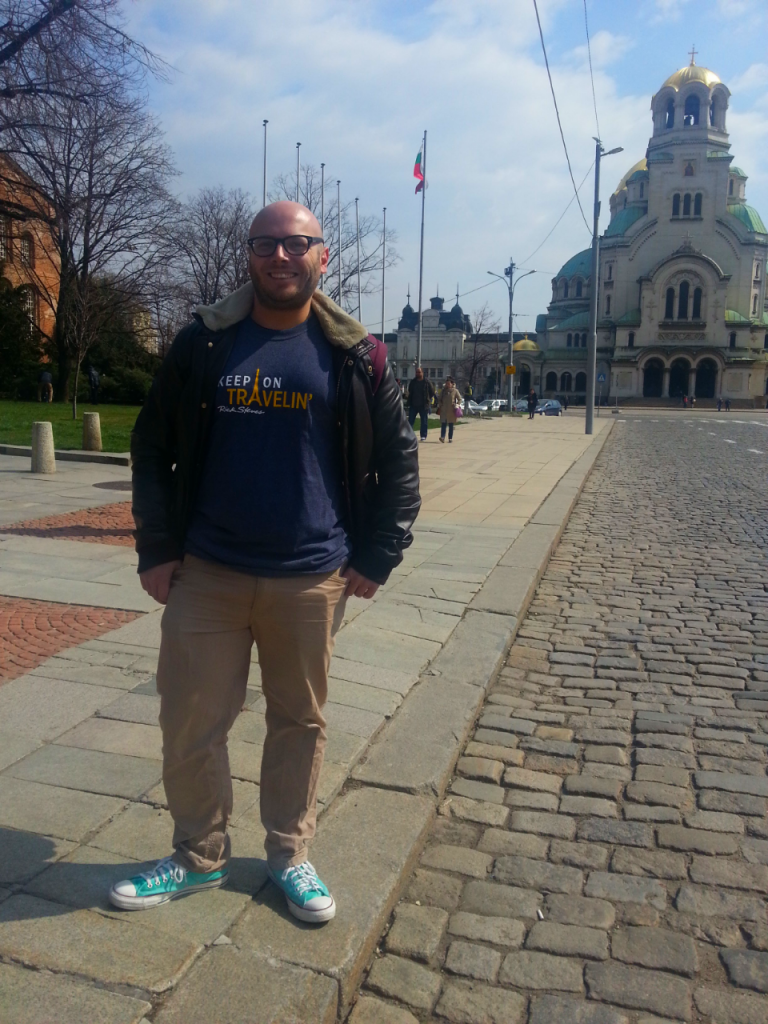
19 - Stefan Bozadzhiev at the Alexander Nevsky Cathedral, Sofia, Bulgaria

Rick Steves’ Europe Tour Guide Stefan Bozadzhiev at the Alexander Nevsky Cathedral, Sofia, Bulgaria.

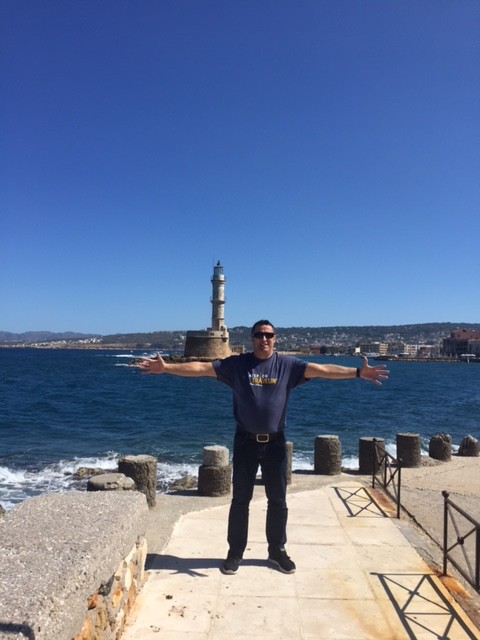
20- Dimitri Rigas in Chania, Crete.

Rick Steves’ Europe Tour Guide Dimitri Rigas in Chania, Crete.

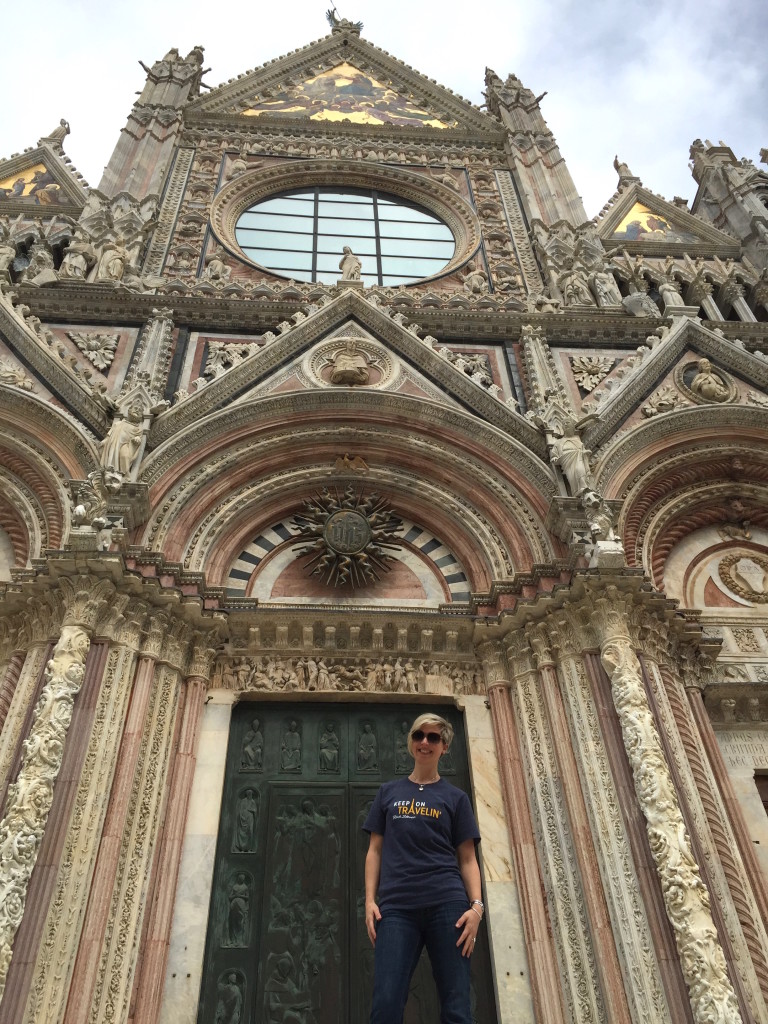
21 - Anna Piperato in Siena

Rick Steves’ Europe Tour Guide Anna Piperato in Siena.

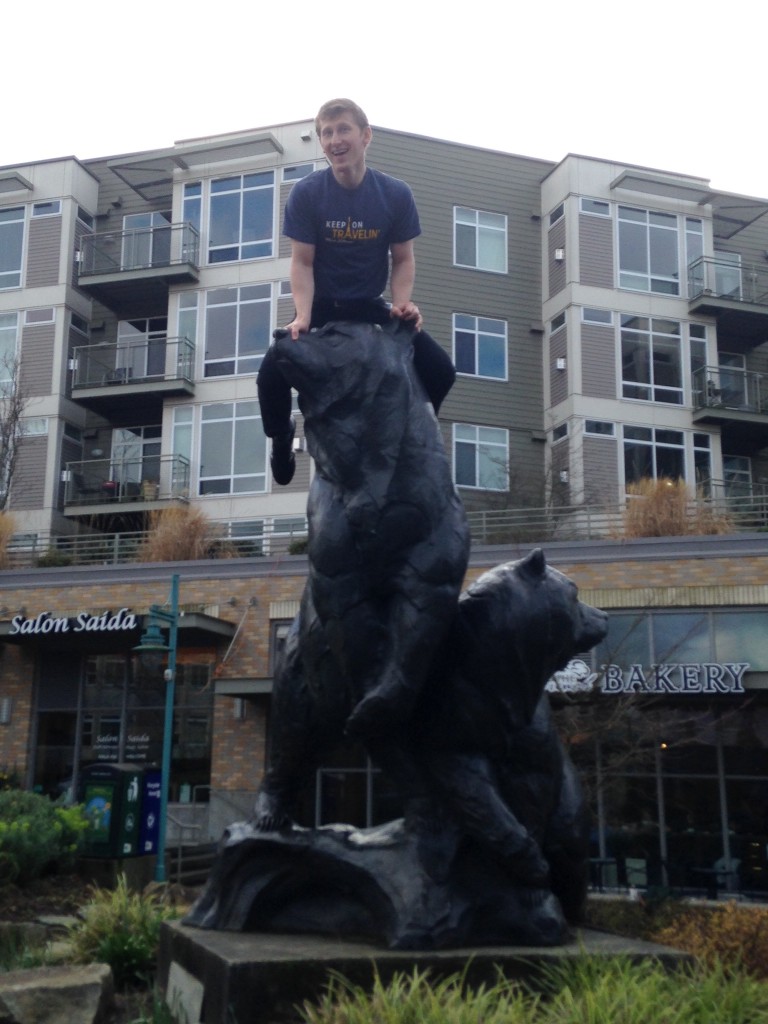
22 - Andrew Lyon in Kirkland Washington

Rick Steves’ Europe Tour Guide Andrew Lyon in Kirkland, Washington, USA.

Terrorism: What’s the Smart Response?

terrorism-finger-trap

The harder our society struggles against terrorism, the worse it gets. Like a toy finger trap, it’s exasperating. So what’s the smart response?

Anybody with a mission (good or bad) responds in ways that gets them to their goal. It’s human nature. So just imagine how royally terrorists are rewarded when the entire Western world is terrorized by one horrible crime. The more random, evil, and telegenic it is, the more society reacts…and, to the terrorists, the more satisfying the result.

In Brussels, three evil people die to kill 32. To the terrorists, the payoff for their cause is not the body count. It’s the reaction: They shut down a capital city and its airport, change the tenor of politics in countries they consider their enemy, and radicalize the world so powerfully that the over-the-top reaction of 500 million people (who lost 32 innocent victims) results in fear-powered policies…which leads, ultimately, to more angry conscripts for the terrorists’ cause. If you’re a terrorist, that’s not a bad day’s work.

Now imagine this alternate scenario: Terrorists detonate a bomb. News coverage comes and goes in a day, people mourn their loss, the bad guys are killed or captured, and no one lets it impact their lives beyond that. Collectively, we would have neutered the terrorists — denying them their rewards and incentives. Rather than a spiral into more and more terror, we’d see a spiral toward peace and stability.

Of course, this would never happen. But it’s a reminder that by confusing fear and risk — and overreacting to any terrorist event — can needlessly throw gas onto their fire.

Will there continue to be terrorist events? Yes. Will I still travel, knowing that I’m absorbing the risk that I may lose that lottery? Yes. (In fact, today I’m flying off for two experience-filled months in Europe.) Will I take foolish risks? Of course not. Will I allow myself to be terrorized? Hell no.

If there is a “War on Terror,” then together, we are combatants. And so far, we’ve chosen a losing strategy. What if we fight back by simply not being terrorized? Maybe our “burden” in this struggle is to live life without fear. If we refuse to be terrorized, they lose…and we win.


Top 7 Travel Mistakes — and How to Avoid Them

Once, while riding the train into Dresden, Germany, I got off where most other passengers did — at Dresden Neustadt. After 20 minutes of walking in a confused fog, my denial that I had gotten off at the wrong station slowly faded. Embarrassed by my mistake, I hopped on the next train. Five minutes later, I got off at Dresden Mitte. As I stepped outside the station, it slowly sunk in: I just made the same mistake again. Another train came. I got on and finally made it to Dresden Hauptbahnhof — a block from my hotel.

Even after countless trips to Europe, I still make my share of blunders — I get lost, miss train connections, and get shortchanged by taxi drivers. But with each slip-up, I learn something. Now I make it a point to tell people: “Many towns have more than one train station. Be sure you get off at the right one.”

dangerous slide.JPGThis is one travel mistake you definitely want to avoid!

Here are some of the biggest mistakes I see travelers make these days.

1. Saving Money at the Expense of Time. People focus on saving money while forgetting that their time is an equally valuable and limited resource. It’s worth paying for museum admission rather than going on a free day, when you’ll suffer through slow lines and crowds. If a taxi costs you and your partner $5 more than two bus tickets, it’s worth the 20 minutes saved. If ever time were money, it’s when you’re trying to get the most out of traveling abroad.

2. Traveling with Outdated Information. I may be biased, but I believe an up-to-date guidebook is a $20 tool for a $4,000 experience — and justifies its expense on the first ride to your hotel from the airport. A guidebook can head off both costly mistakes (getting fined for not validating your train ticket) and simple faux pas (ordering cappuccino with your pasta in Italy). A good guidebook can also save time, keeping you from visiting a museum that’s closed for renovation, waiting for a bus that no longer runs, and…

3. Needlessly Waiting in Line. I’ve said it before, and I’ll say it again. There are two IQs for travelers: those who queue and those who don’t. Crowds are unavoidable at big attractions, like the Eiffel Tower or Anne Frank’s House in Amsterdam — but what is avoidable is standing in line for hours to buy tickets. These days, most popular sights sell advance tickets that guarantee admission at a certain time (often with a small booking fee that’s well worth it). While hundreds of tourists are sweating in long lines, those who’ve booked ahead can show up at their reserved time and breeze right in.

4. Not Being Alert to Scams and Thieves. You’re not going to get knifed or mugged in Europe. But if you’re not on the ball, you could get conned, whether it’s a cabbie padding your fare, a waiter offering a special with a “special” increased price, or a beggar with beautiful eyes, beautiful children, and sad stories asking for a euro — while stealing your wallet. Be cautious, and be alert. And watch for thieves, who work the lines at crowded sights and on the bus lines handiest for tourists. Store your passport, credit cards, and cash securely, in a money belt.

5. Never Leaving the Tourist Zone. Many people jockey themselves into the most crowded spot of the most crowded city in the most crowded month (Old Town Square, Prague, July) — and then complain about the crowds. Likewise, they eat dinner on the most touristy street at the most high-profile restaurant with the most aggressive sales pitch, then are upset by the big bill and disappointing food. You’ll enrich your trip by wandering the back streets, away from the main tourist area. Old Town Square may be a mob scene, but six blocks away you’ll find fewer tourists, lower prices, and convivial pubs filled with happy Czechs.

6. Never Leaving Your Comfort Zone. A fundamental goal in my travels is to have meaningful contact with local people. At a pub anywhere in England, don’t sit at a table. Sit at the bar, where people hang out to talk. At lunchtime in Coimbra, Portugal, leave the quaint Old Town and head to the local university’s cafeteria to eat and practice Portuguese with students and professors. Connecting with people is what enlivens your travel experience. And for many of us, that means getting out of our comfort zones.

7. Letting Mistakes Ruin Your Trip. Many tourists get indignant when they make a mistake or get ripped off. When something happens, it’s best to get over it. The joy of travel is not the sights and not necessarily doing it right — it’s having fun with the process, being wonderstruck with a wider world, laughing through the mistakes and learning from them, and making friends along the way.

Will I Be Your Tour Guide This Year?

Rick Steves in 1980s

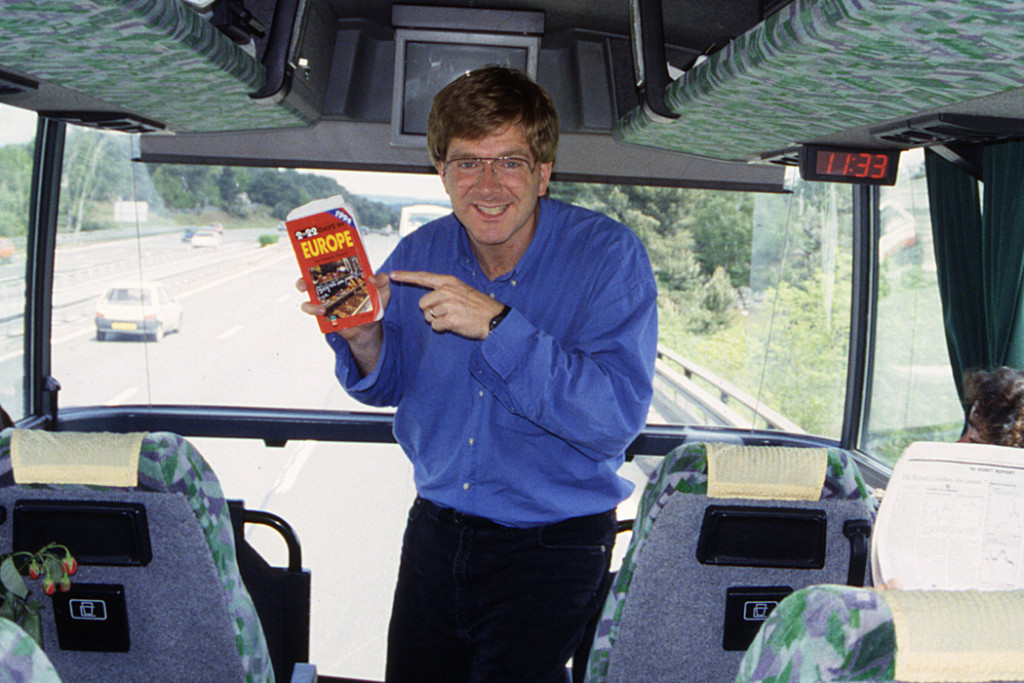
As always, I’m excited about this year’s European travels. Sure, it’s a lot of the same: four months of guidebook research and making new TV shows. But this year, there’s one big difference: I’m personally guiding my favorite of our many Rick Steves Europe Tours — our Best of Europe in 21 Days tour in September. Like I did 30 years ago, I’ll be running a punctual and unforgettably experiential tour. We just announced the actual date to our e-list, and bam! — the tour filled up with 25 eager travel buddies.

Of course, I love to keep my blog friends in the loop on what I’m doing. But those on our e-list also get our free monthly travel newsletter and lots of communiques that just don’t make it to my blog…including announcements about which actual tour dates I’ll be leading (and I hope to do more!). If you’re not already on our e-list, it’s free, it’s easy…and it just might result in some great European travels. Sign up here.