Easter in Small-Town Italy Is a Passionate Affair

While filming in Italy for the Rick Steves’ European Easter special, which will air across the USA next year, my crew and I came upon some startling, amazing, and moving scenes. Check out these photos to see the fun we had in the totally untouristed and delightful Back Door town of Cantiano.  A rugged and stony little settlement in the remote Italian region of Marche, Cantiano has a strong Easter tradition.
 

kkk.JPG

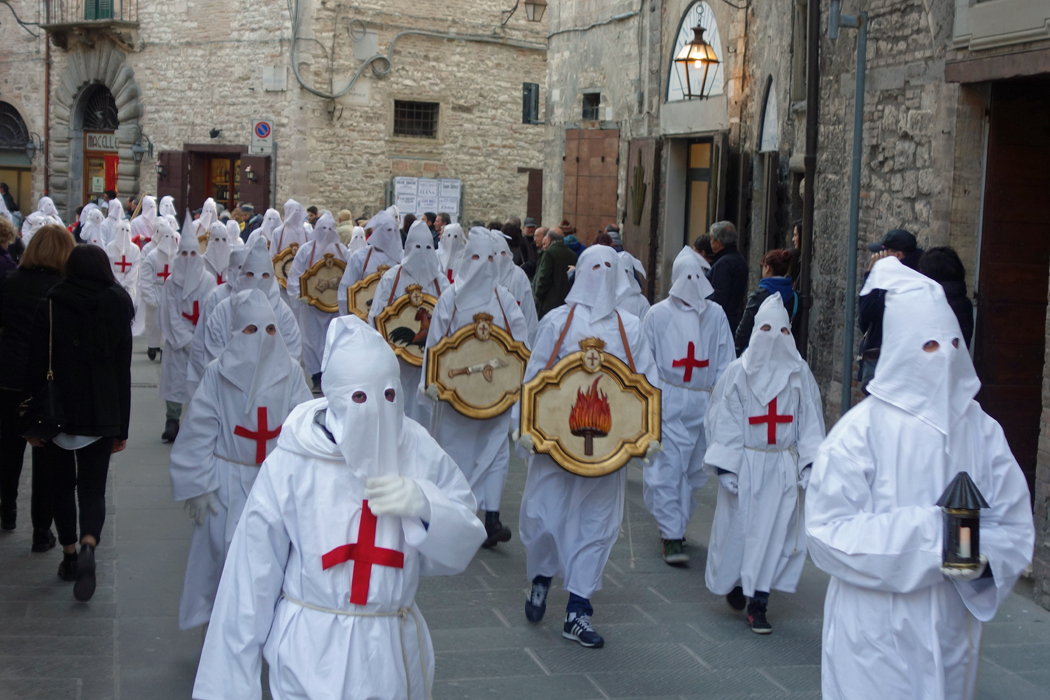
This Good Friday procession in Gubbio, a town near Cantiano, originally came three centuries before the Ku Klux Klan was born — and couldn’t be more different in meaning.  Among the small towns of Italy, Gubbio and Cantiano are renowned for their Good Friday processions. In Gubbio, we joined the townspeople for a centuries-old procession featuring marching groups in a scene reminiscent of an American KKK rally. Ironically, the original purpose for these cone-shaped white hoods is to make it clear that everyone — old and young, rich and poor (black and white) — is equal in the eyes of God.
 

contiano stage.JPG

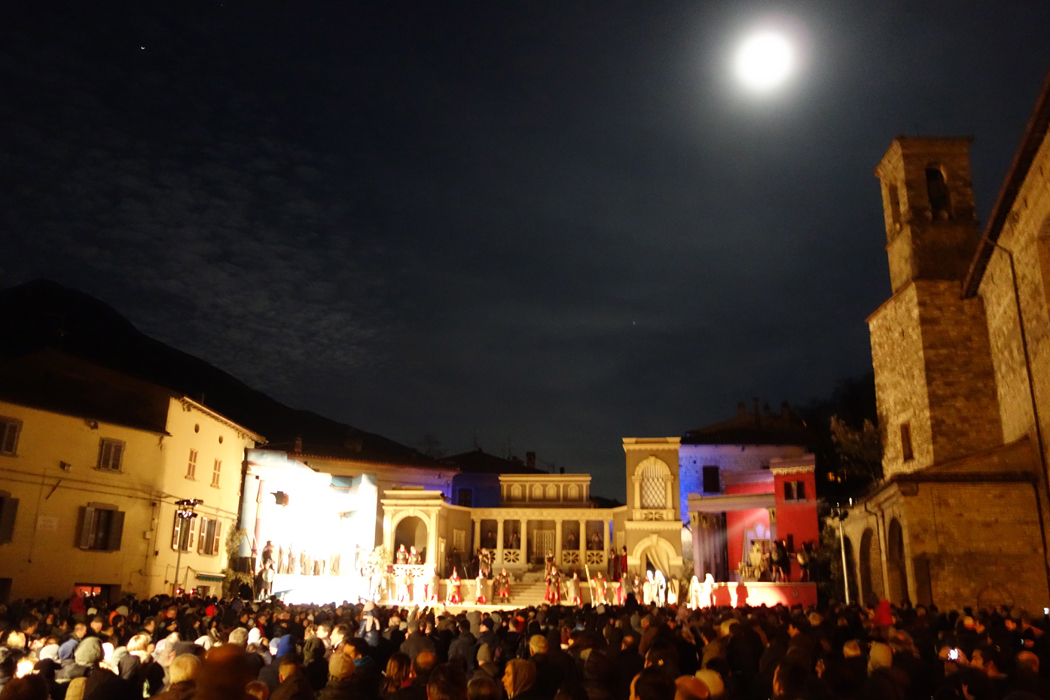
Cantiano’s main square was set up to host a grand play telling the story of Christ’s last week — The Passion. In bitter cold and under a full moon, the entire village packed the square as they’ve done for literally centuries to witness their neighbors perform.
 

crew.JPG

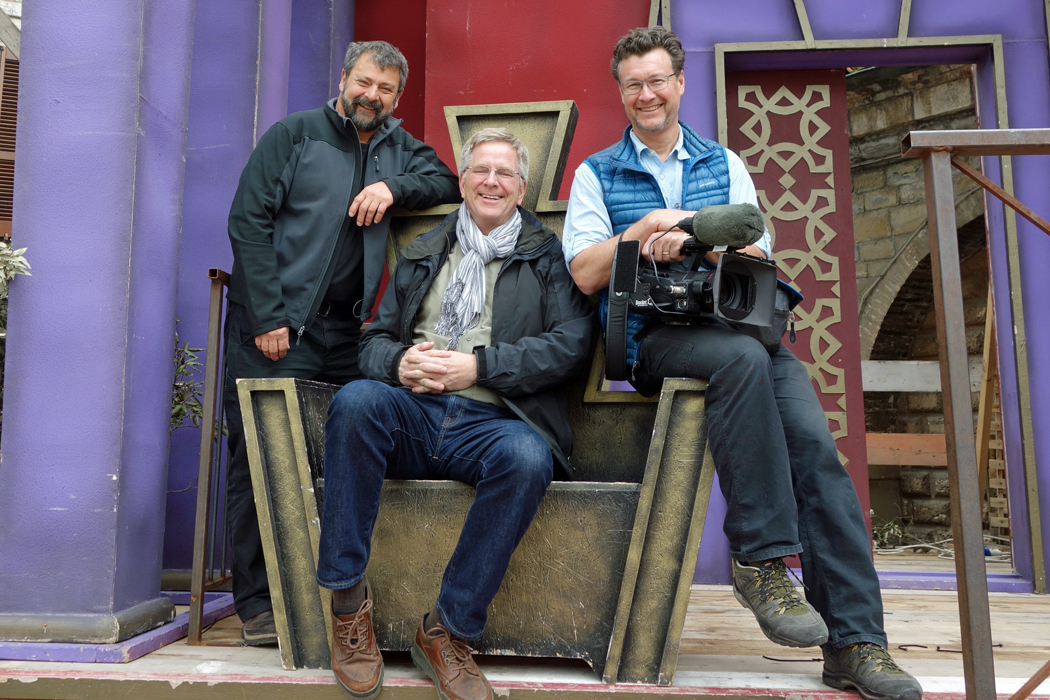
During the day, anyone was welcome to sit on Herod’s throne. I am a very lucky guy to have Simon Griffith as my producer/director and Karel Bauer as my cameraman. Together (along with our second crew working in Spain and Slovenia) we are crafting what will be an amazing public television special that we hope will add an extra dimension to Easter across the US in 2016.
 

procession to crosses.JPG

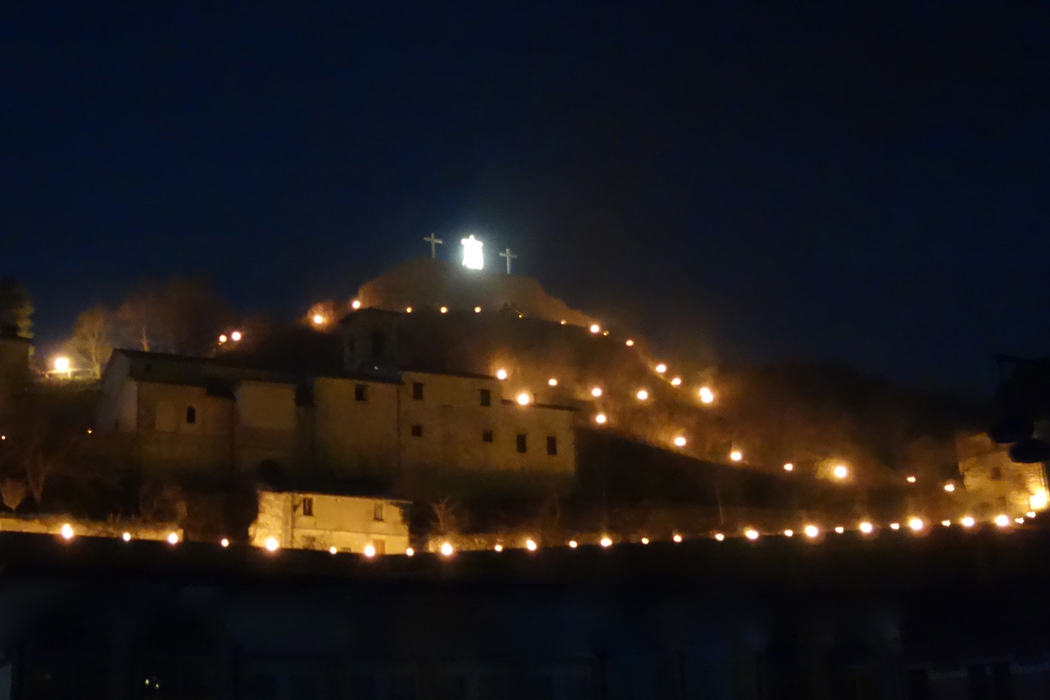
For the finale of Cantiano’s Passion play, the huge cast was dressed in amazing costumes — led by Jesus carrying the cross — and marched the torch-lit path to the top of the hill. Far below, the people of Cantiano gathered to witness the spectacle.
 

three crosses.JPG

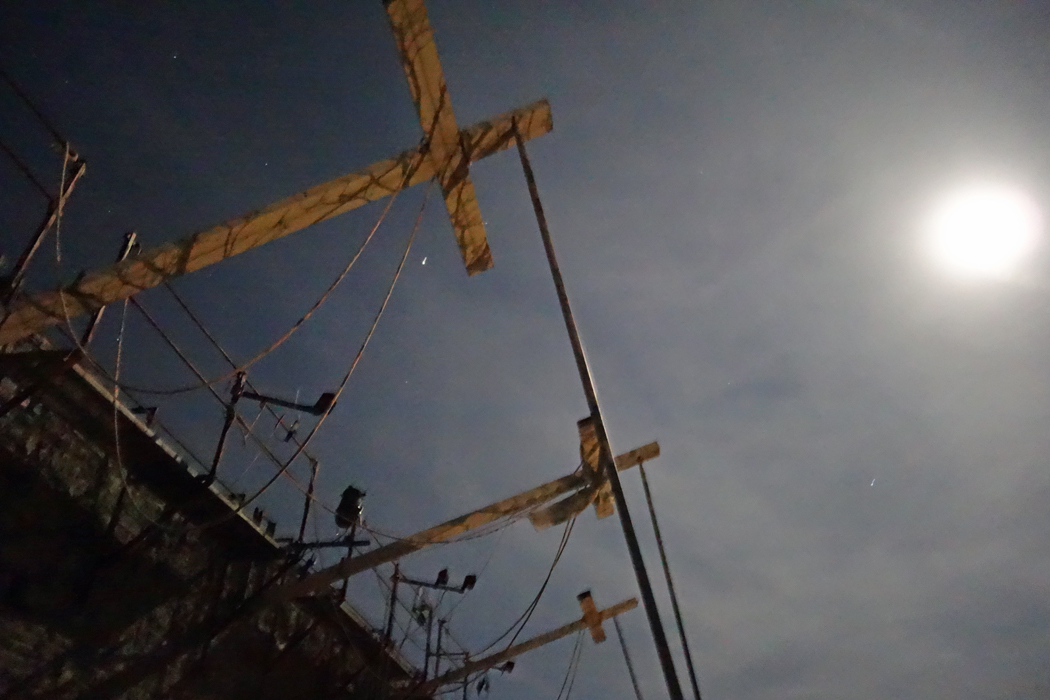
I hiked up just before the cast (as we scrambled to figure out the best way to record the event) and saw the three crosses, laid back flat on their hinges, ready to be hoisted up as the Crucifixion was commemorated. Later, with grand music and lighting around the empty cross, the Resurrection was celebrated.
 

Jesus and Rick.JPG

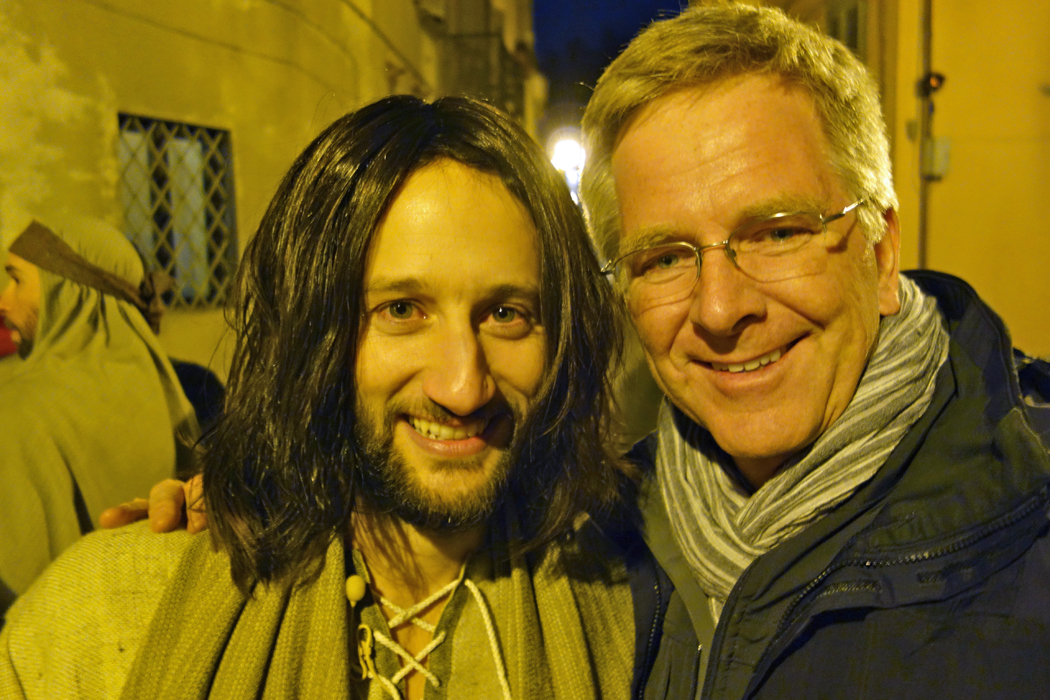
Following performances, the cast has a long tradition of gathering in Cantiano’s church for a kind of “Resurrection after party.” The priest, after explaining to us that it’s not scriptural but that he allows it, blessed the event from the pulpit. Afterward, I got to meet Jesus. This was a big Easter for this Jesus as he was replacing the man who had played the part for the previous 30 years. The general feeling after this Passion play: He’s a good one.
 

karel and choir.JPG

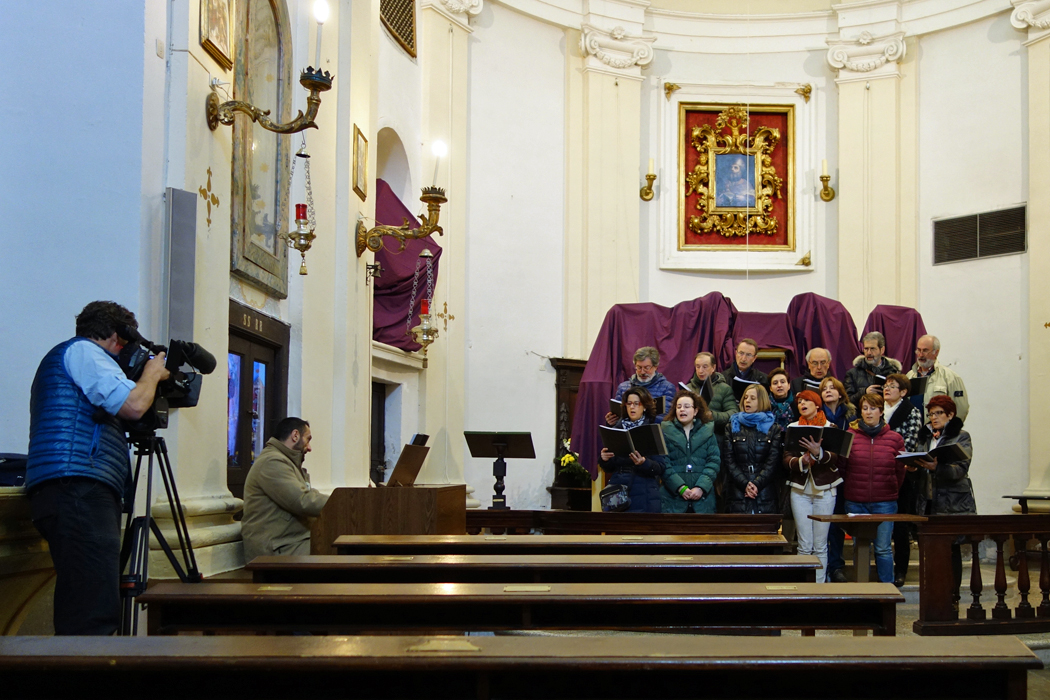
We were so impressed by the Cantiano church choir that we hired them for a private concert. They were thrilled to gather on Saturday morning and play seven pieces for the CD we’re making as a companion to our Easter TV special. You’ll notice here that the altar is covered in purple cloth (as were all the statues in the church), as this was the part of Holy Week remembering Christ’s crucifixion.
 

IMG_3015.jpg

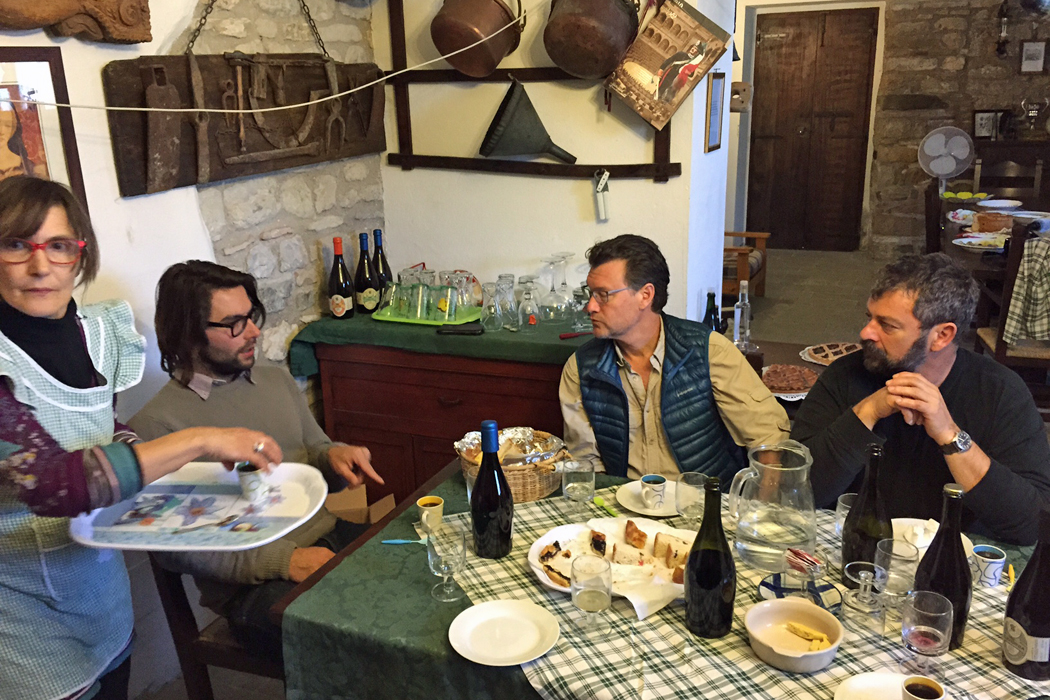
Our local guide and friend, Roberto Bechi (who worked wonders for our PBS Christmas special a few years ago), made sure that each day of this Easter week was filled with vivid culture (edible, musical, and religious) for our project. And this made for more than great TV production. With Roberto, moments like this breakfast with a passionate microbrewer and his mother left us with great travel experiences, too.
 

folk group in drive way.JPG

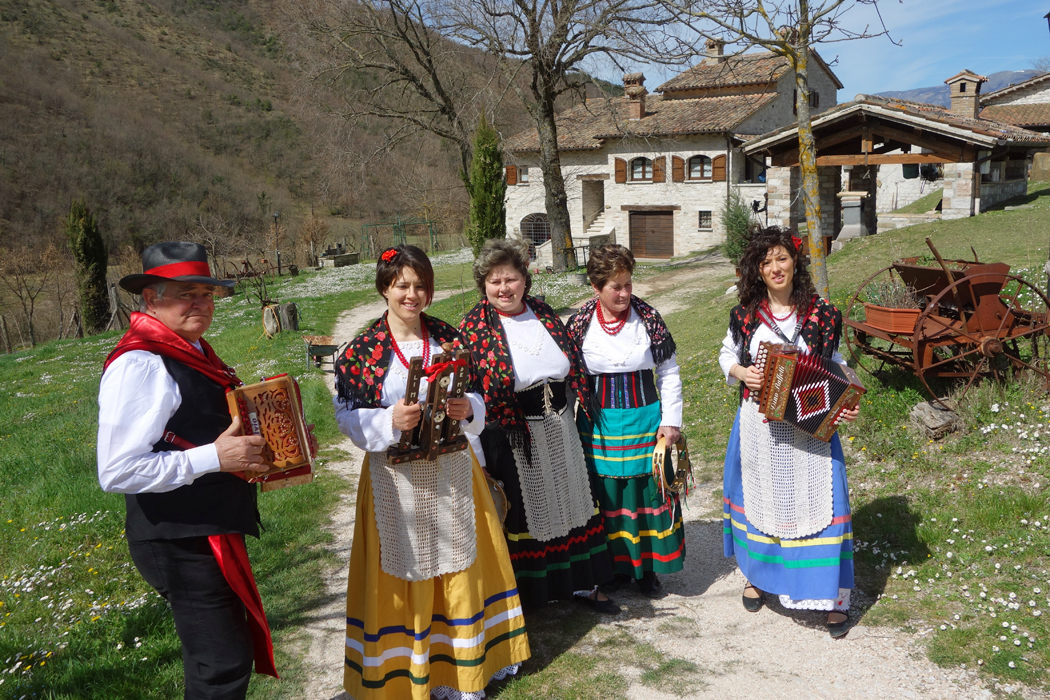
In the Marche, it’s been tradition for itinerant troubadours in colorful folk costumes to go from farm to farm singing songs of the Passion and evoking blessings on the coming harvest (for which they would be thanked with food). We filmed the music and then the rustic feast that followed.
Wild Boar for Breakfast in Italy’s Marche Region

It’s impressive to me that, even in 2015, traditions still thrive in Europe’s smaller towns and more remote corners. For example, traveling around Italy to explore Easter traditions, we went into the rugged Marche region.

Enjoying my rustic breakfast of wild boar and sharp cheese at my farmhouse B&B just outside of Cantiano, I couldn’t resist taking you on a simple tour of the salt-of-the-earth artifacts that surrounded me. Join me for an intimate glimpse of traditional farm life in the Marche — from a homemade rake, to a horn made from a horn, to the little calendar you buy from the local cops to stay on their good side.

Children Bring a Little Easter-Lilly Joy to a Siena Retirement Home

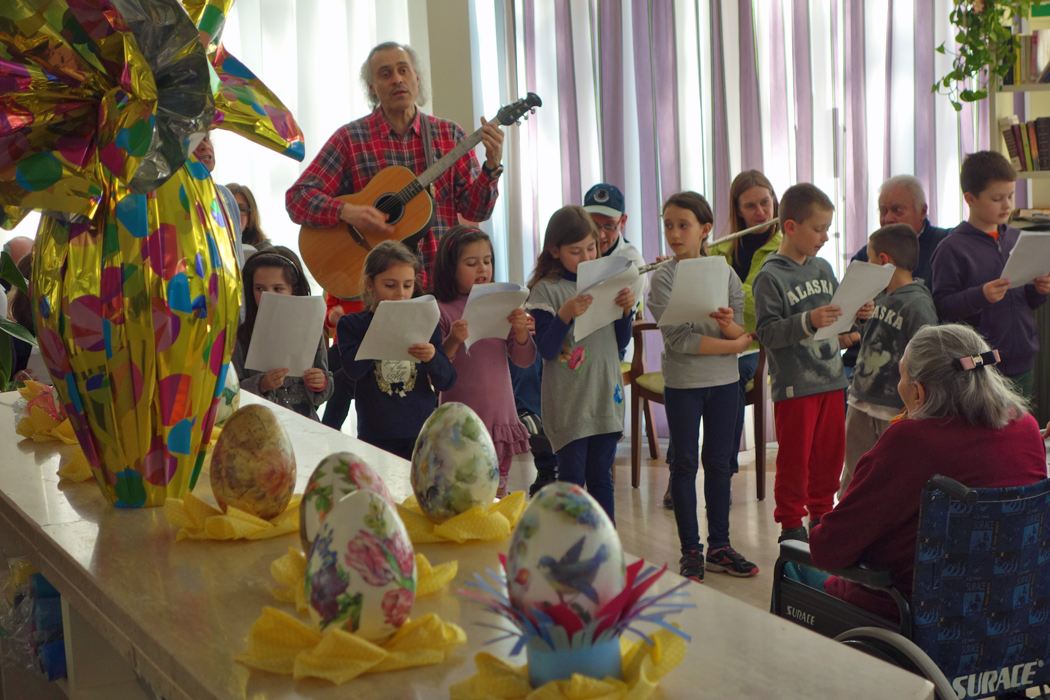
Siena is filled with sightseeing tourists oblivious to everyday (yet delightful) realities of life just down the street. For our Easter television special, we dropped by a retirement home where little kids just learning about the meaning of Easter were entertaining people who had celebrated it eighty times. This is what I love about travel: Experiencing something that feels familiar, but in a different hemisphere — reminding me how touchingly similar people are, all around the globe.

Rick Steves’ European Easter — Coming to Public Television in 2016

In 2007, we produced the Rick Steves’ European Christmas public television special, which has become a mainstay on the public airwaves during the holiday season. This year, we’re filming a bookend to that special: Rick Steves’ European Easter, which will air across the USA next year. Click the images below to learn more about our shoot in Italy this Holy Week.

gift man.JPG

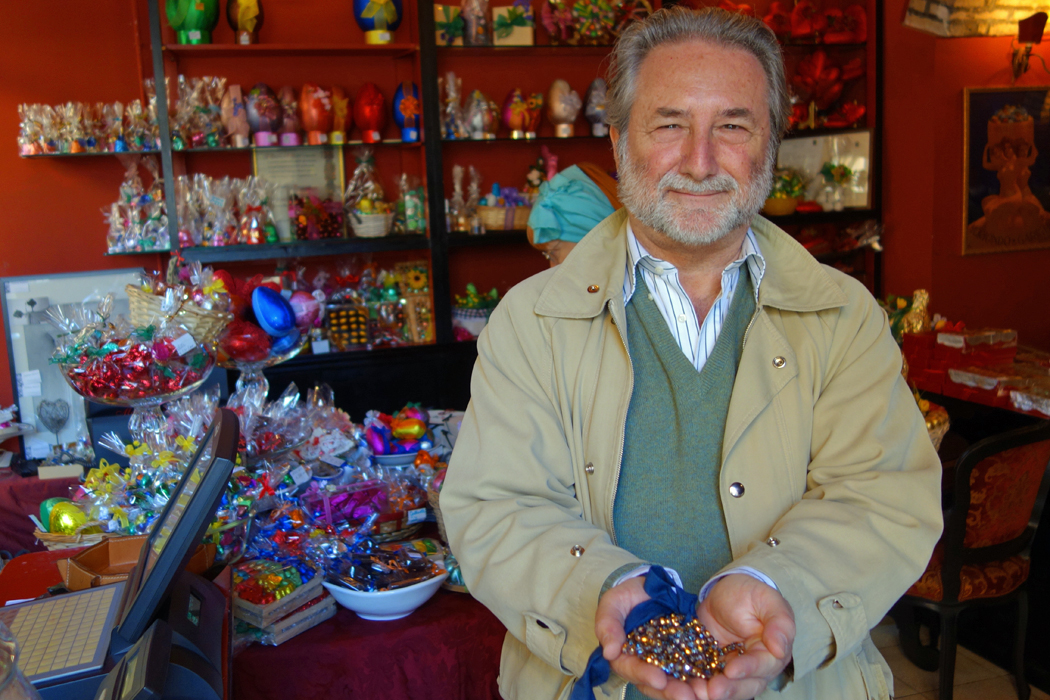
We’re learning that Europe celebrates Easter in ways both familiar and delightfully exotic. For example, a charming tradition in Rome is that a man will bring a small treasure for his loved one (like this necklace) to the local chocolate shop, where it will be encased in a big, decorative chocolate egg. Later, he’ll pick up his completed gift, which is certain to add cheer to someone’s Easter morning.


retirement home music.JPG

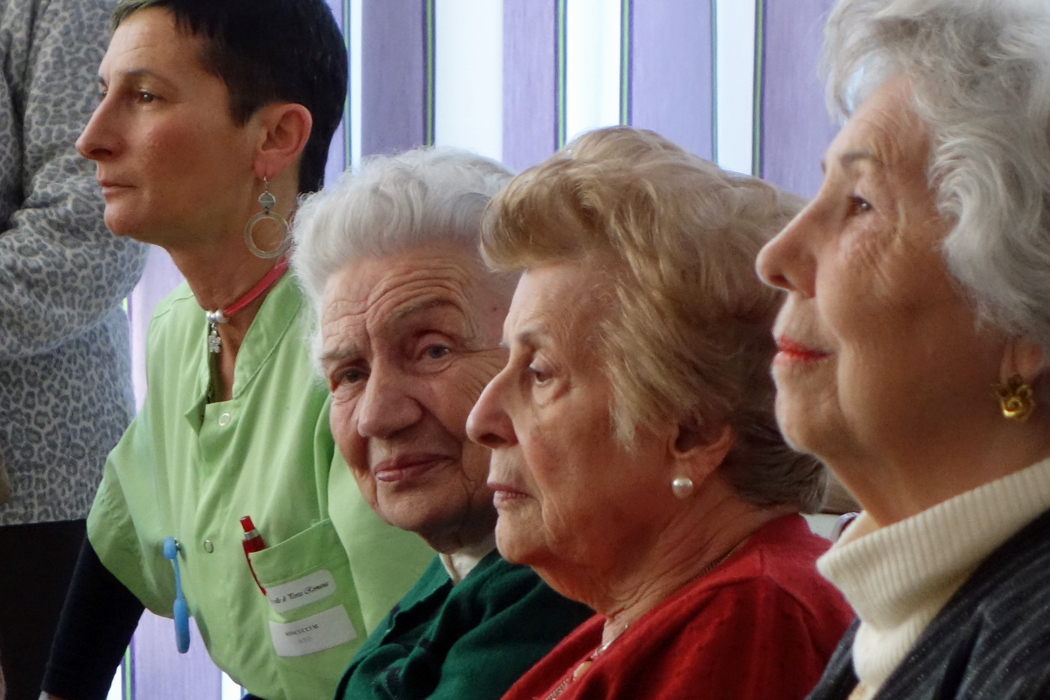
The thought of preschoolers brightening the day of seniors in a retirement home with music, dance, and homemade gifts touches my heart. And to experience that in a different hemisphere reminds me of how much we all have in common. For our Easter special, we dropped by a senior center in Siena just in time to witness an ambush of eight-year-olds-meet-eighty-year-olds fun.


retirement home women.JPG

Many of my friends are at the same stage of life as I am, with a surviving parent in assisted living. Seeing such joy on faces that have lived through so much history added an extra dimension to my Easter.


pizza to go.JPG

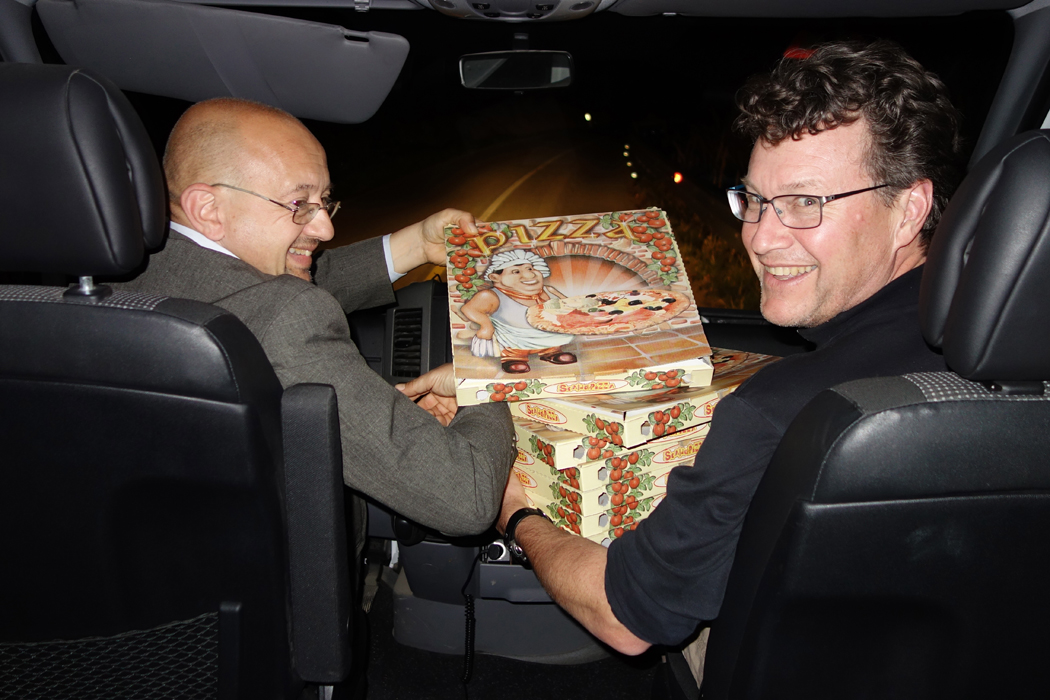
My favorite Tuscan guide, Roberto Becchi, is our “fixer” for this Easter-in-Tuscany shoot. After a long day of blessing olive branches, filming sumptuous art telling the story of Christ’s Passion, making Easter pasta, and watching kids chop open big eggs, we drove home with dinner. I never considered “pizza to go” in Italy — from a small-town pizza chain based in Romania.

Coming in 2017: Rick Steves Public Television Special about Martin Luther and the Reformation

In 1510, a young monk from Germany named Martin Luther walked 700 miles to Rome on a pilgrimage. He returned home disillusioned, and in 1517, he raised 95 difficult theological questions at the university where he taught — and kicked off what became the Protestant Reformation. This year, my crew and I will be filming a public television special to celebrate the 500th anniversary of that event.

Most of the show will be filmed in Germany later this summer. But this week in Rome, we took time out from producing our upcoming Easter special (more on that soon!) to film a few segments about Martin Luther.

Luther trail.JPG

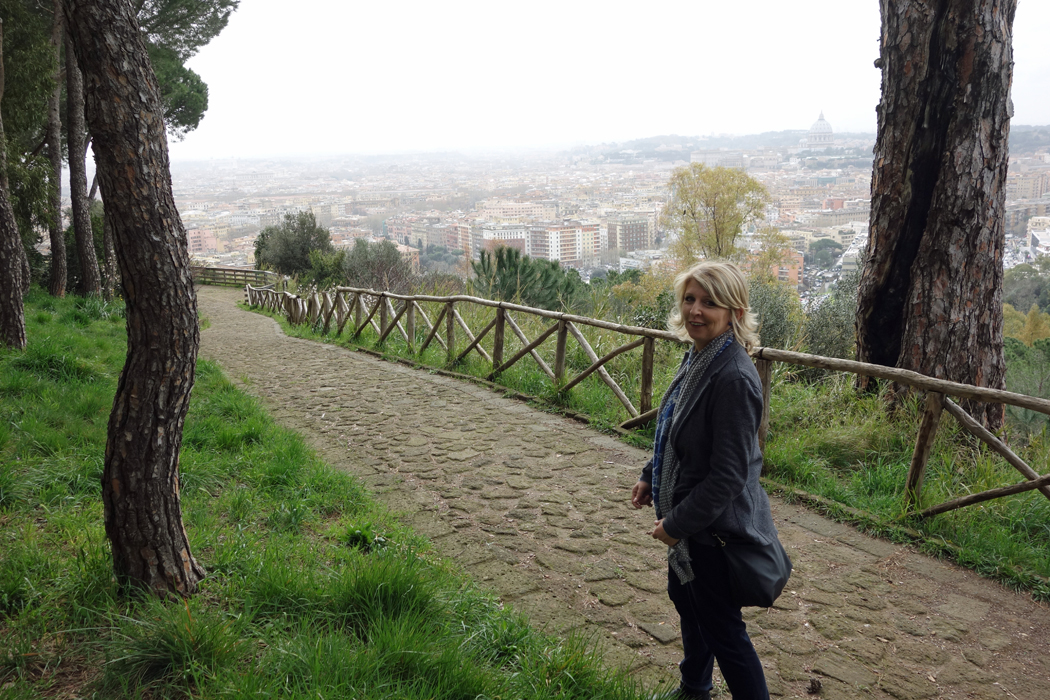
We were scouting for an evocative trail leading into Rome, to capture the awe that filled Luther as he approached the grand finale of his pilgrimage. Our local guide and good friend, Francesca Caruso, led us to the perfect setting, on Monte Mario.


luthers church.JPG

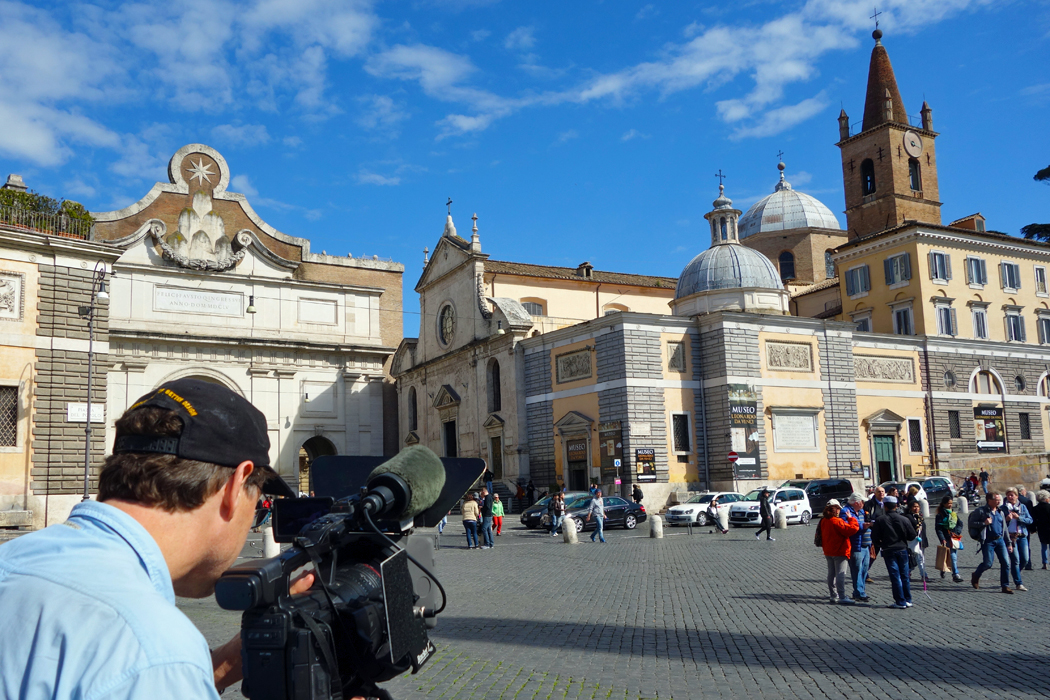
Luther was an Augustinian monk, and just inside Rome’s city gates (at Piazza del Popolo) is the Augustinian church of Santa Maria del Popolo. Just as a hostel provides a needed bunk for a backpacker today, this church provided Luther a humble home upon his arrival in Rome.


holy steps.JPG

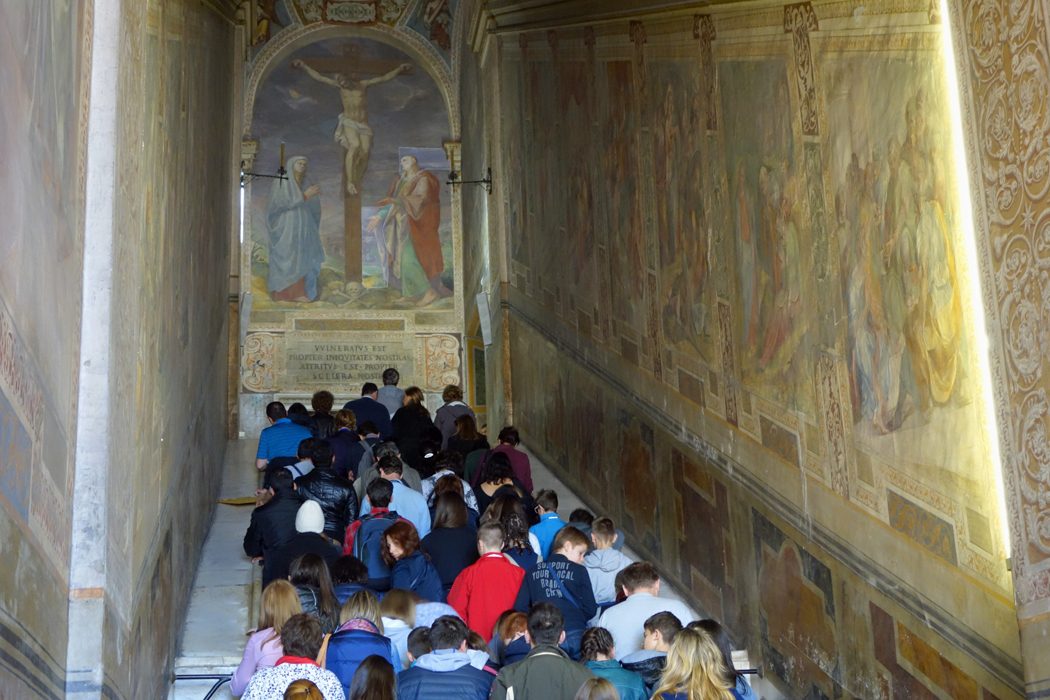
After dropping to his knees and declaring, “Hail, holy city of Rome,” Luther did what pilgrims still do to this day: He worshipped at holy sites all over town. He climbed the Holy Stairs (Scala Santa) on his knees, just as our cameraman, Karel Bauer, did today. And upon reaching the top, Luther thought the same thing Karel did: “This just makes no sense to me.”


snake.JPG

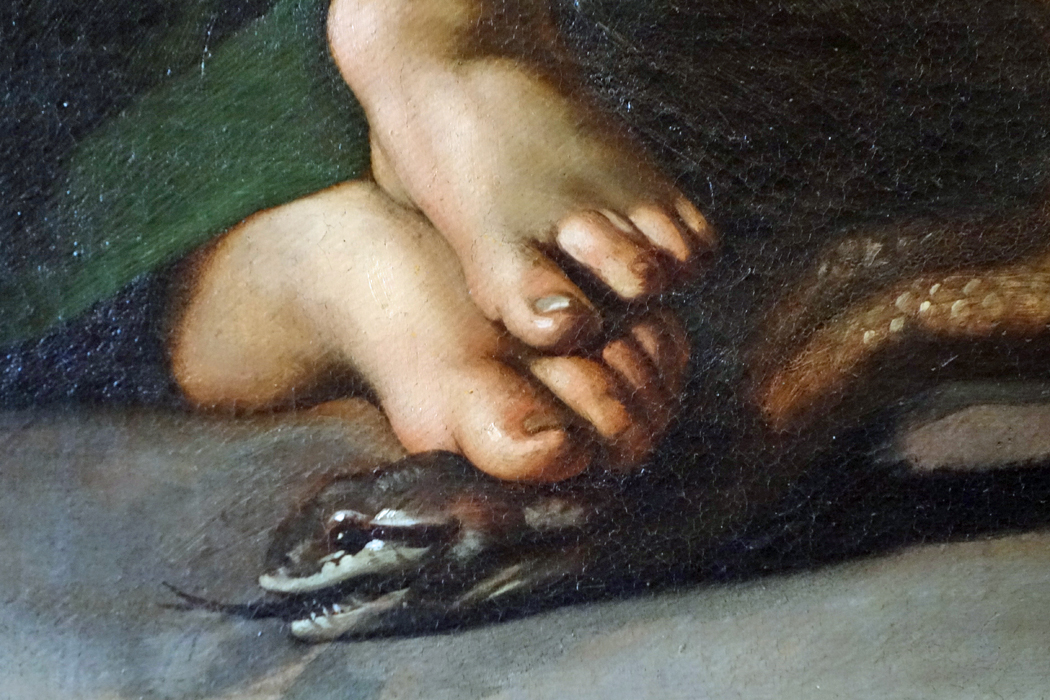
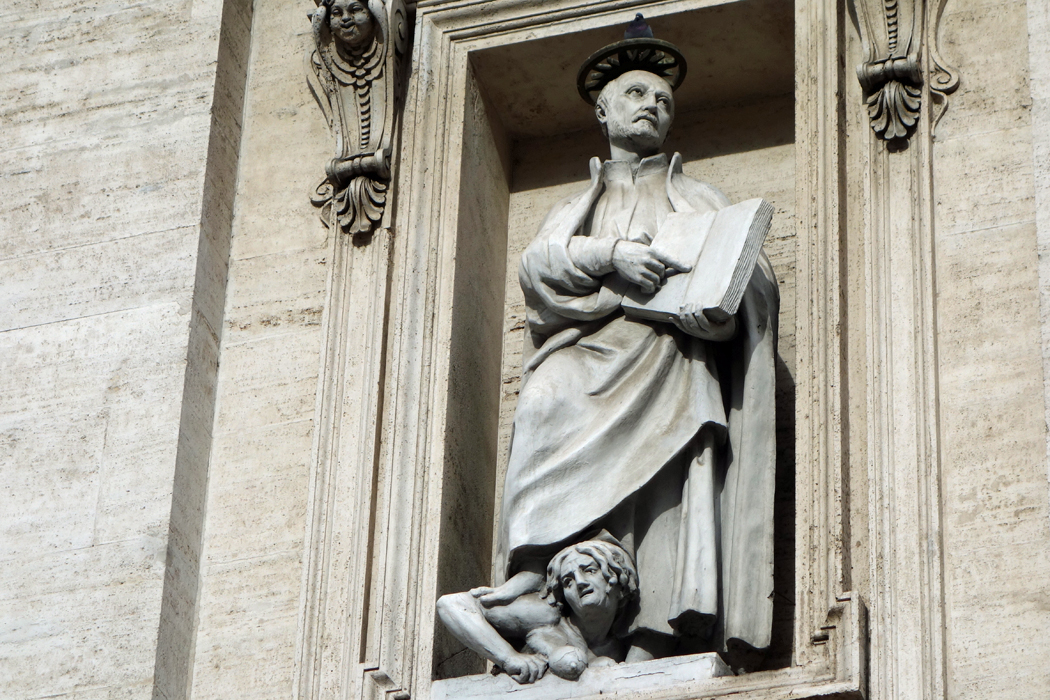
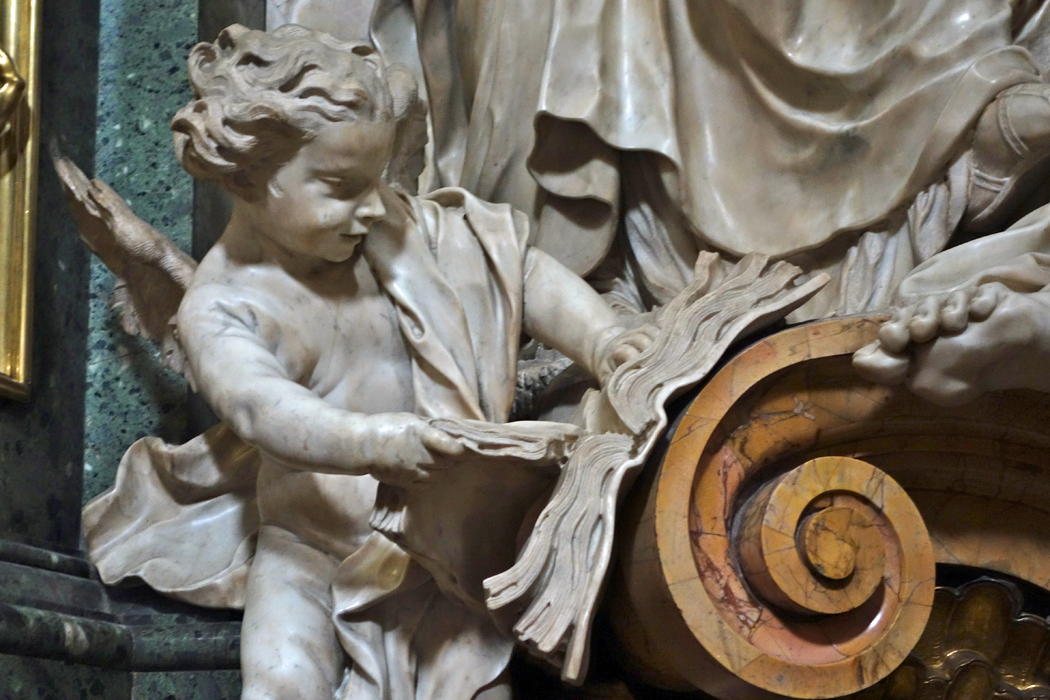
stepped on by saint.JPG
cupid rips book.JPG
By questioning corrupt Church practices — jumping through hoops to earn less time in purgatory, or purchasing relief from the consequences of your sins in the form of indulgences — Luther unleashed a torrent of public frustration and undercut the power of the Church. The Church fought back with the Counter-Reformation. If you know where to look, you can see Church-sponsored propaganda designed to make sure the Catholic (which means “universal”) Church remained the only permissible way to be a Christian: the Virgin Mary and toddler Jesus stepping on evil snakes; stony saints stepping on heretics; and angry cupids ripping up the pages of Bibles that had been translated from Latin into languages normal people could actually read. It was a tumultuous time for Christians of all stripes.