I’ ve enjoyed a fascinating week reviewing your hundreds of suggestions and comments on how we might update our travel skills handbook, Europe Through the Back Door. Thanks for the help.
Here’s a rundown of your valued feedback.
1. Technology while on the road:
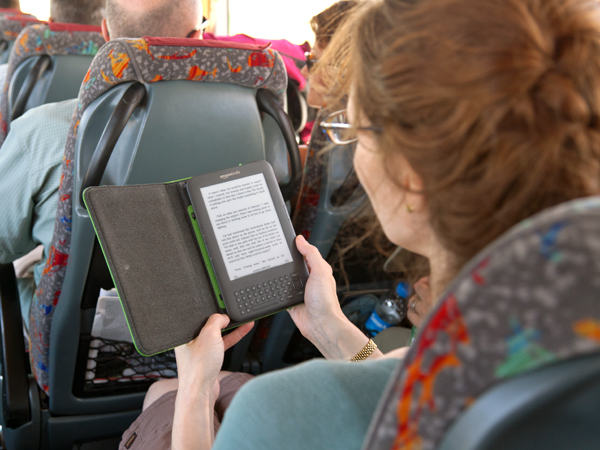
Now that it’s so easy to travel with a mobile device, we need to expand our Wi-Fi section with more tips on how to find free Wi-Fi, asking hotels before you book whether they have Wi-Fi in the rooms (as opposed to just in the lobby), and Internet security issues. We will provide information on Google Earth to help measure travel times and distances, and we’ll add tips for using GPS/mapping apps on a smartphone. We’re realizing that we are in a transition period between paper and ebooks. The Digital Age has changed how we pack; we’ll need a bigger chapter on this. While there are a few who say “no” to electronics in favor of peace and quiet, they are like monks in an SNL audience.
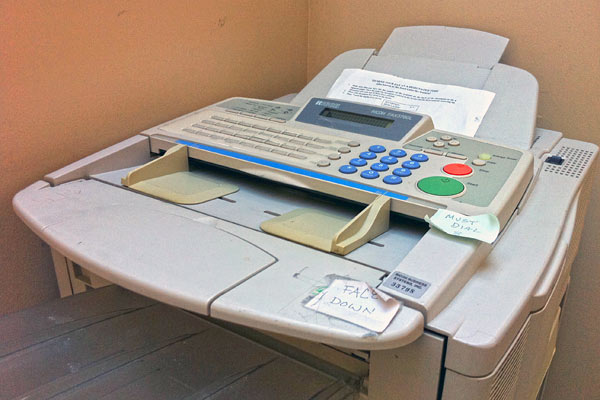
2. It is time to trash the fax?:
Yes. It sounds like almost no one faxes hotels any more. A few probably still like to fax credit card numbers, but they can email them in two halves or check with a hotel’s website to learn the fax number. I will try to convince my book team to unplug the fax in future editions.
3. Helpful websites:
I expected more from this. I’m happy that right up there with TripAdvisor.com was Ricksteves.com…but we might need to factor in a bit for politeness here. I liked the tips on creative options, like going to Flickr.com to see photos of places you’re planning to visit. I’m a personal fan of websites run by locals and expats passionate about sharing info on their hometown with travelers. These sites (such as Athens Survival Guide and Madrid Spain Tourist Guide), hosted by an enthusiastic local correspondence, are often very helpful.
4. Phoning and communications:
I’ll never travel again without a mobile phone, and I plan to study this thread much more carefully in the coming days. You could go to school on this forum alone for this important topic. With the help of technology, it’s easier than ever for travelers to communicate on the run and be in good, cheap touch with friends and loved ones back home. It’ll be interesting to see alternatives like Magic Jack compete with Skype in the coming year. One way or another, going to Europe is no longer going behind the dark side of the moon from a stay-in-touch point of view.
5. Sleeping free or cheap:
Sleeping free is no big deal for our demographic, but I’ll keep this chapter to maintain our backpacker’s heritage, and list stronger options for couch-surfing and home exchange. Renting apartments is really becoming popular with our readers. I’ll include more info on finding, renting, and staying in apartments. These can be good even if you’re just staying somewhere for just three or four nights. It can be cheaper than a hotel, it allows you to eat in, it makes for a comfier home base, and it gives you the chance to do laundry. It’s a great option for groups or families who don’t all want to be jammed into one room.
6. Packing tips:
I need to give this chapter a look, as many tips survive from the 1980s. I’ve always said shorts and jeans are a problem. That has changed. And it would be good to include packing tips for fashion-conscious twentysomethings.
7. Money:
I’m afraid that people are losing money without realizing it when changing money. The industry does a masterful job of masking this. I need to make the exchange section smarter. We also need to address understandable concerns about European chip-and-PIN cards, and cover ways to minimize expenses and risk with prepaid cash cards.
8. Hitching and camping:
The consensus seems to be to drop hitching and keep camping. We’ll trim camping down to some basic tips and resources for people who want to do it (mentioning it as a great budget/family alternative).
9. Are travel agents still in the game?:
I have long thought that I might be the last of the travelers still enjoying the services of a living, breathing travel agent. But many agree with me when it comes to complicated intercontinental flight plans and booking for groups. Many feel you get honest rates with a travel agent, and you don’t have to deal with con artists. And for booking cruises, a travel agent is still the way to go. However, for straightforward flights, most travelers do just fine booking themselves with websites like Orbitz, Kayak, Airfarewatchdog, Travelzoo, and Priceline. For the new edition, I’ll likely leave travel agent advice about the same, but pump up online alternatives in two parts—flights to Europe and flights within Europe—and describe the most helpful options. For example, for flights within Europe, those who do it themselves use Skyscanner.net and Europebyair.com.
10. Shower and WC:
Travelers still have anxiety about toilets and showers. And, while it’s nowhere near as much of an adventure as it was a generation ago, I’ll keep my material on this. It’s fun to write about, and it calms nervous first-timers.
Thanks again for your tips and insights.
By the way, today our European guides start to arrive for our annual guides’ summit and tour alumni festival, and I start a marathon stretch of recording sessions for my radio program. You can listen live to the webcast of our recording sessions—about five hours a day for the next week.