Here you can browse through my blog posts prior to February 2022. Currently I'm sharing my travel experiences, candid opinions, and what's on my mind solely on my Facebook page. — Rick

Daily Dose of Europe: Helsinki — I Wash You Twice…Relax  

Who else could go for a sauna right about now? I know a great one: a humble, working-class sauna in an untouristy Helsinki neighborhood.

Because of the coronavirus, Europe is effectively off-limits to American travelers for the next few weeks (and likely longer). But travel dreams are immune to any virus. During these challenging times, I believe a daily dose of travel dreaming can actually be good medicine. Here’s another one of my very favorite travel dreams-come-true…a reminder of what’s waiting for you in Europe on the other end of this crisis.

I’m in Helsinki, surveying the city from its fanciest rooftop restaurant. The setting sun glints off the cruise ships in the harbor as fish merchants are taking down their stalls in the market. But a fleshier scene on the rooftop below me steals my attention.

It’s six bankers wrapped in white towels enjoying a sauna. In all proper Finnish office buildings — whether banks, insurance companies, or research institutes — a rooftop sauna is an essential part of the design. Free snacks and drinks at the sauna after work is almost an expected perk. One rotund fellow is so pink from the heat that — with his white towel wrapped around his waist — he reminds me of a pool ball.

As a tourist, I’m not invited to join the bankers on the rooftop. And the few remaining public saunas in Helsinki are in gritty neighborhoods. In this affluent city, most people have private saunas in their homes or cabins. Rough working-class neighborhoods are most likely to need — and therefore have — a public sauna. So I get on the subway and head for Kotiharjun Sauna in the scruffy Sörnäinen district. At first glance, it’s clear that this place is the local hangout — and rarely sees a tourist. Outside, a vertical neon sign in simple red letters reads: SAUNA. Under it, a gang of big Finnish guys wrapped only in small towels fills a clutter of white plastic chairs. They are expertly relaxing.

As there isn’t a word of English anywhere, I rely on the young attendant at the window for instructions. He explains the process: pay seven euros, grab a towel, strip, stow everything in an old wooden locker, wear the key like a bracelet, shower, enter the sauna…and reeeelax.

“Is it mixed?” I ask.

“No, there’s a sauna upstairs for women.”

“What about getting a scrub?”

Pointing to an aproned woman, he says, “Talk directly with her…six euros extra.”

The sauna is far from the sleek, cedar pre-fab den of steam I expected. Six crude concrete steps with dark wooden railings and rustic walls create a barn-like amphitheater of steam and heat. The clientele is tough and working class. A huge iron door closes off the wood stove (which is busy burning through its daily cubic meter of firewood). The third step up is all the heat I can take. Everyone else is twice as high, sitting on the top level for maximum steam and maximum heat. Towel in hand, I’d wondered whether it’d be used for hygiene or modesty. Now inside, the answer is clear…neither.

The entire scene is three colors: gray concrete, dark wood, and ruddy flesh. Naked with their hair wet and stringy, people look timeless. There’s virtually no indication of what century we’re in. But looking at their faces, it’s clear to me: This is Finland.

Each guy has a tin bucket between his legs for splashing cool water on his face. I ask about the bin of birch twigs that sits on the bottom step. Slapping your skin with these, one man explains, enhances your circulation. The roughed-up leaves emit a refreshing birch aroma as well as chlorophyll, which opens the sinuses.

Part two of a good sauna is the scrub down. The woman in the apron scrubs men one at a time all day long. She’s finishing up with a guy sit- ting on a plastic chair, dousing him with water. After his work-over, he looks like a lifeless Viking Gumby.

Awkwardly I ask, “Me next?”

She welcomes me to her table. She reminds me of a Stalin-era Soviet tractor driver.

I ask, “Up or down?”

She pushes me flat…belly up…and says, “This is good. Now, I wash you twice.”

Lying there naked, I feel like a salmon on a cleaning table, ready for gutting. With sudsy mitts, she works me over. Then she hoses me off, which makes me feel even more like a salmon. It’s extremely relaxing. Moving from deep in my scalp to between my toes, she washes me a second time.

Stepping back out into the gritty Helsinki neighborhood, I’m clean, relaxed, and assured that — for bankers, laborers, and tourists, too — the sauna is the great equalizer.

(This story is excerpted from my upcoming book, For the Love of Europe — collecting 100 of my favorite memories from a lifetime of European travel, coming out in July. It’s available for pre-order. And you can also watch a video clip related to this story: Just visit Rick Steves Classroom Europe and search for Helsinki).

Daily Dose of Europe: Munich — Where Thirst is Worse than Homesickness 

Our “social distancing” times have me especially nostalgic for some of Europe’s great gatherings: the Italian piazza…the Spanish paseo…and the German beer hall.

Because of the coronavirus, Europe is effectively off-limits to American travelers for the next few weeks (and likely longer). But travel dreams are immune to any virus. During these challenging times, I believe a daily dose of travel dreaming can actually be good medicine. Here’s another one of my very favorite travel dreams-come-true…a reminder of what’s waiting for you in Europe on the other end of this crisis.

Heading for the Hofbräuhaus in Munich, I mention to my Bavarian friend, Friedrich, that I’d love to give this venerable beer hall some significance in my guidebook description. Unconvinced that “significance” is worth seeking at a beer hall, he quotes Freud: “Sometimes a cigar is just a cigar.”

Stepping through its stubby stone arcade, we wade through the commotion of a thousand people — eating, drinking, yelling, and laughing — down a long corridor to the center of the cavernous hall.

The smoke-stained ceiling painting, repaired after WWII bomb damage, is an evocative mesh of 1950s German mod: Bavarian colors, cheery chestnuts, and old-time food, drink, and music. A slogan arcing across the ceiling above the oompah band reads, “Durst ist schlimmer als Heimweh” (“Thirst is worse than homesickness”). Friedrich explains: “Drink a beer, and you worry no more.”

Many of my most vivid, if still a bit fuzzy, Munich memories are set in beer halls. Locals always seem up for a visit. And for traditional Bavarian fun, nothing beats this scene, complete with rivers of beer, cheap food, noisy fun, and oompah music.

The music is loud. The musicians’ shiny lederhosen accentuate huge bellies, which in turn accentuate bird-like legs. With knowing smirks, they conduct a musical liturgy from the stage. The boisterous crowd rises to its feet in well-practiced unison for the beer hall anthem, “Eins, zwei, zuffa.” (“One, two, drink.”) This is followed by a ritual of clinking and drinking. The hefty glass mugs clink solidly, encouraging that very Teutonic sport of toasting.

Friedrich and I settle in at a long table and survey the chaos. Apart from the “under 35” party tour groups, it’s a three-generations-together scene. Kids build houses out of beer coasters while moms sip Radlers, a nearly dainty mix of beer and lemonade, and old-timers sport felt hats festooned with pins and feathers.

Beer halls give you what you need. If you don’t have a partner, you can talk to yourself. One guy tries doggedly to hold his head up. His neighbor peers down at his spiral-carved radish as if he dropped a thought into it. Another man, with a mouthful of pretzel, really believes the band is following his dramatic conducting.

I ask Friedrich if they sell half-liters. He says, “This is a Biergarten, not a kindergarten.” Soon a busy beer maid brings us each the standard full Mass, or liter glass (about a quart, nearly what we’d call ein pitcher). She scurries between tables, plopping down dinners and garnishing them with mustard packets pulled from her cleavage. I look over at Friedrich. Finishing a giant swig from his giant beer and licking the foam from his upper lip, he says, “Only in Bavaria.”

Beer halls are craziest during Oktoberfest, but you can dance to raucous bands, munch massive pretzels, and hone your stein-hoisting skills any time of year.

Beer halls always impress me with their long ranks of urinals. Often, life-size posters of dirndl-clad maidens are hung from high on the walls, pointing down and laughing at the men with their zippers down.

Watching the legions of happy beer-drinkers, it occurs to me that, unlike with wine, more money doesn’t get you a better beer. Beer is truly a people’s drink — and you’ll get the very best here in Munich. Each connoisseur has a favorite brew and doesn’t have to pay more to get it…they simply go to the beer hall that serves it.

Many beer halls have a big wooden keg out on display, but these days most draw beer from huge stainless-steel dispensers. If you’re at a beer hall that uses classic old wooden kegs, your evening comes with a happy soundtrack: Every few minutes you’ll hear a loud whop! as they tap a new keg. Hearing this, every German there knows they’re in for a good, fresh mug.

Gemütlich is the perfect word for Bavaria’s special coziness. It’s a knack for savoring the moment. A beer hall is a classic gemütlich scene. Spend an evening clinking mugs with new friends, immersed in this boisterous and belching Bavarian atmosphere. The warm and frothy memories are yours for the taking.

(This story is excerpted from my upcoming book, For the Love of Europe — collecting 100 of my favorite memories from a lifetime of European travel, coming out in July. It’s available for pre-order. And you can also watch a video clip related to this story: Just visit Rick Steves Classroom Europe and search for Munich).

Daily Dose of Europe: London — Beachcombing Through History 

I’ve spent more time in London than in any other European city. And in a dynamic city like London, learning history doesn’t require going through a museum turnstile. Sometimes it’s just…picking up garbage from a riverbank.

Because of the coronavirus, Europe is effectively off-limits to American travelers for the next few weeks (and likely longer). But travel dreams are immune to any virus. During these challenging times, I believe a daily dose of travel dreaming can actually be good medicine. Here’s another one of my very favorite travel dreams-come-true…a reminder of what’s waiting for you in Europe on the other end of this crisis.

Strolling with a good local guide is like beachcombing. I pick up obscure shards of a neighborhood’s distant past, unlocking unexpected stories. On a bright, brisk January morning, I join David Tucker, who runs a tour company called London Walks.

From London Bridge, David points downriver past the Tower of London and says, “During the Second World War, Nazi bombers used the Thames as a guide on their nightly raids. When moonlit, they called it a ‘silver ribbon of tin foil.’ It led from the English Channel right to our mighty dockyards. Even with all the city lights carefully blacked out, those bombers easily found their targets. Neighborhoods on both banks of the river went up in flames. After the war, the business district on the North Bank was rebuilt, but the South Bank… it was long neglected.”

Turning his back to St. Paul’s Cathedral, David points to a vast complex of new buildings showing off the restored, trendy South Bank, and continues, “Only recently has the bombed-out South Bank been properly rebuilt. There’s a real buzz in London about our South Bank.”

Then we walk down to the beach and do some actual beachcombing. The Thames is a tidal river. At low tide, it’s literally littered with history. Even today, London’s beaches are red with clay tiles from 500-year-old roofs. Picking up a chunky piece of tile worn oval by the centuries, with its telltale peg hole still clearly visible, David explains that these tiles were heavy, requiring large timbers for support. In the 16th century, when large timbers were required for shipbuilding for the Royal Navy, lighter slate tiles became the preferred roofing material. Over time, the heavy, red-clay tiles migrated from the rooftops to the riverbank…and into the pockets of beachcombers like us.

Like kids on a scavenger hunt, we study the pebbles. David picks up a chalky white tube. It’s the fragile stem of an 18th-century clay pipe. Back then, tobacco was sold with disposable one-use pipes, so used pipes were routinely tossed into the river. David lets it fall from his fingers.

Thinking, “King George may have sucked on this,” I pick it up.

Climbing back to street level, we prowl through some fascinating relics of the South Bank neighborhood that survived both German bombs and urban renewal. Scaling steep stairs, we visit the Operating Theatre Museum, a crude surgical theater where amputations were performed in the early 1800s as medical students watched and learned. Down the street, we wander through the still-bustling Borough Market to see farmers doing business with city shopkeepers.

Walking through this area puts us in a time warp. David leads us into a quiet courtyard, where we look up at three sets of balconies climbing the front of an inn. He explains, “Coaching-inn courtyards like this provided struggling theater troupes — like young William Shakespeare’s — with a captive audience.”

A typical day in London can be spent at the Tower of London, Westminster Abbey, or the British Museum. But it can also be spent sifting through the tides of history.

(This story is excerpted from my upcoming book, For the Love of Europe — collecting 100 of my favorite memories from a lifetime of European travel, coming out in July. It’s available for pre-order. And you can also watch a video clip related to this story: Just visit Rick Steves Classroom Europe and search for London).

Coronavirus Reports from Our Guides Around Europe

My entire office staff is working from home. But we’re not alone. Much of Europe is also taking part in quarantine and “social distancing” measures to halt the spread of coronavirus. One of the rare bright spots of these last several days have been the beautiful, touching, and sometimes funny reports from my European friends, which have been trickling in from all over the Continent. It’s clear that we are all in this together.

Here are a few highlights:

From Pål Bjarne Johansen in Oslo

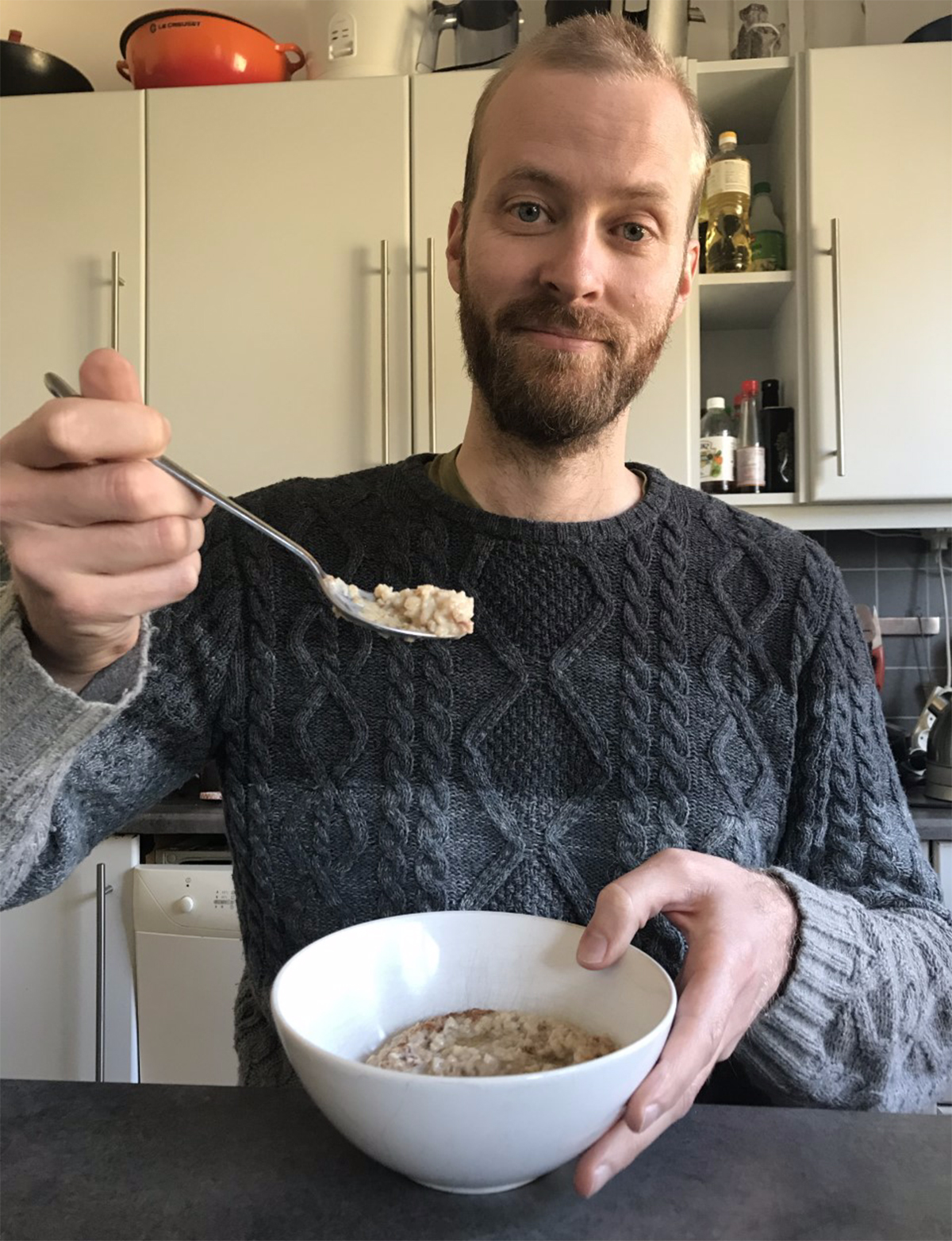
I’m currently in quarantine in my apartment in Oslo after coming back from Spain. Luckily my girlfriend is here with me also. We have filled up the fridge and spend the time reading, cooking, scrambling together any little work we might find, and enjoying being in each other’s company.

The Norwegian government has launched pretty heavy economical help. Even freelancers seem to be getting some, so we will get by for sure. I worry more for people in other countries where the health system is not adequate and where losing your job means no income.

P.S. Plenty of porridge eating these days…and the freezer is full of lutefisk so we should be fine 😉

Stefan Bozadzhiev in Sofia, Bulgaria

It’s good to know that across the continents and oceans we belong together, we are a community, a family! We live in uncertain times, but we do hope for the best!

I’m at my home in Sofia, not willing to take any chances to go back to Kazanlak to my family, as my mom has underlying conditions and my grandparents are in their 80s. They have all the products and meds at the moment. Yesterday I had to visit numerous pharmacies just to get some vitamins. The prices of masks, sanitizers, and vitamins are skyrocketing — of course, if we manage to find some. The good thing is that people started organizing themselves and there are numerous volunteers, helping all those who cannot leave their homes. We have never had so many volunteers, and donations to public hospitals are pouring in.

It’s so strange for me not being able to go out and do what I love: showing my beautiful Bulgaria to curious travelers and teaching them about life here. This is what I miss most now.

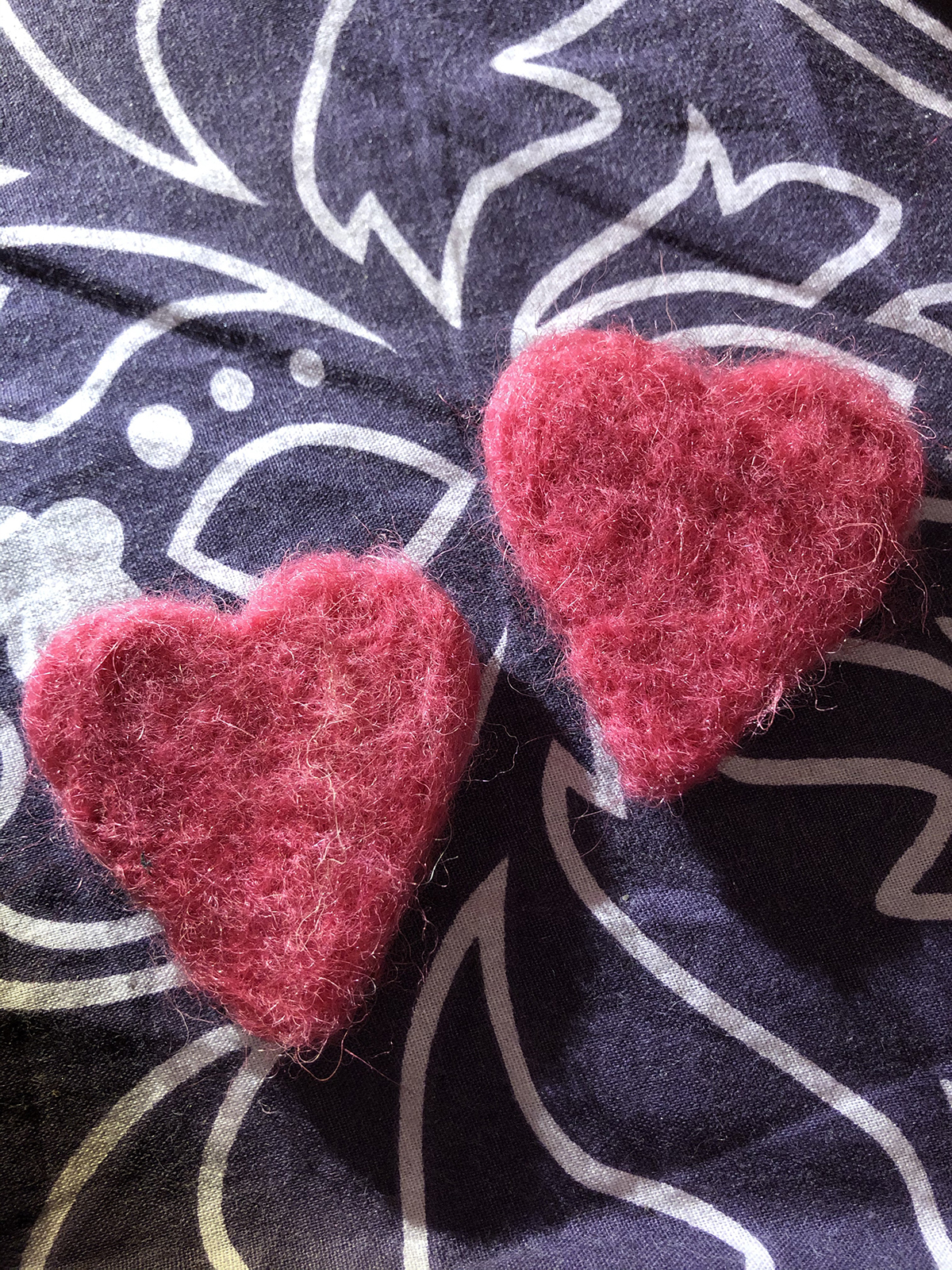
Now I started gardening (on my balcony) and needle felting. As I can’t make masks for the hospitals, I decided to start making felted hearts and give to the medical staff, so that they know they are not alone in this fight. We are in this together!

I am sure we will handle this crisis and will weather the storm together! Stay healthy!

David Tordi (and Bartender) in Orvieto, Italy

Our friend and fellow tour guide, David Tordi (from Orvieto, Italy), leads a band called Bartender. We flew the entire band in to entertain our annual tour guide summit last year. During Italy’s lockdown, David’s guitar trio has innovated a way to share their unique brand of uplifting music while quarantined in their respective homes. It’s a beautiful thing to see:


Other Guides’ Video Reports

Several other guides are posting reports on Facebook:

Cathie Ryan live-streamed a musical St. Patrick’s Day greeting earlier this week.

Véronique Cauquil Savoye has been posting regularly on Facebook about what it’s like to live in Paris during these fast-changing times.

And Anna Piperato in Siena, Italy, shared her thoughts from home isolation.

Tina Hiti in Slovenia

Finally, Tina Hiti shared this especially poignant story about her two young boys, who love travel as much as she does, and how their family is weathering the crisis:

“Mom, are we not going to travel anymore?” was the first response of my 10-year-old son, when he heard that the tours I was planning to guide had been cancelled. Since I don’t want to reply with “I don’t know,” I started reassuring him that this will only last for a little while and everything will be back to normal soon: “We will travel! Don’t worry — there is a lot of world out there that we still need to see…”

This conversation happened exactly on March 1st. Today it’s March 16th and I am just about to download a program for the boys that will allow them to continue “going to school” for the next couple of weeks — well, at least, that’s what we are hoping for.

I have been working as a guide on Rick Steves’ Europe tours for the last 18 years. Travel has been a passion of mine for all my life, and with every passing year, I love it even more. It is addicting, travel. In our family especially. I traveled as a child with my Mom, Dad, and sister. I found a partner in life who loves it, too — and does the same job as me. And when we had kids, we decided to travel with them as much as possible. Every room in our house has treasured memories from travels around the world. When we don’t travel for our work, we travel for fun. We just returned from an ice hockey tournament in Canada — over 200 teams from all over the world competing in what my boys think is the best sport in the world. We had the time of our lives. But then, in the blink of an eye, everything changed. Our passion for travel will now be browsing through pictures and looking at our walls at home…hopefully not for too long.

In Slovenia, the first coronavirus patient appeared on March 3. It felt so distant when news started coming from China of a new virus just a bit after New Year’s. Now it doesn’t anymore. It is here, with us, spreading around, and if we don’t act responsibly it will just spread more.

When my first tours to Italy were cancelled, I was worried, scared, in disbelief…but now, two weeks later, I know I am not alone in this. As the pictures from Italy were appearing on social media, I couldn’t believe how deserted and empty everything was. And now we have exactly the same situation. From March 16th on, all our public life is on hold. Schools are closing down, public transportation is shut, the airport no longer has any flights, borders are closed, and all other things are closed too — with the exception of supermarkets and pharmacies. Our government strongly suggests that we are all in self-isolation for at least two weeks, if needed even more.

Am I scared?  I was. But now the feeling is different. The fear is there, but there comes also the strength, determination, and some kind of reassurance that all will be OK eventually. Because I know we are all strong. There is hope on every corner. Amazing doctors that risk their lives and work overtime every single day. Police, fire departments, civil protection, volunteers, medical students. People offering help to the elderly. Music being played randomly on balconies. Even nature has decided to stick with us: The sun is shining and the flowers are blooming. The situation is gloomy, unpredictable, and full of uncertainty. But I believe we will all come out stronger, wiser, and more appreciative of the little things in life that we have taken for granted for so long. Maybe this is a reset for the world, for all of us.

So how we will make it work? We will spend quality time with our kids. We will help them with school when needed, play games that were stuck deep down in our wardrobes, teach them new ones, explore our neighborhood (thankfully, we live in a village), hang out with the grandparents, and travel through cuisine — cooking meals from corners of the world that we have visited. We’re reliving our trips through photographs that have been sitting on the computer for way too long. Cleaning closets, remodeling, going back to hobbies, reading books, listening to music, exercising, biking, playing hockey in the backyard, gardening…and resting. Slowing down. Being thankful for all good things in our lives with a hopeful thought that this is only a storm, and that rain eventually needs to stop.

And yes, my dear son, we will travel again!

Stay Connected with Our European Friends

If you’re in Europe and want to share your experiences, please do so in the comments.

And if you’re touched by these reports, as I am, take a moment to reach out to your favorite guides. They’re doing their part to weather this crisis, just like we are, and we need each other more than ever.


Daily Dose of Europe: Tuscany — “Here Begins Prosciutto” 

I keep thinking of all my Tuscan friends, hunkered down in their farmhouses while waiting out the coronavirus. At least they’re well-fed.

Because of the coronavirus, Europe is effectively off-limits to American travelers for the next few weeks (and likely longer). But travel dreams are immune to any virus. During these challenging times, I believe a daily dose of travel dreaming can actually be good medicine. Here’s another one of my very favorite travel dreams-come-true…a reminder of what’s waiting for you in Europe on the other end of this crisis.

I checked into the farmhouse inn on the Gori family estate. This is Tuscany in the rough: a working farm, not a resort…no TV, no swimming pool, lots of real culture. My host, Signora Gori, is both old-money elegant and farmhouse tough. After I settle in, she takes me on a welcome stroll.

Our first stop is a sty dominated by a giant pig. “We call him Pastanetto — the little pastry,” Signora Gori says. While the scene through my camera’s viewfinder is pristine and tranquil, the soundtrack is not. After a horrendous chorus of squeals, she says, “That is our little Beirut.”

Hiking to the rustic slaughterhouse, we enter a room dominated by a stainless-steel table piled with red sides of pork.

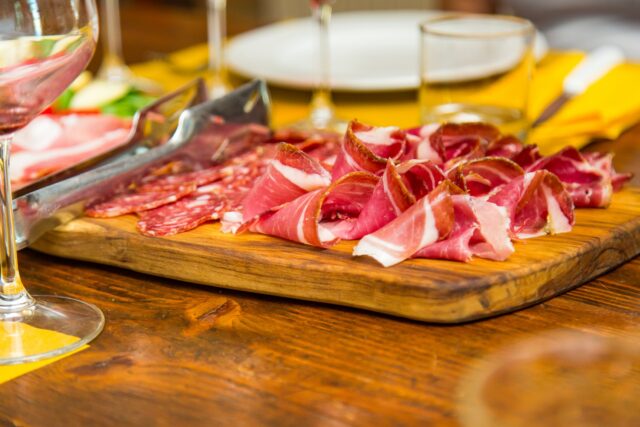
“Here begins prosciutto,” Signora Gori says. Burly men in aprons squeeze the blood out of hunks of meat the size of dance partners. Then they cake the ham hocks in salt to begin the curing process, which takes months. While the salt help cure the meat, a coating of pepper seals it.

In another room are towering racks of aging ham hocks. A man in a white coat tests each ham by sticking it with a bone needle and giving it a sniff. It smells heavenly.

Back outside, Signora Gori takes me into the next barn, where fluffy white lambs jump to attention, kicking up a sweet-smelling golden dust from beds of hay. Backlit by stray sunbeams, it’s a dreamy, almost biblical scene. Picking up a baby lamb and giving it an Eskimo kiss, she explains, “We use unpasteurized milk in making the pecorino cheese. This is allowed, but with strict health safeguards. I must really know my sheep.”

This close-to-the-land-and-animals food production is part of Italy’s Slow Food movement. Believing there’s more to life than increasing profits and speeding up production people like the Gori family have committed to making and serving food in the time-honored way. It may be more labor-intensive and more expensive, but it’s tastier. Because Italian foodies are happy to pay higher prices for higher quality, it’s also good business.

Tuscany is trendy. Enticed by books like Under the Tuscan Sun, a persistent parade of visitors are hell-bent on sampling the Tuscan good life — and its prosciutto. The nearby town of Greve is happy to oblige. It’s a facade of Tuscan clichés, with enough parking and toilets to handle all the tour buses, as well as a vast prosciutto emporium, with boastful newspaper clippings on its door and samples kept under glass. My stroll on the Gori farm reminds me how, especially here, it’s critical to venture off the tourist track.

Walking down another lane, we observe the family’s team of vintners. Signora Gori’s brother empties a bucketful of purple grapes from a dump truck into a grinder, which munches through the bunches, spit- ting stems one way and juice with mangled grapes the other. Following pipes of this juice into a cellar, Signor Gori explains that winemaking is labor-intensive, “but right now, the grapes are doing most of the work.”

As the new grapes ferment, we taste the finished product. A key word from my Tuscan travels is corposo — full-bodied. Lifting the elegant glass to my lips, I sip the wine while enjoying the pride in the eyes of those who made it. Satisfied, I say, “Corposo.”

“Si, bello,” they reply.

That night at dinner, we’re joined by the rest of the Gori family. The two sons dress and act like princes home on break from some Italian Oxford. We sit down to a classic Tuscan table, focused on simplicity, a sense of harmony, and the natural passage of time necessary for a good meal…each of us with a glass of good red wine. Dipping my bread in extra-virgin olive oil and savoring each slice of prosciutto, it’s clear: Great wine goes best with simple food. I nod to my hosts, appreciating that I’m experiencing the true art of Tuscan cuisine.

Full and content, we sip port and enjoy a game of backgammon on a board that has provided after-dinner fun for 200 years in this very room. Surrounded by musty portraits that put faces on this family’s long lineage, alongside a few guns used in Italy’s 19th-century fight for independence, I realize this evening — so special for me — is just another night on the farm for the Gori family.

Corposo. That’s how I like my wine…and my Tuscan travels.

This story is excerpted from my upcoming book, For the Love of Europe — collecting some of my favorite memories from a lifetime of European travel, coming out in July. Click here to preorder. )

(This story is excerpted from my upcoming book, For the Love of Europe — collecting 100 of my favorite memories from a lifetime of European travel, coming out in July. It’s available for pre-order.)